

Systematic Review of the Empirical Evidence of Study Publication Bias and Outcome Reporting Bias
Open accessThe DOI matches its Crossref record; 46 of the 48 references it cites were found in a registry or an index.
Abstract
BACKGROUND: The increased use of meta-analysis in systematic reviews of healthcare interventions has highlighted several types of bias that can arise during the completion of a randomised controlled trial. Study publication bias has been recognised as a potential threat to the validity of meta-analysis and can make the readily available evidence unreliable for decision making. Until recently, outcome reporting bias has received less attention. METHODOLOGY/PRINCIPAL FINDINGS: We review and summarise the evidence from a series of cohort studies that have assessed study publication bias and outcome reporting bias in randomised controlled trials. Sixteen studies were eligible of which only two followed the cohort all the way through from protocol approval to information regarding publication of outcomes. Eleven of the studies investigated study publication bias and five investigated outcome reporting bias. Three studies have found that statistically significant outcomes had a higher odds of being fully reported compared to non-significant outcomes (range of odds ratios: 2.2 to 4.7). In comparing trial publications to protocols, we found that 40-62% of studies had at least one primary outcome that was changed, introduced, or omitted. We decided not to undertake meta-analysis due to the differences between studies. CONCLUSIONS: Recent work provides direct empirical evidence for the existence of study publication bias and outcome reporting bias. There is strong evidence of an association between significant results and publication; studies that report positive or significant results are more likely to be published and outcomes that are statistically significant have higher odds of being fully reported. Publications have been found to be inconsistent with their protocols. Researchers need to be aware of the problems of both types of bias and efforts should be concentrated on improving the reporting of trials.
Overview
The claims and statistics of this paper haven’t been checked yet.
Free: it reads the open-access text and checks the first 5 claims that cite a source we can check. Create a free account to check every claim.
Integrity signals
Registry
Cites
Statistics
Figures
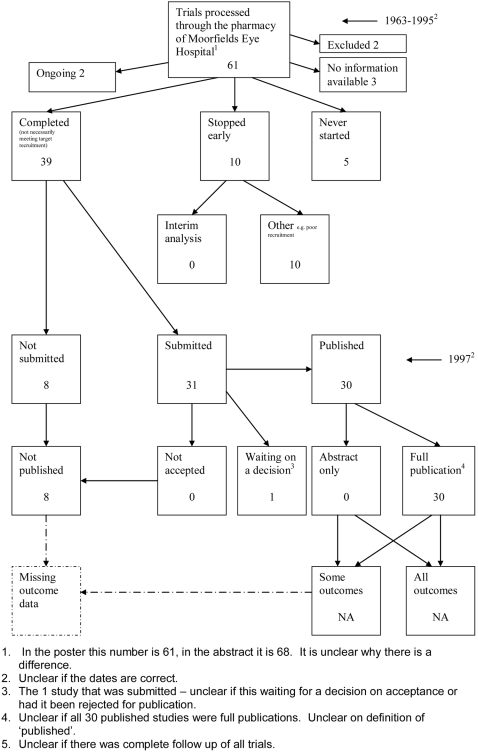
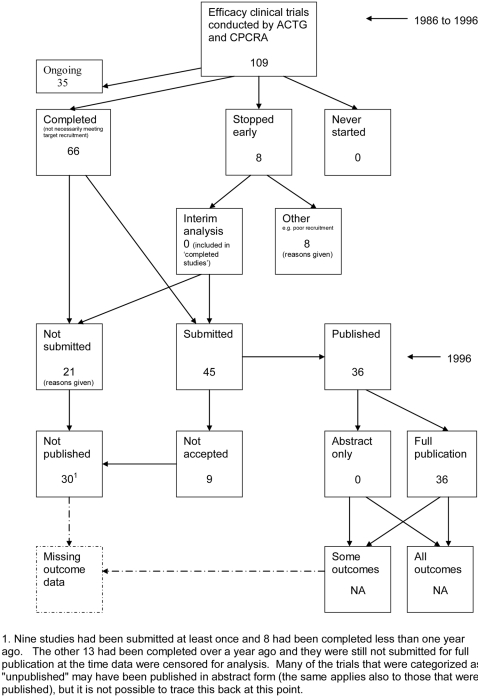
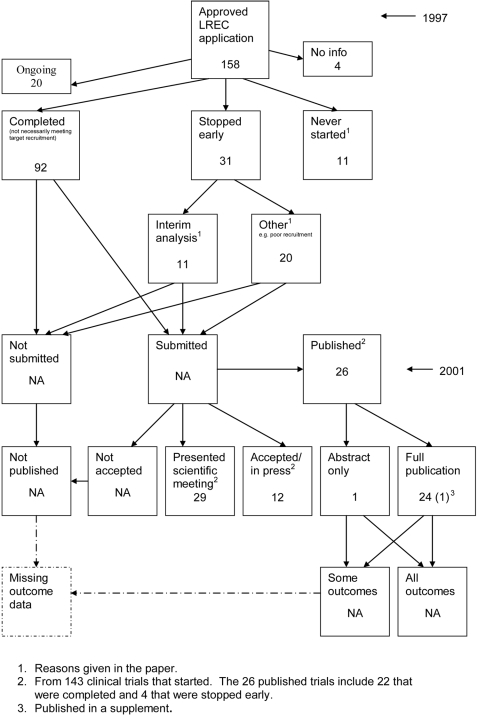
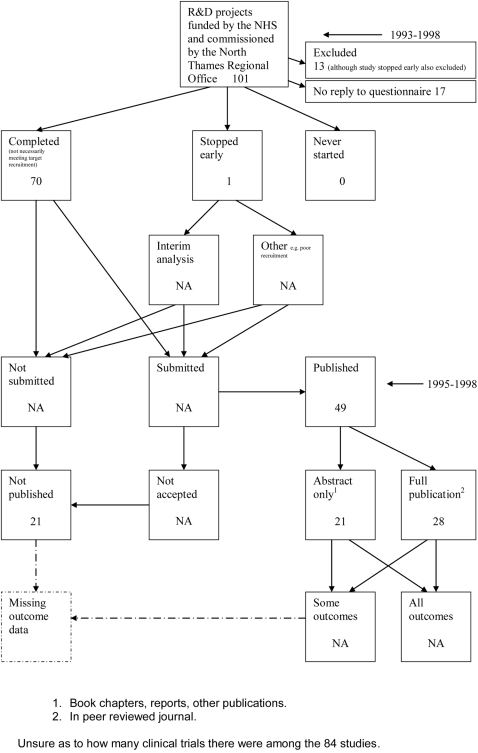
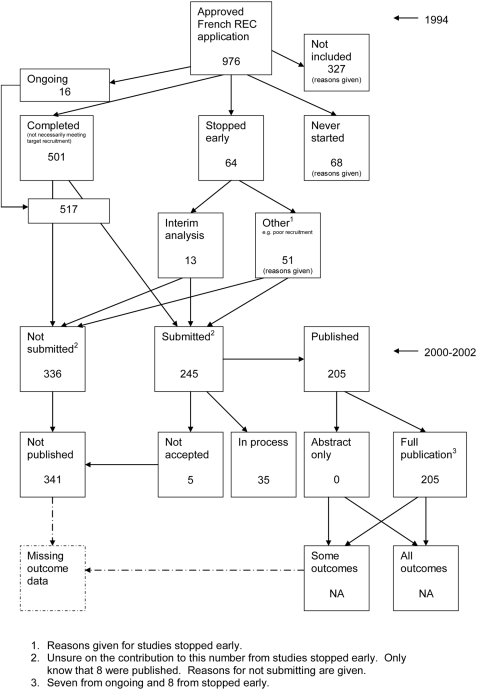
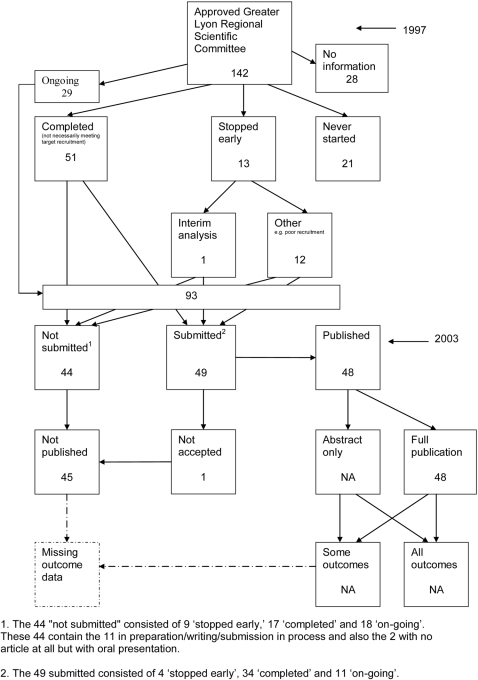
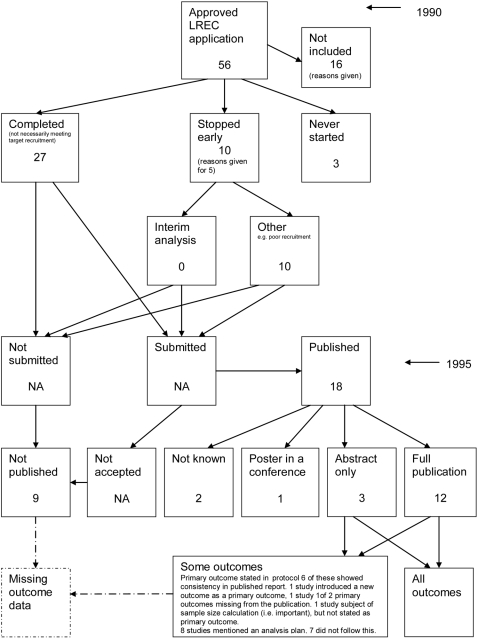
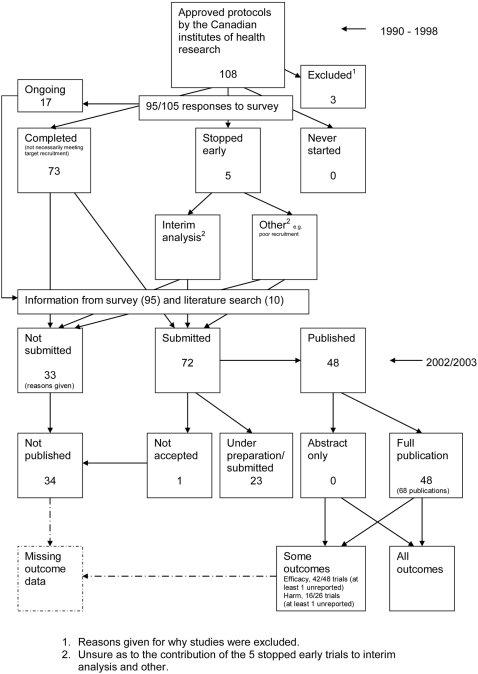
Verification
Claims the paper makes
The claims and statistics of this paper haven’t been checked yet.
Free: it reads the open-access text and checks the first 5 claims that cite a source we can check. Create a free account to check every claim.
Claims other papers make about this one
Each is checked against this paper’s own text: does it say what the citing paper says it does?
The source backs part of the claim, not all of it — or backs it for a different population, condition or comparison.
In the citing paper
“Unfortunately, attempted assessments frequently fail because authors of many trial reports neglect to provide lucid and complete descriptions of that critical information [2-4].”
From CONSORT 2010 Statement: updated guidelines for reporting parallel group randomised trials (2010) · cites this paper as [4]
Experimental — accuracy not yet measuredThe source backs part of the claim, not all of it — or backs it for a different population, condition or comparison.
In the citing paper
“and there are also reasons to believe that publication bias is more likely to affect low powered studies (25).”
From Statistical and Methodological Considerations for the Interpretation of Intranasal Oxytocin Studies (2016) · cites this paper as [25]
Experimental — accuracy not yet measuredThe source backs part of the claim, not all of it — or backs it for a different population, condition or comparison.
In the citing paper
“Empirical evidence suggests that authors often ignore, in the conduct and reporting of their trial, what they stated in the protocol [4,22].”
From CONSORT 2010 statement: updated guidelines for reporting parallel group randomised trials. (2010) · cites this paper as [4]
Experimental — accuracy not yet measuredThe source backs part of the claim, not all of it — or backs it for a different population, condition or comparison.
In the citing paper
“Second, publication bias, selective data analysis and selective reporting of outcomes are more likely to affect low-powered studies.”
From Power failure: why small sample size undermines the reliability of neuroscience (2013) · cites this paper as [17]
Experimental — accuracy not yet measuredThe source backs part of the claim, not all of it — or backs it for a different population, condition or comparison.
In the citing paper
“Empirical evidence suggests that authors often ignore, in the conduct and reporting of their trial, what they stated in the protocol. [4],[22]”
From CONSORT 2010 statement: updated guidelines for reporting parallel group randomised trials (2010) · cites this paper as [4]
Experimental — accuracy not yet measured
14 more claims about this paper
Create a free account to see every claim other papers make about this one.
Self-check
Percentages, sums and reported differences re-computed from the paper’s own numbers.
The self-check needs the paper’s full text.
Citations
Cites
Publication bias in clinical research
Easterbrook, P. J., Gopalan, R., Berlin, J. A., & Matthews, D. R. (1991) · The Lancet · doi:10.1016/0140-6736(91)90201-y · Cited by 3,109 · cited 12×
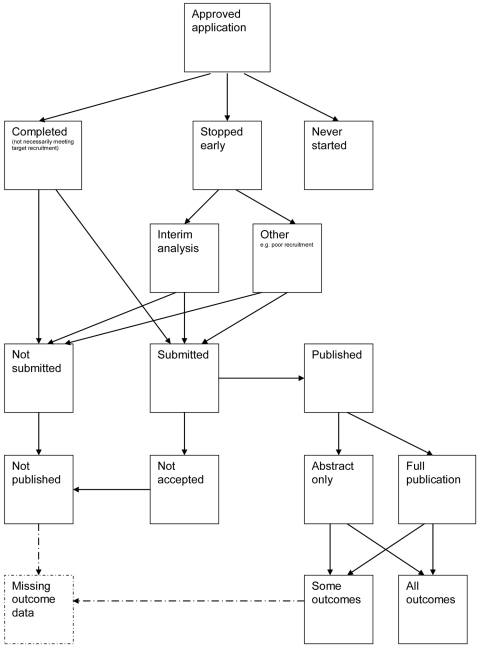
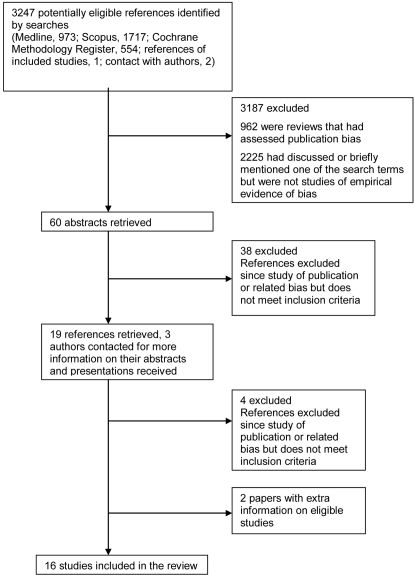
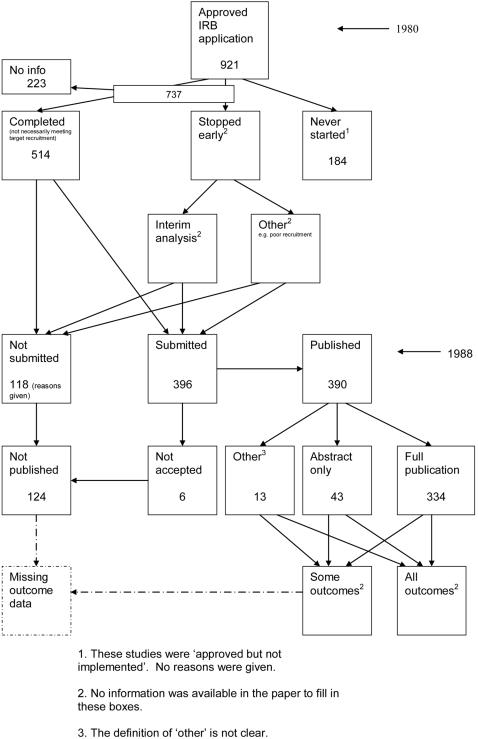
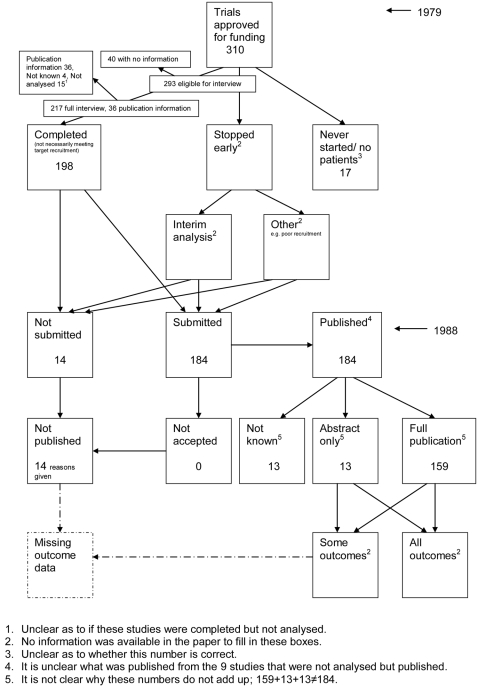
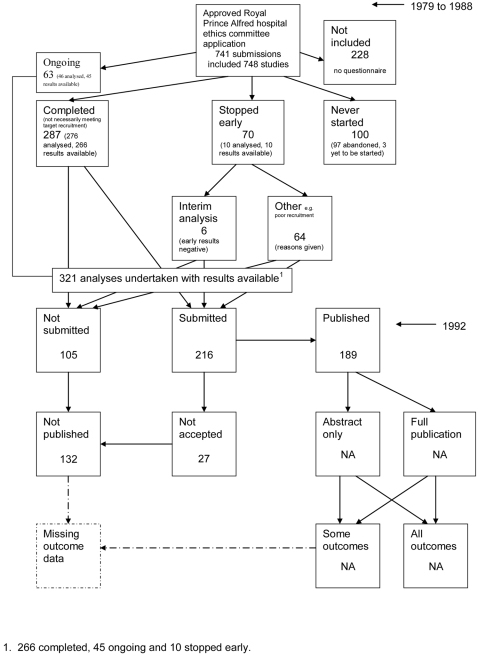
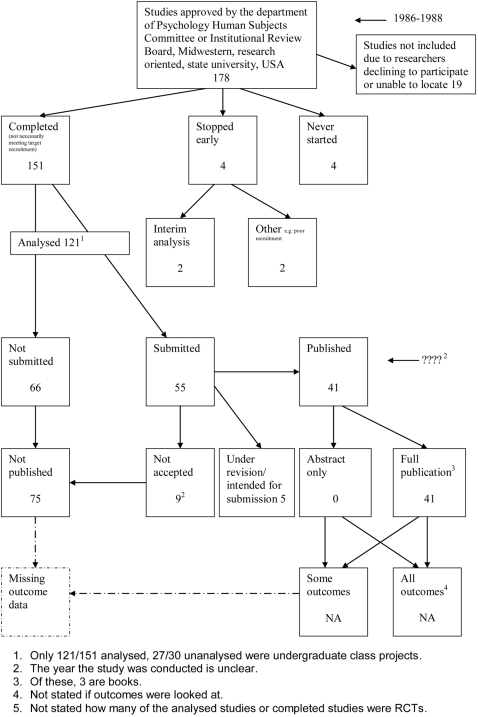
“The HTA report of Song et al [1] led to four potentially eligible empirical studies [3,4,26,27], all of which had been identified previously.”
BackgroundMethodResultInfluentialSelf-citationSystematic Reviews in Health Care : Meta-Analysis in Context
Egger, M., Smith, G. D., & Altman, D. G. (2000) · Cited by 2,412
Self-citationPublication Bias in Meta‐Analysis: Prevention, Assessment and Adjustments
(2005) · doi:10.1002/0470870168 · Cited by 2,368
Chan, A.-W., Hróbjartsson, A., Haahr, M. T., Gøtzsche, P. C., & Altman, D. G. (2004) · JAMA · doi:10.1001/jama.291.20.2457 · Cited by 1,845 · cited 30×
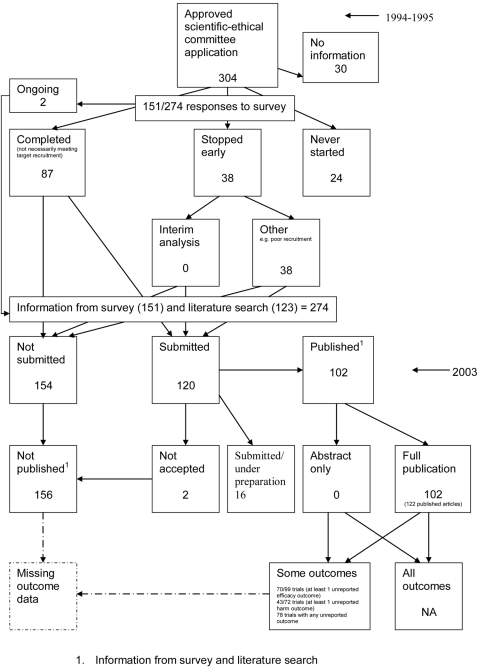
“Status of approved protocols for Chan 2004b study [15].”
BackgroundMethodInfluentialSelf-citationSystematic Reviews in Health Care: Meta‐Analysis in Context
(2001) · doi:10.1002/9780470693926 · Cited by 1,693
Systematic Reviews in Health Care. Meta-analysis in Context.
Kleijnen, J., & Antes, G. (2002) · International Journal of Epidemiology · doi:10.1093/ije/31.3.697 · Cited by 1,363
Full publication of results initially presented in abstracts.
Scherer, R. W., Langenberg, P., & von Elm, E. (2007) · Cochrane Database of Systematic Reviews · doi:10.1002/14651858.mr000005.pub3 · Cited by 997 · cited 1×
“The Cochrane review by Scherer et al [6] investigating the full publication of results initially presented in abstracts found that only 63% of results from abstracts describing randomized or controlled clinical trials are published in full and ‘positive’ results were more frequently published than non ‘positive’ resul…”
BackgroundPublication bias in clinical trials due to statistical significance or direction of trial results
Hopewell, S., Loudon, K., Clarke, M. J., Oxman, A. D., & Dickersin, K. (2009) · Cochrane Database of Systematic Reviews · doi:10.1002/14651858.mr000006.pub3 · Cited by 898
Dickersin, K. (1992) · JAMA · doi:10.1001/jama.1992.03480030052036 · Cited by 854
Publication bias: evidence of delayed publication in a cohort study of clinical research projects
Stern, J. M., & Simes, R. J. (1997) · BMJ · doi:10.1136/bmj.315.7109.640 · Cited by 818 · cited 11×
“Stern et al [4] reported that this finding was even stronger for their subgroup of clinical trials (Hazard Ratio (HR) 3.13 (95% confidence interval (CI) 1.76, 5.58), p = 0.0001) compared to all quantitative studies (HR 2.32 (95% CI 1.47, 3.66), p = 0.0003).”
BackgroundMethodResultInfluential
Research works printed but not linked: 2
- Von Elm E Röllin A Blümle A Huwiler K Witschi M 2008 Selective reporting of outcomes of drug trials; Comparison of study protocols and published articles. Swiss Med Wkly 138 (13–14) 197 203 18389392
- Wormald R Bloom J Evans J Oldfield K 1997 Publication bias in eye trials. In: 2nd International Conference Scientific Basis of Health Services & 5th Annual Cochrane Colloquium, 1997 5–8 October; Amsterdam, The Netherlands
Cited by
Items 501–600 of 1,007
Zer, A., Prince, R. M., Amir, E., & Razak, A. A. (2016) · Journal of Clinical Oncology · doi:10.1200/jco.2015.64.3437 · Cited by 46
Clinical Research Methodology 3: Randomized Controlled Trials
Sessler, D. I., & Imrey, P. B. (2015) · Anesthesia & Analgesia · doi:10.1213/ane.0000000000000862 · Cited by 46
Rhodes, K. M., Turner, R. M., Savović, J., Jones, H. E., Mawdsley, D., & Higgins, J. P. T. (2018) · Journal of Clinical Epidemiology · doi:10.1016/j.jclinepi.2017.11.025 · Cited by 44
“For example, there is empirical evidence of bias in the results of meta-analyses due to publication bias and selective reporting of outcomes arising from the lack of inclusion of statistically non-significant results [23,24].”
Bialy, L., Vandermeer, B., Lacaze‐Masmonteil, T., Dryden, D. M., & Hartling, L. (2014) · Evidence-Based Child Health: A Cochrane Review Journal · doi:10.1002/ebch.1985 · Cited by 46
Issues of reporting in observational studies in veterinary medicine
Sargeant, J. M., & O'Connor, A. M. C. (2013) · Preventive Veterinary Medicine · doi:10.1016/j.prevetmed.2013.09.004 · Cited by 48
When to include clinical study reports and regulatory documents in systematic reviews
Jefferson, T., Doshi, P., Boutron, I., Golder, S., Heneghan, C., Hodkinson, A., Jones, M., Lefebvre, C., & Stewart, L. A. (2018) · BMJ Evidence-Based Medicine · doi:10.1136/bmjebm-2018-110963 · Cited by 44
LGBTQ+ Young People’s Health and Well-being Experiences in Out-of-home Social Care: A scoping review
Schaub, J., Stander, W. J., & Montgomery, P. (2022) · Children and Youth Services Review · doi:10.1016/j.childyouth.2022.106682 · Cited by 45
Survey of new 2007 and 2011 Cochrane reviews found 37% of prespecified outcomes not reported
Smith, V. A., Clarke, M. J., Williamson, P. R., & Gargon, E. (2014) · Journal of Clinical Epidemiology · doi:10.1016/j.jclinepi.2014.09.022 · Cited by 49
Self-citationFehlings, M. G., Wilson, J. R., Karadimas, S. K., Arnold, P. M., & Kopjar, B. (2013) · Spine · doi:10.1097/brs.0b013e3182a7e9b0 · Cited by 48
O'Connor, A. M. C., Sargeant, J. M., & Wang, C. (2014) · Zoonoses and Public Health · doi:10.1111/zph.12123 · Cited by 49
“An imperfect approach to investigating whether a review is subject to publication bias is to prepare a funnel plot and examine it for signs of asymmetry (Dwan et al., 2008).”
BackgroundLahr, J., Paßmann, S., List, J., Vach, W., Flöel, A., & Klöppel, S. (2016) · PLoS ONE · doi:10.1371/journal.pone.0154880 · Cited by 50
“On the other hand, their analysis had to be based on published data while ample evidence indicate that studies with a null effect tend to remain unpublished [32].”
BackgroundKepes, S., & Thomas, M. A. (2018) · European Journal of Information Systems · doi:10.1080/0960085x.2017.1390188 · Cited by 54
“Evidence indicates that publication bias exists in literature areas across scientific disciplines, from the medical sciences (Dwan et al., 2008; Sutton, 2005) and engineering (Jørgensen, Dybå, Liestøl, & Sjøberg, 2016) to the results (see Figure A1 in the Appendix).”
BackgroundKjøbli, J., Meléndez‐Torres, G. J., Gardner, F. E. M., Backhaus, S., Linnerud, S., & Leijten, P. H. O. (2022) · Journal of Child Psychology and Psychiatry · doi:10.1111/jcpp.13697 · Cited by 49
“That only 37% of the studies from the original systematic review reported program effects on children’s emotional problems raises the question of whether the remaining studies did not include measures of children’s emotional problems, or whether they did not report these outcomes because no program effects on these ou…”
BackgroundBlumle, A., Meerpohl, J. J., Rucker, G., Antes, G., Schumacher, M., & von Elm, E. (2011) · BMJ · doi:10.1136/bmj.d1828 · Cited by 44
“If the reporting is selective the available information misrepresents the scientific evidence. It has long been recognised that only part of the results of trials are published in peer reviewed journals. For instance, “positive” results confirming the effect of new treatments are more likely to be published.”
BackgroundKoufatzidou, M., Koletsi, D., Fleming, P. S., Polychronopoulou, A., & Pandis, N. (2019) · European Journal of Orthodontics · doi:10.1093/ejo/cjy046 · Cited by 44
Schwab, S., Giuachin, K., & Held, L. (2021) · BMJ Open · doi:10.1136/bmjopen-2020-045942 · Cited by 49
Compliance of randomized controlled trials in trauma surgery with the CONSORT statement
Lee, S.-Y., Teoh, P. J., Camm, C. F., & Agha, R. A. (2013) · Journal of Trauma and Acute Care Surgery · doi:10.1097/ta.0b013e3182a5399e · Cited by 44
“In 2008, an extension for nonpharmacologic treatments (CONSORT NPT) was published as a 23-item checklist aimed at the reporting of interventions as opposed to drug trials.(2,3) Inadequately reported RCTs are linked to bias in estimating the efficacy of an intervention.”
MethodClinical Trial Data as a Public Good
Rodwin, M. A., & Abramson, J. D. (2012) · JAMA · doi:10.1001/jama.2012.9661 · Cited by 46
“KNOWLEDGE OF THE BENEFITS AND RISKS OF PRESCRIPtion drugs is based mainly on published reports of clinical trials, yet the medical literature may present an incomplete and potentially biased sample of clinical trials.(1) Trials with positive results generally are published more frequently than studies that conclude th…”
BackgroundJuvenile Atlantic cod behavior appears robust to near-future CO2 levels
Jutfelt, F., & Hedgärde, M. (2015) · Frontiers in Zoology · doi:10.1186/s12983-015-0104-2 · Cited by 48
“This suggests either that most of the fish tested demonstrate abnormal behaviors following high pCO2 exposure or that negative results are published to a lower degree, possibly because of researcher or publication biases [43].”
BackgroundClinical encounters in the post-guidelines era
Elwyn, G. J., Wieringa, S., & Greenhalgh, T. (2016) · BMJ · doi:10.1136/bmj.i3200 · Cited by 48
IMI – Industry Guidelines and Ethical Considerations for Myopia Control Report
Jones, L., Drobe, B., González‐Méijome, J. M., Gray, L. S., Kratzer, T., Newman, S., Nichols, J. J., Ohlendorf, A., Ramdass, S., Santodomingo‐Rubido, J., et al. (2019) · Investigative Ophthalmology & Visual Science · doi:10.1167/iovs.18-25963 · Cited by 42
Sharma, H., & Verma, S. (2019) · Saudi Journal of Anaesthesia · doi:10.4103/sja.sja_124_19 · Cited by 50
“The unfortunate fate of not able to reproduce’ a particular finding not only is considered a loss of funds but also makes the paper extremely difficult to publish.[21]”
BackgroundReporting of clinical trials: a review of research funders' guidelines
Dwan, K. M., Gamble, C. L., Williamson, P. R., & Altman, D. G. (2008) · Trials · doi:10.1186/1745-6215-9-66 · Cited by 44
Self-citationCONSORT 2010 Statement: Updated guidelines for reporting parallel group randomised trials
Lee, J. S., Ahn, S., Lee, K. H., Kim, J. H., Schulz, K. F., Altman, D. G., & Moher, D. (2014) · Epidemiology and Health · doi:10.4178/epih/e2014029 · Cited by 50
“저자들은 때로 시험의 수행과 보고에서 있어 연구계획서에 기술했던 내용을 무시한다는 경험적 증거들이 있다 [4,22].”
Self-citationFitzgerald, N., Angus, K., Elders, A., de Andrade, M., Raistrick, D., Heather, N., & McCambridge, J. (2016) · Addiction · doi:10.1111/add.13438 · Cited by 45
“Clinical trial protocols should be registered publicly [41,42], with all outcome measures and associated timeframes specified fully to prevent selective reporting of favourable outcomes and unacknowledged changes to pre-specified measures [43,44].”
BackgroundInvited Commentary: Off-Roading With Social Epidemiology—Exploration, Causation, Translation
Glymour, M. M., Osypuk, T. L., & Rehkopf, D. H. (2013) · American Journal of Epidemiology · doi:10.1093/aje/kwt145 · Cited by 47
Methodology of clinical trials for rare diseases
Smith, C. T., Williamson, P. R., & Beresford, M. W. (2014) · Best Practice & Research Clinical Rheumatology · doi:10.1016/j.berh.2014.03.004 · Cited by 48
Self-citationResponsible reporting of health research studies: transparent, complete, accurate and timely
Altman, D. G., & Simera, I. (2010) · Journal of Antimicrobial Chemotherapy · doi:10.1093/jac/dkp410 · Cited by 43
Self-citationMaaskant, A. M., van Rooij, F. B., Overbeek, G. J., Oort, F. J., & Hermanns, J. M. A. (2016) · Children and Youth Services Review · doi:10.1016/j.childyouth.2016.09.005 · Cited by 52
Granato, E. T., Harrison, F., Kümmerli, R., & Ross‐Gillespie, A. (2016) · Frontiers in Microbiology · doi:10.3389/fmicb.2016.01952 · Cited by 47
“In any field, there is a risk that studies with negative or unanticipated results may be less likely to get published (e.g., in our case, pyoverdine-deficient mutants showing no change or increased levels of virulence, Dwan et al., 2008).”
BackgroundCore outcome set for research studies evaluating treatments for twin–twin transfusion syndrome
Perry, H., Duffy, J. M., Reed, K., Baschat, A., Deprest, J. A., Hecher, K., Lewi, L., Lopriore, E., Oepkes, D., & Khalil, A. A. (2019) · Ultrasound in Obstetrics and Gynecology · doi:10.1002/uog.20183 · Cited by 46
Area-level racial prejudice and health: A systematic review.
Michaels, E. K., Christine Board, Mujahid, M. S., Riddell, C. A., Chae, D. H., Johnson, R. C., & Allen, A. M. (2022) · Health Psychology · doi:10.1037/hea0001141 · Cited by 48
“In addition, publication and reporting bias pose a threat to validity in systematic literature reviews; null or counterintuitive findings may be omitted or unpublished, which would overestimate the effects of area-level racial prejudice on health (Dwan et al., 2008).”
BackgroundMayo, B. C., Massel, D. H., Bohl, D. D., Narain, A. S., Hijji, F. Y., Long, W. W., MODI, K. D., Basques, B. A., Yacob, A., & Singh, K. (2016) · Journal of Neurosurgery Spine · doi:10.3171/2016.7.spine16472 · Cited by 43
Conditional equivalence testing: An alternative remedy for publication bias
Campbell, H., & Gustafson, P. (2018) · PLoS ONE · doi:10.1371/journal.pone.0195145 · Cited by 46
“In order to address publication bias, it is often suggested (Walster & Cleary, 1970; Sterling et al., 1995; Dwan et al., 2008; Suñé et al., 2013) that publication decisions should be made without regards to the statistical significance of results, i.e. “result-blind peer review” (Greve et al., 2013).”
BackgroundSystematic review: Outcome reporting bias is a problem in high impact factor neurology journals
Howard, B., Scott, J., Blubaugh, M., Roepke, B., Scheckel, C., & Vassar, M. B. (2017) · PLoS ONE · doi:10.1371/journal.pone.0180986 · Cited by 47
Lepore, S. J., Revenson, T. A., Roberts, K. J., Pranikoff, J. R., & Davey, A. (2015) · Psychology & Health · doi:10.1080/08870446.2014.971798 · Cited by 41
Catatonia in autism and other neurodevelopmental disabilities: a state-of-the-art review
Moore, S., Amatya, D. N., Chu, M. M., & Besterman, A. D. (2022) · npj Mental Health Research · doi:10.1038/s44184-022-00012-9 · Cited by 46
“Currently, only clinical reports (and not rigorous fi eld trials) support these behaviors as part of the catatonia syndrome in patients with NDDs, which creates the risk of con fi rmation and reporting bias 24,25 .”
Clyburne-Sherin, A., Thurairajah, P., Kapadia, M. Z., Sampson, M., Chan, W. W. Y., & Offringa, M. (2015) · Trials · doi:10.1186/s13063-015-0954-0 · Cited by 42
“Failure to account for these differences in trial protocols can lead to biased or inappropriate trials [4–7], or protocols that are too ambiguous to be useful to all stakeholders [3, 4].”
BackgroundHind, D., Kaklamanou, D., Beever, D., Webster, R., Lee, E. C., Barkham, M., & Cooper, C. L. (2016) · BMC Psychiatry · doi:10.1186/s12888-016-0931-5 · Cited by 47
“Outcome reporting bias may present a similar threat to the credibility of overviews of validation studies as documented in systematic reviews of therapeutic interventions [60, 61], and psychometricians should consider following the Core Outcome Measures in Effectiveness Trials (COMET) initiative in the development of…”
Challenges in uncovering non-invasive biomarkers of endometriosis
Hudson, Q. J., Perricos, A., Wenzl, R. J., & Yotova, I. (2020) · Experimental Biology and Medicine · doi:10.1177/1535370220903270 · Cited by 44
Smaïl‐Faugeron, V., Chabouis, H. F., Durieux, P., Attal, J., Muller‐Bolla, M., & Courson, F. (2013) · PLoS ONE · doi:10.1371/journal.pone.0051908 · Cited by 45
“Moreover, without a consensual and validated set of outcomes, clinical researchers may favor outcomes that enhance trial feasibility or results rather than clinician- or patient-important outcomes; as well, assessing the extent of selective outcome reporting may be difficult [8,9].”
BackgroundPranić, S. M., & Marušić, A. (2015) · Journal of Clinical Epidemiology · doi:10.1016/j.jclinepi.2015.07.007 · Cited by 46
Magnitude of effects in clinical trials published in high-impact general medical journals
Siontis, K. C., Evangelou, E., & Ioannidis, J. P. (2011) · International Journal of Epidemiology · doi:10.1093/ije/dyr095 · Cited by 38
Self-citationA systematic review of clinical audit in companion animal veterinary medicine
Rose, N., Toews, L., & Pang, D. (2016) · BMC Veterinary Research · doi:10.1186/s12917-016-0661-4 · Cited by 42
“of conducting clinical audit [34].”
Εvangelou, Ε., Siontis, K., Pfeiffer, T., & Ioannidis, J. P. A. (2012) · Journal of Clinical Epidemiology · doi:10.1016/j.jclinepi.2012.06.009 · Cited by 42
Self-citationSingle-case experimental research designs.
Kazdin, A. E. (2015) · Methodological issues and strategies in clinical research (4th ed.). · doi:10.1037/14805-029 · Cited by 39
Clinical studies in restorative dentistry: Design, conduct, analysis
Schwendicke, F., & Opdam, N. J. M. (2017) · Dental Materials · doi:10.1016/j.dental.2017.09.009 · Cited by 48
A core outcome set for adult cardiac surgery trials: A consensus study
Benstoem, C., Moza, A. K., Meybohm, P., Stoppe, C., Autschbach, R., Devane, D., & Goetzenich, A. (2017) · PLoS ONE · doi:10.1371/journal.pone.0186772 · Cited by 42
Zhang, S., Liang, F., & Li, W. (2017) · Journal of Clinical Epidemiology · doi:10.1016/j.jclinepi.2017.07.010 · Cited by 40
Bax, L., & Moons, K. G. M. (2010) · Journal of Clinical Epidemiology · doi:10.1016/j.jclinepi.2010.09.003 · Cited by 46
“Other authors reserve the term reporting bias for bias due to the under or overreporting of study results by authors and do not use it to describe bias due to the selective rejection of submitted papers by journal editors [6,7].”
BackgroundCatalá-López, F., Aleixandre-Benavent, R., Caulley, L., Hutton, B., Tabarés-Seisdedos, R., Moher, D., & Alonso-Arroyo, A. (2020) · Trials · doi:10.1186/s13063-019-3944-9 · Cited by 38
On researcher bias in Software Engineering experiments
Romano, S., Fucci, D., Scanniello, G., Baldassarre, M. T., Turhan, B., & Juristo, N. (2021) · Journal of Systems and Software · doi:10.1016/j.jss.2021.111068 · Cited by 42
“Another form of bias is publication bias , which occurs when studies are published based on their results—usually positive results are more likely to be published than negative ones [2].”
BackgroundThere Is Oligo-Evidence for Oligoanalgesia
Green, S. M. (2012) · Annals of Emergency Medicine · doi:10.1016/j.annemergmed.2012.06.006 · Cited by 39
A Descriptive Analysis of Oral Health Systematic Reviews Published 1991–2012: Cross Sectional Study
Saltaji, H., Cummings, G. G., Armijo-Olivo, S., Major, M. P., Amin, M., Major, P. W., Hartling, L., & Flores-Mir, C. (2013) · PLoS ONE · doi:10.1371/journal.pone.0074545 · Cited by 38
“[23–26].”
Genetic association studies between SNPs and suicidal behavior: A meta-analytical field synopsis
Schild, A. H. E., Pietschnig, J., Tran, U. S., & Voracek, M. (2013) · Progress in Neuro-Psychopharmacology and Biological Psychiatry · doi:10.1016/j.pnpbp.2013.06.014 · Cited by 38
Mathieu, S., Giraudeau, B., Soubrier, M., & Ravaud, P. (2012) · Joint Bone Spine · doi:10.1016/j.jbspin.2011.05.008 · Cited by 37
Tan, Z. W., Tan, A. C., Li, T., Harris, I., Naylor, J. M., Siebelt, M., van Tiel, J., Pinheiro, M., Harris, L., Chamberlain, K., et al. (2020) · BMJ Open · doi:10.1136/bmjopen-2020-038283 · Cited by 37
Clinical Trial Registration in Oral Health Journals
Smaïl-Faugeron, V., Fron-Chabouis, H., & Durieux, P. (2015) · Journal of Dental Research · doi:10.1177/0022034514552492 · Cited by 37
“Negative results are less likely to be reported, and, as a consequence, systematic reviews are skewed toward the positive (Dwan et al. 2008).”
BackgroundThe association between marital satisfaction and coparenting quality: A meta-analysis.
Ronaghan, D., Gaulke, T., & Theule, J. (2024) · Journal of Family Psychology · doi:10.1037/fam0001149 · Cited by 44
Coubes, P. A., Saleh, C., González, V., & Cif, L. (2012) · Surgical Neurology International · doi:10.4103/2152-7806.95424 · Cited by 38
“The possibility that predominately positive results were published at the expense of negative outcome introducing therefore significant publication bias has to be considered.[21,23,82] From the reviewed 33 studies, only two reported no beneficial effect of DBS in two GTS patients.”
BackgroundAn NLP Analysis of Exaggerated Claims in Science News
Li, Y., Zhang, J., & Yu, B. (2017) · doi:10.18653/v1/w17-4219 · Cited by 47
Children’s ADHD Interventions and Parenting Stress: A Meta-Analysis
Theule, J., Cheung, K., & Aberdeen, K. (2018) · Journal of Child and Family Studies · doi:10.1007/s10826-018-1137-x · Cited by 45
An Evaluation of Spin in Lower Extremity Joint Trials
Checketts, J. X., Riddle, J., Zaaza, Z., Boose, M. A., Whitener, J. H., & Vassar, M. B. (2019) · The Journal of Arthroplasty · doi:10.1016/j.arth.2019.01.016 · Cited by 39
Bae, C. L. L., Mills, D., Fa, Z., Sealy, M., Cabrera, L., & Sea, M. (2021) · Review of Educational Research · doi:10.3102/00346543211042415 · Cited by 40
“1 We recognize that peer review is not bias-free as it has its own limitations as a quality check (Dwan et al., 2008).”
BackgroundEvidence for, and challenges to, sensory recruitment models of visual working memory
Adam, K. C. S., Rademaker, R. L., & Serences, J. T. (2022) · Routledge eBooks · doi:10.4324/9781003158134-2 · Cited by 58
Kienle, G. S., Glockmann, A., Grugel, R., Hamre, H. J., & Kiene, H. (2011) · Complementary Medicine Research · doi:10.1159/000331812 · Cited by 37
Inadequate description of educational interventions in ongoing randomized controlled trials
Pino, C., Boutron, I., & Ravaud, P. (2012) · Trials · doi:10.1186/1745-6215-13-63 · Cited by 37
“Background The International Committee of Medical Journal Editors (ICMJE) has promoted the registration of clinical trials to meet the challenge of research transparency, including the ability to adequately address publication bias and selective reporting, and reduce the amount of wasted research [1-4].”
BackgroundReporting of Sample Size Calculations in Analgesic Clinical Trials: ACTTION Systematic Review
McKeown, A., Gewandter, J. S., McDermott, M., Pawlowski, J. R., Poli, J. J., Rothstein, D., Farrar, J. T., Gilron, I., Katz, N. P., Lin, A. H., et al. (2014) · Journal of Pain · doi:10.1016/j.jpain.2014.11.010 · Cited by 39
Bol, S. M., & Bunnik, E. M. (2015) · BMC Veterinary Research · doi:10.1186/s12917-015-0594-3 · Cited by 40
“a study describing the absence of an effect) than studies with statistically significant results [68].”
ResultRehabilitation following carpal tunnel release
Peters, S. E., Page, M. J., Coppieters, M. W., Ross, M., & Johnston, V. (2013) · Cochrane Database of Systematic Reviews · doi:10.1002/14651858.cd004158.pub2 · Cited by 37
Zou, C. X., Becker, J. E., Phillips, A. T., Garritano, J. M., Krumholz, H. M., Miller, J. E., & Ross, J. S. (2018) · Trials · doi:10.1186/s13063-018-2957-0 · Cited by 36
Gates, S., Smith, J. L., Ong, G., Brace, S. J., & Perkins, G. D. (2012) · Heart · doi:10.1136/heartjnl-2011-301571 · Cited by 42
Rojas, L. M., Bahamón, M., Wagstaff, R. G., Ferré, I. M., Perrino, T., Estrada, Y. A., George, S. M. S., Pantin, H. M., & Prado, G. J. (2019) · Preventive Medicine · doi:10.1016/j.ypmed.2018.12.009 · Cited by 39
Singla, N., Hunsinger, M., Chang, P. D., McDermott, M., Chowdhry, A. K., Desjardins, P. J., Turk, D. C., & Dworkin, R. H. (2015) · Journal of Pain · doi:10.1016/j.jpain.2015.03.015 · Cited by 38
Brady, M. C., Ali, M., Fyndanis, C., Kambanaros, M., Grohmann, K. K., Laska, A.-C., Hernández-Sacristán, C., & Varlokosta, S. (2014) · Aphasiology · doi:10.1080/02687038.2014.930261 · Cited by 36
“Similar findings have been made in a recent review of medical trials which demonstrated that a quarter of trials (26%) were unclear in their reporting of concealment of allocation, while 18% had inadequate approaches (Dwan et al., 2008).”
BackgroundResultWho is afraid of reviewers’ comments? Or, why anything can be published and anything can be cited
Ioannidis, J. P. A., Tatsioni, A., & Karassa, F. B. (2010) · European Journal of Clinical Investigation · doi:10.1111/j.1365-2362.2010.02272.x · Cited by 35
Self-citationCan arts-based interventions improve health? A conceptual and methodological critique
Skov, M., & Nadal, M. (2025) · Physics of Life Reviews · doi:10.1016/j.plrev.2025.03.003 · Cited by 41
Seifirad, S., & Haghpanah, V. (2019) · The EPMA Journal · doi:10.1007/s13167-019-00176-z · Cited by 38
“Only a little number of these studies are adopted and the others are being withdrawn after sacrificing their victims [7, 30].”
BackgroundResearch – A blockchain of knowledge?
Ducrée, J. (2020) · Blockchain Research and Applications · doi:10.1016/j.bcra.2020.100005 · Cited by 35
Qureshı, R., Mayo-Wilson, E., Rittiphairoj, T., McAdams‐DeMarco, M., Güallar, E., & Li, T. (2021) · Journal of Clinical Epidemiology · doi:10.1016/j.jclinepi.2021.10.024 · Cited by 39
CONSORT 2010: Aktualisierte Leitlinie für Berichte randomisierter Studien im Parallelgruppen-Design
Pittler, M. H., Blümle, A., Meerpohl, J. J., & Antes, G. (2011) · DMW - Deutsche Medizinische Wochenschrift · doi:10.1055/s-0031-1272980 · Cited by 41
Weyers, L., Zemp, M., & Alpers, G. (2019) · Zeitschrift für Psychologie · doi:10.1027/2151-2604/a000354 · Cited by 18
“There might also be a change in outcome reporting bias; generally, studies that report significant results are more likely to be published (Dwan et al., 2008).”
ResultProbabilistic forecasting of replication studies
Pawel, S., & Held, L. (2020) · PLoS ONE · doi:10.1371/journal.pone.0231416 · Cited by 46
Lee, H., Choi, T., Myung, C., Lee, J. A., & Lee, M. S. (2016) · Maturitas · doi:10.1016/j.maturitas.2016.01.012 · Cited by 35
Saldanha, I. J., Scherer, R. W., Rodriguez-Barraquer, I., Jampel, H. D., & Dickersin, K. (2016) · Trials · doi:10.1186/s13063-016-1343-z · Cited by 31
A Review of Physical Activity Interventions Delivered via Facebook
Ferrer, D. A., & Ellis, R. (2017) · Journal of Physical Activity and Health · doi:10.1123/jpah.2016-0534 · Cited by 33
Greenberg, L., Jairath, V., Pearse, R. M., & Kahan, B. C. (2018) · Journal of Clinical Epidemiology · doi:10.1016/j.jclinepi.2018.05.023 · Cited by 38
Sun, X., Zhou, X., Yu, Y., & Liu, H. (2018) · BMC Medical Research Methodology · doi:10.1186/s12874-018-0622-7 · Cited by 34
Smith, S. M., Wang, A. T., Pereira, A., Chang, D. R., McKeown, A., Greene, K., Rowbotham, M. C., Burke, L. B., Coplan, P., Gilron, I., et al. (2013) · Pain · doi:10.1016/j.pain.2013.08.011 · Cited by 33
“Selective outcome reporting, or publishing only a subset of randomized clinical trial outcomes that are found to be statistically significant, may inaccurately inflate estimates of treatment efficacy [6,9,18,21].”
BackgroundResultLegislation for trial registration and data transparency
Bian, Z.-X., & Wu, T.-X. (2010) · Trials · doi:10.1186/1745-6215-11-64 · Cited by 36
“Such misconduct has serious implications for the health care system, and also violates the ethical responsibilities of researchers and sponsors [7,8].”
BackgroundSu, C.-X., Han, M., Ren, J., Li, W.-Y., Yue, S.-J., Hao, Y.-F., & Liu, J.-P. (2015) · Trials · doi:10.1186/s13063-014-0545-5 · Cited by 34
“Many empirical studies evaluating the consistency concerning outcomes between the protocol or trial registry entry of randomized clinical trials (RCTs) and subsequent publications have demonstrated that outcome reporting bias is prevalent and favors statistically significant results [9-16].”
BackgroundUnderstanding and evaluating meta-analysis
Dawson, D. V., Pihlstrom, B. L., & Blanchette, D. R. (2015) · The Journal of the American Dental Association · doi:10.1016/j.adaj.2015.10.023 · Cited by 36
The Principles of Biomedical Scientific Writing: Results
Bahadoran, Z., Mirmiran, P., Zadeh–Vakili, A., Hosseinpanah, F., & Ghasemi, A. (2019) · Intern J Endocrinol Metab · doi:10.5812/ijem.92113 · Cited by 41
“The ignorance of null or negative findings also leads to an overestimation of an effect size or treatment effect in available data (9).”
BackgroundSchick, M. R., Spillane, N. S., & Hostetler, K. L. (2020) · Alcoholism Clinical and Experimental Research · doi:10.1111/acer.14440 · Cited by 35
Catalogue of bias: selective outcome reporting bias
Thomas, E. T., & Heneghan, C. J. (2022) · BMJ Evidence-Based Medicine · doi:10.1136/bmjebm-2021-111845 · Cited by 40
Goodman, M. G., Squibb, K. S., Youngstrom, E. A., Anthony, L. G., Kenworthy, L. E., Lipkin, P. H., Mattison, D. R., & LaKind, J. S. (2010) · Environmental Health Perspectives · doi:10.1289/ehp.0901835 · Cited by 35
The natural history of conducting and reporting clinical trials: interviews with trialists
Smyth, R. M., Jacoby, A., Altman, D. G., Gamble, C. L., & Williamson, P. R. (2015) · Trials · doi:10.1186/s13063-014-0536-6 · Cited by 37
“Our qualitative work is consistent with previous quantitative findings [14] revealing that not reporting a study based on the strength and “direction” of its results - termed publication bias - is common.”
BackgroundResultSelf-citationMueller, K. F., Meerpohl, J. J., Briel, M., Antes, G., von Elm, E. B., Lang, B., Gloy, V., Motschall, E., Schwarzer, G., & Bassler, D. (2013) · Systematic Reviews · doi:10.1186/2046-4053-2-60 · Cited by 34
“However, published studies might represent a biased selection of all studies that have been conducted, if statistically significant or ‘positive’ results are published preferably, a phenomenon widely known as publication bias [1-4].”
BackgroundRoss, J. S. (2016) · Systematic Reviews · doi:10.1186/s13643-016-0334-1 · Cited by 37
Al-Durra, M., Nolan, R. P., Seto, E., Cafazzo, J. A., & Eysenbach, G. (2018) · Journal of Medical Internet Research · doi:10.2196/11924 · Cited by 32
“Our finding is substantially different and should not be compared to findings from other studies that reported that 40%–62% of clinical trials had at least one change in primary outcome when comparing trial publications and protocols [12,13,15].”
Metadata
- Authors
- Dwan, K., Altman, D. G., Arnaiz, J. A., Bloom, J., Chan, A.-W., Cronin, E., Decullier, E., Easterbrook, P. J., Von Elm, E., Gamble, C., Ghersi, D., Ioannidis, J. P. A., Simes, J., & Williamson, P. R.
- Affiliations
- University of Liverpool (GB)
- University of Oxford (GB)
- Hospital Clínic de Barcelona (ES)
- Moorfields Eye Hospital (GB)
- Canadian Institutes of Health Research (CA)
- King's College London (GB)
- University of Bern (CH)
- National Health and Medical Research Council (AU)
- Tufts University (US)
- The University of Sydney (AU)
- Corresponding author
- Dwan, Kerry
- ORCID
- Venue
- PLoS ONE
- Publisher
- Public Library of Science (PLoS)
- Published
- 2008-08-28
- Volume
- 3
- Issue
- 8
- Pages
- e3081
- ISSN
- 1932-6203 (ISSN-L)
- PMC
- PMC2518111
- OpenAlex
- W2091959199
- Cited by
- 1,546
- References
- 48
- Citations by year
- 2026: 45 · 2025: 51 · 2024: 67 · 2023: 51 · 2022: 76 · 2021: 118 · 2020: 90 · 2019: 72 · 2018: 96 · 2017: 90 · 2016: 129 · 2015: 121 · 2014: 109 · 2013: 131 · 2012: 103
- FWCI
- 20.77
- Type
- journal article
- Language
- en
- Open access
- gold
- doi.org
- Locations
- PLoS ONE (publishedVersion, cc-by)
- PubMed Central (publishedVersion, cc-by)
- PubMed (publishedVersion)
- Dipòsit Digital de la Universitat de Barcelona (Universitat de Barcelona) (publishedVersion, cc-by)
- RePEc: Research Papers in Economics (submittedVersion)
- Bern Open Repository and Information System (University of Bern) (submittedVersion, cc-by)
- DOAJ (DOAJ: Directory of Open Access Journals) (submittedVersion, cc-by-sa)
- Figshare (submittedVersion, cc-by)
- Research Portal (King's College London) (submittedVersion)
- RECERCAT (Consorci de Serveis Universitaris de Catalunya) (submittedVersion, cc-by)
- Funders
- Cancer Research UK
- Topics
- Social Sciences › Decision Sciences › Statistics, Probability and Uncertainty › Meta-analysis and systematic reviews
- Social Sciences › Library and Information Sciences › Academic Publishing and Open Access
- Health Sciences › Nursing › Issues, ethics and legal aspects › Pharmaceutical industry and healthcare
- Keywords
- publication bias, selective reporting, randomized controlled trials, outcome reporting, meta-analysis validity, clinical trial registration
- MeSH terms
- Clinical Trials as Topic, Humans, Publishing, Cohort Studies, Randomized Controlled Trials as Topic, Treatment Outcome, Publication Bias, Patient Selection
About these checks
Registry, retraction, Cites and statistics results are computed, not judged, with one exception: a printed reference that no index lists is read once by a model before it counts as a citation error. Claims are extracted by a model and kept only when their quote appears verbatim in the text; each cited source is then checked, with a model’s help, for whether it says what the claim relies on. Those verdicts can be wrong — read the claim’s quote and the cited source before relying on one.
Statistics and arithmetic are recomputed, not judged.
Confidence bands are shown only for fields calibrated on our annotated test set. None is calibrated yet, so no band is shown.
What counts as a claim ›How we measure confidence ›How we check this ›
Are you an author, or do you see a problem with this page? Request a review
Data sources
Bibliographic data: Semantic Scholar, OpenAlex, Crossref.
Contains information from the Semantic Scholar Academic Graph Datasets, made available under the ODC Attribution License (ODC-BY 1.0).
Semantic Scholar’s data is described in: Kinney, R., et al. (2023). The Semantic Scholar Open Data Platform. arXiv:2301.10140.
