

Systematic Review of the Empirical Evidence of Study Publication Bias and Outcome Reporting Bias
Open accessThe DOI matches its Crossref record; 46 of the 48 references it cites were found in a registry or an index.
Abstract
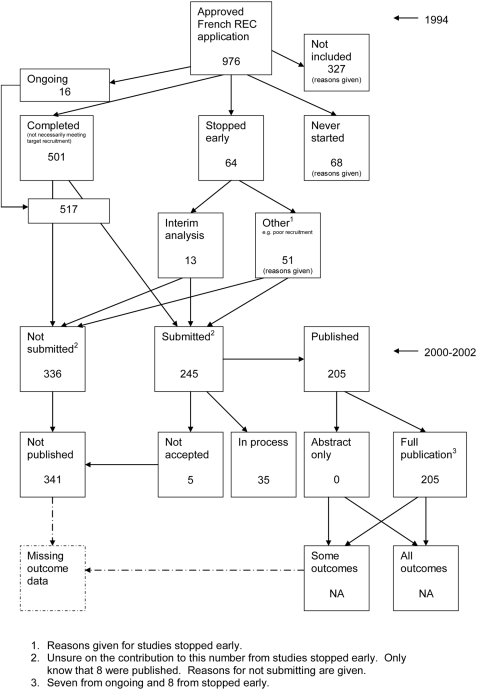
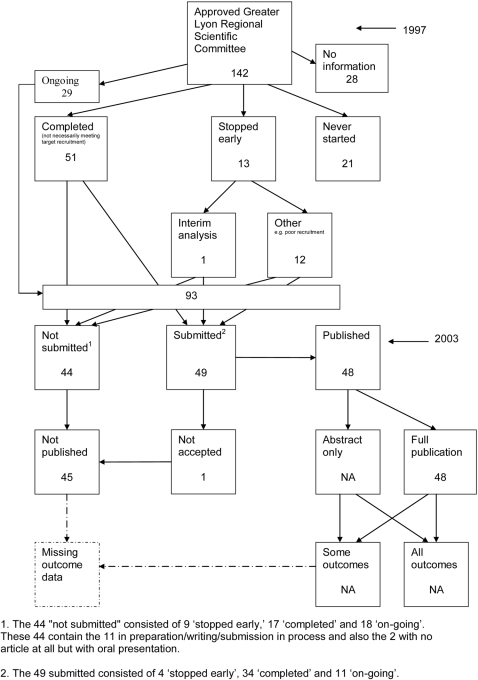
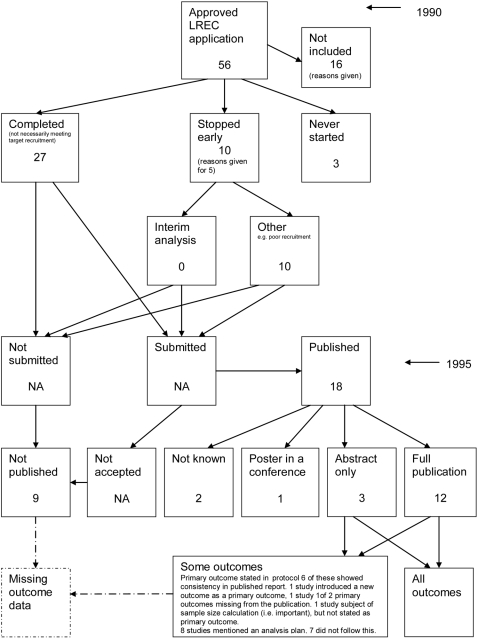
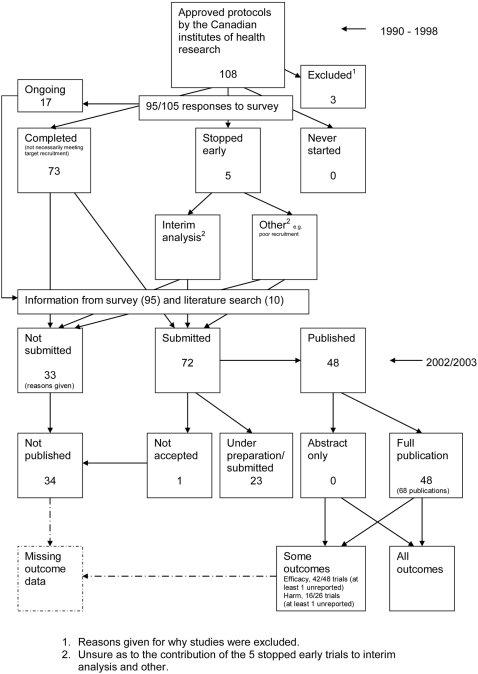
BACKGROUND: The increased use of meta-analysis in systematic reviews of healthcare interventions has highlighted several types of bias that can arise during the completion of a randomised controlled trial. Study publication bias has been recognised as a potential threat to the validity of meta-analysis and can make the readily available evidence unreliable for decision making. Until recently, outcome reporting bias has received less attention. METHODOLOGY/PRINCIPAL FINDINGS: We review and summarise the evidence from a series of cohort studies that have assessed study publication bias and outcome reporting bias in randomised controlled trials. Sixteen studies were eligible of which only two followed the cohort all the way through from protocol approval to information regarding publication of outcomes. Eleven of the studies investigated study publication bias and five investigated outcome reporting bias. Three studies have found that statistically significant outcomes had a higher odds of being fully reported compared to non-significant outcomes (range of odds ratios: 2.2 to 4.7). In comparing trial publications to protocols, we found that 40-62% of studies had at least one primary outcome that was changed, introduced, or omitted. We decided not to undertake meta-analysis due to the differences between studies. CONCLUSIONS: Recent work provides direct empirical evidence for the existence of study publication bias and outcome reporting bias. There is strong evidence of an association between significant results and publication; studies that report positive or significant results are more likely to be published and outcomes that are statistically significant have higher odds of being fully reported. Publications have been found to be inconsistent with their protocols. Researchers need to be aware of the problems of both types of bias and efforts should be concentrated on improving the reporting of trials.
Overview
The claims and statistics of this paper haven’t been checked yet.
Free: it reads the open-access text and checks the first 5 claims that cite a source we can check. Create a free account to check every claim.
Integrity signals
Registry
Cites
Statistics
Figures
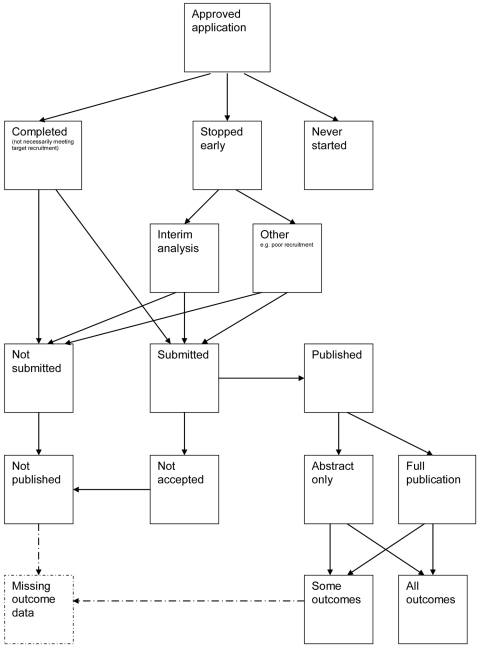
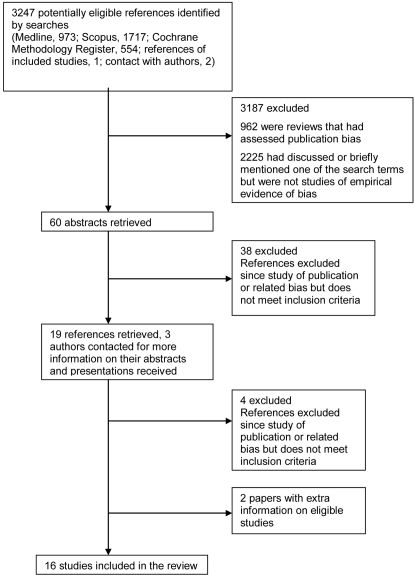
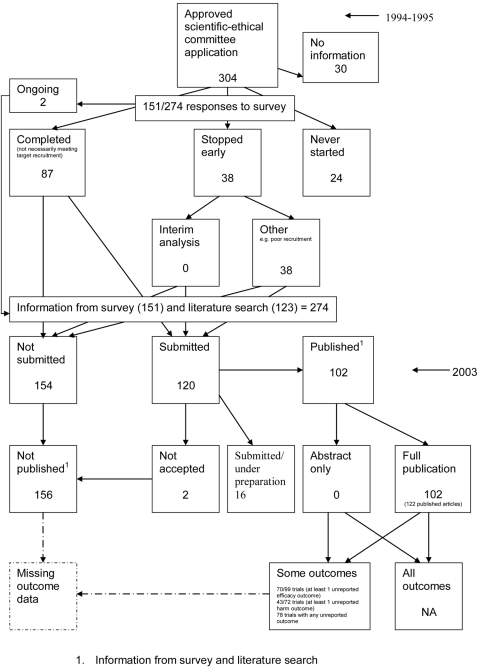
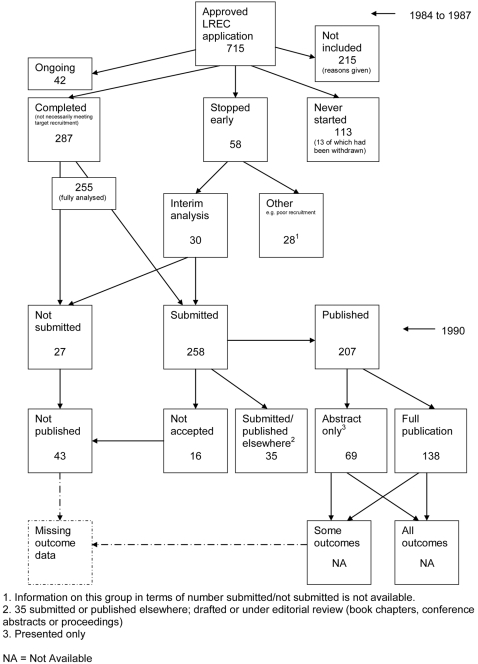
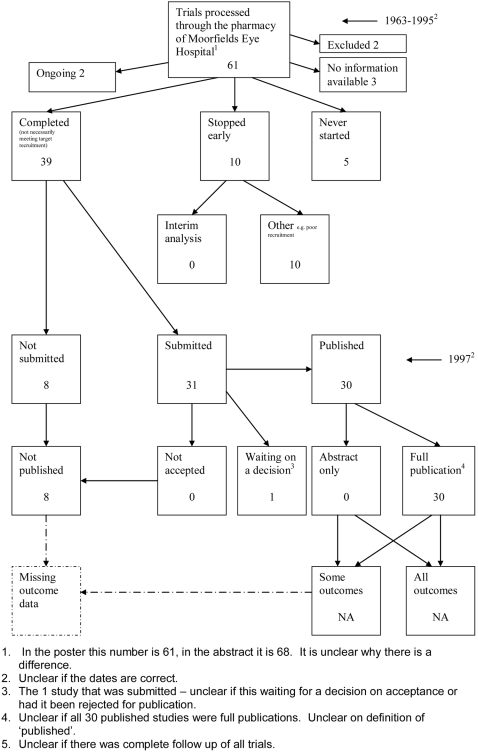
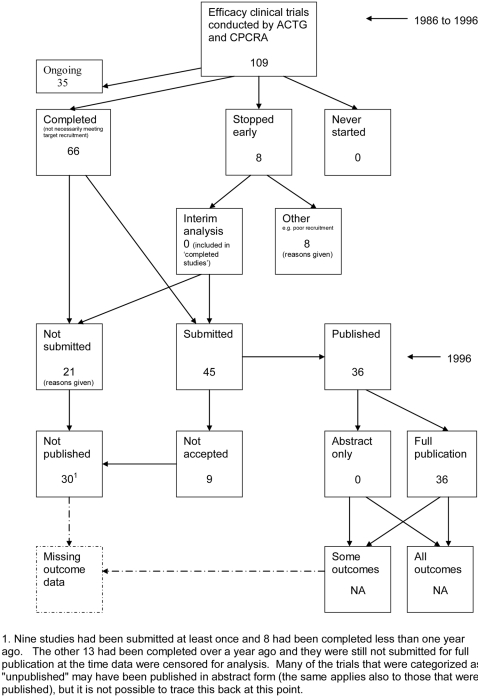
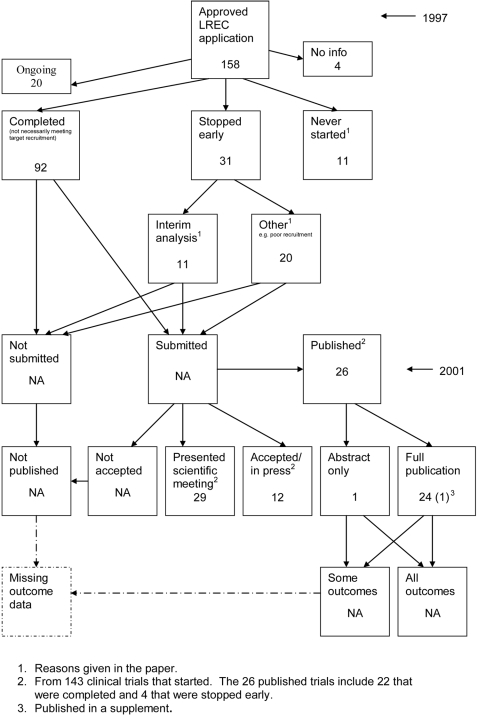
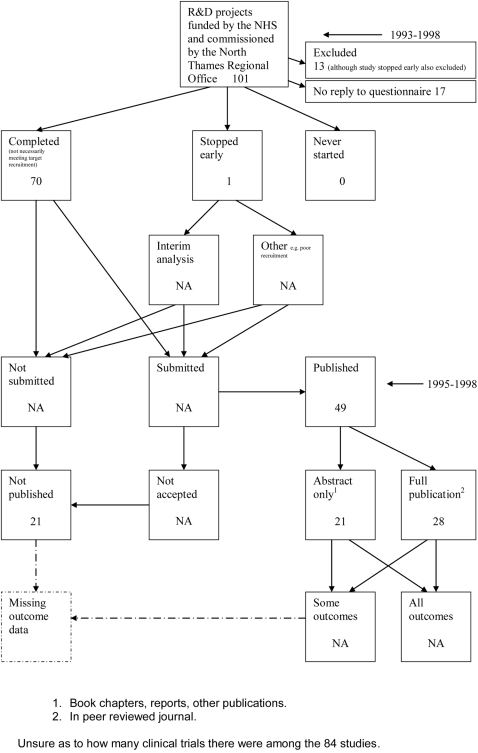
Verification
Claims the paper makes
The claims and statistics of this paper haven’t been checked yet.
Free: it reads the open-access text and checks the first 5 claims that cite a source we can check. Create a free account to check every claim.
Claims other papers make about this one
Each is checked against this paper’s own text: does it say what the citing paper says it does?
The source backs part of the claim, not all of it — or backs it for a different population, condition or comparison.
In the citing paper
“Unfortunately, attempted assessments frequently fail because authors of many trial reports neglect to provide lucid and complete descriptions of that critical information [2-4].”
From CONSORT 2010 Statement: updated guidelines for reporting parallel group randomised trials (2010) · cites this paper as [4]
Experimental — accuracy not yet measuredThe source backs part of the claim, not all of it — or backs it for a different population, condition or comparison.
In the citing paper
“and there are also reasons to believe that publication bias is more likely to affect low powered studies (25).”
From Statistical and Methodological Considerations for the Interpretation of Intranasal Oxytocin Studies (2016) · cites this paper as [25]
Experimental — accuracy not yet measuredThe source backs part of the claim, not all of it — or backs it for a different population, condition or comparison.
In the citing paper
“Empirical evidence suggests that authors often ignore, in the conduct and reporting of their trial, what they stated in the protocol [4,22].”
From CONSORT 2010 statement: updated guidelines for reporting parallel group randomised trials. (2010) · cites this paper as [4]
Experimental — accuracy not yet measuredThe source backs part of the claim, not all of it — or backs it for a different population, condition or comparison.
In the citing paper
“Second, publication bias, selective data analysis and selective reporting of outcomes are more likely to affect low-powered studies.”
From Power failure: why small sample size undermines the reliability of neuroscience (2013) · cites this paper as [17]
Experimental — accuracy not yet measuredThe source backs part of the claim, not all of it — or backs it for a different population, condition or comparison.
In the citing paper
“Empirical evidence suggests that authors often ignore, in the conduct and reporting of their trial, what they stated in the protocol. [4],[22]”
From CONSORT 2010 statement: updated guidelines for reporting parallel group randomised trials (2010) · cites this paper as [4]
Experimental — accuracy not yet measured
14 more claims about this paper
Create a free account to see every claim other papers make about this one.
Self-check
Percentages, sums and reported differences re-computed from the paper’s own numbers.
The self-check needs the paper’s full text.
Citations
Cites
Publication bias in clinical research
Easterbrook, P. J., Gopalan, R., Berlin, J. A., & Matthews, D. R. (1991) · The Lancet · doi:10.1016/0140-6736(91)90201-y · Cited by 3,109 · cited 12×
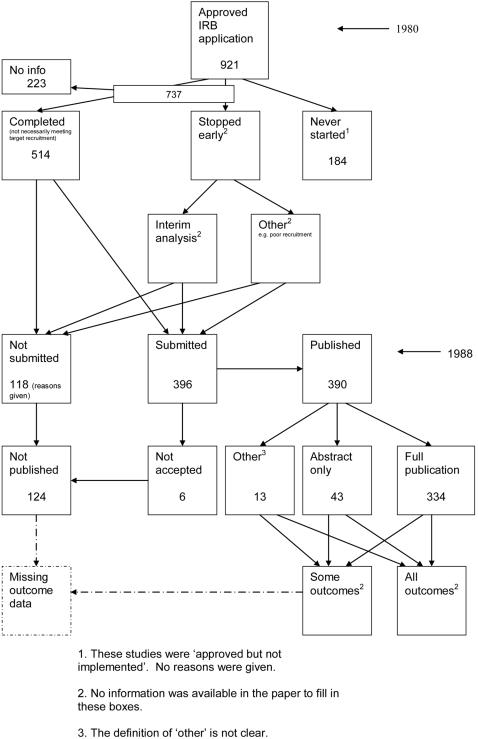
“The HTA report of Song et al [1] led to four potentially eligible empirical studies [3,4,26,27], all of which had been identified previously.”
BackgroundMethodResultInfluentialSelf-citationSystematic Reviews in Health Care : Meta-Analysis in Context
Egger, M., Smith, G. D., & Altman, D. G. (2000) · Cited by 2,412
Self-citationPublication Bias in Meta‐Analysis: Prevention, Assessment and Adjustments
(2005) · doi:10.1002/0470870168 · Cited by 2,368
Chan, A.-W., Hróbjartsson, A., Haahr, M. T., Gøtzsche, P. C., & Altman, D. G. (2004) · JAMA · doi:10.1001/jama.291.20.2457 · Cited by 1,845 · cited 30×
“Status of approved protocols for Chan 2004b study [15].”
BackgroundMethodInfluentialSelf-citationSystematic Reviews in Health Care: Meta‐Analysis in Context
(2001) · doi:10.1002/9780470693926 · Cited by 1,693
Systematic Reviews in Health Care. Meta-analysis in Context.
Kleijnen, J., & Antes, G. (2002) · International Journal of Epidemiology · doi:10.1093/ije/31.3.697 · Cited by 1,363
Full publication of results initially presented in abstracts.
Scherer, R. W., Langenberg, P., & von Elm, E. (2007) · Cochrane Database of Systematic Reviews · doi:10.1002/14651858.mr000005.pub3 · Cited by 997 · cited 1×
“The Cochrane review by Scherer et al [6] investigating the full publication of results initially presented in abstracts found that only 63% of results from abstracts describing randomized or controlled clinical trials are published in full and ‘positive’ results were more frequently published than non ‘positive’ resul…”
BackgroundPublication bias in clinical trials due to statistical significance or direction of trial results
Hopewell, S., Loudon, K., Clarke, M. J., Oxman, A. D., & Dickersin, K. (2009) · Cochrane Database of Systematic Reviews · doi:10.1002/14651858.mr000006.pub3 · Cited by 898
Dickersin, K. (1992) · JAMA · doi:10.1001/jama.1992.03480030052036 · Cited by 854
Publication bias: evidence of delayed publication in a cohort study of clinical research projects
Stern, J. M., & Simes, R. J. (1997) · BMJ · doi:10.1136/bmj.315.7109.640 · Cited by 818 · cited 11×
“Stern et al [4] reported that this finding was even stronger for their subgroup of clinical trials (Hazard Ratio (HR) 3.13 (95% confidence interval (CI) 1.76, 5.58), p = 0.0001) compared to all quantitative studies (HR 2.32 (95% CI 1.47, 3.66), p = 0.0003).”
BackgroundMethodResultInfluential
Research works printed but not linked: 2
- Von Elm E Röllin A Blümle A Huwiler K Witschi M 2008 Selective reporting of outcomes of drug trials; Comparison of study protocols and published articles. Swiss Med Wkly 138 (13–14) 197 203 18389392
- Wormald R Bloom J Evans J Oldfield K 1997 Publication bias in eye trials. In: 2nd International Conference Scientific Basis of Health Services & 5th Annual Cochrane Colloquium, 1997 5–8 October; Amsterdam, The Netherlands
Cited by
Items 401–500 of 1,007
Jin, Z., Zhang, Q., Liu, K., Wang, S., Yan, Y., Zhang, B., Zhao, L., & Tong, X. (2024) · Diabetes Research and Clinical Practice · doi:10.1016/j.diabres.2024.111615 · Cited by 68
Gluud, L. L., Langholz, E., & Krag, A. A. (2010) · Alimentary Pharmacology & Therapeutics · doi:10.1111/j.1365-2036.2010.04418.x · Cited by 70
“articles regarding the defined primary and secondary outcomes.(43) We found similar evidence when comparing published protocols, abstracts and full paper articles.”
ResultMaternal Depression in Families of Children with ADHD: A Meta-Analysis
Cheung, K., Aberdeen, K., Ward, M. A., & Theule, J. (2018) · Journal of Child and Family Studies · doi:10.1007/s10826-018-1017-4 · Cited by 69
Abdin, S., Lavallée, J. F., Faulkner, J., & Husted, M. (2019) · Psycho-Oncology · doi:10.1002/pon.5101 · Cited by 56
“It is not clear whether further trials occurred, as not all trials may have prepublished protocols, and therefore, publication bias may be evident with interventions yielding a negative or insignificant outcome unpublished.(63) In addition, despite direct requests, some original trial papers were not forthcoming from…”
ResultOut of sight but not out of mind: how to search for unpublished clinical trial evidence
Chan, A.-W. (2012) · BMJ · doi:10.1136/bmj.d8013 · Cited by 62
Self-citationBowden, J., Tierney, J. F., Simmonds, M., Copas, A. J., & Higgins, J. P. (2011) · Research Synthesis Methods · doi:10.1002/jrsm.45 · Cited by 62
“Selective reporting and publication bias can also adversely affect the interpretation of published data meta-analyses (Stern and Simes, 1997; Ioannidis, 2005; Dwan et al., 2008).”
BackgroundHéroux, M. E., Taylor, J. L., & Gandevia, S. C. (2015) · PLoS ONE · doi:10.1371/journal.pone.0144151 · Cited by 66
Vascular Access Outcomes Reported in Maintenance Hemodialysis Trials: A Systematic Review
Viecelli, A. K., O’Lone, E., Sautenet, B., Craig, J. C., Tong, A., Chemla, E. S., Hooi, L. S., Lee, T. C., Lok, C. E., Polkinghorne, K. R., et al. (2017) · American Journal of Kidney Diseases · doi:10.1053/j.ajkd.2017.09.018 · Cited by 68
Jones, C. W., Keil, L. G., Weaver, M. A., & Platts-Mills, T. F. (2014) · Systematic Reviews · doi:10.1186/2046-4053-3-126 · Cited by 61
“Second, even when trial results are published, examining registry entries can help review authors identify outcome reporting bias by allowing them to compare a priori planned outcomes to reported outcomes [51,52].”
BackgroundAzarpazhooh, A., Sgro, A., Cardoso, E., Elbarbary, M., Lighvan, N. L., Badewy, R., Malkhassian, G., Jafarzadeh, H., Bakhtiar, H., Khazaei, S., et al. (2021) · Journal of Endodontics · doi:10.1016/j.joen.2021.09.019 · Cited by 62
Atrazine and Pregnancy Outcomes: A Systematic Review of Epidemiologic Evidence
Goodman, M. G., Mandel, J. S., DeSesso, J. M., & Scialli, A. R. (2014) · Birth Defects Research Part B Developmental and Reproductive Toxicology · doi:10.1002/bdrb.21101 · Cited by 62
The reproducibility of biomedical research: Sleepers awake!
Bustin, S. A. (2014) · Biomolecular Detection and Quantification · doi:10.1016/j.bdq.2015.01.002 · Cited by 56
Writing a research article that is "fit for purpose": EQUATOR Network and reporting guidelines
Simera, I., & Altman, D. G. (2009) · Evidence-Based Medicine · doi:10.1136/ebm.14.5.132 · Cited by 58
Self-citationA survey of knowledge, perceptions and use of core outcome sets among clinical trialists
Bellucci, C., Hughes, K., Toomey, E. C., Williamson, P. R., & Matvienko‐Sikar, K. (2021) · Trials · doi:10.1186/s13063-021-05891-5 · Cited by 64
“Selective outcome reporting is problematic because it limits transparency and interpretability of research findings, and un-published results from trials and evidence syntheses remain inaccessible to patients, the public and policy makers [8, 9].”
BackgroundSelf-citationYoshida, Y., Sitas, N., Mannetti, L. M., O’Farrell, P. J., Arroyo-Robles, G., Berbés‐Blázquez, M., González-Jiménez, D., Nelson, V., Niamir, A., & Harmáčková, Z. V. (2024) · Environmental Science & Policy · doi:10.1016/j.envsci.2024.103882 · Cited by 65
Topical and device-based treatments for fungal infections of the toenails
Foley, K. A., Gupta, A., Versteeg, S. G., Mays, R. R., Villanueva, E., & John, D. (2020) · Cochrane Database of Systematic Reviews · doi:10.1002/14651858.cd012093.pub2 · Cited by 62
Audigé, L., Flury, M. P., Müller, A. M., & Durchholz, H. (2016) · Journal of Shoulder and Elbow Surgery · doi:10.1016/j.jse.2016.04.036 · Cited by 62
“Finally, without appropriate training and monitoring, the reporting of complications is likely to be incomplete.(7,31) Without an agreed list of events, investigators and clinicians will continue to determine for themselves if an event should be reported as a surgical complication, considered part of the normal treatm…”
BackgroundIncorporating Transgenerational Epigenetic Inheritance into Ecological Risk Assessment Frameworks
Shaw, J. L. A., Judy, J. D., Kumar, A., Bertsch, P. M., Wang, M., & Kirby, J. K. (2017) · Environmental Science & Technology · doi:10.1021/acs.est.7b01094 · Cited by 65
Circadian regulation of photosynthesis and transpiration from genes to ecosystems
de Dios, V. R., & Geßler, A. (2017) · Environmental and Experimental Botany · doi:10.1016/j.envexpbot.2017.09.010 · Cited by 60
“It is possible that there are more studies noting a lack of circadian regulation 213 in gs that remained unpublished due to publication bias (Dwan et al., 2008).”
BackgroundWieschowski, S., Riedel, N., Wollmann, K., Kahrass, H., Müller-Ohlraun, S., Schuermann, C., Kelley, S., Kszuk, U., Siegerink, B., Dirnagl, U., et al. (2019) · Journal of Clinical Epidemiology · doi:10.1016/j.jclinepi.2019.06.002 · Cited by 60
Sinha, I. P., Williamson, P. R., & Smyth, R. L. (2009) · PLoS ONE · doi:10.1371/journal.pone.0006276 · Cited by 57
“Outcome reporting bias in published RCT reports is common [18,38], and in order to have evaluated exactly which outcomes had been measured it may have been more accurate to assess trial protocols.”
BackgroundSelf-citationNankervis, H., Baibergenova, A., Williams, H. C., & Thomas, K. S. (2012) · Journal of Investigative Dermatology · doi:10.1038/jid.2012.231 · Cited by 60
“Selective reporting of outcomes has been well recognized in general medicine trials where around 40–62% of studies have been found to have at least one primary outcome that was changed, introduced, or omitted (Dwan et al ., 2008).”
Clinical Research Involving Children: Registration, Completeness, and Publication
Shamliyan, T., & Kane, R. L. (2012) · Pediatrics · doi:10.1542/peds.2010-2847 · Cited by 59
Estimation of Potential Savings Through Therapeutic Substitution
Johansen, M. E., & Richardson, C. R. (2016) · JAMA Internal Medicine · doi:10.1001/jamainternmed.2016.1704 · Cited by 63
Quader, N., Schaeffer, E. K., Hodgson, A. J., Abugharbieh, R., & Mulpuri, K. (2018) · Journal of Pediatric Orthopaedics · doi:10.1097/bpo.0000000000001179 · Cited by 65
Comparison of protocols and registry entries to published reports for randomised controlled trials
Dwan, K., Altman, D. G., Blundell, M., Gamble, C. L., & Williamson, P. R. (2010) · Cochrane Database of Systematic Reviews · doi:10.1002/14651858.mr000031 · Cited by 56
Self-citationDimairo, M., Pallmann, P., Wason, J., Todd, S., Jaki, T., Julious, S. A., Mander, A. P., Weir, C. J., Koenig, F., Walton, M. K., et al. (2020) · Trials · doi:10.1186/s13063-020-04334-x · Cited by 58
Self-citationKeijsers, M., Vega-Corredor, M. C., Tomintz, M. N., & Hoermann, S. (2021) · Journal of Medical Internet Research · doi:10.2196/24307 · Cited by 69
Registration practices for observational studies on ClinicalTrials.gov indicated low adherence
Boccia, S., Rothman, K. J., Panić, N., Flacco, M. E., Rosso, A., Pastorino, R., Manzoli, L., Vecchia, C. L., Villari, P., Boffetta, P., et al. (2015) · Journal of Clinical Epidemiology · doi:10.1016/j.jclinepi.2015.09.009 · Cited by 63
Self-citationLee, H. W., Jun, J. H., Kil, K.-J., Ko, B.-S., Lee, C. H., & Lee, M. S. (2015) · Maturitas · doi:10.1016/j.maturitas.2015.11.013 · Cited by 58
Amstutz, A., Schandelmaier, S., Frei, R., Surina, J., Agarwal, A., Olu, K. K., Alturki, R., von Niederhäusern, B., von Elm, E. B., & Briel, M. (2017) · BMJ Open · doi:10.1136/bmjopen-2017-016216 · Cited by 61
Hengartner, M. P. (2018) · Frontiers in Psychology · doi:10.3389/fpsyg.2018.00256 · Cited by 60
“To the best of my knowledge, reporting bias was not systematically tested in psychotherapy research yet, but given its high prevalence in clinical science (Dwan et al., 2008) it is very likely that controlling for reporting bias would reduce the average efficacy of psychotherapy even further than sole correction for p…”
BackgroundInfluentialChopra, F., Haaland, I., Roth, C., & Stegmann, A. (2023) · The Economic Journal · doi:10.1093/ej/uead060 · Cited by 84
Economics of Obesity — Learning from the Past to Contribute to a Better Future
Ananthapavan, J., Sacks, G., Moodie, M., & Carter, R. (2014) · International Journal of Environmental Research and Public Health · doi:10.3390/ijerph110404007 · Cited by 67
Irwin, C., Yoon, K. J., Wang, C., Hoff, S. J., Zimmerman, J. J., Denagamage, T., & O'Connor, A. M. C. (2010) · Applied and Environmental Microbiology · doi:10.1128/aem.02733-09 · Cited by 65
“Many studies have provided empirical evidence that clinical trials and observational studies frequently fail to report sufficient information for reproduction, assessment of bias, and research synthesis (14, 20, 36, 64, 65).”
BackgroundGeography of scientific knowledge: A proximity approach
Frenken, K. (2020) · Quantitative Science Studies · doi:10.1162/qss_a_00058 · Cited by 61
Greig, A. J., Patterson, A. J., Collins, C. E., & Chalmers, K. A. (2013) · Journal of Nutritional Science · doi:10.1017/jns.2013.7 · Cited by 56
“Given that many of the studies have negative findings, publication bias is less likely((15)).”
BackgroundToews, I., Glenton, C., Lewin, S. A., Berg, R. C., Noyes, J., Booth, A., Marušić, A., Malički, M., Munthe‐Kaas, H. M., & Meerpohl, J. J. (2016) · PLoS ONE · doi:10.1371/journal.pone.0159290 · Cited by 62
“In the field of quantitative research, studies have indicated that not all studies on the effectiveness of interventions are published or otherwise made available to decision-makers [10, 11].”
BackgroundA Critical Evaluation of Wet Biomarkers for Huntington’s Disease: Current Status and Ways Forward
Silajdžić, E., & Björkqvist, M. (2018) · Journal of Huntington s Disease · doi:10.3233/jhd-170273 · Cited by 58
“icant, results are more likely to be published, and have higher odds of being fully reported [250].”
BackgroundAn interdisciplinary perspective on gamification: Mechanics, psychological mediators and outcomes
Helmefalk, M. (2019) · International Journal of Serious Games · doi:10.17083/ijsg.v6i1.262 · Cited by 63
Krawczyk, M. W. (2015) · PLoS ONE · doi:10.1371/journal.pone.0127872 · Cited by 58
“One of the ways in which statistics turns out to generate rather undesirable effects has been called the publication bias and documented in dozens of studies [3, 4, 5].”
BackgroundDwan, K., Kirkham, J. J., Williamson, P. R., & Gamble, C. (2013) · BMJ Open · doi:10.1136/bmjopen-2013-002709 · Cited by 55
Self-citationPrince, R. M., Atenafu, E. G., & Krzyzanowska, M. K. (2015) · JAMA Oncology · doi:10.1001/jamaoncol.2015.3440 · Cited by 59
Sponsors’ participation in conduct and reporting of industry trials: a descriptive study
Lundh, A., Krogsbøll, L. T., & Gøtzsche, P. C. (2012) · Trials · doi:10.1186/1745-6215-13-146 · Cited by 54
“This may happen through biases in study design, choice of comparators or selective reporting of favourable outcomes [5,6].”
BackgroundPrince, R. M., Powis, M., Zer, A., Atenafu, E. G., & Krzyzanowska, M. K. (2018) · European Journal of Cancer Care · doi:10.1111/ecc.12909 · Cited by 58
Ioannidis, J. P. A. (2018) · Social Science & Medicine · doi:10.1016/j.socscimed.2018.04.029 · Cited by 58
Self-citationLimitations and Biases in Cohort Studies
Ramírez-Santana, M. (2018) · InTech eBooks · doi:10.5772/intechopen.74324 · Cited by 77
“This is because the journals are prone to publish positive results rather than negative ones, a situation that has been shown [26].”
BackgroundWhy big data and compute are not necessarily the path to big materials science
Fujinuma, N., DeCost, B., Hattrick-Simpers, J. R., & Lofland, S. E. (2022) · Communications Materials · doi:10.1038/s43246-022-00283-x · Cited by 60
“Perhaps most importantly, there is a strong systemic bias toward positive results 25 .”
BackgroundThe CONSORT Statement: Application within and adaptations for orthodontic trials
Pandis, N., Fleming, P. S., Hopewell, S., & Altman, D. G. (2015) · American Journal of Orthodontics and Dentofacial Orthopedics · doi:10.1016/j.ajodo.2015.03.014 · Cited by 52
Self-citationQuantifying Selective Reporting and the Proteus Phenomenon for Multiple Datasets with Similar Bias
Pfeiffer, T., Bertram, L., & Ioannidis, J. P. A. (2011) · PLoS ONE · doi:10.1371/journal.pone.0018362 · Cited by 49
“publications [6–9].”
Self-citationBrusco, N. K., Taylor, N. F., Watts, J. J., & Shields, N. (2013) · Archives of Physical Medicine and Rehabilitation · doi:10.1016/j.apmr.2013.03.017 · Cited by 56
Moreno, S. G., Sutton, A. J., Ades, A. E., Cooper, N. J., & Abrams, K. R. (2011) · Journal of Clinical Epidemiology · doi:10.1016/j.jclinepi.2011.01.009 · Cited by 55
Pinto, R. Z., Elkins, M. R., Moseley, A. M., Sherrington, C., Herbert, R. D., Maher, C. G., Ferreira, P. H., & Ferreira, M. L. (2013) · Physical Therapy · doi:10.2522/ptj.20120206 · Cited by 51
Continuous quality improvement: effects on professional practice and healthcare outcomes
Brennan, S., McKenzie, J. E., Whitty, P., Buchan, H., & Green, S. (2009) · Cochrane Database of Systematic Reviews · doi:10.1002/14651858.cd003319.pub2 · Cited by 55
RetractedRongen, J. J., & Hannink, G. (2016) · Journal of Bone and Joint Surgery · doi:10.2106/jbjs.15.00400 · Cited by 53
Savina, M., Gourgou, S., Italiano, A., Dinart, D., Rondeau, V., Penel, N., Mathoulin‐Pélissier, S., & Bellera, C. A. (2017) · Critical Reviews in Oncology/Hematology · doi:10.1016/j.critrevonc.2017.11.014 · Cited by 54
Beukenhorst, A. L., Schultz, D. M., McBeth, J., Sergeant, J. C., & Dixon, W. G. (2019) · Pain · doi:10.1097/j.pain.0000000000001776 · Cited by 57
A two-step manuscript submission process can reduce publication bias
Smulders, Y. M. (2013) · Journal of Clinical Epidemiology · doi:10.1016/j.jclinepi.2013.03.023 · Cited by 56
“Changing the primary outcome is another way of distorting the presentation of study results and occurs in 40e62% of published studies [2].”
BackgroundHeart disease in patients with osteogenesis imperfecta — A systematic review
Ashournia, H., Johansen, F. T., Folkestad, L., Diederichsen, A. C. P., & Brixen, K. (2015) · International Journal of Cardiology · doi:10.1016/j.ijcard.2015.06.001 · Cited by 53
Hengartner, M. P. (2017) · Frontiers in Psychiatry · doi:10.3389/fpsyt.2017.00275 · Cited by 52
“Outcome reporting bias is a common scientific flaw and means that authors conceal the effect of the prespecified primary efficacy outcome and instead choose to report the most convenient from different secondary outcomes (25).”
BackgroundThe risk of tooth loss in patients with diabetes: A systematic review and meta‐analysis
Weijdijk, L. P. M., Žiūkaitė, L., van der Weijden, G. A., Bakker, E. W. P., & Slot, D. E. (2021) · International Journal of Dental Hygiene · doi:10.1111/idh.12512 · Cited by 63
“Total ♂ 6089 ♦ ♀ 9043 ♦ Mean age: ? (18-74)”
Gallo, S. A., Carpenter, A. S., Irwin, D., McPartland, C., Travis, J., Reynders, S., THOMPSON, L. A., & Glisson, S. R. (2014) · PLoS ONE · doi:10.1371/journal.pone.0106474 · Cited by 52
Bias in reporting of randomised clinical trials in oncology
Vera-Badillo, F., Napoleone, M., Krzyzanowska, M. K., Alibhai, S. M. H., Chan, A., Ocaña, A., Šeruga, B., Templeton, A. J., Amir, E., & Tannock, I. F. (2016) · European Journal of Cancer · doi:10.1016/j.ejca.2016.03.066 · Cited by 54
“There is evidence for selective reporting of favorable results and suppression of unfavorable data from publication, leading to inappropriate conclusions[7, 34].”
BackgroundSelf-citationon behalf of the Taskforce Team of the Obesity Fact Sheet of the Korean Society for the Study of Obesity, Lee, K. R., Seo, M. H., Han, K., Jung, J.-H., & Hwang, I. C. (2018) · British Journal of Cancer · doi:10.1038/s41416-018-0214-7 · Cited by 56
Zhang, Y., Zhou, S., Wu, X., & Cheung, A. (2024) · Educational Research Review · doi:10.1016/j.edurev.2024.100627 · Cited by 58
Li, J., Liu, Z., Chen, R., Hu, D., Li, W., Li, X., Chen, X., Huang, B., & Liao, L. (2014) · BMC Complementary and Alternative Medicine · doi:10.1186/1472-6882-14-362 · Cited by 51
“Unfortunately, attempted assessments frequently fail because authors of many trial reports do not describe some critical data and only limited information is available [3-5].”
BackgroundSelecting and measuring optimal outcomes for randomised controlled trials in surgery
Macefield, R. C., Boulind, C. E., & Blazeby, J. M. (2013) · Langenbeck s Archives of Surgery · doi:10.1007/s00423-013-1136-8 · Cited by 56
“Such selective reporting of outcomes leads to outcome reporting bias and causes further problems for systematic reviews by distorting the available evidence [39–41].”
BackgroundSystematic reviews and meta-analyses: when they are useful and when to be careful
Noordzij, M., Hooft, L., Dekker, F. W., Zoccali, C., & Jager, K. J. (2009) · Kidney International · doi:10.1038/ki.2009.339 · Cited by 59
“Also, statistically significant outcomes are more likely to be fully reported as compared with non-significant outcomes.(24) As a result, publication bias results in overestimation of treatment effects or risk-factor associations, leading to inappropriate decisions of patient management or health policy.”
BackgroundPapageorgiou, S. N., Papadopoulos, M. A., & Athanasiou, A. E. (2014) · The European Journal of Orthodontics · doi:10.1093/ejo/cjt008 · Cited by 51
Conflicts of Interest, Institutional Corruption, and Pharma: An Agenda for Reform
Rodwin, M. A. (2012) · The Journal of Law Medicine & Ethics · doi:10.1111/j.1748-720x.2012.00683.x · Cited by 59
Keeley, T., Coast, J., Nicholls, E. E., Foster, N. E., Jowett, S. M., & Al‐Janabi, H. (2016) · Health and Quality of Life Outcomes · doi:10.1186/s12955-016-0430-x · Cited by 56
“However, if the ICECAP-A provides little additional information, then use of multiple instruments in research studies may be counter-productive, as it will increase patient burden, increase the potential for selective reporting [19, 20] and thus may lead to problems in synthesis of evidence at later stages [21].”
BackgroundPanagiotou, O. A., & Ioannidis, J. P. A. (2012) · Journal of Clinical Epidemiology · doi:10.1016/j.jclinepi.2012.01.008 · Cited by 53
Self-citationHo, R. S., Wu, X., Yuan, J., Liu, S., Lai, X., Wong, S. Y., & Chung, V. C. (2015) · npj Primary Care Respiratory Medicine · doi:10.1038/npjpcrm.2014.102 · Cited by 50
Ciere, Y., Cartwright, M., & Newman, S. P. (2012) · Journal of Telemedicine and Telecare · doi:10.1258/jtt.2012.111009 · Cited by 50
Norris, S. L., Moher, D., Reeves, B. C., Shea, B., Loke, Y., Garner, S., Anderson, L., Tugwell, P., & Wells, G. (2013) · Research Synthesis Methods · doi:10.1002/jrsm.1062 · Cited by 50
Rifaximin for prevention and treatment of hepatic encephalopathy in people with cirrhosis
Zacharias, H. D., Kamel, F., Tan, J. Y., Kimer, N., Gluud, L. L., & Morgan, M. Y. (2023) · Cochrane Database of Systematic Reviews · doi:10.1002/14651858.cd011585.pub2 · Cited by 81
Wood, W., & Carden, L. (2014) · Psychological Bulletin · doi:10.1037/a0036722 · Cited by 50
Hodkinson, A., Dietz, K. C., Lefebvre, C., Golder, S., Jones, M., Doshi, P., Heneghan, C., Jefferson, T., Boutron, I., & Stewart, L. (2018) · Systematic Reviews · doi:10.1186/s13643-018-0766-x · Cited by 49
Effect of game-based learning on students’ mathematics high order thinking skills: A meta-analysis
Anggoro, B. S., Dewantara, A. H., Suherman, S., Muhammad, R. R., & Saraswati, S. (2024) · Revista de Psicodidáctica (English ed ) · doi:10.1016/j.psicoe.2024.500158 · Cited by 63
Mueller, K. F., Meerpohl, J. J., Briel, M., Antes, G., von Elm, E., Lang, B., Motschall, E., Schwarzer, G., & Bassler, D. (2016) · Journal of Clinical Epidemiology · doi:10.1016/j.jclinepi.2016.04.015 · Cited by 48
Boffetta, P., Winn, D. M., Ioannidis, J. P., Thomas, D. C., Little, J., Smith, G. D., Cogliano, V. J., Hecht, S. S., Seminara, D., Vineis, P., et al. (2012) · International Journal of Epidemiology · doi:10.1093/ije/dys010 · Cited by 48
Self-citationOutcome reporting recommendations for clinical trial protocols and reports: a scoping review
Butcher, N. J., Mew, E. J., Monsour, A., Chan, A.-W., Moher, D., & Offringa, M. (2020) · Trials · doi:10.1186/s13063-020-04440-w · Cited by 48
Self-citationReiss, R., Chang, E. T., Richardson, R. J., & Goodman, M. G. (2015) · Critical Reviews in Toxicology · doi:10.3109/10408444.2015.1043976 · Cited by 52
PRISMAtic reporting of systematic reviews and meta-analyses
Jüni, P., & Egger, M. (2009) · The Lancet · doi:10.1016/s0140-6736(09)61765-7 · Cited by 50
Biologic agents in rheumatology: unmet issues after 200 trials and $200 billion sales
Ioannidis, J. P. A., Karassa, F. B., Druyts, E., Thorlund, K., & Mills, E. J. (2013) · Nature Reviews Rheumatology · doi:10.1038/nrrheum.2013.134 · Cited by 51
Self-citationVale, C. L., Tierney, J. F., & Burdett, S. (2013) · BMJ · doi:10.1136/bmj.f1798 · Cited by 48
Bugeja, L. C., Ibrahim, J., Ferrah, N., Murphy, B., Willoughby, M., & Ranson, D. (2016) · Health Research Policy and Systems · doi:10.1186/s12961-016-0096-1 · Cited by 50
“Peer-reviewed journals are also susceptible to selective publication bias, whereby studies that fail to demonstrate a significant difference or do not confirm previous results are not published [81].”
ResultBashir, R., Bourgeois, F. T., & Dunn, A. G. (2017) · Systematic Reviews · doi:10.1186/s13643-017-0518-3 · Cited by 47
“Other systematic reviews have examined reporting biases as a topic and included subsets of the studies we included [14, 64], but focused on publication rates and the completeness and consistency of outcome reporting, which we did not evaluate here.”
BackgroundAl-Rudayni, A. H. M., Gopinath, D., Maharajan, M. K., Veettil, S. K., & Menon, R. K. (2021) · Current Oncology · doi:10.3390/curroncol28040250 · Cited by 58
“Therefore, the results of these secondary outcomes should be reviewed with caution, as such practices can lead to exaggerated effect estimates implying amplified effectiveness of an intervention [41,42].”
BackgroundImportance of Transparent Reporting of Health Research
Altman, D. G., & Moher, D. (2014) · Guidelines for Reporting Health Research: A User's Manual · doi:10.1002/9781118715598.ch1 · Cited by 41
Self-citationQuality of Registration for Clinical Trials Published in Emergency Medicine Journals
Jones, C. W., & Platts‐Mills, T. F. (2012) · Annals of Emergency Medicine · doi:10.1016/j.annemergmed.2012.02.005 · Cited by 51
Ramagopalan, S. V., Skingsley, A. P., Handunnetthi, L., Klingel, M., Magnus, D., Pakpoor, J., & Goldacre, B. (2014) · F1000Research · doi:10.12688/f1000research.3784.1 · Cited by 47
Statins for multiple sclerosis
Wang, J., Xiao, Y., Luo, M., & Luo, H. (2011) · Cochrane Database of Systematic Reviews · doi:10.1002/14651858.cd008386.pub3 · Cited by 52
The Need for Improved Access to FDA Reviews
O'connor, A. (2009) · JAMA · doi:10.1001/jama.2009.973 · Cited by 47
Howell, M., Wong, G., Turner, R. M., Tan, H. T., Tong, A., Craig, J. C., & Howard, K. (2015) · American Journal of Kidney Diseases · doi:10.1053/j.ajkd.2015.11.006 · Cited by 48
Nuhfer, E. B., Fleischer, S., Cogan, C. B., Wirth, K. R., & Gaze, E. (2017) · Numeracy · doi:10.5038/1936-4660.10.1.4 · Cited by 54
Peer Review: A System under Stress
Gropp, R. E., Glisson, S., Gallo, S., & Thompson, L. (2017) · BioScience · doi:10.1093/biosci/bix034 · Cited by 49
Cobelens, F. G. J., van Kampen, S. C., Ochodo, E., Atun, R. A., & Lienhardt, C. (2012) · PLoS Medicine · doi:10.1371/journal.pmed.1001358 · Cited by 53
“This may be because these studies are conducted and reported locally, but not published in the peerreviewed journals covered by our search, and because of publication bias leading to preferential publication of studies reporting successful outcomes [47].”
BackgroundCore outcomes sets for studies evaluating critical illness and patient recovery
Dinglas, V. D., Cherukuri, S. P. S., & Needham, D. M. (2020) · Current Opinion in Critical Care · doi:10.1097/mcc.0000000000000750 · Cited by 57
Rossi, A. M., Moullec, G., Lavoie, K., Gour-Provençal, G., & Bacon, S. (2013) · Canadian Journal of Cardiology · doi:10.1016/j.cjca.2013.02.010 · Cited by 50
Metadata
- Authors
- Dwan, K., Altman, D. G., Arnaiz, J. A., Bloom, J., Chan, A.-W., Cronin, E., Decullier, E., Easterbrook, P. J., Von Elm, E., Gamble, C., Ghersi, D., Ioannidis, J. P. A., Simes, J., & Williamson, P. R.
- Affiliations
- University of Liverpool (GB)
- University of Oxford (GB)
- Hospital Clínic de Barcelona (ES)
- Moorfields Eye Hospital (GB)
- Canadian Institutes of Health Research (CA)
- King's College London (GB)
- University of Bern (CH)
- National Health and Medical Research Council (AU)
- Tufts University (US)
- The University of Sydney (AU)
- Corresponding author
- Dwan, Kerry
- ORCID
- Venue
- PLoS ONE
- Publisher
- Public Library of Science (PLoS)
- Published
- 2008-08-28
- Volume
- 3
- Issue
- 8
- Pages
- e3081
- ISSN
- 1932-6203 (ISSN-L)
- PMC
- PMC2518111
- OpenAlex
- W2091959199
- Cited by
- 1,546
- References
- 48
- Citations by year
- 2026: 45 · 2025: 51 · 2024: 67 · 2023: 51 · 2022: 76 · 2021: 118 · 2020: 90 · 2019: 72 · 2018: 96 · 2017: 90 · 2016: 129 · 2015: 121 · 2014: 109 · 2013: 131 · 2012: 103
- FWCI
- 20.77
- Type
- journal article
- Language
- en
- Open access
- gold
- doi.org
- Locations
- PLoS ONE (publishedVersion, cc-by)
- PubMed Central (publishedVersion, cc-by)
- PubMed (publishedVersion)
- Dipòsit Digital de la Universitat de Barcelona (Universitat de Barcelona) (publishedVersion, cc-by)
- RePEc: Research Papers in Economics (submittedVersion)
- Bern Open Repository and Information System (University of Bern) (submittedVersion, cc-by)
- DOAJ (DOAJ: Directory of Open Access Journals) (submittedVersion, cc-by-sa)
- Figshare (submittedVersion, cc-by)
- Research Portal (King's College London) (submittedVersion)
- RECERCAT (Consorci de Serveis Universitaris de Catalunya) (submittedVersion, cc-by)
- Funders
- Cancer Research UK
- Topics
- Social Sciences › Decision Sciences › Statistics, Probability and Uncertainty › Meta-analysis and systematic reviews
- Social Sciences › Library and Information Sciences › Academic Publishing and Open Access
- Health Sciences › Nursing › Issues, ethics and legal aspects › Pharmaceutical industry and healthcare
- Keywords
- publication bias, selective reporting, randomized controlled trials, outcome reporting, meta-analysis validity, clinical trial registration
- MeSH terms
- Clinical Trials as Topic, Humans, Publishing, Cohort Studies, Randomized Controlled Trials as Topic, Treatment Outcome, Publication Bias, Patient Selection
About these checks
Registry, retraction, Cites and statistics results are computed, not judged, with one exception: a printed reference that no index lists is read once by a model before it counts as a citation error. Claims are extracted by a model and kept only when their quote appears verbatim in the text; each cited source is then checked, with a model’s help, for whether it says what the claim relies on. Those verdicts can be wrong — read the claim’s quote and the cited source before relying on one.
Statistics and arithmetic are recomputed, not judged.
Confidence bands are shown only for fields calibrated on our annotated test set. None is calibrated yet, so no band is shown.
What counts as a claim ›How we measure confidence ›How we check this ›
Are you an author, or do you see a problem with this page? Request a review
Data sources
Bibliographic data: Semantic Scholar, OpenAlex, Crossref.
Contains information from the Semantic Scholar Academic Graph Datasets, made available under the ODC Attribution License (ODC-BY 1.0).
Semantic Scholar’s data is described in: Kinney, R., et al. (2023). The Semantic Scholar Open Data Platform. arXiv:2301.10140.
