

Systematic Review of the Empirical Evidence of Study Publication Bias and Outcome Reporting Bias
Open accessThe DOI matches its Crossref record; 46 of the 48 references it cites were found in a registry or an index.
Abstract
BACKGROUND: The increased use of meta-analysis in systematic reviews of healthcare interventions has highlighted several types of bias that can arise during the completion of a randomised controlled trial. Study publication bias has been recognised as a potential threat to the validity of meta-analysis and can make the readily available evidence unreliable for decision making. Until recently, outcome reporting bias has received less attention. METHODOLOGY/PRINCIPAL FINDINGS: We review and summarise the evidence from a series of cohort studies that have assessed study publication bias and outcome reporting bias in randomised controlled trials. Sixteen studies were eligible of which only two followed the cohort all the way through from protocol approval to information regarding publication of outcomes. Eleven of the studies investigated study publication bias and five investigated outcome reporting bias. Three studies have found that statistically significant outcomes had a higher odds of being fully reported compared to non-significant outcomes (range of odds ratios: 2.2 to 4.7). In comparing trial publications to protocols, we found that 40-62% of studies had at least one primary outcome that was changed, introduced, or omitted. We decided not to undertake meta-analysis due to the differences between studies. CONCLUSIONS: Recent work provides direct empirical evidence for the existence of study publication bias and outcome reporting bias. There is strong evidence of an association between significant results and publication; studies that report positive or significant results are more likely to be published and outcomes that are statistically significant have higher odds of being fully reported. Publications have been found to be inconsistent with their protocols. Researchers need to be aware of the problems of both types of bias and efforts should be concentrated on improving the reporting of trials.
Overview
The claims and statistics of this paper haven’t been checked yet.
Free: it reads the open-access text and checks the first 5 claims that cite a source we can check. Create a free account to check every claim.
Integrity signals
Registry
Cites
Statistics
Figures
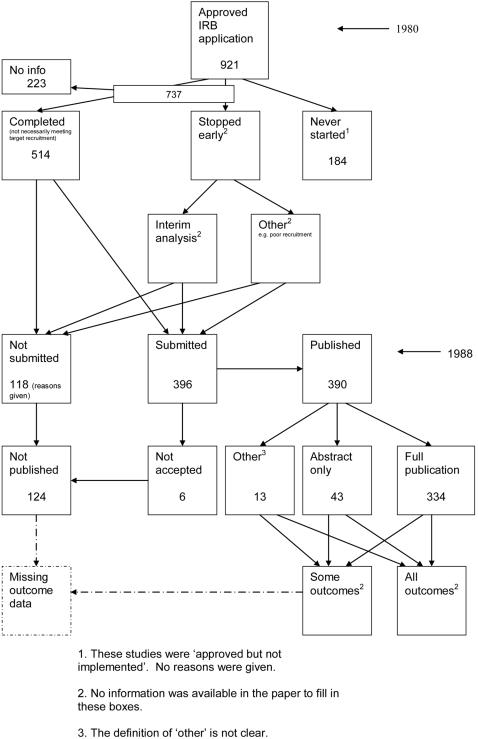
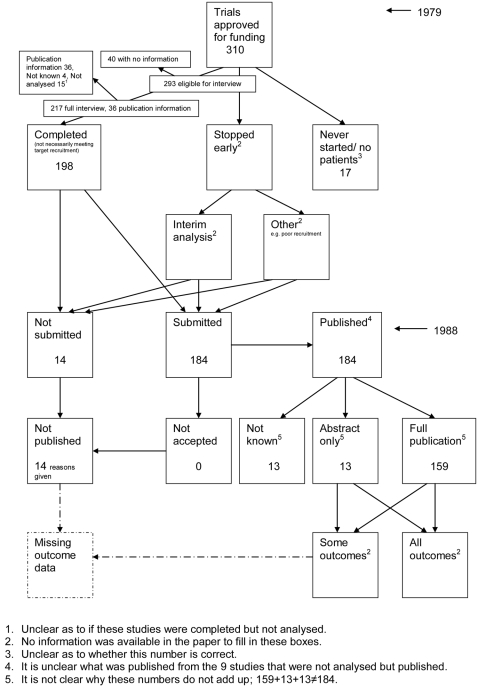
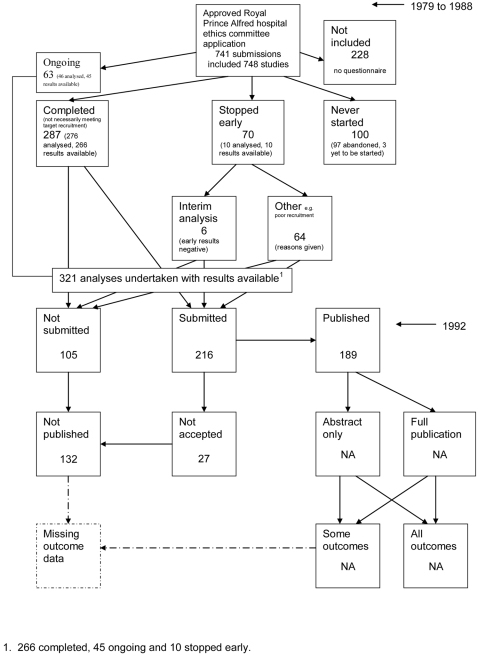
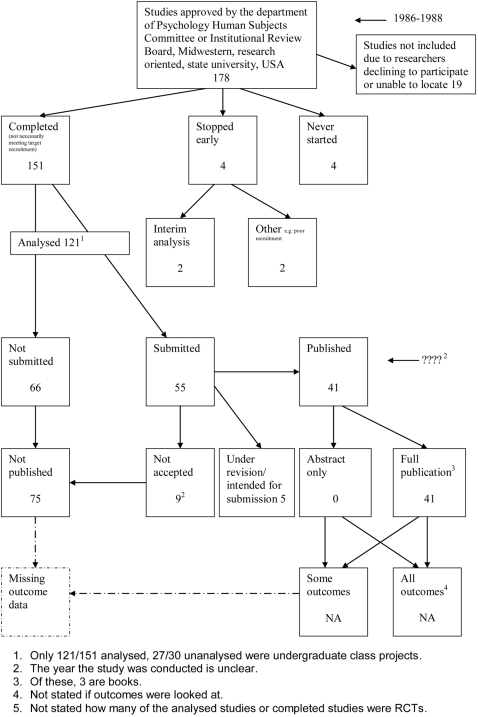
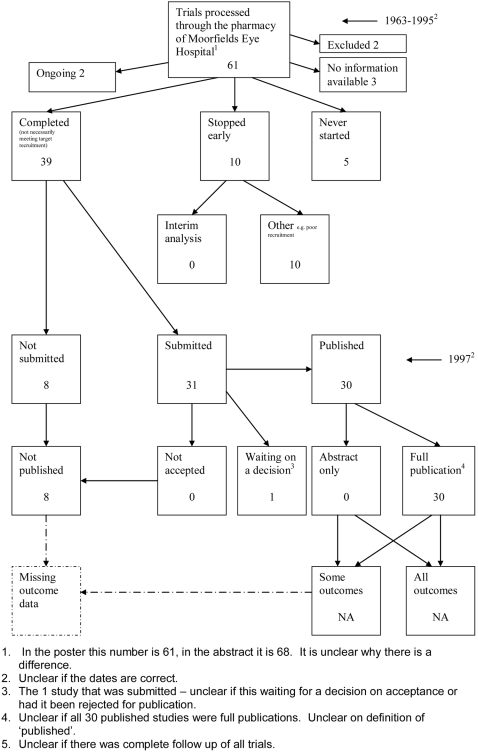
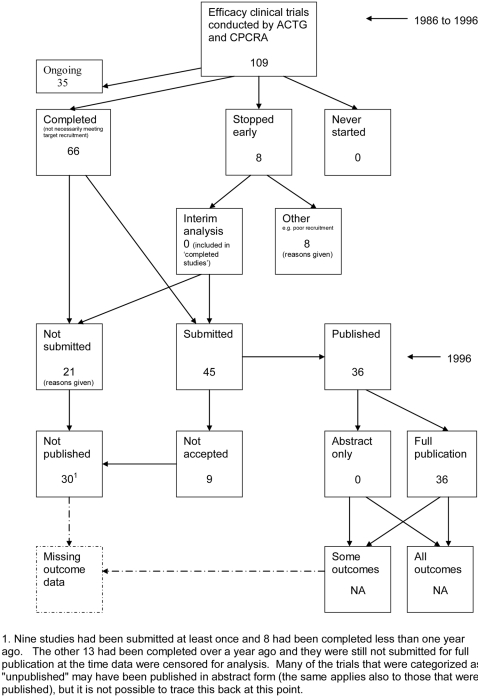
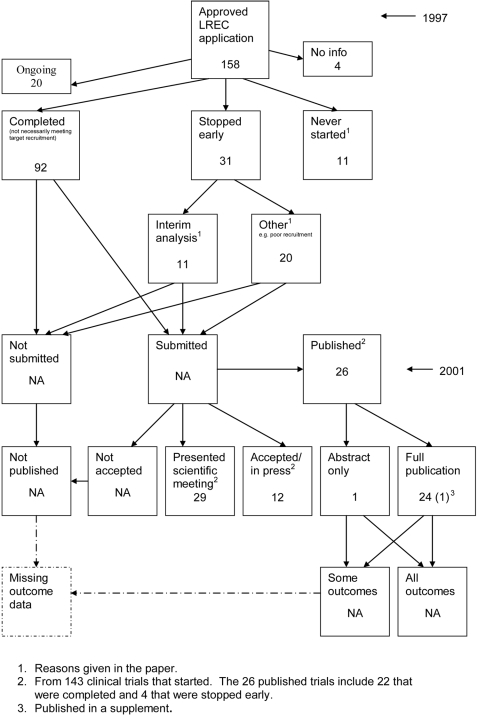
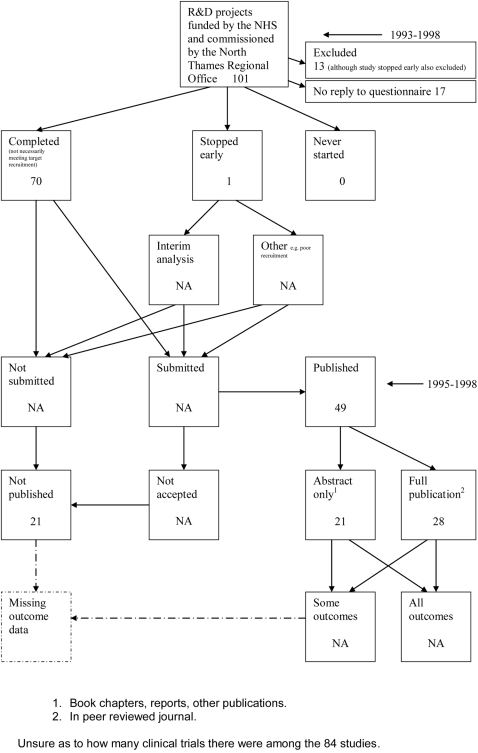
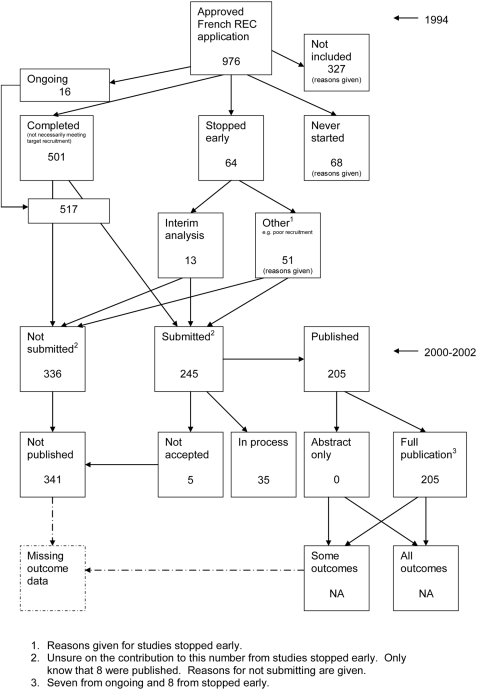
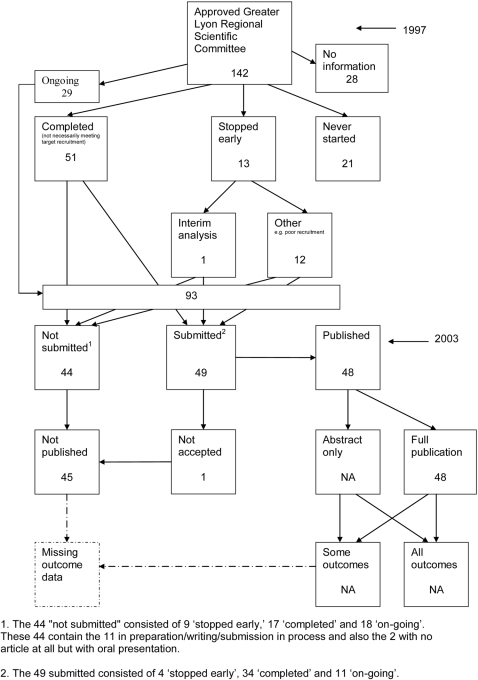
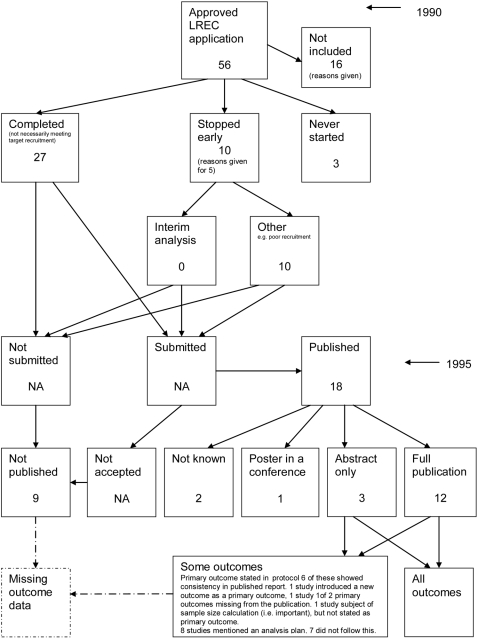
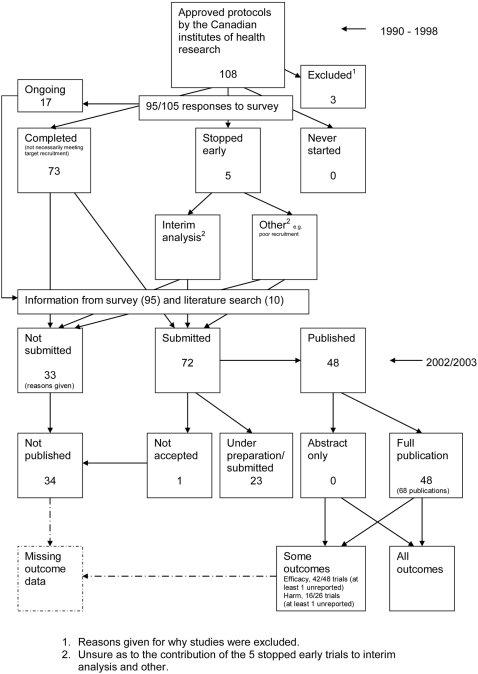
Verification
Claims the paper makes
The claims and statistics of this paper haven’t been checked yet.
Free: it reads the open-access text and checks the first 5 claims that cite a source we can check. Create a free account to check every claim.
Claims other papers make about this one
Each is checked against this paper’s own text: does it say what the citing paper says it does?
The source backs part of the claim, not all of it — or backs it for a different population, condition or comparison.
In the citing paper
“Unfortunately, attempted assessments frequently fail because authors of many trial reports neglect to provide lucid and complete descriptions of that critical information [2-4].”
From CONSORT 2010 Statement: updated guidelines for reporting parallel group randomised trials (2010) · cites this paper as [4]
Experimental — accuracy not yet measuredThe source backs part of the claim, not all of it — or backs it for a different population, condition or comparison.
In the citing paper
“and there are also reasons to believe that publication bias is more likely to affect low powered studies (25).”
From Statistical and Methodological Considerations for the Interpretation of Intranasal Oxytocin Studies (2016) · cites this paper as [25]
Experimental — accuracy not yet measuredThe source backs part of the claim, not all of it — or backs it for a different population, condition or comparison.
In the citing paper
“Empirical evidence suggests that authors often ignore, in the conduct and reporting of their trial, what they stated in the protocol [4,22].”
From CONSORT 2010 statement: updated guidelines for reporting parallel group randomised trials. (2010) · cites this paper as [4]
Experimental — accuracy not yet measuredThe source backs part of the claim, not all of it — or backs it for a different population, condition or comparison.
In the citing paper
“Second, publication bias, selective data analysis and selective reporting of outcomes are more likely to affect low-powered studies.”
From Power failure: why small sample size undermines the reliability of neuroscience (2013) · cites this paper as [17]
Experimental — accuracy not yet measuredThe source backs part of the claim, not all of it — or backs it for a different population, condition or comparison.
In the citing paper
“Empirical evidence suggests that authors often ignore, in the conduct and reporting of their trial, what they stated in the protocol. [4],[22]”
From CONSORT 2010 statement: updated guidelines for reporting parallel group randomised trials (2010) · cites this paper as [4]
Experimental — accuracy not yet measured
14 more claims about this paper
Create a free account to see every claim other papers make about this one.
Self-check
Percentages, sums and reported differences re-computed from the paper’s own numbers.
The self-check needs the paper’s full text.
Citations
Cites
Publication bias in clinical research
Easterbrook, P. J., Gopalan, R., Berlin, J. A., & Matthews, D. R. (1991) · The Lancet · doi:10.1016/0140-6736(91)90201-y · Cited by 3,109 · cited 12×
“The HTA report of Song et al [1] led to four potentially eligible empirical studies [3,4,26,27], all of which had been identified previously.”
BackgroundMethodResultInfluentialSelf-citationSystematic Reviews in Health Care : Meta-Analysis in Context
Egger, M., Smith, G. D., & Altman, D. G. (2000) · Cited by 2,412
Self-citationPublication Bias in Meta‐Analysis: Prevention, Assessment and Adjustments
(2005) · doi:10.1002/0470870168 · Cited by 2,368
Chan, A.-W., Hróbjartsson, A., Haahr, M. T., Gøtzsche, P. C., & Altman, D. G. (2004) · JAMA · doi:10.1001/jama.291.20.2457 · Cited by 1,845 · cited 30×
“Status of approved protocols for Chan 2004b study [15].”
BackgroundMethodInfluentialSelf-citationSystematic Reviews in Health Care: Meta‐Analysis in Context
(2001) · doi:10.1002/9780470693926 · Cited by 1,693
Systematic Reviews in Health Care. Meta-analysis in Context.
Kleijnen, J., & Antes, G. (2002) · International Journal of Epidemiology · doi:10.1093/ije/31.3.697 · Cited by 1,363
Full publication of results initially presented in abstracts.
Scherer, R. W., Langenberg, P., & von Elm, E. (2007) · Cochrane Database of Systematic Reviews · doi:10.1002/14651858.mr000005.pub3 · Cited by 997 · cited 1×
“The Cochrane review by Scherer et al [6] investigating the full publication of results initially presented in abstracts found that only 63% of results from abstracts describing randomized or controlled clinical trials are published in full and ‘positive’ results were more frequently published than non ‘positive’ resul…”
BackgroundPublication bias in clinical trials due to statistical significance or direction of trial results
Hopewell, S., Loudon, K., Clarke, M. J., Oxman, A. D., & Dickersin, K. (2009) · Cochrane Database of Systematic Reviews · doi:10.1002/14651858.mr000006.pub3 · Cited by 898
Dickersin, K. (1992) · JAMA · doi:10.1001/jama.1992.03480030052036 · Cited by 854
Publication bias: evidence of delayed publication in a cohort study of clinical research projects
Stern, J. M., & Simes, R. J. (1997) · BMJ · doi:10.1136/bmj.315.7109.640 · Cited by 818 · cited 11×
“Stern et al [4] reported that this finding was even stronger for their subgroup of clinical trials (Hazard Ratio (HR) 3.13 (95% confidence interval (CI) 1.76, 5.58), p = 0.0001) compared to all quantitative studies (HR 2.32 (95% CI 1.47, 3.66), p = 0.0003).”
BackgroundMethodResultInfluential
Research works printed but not linked: 2
- Von Elm E Röllin A Blümle A Huwiler K Witschi M 2008 Selective reporting of outcomes of drug trials; Comparison of study protocols and published articles. Swiss Med Wkly 138 (13–14) 197 203 18389392
- Wormald R Bloom J Evans J Oldfield K 1997 Publication bias in eye trials. In: 2nd International Conference Scientific Basis of Health Services & 5th Annual Cochrane Colloquium, 1997 5–8 October; Amsterdam, The Netherlands
Cited by
Items 601–700 of 1,007
Forest therapy using virtual reality in the older population: a systematic review
Clemente, D., Romano, L., Zamboni, E., Carrus, G., & Panno, A. (2024) · Frontiers in Psychology · doi:10.3389/fpsyg.2023.1323758 · Cited by 35
Ioannidis, J. P. A., Horbar, J. D., Ovelman, C., Brosseau, Y., Thorlund, K., Buus‐Frank, M. E., Mills, E. J., & Soll, R. (2015) · BMJ · doi:10.1136/bmj.h72 · Cited by 34
Self-citationLatifi‐Navid, H., Latifi‐Navid, S., Mostafaiy, B., Jamalkandi, S. A., & Ahmadi, A. (2018) · Scientific Reports · doi:10.1038/s41598-018-29280-2 · Cited by 34
Commentary: Which meta-analyses are conclusive?
Nüesch, E., & Jüni, P. (2008) · International Journal of Epidemiology · doi:10.1093/ije/dyn265 · Cited by 32
How far will a behaviourally flexible invasive bird go to innovate?
Logan, C. (2016) · Royal Society Open Science · doi:10.1098/rsos.160247 · Cited by 36
“It is unclear which other species do not innovate stick tool use because studies showing an absence of such behaviour are less likely to be published [56,57], which could also result in the reduction of attempts to explore this behaviour at a broad taxonomic scale.”
BackgroundNonopioid Overdose Death Rates Rose Almost As Fast As Those Involving Opioids, 1999–2016
Ruhm, C. J. (2019) · Health Affairs · doi:10.1377/hlthaff.2018.05522 · Cited by 33
Extent and prevalence of spin in randomized controlled trials in dentistry
Eleftheriadi, I., Ioannou, T., & Pandis, N. (2020) · Journal of Dentistry · doi:10.1016/j.jdent.2020.103433 · Cited by 32
Did Ohio’s Vaccine Lottery Increase Vaccination Rates? A Pre-Registered, Synthetic Control Study
Lang, D., Esbenshade, L., & Willer, R. (2023) · Journal of Experimental Political Science · doi:10.1017/xps.2021.32 · Cited by 31
“Second, given the known biases in publication processes towards positive and statistically significant results (Dwan et al. 2008; Munafò et al. 2017), multiverse analyses are a powerful tool to ensure that researchers have not intentionally or”
BackgroundKoçak, B., Bulut, E., Bayrak, O. N., Okumus, A. A., Altun, O., Arvas, Z. B., & Kavukoglu, I. (2023) · European Journal of Radiology · doi:10.1016/j.ejrad.2023.110830 · Cited by 34
Khan, N. A., Singh, M., Spencer, H. J., & Torralba, K. D. (2014) · Arthritis & Rheumatology · doi:10.1002/art.38784 · Cited by 35
“001 Comparator arm Placebo 98 (69) 76 (75) 22 (52) Active comparator 36 (25) 17 (17) 19 (45) Both active comparator and placebo 9 (6) 8 (8) 1 (3) 0.”
BackgroundResultInfluentialGuo, Q., Parlar, M. E., Truong, W., Hall, G. B., Thabane, L., McKinnon, M. C., Goeree, R. A., & Pullenayegum, E. (2014) · PLoS ONE · doi:10.1371/journal.pone.0094412 · Cited by 34
“Complete reporting with sufficient details permits readers to ensure the methodological rigor of a study [9], consider the validity of findings [10–14], and extend and replicate the findings [9–13,15–17].”
BackgroundHealth impact of external funding for HIV, tuberculosis and malaria: systematic review
de Jongh, T. E., Harnmeijer, J., Atun, R. A., Korenromp, E. L., Zhao, J., Puvimanasinghe, J. P. A., & Baltussen, R. M. P. M. (2013) · Health Policy and Planning · doi:10.1093/heapol/czt051 · Cited by 33
“These concerns are amplified by the fact that the evaluation literature is likely to show a publication bias towards successful interventions (Dwan et al. 2008; Song et al. 2009).”
BackgroundA Duty to Describe: Better the Devil You Know Than the Devil You Don’t
Brown, S. D., Furrow, D. R., Hill, D. F., Gable, J. C., Porter, L. P., & Jacobs, W. J. (2014) · Perspectives on Psychological Science · doi:10.1177/1745691614551749 · Cited by 36
Page, M. J., McKenzie, J. E., Dwan, K., Kirkham, J., Green, S., & Forbes, A. (2012) · Cochrane Database of Systematic Reviews · doi:10.1002/14651858.mr000035 · Cited by 30
Self-citationPre-Registration in Social Psychology—a Discussion and Suggested TemplatePreprint
Veer, A. V. '., & Giner‐Sorolla, R. (2016) · PsyArXiv (OSF Preprints) · doi:10.31234/osf.io/4frms · Cited by 33
Shift work, cancer and "white-box" epidemiology: Association and causation
Erren, T. C. (2010) · Epidemiologic Perspectives & Innovations · doi:10.1186/1742-5573-7-11 · Cited by 30
“First, publication bias still facilitates publication of ‘positive studies’ [25].”
BackgroundPandis, N., Fleming, P. S., Worthington, H., Dwan, K., & Salanti, G. (2015) · PLOS ONE · doi:10.1371/journal.pone.0137667 · Cited by 30
Self-citationUmar Ismail, S., Cheston, R., Christopher, G., & Meyrick, J. (2020) · Dementia · doi:10.1177/1471301218774909 · Cited by 30
Effectiveness of workplace cancer screening interventions: a systematic review
Mon, H. M., Robb, K. A., & Demou, E. (2024) · BMC Cancer · doi:10.1186/s12885-024-12649-0 · Cited by 36
“The first limitation of this review relates to potential publication bias, as studies with negative or insignificant results are less likely to be published [67].”
BackgroundStrech, D. (2011) · Journal of Clinical Epidemiology · doi:10.1016/j.jclinepi.2011.07.002 · Cited by 32
A roadmap for successful applications of clinical proteomics
Ioannidis, J. P. A. (2011) · PROTEOMICS - CLINICAL APPLICATIONS · doi:10.1002/prca.201000096 · Cited by 34
“However, this advantage exists only if all results obtained with different methods are properly and transparently reported; otherwise, selective outcome and analysis reporting bias [40] can generate an irreproducible literature that is unlikely to survive robust external validation.”
BackgroundSelf-citationTerminating clinical trials without sufficient subjects
Damen, L., van Agt, F., de Boo, T., & Huysmans, F. T. M. (2012) · Journal of Medical Ethics · doi:10.1136/medethics-2011-100020 · Cited by 33
Ankle Injury Prevention Programs for Soccer Athletes Are Protective: A Level-I Meta-Analysis
Grimm, N. L., Jacobs, J. C., Kim, J., Amendola, A., & Shea, K. G. (2016) · Journal of Bone and Joint Surgery · doi:10.2106/jbjs.15.00933 · Cited by 38
Ducrée, J., Etzrodt, M., Bartling, S. H., Walshe, R., Harrington, T. S., Wittek, N., Posth, S., Wittek, K., Ionita, A., Prinz, W., et al. (2021) · Frontiers in Blockchain · doi:10.3389/fbloc.2021.631648 · Cited by 31
“…(Resnik and Shamoo, 2017), hypothesizing after the results are known ( “ HARKing ” ) (Kerr, 1998; Rubin 2017), selective analysis and reporting (Dwan et al., 2008; Page et al., 2014; Open Science, 2015), p value hacking (Smith and Ebrahim, 2002; Head et al., 2015), and missing raw data…”
BackgroundAntiseptic Agents for Chronic Wounds: A Systematic Review
Barrigah-Benissan, K., Ory, J., Sotto, A., Salipante, F., Lavigne, J., & Loubet, P. (2022) · Antibiotics · doi:10.3390/antibiotics11030350 · Cited by 34
“Most studies had unclear risk of bias, as previously described [38,39].”
BackgroundBig data analytics in supply chain management: a systematic literature review
Albqowr, A., Alsharairi, M. A., & Alsoussi, A. (2022) · VINE Journal of Information and Knowledge Management Systems · doi:10.1108/vjikms-07-2021-0115 · Cited by 37
Liu, Y., Xu, B., Wu, N., Xiang, Y., Wu, L., Zhang, M., Wang, J., Chen, X., Li, Y., & Zhong, L. (2015) · Canadian Journal of Cardiology · doi:10.1016/j.cjca.2015.08.001 · Cited by 32
Benstoem, C., Moza, A. K., Autschbach, R., Stoppe, C., & Goetzenich, A. (2015) · PLoS ONE · doi:10.1371/journal.pone.0122204 · Cited by 35
“This problem is well recognised by systematic reviewers, as inconsistencies and heterogeneity in outcome reporting limits the ability of research synthesis [1,3–5].”
BackgroundShinohara, K., Tajika, A., Imai, H., Takeshima, N., Hayasaka, Y., & Furukawa, T. A. (2015) · Acta Psychiatrica Scandinavica · doi:10.1111/acps.12502 · Cited by 29
“Factors identified as influencing proper registration and reporting in this study were mostly consistent with previous reports (26, 42).”
Bryant, A. G., Kamanga, G., Stuart, G. S., Haddad, L. B., Meguid, T., & Mhango, C. G. (2013) · PubMed · Cited by 35
Won, J., Kim, S.-Y., Bae, I., & Lee, H. (2019) · PLoS ONE · doi:10.1371/journal.pone.0223305 · Cited by 31
Kim, E. Y. Y., Nelson, L. E., Pereira, T. L., & Shorey, S. (2023) · Trauma Violence & Abuse · doi:10.1177/15248380231209435 · Cited by 34
“Furthermore, the authors did not consider evidence from gray literature sources, such as unpublished and non-commercial studies, which could offer a more comprehensive view of the subject (Dwan et al., 2008; Paez, 2017).”
BackgroundBaudart, M., Ravaud, P., Baron, G., Dechartres, A., Haneef, R., & Boutron, I. (2016) · BMC Medicine · doi:10.1186/s12916-016-0551-4 · Cited by 32
“gov [5, 6, 21–24].”
BackgroundFagan, A. A., & Benedini, K. M. (2016) · Clinical Child and Family Psychology Review · doi:10.1007/s10567-016-0207-0 · Cited by 29
“2015) or because they assumed that the nonsignificant findings would bemore difficult to publish than the significant effects given publication bias (Dwan et al. 2008; Wilson 2009).”
BackgroundStandard 2: Containing Risk of Bias
Hartling, L., Hamm, M. P., Klassen, T. P., Chan, A., Meremikwu, M. M., Moyer, V. A., Scott, S. D., Moher, D., & Offringa, M. (2012) · PEDIATRICS · doi:10.1542/peds.2012-0055e · Cited by 30
Self-citationStrengthening and Opening Up Health Research by Sharing Our Raw Data
Gøtzsche, P. C. (2012) · Circulation Cardiovascular Quality and Outcomes · doi:10.1161/circoutcomes.112.965277 · Cited by 29
Luryi, A. L., LaRouere, M. J., Babu, S. C., Bojrab, D. I., Zappia, J. J., Sargent, E. W., & Schutt, C. A. (2018) · Otolaryngology · doi:10.1177/0194599818797892 · Cited by 28
Power to the People: A Beginner’s Tutorial to Power Analysis using jamovi
Bartlett, J. E., & Charles, S. J. (2022) · Meta-Psychology · doi:10.15626/mp.2021.3078 · Cited by 33
Naaman, K., Grant, S., Kianersi, S., Supplee, L. H., Henschel, B., & Mayo-Wilson, E. (2023) · Royal Society Open Science · doi:10.1098/rsos.221093 · Cited by 31
Psychosocial interventions for people with diabetes and co-morbid depression. A systematic review
Kok, J. L. A., Williams, A. F., & Zhao, L. (2015) · International Journal of Nursing Studies · doi:10.1016/j.ijnurstu.2015.05.012 · Cited by 30
Dopaminergic therapy in aphasia
Gill, S. K., & Leff, A. P. (2013) · Aphasiology · doi:10.1080/02687038.2013.802286 · Cited by 29
“As Fisher said, after a negative study, one can only “withhold judgment” (Dienes, 2011); but negative studies are harder to publish and one can’t help but wonder if publication bias is at work here, especially for the smaller, uncontrolled studies (Dwan et al., 2008).”
Meerpohl, J. J., Wolff, R. F., Antes, G., & von Elm, E. (2011) · BMC Pediatrics · doi:10.1186/1471-2431-11-27 · Cited by 29
“Second, the problem of publication bias and selective outcome reporting has been widely analyzed over the last 15 years [1].”
BackgroundGoodman, J. E., Dodge, D. G., & Bailey, L. A. (2010) · Regulatory Toxicology and Pharmacology · doi:10.1016/j.yrtph.2010.07.002 · Cited by 28
Keeley, T., Khan, H., Pinfold, V., Williamson, P. R., Mathers, J. M., Davies, L. M., Sayers, R., England, E., Reilly, S., Byng, R., et al. (2015) · Trials · doi:10.1186/s13063-015-0553-0 · Cited by 33
“However, reporting bias occurs when the authors report a subsection of the outcome measures, based on the significance of the findings [14].”
Self-citationIn Pursuit of Greater Reproducibility and Credibility of Early Clinical Biomarker Research
McShane, L. (2017) · Clinical and Translational Science · doi:10.1111/cts.12449 · Cited by 28
Sponsorship bias and quality of randomised controlled trials in veterinary medicine
Wareham, K., Hyde, R., Grindlay, D. J. C., Brennan, M. L., & Dean, R. S. (2017) · BMC Veterinary Research · doi:10.1186/s12917-017-1146-9 · Cited by 31
“that has been identified across scientific publishing generally and which can lead to over estimates of treatment effects [3, 15].”
BackgroundBouzidi, H., Emirian, A., Marty, A., Chachaty, É., Laplanche, A., Gachot, B., & Blot, F. (2018) · Journal of Hospital Infection · doi:10.1016/j.jhin.2018.01.010 · Cited by 32
Risk and Evidence of Bias in Randomized Controlled Trials in EconomicsPreprint
Boone, P., Eble, A., & Elbourne, D. R. (n.d.) · RePEc: Research Papers in Economics · Cited by 29
Chan, A.-W. (2011) · BMJ · doi:10.1136/bmj.d80 · Cited by 27
Self-citationCharacteristics of mental health trials registered in ClinicalTrials.gov
Arnow, K. D., King, A. C., & Wagner, T. H. (2019) · Psychiatry Research · doi:10.1016/j.psychres.2019.112552 · Cited by 28
Power and reproducibility in the external validation of brain-phenotype predictions
Rosenblatt, M., Tejavibulya, L., Sun, H., Camp, C., Khaitova, M., Adkinson, B. D., Jiang, R., Westwater, M. L., Noble, S., & Scheinost, D. (2024) · Nature Human Behaviour · doi:10.1038/s41562-024-01931-7 · Cited by 31
“We agree with other works that non-significant results should still be published 5,84 , but the current reality of the field is that most published results are significant predictions.”
The ISRCTN Register: achievements and challenges 8 years on
Faure, H., & Hrynaszkiewicz, I. (2011) · Journal of Evidence-Based Medicine · doi:10.1111/j.1756-5391.2011.01138.x · Cited by 28
“ISRCTN records are never removed from the ISRCTN, ensuring that research that is not published is still listed, reducing publication bias and making sure those trials are not missed by systematic reviewers (6).”
Reporting Outcome Measures of Functional Constipation in Children From 0 to 4 Years of Age
Kuizenga‐Wessel, S., Benninga, M. A., & Tabbers, M. M. (2014) · Journal of Pediatric Gastroenterology and Nutrition · doi:10.1097/mpg.0000000000000631 · Cited by 27
Gargon, E., Williamson, P. R., & Clarke, M. (2015) · BMC Medical Research Methodology · doi:10.1186/s12874-015-0019-9 · Cited by 28
“We decided to include SCOPUS as opposed to EMBASE as it is a larger database and offers more coverage of scientific, technical, medical and social science literature [3].”
BackgroundMethodSelf-citationReporting of Meta-Analysis (PRISMA)
Athikarisamy, S. E., & Patole, S. (2021) · Springer eBooks · doi:10.1007/978-3-030-71921-0_11 · Cited by 30
Strong, J., Lattof, S. R., Maliqi, B., & Yaqub, N. O. (2021) · BMC Health Services Research · doi:10.1186/s12913-021-06905-3 · Cited by 30
“Moreover, publication bias, particular in intervention research, may have resulted in an increased proportion of negative or neutral findings being rejected for publication [64].”
BackgroundPapageorgiou, S. N., Papadopoulos, M. A. A. P., & Athanasiou, A. E. (2014) · Clinical Oral Investigations · doi:10.1007/s00784-014-1196-3 · Cited by 28
“According to empirical evidence [5], this may indicate that non-significant study results do not reach publication and could be interpreted as a possible indication of publication bias.”
BackgroundMethodResultInfluentialSelf-management interventions for people with intellectual disabilities: A systematic review
Sandjojo, J., Eltringham, E. G., Gebhardt, W. A., Zedlitz, A. M. E. E., Embregts, P. J. C. M., & Evers, A. W. M. (2020) · Patient Education and Counseling · doi:10.1016/j.pec.2020.06.009 · Cited by 27
“suggests a possible publication bias [32].”
Using natural experiments to evaluate population health interventions
Craig, P., Cooper, C., Gunnell, D., Haw, S. J., Lawson, K. D., MacIntyre, S., Ogilvie, D., Petticrew, M. P., Reeves, B. C., Sutton, M., et al. (2010) · Enlighten: Publications (University of Glasgow) · Cited by 33
Ioannidis, J. P. A. (2011) · International Journal of Epidemiology · doi:10.1093/ije/dyq265 · Cited by 29
Self-citationTang, P. A., Pond, G. R., Welch, S., & Chen, E. X. (2014) · Current Oncology · doi:10.3747/co.21.1937 · Cited by 28
Cars, CONSORT 2010, and Clinical Practice
Williams, H. C. (2010) · Trials · doi:10.1186/1745-6215-11-33 · Cited by 29
“There is now overwhelming evidence that selective reporting of outcomes occurs [4].”
BackgroundCardiovascular MRI in clinical trials: expanded applications through novel surrogate endpoints
Pitcher, A., Ashby, D., Elliott, P., & Petersen, S. E. (2011) · Heart · doi:10.1136/hrt.2011.225904 · Cited by 28
Fish, R., Sanders, C., Williamson, P. R., & Renehan, A. G. (2017) · BMJ Open · doi:10.1136/bmjopen-2017-018726 · Cited by 26
Self-citationVassar, M. B., Roberts, W., Cooper, C. M., Wayant, C., & Bibens, M. E. (2020) · Addiction · doi:10.1111/add.14902 · Cited by 28
Preregistration of Epidemiology Protocols: A Commentary in Support
Bracken, M. B. (2011) · Epidemiology · doi:10.1097/ede.0b013e318207fc7c · Cited by 27
On Minimizing the Risk of Bias in Randomized Controlled Trials in Economics
Eble, A., Boone, P., & Elbourne, D. R. (2016) · World Bank, Washington, DC eBooks · doi:10.1596/1813-9450-7746 · Cited by 29
Treatments for Co-Occurring Depression and Substance Use in Young People: A Systematic Review
Deady, M., Teesson, M., & Kay-Lambkin, F. (2014) · Current Drug Abuse Reviews · doi:10.2174/1874473707666141015220608 · Cited by 25
“Finally, as evaluations with statistically significant findings are more likely to be published than those without, it is possible that the published evaluations reviewed overestimate the interventions’ true effectiveness [157-159].”
BackgroundThompson, B., Moghaddam, N., Evangelou, N., Baufeldt, A., & das Nair, R. (2022) · Multiple Sclerosis and Related Disorders · doi:10.1016/j.msard.2022.103862 · Cited by 25
“Whilst the review was open to including grey literature (and thereby enhancing inclusiveness) all included studies were peer reviewed, introducing potential publication bias towards positive results (Dwan et al., 2008).”
BackgroundA retrospective analysis of dissemination biases in the brief alcohol intervention literature.
Tanner-Smith, E. E., & Polanin, J. R. (2015) · Psychology of Addictive Behaviors · doi:10.1037/adb0000014 · Cited by 26
“, in the expected direction), or confirmatory, results are often more likely to be published than those with nonsignificant or “negative” results (e.g., Decullier, Lhéritier, & Chapuis, 2005; Dickersin, Min, & Meinert, 1992; Dwan et al., 2008; Hopewell, Loudon, Clarke, Oxman, & Dickersin, 2009).”
ResultInfluentialMac‐Ginty, S., Lira, D., Lillo, I., Moraga-Escobar, E. I., Cáceres, C., Araya, R., & Prina, M. A. (2024) · Adolescent Research Review · doi:10.1007/s40894-023-00230-y · Cited by 32
“Second, because studies demonstrating a positive association are more likely to be published than those showing null associations, publication bias may have played a role in the results of this review (Dwan et al., 2008).”
Brænd, A. M., Straand, J., Jakobsen, R. B., & Klovning, A. (2016) · BMJ Open · doi:10.1136/bmjopen-2015-010535 · Cited by 25
West, N. X., He, T., Zou, Y., DiGennaro, J., Biesbrock, A. R., & Davies, M. (2020) · Journal of Dentistry · doi:10.1016/j.jdent.2020.103566 · Cited by 27
Mayo‐Wilson, E., Grant, S., & Supplee, L. H. (2021) · Prevention Science · doi:10.1007/s11121-021-01284-x · Cited by 27
Research integrity in randomized clinical trials: A scoping umbrella review
Núñez‐Núñez, M., Maes‐Carballo, M., Mignini, L. E., CHIEN, P. F. W., Khalaf, Y., Fawzy, M. M., Zamora, J., Khan, K. S., & Bueno‐Cavanillas, A. (2023) · International Journal of Gynecology & Obstetrics · doi:10.1002/ijgo.14762 · Cited by 28
Longitudinal Associations Between White Matter Microstructure and Psychiatric Symptoms in Youth
Dall’Aglio, L., Xu, B., Tiemeier, H. W., & Muetzel, R. L. (2023) · Journal of the American Academy of Child & Adolescent Psychiatry · doi:10.1016/j.jaac.2023.04.019 · Cited by 28
P ‐hacking in meta‐analyses: A formalization and new meta‐analytic methods
Mathur, M. B. (2024) · Research Synthesis Methods · doi:10.1002/jrsm.1701 · Cited by 32
The Quality of Systematic Reviews in Hand Surgery: An Analysis Using AMSTAR
Momeni, A., Lee, G., & Talley, J. R. (2013) · Plastic & Reconstructive Surgery · doi:10.1097/prs.0b013e3182818d24 · Cited by 26
Tang, R., Tang, I. C., Henry, A., & Welsh, A. W. (2014) · Hypertension in Pregnancy · doi:10.3109/10641955.2014.988353 · Cited by 31
Debono, V. B., Zhang, S., Ye, C., Paul, J., Arya, A., Hurlburt, L., Murthy, Y., & Thabane, L. (2012) · BMC Anesthesiology · doi:10.1186/1471-2253-12-13 · Cited by 26
“Attempts in assessing the quality of reporting recurrently fail because authors of RCTs neglect to provide comprehensive and clear descriptions of critical methodological information [1,17-19].”
BackgroundPublication Bias & Small-study Effects in Pediatric Dentistry Meta-analyses
Papageorgiou, S. N., Dimitraki, D., Coolidge, T., & Kotsanos, N. (2014) · Journal of Evidence Based Dental Practice · doi:10.1016/j.jebdp.2014.09.001 · Cited by 28
The use of systemic antibiotics in the treatment of refractory periodontitis
Santos, R. S., Macedo, R. F., Albuquerque‐Souza, E., Soares, R. S. C., Feitosa, D. D. S., & Sarmento, C. (2016) · The Journal of the American Dental Association · doi:10.1016/j.adaj.2016.02.013 · Cited by 28
Blümle, A., Schandelmaier, S., Oeller, P., Kasenda, B., Briel, M., von Elm, E. B., & on behalf of the DISCO study group (2016) · PLoS ONE · doi:10.1371/journal.pone.0165605 · Cited by 27
Identification of Additional Trials in Prospective Trial Registers for Cochrane Systematic Reviews
van Enst, W. A., Scholten, R. J. P. M., & Hooft, L. (2012) · PLoS ONE · doi:10.1371/journal.pone.0042812 · Cited by 24
“Empirical evidence consistently suggests that statistically significant and positive findings are more likely to be published than non-significant or negative findings [3,4] and will take shorter time to be submitted and to get published after completion of the study [5–8].”
BackgroundBonnie, L. H. A., Cremers, G. R., Nasori, M., Kramer, A. W. M., & van Dijk, N. (2021) · Medical Education · doi:10.1111/medu.14607 · Cited by 27
Thomson, H. M., Labuschagne, I., Greenwood, L., Robinson, E., Sehl, H., Suo, C., & Lorenzetti, V. (2021) · Psychopharmacology · doi:10.1007/s00213-021-05938-0 · Cited by 27
Sponsorship and design characteristics of trials registered in ClinicalTrials.gov
Roumiantseva, D., Carini, S., Sim, I., & Wagner, T. H. (2013) · Contemporary Clinical Trials · doi:10.1016/j.cct.2013.01.004 · Cited by 25
“more likely to be published than studies with ambiguous or null effects [4].”
BackgroundQuality Assessment in Meta-analysis: Assessing the Validity of Study Outcomes
Dreier, M. (2013) · Springer series on epidemiology and public health · doi:10.1007/978-3-642-37131-8_13 · Cited by 34
Video games for people with schizophrenia
Roberts, M., Lloyd, J., Valimaki, M. A., Ho, G. W., Freemantle, M., & Békefi, A. Z. (2021) · Cochrane Database of Systematic Reviews · doi:10.1002/14651858.cd012844.pub2 · Cited by 29
Energy Healing for Cancer: A Critical Review
Agdal, R., Hjelmborg, J., & Johannessen, H. (2011) · Forschende Komplementärmedizin / Research in Complementary Medicine · doi:10.1159/000329316 · Cited by 24
Page, M. J., Forbes, A., Chau, M., Green, S. E., & McKenzie, J. E. (2016) · BMJ Open · doi:10.1136/bmjopen-2016-011863 · Cited by 23
Ending publication bias: A values-based approach to surface null and negative results
Curry, S., Mercado-Lara, E., Arechavala‐Gomeza, V., Begley, C. G., Bernard, C., Bernard, R., Bertuzzi, S., Bhalla, N., Bowers, D., Brod, S., et al. (2025) · PLoS Biology · doi:10.1371/journal.pbio.3003368 · Cited by 27
How to Handle Co-authorship When Not Everyone’s Research Contributions Make It into the Paper
Helgesson, G., Master, Z., & Bülow, W. (2021) · Science and Engineering Ethics · doi:10.1007/s11948-021-00303-y · Cited by 24
“The tendency to favor positive results is systemic (Chalmers, 1990; Duyx et al., 2017; Dwan et al., 2008; Fanelli, 2012; Song et al., 2000).”
BackgroundWon, J., Lee, J., Bang, H., & Lee, H. (2022) · BMC Complementary Medicine and Therapies · doi:10.1186/s12906-022-03782-z · Cited by 29
A Case Study of Overselling Psychotherapy: An ACT Intervention for Diabetes Management
O’Donohue, W., Snipes, C., & Soto, C. G. (2015) · Journal of Contemporary Psychotherapy · doi:10.1007/s10879-015-9308-1 · Cited by 25
“This kind of reporting bias is not unique to ACT as it has been found in the medical outcome literature (see for example, Dwan et al. 2013).”
Publication Bias in Animal Welfare Scientific Literature
van der Schot, A., & Phillips, C. J. C. (2012) · Journal of Agricultural and Environmental Ethics · doi:10.1007/s10806-012-9433-8 · Cited by 23
Valentine, J. C., Wilson, S. J., Rindskopf, D., Lau, T. S., Tanner‐Smith, E. E., Yeide, M., LaSota, R. R., & Foster, L. (2016) · Evaluation Review · doi:10.1177/0193841x16674421 · Cited by 26
Writing a research article that is “fit for purpose”: EQUATOR Network and reporting guidelines
(2009) · Annals of Internal Medicine · doi:10.7326/0003-4819-151-4-200908180-02002 · Cited by 22
Eyer, J. C., & Thorn, B. E. (2016) · Journal of Health Psychology · doi:10.1177/1359105315570985 · Cited by 23
“Increasing evidence for the presence of study publication bias and outcome reporting bias has prompted professional organizations, researchers, journals, and funding bodies to call for publication of research protocols (Chan et al., 2004; Dwan et al., 2008).”
BackgroundMultivariate network meta‐analysis to mitigate the effects of outcome reporting bias
Hwang, H., & DeSantis, S. M. (2018) · Statistics in Medicine · doi:10.1002/sim.7815 · Cited by 23
Metadata
- Authors
- Dwan, K., Altman, D. G., Arnaiz, J. A., Bloom, J., Chan, A.-W., Cronin, E., Decullier, E., Easterbrook, P. J., Von Elm, E., Gamble, C., Ghersi, D., Ioannidis, J. P. A., Simes, J., & Williamson, P. R.
- Affiliations
- University of Liverpool (GB)
- University of Oxford (GB)
- Hospital Clínic de Barcelona (ES)
- Moorfields Eye Hospital (GB)
- Canadian Institutes of Health Research (CA)
- King's College London (GB)
- University of Bern (CH)
- National Health and Medical Research Council (AU)
- Tufts University (US)
- The University of Sydney (AU)
- Corresponding author
- Dwan, Kerry
- ORCID
- Venue
- PLoS ONE
- Publisher
- Public Library of Science (PLoS)
- Published
- 2008-08-28
- Volume
- 3
- Issue
- 8
- Pages
- e3081
- ISSN
- 1932-6203 (ISSN-L)
- PMC
- PMC2518111
- OpenAlex
- W2091959199
- Cited by
- 1,546
- References
- 48
- Citations by year
- 2026: 45 · 2025: 51 · 2024: 67 · 2023: 51 · 2022: 76 · 2021: 118 · 2020: 90 · 2019: 72 · 2018: 96 · 2017: 90 · 2016: 129 · 2015: 121 · 2014: 109 · 2013: 131 · 2012: 103
- FWCI
- 20.77
- Type
- journal article
- Language
- en
- Open access
- gold
- doi.org
- Locations
- PLoS ONE (publishedVersion, cc-by)
- PubMed Central (publishedVersion, cc-by)
- PubMed (publishedVersion)
- Dipòsit Digital de la Universitat de Barcelona (Universitat de Barcelona) (publishedVersion, cc-by)
- RePEc: Research Papers in Economics (submittedVersion)
- Bern Open Repository and Information System (University of Bern) (submittedVersion, cc-by)
- DOAJ (DOAJ: Directory of Open Access Journals) (submittedVersion, cc-by-sa)
- Figshare (submittedVersion, cc-by)
- Research Portal (King's College London) (submittedVersion)
- RECERCAT (Consorci de Serveis Universitaris de Catalunya) (submittedVersion, cc-by)
- Funders
- Cancer Research UK
- Topics
- Social Sciences › Decision Sciences › Statistics, Probability and Uncertainty › Meta-analysis and systematic reviews
- Social Sciences › Library and Information Sciences › Academic Publishing and Open Access
- Health Sciences › Nursing › Issues, ethics and legal aspects › Pharmaceutical industry and healthcare
- Keywords
- publication bias, selective reporting, randomized controlled trials, outcome reporting, meta-analysis validity, clinical trial registration
- MeSH terms
- Clinical Trials as Topic, Humans, Publishing, Cohort Studies, Randomized Controlled Trials as Topic, Treatment Outcome, Publication Bias, Patient Selection
About these checks
Registry, retraction, Cites and statistics results are computed, not judged, with one exception: a printed reference that no index lists is read once by a model before it counts as a citation error. Claims are extracted by a model and kept only when their quote appears verbatim in the text; each cited source is then checked, with a model’s help, for whether it says what the claim relies on. Those verdicts can be wrong — read the claim’s quote and the cited source before relying on one.
Statistics and arithmetic are recomputed, not judged.
Confidence bands are shown only for fields calibrated on our annotated test set. None is calibrated yet, so no band is shown.
What counts as a claim ›How we measure confidence ›How we check this ›
Are you an author, or do you see a problem with this page? Request a review
Data sources
Bibliographic data: Semantic Scholar, OpenAlex, Crossref.
Contains information from the Semantic Scholar Academic Graph Datasets, made available under the ODC Attribution License (ODC-BY 1.0).
Semantic Scholar’s data is described in: Kinney, R., et al. (2023). The Semantic Scholar Open Data Platform. arXiv:2301.10140.
