

Systematic Review of the Empirical Evidence of Study Publication Bias and Outcome Reporting Bias
Open accessThe DOI matches its Crossref record; 46 of the 48 references it cites were found in a registry or an index.
Abstract
BACKGROUND: The increased use of meta-analysis in systematic reviews of healthcare interventions has highlighted several types of bias that can arise during the completion of a randomised controlled trial. Study publication bias has been recognised as a potential threat to the validity of meta-analysis and can make the readily available evidence unreliable for decision making. Until recently, outcome reporting bias has received less attention. METHODOLOGY/PRINCIPAL FINDINGS: We review and summarise the evidence from a series of cohort studies that have assessed study publication bias and outcome reporting bias in randomised controlled trials. Sixteen studies were eligible of which only two followed the cohort all the way through from protocol approval to information regarding publication of outcomes. Eleven of the studies investigated study publication bias and five investigated outcome reporting bias. Three studies have found that statistically significant outcomes had a higher odds of being fully reported compared to non-significant outcomes (range of odds ratios: 2.2 to 4.7). In comparing trial publications to protocols, we found that 40-62% of studies had at least one primary outcome that was changed, introduced, or omitted. We decided not to undertake meta-analysis due to the differences between studies. CONCLUSIONS: Recent work provides direct empirical evidence for the existence of study publication bias and outcome reporting bias. There is strong evidence of an association between significant results and publication; studies that report positive or significant results are more likely to be published and outcomes that are statistically significant have higher odds of being fully reported. Publications have been found to be inconsistent with their protocols. Researchers need to be aware of the problems of both types of bias and efforts should be concentrated on improving the reporting of trials.
Overview
The claims and statistics of this paper haven’t been checked yet.
Free: it reads the open-access text and checks the first 5 claims that cite a source we can check. Create a free account to check every claim.
Integrity signals
Registry
Cites
Statistics
Figures
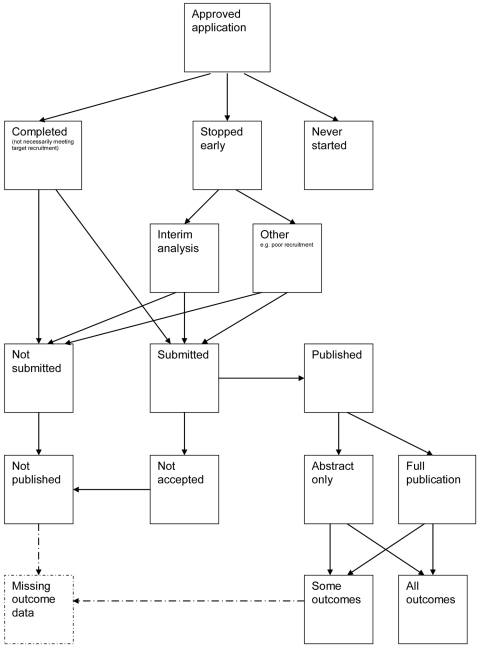
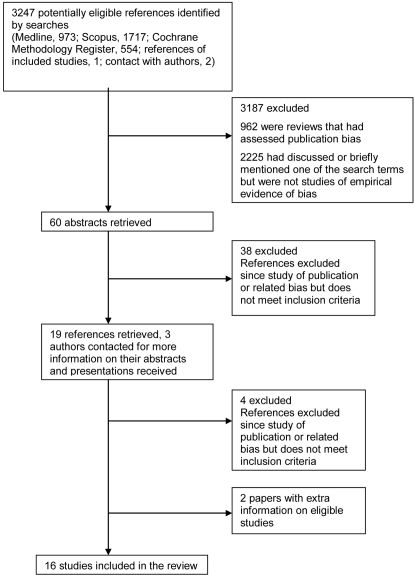
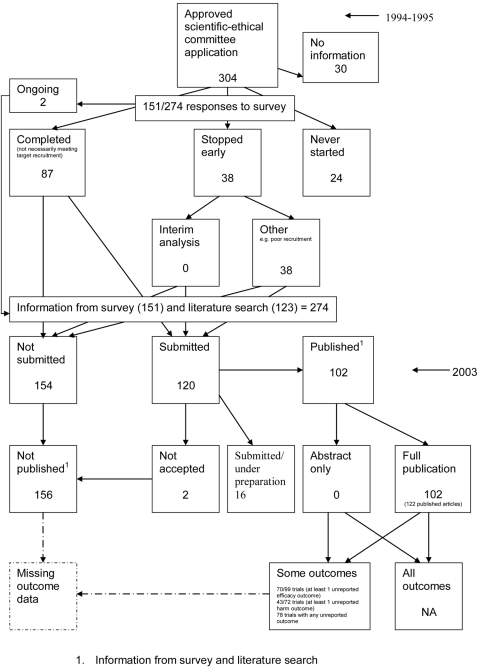
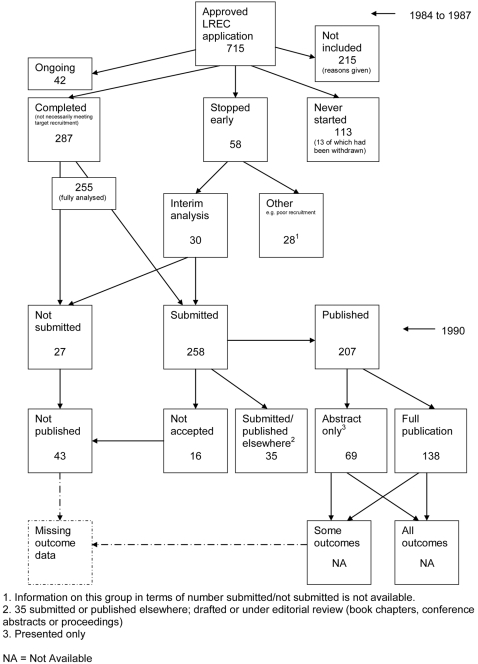
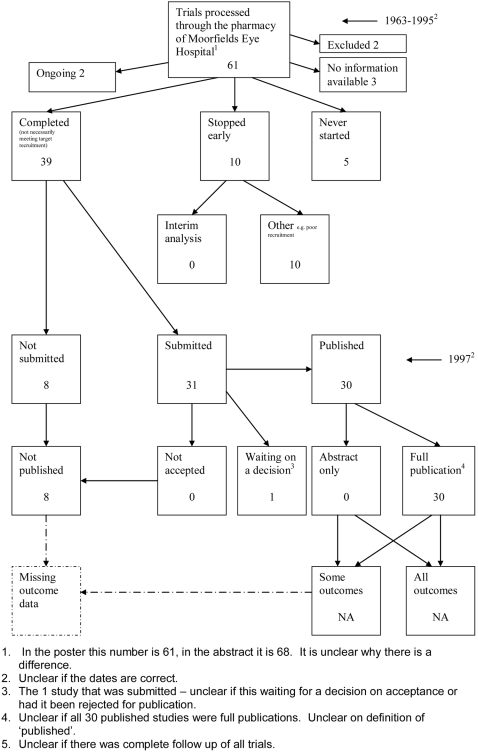
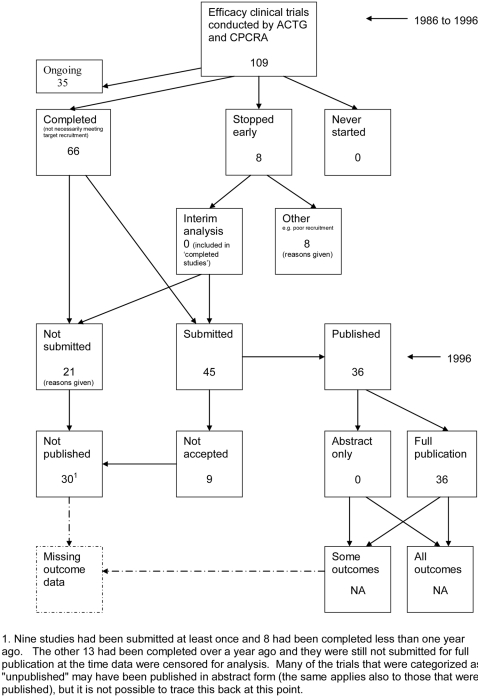
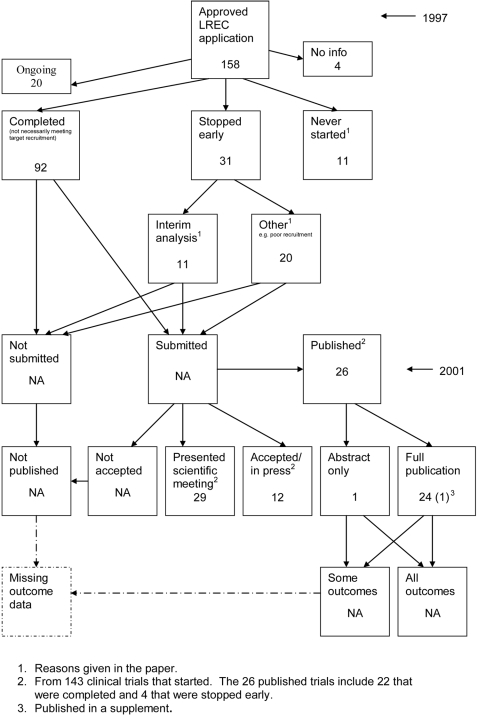
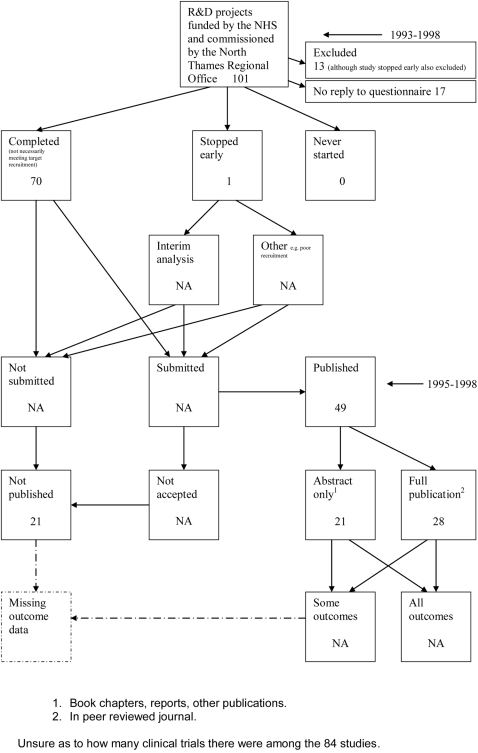
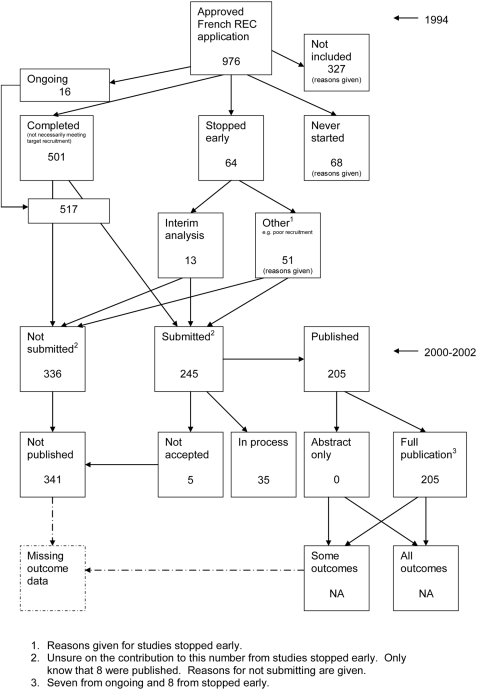
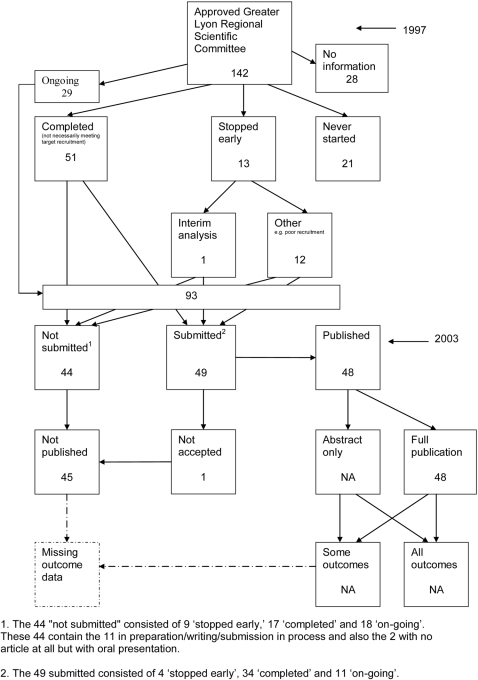
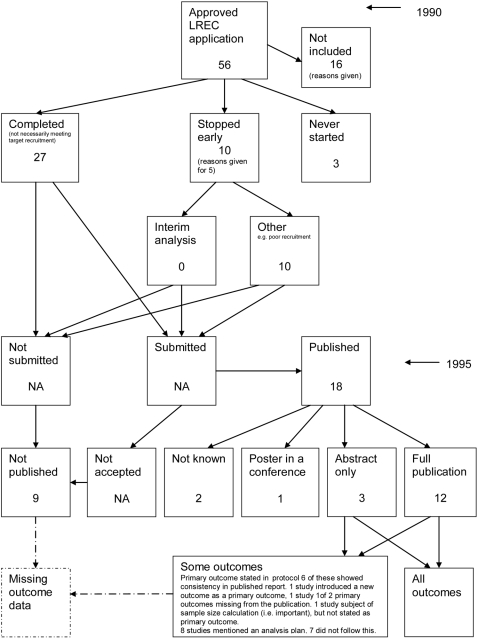
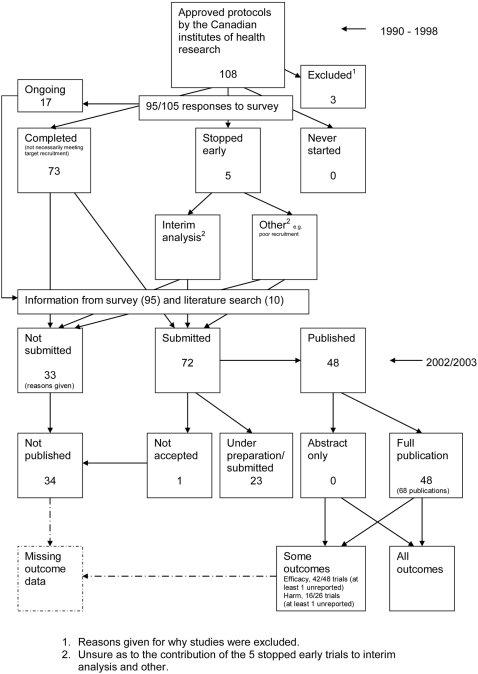
Verification
Claims the paper makes
The claims and statistics of this paper haven’t been checked yet.
Free: it reads the open-access text and checks the first 5 claims that cite a source we can check. Create a free account to check every claim.
Claims other papers make about this one
Each is checked against this paper’s own text: does it say what the citing paper says it does?
The source backs part of the claim, not all of it — or backs it for a different population, condition or comparison.
In the citing paper
“Unfortunately, attempted assessments frequently fail because authors of many trial reports neglect to provide lucid and complete descriptions of that critical information [2-4].”
From CONSORT 2010 Statement: updated guidelines for reporting parallel group randomised trials (2010) · cites this paper as [4]
Experimental — accuracy not yet measuredThe source backs part of the claim, not all of it — or backs it for a different population, condition or comparison.
In the citing paper
“and there are also reasons to believe that publication bias is more likely to affect low powered studies (25).”
From Statistical and Methodological Considerations for the Interpretation of Intranasal Oxytocin Studies (2016) · cites this paper as [25]
Experimental — accuracy not yet measuredThe source backs part of the claim, not all of it — or backs it for a different population, condition or comparison.
In the citing paper
“Empirical evidence suggests that authors often ignore, in the conduct and reporting of their trial, what they stated in the protocol [4,22].”
From CONSORT 2010 statement: updated guidelines for reporting parallel group randomised trials. (2010) · cites this paper as [4]
Experimental — accuracy not yet measuredThe source backs part of the claim, not all of it — or backs it for a different population, condition or comparison.
In the citing paper
“Second, publication bias, selective data analysis and selective reporting of outcomes are more likely to affect low-powered studies.”
From Power failure: why small sample size undermines the reliability of neuroscience (2013) · cites this paper as [17]
Experimental — accuracy not yet measuredThe source backs part of the claim, not all of it — or backs it for a different population, condition or comparison.
In the citing paper
“Empirical evidence suggests that authors often ignore, in the conduct and reporting of their trial, what they stated in the protocol. [4],[22]”
From CONSORT 2010 statement: updated guidelines for reporting parallel group randomised trials (2010) · cites this paper as [4]
Experimental — accuracy not yet measured
14 more claims about this paper
Create a free account to see every claim other papers make about this one.
Self-check
Percentages, sums and reported differences re-computed from the paper’s own numbers.
The self-check needs the paper’s full text.
Citations
Cites
Publication bias in clinical research
Easterbrook, P. J., Gopalan, R., Berlin, J. A., & Matthews, D. R. (1991) · The Lancet · doi:10.1016/0140-6736(91)90201-y · Cited by 3,109 · cited 12×
“The HTA report of Song et al [1] led to four potentially eligible empirical studies [3,4,26,27], all of which had been identified previously.”
BackgroundMethodResultInfluentialSelf-citationSystematic Reviews in Health Care : Meta-Analysis in Context
Egger, M., Smith, G. D., & Altman, D. G. (2000) · Cited by 2,412
Self-citationPublication Bias in Meta‐Analysis: Prevention, Assessment and Adjustments
(2005) · doi:10.1002/0470870168 · Cited by 2,368
Chan, A.-W., Hróbjartsson, A., Haahr, M. T., Gøtzsche, P. C., & Altman, D. G. (2004) · JAMA · doi:10.1001/jama.291.20.2457 · Cited by 1,845 · cited 30×
“Status of approved protocols for Chan 2004b study [15].”
BackgroundMethodInfluentialSelf-citationSystematic Reviews in Health Care: Meta‐Analysis in Context
(2001) · doi:10.1002/9780470693926 · Cited by 1,693
Systematic Reviews in Health Care. Meta-analysis in Context.
Kleijnen, J., & Antes, G. (2002) · International Journal of Epidemiology · doi:10.1093/ije/31.3.697 · Cited by 1,363
Full publication of results initially presented in abstracts.
Scherer, R. W., Langenberg, P., & von Elm, E. (2007) · Cochrane Database of Systematic Reviews · doi:10.1002/14651858.mr000005.pub3 · Cited by 997 · cited 1×
“The Cochrane review by Scherer et al [6] investigating the full publication of results initially presented in abstracts found that only 63% of results from abstracts describing randomized or controlled clinical trials are published in full and ‘positive’ results were more frequently published than non ‘positive’ resul…”
BackgroundPublication bias in clinical trials due to statistical significance or direction of trial results
Hopewell, S., Loudon, K., Clarke, M. J., Oxman, A. D., & Dickersin, K. (2009) · Cochrane Database of Systematic Reviews · doi:10.1002/14651858.mr000006.pub3 · Cited by 898
Dickersin, K. (1992) · JAMA · doi:10.1001/jama.1992.03480030052036 · Cited by 854
Publication bias: evidence of delayed publication in a cohort study of clinical research projects
Stern, J. M., & Simes, R. J. (1997) · BMJ · doi:10.1136/bmj.315.7109.640 · Cited by 818 · cited 11×
“Stern et al [4] reported that this finding was even stronger for their subgroup of clinical trials (Hazard Ratio (HR) 3.13 (95% confidence interval (CI) 1.76, 5.58), p = 0.0001) compared to all quantitative studies (HR 2.32 (95% CI 1.47, 3.66), p = 0.0003).”
BackgroundMethodResultInfluential
Research works printed but not linked: 2
- Von Elm E Röllin A Blümle A Huwiler K Witschi M 2008 Selective reporting of outcomes of drug trials; Comparison of study protocols and published articles. Swiss Med Wkly 138 (13–14) 197 203 18389392
- Wormald R Bloom J Evans J Oldfield K 1997 Publication bias in eye trials. In: 2nd International Conference Scientific Basis of Health Services & 5th Annual Cochrane Colloquium, 1997 5–8 October; Amsterdam, The Netherlands
Cited by
Items 201–300 of 1,007
Ensuring the quality and specificity of preregistrations
Bakker, M., Veldkamp, C. L. S., van Assen, M. A. L. M., Crompvoets, E. A. V., Ong, H. H., Nosek, B. A., Soderberg, C. K., Mellor, D., & Wicherts, J. M. (2020) · PLOS Biology · doi:10.1371/journal.pbio.3000937 · Cited by 138
McKay, K. A., Kwan, V., Duggan, T., & Tremlett, H. L. (2015) · BioMed Research International · doi:10.1155/2015/817238 · Cited by 154
Commentary: Perverse Incentives or Rotten Apples?
Bouter, L. M. (2015) · Accountability in Research · doi:10.1080/08989621.2014.950253 · Cited by 143
“After all, if not all research results are published, there is a distinct possibility of presenting a distorted picture (Dwan et al., 2008).”
BackgroundInterventions for improving adherence to ocular hypotensive therapy
Waterman, H., Evans, J. R., Gray, T. A., Henson, D., & Harper, R. (2013) · Cochrane Database of Systematic Reviews · doi:10.1002/14651858.cd006132.pub3 · Cited by 125
Finding the power to reduce publication bias
Stanley, T. D., Doucouliagos, H., & Ioannidis, J. P. A. (2017) · Statistics in Medicine · doi:10.1002/sim.7228 · Cited by 131
Self-citationMayo-Wilson, E., Fusco, N., Li, T., Hong, H., Canner, J. K., & Dickersin, K. (2017) · Journal of Clinical Epidemiology · doi:10.1016/j.jclinepi.2017.05.007 · Cited by 131
Avoiding Bias in Publication Bias Research: The Value of “Null” Findings
Kepes, S., Banks, G. C., & Oh, I. (2012) · Journal of Business and Psychology · doi:10.1007/s10869-012-9279-0 · Cited by 144
Potential Reporting Bias in fMRI Studies of the Brain
David, S. P., Ware, J. J., Chu, I. M., Loftus, P. D., Fusar-Poli, P., Radua, J., Munafò, M. R., & Ioannidis, J. P. A. (2013) · PLoS ONE · doi:10.1371/journal.pone.0070104 · Cited by 130
“While it is reasonable that particular regions of the brain are indeed activated during a given task, it is also possible that positive findings are more likely to be reported, either because investigators are more likely to report them or because journals are more likely to publish positive findings [14,15,16].”
BackgroundSelf-citationAndersen, P., Toner, P., Bland, M., & McMillan, D. (2016) · Behavioural and Cognitive Psychotherapy · doi:10.1017/s1352465816000229 · Cited by 128
Goh, E. T., Stokes, C. S., Sidhu, S. S., Vilstrup, H., Gluud, L. L., & Morgan, M. Y. (2018) · Cochrane Database of Systematic Reviews · doi:10.1002/14651858.cd012410.pub2 · Cited by 54
Native plant enthusiasm reaches new heights: Perceptions, evidence, and the future of green roofs
Butler, C., Butler, E., & Orians, C. M. (2011) · Urban forestry & urban greening · doi:10.1016/j.ufug.2011.11.002 · Cited by 127
Saygin, A. P., Cook, J., & Blakemore, S.-J. (2010) · PLoS ONE · doi:10.1371/journal.pone.0013491 · Cited by 121
“As summarized in Table S1, there are other experiments that found unaffected perceptual processing of biological motion in ASC, and it is likely that there have been other consistent observations that remain unpublished [44,45].”
A systematic review finds Core Outcome Set uptake varies widely across different areas of health
Hughes, K. L., Clarke, M., & Williamson, P. R. (2021) · Journal of Clinical Epidemiology · doi:10.1016/j.jclinepi.2020.09.029 · Cited by 125
Self-citationRiley, P., Glenny, A., Worthington, H. V., Littlewood, A., Clarkson, J., & McCabe, M. G. (2015) · Cochrane Database of Systematic Reviews · doi:10.1002/14651858.cd011552.pub2 · Cited by 152
Maternal depression and infant attachment security: A meta‐analysis
Barnes, J., & Theule, J. (2019) · Infant Mental Health Journal · doi:10.1002/imhj.21812 · Cited by 139
Adjustment for reporting bias in network meta-analysis of antidepressant trials
Trinquart, L., Chatellier, G., & Ravaud, P. (2012) · BMC Medical Research Methodology · doi:10.1186/1471-2288-12-150 · Cited by 122
Ushering in a New Era of Open Science Through Data Sharing: The Wall Must Come Down
Ross, J. S., & Krumholz, H. M. (2013) · JAMA · doi:10.1001/jama.2013.1299 · Cited by 118
“Moreover, publications are often incomplete, selectively reporting favorable outcomes and infrequently reporting relevant safety findings.(3,5) Motivations and explanations for this phenomenon vary, but whether intended or not, selective publication distorts the medical evidence and inhibits the flow of information th…”
BackgroundPublication of Trials Funded by the National Heart, Lung, and Blood Institute
Gordon, D., Taddei-Peters, W., Mascette, A., Antman, M., Kaufmann, P. G., & Lauer, M. S. (2013) · New England Journal of Medicine · doi:10.1056/nejmsa1300237 · Cited by 120
Estimating within‐study covariances in multivariate meta‐analysis with multiple outcomes
Wei, Y., & Higgins, J. P. (2013) · Statistics in Medicine · doi:10.1002/sim.5679 · Cited by 115
“Such outcome reporting bias is now well documented in the medical literature [11, 12], so multivariate approaches to meta-analysis have a promising future.”
BackgroundImproving the reporting of randomised trials: the CONSORT Statement and beyond
Altman, D. G., Moher, D., & Schulz, K. F. (2012) · Statistics in Medicine · doi:10.1002/sim.5402 · Cited by 117
“Since the revision in 2001, the evidence base to inform CONSORT grew considerably; empirical data highlighted new concerns regarding the reporting of randomized controlled trials, such as selective outcome reporting [4, 30].”
BackgroundInfluentialSelf-citationWHAT'S TO KNOW ABOUT THE CREDIBILITY OF EMPIRICAL ECONOMICS?
Ioannidis, J., & Doucouliagos, C. (2013) · Journal of Economic Surveys · doi:10.1111/joes.12032 · Cited by 118
“Small-study effects suggestive of possible selective reporting biases remain common in randomized trials in other disciplines (Dwan et al., 2008).4 Similarly, we do not know how vulnerable these studies are to the winner’s curse, i.e. inflated effect sizes when effects are discovered by relatively…”
BackgroundSelf-citationPalmer, C., & Pe’er, I. (2017) · PLOS Genetics · doi:10.1371/journal.pgen.1006916 · Cited by 121
Kirkham, J. J., Riley, R. D., & Williamson, P. R. (2012) · Statistics in Medicine · doi:10.1002/sim.5356 · Cited by 119
“Empirical research provides strong evidence that outcome reporting bias is a significant problem in randomised controlled trials [1, 2].”
BackgroundSelf-citationTransforming Epidemiology for 21st Century Medicine and Public Health
Khoury, M. J., Lam, T. K., Ioannidis, J. P. A., Hartge, P., Spitz, M. R., Buring, J. E., Chanock, S. J., Croyle, R. T., Goddard, K. A., Ginsburg, G. S., et al. (2013) · Cancer Epidemiology, Biomarkers & Prevention · doi:10.1158/1055-9965.epi-13-0146 · Cited by 119
“A current limitation of knowledge integration is that researchers rely heavily on published literature, which tends to overly report positive associations due to selective reporting and other biases (44).”
BackgroundSelf-citationVera-Badillo, F. E., Shapiro, R., Ocana, A., Amir, E., & Tannock, I. F. (2013) · Annals of Oncology · doi:10.1093/annonc/mds636 · Cited by 117
“Such trials provide the gold standard to evaluate the efficacy and toxicity of new drugs before approval by regulatory authorities [2, 3].”
BackgroundHensen, B., Baggaley, R., Wong, V. J., Grabbe, K. L., Shaffer, N., Lo, Y. J., & Hargreaves, J. (2012) · Tropical Medicine & International Health · doi:10.1111/j.1365-3156.2011.02893.x · Cited by 115
“First, we included only published studies, and published research is more likely to present statistically significant findings than unpublished research (Dwan et al. 2008).”
ResultReeves, B. C., Higgins, J. P. T., Ramsay, C., Shea, B., Tugwell, P., & Wells, G. A. (2013) · Research Synthesis Methods · doi:10.1002/jrsm.1068 · Cited by 112
“…RCTs; Dwan and colleagues noted that statistically significant outcomes had a higher odds of being fully reported compared with non-significant outcomes (range of OR, 2.2 to 4.7) and that changes in pre-specified outcomes (not documented in amendments) also frequently occur (Dwan et al., 2008).”
BackgroundResultInfluentialHow to make more published research true
Ioannidis, J. P. A. (2015) · Acimed · Cited by 138
Self-citationSenftleber, N., Nielsen, S., Andersen, J., Bliddal, H., Tarp, S., Lauritzen, L., Furst, D., Suarez-Almazor, M., Lyddiatt, A., & Christensen, R. (2017) · Nutrients · doi:10.3390/nu9010042 · Cited by 114
“There is evidence that statistically significant outcomes have higher odds of being fully reported [28]; therefore, outcome-reporting bias was assessed using the tool developed by Dwan et al.”
MethodTime to publication among completed clinical trials
Ross, J. S., Mocanu, M., Lampropulos, J. F., Tse, T., & Krumholz, H. M. (2013) · JAMA Internal Medicine · doi:10.1001/jamainternmed.2013.136 · Cited by 114
Huić, M., Marušić, M., & Marušić, A. (2011) · PLoS ONE · doi:10.1371/journal.pone.0025258 · Cited by 114
“Study publication and outcome reporting biases are two major obstacles to evidence-based practice because they overestimate the effect of experimental treatments, can cause harm and are unethical [1–18].”
BackgroundSmall-Study Effects in Meta-Analysis
Schwarzer, G., Carpenter, J. R., & Rücker, G. (2015) · Use R! · doi:10.1007/978-3-319-21416-0_5 · Cited by 146
Dinglas, V. D., Faraone, L. N., & Needham, D. M. (2018) · Current Opinion in Critical Care · doi:10.1097/mcc.0000000000000533 · Cited by 133
Gibbons, C. L., Bruce, J., Carpenter, J. R., Wilson, A. P. R., Wilson, J. A., Pearson, A., Lamping, D. L., Krukowski, Z. H., & Reeves, B. C. (2011) · Health Technology Assessment · doi:10.3310/hta15300 · Cited by 131
Turner, E. H., Knoepflmacher, D., & Shapley, L. (2012) · PLoS Medicine · doi:10.1371/journal.pmed.1001189 · Cited by 106
“Unfortunately, whether research results are published, and how they are published, often depends on their statistical significance [1,2], which alters the apparent risk–benefit ratio of drugs.”
BackgroundGarattini, S., Jakobsen, J. C., Wetterslev, J., Bertelé, V., Banzi, R., Rath, A., Neugebauer, E. A. M., Laville, M., Masson, Y., Hivert, V., et al. (2016) · European Journal of Internal Medicine · doi:10.1016/j.ejim.2016.03.020 · Cited by 108
Rising complexity and falling explanatory power in ecology
Low-Décarie, E., Chivers, C., & Granados, M. (2014) · Frontiers in Ecology and the Environment · doi:10.1890/130230 · Cited by 111
A systematic review of interventions to foster physician resilience
Fox, S., Lydon, S., Byrne, D., Madden, C., Connolly, F., & O’Connor, P. (2018) · Postgraduate Medical Journal · doi:10.1136/postgradmedj-2017-135212 · Cited by 105
Fighting Publication Bias: Introducing the Negative Results Section
Dirnagl, U., & Lauritzen, M. (2010) · Journal of Cerebral Blood Flow & Metabolism · doi:10.1038/jcbfm.2010.51 · Cited by 123
“It has been demonstrated that studies reporting positive, or significant, results are more likely to be published, and outcomes that are statistically significant have higher odds of being fully reported (”
BackgroundBerberine and health outcomes: An umbrella review
Li, Z., Yang, W., Xu, Q., Ma, J., Li, X., Yan, J., Tian, Y., Wen, Y., & Chen, T. (2023) · Phytotherapy Research · doi:10.1002/ptr.7806 · Cited by 119
“It has been identified as a threat to the validity of meta-analyses and can make readily available evidence unreliable for decision-making (Dwan et al., 2008).”
BackgroundBias in Associations of Emerging Biomarkers With Cardiovascular Disease
Tzoulaki, I., Siontis, K. C., Evangelou, E., & Ioannidis, J. P. A. (2013) · JAMA Internal Medicine · doi:10.1001/jamainternmed.2013.3018 · Cited by 108
Self-citationUrlings, M. J. E., Duyx, B., Swaen, G. M. H., Bouter, L. M., & Zeegers, M. P. (2020) · Journal of Clinical Epidemiology · doi:10.1016/j.jclinepi.2020.11.019 · Cited by 116
“Publication bias is well studied and widely recognized as a problem in scientific and scholarly research (2).”
BackgroundCoronado-Montoya, S., Levis, A. W., Kwakkenbos, L., Steele, R. J., Turner, E. H., & Thombs, B. D. (2016) · PLOS ONE · doi:10.1371/journal.pone.0153220 · Cited by 107
Tracking Replicability as a Method of Post-Publication Open Evaluation
Hartshorne, J. K., & Schachner, A. (2012) · Frontiers in Computational Neuroscience · doi:10.3389/fncom.2012.00008 · Cited by 107
“…the medical literature (Dickersin et al., 1987, 1992; Easterbrook et al., 1991; Callaham et al., 1998; Misakian and Bero, 1998; Olson et al., 2002; Dwan et al., 2008; Sena et al., 2010), with additional reports in political science (Gerberg et al., 2001), ecology and evolution (Jennions and…”
BackgroundA PRISMA assessment of the reporting quality of systematic reviews in orthodontics
Fleming, P. S., Seehra, J., Polychronopoulou, A., Fedorowicz, Z., & Pandis, N. (2013) · The Angle Orthodontist · doi:10.2319/032612-251.1 · Cited by 105
“Ideally, these eligibility criteria should also refer to inclusion of studies with specific outcomes to permit assessment of the possibility of reporting bias due to selective reporting of results.(18) Consequently, it is important that the reporting of eligibility criteria be improved in nonCochrane orthodontic revie…”
BackgroundThe Importance of Clinical Trial Data Sharing: Toward More Open Science
Ross, J. S., Lehman, R., & Gross, C. P. (2012) · Circulation: Cardiovascular Quality and Outcomes · doi:10.1161/circoutcomes.112.965798 · Cited by 104
Reporting of Results in ClinicalTrials.gov and High-Impact Journals
Becker, J. E., Krumholz, H. M., Ben-Josef, G., & Ross, J. S. (2014) · JAMA · doi:10.1001/jama.2013.285634 · Cited by 100
Tessema, G. A., Gomersall, J. S., Mahmood, M. A., & Laurence, C. (2016) · PLoS ONE · doi:10.1371/journal.pone.0165627 · Cited by 105
Fitzpatrick, T., Perrier, L., Shakik, S., Cairncross, Z., Tricco, A. C., Lix, L., Zwarenstein, M., Rosella, L., & Henry, D. (2018) · JAMA Network Open · doi:10.1001/jamanetworkopen.2018.6019 · Cited by 100
Pinto, J. V., Moulin, T. C., & Amaral, O. B. (2017) · Neuroscience & Biobehavioral Reviews · doi:10.1016/j.neubiorev.2017.10.001 · Cited by 103
When are clinical trials registered? An analysis of prospective versus retrospective registration
Harriman, S. L., & Patel, J. (2016) · Trials · doi:10.1186/s13063-016-1310-8 · Cited by 103
“Many studies are never published [1], in particular, ‘negative’ studies, which are less likely to be published than those reporting a positive outcome [1–4].”
BackgroundThe Drug Facts Box: Improving the communication of prescription drug information
Schwartz, L. M., & Woloshin, S. (2013) · Proceedings of the National Academy of Sciences · doi:10.1073/pnas.1214646110 · Cited by 97
Turnbull, A. E., Sepulveda, K. A., Dinglas, V. D., Chessare, C. M., Bingham, C. O., & Needham, D. M. (2017) · Critical Care Medicine · doi:10.1097/ccm.0000000000002435 · Cited by 100
Schweren, L., de Zeeuw, P., & Durston, S. (2012) · European Neuropsychopharmacology · doi:10.1016/j.euroneuro.2012.10.014 · Cited by 116
“Finally, signs of considerable publication bias have been reported in clinical treatment literature, where null-findings or conflicting findings are less likely to be published (Dwan et al., 2008; McGauran et al., 2010).”
BackgroundO'Connor, A. M., Anderson, K. M., Goodell, C. K., & Sargeant, J. M. (2014) · Zoonoses and Public Health · doi:10.1111/zph.12125 · Cited by 91
“The association between significant results and publication has been well documented and it is therefore important to search for unpublished studies to minimize bias in the systematic review (Dwan et al., 2008).”
BackgroundSystematic Literature Reviews and Meta-Analyses
Ressing, M., Blettner, M., & Klug, S. J. (2009) · Deutsches Ärzteblatt international · doi:10.3238/arztebl.2009.0456 · Cited by 163
Non-publication and delayed publication of randomized trials on vaccines: survey
Manzoli, L., Flacco, M. E., D'Addario, M., Capasso, L., De Vito, C., Marzuillo, C., Villari, P., & Ioannidis, J. P. A. (2014) · BMJ · doi:10.1136/bmj.g3058 · Cited by 99
Self-citationRoest, A. M., de Jonge, P., Williams, C. D., de Vries, Y. A., Schoevers, R. A., & Turner, E. H. (2015) · JAMA Psychiatry · doi:10.1001/jamapsychiatry.2015.15 · Cited by 101
Do phthalates act as obesogens in humans? A systematic review of the epidemiological literature
Goodman, M. G., LaKind, J. S., & Mattison, D. R. (2014) · Critical Reviews in Toxicology · doi:10.3109/10408444.2013.860076 · Cited by 113
“Another closely related concept is selective within-study reporting defined as ‘‘selection on the basis of the results of a subset of the original variables recorded for inclusion in a publication’’ (Dwan et al., 2008).”
BackgroundPeer Review: Recent Experience and Future Directions
Ware, M. (2011) · New Review of Information Networking · doi:10.1080/13614576.2011.566812 · Cited by 94
“The reasons given for preferring double-blind review were principally to do with objectiveness and fairness, reducing the scope for various kinds of bias.”
Rostock, M., Jaroslawski, K., Guethlin, C., Lüdtke, R., Schröder, S., & Bartsch, H. H. (2013) · Evidence-based Complementary and Alternative Medicine · doi:10.1155/2013/349653 · Cited by 106
“Studies reporting positive results are more likely to be published [29], while negative results more often have to be published in journals with lower impact factors [30].”
BackgroundBetween Black and White: Examining Grey Literature in Meta-analyses of Psychological Research
Bellefontaine, S., & Lee, C. M. (2013) · Journal of Child and Family Studies · doi:10.1007/s10826-013-9795-1 · Cited by 115
“…which might otherwise never be disseminated, or may take much longer to be published than studies with confirmatory results (Decullier et al. 2005; Dwan et al. 2008; Hopewell and Clarke 2001), and ensures that key stakeholders (i.e., parents, service providers, and administrators) can be made…”
BackgroundInfluentialAn empirical assessment of validation practices for molecular classifiers
Castaldi, P. J., Dahabreh, I. J., & Ioannidis, J. P. A. (2011) · Briefings in Bioinformatics · doi:10.1093/bib/bbq073 · Cited by 96
Self-citationHannink, G., Gooszen, H. G., & Rovers, M. M. (2013) · Annals of Surgery · doi:10.1097/sla.0b013e3182864fa3 · Cited by 102
A Call for Examining Replication and Bias in Special Education Research
Cook, B. G. (2014) · Remedial and Special Education · doi:10.1177/0741932514528995 · Cited by 108
“Dwan et al. (2008) reviewed studies that compared research protocols (registered prior to the start of studies) to subsequent research reports. They reported between 13% and 31% of primary outcomes specified in protocols were omitted in publications. Moreover, statistically significant outcomes were significantly more…”
BackgroundInfluentialPredicting replication outcomes in the Many Labs 2 study
Forsell, E., Viganola, D., Pfeiffer, T., Almenberg, J., Wilson, B., Chen, Y., Nosek, B. A., Johannesson, M., & Dreber, A. (2019) · Journal of Economic Psychology · doi:10.1016/j.joep.2018.10.009 · Cited by 104
Publication Bias in Recent Meta-Analyses
Kicinski, M. (2013) · PLoS ONE · doi:10.1371/journal.pone.0081823 · Cited by 97
“We focused on this selection process because its existence in the medical literature is well-documented by empirical studies following research from inception or submission to a regulatory authority[4,6].”
BackgroundManzi, F. (2019) · Frontiers in Psychology · doi:10.3389/fpsyg.2019.00469 · Cited by 111
“Such studies are likely to be greatly underrepresented both in previous analyses and in the present review due to a long history of publication pressures favoring significant over null results (Song et al., 2000; Dwan et al., 2008).”
ResultRodrigues, A., O’Brien, N., French, D., Glidewell, L., & Sniehotta, F. F. (2015) · Health Psychology · doi:10.1037/hea0000104 · Cited by 106
Coulman, K. D., Hopkins, J. C. A., Brookes, S. T., Chalmers, K. A., Main, B., Owen‐Smith, A., Andrews, R. C., Byrne, J. P., Donovan, J., Mazza, G., et al. (2016) · PLoS Medicine · doi:10.1371/journal.pmed.1002187 · Cited by 106
“The uptake and use of a COS can help to reduce the heterogeneity of outcomes reported across trials and reduce outcome reporting bias—the selective reporting of some outcomes from those that were originally measured in a study, on the basis of their results [8,10].”
BackgroundHaber, N., Smith, E. R., Moscoe, E., Andrews, K., Audy, R., Bell, W., Brennan, A. T., Breskin, A., Kane, J. C., Karra, M., et al. (2018) · PLoS ONE · doi:10.1371/journal.pone.0196346 · Cited by 97
“Publication bias [20, 21], lack of replicability and replication [22], implication of a causal relationship even after stating that the evidence is insufficient to reach causal conclusions [23–25], and related phenomena may also introduce error into bodies of published literature.”
BackgroundSimera, I., Moher, D., Hoey, J., Schulz, K. F., & Altman, D. G. (2009) · Maturitas · doi:10.1016/j.maturitas.2009.03.011 · Cited by 97
“[1] summarised the evidence from sixteen cohort stud-”
BackgroundSelf-citationLaKind, J. S., Sobus, J. R., Goodman, M., Barr, D. B., Fürst, P., Albertini, R. J., Arbuckle, T. E., Schoeters, G., Tan, Y.-M., Teeguarden, J., et al. (2014) · Environment International · doi:10.1016/j.envint.2014.07.011 · Cited by 95
“outcome reporting bias), which is defined as “selection on the basis of the results of a subset of the original variables recorded for inclusion in a publication” (Dwan et al., 2008).”
BackgroundTreatment as usual and routine care in research and clinical practice
Kazdin, A. E. (2015) · Clinical Psychology Review · doi:10.1016/j.cpr.2015.08.006 · Cited by 96
The Role of Publication Selection Bias in Estimates of the Value of a Statistical Life
Viscusi, W. K. (2015) · American Journal of Health Economics · doi:10.1162/ajhe_a_00002 · Cited by 96
“Both outcome reporting bias and publication bias substantially affect the publication of results for randomized control trials of health-care interventions (Dwan et al. 2008, 2013).”
BackgroundA Guide for Calculating Study-Level Statistical Power for Meta-Analyses
Quintana, D. S. (2023) · Advances in Methods and Practices in Psychological Science · doi:10.1177/25152459221147260 · Cited by 95
Rehabilitation following carpal tunnel release
Peters, S. E., Page, M. J., Coppieters, M. W., Ross, M., & Johnston, V. (2016) · Cochrane Database of Systematic Reviews · doi:10.1002/14651858.cd004158.pub3 · Cited by 98
Lee, J. G. L., Ylioja, T., & Lackey, M. (2016) · PLOS ONE · doi:10.1371/journal.pone.0156210 · Cited by 87
“, unpublished in academic journals) can help counteract the effect of publication bias [4].”
BackgroundGluud, L. L., Vilstrup, H., & Morgan, M. Y. (2016) · Cochrane Database of Systematic Reviews · doi:10.1002/14651858.cd003044.pub3 · Cited by 110
Ahmad, P., Dummer, P. M. H., Chaudhry, A., Rashid, U., Saif, S., & Asıf, J. A. (2019) · International Endodontic Journal · doi:10.1111/iej.13131 · Cited by 105
Life Course Nature Exposure and Mental Health Outcomes: A Systematic Review and Future Directions
Li, D., Menotti, T., Ding, Y., & Wells, N. M. (2021) · International Journal of Environmental Research and Public Health · doi:10.3390/ijerph18105146 · Cited by 101
“However, meta-bias such as publication bias may still be present [62].”
BackgroundResearch Integrity and Misconduct in the Academic Profession
Anderson, M. S., Shaw, M. A., Steneck, N. H., Konkle, E. A., & Kamata, T. (2013) · Higher education · doi:10.1007/978-94-007-5836-0_5 · Cited by 110
Tsilidis, K. K., Papatheodorou, S. I., Evangelou, E., & Ioannidis, J. P. A. (2012) · JNCI: Journal of the National Cancer Institute · doi:10.1093/jnci/djs437 · Cited by 93
“First, bias against the publication of negative results or publication of those results after considerable delay may exist (7).”
BackgroundSelf-citationKenny, K. P., Day, P. F., Sharif, M. O., Parashos, P., Lauridsen, E., Feldens, C. A., Cohenca, N., Skapetis, T., Levin, L., Kenny, D. J., et al. (2018) · Dental Traumatology · doi:10.1111/edt.12367 · Cited by 90
Golden, T. L., Springs, S., Kimmel, H. J., Gupta, S., Tiedemann, A., Sandu, C. C., & Magsamen, S. H. (2021) · Frontiers in Psychology · doi:10.3389/fpsyg.2021.649840 · Cited by 97
“, 2010), and outcome reporting bias is an important problem in randomized trials (Dwan et al., 2008).”
BackgroundMoreno, S. G., Sutton, A. J., Thompson, J. R., Ades, A. E., Abrams, K. R., & Cooper, N. J. (2012) · Statistics in Medicine · doi:10.1002/sim.4488 · Cited by 86
Apfel, C. C., Meyer, A., Sungur, M. O., Jalota, L., Whelan, R., & Jukar-Rao, S. (2012) · British Journal of Anaesthesia · doi:10.1093/bja/aes138 · Cited by 104
Sources of error in the retracted scientific literature
Casadevall, A., Steen, R. G., & Fang, F. C. (2014) · The FASEB Journal · doi:10.1096/fj.14-256735 · Cited by 89
“The causes for the irreproducibility of many studies are poorly understood, but several explanations are emerging, including bias in publication and outcome reporting (4, 5), insufficient statistical power (6),”
BackgroundMetallothionein and the biology of aging
Swindell, W. R. (2011) · Ageing Research Reviews · doi:10.1016/j.arr.2010.09.007 · Cited by 89
Al-Durra, M., Nolan, R. P., Seto, E., & Cafazzo, J. A. (2020) · BMJ · doi:10.1136/bmj.m982 · Cited by 89
Guidelines for randomized clinical trial protocol content: a systematic review
Tetzlaff, J. M., Chan, A.-W., Kitchen, J., Sampson, M., Tricco, A. C., & Moher, D. (2012) · Systematic Reviews · doi:10.1186/2046-4053-1-43 · Cited by 81
“For example, only half of the more recent guidelines [59,70,71,74,75,80,81] included an item recommending that primary outcomes be stated, despite preceding research showing biased modifications of primary outcomes throughout trials [3,5,11].”
BackgroundResultSelf-citationCarbine, K. A., Rodeback, R. E., Modersitzki, E., Miner, M., LeCheminant, J. D., & Larson, M. J. (2018) · Appetite · doi:10.1016/j.appet.2018.05.135 · Cited by 99
Trzesniak, C. M. F., de Oliveira, I. R., Kempton, M. J., Almeida, A. G.-D., Chagas, M. H. N., Ferrari, M. C. F., Filho, A. S., Zuardi, A. W., Prado, D. A., Busatto, G. F., et al. (2010) · Schizophrenia Research · doi:10.1016/j.schres.2010.09.016 · Cited by 89
GRADE-CERQual Coordinating Team, Booth, A., Lewin, S., Glenton, C., Munthe-Kaas, H., Toews, I., Noyes, J., Rashidian, A., Berg, R. C., Nyakang’o, B., et al. (2018) · Implementation Science · doi:10.1186/s13012-017-0694-5 · Cited by 82
The misuse and abuse of statistics in biomedical research
Thiese, M. S., Arnold, Z. C., & Walker, S. D. (2015) · Biochemia Medica · doi:10.11613/bm.2015.001 · Cited by 87
A systematic review of duloxetine and venlafaxine in major depression, including unpublished data
Schueler, Y. ‐., Koesters, M., Wieseler, B., Grouven, U., Kromp, M., Kerekes, M. F., Kreis, J., Kaiser, T., Becker, T., & Weinmann, S. (2011) · Acta Psychiatrica Scandinavica · doi:10.1111/j.1600-0447.2010.01599.x · Cited by 87
Pre-Clinical Testing of Therapies for Traumatic Brain Injury
DeWitt, D. S., Hawkins, B. E., Dixon, C. E., Kochanek, P. M., Armstead, W. M., Bass, C. R., Bramlett, H. M., Büki, A., Dietrich, W. D., Ferguson, A. R., et al. (2018) · Journal of Neurotrauma · doi:10.1089/neu.2018.5778 · Cited by 95
Lyons, V. E., & Popejoy, L. (2013) · Western Journal of Nursing Research · doi:10.1177/0193945913505782 · Cited by 87
“There is a tendency in scholarly publications to publish research that results in significant findings (De Oliveira, Chang, Kendall, Fitzgerald, & McCarthy, 2012; Dwan et al., 2008).”
BackgroundComplications and failure of uterine artery embolisation for intractable postpartum haemorrhage
Maassen, M., Lambers, M., Nolthenius, R. T., van der Valk, P., & Elgersma, O. E. H. (2008) · BJOG An International Journal of Obstetrics & Gynaecology · doi:10.1111/j.1471-0528.2008.01939.x · Cited by 87
Leurent, B., Nazareth, I., Bellón-Saameño, J., Geerlings, M.-I., Maaroos, H., Saldivia, S., Švab, I., Torres-González, F., Xavier, M., & King, M. (2013) · Psychological Medicine · doi:10.1017/s0033291712003066 · Cited by 80
“Thus we consider it is important to show the results to avoid a reporting bias that favours statistically significant results (Dwan et al. 2008).”
Result
Metadata
- Authors
- Dwan, K., Altman, D. G., Arnaiz, J. A., Bloom, J., Chan, A.-W., Cronin, E., Decullier, E., Easterbrook, P. J., Von Elm, E., Gamble, C., Ghersi, D., Ioannidis, J. P. A., Simes, J., & Williamson, P. R.
- Affiliations
- University of Liverpool (GB)
- University of Oxford (GB)
- Hospital Clínic de Barcelona (ES)
- Moorfields Eye Hospital (GB)
- Canadian Institutes of Health Research (CA)
- King's College London (GB)
- University of Bern (CH)
- National Health and Medical Research Council (AU)
- Tufts University (US)
- The University of Sydney (AU)
- Corresponding author
- Dwan, Kerry
- ORCID
- Venue
- PLoS ONE
- Publisher
- Public Library of Science (PLoS)
- Published
- 2008-08-28
- Volume
- 3
- Issue
- 8
- Pages
- e3081
- ISSN
- 1932-6203 (ISSN-L)
- PMC
- PMC2518111
- OpenAlex
- W2091959199
- Cited by
- 1,546
- References
- 48
- Citations by year
- 2026: 45 · 2025: 51 · 2024: 67 · 2023: 51 · 2022: 76 · 2021: 118 · 2020: 90 · 2019: 72 · 2018: 96 · 2017: 90 · 2016: 129 · 2015: 121 · 2014: 109 · 2013: 131 · 2012: 103
- FWCI
- 20.77
- Type
- journal article
- Language
- en
- Open access
- gold
- doi.org
- Locations
- PLoS ONE (publishedVersion, cc-by)
- PubMed Central (publishedVersion, cc-by)
- PubMed (publishedVersion)
- Dipòsit Digital de la Universitat de Barcelona (Universitat de Barcelona) (publishedVersion, cc-by)
- RePEc: Research Papers in Economics (submittedVersion)
- Bern Open Repository and Information System (University of Bern) (submittedVersion, cc-by)
- DOAJ (DOAJ: Directory of Open Access Journals) (submittedVersion, cc-by-sa)
- Figshare (submittedVersion, cc-by)
- Research Portal (King's College London) (submittedVersion)
- RECERCAT (Consorci de Serveis Universitaris de Catalunya) (submittedVersion, cc-by)
- Funders
- Cancer Research UK
- Topics
- Social Sciences › Decision Sciences › Statistics, Probability and Uncertainty › Meta-analysis and systematic reviews
- Social Sciences › Library and Information Sciences › Academic Publishing and Open Access
- Health Sciences › Nursing › Issues, ethics and legal aspects › Pharmaceutical industry and healthcare
- Keywords
- publication bias, selective reporting, randomized controlled trials, outcome reporting, meta-analysis validity, clinical trial registration
- MeSH terms
- Clinical Trials as Topic, Humans, Publishing, Cohort Studies, Randomized Controlled Trials as Topic, Treatment Outcome, Publication Bias, Patient Selection
About these checks
Registry, retraction, Cites and statistics results are computed, not judged, with one exception: a printed reference that no index lists is read once by a model before it counts as a citation error. Claims are extracted by a model and kept only when their quote appears verbatim in the text; each cited source is then checked, with a model’s help, for whether it says what the claim relies on. Those verdicts can be wrong — read the claim’s quote and the cited source before relying on one.
Statistics and arithmetic are recomputed, not judged.
Confidence bands are shown only for fields calibrated on our annotated test set. None is calibrated yet, so no band is shown.
What counts as a claim ›How we measure confidence ›How we check this ›
Are you an author, or do you see a problem with this page? Request a review
Data sources
Bibliographic data: Semantic Scholar, OpenAlex, Crossref.
Contains information from the Semantic Scholar Academic Graph Datasets, made available under the ODC Attribution License (ODC-BY 1.0).
Semantic Scholar’s data is described in: Kinney, R., et al. (2023). The Semantic Scholar Open Data Platform. arXiv:2301.10140.
