

Sclerostin Stimulates Osteocyte Support of Osteoclast Activity by a RANKL-Dependent Pathway
Open accessThe DOI matches its Crossref record; 66 of the 66 references it cites were found in a registry or an index.
Abstract
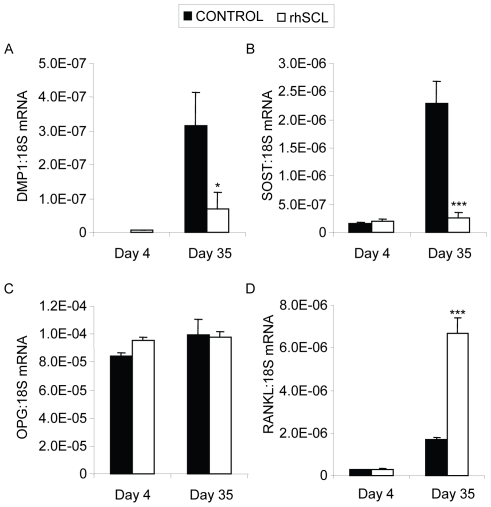
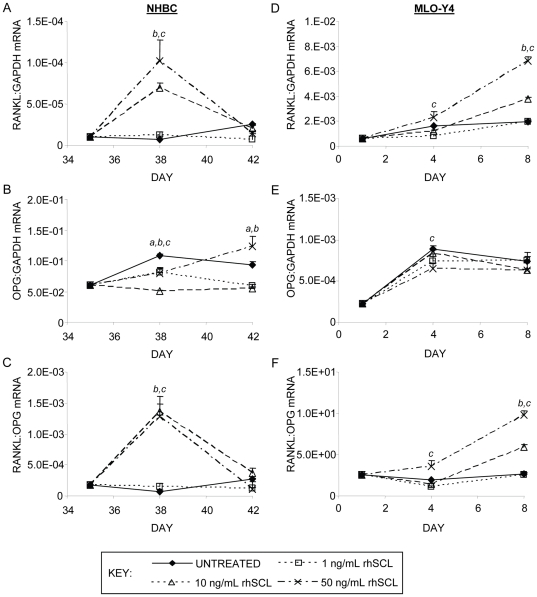
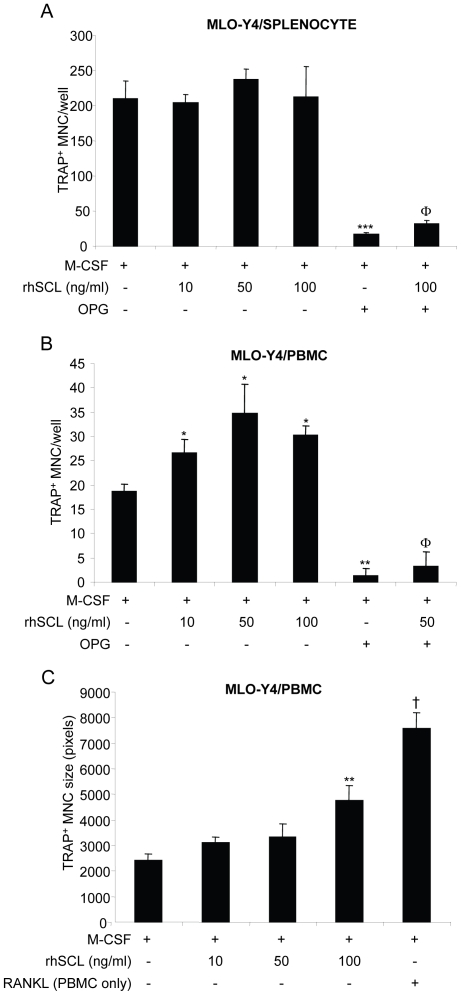
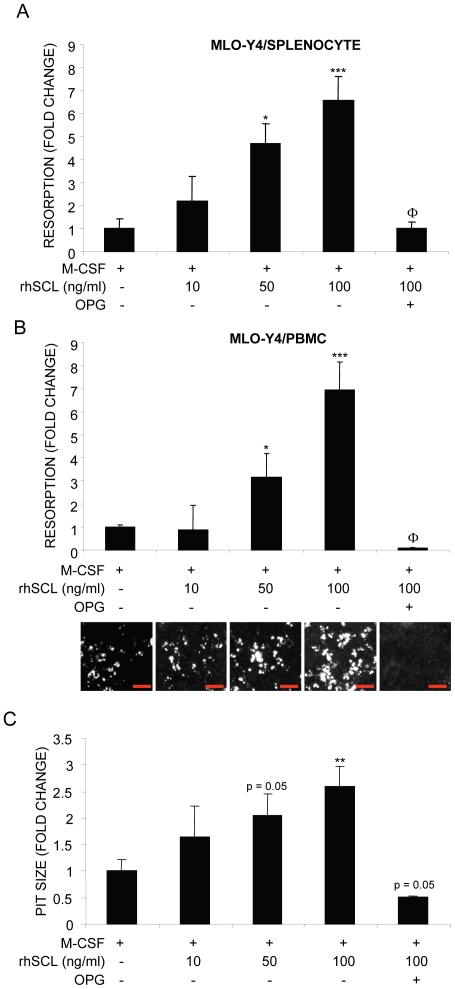
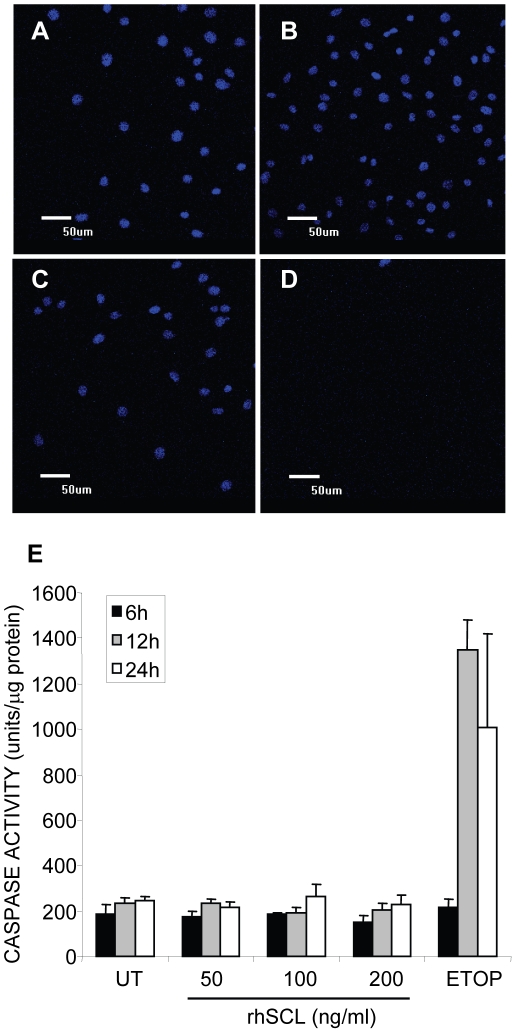
Sclerostin is a product of mature osteocytes embedded in mineralised bone and is a negative regulator of bone mass and osteoblast differentiation. While evidence suggests that sclerostin has an anti-anabolic role, the possibility also exists that sclerostin has catabolic activity. To test this we treated human primary pre-osteocyte cultures, cells we have found are exquisitely sensitive to sclerostin, or mouse osteocyte-like MLO-Y4 cells, with recombinant human sclerostin (rhSCL) and measured effects on pro-catabolic gene expression. Sclerostin dose-dependently up-regulated the expression of receptor activator of nuclear factor kappa B (RANKL) mRNA and down-regulated that of osteoprotegerin (OPG) mRNA, causing an increase in the RANK:OPG mRNA ratio. To examine the effects of rhSCL on resulting osteoclastic activity, MLO-Y4 cells plated onto a bone-like substrate were primed with rhSCL for 3 days and then either mouse splenocytes or human peripheral blood mononuclear cells (PBMC) were added. This resulted in cultures with elevated osteoclastic resorption (approximately 7-fold) compared to untreated co-cultures. The increased resorption was abolished by co-addition of recombinant OPG. In co-cultures of MLO-Y4 cells with PBMC, SCL also increased the number and size of the TRAP-positive multinucleated cells formed. Importantly, rhSCL had no effect on TRAP-positive cell formation from monocultures of either splenocytes or PBMC. Further, rhSCL did not induce apoptosis of MLO-Y4 cells, as determined by caspase activity assays, demonstrating that the osteoclastic response was not driven by dying osteocytes. Together, these results suggest that sclerostin may have a catabolic action through promotion of osteoclast formation and activity by osteocytes, in a RANKL-dependent manner.
Overview
The claims and statistics of this paper haven’t been checked yet.
Free: it reads the open-access text and checks the first 5 claims that cite a source we can check. Create a free account to check every claim.
Integrity signals
Registry
Cites
Statistics
Figures
Verification
Claims the paper makes
The claims and statistics of this paper haven’t been checked yet.
Free: it reads the open-access text and checks the first 5 claims that cite a source we can check. Create a free account to check every claim.
Claims other papers make about this one
Each is checked against this paper’s own text: does it say what the citing paper says it does?
The cited source doesn’t support the claim as written.
In the citing paper
“It achieves this by upregulating the Wnt pathway while also acting as an enhancer of RANKL synthesis, thereby downregulating this latter pathway [83,84,85].”
From Osteoporosis: Molecular Pathology, Diagnostics, and Therapeutics (2023) · cites this paper as [85]
Checked by a reasoning model — may be wrong.
Experimental — accuracy not yet measuredThe source backs part of the claim, not all of it — or backs it for a different population, condition or comparison.
In the citing paper
“it uniquely exhibits the ability to stimulate bone formation while simultaneously reducing bone resorption.”
From Osteoporosis: Molecular Pathology, Diagnostics, and Therapeutics (2023) · cites this paper as [85]
Experimental — accuracy not yet measuredThe check wasn’t confident either way, so it gives no verdict — never disputed.
In the citing paper
“Romosozumab is a newly approved monoclonal antibody targeting sclerostin.”
From Osteoporosis: Molecular Pathology, Diagnostics, and Therapeutics (2023) · cites this paper as [85]
Experimental — accuracy not yet measured
Self-check
Percentages, sums and reported differences re-computed from the paper’s own numbers.
The self-check needs the paper’s full text.
Citations
Cites
Evidence for osteocyte regulation of bone homeostasis through RANKL expression
Nakashima, T., Hayashi, M., Fukunaga, T., Kurata, K., Oh-hora, M., Feng, J. Q., Bonewald, L. F., Kodama, T., Wutz, A., Wagner, E. F., et al. (2011) · Nature Medicine · doi:10.1038/nm.2452 · Cited by 1,778
Self-citationWeinstein, R. S., Jilka, R. L., Parfitt, A. M., & Manolagas, S. C. (1998) · Journal of Clinical Investigation · doi:10.1172/jci2799 · Cited by 1,753 · cited 1×
“However, glucocorticoid-induced osteocyte apoptosis is associated with reduced osteoclastogenesis [63].”
BackgroundCanonical wnt signaling in differentiated osteoblasts controls osteoclast differentiation.
Glass, D. A., Bialek, P., Ahn, J. D., Starbuck, M., Patel, M. S., Clevers, H., Taketo, M. M., Long, F., McMahon, A. P., Lang, R. A., et al. (2005) · Developmental Cell · doi:10.1016/j.devcel.2005.02.017 · Cited by 1,558 · cited 2×
“in response to canonical [20] and potentially non-canonical [21]”
BackgroundSclerostin Binds to LRP5/6 and Antagonizes Canonical Wnt Signaling
Li, X., Zhang, Y., Kang, H., Liu, W., Liu, P., Zhang, J., Harris, S. E., & Wu, D. (2005) · Journal of Biological Chemistry · doi:10.1074/jbc.m413274200 · Cited by 1,366 · cited 1×
“lipoprotein receptor (LRP)-5 and 6 [13,14].”
Mechanical Stimulation of Bone in Vivo Reduces Osteocyte Expression of Sost/Sclerostin
Robling, A. G., Niziolek, P. J., Baldridge, L. A., Condon, K. W., Allen, M. R., Alam, I., Mantila, S. M., Gluhak-Heinrich, J., Bellido, T. M., Harris, S. E., et al. (2008) · Journal of Biological Chemistry · doi:10.1074/jbc.m705092200 · Cited by 1,350 · cited 1×
“loading [26] likely exert an anabolic effect, at least in part, by suppressing SCL expression.”
BackgroundMatrix-embedded cells control osteoclast formation
Xiong, J., Onal, M., Jilka, R. L., Weinstein, R. S., Manolagas, S. C., & O'Brien, C. A. (2011) · Nature Medicine · doi:10.1038/nm.2448 · Cited by 1,304
Osteocyte control of bone formation via sclerostin, a novel BMP antagonist
Winkler, D. G. (2003) · The EMBO Journal · doi:10.1093/emboj/cdg599 · Cited by 1,112 · cited 5×
“which SCL acts, are incompletely understood [7,8,9,10,11],”
BackgroundInfluentialSclerostin is a delayed secreted product of osteocytes that inhibits bone formation
Poole, K. E. S., Van Bezooijen, R. L., Loveridge, N., Hamersma, H., Papapoulos, S. E., Löwik, C. W., & Reeve, J. (2005) · The FASEB Journal · doi:10.1096/fj.05-4221fje · Cited by 965
Li, X., Ominsky, M. S., Niu, Q.-T., Sun, N., Daugherty, B., D'Agostin, D., Kurahara, C., Gao, Y., Cao, J., Gong, J., et al. (2008) · Journal of Bone and Mineral Research · doi:10.1359/jbmr.080216 · Cited by 936 · cited 1×
“gene display an osteopetrotic phenotype [48].”
van Bezooijen, R. L., Roelen, B. A. J., Visser, A., van der Wee-Pals, L., de Wilt, E., Karperien, M., Hamersma, H., Papapoulos, S. E., ten Dijke, P., & Löwik, C. W. G. M. (2004) · The Journal of Experimental Medicine · doi:10.1084/jem.20031454 · Cited by 892
Cited by
Romosozumab Treatment in Postmenopausal Women with Osteoporosis
Cosman, F., Crittenden, D. B., Adachi, J. D., Binkley, N., Czerwinski, E., Ferrari, S., Hofbauer, L. C., Lau, E., Lewiecki, E. M., Miyauchi, A., et al. (2016) · New England Journal of Medicine · doi:10.1056/nejmoa1607948 · Cited by 1,805
RANKL biology: bone metabolism, the immune system, and beyond
Ono, T., Hayashi, M., Sasaki, F., & Nakashima, T. (2020) · Inflammation and Regeneration · doi:10.1186/s41232-019-0111-3 · Cited by 578
“In addition, sclerostin was shown to induce RANKL expression [45, 46], and romosozumab decrease bone resorption via its inhibition.”
BackgroundHan, Y., You, X., Xing, W., Zhang, Z., & Zou, W. (2018) · Bone Research · doi:10.1038/s41413-018-0019-6 · Cited by 576
An overview of the regulation of bone remodelling at the cellular level
Kular, J., Tickner, J., Chim, S. M., & Xu, J. (2012) · Clinical Biochemistry · doi:10.1016/j.clinbiochem.2012.03.021 · Cited by 534
“Besides acting on osteoblasts, a recent study suggests that sclerostin can also promote osteoclast formation and activity in a RANKL dependent manner [94].”
BackgroundRole and mechanism of action of sclerostin in bone
Delgado-Calle, J., Sato, A. Y., & Bellido, T. (2017) · Bone · doi:10.1016/j.bone.2016.10.007 · Cited by 443
“These results are in line with earlier findings indicating that recombinant sclerostin upregulates Rankl and increases osteoclast formation in vitro (93).”
WNT–β-catenin signalling — a versatile player in kidney injury and repair
Schunk, S. J., Floege, J., Fliser, D., & Speer, T. (2021) · Nature Reviews Nephrology · doi:10.1038/s41581-020-00343-w · Cited by 427
Osteocyte-Related Cytokines Regulate Osteoclast Formation and Bone Resorption
Kitaura, H., Marahleh, A., Ohori, F., Noguchi, T., Shen, W.-R., Qi, J., Nara, Y., Pramusita, A., Kinjo, R., & Mizoguchi, I. (2020) · International Journal of Molecular Sciences · doi:10.3390/ijms21145169 · Cited by 380
The role of the wnt/β-catenin signaling pathway in formation and maintenance of bone and teeth
Duan, P., & Bonewald, L. F. (2016) · The International Journal of Biochemistry & Cell Biology · doi:10.1016/j.biocel.2016.05.015 · Cited by 375
Self-citationRecker, R. R., Benson, C. T., Matsumoto, T., Bolognese, M. A., Robins, D. A., Alam, J., Chiang, A. Y., Hu, L., Krege, J. H., Sowa, H., et al. (2015) · Journal of Bone and Mineral Research · doi:10.1002/jbmr.2351 · Cited by 293
“(28) Additionally, sclerostin may upregulate the expression of RANK‐L.(29) It is plausible that blosozumab, as an antibody targeted to sclerostin, may decrease RANK‐”
BackgroundOsteocyte RANKL: New insights into the control of bone remodeling
Xiong, J., & O'Brien, C. A. (2012) · Journal of Bone and Mineral Research · doi:10.1002/jbmr.1547 · Cited by 287
“Additional levels of control may also be involved, as suggested by a recent study showing that sclerostin stimulates RANKL expression in MLO-Y4 cells and primary human osteoblasts.((78)) A more complete understanding of the signals and mechanisms that control RANKL and sclerostin expression in osteocytes should help t…”
ResultQin, Y., Peng, Y., Zhao, W., Pan, J., Ksiezak-Reding, H., Cardozo, C., Wu, Y., Divieti Pajevic, P., Bonewald, L. F., Bauman, W. A., et al. (2017) · Journal of Biological Chemistry · doi:10.1074/jbc.m116.770941 · Cited by 278
Self-citationOsteocytes mediate the anabolic actions of canonical Wnt/β-catenin signaling in bone
Tu, X., Delgado-Calle, J., Condon, K. W., Maycas, M., Zhang, H., Carlesso, N., Taketo, M. M., Burr, D. B., Plotkin, L. I., & Bellido, T. (2015) · Proceedings of the National Academy of Sciences · doi:10.1073/pnas.1409857112 · Cited by 276
“Our results are consistent with earlier studies demonstrating that elevated expression of Sost/sclerostin up-regulates RANKL (19, 37) and increases osteoclasts (37).”
ResultRoles of osteoclasts in alveolar bone remodeling
Omi, M., & Mishina, Y. (2022) · genesis · doi:10.1002/dvg.23490 · Cited by 263
“Sclerostin also promotes osteoclastogenesis in a RANKL-dependent manner (Wijenayaka et al., 2011).”
BackgroundThe osteocyte as a signaling cell
Delgado-Calle, J., & Bellido, T. (2022) · Physiological Reviews · doi:10.1152/physrev.00043.2020 · Cited by 261
Sabbagh, Y., Graciolli, F. G., O'Brien, S., Tang, W., dos Reis, L. M., Ryan, S., Phillips, L., Boulanger, J., Song, W., Bracken, C., et al. (2012) · Journal of Bone and Mineral Research · doi:10.1002/jbmr.1630 · Cited by 254
“In vitro experiments using primary and established osteocyte cells have demonstrated that the Wnt inhibitor, sclerostin, stimulates RANKL expression, leading to an increase in the RANKL/OPG mRNA ratio favoring the formation of TRAPþ multinucleated cells.((68)) These studies are also in agreement with our data demonstr…”
BackgroundResultOsteoporosis: Mechanism, Molecular Target and Current Status on Drug Development
Li, H., Xiao, Z., Quarles, L. D., & Li, W. (2021) · Current Medicinal Chemistry · doi:10.2174/0929867327666200330142432 · Cited by 226
“To begin with, unlike PTH analogues, not only does romosozumab have the ability to enhance bone formation by upregulating the Wnt pathway, but it also holds the potency to reduce bone resorption as sclerostin is also an enhancer of RANKL synthesis [37, 122, 123].”
BackgroundOsteocytes: The master cells in bone remodelling
Prideaux, M., Findlay, D. M., & Atkins, G. J. (2016) · Current Opinion in Pharmacology · doi:10.1016/j.coph.2016.02.003 · Cited by 210
Self-citationA Review of Osteocyte Function and the Emerging Importance of Sclerostin
Compton, J. T., & Lee, F. Y. (2014) · Journal of Bone and Joint Surgery · doi:10.2106/jbjs.m.01096 · Cited by 192
Terkawi, M. A., Matsumae, G., Shimizu, T., Takahashi, D., Kadoya, K., & Iwasaki, N. (2022) · International Journal of Molecular Sciences · doi:10.3390/ijms23031786 · Cited by 192
Osteocyte regulation of bone mineral: a little give and take
Atkins, G. J., & Findlay, D. M. (2012) · Osteoporosis International · doi:10.1007/s00198-012-1915-z · Cited by 188
“Recombinant human SCL dose-dependently up-regulated the expression of RANKL mRNA and to a lesser extent, downregulated that of OPG, causing a primarily RANKL-driven increase in the RANKL/OPG mRNA ratio in both human bone-derived OY-like cells and in MLO-Y4 cells [87].”
BackgroundMethodInfluentialSelf-citationGaudio, A., Privitera, F., Battaglia, K., Torrisi, V., Sidoti, M. H., Pulvirenti, I., Canzonieri, E., Tringali, G., & Fiore, C. E. (2012) · The Journal of Clinical Endocrinology & Metabolism · doi:10.1210/jc.2012-1901 · Cited by 183
“Recent evidence has also implicated osteocytes as a major source of the osteoclastogenic cytokine receptoractivatorofnuclear factor- B ligand, a cytokine that stimulates osteoclast maturation and activity, whose expression is also stimulated by sclerostin (17, 18).”
BackgroundThe osteocyte: A multifunctional cell within the bone
Tresguerres, F. G. F., Torres, J., López-Quiles, J., Hernández, G., Vega, J. A., & Tresguerres, I. F. (2020) · Annals of Anatomy - Anatomischer Anzeiger · doi:10.1016/j.aanat.2019.151422 · Cited by 179
Sclerostin's role in bone's adaptive response to mechanical loading
Galea, G. L., Lanyon, L. E., & Price, J. S. (2017) · Bone · doi:10.1016/j.bone.2016.10.008 · Cited by 154
“Reported effects of sclerostin 277 treatment on osteoblastic cells in vitro include inhibition of differentiation [70-72], inhibition 278 of mineralisation [71], induction of RANKL expression [73], and promotion of osteocytic 279”
BackgroundSapir-Koren, R., & Livshits, G. (2014) · Osteoporosis International · doi:10.1007/s00198-014-2808-0 · Cited by 176
“Adding exogenous recombinant human sclerostin (rhSCL) to cultures of human primary cells at the pre-osteocyte stage, or of mouse osteocyte-like MLO-Y4 cells, resulted for both cultures in upregulation of RANKL mRNA and down-regulation of OPG expression, causing increased expression of the RANKL/OPG ratio [95].”
BackgroundBone Loss Triggered by the Cytokine Network in Inflammatory Autoimmune Diseases
Amarasekara, D. S., Yu, J., & Rho, J. (2015) · Journal of Immunology Research · doi:10.1155/2015/832127 · Cited by 169
“Studies have revealed that osteocytes can send signals of bone resorption to osteoclasts during bone remodeling [17, 18].”
BackgroundSclerostin Regulates Release of Bone Mineral by Osteocytes by Induction of Carbonic Anhydrase 2
Kogawa, M., Wijenayaka, A. R., Ormsby, R. T., Thomas, G. P., Anderson, P. H., Bonewald, L. F., Findlay, D. M., & Atkins, G. J. (2013) · Journal of Bone and Mineral Research · doi:10.1002/jbmr.2003 · Cited by 153
“We have reported that osteocytes and pre‐osteocytes are likely cellular targets for the activity of sclerostin.((12,13)) Sclerostin in these cell types exerted anti‐anabolic effects, such as increasing the expression of the mineralization inhibitory MEPE‐ASARM peptides,((12)) as well as pro‐catabolic effects through s…”
BackgroundResultSelf-citationGlucocorticoid-induced osteoporosis: who to treat with what agent?
Rizzoli, R., & Biver, E. (2015) · Nature Reviews Rheumatology · doi:10.1038/nrrheum.2014.188 · Cited by 165
Sclerostin: Another Vascular Calcification Inhibitor?
Claes, K. J., Viaene, L., Heye, S., Meijers, B., d'Haese, P., & Evenepoel, P. (2013) · The Journal of Clinical Endocrinology & Metabolism · doi:10.1210/jc.2013-1521 · Cited by 164
“It may be hypothesized that sclerostin produced in the vascular wall may not only have beneficial paracrine effects (retard the progression of vascular calcification) but also, when spilled over to the circulation, may induce negative endocrine effects on the skeleton (decreased osteoblastogenesis and increased osteoc…”
BackgroundNew developments in biological markers of bone metabolism in osteoporosis
Garnero, P. (2014) · Bone · doi:10.1016/j.bone.2014.05.016 · Cited by 160
“the secretion of osteocyte derived RANK-L, thereby activating directly osteoclast activity [58,59].”
BackgroundHDAC5 Controls MEF2C-Driven Sclerostin Expression in Osteocytes
Wein, M. N., Spatz, J., Nishimori, S., Doench, J., Root, D., Babij, P., Nagano, K., Baron, R., Brooks, D., Bouxsein, M., et al. (2015) · Journal of Bone and Mineral Research · doi:10.1002/jbmr.2381 · Cited by 158
“Osteocytes express the key regulators of osteoclastogenesis, RANKL, and osteoprotegerin (OPG).((2,3,31))”
BackgroundSpinal Cord Injury-Induced Osteoporosis: Pathogenesis and Emerging Therapies
Battaglino, R. A., Lazzari, A. A., Garshick, E., & Morse, L. R. (2012) · Current Osteoporosis Reports · doi:10.1007/s11914-012-0117-0 · Cited by 151
Bone and Muscle Crosstalk in Aging
He, C., He, W., Hou, J., Chen, K., Huang, M., Yang, M., Luo, X., & Li, C. (2020) · Frontiers in Cell and Developmental Biology · doi:10.3389/fcell.2020.585644 · Cited by 149
Osteoporosis: Molecular Pathology, Diagnostics, and Therapeutics
Adejuyigbe, B., Kallini, J., Chiou, D., & Kallini, J. R. (2023) · International Journal of Molecular Sciences · doi:10.3390/ijms241914583 · Cited by 148
“It achieves this by upregulating the Wnt pathway while also acting as an enhancer of RANKL synthesis, thereby downregulating this latter pathway [83–85].”
Effects of sclerostin antibodies in animal models of osteoporosis
Ominsky, M. S., Boyce, R. W., Li, X., & Ke, H. Z. (2016) · Bone · doi:10.1016/j.bone.2016.10.019 · Cited by 148
Physiological and pathological osteocytic osteolysis.
Tsourdi, E. A., Jähn, K., Rauner, M., Busse, B., & Bonewald, L. F. (2018) · PubMed Central · Cited by 148
Self-citationOsteoimmunology in Periodontitis and Orthodontic Tooth Movement
Alghamdi, B., Jeon, H. H., Ni, J., Qiu, D., Liu, A., Hong, J. J., Ali, M., Wang, A., Troka, M. E., & Graves, D. T. (2023) · Current Osteoporosis Reports · doi:10.1007/s11914-023-00774-x · Cited by 147
DNA methylation contributes to the regulation of sclerostin expression in human osteocytes
Delgado‐Calle, J., Sañudo, C., Bolado‐Carrancio, A., Fernández, A. F., Arozamena, J., Pascual-Carra, M. A., Rodríguez-Rey, J. C., Fraga, M. F., Bonewald, L. F., & Riancho, J. A. (2011) · Journal of Bone and Mineral Research · doi:10.1002/jbmr.1491 · Cited by 143
“Recent studies suggest that sclerostin may also have a catabolic action, promoting osteoclast formation and activity, in a RANKLdependent manner.((13)) Despite the important role of sclerostin in bone metabolism and its promising role as a target for osteoporosis therapy, ORIGINAL ARTICLE JBMR”
BackgroundSelf-citationPrideaux, M., Wijenayaka, A. R., Kumarasinghe, D. D., Ormsby, R. T., Evdokiou, A., Findlay, D. M., & Atkins, G. J. (2014) · Calcified Tissue International · doi:10.1007/s00223-014-9879-y · Cited by 141
“MLO-Y4 cells form elongated cell processes, sense mechanical strain and also support osteoclast differentiation and activity [12, 16–18].”
BackgroundSelf-citationSchurman, C. A., Verbruggen, S. W., & Alliston, T. (2021) · Proceedings of the National Academy of Sciences · doi:10.1073/pnas.2023999118 · Cited by 118
“Thus, canalicular morphology is altered in multiple ways, raising further questions about the different biologic processes that control different aspects of canalicular morphology and how this may impact cellular cross talk, bone remodeling, and the decline in bone mass and bone quality with age (43).”
BackgroundIntercellular Cross-Talk Among Bone Cells: New Factors and Pathways
Sims, N. A., & Walsh, N. C. (2012) · Current Osteoporosis Reports · doi:10.1007/s11914-012-0096-1 · Cited by 140
Anabolic Therapies in Osteoporosis and Bone Regeneration
Rußow, G., Jahn, D., Appelt, J., Märdian, S., Tsitsilonis, S., & Keller, J. (2018) · International Journal of Molecular Sciences · doi:10.3390/ijms20010083 · Cited by 135
“In addition, sclerostin was demonstrated to promote bone resorption by increasing the production of RANKL in osteocytes [50].”
BackgroundDelgado-Calle, J., Anderson, J., Cregor, M. D., Condon, K. W., Kuhstoss, S. A., Plotkin, L. I., Bellido, T., & Roodman, G. D. (2017) · Leukemia · doi:10.1038/leu.2017.152 · Cited by 126
“Scl also upregulates the expression of receptor activator of nuclear factor kappa-B ligand (RANKL) and increases osteoclast formation in vitro and in vivo (11, 40).”
BackgroundThe roles of osteocytes in alveolar bone destruction in periodontitis
Huang, X., Xie, M., Xie, Y., Feng, M., Lu, X., Li, X., & Chen, L. (2020) · Journal of Translational Medicine · doi:10.1186/s12967-020-02664-7 · Cited by 134
Insights into Oxidative Stress in Bone Tissue and Novel Challenges for Biomaterials
Cerqueni, G., Scalzone, A., Licini, C., Gentile, P., & Mattioli‐Belmonte, M. (2020) · Materials Science and Engineering C · doi:10.1016/j.msec.2021.112433 · Cited by 134
Deletion of a Single β-Catenin Allele in Osteocytes Abolishes the Bone Anabolic Response to Loading
Javaheri, B., Stern, A. R., Lara, N., Dallas, M., Zhao, H., Liu, Y., Bonewald, L. F., & Johnson, M. L. (2014) · Journal of Bone and Mineral Research · doi:10.1002/jbmr.2064 · Cited by 119
Self-citationAppelman‐Dijkstra, N. M., & Papapoulos, S. E. (2015) · Drugs · doi:10.1007/s40265-015-0417-7 · Cited by 128
“The effect of sclerostin inhibition on bone formation was further associated with a decrease of bone resorption, possibly through an inhibitory effect of the antibody on the production of RANKL by the osteocytes [68].”
BackgroundOsteocytic oxygen sensing controls bone mass through epigenetic regulation of sclerostin
Stegen, S., Stockmans, I., Moermans, K., Thienpont, B., Maxwell, P. H., Carmeliet, P., & Carmeliet, G. (2018) · Nature Communications · doi:10.1038/s41467-018-04679-7 · Cited by 126
Suen, P. K., & Qin, L. (2015) · Journal of Orthopaedic Translation · doi:10.1016/j.jot.2015.08.004 · Cited by 123
“Sclerostin also stimulates RANKL secretion from osteocytes to induce osteoclastogensis [52,53], leading to an increase in bone resorption.”
BackgroundAlgate, K., Haynes, D. R., Bartold, P. M., Crotti, T. N., & Cantley, M. D. (2015) · Journal of Periodontal Research · doi:10.1111/jre.12339 · Cited by 122
Sclerostin inhibition alleviates breast cancer–induced bone metastases and muscle weakness
Hesse, E., Schröder, S., Brandt, D., Pamperin, J., Saito, H., & Taipaleenmäki, H. (2019) · JCI Insight · doi:10.1172/jci.insight.125543 · Cited by 115
“as a decoy receptor to RANKL and decreases the RANKL/OPG ratio and bone resorption (38).”
BackgroundEmerging insights into the comparative effectiveness of anabolic therapies for osteoporosis
Estell, E. G., & Rosen, C. J. (2020) · Nature Reviews Endocrinology · doi:10.1038/s41574-020-00426-5 · Cited by 120
Mechanical Load Increases in Bone Formation via a Sclerostin-Independent Pathway
Morse, A., McDonald, M. M., Kelly, N. H., Melville, K. M., Schindeler, A., Krämer, I., Kneissel, M., van der Meulen, M. C. H., & Little, D. G. (2014) · Journal of Bone and Mineral Research · doi:10.1002/jbmr.2278 · Cited by 120
“The major downstream effect of Sclerostin expression is the inhibition of osteoblastogenesis,((6)) although Sclerostin has also been shown to promote osteoclastogenesis,((7,8)) via modulation of receptor activator of nuclear factor kappa‐B ligand (RANKL) and osteoprotegerin (OPG), synthesis in osteocytes.((9,10)) The…”
BackgroundNovel actions of sclerostin on bone
Holdsworth, G., Roberts, S. J., & Ke, H. Z. (2018) · Journal of Molecular Endocrinology · doi:10.1530/jme-18-0176 · Cited by 118
Recovery Versus Persistence of Disordered Mineral Metabolism in Kidney Transplant Recipients
Evenepoel, P. (2013) · Seminars in Nephrology · doi:10.1016/j.semnephrol.2012.12.019 · Cited by 118
The impact of bone marrow adipocytes on osteoblast and osteoclast differentiation
Muruganandan, S., & Sinal, C. J. (2014) · IUBMB Life · doi:10.1002/iub.1254 · Cited by 114
“Conversely, stimuli that suppress osteoblastogenesis, such as the endogenous antagonist of Wnt signaling, including sclerostin down-regulate OPG and up-regulate RANKL expression (29).”
BackgroundNiedźwiedzki, T., & Filipowska, J. (2015) · Journal of Molecular Endocrinology · doi:10.1530/jme-15-0067 · Cited by 113
“However, besides inhibiting bone formation, it can also induce osteoclast formation (Wijenayaka et al .”
BackgroundKeaveny, T. M., Crittenden, D. B., Bolognese, M. A., Genant, H. K., Engelke, K., Oliveri, B., Brown, J. P., Langdahl, B. L., Yan, C., Grauer, A., et al. (2017) · Journal of Bone and Mineral Research · doi:10.1002/jbmr.3176 · Cited by 102
Sclerostin deficiency in humans
van Lierop, A. H., Appelman‐Dijkstra, N. M., & Papapoulos, S. E. (2016) · Bone · doi:10.1016/j.bone.2016.10.010 · Cited by 108
Taylor, S., Ominsky, M. S., Hu, R., Pacheco, E., He, Y. D., Brown, D. L., Aguirre, J. I., Wronski, T. J., Buntich, S., Afshari, C. A., et al. (2016) · Bone · doi:10.1016/j.bone.2015.12.013 · Cited by 106
The Bone Extracellular Matrix as an Ideal Milieu for Cancer Cell Metastases
Kolb, A. D., & Bussard, K. M. (2019) · Cancers · doi:10.3390/cancers11071020 · Cited by 105
“Sclerostin also stimulates RANKL secretion to induce osteoclastogenesis [218].”
BackgroundCalcitonin: Physiology or fantasy?
Davey, R. A., & Findlay, D. M. (2013) · Journal of Bone and Mineral Research · doi:10.1002/jbmr.1869 · Cited by 101
“Sclerostin also decreases osteoblasticmineralization((43,48)) by increasing the expression of matrix extracellular phosphoglycoprotein (MEPE) and MEPE–acidic serine aspartate‐ rich MEPE‐associated (ASARM)((48)) and can induce osteocyte expression of RANKL, thereby increasing osteocyte support for osteoclast formation…”
BackgroundSelf-citationMechanistic Insight into Orthodontic Tooth Movement Based on Animal Studies: A Critical Review
Jeon, H. H., Teixeira, H. S., & Tsai, A. (2021) · Journal of Clinical Medicine · doi:10.3390/jcm10081733 · Cited by 100
“Sclerostin stimulates RANKL expression by osteocytes, negatively regulates expression of BMP proteins and prevents canonical Wnt signaling [33,34].”
BackgroundAguilar, A., Gifre, L., Ureña, P., Carrillo‐López, N., Rodríguez-García, M., Massó, E., Silva, I. D., López‐Báez, V., Sánchez-Baya, M., Prior-Español, Á., et al. (2023) · Frontiers in Physiology · doi:10.3389/fphys.2023.1177829 · Cited by 99
“In addition, Wnt-ß-catenin signalling is critical not only for osteoblastogenesis but also for the regulation of osteoclastogenesis (Wijenayaka et al., 2011) through the RANKL/OPG system (Figure 3).”
BackgroundSclerostin Levels and Changes in Bone Metabolism After Bariatric Surgery
Muschitz, C., Kocijan, R., Marterer, C., Nia, A., Muschitz, G. K., Resch, H., & Pietschmann, P. (2014) · The Journal of Clinical Endocrinology & Metabolism · doi:10.1210/jc.2014-3367 · Cited by 99
Sheng, M. H. ‐., Lau, K. ‐. W., & Baylink, D. J. (2014) · Journal of Bone Metabolism · doi:10.11005/jbm.2014.21.1.41 · Cited by 98
“[66] The osteocytic remodeling is mediated by the sclerostin-mediated upregulation of carbonic anhydrase 2 in osteocytes[69] in a RANKL signaling-dependent fashion.[60] There is evidence that the osteocyte also functions as secretory cells to secrete FGF-23 to act on the kidneys to regulate phosphate and vitamin D met…”
BackgroundOsteocytes and Estrogen Deficiency
McNamara, L. M. (2021) · Current Osteoporosis Reports · doi:10.1007/s11914-021-00702-x · Cited by 98
Bone Disease in Multiple Myeloma: Biologic and Clinical Implications
Bernstein, Z. S., Kim, E. B., & Raje, N. S. (2022) · Cells · doi:10.3390/cells11152308 · Cited by 97
Osteoanabolic and dual action drugs
Tabacco, G., & Bilezikian, J. P. (2018) · British Journal of Clinical Pharmacology · doi:10.1111/bcp.13766 · Cited by 96
Optimizing Sequential and Combined Anabolic and Antiresorptive Osteoporosis Therapy
Leder, B. Z. (2018) · JBMR Plus · doi:10.1002/jbm4.10041 · Cited by 89
“One-year change in total hip BMD in osteoporotic women treated with (A) PTH (1-84), alendronate (ALN) and both drugs (COMBO), (B)”
BackgroundMethodHygum, K., Starup‐Linde, J., & Langdahl, B. L. (2019) · Osteoporosis and Sarcopenia · doi:10.1016/j.afos.2019.05.001 · Cited by 94
Iordachescu, A., Hughes, E. A. B., Joseph, S., Hill, E. J., Grover, L. M., & Metcalfe, A. D. (2021) · npj Microgravity · doi:10.1038/s41526-021-00146-8 · Cited by 93
Bone biology, signaling pathways, and therapeutic targets for osteoporosis
Iñiguez‐Ariza, N. M., & Clarke, B. L. (2015) · Maturitas · doi:10.1016/j.maturitas.2015.07.003 · Cited by 94
“Sclerostin also plays an autocrine role and upregulates RANKL synthesis in osteocytes, leading to stimulation of osteoclastogenesis [49].”
BackgroundRole of Osteocyte-PDL Crosstalk in Tooth Movement via SOST/Sclerostin
Odagaki, N., Ishihara, Y., Wang, Z., Hlaing, E. E., Nakamura, M., Hoshijima, M., Hayano, S., Kawanabe, N., & Kamioka, H. (2018) · Journal of Dental Research · doi:10.1177/0022034518771331 · Cited by 93
Periostin expression contributes to cortical bone loss during unloading
Gerbaix, M., Vico, L., Ferrari, S., & Bonnet, N. (2014) · Bone · doi:10.1016/j.bone.2014.10.011 · Cited by 91
“In vitro sclerostin has been shown to increase osteoclastogenesis through both an increase in Rankl and a decrease in Opg by inhibiting Wnt-β catenin signaling in osteocytes [29].”
BackgroundThe Utility of Biomarkers in Osteoporosis Management
Garnero, P. (2017) · Molecular Diagnosis & Therapy · doi:10.1007/s40291-017-0272-1 · Cited by 88
Integrins in Osteocyte Biology and Mechanotransduction
Geoghegan, I. P., Hoey, D. A., & McNamara, L. M. (2019) · Current Osteoporosis Reports · doi:10.1007/s11914-019-00520-2 · Cited by 88
Treatment of post-menopausal osteoporosis: beyond bisphosphonates
Ishtiaq, S., Fogelman, I., & Hampson, G. (2014) · Journal of Endocrinological Investigation · doi:10.1007/s40618-014-0152-z · Cited by 86
“Recently it was also shown that sclerostin, a key antagonist of Wnt signalling, could stimulate RANKL expression [24].”
BackgroundLloyd, S. A., Loiselle, A. E., Zhang, Y., & Donahue, H. J. (2013) · Bone · doi:10.1016/j.bone.2013.07.022 · Cited by 84
“Targets of interest included Sost (encodes sclerostin), Tnsfs11b (encodes osteoprotegerin), and Tnsfs11 (encodes RANKL, receptor activator of nuclear factor kappa-B ligand). mRNA levels were standardized with the internal control Actb (encodes β-actin).”
InfluentialUnderstanding and managing corticosteroid-induced osteoporosis
Kobza, A. O., Herman, D., Papaioannou, A., Lau, A. N., & Adachi, J. D. (2021) · Open Access Rheumatology Research and Reviews · doi:10.2147/oarrr.s282606 · Cited by 84
The enigmas of bone without osteocytes
Shahar, R., & Dean, M. N. (2013) · BoneKEy Reports · doi:10.1038/bonekey.2013.77 · Cited by 84
“Sclerostin (SCL), a protein encoded by the SOST gene, is secreted almost exclusively by osteocytes and is capable of suppressing bone formation.(54,58,59) When bone is subjected to loading, SOST expression and sclerostin levels decrease significantly, stimulating osteoblast activity and probably (through an effect on…”
BackgroundTranscriptional control of Sost in bone
Sebastian, A., & Loots, G. G. (2017) · Bone · doi:10.1016/j.bone.2016.10.009 · Cited by 80
Osteoporosis Treatment with Anti-Sclerostin Antibodies—Mechanisms of Action and Clinical Application
Rauner, M., Taipaleenmäki, H., Tsourdi, E. A., & Winter, E. M. (2021) · Journal of Clinical Medicine · doi:10.3390/jcm10040787 · Cited by 83
Novel therapies for osteoporosis
Makras, P., Delaroudis, S., & Anastasilakis, A. D. (2015) · Metabolism · doi:10.1016/j.metabol.2015.07.011 · Cited by 80
“1 and 2); furthermore, sclerostin stimulates osteoclastogenesis through up-regulation of RANKL production by the osteocytes [89].”
Backgroundvan Lierop, A. H., Hamdy, N. A. T., van der Meer, R. W., Jonker, J. T., Lamb, H. J., Rijzewijk, L. J., Diamant, M., Romijn, J. A., Smit, J. W. A., & Papapoulos, S. E. (2012) · European Journal of Endocrinology · doi:10.1530/eje-11-1061 · Cited by 76
Sclerostin Inhibition in the Management of Osteoporosis
Appelman‐Dijkstra, N. M., & Papapoulos, S. E. (2016) · Calcified Tissue International · doi:10.1007/s00223-016-0126-6 · Cited by 80
“sion and the RANKL/OPG ratio and thereby stimulates osteoclastic bone resorption having, thus, a catabolic effect in bone in addition to its negative effect on bone formation [21, 22].”
Hygum, K., Harsløf, T., Jørgensen, N. R., Rungby, J., Pedersen, S. B., & Langdahl, B. L. (2020) · Bone · doi:10.1016/j.bone.2019.115197 · Cited by 75
Autophagy as a target for glucocorticoid-induced osteoporosis therapy
Shen, G., Ren, H. J., Shang, Q., Qiu, T., Yu, X., Zhang, Z., Huang, J., Zhao, W., Zhang, Y., Liang, D., et al. (2018) · Cellular and Molecular Life Sciences · doi:10.1007/s00018-018-2776-1 · Cited by 79
Loss of menin in osteoblast lineage affects osteocyte–osteoclast crosstalk causing osteoporosis
Liu, P., Lee, S., Knoll, J., Rauch, A., Ostermay, S., Luther, J., Malkusch, N., Lerner, U. H., Zaiss, M. M., Neven, M., et al. (2017) · Cell Death and Differentiation · doi:10.1038/cdd.2016.165 · Cited by 75
Qin, W., Li, X., Peng, Y., Harlow, L. M., Ren, Y., Wu, Y., Li, J., Qin, Y., Sun, J., Zheng, S., et al. (2015) · Journal of Bone and Mineral Research · doi:10.1002/jbmr.2549 · Cited by 75
Szulc, P., Bertholon, C., Borel, O., Marchand, F., & Chapurlat, R. D. (2012) · Journal of Bone and Mineral Research · doi:10.1002/jbmr.1823 · Cited by 74
“However, sclerostin was reported to stimulate osteoclast differentiation and bone resorption, whereas antisclerostin antibodies decreased bone resorption.((44,45)) The negative correlation between serum sclerostin and bone resorption cannot be interpreted as the direct effect of sclerostin on bone resorption.”
BackgroundCharacterization of osteoblastic and osteolytic proteins in prostate cancer bone metastases
Larson, S. R., Zhang, X., Dumpit, R. F., Coleman, I. M., Lakely, B., Roudier, M. P., Higano, C. S., True, L. D., Lange, P. H., Montgomery, B., et al. (2013) · The Prostate · doi:10.1002/pros.22639 · Cited by 74
“The transcript and protein levels of ten recognized boneremodeling proteins were assessed in both osteoblastic and osteolytic PCa metastases—bone morphogenetic protein 2 (BMP-2) [13,15], bone morphogenetic protein 7 (BMP-7) [15], dickkopf-related protein 1 (DKK-1) [18,19], receptor tyrosine-protein kinase erbB-3 (ErbB…”
BackgroundParathyroid Hormone Signaling in Osteocytes
Wein, M. N. (2017) · JBMR Plus · doi:10.1002/jbm4.10021 · Cited by 74
“An added layer of complexity emerges from the observation that sclerostin may promote RANKL expression by osteocytes.((74))”
BackgroundBone-Muscle Mutual Interactions
Lara-Castillo, N., & Johnson, M. L. (2020) · Current Osteoporosis Reports · doi:10.1007/s11914-020-00602-6 · Cited by 73
Pharmacological and biological therapeutic strategies for osteogenesis imperfecta
Marom, R., Lee, Y., Grafe, I., & Lee, B. (2016) · American Journal of Medical Genetics Part C Seminars in Medical Genetics · doi:10.1002/ajmg.c.31532 · Cited by 72
“…in the bone environment such as mechanical loading [Bonewald, 2006], and they actively control bone-remodeling by osteoblasts and osteoclasts via secretion of factors such as sclerostin or Receptor activator of nuclear factor kappa-B ligand (RANKL) [Nakashima et al., 2011; Wijenayaka et al., 2011].”
Ormsby, R. T., Solomon, L. B., Yang, D., Crotti, T. N., Haynes, D. R., Findlay, D. M., & Atkins, G. J. (2019) · Acta Biomaterialia · doi:10.1016/j.actbio.2019.01.047 · Cited by 69
Self-citationOsteocytes and Skeletal Pathophysiology
Delgado‐Calle, J., & Bellido, T. (2015) · Current Molecular Biology Reports · doi:10.1007/s40610-015-0026-y · Cited by 68
“This result is consistent with previous findings indicating that SOST/sclerostin up-regulates RANKL and increases osteoclasts numbers (65), and support the notion that osteocytes, through sclerostin production and Wnt/βcatenin signaling modulation, not only regulate osteoblasts activity, but also control osteoclast di…”
ResultQin, W., Sun, L., Cao, J., Peng, Y., Collier, L., Wu, Y., Creasey, G. H., Li, J., Qin, Y., Jarvis, J. C., et al. (2013) · Journal of Biological Chemistry · doi:10.1074/jbc.m113.454892 · Cited by 68
“Release of RANKL by cells of the osteoblast/ osteocyte lineage also appears to be regulated byWnt signaling in a load-dependent manner; sclerostin stimulates release of RANKL by osteocytes, thus initiating a signaling cascade driving bone resorption (14).”
BackgroundPietrzyk, B., Smertka, M., & Chudek, J. T. (2017) · Advances in Clinical and Experimental Medicine · doi:10.17219/acem/68739 · Cited by 68
Sclerostin Antibody Therapy for the Treatment of Osteoporosis: Clinical Prospects and Challenges
MacNabb, C., Patton, D., & Hayes, J. S. (2016) · Journal of Osteoporosis · doi:10.1155/2016/6217286 · Cited by 67
Bone remodelling in inflammatory arthritis
Goldring, S. R., Purdue, P. E., Crotti, T. N., Shen, Z., Flannery, M. R., Binder, N. B., Ross, F. P., & McHugh, K. P. (2012) · Annals of the Rheumatic Diseases · doi:10.1136/annrheumdis-2012-202199 · Cited by 67
Metadata
- Authors
- Wijenayaka, A. R., Kogawa, M., Lim, H. P., Bonewald, L. F., Findlay, D. M., & Atkins, G. J.
- Affiliations
- Hanson Institute (AU)
- University of Missouri–Kansas City (US)
- Corresponding author
- Atkins, Gerald J.
- Venue
- PLoS ONE
- Publisher
- Public Library of Science (PLoS)
- Published
- 2011-10-04
- Volume
- 6
- Issue
- 10
- Pages
- e25900
- ISSN
- 1932-6203 (ISSN-L)
- PMC
- PMC3186800
- OpenAlex
- W2028910660
- Cited by
- 503
- References
- 66
- Citations by year
- 2026: 22 · 2025: 21 · 2024: 26 · 2023: 33 · 2022: 33 · 2021: 33 · 2020: 57 · 2019: 49 · 2018: 37 · 2017: 37 · 2016: 37 · 2015: 29 · 2014: 33 · 2013: 32 · 2012: 22
- FWCI
- 11.55
- Type
- journal article
- Language
- en
- Open access
- gold
- doi.org
- Locations
- PLoS ONE (publishedVersion, cc-by)
- PubMed Central (publishedVersion, cc-by)
- PubMed (publishedVersion)
- Adelaide Research & Scholarship (AR&S) (University of Adelaide) (submittedVersion, cc-by)
- DOAJ (DOAJ: Directory of Open Access Journals) (submittedVersion, cc-by-sa)
- Funders
- Royal Adelaide Hospital
- Medical Research Council
- National Health and Medical Research Council (565372)
- Topics
- Life Sciences › Biochemistry, Genetics and Molecular Biology › Molecular Biology › Bone Metabolism and Diseases
- Health Sciences › Medicine › Orthopedics and Sports Medicine › Bone health and osteoporosis research
- Life Sciences › Biochemistry, Genetics and Molecular Biology › Biochemistry › Bone and Dental Protein Studies
- Keywords
- sclerostin, osteocytes, osteoclasts, RANKL, osteoprotegerin, bone resorption, osteoclastogenesis, bone catabolism, MLO-Y4 cells, TRAP-positive multinucleated cells, osteocyte apoptosis
- MeSH terms
- Tartrate-Resistant Acid Phosphatase, Acid Phosphatase, Adult, Animals, Calcification, Physiologic, Cell Differentiation, Cell Survival, Cells, Cultured, Gene Expression Regulation, Genetic Markers, Humans, Isoenzymes, Osteoblasts, Osteoclasts, Osteocytes, Osteogenesis, Recombinant Proteins, Signal Transduction, Apoptosis, Bone Morphogenetic Proteins, Adaptor Proteins, Signal Transducing, Mice, RANK Ligand
About these checks
Registry, retraction, Cites and statistics results are computed, not judged, with one exception: a printed reference that no index lists is read once by a model before it counts as a citation error. Claims are extracted by a model and kept only when their quote appears verbatim in the text; each cited source is then checked, with a model’s help, for whether it says what the claim relies on. Those verdicts can be wrong — read the claim’s quote and the cited source before relying on one.
Statistics and arithmetic are recomputed, not judged.
Confidence bands are shown only for fields calibrated on our annotated test set. None is calibrated yet, so no band is shown.
What counts as a claim ›How we measure confidence ›How we check this ›
Are you an author, or do you see a problem with this page? Request a review
Data sources
Bibliographic data: Semantic Scholar, OpenAlex, Crossref.
Contains information from the Semantic Scholar Academic Graph Datasets, made available under the ODC Attribution License (ODC-BY 1.0).
Semantic Scholar’s data is described in: Kinney, R., et al. (2023). The Semantic Scholar Open Data Platform. arXiv:2301.10140.
