

The DOI matches its Crossref record; 34 of the 34 references it cites were found in a registry or an index; none of the 15 sources its claims cite is checked for support yet.
Adverse Metabolic Response to Regular Exercise: Is It a Rare or Common Occurrence?
Open accessAbstract
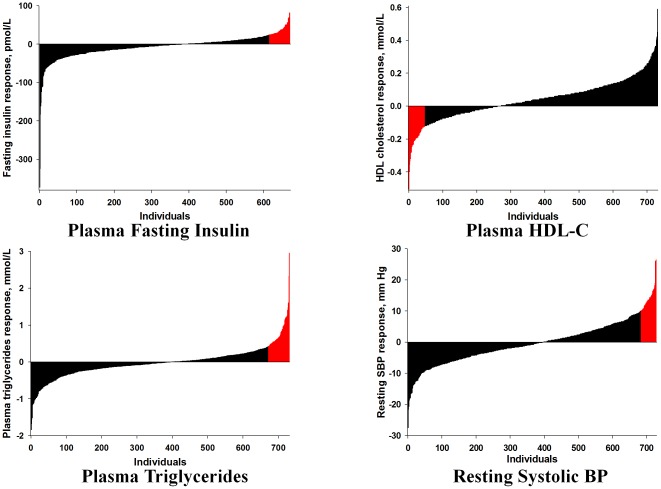
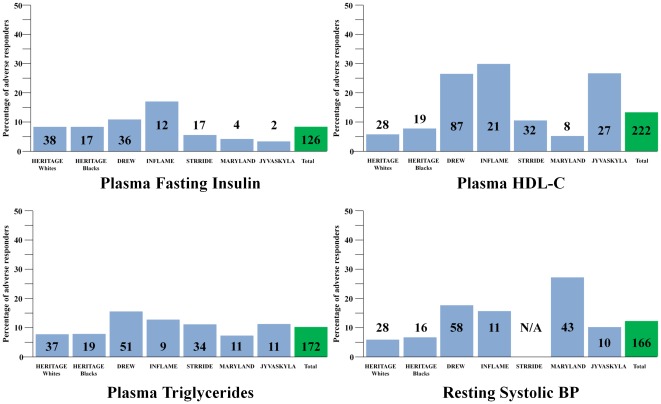
BACKGROUND: Individuals differ in the response to regular exercise. Whether there are people who experience adverse changes in cardiovascular and diabetes risk factors has never been addressed. METHODOLOGY/PRINCIPAL FINDINGS: An adverse response is defined as an exercise-induced change that worsens a risk factor beyond measurement error and expected day-to-day variation. Sixty subjects were measured three times over a period of three weeks, and variation in resting systolic blood pressure (SBP) and in fasting plasma HDL-cholesterol (HDL-C), triglycerides (TG), and insulin (FI) was quantified. The technical error (TE) defined as the within-subject standard deviation derived from these measurements was computed. An adverse response for a given risk factor was defined as a change that was at least two TEs away from no change but in an adverse direction. Thus an adverse response was recorded if an increase reached 10 mm Hg or more for SBP, 0.42 mmol/L or more for TG, or 24 pmol/L or more for FI or if a decrease reached 0.12 mmol/L or more for HDL-C. Completers from six exercise studies were used in the present analysis: Whites (N = 473) and Blacks (N = 250) from the HERITAGE Family Study; Whites and Blacks from DREW (N = 326), from INFLAME (N = 70), and from STRRIDE (N = 303); and Whites from a University of Maryland cohort (N = 160) and from a University of Jyvaskyla study (N = 105), for a total of 1,687 men and women. Using the above definitions, 126 subjects (8.4%) had an adverse change in FI. Numbers of adverse responders reached 12.2% for SBP, 10.4% for TG, and 13.3% for HDL-C. About 7% of participants experienced adverse responses in two or more risk factors. CONCLUSIONS/SIGNIFICANCE: Adverse responses to regular exercise in cardiovascular and diabetes risk factors occur. Identifying the predictors of such unwarranted responses and how to prevent them will provide the foundation for personalized exercise prescription.
Overview
AI snapshot
Written from the paper’s full text.
TL;DR
Adverse metabolic responses to regular exercise—worsening of systolic blood pressure, HDL-cholesterol, triglycerides, or fasting insulin beyond measurement error—occur in a nontrivial minority of adults across six exercise studies. The paper estimates prevalences of roughly 8%–13% per risk factor and about 7% for two or more risk factors.
Key findings
- Across six exercise studies (maximum N = 1,687), adverse responder prevalence was 8.3% for fasting insulin (abstract states 8.4%), 13.3% for HDL-C, 10.3% for triglycerides, and 12.2% for systolic blood pressure.
- In HERITAGE, 6%–9% of Blacks and Whites experienced adverse responses for each of the four risk factors, with no substantive differences between ethnic groups.
- About 7% of participants experienced adverse responses in two or more risk factors; Table 8 reports 6% with exactly two and 0.8% with three or four.
- Adverse response traits appeared independent of cardiorespiratory fitness improvement: only 2 of 56 tested differences in VO2max gain between adverse and non-adverse responders reached p ≤ 0.05, far from a Bonferroni-adjusted p = 0.0009. DREW showed no substantive differences in adverse response prevalence across 4, 8, or 12 kcal/kg/week exercise doses.
Methods
- Secondary analysis of completers from six exercise intervention studies: HERITAGE (473 Whites, 250 Blacks), DREW (326), INFLAME (70), STRRIDE (303), MARYLAND (160), and JYVASKYLA (105), for a maximum of 1,687 men and women.
- Adverse response was defined as an exercise-induced change at least 2× the technical error (TE) in an adverse direction: increase ≥10 mm Hg for systolic BP, ≥0.42 mmol/L for triglycerides, ≥24 pmol/L for fasting insulin, or decrease ≤0.12 mmol/L for HDL-C. TE was derived from 60 subjects measured three times over 3 weeks, except fasting insulin, for which assays were performed twice and TE was estimated using other HERITAGE data plus literature.
- Analyses included prevalence tabulations, paired t tests for within-cohort mean changes, general linear models comparing VO2max gains between adverse and non-adverse responders with age, sex, and baseline VO2max as covariates, and a DREW dose comparison.
Limitations
- The paper states that the causes of adverse responses are unknown, that exercise-drug interactions cannot be directly tested with available data, and that it is unknown whether some adverse responders would revert with different exercise doses or modalities; findings also need extension to other risk factors such as LDL-cholesterol, inflammation markers, and adiposity traits.
- Evident from the text: this is a secondary analysis of completers from heterogeneous studies with differing protocols and health statuses, some trait data are unavailable (e.g., STRRIDE systolic BP is N/A), and the fasting insulin TE was not based on three repeated measurements but estimated from other data and literature.
Model-written summary. Check it against the paper before relying on it.
Integrity signals
Registry
Cites
Statistics
Figures
Verification
Claims the paper makes
14 Own result · 6 Own interpretation · 5 No full text of the sources · 2 No basis given · 1 Own method
A result the paper reports from its own data — it cites no other source for it, so there is none to check. The quote shows it is in the paper.
In the paper
“Adverse responses to regular exercise in cardiovascular and diabetes risk factors occur.”
- Also stated in: § Discussion · plain
“Thus, some individuals experience ARs when exposed to regular exercise, but the causes of the phenomenon are unknown at this time.”
§ Adverse Metabolic Response to Regular Exercise: Is It a Rare or Common Occurrence? > Abstract > Conclusions/Significance
plaindirect- Asserted: passes — The authors put it forward as true.
- Checkable: passes — It can be checked against evidence.
- Load-bearing: passes — The paper’s conclusions depend on it.
- Based: passes — The paper gives a reason why it holds.
- Rests on an assumption: Completers of the six exercise studies are representative of sedentary adults generally.
- Also stated in: § Discussion · plain
A result the paper reports from its own data — it cites no other source for it, so there is none to check. The quote shows it is in the paper.
In the paper
“Numbers of adverse responders reached 12.2% for SBP, 10.4% for TG, and 13.3% for HDL-C.”
- Also stated in: § Results · plain
“Based on a maximum of 1687 subjects, the prevalence of an AR reached 8.3% for the changes in FI, 13.3% for the changes in fasting HDL-C, 10.3% for TG, and 12.2% for resting SBP.”
§ Adverse Metabolic Response to Regular Exercise: Is It a Rare or Common Occurrence? > Abstract > Methodology/Principal Findings
plainn = 1,687- Asserted: passes — The authors put it forward as true.
- Checkable: passes — It can be checked against evidence.
- Load-bearing: passes — The paper’s conclusions depend on it.
- Based: passes — The paper gives a reason why it holds.
- Rests on an assumption: The technical error estimates derived from the HERITAGE ancillary study apply to the other five exercise studies.
- Rests on an assumption: The six exercise studies are sufficiently comparable to pool for estimating overall prevalence of adverse responses.
- Rests on an assumption: Attrition in the six studies did not bias the prevalence estimates of adverse responses.
- Also stated in: § Results · plain
The paper states this without a source or data behind it here, so there is nothing to check it against. The quote shows it is in the paper.
In the paper
“All gains in VO2max are significant at p<0.05.”
§ Adverse Metabolic Response to Regular Exercise: Is It a Rare or Common Occurrence? > Results
plain- Asserted: passes — The authors put it forward as true.
- Checkable: passes — It can be checked against evidence.
- Load-bearing: unclear — It is unclear whether the paper’s conclusions depend on it.
- Based: passes — The paper gives a reason why it holds.
A result the paper reports from its own data — it cites no other source for it, so there is none to check. The quote shows it is in the paper.
In the paper
“Yet substantial numbers of subjects with or without medication in these cohorts experienced one or more ARs.”
§ Adverse Metabolic Response to Regular Exercise: Is It a Rare or Common Occurrence? > Discussion
plain- Asserted: passes — The authors put it forward as true.
- Checkable: passes — It can be checked against evidence.
- Load-bearing: passes — The paper’s conclusions depend on it.
- Based: passes — The paper gives a reason why it holds.
- Rests on an assumption: Medication use reported in the cohorts is accurate and does not confound the comparison of adverse response prevalence.
A result the paper reports from its own data — it cites no other source for it, so there is none to check. The quote shows it is in the paper.
In the paper
“Only a small minority of participants (<1%) exhibited ARs for three or more traits.”
§ Adverse Metabolic Response to Regular Exercise: Is It a Rare or Common Occurrence? > Results
plainn = 8- Asserted: passes — The authors put it forward as true.
- Checkable: passes — It can be checked against evidence.
- Load-bearing: passes — The paper’s conclusions depend on it.
- Based: passes — The paper gives a reason why it holds.
- Rests on an assumption: The six exercise studies are sufficiently comparable to pool for estimating overall prevalence of adverse responses.
- Rests on an assumption: Attrition in the six studies did not bias the prevalence estimates of adverse responses.
A result the paper reports from its own data — it cites no other source for it, so there is none to check. The quote shows it is in the paper.
In the paper
“The prevalence of ARs appears to be similar at low and high doses of exercise.”
- Also stated in: § Results · plain
“No substantive differences were observed in the prevalence of ARs among the three levels of exercise energy expenditure, which ranged from 4 to 12 kcal/kg of body weight per week.”
§ Adverse Metabolic Response to Regular Exercise: Is It a Rare or Common Occurrence? > Discussion
plain- Asserted: passes — The authors put it forward as true.
- Checkable: passes — It can be checked against evidence.
- Load-bearing: passes — The paper’s conclusions depend on it.
- Based: passes — The paper gives a reason why it holds.
- Also stated in: § Results · plain
A result the paper reports from its own data — it cites no other source for it, so there is none to check. The quote shows it is in the paper.
In the paper
“Numbers of adverse responders reached 12.2% for SBP, 10.4% for TG, and 13.3% for HDL-C.”
- Also stated in: § Results · plain
“Based on a maximum of 1687 subjects, the prevalence of an AR reached 8.3% for the changes in FI, 13.3% for the changes in fasting HDL-C, 10.3% for TG, and 12.2% for resting SBP.”
§ Adverse Metabolic Response to Regular Exercise: Is It a Rare or Common Occurrence? > Abstract > Methodology/Principal Findings
plainn = 1,687- Asserted: passes — The authors put it forward as true.
- Checkable: passes — It can be checked against evidence.
- Load-bearing: passes — The paper’s conclusions depend on it.
- Based: passes — The paper gives a reason why it holds.
- Rests on an assumption: The technical error estimates derived from the HERITAGE ancillary study apply to the other five exercise studies.
- Rests on an assumption: The six exercise studies are sufficiently comparable to pool for estimating overall prevalence of adverse responses.
- Rests on an assumption: Attrition in the six studies did not bias the prevalence estimates of adverse responses.
- Also stated in: § Results · plain
A result the paper reports from its own data — it cites no other source for it, so there is none to check. The quote shows it is in the paper.
In the paper
“The prevalence of ARs for select risk factors varied from 8.3% for the exercise training-induced changes in FI to 13.3% for the changes in HDL-C, with about 7% of participants experiencing adverse changes in two or more risk factors.”
§ Adverse Metabolic Response to Regular Exercise: Is It a Rare or Common Occurrence? > Discussion
plain- Asserted: passes — The authors put it forward as true.
- Checkable: passes — It can be checked against evidence.
- Load-bearing: passes — The paper’s conclusions depend on it.
- Based: passes — The paper gives a reason why it holds.
The paper states this without a source or data behind it here, so there is nothing to check it against. The quote shows it is in the paper.
In the paper
“Even though the presence of ARs was first detected among completers in Blacks and Whites of the HERITAGE Family Study, in which subjects were confirmed to be sedentary at baseline, with a rather healthy profile, the phenomenon was confirmed in five other exercise intervention studies.”
§ Adverse Metabolic Response to Regular Exercise: Is It a Rare or Common Occurrence? > Discussion
plain- Asserted: passes — The authors put it forward as true.
- Checkable: passes — It can be checked against evidence.
- Load-bearing: passes — The paper’s conclusions depend on it.
- Based: passes — The paper gives a reason why it holds.
- It may state two separate claims as one. 6
- The quote only partly states this claim. 1
- Probably not a substantial claim. 1
A result the paper reports from its own data — it cites no other source for it, so there is none to check. The quote shows it is in the paper.
In the paper
“Although HERITAGE subjects were apparently healthy and not taking medication for blood pressure, glucose, or lipid anomalies and were exposed to the same exercise program, 6% to 9% of Blacks and Whites experienced ARs for each of the four risk factors, with no substantive differences between the two ethnic groups.”
§ Adverse Metabolic Response to Regular Exercise: Is It a Rare or Common Occurrence? > Results
plain- Asserted: passes — The authors put it forward as true.
- Checkable: passes — It can be checked against evidence.
- Load-bearing: passes — The paper’s conclusions depend on it.
- Based: passes — The paper gives a reason why it holds.
It may state two separate claims as one.
A result the paper reports from its own data — it cites no other source for it, so there is none to check. The quote shows it is in the paper.
In the paper
“Using the above definitions, 126 subjects (8.4%) had an adverse change in FI.”
- Also stated in: § Results · plain
“Based on a maximum of 1687 subjects, the prevalence of an AR reached 8.3% for the changes in FI, 13.3% for the changes in fasting HDL-C, 10.3% for TG, and 12.2% for resting SBP.”
§ Adverse Metabolic Response to Regular Exercise: Is It a Rare or Common Occurrence? > Abstract > Methodology/Principal Findings
plaindirectn = 126- Asserted: passes — The authors put it forward as true.
- Checkable: passes — It can be checked against evidence.
- Load-bearing: passes — The paper’s conclusions depend on it.
- Based: passes — The paper gives a reason why it holds.
The quote only partly states this claim.
- Rests on an assumption: The technical error estimates derived from the HERITAGE ancillary study apply to the other five exercise studies.
- Rests on an assumption: The six exercise studies are sufficiently comparable to pool for estimating overall prevalence of adverse responses.
- Rests on an assumption: Attrition in the six studies did not bias the prevalence estimates of adverse responses.
- Also stated in: § Results · plain
A result the paper reports from its own data — it cites no other source for it, so there is none to check. The quote shows it is in the paper.
In the paper
“The mean changes induced by the exercise programs were generally in the expected direction (i.e., decreases in FI, TG, and SBP and increases in HDL-C). There were, however, some statistically nonsignificant exceptions to these general trends.”
§ Adverse Metabolic Response to Regular Exercise: Is It a Rare or Common Occurrence? > Results
plaindirect- Asserted: passes — The authors put it forward as true.
- Checkable: passes — It can be checked against evidence.
- Load-bearing: unclear — It is unclear whether the paper’s conclusions depend on it.
- Based: passes — The paper gives a reason why it holds.
It may state two separate claims as one.
- Rests on an assumption: The four risk factors (systolic blood pressure, fasting insulin, HDL-cholesterol, and triglycerides) are valid indicators of cardiovascular and diabetes risk.
A result the paper reports from its own data — it cites no other source for it, so there is none to check. The quote shows it is in the paper.
In the paper
“In summary, we did not find any evidence for differences in the prevalence of ARs between Blacks and Whites or between men and women.”
§ Adverse Metabolic Response to Regular Exercise: Is It a Rare or Common Occurrence? > Discussion
plain- Asserted: passes — The authors put it forward as true.
- Checkable: passes — It can be checked against evidence.
- Load-bearing: passes — The paper’s conclusions depend on it.
- Based: passes — The paper gives a reason why it holds.
It may state two separate claims as one.
What the paper did — it cites no source for this, so there is none to check. The quote shows it is in the paper.
In the paper
“In the case of FI, the assays were performed only twice, and we used other HERITAGE data plus observations from the literature to develop an estimate of TE for FI (Information S1).”
§ Adverse Metabolic Response to Regular Exercise: Is It a Rare or Common Occurrence? > Methods > Definition of adverse responses
plain- Asserted: passes — The authors put it forward as true.
- Checkable: passes — It can be checked against evidence.
- Load-bearing: passes — The paper’s conclusions depend on it.
- Based: passes — The paper gives a reason why it holds.
Probably not a substantial claim.
A claim is checked only against the cited paper’s full text, never its abstract, and none is available for its sources.
In the paper
“There are strong indications from a baseline skeletal muscle gene expression profile and from a genome-wide association study performed on the Whites of HERITAGE that the genetic component of a response trait can be defined in terms of RNA abundance observed in the sedentary state or by specific genomic variants [31], [32], [33].”
§ Adverse Metabolic Response to Regular Exercise: Is It a Rare or Common Occurrence? > Discussion
What the sources say
- Not checked — no full text of the sourcecites [31] C Bouchard, 2011, Genomic predictors of the maximal O uptake response to standardized exercise training programs., J Appl Physiol source
- Not checked — no full text of the sourcecites [32] JA Timmons, 2010, Using molecular classification to predict gains in maximal aerobic capacity following endurance exercise training in humans., J Appl Physiol source
- Not checked — no full text of the sourcecites [33] T Rankinen, 2012, The heritability of submaximal exercise heart rate response to exercise training is accounted for by nine SNPs., J Appl Physiol source
boostedcorrelational- Asserted: passes — The authors put it forward as true.
- Checkable: passes — It can be checked against evidence.
- Load-bearing: passes — The paper’s conclusions depend on it.
- Based: passes — The paper gives a reason why it holds.
It may state two separate claims as one.
A claim is checked only against the cited paper’s full text, never its abstract, and none is available for its sources.
In the paper
“In fact, the heritability of the changes induced by the exercise program reached about 30% for plasma HDL-C and TG [26] and about 20% to 25% for indicators of insulin metabolism and resting SBP [29], [30].”
§ Adverse Metabolic Response to Regular Exercise: Is It a Rare or Common Occurrence? > Discussion
What the sources say
- Not checked — no full text of the sourcecites [26] T Rice, 2002, Familial aggregation of blood lipid response to exercise training in the health, risk factors, exercise training, and genetics (HERITAGE) Family Study., Circulation source
- Not checked — no full text of the sourcecites [29] P An, 2005, Genome-wide linkage scans for prediabetes phenotypes in response to 20 weeks of endurance exercise training in non-diabetic whites and blacks: the HERITAGE Family Study., Diabetologia source
- Not checked — no full text of the sourcecites [30] T Rice, 2002, Heritability of HR and BP response to exercise training in the HERITAGE Family Study., Med Sci Sports Exerc source
plaincorrelational- Asserted: passes — The authors put it forward as true.
- Checkable: passes — It can be checked against evidence.
- Load-bearing: passes — The paper’s conclusions depend on it.
- Based: passes — The paper gives a reason why it holds.
It may state two separate claims as one.
A conclusion the paper draws from its own results — it cites no other source for it, so there is none to check. The quote shows it is in the paper.
In the paper
“In contrast, ARs as defined herein for common cardiometabolic and diabetes risk factors are much more prevalent and become evident with exposure to regular exercise.”
§ Adverse Metabolic Response to Regular Exercise: Is It a Rare or Common Occurrence? > Discussion
plaindirect- Asserted: passes — The authors put it forward as true.
- Checkable: passes — It can be checked against evidence.
- Load-bearing: passes — The paper’s conclusions depend on it.
- Based: passes — The paper gives a reason why it holds.
It may state two separate claims as one.
The paper relies on this without support.
Completers of the six exercise studies are representative of sedentary adults generally.
“Approximately 7% of sedentary adults experienced ARs for at least two common cardiometabolic and diabetes risk factors following exposure to regular exercise.”
The paper relies on this without support.
The technical error estimates derived from the HERITAGE ancillary study apply to the other five exercise studies.
“An ancillary study designed to quantify TE for several biological traits was undertaken in HERITAGE.”
“These AR definitions are used in the remainder of this report.”
The paper relies on this without support.
The six exercise studies are sufficiently comparable to pool for estimating overall prevalence of adverse responses.
“Based on a maximum of 1687 subjects, the prevalence of an AR reached 8.3% for the changes in FI, 13.3% for the changes in fasting HDL-C, 10.3% for TG, and 12.2% for resting SBP.”
The paper relies on this without support.
Attrition in the six studies did not bias the prevalence estimates of adverse responses.
“Completers from six exercise studies were used in the present analysis”
The paper relies on this without support.
The four risk factors (systolic blood pressure, fasting insulin, HDL-cholesterol, and triglycerides) are valid indicators of cardiovascular and diabetes risk.
“with a focus on exercise-induced changes in resting systolic blood pressure (SBP), fasting insulin (FI), HDL-cholesterol (HDL-C), and triglycerides (TG).”
The paper relies on this without support.
Medication use reported in the cohorts is accurate and does not confound the comparison of adverse response prevalence.
“many subjects in DREW, INFLAME, MARYLAND, and STRRIDE were taking medications for high blood pressure, hyperglycemia, or dyslipoproteinemia. Yet substantial numbers of subjects with or without medication in these cohorts experienced one or more ARs.”
Claims other papers make about this one
Each is checked against this paper’s own text: does it say what the citing paper says it does?
In the citing paper
“It has been previously suggested that for 20% to 25% of participants undertaking an exercise programme there is little to no favourable response (Timmons 2014), while a small percentage (5% to 10%) have adverse events (Bouchard 2012).”
From Physical activity and exercise for chronic pain in adults: an overview of Cochrane Reviews (2017) · cites this paper as Bouchard 2012
In the citing paper
“7–15% of individuals demonstrated an ‘adverse response’ regarding alterations in systolic blood pressure, as well as in fasting levels of HDL cholesterol, triglycerides and insulin25,26.”
From Exerkines in health, resilience and disease (2022) · cites this paper as [26]
In the citing paper
“Moreover, in humans, metabolic non-response or even adverse responses to exercise have been described26.”
From Exerkines in health, resilience and disease (2022) · cites this paper as [26]
Self-check
Percentages, sums and reported differences re-computed from the paper’s own numbers.
Each contradiction between two passages listed here was confirmed by an independent check.
Rated minor: it would not touch a result — a value no result rests on, a p-value that stays on the same side of the significance level, or a conflict that is clerical, resolved elsewhere in the paper, or outside its own findings.
In the paper
§ Adverse Metabolic Response to Regular Exercise: Is It a Rare or Common Occurrence? > Abstract > Methodology/Principal Findings
“126 subjects (8.4%) had an adverse change in FI.”
§ Adverse Metabolic Response to Regular Exercise: Is It a Rare or Common Occurrence? > Results
“| Δ Fasting insulin | 55 | 36 | 12 | 17 | 4 | 2 | 126 | 8.3 |”
Rated minor: it would not touch a result — a value no result rests on, a p-value that stays on the same side of the significance level, or a conflict that is clerical, resolved elsewhere in the paper, or outside its own findings.
In the paper
§ Adverse Metabolic Response to Regular Exercise: Is It a Rare or Common Occurrence? > Abstract > Methodology/Principal Findings
“Numbers of adverse responders reached 12.2% for SBP, 10.4% for TG, and 13.3% for HDL-C.”
§ Adverse Metabolic Response to Regular Exercise: Is It a Rare or Common Occurrence? > Results
“| Δ Triglycerides | 56 | 51 | 9 | 34 | 11 | 11 | 172 | 10.3 |”
Citations
Cites
Individual differences in response to regular physical activity
BOUCHARD, C., & RANKINEN, T. (2001) · Medicine and Science in Sports and Exercise · doi:10.1097/00005768-200106001-00013 · Cited by 939 · cited 1×
“This clear finding of the HERITAGE Family Study has been replicated [3,4,5,6].”
BackgroundSelf-citationBouchard, C., An, P., Rice, T., Skinner, J. S., Wilmore, J. H., Gagnon, J., Pérusse, L., Leon, A. S., & Rao, D. C. (1999) · Journal of Applied Physiology · doi:10.1152/jappl.1999.87.3.1003 · Cited by 875 · cited 1×
“Research based on HERITAGE has amply demonstrated that the response pattern to exercise training aggregates in families [25,26,27,28].”
BackgroundSelf-citationThe Incidence of Primary Cardiac Arrest during Vigorous Exercise
Siscovick, D. S., Weiss, N. S., Fletcher, R. H., & Lasky, T. (1984) · New England Journal of Medicine · doi:10.1056/nejm198410043111402 · Cited by 838 · cited 1×
“It is important to differentiate between ARs for risk factors for common chronic diseases, as referred to in the present study, from other more acute ARs such as cardiac events related to exertion during an exercise bout [20,21,22], sudden cardiac death during or immediately after exercise typically associated with a…”
BackgroundChurch, T. S., Earnest, C. P., Skinner, J. S., & Blair, S. N. (2007) · JAMA · doi:10.1001/jama.297.19.2081 · Cited by 756 · cited 2×
“This clear finding of the HERITAGE Family Study has been replicated [3,4,5,6].”
BackgroundMethodSelf-citationThe Human Gene Map for Performance and Health-Related Fitness Phenotypes
Rankinen, T., Bray, M. S., Hagberg, J. M., Përusse, L., Roth, S. M., Wolfarth, B., & Bouchard, C. (2006) · Medicine & Science in Sports & Exercise · doi:10.1249/01.mss.0000233789.01164.4f · Cited by 734
Self-citationCardiac arrest during long-distance running races
Kim, J. H., Malhotra, R., Chiampas, G., d'Hemecourt, P., Troyanos, C., Cianca, J., Smith, R. N., Wang, T. J., Roberts, W. O., Thompson, P. D., et al. (2012) · New England Journal of Medicine · doi:10.1056/nejmoa1106468 · Cited by 597 · cited 1×
“It is important to differentiate between ARs for risk factors for common chronic diseases, as referred to in the present study, from other more acute ARs such as cardiac events related to exertion during an exercise bout [20,21,22], sudden cardiac death during or immediately after exercise typically associated with a…”
BackgroundGenomic predictors of the maximal O2 uptake response to standardized exercise training programs
Bouchard, C., Sarzynski, M. A., Rice, T. K., Kraus, W. E., Church, T. S., Sung, Y. J., Rao, D. C., & Rankinen, T. (2011) · Journal of Applied Physiology · doi:10.1152/japplphysiol.00973.2010 · Cited by 422 · cited 1×
“There are strong indications from a baseline skeletal muscle gene expression profile and from a genome-wide association study performed on the Whites of HERITAGE that the genetic component of a response trait can be defined in terms of RNA abundance observed in the sedentary state or by specific genomic variants [31,3…”
BackgroundSelf-citationTimmons, J. A., Knudsen, S., Rankinen, T., Koch, L. G., Sarzynski, M., Jensen, T., Keller, P., Scheele, C., Vollaard, N. B. J., Nielsen, S., et al. (2010) · Journal of Applied Physiology · doi:10.1152/japplphysiol.01295.2009 · Cited by 358 · cited 1×
“There are strong indications from a baseline skeletal muscle gene expression profile and from a genome-wide association study performed on the Whites of HERITAGE that the genetic component of a response trait can be defined in terms of RNA abundance observed in the sedentary state or by specific genomic variants [31,3…”
BackgroundSelf-citationEffects of Exercise Training on Glucose Homeostasis
Boulé, N. G., Weisnagel, S. J., Lakka, T. A., Tremblay, A., Bergman, R. N., Rankinen, T., Leon, A. S., Skinner, J. S., Wilmore, J. H., Rao, D. C., et al. (2005) · Diabetes Care · doi:10.2337/diacare.28.1.108 · Cited by 356 · cited 1×
“This clear finding of the HERITAGE Family Study has been replicated [3,4,5,6].”
BackgroundSelf-citationThe HERITAGE family study. Aims, design, and measurement protocol.
Bouchard, C., Leon, A. S., Rao, D. C., Skinner, J. S., Wilmore, J. H., & Gagnon, J. (1995) · PubMed · Cited by 331
Self-citation
Cited by
Sorted by citations
Exercise Metabolism and the Molecular Regulation of Skeletal Muscle Adaptation
Egan, B., & Zierath, J. R. (2013) · Cell Metabolism · doi:10.1016/j.cmet.2012.12.012 · Cited by 2,084
“…participants engage in carefully controlled exercise training regimens, the nature of the training response is remarkably heterogeneous, allowing the classification of non-, low, and high responders (Bouchard et al., 1999; Hubal et al., 2005), and even adverse responders (Bouchard et al., 2012).”
BackgroundInternational exercise recommendations in older adults (ICFSR): Expert consensus guidelines
Izquierdo, M., Merchant, R. A., Morley, J. E., Anker, S. D., Aprahamian, I., Arai, H., Aubertin-Leheudre, M., Bernabei, R., Cadore, E. L., Cesari, M., et al. (2021) · The Journal of nutrition, health and aging · doi:10.1007/s12603-021-1665-8 · Cited by 1,247
Physical activity and exercise for chronic pain in adults: an overview of Cochrane Reviews
Geneen, L. J., Moore, R. A., Clarke, C., Martin, D., Colvin, L. A., & Smith, B. H. (2017) · Cochrane Database of Systematic Reviews · doi:10.1002/14651858.cd011279.pub3 · Cited by 1,222
Exerkines in health, resilience and disease
Chow, L. S., Gerszten, R. E., Taylor, J. M., Pedersen, B. K., van Praag, H., Trappe, S., Febbraio, M. A., Galis, Z. S., Gao, Y., Haus, J. M., et al. (2022) · Nature Reviews Endocrinology · doi:10.1038/s41574-022-00641-2 · Cited by 927
Physical activity and exercise for chronic pain in adults: an overview of Cochrane Reviews
Geneen, L. J., Moore, R. A., Clarke, C., Martin, D., Colvin, L. A., & Smith, B. H. (2017) · Cochrane Database of Systematic Reviews · doi:10.1002/14651858.cd011279.pub2 · Cited by 719
Update on the effects of physical activity on insulin sensitivity in humans
Bird, S. R., & Hawley, J. A. (2017) · BMJ Open Sport & Exercise Medicine · doi:10.1136/bmjsem-2016-000143 · Cited by 646
de Toro‐Martín, J., Arsenault, B. J., Després, J., & Vohl, M. (2017) · Nutrients · doi:10.3390/nu9080913 · Cited by 534
“have shown that besides the inter-individual variability in the beneficial response to a PA intervention regarding cardiovascular disease (CVD) and type 2 diabetes (T2D) risk factors, some individuals may even experience negative responses, such as a decrease in plasma HDL-C or an increase in systolic blood pressure,…”
BackgroundPescatello, L. S., MacDonald, H. V., Lamberti, L., & Johnson, B. T. (2015) · Current Hypertension Reports · doi:10.1007/s11906-015-0600-y · Cited by 431
Mann, T. N., Lamberts, R. P., & Lambert, M. I. (2014) · Sports Medicine · doi:10.1007/s40279-014-0197-3 · Cited by 379
El Assar, M., Álvarez-Bustos, A., Sosa, P., Angulo, J., & Rodríguez-Mañas, L. (2022) · International Journal of Molecular Sciences · doi:10.3390/ijms23158713 · Cited by 371
“In fact, one study reported alterations in systolic blood pressure, HDL, triglycerides, and insulin levels [211].”
BackgroundPersonality and physical activity: A systematic review and meta-analysis
Wilson, K. E., & Dishman, R. K. (2014) · Personality and Individual Differences · doi:10.1016/j.paid.2014.08.023 · Cited by 415
VO2max Trainability and High Intensity Interval Training in Humans: A Meta-Analysis
Bacon, A. P., Carter, R. E., Ogle, E. A., & Joyner, M. J. (2013) · PLoS ONE · doi:10.1371/journal.pone.0073182 · Cited by 311
“3 L N min [47].”
There Are No Nonresponders to Resistance-Type Exercise Training in Older Men and Women
Churchward‐Venne, T. A., Tieland, M., Verdijk, L. B., Leenders, M., Dirks, M. L., de Groot, C. P. G. M., & van Loon, L. J. C. (2015) · Journal of the American Medical Directors Association · doi:10.1016/j.jamda.2015.01.071 · Cited by 308
Biology of VO2max: looking under the physiology lamp
Lundby, C., Montero, D., & Joyner, M. (2017) · Acta Physiologica · doi:10.1111/apha.12827 · Cited by 300
Individual response to exercise training - a statistical perspective
Hecksteden, A., Kraushaar, J., Scharhag-Rosenberger, F., Theisen, D., Senn, S., & Meyer, T. (2015) · Journal of Applied Physiology · doi:10.1152/japplphysiol.00714.2014 · Cited by 289
“In the meantime, “nonresponse” or even “adverse response” to regular physical exercise has been addressed by several authors (6, 7, 10, 30, 37, 39).”
BackgroundPrecision exercise medicine: understanding exercise response variability
Ross, R., Goodpaster, B. H., Koch, L. G., Sarzynski, M. A., Kohrt, W. M., Johannsen, N. M., Skinner, J. S., Castro, A., Irving, B. A., Noland, R. C., et al. (2019) · British Journal of Sports Medicine · doi:10.1136/bjsports-2018-100328 · Cited by 309
Self-citationNokia, M. S., Lensu, S., Ahtiainen, J. P., Johansson, P. P., Koch, L. G., Britton, S. L., & Kainulainen, H. (2016) · The Journal of Physiology · doi:10.1113/jp271552 · Cited by 278
“For some, aerobic training provides substantial gain in maximal aerobic capacity (V̇O2 max) and metabolic health, whereas for others the same amount of training results in little or even negative change (Bouchard & Rankinen, 2001; see also Timmons, 2011; Bouchard et al. 2012).”
BackgroundRoss, R., de Lannoy, L., & Stotz, P. J. (2015) · Mayo Clinic Proceedings · doi:10.1016/j.mayocp.2015.07.024 · Cited by 224
Dose-Response Matters! - A Perspective on the Exercise Prescription in Exercise-Cognition Research
Herold, F., Müller, P., Gronwald, T., & Müller, N. G. (2019) · Frontiers in Psychology · doi:10.3389/fpsyg.2019.02338 · Cited by 196
Gibbs, B. B., Hivert, M., Jerome, G. J., Kraus, W. E., Rosenkranz, S. K., Schorr, E. N., Spartano, N. L., & Lobelo, F. (2021) · Hypertension · doi:10.1161/hyp.0000000000000196 · Cited by 224
Self-citationBonafiglia, J. T., Rotundo, M. P., Whittall, J. P., Scribbans, T. D., Graham, R. B., & Gurd, B. J. (2016) · PLOS ONE · doi:10.1371/journal.pone.0167790 · Cited by 172
Lee, S., Deldin, A. R., White, D., Kim, Y., Libman, I. M., Rivera-Vega, M., Kuk, J. L., Sandoval, S., Boesch, C., & Arslanian, S. A. (2013) · American Journal of Physiology-Endocrinology and Metabolism · doi:10.1152/ajpendo.00285.2013 · Cited by 176
Do Non-Responders to Exercise Exist—and If So, What Should We Do About Them?
Pickering, C., & Kiely, J. (2019) · Sports Medicine · doi:10.1007/s40279-018-01041-1 · Cited by 165
Toward exercise as personalized medicine.
Buford, T. W., Roberts, M. D., & Church, T. S. (2013) · Sports Medicine · doi:10.1007/s40279-013-0018-0 · Cited by 158
Self-citationWellness Incentives In The Workplace: Cost Savings Through Cost Shifting To Unhealthy Workers
Horwitz, J. R., Kelly, B. D., & DiNardo, J. (2013) · Health Affairs · doi:10.1377/hlthaff.2012.0683 · Cited by 165
Kemps, H., Kränkel, N., Dörr, M., Moholdt, T. T., Wilhelm, M., Paneni, F., Serratosa, L., Solberg, E. E., Hansen, D., Halle, M., et al. (2019) · European Journal of Preventive Cardiology · doi:10.1177/2047487318820420 · Cited by 154
Heritability of objectively assessed daily physical activity and sedentary behavior
den Hoed, M., Brage, S., Zhao, J. H., Westgate, K. L., Nessa, A., Ekelund, U., Spector, T. D., Wareham, N. J., & Loos, R. J. F. (2013) · American Journal of Clinical Nutrition · doi:10.3945/ajcn.113.069849 · Cited by 139
“Our findings have important consequences for public health initiatives, because adherence to a physical activity intervention program is likely more challenging for individuals who lack a biological drive to be active, and might even experience adverse effects in response to being physically active (47), than for indi…”
BackgroundType 2 diabetes mellitus and exercise impairment
Reusch, J. E. B., Bridenstine, M., & Regensteiner, J. G. (2013) · Reviews in Endocrine and Metabolic Disorders · doi:10.1007/s11154-012-9234-4 · Cited by 142
“Most, but not all, participants in prospective exercise interventions improved their cardiovascular risk profiles with exercise interventions [27].”
BackgroundCardiac rehabilitation fitness changes and subsequent survival
Schutter, A. D., Kachur, S. M., Lavie, C. J., Menezes, A. R., Shum, K. K., Bangalore, S., Arena, R. A., & Milani, R. V. (2018) · European Heart Journal - Quality of Care and Clinical Outcomes · doi:10.1093/ehjqcco/qcy018 · Cited by 155
Effects of short‐term endurance exercise on gut microbiota in elderly men
Taniguchi, H., Tanisawa, K., Sun, X., Kubo, T., Hoshino, Y., Hosokawa, M., Takeyama, H., & Higuchi, M. (2018) · Physiological Reports · doi:10.14814/phy2.13935 · Cited by 143
“Although regular aerobic exercise is effective for prevention and treatment of hypertension, considerable interindividual variability in the ability to improve blood pressure in response to exercise has been described (Bouchard et al. 2012).”
BackgroundNoone, J., Mucinski, J. M., DeLany, J. P., Sparks, L. M., & Goodpaster, B. H. (2024) · Cell Metabolism · doi:10.1016/j.cmet.2023.12.025 · Cited by 128
Sarcopenia: a potential cause and consequence of type 2 diabetes in Australia's ageing population?
Scott, D. S., de Courten, B. V., & Ebeling, P. R. (2016) · The Medical Journal of Australia · doi:10.5694/mja16.00446 · Cited by 121
Paschalis, V., Theodorou, A. A., Margaritelis, N. V., Kyparos, A., & Nikolaidis, M. G. (2017) · Free Radical Biology and Medicine · doi:10.1016/j.freeradbiomed.2017.12.007 · Cited by 112
Heterogeneity of physical function responses to exercise training in older adults.
Chmelo, E. A., Crotts, C. I., Newman, J. C., Brinkley, T. E., Lyles, M. F., Leng, X., Marsh, A. P., & Nicklas, B. J. (2015) · Journal of the American Geriatrics Society · doi:10.1111/jgs.13322 · Cited by 110
“individuals who experience a negative response to regular exercise performance for certain outcomes.(23,24) In older adults, exercise training studies that show efficacy for improving functional ability often report main effects or mean group differences without expressing the extent of interindividual variability for…”
BackgroundMargaritelis, N., Theodorou, A., Paschalis, V., Veskoukis, A., Dipla, K., Zafeiridis, A., Panayiotou, G., Vrabas, I., Kyparos, A., & Nikolaidis, M. (2018) · Acta Physiologica · doi:10.1111/apha.12898 · Cited by 114
Repeated testing for the assessment of individual response to exercise training
Hecksteden, A., Pitsch, W., Rosenberger, F., & Meyer, T. (2018) · Journal of Applied Physiology · doi:10.1152/japplphysiol.00896.2017 · Cited by 116
“This intuitive approach has been used in the seminal papers by Bouchard et al. (10, 12) but is also applied in more recent work (46).”
MethodGenomic and transcriptomic predictors of response levels to endurance exercise training
Sarzynski, M. A., Ghosh, S., & Bouchard, C. (2017) · The Journal of Physiology · doi:10.1113/jp272559 · Cited by 107
“If we use the gains in V̇O2max in millilitres O2 per minute as reported in the HERITAGE Family Study as a guide, a mean gain of about 400 ml O2 was achieved with a standard deviation (SD) of about 200 ml.”
ResultInfluentialSelf-citationPerformance Enhancement: What Are the Physiological Limits?
Lundby, C., & Robach, P. (2015) · Physiology · doi:10.1152/physiol.00052.2014 · Cited by 119
Can Exercise Teach Us How to Treat Heart Disease?
Mann, N., & Rosenzweig, A. (2012) · Circulation · doi:10.1161/circulationaha.111.060376 · Cited by 106
An overview of ischemic preconditioning in exercise performance: A systematic review
Caru, M., Lévesque, A., Lalonde, F. M., et al. (2019) · Journal of sport and health science/Journal of Sport and Health Science · doi:10.1016/j.jshs.2019.01.008 · Cited by 103
“Indeed, it has been shown in healthy and untrained populations that there is a great interindividual variability in subjects’ capacity to improve their cardiac profile in response to regular exercise.(71) It has been hypothesized that the same situation exists for IPC, where there are both responders and nonresponders…”
BackgroundIncidence of V˙O2max Responders to Personalized versus Standardized Exercise Prescription
Weatherwax, R. M., HARRIS, N. K., Kilding, A. E., & Dalleck, L. C. (2018) · Medicine & Science in Sports & Exercise · doi:10.1249/mss.0000000000001842 · Cited by 100
Phillips, B. E., Kelly, B. M., Lilja, M. R., Ponce‐González, J. G., Brogan, R. J., Morris, D. L., Gustafsson, T. P., Kraus, W. E., Atherton, P. J., Vollaard, N. B. J., et al. (2017) · Frontiers in Endocrinology · doi:10.3389/fendo.2017.00229 · Cited by 104
Self-citationThe effects of exercise on the lipoprotein subclass profile: A meta-analysis of 10 interventions
Sarzynski, M. A., Burton, J. H., Rankinen, T., Blair, S. N., Church, T. S., Després, J., Hagberg, J. M., Landers‐Ramos, R. Q., Leon, A. S., Mikus, C. R., et al. (2015) · Atherosclerosis · doi:10.1016/j.atherosclerosis.2015.10.018 · Cited by 99
Self-citationStephens, N. A., & Sparks, L. M. (2014) · The Journal of Clinical Endocrinology & Metabolism · doi:10.1210/jc.2014-2545 · Cited by 102
“Conclusions In an exhaustive review by Bouchard et al (107), the authors call for more large-scale clinical exercise intervention studies to advance the field of “exercise as medicine.””
BackgroundÁlvarez, C., Ramírez‐Campillo, R., Ramírez‐Vélez, R., & Izquierdo, M. (2017) · Journal of Applied Physiology · doi:10.1152/japplphysiol.01037.2016 · Cited by 103
“In brief, studies have used terms such as low/high responders (12), nonresponders/responders (30), and adverse response (4) among other terms.”
BackgroundInter-Individual Responses of Maximal Oxygen Uptake to Exercise Training: A Critical Review
Williamson, P., Atkinson, G., & Batterham, A. M. (2017) · Sports Medicine · doi:10.1007/s40279-017-0680-8 · Cited by 102
Incidence of nonresponse and individual patterns of response following sprint interval training
Gurd, B. J., Giles, M. D., Bonafiglia, J. T., Raleigh, J. P., Boyd, J. C., Ma, J. K., Zelt, J. G. E., & Scribbans, T. D. (2016) · Applied Physiology, Nutrition, and Metabolism · doi:10.1139/apnm-2015-0449 · Cited by 92
“Recently, more critical approaches to determining cut-points for identifying nonresponders that consider both biological and technical error, and should minimize the risk of misidentifying responders as nonresponders and vis versa, have been proposed (Hopkins 2000; Bouchard et al. 2012).”
BackgroundMethodInfluentialRecommendations in Post-exercise Hypotension: Concerns, Best Practices and Interpretation
Brito, L. C., Fecchio, R. Y., Peçanha, T., Andrade-Lima, A., Halliwill, J. R., & Forjaz, C. L. M. (2019) · International Journal of Sports Medicine · doi:10.1055/a-0938-4415 · Cited by 99
“However, similar to debates deriving from randomized control trials, there is still no consensus on how to define a true “response”: whether it should be based on the presence of clinically relevant change [116] or on clearly measurable change [117].”
BackgroundMalin, S. K., Haus, J. M., Solomon, T. P. J., Blaszczak, A., Kashyap, S. R., & Kirwan, J. P. (2013) · American Journal of Physiology-Endocrinology and Metabolism · doi:10.1152/ajpendo.00441.2013 · Cited by 89
“Reductions in HDL might be considered an adverse response to exercise, and prior work has suggested that familial heritability in part explains the intersubject HDL variability in response to exercise (9).”
BackgroundVigelsø, A., Andersen, N. B., & Dela, F. (2014) · Europe PMC (PubMed Central) · Cited by 96
Wackerhage, H., & Schoenfeld, B. J. (2021) · Sports Medicine · doi:10.1007/s40279-021-01495-w · Cited by 96
Solomon, T. P. J., Malin, S. K., Karstoft, K., Kashyap, S. R., Haus, J. M., & Kirwan, J. P. (2013) · The Journal of Clinical Endocrinology & Metabolism · doi:10.1210/jc.2013-2232 · Cited by 87
GREEN, D. J., Eijsvogels, T. M. H., Bouts, Y. M., Maiorana, A., Naylor, L. H., Scholten, R. R., Spaanderman, M. E. A., Pugh, C. J. A., Sprung, V. S., Schreuder, T. H. A., et al. (2014) · Journal of Applied Physiology · doi:10.1152/japplphysiol.00354.2014 · Cited by 88
The antihypertensive effects of aerobic versus isometric handgrip resistance exercise
Ash, G. I., Taylor, B. A., Thompson, P. D., MacDonald, H. V., Lamberti, L. M., Chen, M., Farinatti, P., Kraemer, W. J., Panza, G. A., Zaleski, A. L., et al. (2016) · Journal of Hypertension · doi:10.1097/hjh.0000000000001176 · Cited by 88
“One factor that can partially account for variability in the BP response to exercise is technical error related to obtaining repeated measurements [48].”
Going retro: Oxidative stress biomarkers in modern redox biology
Margaritelis, N. V., Cobley, J. N., Paschalis, V., Veskoukis, A. S., Theodorou, A. A., Kyparos, A., & Nikolaidis, M. G. (2016) · Free Radical Biology and Medicine · doi:10.1016/j.freeradbiomed.2016.02.005 · Cited by 84
Chen, Y., Apostolakis, S. Z., & Lip, G. Y. H. (2014) · Annals of Medicine · doi:10.3109/07853890.2014.927713 · Cited by 85
Sáez de Asteasu, M. L., Martínez‐Velilla, N., Zambom‐Ferraresi, F., Casas‐Herrero, Á., Cadore, E. L., Ramirez‐Velez, R., & Izquierdo, M. (2019) · Journal of Cachexia, Sarcopenia and Muscle · doi:10.1002/jcsm.12481 · Cited by 82
Böhm, A., Hoffmann, C., Irmler, M., Schneeweiß, P., Schnauder, G., Sailer, C., Schmid, V., Hudemann, J., Machann, J., Schick, F., et al. (2016) · Diabetes · doi:10.2337/db15-1723 · Cited by 84
Clays, E., Bacquer, D. D., Janssens, H., et al. (2013) · European Journal of Epidemiology · doi:10.1007/s10654-013-9764-4 · Cited by 78
“It was recently shown that adverse responses in cardiometabolic risk factors to regular exercise are not uncommon, and that predictors should be identified [25].”
BackgroundExercise and diabetes: relevance and causes for response variability
Böhm, A., Weigert, C., Staiger, H., & Häring, H. (2015) · Endocrine · doi:10.1007/s12020-015-0792-6 · Cited by 83
Zanuso, S., Sacchetti, M., Sundberg, C. J., Orlando, G., Benvenuti, P., & Balducci, S. (2017) · British Journal of Sports Medicine · doi:10.1136/bjsports-2016-096724 · Cited by 78
García‐Hermoso, A., Saavedra, J. M., & Escalante, Y. (2013) · Obesity Reviews · doi:10.1111/obr.12054 · Cited by 82
Yin, J., & Dishman, R. K. (2014) · Mental health and physical activity · doi:10.1016/j.mhpa.2014.08.001 · Cited by 80
Hoogeboom, T. J., Kousemaker, M. C., van Meeteren, N. L., Howe, T., Bo, K., Tugwell, P., Ferreira, M., de Bie, R. A., van den Ende, C. H., & Stevens-Lapsley, J. E. (2021) · British Journal of Sports Medicine · doi:10.1136/bjsports-2019-101630 · Cited by 76
Understanding the individual responsiveness to resistance training periodization
Prestes, J., da Cunha Nascimento, D., Tibana, R. A., Teixeira, T. G., Vieira, D. C. L., Tajra, V., de Farias, D. L., Silva, A. O., Funghetto, S. S., de Souza, V. C., et al. (2015) · AGE · doi:10.1007/s11357-015-9793-x · Cited by 73
“2014), plasma fasting insulin, plasma triglycerides, and plasma high density-lipoprotein variables (Bouchard et al. 2012).”
BackgroundIzquierdo, M., & Fiatarone Singh, M. (2023) · Ageing Research Reviews · doi:10.1016/j.arr.2023.101940 · Cited by 70
Solomon, T. P. J. (2018) · Frontiers in Physiology · doi:10.3389/fphys.2018.00896 · Cited by 75
Mensberg, P., Nyby, S., Jørgensen, P. G., Storgaard, H., Jensen, M. T., Sivertsen, J., Holst, J. J., Kiens, B., Richter, E. A., Knop, F. K., et al. (2016) · Diabetes Obesity and Metabolism · doi:10.1111/dom.12797 · Cited by 73
The gene SMART study: method, study design, and preliminary findings
Yan, X., Eynon, N., Papadimitriou, I. D., Kuang, J., Munson, F., Tirosh, O., O’Keefe, L., Griffiths, L. R., Ashton, K. J., Byrne, N. M., et al. (2017) · BMC Genomics · doi:10.1186/s12864-017-4186-4 · Cited by 66
“This means some people are ‘low/medium responders’ (with limited improvements following exercise training), while others are ‘high-responders’ [5].”
BackgroundMetcalfe, R. S., Tardif, N., Thompson, D., & Vollaard, N. B. J. (2016) · Applied Physiology, Nutrition, and Metabolism · doi:10.1139/apnm-2016-0253 · Cited by 74
Moreira, S. R., Cucato, G. G., Terra, D. F., & Ritti‐Dias, R. M. (2014) · Clinical Physiology and Functional Imaging · doi:10.1111/cpf.12221 · Cited by 68
“…of RE and after the resistance training programme, some patients increased in BP. Adverse response to exercise, a condition defined as an exercise-induced change that worsens a risk factor, has been previously described and is known to affect approximately 10% of subjects (Bouchard et al., 2012).”
BackgroundMoker, E., Bateman, L. A., Kraus, W. E., & Pescatello, L. S. (2014) · PLoS ONE · doi:10.1371/journal.pone.0105755 · Cited by 75
“[13] consolidated the findings from six large exercise training studies that included STRRIDE-AT/RT to examine the variability in the response of cardiometabolic risk factors to exercise training.”
BackgroundInfluentialSelf-citationFenwick, P. H., Jeejeebhoy, K. N., Dhaliwal, R., Royall, D., Brauer, P. M., Tremblay, A., Klein, D., & Mutch, D. M. (2018) · Critical Reviews in Food Science and Nutrition · doi:10.1080/10408398.2018.1437022 · Cited by 66
Advances in Exercise, Fitness, and Performance Genomics in 2015
Sarzynski, M. A., Loos, R. J. F., Lucía, A., Përusse, L., Roth, S. M., Wolfarth, B., Rankinen, T., & Bouchard, C. (2016) · Medicine & Science in Sports & Exercise · doi:10.1249/mss.0000000000000982 · Cited by 65
Self-citationExercise genomics—a paradigm shift is needed: a commentary
Bouchard, C. (2015) · British Journal of Sports Medicine · doi:10.1136/bjsports-2015-095294 · Cited by 63
Self-citationSARZYNSKI, M. A., RICE, T. K., DESPRÉS, J.-P., PÉRUSSE, L., TREMBLAY, A., STANFORTH, P. R., TCHERNOF, A., BARBER, J. L., FALCIANI, F., CLISH, C., et al. (2022) · Medicine & Science in Sports & Exercise · doi:10.1249/mss.0000000000002859 · Cited by 62
Self-citationExercise Dose, Exercise Adherence, and Associated Health Outcomes in the TIGER Study
Miller, F. L., O’Connor, D. P., Herring, M. P., Sailors, M. H., Jackson, A. S., Dishman, R. K., & Bray, M. S. (2013) · Medicine & Science in Sports & Exercise · doi:10.1249/mss.0b013e3182a038b9 · Cited by 69
“Recent research has provided evidence that up to 7% of individuals exposed to physical activity may actually experience deleterious health outcomes (3).”
Keadle, S. K., Lyden, K. A., STAUDENMAYER, J. W., Hickey, A., Viskochil, R. H., Braun, B., & Freedson, P. S. (2014) · Applied Physiology, Nutrition, and Metabolism · doi:10.1139/apnm-2013-0379 · Cited by 65
“Cardiometabolic response to exercise training is highly variable (Bouchard et al. 2012; Melanson et al. 2013; Thomas et al. 2012), which increases the sample needed to detect a significant difference between groups.”
BackgroundSelectively bred rat model system for low and high response to exercise training
Koch, L. G., Pollott, G. E., & Britton, S. L. (2013) · Physiological Genomics · doi:10.1152/physiolgenomics.00021.2013 · Cited by 62
Concepts About V˙O2max and Trainability Are Context Dependent
Joyner, M. J., & Lundby, C. (2018) · Exercise and Sport Sciences Reviews · doi:10.1249/jes.0000000000000150 · Cited by 65
Looking Ahead Perspective: Where Will the Future of Exercise Biology Take Us?
Zierath, J. R., & Wallberg‐Henriksson, H. (2015) · Cell Metabolism · doi:10.1016/j.cmet.2015.06.015 · Cited by 59
Bajpeyi, S., Covington, J. D., Taylor, E. M., Stewart, L. K., Galgani, J. E., & Henagan, T. M. (2017) · Endocrinology · doi:10.1210/en.2017-00051 · Cited by 60
Advances in Exercise, Fitness, and Performance Genomics in 2012
Përusse, L., Rankinen, T., Hagberg, J. M., Loos, R. J. F., Roth, S. M., Sarzynski, M. A., Wolfarth, B., & Bouchard, C. (2013) · Medicine & Science in Sports & Exercise · doi:10.1249/mss.0b013e31828b28a3 · Cited by 58
“This sense of urgency is fueled by a recent article which provided evidence that some individuals exhibit adverse responses to regular exercise in cardiovascular disease and diabetes risk factors (3).”
Self-citationMaturana, F. M., Schellhorn, P., Erz, G., Burgstahler, C., Widmann, M., Munz, B., Soares, R. N., Murias, J. M., Thiel, A., & Niess, A. M. (2021) · European Journal of Applied Physiology · doi:10.1007/s00421-021-04676-7 · Cited by 56
Marsh, C. E., Thomas, H. J., Naylor, L. H., Scurrah, K. J., & GREEN, D. J. (2020) · The Journal of Physiology · doi:10.1113/jp280048 · Cited by 57
“Despite this, recent studies suggest that up to 20–30% of individuals may fail to exhibit beneficial physiological responses to exercise interventions that accord with guideline recommendations for health (Bouchard et al. 2012).”
BackgroundRoberts, F. L., & Markby, G. R. (2021) · Cells · doi:10.3390/cells10102639 · Cited by 54
Jones, L. W., Douglas, P. S., Khouri, M. G., Mackey, J. R., WOJDYLA, D. M., Kraus, W. E., Whellan, D. J., & O’Connor, C. M. (2014) · Journal of Clinical Oncology · doi:10.1200/jco.2013.53.5724 · Cited by 54
Self-citationRaleigh, J. P., Giles, M. D., Islam, H., Nelms, M. W., Bentley, R. F., Jones, J. H., Neder, J. A., Boonstra, K. M., Quadrilatero, J., Simpson, C. A., et al. (2018) · Applied Physiology, Nutrition, and Metabolism · doi:10.1139/apnm-2017-0864 · Cited by 57
Bonafiglia, J. T., Preobrazenski, N., & Gurd, B. J. (2021) · Frontiers in Physiology · doi:10.3389/fphys.2021.665044 · Cited by 66
Burley, S. D., Drain, J. R., Sampson, J. A., & Groeller, H. (2018) · Journal of science and medicine in sport · doi:10.1016/j.jsams.2018.06.018 · Cited by 65
Exercise, Physical Activity, and Cardiometabolic Health
Belanger, M. J., Rao, P., & Robbins, J. (2021) · Cardiology in Review · doi:10.1097/crd.0000000000000417 · Cited by 64
“Notably, exercise produces a wide range in the magnitude of triglyceride reduction,(66) and as many as 10% of individuals will have a paradoxical increase in triglycerides after regular exercise.(67) A recent analysis from the HERITAGE Stduy identified a small number of single-nucleotide polymorphisms that explain a m…”
BackgroundÁlvarez, C., Ramírez‐Campillo, R., Ramírez‐Vélez, R., & Izquierdo, M. (2017) · Frontiers in Physiology · doi:10.3389/fphys.2017.00479 · Cited by 56
Álvarez, C., Ramírez‐Campillo, R., Ramírez‐Vélez, R., & Izquierdo, M. (2017) · Frontiers in Physiology · doi:10.3389/fphys.2017.00444 · Cited by 51
“…are mainly expressed in terms of the “mean,” but there is wide interindividual variability in response to exercise training (IVRET) that has not been fully clarified in adults (Sisson et al., 2009; Bouchard et al., 2012; Álvarez et al., 2017b; Montero and Lundby, 2017) and not explored in children.”
BackgroundInfluentialBlood pressure response to resistance training in hypertensive and normotensive older women
Nascimento, D. D. C., da Silva, C. R., Valduga, R., Saraiva, B., Neto, I. V. D. S., Vieira, A., Funghetto, S. S., Silva, A. D. O., Oliveira, S. D. C., Pereira, G. B., et al. (2018) · Clinical Interventions in Aging · doi:10.2147/cia.s157479 · Cited by 48
“Although, mechanisms for the lack of responsiveness are unknown, the present study reinforces the suggestions of Bouchard et al, and further research is required to clarify the potential molecular mechanisms that may account for the lack of improvement in BP from an RT program.(5) Between the possible mechanisms invol…”
InfluentialStanton, K., Kienzle, V., Dinnes, D. L. M., Kotchetkov, I., Jessup, W., Kritharides, L., Celermajer, D. S., & Rye, K. (2022) · Journal of the American Heart Association · doi:10.1161/jaha.121.023386 · Cited by 63
Current issues in the identification and treatment of metabolically healthy but obese individuals
Plourde, G., & Karelis, A. D. (2014) · Nutrition Metabolism and Cardiovascular Diseases · doi:10.1016/j.numecd.2013.12.002 · Cited by 48
Theoretical and Biological Evaluation of the Link between Low Exercise Capacity and Disease RiskPreprint
Koch, L. G., & Britton, S. L. (2017) · Cold Spring Harbor Perspectives in Medicine · doi:10.1101/cshperspect.a029868 · Cited by 49
“Of recent interest are reports showing that there is wide variation for response to exercise training whereby some individuals experience no improvement (or even declines), whereas others show large gains (Vollaard et al. 2009; Timmons et al. 2010; Keller et al. 2011; Timmons 2011; Bouchard et al. 2012).”
BackgroundCastro, A., Duft, R. G., Ferreira, M. L. V., de Andrade, A. L. L., Gáspari, A. F., Silva, L. D. M., Nunes, S. G. D. O., Cavaglieri, C. R., Ghosh, S., Bouchard, C., et al. (2019) · PLoS ONE · doi:10.1371/journal.pone.0212115 · Cited by 49
Self-citationKeogh, J. W., Grigg, J., & Vertullo, C. J. (2018) · PeerJ · doi:10.7717/peerj.4738 · Cited by 45
“Adverse events were defined as ‘an exercise-induced change that worsens an aspect of your condition that is greater than expected day-to-day variation,’ a definition very similar to that used previously in the study of 1,687 men and women undergoing exercise programs (Bouchard et al., 2012).”
ResultLaye, M. J., Nielsen, M. B., Hansen, L. S., Knudsen, T. A., & Pedersen, B. K. (2015) · Disease Markers · doi:10.1155/2015/806418 · Cited by 46
“The HERITAGE study showed that between 8% and 13% of exercise intervention participants have worse off risk factors following 20 weeks to 6 months of exercise training programs [42].”
Method
Metadata
- Authors
- Bouchard, C., Blair, S. N., Church, T. S., Earnest, C. P., Hagberg, J. M., Häkkinen, K., Jenkins, N. T., Karavirta, L., Kraus, W. E., Leon, A. S., Rao, D. C., Sarzynski, M. A., Skinner, J. S., Slentz, C. A., & Rankinen, T.
- Affiliations
- Pennington Biomedical Research Center (US)
- University of South Carolina (US)
- University of Maryland, College Park (US)
- University of Jyväskylä (FI)
- Duke Medical Center (US)
- University of Minnesota (US)
- Washington University in St. Louis (US)
- Indiana University Bloomington (US)
- Corresponding author
- Bouchard, Claude
- ORCID
- Venue
- PLoS ONE
- Publisher
- Public Library of Science (PLoS)
- Published
- 2012-05-30
- Volume
- 7
- Issue
- 5
- Pages
- e37887
- ISSN
- 1932-6203 (ISSN-L)
- PMC
- PMC3364277
- OpenAlex
- W2085568044
- Cited by
- 404
- References
- 33
- Citations by year
- 2026: 16 · 2025: 15 · 2024: 20 · 2023: 14 · 2022: 21 · 2021: 36 · 2020: 22 · 2019: 44 · 2018: 41 · 2017: 37 · 2016: 28 · 2015: 26 · 2014: 32 · 2013: 46 · 2012: 6
- FWCI
- 34.31
- Type
- journal article
- Language
- en
- Open access
- gold
- doi.org
- Locations
- PLoS ONE (publishedVersion, cc-by)
- Europe PMC (PubMed Central) (publishedVersion, cc-by)
- PubMed Central (publishedVersion, cc-by)
- PubMed (publishedVersion)
- Digital Commons@Becker (Washington University School of Medicine) (submittedVersion)
- Jyväskylä University Digital Archive (University of Jyväskylä) (submittedVersion, cc-by)
- Scholar Commons (University of South Carolina) (submittedVersion)
- DOAJ (DOAJ: Directory of Open Access Journals) (submittedVersion, cc-by-sa)
- IUScholarWorks (Indiana University) (submittedVersion, cc-by)
- Funders
- National Institutes of Health (NIH T32)
- National Institute on Aging (R01AG017474, R01AG015389, NIH T32 AG00068)
- National Heart, Lung, and Blood Institute (R01HL047327, R01HL047317, R01HL057354, R01HL066262, R01HL047323, R01HL045670, R01HL047321)
- National Institute of Arthritis and Musculoskeletal and Skin Diseases (T32AR048523)
- Topics
- Health Sciences › Medicine › Public Health, Environmental and Occupational Health › Physical Activity and Health
- Health Sciences › Medicine › Physiology (medical) › Cardiovascular and exercise physiology
- Health Sciences › Medicine › Endocrinology, Diabetes and Metabolism › Diabetes, Cardiovascular Risks, and Lipoproteins
- Keywords
- diabetes risk factors, fasting insulin, systolic blood pressure, HDL cholesterol, triglycerides, within-person variability, exercise prescription, racial differences, HERITAGE Family Study
- MeSH terms
- Adult, Aged, Basal Metabolism, Blood Pressure, Cardiovascular Diseases, Diabetes Mellitus, Exercise Therapy, Fasting, Female, Humans, Insulin, Cholesterol, HDL, Male, Metabolism, Middle Aged, Risk Factors, Triglycerides, Exercise, Epidemiologic Studies
About these checks
Registry, retraction, Cites and statistics results are computed, not judged, with one exception: a printed reference that no index lists is read once by a model before it counts as a citation error. Claims are extracted by a model and kept only when their quote appears verbatim in the text; each cited source is then checked, with a model’s help, for whether it says what the claim relies on. Those verdicts can be wrong — read the claim’s quote and the cited source before relying on one.
A language model drew the claims from the paper on 2026-10-12, under version 3 of the claim definition (model deepseek-v4.1-flash, prompt extract-v3).
A second model labelled each claim on 2026-10-12 (model jev-1.13-20260917, definition revision gold-guideline-v0.2).
Statistics and arithmetic are recomputed, not judged.
Confidence bands are shown only for fields calibrated on our annotated test set. None is calibrated yet, so no band is shown.
What counts as a claim ›How we measure confidence ›How we check this ›
Are you an author, or do you see a problem with this page? Request a review
