

The DOI matches its Crossref record; 82 of the 83 references it cites were found in a registry or an index.
Fecal Microbiota and Metabolome of Children with Autism and Pervasive Developmental Disorder Not Otherwise Specified
Open accessAbstract
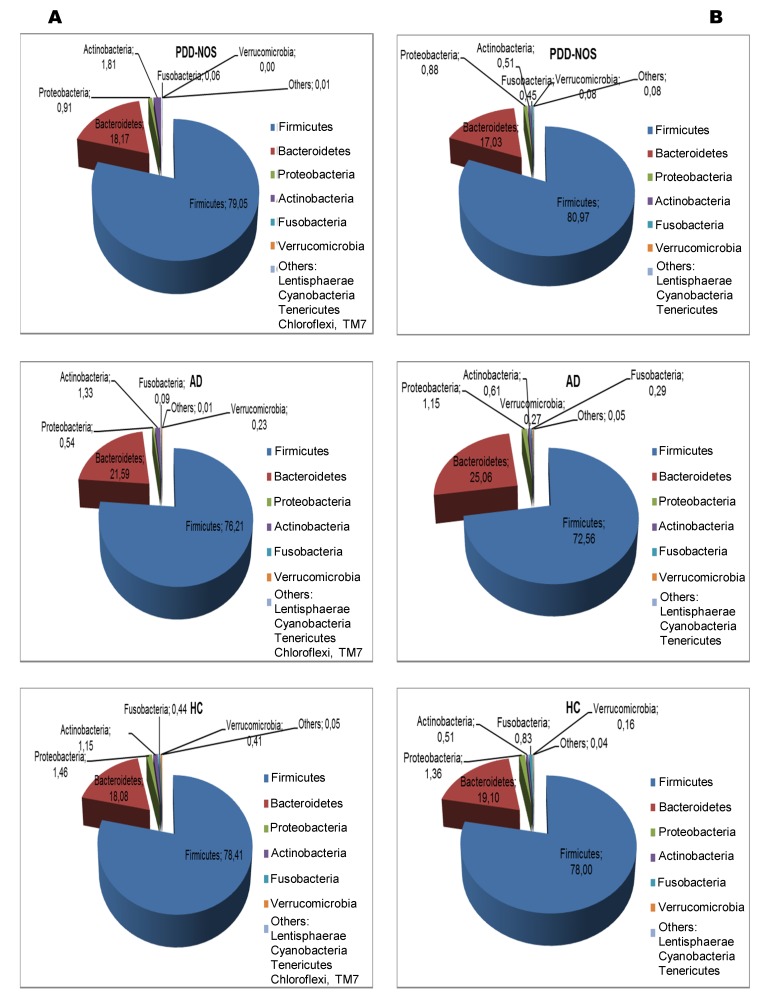
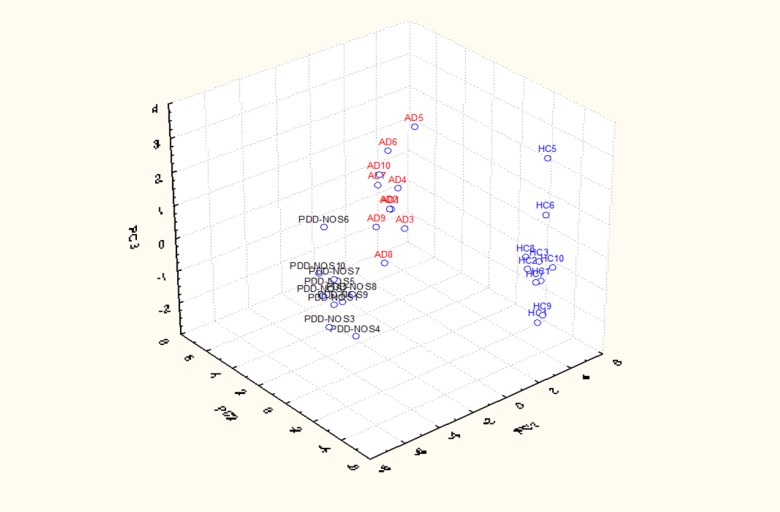
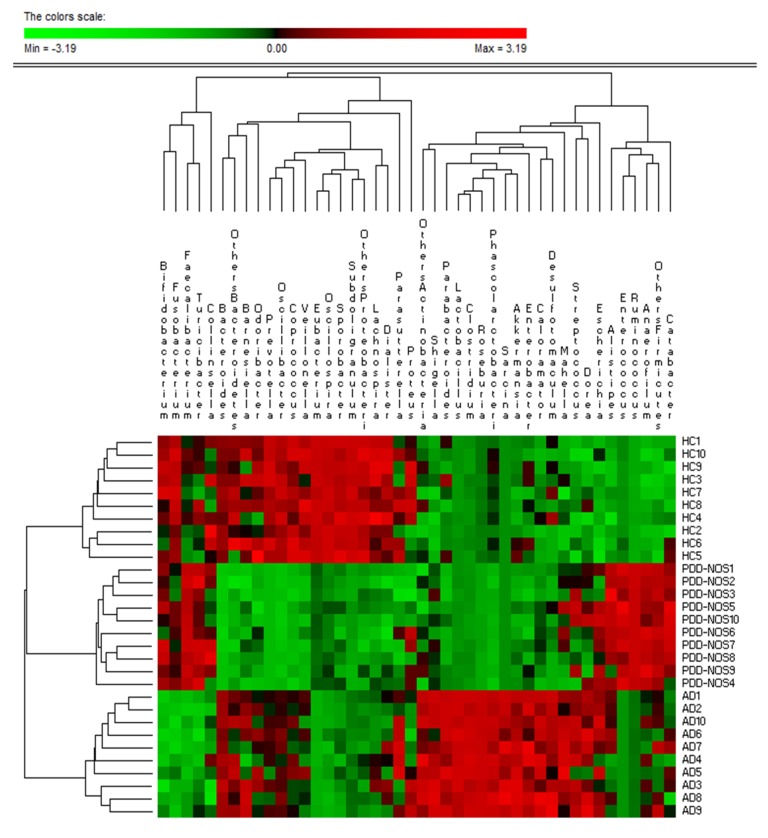
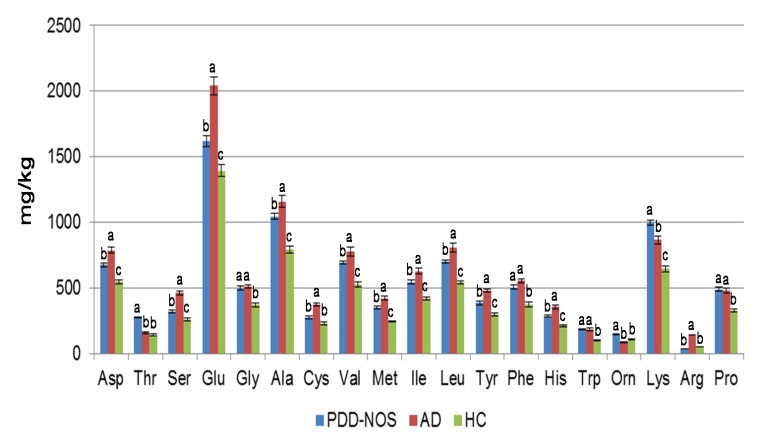
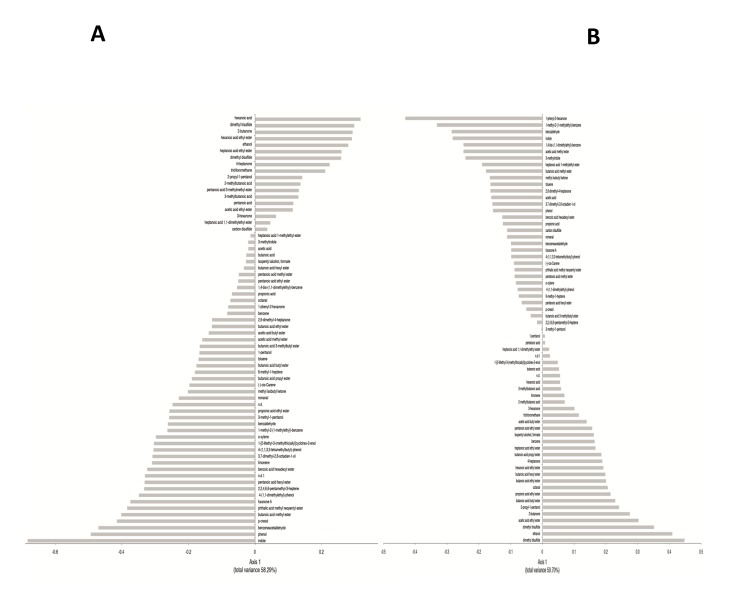
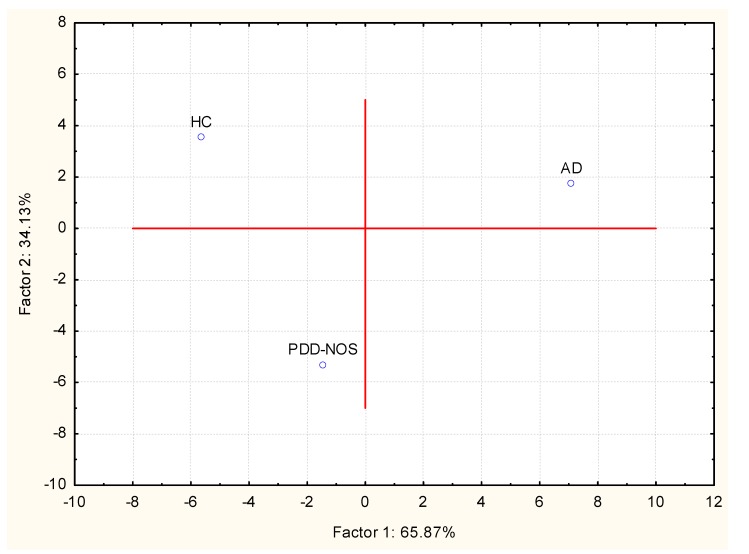
This study aimed at investigating the fecal microbiota and metabolome of children with Pervasive Developmental Disorder Not Otherwise Specified (PDD-NOS) and autism (AD) in comparison to healthy children (HC). Bacterial tag-encoded FLX-titanium amplicon pyrosequencing (bTEFAP) of the 16S rDNA and 16S rRNA analyses were carried out to determine total bacteria (16S rDNA) and metabolically active bacteria (16S rRNA), respectively. The main bacterial phyla (Firmicutes, Bacteroidetes, Fusobacteria and Verrucomicrobia) significantly (P<0.05) changed among the three groups of children. As estimated by rarefaction, Chao and Shannon diversity index, the highest microbial diversity was found in AD children. Based on 16S-rRNA and culture-dependent data, Faecalibacterium and Ruminococcus were present at the highest level in fecal samples of PDD-NOS and HC children. Caloramator, Sarcina and Clostridium genera were the highest in AD children. Compared to HC, the composition of Lachnospiraceae family also differed in PDD-NOS and, especially, AD children. Except for Eubacterium siraeum, the lowest level of Eubacteriaceae was found on fecal samples of AD children. The level of Bacteroidetes genera and some Alistipes and Akkermansia species were almost the highest in PDD-NOS or AD children as well as almost all the identified Sutterellaceae and Enterobacteriaceae were the highest in AD. Compared to HC children, Bifidobacterium species decreased in AD. As shown by Canonical Discriminant Analysis of Principal Coordinates, the levels of free amino acids and volatile organic compounds of fecal samples were markedly affected in PDD-NOS and, especially, AD children. If the gut microbiota differences among AD and PDD-NOS and HC children are one of the concomitant causes or the consequence of autism, they may have implications regarding specific diagnostic test, and/or for treatment and prevention.
Overview
The claims and statistics of this paper haven’t been checked yet.
Run the check — free, no account needed. It reads the open-access text and checks the sources it cites.
Integrity signals
Registry
Cites
Statistics
Figures
Verification
Claims the paper makes
The claims and statistics of this paper haven’t been checked yet.
Run the check — free, no account needed. It reads the open-access text and checks the sources it cites.
Claims other papers make about this one
Each is checked against this paper’s own text: does it say what the citing paper says it does?
The source backs part of the claim, not all of it — or backs it for a different population, condition or comparison.
In the citing paper
“Several studies found lower levels of fecal SCFA, including butyrate in feces of ASD children [53, 64], while a 2012 study found increased ammonia and SCFA including acetic, butyric, isobutyric, valeric, and isovaleric acids in ASD [61].”
From The Gut Microbiota and Dysbiosis in Autism Spectrum Disorders (2018) · cites this paper as [64]
Experimental — accuracy not yet measuredThe source backs part of the claim, not all of it — or backs it for a different population, condition or comparison.
In the citing paper
“Stool-based microbiome characterization in several cohorts identified specific genera that differed in ASD vs control subjects, but most previous studies conducted their analysis at higher taxonomic levels, with little published data at the genus or species (ie, OTU) level.22, 25, 26, 27”
From Distinct Microbiome-Neuroimmune Signatures Correlate With Functional Abdominal Pain in Children With Autism Spectrum Disorder (2017) · cites this paper as [26]
Experimental — accuracy not yet measuredIn the citing paper
“Cross-sectional studies comparing the gut microbiota composition between healthy and ASD individuals have revealed an altered microbiota profile in patients with ASD, with several studies reporting increased levels of Clostridium and Lactobacillus along with elevated levels of SCFAs, including propionic and butyric acid (Wang et al., 2012, 2013; De Angelis et al., 2013; Kang et al., 2013).”
From Microbiome–microglia connections via the gut–brain axis (2019) · cites this paper as De Angelis et al., 2013
In the citing paper
“Studies indicate that autistic children exhibit lower overall SCFA levels, with a particularly pronounced reduction in butyrate [50].”
From The Gut–Brain–Microbiota Connection and Its Role in Autism Spectrum Disorders (2025) · cites this paper as [50]
In the citing paper
“Furthermore, SCFAs cross the BBB and influence early brain development by regulating the production of serotonin and dopamine [50,52].”
From The Gut–Brain–Microbiota Connection and Its Role in Autism Spectrum Disorders (2025) · cites this paper as [50]
In the citing paper
“Additionally, SCFAs possess neuroprotective properties and, through epigenetic modifications, enhance memory formation and neural plasticity [49,50,55].”
From The Gut–Brain–Microbiota Connection and Its Role in Autism Spectrum Disorders (2025) · cites this paper as [50]
In the citing paper
“Moreover, an elevated abundance of Ruminococcaceae, Enterobacteriaceae, Pasteurellaceae, and Lachnospiraceae families has been observed in the digestive tract of individuals with ASD [8,50,52,96,97,98,101,105,110,111].”
From The Gut–Brain–Microbiota Connection and Its Role in Autism Spectrum Disorders (2025) · cites this paper as [50]
In the citing paper
“Studies has shown a significant increase in the prevalence of Clostridium bacteria in ASD patients compared to the general population [8,50,52,96,97,98,99,100,101,102,103,104,105,106,107,108,109].”
From The Gut–Brain–Microbiota Connection and Its Role in Autism Spectrum Disorders (2025) · cites this paper as [50]
In the citing paper
“Additionally, studies suggest a potential increase in the prevalence of Lactobacillus in the fecal samples of patients diagnosed with ASD [8,18,50,96,97,98,102,103,106,109,110,111].”
From The Gut–Brain–Microbiota Connection and Its Role in Autism Spectrum Disorders (2025) · cites this paper as [50]
In the citing paper
“Furthermore, the presence of Alistipes may be observed at elevated levels in patients diagnosed with ASD [50,89,96,97,98].”
From The Gut–Brain–Microbiota Connection and Its Role in Autism Spectrum Disorders (2025) · cites this paper as [50]
In the citing paper
“An increasing number of studies indicate that the population of Desulfovibrio could exhibit an increase in cases of ASD [50,96,97,98,103,106,107,109].”
From The Gut–Brain–Microbiota Connection and Its Role in Autism Spectrum Disorders (2025) · cites this paper as [50]
In the citing paper
“in both plasma (17) and feces (18), abnormal tryptophan metabolism has been reported in children with ASD”
In the citing paper
“which are fermentation end products of non-digested carbohydrates, act both in the brain via free fatty acid receptors FFAR2 and FFAR3, and in the gut.In the brain, they have an impact on the production of neurotransmitters and catecholamines [280,282] and partially they affect the reward system, synaptic plasticity, and memory formation [286,287].In the intestine, they influence water and”
From The Role of Microbiota-Gut-Brain Axis in Neuropsychiatric and Neurological Disorders (2021) · cites this paper as [280]
In the citing paper
“Some studies found increased diversity of the microbiota in ASD [47, 64], whereas other studies show the opposite trend towards decreased diversity and richness [73, 74], or no differences in diversity [75, 77].”
From The Gut Microbiota and Dysbiosis in Autism Spectrum Disorders (2018) · cites this paper as [64]
In the citing paper
“metabolomic analyses of serum, feces, and urine from ASD subjects have uncovered differences in various molecules compared to TD individuals, with many dysregulated compounds being of microbial origin (De Angelis et al., 2013; Kang et al., 2017a; Ming et al., 2012; Mussap et al., 2016; Wang et al., 2019).”
From Human Gut Microbiota from Autism Spectrum Disorder Promote Behavioral Symptoms in Mice (2019) · cites this paper as De Angelis et al., 2013
In the citing paper
“Gut bacterial communities differ between individuals with ASD and typically-developing (TD) controls (Coretti et al., 2018; De Angelis et al., 2013; Finegold et al., 2010; Gondalia et al., 2012; Kang et al., 2013, 2017a; Kushak et al., 2016; Liu et al., 2019; Son et al., 2015; Strati et al., 2017; Wang et al., 2019; Williams et al., 2011)”
From Human Gut Microbiota from Autism Spectrum Disorder Promote Behavioral Symptoms in Mice (2019) · cites this paper as De Angelis et al., 2013
In the citing paper
“There were higher concentrations of amino acids in colon contents of oASD mice, similar to reports studying individuals with ASD (De Angelis et al., 2013).”
From Human Gut Microbiota from Autism Spectrum Disorder Promote Behavioral Symptoms in Mice (2019) · cites this paper as De Angelis et al., 2013
In the citing paper
“Since then numerous studies from diverse cohorts have reported that microbiome profiles of ASD individuals, especially those with co-morbid GI dysfunction, differ from that of TD controls (Coretti et al., 2018; De Angelis et al., 2013; Finegold et al., 2010; Gondalia et al., 2012; Kang et al., 2013, 2017a; Kushak et al., 2016; Liu et al., 2019; Son et al., 2015; Strati et al., 2017; Wang et al., 2”
From Human Gut Microbiota from Autism Spectrum Disorder Promote Behavioral Symptoms in Mice (2019) · cites this paper as De Angelis et al., 2013
In the citing paper
“Two studies showed increases [31, 33] and six studies showed no significant changes in alpha diversity [36, 42, 43, 48, 50, 54].”
From Gut microbiota changes in children with autism spectrum disorder: a systematic review (2020) · cites this paper as [31]
In the citing paper
“The rest of the studies observed either a decrease in Bacteroidetes percentage [50, 54] or no significant differences between cases and controls [31, 36, 48].”
From Gut microbiota changes in children with autism spectrum disorder: a systematic review (2020) · cites this paper as [31]
In the citing paper
“Among the seven [31, 36, 40–42, 48, 50] papers that reported on beta diversity, four [31, 40, 41, 50] papers showed significant differences in beta diversity between ASD and SIB/HC while the rest did not (Additional file 1: Table S2).”
From Gut microbiota changes in children with autism spectrum disorder: a systematic review (2020) · cites this paper as [31]
In the citing paper
“At the phylum level, none of the six studies showed an increase in absolute or relative abundance [31, 33, 36, 48, 51, 54].”
From Gut microbiota changes in children with autism spectrum disorder: a systematic review (2020) · cites this paper as [31]
In the citing paper
“Instead, these seven studies showed either a non-significant result in relative abundance [41, 48, 50, 52] or a lower relative abundance in children classified as ASD versus SIB or HC [31, 39, 42].”
From Gut microbiota changes in children with autism spectrum disorder: a systematic review (2020) · cites this paper as [31]
In the citing paper
“For relative abundance in both total and metabolically active Firmicutes, the studies demonstrated either a decrease [31, 33, 36] or no significant differences between children with ASD, SIB, and HC [48, 51, 54].”
From Gut microbiota changes in children with autism spectrum disorder: a systematic review (2020) · cites this paper as [31]
In the citing paper
“The general trend, however, supports no alterations in E. coli for children in ASD in five studies [30, 35, 42, 48, 52] vs one study [31] documenting a decrease in E. coli percentage among other microbiota.”
From Gut microbiota changes in children with autism spectrum disorder: a systematic review (2020) · cites this paper as [31]
In the citing paper
“In the order Lactobacillales and family Streptococcaceae, Streptococcus results (not S. thermophilus) corroborated an overall decrease in counts and percentage in ASD cases when statistical significance was reached [30, 31, 33, 37, 41].”
From Gut microbiota changes in children with autism spectrum disorder: a systematic review (2020) · cites this paper as [31]
In the citing paper
“No specific findings were identified in the Verrucomicrobia phylum [31, 33, 36, 39, 48] and in the Verrucomicrobiaceae family [31, 37, 39, 41, 52].”
From Gut microbiota changes in children with autism spectrum disorder: a systematic review (2020) · cites this paper as [31]
In the citing paper
“however, upon a closer look at Bifidobacterium, consistently lower counts and proportions were found in children with ASD versus their siblings [31, 52] or controls [30, 38, 47].”
From Gut microbiota changes in children with autism spectrum disorder: a systematic review (2020) · cites this paper as [31]
In the citing paper
“This study did not replicate previously reported differences in the relative abundances of bacterial categories, including the Bacteroidetes phylum [12–14], the Sutterella genus [7,8,10] and the Prevotella genus [11] between ASD and unrelated control children.”
From Comparison of Fecal Microbiota in Children with Autism Spectrum Disorders and Neurotypical Siblings in the Simons Simplex Collection (2015) · cites this paper as [13]
In the citing paper
“Of note, previous studies [6–8,12,14], with the exception of one study [13], failed to detect differences in microbial composition between ASD and NT siblings [11].”
From Comparison of Fecal Microbiota in Children with Autism Spectrum Disorders and Neurotypical Siblings in the Simons Simplex Collection (2015) · cites this paper as [13]
In the citing paper
“Stool-based microbiome characterization in several cohorts identified specific genera that differed in ASD vs control subjects, but most previous studies conducted their analysis at higher taxonomic levels, with little published data at the genus or species (ie, OTU) level.22, 25, 26, 27”
From Distinct Microbiome-Neuroimmune Signatures Correlate With Functional Abdominal Pain in Children With Autism Spectrum Disorder (2017) · cites this paper as [26]
In the citing paper
“others show the opposite result (De Angelis et al., 2013; Zhang et al., 2018)”
From Mechanisms underlying microbial-mediated changes in social behavior in mouse models of autism spectrum disorder (2019) · cites this paper as De Angelis et al., 2013
In the citing paper
“Many ASD children have also been shown to carry abnormalities in GI physiology, including: increased intestinal permeability [34,35], overall microbiota alterations [36,37,38,39,40], and gut infection with cresol-producing Clostridium difficile [39,41,42,43,44].”
From Autism, Gastrointestinal Symptoms and Modulation of Gut Microbiota by Nutritional Interventions (2019) · cites this paper as [36]
In the citing paper
“Indeed, some studies have revealed significant reductions in the relative abundance of Prevotella, Coprococcus, Enterococcus, Lactobacillus, Streptococcus, Lactococcus, Staphylococcus, Ruminococcus, and Bifidobacterium species in children with ASD compared with healthy controls [36,128,143].”
From Autism, Gastrointestinal Symptoms and Modulation of Gut Microbiota by Nutritional Interventions (2019) · cites this paper as [36]
In the citing paper
“Several studies on ASD have showed changes in the composition of the microbiota, particularly in the relative abundance of the mains gut bacterial phyla [36,37,143,144].”
From Autism, Gastrointestinal Symptoms and Modulation of Gut Microbiota by Nutritional Interventions (2019) · cites this paper as [36]
In the citing paper
“Others studies observed, in ASD children, high abundance of: Akkermansia muciniphilia, [36,143,148] Desulfovibrio, [37] and Faecalibacterium prausnitzii [36].”
From Autism, Gastrointestinal Symptoms and Modulation of Gut Microbiota by Nutritional Interventions (2019) · cites this paper as [36]
In the citing paper
“Moreover, ASD patients seem to be characterized by both elevated levels of SCFA concentrations in stool and serum, and increased level of SCFA-producing bacteria (e.g., Clostridia, Desulfovibrio, and Bacteroides) [29,36,180].”
From Autism, Gastrointestinal Symptoms and Modulation of Gut Microbiota by Nutritional Interventions (2019) · cites this paper as [36]
In the citing paper
“Decreased levels of Bifidobacterium and metabolites of free amino acids and short-chain fatty acids (SCFA) in the feces may also contribute to the development of ASD (23).”
From Association Between Gut Microbiota and Autism Spectrum Disorder: A Systematic Review and Meta-Analysis (2019) · cites this paper as [23]
In the citing paper
“In our meta-analysis, only two studies enrolled children with ASD who had no GI symptoms (23, 37), and one study did not provide details about GI symptoms (33).”
From Association Between Gut Microbiota and Autism Spectrum Disorder: A Systematic Review and Meta-Analysis (2019) · cites this paper as [23]
In the citing paper
“In addition, GI microbial dysbiosis, an imbalance in the organisms that make up the gut microbiota, has been documented in multiple studies of children with ASD [5, 7–14].”
From Pilot study of probiotic/colostrum supplementation on gut function in children with autism and gastrointestinal symptoms (2019) · cites this paper as [14]
In the citing paper
“Most studies demonstrate that children with ASD have more bacterial diversity [10, 14] and possess lower overall abundance of potentially beneficial taxa, such as Bifidobacterium and Akkermansia, [5, 10, 11], although some populations appear to differ from this trend [10, 13].”
From Pilot study of probiotic/colostrum supplementation on gut function in children with autism and gastrointestinal symptoms (2019) · cites this paper as [14]
Self-check
Percentages, sums and reported differences re-computed from the paper’s own numbers.
The self-check needs the paper’s full text.
Citations
Cites
Diagnostic and Statistical Manual of Mental Disorders
Williams, J. B. W., & First, M. B. (2013) · Oxford University Press eBooks · doi:10.1093/acrefore/9780199975839.013.104 · Cited by 109,845
Search and clustering orders of magnitude faster than BLAST
Edgar, R. C. (2010) · Bioinformatics · doi:10.1093/bioinformatics/btq461 · Cited by 21,098
A human gut microbial gene catalogue established by metagenomic sequencing
MetaHIT Consortium, Qin, J., Li, R., Raes, J., Arumugam, M., Burgdorf, K. S., Manichanh, C., Nielsen, T., Pons, N., Levenez, F., et al. (2010) · Nature · doi:10.1038/nature08821 · Cited by 11,624
Lord, C., Rutter, M., & Le Couteur, A. (1994) · Journal of Autism and Developmental Disorders · doi:10.1007/bf02172145 · Cited by 9,065
Diagnostic and Statistical Manual of Mental Disorders
Siegel, L. J., & Fletcher‐Janzen, E. (2008) · Wiley eBooks · doi:10.1002/9780470373699.speced0655 · Cited by 8,467
Lord, C., Risi, S., Lambrecht, L., Cook, E. H., Leventhal, B. L., DiLavore, P. C., Pickles, A., & Rutter, M. (2000) · Journal of Autism and Developmental Disorders · doi:10.1023/a:1005592401947 · Cited by 7,520
The Ribosomal Database Project: improved alignments and new tools for rRNA analysis
Cole, J. R., Wang, Q., Cardenas, E., Fish, J., Chai, B., Farris, R. J., Kulam-Syed-Mohideen, A. S., McGarrell, D. M., Marsh, T. L., Garrity, G. M., et al. (2008) · Nucleic Acids Research · doi:10.1093/nar/gkn879 · Cited by 4,873
Host-gut microbiota metabolic interactions
Nicholson, J. K., Holmes, E., Kinross, J., Burcelin, R., Gibson, G., Jia, W., & Pettersson, S. (2012) · Science · doi:10.1126/science.1223813 · Cited by 4,760
Gut microbiota in health and disease
Sekirov, I., Russell, S. L., Antunes, L. C. M., & Finlay, B. B. (2010) · Physiological Reviews · doi:10.1152/physrev.00045.2009 · Cited by 4,182
Bravo, J. A., Forsythe, P., Chew, M. V., Escaravage, E., Savignac, H. M., Dinan, T. G., Bienenstock, J., & Cryan, J. F. (2011) · Proceedings of the National Academy of Sciences · doi:10.1073/pnas.1102999108 · Cited by 3,888
Gut Microbiota in Human Adults with Type 2 Diabetes Differs from Non-Diabetic Adults
Larsen, N., Vogensen, F. K., van den Berg, F. W. J., Nielsen, D. S., Andreasen, A. S., Pedersen, B. K., Al-Soud, W. A., Sørensen, S. J., Hansen, L. H., & Jakobsen, M. (2010) · PLoS ONE · doi:10.1371/journal.pone.0009085 · Cited by 2,952
Epidemiology of Pervasive Developmental Disorders
Fombonne, E. (2009) · Pediatric Research · doi:10.1203/pdr.0b013e31819e7203 · Cited by 1,971
The Firmicutes/Bacteroidetes ratio of the human microbiota changes with age
Mariat, D., Firmesse, O., Levenez, F., Guimarăes, V., Sokol, H., Doré, J., Corthier, G., & Furet, J.-P. (2009) · BMC Microbiology · doi:10.1186/1471-2180-9-123 · Cited by 1,755
Adams, J. B., Johansen, L. J., Powell, L. D., Quig, D., & Rubin, R. A. (2011) · BMC Gastroenterology · doi:10.1186/1471-230x-11-22 · Cited by 1,076
Pyrosequencing study of fecal microflora of autistic and control children
Finegold, S. M., Dowd, S. E., Gontcharova, V., Liu, C., Henley, K. E., Wolcott, R. D., Youn, E., Summanen, P. H., Granpeesheh, D., Dixon, D., et al. (2010) · Anaerobe · doi:10.1016/j.anaerobe.2010.06.008 · Cited by 977
Prevalence of autism-spectrum conditions: UK school-based population study
Baron-Cohen, S., Scott, F. J., Allison, C., Williams, J., Bolton, P., Matthews, F. E., & Brayne, C. (2009) · British Journal of Psychiatry · doi:10.1192/bjp.bp.108.059345 · Cited by 918
Bansal, T., Alaniz, R. C., Wood, T. K., & Jayaraman, A. (2010) · Proceedings of the National Academy of Sciences · doi:10.1073/pnas.0906112107 · Cited by 868
Parracho, H. M., Bingham, M. O., Gibson, G. R., & McCartney, A. L. (2005) · Journal of Medical Microbiology · doi:10.1099/jmm.0.46101-0 · Cited by 784
Gastrointestinal Microflora Studies in Late‐Onset Autism
Finegold, S. M., Molitoris, D., Song, Y., Liu, C., Vaisanen, M., Bolte, E., McTeague, M., Sandler, R., Wexler, H., Marlowe, E. M., et al. (2002) · Clinical Infectious Diseases · doi:10.1086/341914 · Cited by 742
Experimental and analytical tools for studying the human microbiome
Kuczynski, J., Lauber, C. L., Walters, W. A., Parfrey, L. W., Clemente, J. C., Gevers, D., & Knight, R. D. (2011) · Nature Reviews Genetics · doi:10.1038/nrg3129 · Cited by 729
The Mathematical Theory of Information
Kåhre, J. (2002) · Springer eBooks · doi:10.1007/978-1-4615-0975-2 · Cited by 696
Metabolic adaptation to a high-fat diet is associated with a change in the gut microbiota
Sérino, M., Luche, É., Grès, S., Baylac, A., Bergé, M., Cénac, C., Waget, A., Klopp, P., Iacovoni, J. S., Klopp, C., et al. (2011) · Gut · doi:10.1136/gutjnl-2011-301012 · Cited by 648
Short-Term Benefit From Oral Vancomycin Treatment of Regressive-Onset Autism
Sandler, R. H., Finegold, S. M., Bolte, E. R., Buchanan, C. P., Maxwell, A. P., Väisänen, M.-L., Nelson, M. N., & Wexler, H. M. (2000) · Journal of Child Neurology · doi:10.1177/088307380001500701 · Cited by 614
Sheldon, A. L., & Robinson, M. B. (2007) · Neurochemistry International · doi:10.1016/j.neuint.2007.03.012 · Cited by 593
Estimating the Number of Species in a Stochastic Abundance Model
Chao, A., & Bunge, J. (2002) · Biometrics · doi:10.1111/j.0006-341x.2002.00531.x · Cited by 587
Dowd, S. E., Wolcott, R. D., Sun, Y., McKeehan, T., Smith, E., & Rhoads, D. D. (2008) · PLoS ONE · doi:10.1371/journal.pone.0003326 · Cited by 562
Metabolic fate of polyphenols in the human superorganism
van Duynhoven, J., Vaughan, E. E., Jacobs, D. M., A. Kemperman, R., van Velzen, E. J. J., Gross, G., Roger, L. C., Possemiers, S., Smilde, A. K., Doré, J., et al. (2011) · Proceedings of the National Academy of Sciences · doi:10.1073/pnas.1000098107 · Cited by 540
Williams, B. L., Hornig, M., Buie, T., Bauman, M. L., Cho Paik, M., Wick, I., Bennett, A., Jabado, O., Hirschberg, D. L., & Lipkin, W. I. (2011) · PLoS ONE · doi:10.1371/journal.pone.0024585 · Cited by 492
A vegan or vegetarian diet substantially alters the human colonic faecal microbiota
Zimmer, J., Lange, B., Frick, J.-S., Sauer, H., Zimmermann, K., Schwiertz, A., Rusch, K., Klosterhalfen, S., & Enck, P. (2012) · European Journal of Clinical Nutrition · doi:10.1038/ejcn.2011.141 · Cited by 465 · cited 1×
“The composition of the GI microbiota is mainly influenced by genetic factors [21], age [22] and diet [23,24].”
BackgroundSatokari, R. M., Vaughan, E. E., Akkermans, A. D. L., Saarela, M., & de Vos, W. M. (2001) · Applied and Environmental Microbiology · doi:10.1128/aem.67.2.504-513.2001 · Cited by 444
Wang, L., Christophersen, C. T., Sorich, M. J., Gerber, J. P., Angley, M. T., & Conlon, M. A. (2011) · Applied and Environmental Microbiology · doi:10.1128/aem.05212-11 · Cited by 432
Role of the gut microbiota in defining human health
Fujimura, K. E., Slusher, N. A., Cabana, M. D., & Lynch, S. V. (2010) · Expert Review of Anti-infective Therapy · doi:10.1586/eri.10.14 · Cited by 421
Russell, W. R., Duncan, S. H., Scobbie, L., Duncan, G., Cantlay, L., Calder, A. G., Anderson, S. E., & Flint, H. J. (2013) · Molecular Nutrition & Food Research · doi:10.1002/mnfr.201200594 · Cited by 417
Williams, B. L., Hornig, M., Parekh, T., & Lipkin, W. I. (2012) · mBio · doi:10.1128/mbio.00261-11 · Cited by 378
MacFabe, D. F., Cain, N. E., Boon, F., Ossenkopp, K.-P., & Cain, D. P. (2011) · Behavioural Brain Research · doi:10.1016/j.bbr.2010.10.005 · Cited by 365
Voices from within: gut microbes and the CNS
Forsythe, P., & Kunze, W. A. (2013) · Cellular and Molecular Life Sciences · doi:10.1007/s00018-012-1028-z · Cited by 336
Brugman, S., Klatter, F., Visser, J. T. J., Wildeboer-Veloo, A. C. M., Harmsen, H. J. M., Rozing, J., & Bos, N. A. (2006) · Diabetologia · doi:10.1007/s00125-006-0334-0 · Cited by 332
Predominant Role of Host Genetics in Controlling the Composition of Gut Microbiota
Khachatryan, Z., Ktsoyan, Z. A., Manukyan, G. P., Kelly, D., Ghazaryan, K. A., & Aminov, R. I. (2008) · PLoS ONE · doi:10.1371/journal.pone.0003064 · Cited by 331
Di Cagno, R., De Angelis, M., De Pasquale, I., Ndagijimana, M., Vernocchi, P., Ricciuti, P., Gagliardi, F., Laghi, L., Crecchio, C., Guerzoni, M. E., et al. (2011) · BMC Microbiology · doi:10.1186/1471-2180-11-219 · Cited by 317
Self-citationDevelopmental aspects of human hepatic drug glucuronidation in young children and adults
Strassburg, C. P., Strassburg, A., Kneip, S., Barut, A., Tukey, R. H., Rodeck, B., & Manns, M. P. (2002) · Gut · doi:10.1136/gut.50.2.259 · Cited by 298
Devillard, E., McIntosh, F. M., Duncan, S. H., & Wallace, R. J. (2007) · Journal of Bacteriology · doi:10.1128/jb.01359-06 · Cited by 285
Gut microbiota: next frontier in understanding human health and development of biotherapeutics
Prakash, S., Rodes, L., Coussa-Charley, M., Tomaro-Duchesneau, C., Tomaro-Duchesneau, C., Coussa-Charley, & Rodes (2011) · Biologics · doi:10.2147/btt.s19099 · Cited by 283
The eleventh mental measurements yearbook.
Kramer, J. J., Conoley, J. C., & Murphy, L. L. (1992) · Medical Entomology and Zoology · Cited by 257
Suchodolski, J. S., Dowd, S. E., Wilke, V., Steiner, J. M., & Jergens, A. E. (2012) · PLoS ONE · doi:10.1371/journal.pone.0039333 · Cited by 248
Buie, T., Fuchs, G. J., Furuta, G. T., Kooros, K., Levy, J., Lewis, J. D., Wershil, B. K., & Winter, H. (2010) · Pediatrics · doi:10.1542/peds.2009-1878d · Cited by 228
Bolte, E. R. (1998) · Medical Hypotheses · doi:10.1016/s0306-9877(98)90107-4 · Cited by 213
Microbiology of regressive autism
Finegold, S. M., Downes, J., & Summanen, P. H. (2012) · Anaerobe · doi:10.1016/j.anaerobe.2011.12.018 · Cited by 211
Gondalia, S. V., Palombo, E. A., Knowles, S. R., Cox, S. B., Meyer, D., & Austin, D. W. (2012) · Autism Research · doi:10.1002/aur.1253 · Cited by 208
Desulfovibrio species are potentially important in regressive autism
Finegold, S. M. (2011) · Medical Hypotheses · doi:10.1016/j.mehy.2011.04.032 · Cited by 197
Alteration of Plasma Glutamate and Glutamine Levels in Children with High-Functioning Autism
Shimmura, C., Suda, S., Tsuchiya, K. J., Hashimoto, K., Ohno, K., Matsuzaki, H., Iwata, K., Matsumoto, K., Wakuda, T., Kameno, Y., et al. (2011) · PLoS ONE · doi:10.1371/journal.pone.0025340 · Cited by 189
Urinary p-cresol in autism spectrum disorder
Persico, A. M., & Napolioni, V. (2013) · Neurotoxicology and Teratology · doi:10.1016/j.ntt.2012.09.002 · Cited by 189
Gontcharova, V., Youn, E., Wolcott, R. D., Hollister, E. B., Gentry, T. J., & Dowd, S. E. (2010) · The Open Microbiology Journal · doi:10.2174/1874285801004010047 · Cited by 176
Gluten-free and casein-free diets in the treatment of autism spectrum disorders: A systematic review
Mulloy, A. M., Lang, R. B., O’Reilly, M. F., Sigafoos, J., Lancioni, G. E., & Rispoli, M. J. (2009) · Research in Autism · doi:10.1016/j.rasd.2009.10.008 · Cited by 172
Effect of lactose on gut microbiota and metabolome of infants with cow’s milk allergy
Francavilla, R., Calasso, M. P., Calace, L., Siragusa, S., Ndagijimana, M., Vernocchi, P., Brunetti, L. M., Mancino, G., Tedeschi, G., Guerzoni, E., et al. (2012) · Pediatric Allergy and Immunology · doi:10.1111/j.1399-3038.2012.01286.x · Cited by 161
Self-citationCagno, R. D., Rizzello, C. G., Gagliardi, F., Ricciuti, P., Ndagijimana, M., Francavilla, R., Guerzoni, M. E., Crecchio, C., Gobbetti, M., & Angelis, M. D. (2009) · Applied and Environmental Microbiology · doi:10.1128/aem.02793-08 · Cited by 158
Self-citationEnvironmental risk factors for autism
Dietert, R. R., Dietert, J. M., & DeWitt, J. C. (2011) · Emerging Health Threats Journal · doi:10.3402/ehtj.v4i0.7111 · Cited by 155
MedlineRanker: flexible ranking of biomedical literature
Fontaine, J.-F., Barbosa-Silva, A., Schaefer, M., Huska, M. R., Muro, E. M., & Andrade-Navarro, M. A. (2009) · Nucleic Acids Research · doi:10.1093/nar/gkp353 · Cited by 147
Bifidobacterium exopolysaccharides fermented by human microbiota
Salazar, N., Fernández, M., Hernández-Barranco, A., Ruas-Madiedo, P., & Reyes-Gavilán, C. D. L. (2008) · Applied and Environmental Microbiology · doi:10.1128/aem.00325-08 · Cited by 134
Windows .NET Network Distributed Basic Local Alignment Search Toolkit (W.ND-BLAST)
Dowd, S. E., Zaragoza, J. G., Rodriguez, J. R., Oliver, M. J., & Payton, P. (2005) · BMC Bioinformatics · doi:10.1186/1471-2105-6-93 · Cited by 129
Medina, M., Palma, G. D., Ribes‐Koninckx, C., Calabuig, M., & Sanz, Y. (2008) · Journal of Inflammation · doi:10.1186/1476-9255-5-19 · Cited by 129
Microbial ecosystems therapeutics: a new paradigm in medicine?
Petrof, E., Claud, E. C., Gloor, G. B., & Allen‐Vercoe, E. (2012) · Beneficial Microbes · doi:10.3920/bm2012.0039 · Cited by 127
Therapy and epidemiology of autism–clostridial spores as key elements
Finegold, S. M. (2007) · Medical Hypotheses · doi:10.1016/j.mehy.2007.07.019 · Cited by 123
Kirsten, T. B., Chaves‐Kirsten, G. P., Chaible, L. M., Silva, A. C., Martins, D. O., Britto, L. R. G., Dagli, M. L. Z., Torrão, A. S., Palermo‐Neto, J., & Bernardi, M. M. (2012) · Journal of Neuroscience Research · doi:10.1002/jnr.23089 · Cited by 122
State of the art; microbiology in health and disease. Intestinal bacterial flora in autism
Finegold, S. M. (2011) · Anaerobe · doi:10.1016/j.anaerobe.2011.03.007 · Cited by 116
The active human gut microbiota differs from the total microbiota
Peris-Bondia, F., Latorre, A., Artacho, A., Moya, A., & D'Auria, G. (2011) · PLoS ONE · doi:10.1371/journal.pone.0022448 · Cited by 113
Reinhardt, J., & Hudson, D. M. (2012) · Management of Biological Invasions · doi:10.3391/mbi.2012.3.1.01 · Cited by 94
Diczfalusy, M. A., Björkhem, I., Einarsson, C., Hillebrant, C.-G., & Alexson, S. E. H. (2001) · Journal of Lipid Research · doi:10.1016/s0022-2275(20)31590-x · Cited by 91
Macfarlane, S., Quigley, M. E., Hopkins, M. J., Newton, D. F., & Macfarlane, G. T. (1998) · FEMS Microbiology Ecology · doi:10.1111/j.1574-6941.1998.tb00508.x · Cited by 89
Heberling, C., Dhurjati, P., & Sasser, M. (2012) · Medical Hypotheses · doi:10.1016/j.mehy.2012.11.044 · Cited by 88
Does the Human Gut Microbiota Contribute to the Etiology of Autism Spectrum Disorders?
Louis, P. (2012) · Digestive Diseases and Sciences · doi:10.1007/s10620-012-2286-1 · Cited by 81
Acid Stress-Mediated Metabolic Shift in Lactobacillus sanfranciscensis LSCE1
Serrazanetti, D. I., Ndagijimana, M., Sado-Kamdem, S. L., Corsetti, A., Vogel, R. F., Ehrmann, M. A., & Guerzoni, M. E. (2011) · Applied and Environmental Microbiology · doi:10.1128/aem.01826-10 · Cited by 76
Self-citationNutrition in inflammatory bowel disease
Razack, R., & Seidner, D. L. (2007) · Current Opinion in Gastroenterology · doi:10.1097/mog.0b013e3281ddb2a3 · Cited by 74
Harnessing the power of the human microbiome
Blaser, M. J. (2010) · Proceedings of the National Academy of Sciences · doi:10.1073/pnas.1002112107 · Cited by 68
Ndagijimana, M., Laghi, L., Vitali, B., Placucci, G., Brigidi, P., & Guerzoni, M. E. (2009) · International Journal of Food Microbiology · doi:10.1016/j.ijfoodmicro.2009.04.016 · Cited by 64
Self-citationGowen, C. M., & Fong, S. S. (2010) · Biotechnology Journal · doi:10.1002/biot.201000084 · Cited by 54
A Microbial Association with Autism
Benach, J. L., Li, E., & McGovern, M. M. (2012) · mBio · doi:10.1128/mbio.00019-12 · Cited by 43
Riboswitches for Intracellular Study of Genes Involved inFrancisellaPathogenesis
Reynoso, C. M. K., Miller, M. A., Bina, J. E., Gallivan, J. P., & Weiss, D. S. (2012) · mBio · doi:10.1128/mbio.00253-12 · Cited by 33
Imitation and communication skills development in children with pervasive developmental disorders
Margari, L., Giacomo, A. D., Portoghese, C., Martinelli, D., Fanizza, I., & L’Abate, L. (2009) · Neuropsychiatric Disease and Treatment · doi:10.2147/ndt.s5679 · Cited by 23
Faecal microbiota of individuals with autism spectrum disorder
Gondalia, S. V., Palombo, E. A., Knowles, S. R., & Austin, D. (2010) · E-Journal of Applied Psychology · doi:10.7790/ejap.v6i2.213 · Cited by 14
Obesity and Colorectal Cancer Risk: Impact of the Gut Microbiota and Weight-Loss Diets
Flint, H. J., & Wallace, R. J. (2010) · The Open Obesity Journal · doi:10.2174/1876823701002010050 · Cited by 7
Flint, H. J., & Wallace, R. J. (2010) · The Open Obesity Journal · doi:10.2174/1876823701002020050 · Cited by 3
Wall, R., Ross, R. P., Shanahan, F., Quigley, E. M. M., Dinan, T. G., Cryan, J. F., Fitzgerald, G. F., & Stanton, C. (2012) · Lipid Technology · doi:10.1002/lite.201200232 · Cited by 3
Cited by
Sorted by citations
Gut microbiota are related to Parkinson's disease and clinical phenotype
Scheperjans, F., Aho, V., Pereira, P. A. B., Koskinen, K., Paulin, L., Pekkonen, E., Haapaniemi, E., Kaakkola, S., Eerola‐Rautio, J., Pohja, M., et al. (2015) · Movement Disorders · doi:10.1002/mds.26069 · Cited by 1,968
Interactions between the microbiota, immune and nervous systems in health and disease
Fung, T. C., Olson, C. A., & Hsiao, E. Y. (2017) · Nature Neuroscience · doi:10.1038/nn.4476 · Cited by 1,900
Prebiotics: Definition, Types, Sources, Mechanisms, and Clinical Applications
Davani-Davari, D., Negahdaripour, M., Karimzadeh, I., Seifan, M., Mohkam, M., Masoumi, S. J., Berenjian, A., & Ghasemi, Y. (2019) · Foods · doi:10.3390/foods8030092 · Cited by 1,848
Parker, B. J., Wearsch, P. A., Veloo, A. C. M., & Rodriguez‐Palacios, A. (2020) · Frontiers in Immunology · doi:10.3389/fimmu.2020.00906 · Cited by 1,771
De Filippis, F., Pellegrini, N., Vannini, L., Jeffery, I. B., La Storia, A., Laghi, L., Serrazanetti, D. I., Di Cagno, R., Ferrocino, I., Lazzi, C., et al. (2016) · Gut · doi:10.1136/gutjnl-2015-309957 · Cited by 1,638
Self-citation
Metadata
- Authors
- De Angelis, M., Piccolo, M., Vannini, L., Siragusa, S., De Giacomo, A., Serrazzanetti, D. I., Cristofori, F., Guerzoni, M. E., Gobbetti, M., & Francavilla, R.
- Affiliations
- University of Bologna (IT)
- University of Bari Aldo Moro (IT)
- Venue
- PLoS ONE
- Publisher
- Public Library of Science (PLoS)
- Published
- 2013-10-09
- Volume
- 8
- Issue
- 10
- Pages
- e76993
- ISSN
- 1932-6203 (ISSN-L)
- PMC
- PMC3793965
- OpenAlex
- W2144133378
- Cited by
- 887
- References
- 83
- Citations by year
- 2026: 43 · 2025: 68 · 2024: 69 · 2023: 104 · 2022: 98 · 2021: 125 · 2020: 85 · 2019: 76 · 2018: 70 · 2017: 35 · 2016: 52 · 2015: 37 · 2014: 23 · 2013: 1
- FWCI
- 16.86
- Type
- journal article
- Language
- en
- Open access
- gold
- doi.org
- Locations
- PLoS ONE (publishedVersion, cc-by)
- Europe PMC (PubMed Central) (publishedVersion, cc-by)
- PubMed Central (publishedVersion, cc-by)
- PubMed (publishedVersion)
- Archivio istituzionale della ricerca (Alma Mater Studiorum Università di Bologna) (submittedVersion, cc-by)
- RePEc: Research Papers in Economics (submittedVersion)
- DOAJ (DOAJ: Directory of Open Access Journals) (submittedVersion, cc-by-sa)
- Figshare (submittedVersion, cc-by)
- CINECA IRIS Institutional Research Information System (University of Bari Aldo Moro) (submittedVersion)
- Open Research (University of Surrey) (submittedVersion, other-oa)
- Topics
- Life Sciences › Biochemistry, Genetics and Molecular Biology › Molecular Biology › Gut microbiota and health
- Life Sciences › Neuroscience › Cognitive Neuroscience › Autism Spectrum Disorder Research
- Health Sciences › Medicine › Gastroenterology › Gastrointestinal motility and disorders
- Keywords
- autism spectrum disorder, pervasive developmental disorder not otherwise specified, gut microbiota, fecal metabolome, children, microbial diversity, Firmicutes, Bacteroidetes, Faecalibacterium, Ruminococcus, Lachnospiraceae, Akkermansia, Bifidobacterium, free amino acids, volatile organic compounds, 16S rRNA, 16S rRNA gene
- MeSH terms
- Amino Acids, Autistic Disorder, Bacteria, Child, Child Development Disorders, Pervasive, Child, Preschool, Feces, Female, Humans, Male, Sequence Analysis, Metabolome, Volatile Organic Compounds, Microbiota
About these checks
Registry, retraction, Cites and statistics results are computed, not judged, with one exception: a printed reference that no index lists is read once by a model before it counts as a citation error. Claims are extracted by a model and kept only when their quote appears verbatim in the text; each cited source is then checked, with a model’s help, for whether it says what the claim relies on. Those verdicts can be wrong — read the claim’s quote and the cited source before relying on one.
Statistics and arithmetic are recomputed, not judged.
Confidence bands are shown only for fields calibrated on our annotated test set. None is calibrated yet, so no band is shown.
What counts as a claim ›How we measure confidence ›How we check this ›
Are you an author, or do you see a problem with this page? Request a review
