

Characterization of the Oral Fungal Microbiome (Mycobiome) in Healthy Individuals
Open accessThe DOI matches its Crossref record; 39 of the 40 references it cites were found in a registry or an index.
Abstract
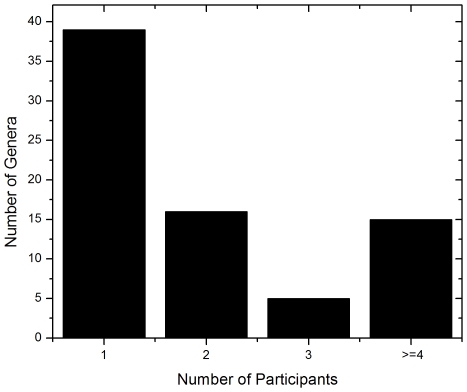
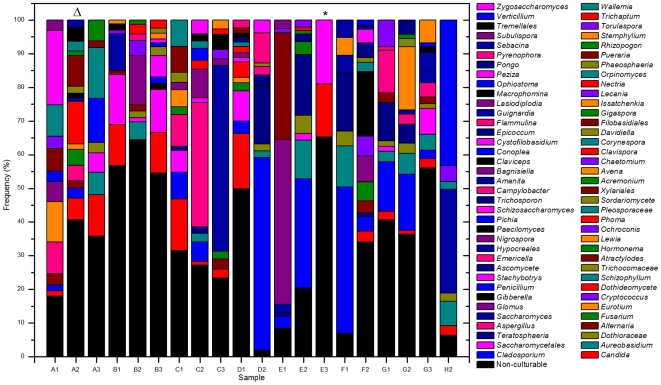
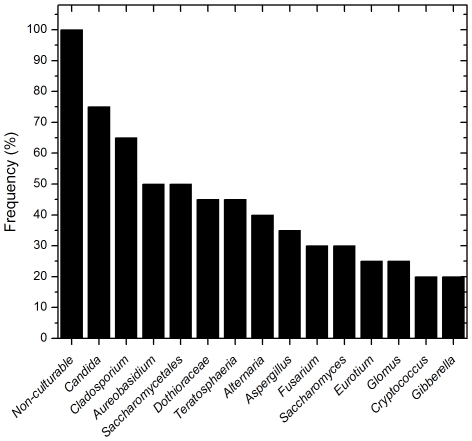
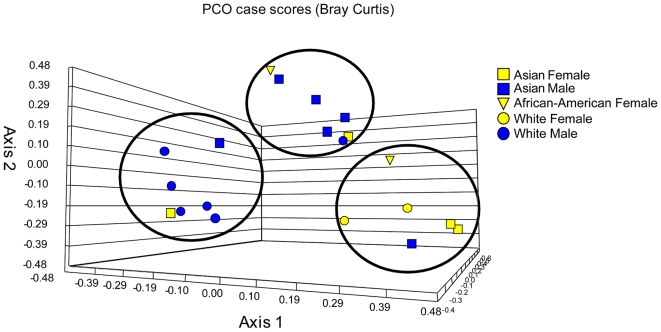
The oral microbiome-organisms residing in the oral cavity and their collective genome-are critical components of health and disease. The fungal component of the oral microbiota has not been characterized. In this study, we used a novel multitag pyrosequencing approach to characterize fungi present in the oral cavity of 20 healthy individuals, using the pan-fungal internal transcribed spacer (ITS) primers. Our results revealed the "basal" oral mycobiome profile of the enrolled individuals, and showed that across all the samples studied, the oral cavity contained 74 culturable and 11 non-culturable fungal genera. Among these genera, 39 were present in only one person, 16 genera were present in two participants, and 5 genera were present in three people, while 15 genera (including non-culturable organisms) were present in >/=4 (20%) participants. Candida species were the most frequent (isolated from 75% of participants), followed by Cladosporium (65%), Aureobasidium, Saccharomycetales (50% for both), Aspergillus (35%), Fusarium (30%), and Cryptococcus (20%). Four of these predominant genera are known to be pathogenic in humans. The low-abundance genera may represent environmental fungi present in the oral cavity and could simply be spores inhaled from the air or material ingested with food. Among the culturable genera, 61 were represented by one species each, while 13 genera comprised between 2 and 6 different species; the total number of species identified were 101. The number of species in the oral cavity of each individual ranged between 9 and 23. Principal component (PCO) analysis of the obtained data set followed by sample clustering and UniFrac analysis revealed that White males and Asian males clustered differently from each other, whereas both Asian and White females clustered together. This is the first study that identified the "basal mycobiome" of healthy individuals, and provides the basis for a detailed characterization of the oral mycobiome in health and disease.
Overview
The claims and statistics of this paper haven’t been checked yet.
Free: it reads the open-access text and checks the first 5 claims that cite a source we can check. Create a free account to check every claim.
Integrity signals
Registry
Cites
Statistics
Figures
Verification
Claims the paper makes
The claims and statistics of this paper haven’t been checked yet.
Free: it reads the open-access text and checks the first 5 claims that cite a source we can check. Create a free account to check every claim.
Claims other papers make about this one
Each is checked against this paper’s own text: does it say what the citing paper says it does?
The source backs part of the claim, not all of it — or backs it for a different population, condition or comparison.
In the citing paper
“Compared to bacteria, fungal constituents can be as low as 0.1% of the total microbiota and may show large diversity (Ghannoum et al., 2010; Qin et al., 2010).”
From Iron at the Centre of Candida albicans Interactions (2018) · cites this paper as Ghannoum et al., 2010
Experimental — accuracy not yet measuredIn the citing paper
“Periodontal disease severity is related to both modifiable (smoking, diet) and non-modifiable host risk factors (genetic susceptibility) as well as environmental factors [10,11,12].”
From A Cross-Talk between Diet and the Oral Microbiome: Balance of Nutrition on Inflammation and Immune System’s Response during Periodontitis (2022) · cites this paper as [11]
In the citing paper
“A recent study by Ghannoum et al. characterizing the mycobiome of the oral cavity of healthy individuals identified in this host milieu a complex and dynamic profile of fungal species, the number of which parallels that observed for bacteria [46].”
From Host Iron Withholding Demands Siderophore Utilization for Candida glabrata to Survive Macrophage Killing (2011) · cites this paper as [46]
In the citing paper
“Infections with C. albicans can range from superficial mucosal and dermatological infections to life-threatening infections of the bloodstream and vital organs.”
From Molecular and genetic basis of azole antifungal resistance in the opportunistic pathogenic fungus Candida albicans (2020) · cites this paper as [2]
Self-check
Percentages, sums and reported differences re-computed from the paper’s own numbers.
The self-check needs the paper’s full text.
Citations
Cites
Cd-hit: a fast program for clustering and comparing large sets of protein or nucleotide sequences
Li, W., & Godzik, A. (2006) · Bioinformatics · doi:10.1093/bioinformatics/btl158 · Cited by 11,410 · cited 1×
“. This test measures the probability that the designated classes are different based on the phylogenetic relatedness and the abundance of each cluster. We first clustered the MTPS reads using CD-HIT”
MethodPrincipal components analysis corrects for stratification in genome-wide association studies
Price, A. L., Patterson, N. J., Plenge, R. M., Weinblatt, M. E., Shadick, N. A., & Reich, D. (2006) · Nature Genetics · doi:10.1038/ng1847 · Cited by 10,248 · cited 1×
“Principal Coordinate (PCO) analysis has been recognized as a simple and straight-forward method to group or separate samples in a dataset, and has been used in disease-association studies [22,23].”
MethodUniFrac: a New Phylogenetic Method for Comparing Microbial Communities
Lozupone, C., & Knight, R. (2005) · Applied and Environmental Microbiology · doi:10.1128/aem.71.12.8228-8235.2005 · Cited by 8,227 · cited 1×
“To compare the phylogenetic distribution between the various gender and race classes and confirm the results of PCO analysis, we used UniFrac significance test [24,25].”
MethodA core gut microbiome in obese and lean twins
Turnbaugh, P. J., Hamady, M., Yatsunenko, T., Cantarel, B. L., Duncan, A., Ley, R. E., Sogin, M. L., Jones, W. J., Roe, B. A., Affourtit, J. P., et al. (2009) · Nature · doi:10.1038/nature07540 · Cited by 7,823 · cited 1×
“Several groups have subsequently employed various barcoding strategies to analyze multiple samples and this strategy is now well accepted [18–21].”
BackgroundDefining the normal bacterial flora of the oral cavity
Aas, J. A., Paster, B. J., Stokes, L. N., Olsen, I., & Dewhirst, F. E. (2005) · Journal of Clinical Microbiology · doi:10.1128/jcm.43.11.5721-5732.2005 · Cited by 3,092 · cited 2×
“Only two previous studies have investigated the profile of microbes present in the oral cavity of healthy individuals and both focused on the bacterial microbiome [32,33].”
BackgroundMethodBacterial Diversity in Human Subgingival Plaque
Paster, B. J., Boches, S. K., Galvin, J. L., Ericson, R. E., Lau, C. N., Levanos, V. A., Sahasrabudhe, A., & Dewhirst, F. E. (2001) · Journal of Bacteriology · doi:10.1128/jb.183.12.3770-3783.2001 · Cited by 2,011 · cited 1×
“[37,38], inability to grow these non-culturable organisms renders it difficult to gain insight into their role in health and disease.”
BackgroundUniFrac – An online tool for comparing microbial community diversity in a phylogenetic context
Lozupone, C., Hamady, M., & Knight, R. (2006) · BMC Bioinformatics · doi:10.1186/1471-2105-7-371 · Cited by 1,453 · cited 1×
“To compare the phylogenetic distribution between the various gender and race classes and confirm the results of PCO analysis, we used UniFrac significance test [24,25].”
MethodThe breadth of bacterial diversity in the human periodontal pocket and other oral sites
Paster, B. J., Olsen, I., Aas, J. A., & Dewhirst, F. E. (2006) · Periodontology 2000 · doi:10.1111/j.1600-0757.2006.00174.x · Cited by 861 · cited 1×
“[37,38], inability to grow these non-culturable organisms renders it difficult to gain insight into their role in health and disease.”
BackgroundOral microbial communities in sickness and in health
Jenkinson, H. F., & Lamont, R. J. (2005) · Trends in Microbiology · doi:10.1016/j.tim.2005.09.006 · Cited by 628 · cited 1×
“Organisms residing in the oral cavity and their collective genome–the oral microbiome–are critical components of health and disease. Disruption of the oral microbiome has been proposed to indicate, trigger, or influence the course of oral diseases, especially among immunocompromised patients (e.g. HIV-infected or canc…”
BackgroundA Genealogical Interpretation of Principal Components Analysis
McVean, G. (2009) · PLoS Genetics · doi:10.1371/journal.pgen.1000686 · Cited by 568 · cited 1×
“Principal Coordinate (PCO) analysis has been recognized as a simple and straight-forward method to group or separate samples in a dataset, and has been used in disease-association studies [22,23].”
Method
Cited by
Items 401–500 of 999
Satała, D., Gonzalez‐Gonzalez, M., Smolarz, M., Surowiec, M., Kulig, K., Wronowska, E., Zawrotniak, M., Kozik, A., Rąpała‐Kozik, M., & Karkowska‐Kuleta, J. (2022) · Frontiers in Cellular and Infection Microbiology · doi:10.3389/fcimb.2021.765942 · Cited by 45
“albicans is the most commonly identified yeast in the oral cavity of healthy people (Ghannoum et al., 2010; Baumgardner, 2019).”
BackgroundYeast Modulation of Human Dendritic Cell Cytokine Secretion: An In Vitro Study
Smith, I. M., Christensen, J. E., Arneborg, N., & Jespersen, L. (2014) · PLoS ONE · doi:10.1371/journal.pone.0096595 · Cited by 40
“Although the gut microbiota is dominated by bacteria [18], communities of eukaryotic microorganisms are part of the human microbiome [19–21].”
MSMB variation and prostate cancer risk: Clues towards a possible fungal etiology
Sutcliffe, S., Marzo, A. M. D., Sfanos, K. S., & Laurence, M. (2014) · The Prostate · doi:10.1002/pros.22778 · Cited by 41
“[91] who used molecular techniques to identify fungi in the oral cavity of healthy individuals; these authors found 85 fungal genera of which 11 were non-culturable.”
Regulatory Circuits That Enable Proliferation of the Fungus Candida albicans in a Mammalian Host
Pérez, J. C., & Johnson, A. D. (2013) · PLoS Pathogens · doi:10.1371/journal.ppat.1003780 · Cited by 38
“For example, 101 species belonging to 85 fungal genera have been found in the oral cavity of healthy people [1].”
BackgroundTosun, İ., Akyuz, Z., Güler, N. C., Gülmez, D., Bayramoğlu, G., Kaklıkkaya, N., Arıkan-Akdağlı, S., & Aydın, F. (2012) · Medical Mycology · doi:10.3109/13693786.2012.745953 · Cited by 39
Xing, F., Ding, N., Liu, X., Selvaraj, J. N., Wang, L., Zhou, L., Zhao, Y., Wang, Y., & Liu, Y. (2016) · Scientific Reports · doi:10.1038/srep25930 · Cited by 42
Candida albicans as an Essential “Keystone” Component within Polymicrobial Oral Biofilm Models?
Young, T., Alshanta, O. A., Kean, R., Bradshaw, D. J., Pratten, J. R., Williams, C., Woodall, C., Ramage, G., & Brown, J. L. (2020) · Microorganisms · doi:10.3390/microorganisms9010059 · Cited by 42
“albicans has been identified in healthy individuals, suggestive the organism possesses a symbiotic phenotype [9].”
BackgroundPezzotti, G., Kobara, M., Nakaya, T., Imamura, H., Miyamoto, N., Adachi, T., Yamamoto, T., Kanamura, N., Ohgitani, E., Marin, E., et al. (2022) · International Journal of Molecular Sciences · doi:10.3390/ijms23105359 · Cited by 41
Ferrillo, M., Giudice, A., Migliario, M., Renò, F., Lippi, L., Calafiore, D., Marotta, N., de Sire, R., Fortunato, L., Ammendolia, A., et al. (2023) · International Journal of Molecular Sciences · doi:10.3390/ijms24054626 · Cited by 44
“, Candida species, Cladosporium, Aureobasidium, Saccharomyces, Aspergillus, Fusarium, and Cryptococcus), and only in immunocompromised subjects or specific conditions (especially drug abuse) can they become opportunistic pathogens [44,45].”
BackgroundOral Bacterial and Fungal Microbiome and Subsequent Risk for Pancreatic Cancer
Meng, Y., Wu, F. C., Kwak, S., Wang, C., Usyk, M., Freedman, N. D., Huang, W., Um, C. Y., Gonda, T. A., Oberstein, P. E., et al. (2025) · JAMA Oncology · doi:10.1001/jamaoncol.2025.3377 · Cited by 43
Figueiral, M. H., Fonseca, P., Lopes, M., Pinto, E., Pereira-Leite, T., & Sampaio‐Maia, B. (2015) · The Open Dentistry Journal · doi:10.2174/1874210601509010046 · Cited by 37
“albicans) is the most frequent colonizer fungi [5-7].”
BackgroundSubgingival fungi, Archaea, and viruses under the omics loupe
Diaz, P. I. (2020) · Periodontology 2000 · doi:10.1111/prd.12352 · Cited by 40
Roach, K. C., Feretzaki, M., Sun, S., & Heitman, J. (2014) · Advances in genetics · doi:10.1016/b978-0-12-800271-1.00005-6 · Cited by 45
“tropicalis co-inhabit the oral cavity of healthy individuals, providing just such a diverse niche in nature (Daniels et al., 2006; Ghannoum et al., 2010; Lockhart et al., 2003; Martins et al., 2010; Melton et al., 2010).”
BackgroundStreptococcus salivarius K12 inhibits Candida albicans aggregation, biofilm formation and dimorphism
Mokhtar, M., Rismayuddin, N. A. R., Yassim, A. S. M., Ahmad, H., Wahab, R. A., Dashper, S. G., & Arzmi, M. H. (2021) · Biofouling · doi:10.1080/08927014.2021.1967334 · Cited by 43
“The oral microbiome comprises various kingdoms of microorganisms, including fungi and bacteria (Hull and Chow 2007; Dewhirst et al. 2010; Ghannoum et al. 2010; Taylan et al. 2011; Krom et al. 2014).”
BackgroundValentine, M., Rudolph, P., Dietschmann, A., Tsavou, A., Mogavero, S., Lee, S., Priest, E. L., Zhurgenbayeva, G., Jablonowski, N., Timme, S., et al. (2024) · mBio · doi:10.1128/mbio.03409-23 · Cited by 42
Biodiversity of the Genus Aspergillus in Different Habitats
Abdel-Azeem, A. M., Salem, F. M., Abdel-Azeem, M. A., Nafady, N. A., Mohesien, M. T., & Soliman, E. A. M. M. (2016) · Elsevier eBooks · doi:10.1016/b978-0-444-63505-1.00001-4 · Cited by 51
Polymicrobial interactions of Candida albicans and its role in oral carcinogenesis
Arzmi, M. H., Dashper, S. G., & McCullough, M. J. (2019) · Journal of Oral Pathology and Medicine · doi:10.1111/jop.12905 · Cited by 43
Probing periodontal microbial dark matter using metataxonomics and metagenomics
Kumar, P., Dabdoub, S. M., & Ganesan, S. M. (2020) · Periodontology 2000 · doi:10.1111/prd.12349 · Cited by 36
The pulmonary mycobiome—A study of subjects with and without chronic obstructive pulmonary disease
Martinsen, E. M. H., Eagan, T., Leiten, E. O., Haaland, I., Husebø, G. R., Knudsen, K. S., Drengenes, C., Sanseverino, W., Paytuví-Gallart, A., & Nielsen, R. (2021) · PLoS ONE · doi:10.1371/journal.pone.0248967 · Cited by 39
Denture-Related Stomatitis Is Associated with Endothelial Dysfunction
Maciąg, J., Osmenda, G., Nowakowski, D., Wilk, G., Maciąg, A., Mikolajczyk, T. P., Nosalski, R., Sagan, A., Filip, M., Dróżdż, M., et al. (2014) · BioMed Research International · doi:10.1155/2014/474016 · Cited by 45
“Candida albicans is fungal component of the physiological microflora of the human oral cavity [14, 15]; however, factors mentioned above may promote its excessive growth and, consequently, the development of infection and DRS.”
BackgroundAnoop, V., Rotaru, S., Shwed, P. S., Tayabali, A. F., & Arvanitakis, G. (2015) · FEMS Yeast Research · doi:10.1093/femsyr/fov057 · Cited by 35
Jones, L., Kumar, J., Mistry, A., Sankar Chittoor Mana, T., Perry, G., Reddy, V. P., & Obrenovich, M. (2019) · Biomedicines · doi:10.3390/biomedicines7020024 · Cited by 34
“Some studies suggest that the fungi compete with these pathogenic species and perhaps even mitigate their potential for harm [26].”
BackgroundThe Human Gut Microbiome in Liver Diseases
Davis, B., & Bajaj, J. (2017) · Seminars in Liver Disease · doi:10.1055/s-0037-1602763 · Cited by 34
Pathophysiological microenvironments in oral candidiasis
Jørgensen, M. R. (2024) · Apmis · doi:10.1111/apm.13412 · Cited by 45
“Pioneering investigations by Ghannoum et al. [23] and Dupuy et al. [24] employed pyrosequencing analysis to scrutinize the fungal component of the oral microbiome, delineating the ‘basal oral mycobiome’ and ‘the human core mycobiome’, respectively.”
Revealing microbial recognition by specific antibodies
Simón-Soro, Á., D’Auria, G., Collado, M. C., Džunková, M., Culshaw, S., & Mira, A. (2015) · BMC Microbiology · doi:10.1186/s12866-015-0456-y · Cited by 34
“The mixed FACS-pyrosequencing approach presented here can also be applied to identify fungi, by using fungalspecific fluorescent markers and subsequent sequencing of PCR-amplified fungal ITS or 28S rRNA regions [19].”
Ramanjaneyulu, G., & Reddy, B. R. (2016) · Frontiers in Microbiology · doi:10.3389/fmicb.2016.01450 · Cited by 34
Colombo, A. P. V., do Souto, R. M., da Silva-Boghossian, C. M., Miranda, R., & Lourenço, T. G. B. (2015) · Current Oral Health Reports · doi:10.1007/s40496-014-0041-8 · Cited by 28
Ramírez, I., Hidrón, A., & Quiceno, R. A. C. (2018) · Clinical Case Reports · doi:10.1002/ccr3.1527 · Cited by 33
“Identification at the species level remains challenging, and the high number of species in these genera makes this task even more difficult [1].”
BackgroundFungi at the Scene of the Crime: Innocent Bystanders or Accomplices in Oral Infections?
Delaney, C., Kean, R., Short, B., Tumelty, M., McLean, W., Nile, C. J., & Ramage, G. (2018) · Current Clinical Microbiology Reports · doi:10.1007/s40588-018-0100-3 · Cited by 40
Weaver, D., Gago, S., Bromley, M., & Bowyer, P. (2019) · Current Fungal Infection Reports · doi:10.1007/s12281-019-00347-5 · Cited by 38
Recognition of Candida albicans and Role of Innate Type 17 Immunity in Oral Candidiasis
Pavlova, A. S., & Sharafutdinov, I. (2020) · Microorganisms · doi:10.3390/microorganisms8091340 · Cited by 39
“In the acquired immunodeficiency syndrome (AIDS) patients, Candida was found to be the only fungi isolated from oral mucosal swabs, while in healthy people, mycobiota are more diversified and may include Cladosporium, Aspergillus, Fusarium, Penicillium and other genera with Candida accounting for around only 20% [16,1…”
BackgroundMesquita, Â. S. G., Carvalho-Pereira, J., Franco‐Duarte, R., Alvés, A., Gerós, H., Pais, C., & Sampaio, P. (2020) · Journal of Oral Microbiology · doi:10.1080/20002297.2020.1820292 · Cited by 42
“In culture-independent studies, 85 fungal genera were reported in healthy hosts, with Candida, Cladosporium, Aureobasidium, Saccharomycetales, Aspergillus, Fusarium and Cryptococcus being most predominant [4].”
BackgroundHarrison, X. A., McDevitt, A. D., Dunn, J. C., Griffiths, S. M., Benvenuto, C., Birtles, R. J., Boubli, J. P., Bown, K. J., Bridson, C., Brooks, D. R., et al. (2021) · Proceedings of the Royal Society B Biological Sciences · doi:10.1098/rspb.2021.0552 · Cited by 35
Fungal Colonization and Infections—Interactions with Other Human Diseases
Mahalingam, S. S., Jayaraman, S., & Pandiyan, P. (2022) · Pathogens · doi:10.3390/pathogens11020212 · Cited by 40
Oral Fungal Infections: Past, Present, and Future
Cannon, R. D. (2022) · Frontiers in Oral Health · doi:10.3389/froh.2022.838639 · Cited by 37
“This has allowed the description of fungi in oral samples, termed the “mycobiome” [32, 33].”
BackgroundMichel, L. V., & Gaborski, T. R. (2022) · Journal of Biological Chemistry · doi:10.1016/j.jbc.2022.102483 · Cited by 37
Ferric reductase-related proteins mediate fungal heme acquisition
Roy, U., Yaish, S., Weissman, Z., Pinsky, M., Dey, S., Horev, G., & Kornitzer, D. (2022) · eLife · doi:10.7554/elife.80604 · Cited by 32
Liang, X., Chen, D., Wang, J., Liao, B., Shen, J., Ye, X., Wang, Z., Zhu, C., Gou, L., Zhou, X., et al. (2023) · International Journal of Oral Science · doi:10.1038/s41368-023-00245-0 · Cited by 32
“INTRODUCTION Candida albicans is one of the most common fungal species from human mycobiome.(1,2) It can colonize at multiple body sites, such as oral cavity, skin, gastrointestinal and vaginal tracts.”
BackgroundTalapko, J., Erić, S., Meštrović, T., Mravak‐Stipetić, M., Juzbašić, M., Katalinić, D., Bekić, S., Muršić, D., Flam, J., Belić, D., et al. (2024) · Cancers · doi:10.3390/cancers16172997 · Cited by 41
“Fungal infections, particularly those caused by Candida species, have been associated with the pathogenesis of oral carcinoma (OC) [4,168].”
BackgroundPathogen-Reactive T Helper Cell Analysis in the Pig
Ebner, F., Schwiertz, P., Steinfelder, S., Pieper, R., Zentek, J., Schütze, N., Baums, C. G., Alber, G., Geldhof, P., & Hartmann, S. (2017) · Frontiers in Immunology · doi:10.3389/fimmu.2017.00565 · Cited by 36
Irinyi, L., Hu, Y., Hoang, M. T. V., Pasic, L., Halliday, C. L., Jayawardena, M. B., Basu, I., McKinney, W. P., Morris, A. J., Rathjen, J. P., et al. (2019) · Medical Mycology · doi:10.1093/mmy/myz109 · Cited by 36
Phosphate in Virulence of Candida albicans and Candida glabrata
Köhler, J. R., Acosta‐Zaldívar, M., & Qi, W. (2020) · Journal of Fungi · doi:10.3390/jof6020040 · Cited by 40
Hosny, K. M., Asfour, H. Z., Rizg, W. Y., Alhakamy, N. A., Sindi, A. M., Alkhalidi, H. M., Abualsunun, W. A., Bakhaidar, R. B., Almehmady, A. M., Akeel, S. K., et al. (2021) · International Journal of Nanomedicine · doi:10.2147/ijn.s325625 · Cited by 39
Symbiosis and Dysbiosis of the Human Mycobiome
Mishra, K., Bukavina, L., & Ghannoum, M. A. (2021) · Frontiers in Microbiology · doi:10.3389/fmicb.2021.636131 · Cited by 37
Self-citationAureobasidium melanogenum: a native of dark biofinishes on oil treated wood
van Nieuwenhuijzen, E. J., Houbraken, J. A. M. P., Meijer, M., Adan, O. C. G., & Samson, R. A. (2016) · Antonie van Leeuwenhoek · doi:10.1007/s10482-016-0668-7 · Cited by 37
“…been used increasingly over the last years to study the composition of fungal communities, for example in the area of soil ecology (Orgiazzi et al. 2013; Clemmensen et al. 2013), wood decay (Lindner et al. 2011; van der Wal et al. 2014) and human health (Ghannoum et al. 2010; Findley et al. 2013).”
Ferric reductase-related proteins mediate fungal heme acquisition
Roy, U., Yaish, S., Weissman, Z., Pinsky, M., Dey, S., Horev, G., & Kornitzer, D. (2022) · doi:10.1101/2022.05.25.493415 · Cited by 32
Kashyap, B., & Kullaa, A. M. (2024) · Metabolites · doi:10.3390/metabo14050277 · Cited by 37
“Candida species is the most prevalent form in the oral cavity and is primarily responsible for different oral infections [28].”
BackgroundEffect of HIV/HAART and Other Clinical Variables on the Oral Mycobiome Using Multivariate Analyses
Fidel, P. L., Thompson, Z. A., Lilly, E. A., Granada, C., Treas, K., Dubois, K. R., Cook, L. B., Hashmi, S. B., Lisko, D. J., Mukherjee, C., et al. (2021) · mBio · doi:10.1128/mbio.00294-21 · Cited by 35
Clinical Aspergillus Signatures in COPD and Bronchiectasis
Tiew, P. Y., Thng, K. X., & Chotirmall, S. H. (2022) · Journal of Fungi · doi:10.3390/jof8050480 · Cited by 40
Candida species and oral mycobiota of patients clinically diagnosed with oral thrush
Karajacob, A. S., Azizan, N., Al‐Maleki, A. R., Goh, J. P. E., Loke, M. F., Khor, H. M., Ho, G. F., Ponnampalavanar, S. S. L., & Tay, S. T. (2023) · PLoS ONE · doi:10.1371/journal.pone.0284043 · Cited by 42
“…oral mycobiota in this study refers to the fungal distribution based on prevalence (PR) and (relative abundance) AR criteria set by Ghannoum et al. [19], whereby fungal oral residents simultaneously displayed a minimum of 20% PR and 1% (or 1.00E-02) AR. Based on this definition, the core oral…”
InfluentialBacteriome and mycobiome dysbiosis in oral mucosal dysplasia and oral cancer
Belibasakis, G. N., Seneviratne, C. J., Jayasinghe, R. D., Vo, P. T., Bostancı, N., & Choi, Y. (2024) · Periodontology 2000 · doi:10.1111/prd.12558 · Cited by 46
Microbiota-based therapies in oral health and disorders
Salah, A. N., Doghish, Y. A., Abbass, S. O., Mansour, R. M., Sayed, G. A., Elshami, N. H., Mageed, S. S. A., Mohammed, O. A., Abulsoud, A. I., Zaki, M. B., et al. (2025) · Folia Microbiologica · doi:10.1007/s12223-025-01324-x · Cited by 39
Carpagnano, G. E., Lacedonia, D., Palladino, G. P., Logrieco, G., Crisetti, E., Susca, A., Logrieco, A. F., & Barbaro, M. P. F. (2014) · BMC Pulmonary Medicine · doi:10.1186/1471-2466-14-22 · Cited by 31
“The spectrum * Correspondence: ge.carpagnano@unifg.it 1Institute of Respiratory Disease, Department of Medical and Occupational Sciences, University of Foggia, Foggia, Italy Full list of author information is available at the end of the article © 2014 Carpagnano et al.; licensee BioMed Ce Creative Commons Attribution…”
BackgroundInfluentialSpondyloarthritis, Acute Anterior Uveitis, and Fungi: Updating the Catterall–King Hypothesis
Laurence, M., Asquith, M. J., & Rosenbaum, J. T. (2018) · Frontiers in Medicine · doi:10.3389/fmed.2018.00080 · Cited by 29
“For example, molecular studies of oral (216) and genital (217) fungi in healthy individuals found many novel species.”
BackgroundInfluence of delivery and feeding mode in oral fungi colonization – a systematic review
Azevedo, M. J., Pereira, M. L., Araújo, R., Ramalho, C. M. A., Zaura, E., & Sampaio‐Maia, B. (2020) · Microbial Cell · doi:10.15698/mic2020.02.706 · Cited by 38
“sensitivity, may preclude the identification of the low prevalence fungi [32].”
The Oral Microbiome in Pediatric IBD: A Source of Pathobionts or Biomarkers?
Elmaghrawy, K., Hussey, S., & Moran, G. P. (2021) · Frontiers in Pediatrics · doi:10.3389/fped.2020.620254 · Cited by 33
Alsayed, A. R., Abed, A. I., Khader, H. A., Al-Shdifat, L., Hasoun, L., Al‐Rshaidat, M. M. D., Alkhatib, M., & Zihlif, M. A. (2023) · International Journal of Molecular Sciences · doi:10.3390/ijms24044086 · Cited by 39
“Other studies looking at the metagenomics of virus and fungi (termed virome(s) and mycobiome(s), respectively) in human hosts have also recently been published looking at both diseased and nondiseased cohorts [5,6].”
BackgroundNaglik, J. R. (2014) · New Journal of Science · doi:10.1155/2014/390241 · Cited by 29
Naik, B., Sasikumar, J., & Das, S. P. (2024) · Molecular Neurobiology · doi:10.1007/s12035-024-04270-w · Cited by 34
“Before the concept of mycobiome was introduced [261], more importance was given to the bacterial microbiota because the fungal population is relatively smaller compared to bacteria [262], and on top of that, there are challenges associated with detection [40].”
Oral microbiota in aging and diseases
Ren, Y., Chen, M., Wang, Z., & Han, J. J. (2024) · Life Medicine · doi:10.1093/lifemedi/lnae024 · Cited by 41
Peptide Detection of Fungal Functional Amyloids in Infected Tissue
Garcia, M. C., Lysak, N., Filonenko, A., Richards, H., Sobonya, R. E., Klotz, S. A., & Lipke, P. N. (2014) · PLoS ONE · doi:10.1371/journal.pone.0086067 · Cited by 31
“This yeast colonizes the skin, oral, gastrointestinal and urogenital tracts of healthy individuals and can cause nosocomial infections in immunocompromised patients [11,14,15].”
BackgroundRapid assemblage of diverse environmental fungal communities on public restroom floors
Fouquier, J., Schwartz, T., & Kelley, S. T. (2016) · Indoor Air · doi:10.1111/ina.12279 · Cited by 30
Monitoring Phenotypic Switching in Candida albicans and the Use of Next‐Gen Fluorescence Reporters
Frazer, C., Hernday, A. D., & Bennett, R. J. (2019) · Current Protocols in Microbiology · doi:10.1002/cpmc.76 · Cited by 32
“…mucosal membranes as well as the Current Protocols in Microbiology e76, Volume 53 Published in Wiley Online Library (wileyonlinelibrary.com). doi: 10.1002/cpmc.76 C© 2019 John Wiley & Sons, Inc. Frazer et al. 1 of 27 gastrointestinal (GI) and urogenital tracts (Ghannoum et al., 2010; Odds, 1988).”
BackgroundInfluentialSingle-Cell Genomics and the Oral Microbiome
Balachandran, M., Cross, K. L., & Podar, M. (2020) · Journal of Dental Research · doi:10.1177/0022034520907380 · Cited by 32
“The human oral mycobiome, which encompasses nearly 100 genera of fungi (Ghannoum et al. 2010), has been less studied, except for Candida species, which are well documented to play important roles in oral diseases, directly and through interactions with bacteria (Baker et al. 2017; Chevalier et al.…”
BackgroundInfluentialAngebault, C., Payen, M., Woerther, P., Rodriguez, C., & Botterel, F. (2020) · PLoS ONE · doi:10.1371/journal.pone.0232215 · Cited by 33
“Similar to the findings of other authors working on upper respiratory tract samples [14,19,48,49], we detected in both patients a predominance of yeasts: Candida (mainly Candida albicans), Pichia (mainly Candida krusei), Nakaseomyces (mainly Candida glabrata), and Saccharomyces (mainly Saccharomyces cerevisiae).”
ResultFood Habit Associated Mycobiota Composition and Their Impact on Human Health
Shankar, J. (2021) · Frontiers in Nutrition · doi:10.3389/fnut.2021.773577 · Cited by 37
Characteristics and Correlations of the Oral and Gut Fungal Microbiome with Hypertension
Chen, B., Lin, W.-Z., Li, Y., Bi, C., Du, L., Liu, Y., Zhou, L.-J., Liu, T., Xu, S., Shi, C., et al. (2022) · Microbiology Spectrum · doi:10.1128/spectrum.01956-22 · Cited by 35
Advances in the oral microbiota and rapid detection of oral infectious diseases
Xiao, X., Liu, S., Deng, H., Song, Y., Zhang, L., & Song, Z. (2023) · Frontiers in Microbiology · doi:10.3389/fmicb.2023.1121737 · Cited by 39
“Four of these predominant genera are pathogenic in humans (Ghannoum et al., 2010).”
BackgroundCharacterization of the oral fungal microbiota in smokers and non‐smokers
Monteiro-Silva, F., Sampaio‐Maia, B., Pereira, M. L., & Araújo, R. (2013) · European Journal Of Oral Sciences · doi:10.1111/eos.12030 · Cited by 29
Poorly controlled asthma – Easy wins and future prospects for addressing fungal allergy
Denning, D. W., & Pfavayi, L. T. (2023) · Allergology International · doi:10.1016/j.alit.2023.07.003 · Cited by 29
Ribeiro, A. B., de Araújo, C. B., Silva, L. E. V., Fazan, R., Salgado, H. C., Ribeiro, A. B., Fortes, C. V., Bueno, F. L., de Oliveira, V. C., Paranhos, H. D. F. O., et al. (2019) · Trials · doi:10.1186/s13063-019-3854-x · Cited by 31
Huët, M. A. L., Lee, C. Z., & Rahman, S. (2021) · Current Research in Microbial Sciences · doi:10.1016/j.crmicr.2021.100090 · Cited by 34
Haldar, S., Jadhav, S. R., Gulati, V., Beale, D. J., Balkrishna, A., Varshney, A., Palombo, E. A., Karpe, A. V., & Shah, R. (2023) · FEMS Microbiology Ecology · doi:10.1093/femsec/fiad103 · Cited by 36
“…and the typical order of magnitude estimates for the number of bacteria that inhabit different physiological niches of the human gastrointestinal and respiratory tract (Pei et al. 2004 , Chen et al. 2010 , Ghannoum et al. 2010 , Matarazzo et al. 2011 , Blaut 2018 , Rajilic-Stojanovic et al. 2020 ).”
Sohrabi, M., NAIR, R. G., Samaranayake, L. P., Zhang, L., Zulfiker, A. H. M., Ahmetagic, A., Good, D. M., & Wei, M. Q. (2016) · Journal of Microbiological Methods · doi:10.1016/j.mimet.2016.01.013 · Cited by 31
The oral microbiome in oral lichen planus during a 1‐year randomized clinical trial
Kragelund, C., & Keller, M. K. (2018) · Oral Diseases · doi:10.1111/odi.12961 · Cited by 27
Azzam, S. Z., Cayme, G. J., & Martinez, L. R. (2019) · Microbial Pathogenesis · doi:10.1016/j.micpath.2019.103942 · Cited by 30
“albicans the most common species found in 40% of the participants (Ghannoum et al., 2010) (Fig.”
BackgroundResultInfluentialChen, H., Zhou, Y., Zhou, X., Liao, B., Xu, H. H. K., Chu, C.-H., Cheng, L., & Ren, B. (2020) · Applied Microbiology and Biotechnology · doi:10.1007/s00253-020-10496-0 · Cited by 28
Shi, X., Bai, Y., Song, P., Liu, Y.-Y., Zhang, Z., Zheng, B., Jiang, C., & Wang, Y. (2020) · The Science of The Total Environment · doi:10.1016/j.scitotenv.2020.144322 · Cited by 27
Dong, K., Wu, K., Zheng, T., Ji, Y., Wang, W., Luo, R., You, L., He, X., Li, J., Hong, Z., et al. (2021) · The Tohoku Journal of Experimental Medicine · doi:10.1620/tjem.254.129 · Cited by 29
“Ghannoum et al. (2010) first determined the fungal microorganisms in healthy individuals’ oral saliva by using 454 pyrosequencing and identified 74 cultivable fungal and 11 non-cultivable fungal genera.”
BackgroundDiscovery of phosphorylated lantibiotics with proimmune activity that regulate the oral microbiome
Barbour, A., Smith, L., Oveisi, M., Williams, M. D., Huang, R. C., Marks, C. B., Fine, N. A., Sun, C., Younesi, F. S., Zargaran, S., et al. (2023) · Proceedings of the National Academy of Sciences · doi:10.1073/pnas.2219392120 · Cited by 27
Xylitol inhibits carcinogenic acetaldehyde production by Candida species
Uittamo, J., Nieminen, M. T., Kaihovaara, P., Bowyer, P., Salaspuro, M. P., & Rautemaa‐Richardson, R. (2010) · International Journal of Cancer · doi:10.1002/ijc.25844 · Cited by 26
Ge, Y., Lu, G. X., Shen, Y. N., & Liu, W. D. (2011) · Mycopathologia · doi:10.1007/s11046-011-9440-8 · Cited by 35
The oral microbiome and cancer.
Kerr, A. R. (2015) · PubMed · Cited by 28
Mycofier: a new machine learning-based classifier for fungal ITS sequences
Delgado-Serrano, L., Restrepo, S., Bustos, J. R., Zambrano, M. M., & Anzola, J. M. (2016) · BMC Research Notes · doi:10.1186/s13104-016-2203-3 · Cited by 26
“Either the ITS1 or the ITS2 regions have been targeted in recent high-throughput sequencing studies because the entire ITS region is still too long for illumina sequencing, the predominant method today [6–8].”
MethodThe Mycobiome: Impact on Health and Disease States
El‐Jurdi, N., & Ghannoum, M. A. (2017) · Microbiology Spectrum · doi:10.1128/microbiolspec.funk-0045-2016 · Cited by 30
“Accurate description of the mycobiome was made possible by using high-throughput, next-generation sequencing (NGS) approaches (multitag pyrosequencing approach and ion-torrent personal genome medicine) to characterize the oral fungal mycobiome in healthy individuals using pan-fungal internal transcribed spacer primers…”
BackgroundMethodInfluentialSelf-citationAntimicrobials from Medicinal Plants: An Emergent Strategy to Control Oral Biofilms
Milho, C., Silva, J., Guimarães, R., Ferreira, I. C. F. R., Barros, L., & Alves, M. J. (2021) · Applied Sciences · doi:10.3390/app11094020 · Cited by 37
“Other frequently fungi found in the oral cavity belong to Aspergillus, Saccharomycetales, Cryptococcus, Fusarium genera [27].”
BackgroundOral Mycobiota: A Narrative Review
Defta, C. L., Albu, C.-C., Albu, Ş.-D., & Bogdan-Andreescu, C. F. (2024) · Dentistry Journal · doi:10.3390/dj12040115 · Cited by 35
“The researchers isolated a number of 9 to 23 fungal species from the oral cavity of each individual with the pan-fungal internal transcribed spacer primers [21].”
BackgroundInfluentialEctopic colonization by oral bacteria as an emerging theme in health and disease
Hernández‐Cabanyero, C., & Vonaesch, P. (2024) · FEMS Microbiology Reviews · doi:10.1093/femsre/fuae012 · Cited by 29
“These include members of the genera Candida , Cladosporium , Aspergillus , Fusarium , Sacc harom ycetales , Aureobasidium , and Cryptococcus (Ghannoum et al. 2010 , Caselli et al. 2020 ).”
BackgroundFungi, host immune response, and tumorigenesis
Elaskandrany, M., Patel, R., Patel, M. M., Miller, G., Saxena, D., & Saxena, A. D. (2021) · American Journal of Physiology-Gastrointestinal and Liver Physiology · doi:10.1152/ajpgi.00025.2021 · Cited by 29
Marfil-Sánchez, A., Zhang, L., Alonso-Pernas, P., Mirhakkak, M. H., Mueller, M., Seelbinder, B., Ni, Y., Santhanam, R., Busch, A., Beemelmanns, C., et al. (2021) · Gut Microbes · doi:10.1080/19490976.2021.1993598 · Cited by 31
Analyzing the human gut mycobiome – A short guide for beginners
Thielemann, N., Herz, M., Kurzai, O., & Martin, R. (2022) · Computational and Structural Biotechnology Journal · doi:10.1016/j.csbj.2022.01.008 · Cited by 33
“The term mycobiome defines the fungal part of the microbiome in the human body [1,2].”
BackgroundInsight into the Relationship between Oral Microbiota and the Inflammatory Bowel Disease
Han, Y., Wang, B., Gao, H., He, C., Hua, R., Chen, L., Xin, S., Wang, Y., & Xu, J. (2022) · Microorganisms · doi:10.3390/microorganisms10091868 · Cited by 27
“In a clinical cohort study, it was found that 85 fungi were found in the oral cavity through the analysis of the characteristics of oral fungi in 20 healthy subjects, and the dominating genera of fungi in the oral cavity were still Candida, Cladosporium, Aureobasidium, Saccharomycetales, Aspergillus, Fusarium, and Cry…”
BackgroundBouamrane, S., Khaldan, A., Hajji, H., El-Mernissi, R., Alaqarbeh, M., Alsakhen, N. A., Maghat, H., Ajana, M. A., Sbai, A., Bouachrıne, M., et al. (2022) · Molecular Diversity · doi:10.1007/s11030-022-10546-x · Cited by 29
“Candida Albicans ( C. Albicans ) is the endogenous yeast of the gastrointestinal tract, and it is the most common fungi causing human fungal diseases [1–3].”
BackgroundKonečná, K., Klimentová, J., Benada, O., Němečková, I., Janďourek, O., Jílek, P., & Vejsová, M. (2019) · Microbial Pathogenesis · doi:10.1016/j.micpath.2019.103666 · Cited by 28
The Human Mycobiome in Chronic Respiratory Diseases: Current Situation and Future Perspectives
Caballero, J. D. D., Cantón, R., Alonso, M. P., Clemente, M. M. G., de la Pedrosa, E. G. G., López-Campos, J. L., Máiz, L., del Campo, R., & Martínez‐García, M. Á. (2022) · Microorganisms · doi:10.3390/microorganisms10040810 · Cited by 28
“The term mycobiome was first used in 2010 [64], and the first studies were conducted shortly thereafter [65,66].”
MethodMicrobial Symphony: Navigating the Intricacies of the Human Oral Microbiome and Its Impact on Health
Bhandary, R., Venugopalan, G., Ramesh, A., Tartaglia, G., Singhal, I., & Khijmatgar, S. (2024) · Microorganisms · doi:10.3390/microorganisms12030571 · Cited by 33
“This is due to its capacity to impact the composition of bacterial communities in initial oral biofilms, specifically facilitating the proliferation of obligate anerobic bacteria [60,61].”
BackgroundRobinson, S., Peterson, C. B., Sahasrabhojane, P. V., Ajami, N. J., Shelburne, S. A., Kontoyiannis, D. P., & Galloway-Peña, J. (2020) · mSphere · doi:10.1128/msphere.00048-20 · Cited by 25
“Specifically, patients who received high-intensity chemotherapies experienced a decrease in Malassezia abundance over time (P 0.003, Fig.”
BackgroundInfluentialFungal Biofilms in Human Disease
Williams, C., & Ramage, G. (2014) · Advances in experimental medicine and biology · doi:10.1007/978-3-319-09782-4_2 · Cited by 29
Pagnussatti, M. E. L., Santos, H. S. D. B., Parolo, C. C. F., Hilgert, J. B., & Arthur, R. A. (2024) · Archives of Oral Biology · doi:10.1016/j.archoralbio.2024.106070 · Cited by 26
Oral Candida isolates and fluconazole susceptibility patterns in older Mexican women
Benito‐Cruz, B., Aranda‐Romo, S., López-Esqueda, F. J., de la Rosa‐García, E., Rosas-Hernández, R., & Sánchez-Vargas, L. O. (2016) · Archives of Gerontology and Geriatrics · doi:10.1016/j.archger.2016.04.001 · Cited by 38
Metadata
- Authors
- Ghannoum, M. A., Jurevic, R. J., Mukherjee, P. K., Cui, F., Sikaroodi, M., Naqvi, A., & Gillevet, P. M.
- Affiliations
- University Hospitals Cleveland Medical Center (US)
- Case Western Reserve University (US)
- George Mason University (US)
- Corresponding author
- Ghannoum, Mahmoud A.
- Venue
- PLoS Pathogens
- Publisher
- Public Library of Science (PLoS)
- Published
- 2010-01-08
- Volume
- 6
- Issue
- 1
- Pages
- e1000713
- ISSN
- 1553-7366 (ISSN-L)
- 1553-7374
- PMC
- PMC2795202
- OpenAlex
- W2077088073
- Cited by
- 1,150
- References
- 40
- Citations by year
- 2026: 67 · 2025: 79 · 2024: 90 · 2023: 90 · 2022: 92 · 2021: 92 · 2020: 93 · 2019: 81 · 2018: 74 · 2017: 73 · 2016: 63 · 2015: 64 · 2014: 64 · 2013: 53 · 2012: 35
- FWCI
- 26.55
- Type
- journal article
- Language
- en
- Open access
- gold
- doi.org
- Locations
- PLoS Pathogens (publishedVersion, cc-by)
- PubMed Central (publishedVersion, cc-by)
- PubMed (publishedVersion)
- DOAJ (DOAJ: Directory of Open Access Journals) (submittedVersion, cc-by-sa)
- Figshare (submittedVersion, cc-by)
- Funders
- Bristol-Myers Squibb
- National Institutes of Health
- National Institute of Allergy and Infectious Diseases (R21AI074077)
- National Institute of Dental and Craniofacial Research (R01DE017486, K23DE016110, P01DE019759)
- Topics
- Health Sciences › Medicine › Infectious Diseases › Antifungal resistance and susceptibility
- Health Sciences › Dentistry › Periodontics › Oral microbiology and periodontitis research
- Life Sciences › Agricultural and Biological Sciences › Plant Science › Plant Pathogens and Fungal Diseases
- Keywords
- oral mycobiome, oral fungi, fungal diversity, Candida, Cladosporium, Aureobasidium, Aspergillus, Fusarium, Cryptococcus, ITS sequencing, healthy individuals, environmental fungi
- MeSH terms
- Adult, Asian, DNA, Fungal, Female, Fungi, Humans, Male, Middle Aged, Mouth, Sex Factors, Polymerase Chain Reaction, White People, Racial Groups, Metagenome, Young Adult
About these checks
Registry, retraction, Cites and statistics results are computed, not judged, with one exception: a printed reference that no index lists is read once by a model before it counts as a citation error. Claims are extracted by a model and kept only when their quote appears verbatim in the text; each cited source is then checked, with a model’s help, for whether it says what the claim relies on. Those verdicts can be wrong — read the claim’s quote and the cited source before relying on one.
Statistics and arithmetic are recomputed, not judged.
Confidence bands are shown only for fields calibrated on our annotated test set. None is calibrated yet, so no band is shown.
What counts as a claim ›How we measure confidence ›How we check this ›
Are you an author, or do you see a problem with this page? Request a review
Data sources
Bibliographic data: Semantic Scholar, OpenAlex, Crossref.
Contains information from the Semantic Scholar Academic Graph Datasets, made available under the ODC Attribution License (ODC-BY 1.0).
Semantic Scholar’s data is described in: Kinney, R., et al. (2023). The Semantic Scholar Open Data Platform. arXiv:2301.10140.
