

Characterization of the Oral Fungal Microbiome (Mycobiome) in Healthy Individuals
Open accessThe DOI matches its Crossref record; 39 of the 40 references it cites were found in a registry or an index.
Abstract
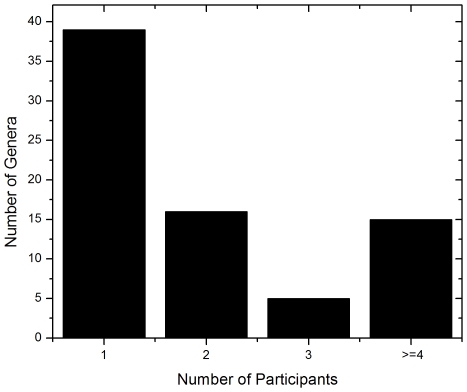
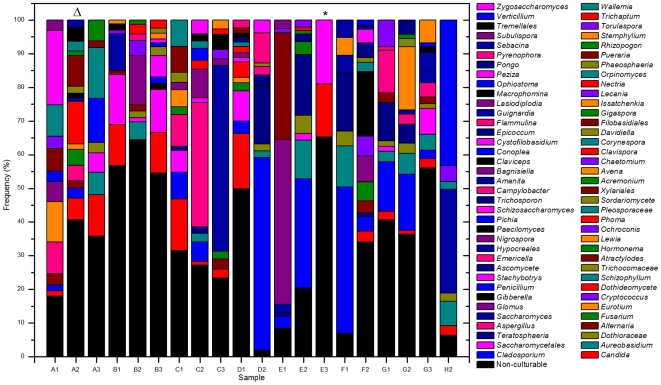
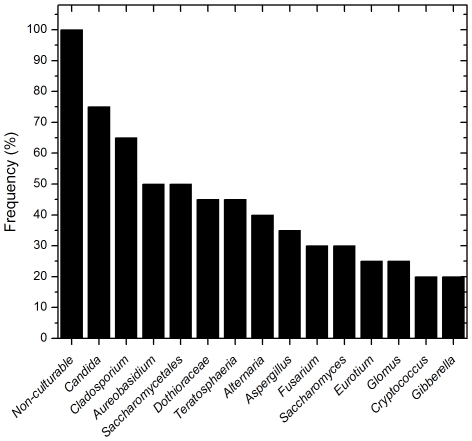
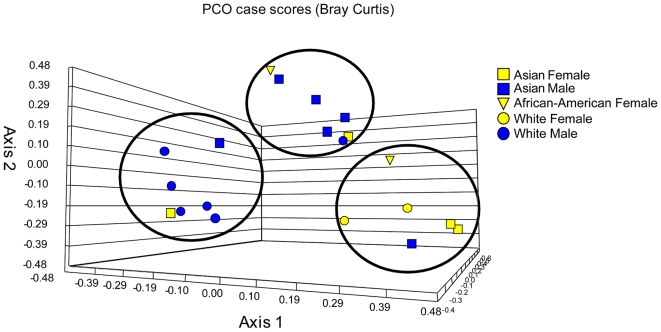
The oral microbiome-organisms residing in the oral cavity and their collective genome-are critical components of health and disease. The fungal component of the oral microbiota has not been characterized. In this study, we used a novel multitag pyrosequencing approach to characterize fungi present in the oral cavity of 20 healthy individuals, using the pan-fungal internal transcribed spacer (ITS) primers. Our results revealed the "basal" oral mycobiome profile of the enrolled individuals, and showed that across all the samples studied, the oral cavity contained 74 culturable and 11 non-culturable fungal genera. Among these genera, 39 were present in only one person, 16 genera were present in two participants, and 5 genera were present in three people, while 15 genera (including non-culturable organisms) were present in >/=4 (20%) participants. Candida species were the most frequent (isolated from 75% of participants), followed by Cladosporium (65%), Aureobasidium, Saccharomycetales (50% for both), Aspergillus (35%), Fusarium (30%), and Cryptococcus (20%). Four of these predominant genera are known to be pathogenic in humans. The low-abundance genera may represent environmental fungi present in the oral cavity and could simply be spores inhaled from the air or material ingested with food. Among the culturable genera, 61 were represented by one species each, while 13 genera comprised between 2 and 6 different species; the total number of species identified were 101. The number of species in the oral cavity of each individual ranged between 9 and 23. Principal component (PCO) analysis of the obtained data set followed by sample clustering and UniFrac analysis revealed that White males and Asian males clustered differently from each other, whereas both Asian and White females clustered together. This is the first study that identified the "basal mycobiome" of healthy individuals, and provides the basis for a detailed characterization of the oral mycobiome in health and disease.
Overview
The claims and statistics of this paper haven’t been checked yet.
Free: it reads the open-access text and checks the first 5 claims that cite a source we can check. Create a free account to check every claim.
Integrity signals
Registry
Cites
Statistics
Figures
Verification
Claims the paper makes
The claims and statistics of this paper haven’t been checked yet.
Free: it reads the open-access text and checks the first 5 claims that cite a source we can check. Create a free account to check every claim.
Claims other papers make about this one
Each is checked against this paper’s own text: does it say what the citing paper says it does?
The source backs part of the claim, not all of it — or backs it for a different population, condition or comparison.
In the citing paper
“Compared to bacteria, fungal constituents can be as low as 0.1% of the total microbiota and may show large diversity (Ghannoum et al., 2010; Qin et al., 2010).”
From Iron at the Centre of Candida albicans Interactions (2018) · cites this paper as Ghannoum et al., 2010
Experimental — accuracy not yet measuredIn the citing paper
“Periodontal disease severity is related to both modifiable (smoking, diet) and non-modifiable host risk factors (genetic susceptibility) as well as environmental factors [10,11,12].”
From A Cross-Talk between Diet and the Oral Microbiome: Balance of Nutrition on Inflammation and Immune System’s Response during Periodontitis (2022) · cites this paper as [11]
In the citing paper
“A recent study by Ghannoum et al. characterizing the mycobiome of the oral cavity of healthy individuals identified in this host milieu a complex and dynamic profile of fungal species, the number of which parallels that observed for bacteria [46].”
From Host Iron Withholding Demands Siderophore Utilization for Candida glabrata to Survive Macrophage Killing (2011) · cites this paper as [46]
In the citing paper
“Infections with C. albicans can range from superficial mucosal and dermatological infections to life-threatening infections of the bloodstream and vital organs.”
From Molecular and genetic basis of azole antifungal resistance in the opportunistic pathogenic fungus Candida albicans (2020) · cites this paper as [2]
Self-check
Percentages, sums and reported differences re-computed from the paper’s own numbers.
The self-check needs the paper’s full text.
Citations
Cites
Cd-hit: a fast program for clustering and comparing large sets of protein or nucleotide sequences
Li, W., & Godzik, A. (2006) · Bioinformatics · doi:10.1093/bioinformatics/btl158 · Cited by 11,410 · cited 1×
“. This test measures the probability that the designated classes are different based on the phylogenetic relatedness and the abundance of each cluster. We first clustered the MTPS reads using CD-HIT”
MethodPrincipal components analysis corrects for stratification in genome-wide association studies
Price, A. L., Patterson, N. J., Plenge, R. M., Weinblatt, M. E., Shadick, N. A., & Reich, D. (2006) · Nature Genetics · doi:10.1038/ng1847 · Cited by 10,248 · cited 1×
“Principal Coordinate (PCO) analysis has been recognized as a simple and straight-forward method to group or separate samples in a dataset, and has been used in disease-association studies [22,23].”
MethodUniFrac: a New Phylogenetic Method for Comparing Microbial Communities
Lozupone, C., & Knight, R. (2005) · Applied and Environmental Microbiology · doi:10.1128/aem.71.12.8228-8235.2005 · Cited by 8,227 · cited 1×
“To compare the phylogenetic distribution between the various gender and race classes and confirm the results of PCO analysis, we used UniFrac significance test [24,25].”
MethodA core gut microbiome in obese and lean twins
Turnbaugh, P. J., Hamady, M., Yatsunenko, T., Cantarel, B. L., Duncan, A., Ley, R. E., Sogin, M. L., Jones, W. J., Roe, B. A., Affourtit, J. P., et al. (2009) · Nature · doi:10.1038/nature07540 · Cited by 7,823 · cited 1×
“Several groups have subsequently employed various barcoding strategies to analyze multiple samples and this strategy is now well accepted [18–21].”
BackgroundDefining the normal bacterial flora of the oral cavity
Aas, J. A., Paster, B. J., Stokes, L. N., Olsen, I., & Dewhirst, F. E. (2005) · Journal of Clinical Microbiology · doi:10.1128/jcm.43.11.5721-5732.2005 · Cited by 3,092 · cited 2×
“Only two previous studies have investigated the profile of microbes present in the oral cavity of healthy individuals and both focused on the bacterial microbiome [32,33].”
BackgroundMethodBacterial Diversity in Human Subgingival Plaque
Paster, B. J., Boches, S. K., Galvin, J. L., Ericson, R. E., Lau, C. N., Levanos, V. A., Sahasrabudhe, A., & Dewhirst, F. E. (2001) · Journal of Bacteriology · doi:10.1128/jb.183.12.3770-3783.2001 · Cited by 2,011 · cited 1×
“[37,38], inability to grow these non-culturable organisms renders it difficult to gain insight into their role in health and disease.”
BackgroundUniFrac – An online tool for comparing microbial community diversity in a phylogenetic context
Lozupone, C., Hamady, M., & Knight, R. (2006) · BMC Bioinformatics · doi:10.1186/1471-2105-7-371 · Cited by 1,453 · cited 1×
“To compare the phylogenetic distribution between the various gender and race classes and confirm the results of PCO analysis, we used UniFrac significance test [24,25].”
MethodThe breadth of bacterial diversity in the human periodontal pocket and other oral sites
Paster, B. J., Olsen, I., Aas, J. A., & Dewhirst, F. E. (2006) · Periodontology 2000 · doi:10.1111/j.1600-0757.2006.00174.x · Cited by 861 · cited 1×
“[37,38], inability to grow these non-culturable organisms renders it difficult to gain insight into their role in health and disease.”
BackgroundOral microbial communities in sickness and in health
Jenkinson, H. F., & Lamont, R. J. (2005) · Trends in Microbiology · doi:10.1016/j.tim.2005.09.006 · Cited by 628 · cited 1×
“Organisms residing in the oral cavity and their collective genome–the oral microbiome–are critical components of health and disease. Disruption of the oral microbiome has been proposed to indicate, trigger, or influence the course of oral diseases, especially among immunocompromised patients (e.g. HIV-infected or canc…”
BackgroundA Genealogical Interpretation of Principal Components Analysis
McVean, G. (2009) · PLoS Genetics · doi:10.1371/journal.pgen.1000686 · Cited by 568 · cited 1×
“Principal Coordinate (PCO) analysis has been recognized as a simple and straight-forward method to group or separate samples in a dataset, and has been used in disease-association studies [22,23].”
Method
Cited by
Items 501–600 of 999
Functional biomes beyond the bacteriome in the oral ecosystem
Girija, A. S. S., & Ganesh, P. S. (2022) · Japanese Dental Science Review · doi:10.1016/j.jdsr.2022.05.002 · Cited by 30
“The lowest flora of fungi belongs to Aspergillus, Fusarium and Cryptococcus [32].”
BackgroundOral microbiome and risk of incident head and neck cancer: A nested case-control study
Wu, Z., Han, Y., Wan, Y., Hua, X., Chill, S. S., Teshome, K., Zhou, W., Liu, J., Wu, D., Hutchinson, A. A., et al. (2023) · Oral Oncology · doi:10.1016/j.oraloncology.2022.106305 · Cited by 25
Characterization of oral bacterial and fungal microbiome in recovered COVID-19 patients
Wei, N., Zhu, G., Zhao, T., Wang, Y., Lou, H., Li, H., Yang, Z., Zhang, Z., Wang, Q., Han, M., et al. (2023) · BMC Microbiology · doi:10.1186/s12866-023-02872-3 · Cited by 29
“However, novel metagenomic studies have shown the normal oral microbiome contains more fungal species than previously thought [12].”
BackgroundA decade's perspective on the impact of DNA sequencing on aquatic hyphomycete research
Duarte, S., Seena, S., Bärlocher, F., Pascoal, C., & Cássio, F. (2013) · Fungal Biology Reviews · doi:10.1016/j.fbr.2013.02.003 · Cited by 24
“Several pyrosequencing efforts have reported a great diversity of fungi, but have generally failed to connect sequences to known species, genera and orders of fungi (Buée et al., 2009; Jumpponen et al., 2009; Ghannoum et al., 2010).”
BackgroundDanger signals in oral cavity-related diseases
Kay, J. G., Kramer, J. M., & Visser, M. B. (2019) · Journal of Leukocyte Biology · doi:10.1002/jlb.4mir1118-439r · Cited by 27
Wang, L., Liu, B., Jin, J., Ma, L., Dai, X., Pan, L., Liu, Y., Zhao, Y., & Xing, F. (2019) · Frontiers in Microbiology · doi:10.3389/fmicb.2019.01643 · Cited by 23
Hameed, S., Hans, S., Monasky, R. C., Thangamani, S., & Fatima, Z. (2021) · Pathogens · doi:10.3390/pathogens10020183 · Cited by 32
“albicans followed by Candida parapsilosis, Candida tropicalis, Candida khmerensis, and Candida metapsilosis [16].”
Tambone, E., Marchetti, A., Ceresa, C., Piccoli, F., Anesi, A., Nollo, G., Caola, I., Bosetti, M., Fracchia, L., Ghensi, P., et al. (2021) · Polymers · doi:10.3390/polym13152420 · Cited by 26
“Candida albicans is the most frequently isolated fungal species in the oral cavity [22].”
BackgroundXu, C. H. E. N., Han, X., Xiao-hui, W. A. N. G., Zhen-xi, G. U. O., Yan, J., Lu, X., & Zou, W. (2022) · Journal of Integrative Agriculture · doi:10.1016/j.jia.2022.12.011 · Cited by 24
Changing Epidemiology of Classical and Emerging Human Fungal Infections: A Review
Abu‐Elteen, K. H., & Hamad, M. A. (2012) · Cited by 28
A fast and robust protocol for metataxonomic analysis using RNAseq data
Cox, J., Ballweg, R., Taft, D. H., Velayutham, P., Haslam, D. B., & Porollo, A. (2017) · Microbiome · doi:10.1186/s40168-016-0219-5 · Cited by 26
“Indeed, in a recent study of the oral human myco-biome, 60 nonpathogenic fungal genera were identified that are considered to be environmental in nature [21].”
BackgroundOsmenda, G., Maciąg, J., Wilk, G., Maciąg, A., Nowakowski, D., Loster, J. E., Dembowska, E., Robertson, D. P., Guzik, T. J., & Cześnikiewicz‐Guzik, M. (2017) · Archives of Medical Science · doi:10.5114/aoms.2017.64715 · Cited by 25
“The presence of denture, together with other favourable conditions, such as low salivary pH, regular sugar consumption [13] and local immune surveillance changes [14], promote excessive growth of Candida albicans, which is a fungal component of the physiological microflora of the human oral cavity [15, 16].”
BackgroundMultikingdom oral microbiome interactions in early-onset cryptogenic ischemic stroke
Manzoor, M., Leskelä, J., Pietiäinen, M., Martinez‐Majander, N., Ylikotila, P., Könönen, E., Niiranen, T., Lahti, L., Sinisalo, J. P., Putaala, J., et al. (2024) · ISME Communications · doi:10.1093/ismeco/ycae088 · Cited by 24
“The most abundant genera were Candida , Cladosporium , Aureobasidium , Aspergillus , Fusarium , Cryptococcus , and Saccharomycetales [ 59] .”
Rizzetto, L., Weil, T., & Cavalieri, D. (2015) · Pathogens · doi:10.3390/pathogens4030639 · Cited by 25
“albicans, a permanent member of the human microbiota, present on the skin [3], oral cavity [4], vagina [5,6] and gut mucosa [7] in 30%–70% of healthy individuals.”
BackgroundIdentification of a novel Candida metapsilosis isolate reveals multiple hybridization events
O’Brien, C. E., Zhai, B., Ola, M., Bergin, S. A., Cinnéide, E. Ó., O’Connor, Í., Rolling, T., Miranda, E., Babady, N. E., Hohl, T. M., et al. (2021) · G3 Genes Genomes Genetics · doi:10.1093/g3journal/jkab367 · Cited by 41
“There is some suggestion that C. metapsilosis may be a human commensal, and it has been isolated from the oral cavity of healthy individuals (Ghannoum et al. 2010).”
Rąpała‐Kozik, M., Surowiec, M., Juszczak, M., Wronowska, E., Kulig, K., Bednarek, A., Gonzalez‐Gonzalez, M., Karkowska‐Kuleta, J., Zawrotniak, M., Satała, D., et al. (2023) · Yeast · doi:10.1002/yea.3855 · Cited by 32
“ium, Cryptococcus, and Aureobasidium (Ghannoum et al., 2010), as well”
BackgroundEffect of rinsing with ethanol-containing mouthrinses on the production of salivary acetaldehyde
Moazzez, R., Thompson, H., Palmer, R. M. J., Wilson, R. F., Proctor, G., & Wade, W. G. (2011) · European Journal Of Oral Sciences · doi:10.1111/j.1600-0722.2011.00886.x · Cited by 24
Detecting eukaryotic microbiota with single-cell sensitivity in human tissue
Lager, S., de Goffau, M. C., Sovio, U., Peacock, S. J., Parkhill, J., Charnock‐Jones, D. S., & Smith, G. C. S. (2018) · Microbiome · doi:10.1186/s40168-018-0529-x · Cited by 23
Nishimaki, F., Yamada, S., Kawamoto, M., Sakurai, A., Hayashi, K., & Kurita, H. (2019) · Mycopathologia · doi:10.1007/s11046-019-00326-x · Cited by 26
Diagnostic Mycology: Xtreme Challenges
Wickes, B. L., & Romanelli, A. M. (2020) · Journal of Clinical Microbiology · doi:10.1128/jcm.01345-19 · Cited by 27
“These may include members of Fusarium, Cryptococcus, Aureobasidium, Cladosporium, and Penicillium to name a few (27).”
BackgroundSun, H., Chen, Y., Zou, X., Li, H., Yin, X., Qin, H., Liu, R., Yu, C.-L., Li, Q., Yu, K., et al. (2015) · Clinical Oral Investigations · doi:10.1007/s00784-015-1524-2 · Cited by 24
Dysbiosis of Oral Microbiome: A Key Player in Oral Carcinogenesis? A Critical Review
Devaraja, K., & Aggarwal, S. (2025) · Biomedicines · doi:10.3390/biomedicines13020448 · Cited by 29
“Although the distribution of various fungal species in oral cavity differs across the studies, Candida is the most frequently isolated genus, found in 65–75% of healthy individuals, and thus, can be considered a ‘core mycobiome’ [44,48,49].”
Candida species in intact in vivo biofilm from carious lesions
Dige, I., & Nyvad, B. (2019) · Archives of Oral Biology · doi:10.1016/j.archoralbio.2019.03.017 · Cited by 23
Wang, L., Liang, C., Song, X., Jia, X., Wang, X., Zhang, Y., Xie, Q., Zheng, N., & Yuan, H. (2023) · Frontiers in Endocrinology · doi:10.3389/fendo.2023.1256292 · Cited by 27
“For saliva, participants adhered to a previously established protocol, rinsing their mouth with physiological saline (17).”
MethodThe Oral Microbiome in Health and Disease
Olsen, I. (2015) · Springer eBooks · doi:10.1007/978-3-319-25091-5_10 · Cited by 27
Sitterlé, E., Rodriguez, C., Mounier, R., Caldéraro, J., Foulet, F., Develoux, M., Pawlotsky, J., & Botterel, F. (2017) · Frontiers in Microbiology · doi:10.3389/fmicb.2017.00334 · Cited by 22
“Haplotypes of sequences of interest were done by means of CDHIT software (Li and Godzik, 2006; Ghannoum et al., 2010; Findley et al., 2013).”
MethodRickerts, V., Smith, I. M., Mousset, S., Kommedal, Ø., & Fredricks, D. N. (2013) · Mycoses · doi:10.1111/myc.12083 · Cited by 21
Effects of eating disorders on oral fungal diversity
Back‐Brito, G. N., da Mota, A. J., Bernardes, L. Â. D. S., Takamune, S. S., Prado, E. D. F. G. B., Córdas, T. A., Balducci, I., Nóbrega, F. G., & Koga‐Ito, C. Y. (2012) · Oral Surgery Oral Medicine Oral Pathology and Oral Radiology · doi:10.1016/j.oooo.2011.10.007 · Cited by 32
“Recently, Ghannoum et al. (2010)23 used pyrosequencing to obtain a more comprehensive profile of fungal flora.”
BackgroundMethodNorton, P., Trus, P., Wang, F., Thornton, M. J., & Chang, C. (2024) · Skin Health and Disease · doi:10.1002/ski2.399 · Cited by 25
“47 48–54 Chronic wounds suffer from an overabundance of bacterial load.”
BackgroundHe, Y., Jia, B., Wei, C., Fan, F., Wilschut, R. A., & Lu, X. (2023) · Journal of Ecology · doi:10.1111/1365-2745.14157 · Cited by 20
Learning the ABC of oral fungal drug resistance
Cannon, R. D., & Holmes, A. R. (2015) · Molecular Oral Microbiology · doi:10.1111/omi.12109 · Cited by 24
Parro, V., Puente‐Sánchez, F., Cabrol, N. A., Gallardo-Carreño, I., Moreno‐Paz, M., Blanco, Y., García‐Villadangos, M., Tambley, C., Tilot, V. C., Thompson, C., et al. (2019) · Frontiers in Microbiology · doi:10.3389/fmicb.2019.00929 · Cited by 24
The Domestic Environment and the Lung Mycobiome
Rubio‐Portillo, E., Orts, D., Llorca, E., Fernández, C., Antón, J., Ferrer, C., Gálvez, B., Esteban, V., Revelles, E., Pérez‐Martín, C., et al. (2020) · Microorganisms · doi:10.3390/microorganisms8111717 · Cited by 23
“That kind of sample would carry fungi from the upper respiratory tract, where Candida species are highly prevalent [13,27,50].”
BackgroundThe Use of MALDI-TOF Mass Spectrometry to Analyze Commensal Oral Yeasts in Nursing Home Residents
Lu, J., Lo, H., Lee, C.-H., Chen, M., Lin, C.-C., Chen, Y.-Z., Tsai, M.-H., & WANG, S. (2021) · Microorganisms · doi:10.3390/microorganisms9010142 · Cited by 24
“This study shows that Trichosporon is the second largest genus in the oral cavity of elderly subjects, but it is not widely distributed in samples from a previous ITS-sequencing mycobiome study that was conducted in the Cleveland area on standard Western diets [18].”
BackgroundArmitage, G. C. (2019) · Periodontology 2000 · doi:10.1111/prd.12303 · Cited by 23
Proteomics and Proteogenomics Approaches for Oral Diseases
Bragazzi, N. L., Pechkova, E., & Nicolini, C. A. (2014) · Advances in protein chemistry and structural biology · doi:10.1016/b978-0-12-800453-1.00004-x · Cited by 19
“and in particular fungi, which are difficult to find with other techniques, but can be found in abundance if collected from the dorsum of the tongue and the oral mucosa (Ghannoum et al., 2010).”
BackgroundInfluentialHusain, F., Pathak, P., Román, E., Plá, J., & Panwar, S. L. (2022) · Frontiers in Microbiology · doi:10.3389/fmicb.2021.794855 · Cited by 20
“albicans, as a harmless commensal, resides in the gastrointestinal tract (GI), mouth, skin, and female reproductive tract of healthy individuals (Kennedy and Volz, 1985; Achkar and Fries, 2010; Ghannoum et al., 2010; Kumamoto, 2011; Calderone and Clancy, 2012; Kan et al., 2020).”
BackgroundThe Crosstalk Between Saliva Bacteria and Fungi in Early Childhood Caries
Tu, Y., Zhou, Z., Shu, C., Zhou, Y., & Zhou, X. (2022) · Frontiers in Cellular and Infection Microbiology · doi:10.3389/fcimb.2022.845738 · Cited by 20
Yeast metagenomics: analytical challenges in the analysis of the eukaryotic microbiome
Renzi, S., Nenciarini, S., Bacci, G., & Cavalieri, D. (2023) · Microbiome Research Reports · doi:10.20517/mrr.2023.27 · Cited by 24
The impact of age on risk assessment, therapeutic practice and outcome in candidemia
Hesstvedt, L., Gaustad, P., Müller, F., Andersen, C. T., Brunborg, C., Mylvaganam, H., Leiva, R. A., Berdal, J., Ranheim, T. E., Johnsen, B. O., et al. (2019) · Scandinavian Journal of Infectious Diseases · doi:10.1080/23744235.2019.1595709 · Cited by 22
“the elderly have a known vulnerability to Candida infections [28,30].”
BackgroundWhite, J. K., Nielsen, J. L., & Madsen, A. M. (2020) · Atmosphere · doi:10.3390/atmos11060639 · Cited by 20
“The primers used were ITS1F: CTTGGTCATTTAGAGGAAGTAA and ITS1R: GCTGCGTTCTTCATCGATGC [22].”
MethodD'Amato-Palumbo, S., Kaplan, A. A., Feinn, R., & Lalla, R. V. (2012) · Oral Surgery Oral Medicine Oral Pathology and Oral Radiology · doi:10.1016/j.oooo.2012.08.445 · Cited by 26
Li, Y., Wang, Y., Qiu, G.-W., Yu, H.-J., Liu, F.-M., Wang, G., & Duan, Y. (2024) · Frontiers in Microbiology · doi:10.3389/fmicb.2024.1394179 · Cited by 27
“14.0 were used to classify the representative sequences of ASVs (Ghannoum et al., 2010).”
MethodInfluentialDroplet microfluidics: unveiling the hidden complexity of the human microbiome
Xu, Y., Wang, Z., Li, C., Tian, S., & Du, W. (2025) · Lab on a Chip · doi:10.1039/d4lc00877d · Cited by 24
Clinical implications of nicotine as an antimicrobial agent and immune modulator
Pavia, C. S., & Plummer, M. M. (2020) · Biomedicine & Pharmacotherapy · doi:10.1016/j.biopha.2020.110404 · Cited by 22
Li, Z., Wang, H., Cai, C., Wong, A. H., Wang, J., Gao, J., & Wang, Y. (2020) · Nature Protocols · doi:10.1038/s41596-020-0351-3 · Cited by 19
He, S., Chakraborty, R., & Ranganathan, S. (2023) · International Journal of Molecular Sciences · doi:10.3390/ijms24021050 · Cited by 18
Insights into oral microbiome and colorectal cancer – on the way of searching new perspectives
Kudra, A., Muszyński, D., Sobocki, B. K., Atzeni, A., Carbone, L., Kaźmierczak-Siedlecka, K., Połom, K., & Kalinowski, L. (2023) · Frontiers in Cellular and Infection Microbiology · doi:10.3389/fcimb.2023.1159822 · Cited by 19
“Moreover, Fusarium and Cryptococcus were also identified (Ghannoum et al., 2010).”
BackgroundThe mycobiome: interactions with host and implications in diseases
Fan, Y., Wu, L., & Zhai, B. (2023) · Current Opinion in Microbiology · doi:10.1016/j.mib.2023.102361 · Cited by 19
Fungal footprints in oral cancer: unveiling the oral mycobiome
Monteiro, J. S., Kaushik, K., de Arruda, J. A. A., Georgakopoulou, E. A., Vieira, A. T., Silva, T. A., Devadiga, D., Anyanechi, C. E., & Shetty, S. S. (2024) · Frontiers in Oral Health · doi:10.3389/froh.2024.1360340 · Cited by 22
“Ghannoum et al. (23), in their molecular pro fi ling study, identi fi ed a total of 85 species in the oral cavities of 20 healthy individuals, encompassing 11 non-culturable and 74 culturable fungi.”
BackgroundOral Mycobiome Differences in Various Spatial Niches With and Without Severe Early Childhood Caries
Cui, Y., Wang, Y., Zhang, Y., Pang, L., Zhou, Y. N., Lin, H., & Tao, Y. (2021) · Frontiers in Pediatrics · doi:10.3389/fped.2021.748656 · Cited by 20
“Currently, more than 100 fungal species have been identified to exist in the oral cavity (8).”
BackgroundThe mycobiome of the oral cavity in healthy dogs and dogs with periodontal disease
Niemiec, B. A., Gawor, J. P., Tang, S., Prem, A., & Krumbeck, J. A. (2021) · American Journal of Veterinary Research · doi:10.2460/ajvr.20.11.0200 · Cited by 19
The airway mycobiome and interactions with immunity in health and chronic lung disease
Katsoulis, O., Pitts, O. R., & Singanayagam, A. (2024) · Oxford Open Immunology · doi:10.1093/oxfimm/iqae009 · Cited by 21
Moris, D. V., Melhem, M. D. S. C., Martins, M. A., de Souza, L. D. R., Kacew, S., Szeszs, M. W., de Carvalho, L. R., Rodrigues, M. V. P., Berghs, H., & Mendes, R. P. (2012) · Journal of Medical Microbiology · doi:10.1099/jmm.0.045112-0 · Cited by 17
Ieda, S., Moriyama, M., Takashita, T., Maehara, T., Imabayashi, Y., Shinozaki, S., Tanaka, A., Hayashida, J., Furukawa, S., Ohta, M., et al. (2014) · PLoS ONE · doi:10.1371/journal.pone.0101156 · Cited by 20
“In contrast, recent genetic approaches using length heterogeneitypolymerase chain reaction (LH-PCR) analysis of internal transcribed spacer (ITS) regions of fungal nuclear rRNA have enabled more exhaustive surveys of fungal communities including the difficult-to-cultivate species [9,10].”
BackgroundParras-Moltó, M., & López-Bueno, A. (2018) · Methods in molecular biology · doi:10.1007/978-1-4939-8682-8_11 · Cited by 18
Diversity of Microbial Signatures in Asthmatic Airways
Alamri, A. M. (2021) · International Journal of General Medicine · doi:10.2147/ijgm.s304339 · Cited by 17
“Additionally, colonization by fungal species does not always reflect the presence of pathogenic conditions, as many fungal species coexist with bacterial taxa naturally in the oral cavity.(44) Analyses of the salivary mycobiome in healthy individuals have demonstrated the presence of a “”basal mycobiome” in the oral c…”
BackgroundInfluentialCho, T., Nagao, J.-I., Imayoshi, R., & Tanaka, Y. (2014) · International Journal of Dentistry · doi:10.1155/2014/454391 · Cited by 18
“[5] [13, 44, 45, 46] [47, 48] [14, 24, 26, 32] [27, 28, 29] [30, 50] [9, 39] [35] [33, 34, 36, 38]”
MethodDistinct Ecological Niche of Anal, Oral, and Cervical Mucosal Microbiomes in Adolescent Women.
Smith, B. C., Zolnik, C. P., Usyk, M., Chen, Z., Kaiser, K., Nucci-Sack, A. T., Peake, K., Díaz, Á., Shankar, V., Strickler, H. D., et al. (2016) · PubMed Central · Cited by 21
Oral yeast colonization throughout pregnancy
Rio, R., Simões‐Silva, L., Garro, S., Silva, M., Azevedo, Á. F., & Sampaio‐Maia, B. (2017) · Medicina oral, patología oral y cirugía bucal · doi:10.4317/medoral.21413 · Cited by 19
“In scientific literature, the prevalence of oral yeast carriage is not consensual, ranging from 30% to 90% (22,26,27).”
BackgroundFungal diversity in the gut microbiome of young South African children
Zyl, K. N. V., Whitelaw, A. C., Hesseling, A. C., Seddon, J. A., Demers, A.-M., & Newton-Foot, M. (2022) · BMC Microbiology · doi:10.1186/s12866-022-02615-w · Cited by 19
“These fungi and their genetic products were first referred to as the mycobiome by Ghannoum and colleagues in 2010 [2].”
BackgroundLearning from other diseases: protection and pathology in chronic fungal infections
Zelante, T., Pieraccini, G., Scaringi, L., Aversa, F., & Romani, L. R. (2015) · Seminars in Immunopathology · doi:10.1007/s00281-015-0523-3 · Cited by 17
Eichhof, I., & Ernst, J. F. (2016) · Fungal Genetics and Biology · doi:10.1016/j.fgb.2016.04.004 · Cited by 16
Fluorescent peptides for imaging of fungal cells
Zhao, C., Mendive‐Tapia, L., & Vendrell, M. (2018) · Archives of Biochemistry and Biophysics · doi:10.1016/j.abb.2018.11.018 · Cited by 16
Contribution of mycobiota to the pathogenesis of spondyloarthritis
Berthelot, J., Darrieutort‐Laffite, C., Trang, C., Maugars, Y., & Goff, B. L. (2021) · Joint Bone Spine · doi:10.1016/j.jbspin.2021.105245 · Cited by 17
Chang, S., Guo, H., Li, J., Ji, Y., Jiang, H., Ruan, L., & Du, M. (2021) · Frontiers in Cellular and Infection Microbiology · doi:10.3389/fcimb.2021.781246 · Cited by 16
The oral mycobiome: Oral epithelial dysplasia and oral squamous cell carcinoma
Theofilou, V. I., Alfaifi, A. A., Montelongo‐Jauregui, D., Pettas, E., Georgaki, M., Nikitakis, N. G., Jabra‐Rizk, M. A., & Sultan, A. S. (2022) · Journal of Oral Pathology and Medicine · doi:10.1111/jop.13295 · Cited by 16
Molecular Fingerprints to IdentifyCandidaSpecies
Spampinato, C. P., & Leonardi, D. (2013) · BioMed Research International · doi:10.1155/2013/923742 · Cited by 20
“This fungus is detected in the body microbiota of healthy humans [3] and accounts for 75% of the organisms residing in the oral cavity [4].”
The Indoor Mycobiomes of Daycare Centers Are Affected by Occupancy and Climate
Estensmo, E. L. F., Botnen, S. S., Maurice, S., Martin-Sanchez, P. M., Morgado, L. N., Engh, I. B., Høiland, K., Skrede, I., & Kauserud, H. (2022) · Applied and Environmental Microbiology · doi:10.1128/aem.02113-21 · Cited by 15
Retnakumar, R. J., Nath, A. N., Nair, G. B., & Chattopadhyay, S. (2022) · Progress in molecular biology and translational science · doi:10.1016/bs.pmbts.2022.07.001 · Cited by 15
Neglected mycobiome in HIV infection: Alterations, common fungal diseases and antifungal immunity
Li, S., Yang, X., Moog, C., Wu, H., Su, B., & Zhang, T. (2022) · Frontiers in Immunology · doi:10.3389/fimmu.2022.1015775 · Cited by 17
“characterized the oral mycobiome in healthy individuals using ITS sequencing (24), detecting 74 culturable and 11 nonculturable fungal genera (24).”
BackgroundThe Oral Microbiome and Cross-Kingdom Interactions during Pregnancy
Klaczko, C. G., Alkhars, N., Zeng, Y., Klaczko, M. E., Gill, A. L., Kopycka‐Kędzierawski, D. T., Jusko, T. A., Sohn, M. B., Xiao, J., & Gill, S. R. (2023) · Journal of Dental Research · doi:10.1177/00220345231176459 · Cited by 17
Oral fungal profiling and risk of nasopharyngeal carcinoma: a population-based case-control study
Chen, Y., Li, W., Chang, E. T., Debelius, J. W., Manoharan, L., Zheng, Y., Li, Y., Huang, G., Adami, H., Knight, R. D., et al. (2023) · EBioMedicine · doi:10.1016/j.ebiom.2023.104813 · Cited by 16
Mechanism-guided fine-tuned microbiome potentiates anti-tumor immunity in HCC
Liu, T., Guo, Y., Liao, Y., & Liu, J. (2023) · Frontiers in Immunology · doi:10.3389/fimmu.2023.1333864 · Cited by 16
“Candida species predominantly colonize the oral cavity, while Malassezia dominates the skin (203, 204).”
BackgroundGómez-Gaviria, M., García-Carnero, L. C., Baruch-Martínez, D. A., & Mora-Montes, H. M. (2024) · Infection and Drug Resistance · doi:10.2147/idr.s448213 · Cited by 23
Candida albicans natural diversity: a resource to dissect fungal commensalism and pathogenesis
Lindemann‐Perez, E., & Pérez, J. C. (2024) · Current Opinion in Microbiology · doi:10.1016/j.mib.2024.102493 · Cited by 18
Azole Combinations and Multi-Targeting Drugs That Synergistically Inhibit Candidozyma auris
Toepfer, S., Keniya, M. V., Lackner, M., & Monk, B. C. (2024) · Journal of Fungi · doi:10.3390/jof10100698 · Cited by 23
“As part of a healthy micro-biome, they can colonize the skin [2], gastrointestinal tract [3], and oral cavity [4].”
BackgroundGastrointestinal Colonization of Fungi
Koh, A. Y. (2013) · Current Fungal Infection Reports · doi:10.1007/s12281-013-0133-2 · Cited by 18
Influence of diet and dietary nanoparticles on gut dysbiosis
Jiang, Z., Jacob, J. A., Jian-yue, L., Wu, X., Wei, G., Arunprasanna, V., Mani, R., Nainangu, P., Rajadurai, U. M., & Chen, B. (2018) · Microbial Pathogenesis · doi:10.1016/j.micpath.2018.03.017 · Cited by 17
Palma, A. L. D. R., Domingues, N., de Barros, P. P., Back‐Brito, G. N., & Jorge, A. O. C. (2018) · Folia Microbiologica · doi:10.1007/s12223-018-0645-9 · Cited by 17
Bertolini, M., & Dongari‐Bagtzoglou, A. I. (2019) · Journal of Fungi · doi:10.3390/jof5040087 · Cited by 16
“The oral cavity is home to hundreds of bacterial species and close to one hundred fungal species [19,20].”
BackgroundOral mycobiome identification in atopic dermatitis, leukemia, and HIV patients – a systematic review
Sodré, C. S., Rodrigues, P. M. G., Vieira, M. S., da Silva, A. M. P., Gonçalves, L. S., Ribeiro, M. G., & Ferreira, D. D. C. (2020) · Journal of Oral Microbiology · doi:10.1080/20002297.2020.1807179 · Cited by 16
“The oral cavity mycobiome consists of somewhere around 100 fungal species, where each individual presents an average of 9 to 23 species and 75 different genera [8].”
BackgroundResponse of microbial community structure to chromium contamination in Panax ginseng-growing soil
Sun, H. F., Shao, C., Jin, Q., Li, M., Zhang, Z., Liang, H., Lei, H., Qian, J., & Zhang, Y. (2022) · Environmental Science and Pollution Research · doi:10.1007/s11356-022-20187-0 · Cited by 15
“2020) and ITS1F/ITS2R (Ghannoum et al.”
Prevalence of Yeast Other than Candida albicans in Denture Wearers
Cavaleiro, I. I. B., Proença, L., Félix, S., & Salema‐Oom, M. (2013) · Journal of Prosthodontics · doi:10.1111/jopr.12005 · Cited by 19
Exploiting new knowledge of Candidal infection for future antifungal combat
Kragelund, C. (2016) · Oral Diseases · doi:10.1111/odi.12546 · Cited by 15
Jayaraja, S., Dakhama, A., Yun, B., Ghosh, M., Lee, H.-J., Redente, E. F., Uhlson, C. L., Murphy, R. C., & Leslie, C. C. (2016) · BMC Immunology · doi:10.1186/s12865-016-0165-9 · Cited by 16
“ism for shaping the lung microbiome [19, 20].”
Géczi, Z., Hermann, P., Kőhidai, L., Láng, O., Kőhidai, Z., Mészáros, T., Barócsi, A., Lenk, S., & Zelles, T. (2018) · Journal of Nanomaterials · doi:10.1155/2018/1048734 · Cited by 16
Fungal Diversity: Global Perspective and Ecosystem Dynamics
Bajpai, A., Rawat, S., & Johri, B. N. (2019) · Springer eBooks · doi:10.1007/978-981-13-8315-1_4 · Cited by 19
Yeast Nanometric Scale Oscillations Highlights Fibronectin Induced Changes in C. albicans
Kohler, A., Venturelli, L., Kannan, A., Sanglard, D., Dietler, G., Willaert, R., & Kasas, S. (2020) · Fermentation · doi:10.3390/fermentation6010028 · Cited by 17
“albicans is a common fungal pathogen that belongs to the human microbiome of healthy individuals [12].”
BackgroundGarcia‐Hermoso, D., Alanio, A., Cabaret, O., Olivi, M., Foulet, F., Cordonnier, C., Costa, J., & Bretagne, S. (2015) · Mycoses · doi:10.1111/myc.12356 · Cited by 15
Lung Microbiome in Critically Ill Patients
Fromentin, M., Ricard, J.-D., & Roux, D. (2021) · Life · doi:10.3390/life12010007 · Cited by 14
“, mold (Penicillium and Cladosporium) and yeasts belonging to the two main phyla Ascomycota (Candida) and Basidiomycota (Malassezia) [40,41,43].”
BackgroundFungi—A Component of the Oral Microbiome Involved in Periodontal Diseases
Karkowska‐Kuleta, J., Satała, D., Smolarz, M., Zawrotniak, M., & Rąpała‐Kozik, M. (2022) · Advances in experimental medicine and biology · doi:10.1007/978-3-030-96881-6_6 · Cited by 16
The Role of the Mycobiome in Women’s Health
Esposito, M. M., Patsakos, S., & Borruso, L. (2023) · Journal of Fungi · doi:10.3390/jof9030348 · Cited by 17
İlhan, B., Vural, C., Gürhan, C., Vural, C., Veral, A., Wilder-Smith, P. B. B., Özdemir, G., & Güneri, P. (2023) · Cancers · doi:10.3390/cancers15215251 · Cited by 15
“Oral fungal species make up a small percentage of this population, and the most commonly isolated species is C. albicans followed by Cladosporium , Aureobasidium , Saccharomycetales , Aspergillus , and Fusarium [2,5].”
BackgroundPhage therapy: A renewed approach against oral diseases caused by Enterococcus faecalis infections
Yang, D., Xiang, Y., Song, F., Li, H., & Ji, X. (2024) · Microbial Pathogenesis · doi:10.1016/j.micpath.2024.106574 · Cited by 14
Oral bacteriophages: metagenomic clues to interpret microbiomes
Banar, M., Rokaya, D., Azizian, R., Khurshid, Z., & Banakar, M. (2024) · PeerJ · doi:10.7717/peerj.16947 · Cited by 19
“Even though the three species Cryptococcus , Aspergillus , and Fusarium are pathogenic for humans, the interactions between oral fungal commensals and these species may control their pathogenicity ( Ghannoum et al., 2010 ).”
BackgroundOral microbiome and its relationship with oral cancer
Wang, S., Tan, X., Cheng, J., Liu, Z., Zhou, H., Liao, J., Wang, X., & Liu, H. (2024) · Journal of Cancer Research and Therapeutics · doi:10.4103/jcrt.jcrt_44_24 · Cited by 21
Bogdan-Andreescu, C. F., Banateanu, A. M., Albu, C.-C., Poalelungi, C.-V., Botoaca, O., Damian, C. M., Dȋră, L. M., Albu, Ş.-D., Brăila, M. G., Cadâr, E., et al. (2024) · Biomedicines · doi:10.3390/biomedicines12112569 · Cited by 26
Dan, S., Upadhyay, S. K., Pant, M., & Shaloo (2020) · Biointerface Research in Applied Chemistry · doi:10.33263/briac112.96809703 · Cited by 16
“conventional oral microbiota, at any rate, has been limited to the bacteriome (in this way suggested as the microbiota) and very compelled to write about the mycobiota [4-6].”
BackgroundSmokeless tobacco consumption induces dysbiosis of oral mycobiome: a pilot study
Sajid, M., Sharma, P., Srivastava, S., Hariprasad, R., Singh, H., & Bharadwaj, M. (2022) · Applied Microbiology and Biotechnology · doi:10.1007/s00253-022-12096-6 · Cited by 16
“Additionally, a significant high relative abundance of the fungal genus Cladosporium was observed in the control (non-SLT/ non-alcohol users) individuals which is similar to a previous study where Cladosporium was the second most abundant genus in healthy individuals majorly belonging to Asian ethnicity (Ghannoum et a…”
BackgroundResultInfluential
Metadata
- Authors
- Ghannoum, M. A., Jurevic, R. J., Mukherjee, P. K., Cui, F., Sikaroodi, M., Naqvi, A., & Gillevet, P. M.
- Affiliations
- University Hospitals Cleveland Medical Center (US)
- Case Western Reserve University (US)
- George Mason University (US)
- Corresponding author
- Ghannoum, Mahmoud A.
- Venue
- PLoS Pathogens
- Publisher
- Public Library of Science (PLoS)
- Published
- 2010-01-08
- Volume
- 6
- Issue
- 1
- Pages
- e1000713
- ISSN
- 1553-7366 (ISSN-L)
- 1553-7374
- PMC
- PMC2795202
- OpenAlex
- W2077088073
- Cited by
- 1,150
- References
- 40
- Citations by year
- 2026: 67 · 2025: 79 · 2024: 90 · 2023: 90 · 2022: 92 · 2021: 92 · 2020: 93 · 2019: 81 · 2018: 74 · 2017: 73 · 2016: 63 · 2015: 64 · 2014: 64 · 2013: 53 · 2012: 35
- FWCI
- 26.55
- Type
- journal article
- Language
- en
- Open access
- gold
- doi.org
- Locations
- PLoS Pathogens (publishedVersion, cc-by)
- PubMed Central (publishedVersion, cc-by)
- PubMed (publishedVersion)
- DOAJ (DOAJ: Directory of Open Access Journals) (submittedVersion, cc-by-sa)
- Figshare (submittedVersion, cc-by)
- Funders
- Bristol-Myers Squibb
- National Institutes of Health
- National Institute of Allergy and Infectious Diseases (R21AI074077)
- National Institute of Dental and Craniofacial Research (R01DE017486, K23DE016110, P01DE019759)
- Topics
- Health Sciences › Medicine › Infectious Diseases › Antifungal resistance and susceptibility
- Health Sciences › Dentistry › Periodontics › Oral microbiology and periodontitis research
- Life Sciences › Agricultural and Biological Sciences › Plant Science › Plant Pathogens and Fungal Diseases
- Keywords
- oral mycobiome, oral fungi, fungal diversity, Candida, Cladosporium, Aureobasidium, Aspergillus, Fusarium, Cryptococcus, ITS sequencing, healthy individuals, environmental fungi
- MeSH terms
- Adult, Asian, DNA, Fungal, Female, Fungi, Humans, Male, Middle Aged, Mouth, Sex Factors, Polymerase Chain Reaction, White People, Racial Groups, Metagenome, Young Adult
About these checks
Registry, retraction, Cites and statistics results are computed, not judged, with one exception: a printed reference that no index lists is read once by a model before it counts as a citation error. Claims are extracted by a model and kept only when their quote appears verbatim in the text; each cited source is then checked, with a model’s help, for whether it says what the claim relies on. Those verdicts can be wrong — read the claim’s quote and the cited source before relying on one.
Statistics and arithmetic are recomputed, not judged.
Confidence bands are shown only for fields calibrated on our annotated test set. None is calibrated yet, so no band is shown.
What counts as a claim ›How we measure confidence ›How we check this ›
Are you an author, or do you see a problem with this page? Request a review
Data sources
Bibliographic data: Semantic Scholar, OpenAlex, Crossref.
Contains information from the Semantic Scholar Academic Graph Datasets, made available under the ODC Attribution License (ODC-BY 1.0).
Semantic Scholar’s data is described in: Kinney, R., et al. (2023). The Semantic Scholar Open Data Platform. arXiv:2301.10140.
