

Characterization of the Oral Fungal Microbiome (Mycobiome) in Healthy Individuals
Open accessThe DOI matches its Crossref record; 39 of the 40 references it cites were found in a registry or an index.
Abstract
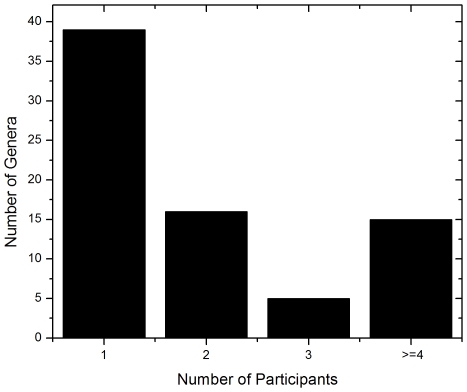
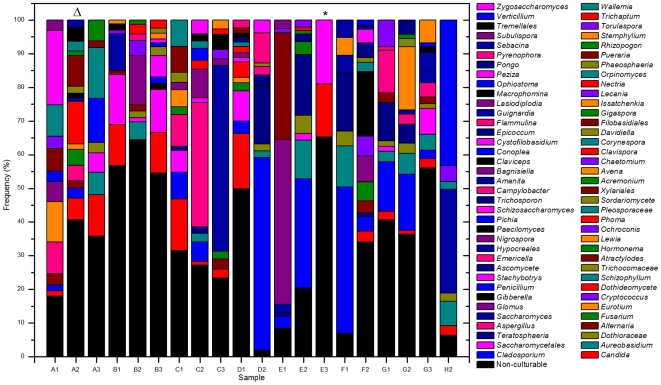
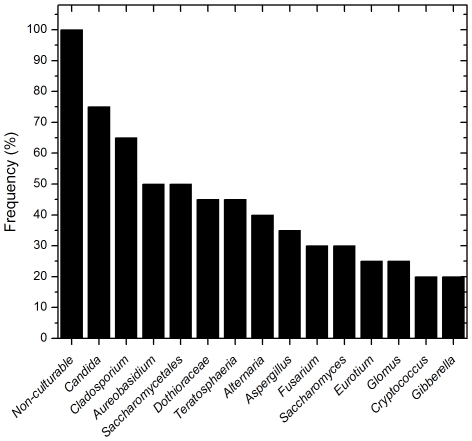
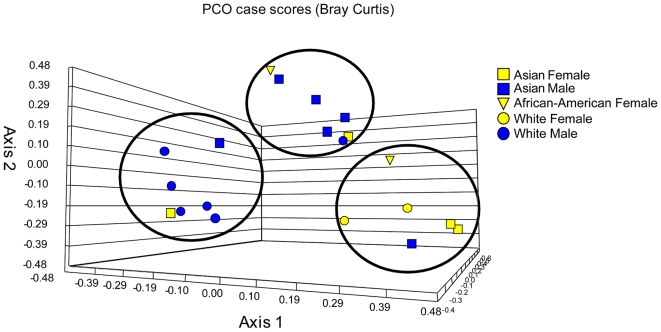
The oral microbiome-organisms residing in the oral cavity and their collective genome-are critical components of health and disease. The fungal component of the oral microbiota has not been characterized. In this study, we used a novel multitag pyrosequencing approach to characterize fungi present in the oral cavity of 20 healthy individuals, using the pan-fungal internal transcribed spacer (ITS) primers. Our results revealed the "basal" oral mycobiome profile of the enrolled individuals, and showed that across all the samples studied, the oral cavity contained 74 culturable and 11 non-culturable fungal genera. Among these genera, 39 were present in only one person, 16 genera were present in two participants, and 5 genera were present in three people, while 15 genera (including non-culturable organisms) were present in >/=4 (20%) participants. Candida species were the most frequent (isolated from 75% of participants), followed by Cladosporium (65%), Aureobasidium, Saccharomycetales (50% for both), Aspergillus (35%), Fusarium (30%), and Cryptococcus (20%). Four of these predominant genera are known to be pathogenic in humans. The low-abundance genera may represent environmental fungi present in the oral cavity and could simply be spores inhaled from the air or material ingested with food. Among the culturable genera, 61 were represented by one species each, while 13 genera comprised between 2 and 6 different species; the total number of species identified were 101. The number of species in the oral cavity of each individual ranged between 9 and 23. Principal component (PCO) analysis of the obtained data set followed by sample clustering and UniFrac analysis revealed that White males and Asian males clustered differently from each other, whereas both Asian and White females clustered together. This is the first study that identified the "basal mycobiome" of healthy individuals, and provides the basis for a detailed characterization of the oral mycobiome in health and disease.
Overview
The claims and statistics of this paper haven’t been checked yet.
Free: it reads the open-access text and checks the first 5 claims that cite a source we can check. Create a free account to check every claim.
Integrity signals
Registry
Cites
Statistics
Figures
Verification
Claims the paper makes
The claims and statistics of this paper haven’t been checked yet.
Free: it reads the open-access text and checks the first 5 claims that cite a source we can check. Create a free account to check every claim.
Claims other papers make about this one
Each is checked against this paper’s own text: does it say what the citing paper says it does?
The source backs part of the claim, not all of it — or backs it for a different population, condition or comparison.
In the citing paper
“Compared to bacteria, fungal constituents can be as low as 0.1% of the total microbiota and may show large diversity (Ghannoum et al., 2010; Qin et al., 2010).”
From Iron at the Centre of Candida albicans Interactions (2018) · cites this paper as Ghannoum et al., 2010
Experimental — accuracy not yet measuredIn the citing paper
“Periodontal disease severity is related to both modifiable (smoking, diet) and non-modifiable host risk factors (genetic susceptibility) as well as environmental factors [10,11,12].”
From A Cross-Talk between Diet and the Oral Microbiome: Balance of Nutrition on Inflammation and Immune System’s Response during Periodontitis (2022) · cites this paper as [11]
In the citing paper
“A recent study by Ghannoum et al. characterizing the mycobiome of the oral cavity of healthy individuals identified in this host milieu a complex and dynamic profile of fungal species, the number of which parallels that observed for bacteria [46].”
From Host Iron Withholding Demands Siderophore Utilization for Candida glabrata to Survive Macrophage Killing (2011) · cites this paper as [46]
In the citing paper
“Infections with C. albicans can range from superficial mucosal and dermatological infections to life-threatening infections of the bloodstream and vital organs.”
From Molecular and genetic basis of azole antifungal resistance in the opportunistic pathogenic fungus Candida albicans (2020) · cites this paper as [2]
Self-check
Percentages, sums and reported differences re-computed from the paper’s own numbers.
The self-check needs the paper’s full text.
Citations
Cites
Cd-hit: a fast program for clustering and comparing large sets of protein or nucleotide sequences
Li, W., & Godzik, A. (2006) · Bioinformatics · doi:10.1093/bioinformatics/btl158 · Cited by 11,410 · cited 1×
“. This test measures the probability that the designated classes are different based on the phylogenetic relatedness and the abundance of each cluster. We first clustered the MTPS reads using CD-HIT”
MethodPrincipal components analysis corrects for stratification in genome-wide association studies
Price, A. L., Patterson, N. J., Plenge, R. M., Weinblatt, M. E., Shadick, N. A., & Reich, D. (2006) · Nature Genetics · doi:10.1038/ng1847 · Cited by 10,248 · cited 1×
“Principal Coordinate (PCO) analysis has been recognized as a simple and straight-forward method to group or separate samples in a dataset, and has been used in disease-association studies [22,23].”
MethodUniFrac: a New Phylogenetic Method for Comparing Microbial Communities
Lozupone, C., & Knight, R. (2005) · Applied and Environmental Microbiology · doi:10.1128/aem.71.12.8228-8235.2005 · Cited by 8,227 · cited 1×
“To compare the phylogenetic distribution between the various gender and race classes and confirm the results of PCO analysis, we used UniFrac significance test [24,25].”
MethodA core gut microbiome in obese and lean twins
Turnbaugh, P. J., Hamady, M., Yatsunenko, T., Cantarel, B. L., Duncan, A., Ley, R. E., Sogin, M. L., Jones, W. J., Roe, B. A., Affourtit, J. P., et al. (2009) · Nature · doi:10.1038/nature07540 · Cited by 7,823 · cited 1×
“Several groups have subsequently employed various barcoding strategies to analyze multiple samples and this strategy is now well accepted [18–21].”
BackgroundDefining the normal bacterial flora of the oral cavity
Aas, J. A., Paster, B. J., Stokes, L. N., Olsen, I., & Dewhirst, F. E. (2005) · Journal of Clinical Microbiology · doi:10.1128/jcm.43.11.5721-5732.2005 · Cited by 3,092 · cited 2×
“Only two previous studies have investigated the profile of microbes present in the oral cavity of healthy individuals and both focused on the bacterial microbiome [32,33].”
BackgroundMethodBacterial Diversity in Human Subgingival Plaque
Paster, B. J., Boches, S. K., Galvin, J. L., Ericson, R. E., Lau, C. N., Levanos, V. A., Sahasrabudhe, A., & Dewhirst, F. E. (2001) · Journal of Bacteriology · doi:10.1128/jb.183.12.3770-3783.2001 · Cited by 2,011 · cited 1×
“[37,38], inability to grow these non-culturable organisms renders it difficult to gain insight into their role in health and disease.”
BackgroundUniFrac – An online tool for comparing microbial community diversity in a phylogenetic context
Lozupone, C., Hamady, M., & Knight, R. (2006) · BMC Bioinformatics · doi:10.1186/1471-2105-7-371 · Cited by 1,453 · cited 1×
“To compare the phylogenetic distribution between the various gender and race classes and confirm the results of PCO analysis, we used UniFrac significance test [24,25].”
MethodThe breadth of bacterial diversity in the human periodontal pocket and other oral sites
Paster, B. J., Olsen, I., Aas, J. A., & Dewhirst, F. E. (2006) · Periodontology 2000 · doi:10.1111/j.1600-0757.2006.00174.x · Cited by 861 · cited 1×
“[37,38], inability to grow these non-culturable organisms renders it difficult to gain insight into their role in health and disease.”
BackgroundOral microbial communities in sickness and in health
Jenkinson, H. F., & Lamont, R. J. (2005) · Trends in Microbiology · doi:10.1016/j.tim.2005.09.006 · Cited by 628 · cited 1×
“Organisms residing in the oral cavity and their collective genome–the oral microbiome–are critical components of health and disease. Disruption of the oral microbiome has been proposed to indicate, trigger, or influence the course of oral diseases, especially among immunocompromised patients (e.g. HIV-infected or canc…”
BackgroundA Genealogical Interpretation of Principal Components Analysis
McVean, G. (2009) · PLoS Genetics · doi:10.1371/journal.pgen.1000686 · Cited by 568 · cited 1×
“Principal Coordinate (PCO) analysis has been recognized as a simple and straight-forward method to group or separate samples in a dataset, and has been used in disease-association studies [22,23].”
Method
Cited by
The impact of the gut microbiota on human health: an integrative view
Clemente, J. C., Ursell, L. K., Parfrey, L. W., & Knight, R. (2012) · Cell · doi:10.1016/j.cell.2012.01.035 · Cited by 3,710
“However, increasing attention is being paid to elucidating the eukaryotic component of the microbiota (Ghannoum et al., 2010; Scanlan and Marchesi, 2008), and recent research is beginning to show that even healthy humans harbor a diverse consortium of viruses that make up the human virome…”
The oral microbiome in health and disease
Wade, W. G. (2013) · Pharmacological Research · doi:10.1016/j.phrs.2012.11.006 · Cited by 1,347
Toju, H., Tanabe, A. S., Yamamoto, S., & Sato, H. (2012) · PLoS ONE · doi:10.1371/journal.pone.0040863 · Cited by 1,256
“For example, since the average read length obtained from 454 pyrosequencing has until recently been 250 bp, pioneering studies on fungal metagenomics usually target the ITS1 region for DNA barcoding [9,46,51,52].”
BackgroundThe microbiome in early life: Implications for health outcomes
Tamburini, S., Shen, N., Wu, H. C., & Clemente, J. C. (2016) · Nature Medicine · doi:10.1038/nm.4142 · Cited by 1,213
Topographic diversity of fungal and bacterial communities in human skin
NIH Intramural Sequencing Center Comparative Sequencing Program, Findley, K., Oh, J., Yang, J., Conlan, S., Deming, C., Meyer, J. A., Schoenfeld, D., Nomicos, E., Park, M., et al. (2013) · Nature · doi:10.1038/nature12171 · Cited by 1,206
FungalTraits: a user-friendly traits database of fungi and fungus-like stramenopiles
Põlme, S., Abarenkov, K., Henrik Nilsson, R., Lindahl, B. D., Clemmensen, K. E., Kauserud, H., Nguyen, N., Kjøller, R., Bates, S. T., Baldrian, P., et al. (2020) · Fungal Diversity · doi:10.1007/s13225-020-00466-2 · Cited by 1,147
ITS as an environmental DNA barcode for fungi: an in silico approach reveals potential PCR biases
Bellemain, E., Carlsen, T., Brochmann, C., Coissac, E., Taberlet, P., & Kauserud, H. (2010) · BMC Microbiology · doi:10.1186/1471-2180-10-189 · Cited by 1,148
“Either the ITS1 or the ITS2 region have been targeted in recent high-throughput sequencing studies [14-17], because the entire ITS region is still too long for 454 sequencing or other high-throughput sequencing methods.”
BackgroundInteractions between commensal fungi and the C-type lectin receptor Dectin-1 influence colitis
Iliev, I. D., Funari, V. A., Taylor, K. D., Nguyen, Q., Reyes, C. N., Strom, S. P., Brown, J., Becker, C. A., Fleshner, P. R., Dubinsky, M., et al. (2012) · Science · doi:10.1126/science.1221789 · Cited by 1,073
The gut mycobiome of the Human Microbiome Project healthy cohort
Nash, A. K., Auchtung, T. A., Wong, M. C., Smith, D. P., Gesell, J. R., Ross, M. C., Stewart, C. J., Metcalf, G. A., Muzny, D. M., Gibbs, R. A., et al. (2017) · Microbiome · doi:10.1186/s40168-017-0373-4 · Cited by 980
“have commonly been identified as members of the healthy human mycobiome, not only in the gut [9, 20] but also at several other body sites, including the oral cavity [21, 22], vagina [24], and skin [23, 30].”
BackgroundHidden Fungi, Emergent Properties: Endophytes and Microbiomes
Porras-Alfaro, A., & Bayman, P. (2011) · Annual Review of Phytopathology · doi:10.1146/annurev-phyto-080508-081831 · Cited by 969
“A few studies have explored the mycobiomes (or fungal microbiomes) of vertebrate systems (58).”
BackgroundFrey-Klett, P., Burlinson, P., Deveau, A., Barret, M., Tarkka, M., & Sarniguet, A. (2011) · Microbiology and Molecular Biology Reviews · doi:10.1128/mmbr.00020-11 · Cited by 913
“A recent study of 20 healthy individuals revealed a variety of culturable and nonculturable fungi to be present in this setting (130).”
BackgroundArchaea and fungi of the human gut microbiome: correlations with diet and bacterial residents
Hoffmann, C., Dollive, S., Grunberg, S., Chen, J., Li, H., Wu, G. D., Lewis, J. D., & Bushman, F. D. (2013) · PLoS ONE · doi:10.1371/journal.pone.0066019 · Cited by 808
“Archaeal specific 16S rDNA primers and ITS1 fungal primers were adapted from the literature and used to amplify a rDNA 16S fragment; the final PCR cycling conditions were optimized to maximize specificity [51], [52], [38], [40],(Tables S5 and S6).”
MethodDimensions of biodiversity in the Earth mycobiome
Peay, K. G., Kennedy, P. G., & Talbot, J. M. (2016) · Nature Reviews Microbiology · doi:10.1038/nrmicro.2016.59 · Cited by 721
Experimental and analytical tools for studying the human microbiome
Kuczynski, J., Lauber, C. L., Walters, W. A., Parfrey, L. W., Clemente, J. C., Gevers, D., & Knight, R. (2012) · Nature Reviews Genetics · doi:10.1038/nrg3129 · Cited by 709
“and have generally been targeted to specific taxonomic groups, such as fung”
BackgroundThe mycobiota: interactions between commensal fungi and the host immune system
Underhill, D. M., & Iliev, I. D. (2014) · Nature Reviews Immunology · doi:10.1038/nri3684 · Cited by 695
Gut microbiome-host interactions in health and disease
Kinross, J. M., Darzi, A. W., & Nicholson, J. K. (2011) · Genome Medicine · doi:10.1186/gm228 · Cited by 691
“Fungal interactions with the distal gut microbiome have yet to be characterized using a metagenomic analysis, although this has been attempted within the oral microbiome using a multitag pyrosequencing approach in 20 healthy individuals [43].”
MethodThe oral microbiome: diversity, biogeography and human health
Baker, J. L., Mark Welch, J. L., Kauffman, K. M., McLean, J. S., & He, X. (2024) · Nature Reviews Microbiology · doi:10.1038/s41579-023-00963-6 · Cited by 661
“Although amplicon-based microbiome studies have identified more than 100 genera of fungi in the mouth 29–31 , far fewer are detected on a routine basis 31 .”
Microbial Ecology along the Gastrointestinal Tract
Hillman, E. T., Lu, H., Yao, T., & Nakatsu, C. H. (2017) · Microbes and environments · doi:10.1264/jsme2.me17017 · Cited by 580
“Approximately 100 fungal species (20 genera) were detected in one study of the oral mycobiome of healthy individuals (68).”
BackgroundThe emerging world of the fungal microbiome
Huffnagle, G. B., & Noverr, M. C. (2013) · Trends in Microbiology · doi:10.1016/j.tim.2013.04.002 · Cited by 567
“Ghannoum and colleagues performed the most comprehensive study to date on the diversity of the fungal microbiome at any human body site, analyzing the fungal microbiome of the mouth [10].”
BackgroundResultInfluentialHuman oral microbiota and its modulation for oral health
Zhang, Y., Wang, X., Li, H., Ni, C., Du, Z., & Yan, F. (2018) · Biomedicine & Pharmacotherapy · doi:10.1016/j.biopha.2018.01.146 · Cited by 545
Insights into the human oral microbiome
Verma, D., Garg, P. K., & Dubey, A. K. (2018) · Archives of Microbiology · doi:10.1007/s00203-018-1505-3 · Cited by 541
“More than 100 fungal species have been reported till date in a healthy oral cavity (Ghannoum et al. 2010).”
BackgroundComparison and Validation of Some ITS Primer Pairs Useful for Fungal Metabarcoding Studies
Op De Beeck, M., Lievens, B., Busschaert, P., Declerck, S., Vangronsveld, J., & Colpaert, J. V. (2014) · PLoS ONE · doi:10.1371/journal.pone.0097629 · Cited by 538
The oral metagenome in health and disease
Belda-Ferre, P., Alcaraz, L. D., Cabrera-Rubio, R., Romero, H., Simón-Soro, A., Pignatelli, M., & Mira, A. (2012) · The ISME Journal · doi:10.1038/ismej.2011.85 · Cited by 539
“No rRNA reads were identified from Candida or other fungi that are regular inhabitants of the oral cavity, indicating that although these organisms are frequently detected by PCR amplification (Ghannoum et al., 2010), they are probably present at low proportions.”
BackgroundCandida albicans cell-type switching and functional plasticity in the mammalian host
Noble, S. M., Gianetti, B. A., & Witchley, J. N. (2017) · Nature Reviews Microbiology · doi:10.1038/nrmicro.2016.157 · Cited by 521
Bertrand, S., Bohni, N., Schnee, S., Schumpp, O., Gindro, K., & Wolfender, J.-L. (2014) · Biotechnology Advances · doi:10.1016/j.biotechadv.2014.03.001 · Cited by 487
Malamud, D. (2011) · Dental Clinics of North America · doi:10.1016/j.cden.2010.08.004 · Cited by 489
The oralome and its dysbiosis: New insights into oral microbiome-host interactions
Radaic, A., & Kapila, Y. L. (2021) · Computational and Structural Biotechnology Journal · doi:10.1016/j.csbj.2021.02.010 · Cited by 467
“[13], in 2010, first described the ‘‘basal oral”
BackgroundChen, W., Wang, J., Chen, X., Meng, Z., Xu, R., Duoji, D., Zhang, J., He, J., Wang, Z., Chen, J., et al. (2022) · Soil Biology and Biochemistry · doi:10.1016/j.soilbio.2022.108766 · Cited by 462
The Fecal Microbiome in Dogs with Acute Diarrhea and Idiopathic Inflammatory Bowel Disease
Suchodolski, J. S., Markel, M. E., Garcia-Mazcorro, J. F., Unterer, S., Heilmann, R. M., Dowd, S. E., Kachroo, P., Ivanov, I., Minamoto, Y., Dillman, E. M., et al. (2012) · PLoS ONE · doi:10.1371/journal.pone.0051907 · Cited by 459
Lung microbiome dynamics in COPD exacerbations
Wang, Z., Bafadhel, M., Haldar, K., Spivak, A., Mayhew, D., Miller, B. E., Tal-Singer, R., Johnston, S. L., Ramsheh, M. Y., Barer, M. R., et al. (2016) · European Respiratory Journal · doi:10.1183/13993003.01406-2015 · Cited by 459
Lung microbiome: new insights into the pathogenesis of respiratory diseases
Li, R., Li, J., & Zhou, X. (2024) · Signal Transduction and Targeted Therapy · doi:10.1038/s41392-023-01722-y · Cited by 434
“70,104,105 This may affect the respiratory and pulmonary microbiota of healthy individuals and patients.”
BackgroundActivation of HIF-1α and LL-37 by commensal bacteria inhibits Candida albicans colonization
Fan, D., Coughlin, L. A., Neubauer, M. M., Kim, J., Kim, M. S., Zhan, X., Simms-Waldrip, T. R., Xie, Y., Hooper, L. V., & Koh, A. Y. (2015) · Nature Medicine · doi:10.1038/nm.3871 · Cited by 426
Immunological Consequences of Intestinal Fungal Dysbiosis
Wheeler, M. L., Limon, J. J., Bar, A. S., Leal, C. A., Gargus, M., Tang, J., Brown, J., Funari, V. A., Wang, H. L., Crother, T. R., et al. (2016) · Cell Host & Microbe · doi:10.1016/j.chom.2016.05.003 · Cited by 422
“These fungi are also consistently found at low levels in human stool samples by mycobiota sequencing (unpublished observations) and have been found in oral mycobiome studies (Dupuy et al., 2014; Ghannoum et al., 2010).”
BackgroundRichard, M. L., & Sokol, H. (2019) · Nature Reviews Gastroenterology & Hepatology · doi:10.1038/s41575-019-0121-2 · Cited by 406
Valm, A. M. (2019) · Journal of Molecular Biology · doi:10.1016/j.jmb.2019.05.016 · Cited by 401
“Nonetheless, recent next generation sequencing studies of oral fungal 18S rRNA internal transcribed spacer (ITS) sequences identified numerous genera with both high abundance and prevalence in saliva and include Candida, Cryptococcus, Fusarium, Aspergillus/Emericella/Eurotium and others[33,34].”
BackgroundCurrent state and perspectives of fungal DNA barcoding and rapid identification procedures
Begerow, D., Nilsson, H., Unterseher, M., & Maier, W. (2010) · Applied Microbiology and Biotechnology · doi:10.1007/s00253-010-2585-4 · Cited by 402
“In addition to the use of DNA barcoding for the identification of organisms using reference sequences, there is a great potential to use barcodes in metagenomic approaches (Vandenkoornhuyse et al. 2002; Buée et al. 2009; Ghannoum et al. 2010).”
BackgroundFungal dysbiosis: immunity and interactions at mucosal barriers
Iliev, I. D., & Leonardi, I. (2017) · Nature Reviews Immunology · doi:10.1038/nri.2017.55 · Cited by 393
Caselli, E., Fabbri, C., D’Accolti, M., Soffritti, I., Bassi, C., Mazzacane, S., & Franchi, M. (2020) · BMC Microbiology · doi:10.1186/s12866-020-01801-y · Cited by 391
“Fungi have been reported very often as members of the healthy oral microbiota, where up to 101 species have been described [28, 30], including Candida spp.”
BackgroundThe human mycobiome in health and disease
Cui, L., Morris, A., & Ghedin, E. (2013) · Genome Medicine · doi:10.1186/gm467 · Cited by 380
“For example, Clado sporium species, Aspergillus species and Penicillium species all dominate other fungal genera in both in both oral and nasal cavities [8,35].”
BackgroundMethodEcology of the Oral Microbiome: Beyond Bacteria
Baker, J. L., Bor, B., Agnello, M., Shi, W., & He, X. (2017) · Trends in Microbiology · doi:10.1016/j.tim.2016.12.012 · Cited by 362
“reported that the healthy oral cavity was home to more than 75 genera of fungi, with Candida, Cladosporium, Aureobasidium, and Aspergillus the most abundant, found in 25–75% of subjects [58].”
BackgroundNetwork analysis methods for studying microbial communities: A mini review
Matchado, M. S., Lauber, M., Reitmeier, S., Kacprowski, T., Baumbach, J., Haller, D., & List, M. (2021) · Computational and Structural Biotechnology Journal · doi:10.1016/j.csbj.2021.05.001 · Cited by 357
“Until now, bacterial co-occurrence patterns were studied extensively while fungal or viral interactions have received less attention [8,9].”
BackgroundHibbett, D. S., Ohman, A., Glotzer, D., Nuhn, M., Kirk, P., & Nilsson, R. H. (2011) · Fungal Biology Reviews · doi:10.1016/j.fbr.2011.01.001 · Cited by 360
“…recent studies that use the new technology to estimate fungal diversity in various environments (Table 1) (Amend et al., 2010; Bu ee et al., 2009; Ghannoum et al., 2010; Jumpponen and Jones, 2009; Jumpponen et al., 2010; Lumini et al., 2009; €Opik et al., 2009; Rousk et al., 2010; Tedersoo et…”
BackgroundHost–microorganism interactions in lung diseases
Marsland, B. J., & Gollwitzer, E. S. (2014) · Nature Reviews Immunology · doi:10.1038/nri3769 · Cited by 351
Charlson, E. S., Diamond, J. M., Bittinger, K., Fitzgerald, A. S., Yadav, A., Haas, A. R., Bushman, F. D., & Collman, R. G. (2012) · American Journal of Respiratory and Critical Care Medicine · doi:10.1164/rccm.201204-0693oc · Cited by 348
“OW of healthy subjects revealed varying ITS amplification levels and a distribution similar to that recently reported in oral samples (26), including environmental agents as well as Candida and Asperillgus (Figure 3).”
MethodResultd'Enfert, C., Kaune, A.-K., Alaban, L.-R., Chakraborty, S., Cole, N., Delavy, M., Kosmala, D., Marsaux, B., Fróis-Martins, R., Morelli, M., et al. (2021) · FEMS Microbiology Reviews · doi:10.1093/femsre/fuaa060 · Cited by 347
Mukherjee, P. K., Chandra, J., Retuerto, M., Sikaroodi, M., Brown, R. E., Jurevic, R., Salata, R. A., Lederman, M. M., Gillevet, P. M., & Ghannoum, M. A. (2014) · PLoS Pathogens · doi:10.1371/journal.ppat.1003996 · Cited by 337
“Oral wash samples were collected using a standardized Standard Operating Procedure developed by the Oral HIV/AIDS Research Alliance (OHARA) as described earlier [14].”
BackgroundMethodSelf-citationCommensal Fungi in Health and Disease
Limon, J. J., Skalski, J. H., & Underhill, D. M. (2017) · Cell Host & Microbe · doi:10.1016/j.chom.2017.07.002 · Cited by 336
“It should be noted that the profile of fungal organisms in the healthy lower respiratory tract is likely distinct from the upper airway, as Candida is usually the dominant fungal genus identified in oral wash specimens from healthy individuals (Charlson et al., 2012; Ghannoum et al., 2010).”
BackgroundPride, D. T., Salzman, J., Haynes, M., Rohwer, F., Davis-Long, C., White, R. A., Loomer, P., Armitage, G. C., & Relman, D. A. (2012) · The ISME Journal · doi:10.1038/ismej.2011.169 · Cited by 335
“The human oral cavity harbors a robust ecosystem inhabited by numerous different eukaryotes, bacteria, archaea and viruses (Lepp et al., 2004; Vianna et al., 2008; Nasidze et al., 2009; Bik et al., 2010; Ghannoum et al., 2010).”
BackgroundHoney bees as models for gut microbiota research
Zheng, H., Steele, M. I., Leonard, S. P., Motta, E. V. S., & Moran, N. A. (2018) · Lab Animal · doi:10.1038/s41684-018-0173-x · Cited by 334
Malassezia ecology, pathophysiology, and treatment
Theelen, B., Cafarchia, C., Gaitanis, G., Bassukas, I. D., Boekhout, T., & Dawson, T. L. (2018) · Medical Mycology · doi:10.1093/mmy/myx134 · Cited by 331
The Oral Microbiota: Community Composition, Influencing Factors, Pathogenesis, and Interventions
Li, X., Liu, Y., Yang, X., Li, C., & Song, Z. (2022) · Frontiers in Microbiology · doi:10.3389/fmicb.2022.895537 · Cited by 328
“Interactions Between Bacteria and Fungus During Biofilm Formation Candida albicans, the most abundant fungus in the oral cavity, has been studied extensively (Ghannoum et al., 2010; Ellepola et al., 2019).”
BackgroundSalivary microbiota reflects changes in gut microbiota in cirrhosis with hepatic encephalopathy
Bajaj, J. S., Betrapally, N. S., Hylemon, P. B., Heuman, D. M., Daita, K., White, M. B., Unser, A., Thacker, L. R., Sanyal, A. J., Kang, D. J., et al. (2015) · Hepatology · doi:10.1002/hep.27819 · Cited by 325
“For saliva collection, all subjects were asked to rinse their mouth with normal saline using published protocols in the presence of the coordinator.(11) This rinse was discarded and saliva collected after that was collected and flash-frozen.”
MethodSelf-citationThe oral microbiome diversity and its relation to human diseases
He, J., Li, Y., Cao, Y., Xue, J., & Zhou, X. (2015) · Folia Microbiologica · doi:10.1007/s12223-014-0342-2 · Cited by 314
Oral microbial biofilms: an update
Mosaddad, S. A., Tahmasebi, E., Yazdanian, A., Rezvani, M. B., Seifalian, A., Yazdanian, M., & Tebyanian, H. (2019) · European Journal of Clinical Microbiology & Infectious Diseases · doi:10.1007/s10096-019-03641-9 · Cited by 305
The Oral Microbiome in Health and Its Implication in Oral and Systemic Diseases
(2016) · Advances in Applied Microbiology · doi:10.1016/bs.aambs.2016.08.002 · Cited by 306
Skin microbiome: genomics-based insights into the diversity and role of skin microbes
Kong, H. H. (2011) · Trends in Molecular Medicine · doi:10.1016/j.molmed.2011.01.013 · Cited by 291
“Large databases for fungal sequences exist for the internal transcribed spacer (ITS) region of fungal rRNA genes, but the software tools to analyze the “mycobiome” [12] have not been developed at the same rapid pace as compared to the bacterial microbiome.”
MethodInvestigating Colonization of the Healthy Adult Gastrointestinal Tract by Fungi
Auchtung, T. A., Fofanova, T. Y., Stewart, C. J., Nash, A. K., Wong, M. C., Gesell, J. R., Auchtung, J. M., Ajami, N. J., & Petrosino, J. F. (2018) · mSphere · doi:10.1128/msphere.00092-18 · Cited by 290
“albicans is common in the oral cavity (15) and contributes to the formation of dental plaque and the development of caries (28), we wanted to assess the contribution of C.”
BackgroundMicrobiota succession throughout life from the cradle to the grave
Martino, C., Dilmore, A. H., Burcham, Z. M., Metcalf, J. L., Jeste, D., & Knight, R. (2022) · Nature Reviews Microbiology · doi:10.1038/s41579-022-00768-z · Cited by 275
Acquiring and maintaining a normal oral microbiome: current perspective
Zaura, E., Nicu, E. A., Krom, B. P., & Keijser, B. J. F. (2014) · Frontiers in Cellular and Infection Microbiology · doi:10.3389/fcimb.2014.00085 · Cited by 282
“Current reports on a normal oral microbiome however are limited to the “bacteriome” (subsequently referred to as “microbiome”) and very limited reports on the mycobiome— fungal microbiome (Ghannoum et al., 2010; Dupuy et al., 2014; Mukherjee et al., 2014).”
BackgroundRole of microbial communities in the pathogenesis of periodontal diseases and caries
Mira, A., Simon‐Soro, A., & Curtis, M. A. (2017) · Journal of Clinical Periodontology · doi:10.1111/jcpe.12671 · Cited by 279
Forgotten fungi—the gut mycobiome in human health and disease
Huseyin, C. E., O’Toole, P. W., Cotter, P. D., & Scanlan, P. D. (2017) · FEMS Microbiology Reviews · doi:10.1093/femsre/fuw047 · Cited by 278
“The results suggest that the distribution and profile of fungal species in the oral cavity of healthy subjects is complex and similar to that of the oral bacterial microbiome with respect to the number of species identified (Ghannoum et al. 2010).”
BackgroundMethodInfluentialKalan, L., Loesche, M., Hodkinson, B. P., Heilmann, K., Ruthel, G., Gardner, S. E., & Grice, E. A. (2016) · mBio · doi:10.1128/mbio.01058-16 · Cited by 246
“Prior research has primarily focused on the role of bacterial species in wound healing (10, 23, 25–30); however, skin is also host to resident fungi, and our environment is rich with fungal diversity (31–34).”
InfluentialSun, R., Dsouza, M., Gilbert, J. A., Guo, X., Wang, D., Guo, Z., Ni, Y., & Chu, H. (2016) · Environmental Microbiology · doi:10.1111/1462-2920.13512 · Cited by 269
Castro-Nallar, E., Bendall, M. L., Pérez-Losada, M., Sabuncyan, S., Severance, E. G., Dickerson, F. B., Schroeder, J. R., Yolken, R. H., & Crandall, K. A. (2015) · PeerJ · doi:10.7717/peerj.1140 · Cited by 268
“, 2001), but also found in healthy respiratory tract microbiomes (prevalence of 75% Candida) (Ghannoum et al., 2010).”
BackgroundInfluentialGeographic variation in the aetiology, epidemiology and microbiology of bronchiectasis
Chandrasekaran, R., Mac Aogáin, M., Chalmers, J. D., Elborn, S. J., & Chotirmall, S. H. (2018) · BMC Pulmonary Medicine · doi:10.1186/s12890-018-0638-0 · Cited by 267
“are abundant in the oral cavity even of healthy individuals and hence whether they represent genuine respiratory colonisers and/or pathogens in bronchiectasis remains uncertain [120].”
BackgroundDupuy, A. K., David, M. S., Li, L., Heider, T. N., Peterson, J. D., Montano, E. A., Dongari-Bagtzoglou, A., Diaz, P. I., & Strausbaugh, L. D. (2014) · PLoS ONE · doi:10.1371/journal.pone.0090899 · Cited by 262
“Next, the FastDNA SPIN KIT (MP Biomedicals, Santa Ana, California) was used according to the manufacturer’s protocol with the following three modifications: 1) decreased Cell Lysis Solution for Yeast from 1000 uL to 800 uL to allow for sufficient air in the tube for thorough homogenization; 2) the single homogenizatio…”
BackgroundMethodResultInfluentialCharacterization of the Vaginal Micro- and Mycobiome in Asymptomatic Reproductive-Age Estonian Women
Drell, T., Lillsaar, T., Tummeleht, L., Simm, J., Aaspõllu, A., Väin, E., Saarma, I., Salumets, A., Donders, G. G. G., & Metsis, M. (2013) · PLoS ONE · doi:10.1371/journal.pone.0054379 · Cited by 262
“used barcoded pyrosequencing techniques to analyze the oral mycobiome and found a remarkably higher prevalence of fungal taxons during mouth rinsing than shown before with culture-based methods [39].”
MethodThe lung mycobiome: an emerging field of the human respiratory microbiome
Nguyen, L. D. N., Viscogliosi, E., & Delhaes, L. (2015) · Frontiers in Microbiology · doi:10.3389/fmicb.2015.00089 · Cited by 260
“Keywords: respiratory mycobiome, mycobiota, fungal microbiota, microbiome, lung, chronic respiratory disease”
BackgroundInfluentialXu, J. (2016) · Genome · doi:10.1139/gen-2016-0046 · Cited by 244
Sharma, N., 1 Department of Microbiology, G. C., Bhatia, S., Singh Sodhi, A., Batra, N., & 2 Department of Biotechnology, G. C. (2018) · AIMS Microbiology · doi:10.3934/microbiol.2018.1.42 · Cited by 253
“[49] reported 85 fungal genera in culture independent studies carried out in 20 healthy hosts and the main species observed were those belonging to Candida, Cladosporium,”
BackgroundGrinder: a versatile amplicon and shotgun sequence simulator
Angly, F. E., Willner, D., Rohwer, F., Hugenholtz, P., & Tyson, G. W. (2012) · Nucleic Acids Research · doi:10.1093/nar/gks251 · Cited by 244
“Amplicon sequencing has most commonly been used for the characterization of bacterial and archaeal communities, but its applications are rapidly expanding to include characterization of fungal (41) and viral populations (42) as well as HLA class I genotyping (43).”
BackgroundFungiQuant: A broad-coverage fungal quantitative real-time PCR assay
Liu, C. M., Kachur, S., Dwan, M. G., Abraham, A. G., Aziz, M., Hsueh, P.-R., Huang, Y.-T., Busch, J. D., Lamit, L. J., Gehring, C. A., et al. (2012) · BMC Microbiology · doi:10.1186/1471-2180-12-255 · Cited by 243
“Fungi are also recognized as an important element in human microbiome research, clinical medicine, and as emerging pathogens [3-8].”
BackgroundMicrobial Eukaryotes in the Human Microbiome: Ecology, Evolution, and Future Directions
Parfrey, L. W., Walters, W. A., & Knight, R. (2011) · Frontiers in Microbiology · doi:10.3389/fmicb.2011.00153 · Cited by 241
“Fungi are also members of the oral microbiota; CI studies of western populations reveal diverse fungal lineages (Ghannoum et al., 2010).”
BackgroundSjogren’s syndrome: An update on disease pathogenesis, clinical manifestations and treatment
Vivino, F. B., Bunya, V. Y., Massaro-Giordano, G., Johr, C. R., Giattino, S. L., Schorpion, A., Shafer, B., Peck, A., Sivils, K., Rasmussen, A., et al. (2019) · Clinical Immunology · doi:10.1016/j.clim.2019.04.009 · Cited by 238
Microbiome Dependent Regulation of Tregs and Th17 Cells in Mucosa
Pandiyan, P., Bhaskaran, N., Zou, M., Schneider, E., Jayaraman, S., & Huehn, J. (2019) · Frontiers in Immunology · doi:10.3389/fimmu.2019.00426 · Cited by 236
A member of the gut mycobiota modulates host purine metabolism exacerbating colitis in mice
Chiaro, T. R., Soto, R., Zac Stephens, W., Kubinak, J. L., Petersen, C., Gogokhia, L., Bell, R., Delgado, J. C., Cox, J., Voth, W., et al. (2017) · Science Translational Medicine · doi:10.1126/scitranslmed.aaf9044 · Cited by 235
Fungal-Bacterial Interactions in Health and Disease
Krüger, W., Vielreicher, S., Kapitan, M., Jacobsen, I., & Niemiec, M. (2019) · Pathogens · doi:10.3390/pathogens8020070 · Cited by 227
“Soon afterwards, the first studies analyzing the complex fungal communities (termed “mycobiome”) were published [5,6].”
Oral microbiome: possible harbinger for children’s health
Xiao, J., Fiscella, K. A., & Gill, S. R. (2020) · International Journal of Oral Science · doi:10.1038/s41368-020-0082-x · Cited by 223
Mycobiota in gastrointestinal diseases
Mukherjee, P. K., Sendid, B., Hoarau, G., Colombel, J.-F., Poulain, D., & Ghannoum, M. A. (2015) · Nature Reviews Gastroenterology & Hepatology · doi:10.1038/nrgastro.2014.188 · Cited by 211
Self-citationMortierella elongata's roles in organic agriculture and crop growth promotion in a mineral soil
Li, F., Chen, L., Redmile‐Gordon, M., Zhang, J., Zhang, C., Ning, Q., & Li, W. (2018) · Land Degradation & Development · doi:10.1002/ldr.2965 · Cited by 211
“ITS1 region gene was amplified by Primers ITS1F/ ITS2 (Blaalid et al., 2013; Ghannoum et al., 2010).”
MethodCandida albicans-Induced Epithelial Damage Mediates Translocation through Intestinal Barriers
Allert, S., Förster, T. M., Svensson, C.-M., Richardson, J. P., Pawlik, T., Hebecker, B., Rudolphi, S., Juraschitz, M., Schaller, M., Blagojevic, M., et al. (2018) · mBio · doi:10.1128/mbio.00915-18 · Cited by 208
“Candida albicans is one of the predominant fungal species that colonizes the mucosal surfaces of most humans as a harmless member of the normal microbiota (1, 2).”
BackgroundFox, E. P., Cowley, E. S., Nobile, C. J., Hartooni, N., Newman, D. K., & Johnson, A. D. (2014) · Current Biology · doi:10.1016/j.cub.2014.08.057 · Cited by 207
“We examined mixed biofilms composed of the major fungal species of the gut microbiome, Candida albicans, and each of five prevalent bacterial gastrointestinal inhabitants: Bacteroides fragilis, Clostridium perfringens, Escherichia coli, Klebsiella pneumoniae, and Enterococcus faecalis [7–10].”
BackgroundThe Diversity and Distribution of Fungi on Residential Surfaces
Adams, R. I., Miletto, M., Taylor, J. W., & Bruns, T. D. (2013) · PLoS ONE · doi:10.1371/journal.pone.0078866 · Cited by 203
“Our data are in agreement with these studies and support the hypothesis that exposed skin surfaces are passive collectors of environmental fungi, such that we humans appear to be walking through the thin microbial soup of air all the while randomly collecting fungi on our bodies [41] and clothing.”
ResultMucosal biofilms of Candida albicans
Ganguly, S., & Mitchell, A. P. (2011) · Current Opinion in Microbiology · doi:10.1016/j.mib.2011.06.001 · Cited by 200
Clavaud, C., Jourdain, R., Bar-Hen, A., Tichit, M., Bouchier, C., Pouradier, F., El Rawadi, C., Guillot, J., Ménard-Szczebara, F., Breton, L., et al. (2013) · PLoS ONE · doi:10.1371/journal.pone.0058203 · Cited by 200
The human gut mycobiome: pitfalls and potentials—a mycologist’s perspective
Suhr, M. J., & Hallen-Adams, H. E. (2015) · Mycologia · doi:10.3852/15-147 · Cited by 200
“One study involving fecal samples from 124 Europeans showed each individual harbored at least 160 species of bacteria and a majority of the species was shared among individuals (Qin et al. 2010).”
BackgroundInfluentialDevelopment of the Human Mycobiome over the First Month of Life and across Body Sites
Ward, T. L., Dominguez-Bello, M. G., Heisel, T., Al-Ghalith, G., Knights, D., & Gale, C. A. (2018) · mSystems · doi:10.1128/msystems.00140-17 · Cited by 197
“Similarly to colonizing bacteria, colonizing fungi have been linked to health outcomes, including early-life (1 to 11 months of age) fecal colonization, with Candida and Rhodotorula being linked to atopy and asthma (6).”
InfluentialDirecting traffic: IL‐17 and IL‐22 coordinate pulmonary immune defense
McAleer, J. P., & Kolls, J. K. (2014) · Immunological Reviews · doi:10.1111/imr.12183 · Cited by 194
“One study identified 85 fungal genera, with significant variation among people (159).”
BackgroundThe vaginal mycobiome: A contemporary perspective on fungi in women's health and diseases
Bradford, L. L., & Ravel, J. (2017) · Virulence · doi:10.1080/21505594.2016.1237332 · Cited by 191
Dysbiosis of Fungal Microbiota in the Intestinal Mucosa of Patients with Colorectal Adenomas
Luan, C., Xie, L., Yang, X., Miao, H., Lv, N., Zhang, R., Xiao, X., Hu, Y., Liu, Y., Wu, N., et al. (2015) · Scientific Reports · doi:10.1038/srep07980 · Cited by 190
Molecular diagnostics in medical mycology
Wickes, B. L., & Wiederhold, N. P. (2018) · Nature Communications · doi:10.1038/s41467-018-07556-5 · Cited by 188
Oral candidosis – Clinical challenges of a biofilm disease
Rautemaa, R., & Ramage, G. (2011) · Critical Reviews in Microbiology · doi:10.3109/1040841x.2011.585606 · Cited by 188
“For most individuals yeasts are a part of the oral microbiota and only cause infection if an opportunity arises (Samaranayake et al., 2009; Ghannoum et al., 2010).”
BackgroundHyphal Growth in Human Fungal Pathogens and Its Role in Virulence
Brand, A. (2012) · International Journal of Microbiology · doi:10.1155/2012/517529 · Cited by 180
“Mucosal biofilms form at sites occupied by multiple species of microbes [49].”
Early gut mycobiota and mother-offspring transfer
Schei, K., Avershina, E., Øien, T., Rudi, K., Follestad, T., Salamati, S., & Ødegård, R. A. (2017) · Microbiome · doi:10.1186/s40168-017-0319-x · Cited by 179
“are also the most abundant species in healthy human mouth mycobiota [44].”
BackgroundCandida albicans, plasticity and pathogenesis
Poulain, D. (2015) · Critical Reviews in Microbiology · doi:10.3109/1040841x.2013.813904 · Cited by 173
“preliminary characterization of the oral and intestinal microbiome and confirmed the large fungal diversity (Ghannoum et al., 2010).”
BackgroundMethodFungi of the human gut microbiota: Roles and significance
Pérez, J. C. (2021) · International Journal of Medical Microbiology · doi:10.1016/j.ijmm.2021.151490 · Cited by 173
Jenkinson, H. F. (2011) · Environmental Microbiology · doi:10.1111/j.1462-2920.2011.02573.x · Cited by 170
Yun, Y., Srinivas, G., Kuenzel, S., Linnenbrink, M., Alnahas, S., Bruce, K. D., Steinhoff, U., Baines, J. F., & Schaible, U. E. (2014) · PLoS ONE · doi:10.1371/journal.pone.0113466 · Cited by 168
“Human-associated microbiota have been characterized at many body sites including the gut [1] and epithelial surfaces including the skin [2], vagina [3], oral cavity [4] and upper respiratory tract (RT) [5].”
BackgroundAlonso, R., Pisa, D., Fernández-Fernández, A. M., & Carrasco, L. (2018) · Frontiers in Aging Neuroscience · doi:10.3389/fnagi.2018.00159 · Cited by 167
“Some studies have reported that 335 fungal species belonging to 158 genera can be found in the human digestive tract and the oral cavity (Ghannoum et al., 2010; Gouba and Drancourt, 2015).”
BackgroundBajaj, J. S., Liu, E. J., Kheradman, R., Fagan, A., Heuman, D. M., White, M., Gavis, E. A., Hylemon, P., Sikaroodi, M., & Gillevet, P. M. (2018) · Gut · doi:10.1136/gutjnl-2016-313170 · Cited by 167
Self-citation
Metadata
- Authors
- Ghannoum, M. A., Jurevic, R. J., Mukherjee, P. K., Cui, F., Sikaroodi, M., Naqvi, A., & Gillevet, P. M.
- Affiliations
- University Hospitals Cleveland Medical Center (US)
- Case Western Reserve University (US)
- George Mason University (US)
- Corresponding author
- Ghannoum, Mahmoud A.
- Venue
- PLoS Pathogens
- Publisher
- Public Library of Science (PLoS)
- Published
- 2010-01-08
- Volume
- 6
- Issue
- 1
- Pages
- e1000713
- ISSN
- 1553-7366 (ISSN-L)
- 1553-7374
- PMC
- PMC2795202
- OpenAlex
- W2077088073
- Cited by
- 1,150
- References
- 40
- Citations by year
- 2026: 67 · 2025: 79 · 2024: 90 · 2023: 90 · 2022: 92 · 2021: 92 · 2020: 93 · 2019: 81 · 2018: 74 · 2017: 73 · 2016: 63 · 2015: 64 · 2014: 64 · 2013: 53 · 2012: 35
- FWCI
- 26.55
- Type
- journal article
- Language
- en
- Open access
- gold
- doi.org
- Locations
- PLoS Pathogens (publishedVersion, cc-by)
- PubMed Central (publishedVersion, cc-by)
- PubMed (publishedVersion)
- DOAJ (DOAJ: Directory of Open Access Journals) (submittedVersion, cc-by-sa)
- Figshare (submittedVersion, cc-by)
- Funders
- Bristol-Myers Squibb
- National Institutes of Health
- National Institute of Allergy and Infectious Diseases (R21AI074077)
- National Institute of Dental and Craniofacial Research (R01DE017486, K23DE016110, P01DE019759)
- Topics
- Health Sciences › Medicine › Infectious Diseases › Antifungal resistance and susceptibility
- Health Sciences › Dentistry › Periodontics › Oral microbiology and periodontitis research
- Life Sciences › Agricultural and Biological Sciences › Plant Science › Plant Pathogens and Fungal Diseases
- Keywords
- oral mycobiome, oral fungi, fungal diversity, Candida, Cladosporium, Aureobasidium, Aspergillus, Fusarium, Cryptococcus, ITS sequencing, healthy individuals, environmental fungi
- MeSH terms
- Adult, Asian, DNA, Fungal, Female, Fungi, Humans, Male, Middle Aged, Mouth, Sex Factors, Polymerase Chain Reaction, White People, Racial Groups, Metagenome, Young Adult
About these checks
Registry, retraction, Cites and statistics results are computed, not judged, with one exception: a printed reference that no index lists is read once by a model before it counts as a citation error. Claims are extracted by a model and kept only when their quote appears verbatim in the text; each cited source is then checked, with a model’s help, for whether it says what the claim relies on. Those verdicts can be wrong — read the claim’s quote and the cited source before relying on one.
Statistics and arithmetic are recomputed, not judged.
Confidence bands are shown only for fields calibrated on our annotated test set. None is calibrated yet, so no band is shown.
What counts as a claim ›How we measure confidence ›How we check this ›
Are you an author, or do you see a problem with this page? Request a review
Data sources
Bibliographic data: Semantic Scholar, OpenAlex, Crossref.
Contains information from the Semantic Scholar Academic Graph Datasets, made available under the ODC Attribution License (ODC-BY 1.0).
Semantic Scholar’s data is described in: Kinney, R., et al. (2023). The Semantic Scholar Open Data Platform. arXiv:2301.10140.
