

Characterization of the Oral Fungal Microbiome (Mycobiome) in Healthy Individuals
Open accessThe DOI matches its Crossref record; 39 of the 40 references it cites were found in a registry or an index.
Abstract
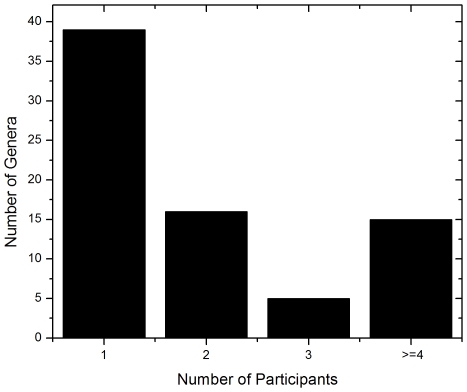
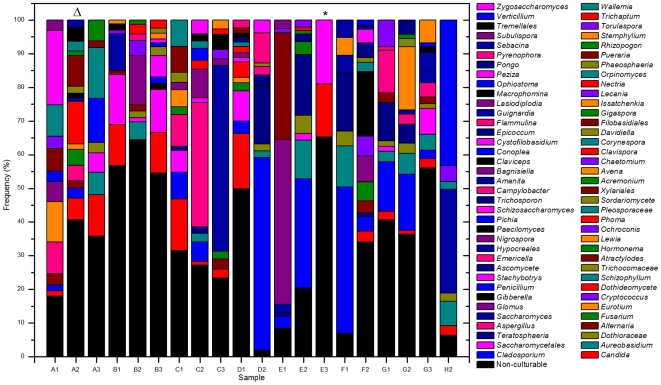
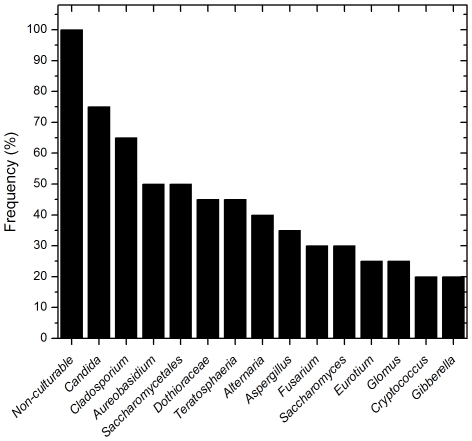
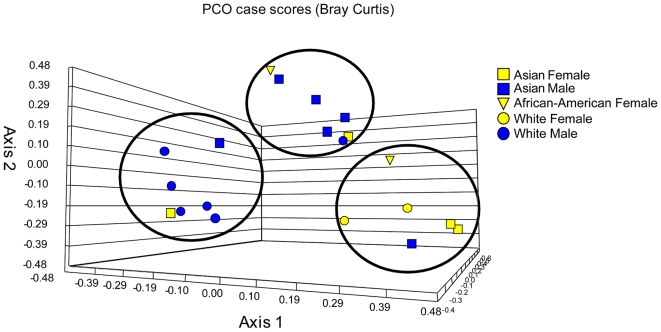
The oral microbiome-organisms residing in the oral cavity and their collective genome-are critical components of health and disease. The fungal component of the oral microbiota has not been characterized. In this study, we used a novel multitag pyrosequencing approach to characterize fungi present in the oral cavity of 20 healthy individuals, using the pan-fungal internal transcribed spacer (ITS) primers. Our results revealed the "basal" oral mycobiome profile of the enrolled individuals, and showed that across all the samples studied, the oral cavity contained 74 culturable and 11 non-culturable fungal genera. Among these genera, 39 were present in only one person, 16 genera were present in two participants, and 5 genera were present in three people, while 15 genera (including non-culturable organisms) were present in >/=4 (20%) participants. Candida species were the most frequent (isolated from 75% of participants), followed by Cladosporium (65%), Aureobasidium, Saccharomycetales (50% for both), Aspergillus (35%), Fusarium (30%), and Cryptococcus (20%). Four of these predominant genera are known to be pathogenic in humans. The low-abundance genera may represent environmental fungi present in the oral cavity and could simply be spores inhaled from the air or material ingested with food. Among the culturable genera, 61 were represented by one species each, while 13 genera comprised between 2 and 6 different species; the total number of species identified were 101. The number of species in the oral cavity of each individual ranged between 9 and 23. Principal component (PCO) analysis of the obtained data set followed by sample clustering and UniFrac analysis revealed that White males and Asian males clustered differently from each other, whereas both Asian and White females clustered together. This is the first study that identified the "basal mycobiome" of healthy individuals, and provides the basis for a detailed characterization of the oral mycobiome in health and disease.
Overview
The claims and statistics of this paper haven’t been checked yet.
Free: it reads the open-access text and checks the first 5 claims that cite a source we can check. Create a free account to check every claim.
Integrity signals
Registry
Cites
Statistics
Figures
Verification
Claims the paper makes
The claims and statistics of this paper haven’t been checked yet.
Free: it reads the open-access text and checks the first 5 claims that cite a source we can check. Create a free account to check every claim.
Claims other papers make about this one
Each is checked against this paper’s own text: does it say what the citing paper says it does?
The source backs part of the claim, not all of it — or backs it for a different population, condition or comparison.
In the citing paper
“Compared to bacteria, fungal constituents can be as low as 0.1% of the total microbiota and may show large diversity (Ghannoum et al., 2010; Qin et al., 2010).”
From Iron at the Centre of Candida albicans Interactions (2018) · cites this paper as Ghannoum et al., 2010
Experimental — accuracy not yet measuredIn the citing paper
“Periodontal disease severity is related to both modifiable (smoking, diet) and non-modifiable host risk factors (genetic susceptibility) as well as environmental factors [10,11,12].”
From A Cross-Talk between Diet and the Oral Microbiome: Balance of Nutrition on Inflammation and Immune System’s Response during Periodontitis (2022) · cites this paper as [11]
In the citing paper
“A recent study by Ghannoum et al. characterizing the mycobiome of the oral cavity of healthy individuals identified in this host milieu a complex and dynamic profile of fungal species, the number of which parallels that observed for bacteria [46].”
From Host Iron Withholding Demands Siderophore Utilization for Candida glabrata to Survive Macrophage Killing (2011) · cites this paper as [46]
In the citing paper
“Infections with C. albicans can range from superficial mucosal and dermatological infections to life-threatening infections of the bloodstream and vital organs.”
From Molecular and genetic basis of azole antifungal resistance in the opportunistic pathogenic fungus Candida albicans (2020) · cites this paper as [2]
Self-check
Percentages, sums and reported differences re-computed from the paper’s own numbers.
The self-check needs the paper’s full text.
Citations
Cites
Cd-hit: a fast program for clustering and comparing large sets of protein or nucleotide sequences
Li, W., & Godzik, A. (2006) · Bioinformatics · doi:10.1093/bioinformatics/btl158 · Cited by 11,410 · cited 1×
“. This test measures the probability that the designated classes are different based on the phylogenetic relatedness and the abundance of each cluster. We first clustered the MTPS reads using CD-HIT”
MethodPrincipal components analysis corrects for stratification in genome-wide association studies
Price, A. L., Patterson, N. J., Plenge, R. M., Weinblatt, M. E., Shadick, N. A., & Reich, D. (2006) · Nature Genetics · doi:10.1038/ng1847 · Cited by 10,248 · cited 1×
“Principal Coordinate (PCO) analysis has been recognized as a simple and straight-forward method to group or separate samples in a dataset, and has been used in disease-association studies [22,23].”
MethodUniFrac: a New Phylogenetic Method for Comparing Microbial Communities
Lozupone, C., & Knight, R. (2005) · Applied and Environmental Microbiology · doi:10.1128/aem.71.12.8228-8235.2005 · Cited by 8,227 · cited 1×
“To compare the phylogenetic distribution between the various gender and race classes and confirm the results of PCO analysis, we used UniFrac significance test [24,25].”
MethodA core gut microbiome in obese and lean twins
Turnbaugh, P. J., Hamady, M., Yatsunenko, T., Cantarel, B. L., Duncan, A., Ley, R. E., Sogin, M. L., Jones, W. J., Roe, B. A., Affourtit, J. P., et al. (2009) · Nature · doi:10.1038/nature07540 · Cited by 7,823 · cited 1×
“Several groups have subsequently employed various barcoding strategies to analyze multiple samples and this strategy is now well accepted [18–21].”
BackgroundDefining the normal bacterial flora of the oral cavity
Aas, J. A., Paster, B. J., Stokes, L. N., Olsen, I., & Dewhirst, F. E. (2005) · Journal of Clinical Microbiology · doi:10.1128/jcm.43.11.5721-5732.2005 · Cited by 3,092 · cited 2×
“Only two previous studies have investigated the profile of microbes present in the oral cavity of healthy individuals and both focused on the bacterial microbiome [32,33].”
BackgroundMethodBacterial Diversity in Human Subgingival Plaque
Paster, B. J., Boches, S. K., Galvin, J. L., Ericson, R. E., Lau, C. N., Levanos, V. A., Sahasrabudhe, A., & Dewhirst, F. E. (2001) · Journal of Bacteriology · doi:10.1128/jb.183.12.3770-3783.2001 · Cited by 2,011 · cited 1×
“[37,38], inability to grow these non-culturable organisms renders it difficult to gain insight into their role in health and disease.”
BackgroundUniFrac – An online tool for comparing microbial community diversity in a phylogenetic context
Lozupone, C., Hamady, M., & Knight, R. (2006) · BMC Bioinformatics · doi:10.1186/1471-2105-7-371 · Cited by 1,453 · cited 1×
“To compare the phylogenetic distribution between the various gender and race classes and confirm the results of PCO analysis, we used UniFrac significance test [24,25].”
MethodThe breadth of bacterial diversity in the human periodontal pocket and other oral sites
Paster, B. J., Olsen, I., Aas, J. A., & Dewhirst, F. E. (2006) · Periodontology 2000 · doi:10.1111/j.1600-0757.2006.00174.x · Cited by 861 · cited 1×
“[37,38], inability to grow these non-culturable organisms renders it difficult to gain insight into their role in health and disease.”
BackgroundOral microbial communities in sickness and in health
Jenkinson, H. F., & Lamont, R. J. (2005) · Trends in Microbiology · doi:10.1016/j.tim.2005.09.006 · Cited by 628 · cited 1×
“Organisms residing in the oral cavity and their collective genome–the oral microbiome–are critical components of health and disease. Disruption of the oral microbiome has been proposed to indicate, trigger, or influence the course of oral diseases, especially among immunocompromised patients (e.g. HIV-infected or canc…”
BackgroundA Genealogical Interpretation of Principal Components Analysis
McVean, G. (2009) · PLoS Genetics · doi:10.1371/journal.pgen.1000686 · Cited by 568 · cited 1×
“Principal Coordinate (PCO) analysis has been recognized as a simple and straight-forward method to group or separate samples in a dataset, and has been used in disease-association studies [22,23].”
Method
Cited by
Items 101–200 of 999
Severance, E. G., Gressitt, K. L., Stallings, C. R., Katsafanas, E., Schweinfurth, L. A., Savage, C. L. G., Adamos, M. B., Sweeney, K. M., Origoni, A. E., Khushalani, S., et al. (2017) · Brain, Behavior, and Immunity · doi:10.1016/j.bbi.2016.11.019 · Cited by 165
Vesty, A., Biswas, K., Taylor, M. W., Gear, K., & Douglas, R. G. (2017) · PLOS ONE · doi:10.1371/journal.pone.0169877 · Cited by 165
Fungi inhabiting the healthy human gastrointestinal tract: a diverse and dynamic community
Hallen-Adams, H. E., Kachman, S. D., Kim, J., Legge, R. M., & Martínez, I. (2015) · Fungal Ecology · doi:10.1016/j.funeco.2015.01.006 · Cited by 165
“Species detected both in the oral (Ghannoum et al., 2010) and gut (the present study) microbiome were C.”
InfluentialCross-Domain and Viral Interactions in the Microbiome
Rowan-Nash, A. D., Korry, B. J., Mylonakis, E., & Belenky, P. (2019) · Microbiology and Molecular Biology Reviews · doi:10.1128/mmbr.00044-18 · Cited by 163
“Ghannoum et al. also identified Saccharomycetales, Dothioraceae, Teratosphaeria, and Glomus as commonly occurring mycobiome members, while Dupuy et al. identified Malassezia, Irpex, Cytospora, Lenzites, and Sporobolomyces (212, 213).”
MethodPyrosequencing as a tool for better understanding of human microbiomes
Siqueira, J. F., Fouad, A. F., & Rôças, I. N. (2012) · Journal of Oral Microbiology · doi:10.3402/jom.v4i0.10743 · Cited by 163
“Finally, the oral fungal microbiome (mycobiome) was investigated in 20 healthy individuals by pyrosequencing (101).”
BackgroundLeung, M. H. Y., & Lee, P. K. H. (2016) · Microbiome · doi:10.1186/s40168-016-0165-2 · Cited by 163
“[112] examined fungal communities within oral rinses from White, African-American, Asian, and Native”
BackgroundA review of microsampling techniques and their social impact
Lei, B. U. W., & Prow, T. W. (2019) · Biomedical Microdevices · doi:10.1007/s10544-019-0412-y · Cited by 162
The oral fungal mycobiome: characteristics and relation to periodontitis in a pilot study
Peters, B. A., Wu, J., Hayes, R. B., & Ahn, J. (2017) · BMC Microbiology · doi:10.1186/s12866-017-1064-9 · Cited by 161
“Conclusions In conclusion, we characterized the oral mycobiome in 30 subjects, providing further insight into the fungal make-up of the oral cavity and building upon the characterizations of previous studies by other groups [2, 21].”
BackgroundResultInfluentialExploring Preterm Birth as a Polymicrobial Disease: An Overview of the Uterine Microbiome
Payne, M. S., & Bayatibojakhi, S. (2014) · Frontiers in Immunology · doi:10.3389/fimmu.2014.00595 · Cited by 158
“(52) identified Candida species as the most common (present in 75% of participants), followed by Cladosporium sp.”
BackgroundCephas, K. D., Kim, J., Mathai, R. A., Barry, K. A., Dowd, S. E., Meline, B. S., & Swanson, K. S. (2011) · PLoS ONE · doi:10.1371/journal.pone.0023503 · Cited by 158
“Pyrosequencing technology has not only been used to study oral bacteria, but has been used to characterize other members of the oral microbial community, including fungi [24].”
BackgroundPérez, J. C., Kumamoto, C. A., & Johnson, A. D. (2013) · PLoS Biology · doi:10.1371/journal.pbio.1001510 · Cited by 156
Willger, S. D., Grim, S. L., Dolben, E. L., Shipunova, A., Hampton, T. H., Morrison, H. G., Filkins, L. M., O‘Toole, G. A., Moulton, L. A., Ashare, A., et al. (2014) · Microbiome · doi:10.1186/2049-2618-2-40 · Cited by 156
“Most molecular analyses of host-associated fungi have relied upon amplification and sequencing of the internal transcribed spacer 1 (ITS1) region within the ribosomal RNA operon [46-49].”
BackgroundHuang, Y. J., Charlson, E. S., Collman, R. G., Colombini-Hatch, S., Martinez, F. D., & Senior, R. M. (2013) · American Journal of Respiratory and Critical Care Medicine · doi:10.1164/rccm.201303-0488ws · Cited by 156
von Rosenvinge, E. C., Song, Y., White, J. R., Maddox, C., Blanchard, T. G., & Fricke, W. F. (2013) · The ISME Journal · doi:10.1038/ismej.2013.33 · Cited by 160
“Fungal ITS1 regions were amplified with primers The ISME Journal ITS1F and ITS2 (Ghannoum et al., 2010).”
MethodThe role of the microbiome in nonhealing diabetic wounds
Kalan, L. R., & Brennan, M. B. (2019) · Annals of the New York Academy of Sciences · doi:10.1111/nyas.13926 · Cited by 140
Oral Commensal Streptococci: Gatekeepers of the Oral Cavity
Baty, J. J., Stoner, S. N., & Scoffield, J. A. (2022) · Journal of Bacteriology · doi:10.1128/jb.00257-22 · Cited by 195
Improving ITS sequence data for identification of plant pathogenic fungi
Nilsson, R. H., Hyde, K. D., Pawłowska, J., Ryberg, M., Tedersoo, L., Aas, A. B., Alias, S. A., Alves, A., Anderson, C. L., Antonelli, A., et al. (2014) · Fungal Diversity · doi:10.1007/s13225-014-0291-8 · Cited by 151
A tool kit for quantifying eukaryotic rRNA gene sequences from human microbiome samples
Dollive, S., Peterfreund, G. L., Sherrill-Mix, S., Bittinger, K., Sinha, R., Hoffmann, C., Nabel, C. S., Hill, D. A., Artis, D., Bachman, M. A., et al. (2012) · Genome biology · doi:10.1186/gb-2012-13-7-r60 · Cited by 147
“[14], except the FastPrep Instrument was replaced by a Mini-Beadbeater-16 (BioSpec Products, Bartlesville, OK, USA).”
MethodInfluentialImmunological corollary of the pulmonary mycobiome in bronchiectasis: the CAMEB study
Aogáin, M. M., Chandrasekaran, R., Lim, A. Y. H., Low, T. B., Tan, G. L., Hassan, T. M., Ong, T. H., Ng, A. H. Q., Bertrand, D., Koh, J. Y., et al. (2018) · European Respiratory Journal · doi:10.1183/13993003.00766-2018 · Cited by 156
Seed, P. C. (2015) · Cold Spring Harbor Perspectives in Medicine · doi:10.1101/cshperspect.a019810 · Cited by 145
“Malassezia, Irpex, Cytospora, Lenziles, and Sporobolomyces were uniquely represented in Dupuy et al. (2014), whereas Dothioraceae, Teratosphaeria, and Glomus were among the core taxa in Ghannoum et al. (2010).”
BackgroundMethodResultInfluentialSantonocito, S., Giudice, A., Polizzi, A., Troiano, G., Merlo, E. M., Sclafani, R., Grosso, G., & Isola, G. (2022) · Nutrients · doi:10.3390/nu14122426 · Cited by 144
Candida and Other Fungal Species: Forgotten Players of Healthy Oral Microbiota
Krom, B. P., Kidwai, S., & ten Cate, J. M. (2014) · Journal of Dental Research · doi:10.1177/0022034514521814 · Cited by 144
Oral Microbiota and Alzheimer’s Disease: Do All Roads Lead to Rome?
Sureda, A., Daglia, M., Argüelles Castilla, S., Sanadgol, N., Fazel Nabavi, S., Khan, H., Belwal, T., Jeandet, P., Marchese, A., Pistollato, F., et al. (2020) · Pharmacological Research · doi:10.1016/j.phrs.2019.104582 · Cited by 143
Mucins Suppress Virulence Traits of Candida albicans
Kavanaugh, N. L., Zhang, A. Q., Nobile, C. J., Johnson, A. D., & Ribbeck, K. (2014) · mBio · doi:10.1128/mbio.01911-14 · Cited by 140
Digestive tract mycobiota: a source of infection
Gouba, N., & Drancourt, M. (2015) · Médecine et Maladies Infectieuses · doi:10.1016/j.medmal.2015.01.007 · Cited by 138
Candida albicans and Oral Carcinogenesis. A Brief Review
Di Cosola, M., Cazzolla, A. P., Charitos, I. A., Ballini, A., Inchingolo, F., & Santacroce, L. (2021) · Journal of Fungi · doi:10.3390/jof7060476 · Cited by 137
“Additional dental components contribute to Candida infection because they create a microenvironment conducive to its development with anaerobic and low pH, and Candida’s growth in saliva and its attachment to oral epithelial cells is boosted by a carbohydrate-rich diet [28,43,54,55].”
BackgroundSong, J., Shi, L., Li, D.-Z., Sun, Y., Niu, Y., Chen, Z., Luo, H., Pang, X., Sun, Z., Liu, C., et al. (2012) · PLoS ONE · doi:10.1371/journal.pone.0043971 · Cited by 163
“Next-generation pyrosequencing using Roche’s 454 method [22] has been used to identify genome-wide genetic changes [23] and examine taxonomic diversity [24–28], as well as to produce libraries of expressed sequence tags (ESTs) [29,30].”
Özok, A. R., Persoon, I. F., Huse, S. M., Keijser, B. J. F., Wesselink, P. R., Crielaard, W., & Zaura, E. (2012) · International Endodontic Journal · doi:10.1111/j.1365-2591.2011.02006.x · Cited by 158
“Additional targets, for example, fungal internal transcribed spacer regions (Ghannoum et al. 2010) and clustered regularly interspaced short palindromic repeats (Pride et al.”
BackgroundReview article: fungal microbiota and digestive diseases
Wang, Z. K., Yang, Y. S., Stefka, A. T., Sun, G., & Peng, L. H. (2014) · Alimentary Pharmacology & Therapeutics · doi:10.1111/apt.12665 · Cited by 136
The oral microbiome: A Lesson in coexistence
Sultan, A. S., Kong, E. F., Rizk, A. M., & Jabra-Rizk, M. A. (2018) · PLOS Pathogens · doi:10.1371/journal.ppat.1006719 · Cited by 133
Ning, Q., Chen, L., Jia, Z., Zhang, C., Ma, D., Li, F., Zhang, J., Li, D., Han, X., Cai, Z., et al. (2020) · Agriculture Ecosystems & Environment · doi:10.1016/j.agee.2020.106837 · Cited by 143
Role of Short Chain Fatty Acids in Controlling Tregs and Immunopathology During Mucosal Infection
Bhaskaran, N., Quigley, C., Paw, C., Butala, S., Schneider, E., & Pandiyan, P. (2018) · Frontiers in Microbiology · doi:10.3389/fmicb.2018.01995 · Cited by 144
“, 2011), that may be functionally distinct from the gut (Avila et al., 2009; Zaura et al., 2009; Ghannoum et al., 2010; Belda-Ferre et al., 2012; Dang et al., 2012; Yamazaki et al., 2012).”
BackgroundImmune Interactions with Pathogenic and Commensal Fungi: A Two-Way Street
Underhill, D. M., & Pearlman, E. (2015) · Immunity · doi:10.1016/j.immuni.2015.10.023 · Cited by 130
Reference databases for taxonomic assignment in metagenomics
Santamaria, M., Fosso, B., Consiglio, A., De Caro, G., Grillo, G., Licciulli, F., Liuni, S., Marzano, M., Alonso-Alemany, D., Valiente, G., et al. (2012) · Briefings in Bioinformatics · doi:10.1093/bib/bbs036 · Cited by 129
“investigate entire fungal communities rather than individual strains [20, 21].”
BackgroundSantus, W., Devlin, J. R., & Behnsen, J. (2021) · Infection and Immunity · doi:10.1128/iai.00648-20 · Cited by 129
“However, 39 genera were present in only one subject and just 15 genera, including Candida and Cladosporium, were present in more than four individuals (53) (Fig.”
BackgroundInfluentialXie, Z., Yu, Z., Li, Y., Wang, G., Liu, X., Tang, C., Lian, T., Adams, J. M., Liu, J., Liu, J., et al. (2022) · npj Biofilms and Microbiomes · doi:10.1038/s41522-022-00277-0 · Cited by 150
Metagenomic Analysis of the Viral Communities in Fermented Foods
Park, E.-J., Kim, K.-H., Abell, G. C. J., Kim, M.-S., Roh, S. W., & Bae, J.-W. (2011) · Applied and Environmental Microbiology · doi:10.1128/aem.01859-10 · Cited by 129
“To date, large metagenomic sequencing projects have mainly focused on bacterial ecology (13, 16, 37), although more recently the focus of studies has broadened to include the investigation of eukarya (17), archaea (37), and viruses (25, 40, 43, 47).”
BackgroundCharacterization of the Fungal Microbiota (Mycobiome) in Healthy and Dandruff-Afflicted Human Scalps
Park, H. K., Ha, M.-H., Park, S.-G., Kim, M. N., Kim, B. J., & Kim, W. (2012) · PLoS ONE · doi:10.1371/journal.pone.0032847 · Cited by 141
“Metagenomics has been studied in different human tissues such as the gut, skin, and oral cavity [14–16].”
BackgroundGainza‐Cirauqui, M. L., Nieminen, M. T., Frazer, L. N., Urízar, J. M. A., Moragues, M. D., & Rautemaa‐Richardson, R. (2012) · Journal of Oral Pathology and Medicine · doi:10.1111/j.1600-0714.2012.01203.x · Cited by 134
“Candida albicans is part of oral microbiota in most healthy individuals (33, 34).”
Severance, E. G., Gressitt, K. L., Stallings, C. R., Katsafanas, E., Schweinfurth, L. A., Savage, C. L., Adamos, M. B., Sweeney, K. M., Origoni, A. E., Khushalani, S., et al. (2016) · npj Schizophrenia · doi:10.1038/npjschz.2016.18 · Cited by 127
“cerevisiae, but Candida albicans and other Candidal species are the clearly dominant commensal fungus in humans.(10,11) C.”
BackgroundHoggard, M., Vesty, A., Wong, G. C., Montgomery, J. M., Fourie, C., Douglas, R. G., Biswas, K., & Taylor, M. W. (2018) · Frontiers in Microbiology · doi:10.3389/fmicb.2018.02208 · Cited by 145
“…cavity (Aurora et al., 2013; Cleland et al., 2014; Jung et al., 2015; Comacle et al., 2016; Gelber et al., 2016; Zhao et al., 2017), oral cavity (Ghannoum et al., 2010; Huffnagle and Noverr, 2013; Dupuy et al., 2014; Underhill and Iliev, 2014; Vesty et al., 2017), gastrointestinal tract…”
BackgroundInfluentialMurine Models of Candida Gastrointestinal Colonization and Dissemination
Koh, A. Y. (2013) · Eukaryotic Cell · doi:10.1128/ec.00196-13 · Cited by 125
“Candida species were the most frequent (isolated from 75% of participants), followed by Cladosporium (65%), Aureobasidium (50%), Saccharomycetales (50%), Aspergillus (35%), Fusarium (30%), and Cryptococcus (20%) (12).”
BackgroundImmunity to Commensal Fungi: Detente and Disease
Wheeler, M. L., Limon, J. J., & Underhill, D. M. (2017) · Annual Review of Pathology Mechanisms of Disease · doi:10.1146/annurev-pathol-052016-100342 · Cited by 131
“Under a normal physiological state, the oral cavity harbors a diverse mycobiota with Candida species found in up to 75% of healthy people surveyed (11).”
Sobkowiak, M. J., Davanian, H., Heymann, R., Gibbs, A., Emgård, J., Dias, J., Aleman, S., Krüger‐Weiner, C., Moll, M., Tjernlund, A., et al. (2019) · European Journal of Immunology · doi:10.1002/eji.201847759 · Cited by 125
Iron at the Centre of Candida albicans Interactions
Fourie, R., Kuloyo, O. O., Mochochoko, B. M., Albertyn, J., & Pohl, C. H. (2018) · Frontiers in Cellular and Infection Microbiology · doi:10.3389/fcimb.2018.00185 · Cited by 118
“1% of the total microbiota andmay show large diversity (Ghannoum et al., 2010; Qin et al., 2010).”
BackgroundNovel ITS1 Fungal Primers for Characterization of the Mycobiome
Usyk, M., Zolnik, C. P., Patel, H., Levi, M. H., & Burk, R. D. (2017) · mSphere · doi:10.1128/msphere.00488-17 · Cited by 141
Oral Microbiome and Dental Caries Development
Zhang, J. S., Chu, C.-H., & Yu, O. Y. (2022) · Dentistry Journal · doi:10.3390/dj10100184 · Cited by 174
Pryszcz, L. P., Németh, T., Gácser, A., & Gabaldón, T. (2014) · Genome Biology and Evolution · doi:10.1093/gbe/evu082 · Cited by 119
“…status of C. parapsilosis sensu stricto in humans is well known, that of the other two species from the C. parapsilosis complex has not been confirmed yet, although a metagenomic study indicated the presence of C. metapsilosis in the oral cavity of healthy human subjects (Ghannoum et al. 2010).”
Weerasekera, M. M., Wijesinghe, G. K., Jayarathna, T. A., Gunasekara, C. P., Fernando, N., Kottegoda, N. S., & Samaranayake, L. P. (2016) · Memórias do Instituto Oswaldo Cruz · doi:10.1590/0074-02760160294 · Cited by 142
“Key words: Candida biofilms - culture media - SDB - YNB - RPMI 1640 Candida species are commensals in about 75% of healthy individuals (Ghannoum et al. 2010) and cause opportunistic infections in compromised patient groups (Scully et al. 1994).”
BackgroundThe Relation between Oral Candida Load and Bacterial Microbiome Profiles in Dutch Older Adults
Kraneveld, E. A., Buijs, M. J., Bonder, M. J., Visser, M., Keijser, B. J. F., Crielaard, W., & Zaura, E. (2012) · PLoS ONE · doi:10.1371/journal.pone.0042770 · Cited by 118
“15–75% [3,4] up to 80% in elderly, especially denture wearers”
The Genomic Aftermath of Hybridization in the Opportunistic Pathogen Candida metapsilosis
Pryszcz, L. P., Németh, T., Saus, E., Ksiezopolska, E., Hegedűsová, E., Nosek, J., Wolfe, K. H., Gacser, A., & Gabaldón, T. (2015) · PLOS Genetics · doi:10.1371/journal.pgen.1005626 · Cited by 116
“metapsilosis in the normal microbiota of one healthy individual, among 20 investigated [48], although in the absence of a genome sequence we do not know whether this commensal strain was homozygous or heterozygous.”
A Fungal World: Could the Gut Mycobiome Be Involved in Neurological Disease?
Forbes, J. D., Bernstein, C. N., Tremlett, H., Van Domselaar, G., & Knox, N. C. (2019) · Frontiers in Microbiology · doi:10.3389/fmicb.2018.03249 · Cited by 117
“, 2015), oral cavity (Ghannoum et al., 2010), and gastrointestinal tract (Huseyin et al.”
BackgroundPower, R. C., Salazar-García, D. C., Straus, L. G., González Morales, M. R., & Henry, A. G. (2015) · Journal of Archaeological Science · doi:10.1016/j.jas.2015.04.003 · Cited by 114
“Because fungi are known to be a functional part of the human oral microbiome (e.g. Ghannoum et al., 2010), including native taxa like Candida and diverse transient environmental species associated with plants, soil and air, it is possible that fungus in calculus could represent this non-dietary…”
BackgroundGut Fungal Microbiota: The Yin and Yang of Inflammatory Bowel Disease
Richard, M. L., Lamas, B., Liguori, G., Hoffmann, T. W., & Sokol, H. (2015) · Inflammatory Bowel Diseases · doi:10.1097/mib.0000000000000261 · Cited by 114
“One study characterized the human mouth fungal microbiota in healthy individuals.(15) Interestingly, this work revealed a very large community of more than 100 species from which Candida (present in 75% of the study population), Cladosporium (65%), Saccharomycetales (50%), Aspergillus (35%),”
BackgroundMethodInfluentialConservation metagenomics: a new branch of conservation biology
Wei, F., Wu, Q., Hu, Y., Huang, G., Nie, Y., & Li, Y. (2018) · Science China Life Sciences · doi:10.1007/s11427-018-9423-3 · Cited by 134
IL-17-mediated antifungal defense in the oral mucosa is independent of neutrophils
Trautwein-Weidner, K., Gladiator, A., Nur, S., Diethelm, P., & LeibundGut‐Landmann, S. (2014) · Mucosal Immunology · doi:10.1038/mi.2014.57 · Cited by 124
“The most well-studied cytokines IL-17A and IL-17F, which can form homodimers and heterodimers, signal via the heterodimeric receptor complex IL-17RA-IL-17RC, while the related cytokine IL-17C uses a dimeric receptor composed of IL-17RA and IL-17RE for signaling.11 T helper cells are considered themajor producers of IL…”
BackgroundProbiotics: A Promising Role in Dental Health
Mahasneh, S. A., & Mahasneh, S. A. (2017) · Dentistry Journal · doi:10.3390/dj5040026 · Cited by 132
The role of gut mycobiome in health and diseases
Zhang, L., Zhan, H., Xu, W., Yan, S., & Ng, S. C. (2021) · Therapeutic Advances in Gastroenterology · doi:10.1177/17562848211047130 · Cited by 125
The Human Mycobiome: Colonization, Composition and the Role in Health and Disease
Belvoncikova, P., Splichalova, P., Videnska, P., & Gardlik, R. (2022) · Journal of Fungi · doi:10.3390/jof8101046 · Cited by 110
“The origin of the scientific phrase human mycobiome dates to 2010, when it was initially J. Fungi 2022, 8, 1046. https://doi.org/10.3390/jof8101046 https://www.mdpi.com/journal/jof J. Fungi 2022, 8, 1046 2 of 26 used in the article by Ghannoum et al. (2010).”
BackgroundInfluentialXu, H., Sobue, T., Bertolini, M., Thompson, A., & Dongari-Bagtzoglou, A. (2016) · Journal of Infectious Diseases · doi:10.1093/infdis/jiw201 · Cited by 110
“Candida albicans is a core component of the human oral mycobiome in health [1, 2].”
BackgroundFungal Diseases in the 21st Century: The Near and Far Horizons
Gardiner, E. S., & Stanturf, J. A. (2018) · REFORESTA · doi:10.20411/pai.v3i2.249 · Cited by 113
Perera, M., Al-hebshi, N. N., Perera, I., Ipe, D., Ulett, G. C., Speicher, D. J., Chen, T., & Johnson, N. W. (2017) · Journal of Oral Microbiology · doi:10.1080/20002297.2017.1385369 · Cited by 108
“Aspergillus being the most abundant [13].”
MethodThe Fungal Frontier: A Comparative Analysis of Methods Used in the Study of the Human Gut Mycobiome
Huseyin, C. E., Cabrera‐Rubio, R., O’Sullivan, Ó., Cotter, P. D., & Scanlan, P. D. (2017) · Frontiers in Microbiology · doi:10.3389/fmicb.2017.01432 · Cited by 116
“…aim of this study was to compare different culture-dependent and -independent techniques that have been used in previously published studies of the human mycobiome (Yu and Morrison, 2004; Scanlan and Marchesi, 2008; Ghannoum et al., 2010; Iliev et al., 2012) in order to assess their relative merits.”
InfluentialAntifungal Innate Immunity: A Perspective from the Last 10 Years
Salazar, F., & Brown, G. D. (2018) · Journal of Innate Immunity · doi:10.1159/000488539 · Cited by 108
The Mycobiome in Health and Disease: Emerging Concepts, Methodologies and Challenges
Tiew, P. Y., Aogáin, M. M., Ali, N. A. B. M., Thng, K. X., Goh, K., Lau, K. J. X., & Chotirmall, S. H. (2020) · Mycopathologia · doi:10.1007/s11046-019-00413-z · Cited by 139
Sequencing of 16S rRNA reveals a distinct salivary microbiome signature in Behçet's disease
Coit, P., Mumcu, G., Özdemir, F. T., Unal, A. U., Alpar, U., Bostancı, N., Ergun, T., Direskeneli, H., & Sawalha, A. H. (2016) · Clinical Immunology · doi:10.1016/j.clim.2016.06.002 · Cited by 123
Regulation of Candida albicans Hyphal Morphogenesis by Endogenous Signals
Kornitzer, D. (2019) · Journal of Fungi · doi:10.3390/jof5010021 · Cited by 106
The bacteriome–mycobiome interaction and antifungal host defense
Oever, J. T., & Netea, M. G. (2014) · European Journal of Immunology · doi:10.1002/eji.201344405 · Cited by 104
The Human Microbiome Project, Personalized Medicine and the Birth of Pharmacomicrobiomics
Rizkallah, M. R., Saad, R., & Aziz, R. K. (2010) · Current pharmacogenomics and personalized medicine (Online)/Current pharmacogenomics and personalized medicine · doi:10.2174/187569210792246326 · Cited by 114
Critical Issues in Mycobiota Analysis
Halwachs, B., Madhusudhan, N., Krause, R. G. E., Nilsson, R. H., Moissl‐Eichinger, C., Högenauer, C., Thallinger, G., & Gorkiewicz, G. (2017) · Frontiers in Microbiology · doi:10.3389/fmicb.2017.00180 · Cited by 125
“Numerous protocols and kits are available for isolation of fungal DNA and they follow similar basic principles with slight modifications dependent on the specimen type used (Paulino et al., 2006; Ghannoum et al., 2010; Findley et al., 2013; Lindahl et al., 2013; Gosiewski et al., 2014; Oh et al., 2014).”
BackgroundHuang, Y. J., & Lynch, S. V. (2011) · Expert Review of Respiratory Medicine · doi:10.1586/ers.11.76 · Cited by 100
Alonso, R., Pisa, D., Aguado, B., & Carrasco, L. (2017) · Journal of Alzheimer's Disease · doi:10.3233/jad-170058 · Cited by 103
“Studies of the oral myco-biome in healthy subjects identified fifteen fungal genera, with Candida and Cladosporium being the most common [19].”
Nishimoto, A. T., Sharma, C., & Rogers, P. D. (2020) · Journal of Antimicrobial Chemotherapy · doi:10.1093/jac/dkz400 · Cited by 102
Zeise, K. D., Woods, R. J., & Huffnagle, G. B. (2021) · Clinical Microbiology Reviews · doi:10.1128/cmr.00323-20 · Cited by 97
“ing in an estimated 75% of healthy individuals (67).”
BackgroundOral biofilms, oral and periodontal infections, and systemic disease.
Maddi, A., & Scannapieco, F. A. (2013) · PubMed · Cited by 131
He, J., Kim, D., Zhou, X., Ahn, S.-J., Burne, R. A., Richards, V. P., & Koo, H. (2017) · Frontiers in Microbiology · doi:10.3389/fmicb.2017.01036 · Cited by 100
“Candida albicans is a commonly detected opportunistic fungus in the oral cavity (Ghannoum et al., 2010).”
BackgroundGabaldón, T., & Carreté, L. (2016) · FEMS Yeast Research · doi:10.1093/femsyr/fov110 · Cited by 99
“biomes (Plaut 1950; Ghannoum et al. 2010; Bolotin-Fukuhara and Fairhead 2014), the fact is that we lack information of whether it is also present in some environmental niches.”
BackgroundInfluentialAngebault, C., Djossou, F., Abélanet, S., Permal, E., Ben Soltana, M., Diancourt, L., Bouchier, C., Woerther, P.-L., Catzeflis, F., Andremont, A., et al. (2013) · The Journal of Infectious Diseases · doi:10.1093/infdis/jit389 · Cited by 99
“ported to be a rare colonizer in healthy humans [3, 36, 37], and C.”
BackgroundAdhesins of Yeasts: Protein Structure and Interactions
Willaert, R. G. (2018) · Journal of Fungi · doi:10.3390/jof4040119 · Cited by 98
“Some commensal Candida species belong to the human microbiome of healthy humans [12].”
BackgroundIdentification of fungi in shotgun metagenomics datasets
Donovan, P. D., González, G., Higgins, D. G., Butler, G., & Ito, K. (2018) · PLoS ONE · doi:10.1371/journal.pone.0192898 · Cited by 113
Overview of the Potential Role of Malassezia in Gut Health and Disease
Spatz, M., & Richard, M. L. (2020) · Frontiers in Cellular and Infection Microbiology · doi:10.3389/fcimb.2020.00201 · Cited by 111
Sztukowska, M. N., Dutton, L. C., Delaney, C., Ramsdale, M., Ramage, G., Jenkinson, H. F., Nobbs, A. H., & Lamont, R. J. (2018) · mBio · doi:10.1128/mbio.00202-18 · Cited by 96
“In addition to bacteria, fungi represent a significant component of the oral microbiome (14).”
BackgroundGouba, N., Raoult, D., & Drancourt, M. (2013) · PLoS ONE · doi:10.1371/journal.pone.0059474 · Cited by 105
“brevicompactum, which was also identified in our study, has been previously reported to be part of the oral microbiome in healthy individuals, but it has not been identified among the gut microbiota [26].”
BackgroundRetractedFungal-bacterial interactions and their relevance to oral health: linking the clinic and the bench
Diaz, P. I., Strausbaugh, L. D., & Dongari-Bagtzoglou, A. (2014) · Frontiers in Cellular and Infection Microbiology · doi:10.3389/fcimb.2014.00101 · Cited by 96
“, Thompson, A., Xie, Z., Poon, K., Ricker, A., et al. (2013). Streptococcal co-infection augments Candida pathogenicity by ampli-”
BackgroundIsolation of a Novel Phage with Activity against Streptococcus mutans Biofilms
Dalmasso, M., de Haas, E., Neve, H., Strain, R., Cousin, F., Stockdale, S. R., Ross, R. P., & Hill, C. (2015) · PLoS ONE · doi:10.1371/journal.pone.0138651 · Cited by 112
Transcriptional control of hyphal morphogenesis in Candida albicans
Villa, S., Hamideh, M., Weinstock, A., Qasim, M. N., Hazbun, T. R., Sellam, A., Hernday, A. D., & Thangamani, S. (2020) · FEMS Yeast Research · doi:10.1093/femsyr/foaa005 · Cited by 117
Nevitt, T., & Thiele, D. J. (2011) · PLoS Pathogens · doi:10.1371/journal.ppat.1001322 · Cited by 95
“species. A recent study by Ghannoum et al. characterizing the mycobiome of the oral cavity of healthy individuals identified in this host milieu a complex and dynamic profile of fungal species, the number of which parallels that observed for bacteria”
BackgroundCui, L., Morris, A., Huang, L., Beck, J. M., Twigg, H. L., von Mutius, E., & Ghedin, E. (2014) · Annals of the American Thoracic Society · doi:10.1513/annalsats.201402-052pl · Cited by 100
Wang, Q., Ma, M., Jiang, X. P., Guan, D., Wei, D., Zhao, B., Chen, S., Cao, F., Li, L., Yang, X., et al. (2019) · Applied Soil Ecology · doi:10.1016/j.apsoil.2018.12.019 · Cited by 101
Infant fungal communities: current knowledge and research opportunities
Ward, T. L., Knights, D., & Gale, C. A. (2017) · BMC Medicine · doi:10.1186/s12916-017-0802-z · Cited by 94
“For example, in one study using ITS2 sequencing to characterize oral mycobiomes, healthy individuals (n = 20) had a range of 9 to 23 fungal species within the oral cavity at a given time; the ‘core’ members of the oral community included Candida, Cladosporium, Aspergillus, Fusarium, Glomus, Penicillium, Alternaria, Cr…”
The mammalian mycobiome: A complex system in a dynamic relationship with the host
Lai, G. C., Tan, T. G., & Pavelka, N. (2018) · WIREs Systems Biology and Medicine · doi:10.1002/wsbm.1438 · Cited by 98
The Microbiome of Oral Squamous Cell Carcinomas: a Functional Perspective
Al-Hebshi, N. N., Borgnakke, W. S., & Johnson, N. W. (2019) · Current Oral Health Reports · doi:10.1007/s40496-019-0215-5 · Cited by 99
The mycobiome of the human urinary tract: potential roles for fungi in urology
Ackerman, A. L., & Underhill, D. M. (2017) · Annals of Translational Medicine · doi:10.21037/atm.2016.12.69 · Cited by 99
“Previous studies examining the optimization of DNA isolation and purification for analysis of bacterial species (“microbiome”) in samples with a standardized, diverse bacterial community demonstrated that different sample preparation and DNA extraction protocols have dramatically different results (1,15,28,29).”
BackgroundMethodInfluentialOral fungal-bacterial biofilm models in vitro: a review
Chevalier, M., Ranque, S., & Prêcheur, I. (2018) · Medical Mycology · doi:10.1093/mmy/myx111 · Cited by 92
“In vivo and in vitro, biofilm development follows five stages: (1) adhesion to hard or soft tissues (adhesins and extracellular polysaccharides); (2) growth (microbial coadhesion and co-aggregation, matrix formation); (3) maturation characterised by metabolic and genetic microbial exchanges, growth control by quorum-s…”
BackgroundThe human lung and Aspergillus: You are what you breathe in?
Richardson, M. D., Bowyer, P., & Sabino, R. (2018) · Medical Mycology · doi:10.1093/mmy/myy149 · Cited by 104
The mycobiome of root canal infections is correlated to the bacteriome
Persoon, I. F., Buijs, M. J., Özok, A. R., Crielaard, W., Krom, B. P., Zaura, E., & Brandt, B. W. (2016) · Clinical Oral Investigations · doi:10.1007/s00784-016-1980-3 · Cited by 104
“samples has shown that fungi are highly prevalent and that the fungal community, the mycobiome, is diverse [16, 17].”
Fungal Gut Microbiota Dysbiosis and Its Role in Colorectal, Oral, and Pancreatic Carcinogenesis
Kaźmierczak-Siedlecka, K., Dvořák, A., Folwarski, M., Daca, A., Przewłócka, K., & Makarewicz, W. (2020) · Cancers · doi:10.3390/cancers12051326 · Cited by 99
“The most frequent fungi isolated from the healthy oral cavity are Candida spp. followed by Cladosporium, Aureobasidium, Saccharomycetales, Aspergillus, Fusarium, and Cryptococcus [15].”
BackgroundInfluentialMicrobiota control of a tryptophan–AhR pathway in disease tolerance to fungi
Romani, L., Zelante, T., Luca, A. D., Iannitti, R. G., Moretti, S., Bartoli, A., Aversa, F., & Puccetti, P. (2014) · European Journal of Immunology · doi:10.1002/eji.201344406 · Cited by 88
Low-Abundant Microorganisms: The Human Microbiome’s Dark Matter, a Scoping Review
Cena, J. A. D., Zhang, J., Deng, D., Damé-Teixeira, N., & Do, T. (2021) · Frontiers in Cellular and Infection Microbiology · doi:10.3389/fcimb.2021.689197 · Cited by 87
Hager, C. L., & Ghannoum, M. A. (2017) · Digestive and Liver Disease · doi:10.1016/j.dld.2017.08.025 · Cited by 94
Self-citation
Metadata
- Authors
- Ghannoum, M. A., Jurevic, R. J., Mukherjee, P. K., Cui, F., Sikaroodi, M., Naqvi, A., & Gillevet, P. M.
- Affiliations
- University Hospitals Cleveland Medical Center (US)
- Case Western Reserve University (US)
- George Mason University (US)
- Corresponding author
- Ghannoum, Mahmoud A.
- Venue
- PLoS Pathogens
- Publisher
- Public Library of Science (PLoS)
- Published
- 2010-01-08
- Volume
- 6
- Issue
- 1
- Pages
- e1000713
- ISSN
- 1553-7366 (ISSN-L)
- 1553-7374
- PMC
- PMC2795202
- OpenAlex
- W2077088073
- Cited by
- 1,150
- References
- 40
- Citations by year
- 2026: 67 · 2025: 79 · 2024: 90 · 2023: 90 · 2022: 92 · 2021: 92 · 2020: 93 · 2019: 81 · 2018: 74 · 2017: 73 · 2016: 63 · 2015: 64 · 2014: 64 · 2013: 53 · 2012: 35
- FWCI
- 26.55
- Type
- journal article
- Language
- en
- Open access
- gold
- doi.org
- Locations
- PLoS Pathogens (publishedVersion, cc-by)
- PubMed Central (publishedVersion, cc-by)
- PubMed (publishedVersion)
- DOAJ (DOAJ: Directory of Open Access Journals) (submittedVersion, cc-by-sa)
- Figshare (submittedVersion, cc-by)
- Funders
- Bristol-Myers Squibb
- National Institutes of Health
- National Institute of Allergy and Infectious Diseases (R21AI074077)
- National Institute of Dental and Craniofacial Research (R01DE017486, K23DE016110, P01DE019759)
- Topics
- Health Sciences › Medicine › Infectious Diseases › Antifungal resistance and susceptibility
- Health Sciences › Dentistry › Periodontics › Oral microbiology and periodontitis research
- Life Sciences › Agricultural and Biological Sciences › Plant Science › Plant Pathogens and Fungal Diseases
- Keywords
- oral mycobiome, oral fungi, fungal diversity, Candida, Cladosporium, Aureobasidium, Aspergillus, Fusarium, Cryptococcus, ITS sequencing, healthy individuals, environmental fungi
- MeSH terms
- Adult, Asian, DNA, Fungal, Female, Fungi, Humans, Male, Middle Aged, Mouth, Sex Factors, Polymerase Chain Reaction, White People, Racial Groups, Metagenome, Young Adult
About these checks
Registry, retraction, Cites and statistics results are computed, not judged, with one exception: a printed reference that no index lists is read once by a model before it counts as a citation error. Claims are extracted by a model and kept only when their quote appears verbatim in the text; each cited source is then checked, with a model’s help, for whether it says what the claim relies on. Those verdicts can be wrong — read the claim’s quote and the cited source before relying on one.
Statistics and arithmetic are recomputed, not judged.
Confidence bands are shown only for fields calibrated on our annotated test set. None is calibrated yet, so no band is shown.
What counts as a claim ›How we measure confidence ›How we check this ›
Are you an author, or do you see a problem with this page? Request a review
Data sources
Bibliographic data: Semantic Scholar, OpenAlex, Crossref.
Contains information from the Semantic Scholar Academic Graph Datasets, made available under the ODC Attribution License (ODC-BY 1.0).
Semantic Scholar’s data is described in: Kinney, R., et al. (2023). The Semantic Scholar Open Data Platform. arXiv:2301.10140.
