

Characterization of the Oral Fungal Microbiome (Mycobiome) in Healthy Individuals
Open accessThe DOI matches its Crossref record; 39 of the 40 references it cites were found in a registry or an index.
Abstract
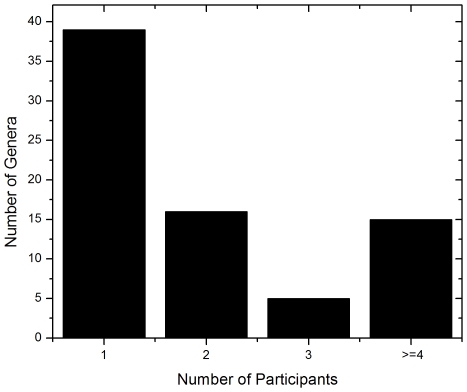
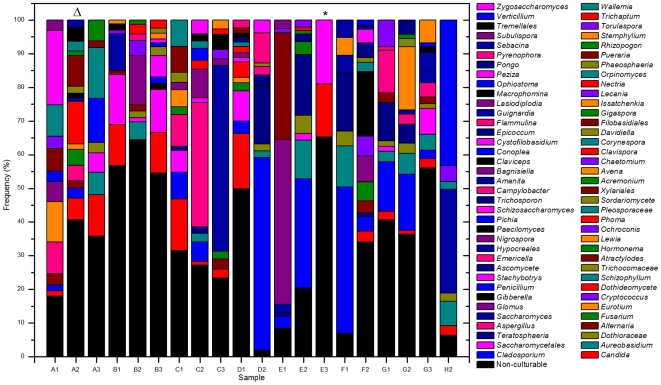
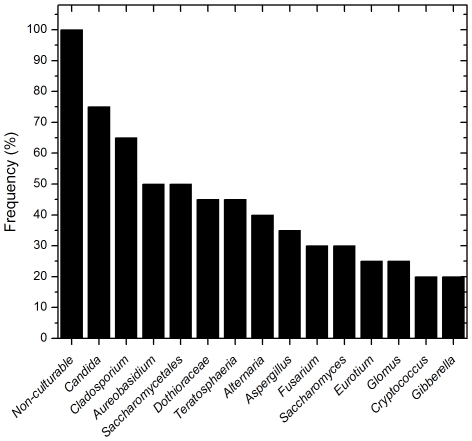
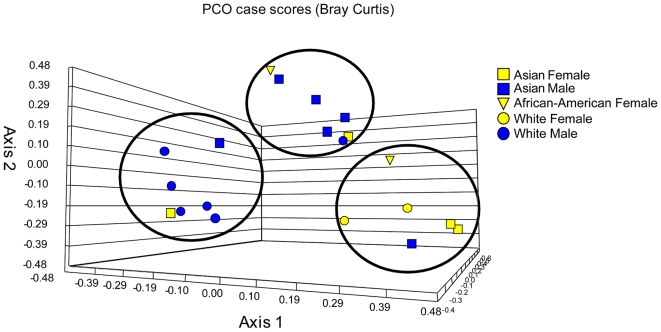
The oral microbiome-organisms residing in the oral cavity and their collective genome-are critical components of health and disease. The fungal component of the oral microbiota has not been characterized. In this study, we used a novel multitag pyrosequencing approach to characterize fungi present in the oral cavity of 20 healthy individuals, using the pan-fungal internal transcribed spacer (ITS) primers. Our results revealed the "basal" oral mycobiome profile of the enrolled individuals, and showed that across all the samples studied, the oral cavity contained 74 culturable and 11 non-culturable fungal genera. Among these genera, 39 were present in only one person, 16 genera were present in two participants, and 5 genera were present in three people, while 15 genera (including non-culturable organisms) were present in >/=4 (20%) participants. Candida species were the most frequent (isolated from 75% of participants), followed by Cladosporium (65%), Aureobasidium, Saccharomycetales (50% for both), Aspergillus (35%), Fusarium (30%), and Cryptococcus (20%). Four of these predominant genera are known to be pathogenic in humans. The low-abundance genera may represent environmental fungi present in the oral cavity and could simply be spores inhaled from the air or material ingested with food. Among the culturable genera, 61 were represented by one species each, while 13 genera comprised between 2 and 6 different species; the total number of species identified were 101. The number of species in the oral cavity of each individual ranged between 9 and 23. Principal component (PCO) analysis of the obtained data set followed by sample clustering and UniFrac analysis revealed that White males and Asian males clustered differently from each other, whereas both Asian and White females clustered together. This is the first study that identified the "basal mycobiome" of healthy individuals, and provides the basis for a detailed characterization of the oral mycobiome in health and disease.
Overview
The claims and statistics of this paper haven’t been checked yet.
Free: it reads the open-access text and checks the first 5 claims that cite a source we can check. Create a free account to check every claim.
Integrity signals
Registry
Cites
Statistics
Figures
Verification
Claims the paper makes
The claims and statistics of this paper haven’t been checked yet.
Free: it reads the open-access text and checks the first 5 claims that cite a source we can check. Create a free account to check every claim.
Claims other papers make about this one
Each is checked against this paper’s own text: does it say what the citing paper says it does?
The source backs part of the claim, not all of it — or backs it for a different population, condition or comparison.
In the citing paper
“Compared to bacteria, fungal constituents can be as low as 0.1% of the total microbiota and may show large diversity (Ghannoum et al., 2010; Qin et al., 2010).”
From Iron at the Centre of Candida albicans Interactions (2018) · cites this paper as Ghannoum et al., 2010
Experimental — accuracy not yet measuredIn the citing paper
“Periodontal disease severity is related to both modifiable (smoking, diet) and non-modifiable host risk factors (genetic susceptibility) as well as environmental factors [10,11,12].”
From A Cross-Talk between Diet and the Oral Microbiome: Balance of Nutrition on Inflammation and Immune System’s Response during Periodontitis (2022) · cites this paper as [11]
In the citing paper
“A recent study by Ghannoum et al. characterizing the mycobiome of the oral cavity of healthy individuals identified in this host milieu a complex and dynamic profile of fungal species, the number of which parallels that observed for bacteria [46].”
From Host Iron Withholding Demands Siderophore Utilization for Candida glabrata to Survive Macrophage Killing (2011) · cites this paper as [46]
In the citing paper
“Infections with C. albicans can range from superficial mucosal and dermatological infections to life-threatening infections of the bloodstream and vital organs.”
From Molecular and genetic basis of azole antifungal resistance in the opportunistic pathogenic fungus Candida albicans (2020) · cites this paper as [2]
Self-check
Percentages, sums and reported differences re-computed from the paper’s own numbers.
The self-check needs the paper’s full text.
Citations
Cites
Cd-hit: a fast program for clustering and comparing large sets of protein or nucleotide sequences
Li, W., & Godzik, A. (2006) · Bioinformatics · doi:10.1093/bioinformatics/btl158 · Cited by 11,410 · cited 1×
“. This test measures the probability that the designated classes are different based on the phylogenetic relatedness and the abundance of each cluster. We first clustered the MTPS reads using CD-HIT”
MethodPrincipal components analysis corrects for stratification in genome-wide association studies
Price, A. L., Patterson, N. J., Plenge, R. M., Weinblatt, M. E., Shadick, N. A., & Reich, D. (2006) · Nature Genetics · doi:10.1038/ng1847 · Cited by 10,248 · cited 1×
“Principal Coordinate (PCO) analysis has been recognized as a simple and straight-forward method to group or separate samples in a dataset, and has been used in disease-association studies [22,23].”
MethodUniFrac: a New Phylogenetic Method for Comparing Microbial Communities
Lozupone, C., & Knight, R. (2005) · Applied and Environmental Microbiology · doi:10.1128/aem.71.12.8228-8235.2005 · Cited by 8,227 · cited 1×
“To compare the phylogenetic distribution between the various gender and race classes and confirm the results of PCO analysis, we used UniFrac significance test [24,25].”
MethodA core gut microbiome in obese and lean twins
Turnbaugh, P. J., Hamady, M., Yatsunenko, T., Cantarel, B. L., Duncan, A., Ley, R. E., Sogin, M. L., Jones, W. J., Roe, B. A., Affourtit, J. P., et al. (2009) · Nature · doi:10.1038/nature07540 · Cited by 7,823 · cited 1×
“Several groups have subsequently employed various barcoding strategies to analyze multiple samples and this strategy is now well accepted [18–21].”
BackgroundDefining the normal bacterial flora of the oral cavity
Aas, J. A., Paster, B. J., Stokes, L. N., Olsen, I., & Dewhirst, F. E. (2005) · Journal of Clinical Microbiology · doi:10.1128/jcm.43.11.5721-5732.2005 · Cited by 3,092 · cited 2×
“Only two previous studies have investigated the profile of microbes present in the oral cavity of healthy individuals and both focused on the bacterial microbiome [32,33].”
BackgroundMethodBacterial Diversity in Human Subgingival Plaque
Paster, B. J., Boches, S. K., Galvin, J. L., Ericson, R. E., Lau, C. N., Levanos, V. A., Sahasrabudhe, A., & Dewhirst, F. E. (2001) · Journal of Bacteriology · doi:10.1128/jb.183.12.3770-3783.2001 · Cited by 2,011 · cited 1×
“[37,38], inability to grow these non-culturable organisms renders it difficult to gain insight into their role in health and disease.”
BackgroundUniFrac – An online tool for comparing microbial community diversity in a phylogenetic context
Lozupone, C., Hamady, M., & Knight, R. (2006) · BMC Bioinformatics · doi:10.1186/1471-2105-7-371 · Cited by 1,453 · cited 1×
“To compare the phylogenetic distribution between the various gender and race classes and confirm the results of PCO analysis, we used UniFrac significance test [24,25].”
MethodThe breadth of bacterial diversity in the human periodontal pocket and other oral sites
Paster, B. J., Olsen, I., Aas, J. A., & Dewhirst, F. E. (2006) · Periodontology 2000 · doi:10.1111/j.1600-0757.2006.00174.x · Cited by 861 · cited 1×
“[37,38], inability to grow these non-culturable organisms renders it difficult to gain insight into their role in health and disease.”
BackgroundOral microbial communities in sickness and in health
Jenkinson, H. F., & Lamont, R. J. (2005) · Trends in Microbiology · doi:10.1016/j.tim.2005.09.006 · Cited by 628 · cited 1×
“Organisms residing in the oral cavity and their collective genome–the oral microbiome–are critical components of health and disease. Disruption of the oral microbiome has been proposed to indicate, trigger, or influence the course of oral diseases, especially among immunocompromised patients (e.g. HIV-infected or canc…”
BackgroundA Genealogical Interpretation of Principal Components Analysis
McVean, G. (2009) · PLoS Genetics · doi:10.1371/journal.pgen.1000686 · Cited by 568 · cited 1×
“Principal Coordinate (PCO) analysis has been recognized as a simple and straight-forward method to group or separate samples in a dataset, and has been used in disease-association studies [22,23].”
Method
Cited by
Items 701–800 of 999
Rodríguez, L. E. V. (2016) · Journal of Dental Science and Therapy · doi:10.24218/jdst.2016.05 · Cited by 8
Zhu, J., Han, L., Wu, X. G., Li, Z., & Lin, A. (2019) · Chinese Medical Journal · doi:10.1097/cm9.0000000000000541 · Cited by 8
“Dramatic advances in high-throughput sequencing, namely deep sequencing, and bioinformatics have allowed for a primer ITS2 (GCTGCGTTCTTCATCGATGC).([10]) Barcoded with unique index sequence, amplicons were”
BackgroundAlissa, M., Hjazi, A. M., Abusalim, G. S., Aloraini, G. S., Alghamdi, S. A., Alharthi, N. S., Rizg, W. Y., Hosny, K. M., & Binmadi, N. O. (2024) · Frontiers in Pharmacology · doi:10.3389/fphar.2024.1347551 · Cited by 8
“There are around 600 bacterial species (Dewhirst et al., 2010) and 100 fungal species (Ghannoum et al., 2010) in this diverse microbiome.”
BackgroundSampaio, A. D. G., Milhan, N. V. M., do Nascimento, F., Kostov, K. G., & Koga‐Ito, C. Y. (2024) · International Journal of Molecular Sciences · doi:10.3390/ijms252111496 · Cited by 8
Bloch, A., Bogiel, T., Prażyńska, M. B., & Gospodarek-Komkowska, E. (2025) · Methods and Protocols · doi:10.3390/mps8050098 · Cited by 11
“Fungi of the Candida genus are a natural part of the human microbiota, colonizing mucous membranes of the oral cavity, skin, eyes, reproductive tract, and gastrointestinal system [3,4].”
Pray, T., Nissim, W. G., St‐Arnaud, M., & Labrecque, M. (2018) · Forests · doi:10.3390/f9040185 · Cited by 9
Candida and Candidiasis - A review of Virulence Factors
Hamied, A. S. (2021) · Journal of Biotechnology Research Center · doi:10.24126/jobrc.2021.15.2.606 · Cited by 11
Bacterial and fungal communities in tracheal aspirates of intubated COVID-19 patients: a pilot study
Ruiz-Rodriguez, A., Parga, P. L., Piters, W. A. A. D. S., Koppensteiner, L., Lopez, C. B., Campbell, R., Dewar, R., McHugh, M. P., Dockrell, D. H., Templeton, K. E., et al. (2022) · Scientific Reports · doi:10.1038/s41598-022-13482-w · Cited by 8
“OTU Residuals Ascomycota (16) Vishniacozyma (49) Trichomeriaceae (13) Naganishia diffluens (46) Trechispora nivea (33) Sordariomycetes (10) Sporobolomyces roseus (26) Malassezia globosa (18) Sistotrema brinkmannii (6) Penicillium thymicola (7) Mycosphaerella tassiana (14) Talaromyces rotundus (12) Malassezia restricta…”
BackgroundSong, Y., Kim, M. S., Chung, J., & Na, H. S. (2023) · Diagnostics · doi:10.3390/diagnostics13101784 · Cited by 9
“The microbiome is a most diverse ecosystem, comprising numerous communities [26] compose the . well-reflected in known as mycobiome, has not received as much scrutiny despite its ecological and clinical importance [30], as evidenced by its relative lack of attention [28].”
BackgroundManzoor, M., Leskelä, J., Pietiäinen, M., Martinez‐Majander, N., Könönen, E., Sinisalo, J. P., Putaala, J., Pussinen, P. J., & Paju, S. (2025) · Scientific Reports · doi:10.1038/s41598-025-95728-x · Cited by 10
“Oral mycobiome comprises an estimated 100 species 34 but their association with stroke is seldom studied.”
Briones, R. A. H., Arcos, E. N. S., Urrutia, M., & Godoy-Martinez, P. C. (2020) · Revista Iberoamericana de Micología · doi:10.1016/j.riam.2019.10.006 · Cited by 11
Oral microbial biomap in the drought environment: Sjogren's syndrome
Bustos‐Lobato, L., Rus, M. J., Saúco, C., & Simón‐Soro, Á. (2023) · Molecular Oral Microbiology · doi:10.1111/omi.12435 · Cited by 12
Luan, C., Miao, H., & Zhu, B. (2015) · Gut Microbes · doi:10.1080/19490976.2015.1089380 · Cited by 8
“As the opportunist pathogenic fungi Phoma and Candida were dominant in intestinal mucosa of adenomas patients(4) and have been reported to be involved in human infections.(13,14) While no reports show that Acaulospora, a plant fungal pathogen, is involved in human infections.”
BackgroundSaliva promotes survival and even proliferation of Candida species in tap water
Barbot, V., Migeot, V., Rodier, M., Deborde, M., & Imbert, C. (2011) · FEMS Microbiology Letters · doi:10.1111/j.1574-6968.2011.02379.x · Cited by 8
“Candida species are commonly regarded as normal constituents of the mucocutaneous microbial communities in healthy humans and are considered important opportunistic fungal pathogens (Odds, 1988; Ghannoum et al., 2010).”
BackgroundPrêcheur, I., Rolland, Y., Hasseine, L., Orange, F., Morisot, A., & Landreau, A. (2020) · Antibiotics · doi:10.3390/antibiotics9040137 · Cited by 10
“Prominent other oral fungi are Aspergillus, Aureobasidium, Cladosporium, Epicoccum, Fusarium, Malassezia, Mucor, Penicillium, Saccharomyces, Trichophyton, and Wallemia [5,6].”
BackgroundInfluentialPerera, M. L., Al-Hebshi, N. N., Perera, I. R., Ipe, D. S., Ulett, G. C., Speicher, D. J., Chen, T., & Johnson, N. W. (2017) · Preprints.org · doi:10.20944/preprints201703.0216.v1 · Cited by 9
The pathogenic and colonization potential of Candida africana
Kosmala, D., Sertour, N., Fróis-Martins, R., Spaggiari, L., Ardizzoni, A., LeibundGut‐Landmann, S., Pericolini, E., Bougnoux, M., d’Enfert, C., & Legrand, M. (2023) · Microbes and Infection · doi:10.1016/j.micinf.2023.105230 · Cited by 9
Azeez, A. A., Esiegbuya, D. O., Lateef, A. A., & Asiegbu, F. O. (2024) · Frontiers in Microbiology · doi:10.3389/fmicb.2024.1422360 · Cited by 11
Ni, Z., Cao, M., Wang, Y., Zhong, W., Zhang, M., Duan, Y., & Wu, L. (2025) · Applied Soil Ecology · doi:10.1016/j.apsoil.2025.106072 · Cited by 12
The human mycobiome: a critical yet understudied component of health and disease
Mohammadi, R., Morovati, H., & Safari, F. (2025) · Microbiology · doi:10.1099/mic.0.001631 · Cited by 9
“The most common oral fungi from Ascomycota include the yeast-like genus Candida , while Basidiomycota species such as Rhodotorula , Malassezia and Cryptococcus are also prevalent [5, 52].”
The pediatric oral mycobiome: a comprehensive review of its role in health and disease
Xiang, Z., & Liu, Y. (2026) · Frontiers in Cellular and Infection Microbiology · doi:10.3389/fcimb.2026.1711789 · Cited by 8
“(Ghannoum et al., 2010).”
Host-pathogen interactions in periodontitis: an integrative interkingdom perspective
Suárez, L. J., Sanchez, P. K. V., Angelov, N., Mylonakis, E. E., & Arce, R. M. (2026) · Frontiers in Immunology · doi:10.3389/fimmu.2026.1797726 · Cited by 10
“Other genera, such as Malassezia , Saccharomyces , and Cladosporium , occur at lower abundances and exhibit niche speci fi city, including within the subgingival sulcus (40, 41).”
O'Connell, L. M., Mann, A. E., Osagie, E., Akhigbe, P., Blouin, T., Soule, A., Obuekwe, O. N., Omoigberale, A. I., Burne, R. A., Coker, M. O., et al. (2023) · Microbiology Spectrum · doi:10.1128/spectrum.01491-23 · Cited by 7
“This is comparable to the species diversity observed in previous studies for oral fungal communities (8, 10, 11, 29).”
BackgroundMethodResultInfluentialSignals that control MAIT cell function in healthy and inflamed human tissues
Konecny, A., Huang, Y. C., Setty, M. N., & Prlic, M. (2024) · Immunological Reviews · doi:10.1111/imr.13325 · Cited by 10
The relationship between dry eye disease and human microbiota: A review of the science
Antman, G., Ritzer, L., Galor, A., Vercellin, A. C. V., Siesky, B. A., Alabi, D. A., Vayner, J., Segev, F., & Harris, A. (2024) · Experimental Eye Research · doi:10.1016/j.exer.2024.109951 · Cited by 9
NBC update: The addition of viral and fungal databases to the Naïve Bayes classification tool
ROSEN, G. L., & Lim, T. Y. (2012) · BMC Research Notes · doi:10.1186/1756-0500-5-81 · Cited by 7
“The ITS region has commonly been targeted in recent studies [4,5].”
BackgroundType 1 diabetes in children is not a predisposing factor for oral yeast colonization
Costa, A. L., Silva, B. M. A., Soares, R., Mota, D. C. M., Alves, V., Mirante, A., Ramos, J. C., Abreu, J. M., Santos-Rosa, M., Caramelo, F. J., et al. (2016) · Medical Mycology · doi:10.1093/mmy/myw092 · Cited by 9
“Moreover, the number of these lymphocytes, among the children that do not have yeasts in the oral cavity is different in the two groups (X(2)kw (2) = 12.”
BackgroundInfluentialAdvances and Challenges in Oral Biofilm Control
Panariello, B. H. D., Costa, C. A. G. D. A., Pavarina, A. C., Santiago, S. L., & Duarte, S. (2017) · Current Oral Health Reports · doi:10.1007/s40496-017-0120-8 · Cited by 8
Hargreaves, J., Brickle, P., & van West, P. (2018) · Fungal ecology · doi:10.1016/j.funeco.2018.08.005 · Cited by 7
Mycobiota of the human gastrointestinal tract
Ruszkowski, J., Kaźmierczak-Siedlecka, K., Witkowski, J. M., & Dębska-Ślizień, A. M. (2020) · Postępy Higieny i Medycyny Doświadczalnej · doi:10.5604/01.3001.0014.3415 · Cited by 9
Importance of Interkingdom Interactions Among Oral Microbiome Towards Caries Development – A Review
Balakrishnan, K., Sivanesan, D., Mohan, G., Gunthe, S. S., & Verma, R. S. (2021) · Journal of Immunological Sciences · doi:10.29245/2578-3009/2021/2.1211 · Cited by 6
Feng, Y., Bian, S., Pang, Z., Wen, Y., Calderone, R., Li, D., & Shi, D. (2022) · Frontiers in Microbiology · doi:10.3389/fmicb.2022.855651 · Cited by 7
The high accumulation of phosphorus in high-yield paddy soils: A new insight from cutans
Cheng, Y., Pan, S., Xu, S., Su, M., Liang, Q., Wang, Y., Wang, H., Li, Z., Yang, Z., & Yang, L. (2022) · Geoderma · doi:10.1016/j.geoderma.2022.116249 · Cited by 7
The Oral Microbiota in Health and Disease: An Overview of Molecular Findings
Siqueira, J. F., Jr., & Rôças, I. N. (2022) · Methods in molecular biology · doi:10.1007/978-1-0716-2780-8_5 · Cited by 7
Li, Y., Zhang, M., Cao, X., Wang, J., Zhang, Z., & Niu, Q. (2023) · International journal of agricultural and biological engineering · doi:10.25165/j.ijabe.20231601.6368 · Cited by 7
Mycobiota: Micro-Eukaryotes Inhabiting Our Body as Commensals or Opportunistic Pathogens
De, L. R. C. (2015) · Fungal Genomics & Biology · doi:10.4172/2165-8056.1000120 · Cited by 9
“ISSN: 2165-8056 FGB, an open access journal that the oral cavity hosts to >75 different fungal genera with Candida, Cladosporium, Aureobasidium, Saccharomycetales, Aspergillus and Fusarium being among the most common [27].”
BackgroundMethodPersistence of Fungi in Atypical, Closed Environments: Cultivation to Omics
Blachowicz, A., Venkateswaran, K. J., & Wang, C. C. C. (2018) · Methods in microbiology · doi:10.1016/bs.mim.2018.07.006 · Cited by 8
Antivirulence activity and in vivo efficacy of a thiazole derivative against candidiasis
de Sá, N. P., de Barros, P. P., Junqueira, J. C., Valério, A. D., Lino, C. I., de Oliveira, R. B., Rosa, C. A., & Johann, S. (2021) · Journal de Mycologie Médicale · doi:10.1016/j.mycmed.2021.101134 · Cited by 8
Santos, H. S. D. B., Pagnussatti, M. E. L., & Arthur, R. A. (2025) · Advances in experimental medicine and biology · doi:10.1007/978-3-031-79146-8_3 · Cited by 7
Fifolato, M. A., Clemente, L. M., Ribeiro, A. B., Oliveira, V. D. C., Salgado, H. C., Watanabe, E., & Silva‐Lovato, C. H. (2025) · Microorganisms · doi:10.3390/microorganisms13092057 · Cited by 7
de Sá, N. P., & Poeta, M. D. (2022) · Journal of Fungi · doi:10.3390/jof8111130 · Cited by 6
Considerations of Nystatin Roll in Oral Candidiasis Scenario and the COVID-19 Pandemic—A Review
de Aguiar, M. M. G. B., Martinez, R. M., Baby, A. R., & Serra, C. H. D. R. (2023) · Future Pharmacology · doi:10.3390/futurepharmacol3040050 · Cited by 7
“Candida spp. infection only arises when an opportunity occurs, thus being known as an opportunistic infection [3,4].”
BackgroundMpakosi, A., Sokou, R., Theodoraki, M., & Kaliouli-Antonopoulou, C. (2024) · Life · doi:10.3390/life14070902 · Cited by 6
“Ghannoum et al. showed that Candida was the most prevalent genus, detected in all premature neonates, a finding that was in agreement with other studies that have shown Candida species, mainly C. albicans , to colonize both the infant and adult gut as well as the oral cavity and the vagina [51,54].”
ResultRecent Advances in Studies of Polymicrobial Interactions in Oral Biofilms
James, C. E. (2013) · Current Oral Health Reports · doi:10.1007/s40496-013-0006-3 · Cited by 7
“Candida the most frequently identified, followed by Cladosporium, Aureobasidium, and Saccharomycetales [88].”
BackgroundThe gut microbiome dysbiosis and its potential role in psoriatic arthritis
Eppinga, H., Thio, H. B., Peppelenbosch, M. P., & Konstantinov, S. R. (2014) · International Journal of Clinical Rheumatology · doi:10.2217/ijr.14.52 · Cited by 7
Human Gut Microbiome: A Potential Prospective to Counter Antibiotic-Resistant Pathogens
Yadav, M. (2020) · Elsevier eBooks · doi:10.1016/b978-0-12-819265-8.00005-x · Cited by 6
Franco‐Duarte, R., Seabra, C. L., Rocha, S. M., Henriques, M., Sampaio, P., Teixeira, J. A., & Botelho, C. (2022) · FEMS Microbiology Ecology · doi:10.1093/femsec/fiac031 · Cited by 7
Cross-kingdom Microbial Interactions Within the Oral Cavity and Their Implications for Oral Disease
Wijesinghe, G. K., Nobbs, A. H., & Bandara, N. (2023) · Current Clinical Microbiology Reports · doi:10.1007/s40588-023-00191-9 · Cited by 9
Myeong, S., Lee, Y. J., Do Hyun, K. I. M., & Kim, T. (2023) · Journal of the Korean Wood Science and Technology · doi:10.5658/wood.2023.51.5.358 · Cited by 6
“Fungi exist in smaller numbers than bacteria; nevertheless, they play an essential role in maintaining gut health and are associated with various diseases (Baker et al., 2017; Ghannoum et al., 2010).”
BackgroundHaute, M. J. S. V. (2015) · Lincoln (University of Nebraska) · Cited by 8
Future Perspectives: Microbiome, Cancer and Therapeutic Promise
Banerjee, S., & Robertson, E. S. (2019) · Current cancer research · doi:10.1007/978-3-030-04155-7_17 · Cited by 7
The mycobiome in murine intestine is more perturbed by food arsenic exposure than in excreted feces
Guo, L., Dou, X., Zou, R., Guo, X., Liu, X., & Tang, H. (2020) · The Science of The Total Environment · doi:10.1016/j.scitotenv.2020.141871 · Cited by 7
Slazhneva, E. S., Атрушкевич, В. Г., Orekhova, L. Y., Rumyantsev, K. A., Лобода, Е. С., & Zajceva, O. S. (2020) · Parodontologiya · doi:10.33925/1683-3759-2020-25-3-190-200 · Cited by 6
Molecular Techniques and Target Selection for the Identification of Candida spp. in Oral Samples
Magalhães, J., Correia, M. J., Silva, R. M., Esteves, A. C., Alves, A., & Duarte, A. S. (2022) · Applied Sciences · doi:10.3390/app12189204 · Cited by 16
“The identification of yeasts, including Candida spp., has been performed by pyrosequencing using different targets like 18S rRNA gene [52], ITS1, and ITS2 [63,121,122], with results consistent with classic biochemical tests [121,123,124].”
ResultBissong, M., Fon, P., Kamga, F., & Akenji, T. (2014) · African Journal of Clinical and Experimental Microbiology · doi:10.4314/ajcem.v15i3.4 · Cited by 8
“These results corroborated with that of other studies (11, 24).”
BackgroundResultInfluentialMycobiome and Gut Inflammation
Witherden, E. A., & Moyes, D. L. (2017) · Elsevier eBooks · doi:10.1016/b978-0-12-805417-8.00022-6 · Cited by 8
Oral Microbiota Associated with Oral and Gastroenteric Cancer
Robayo, D. A. G., Flores-Hernández, R., Erira, H. A. T., Kandaurova, L., Juarez, C. L., Juárez, V., & Arregui, A. C. (2020) · The Open Microbiology Journal · doi:10.2174/1874285802014010001 · Cited by 7
Bennett, R. J., & Turgeon, B. G. (2017) · ASM Press eBooks · doi:10.1128/9781555819583.ch6 · Cited by 9
Pellón, A., Nasab, S. D. S., Bidkhori, G., Vaga, S., Begum, N., Blagojevic, M., Singh, N. K., Griffiths, J. S., Kotowicz, N. K., Guennec, A. D. L., et al. (2022) · Research Square · doi:10.21203/rs.3.rs-2159406/v1 · Cited by 6
Disseminated Saccharomyces cerevisiae infection in advanced HIV: a literature review
Li, L. X., Gupta, A., Hamill, M. M., Zhang, S. X., & Manabe, Y. C. (2025) · Clinical Microbiology and Infection · doi:10.1016/j.cmi.2025.02.009 · Cited by 5
Airway Microbiota Profiles in Children With and Without Asthma: A Comparative Study
Alamri, A. M., Alhassan, M., Almutairi, A. K., Jayaseeli, N., Berg, R. P. K. D., Stensvold, C. R., Andersen, L. O., Nielsen, H. V., & AlKhater, S. A. (2025) · Journal of Asthma and Allergy · doi:10.2147/jaa.s498803 · Cited by 5
“Although the former genera are known to be part of the developing mycobiome since infancy 36 and among healthy adults with higher intraindividual variability, 37 other studies showed an elevation in Candida species in asthmatic airway samples relative to a healthy control.”
V-ATPase contributes to the cariogenicity of Candida albicans- Streptococcus mutans biofilm
Jiang, Q., Xu, M., Chen, H., Zhang, Y., Sun, Y., Li, T., Wang, Z., & Yang, D. (2025) · npj Biofilms and Microbiomes · doi:10.1038/s41522-025-00660-7 · Cited by 7
Treatment of xerostomia in Sjögren’s syndrome – what effect does it have on the oral microbiome?
Muszyński, D., Kucharski, R., Marek-Trzonkowska, N. M., Kalinowska, M., Brzóska, A., Bolcewicz, M., Kalinowski, L., & Kaźmierczak-Siedlecka, K. (2025) · Frontiers in Cellular and Infection Microbiology · doi:10.3389/fcimb.2025.1484951 · Cited by 11
Ayers, J., Chinnici, J. L., Sabharwal, A., Emecen‐Huja, P., Chien, H., Joshi, S., & Maddi, A. (2025) · Journal of Clinical Medicine · doi:10.3390/jcm14186418 · Cited by 7
“An early study on the oral mycobiome of healthy participants using panfungal internal transcribed spacer (ITS) primers had shown that Candida sp. was most frequently isolated, but the oral mycobiome was surprisingly diverse for fungal species [13].”
Popowski, W., Koseski, D., Domanowska, D., Zalewska, M., & Popowska, M. (2025) · Frontiers in Microbiology · doi:10.3389/fmicb.2025.1715632 · Cited by 6
Jian, L., Nan, F., Zhang, Y., Jiang, Y., Sun, M., Yang, W., Zhu, Y., Zhang, Q., Li, Y., Yan, X., et al. (2025) · Biomaterials · doi:10.1016/j.biomaterials.2025.123923 · Cited by 5
Update on the role of mycobiome in Gastrointestinal cancers: mechanisms and therapeutic implications
Zhang, X., Li, Y., & Cao, D. (2025) · Medical Oncology · doi:10.1007/s12032-025-03207-0 · Cited by 6
Li, L., Zhu, J., Yan, Y., Li, Z., & Du, H. (2026) · Microorganisms · doi:10.3390/microorganisms14030634 · Cited by 7
Metagenetics of fairy rings reveals complex and variable soil fungal communities
Xu, S., Dong, K., Lee, S., Ogwu, M. C., Undrakhbold, S., Singh, D., Ariunzaya, D., Enkhmandal, O., Spence, L. A., Sharkhuu, A., et al. (2022) · Pedosphere · doi:10.1016/j.pedsph.2022.06.043 · Cited by 5
Mycobiome and Mycobiome-Associated Diseases
Hagihara, M., Kato, H., Shibata, Y., Umemura, T., Ariyoshi, T., Hirai, J., Asai, N., Mori, N., & Mikamo, H. (2023) · Medical Mycology Journal · doi:10.3314/mmj.23-002 · Cited by 5
Liu, C., & Shao, J. (2024) · Fitoterapia · doi:10.1016/j.fitote.2024.106139 · Cited by 6
Glycans in the oral bacteria and fungi: Shaping host-microbe interactions and human health.
Ren, X., Wang, M., Du, J., Dai, Y., Dang, L., Li, Z., & Shu, J. (2024) · International Journal of Biological Macromolecules · doi:10.1016/j.ijbiomac.2024.136932 · Cited by 7
The in vitro activity of selected mouthrinses on standard strains of fungi
Moroz, J., & Kurnatowski, P. (2017) · PubMed · doi:10.17420/ap6304.120 · Cited by 5
Anaerobic conditions are a major influence on Candida albicans chlamydospore formation
Williams, S. M., Cleary, I. A., & Thomas, D. P. (2022) · Folia Microbiologica · doi:10.1007/s12223-022-01018-8 · Cited by 8
“Candida albicans exists and thrives on mucosal surfaces of the gastrointestinal tract and urogenital tract in healthy persons, but can also cause severe and life-threatening infections, particularly in immunocompromised patients (Sims et al. 2005; Odds et al. 2006; Dimopoulos et al. 2007; Ghannoum et al. 2010; Patil e…”
BackgroundWang, X., Yang, Y., Li, Y.-H., Cheng, J., Yan, L., Liang, Y., Zeng, Q., Zhan, T., Wang, D.-W., Yu, R., et al. (2024) · Journal of Ethnopharmacology · doi:10.1016/j.jep.2024.118233 · Cited by 5
Jiang, A., Dong, Y., Julihaiti, A., Zhou, S., Nie, T., Wu, Y., Liu, Z., Shazhou, A., & Kailun, Y. (2024) · Frontiers in Microbiology · doi:10.3389/fmicb.2024.1404633 · Cited by 5
Fungal Metabolites for Microorganism Classification by Mass Spectrometry
Havlíček, V., & Lemr, K. (2011) · ACS symposium series · doi:10.1021/bk-2011-1065.ch004 · Cited by 5
Yeast Biofilms in the Context of Human Health and Disease
Raut, J. S., Doke, S. K., & Karuppayil, S. M. (2017) · Springer eBooks · doi:10.1007/978-981-10-2621-8_6 · Cited by 6
Effects of microbial DNA on human DNA profiles generated using the PowerPlex® 16 HS system
Dembinski, G. M., & Picard, C. J. (2017) · Journal of Forensic and Legal Medicine · doi:10.1016/j.jflm.2017.09.010 · Cited by 6
Commensalism: The Case of the Human Zymobiome
Inácio, J., & Daniel, H.-M. (2017) · Springer eBooks · doi:10.1007/978-3-319-61575-2_8 · Cited by 5
Osman, K. M., Abdeen, E. E.-S., Mousa, W. S., Elmonir, W., El-Diasty, E. M., & Elbehiry, A. (2018) · Vector-Borne and Zoonotic Diseases · doi:10.1089/vbz.2018.2321 · Cited by 8
“The connotation of microbiome changed in 2010 when the term mycobiome (a combination of the words mycology and microbiome) was first used to refer to the fungal microbiome (Ghannoum et al. 2010).”
Interactions between potentially pathogenic fungi and natural human microbiota.
Góralska, K. (2014) · PubMed · Cited by 7
Mycobiome in the Middle Ear Cavity with and Without Otitis Media with Effusion
Durmaz, R., Durmaz, B., Arı, O., Abdulmajed, O., Çelik, S., & Kalcioglu, M. T. (2021) · Turkish Archives of Otorhinolaryngology · doi:10.4274/tao.2021.2021-10-4 · Cited by 6
“265 Turk Arch Otorhinolaryngol 2021; 59(4): 261-70 Durmaz et al.”
BackgroundInfluentialSzablewski, L. (2021) · Elsevier eBooks · doi:10.1016/b978-0-12-819265-8.00065-6 · Cited by 5
The Mycobiome: Impact on Health and Disease States
El‐Jurdi, N., & Ghannoum, M. A. (2017) · ASM Press eBooks · doi:10.1128/9781555819583.ch40 · Cited by 5
Self-citationNecrotizing fungal gingivitis in a patient with acute myelogenous leukemia: Visible yet obscure
Boddu, P. C., Chen, P.-L., Nagarajan, P., Prieto, V. G., Won, A., Chambers, M. S., & Kornblau, S. M. (2017) · Journal of Oral and Maxillofacial Surgery Medicine and Pathology · doi:10.1016/j.ajoms.2017.08.007 · Cited by 6
“Fusarium is a component of the normal oral mycobiome in upto 30% of healthy individuals [32].”
BackgroundMyc(et)obiome: The Big Uncle in the Family
Kambouris, M. E., & Velegraki, A. (2020) · Elsevier eBooks · doi:10.1016/b978-0-12-816664-2.00003-7 · Cited by 5
Population genomics of Saccharomyces cerevisiae human isolates: passengers, colonizers, invadersPreprint
Filippo, C. D., Paola, M. D., Stefanini, I., Rizzetto, L., Berná, L., Ramazzotti, M., Dapporto, L., Rivero, D., Gut, I. G., Gut, M., et al. (2014) · bioRxiv (Cold Spring Harbor Laboratory) · doi:10.1101/001891 · Cited by 6
“Analyses of human skin and gut mycobiota, revealed a rich community of Ascomycetales , such as Candida , Aspergillus and surprisingly Saccharomyces spp. ( Findley et al. 2013; Ghannoum et al. 2010; Iliev et al. 2012; Ott et al. 2008).”
BackgroundNeuroimmune cell interactions and chronic infections in oral cancers
D’Silva, N. J., & Pandiyan, P. (2024) · Frontiers in Medicine · doi:10.3389/fmed.2024.1432398 · Cited by 4
Engineering in healthcare: a comprehensive review on 3D ‐printed biopolymer‐based implants
Rishi, L., Singh, D., Srivastava, V., & Gupta, V. (2025) · Polymer International · doi:10.1002/pi.70052 · Cited by 4
Kithan-Lundquist, R., McMillan, H. M., Gdanetz, K., Liber, J. A., He, S. Y., & Sundin, G. W. (2026) · Microbiology Spectrum · doi:10.1128/spectrum.02836-25 · Cited by 5
Martini, G. R., Hofmann, P., Kamps, A.-K., Weichberger, A., Tikhonova, E., Conroy, A., Pan, X., Namuch, D. M., Rathjens, L., Bergfeld, A., et al. (2026) · Immunity · doi:10.1016/j.immuni.2026.06.013 · Cited by 5
Role of Oral Microbiota in Preserving Health and Disease Management
Pandey, N. (2024) · doi:10.46889/jcim.2024.5203 · Cited by 7
The oral microbiota and its relationship to dental calculus and caries
Benseddik, F., Pilliol, V., Alou, M. T., Wasfy, R. M., Raoult, D., & Dubourg, G. (2024) · Archives of Oral Biology · doi:10.1016/j.archoralbio.2024.106161 · Cited by 8
Li, H., Deng, Y., Zhang, S., Greenberg, J., Chen, D., Song, X., Geng, X., Zhuge, Y., Li, C., Ni, G., et al. (2025) · Functional Ecology · doi:10.1111/1365-2435.70137 · Cited by 4
Kumar, D. A., Muralidhar, S., Banerjee, U., Basir, S. F., & Khan, L. A. (2014) · British Microbiology Research Journal · doi:10.9734/bmrj/2015/12696 · Cited by 4
“albicans is still the commonest species isolated from healthy controls and patient group, corroborating with previous reports [2,3,16,17].”
ResultSaliva as a Window into the Human Oral Microbiome and Metabolome
Maughan, H., & Whiteson, K. (2020) · Springer eBooks · doi:10.1007/978-3-030-35784-9_7 · Cited by 4
Future directions: the next 10 years in research
Chotirmall, S. H. (2018) · European Respiratory Society eBooks · doi:10.1183/2312508x.10017217 · Cited by 9
Nayak, N., Satyamoorthy, K., & Murali, T. S. (2023) · Journal of Wound Care · doi:10.12968/jowc.2023.32.sup6a.xcvii · Cited by 6
de Cena, J. A., Belmok, A., Kyaw, C. M., & Damé‐Teixeira, N. (2024) · Archives of Oral Biology · doi:10.1016/j.archoralbio.2024.105936 · Cited by 4
Metadata
- Authors
- Ghannoum, M. A., Jurevic, R. J., Mukherjee, P. K., Cui, F., Sikaroodi, M., Naqvi, A., & Gillevet, P. M.
- Affiliations
- University Hospitals Cleveland Medical Center (US)
- Case Western Reserve University (US)
- George Mason University (US)
- Corresponding author
- Ghannoum, Mahmoud A.
- Venue
- PLoS Pathogens
- Publisher
- Public Library of Science (PLoS)
- Published
- 2010-01-08
- Volume
- 6
- Issue
- 1
- Pages
- e1000713
- ISSN
- 1553-7366 (ISSN-L)
- 1553-7374
- PMC
- PMC2795202
- OpenAlex
- W2077088073
- Cited by
- 1,150
- References
- 40
- Citations by year
- 2026: 67 · 2025: 79 · 2024: 90 · 2023: 90 · 2022: 92 · 2021: 92 · 2020: 93 · 2019: 81 · 2018: 74 · 2017: 73 · 2016: 63 · 2015: 64 · 2014: 64 · 2013: 53 · 2012: 35
- FWCI
- 26.55
- Type
- journal article
- Language
- en
- Open access
- gold
- doi.org
- Locations
- PLoS Pathogens (publishedVersion, cc-by)
- PubMed Central (publishedVersion, cc-by)
- PubMed (publishedVersion)
- DOAJ (DOAJ: Directory of Open Access Journals) (submittedVersion, cc-by-sa)
- Figshare (submittedVersion, cc-by)
- Funders
- Bristol-Myers Squibb
- National Institutes of Health
- National Institute of Allergy and Infectious Diseases (R21AI074077)
- National Institute of Dental and Craniofacial Research (R01DE017486, K23DE016110, P01DE019759)
- Topics
- Health Sciences › Medicine › Infectious Diseases › Antifungal resistance and susceptibility
- Health Sciences › Dentistry › Periodontics › Oral microbiology and periodontitis research
- Life Sciences › Agricultural and Biological Sciences › Plant Science › Plant Pathogens and Fungal Diseases
- Keywords
- oral mycobiome, oral fungi, fungal diversity, Candida, Cladosporium, Aureobasidium, Aspergillus, Fusarium, Cryptococcus, ITS sequencing, healthy individuals, environmental fungi
- MeSH terms
- Adult, Asian, DNA, Fungal, Female, Fungi, Humans, Male, Middle Aged, Mouth, Sex Factors, Polymerase Chain Reaction, White People, Racial Groups, Metagenome, Young Adult
About these checks
Registry, retraction, Cites and statistics results are computed, not judged, with one exception: a printed reference that no index lists is read once by a model before it counts as a citation error. Claims are extracted by a model and kept only when their quote appears verbatim in the text; each cited source is then checked, with a model’s help, for whether it says what the claim relies on. Those verdicts can be wrong — read the claim’s quote and the cited source before relying on one.
Statistics and arithmetic are recomputed, not judged.
Confidence bands are shown only for fields calibrated on our annotated test set. None is calibrated yet, so no band is shown.
What counts as a claim ›How we measure confidence ›How we check this ›
Are you an author, or do you see a problem with this page? Request a review
Data sources
Bibliographic data: Semantic Scholar, OpenAlex, Crossref.
Contains information from the Semantic Scholar Academic Graph Datasets, made available under the ODC Attribution License (ODC-BY 1.0).
Semantic Scholar’s data is described in: Kinney, R., et al. (2023). The Semantic Scholar Open Data Platform. arXiv:2301.10140.
