

Characterization of the Oral Fungal Microbiome (Mycobiome) in Healthy Individuals
Open accessThe DOI matches its Crossref record; 39 of the 40 references it cites were found in a registry or an index.
Abstract
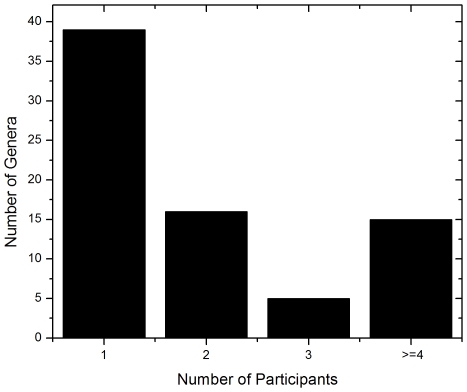
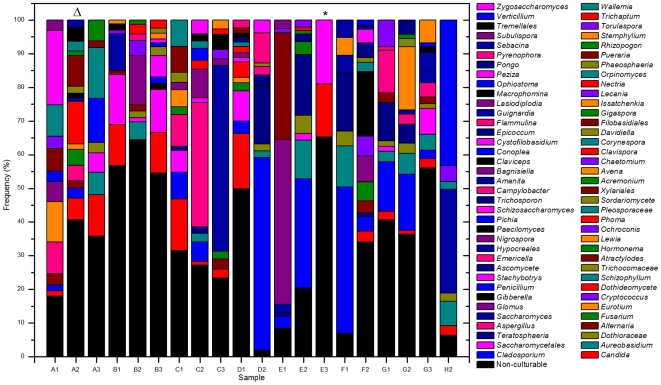
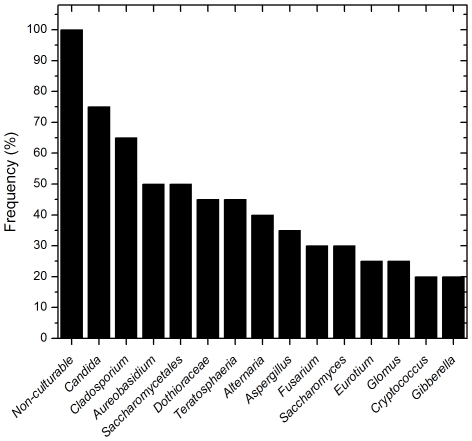
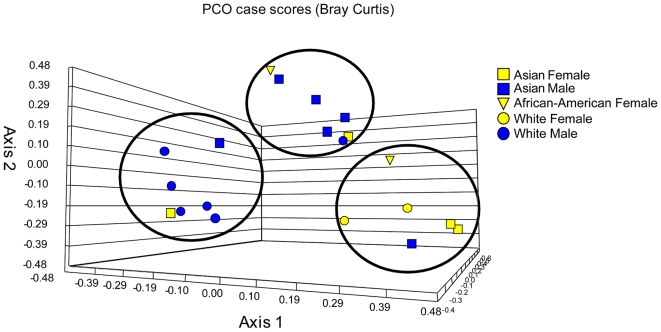
The oral microbiome-organisms residing in the oral cavity and their collective genome-are critical components of health and disease. The fungal component of the oral microbiota has not been characterized. In this study, we used a novel multitag pyrosequencing approach to characterize fungi present in the oral cavity of 20 healthy individuals, using the pan-fungal internal transcribed spacer (ITS) primers. Our results revealed the "basal" oral mycobiome profile of the enrolled individuals, and showed that across all the samples studied, the oral cavity contained 74 culturable and 11 non-culturable fungal genera. Among these genera, 39 were present in only one person, 16 genera were present in two participants, and 5 genera were present in three people, while 15 genera (including non-culturable organisms) were present in >/=4 (20%) participants. Candida species were the most frequent (isolated from 75% of participants), followed by Cladosporium (65%), Aureobasidium, Saccharomycetales (50% for both), Aspergillus (35%), Fusarium (30%), and Cryptococcus (20%). Four of these predominant genera are known to be pathogenic in humans. The low-abundance genera may represent environmental fungi present in the oral cavity and could simply be spores inhaled from the air or material ingested with food. Among the culturable genera, 61 were represented by one species each, while 13 genera comprised between 2 and 6 different species; the total number of species identified were 101. The number of species in the oral cavity of each individual ranged between 9 and 23. Principal component (PCO) analysis of the obtained data set followed by sample clustering and UniFrac analysis revealed that White males and Asian males clustered differently from each other, whereas both Asian and White females clustered together. This is the first study that identified the "basal mycobiome" of healthy individuals, and provides the basis for a detailed characterization of the oral mycobiome in health and disease.
Overview
The claims and statistics of this paper haven’t been checked yet.
Free: it reads the open-access text and checks the first 5 claims that cite a source we can check. Create a free account to check every claim.
Integrity signals
Registry
Cites
Statistics
Figures
Verification
Claims the paper makes
The claims and statistics of this paper haven’t been checked yet.
Free: it reads the open-access text and checks the first 5 claims that cite a source we can check. Create a free account to check every claim.
Claims other papers make about this one
Each is checked against this paper’s own text: does it say what the citing paper says it does?
The source backs part of the claim, not all of it — or backs it for a different population, condition or comparison.
In the citing paper
“Compared to bacteria, fungal constituents can be as low as 0.1% of the total microbiota and may show large diversity (Ghannoum et al., 2010; Qin et al., 2010).”
From Iron at the Centre of Candida albicans Interactions (2018) · cites this paper as Ghannoum et al., 2010
Experimental — accuracy not yet measuredIn the citing paper
“Periodontal disease severity is related to both modifiable (smoking, diet) and non-modifiable host risk factors (genetic susceptibility) as well as environmental factors [10,11,12].”
From A Cross-Talk between Diet and the Oral Microbiome: Balance of Nutrition on Inflammation and Immune System’s Response during Periodontitis (2022) · cites this paper as [11]
In the citing paper
“A recent study by Ghannoum et al. characterizing the mycobiome of the oral cavity of healthy individuals identified in this host milieu a complex and dynamic profile of fungal species, the number of which parallels that observed for bacteria [46].”
From Host Iron Withholding Demands Siderophore Utilization for Candida glabrata to Survive Macrophage Killing (2011) · cites this paper as [46]
In the citing paper
“Infections with C. albicans can range from superficial mucosal and dermatological infections to life-threatening infections of the bloodstream and vital organs.”
From Molecular and genetic basis of azole antifungal resistance in the opportunistic pathogenic fungus Candida albicans (2020) · cites this paper as [2]
Self-check
Percentages, sums and reported differences re-computed from the paper’s own numbers.
The self-check needs the paper’s full text.
Citations
Cites
Cd-hit: a fast program for clustering and comparing large sets of protein or nucleotide sequences
Li, W., & Godzik, A. (2006) · Bioinformatics · doi:10.1093/bioinformatics/btl158 · Cited by 11,410 · cited 1×
“. This test measures the probability that the designated classes are different based on the phylogenetic relatedness and the abundance of each cluster. We first clustered the MTPS reads using CD-HIT”
MethodPrincipal components analysis corrects for stratification in genome-wide association studies
Price, A. L., Patterson, N. J., Plenge, R. M., Weinblatt, M. E., Shadick, N. A., & Reich, D. (2006) · Nature Genetics · doi:10.1038/ng1847 · Cited by 10,248 · cited 1×
“Principal Coordinate (PCO) analysis has been recognized as a simple and straight-forward method to group or separate samples in a dataset, and has been used in disease-association studies [22,23].”
MethodUniFrac: a New Phylogenetic Method for Comparing Microbial Communities
Lozupone, C., & Knight, R. (2005) · Applied and Environmental Microbiology · doi:10.1128/aem.71.12.8228-8235.2005 · Cited by 8,227 · cited 1×
“To compare the phylogenetic distribution between the various gender and race classes and confirm the results of PCO analysis, we used UniFrac significance test [24,25].”
MethodA core gut microbiome in obese and lean twins
Turnbaugh, P. J., Hamady, M., Yatsunenko, T., Cantarel, B. L., Duncan, A., Ley, R. E., Sogin, M. L., Jones, W. J., Roe, B. A., Affourtit, J. P., et al. (2009) · Nature · doi:10.1038/nature07540 · Cited by 7,823 · cited 1×
“Several groups have subsequently employed various barcoding strategies to analyze multiple samples and this strategy is now well accepted [18–21].”
BackgroundDefining the normal bacterial flora of the oral cavity
Aas, J. A., Paster, B. J., Stokes, L. N., Olsen, I., & Dewhirst, F. E. (2005) · Journal of Clinical Microbiology · doi:10.1128/jcm.43.11.5721-5732.2005 · Cited by 3,092 · cited 2×
“Only two previous studies have investigated the profile of microbes present in the oral cavity of healthy individuals and both focused on the bacterial microbiome [32,33].”
BackgroundMethodBacterial Diversity in Human Subgingival Plaque
Paster, B. J., Boches, S. K., Galvin, J. L., Ericson, R. E., Lau, C. N., Levanos, V. A., Sahasrabudhe, A., & Dewhirst, F. E. (2001) · Journal of Bacteriology · doi:10.1128/jb.183.12.3770-3783.2001 · Cited by 2,011 · cited 1×
“[37,38], inability to grow these non-culturable organisms renders it difficult to gain insight into their role in health and disease.”
BackgroundUniFrac – An online tool for comparing microbial community diversity in a phylogenetic context
Lozupone, C., Hamady, M., & Knight, R. (2006) · BMC Bioinformatics · doi:10.1186/1471-2105-7-371 · Cited by 1,453 · cited 1×
“To compare the phylogenetic distribution between the various gender and race classes and confirm the results of PCO analysis, we used UniFrac significance test [24,25].”
MethodThe breadth of bacterial diversity in the human periodontal pocket and other oral sites
Paster, B. J., Olsen, I., Aas, J. A., & Dewhirst, F. E. (2006) · Periodontology 2000 · doi:10.1111/j.1600-0757.2006.00174.x · Cited by 861 · cited 1×
“[37,38], inability to grow these non-culturable organisms renders it difficult to gain insight into their role in health and disease.”
BackgroundOral microbial communities in sickness and in health
Jenkinson, H. F., & Lamont, R. J. (2005) · Trends in Microbiology · doi:10.1016/j.tim.2005.09.006 · Cited by 628 · cited 1×
“Organisms residing in the oral cavity and their collective genome–the oral microbiome–are critical components of health and disease. Disruption of the oral microbiome has been proposed to indicate, trigger, or influence the course of oral diseases, especially among immunocompromised patients (e.g. HIV-infected or canc…”
BackgroundA Genealogical Interpretation of Principal Components Analysis
McVean, G. (2009) · PLoS Genetics · doi:10.1371/journal.pgen.1000686 · Cited by 568 · cited 1×
“Principal Coordinate (PCO) analysis has been recognized as a simple and straight-forward method to group or separate samples in a dataset, and has been used in disease-association studies [22,23].”
Method
Cited by
Items 201–300 of 999
Li, Y., Wang, K., Zhang, B., Tu, Q., Yao, Y., Cui, B., Ren, B., He, J., Shen, X., Van Nostrand, J. D., et al. (2019) · International Journal of Oral Science · doi:10.1038/s41368-019-0045-2 · Cited by 87
Nagy, L. G., Petkovits, T., Kovács, G. M., Voigt, K., Vágvölgyi, C., & Papp, T. (2011) · New Phytologist · doi:10.1111/j.1469-8137.2011.03707.x · Cited by 87
“…illustrated by 10 different studies of fungal communities (Bue´e et al. , 2009; Jumpponen & Jones, 2009; O¨pik et al. , 2009; Amend et al. , 2010; Ghannoum et al. , 2010; Jumpponen et al. , 2010; Lumini et al. , 2010; Rousk et al. , 2010; Tedersoo et al. , 2010; Wallander et al. , 2010) and…”
Mining the oral mycobiome: Methods, components, and meaning
Diaz, P. I., Hong, B.-Y., Dupuy, A. K., & Strausbaugh, L. D. (2017) · Virulence · doi:10.1080/21505594.2016.1252015 · Cited by 87
“are Pichia guilliermondii (Candida/Meyerozyma guilliermondii) and Pichia jadinii (Cyberlindnera jadinii).(4,5,51) It is not clear that Pichia farinosa is part of the oral mycobiome.”
BackgroundResultInfluentialAssessment of Fungal Diversity in the Environment using Metagenomics:a Decade in Review
Cuadros-Orellana, S. (2013) · Fungal Genomics & Biology · doi:10.4172/2165-8056.1000110 · Cited by 107
“[129], using a novel multitag pyrosequencing approach.”
Patel, P. K., Erlandsen, J. E., Kirkpatrick, W. R., Berg, D. K., Westbrook, S. D., Louden, C., Cornell, J. E., Thompson, G. R., Vallor, A. C., Wickes, B. L., et al. (2012) · AIDS Research and Treatment · doi:10.1155/2012/262471 · Cited by 87
“Hindawi Publishing Corporation AIDS Research and Treatment Volume 2012, Article ID 262471, 5 pages doi:10.1155/2012/262471 Research Article”
BackgroundInfluentialMucosal Microbiome in Patients with Recurrent Aphthous Stomatitis
Hijazi, K., Lowe, T., Meharg, C., Berry, S. H., Foley, J., & Hold, G. L. (2014) · Journal of Dental Research · doi:10.1177/0022034514565458 · Cited by 86
“Future studies should also investigate the role of the oral mycobiome (Ghannoum et al. 2010) in etiopathogenesis of RAS.”
BackgroundChen, W., Wang, J., Meng, Z., Xu, R., Chen, J., Zhang, Y., & Hu, T. (2020) · New Phytologist · doi:10.1111/nph.16390 · Cited by 87
“The speciesenergy theory (Waide et al., 1999; Gillman & Wright, 2006) and theories invoking molecular evolution (Rohde, 1992) and various forms of interspecific competition in natural ecosystems (Abrams, 1988) have been proposed to explain how plant productivity regulates richness, while the…”
BackgroundIntegrated effects of residual plastic films on soil-rhizosphere microbe-plant ecosystem
Fu, F., Long, B., Huang, Q., Li, J., Zhou, W., & Yang, C. (2022) · Journal of Hazardous Materials · doi:10.1016/j.jhazmat.2022.130420 · Cited by 84
The Contribution of the Human Oral Microbiome to Oral Disease: A Review
Morrison, A. G., Sarkar, S., Umar, S., Lee, S. T. M., & Thomas, S. M. (2023) · Microorganisms · doi:10.3390/microorganisms11020318 · Cited by 101
The Microbiome and Psoriatic Arthritis
Eppinga, H., Konstantinov, S. R., Peppelenbosch, M. P., & Thio, H. B. (2014) · Current Rheumatology Reports · doi:10.1007/s11926-013-0407-2 · Cited by 92
Biodiversity of the human oral mycobiome in health and disease
Bandara, N., Panduwawala, C., & Samaranayake, L. P. (2018) · Oral Diseases · doi:10.1111/odi.12899 · Cited by 94
Candida albicansalters the bacterial microbiome of earlyin vitrooral biofilms
Janus, M. M., Crielaard, W., Volgenant, C. M. C., van der Veen, M. H., Brandt, B. W., & Krom, B. P. (2017) · Journal of Oral Microbiology · doi:10.1080/20002297.2016.1270613 · Cited by 99
“Candida is present in low abundance in the oral cavity of 50–70% of healthy individuals [3,4], and thus can be considered a commensal microorganism.”
Oral microbial influences on oral mucositis during radiotherapy treatment of head and neck cancer
Vesty, A., Gear, K., Biswas, K., Mackenzie, B. W., Taylor, M. W., & Douglas, R. G. (2019) · Supportive Care in Cancer · doi:10.1007/s00520-019-05084-6 · Cited by 92
“are found in the healthy oral mycobiota [20, 36], but likely act as opportunistic pathogens in hosts compromised by RT.”
BackgroundCurrent research on fungi in chronic wounds
Ge, Y., & Wang, Q. (2023) · Frontiers in Molecular Biosciences · doi:10.3389/fmolb.2022.1057766 · Cited by 103
Skin fungal community and its correlation with bacterial community of urban Chinese individuals
Leung, M. H. Y., Chan, K. C. K., & Lee, P. K. H. (2016) · Microbiome · doi:10.1186/s40168-016-0192-z · Cited by 86
“To date, only a handful of large-scale mycobiome studies of the human body, much fewer dedicated to the analyses of mycobiomes of non-western population groups [59], or mycobiomes’ roles within cross-domain microbial communities [7, 24, 60, 61], have been conducted.”
BackgroundBennett, R. J., & Turgeon, B. G. (2016) · Microbiology Spectrum · doi:10.1128/microbiolspec.funk-0005-2016 · Cited by 119
Bor, B., Cen, L., Agnello, M., Shi, W., & He, X. (2016) · Scientific Reports · doi:10.1038/srep27956 · Cited by 84
Todd, O. A., & Peters, B. M. (2019) · Journal of Fungi · doi:10.3390/jof5030081 · Cited by 82
“While a number of different bacterial species can be found in the mouth, Candida species are the dominant fungus of the oral mycobiome [6].”
BackgroundCritically Appraising the Significance of the Oral Mycobiome
Diaz, P. I., & Dongari-Bagtzoglou, A. (2021) · Journal of Dental Research · doi:10.1177/0022034520956975 · Cited by 81
“…c, Baraniya et al. 2020; d, Cui et al. 2015; e, de Jesus et al. 2020; f, Dupuy et al. 2014; g, El Jurdi et al. 2019; h, Fechney et al. 2019; i, Ghannoum et al. 2010; j, Hong et al. 2020; k, Ieda et al. 2014; l, Imabayashi et al. 2016; m, Li et al. 2019; n, Mukherjee et al. 2014; o, Mukherjee…”
Tapping into Plant–Microbiome Interactions through the Lens of Multi-Omics Techniques
Mishra, A. K., Sudalaimuthuasari, N., Hazzouri, K. M., Saeed, E. E., Shah, I., & Amiri, K. M. A. (2022) · Cells · doi:10.3390/cells11203254 · Cited by 82
“Studies leveraging next-generation sequencing (NGS) technologies for amplicon sequencing of the 16S rRNA gene, ITS/18s rRNA, have led to the field of metagenome analysis [71,72].”
Oral microbial habitat a dynamic entity
Ali, S. M. F., & Tanwir, F. (2012) · Journal of Oral Biology and Craniofacial Research · doi:10.1016/j.jobcr.2012.07.001 · Cited by 104
Al-Hebshi, N. N., Baraniya, D., Chen, T., Hill, J., Puri, S., Téllez, M., Hasan, N. A., Colwell, R. R., & Ismail, A. I. (2018) · Journal of Oral Microbiology · doi:10.1080/20002297.2018.1557986 · Cited by 92
“Although, a complex fungal community has been described in the oral cavity [60], fungal sequences were identified in only 2 of the 30 samples analyzed.”
BackgroundProfiling of Oral Bacterial Communities
Wade, W. G., & Prosdocimi, E. M. (2020) · Journal of Dental Research · doi:10.1177/0022034520914594 · Cited by 105
“Fungi and protozoa can be studied by using 18S rRNA genes, and internal spacer (ITS) regions are frequently used to identify fungi (Ghannoum et al. 2010).”
BackgroundMouthwash Effects on the Oral Microbiome: Are They Good, Bad, or Balanced?
Brookes, Z. L. S., Teoh, L., Cieplik, F., & Kumar, P. (2023) · International Dental Journal · doi:10.1016/j.identj.2023.08.010 · Cited by 119
Kramer, R., Sauer-Heilborn, A., Welte, T., Guzman, C. A., Abraham, W.-R., & Höfle, M. G. (2015) · Journal of Clinical Microbiology · doi:10.1128/jcm.01094-15 · Cited by 79
“Particularly, the oral cavity is known to harbor a mycobiome, and the genus Candida represents the most prevalent species of this microbiome (3).”
BackgroundRizzetto, L., Filippo, C. D., & Cavalieri, D. (2014) · European Journal of Immunology · doi:10.1002/eji.201344403 · Cited by 92
Detection, treatment and prevention of endodontic biofilm infections: what’s new in 2020?
Abusrewil, S., Alshanta, O. A., Albashaireh, K. Z., Alqahtani, S. S., Nile, C. J., Scott, J. A., & McLean, W. (2020) · Critical Reviews in Microbiology · doi:10.1080/1040841x.2020.1739622 · Cited by 83
“To date, it has been established that in the oral cavity there are approximately 700 prokaryotic species in health and disease (Gao et al. 2018), and 100 fungal species in healthy individuals (Ghannoum et al. 2010).”
BackgroundThe role of the microbiome in gastrointestinal inflammation
Sanders, D. J., Inniss, S., Sebepos‐Rogers, G., Rahman, F. Z., & Smith, A. M. (2021) · Bioscience Reports · doi:10.1042/bsr20203850 · Cited by 91
Mycobiome and Cancer: What Is the Evidence?
Vallianou, N. G., Kounatidis, D. C., Christodoulatos, G. S., Panagopoulos, F., Karampela, Ι., & Dalamaga, Μ. (2021) · Cancers · doi:10.3390/cancers13133149 · Cited by 82
“In particular, Candida, Aspergillus, Fusarium and Cryptococcus represent the leading genera, and are considered pathogenic fungi in humans [16].”
BackgroundCommensalism and pathogenesis of Candida albicans at the mucosal interface
Schille, T. B., Sprague, J. L., Naglik, J. R., Brunke, S., & Hube, B. (2025) · Nature Reviews Microbiology · doi:10.1038/s41579-025-01174-x · Cited by 88
“Although C. albicans is the dominant fungal species within the oral mycobiome 32,51–53 , it is only part of a complex microbiome which consists of more than 700 bacterial and 240 fungal species, as well as archaea, amoebae and flagellates 32,53–57 .”
Interindividual variability and intraindividual stability of oral fungal microbiota over time
Monteiro-da-Silva, F., Araujo, R., & Sampaio-Maia, B. (2014) · Medical Mycology · doi:10.1093/mmy/myu027 · Cited by 75
“When studies specifically focus on the isolation of oral yeast and/or moulds, generally one finds a much higher recovery of fungi when compared with surveys that look for bacteria [3,9].”
BackgroundInfluentialTardif, S., Yergeau, É., Tremblay, J., Legendre, P., Whyte, L. G., & Greer, C. W. (2016) · Frontiers in Microbiology · doi:10.3389/fmicb.2016.01363 · Cited by 89
Motooka, D., Fujimoto, K., Tanaka, R., Yaguchi, T., Gotoh, K., Maeda, Y., Furuta, Y., Kurakawa, T., Goto, N., Yasunaga, T., et al. (2017) · Frontiers in Microbiology · doi:10.3389/fmicb.2017.00238 · Cited by 79
“Moreover, analyses of the mycobiota in the oral cavity (Kleinegger et al., 1996; Ghannoum et al., 2010) and skin (Paulino et al., 2006, 2008; Zhang et al., 2011; Park et al., 2012; Findley et al., 2013) have demonstrated that mycobiota populations vary according to sites on the body (Cui et al.,…”
BackgroundThe Human Mucosal Mycobiome and Fungal Community Interactions
Witherden, E. A., Shoaie, S., Hall, R. A., & Moyes, D. L. (2017) · Journal of Fungi · doi:10.3390/jof3040056 · Cited by 79
“The concept of a “core healthy oral mycobiome” was introduced in 2010 by Ghannoum and colleagues when they characterized the oral mycobiome of 20 healthy adults [28].”
BackgroundInvestigation of bacterial and fungal diversity in tarag using high-throughput sequencing
Sun, Z., Liu, W., Bao, Q., Zhang, J., Hou, Q., Kwok, L. Y., Sun, T., & Zhang, H. (2014) · Journal of Dairy Science · doi:10.3168/jds.2014-8360 · Cited by 82
“The internal transcribed spacer (ITS) 1 region of fungi was selected and amplified using the forward primer ITS1F (5 -CTTGGTCATTTAGAGGAAGTAA-3 ) and the reverse primer ITS2 (5 -GCTGCGTTCTTCATCGATGC-3), to which another set of 6-nucleotide barcodes was added (Ghannoum et al., 2010).”
MethodBertini, A., Bernardis, F. D., Hensgens, L. A. M., Sandini, S., Senesi, S., & Tavanti, A. (2013) · International Journal of Medical Microbiology · doi:10.1016/j.ijmm.2012.12.006 · Cited by 73
Respiratory microbiome in mechanically ventilated patients: a narrative review
Fromentin, M., Ricard, J.-D., & Roux, D. (2021) · Intensive Care Medicine · doi:10.1007/s00134-020-06338-2 · Cited by 81
Mohamed, N., Litlekalsøy, J., Ahmed, I. A., Martinsen, E. M. H., Furriol, J., Javier-López, R., Elsheikh, M., Gaafar, N. M., Morgado, L. N., Mundra, S., et al. (2021) · Frontiers in Cellular and Infection Microbiology · doi:10.3389/fcimb.2021.673465 · Cited by 72
Autoreactive T Cells and Chronic Fungal Infection Drive Esophageal Carcinogenesis
Zhu, F., Willette‐Brown, J., Song, N., Lomada, D., Song, Y., Xue, L., Gray, Z., Zhao, Z., Davis, S. R., Sun, Z., et al. (2017) · Cell Host & Microbe · doi:10.1016/j.chom.2017.03.006 · Cited by 76
“Both Cladosporium and Penicillium are detected in human mouths (Ghannoum et al., 2010).”
BackgroundInfluence of DNA extraction on oral microbial profiles obtained via 16S rRNA gene sequencing
Abusleme, L., Hong, B., Dupuy, A. K., Strausbaugh, L. D., & Diaz, P. I. (2014) · Journal of Oral Microbiology · doi:10.3402/jom.v6.23990 · Cited by 80
“0 for 30 sec in the FastPrep-24 Instrument (MP Biomedicals) separated by 5 min on ice to keep samples cool (17), instead of a single homogenization step; (3) the addition of a second wash with Salt Ethanol Wash Solution (SEWS-M) to facilitate removal of lysing solutions, which we found to persist and form precipitates…”
MethodBiochar application enhances microbial interactions in mega-aggregates of farmland black soil
Zhang, H., Wang, S., Zhang, J., Tian, C., & Luo, S. (2021) · Soil and Tillage Research · doi:10.1016/j.still.2021.105145 · Cited by 76
ghost-tree: creating hybrid-gene phylogenetic trees for diversity analyses
Fouquier, J., Rideout, J. R., Bolyen, E. K., Chase, J., Shiffer, A., McDonald, D. T., Knight, R. D., Caporaso, J. G., & Kelley, S. T. (2016) · Microbiome · doi:10.1186/s40168-016-0153-6 · Cited by 79
“samples [15] and one containing 16 public restroom floor samples [16].”
BackgroundPozhitkov, A. E., Leroux, B. G., Randolph, T. W., Beikler, T., Flemmig, T. F., & Noble, P. A. (2015) · BMC Oral Health · doi:10.1186/s12903-015-0109-4 · Cited by 71
“Protozoans and fungi consume food debris and other microbes [3, 4] and archaea utilize fermentation byproducts to produce methane [5].”
BackgroundBeatty, M., Guduric‐Fuchs, J., Brown, E., Bridgett, S., Chakravarthy, U., Hogg, R. E., & Simpson, D. A. C. (2014) · BMC Genomics · doi:10.1186/1471-2164-15-933 · Cited by 74
“The respiratory tract is another potential source and indeed Fusarium is one of the four most common pathogenic fungi detected, along with Candida, Aspergillus and Cryptococcus [49].”
Chen, Y., Sun, R., Sun, T., Chen, P., Yu, Z., Ding, L., Jiang, Y., Wang, X., Dai, C., & Sun, B. (2020) · Soil Biology and Biochemistry · doi:10.1016/j.soilbio.2020.107900 · Cited by 81
The Fungal Microbiome and Asthma
Bernardes, E. V. T., Gutierrez, M. W., & Arrieta, M. (2020) · Frontiers in Cellular and Infection Microbiology · doi:10.3389/fcimb.2020.583418 · Cited by 78
Xu, H., Sobue, T., Bertolini, M., Thompson, A., Vickerman, M., Nobile, C. J., & Dongari-Bagtzoglou, A. (2017) · Virulence · doi:10.1080/21505594.2017.1326438 · Cited by 70
Kolwijck, E., & van de Veerdonk, F. L. (2014) · European Journal of Immunology · doi:10.1002/eji.201344404 · Cited by 69
Denture-associated biofilm infection in three-dimensional oral mucosal tissue models
Morse, D. J., Wilson, M. J., Wei, X., Lewis, M. A. O., Bradshaw, D. J., Murdoch, C., & Williams, D. W. (2018) · Journal of Medical Microbiology · doi:10.1099/jmm.0.000677 · Cited by 79
“It is well documented that the oral cavity (with numerous different surfaces such as the surface of teeth, gingival tissue and mucosa) can support the growth of up to 1000 different species of micro-organisms, including bacteria [15–17] and fungi [18].”
BackgroundStriking a balance: fungal commensalism versus pathogenesis
Iliev, I. D., & Underhill, D. M. (2013) · Current Opinion in Microbiology · doi:10.1016/j.mib.2013.05.004 · Cited by 69
“cerevisiae DNA can be detected in oral and intestinal mucosa of healthy individuals [56,65,66].”
BackgroundAnalysis of the salivary microbiome using culture-independent techniques
Lazarević, V., Whiteson, K., Gaïa, N., Gizard, Y., Hernández, D., Farinelli, L., Østerås, M., François, P., & Schrenzel, J. (2012) · Journal of Clinical Bioinformatics · doi:10.1186/2043-9113-2-4 · Cited by 70
“So far, sequences of only six fungal genera (Zygosaccharomyces, Penicillium, Gibberella, Saccharomyces, Aspergillus, Candida), present in the oral cavity of healthy individuals [26], are available in public databases.”
Effect of probiotics on oral candidiasis: a systematic review and meta-analysis
Mundula, T., Ricci, F., Barbetta, B., Baccini, M., & Amedei, A. (2019) · Nutrients · doi:10.3390/nu11102449 · Cited by 68
“OC is predominantly caused by Candida albicans and by other species like Candida parapsilosis, Candida metapsilosis, Candida tropicalis, Candida khmerensis [5], Candida glabrata [6], and Candida dubliniensis [7].”
BackgroundSelection of Appropriate Metagenome Taxonomic Classifiers for Ancient Microbiome Research
Velsko, I. M., Frantz, L. A. F., Herbig, A., Larson, G., & Warinner, C. (2018) · mSystems · doi:10.1128/msystems.00080-18 · Cited by 68
“During life, these dense microbial communities contain hundreds of species, 73 predominantly composed of bacteria (4), but also including archaea (4), viruses (5), fungi (6), and 74 protists (7).”
BackgroundO’Brien, C. E., Oliveira-Pacheco, J., Ó Cinnéide, E., Haase, M. A. B., Hittinger, C. T., Rogers, T. R., Zaragoza, O., Bond, U., & Butler, G. (2021) · PLOS Pathogens · doi:10.1371/journal.ppat.1009138 · Cited by 67
“tropicalis is also a component of the human oral and gastrointestinal mycobiome [57,58] and has been isolated from human skin [59] and the Fig 4.”
BackgroundResident commensals shaping immunity
Erturk-Hasdemir, D., & Kasper, D. L. (2013) · Current Opinion in Immunology · doi:10.1016/j.coi.2013.06.001 · Cited by 67
Natural products as mediators of disease
Garg, N., Luzzatto‐Knaan, T., Melnik, A. V., Caraballo‐Rodríguez, A. M., Floros, D. J., Petras, D., Gregor, R., Dorrestein, P. C., & Phelan, V. V. (2017) · Natural Product Reports · doi:10.1039/c6np00063k · Cited by 76
Bifari, F., Ruocco, C., Decimo, I., Fumagalli, G. F., Valerio, A., & Nisoli, E. (2017) · Genes & Nutrition · doi:10.1186/s12263-017-0582-2 · Cited by 73
Human defects in STAT3 promote oral mucosal fungal and bacterial dysbiosis
Abusleme, L., Diaz, P. I., Freeman, A. F., Greenwell‐Wild, T., Brenchley, L., Desai, J. V., Ng, W.-I., Holland, S. M., Lionakis, M. S., Segre, J. A., et al. (2018) · JCI Insight · doi:10.1172/jci.insight.122061 · Cited by 69
Oral Bacterial and Fungal Microbiome Impacts Colorectal Carcinogenesis
Klimesova, K., Jiraskova Zakostelska, Z., & Tlaskalova-Hogenova, H. (2018) · Frontiers in Microbiology · doi:10.3389/fmicb.2018.00774 · Cited by 67
“Ghannoum et al. (2010) reported that healthy oral mycobiota contained 74 culturable and 11 non-culturable fungal genera.”
BackgroundSupragingival mycobiome and inter-kingdom interactions in dental caries
Baraniya, D., Chen, T., Nahar, A. S., Alakwaa, F., Hill, J., Téllez, M., Ismail, A. I., Puri, S., & Al-Hebshi, N. N. (2020) · Journal of Oral Microbiology · doi:10.1080/20002297.2020.1729305 · Cited by 78
“sequencing technologies have revealed presence of a complex fungal community in the oral cavity with several core taxa [6], some of which, such as Malassezia, can outnumber Candida [7].”
BackgroundSaftien, A., Puschhof, J., & Elinav, E. (2023) · Gut · doi:10.1136/gutjnl-2022-327952 · Cited by 70
Tipping the balance both ways: drug resistance and virulence in Candida glabrata
Vale-Silva, L. A., & Sanglard, D. (2015) · FEMS Yeast Research · doi:10.1093/femsyr/fov025 · Cited by 67
“In the general human population, percentages of colonization are estimated to be anywhere between 20 and 50%, sometimes even higher (Ghannoum et al. 2010).”
Contaldo, M., Fusco, A., Stiuso, P., Lama, S., Gravina, A. G., Itro, A., Federico, A., Itro, A., Dipalma, G., Inchingolo, F., et al. (2021) · Microorganisms · doi:10.3390/microorganisms9051064 · Cited by 89
“[24] carried out culture-independent studies on 20 healthy hosts and reported 85 fungal genera.”
BackgroundZhou, Y., Liao, M., Zhu, C., Hu, Y., Tong, T., Peng, X., Li, M., Feng, M., Cheng, L., Ren, B., et al. (2018) · International Journal of Oral Science · doi:10.1038/s41368-018-0013-2 · Cited by 64
“albicans) is the most pronounced conditional fungal pathogen colonized in oral cavity.(5) The filamentous growth of C.”
BackgroundThe Role of Host and Fungal Factors in the Commensal-to-Pathogen Transition of Candida albicans
Jacobsen, I. D. (2023) · Current Clinical Microbiology Reports · doi:10.1007/s40588-023-00190-w · Cited by 79
Zhang, E., Sugita, T., Tsuboi, R., Yamazaki, T., & Makimura, K. (2011) · Microbiology and Immunology · doi:10.1111/j.1348-0421.2011.00341.x · Cited by 65
“Recently, the fungal component of oral microbiota was analyzed using the multiTaq 454 pyrosequencing technique (29).”
MethodFungal biofilm inhibitors from a human oral microbiome-derived bacterium
Wang, X., Du, L., You, J., King, J. B., & Cichewicz, R. H. (2011) · Organic & Biomolecular Chemistry · doi:10.1039/c2ob06856g · Cited by 69
White, J. R., Maddox, C., White, O. R., Angiuoli, S. V., & Fricke, W. F. (2013) · Microbiome · doi:10.1186/2049-2618-1-6 · Cited by 70
“These primers were selected for their sensitivity in detection of homologous sequences present in a broad range of fungal species, including those from Candida and Aspergillus clades [14,16,29,30].”
BackgroundExtracellular Vesicles in Fungi: Composition and Functions
Martins, S. D. T., Szwarc, P., Goldenberg, S., & Alves, L. R. (2018) · Current topics in microbiology and immunology · doi:10.1007/82_2018_141 · Cited by 74
Microbial species and biodiversity in settling dust within and between pig farms
White, J. K., Nielsen, J. L., & Madsen, A. M. (2019) · Environmental Research · doi:10.1016/j.envres.2019.01.008 · Cited by 68
Human Gut Microbiota in Health and Selected Cancers
Sędzikowska, A., & Szablewski, L. (2021) · International Journal of Molecular Sciences · doi:10.3390/ijms222413440 · Cited by 78
“Species of Aspergillus, Penicillium, and Candida have been identified in the lungs of healthy humans [11,12,16], and Candida albicans, C.”
BackgroundNoval Rivas, M., Crother, T. R., & Arditi, M. (2016) · Current Opinion in Pediatrics · doi:10.1097/mop.0000000000000419 · Cited by 64
“Currently, up to 75 different fungal genera have been described and are present at different body sites such as the oral cavity [32], intestine [33], skin [34], and lungs [35].”
BackgroundJiang, P., Wang, Y., Zhang, Y., Fei, J., Rong, X., Peng, J., Yin, L., Zhou, X., & Luo, G. (2024) · Geoderma · doi:10.1016/j.geoderma.2024.116786 · Cited by 67
Candida albicansandEnterococcus faecalisin the gut: Synergy in commensalism?
Garsin, D. A., & Lorenz, M. C. (2013) · Gut Microbes · doi:10.4161/gmic.26040 · Cited by 63
Candida,Cryptococcus, and Other Yeasts of Medical Importance
Howell, S. A., Hazen, K. C., & Brandt, M. E. (2015) · Manual of Clinical Microbiology · doi:10.1128/9781555817381.ch117 · Cited by 62
Krause, R., Halwachs, B., Thallinger, G., Klymiuk, I., Gorkiewicz, G., Hoenigl, M., Prattes, J., Valentin, T., Heidrich, K., Buzina, W., et al. (2016) · PLoS ONE · doi:10.1371/journal.pone.0155033 · Cited by 67
“For internal transcribed spacer (ITS) amplification FLX Titanium Fusion primers with the target specific forward ITS1F 5’-CTTGGTCATTTAGAGGAAGTAA-3’ and reverse ITS2R 5’-GCTGCGTTCTTCATCGATGC-3’ sequences were used [32].”
Jiang, Q., Stamatova, I., Kainulainen, V., Korpela, R., & Meurman, J. H. (2016) · BMC Microbiology · doi:10.1186/s12866-016-0759-7 · Cited by 74
“albicans was revealed as a basal oral mycobiome member in healthy individuals by multitag 454 pyrosequencing [45], but most studies relate it to diseases, such as oral candidiasis and vaginal yeast infections [46, 47].”
BackgroundCooperative growth in microbial communities is a driver of multistability
Lopes, W., Amor, D. R., & Gore, J. (2024) · Nature Communications · doi:10.1038/s41467-024-48521-9 · Cited by 71
Oral Microbiome and Subsequent Risk of Head and Neck Squamous Cell Cancer
Kwak, S., Wang, C., Usyk, M., Wu, F. C., Freedman, N. D., Huang, W., McCullough, M. L., Um, C. Y., Shrubsole, M. J., Cai, Q., et al. (2024) · JAMA Oncology · doi:10.1001/jamaoncol.2024.4006 · Cited by 73
Hypoxia and Temperature Regulated Morphogenesis in Candida albicans
Desai, P. R., van Wijlick, L., Kurtz, D., Juchimiuk, M., & Ernst, J. F. (2015) · PLOS Genetics · doi:10.1371/journal.pgen.1005447 · Cited by 61
The changing face of asthma and its relation with microbes
Earl, C., An, S., & Ryan, R. P. (2015) · Trends in Microbiology · doi:10.1016/j.tim.2015.03.005 · Cited by 67
Sony Jacob, K., Ganguly, S., Kumar, P., Poddar, R., & Kumar, A. (2017) · Journal of Biomolecular Structure and Dynamics · doi:10.1080/07391102.2016.1185380 · Cited by 59
“Candida albicans are present in gastrointestinal flora and rarely cause infections in healthy individuals (Ghannoum et al., 2010).”
BackgroundThe Oral Microbiota in Health and Disease: An Overview of Molecular Findings
Siqueira, J. F., Jr., & Rôças, I. N. (2016) · Methods in molecular biology · doi:10.1007/978-1-4939-6685-1_7 · Cited by 66
The Relationship of Candida albicans with the Oral Bacterial Microbiome in Health and Disease
Bertolini, M., & Dongari‐Bagtzoglou, A. I. (2019) · Advances in experimental medicine and biology · doi:10.1007/978-3-030-28524-1_6 · Cited by 75
O’Connell, L. M., Santos, R., Springer, G. H., Burne, R. A., Nascimento, M. M., & Richards, V. P. (2020) · Applied and Environmental Microbiology · doi:10.1128/aem.02825-19 · Cited by 75
“The forward primer used was ITS1F (CTTGGTCATT TAGAGGAAGTAA), and the reverse primer used was ITS2 (GCTGCGTTCTTCATCGATGC) (10).”
BackgroundMethodResultInfluentialStehlíková, Z., Tláskal, V., Galanová, N., Roubalová, R., Kreisinger, J., Dvořák, J., Procházková, P., Kostovcikova, K., Bártová, J., Libanska, M., et al. (2019) · Microorganisms · doi:10.3390/microorganisms7120636 · Cited by 70
“The second most abundant species in the Active RAS cohort was Candida albicans, often described either as a commensal or opportunistic pathogen in the oral cavity [34,41].”
BackgroundLemberg, C., Vicente, K. M. D. S., Fróis-Martins, R., Altmeier, S., Tran, V. D. T., Mertens, S., Amorim-Vaz, S., Rai, L. S., d’Enfert, C., Pagni, M., et al. (2022) · PLoS Pathogens · doi:10.1371/journal.ppat.1010012 · Cited by 73
“albicans colonization of the oral mucosa, an important niche of the fungus [17] and a frequent site of C.”
BackgroundRepurposing antifungal drugs for cancer therapy
Weng, N., Zhang, Z., Tan, Y., Zhang, X., Wei, X., & Zhu, Q. (2023) · Journal of Advanced Research · doi:10.1016/j.jare.2022.08.018 · Cited by 60
“Candida is the most common and opportunistic fungus residing in humans [183,184].”
BackgroundOral lichen planus: a microbiologist point of view
Villa, T. G., Sánchez-Pérez, Á., & Sieiro, C. (2021) · International Microbiology · doi:10.1007/s10123-021-00168-y · Cited by 75
Tissue-resident memory Th17 cells maintain stable fungal commensalism in the oral mucosa
Kirchner, F. R., & LeibundGut-Landmann, S. (2021) · Mucosal Immunology · doi:10.1038/s41385-020-0327-1 · Cited by 59
Qi, Y., Wu, H., Yang, Z., Zhou, Y., Jin, L., Yang, M., & Wang, F. (2021) · Digestive Diseases and Sciences · doi:10.1007/s10620-021-06837-2 · Cited by 72
“examined the profile of the oral fungal microbiota among 20 healthy individuals and reported that > 75 genera of fungi harbored in the healthy oral cavity, among which the most abundant was Candida, followed by Cladosporium, Aureobasidium, and Aspergillus [45].”
BackgroundShelburne, S. A., Ajami, N. J., Chibucos, M. C., Beird, H. C., Tarrand, J. J., Galloway-Peña, J., Albert, N. D., Chemaly, R. F., Ghantoji, S. S., Marsh, L., et al. (2015) · PLoS ONE · doi:10.1371/journal.pone.0139851 · Cited by 61
“Consistent with a previous report [51], several genera of potentially pathogenic fungi were detected in the oral samples including Aspergillus and Fusarium (Fig 6A).”
ResultWijayawardene, N. N., Bahram, M., Sánchez‐Castro, I., Dai, D.-Q., Ariyawansa, K. G. S. U., Jayalal, U., Suwannarach, N., & Tedersoo, L. (2021) · Journal of Fungi · doi:10.3390/jof7090703 · Cited by 66
Costa, R. C., Bertolini, M., Oliveira, B. E. C., NAGAY, B. E., Dini, C., Benso, B., Klein, M. I., Barão, V. A. R., & Souza, J. G. S. (2022) · Critical Reviews in Microbiology · doi:10.1080/1040841x.2022.2062219 · Cited by 72
“C. albicans is the most frequent oral fungal opportunistic pathogen that forms biofilms on implanted materials and can cause disseminated infection (Ghannoum et al. 2010; Bertolini et al. 2021).”
BackgroundLi, J., Hu, W., Huang, X., & Xu, Y. (2018) · Food Research International · doi:10.1016/j.foodres.2018.06.011 · Cited by 59
Interspecies pheromone signaling promotes biofilm formation and same-sex mating in Candida albicans
Alby, K., & Bennett, R. J. (2011) · Proceedings of the National Academy of Sciences · doi:10.1073/pnas.1017234108 · Cited by 57
Prevalence and nature of fungi in root canal infections: a systematic review and meta‐analysis
Persoon, I. F., Crielaard, W., & Özok, A. R. (2017) · International Endodontic Journal · doi:10.1111/iej.12730 · Cited by 67
“This is similar to studies into general fungal disease (Brown et al. 2012) and local presence within the oral cavity (Ghannoum et al. 2010, Munguia-Pérez et al. 2012, Dupuy et al. 2014, Monteiro-daSilva et al. 2014, Mukherjee et al. 2014).”
BackgroundResultInfluentialShaping the oral mycobiota: interactions of opportunistic fungi with oral bacteria and the host
Xu, H., & Dongari-Bagtzoglou, A. (2015) · Current Opinion in Microbiology · doi:10.1016/j.mib.2015.06.002 · Cited by 56
“The diversity of the oral mycobiota was exemplified by the discovery of 85 fungal genera, including 74 culturable and 11 non-culturable [14].”
BackgroundMethodInfluentialFungal mitochondrial oxygen consumption induces the growth of strict anaerobic bacteria
Lambooij, J. M., Hoogenkamp, M. A., Brandt, B. W., Janus, M. M., & Krom, B. P. (2017) · Fungal Genetics and Biology · doi:10.1016/j.fgb.2017.10.001 · Cited by 56
Metabolic Signaling and Spatial Interactions in the Oral Polymicrobial Community
Miller, D. P., Fitzsimonds, Z. R., & Lamont, R. J. (2019) · Journal of Dental Research · doi:10.1177/0022034519866440 · Cited by 68
“More than 100 fungal species have been characterized in the healthy oral cavity (Ghannoum et al. 2010), with several species of Candida the most abundant, followed by Aspergillus, Cryptococcus, Cladosporium, Auresobasidium, and Fusarium, although there is a high degree of variability in taxa among…”
Background
Metadata
- Authors
- Ghannoum, M. A., Jurevic, R. J., Mukherjee, P. K., Cui, F., Sikaroodi, M., Naqvi, A., & Gillevet, P. M.
- Affiliations
- University Hospitals Cleveland Medical Center (US)
- Case Western Reserve University (US)
- George Mason University (US)
- Corresponding author
- Ghannoum, Mahmoud A.
- Venue
- PLoS Pathogens
- Publisher
- Public Library of Science (PLoS)
- Published
- 2010-01-08
- Volume
- 6
- Issue
- 1
- Pages
- e1000713
- ISSN
- 1553-7366 (ISSN-L)
- 1553-7374
- PMC
- PMC2795202
- OpenAlex
- W2077088073
- Cited by
- 1,150
- References
- 40
- Citations by year
- 2026: 67 · 2025: 79 · 2024: 90 · 2023: 90 · 2022: 92 · 2021: 92 · 2020: 93 · 2019: 81 · 2018: 74 · 2017: 73 · 2016: 63 · 2015: 64 · 2014: 64 · 2013: 53 · 2012: 35
- FWCI
- 26.55
- Type
- journal article
- Language
- en
- Open access
- gold
- doi.org
- Locations
- PLoS Pathogens (publishedVersion, cc-by)
- PubMed Central (publishedVersion, cc-by)
- PubMed (publishedVersion)
- DOAJ (DOAJ: Directory of Open Access Journals) (submittedVersion, cc-by-sa)
- Figshare (submittedVersion, cc-by)
- Funders
- Bristol-Myers Squibb
- National Institutes of Health
- National Institute of Allergy and Infectious Diseases (R21AI074077)
- National Institute of Dental and Craniofacial Research (R01DE017486, K23DE016110, P01DE019759)
- Topics
- Health Sciences › Medicine › Infectious Diseases › Antifungal resistance and susceptibility
- Health Sciences › Dentistry › Periodontics › Oral microbiology and periodontitis research
- Life Sciences › Agricultural and Biological Sciences › Plant Science › Plant Pathogens and Fungal Diseases
- Keywords
- oral mycobiome, oral fungi, fungal diversity, Candida, Cladosporium, Aureobasidium, Aspergillus, Fusarium, Cryptococcus, ITS sequencing, healthy individuals, environmental fungi
- MeSH terms
- Adult, Asian, DNA, Fungal, Female, Fungi, Humans, Male, Middle Aged, Mouth, Sex Factors, Polymerase Chain Reaction, White People, Racial Groups, Metagenome, Young Adult
About these checks
Registry, retraction, Cites and statistics results are computed, not judged, with one exception: a printed reference that no index lists is read once by a model before it counts as a citation error. Claims are extracted by a model and kept only when their quote appears verbatim in the text; each cited source is then checked, with a model’s help, for whether it says what the claim relies on. Those verdicts can be wrong — read the claim’s quote and the cited source before relying on one.
Statistics and arithmetic are recomputed, not judged.
Confidence bands are shown only for fields calibrated on our annotated test set. None is calibrated yet, so no band is shown.
What counts as a claim ›How we measure confidence ›How we check this ›
Are you an author, or do you see a problem with this page? Request a review
Data sources
Bibliographic data: Semantic Scholar, OpenAlex, Crossref.
Contains information from the Semantic Scholar Academic Graph Datasets, made available under the ODC Attribution License (ODC-BY 1.0).
Semantic Scholar’s data is described in: Kinney, R., et al. (2023). The Semantic Scholar Open Data Platform. arXiv:2301.10140.
