

Characterization of the Oral Fungal Microbiome (Mycobiome) in Healthy Individuals
Open accessThe DOI matches its Crossref record; 39 of the 40 references it cites were found in a registry or an index.
Abstract
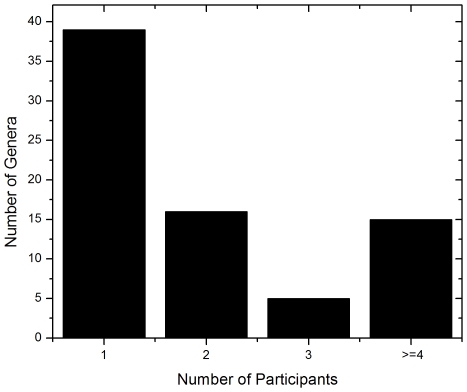
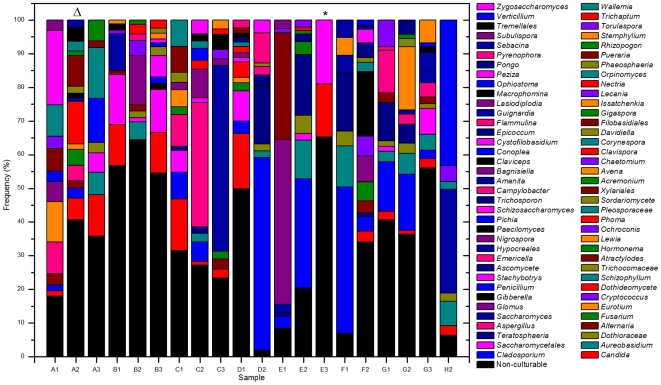
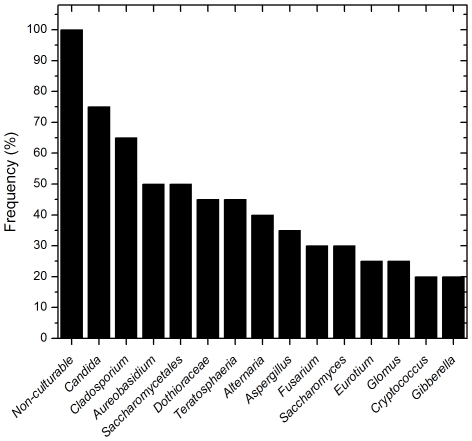
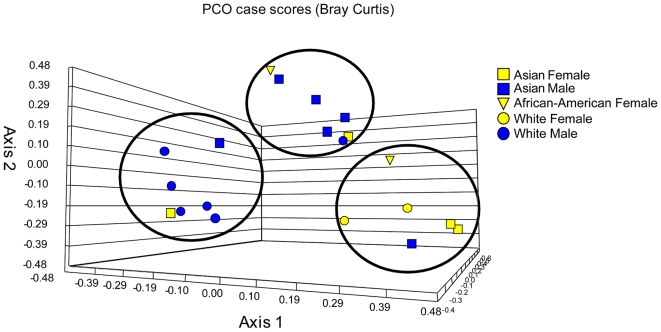
The oral microbiome-organisms residing in the oral cavity and their collective genome-are critical components of health and disease. The fungal component of the oral microbiota has not been characterized. In this study, we used a novel multitag pyrosequencing approach to characterize fungi present in the oral cavity of 20 healthy individuals, using the pan-fungal internal transcribed spacer (ITS) primers. Our results revealed the "basal" oral mycobiome profile of the enrolled individuals, and showed that across all the samples studied, the oral cavity contained 74 culturable and 11 non-culturable fungal genera. Among these genera, 39 were present in only one person, 16 genera were present in two participants, and 5 genera were present in three people, while 15 genera (including non-culturable organisms) were present in >/=4 (20%) participants. Candida species were the most frequent (isolated from 75% of participants), followed by Cladosporium (65%), Aureobasidium, Saccharomycetales (50% for both), Aspergillus (35%), Fusarium (30%), and Cryptococcus (20%). Four of these predominant genera are known to be pathogenic in humans. The low-abundance genera may represent environmental fungi present in the oral cavity and could simply be spores inhaled from the air or material ingested with food. Among the culturable genera, 61 were represented by one species each, while 13 genera comprised between 2 and 6 different species; the total number of species identified were 101. The number of species in the oral cavity of each individual ranged between 9 and 23. Principal component (PCO) analysis of the obtained data set followed by sample clustering and UniFrac analysis revealed that White males and Asian males clustered differently from each other, whereas both Asian and White females clustered together. This is the first study that identified the "basal mycobiome" of healthy individuals, and provides the basis for a detailed characterization of the oral mycobiome in health and disease.
Overview
The claims and statistics of this paper haven’t been checked yet.
Free: it reads the open-access text and checks the first 5 claims that cite a source we can check. Create a free account to check every claim.
Integrity signals
Registry
Cites
Statistics
Figures
Verification
Claims the paper makes
The claims and statistics of this paper haven’t been checked yet.
Free: it reads the open-access text and checks the first 5 claims that cite a source we can check. Create a free account to check every claim.
Claims other papers make about this one
Each is checked against this paper’s own text: does it say what the citing paper says it does?
The source backs part of the claim, not all of it — or backs it for a different population, condition or comparison.
In the citing paper
“Compared to bacteria, fungal constituents can be as low as 0.1% of the total microbiota and may show large diversity (Ghannoum et al., 2010; Qin et al., 2010).”
From Iron at the Centre of Candida albicans Interactions (2018) · cites this paper as Ghannoum et al., 2010
Experimental — accuracy not yet measuredIn the citing paper
“Periodontal disease severity is related to both modifiable (smoking, diet) and non-modifiable host risk factors (genetic susceptibility) as well as environmental factors [10,11,12].”
From A Cross-Talk between Diet and the Oral Microbiome: Balance of Nutrition on Inflammation and Immune System’s Response during Periodontitis (2022) · cites this paper as [11]
In the citing paper
“A recent study by Ghannoum et al. characterizing the mycobiome of the oral cavity of healthy individuals identified in this host milieu a complex and dynamic profile of fungal species, the number of which parallels that observed for bacteria [46].”
From Host Iron Withholding Demands Siderophore Utilization for Candida glabrata to Survive Macrophage Killing (2011) · cites this paper as [46]
In the citing paper
“Infections with C. albicans can range from superficial mucosal and dermatological infections to life-threatening infections of the bloodstream and vital organs.”
From Molecular and genetic basis of azole antifungal resistance in the opportunistic pathogenic fungus Candida albicans (2020) · cites this paper as [2]
Self-check
Percentages, sums and reported differences re-computed from the paper’s own numbers.
The self-check needs the paper’s full text.
Citations
Cites
Cd-hit: a fast program for clustering and comparing large sets of protein or nucleotide sequences
Li, W., & Godzik, A. (2006) · Bioinformatics · doi:10.1093/bioinformatics/btl158 · Cited by 11,410 · cited 1×
“. This test measures the probability that the designated classes are different based on the phylogenetic relatedness and the abundance of each cluster. We first clustered the MTPS reads using CD-HIT”
MethodPrincipal components analysis corrects for stratification in genome-wide association studies
Price, A. L., Patterson, N. J., Plenge, R. M., Weinblatt, M. E., Shadick, N. A., & Reich, D. (2006) · Nature Genetics · doi:10.1038/ng1847 · Cited by 10,248 · cited 1×
“Principal Coordinate (PCO) analysis has been recognized as a simple and straight-forward method to group or separate samples in a dataset, and has been used in disease-association studies [22,23].”
MethodUniFrac: a New Phylogenetic Method for Comparing Microbial Communities
Lozupone, C., & Knight, R. (2005) · Applied and Environmental Microbiology · doi:10.1128/aem.71.12.8228-8235.2005 · Cited by 8,227 · cited 1×
“To compare the phylogenetic distribution between the various gender and race classes and confirm the results of PCO analysis, we used UniFrac significance test [24,25].”
MethodA core gut microbiome in obese and lean twins
Turnbaugh, P. J., Hamady, M., Yatsunenko, T., Cantarel, B. L., Duncan, A., Ley, R. E., Sogin, M. L., Jones, W. J., Roe, B. A., Affourtit, J. P., et al. (2009) · Nature · doi:10.1038/nature07540 · Cited by 7,823 · cited 1×
“Several groups have subsequently employed various barcoding strategies to analyze multiple samples and this strategy is now well accepted [18–21].”
BackgroundDefining the normal bacterial flora of the oral cavity
Aas, J. A., Paster, B. J., Stokes, L. N., Olsen, I., & Dewhirst, F. E. (2005) · Journal of Clinical Microbiology · doi:10.1128/jcm.43.11.5721-5732.2005 · Cited by 3,092 · cited 2×
“Only two previous studies have investigated the profile of microbes present in the oral cavity of healthy individuals and both focused on the bacterial microbiome [32,33].”
BackgroundMethodBacterial Diversity in Human Subgingival Plaque
Paster, B. J., Boches, S. K., Galvin, J. L., Ericson, R. E., Lau, C. N., Levanos, V. A., Sahasrabudhe, A., & Dewhirst, F. E. (2001) · Journal of Bacteriology · doi:10.1128/jb.183.12.3770-3783.2001 · Cited by 2,011 · cited 1×
“[37,38], inability to grow these non-culturable organisms renders it difficult to gain insight into their role in health and disease.”
BackgroundUniFrac – An online tool for comparing microbial community diversity in a phylogenetic context
Lozupone, C., Hamady, M., & Knight, R. (2006) · BMC Bioinformatics · doi:10.1186/1471-2105-7-371 · Cited by 1,453 · cited 1×
“To compare the phylogenetic distribution between the various gender and race classes and confirm the results of PCO analysis, we used UniFrac significance test [24,25].”
MethodThe breadth of bacterial diversity in the human periodontal pocket and other oral sites
Paster, B. J., Olsen, I., Aas, J. A., & Dewhirst, F. E. (2006) · Periodontology 2000 · doi:10.1111/j.1600-0757.2006.00174.x · Cited by 861 · cited 1×
“[37,38], inability to grow these non-culturable organisms renders it difficult to gain insight into their role in health and disease.”
BackgroundOral microbial communities in sickness and in health
Jenkinson, H. F., & Lamont, R. J. (2005) · Trends in Microbiology · doi:10.1016/j.tim.2005.09.006 · Cited by 628 · cited 1×
“Organisms residing in the oral cavity and their collective genome–the oral microbiome–are critical components of health and disease. Disruption of the oral microbiome has been proposed to indicate, trigger, or influence the course of oral diseases, especially among immunocompromised patients (e.g. HIV-infected or canc…”
BackgroundA Genealogical Interpretation of Principal Components Analysis
McVean, G. (2009) · PLoS Genetics · doi:10.1371/journal.pgen.1000686 · Cited by 568 · cited 1×
“Principal Coordinate (PCO) analysis has been recognized as a simple and straight-forward method to group or separate samples in a dataset, and has been used in disease-association studies [22,23].”
Method
Cited by
Items 601–700 of 999
Prevalent Drug Resistance Among Oral Yeasts from Asymptomatic Patients in Hainan, China
Wu, J., Guo, H., Yi, G., Zhou, L., He, X., Huang, X., Wang, H., WeiLing, X., & Xu, J. (2014) · Mycopathologia · doi:10.1007/s11046-014-9747-3 · Cited by 14
The Microbiome in Infectious Diseases
Mitreva, M. (2016) · Elsevier eBooks · doi:10.1016/b978-0-7020-6285-8.00008-3 · Cited by 20
Rodríguez, M. L. (2018) · Journal of Dental Science and Therapy · doi:10.24218/jdst.2018.15 · Cited by 15
“parapsilosis sensu stricto is the species most frequently recovered from clinical isolates of immunocompetent and immunocompromised patients, both in normal and pathological conditions [7,41-47].”
BackgroundInfluentialMetabolic phenotyping of the human microbiome
Barton, W., O’Sullivan, Ó., & Cotter, P. D. (2019) · F1000Research · doi:10.12688/f1000research.19481.1 · Cited by 16
Krishnan, G., Naik, D. G., Uppoor, A. S., Nayak, S. U., Baliga, S., & Maddi, A. (2020) · PeerJ · doi:10.7717/peerj.8441 · Cited by 15
Fakunle, A. G., Olusola, B. A., Jafta, N., Faneye, A. O., Heederik, D. J. J., Smit, L. A. M., & Naidoo, R. N. (2020) · International Journal of Environmental Research and Public Health · doi:10.3390/ijerph17061857 · Cited by 16
Kaypetch, R., Rudrakanjana, P., Churnjitapirom, P., Tua-Ngam, P., Tonput, P., & Tantivitayakul, P. (2022) · Journal of Oral Science · doi:10.2334/josnusd.21-0435 · Cited by 16
Wilson, H. B., & Lorenz, M. C. (2023) · Infection and Immunity · doi:10.1128/iai.00087-23 · Cited by 14
Delaney, C., Alapati, S., Alshehri, M., Kubalová, D., Veena, C. L. R., Abusrewil, S., Short, B., Bradshaw, D. J., & Brown, J. L. (2023) · Apmis · doi:10.1111/apm.13327 · Cited by 13
“Conversely, due to the presence of Candida spp. in the oral cavity of healthy individuals [4, 5], C. albicans has been proposed as a “keystone” commensal pertaining to its role as a microbial scaffold for bacterial species and the ability of the organism to alter the local micro-environment to…”
BackgroundYi, J., Xiang, J., & Tang, J. (2023) · Chinese Medical Journal - Pulmonary and Critical Care Medicine · doi:10.1016/j.pccm.2023.08.003 · Cited by 14
“69 The presence of Fusarium and Cryptococcus in the lungs but not in the oral cavity of healthy individuals suggests that the fungal communities harbored in the lower airways are distinct from those harbored in the upper airways.”
Zhou, S., He, T., Zhang, Y., & Zhang, H. (2023) · Pediatric Discovery · doi:10.1002/pdi3.35 · Cited by 19
“The oral microbiota in different periods is different, which also conforms to the view of ecological succession.”
Qin, X., Yu, M., Du, H., Hu, C., Wu, S., Tan, Q., Hu, X., Shabala, S. N., & Sun, X. (2023) · Plant Physiology and Biochemistry · doi:10.1016/j.plaphy.2023.108203 · Cited by 14
The Gut Microbiome: A Primer for the Clinician
Aroniadis, O. C., & Grinspan, A. M. (2023) · The American Journal of Gastroenterology · doi:10.14309/ajg.0000000000002583 · Cited by 18
“Study of the human virome and mycobiome is in its infancy, with the fi rst shotgun sequencing of viral populations performed in the early2000sandthe fi rststudyofthemycobiomeintheearly2010s (25 – 27).”
Background“Nutrient–fungi–host” tripartite interaction in cancer progression
Wu, D., Guan, Y., Li, C., Zheng, Q., Yin, Z., Wang, H., & Liu, N. (2024) · iMeta · doi:10.1002/imt2.170 · Cited by 15
“The oral cavity harbors the second largest microbiota in the human body, known as the oral microbiota [52], where Candida is the most prevalent fungi, followed by Aspergillus , Fusarium , and Cryptococcus [53].”
BackgroundDiagnostic potential of antibody titres against Candida cell wall β-glucan in Kawasaki disease
Ishibashi, K., Fukazawa, R., Miura, N. N., Adachi, Y., Ogawa, S., & Ohno, N. (2014) · Clinical & Experimental Immunology · doi:10.1111/cei.12328 · Cited by 14
Cureau, N., Aljahdali, N. H., Vo, N., & Carbonero, F. G. (2016) · Epigenomics · doi:10.2217/epi-2016-0057 · Cited by 13
Candida gut commensalism and inflammatory disease
Gu, Z.-Q., Tseng, K.-Y., & Tsai, Y.-H. (2020) · Medicine in Microecology · doi:10.1016/j.medmic.2020.100008 · Cited by 15
Hussein, H. (2021) · Methods in molecular biology · doi:10.1007/978-1-0716-1518-8_2 · Cited by 13
Gregorczyk‐Maga, I., Fiema, M., Kania, M., Jachowicz-Matczak, E., Romaniszyn, D., Gerreth, K., Klupa, T., & Wójkowska‐Mach, J. (2023) · International Journal of Environmental Research and Public Health · doi:10.3390/ijerph20032252 · Cited by 14
“including selected Candida species, Aspergillus, Fusarium and Saccharomyces species, have been associated with healthy oral microbiota [38].”
BackgroundThe Fungal Biome of the Oral Cavity
Chandra, J., Retuerto, M., Mukherjee, P. K., & Ghannoum, M. A. (2015) · Methods in molecular biology · doi:10.1007/978-1-4939-3052-4_9 · Cited by 13
Self-citationHeersema, L. A., & Smyth, H. D. C. (2019) · Microarrays · doi:10.3390/ht8020014 · Cited by 16
Horváth, M., Nagy, G., Zsindely, N., Bodai, L., Horváth, P., Vágvölgyi, C., Nosanchuk, J. D., Tóth, R., & Gácser, A. (2021) · mSystems · doi:10.1128/msystems.00163-21 · Cited by 13
Šterclová, M., Vasakova, M., & Metlická, M. (2011) · Revista Portuguesa de Pneumologia · doi:10.1016/j.rppnen.2011.11.003 · Cited by 13
Naglik, J. R., Tang, S. X., & Moyes, D. L. (2013) · Current Fungal Infection Reports · doi:10.1007/s12281-013-0129-y · Cited by 18
Negative regulation of filamentous growth in Candida albicans by Dig1p
Regan, H., Scaduto, C. M., Hirakawa, M. P., Gunsalus, K. T. W., Correia‐Mesquita, T. O., Sun, Y., Chen, Y., Kumamoto, C. A., Bennett, R. J., & Whiteway, M. S. (2017) · Molecular Microbiology · doi:10.1111/mmi.13738 · Cited by 15
“…response and mating in a Dig1p-dependent manner. dig1D strains are defective in colonization of the murine GI tract Candida species effectively colonize healthy individuals and rates of carriage are estimated in the range of 53– 75% of the population (Bougnoux et al., 2006; Ghannoum et al., 2010).”
BackgroundOktay, E. A., Erşahan, Ş., Sabuncuoğlu, F. A., Tort, H., & Karaoğlanoğlu, S. (2019) · Medical Mycology · doi:10.1093/mmy/myz095 · Cited by 13
Siebieszuk, A., Sejbuk, M., & Witkowska, A. M. (2023) · International Journal of Molecular Sciences · doi:10.3390/ijms242216169 · Cited by 12
“It is commonly found in the healthy human microbiota of the oral cavity [295], intestinal tract [296–298], skin [299], and vagina [300,301].”
BackgroundBravo, E., Arce, M., Ribeiro‐Vidal, H., Herrera, D., & Sanz, M. (2024) · International Journal of Molecular Sciences · doi:10.3390/ijms25063277 · Cited by 17
“The most frequent fungal pathogen in the oral cavity is Candida albicans , a dimorphic facultative anaerobic fungus that is usually present as a yeast under favorable environments, although it usually presents as a filamentous fungus under unfavorable conditions [16].”
BackgroundBeibei, L., Mengying, W., Xiao, H., Yuzi, J., Lijin, M., Zhang, K., Shengjie, Y., & Li, L. (2024) · Journal of Oral Microbiology · doi:10.1080/20002297.2024.2374639 · Cited by 12
“The ITS1 region of the ITS genes was amplified using primers ITS1-1F-F-CTTGGTCATTTAGAGGA AGTAA and ITS1-1F-R-GCTGCGTTCTTCATCG ATGC, as previously described [25].”
Succession of the multi-site microbiome along pancreatic ductal adenocarcinoma tumorigenesis
Zhu, Y., Liang, X., Zhi, M., Li, L., Zhang, G., Chen, C., Wang, L., Wang, P., Zhong, N., Feng, Q., et al. (2024) · Frontiers in Immunology · doi:10.3389/fimmu.2024.1487242 · Cited by 18
Role of Fungi in Tumorigenesis: Promises and Challenges
Guglietta, S., Li, X., & Saxena, D. (2025) · Annual Review of Pathology Mechanisms of Disease · doi:10.1146/annurev-pathmechdis-111523-023524 · Cited by 15
The Impact of Diet and Nutrition on the Oral Microbiome
Santonocito, S., Polizzi, A., & Isola, G. (2025) · Advances in experimental medicine and biology · doi:10.1007/978-3-031-79146-8_4 · Cited by 16
Fungal Opportunist Infection: Common and Emerging Fungi in Immunocompromised Patients
Errami, M. (2013) · Journal of Immunological Techniques in Infectious Diseases · doi:10.4172/2329-9541.1000110 · Cited by 14
“The important function of pyrosequencing has been proved in large comparative studies focusing on differentiating closely-related and distinct pathogenic fungi and at diagnosing uncommon yeast species [39-41].”
BackgroundOral Candidiasis and the Medically Compromised Patient
Kragelund, C., Reibel, J., & Pedersen, A. M. L. (2015) · Springer eBooks · doi:10.1007/978-3-319-25091-5_8 · Cited by 14
Secretory immune status of oral cavity in the patients with Сandida-associated denture stomatitis
Малышев, М. Е., Иорданишвили, А. К., Mushegyan, P. A., & Хабирова, Т. Г. (2021) · Medical Immunology (Russia) · doi:10.15789/1563-0625-sis-2230 · Cited by 13
Role of Oral Microbiota in Carcinogenesis: A Short Review
Issrani, R., Reddy, J., El‐Metwally, T. H., & Prabhu, N. (2022) · Journal of Cancer Prevention · doi:10.15430/jcp.2022.27.1.16 · Cited by 14
“org Fungi Among the identified oral fungal species, three (Aspergillus, Fusarium and Cryptococcus) are known to be pathogenic in humans and are not known to be oral colonizers, though it is proposed that the pathogenicity of these fungal species might be controlled by other commensal oral fungi [43].”
BackgroundThe potential use of fungi community in postmortem interval estimation in China
Fu, X., Guo, J. J., Zhu, Z. Y., Ding, Z., Zha, L., & Cai, J. (2015) · Forensic science international. Genetics supplement series · doi:10.1016/j.fsigss.2015.09.189 · Cited by 12
Admission to the Intensive Care Unit is Associated With Changes in the Oral Mycobiome
Watkins, R., Mukherjee, P. K., Chandra, J., Retuerto, M. A., Guidry, C., Haller, N. A., Paranjape, C. N., & Ghannoum, M. A. (2016) · Journal of Intensive Care Medicine · doi:10.1177/0885066615627757 · Cited by 14
Self-citationImpact of HIF-1α and hypoxia on fungal growth characteristics and fungal immunity
Friedrich, D., Fecher, R. A., Rupp, J., & Deepe, G. S. (2016) · Microbes and Infection · doi:10.1016/j.micinf.2016.10.008 · Cited by 12
Oral candidiasis: A retrospective study of 276 Brazilian patients
Santos, V., MEIRA, H. C., Oliveira, B. D., Pereira, I.-F., Naves, M. D., & Mesquita, P. R. A. (2017) · Journal of Oral and Maxillofacial Pathology · doi:10.4103/jomfp.jomfp_77_16 · Cited by 19
“In a previous study evaluating the oral cavity mycobiome of healthy patients, Candida species were the most prevalent.[8] However, some risk factors and conditions can favor their growth such as the use of removable prostheses, immunosuppressive conditions such as AIDS, diabetes mellitus, history of chemotherapy/radio…”
BackgroundRivera, R., Zuluaga, A., Arango, K., Kadar, I., Pinillos, P. A., Montes, L. F., Cepeda, E. C., González, E. A. Z., Alfonso, P. A., Villalba, A. A., et al. (2019) · Journal of Biomedical Research · doi:10.7555/jbr.33.20180067 · Cited by 13
Al‐Sakati, H., Kowollik, S., Gabris, S., Balasiu, A., Ommerborn, M. A., Pfeffer, K., Henrich, B., & Raab, W. H.-M. (2020) · International Endodontic Journal · doi:10.1111/iej.13404 · Cited by 12
Khan, D., Nile, A. H., Tripathi, A., & Bankaitis, V. A. (2021) · International Journal of Molecular Sciences · doi:10.3390/ijms22136754 · Cited by 12
“Candida populate the human gastrointestinal tract as components of the normal gut microbiota [22,23].”
Backgrounddos Santos, A. C. M., Oliveira, V. D. C., Macedo, A. P., Bastos, J. K., Ogasawara, M. S., Watanabe, E., Chaguri, I. M., Silva‐Lovato, C. H., & Paranhos, H. D. F. O. (2021) · Antibiotics · doi:10.3390/antibiotics10070813 · Cited by 13
Jones, S. K., Clarke, S., Craik, C. S., & Bennett, R. J. (2015) · mBio · doi:10.1128/mbio.01604-15 · Cited by 14
Liu, Z., Shen, Y., Wang, G., Li, H., Ma, J., Zhou, Y., Li, W., & Ma, H. (2025) · Functional Ecology · doi:10.1111/1365-2435.70131 · Cited by 15
Oral Dysbiosis and Neuroinflammation: Implications for Alzheimer’s, Parkinson’s and Mood Disorders
Zavala-Medina, L. C., Salas‐Leiva, J. S., Villegas‐Mercado, C. E., Arreguín-Cano, J. A., Soto‐Barreras, U., Santana-Delgado, S. A., Larrinúa-Pacheco, A. D., Vega, M. F. G., & Bermúdez, M. (2026) · Microorganisms · doi:10.3390/microorganisms14010143 · Cited by 11
“Although these fungi are frequently present in the oral cavity, their roles in health and disease remain poorly understood [41].”
The yeast–human coevolution: Fungal transition from passengers, colonizers, and invaders
Nenciarini, S., Renzi, S., Paola, M. D., Meriggi, N., & Cavalieri, D. (2023) · WIREs Mechanisms of Disease · doi:10.1002/wsbm.1639 · Cited by 12
Immunity to fungi and vaccine considerations
Whitehead, A. J., Woodring, T. S., & Klein, B. S. (2024) · Cell Host & Microbe · doi:10.1016/j.chom.2024.09.011 · Cited by 12
Møller, S. A., Frederiksen, M. W., Rasmussen, P. U., Østergaard, S. K., Nielsen, J. L., & Madsen, A. M. (2025) · Journal of Hazardous Materials · doi:10.1016/j.jhazmat.2025.137254 · Cited by 15
The Human Mycobiome and its Impact on Health and Disease
Ghannoum, M. A., & Mukherjee, P. K. (2013) · Current Fungal Infection Reports · doi:10.1007/s12281-013-0162-x · Cited by 12
Self-citationZoppo, M., Fiorentini, F., Rizzato, C., Luca, M. D., Lupetti, A., Bottai, D., Colone, M., Stringaro, A., Bernardis, F. D., & Tavanti, A. (2020) · Journal of Fungi · doi:10.3390/jof6020086 · Cited by 13
“metapsilosis in different body sites of newborns [6] and in the oral cavity of human subjects, respectively [7].”
BackgroundChen, X., Shi, C., Han, X., Wang, X., Guo, Z., Lu, X., Zou, W., & Yan, J. (2023) · Chinese Geographical Science · doi:10.1007/s11769-023-1366-9 · Cited by 11
“We utilized real-time quantitative PCR to determine the size of bacterial and fungal communities by quantifying the copies of the 16S rRNA gene and fungal internal transcribed spacer using the universal primer pairs 515F907R and ITS1/ITS2, respectively.”
MethodQuorum-Sensing Dysbiotic Shifts in the HIV-Infected Oral Metabiome
Brown, R. E., Ghannoum, M. A., Mukherjee, P. K., Gillevet, P. M., & Sikaroodi, M. (2015) · PLoS ONE · doi:10.1371/journal.pone.0123880 · Cited by 12
“Oral rinse samples collected from uninfected individuals (n = 12) and HIV-infected patients (ART-experienced and—naïve, n = 12) were profiled and quantified for metabolites, bacterial genus, or fungal genus identification [4].”
BackgroundMethodSelf-citationZainuri, M., Putri, R. R., & Bachtiar, E. W. (2018) · Interventional Medicine and Applied Science · doi:10.1556/1646.10.2018.06 · Cited by 11
“Candida is a type of fungus that is most commonly found in the oral cavity, followed by Cladosporium, Aureobasidium, Saccharomycetales, Aspergillus, Fusarium, and Cryptococcus [2, 3].”
BackgroundKeystone salivary mycobiome in postpartum period in health and disease conditions
Bibi, K., Imran, M., & Faryal, R. (2020) · Journal de Mycologie Médicale · doi:10.1016/j.mycmed.2020.101101 · Cited by 13
Moussa, H. A., Wasfi, R., Abdeltawab, N. F., & Megahed, S. A. (2021) · Frontiers in Microbiology · doi:10.3389/fmicb.2021.661509 · Cited by 13
Evaluating supervised and unsupervised background noise correction in human gut microbiome data
Briscoe, L., Balliu, B., Sankararaman, S., Halperin, E., & Garud, N. R. (2022) · PLoS Computational Biology · doi:10.1371/journal.pcbi.1009838 · Cited by 12
“Yet, we and others find that top principal components in multiple datasets are correlated with numerous confounding variables like host genetics [59], ethnicity of the host [60], and also abiotic factors like temperature [61], suggesting that PCA correction may be an effective unsupervised correction approach.”
BackgroundBaehren, C., Buedding, E., Bellm, A., Schult, F., Pembaur, A., Wirth, S., Ehrhardt, A., Paulsen, F. P., Postberg, J., & Aydin, M. (2022) · Cells · doi:10.3390/cells11081287 · Cited by 16
“For a long time, it was assumed that representatives of the Candida species dominate the oral microbiome [83].”
BackgroundInfluentialCajuputs candy impairs Candida albicans and Streptococcus mutans mixed biofilm formation in vitro
Septiana, S., Bachtiar, B. M., Yuliana, N. D., & Wijaya, C. H. (2019) · F1000Research · doi:10.12688/f1000research.20700.1 · Cited by 11
Harrison, X. A., McDevitt, A. D., Dunn, J. C., Griffiths, S. M., Benvenuto, C., Birtles, R. J., Boubli, J. P., Bown, K. J., Bridson, C., Brooks, D. R., et al. (2020) · bioRxiv (Cold Spring Harbor Laboratory) · doi:10.1101/2020.07.07.177535 · Cited by 11
Degani, G., Ragni, E., Botias, P., Ravasio, D., Calderon, J., Pianezzola, E., Rodriguez-Peña, J. M., Vanoni, M. A., Arroyo, J., Fonzi, W. A., et al. (2016) · BMC Genomics · doi:10.1186/s12864-016-2853-5 · Cited by 10
“albicans colonizes human mucosae and is a component of the oral fungal microbiome [1].”
BackgroundIdentifying Microbiota: Genomic, Mass-Spectrometric, and Serodiagnostic Approaches
Velegraki, A., & Zerva, L. (2020) · Elsevier eBooks · doi:10.1016/b978-0-12-816664-2.00005-0 · Cited by 10
Asakawa, M., Kageyama, S., Said, H. S., Ma, J., Suma, S., Furuta, M., & Takeshita, T. (2024) · Applied and Environmental Microbiology · doi:10.1128/aem.00857-24 · Cited by 11
“Commensal fungi, including Candida species, are present even in the oral cavity of healthy hosts (19).”
Quantification methods of Candida albicans are independent irrespective of fungal morphology
Soares, A. B., de Albuquerque, M. C., Rosa, L. M., Klein, M. I., Pavarina, A. C., Barbugli, P. A., Dovigo, L. N., & Mima, E. G. D. O. (2024) · Microbial Cell · doi:10.15698/mic2024.07.831 · Cited by 14
Liu, L., Zhao, W., Zhang, H., Shang, Y., Huang, W., & Cheng, Q. (2025) · Frontiers in Microbiology · doi:10.3389/fmicb.2025.1550783 · Cited by 14
“…(phylum level) and Streptomyces (genus level), followed by Candida , Saccharomyces , Penicillium , Dictyostelium , and Fusarium (Huang et al., 2020; Sharma et al., 2019), with Candida demonstrating the highest relative abundance (Delhaes et al., 2012; Charlson et al., 2012; Ghannoum et al., 2010).”
Metagenomics and Community Profiling: Culture-Independent Techniques in the Clinical Laboratory
Willner, D. L., & Hugenholtz, P. (2012) · Clinical Microbiology Newsletter · doi:10.1016/j.clinmicnews.2012.12.001 · Cited by 10
Attachment of Respiratory Pathogens and Candida to Denture Base Materials—A Pilot Study
Schmutzler, A., Stingu, C.-S., Gunther, E., Lang, R., Fuchs, F., Koenig, A., Rauch, A., & Hahnel, S. (2023) · Journal of Clinical Medicine · doi:10.3390/jcm12196127 · Cited by 8
“So far, about 700 bacterial [8] and up to 100 fungal species [9] have been identified in the oral microbiome.”
BackgroundDisinfectants to Fight Oral Candida Biofilms
Rodrigues, M. E., Henriques, M., & Silva, S. M. (2016) · Advances in experimental medicine and biology · doi:10.1007/5584_2016_10 · Cited by 12
Evolution of the Oral Microbiome and Dental Caries
Adler, C. J., Browne, G. V., Sukumar, S., & Hughes, T. E. (2017) · Current Oral Health Reports · doi:10.1007/s40496-017-0151-1 · Cited by 14
Metagenomics: Implications in Oral Health and Disease
Nagarajan, M., Prabhu, V. R., & Kamalakkannan, R. (2017) · Elsevier eBooks · doi:10.1016/b978-0-08-102268-9.00009-4 · Cited by 13
Mazari, W., Boucherit‐Otmani, Z., Haci, I. A. E., Ilahi, A., & Boucherit, K. (2018) · International Dental Journal · doi:10.1111/idj.12401 · Cited by 15
From culturomics to metagenomics: the mycobiome in chronic respiratory diseases
Vandenborght, L., Enaud, R., Coron, N., Denning, D. W., & Delhaès, L. (2019) · European Respiratory Society eBooks · doi:10.1183/2312508x.10015918 · Cited by 12
Norström, E., Gustavsson, R., Molin, F., & Gummesson, S. (2019) · Journal of Archaeological Science Reports · doi:10.1016/j.jasrep.2019.05.031 · Cited by 11
Cajuputs candy impairs Candida albicans and Streptococcus mutans mixed biofilm formation in vitro
Septiana, S., Bachtiar, B. M., Yuliana, N. D., & Wijaya, C. H. (2019) · F1000Research · doi:10.12688/f1000research.20700.2 · Cited by 17
The Gut Mycobiome and Animal Health
Summers, K. L., & Arfken, A. M. (2022) · The microbiomes of humans, animals, plants, and the environment · doi:10.1007/978-3-030-90303-9_6 · Cited by 13
Li, H., Takeshita, T., Furuta, M., Tomioka, M., Shibata, Y., Shimazaki, Y., Makimura, K., & Yamashita, Y. (2012) · Oral Diseases · doi:10.1111/j.1601-0825.2012.01944.x · Cited by 11
“On the other hand, a recent study using pyrosequencing reported that 74 culturable and 11 non-culturable fungal genera, comprising 101 species, were detected in the oral cavity of 20 healthy young or middle-aged adults (Ghannoum et al, 2010).”
BackgroundMethodInfluentialSalivary Diagnostics and the Oral Microbiome
Kerr, J., & Tribble, G. D. (2015) · Springer eBooks · doi:10.1007/978-3-662-45399-5_5 · Cited by 10
Salivary microbiomes: a potent evidence in forensic investigations
Yadav, S. K., Kumari, P., Sinha, A., Tripathi, V. S., & Saran, V. (2024) · Forensic Science Medicine and Pathology · doi:10.1007/s12024-023-00759-3 · Cited by 10
“These samples are subsequently frozen until processing [11–13].”
Duan, Y., Cao, M., Zhong, W., Wang, Y., Zheng, N., Zhang, M., Li, J., Li, Y., Meng, X., & Wu, L. (2024) · SOIL · doi:10.5194/soil-10-779-2024 · Cited by 10
“…ng) of DNA, 4 µL (1 µM) of each forward or reverse primer, 25 µL of PCR Master Mix, and 16 µL of ddH 2 O. PCR amplification was conducted at 98 °C for 3 min, followed by 30 cycles (98 °C for 45 s, 55 °C for 45 s, and 72 °C for 45 s), with a final extension at 72 °C for 7 min (Ghannoum et al., 2010 .”
BackgroundMethodInfluentialMa, L., Zhou, G., Chen, L., Jia, Z., Zou, H., Zhang, C., Ma, D., Han, C.-D., & Zhang, J. (2025) · Applied Soil Ecology · doi:10.1016/j.apsoil.2025.105942 · Cited by 13
Temporal fruit microbiome and immunity dynamics in postharvest apple ( Malus x domestica )
Kithan-Lundquist, R., McMillan, H. M., He, S. Y., & Sundin, G. W. (2025) · Horticulture Research · doi:10.1093/hr/uhaf063 · Cited by 12
“The V4 region of the 16S rRNA was amplified using the universal 515F/806R primer set [48], and the ITS1 region was amplified using the ITS1F/ITS2 primer set [49, 50].”
Spirito, F. D., Palo, M. P. D., Benedetto, G. D., Piedepalumbo, F. V., Galdi, M., Cannatà, D., Cafà, N., & Contaldo, M. (2025) · Microorganisms · doi:10.3390/microorganisms13081813 · Cited by 13
“Herpesviridae and Candida species may also be present at low, controlled levels, effectively contained by intact epithelial barriers and competent innate immune response [15,75,76].”
Glass, K. A., Longley, S. J., Bliss, J. M., & Shaw, S. K. (2015) · Virulence · doi:10.1080/21505594.2015.1042643 · Cited by 11
“fungi are widely distributed in the environment and are also present on skin and mucosal surfaces as a part of the apparently healthy commensal microbiome.(1) In immunocompromised or acutely ill patients, including premature neonates, Candidamay become blood borne and cause disseminated disease, with high morbidity an…”
BackgroundOral microbial diversity analysis among atrophic glossitis patients and healthy individuals
Li, H., Sun, J., Wang, X., & Shi, J. (2021) · Journal of Oral Microbiology · doi:10.1080/20002297.2021.1984063 · Cited by 11
“abundant, which isolated from 20 healthy participants [10].”
BackgroundSystemic Candidiasis in Mice: New Insights From an Old Model
Jungnickel, B., & Jacobsen, I. D. (2022) · Frontiers in Fungal Biology · doi:10.3389/ffunb.2022.940884 · Cited by 9
Oral microbiota associated with gingiva of healthy, gingivitis and periodontitis cases
Hussein, N. A., Soliman, Z. S. M., & Edrees, M. (2022) · Microbial Pathogenesis · doi:10.1016/j.micpath.2022.105724 · Cited by 9
Uromycobiome in infants and toddlers with and without urinary tract infections
Forster, C. S., Liu, H., Kurs‐Lasky, M., Ullmer, W., Krumbeck, J. A., & Shaikh, N. (2022) · Pediatric Nephrology · doi:10.1007/s00467-022-05844-3 · Cited by 9
“, which were abundant in our samples, have been identified in the oral mycobiome of healthy individuals [26].”
BackgroundLu, Q., Wang, Y., Liao, X., Fu, Z., Zhang, B., & Wu, X. (2023) · Frontiers in Cellular and Infection Microbiology · doi:10.3389/fcimb.2023.1123393 · Cited by 11
“albicans is an opportunistic human fungal pathogen, which can change from yeast to hyphal growth forms and is widely distributed on the skin and the mucous membrane of the oral cavity and vagina (Ghannoum et al., 2010).”
BackgroundAscomycetes yeasts: The hidden part of human microbiome
Nenciarini, S., Renzi, S., Paola, M. D., Meriggi, N., & Cavalieri, D. (2024) · WIREs Mechanisms of Disease · doi:10.1002/wsbm.1641 · Cited by 11
Hamdan, L. J., Sikaroodi, M., & Gillevet, P. M. (2012) · Geomicrobiology Journal · doi:10.1080/01490451.2011.559305 · Cited by 9
“MTPS sequence MEGABLAST search results were binned based on their barcode using a PERL script (Ghannoum et al. 2010).”
MethodSelf-citationStrijbis, K., Yilmaz, Ö. H., Dougan, S. K., Esteban, A., Gröne, A., Kumamoto, C. A., & Ploegh, H. L. (2014) · PLoS ONE · doi:10.1371/journal.pone.0112472 · Cited by 9
“While studies of the microbiome have mostly focused on commensal bacteria, several species of fungi are also major constituents of the mammalian gastrointestinal system, with highest fungal concentrations in the colon [1,2].”
The fungal composition of natural biofinishes on oil-treated wood
van Nieuwenhuijzen, E. J., Houbraken, J. A. M. P., Punt, P. J., Roeselers, G., Adan, O. C. G., & Samson, R. A. (2017) · Fungal Biology and Biotechnology · doi:10.1186/s40694-017-0030-5 · Cited by 9
“Other studied substrates, such as decomposing spruce logs [46], Scots pine needles [47], leaves/leaf litter [48], residential surfaces [49], public restroom floors [50] and the oral microbiome [51] contain Aureobasidium, but not as predominant fungus.”
BackgroundHarwani, D., Begani, J., & Lakhani, J. (2018) · Springer eBooks · doi:10.1007/978-981-13-0393-7_33 · Cited by 10
An In Vitro Evaluation of Denture Cleansing Regimens against a Polymicrobial Denture Biofilm Model
Brown, J. L., Young, T., McKloud, E., Butcher, M. C., Bradshaw, D. J., Pratten, J. R., & Ramage, G. (2022) · Antibiotics · doi:10.3390/antibiotics11010113 · Cited by 13
“It has been detected on the surface of dentures in 72% of patients, though often with no sign of DS [5,6].”
BackgroundOliveira, M., Pinto, M., Simões, H., Gomes, J. P., Veríssimo, C., & Sabino, R. (2022) · Infectious Diseases Now · doi:10.1016/j.idnow.2022.11.002 · Cited by 10
“In addition to these genera, Schizo-phyllum , Trichosporon , Saccharomyces and Cryptococcus are among the genera that were also detected in the oral and pulmonary mycobiomes in several studies [28,29].”
Ottosson, E. (2013) · Cited by 11
Oral Microbiome: Contributions to Local and Systemic Infections
Simpson, K. T., & Thomas, J. G. (2016) · Current Oral Health Reports · doi:10.1007/s40496-016-0079-x · Cited by 9
Diet, microbiome, and colorectal cancer
Konstantinov, S. R. (2017) · Best Practice & Research Clinical Gastroenterology · doi:10.1016/j.bpg.2017.09.007 · Cited by 15
[Human mycobiome and diseases].
Shen, X., Yao, Y., Li, J., & Li, Y. (2019) · PubMed Central · doi:10.7518/hxkq.2019.03.017 · Cited by 11
Metadata
- Authors
- Ghannoum, M. A., Jurevic, R. J., Mukherjee, P. K., Cui, F., Sikaroodi, M., Naqvi, A., & Gillevet, P. M.
- Affiliations
- University Hospitals Cleveland Medical Center (US)
- Case Western Reserve University (US)
- George Mason University (US)
- Corresponding author
- Ghannoum, Mahmoud A.
- Venue
- PLoS Pathogens
- Publisher
- Public Library of Science (PLoS)
- Published
- 2010-01-08
- Volume
- 6
- Issue
- 1
- Pages
- e1000713
- ISSN
- 1553-7366 (ISSN-L)
- 1553-7374
- PMC
- PMC2795202
- OpenAlex
- W2077088073
- Cited by
- 1,150
- References
- 40
- Citations by year
- 2026: 67 · 2025: 79 · 2024: 90 · 2023: 90 · 2022: 92 · 2021: 92 · 2020: 93 · 2019: 81 · 2018: 74 · 2017: 73 · 2016: 63 · 2015: 64 · 2014: 64 · 2013: 53 · 2012: 35
- FWCI
- 26.55
- Type
- journal article
- Language
- en
- Open access
- gold
- doi.org
- Locations
- PLoS Pathogens (publishedVersion, cc-by)
- PubMed Central (publishedVersion, cc-by)
- PubMed (publishedVersion)
- DOAJ (DOAJ: Directory of Open Access Journals) (submittedVersion, cc-by-sa)
- Figshare (submittedVersion, cc-by)
- Funders
- Bristol-Myers Squibb
- National Institutes of Health
- National Institute of Allergy and Infectious Diseases (R21AI074077)
- National Institute of Dental and Craniofacial Research (R01DE017486, K23DE016110, P01DE019759)
- Topics
- Health Sciences › Medicine › Infectious Diseases › Antifungal resistance and susceptibility
- Health Sciences › Dentistry › Periodontics › Oral microbiology and periodontitis research
- Life Sciences › Agricultural and Biological Sciences › Plant Science › Plant Pathogens and Fungal Diseases
- Keywords
- oral mycobiome, oral fungi, fungal diversity, Candida, Cladosporium, Aureobasidium, Aspergillus, Fusarium, Cryptococcus, ITS sequencing, healthy individuals, environmental fungi
- MeSH terms
- Adult, Asian, DNA, Fungal, Female, Fungi, Humans, Male, Middle Aged, Mouth, Sex Factors, Polymerase Chain Reaction, White People, Racial Groups, Metagenome, Young Adult
About these checks
Registry, retraction, Cites and statistics results are computed, not judged, with one exception: a printed reference that no index lists is read once by a model before it counts as a citation error. Claims are extracted by a model and kept only when their quote appears verbatim in the text; each cited source is then checked, with a model’s help, for whether it says what the claim relies on. Those verdicts can be wrong — read the claim’s quote and the cited source before relying on one.
Statistics and arithmetic are recomputed, not judged.
Confidence bands are shown only for fields calibrated on our annotated test set. None is calibrated yet, so no band is shown.
What counts as a claim ›How we measure confidence ›How we check this ›
Are you an author, or do you see a problem with this page? Request a review
Data sources
Bibliographic data: Semantic Scholar, OpenAlex, Crossref.
Contains information from the Semantic Scholar Academic Graph Datasets, made available under the ODC Attribution License (ODC-BY 1.0).
Semantic Scholar’s data is described in: Kinney, R., et al. (2023). The Semantic Scholar Open Data Platform. arXiv:2301.10140.
