

Characterization of the Oral Fungal Microbiome (Mycobiome) in Healthy Individuals
Open accessThe DOI matches its Crossref record; 39 of the 40 references it cites were found in a registry or an index.
Abstract
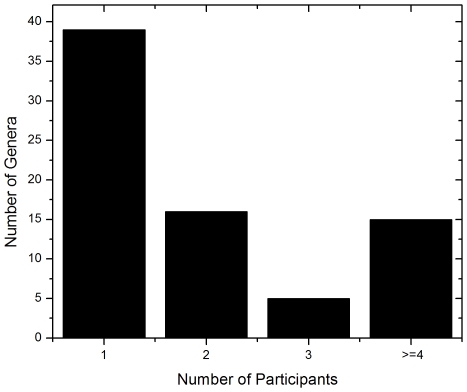
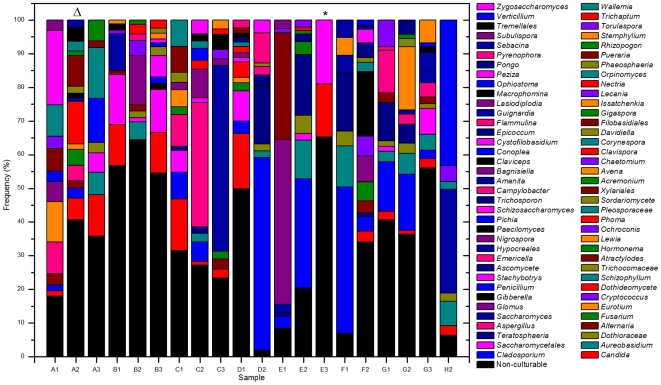
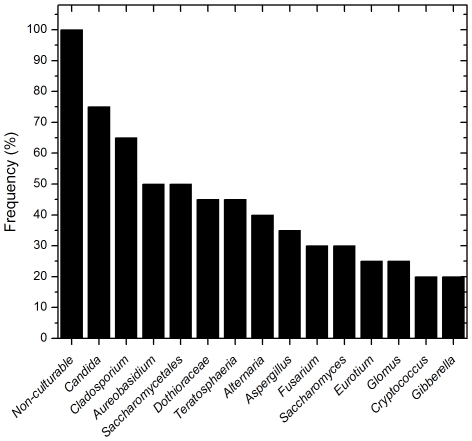
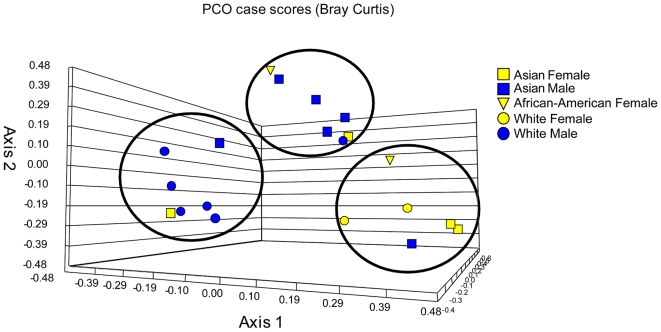
The oral microbiome-organisms residing in the oral cavity and their collective genome-are critical components of health and disease. The fungal component of the oral microbiota has not been characterized. In this study, we used a novel multitag pyrosequencing approach to characterize fungi present in the oral cavity of 20 healthy individuals, using the pan-fungal internal transcribed spacer (ITS) primers. Our results revealed the "basal" oral mycobiome profile of the enrolled individuals, and showed that across all the samples studied, the oral cavity contained 74 culturable and 11 non-culturable fungal genera. Among these genera, 39 were present in only one person, 16 genera were present in two participants, and 5 genera were present in three people, while 15 genera (including non-culturable organisms) were present in >/=4 (20%) participants. Candida species were the most frequent (isolated from 75% of participants), followed by Cladosporium (65%), Aureobasidium, Saccharomycetales (50% for both), Aspergillus (35%), Fusarium (30%), and Cryptococcus (20%). Four of these predominant genera are known to be pathogenic in humans. The low-abundance genera may represent environmental fungi present in the oral cavity and could simply be spores inhaled from the air or material ingested with food. Among the culturable genera, 61 were represented by one species each, while 13 genera comprised between 2 and 6 different species; the total number of species identified were 101. The number of species in the oral cavity of each individual ranged between 9 and 23. Principal component (PCO) analysis of the obtained data set followed by sample clustering and UniFrac analysis revealed that White males and Asian males clustered differently from each other, whereas both Asian and White females clustered together. This is the first study that identified the "basal mycobiome" of healthy individuals, and provides the basis for a detailed characterization of the oral mycobiome in health and disease.
Overview
The claims and statistics of this paper haven’t been checked yet.
Free: it reads the open-access text and checks the first 5 claims that cite a source we can check. Create a free account to check every claim.
Integrity signals
Registry
Cites
Statistics
Figures
Verification
Claims the paper makes
The claims and statistics of this paper haven’t been checked yet.
Free: it reads the open-access text and checks the first 5 claims that cite a source we can check. Create a free account to check every claim.
Claims other papers make about this one
Each is checked against this paper’s own text: does it say what the citing paper says it does?
The source backs part of the claim, not all of it — or backs it for a different population, condition or comparison.
In the citing paper
“Compared to bacteria, fungal constituents can be as low as 0.1% of the total microbiota and may show large diversity (Ghannoum et al., 2010; Qin et al., 2010).”
From Iron at the Centre of Candida albicans Interactions (2018) · cites this paper as Ghannoum et al., 2010
Experimental — accuracy not yet measuredIn the citing paper
“Periodontal disease severity is related to both modifiable (smoking, diet) and non-modifiable host risk factors (genetic susceptibility) as well as environmental factors [10,11,12].”
From A Cross-Talk between Diet and the Oral Microbiome: Balance of Nutrition on Inflammation and Immune System’s Response during Periodontitis (2022) · cites this paper as [11]
In the citing paper
“A recent study by Ghannoum et al. characterizing the mycobiome of the oral cavity of healthy individuals identified in this host milieu a complex and dynamic profile of fungal species, the number of which parallels that observed for bacteria [46].”
From Host Iron Withholding Demands Siderophore Utilization for Candida glabrata to Survive Macrophage Killing (2011) · cites this paper as [46]
In the citing paper
“Infections with C. albicans can range from superficial mucosal and dermatological infections to life-threatening infections of the bloodstream and vital organs.”
From Molecular and genetic basis of azole antifungal resistance in the opportunistic pathogenic fungus Candida albicans (2020) · cites this paper as [2]
Self-check
Percentages, sums and reported differences re-computed from the paper’s own numbers.
The self-check needs the paper’s full text.
Citations
Cites
Cd-hit: a fast program for clustering and comparing large sets of protein or nucleotide sequences
Li, W., & Godzik, A. (2006) · Bioinformatics · doi:10.1093/bioinformatics/btl158 · Cited by 11,410 · cited 1×
“. This test measures the probability that the designated classes are different based on the phylogenetic relatedness and the abundance of each cluster. We first clustered the MTPS reads using CD-HIT”
MethodPrincipal components analysis corrects for stratification in genome-wide association studies
Price, A. L., Patterson, N. J., Plenge, R. M., Weinblatt, M. E., Shadick, N. A., & Reich, D. (2006) · Nature Genetics · doi:10.1038/ng1847 · Cited by 10,248 · cited 1×
“Principal Coordinate (PCO) analysis has been recognized as a simple and straight-forward method to group or separate samples in a dataset, and has been used in disease-association studies [22,23].”
MethodUniFrac: a New Phylogenetic Method for Comparing Microbial Communities
Lozupone, C., & Knight, R. (2005) · Applied and Environmental Microbiology · doi:10.1128/aem.71.12.8228-8235.2005 · Cited by 8,227 · cited 1×
“To compare the phylogenetic distribution between the various gender and race classes and confirm the results of PCO analysis, we used UniFrac significance test [24,25].”
MethodA core gut microbiome in obese and lean twins
Turnbaugh, P. J., Hamady, M., Yatsunenko, T., Cantarel, B. L., Duncan, A., Ley, R. E., Sogin, M. L., Jones, W. J., Roe, B. A., Affourtit, J. P., et al. (2009) · Nature · doi:10.1038/nature07540 · Cited by 7,823 · cited 1×
“Several groups have subsequently employed various barcoding strategies to analyze multiple samples and this strategy is now well accepted [18–21].”
BackgroundDefining the normal bacterial flora of the oral cavity
Aas, J. A., Paster, B. J., Stokes, L. N., Olsen, I., & Dewhirst, F. E. (2005) · Journal of Clinical Microbiology · doi:10.1128/jcm.43.11.5721-5732.2005 · Cited by 3,092 · cited 2×
“Only two previous studies have investigated the profile of microbes present in the oral cavity of healthy individuals and both focused on the bacterial microbiome [32,33].”
BackgroundMethodBacterial Diversity in Human Subgingival Plaque
Paster, B. J., Boches, S. K., Galvin, J. L., Ericson, R. E., Lau, C. N., Levanos, V. A., Sahasrabudhe, A., & Dewhirst, F. E. (2001) · Journal of Bacteriology · doi:10.1128/jb.183.12.3770-3783.2001 · Cited by 2,011 · cited 1×
“[37,38], inability to grow these non-culturable organisms renders it difficult to gain insight into their role in health and disease.”
BackgroundUniFrac – An online tool for comparing microbial community diversity in a phylogenetic context
Lozupone, C., Hamady, M., & Knight, R. (2006) · BMC Bioinformatics · doi:10.1186/1471-2105-7-371 · Cited by 1,453 · cited 1×
“To compare the phylogenetic distribution between the various gender and race classes and confirm the results of PCO analysis, we used UniFrac significance test [24,25].”
MethodThe breadth of bacterial diversity in the human periodontal pocket and other oral sites
Paster, B. J., Olsen, I., Aas, J. A., & Dewhirst, F. E. (2006) · Periodontology 2000 · doi:10.1111/j.1600-0757.2006.00174.x · Cited by 861 · cited 1×
“[37,38], inability to grow these non-culturable organisms renders it difficult to gain insight into their role in health and disease.”
BackgroundOral microbial communities in sickness and in health
Jenkinson, H. F., & Lamont, R. J. (2005) · Trends in Microbiology · doi:10.1016/j.tim.2005.09.006 · Cited by 628 · cited 1×
“Organisms residing in the oral cavity and their collective genome–the oral microbiome–are critical components of health and disease. Disruption of the oral microbiome has been proposed to indicate, trigger, or influence the course of oral diseases, especially among immunocompromised patients (e.g. HIV-infected or canc…”
BackgroundA Genealogical Interpretation of Principal Components Analysis
McVean, G. (2009) · PLoS Genetics · doi:10.1371/journal.pgen.1000686 · Cited by 568 · cited 1×
“Principal Coordinate (PCO) analysis has been recognized as a simple and straight-forward method to group or separate samples in a dataset, and has been used in disease-association studies [22,23].”
Method
Cited by
Items 301–400 of 999
2‐hydroxyisocaproic acid is fungicidal for Candida and Aspergillus species
Sakko, M., Moore, C. B., Frazer, L. N., Rautemaa, V., Sorsa, T. A., Hietala, P. K., Järvinen, A., Bowyer, P., Tjäderhane, L., & Rautemaa‐Richardson, R. (2013) · Mycoses · doi:10.1111/myc.12145 · Cited by 65
The Human Microbiota as a Marker for Migrations of Individuals and Populations
Dominguez-Bello, M. G., & Blaser, M. J. (2011) · Annual Review of Anthropology · doi:10.1146/annurev-anthro-081309-145711 · Cited by 56
The Clinical Importance of Fungal Biofilms
Ramage, G., & Williams, C. (2013) · Advances in applied microbiology · doi:10.1016/b978-0-12-407673-0.00002-3 · Cited by 62
The role of pattern recognition receptors in the innate recognition of Candida albicans
Zheng, N.-X., Wang, Y., Hu, D.-D., Yan, L., & Jiang, Y.-Y. (2015) · Virulence · doi:10.1080/21505594.2015.1014270 · Cited by 52
Evaluation of Oral Cavity DNA Extraction Methods on Bacterial and Fungal Microbiota
Rosenbaum, J., Usyk, M., Chen, Z., Zolnik, C. P., Jones, H. E., Waldron, L., Dowd, J. B., Thorpe, L. E., & Burk, R. D. (2019) · Scientific Reports · doi:10.1038/s41598-018-38049-6 · Cited by 66
Colonization by Candida Species of the Oral and Vaginal Mucosa in HIV-Infected and Noninfected Women
Merenstein, D., Hu, H., Wang, C., Hamilton, P., Blackmon, M., Chen, H., Calderone, R., & Li, D. (2013) · AIDS Research and Human Retroviruses · doi:10.1089/aid.2012.0269 · Cited by 53
“studied 20 healthy volunteers using panfungal internal transcribed spacer (ITS) primers to identify the oral fungal population in healthy adults.(14) They found that Table 2.”
BackgroundChen, W., Xu, R., Chen, J., Yuan, X., Zhou, L., Tan, T., Fan, J., Zhang, Y., & Hu, T. (2018) · Soil Biology and Biochemistry · doi:10.1016/j.soilbio.2018.09.020 · Cited by 60
The Bladder is Not Sterile: an Update on the Urinary Microbiome
Ackerman, A. L., & Chai, T. C. (2019) · Current Bladder Dysfunction Reports · doi:10.1007/s11884-019-00543-6 · Cited by 61
The Role of Bacterial and Fungal Human Respiratory Microbiota in COVID‐19 Patients
Soltani, S., Zakeri, A., Zandi, M., Kesheh, M. M., Tabibzadeh, A., Dastranj, M., Faramarzi, S., Didehdar, M., Hafezi, H., Hosseini, P., et al. (2021) · BioMed Research International · doi:10.1155/2021/6670798 · Cited by 54
“, and Saccharomycetales in healthy cases [25, 26].”
Zhang, T., Victor, T. R., Rajkumar, S. S., Li, X., Okoniewski, J. C., Hicks, A. C., Davis, A., Broussard, K. R., LaDeau, S. L., Chaturvedi, S., et al. (2014) · PLoS ONE · doi:10.1371/journal.pone.0108714 · Cited by 53
“Most of the current literature on the mycobiome details fungal communities on the surface and/or in the body of healthy and diseased individuals [24,60,61,62,63,64].”
BackgroundCheese supplemented with probiotics reduced the Candida levels in denture wearers—RCT
Miyazima, T., Ishikawa, K., Mayer, M., Saad, S., & Nakamae, A. (2017) · Oral Diseases · doi:10.1111/odi.12669 · Cited by 53
Preliminary study of the oral mycobiome of children with and without dental caries
Fechney, J. M., Browne, G. V., Prabhu, N. T., Irinyi, L., Meyer, W., Hughes, T. E., Bockmann, M. R., Townsend, G. C., Salehi, H., & Adler, C. J. (2018) · Journal of Oral Microbiology · doi:10.1080/20002297.2018.1536182 · Cited by 66
“For example, in comparison with the 46 fungal species/OTUs we identified in the childrens’ oral mycobiome, a study investigating 20 adults identified a total of 101 species across their samples [21].”
BackgroundResultInfluentialMahnic, A., & Rupnik, M. (2018) · PLOS ONE · doi:10.1371/journal.pone.0209209 · Cited by 53
Characterizing the postmortem human bone microbiome from surface-decomposed remains
Emmons, A. L., Mundorff, A. Z., Keenan, S. W., Davoren, J., Andronowski, J. M., Carter, D. O., & DeBruyn, J. M. (2020) · PLoS ONE · doi:10.1371/journal.pone.0218636 · Cited by 58
“Saccharomycetales, commonly associated with the oral microbiome of healthy humans [77], decreased in relative abundance with increased human DNA concentrations in the cranium of individual B.”
BackgroundSong, Q., Fu, H., Shi, Q., Shan, X., Wang, Z., Sun, Z., & Li, T. (2022) · Frontiers in Microbiology · doi:10.3389/fmicb.2022.952021 · Cited by 62
“These primers target the V3-V4 regions of bacterial 16S rRNA genes and ITS2 regions of fungal ITS rRNA genes (Ghannoum et al., 2010; Mori et al., 2013).”
BackgroundChotirmall, S. H., & Martín-Gómez, M. T. (2017) · Mycopathologia · doi:10.1007/s11046-017-0143-7 · Cited by 53
Baj, T., Biernasiuk, A., Wróbel, R., & Malm, A. (2020) · Open Chemistry · doi:10.1515/chem-2020-0011 · Cited by 61
Within-Host Genomic Diversity of Candida albicans in Healthy Carriers
Sitterlé, E., Maufrais, C., Sertour, N., Palayret, M., d’Enfert, C., & Bougnoux, M.-E. (2019) · Scientific Reports · doi:10.1038/s41598-019-38768-4 · Cited by 51
Metabolic Interactions between Bacteria and Fungi in Commensal Oral Biofilms
Lof, M., Janus, M., & Krom, B. (2017) · Journal of Fungi · doi:10.3390/jof3030040 · Cited by 51
“In the oral cavity of healthy individuals, over 100 fungal species have been identified [36].”
BackgroundAuchtung, T. A., Stewart, C. J., Smith, D. P., Triplett, E. W., Agardh, D., Hagopian, W., Ziegler, A. G., Rewers, M., She, J., Toppari, J., et al. (2022) · Nature Communications · doi:10.1038/s41467-022-30686-w · Cited by 63
Biernasiuk, A., Kawczyńska, M., Berecka-Rycerz, A., Rosada, B., Gumieniczek, A., Malm, A., Dzitko, K., & Łączkowski, K. Z. (2019) · Medicinal Chemistry Research · doi:10.1007/s00044-019-02433-2 · Cited by 55
The Salivary Mycobiome Contains 2 Ecologically Distinct Mycotypes
Hong, B., Hoare, A., Cardenas, A., Dupuy, A. K., Choquette, L. E., Salner, A., Schauer, P. K., Hegde, U. P., Peterson, D. E., Dongari‐Bagtzoglou, A. I., et al. (2020) · Journal of Dental Research · doi:10.1177/0022034520915879 · Cited by 64
“Recent molecular surveys expanded the range of oral fungi, with individual samples sometimes showing hundreds of taxa (Ghannoum et al. 2010; Abusleme et al. 2018).”
BackgroundCross-kingdom cell-to-cell interactions in cariogenic biofilm initiation
Wan, S. X., Tian, J., Liu, Y., Dhall, A., Koo, H., & Hwang, G. (2021) · Journal of Dental Research · doi:10.1177/0022034520950286 · Cited by 49
“Candida albicans is a commonly detected fungal organism in the oral cavity (Ghannoum et al. 2010; Peleg et al. 2010; Koo et al. 2018).”
BackgroundDiet Influences the Oral Microbiota of Infants during the First Six Months of Life
Oba, P. M., Holscher, H. D., Mathai, R. A., Kim, J., & Swanson, K. S. (2020) · Nutrients · doi:10.3390/nu12113400 · Cited by 60
“have been reported to be the most predominant yeast in the oral cavity, having a high frequency (75%) in oral rinse samples collected from healthy adults (21–60 yr old), followed by Cladosporium (65%), Aureobasidium (50%), Saccharomycetales (50%), Aspergillus (35%), Fusarium (30%), and Cryptococcus (20%) [19].”
BackgroundDhamgaye, S., Qu, Y., & Peleg, A. Y. (2016) · Cellular Microbiology · doi:10.1111/cmi.12674 · Cited by 55
“These studies highlight the dominance of Candida albicans as a resident fungus but also highlight the diversity in fungal species that may be found in or on the human body including Malassezia, Cladosporium, Aureobasidium, Saccharomycetales, Aspergillus, Fusarium, Alternaria, Penicillium, and Cryptococcus (Ghannoum et…”
BackgroundInfluentialOral Fungal Microbiota: To Thrush and Beyond
Baumgardner, D. J. (2019) · Journal of patient-centered research and reviews · doi:10.17294/2330-0698.1705 · Cited by 75
The gut mycobiota of rural and urban individuals is shaped by geography
Kabwe, M. H., Vikram, S., Mulaudzi, K., Jansson, J. K., & Makhalanyane, T. P. (2020) · BMC Microbiology · doi:10.1186/s12866-020-01907-3 · Cited by 58
Fujinami, W., Nishikawa, K., Ozawa, S., Hasegawa, Y., & Takebe, J. (2021) · Journal of Oral Biosciences · doi:10.1016/j.job.2021.02.003 · Cited by 53
Muzio, L. L., Ballini, A., Cantore, S., Bottalico, L., Charitos, I. A., Ambrosino, M., Nocini, R., MALCANGI, A., Dioguardi, M., Cazzolla, A. P., et al. (2021) · BioMed Research International · doi:10.1155/2021/7312611 · Cited by 56
“albicans and HPV by modifying its pathogenicity or the behavior of bacterial population [23].”
BackgroundDing, N., Xing, F., Liu, X., Selvaraj, J. N., Wang, L., Zhao, Y., Wang, Y., Guo, W., Dai, X., & Liu, Y. (2015) · Frontiers in Microbiology · doi:10.3389/fmicb.2015.01055 · Cited by 57
The fungal community changes over time in developing wheat heads
Hertz, M., Jensen, I. R., Jensen, L. Ø., Thomsen, S. N., Winde, J., Dueholm, M. S., Sørensen, L. H., Wollenberg, R. D., Sørensen, H. O., Søndergaard, T. E., et al. (2016) · International Journal of Food Microbiology · doi:10.1016/j.ijfoodmicro.2016.01.018 · Cited by 49
Candida albicans in Multispecies Oral Communities; A Keystone Commensal?
Janus, M. M., Willems, H. M. E., & Krom, B. P. (2016) · Advances in experimental medicine and biology · doi:10.1007/5584_2016_5 · Cited by 65
Zawadzki, P. J., Perkowski, K., Padzik, M., Mierzwińska‐Nastalska, E., Szaflik, J. P., Conn, D. B., & Chomicz, L. (2017) · BioMed Research International · doi:10.1155/2017/8106491 · Cited by 58
Oral Microbiome and Cancer Therapy-Induced Oral Mucositis
Mougeot, J.-L., Stevens, C. B., Morton, D. S., Brennan, M. T., & Mougeot, F. B. (2019) · JNCI Monographs · doi:10.1093/jncimonographs/lgz002 · Cited by 81
Puri, S., Kumar, R., Rojas, I. G., Salvatori, O., & Edgerton, M. (2019) · Antimicrobial Agents and Chemotherapy · doi:10.1128/aac.02152-18 · Cited by 48
“The yeast Candida albicans is the most abundant member of the oral fungal community, or the mycobiome (1).”
BackgroundMukherjee, P. K., Chandra, J., Retuerto, M., Tatsuoka, C. M., Ghannoum, M. A., & McComsey, G. A. (2018) · PLoS ONE · doi:10.1371/journal.pone.0200285 · Cited by 51
Self-citationEffect of land use on the composition of bacterial and fungal communities in saline–sodic soils
Feng, H., Wang, S., Gao, Z., Wang, Z., Ren, X., Hu, S., & Pan, H. (2019) · Land Degradation and Development · doi:10.1002/ldr.3386 · Cited by 48
“The fungal internal transcribed spacer 1 (ITS1) region from DNA sample extracts was amplified with the ITS 1F (5′‐ CTTGGTCATTTAGAGGAAGTAA‐3′) and ITS 2R (5′‐ GCTGCGTTCTTCATCGATGC‐3′) primers (Ghannoum et al., 2010).”
MethodPlastic film mulching reduces microbial interactions in black soil of northeastern China
Luo, S., Wang, S., Zhang, H., Zhang, J., & Tian, C. (2021) · Applied Soil Ecology · doi:10.1016/j.apsoil.2021.104187 · Cited by 48
The cross-talk between opportunistic fungi and the mammalian host via microbiota’s metabolism
Romani, L., Zelante, T., Palmieri, M., Napolioni, V., Picciolini, M., Velardi, A., Aversa, F., & Puccetti, P. (2015) · Seminars in Immunopathology · doi:10.1007/s00281-014-0464-2 · Cited by 47
Determinants and Interactions of Oral Bacterial and Fungal Microbiota in Healthy Chinese Adults
Cheung, M. K., Chan, J. Y. K., Wong, M. C. S., Wong, P. Y., Lei, P., Cai, L., Lan, L., Ho, W. C. S., Yeung, A. C. M., Chan, P. K. S., et al. (2022) · Microbiology Spectrum · doi:10.1128/spectrum.02410-21 · Cited by 50
“However, the oral fungal microbiome, also known as mycobiome, in healthy adults has received much less attention (3, 8), albeit their ecological and clinical significance (9).”
BackgroundHeinrichs, G., Hübner, I., Schmidt, C. K., de Hoog, S., & Haase, G. (2013) · Mycopathologia · doi:10.1007/s11046-013-9618-3 · Cited by 54
“In recent years, metagenomic approaches have been widely used to determine bacterial [9–12] and fungal diversity in different habitats, such as the phyllosphere [13], soil [14–20], indoor dust [21] and the human oral cavity [22].”
MethodNext-Generation Sequencing in the Mycology Lab
Zoll, J., Snelders, E., Verweij, P. E., & Melchers, W. J. G. (2016) · Current Fungal Infection Reports · doi:10.1007/s12281-016-0253-6 · Cited by 54
Zhang, W.-H., Sun, R., Xu, L., Liang, J., Wu, T.-Y., & Zhou, J. (2019) · Ecotoxicology and Environmental Safety · doi:10.1016/j.ecoenv.2019.02.048 · Cited by 47
Heme-iron acquisition in fungi
Roy, U., & Kornitzer, D. (2019) · Current Opinion in Microbiology · doi:10.1016/j.mib.2019.05.006 · Cited by 45
Mba, I. E., Nweze, E. I., Eze, E. A., & Anyaegbunam, Z. K. G. (2022) · Infection, Genetics and Evolution · doi:10.1016/j.meegid.2022.105256 · Cited by 46
Zhang, Y., Shen, F., Yang, Y., Niu, M., Chen, D., Chen, L., Wang, S., Zheng, Y., Sun, Y., Zhou, F., et al. (2022) · Environmental Science & Technology · doi:10.1021/acs.est.2c00688 · Cited by 49
Yang, Z., Zhu, Q., Zhang, Y., Jiang, P., Wang, Y., Fei, J., Rong, X., Peng, J., Wei, X., & Luo, G. (2024) · Biology and Fertility of Soils · doi:10.1007/s00374-024-01804-1 · Cited by 49
Translational research in infectious disease: current paradigms and challenges ahead
Fontana, J. M., Alexander, E. L., & Salvatore, M. (2012) · Translational research · doi:10.1016/j.trsl.2011.12.009 · Cited by 52
“In contrast, studies regarding the human mycobiome seem to still be in their infancy as the first study describing a baseline mycobiome in humans was published only recently.(147) In this study, the authors used multitag pyrosequencing to characterize the fungi present in the oral cavity of healthy individuals and ide…”
ResultMucosal Regulatory T Cells and T Helper 17 Cells in HIV-Associated Immune Activation
Pandiyan, P., Younes, S., Ribeiro, S. P., Talla, A., McDonald, D. J., Bhaskaran, N., Levine, A. D., Weinberg, A., & Sékaly, R. (2016) · Frontiers in Immunology · doi:10.3389/fimmu.2016.00228 · Cited by 50
Characterizing novel olfactory receptors expressed in the murine renal cortex
Kuhns, V. L. H., Sanchez, J., Sarver, D. C., Khalil, Z., Rajkumar, P., Marr, K. A., & Pluznick, J. L. (2019) · American Journal of Physiology-Renal Physiology · doi:10.1152/ajprenal.00624.2018 · Cited by 46
“Fungi are known to exist in the body as commensals (20, 28, 30) and can also be inhaled or ingested from the environment (28, 31).”
BackgroundResultArastehfar, A. A., Khodavaisy, S., Daneshnia, F., Najafzadeh, M. J., Mahmoudi, S., Charsizadeh, A., Salehi, M., Zarrinfar, H., Raeisabadi, A., Dolatabadi, S., et al. (2019) · Frontiers in Cellular and Infection Microbiology · doi:10.3389/fcimb.2019.00264 · Cited by 52
“metapsilosis has been found in the commensal (Ghannoum et al., 2010) and environmental (Trofa et al.”
BackgroundZhou, Y. N., Millhouse, E., Shaw, T., Lappin, D. F., Rajendran, R., Bagg, J., Lin, H., & Ramage, G. (2018) · Frontiers in Microbiology · doi:10.3389/fmicb.2018.01498 · Cited by 52
“mutans depends not only on the environmental conditions of the oral cavity, but also on the composition of the microbiome, and indeed the mycobiome (Ghannoum et al., 2010; Peters et al., 2017).”
BackgroundCota, E., & Hoyer, L. L. (2015) · Future Microbiology · doi:10.2217/fmb.15.79 · Cited by 45
Shay, E. O., Sangwan, N., Padmanabhan, R., Lundy, S. D., Burkey, B. B., & Eng, C. (2020) · Oncotarget · doi:10.18632/oncotarget.27629 · Cited by 48
“This observation has been reported in several studies of the oral mycobiome in healthy and diseased states [22, 26, 27].”
BackgroundIsolates from hospital environments are the most virulent of the Candida parapsilosiscomplex
Sabino, R., Sampaio, P., Carneiro, C., Rosado, L., & Pais, C. (2011) · BMC Microbiology · doi:10.1186/1471-2180-11-180 · Cited by 49
“metapsilosis sequences in the oral cavity of healthy carriers, suggesting the possibility of oral commensalism for this species [39].”
BackgroundThe Role of Fungi in the Etiology of Multiple Sclerosis
Benito‐León, J., & Laurence, M. (2017) · Frontiers in Neurology · doi:10.3389/fneur.2017.00535 · Cited by 49
“Older molecular surveys of oral (105) and genital (150) fungi in healthy individuals found many novel species: the most common fungus found in the vagina was not a Candida species as expected, but rather an unknown species detected in about 25% of healthy individuals (150).”
BackgroundCoelho, C., Camacho, E., Salas, A., Alanio, A., & Casadevall, A. (2019) · mSphere · doi:10.1128/msphere.00483-19 · Cited by 45
“were identified in several body sites: healthy 321 scalps (51), in mouths of 20% of the healthy population (52), in skin of children (53), and 322 in breast milk (54).”
BackgroundAlterations in the oral microbiome in HIV infection: causes, effects and potential interventions
Li, S., Su, B., He, Q., Wu, H., & Zhang, T. (2021) · Chinese Medical Journal · doi:10.1097/cm9.0000000000001825 · Cited by 55
“Ghannoum et al[36] used internal transcribed spacer (ITS) sequencing to characterize the oral mycobiome in healthy individuals.”
BackgroundMycobiome in the Lower Respiratory Tract – A Clinical Perspective
Krause, R., Moissl-Eichinger, C., Halwachs, B., Gorkiewicz, G., Berg, G., Valentin, T., Prattes, J., Högenauer, C., & Zollner-Schwetz, I. (2017) · Frontiers in Microbiology · doi:10.3389/fmicb.2016.02169 · Cited by 43
“The low-abundance genera were considered to represent environmental fungi that have been transferred into the oral cavity by inhalation of spores or by ingesting fungal contaminated food (Ghannoum et al., 2010).”
BackgroundInfluentialIn it together: Candida–bacterial oral biofilms and therapeutic strategies
Hwang, G. (2022) · Environmental Microbiology Reports · doi:10.1111/1758-2229.13053 · Cited by 56
Xie, Z., & Manichanh, C. (2022) · Computational and Structural Biotechnology Journal · doi:10.1016/j.csbj.2022.07.010 · Cited by 55
Duan, Y., Chen, L., Li, Y., Li, J., Zhang, C., Ma, D., Zhou, G., & Zhang, J. (2022) · Soil and Tillage Research · doi:10.1016/j.still.2022.105560 · Cited by 45
Grazing alters the relationship between alpine meadow biodiversity and ecosystem multifunctionality
Liu, M., Yin, F., Xiao, Y.-L., & Yang, C. (2023) · The Science of The Total Environment · doi:10.1016/j.scitotenv.2023.165445 · Cited by 46
Metagenomic Approach Yields Insights into Fungal Diversity and Functioning
Sota, T., Kagata, H., Ando, Y., Utsumi, S., & Osono, T. (2013) · SpringerBriefs in biology · doi:10.1007/978-4-431-54261-2_1 · Cited by 51
Tooyama, H., Matsumoto, T., Hayashi, K., Kurashina, K., Kurita, H., Uchida, M., Kasuga, E., & Honda, T. (2015) · BMC Oral Health · doi:10.1186/s12903-015-0138-z · Cited by 48
Candida tropicalis affects the virulence profile of Candida albicans: an in vitro and in vivo study
de Barros, P. P., Rossoni, R. D., Freire, F., Ribeiro, F. D. C., Lopes, L. A. D. C., Junqueira, J. C., & Jorge, A. O. C. (2018) · Pathogens and Disease · doi:10.1093/femspd/fty014 · Cited by 47
“The fungal community (mycobiome) is an essential and integral component of the oral microbiome (Zaura et al. 2009; Ghannoum et al. 2010; Huffnagle and Noverr 2013).”
BackgroundDiaz, P. I., Hong, B., Dupuy, A. K., Choquette, L. E., Thompson, A. K., Salner, A., Schauer, P. K., Hegde, U. P., Burleson, J. A., Strausbaugh, L. D., et al. (2019) · Journal of Fungi · doi:10.3390/jof5020049 · Cited by 51
Candida–Bacterial Biofilms and Host–Microbe Interactions in Oral Diseases
Negrini, T. D. C., Koo, H., & Arthur, R. A. (2019) · Advances in experimental medicine and biology · doi:10.1007/978-3-030-28524-1_10 · Cited by 51
The evolutionary history of the human oral microbiota and its implications for modern health
Weyrich, L. S. (2020) · Periodontology 2000 · doi:10.1111/prd.12353 · Cited by 54
Bellando-Randone, S., Russo, E., Venerito, V., Matucci‐Cerinic, M., Iannone, F., Tangaro, S., & Amedei, A. (2021) · Journal of Personalized Medicine · doi:10.3390/jpm11070625 · Cited by 50
“For saliva sampling, non-stimulated saliva [87] has been used, but other studies rather used oral rinse (saliva after rinsing), to obtain a higher fraction of microbes possibly adhered to oral surfaces [88].”
MethodKey indicators for renewal and reconstruction of perennial trees soil: Microorganisms and phloridzin
Xiang, L., Wang, M., Jiang, W., Wang, Y., Chen, X., Yin, C., & Mao, Z. (2021) · Ecotoxicology and Environmental Safety · doi:10.1016/j.ecoenv.2021.112723 · Cited by 43
Characterization of yeasts colonizing in healthy individuals
Yang, Y., Leaw, S. N., Wang, A. H., Chen, H. T., Cheng, W.-T., & Lo, H. (2010) · Medical Mycology · doi:10.3109/13693786.2010.487076 · Cited by 44
Candida albicans: Molecular interactions with Pseudomonas aeruginosa and Staphylococcus aureus
Lindsay, A. K., & Hogan, D. A. (2014) · Fungal Biology Reviews · doi:10.1016/j.fbr.2014.10.002 · Cited by 54
Molecular Identification of Fungi: Rationale, Philosophical Concerns, and the UNITE Database
Nilsson, R. H., Abarenkov, K., Larsson, K.-H., & Kõljalg, U. (2011) · The Open Applied Informatics Journal · doi:10.2174/1874136301005010081 · Cited by 45
The human microbiome in rheumatic autoimmune diseases: A comprehensive review
Coit, P., & Sawalha, A. H. (2016) · Clinical Immunology · doi:10.1016/j.clim.2016.07.026 · Cited by 47
Candidainfection in oral leukoplakia: an unperceived public health problem
Dilhari, A., Weerasekera, M. M., Siriwardhana, A., Maheshika, O., Gunasekara, C. P., Karunathilaka, S., Nagahawatte, A., & Fernando, N. (2016) · Acta Odontologica Scandinavica · doi:10.1080/00016357.2016.1220018 · Cited by 44
Aspergillus: Biodiversity, Ecological Significances, and Industrial Applications
Abdel-Azeem, A. M., Abdel-Azeem, M. A., Abdulhadi, S. Y., & Darwish, A. M. G. (2019) · Fungal biology · doi:10.1007/978-3-030-10480-1_4 · Cited by 58
Profiling microorganisms in whole saliva of children with and without dental caries
Vieira, A. R., Hiller, N. L., Powell, E., Kim, L. H., Spirk, T., Modesto, A. M., & Kreft, R. (2019) · Clinical and Experimental Dental Research · doi:10.1002/cre2.206 · Cited by 47
“The oral mycobiome is diverse in a healthy oral flora (Ghannoum et al., 2010), and some genera have been associated with caries.”
BackgroundSouza, J. G. S., Costa, R. C., Sampaio, A. A., Abdo, V. L., NAGAY, B. E., Castro, N., Retamal‐Valdes, B., Shibli, J. A., Feres, M., Barão, V. A. R., et al. (2022) · iScience · doi:10.1016/j.isci.2022.103994 · Cited by 45
“C. albicans colonizes the oral mucosal surfaces of up to 75% of healthy individuals, being the most abundant fungus isolated and a critical component of healthy individuals’ ‘‘core mycobiome’’ (Ghannoum et al., 2010).”
BackgroundInfluentialClavaud, C., Jourdain, R., Bar‐Hen, A., Tichit, M., Bouchier, C., Pouradier, F., Rawadi, C. E., Guillot, J., Ménard-Szczebara, F., Breton, L., et al. (2013) · PLoS ONE · doi:10.1371/annotation/bcff4a59-10b7-442a-8181-12fa69209e57 · Cited by 42
A closer look at the mycobiome in Alzheimer’s disease: Fungal species, pathogenesis and transmission
Phuna, Z. X., & Madhavan, P. (2022) · European Journal of Neuroscience · doi:10.1111/ejn.15599 · Cited by 41
“Besides the skin, Ghannoum et al. (2010) and Dupuy et al. (2014) have demonstrated that Alternaria is part of oral mycobiome in healthy individuals.”
Backgroundde León, A. V., Sánchez‐Flores, A., Rosenblueth, M., & Martínez‐Romero, E. (2016) · Frontiers in Microbiology · doi:10.3389/fmicb.2016.00954 · Cited by 41
Fungal diseases: Oral dysbiosis in susceptible hosts
Villar, C. C., & Dongari‐Bagtzoglou, A. I. (2021) · Periodontology 2000 · doi:10.1111/prd.12378 · Cited by 45
Meta‐analysis of caries microbiome studies can improve upon disease prediction outcomes
Butcher, M. C., Short, B., Veena, C. L. R., Bradshaw, D., Pratten, J. R., McLean, W., Shaban, S. M. A., Ramage, G., & Delaney, C. (2022) · Apmis · doi:10.1111/apm.13272 · Cited by 42
Ma, L., Zhou, G., Zhang, J., Jia, Z., Zou, H., Chen, L., Zhang, C., Ma, D., Han, C.-D., & Duan, Y. (2024) · The Science of The Total Environment · doi:10.1016/j.scitotenv.2024.170018 · Cited by 41
The oral microbiome and oral and upper gastrointestinal diseases
Liu, S., Wang, S., Zhang, N., & Li, P. (2024) · Journal of Oral Microbiology · doi:10.1080/20002297.2024.2355823 · Cited by 44
“There are many species of microbiomes in the oral cavity, including more than 1000 different bacteria [2], 100 different fungi [21], archaea, viruses, protozoa [22] and so on.”
BackgroundThe Mycobiome: Influencing IBD Severity
Moyes, D. L., & Naglik, J. R. (2012) · Cell Host & Microbe · doi:10.1016/j.chom.2012.05.009 · Cited by 44
Todd, O. A., Noverr, M. C., & Peters, B. M. (2019) · mSphere · doi:10.1128/msphere.00780-19 · Cited by 41
Pathways of heme utilization in fungi
Kornitzer, D., & Roy, U. (2020) · Biochimica et Biophysica Acta (BBA) - Molecular Cell Research · doi:10.1016/j.bbamcr.2020.118817 · Cited by 40
The gut mycobiome: a novel player in chronic liver diseases
Jiang, L., Stärkel, P., Fan, J.-G., Fouts, D. E., Bacher, P., & Schnabl, B. (2021) · Journal of Gastroenterology · doi:10.1007/s00535-020-01740-5 · Cited by 38
“Sequencing of internal transcribed spacer (ITS) 1 region from oral cavity of 20 healthy individuals identified 74 culturable and 11 non-culturable genera, with genera including Candida, Cladosporium, Aureobasidium, an unidentified Saccharomycetales, Aspergillus, Fusarium, and Cryptococcus being the most frequent ones…”
BackgroundPreterm Infants Harbour a Rapidly Changing Mycobiota That Includes Candida Pathobionts
James, S. A., Phillips, S., Telatin, A., Baker, D., Ansorge, R., Clarke, P., Hall, L. J., & Carding, S. R. (2020) · Journal of Fungi · doi:10.3390/jof6040273 · Cited by 50
“albicans in particular being frequently identified both in the infant and adult gut [33,34,53,55,56], as well as in other body sites, including the oral cavity and vagina [50,51,57].”
BackgroundThe Mycobiome: Cancer Pathogenesis, Diagnosis, and Therapy
Gamal, A., Elshaer, M. Y. S., Alabdely, M. H., Kadry, A., McCormick, T. S., & Ghannoum, M. A. (2022) · Cancers · doi:10.3390/cancers14122875 · Cited by 46
“The mycobiome can be found at different anatomical sites, including the skin [10], lungs [11], oral cavity [12], vagina [13], and gastrointestinal tract [14].”
BackgroundSelf-citationPolymicrobial Biofilm Studies: from Basic Science to Biofilm Control
Willems, H. M. E., Xu, Z., & Peters, B. M. (2016) · Current Oral Health Reports · doi:10.1007/s40496-016-0078-y · Cited by 50
Ding, T., Liu, C., & Li, Z. (2025) · Molecular Cancer · doi:10.1186/s12943-025-02227-8 · Cited by 48
“Ghannoum et al. revealed the presence of a core oral mycobiome consisting of 13 taxa, with Candida being the most frequent, followed by Cladosporium , Aureoba-sidium , Saccharomycetales , Aspergillus , Fusarium , and Cryptococcus [91].”
Benefits of sea buckthorn ( Hippophae rhamnoides ) pulp oil‐based mouthwash on oral health
Smida, I., Pentelescu, C., Pentelescu, O., Sweidan, A., Oliviero, N., Meuric, V., Martin, B., Colceriu, L., Bonnaure‐Mallet, M., & Tamanai‐Shacoori, Z. (2019) · Journal of Applied Microbiology · doi:10.1111/jam.14210 · Cited by 39
“, 2010), being the most common species of the human oral mycobiome (Ghannoum et al., 2010).”
BackgroundOptimization of DNA extraction from human urinary samples for mycobiome community profiling
Ackerman, A. L., Anger, J. T., Khalique, M. U., Ackerman, J. E., Tang, J., Kim, J., Underhill, D. M., Freeman, M. R., & (MAPP), M. A. T. T. S. O. P. P. (2019) · PLoS ONE · doi:10.1371/journal.pone.0210306 · Cited by 40
Contrasting Strategies: Human Eukaryotic Versus Bacterial Microbiome Research
Hooks, K. B., & O’Malley, M. A. (2019) · Journal of Eukaryotic Microbiology · doi:10.1111/jeu.12766 · Cited by 43
“This result led to an inference of a “baseline healthy mycobiome” (Ghannoum et al. 2010, p. 1) even though the sample size was only 20.”
MethodResultThe mycobiota of the human body: a spark can start a prairie fire
Zhang, D., Wang, Y., Shen, S., Hou, Y., Chen, Y., & Wang, T. (2020) · Gut Microbes · doi:10.1080/19490976.2020.1731287 · Cited by 44
“Whole Genome Sequencing is applied in human oral mycobiota.(13) Other technologies such as Mass spectrometry(196) Fluorescence in situ Hybridization(197) and Magnetic resonance(198) help us have a more thorough understanding of mycobiota.”
MethodDing, X., Liu, G., Fu, S., & Chen, H. Y. H. (2021) · CATENA · doi:10.1016/j.catena.2021.105224 · Cited by 41
Impact of Oral Microbiota on Flavor Perception: From Food Processing to In-Mouth Metabolization
Schwartz, M., Canon, F., Féron, G., Neiers, F., & Gamero, A. (2021) · Foods · doi:10.3390/foods10092006 · Cited by 54
“Several fungal genera, such as Candida, Cladosporium, and Saccharomyces, constitute the oral mycobiome, which is still poorly studied [19].”
Background
Metadata
- Authors
- Ghannoum, M. A., Jurevic, R. J., Mukherjee, P. K., Cui, F., Sikaroodi, M., Naqvi, A., & Gillevet, P. M.
- Affiliations
- University Hospitals Cleveland Medical Center (US)
- Case Western Reserve University (US)
- George Mason University (US)
- Corresponding author
- Ghannoum, Mahmoud A.
- Venue
- PLoS Pathogens
- Publisher
- Public Library of Science (PLoS)
- Published
- 2010-01-08
- Volume
- 6
- Issue
- 1
- Pages
- e1000713
- ISSN
- 1553-7366 (ISSN-L)
- 1553-7374
- PMC
- PMC2795202
- OpenAlex
- W2077088073
- Cited by
- 1,150
- References
- 40
- Citations by year
- 2026: 67 · 2025: 79 · 2024: 90 · 2023: 90 · 2022: 92 · 2021: 92 · 2020: 93 · 2019: 81 · 2018: 74 · 2017: 73 · 2016: 63 · 2015: 64 · 2014: 64 · 2013: 53 · 2012: 35
- FWCI
- 26.55
- Type
- journal article
- Language
- en
- Open access
- gold
- doi.org
- Locations
- PLoS Pathogens (publishedVersion, cc-by)
- PubMed Central (publishedVersion, cc-by)
- PubMed (publishedVersion)
- DOAJ (DOAJ: Directory of Open Access Journals) (submittedVersion, cc-by-sa)
- Figshare (submittedVersion, cc-by)
- Funders
- Bristol-Myers Squibb
- National Institutes of Health
- National Institute of Allergy and Infectious Diseases (R21AI074077)
- National Institute of Dental and Craniofacial Research (R01DE017486, K23DE016110, P01DE019759)
- Topics
- Health Sciences › Medicine › Infectious Diseases › Antifungal resistance and susceptibility
- Health Sciences › Dentistry › Periodontics › Oral microbiology and periodontitis research
- Life Sciences › Agricultural and Biological Sciences › Plant Science › Plant Pathogens and Fungal Diseases
- Keywords
- oral mycobiome, oral fungi, fungal diversity, Candida, Cladosporium, Aureobasidium, Aspergillus, Fusarium, Cryptococcus, ITS sequencing, healthy individuals, environmental fungi
- MeSH terms
- Adult, Asian, DNA, Fungal, Female, Fungi, Humans, Male, Middle Aged, Mouth, Sex Factors, Polymerase Chain Reaction, White People, Racial Groups, Metagenome, Young Adult
About these checks
Registry, retraction, Cites and statistics results are computed, not judged, with one exception: a printed reference that no index lists is read once by a model before it counts as a citation error. Claims are extracted by a model and kept only when their quote appears verbatim in the text; each cited source is then checked, with a model’s help, for whether it says what the claim relies on. Those verdicts can be wrong — read the claim’s quote and the cited source before relying on one.
Statistics and arithmetic are recomputed, not judged.
Confidence bands are shown only for fields calibrated on our annotated test set. None is calibrated yet, so no band is shown.
What counts as a claim ›How we measure confidence ›How we check this ›
Are you an author, or do you see a problem with this page? Request a review
Data sources
Bibliographic data: Semantic Scholar, OpenAlex, Crossref.
Contains information from the Semantic Scholar Academic Graph Datasets, made available under the ODC Attribution License (ODC-BY 1.0).
Semantic Scholar’s data is described in: Kinney, R., et al. (2023). The Semantic Scholar Open Data Platform. arXiv:2301.10140.
