

Joint EFLM-COLABIOCLI Recommendation for venous blood sampling
Open accessThe DOI matches its Crossref record; 118 of the 121 references it cites were found in a registry or an index; 28 of the 91 sources its claims cite were checked for support.
Abstract
This document provides a joint recommendation for venous blood sampling of the European Federation of Clinical Chemistry and Laboratory Medicine (EFLM) Working Group for Preanalytical Phase (WG-PRE) and Latin American Working Group for Preanalytical Phase (WG-PRE-LATAM) of the Latin America Confederation of Clinical Biochemistry (COLABIOCLI). It offers guidance on the requirements for ensuring that blood collection is a safe and patient-centered procedure and provides practical guidance on how to successfully overcome potential barriers and obstacles to its widespread implementation. The target audience for this recommendation are healthcare staff members directly involved in blood collection. This recommendation applies to the use of a closed blood collection system and does not provide guidance for the blood collection with an open needle and syringe and catheter collections. Moreover, this document neither addresses patient consent, test ordering, sample handling and transport nor collection from children and unconscious patients. The recommended procedure is based on the best available evidence. Each step was graded using a system that scores the quality of the evidence and the strength of the recommendation. The process of grading was done at several face-to-face meetings involving the same mixture of stakeholders stated previously. The main parts of this recommendation are: 1) Pre-sampling procedures, 2) Sampling procedure, 3) Post-sampling procedures and 4) Implementation. A first draft of the recommendation was circulated to EFLM members for public consultation. WG-PRE-LATAM was also invited to comment the document. A revised version has been sent for voting on to all EFLM and COLABIOCLI members and has been officially endorsed by 33/40 EFLM and 21/21 COLABIOCLI members. We encourage professionals throughout Europe and Latin America to adopt and implement this recommendation to improve the quality of blood collection practices and increase patient and workers safety.
Overview
CoChat Summary
TL;DR
This joint EFLM-COLABIOCLI recommendation provides a standardized, graded procedure for venous blood sampling using a closed collection system, covering pre-sampling, sampling, post-sampling, and implementation. It was endorsed by 33/40 EFLM members and 21/21 COLABIOCLI members.
Key findings
- The document defines 20 venous blood sampling steps graded from 1A (strong recommendation, high-quality evidence) to 2C (weak recommendation, low-quality evidence); examples graded 1A include tourniquet application, vein puncture, first-tube draw, tourniquet release, needle removal/safety activation, needle disposal, and glove removal.
- It reports that a 2013 EFLM WG-PRE survey found that out of 28 European countries questioned, only seven had their own written nationally accepted protocols for venous blood sampling.
- The recommendation was officially endorsed by 33/40 EFLM members and 21/21 COLABIOCLI members; two EFLM members voted against (The Netherlands and Norway) and five abstained.
- It proposes an implementation framework including education, practical training, certification, and audit; recommended minimums include at least 1 week/at least 100 blood collections for practical training, periodic education every 3 years at minimum, and observational audit of at least 20 blood collections by at least three phlebotomists.
Methods
- Produced by the EFLM Working Group for Preanalytical Phase (WG-PRE) and endorsed by the Latin American Working Group for Preanalytical Phase (WG-PRE-LATAM) of COLABIOCLI, following identification of critical preanalytical procedures and consistent where possible with CLSI and WHO guidelines.
- Consensus was reached through detailed discussions and face-to-face meetings involving laboratory specialists from 16 EFLM member countries, nurses, phlebotomists, and representatives of blood collection product manufacturers; each step was graded for quality of evidence and strength of recommendation.
- A first draft was circulated for public consultation; 11/40 EFLM members returned comments, and a revised version was sent for voting to all 40 EFLM and 21 COLABIOCLI members.
Limitations
- Stated: the recommendation applies only to closed blood collection systems and does not cover open needle and syringe or catheter collections; it also excludes patient consent, test ordering, sample handling and transport, and collection from children and unconscious patients.
- Stated: national rules and recommendations take precedence; where evidence was unavailable, recommendations were produced as consensus opinion, and some steps are graded 2C (weak recommendation, low-quality evidence), such as obtaining supplies.
- Evident from the text: this is a consensus guideline/recommendation rather than a primary empirical study, and it reports no new patient outcomes or trial data.
Model-written summary. Check it against the paper before relying on it.
Integrity signals
Registry
Cites
Statistics
Figures
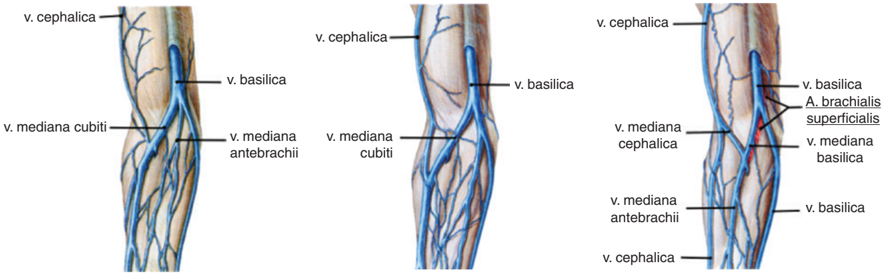
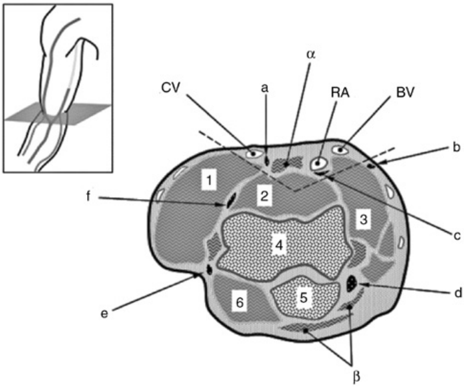
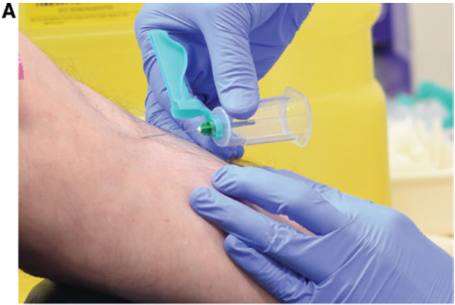
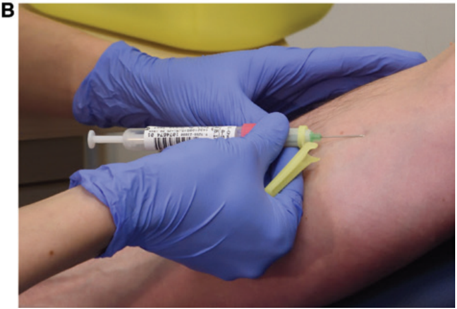
Verification
Claims the paper makes
19 Valid · 7 Not valid · 28 Not checked · 14 Own results and interpretations
The cited sources support only part of this claim — read each source’s verdict below.
In the paper
“There are other potential factors such as regular or/and recent physical activity, food intake and intake of drugs, over-the-counter medicines, food supplements and herbal preparations, etc. which are known to affect the concentration of certain analytes and it should be verified whether the patient has followed necessary instructions before blood sampling [23], [24], [25].”
What the sources say
- Not checked — no full text of the sourcecites [23] 23. Lima-Oliveira G, Volanski W, Lippi G, Picheth G, Guidi GC. Pre-analytical phase management: a review of the procedures from patient preparation to laboratory analysis. Scand J Clin Lab Invest 2017;77:153–63.10.1080/00365513.2017.1295317Search in Google Scholar PubMed source
- Not matchedcites [24] 24. Simundic AM, Dorotić A, Fumic K, Gudasic-Vrdoljak J, Kackov S, Klenkar K, et al. Patient preparation for laboratory testing: recommendation of the Croatian Society of Medical Biochemistry and Laboratory Medicine. Biochem Med 2018. In press.Search in Google Scholar
We searched by its title and found no matching paper.
- Partly supportedcites [25] 25. Nikolac N, Supak-Smolcic V, Simundic AM, Celap I. Croatian Society of Medical Biochemistry and Laboratory Medicine: national recommendations for venous blood sampling. Biochem Med 2013;23:242–54.10.11613/BM.2013.031Search in Google Scholar PubMed PubMed Central sourceExperimental — accuracy not yet measured
The Procedure section, “Verifying patient preparation for venipuncture” (page not provided), says diet restrictions and therapy protocols can matter for test results and recommends checking patient preparation before blood sampling. It does not specifically address regular or recent physical activity, over-the-counter medicines, food supplements, or herbal preparations as factors affecting analyte concentrations. (LLM, conf=0.83)
boostedstates a cause- Asserted: passes — The authors put it forward as true.
- Checkable: passes — It can be checked against evidence.
- Load-bearing: passes — The paper’s conclusions depend on it.
- Based: passes — The paper gives a reason why it holds.
The sources with a verdict support this claim; the rest weren’t checked yet, have no full text we could read, or their verdicts aren’t rated yet.
In the paper
“The postprandial response to food and drink depends on various non-modifiable (age, gender, genetic background, blood group, etc.) and modifiable factors. Modifiable factors are diet [26], [27], [28], [29], intake of drugs, over-the-counter medicines, food supplements and herbal preparations [30], lifestyle, physical activity, such as diving, marathon, strenuous exercise, and some other activities”
What the sources say
- Not checked — no full text of the sourcecites [26] 26. Montagnana M, Danese E, Salvagno GL, Lippi G. Short-term effect of dark chocolate consumption on routine haemostasis testing. Int J Food Sci Nutr 2017;68:613–6.10.1080/09637486.2016.1268101Search in Google Scholar PubMed source
- Supportedcites [27] 27. Lippi G, Lima-Oliveira G, Salvagno GL, Montagnana M, Gelati M, Picheth G, et al. Influence of a light meal on routine haematological tests. Blood Transfus 2010;8:94–9.Search in Google Scholar doi:10.2450/2009.0142-09
The citation is attached to “diet,” not to the later list of drugs and activities. The Results and Conclusion report that a light meal caused significant postprandial variation in several haematological parameters, supporting the attributed point that food intake affects the measured response. (LLM, conf=0.91)
- Supportedcites [28] 28. Lima-Oliveira G, Salvagno GL, Lippi G, Gelati M, Montagnana M, Danese E, et al. Influence of a regular, standardized meal on clinical chemistry analytes. Ann Lab Med 2012;32:250–6.10.3343/alm.2012.32.4.250Search in Google Scholar PubMed PubMed Central source
The citation is attached to “diet” in the citing sentence, not to the subsequent list of other factors. The Methods describe a standardized meal, and the Results report significant changes in multiple clinical chemistry measurements after eating. The paper therefore supports the attributed point that food intake affects the postprandial response. (LLM, conf=0.91)
plainstates a cause- Asserted: passes — The authors put it forward as true.
- Checkable: passes — It can be checked against evidence.
- Load-bearing: passes — The paper’s conclusions depend on it.
- Based: passes — The paper gives a reason why it holds.
The sources with a verdict support this claim; the rest weren’t checked yet, have no full text we could read, or their verdicts aren’t rated yet.
In the paper
“We discourage blood sampling from an intravenous catheter, as it has been shown by many studies that catheter blood collection increases the risk of hemolysis [2], [3], [4].”
What the sources say
- Supportedcites [2] 2. Lippi G, Cervellin G, Mattiuzzi C. Critical review and meta-analysis of spurious hemolysis in blood samples collected from intravenous catheters. Biochem Med (Zagreb) 2013;23:193–200.10.11613/BM.2013.022Search in Google Scholar PubMed PubMed Central source
The Discussion reports that, in emergency-department studies, samples collected through intravenous catheters had a significantly higher risk of spurious hemolysis than samples drawn by straight needle. It also recommends straight-needle venipuncture when feasible to reduce erythrocyte injury. (LLM, conf=0.94)
- Not checked — no full text of the sourcecites [3] 3. Mrazek C, Simundic AM, Wiedemann H, Krahmer F, Felder TK, Kipman U, et al. The relationship between vacuum and hemolysis during catheter blood collection: a retrospective analysis of six large cohorts. Clin Chem Lab Med 2017;55:1129–34.10.1515/cclm-2016-0940Search in Google Scholar PubMed source
- Not checked — no full text of the sourcecites [4] 4. Heiligers-Duckers C, Peters NA, van Dijck JJ, Hoeijmakers JM, Janssen MJ. Low vacuum and discard tubes reduce hemolysis in samples drawn from intravenous catheters. Clin Biochem 2013;46:1142–4.10.1016/j.clinbiochem.2013.04.005Search in Google Scholar PubMed source
boostedstates a cause- Asserted: passes — The authors put it forward as true.
- Checkable: passes — It can be checked against evidence.
- Load-bearing: passes — The paper’s conclusions depend on it.
- Based: passes — The paper gives a reason why it holds.
- Supported
Every source the paper cites for this claim was checked and supports it.
In the paper
“A recent Cochrane Database Systematic Review has shown that the role and level of protection of personal protective equipment is still unclear [38].”
What the sources say
- Supportedcites [38] 38. Verbeek JH, Ijaz S, Mischke C, Ruotsalainen JH, Mäkelä E, Neuvonen K, et al. Personal protective equipment for preventing highly infectious diseases due to exposure to contaminated body fluids in healthcare staff. Cochrane Database Syst Rev 2016;4:CD011621.10.1136/oemed-2018-ICOHabstracts.500Search in Google Scholar source
The Discussion (Potential biases in the review process) says that the effectiveness of PPE is not fully understood. The Discussion (Overall completeness and applicability of evidence) also says that gaps in the studies make the absolute level of protection difficult to determine and apply. No page numbers are supplied in our copy. (LLM, conf=0.91)
plain- Asserted: passes — The authors put it forward as true.
- Checkable: passes — It can be checked against evidence.
- Load-bearing: passes — The paper’s conclusions depend on it.
- Based: passes — The paper gives a reason why it holds.
- Supported
The cited sources support only part of this claim — read each source’s verdict below.
In the paper
“There is evidence showing that this risk is reduced using gloves [45], [46].”
What the sources say
- Partly supportedcites [45] 45. Mansouri M, Tidley M, Sanati KA, Roberts C. Comparison of blood transmission through latex and nitrile glove materials. Occup Med 2010;60:205–10.10.1093/occmed/kqp196Search in Google Scholar sourceExperimental — accuracy not yet measured
The Results (p. 4) report that all tested glove materials significantly reduced blood transfer compared with no glove. However, the Methods (p. 1) describe simulated needlestick injuries, not venous blood sampling; the paper does not establish a reduced risk of blood contact and contamination during that procedure. (LLM, conf=0.88)
- Not matchedcites [46] 46. Wittman A, Kralj N, Köver J, Gasthaus K, Lerch H, Hofmann F. Comparison of 4 different types of surgical gloves used for preventing blood contact. Infect Control Hosp Epidemiol 2010;31:498–502.10.1086/652158Search in Google Scholar
We searched by its title and found no matching paper.
plainstates a cause- Asserted: passes — The authors put it forward as true.
- Checkable: passes — It can be checked against evidence.
- Load-bearing: passes — The paper’s conclusions depend on it.
- Based: passes — The paper gives a reason why it holds.
- Partly supported
33 more claims · 12 with their cited sources checked
Create a free account to see all 68 claims and to verify the 2 references still open.
- Probably not a substantial claim. 20
- It may state two separate claims as one. 11
Self-check
Percentages, sums and reported differences re-computed from the paper’s own numbers.
Each contradiction between two passages listed here was confirmed by an independent check.
Rated minor: it would not touch a result — a value no result rests on, a p-value that stays on the same side of the significance level, or a conflict that is clerical, resolved elsewhere in the paper, or outside its own findings.
In the paper
§ II. Sampling
“The tourniquet should be applied approximately one hand width (7.5 cm) above the anticipated puncture site”
§ IV. Implementation of the guidelines
“Question 6. Was the tourniquet placed four finger widths (10 cm) above the venipuncture site?”
Rated minor: it would not touch a result — a value no result rests on, a p-value that stays on the same side of the significance level, or a conflict that is clerical, resolved elsewhere in the paper, or outside its own findings.
In the paper
§ Introduction
“17. Tell a patient to apply a gentle pressure for 5–10 min and not to bend the arm 1C”
§ II. Sampling
“A gentle pressure on the puncture site should be applied until the bleeding has stopped, which is usually a period of up to 2 min for routine draws and up to 10 min for patients on anticoagulation.”
Citations
Cites
Doctor-patient communication: a review.
Ha, J. F., & Longnecker, N. E. (2010) · PubMed · Cited by 2,014
Going from evidence to recommendations
Guyatt, G. H., Oxman, A. D., Kunz, R., Falck-Ytter, Y., Vist, G. E., Liberati, A., & Schünemann, H. J. (2008) · BMJ · doi:10.1136/bmj.39493.646875.ae · Cited by 1,810
Doctor Patient Communication: A Review
Begum, T. (2015) · Journal of Bangladesh College of Physicians and Surgeons · doi:10.3329/jbcps.v32i2.26036 · Cited by 1,035
Evidence-based model for hand transmission during patient care and the role of improved practices
Pittet, D., Allegranzi, B., Sax, H., Dharan, S., Pessoa-Silva, C. L., Donaldson, L., & Boyce, J. M. (2006) · The Lancet Infectious Diseases · doi:10.1016/s1473-3099(06)70600-4 · Cited by 790
Verbeek, J. H., Rajamaki, B., Ijaz, S., Sauni, R., Toomey, E., Blackwood, B., Tikka, C., Ruotsalainen, J. H., & Kilinc Balci, F. S. (2020) · Cochrane Database of Systematic Reviews · doi:10.1002/14651858.cd011621.pub4 · Cited by 657
Efficacy of gloves in reducing blood volumes transferred during simulated needlestick injury
Mast, S. T., Woolwine, J. D., & Gerberding, J. L. (1993) · Journal of Infectious Diseases · doi:10.1093/infdis/168.6.1589 · Cited by 198
Standardization of collection requirements for fasting samples
Simundic, A. M., Cornes, M., Grankvist, K., Lippi, G., & Nybo, M. (2014) · Clinica Chimica Acta · doi:10.1016/j.cca.2013.11.008 · Cited by 156
Self-citationPerformance criteria and quality indicators for the post-analytical phase
Sciacovelli, L., Aita, A., Padoan, A., Pelloso, M., Antonelli, G., Piva, E., Chiozza, M. L., & Plebani, M. (2016) · Clinical Chemistry and Laboratory Medicine (CCLM) · doi:10.1515/cclm-2015-0897 · Cited by 142
Pseudohyperkalemia Caused by Fist Clenching during Phlebotomy
Don, B. R., Sebastian, A., Cheitlin, M., Christiansen, M., & Schambelan, M. (1990) · New England Journal of Medicine · doi:10.1056/nejm199005033221806 · Cited by 132
Performance criteria and quality indicators for the pre-analytical phase
Plebani, M., Sciacovelli, L., Aita, A., Pelloso, M., & Chiozza, M. L. (2015) · Clinical Chemistry and Laboratory Medicine (CCLM) · doi:10.1515/cclm-2014-1124 · Cited by 122
Research works printed but not linked: 116
- 50. Culjak M, Gveric Grginic A, Simundic A-M. Bacterial contamination of reusable venipuncture tourniquets in tertiary-care hospital. Clin Chem Lab Med 2018;56:e201–3.10.1515/cclm-2017-0994Search in Google Scholar PubMed · doi:10.1515/cclm-2017-0994search
- 4. Heiligers-Duckers C, Peters NA, van Dijck JJ, Hoeijmakers JM, Janssen MJ. Low vacuum and discard tubes reduce hemolysis in samples drawn from intravenous catheters. Clin Biochem 2013;46:1142–4.10.1016/j.clinbiochem.2013.04.005Search in Google Scholar PubMed · doi:10.1016/j.clinbiochem.2013.04.005search
- 2007, Mikrobiologische-infektiologische Qualitätsstandards (MiQ) – Blutkulturdiagnostik
- 1. Simundic AM, Cornes M, Grankvist K, Lippi G, Nybo M, Kovalevskaya S, et al. Survey of national guidelines, education and training on venous blood collection in 28 European countries: an original report by the European Federation of Clinical Chemistry and Laboratory Medicine (EFLM) working group for the preanalytical phase (WG-PA). Clin Chem Lab Med 2013;51:1585–93.10.1515/cclm-2013-0283Search in Google Scholar PubMed · doi:10.1515/cclm-2013-0283search
- 28. Lima-Oliveira G, Salvagno GL, Lippi G, Gelati M, Montagnana M, Danese E, et al. Influence of a regular, standardized meal on clinical chemistry analytes. Ann Lab Med 2012;32:250–6.10.3343/alm.2012.32.4.250Search in Google Scholar PubMed PubMed Central · doi:10.3343/alm.2012.32.4.250search
- 2011, To mix or not to mix venous blood samples collected in vacuum tubes?, Clin Chem Lab Med, 49, 2061
- 17. Lippi G, Salvagno GL, Lima-Oliveira G, Danese E, Favaloro EJ, Guidi GC. Influence of posture on routine hemostasis testing. Blood Coagul Fibrinolysis 2015;26:716–9.10.1097/MBC.0000000000000326Search in Google Scholar PubMed · doi:10.1097/mbc.0000000000000326search
- 100. Godwin PG, Cuthbert AC, Choyce A. Reducing bruising after venepuncture. Qual Health Care 1992;1:245–6.10.1136/qshc.1.4.245Search in Google Scholar PubMed PubMed Central · doi:10.1136/qshc.1.4.245search
- 2017, Preanalytical external quality assessment of the Croatian Society of Medical Biochemistry and Laboratory Medicine and CROQALM: finding undetected weak spots, Biochem Med, 27, 131
- 20. Lima-Oliveira G, Guidi GC, Salvagno GL, Danese E, Montagnana M, Lippi G. Patient posture for blood collection by venipuncture: recall for standardization after 28 years. Rev Bras Hematol Hemoter 2017;39:127–32.10.1016/j.bjhh.2017.01.004Search in Google Scholar PubMed PubMed Central · doi:10.1016/j.bjhh.2017.01.004search
- 2015, Pre-examination procedures in laboratory diagnostics. Preanalytical Aspects and their Impact on the Quality of Medical Laboratory Results
- 13. American College of O, Gynecologists Committee on Health Care for Underserved W, Committee on Patient S, Quality I. ACOG Committee Opinion No. 587: effective patient-physician communication. Obstet Gynecol 2014;123:389–93.10.1097/01.AOG.0000443279.14017.12Search in Google Scholar PubMed · doi:10.1097/01.aog.0000443279.14017.12search
- 2015, Relevance of EDTA carryover during blood collection, Clin Chem Lab Med, 53, 1271
- 1996, Leading change
- 1996, Leading change
- 18. Lippi G, Salvagno GL, Lima-Oliveira G, Brocco G, Danese E, Guidi GC. Postural change during venous blood collection is a major source of bias in clinical chemistry testing. Clin Chim Acta 2015;440:164–8.10.1016/j.cca.2014.11.024Search in Google Scholar PubMed · doi:10.1016/j.cca.2014.11.024search
- 2009, Reducing blood sample hemolysis at a tertiary hospital emergency department, Am J Med, 122, 1054.e1, 10.1016/j.amjmed.2009.04.024 · DOI · Paper page
- 66. Seifert H, Abele-Horn M, Fätkenheuer G, Shah PM. Mikrobiologische-infektiologische Qualitätsstandards (MiQ) – Blutkulturdiagnostik, Urban&Fischer 2007, S.16–27 (in German).Search in Google Scholar
- 67. Anforderungen an die Hygiene bei Punktionen und Injektionen Empfehlung der Kommission für Krankenhaushygiene und Infektions-prävention beim Robert Koch-Institut (RKI). Bundesgesundheitsbl 2011;54:1135–44. (in German).10.1007/s00103-011-1352-8Search in Google Scholar · doi:10.1007/s00103-011-1352-8search
- 44. Self WH, Speroff T, Grijalva CG, McNaughton CD, Ashburn J, Liu D, et al. Reducing blood culture contamination in the emergency department: an interrupted time series quality improvement study. Acad Emerg Med 2013;20:89–97.10.1111/acem.12057Search in Google Scholar · doi:10.1111/acem.12057search
- 3. Mrazek C, Simundic AM, Wiedemann H, Krahmer F, Felder TK, Kipman U, et al. The relationship between vacuum and hemolysis during catheter blood collection: a retrospective analysis of six large cohorts. Clin Chem Lab Med 2017;55:1129–34.10.1515/cclm-2016-0940Search in Google Scholar PubMed · doi:10.1515/cclm-2016-0940search
- 2012, Impact of the phlebotomy training based on CLSI/NCCLS H03-A6- procedures for the collection of diagnostic blood specimens by venipuncture, Biochem Med, 22, 342
- 2012, Primary blood tubes mixing: time for updated recommendations, Clin Chem Lab Med, 50, 599
- 29. Lima-Oliveira G, Salvagno GL, Lippi G, Danese E, Gelati M, Montagnana M, et al. Could light meal jeopardize laboratory coagulation tests? Biochem Med (Zagreb) 2014;24:343–9.10.11613/BM.2014.036Search in Google Scholar PubMed PubMed Central · doi:10.11613/bm.2014.036search
- 45. Mansouri M, Tidley M, Sanati KA, Roberts C. Comparison of blood transmission through latex and nitrile glove materials. Occup Med 2010;60:205–10.10.1093/occmed/kqp196Search in Google Scholar · doi:10.1093/occmed/kqp196search
- 23. Lima-Oliveira G, Volanski W, Lippi G, Picheth G, Guidi GC. Pre-analytical phase management: a review of the procedures from patient preparation to laboratory analysis. Scand J Clin Lab Invest 2017;77:153–63.10.1080/00365513.2017.1295317Search in Google Scholar PubMed · doi:10.1080/00365513.2017.1295317search
- 12. EFLM Procedure Manual v1.15, April 2017; Accessed: 9 Jun 2018, under Official Documents/Rules and regulations at: https://www.eflm.eu/site/page/a/1056.Search in Google Scholar · DOI · Paper page
- 52. Pinto AN, Phan T, Sala G, Cheong EY, Siarakas S, Gottlieb T. Reusable venesection tourniquets: a potential source of hospital transmission of multiresistant organisms. Med J Aust 2011;195:276–9.10.5694/mja11.10333Search in Google Scholar PubMed · doi:10.5694/mja11.10333search
- 69. Ibáñez-Cervantes G, Bello-López JM, Fernández-Sánchez V, Domínguez-Mendoza CA, Acevedo-Alfaro LI. Prevalence of bacterial contamination in platelet concentrates at the National Center of Blood Transfusion (Mexico). Transfus Clin Biol 2017;24:56–61.10.1016/j.tracli.2017.03.003Search in Google Scholar · doi:10.1016/j.tracli.2017.03.003search
- 2015, Hemolysis from a nurses’ standpoint–survey from four Croatian hospitals, Biochem Med (Zagreb), 25, 393
- 2014, Harmonization of pre-analytical quality indicators, Biochem Med (Zagreb), 24, 105
- 36. Bostic G, Thompson R, Atanasoski S, Canlas C, Ye H, Kolins M, et al. Quality improvement in the coagulation laboratory: reducing the number of insufficient blood draw specimens for coagulation testing. Lab Med 2015;46:347–55.10.1309/LMA4WYN3XFUKELBDSearch in Google Scholar PubMed · doi:10.1309/lma4wyn3xfukelbdsearch
- 58. Seimiya M, Yoshida T, Sawabe Y, Sogawa K, Umemura H, Matsushita K, et al. Reducing the incidence of pseudohyperkalemia by avoiding making a fist during venous blood collection: a quality improvement report. Am J Kidney Dis 2010;56:686–92.10.1053/j.ajkd.2010.06.014Search in Google Scholar PubMed · doi:10.1053/j.ajkd.2010.06.014search
- 2005, Influence of short-term venous stasis on clinical chemistry testing, Clin Chem Lab Med, 43, 869
- 24. Simundic AM, Dorotić A, Fumic K, Gudasic-Vrdoljak J, Kackov S, Klenkar K, et al. Patient preparation for laboratory testing: recommendation of the Croatian Society of Medical Biochemistry and Laboratory Medicine. Biochem Med 2018. In press.Search in Google Scholar
- 15. France CR, France JL, Himawan LK, Stephens KY, Frame-Brown TA, Venable GA, et al. How afraid are you of having blood drawn from your arm? A simple fear question predicts vasovagal reactions without causing them among high school donors. Transfusion 2013;53:315–21.10.1111/j.1537-2995.2012.03726.xSearch in Google Scholar PubMed · doi:10.1111/j.1537-2995.2012.03726.xsearch
- 2013, Impact of a large-scale educational intervention program on venous blood specimen collection practices, BMC Health Serv Res, 13, 463, 10.1186/1472-6963-13-463 · DOI · Paper page
- 2018, Tietz textbook of clinical chemistry and molecular diagnostics, 81
- 2017, Case report of unexpected hypocalcaemia in a slightly haemolysed sample, Biochem Med (Zagreb), 27, 426, 10.11613/bm.2017.046 · DOI · Paper page
- 2018, Patient preparation for laboratory testing: recommendation of the Croatian Society of Medical Biochemistry and Laboratory Medicine, Biochem Med
- 46. Wittman A, Kralj N, Köver J, Gasthaus K, Lerch H, Hofmann F. Comparison of 4 different types of surgical gloves used for preventing blood contact. Infect Control Hosp Epidemiol 2010;31:498–502.10.1086/652158Search in Google Scholar · doi:10.1086/652158search
- 2017, The alcohol used for cleansing the venipuncture site does not jeopardize blood and plasma alcohol measurement with head-space gas chromatography and an enzymatic assay, Biochem Med, 27, 398
- 34. Rasaiah B, Hoag G. Guidelines for a venous blood collection chair. Can Med Assoc J 1992;146:108–9.Search in Google Scholar
- 102. Vissers D, Matthyssen B, Truijen S, Blommaert S, Van De Velde K, Van Gaal L. Fainting and hemolysis during blood sampling in youngsters: prevalence study. Int J Nurs Stud 2008;45:760–4.10.1016/j.ijnurstu.2006.12.014Search in Google Scholar PubMed · doi:10.1016/j.ijnurstu.2006.12.014search
- 2016, European Federation of Clinical Chemistry and Laboratory Medicine (EFLM) Working Group for Preanalytical Phase (WG-PRE) opinion paper: local validation of blood collection tubes in clinical laboratories, Clin Chem Lab Med, 54, 755
- 2013, Avoidance to wipe alcohol before venipuncture is not a source of spurious hemolysis, Biochem Med, 23, 201
- 47. Pittet D, Allegranzi B, Sax H, Dharan S, Pessoa-Silva CL, Donaldson L, et al. Evidence-based model for hand transmission during patient care and the role of improved practices. Lancet Infect Dis 2006;6:641–52.10.1016/S1473-3099(06)70600-4Search in Google Scholar · doi:10.1016/s1473-3099(06)70600-4search
- 39. Kinlin LM, Mittleman MA, Harris AD, Rubin MA, Fisman DN. Use of gloves and reduction of risk of injury caused by needles or sharp medical devices in healthcare workers: results from a case-crossover study. Infect Control Hosp Epidemiol 2010;31:908–17.10.1086/655839Search in Google Scholar PubMed · doi:10.1086/655839search
- 37. Domingos MC, Médaille C, Concordet D, Briend-Marchal A. Is it possible to use expired tubes for routine biochemical analysis in dogs? Vet Clin Pathol 2012;41:266–71.10.1111/j.1939-165X.2012.00424.xSearch in Google Scholar PubMed · doi:10.1111/j.1939-165x.2012.00424.xsearch
- 68. Patel TG, Shukla RV, Gupte SC. Impact of donor arm cleaning with different aseptic solutions for prevention of contamination in blood bags. Indian J Hematol Blood Transfus 2013;29:17–20.10.1007/s12288-011-0138-3Search in Google Scholar · doi:10.1007/s12288-011-0138-3search
- 93. Lippi G, Salvagno GL, Montagnana M, Guidi GC. Influence of primary sample mixing on routine coagulation testing. Blood Coagul Fibrinolysis 2007;18:709–11.10.1097/MBC.0b013e32828621a0Search in Google Scholar PubMed · doi:10.1097/mbc.0b013e32828621a0search
- 31. Perovic A, Nikolac N, Braticevic NM, Milcic A, Sobocanec S, Balog T, et al. Does recreational scuba diving have clinically significant effect on routine haematological parameters? Biochem Med 2017;27:325–31.10.11613/BM.2017.035Search in Google Scholar PubMed PubMed Central · doi:10.11613/bm.2017.035search
- 40. Mast ST, Woolwine JD, Gerberding JL. Efficacy of gloves in reducing blood volumes transferred during simulated needlestick injury. J Infect Dis 1993;168:1589–92.10.1093/infdis/168.6.1589Search in Google Scholar PubMed · doi:10.1093/infdis/168.6.1589search
- 32. Danese E, Salvagno GL, Tarperi C, Negrini D, Montagnana M, Festa L, et al. Middle-distance running acutely influences the concentration and composition of serum bile acids. Potential implications for cancer risk? Oncotarget 2017;8:52775–82.10.18632/oncotarget.17188Search in Google Scholar PubMed PubMed Central · doi:10.18632/oncotarget.17188search
- 55. Lima-Oliveira G, Lippi G, Salvagno GL, Montagnana M, Scartezini M, Guidi GC, et al. Transillumination: a new tool to eliminate the impact of venous stasis during the procedure for the collection of diagnostic blood specimens for routine haematological testing. Int J Lab Hematol 2011;33:457–62.10.1111/j.1751-553X.2011.01305.xSearch in Google Scholar PubMed · doi:10.1111/j.1751-553x.2011.01305.xsearch
- 64. Horowitz SH. Venipuncture-induced causalgia: anatomic relations of upper extremity superficial veins and nerves, and clinical considerations. Transfusion 2000;40:1036–40.10.1046/j.1537-2995.2000.40091036.xSearch in Google Scholar PubMed · doi:10.1046/j.1537-2995.2000.40091036.xsearch
- 79. Cornes MP, Ford C, Gama R. Spurious hyperkalaemia due to EDTA contamination: common and not always easy to identify. Ann Clin Biochem 2008;45:601–3.10.1258/acb.2008.007241Search in Google Scholar PubMed · doi:10.1258/acb.2008.007241search
- 2016, Patient identification and tube labelling – a call for harmonisation on behalf of the Working Group for Preanalytical Phase (WG-PRE), European Federation of Clinical Chemistry and Laboratory Medicine (EFLM), Clin Chem Lab Med, 54, 1141
- 103. Martens RJ, Geijselaers SL, Stehouwer CD, Henry RM; Maastricht Study Group. Timing of syncope during blood sampling – the Maastricht Study. Eur J Intern Med 2017;43:e46–7.10.1016/j.ejim.2017.05.024Search in Google Scholar PubMed · doi:10.1016/j.ejim.2017.05.024search
- 75. Smock KJ, Crist RA, Hansen SJ, Rodgers GM, Lehman CM. Discard tubes are not necessary when drawing samples for specialized coagulation testing. Blood Coagul Fibrinolysis 2010;21:279–82.10.1097/MBC.0b013e3283380d12Search in Google Scholar PubMed · doi:10.1097/mbc.0b013e3283380d12search
- 2013, Incorrect order of draw could be mitigate the patient safety: a phlebotomy management case report, Biochem Med (Zagreb), 23, 218
- 63. Putz R, Pabst R, editors. Sobotta: atlas of human anatomy, 20th ed. Munich, DE: Urban & Schwarzenberg/Elsevier, 1993.Search in Google Scholar
- 2014, The importance of implementing safe sharps practices in the laboratory setting in Europe, Biochem Med (Zagreb), 24, 45
- 2016, The knowledge and understanding of preanalytical phase among biomedicine students at the University of Zagreb, Biochem Med, 26, 90
- 104. Graham DT. Prediction of fainting in blood donors. Circulation 1961;23:901–6.10.1161/01.CIR.23.6.901Search in Google Scholar PubMed · doi:10.1161/01.cir.23.6.901search
- 42. Bhargava A, Mishra B, Thakur A, Dogra V, Loomba P, Gupta S. Assessment of knowledge attitude and practices among healthcare workers in a tertiary care hospital on needle stick among injury. Int J Health Care Qual Assur 2013;26:549–58.10.1108/IJHCQA-04-2012-0035Search in Google Scholar PubMed · doi:10.1108/ijhcqa-04-2012-0035search
- 60. Loh TP, Sethi SK. A multidisciplinary approach to reducing spurious hyperkalemia in hospital outpatient clinics. J Clin Nurs 2015;24:2900–6.10.1111/jocn.12912Search in Google Scholar PubMed · doi:10.1111/jocn.12912search
- 88. Karlsson J, Helmersson-Karlqvist J, Larsson A. Delayed mixing of vacuum tubes clearly affects platelet counts but not haemoglobin concentration and prothrombin time (INR) results. Int J Lab Hematol 2013;35:15–7.10.1111/ijlh.12096Search in Google Scholar PubMed · doi:10.1111/ijlh.12096search
- 2015, Compliance of blood sampling procedures with the CLSI H3-A6 guidelines: an observational study by the European Federation of Clinical Chemistry and Laboratory Medicine (EFLM) working group for the preanalytical phase (WG-PRE), Clin Chem Lab Med, 53, 1321
- 1993, Sobotta: atlas of human anatomy
- 56. Lima-Oliveira G, Salvagno GL, Lippi G, Montagnana M, Scartezini M, Picheth G, et al. Elimination of the venous stasis error for routine coagulation testing by transillumination. Clin Chim Acta 2011;412:1482–4.10.1016/j.cca.2011.04.008Search in Google Scholar PubMed · doi:10.1016/j.cca.2011.04.008search
- 85. Lippi G, Salvagno GL, Montagnana M, Guidi GC. Short-term venous stasis influences routine coagulation testing. Blood Coagul Fibrinolysis 2005;16:453–8.10.1097/01.mbc.0000178828.59866.03Search in Google Scholar PubMed · doi:10.1097/01.mbc.0000178828.59866.03search
- 95. Lima-Oliveira G, Lippi G, Salvagno GL, Picheth G, Guidi GC. Laboratory diagnostics and quality of blood collection. J Med Biochem 2015;34:288–94.10.2478/jomb-2014-0043Search in Google Scholar PubMed PubMed Central · doi:10.2478/jomb-2014-0043search
- 26. Montagnana M, Danese E, Salvagno GL, Lippi G. Short-term effect of dark chocolate consumption on routine haemostasis testing. Int J Food Sci Nutr 2017;68:613–6.10.1080/09637486.2016.1268101Search in Google Scholar PubMed · doi:10.1080/09637486.2016.1268101search
- 99. Dyson A, Bogod D. Minimising bruising in the antecubital fossa after venipuncture. Br Med J (Clin Res Ed) 1987;294:1659.10.1136/bmj.294.6588.1659Search in Google Scholar PubMed PubMed Central · doi:10.1136/bmj.294.6588.1659search
- 2014, Prevalence and cost of hemolyzed samples in a large urban emergency department, Int J Lab Hematol, 36, e24, 10.1111/ijlh.12135 · DOI · Paper page
- 77. Sulaiman RA, Cornes MP, Whitehead S, Othonos N, Ford C, Gama R. Effect of order of draw of blood samples during venous blood collection on routine biochemistry results. J Clin Pathol 2011;64:1019–20.10.1136/jclinpath-2011-200206Search in Google Scholar PubMed · doi:10.1136/jclinpath-2011-200206search
- 57. Don BR, Sebastian A, Cheitlin M, Christiansen M, Schambelan M. Pseudohyperkalemia caused by fist clenching during venous blood collection. N Engl J Med 1990;322:1290–2.10.1056/NEJM199005033221806Search in Google Scholar PubMed · doi:10.1056/nejm199005033221806search
- 43. Self WH, Mickanin J, Grijalva CG, Grant FH, Henderson MC, Corley G, et al. Reducing blood culture contamination in community hospital emergency departments: a multicenter evaluation of a quality improvement intervention. Acad Emerg Med 2014;21:274–82.10.1111/acem.12337Search in Google Scholar · doi:10.1111/acem.12337search
- 76. Lippi G, Guidi GC. Effect of specimen collection on routine coagulation assays and D-dimer measurement. Clin Chem 2004;50:2150–2.10.1373/clinchem.2004.036244Search in Google Scholar PubMed · doi:10.1373/clinchem.2004.036244search
- 2015, How compliant are technicians with universal safety measures in medical laboratories in Croatia? – a pilot study, Biochem Med, 25, 386
- 2012, Cardiac indexes, cardiac damage biomarkers and energy expenditure in professional cyclists during the Giro d’Italia 3-weeks stage race, Biochem Med, 22, 237
- 1989, Bruising after venepuncture, Ugeskr Laeger, 151, 626
- 62. Lima-Oliveira G, Guidi GC, Salvagno GL, Brocco G, Danese E, Lippi G. Estimation of the imprecision on clinical chemistry testing due to fist clenching and maintenance during venipuncture. Clin Biochem 2016;49:1364–7.10.1016/j.clinbiochem.2016.07.007Search in Google Scholar PubMed · doi:10.1016/j.clinbiochem.2016.07.007search
- 2010, Influence of a light meal on routine haematological tests, Blood Transfus, 8, 94
- 2015, Pre-examination procedures in laboratory diagnostics. Preanalytical Aspects and their Impact on the Quality of Medical Laboratory Results
- 19. Lippi G, Cervellin G. Acutely developing, spurious anemia without actual blood loss. A paradigmatic case report. Biochem Med 2017;27:421–5.10.11613/BM.2017.045Search in Google Scholar PubMed PubMed Central · doi:10.11613/bm.2017.045search
- 90. Lima-Oliveira G, Lippi G, Salvagno GL, Brocco G, Gaino S, Dima F, et al. Processing of diagnostic blood specimens: is it really necessary to mix primary blood tubes after collection with evacuated tube system? Biopreserv Biobank 2014;12:53–9.10.1089/bio.2013.0043Search in Google Scholar PubMed · doi:10.1089/bio.2013.0043search
- 2015, Confidence level in venipuncture and knowledge on causes of in vitro hemolysis among healthcare professionals, Biochem Med (Zagreb), 25, 401
- 2017, What/s floating on my plasma?, Biochem Med (Zagreb), 27, 430, 10.11613/bm.2017.047 · DOI · Paper page
- 78. Salvagno G, Lima-Oliveira G, Brocco G, Danese E, Guidi GC, Lippi G. The order of draw: myth or science? Clin Chem Lab Med 2013;51:2281–5.10.1515/cclm-2013-0412Search in Google Scholar PubMed · doi:10.1515/cclm-2013-0412search
- 2017, Biochemia Medica introduces new section: pre-analytical mysteries, Biochem Med, 27, 418, 10.11613/bm.2017.044 · DOI
- 2013, Croatian Society of Medical Biochemistry and Laboratory Medicine: national recommendations for venous blood sampling, Biochem Med, 23, 242
- 98. Blackmore M. Minimising bruising in the antecubital fossa after venipuncture. Br Med J (Clin Res Ed) 1987;295:332.10.1136/bmj.295.6593.332-bSearch in Google Scholar · doi:10.1136/bmj.295.6593.332-bsearch
- 2015, Level of confidence in venepuncture and knowledge in determining causes of blood sample haemolysis among clinical staff and phlebotomists, J Clin Nurs, 24, 370, 10.1111/jocn.12607 · DOI
- 87. Lima-Oliveira G, Lippi G, Salvagno GL, Montagnana M, Gelati M, Volanski W, et al. Effects of vigorous mixing of blood vacuum tubes on laboratory test results. Clin Biochem 2013;46:250–4.10.1016/j.clinbiochem.2012.10.033Search in Google Scholar PubMed · doi:10.1016/j.clinbiochem.2012.10.033search
- 2012, Impact of the phlebotomy training based on CLSI/NCCLS H03-A6- procedures for the collection of diagnostic blood specimens by venipuncture, Biochem Med, 22, 342
- 2011, New ways to deal with known preanalytical issues: use of transilluminator instead of tourniquet for easing vein access and eliminating stasis on clinical biochemistry, Biochem Med, 21, 152
- 2012, Impact of the venous blood collection training based on CLSI/NCCLS H03–A6 – procedures for the collection of diagnostic blood specimens by venipuncture, Biochem Med (Zagreb), 22, 342
- 105. France CR, France JL, Kowalsky JM, Ellis GD, Copley DM, Geneser A, et al. Assessment of donor fear enhances prediction of presyncopal symptoms among volunteer blood donors. Transfusion 2012;52:375–80.10.1111/j.1537-2995.2011.03294.xSearch in Google Scholar PubMed · doi:10.1111/j.1537-2995.2011.03294.xsearch
- 74. Cornes M, van Dongen-Lases E, Grankvist K, Ibarz M, Kristensen G, Lippi G, et al. Order of blood draw: opinion paper by the European Federation for Clinical Chemistry and Laboratory Medicine (EFLM) Working Group for the Preanalytical Phase (WG-PRE). Clin Chem Lab Med 2017;55:27–31.10.1515/cclm-2016-0426Search in Google Scholar PubMed · doi:10.1515/cclm-2016-0426search
- 86. Lippi G, Salvagno GL, Montagnana M, Franchini M, Guidi GC. Venous stasis and routine hematologic testing. Clin Lab Haematol 2006;28:332–7.10.1111/j.1365-2257.2006.00818.xSearch in Google Scholar PubMed · doi:10.1111/j.1365-2257.2006.00818.xsearch
- 2013, Critical review and meta-analysis of spurious hemolysis in blood samples collected from intravenous catheters, Biochem Med (Zagreb), 23, 193
- 83. Berg JE, Ahee P, Berg JD. Variation in venous blood collection techniques in emergency medicine and the incidence of haemolysed samples. Ann Clin Biochem 2011;48(Pt 6):562–5.10.1258/acb.2011.011099Search in Google Scholar PubMed · doi:10.1258/acb.2011.011099search
- 2016, The role of European Federation of Clinical Chemistry and Laboratory Medicine Working Group for Preanalytical Phase in standardization and harmonization of the preanalytical phase in Europe, Ann Clin Biochem, 53, 539, 10.1177/0004563216643969 · DOI · Paper page
- 2017, The impact of fist clenching and its maintenance during venipuncture on routine hematology testing, J Clin Lab Anal, 31
- 101. Backman C, Zoutman DE, Marck PB. An integrative review of the current evidence on the relationship between hand hygiene interventions and the incidence of health care-associated infections. Am J Infect Control 2008;36:333–48.10.1016/j.ajic.2007.08.007Search in Google Scholar PubMed · doi:10.1016/j.ajic.2007.08.007search
- 2016, Phlebotomy, a bridge between laboratory and patient, Biochem Med, 26, 17
- 70. Pendlington RU, Whittle E, Robinson JA, Howes D. Fate of ethanol topically applied to skin. Food Chem Toxicol 2001;39:169–74.10.1016/S0278-6915(00)00120-4Search in Google Scholar · doi:10.1016/s0278-6915(00)00120-4search
- 2014, Clinical consequences of specimen rejection: a College of American Pathologists Q-Probes analysis of 78 clinical laboratories, Arch Pathol Lab Med, 138, 1003, 10.5858/arpa.2013-0331-cp · DOI
- 2014, Potential risk of cross-infection by tourniquets: a need for effective control practices in Pakistan, Int J Prev Med, 5, 1119
- 2018, European Federation for Clinical Chemistry and Laboratory Medicine (EFLM) Working Group for Preanalytical Phase (WG-PRE). The EFLM strategy for harmonization of the preanalytical phase, Clin Chem Lab Med, 56, 1660
- 65. Ramos JA. Venipuncture-related lateral antebrachial cutaneous nerve injury: what to know? Braz J Anesthesiol 2014;64:131–3.10.1016/j.bjane.2013.06.003Search in Google Scholar · doi:10.1016/j.bjane.2013.06.003search
- 81. Sharratt CL, Gilbert CJ, Cornes MP, Ford C, Gama R. EDTA sample contamination is common and often undetected, putting patients at unnecessary risk of harm. Int J Clin Pract 2009;63:1259–62.10.1111/j.1742-1241.2008.01981.xSearch in Google Scholar PubMed · doi:10.1111/j.1742-1241.2008.01981.xsearch
- 2014, Standardization of collection requirements for fasting samples. For the Working Group on Preanalytical Phase (WG-PA) of the European Federation of Clinical Chemistry and Laboratory Medicine (EFLM), Clin Chim Acta, 432, 33
- 2018, Patient’s knowledge and awareness about the effect of the over-the-counter (OTC) drugs and dietary supplements on laboratory test results: a survey in 18 European countries, Clin Chem Lab Med.
Cited by
Nordestgaard, B. G., Langlois, M. R., Langsted, A., Chapman, M. J., Aakre, K. M., Baum, H., Borén, J., Bruckert, E., Catapano, A., Cobbaert, C., et al. (2020) · Atherosclerosis · doi:10.1016/j.atherosclerosis.2019.12.005 · Cited by 246
Langlois, M. R., Nordestgaard, B. G., Langsted, A., Chapman, M. J., Aakre, K. M., Baum, H., Borén, J., Bruckert, E., Catapano, A., Cobbaert, C., et al. (2020) · Clinical Chemistry and Laboratory Medicine (CCLM) · doi:10.1515/cclm-2019-1253 · Cited by 211
“The EFLM Preanalytical Phase Working Group recently produced guidance on how to standardize fasting blood sampling if needed [37, 39].”
MethodAdvantages and limitations of total laboratory automation: a personal overview
Lippi, G., & Da Rin, G. (2019) · Clinical Chemistry and Laboratory Medicine (CCLM) · doi:10.1515/cclm-2018-1323 · Cited by 163
Self-citationManaging hemolyzed samples in clinical laboratories
Šimundić, A.-M., Baird, G. S., Cadamuro, J., Costelloe, S. J., & Lippi, G. (2019) · Critical Reviews in Clinical Laboratory Sciences · doi:10.1080/10408363.2019.1664391 · Cited by 167
“For this reason, sample collection through catheters is discouraged [22].”
BackgroundSelf-citationInterferences in immunoassays: review and practical algorithm
Wauthier, L., Plebani, M., & Favresse, J. (2022) · Clinical Chemistry and Laboratory Medicine (CCLM) · doi:10.1515/cclm-2021-1288 · Cited by 125
“, tube type, tube filling, clotting) [25].”
Lippi, G., Salvagno, G. L., Pegoraro, M., Militello, V., Caloi, C., Peretti, A., Gaino, S., Bassi, A., Bovo, C., & Cascio, G. L. (2020) · Clinical Chemistry and Laboratory Medicine (CCLM) · doi:10.1515/cclm-2020-0473 · Cited by 120
“Upper respiratory specimens were obtained in accordance with the WHO indications [7], whilst venous blood sampling was drawn in agreement with the current guidelines [8].”
MethodSelf-citationMrazek, C., Keppel, M. H., Cadamuro, J., Haschke‐Becher, E., Oberkofler, H., Felder, T. K., & Lippi, G. (2020) · Biochemia Medica · doi:10.11613/bm.2020.020502 · Cited by 171
“In 2018 the EFLM Working Group for Preanalytical Phase (WG-PRE) and the Latin American Working Group for the Preanalytical Phase (WG-PRELATAM) of the Latin America Confederation of Clinical Biochemistry (COLABIOCLI) have jointly issued a Consensus Guideline on venous blood collection, aiming to provide evidence-based…”
BackgroundInfluentialSelf-citationCornes, M. P., Šimundić, A.-M., Cadamuro, J., Costelloe, S. J., Baird, G. S., Kristensen, G. B. B., Meyer, A., Nybo, M., Rioja, R. G., & on behalf of the Working Group for the Preanalytical Phase (WG-PRE) of the European Federation of Clinical Chemistry and Laboratory Medicine (EFLM) (2020) · Clinical Chemistry and Laboratory Medicine (CCLM) · doi:10.1515/cclm-2020-0061 · Cited by 93
Self-citationArslan, B., & Zetterberg, H. (2023) · Clinical Chemistry and Laboratory Medicine (CCLM) · doi:10.1515/cclm-2023-0036 · Cited by 75
“However, there is no clear consensus about fasting status or blood sampling time in regards to NfL although some publications provide recommendations for other markers of relevance to CNS diseases [29, 30].”
BackgroundPre‐ and postanalytical errors in haematology
la Salle, B. D. (2019) · International Journal of Laboratory Hematology · doi:10.1111/ijlh.13007 · Cited by 83
Self-citationDhondt, B., Pinheiro, C., Geeurickx, E., Tulkens, J., Vergauwen, G., van der Pol, E., Nieuwland, R., Decock, A., Miinalainen, I., Rappu, P., et al. (2023) · Journal of Extracellular Vesicles · doi:10.1002/jev2.12315 · Cited by 65
“…each blood collection tube was inverted by turning BCT vertically for 180 ◦ and back to the starting position ten times immediately after collection, as per manufacturer’s instructions and European Federation of Clinical Chemistry and Laboratory Medicine (EFLM) guidelines (Simundic et al., 2018).”
The impact of preanalytical variables on the analysis of cell-free DNA from blood and urine samples
Peng, H., Pan, M., Zhou, Z., Chen, C., Xing, X., Cheng, S., Zhang, S., Zheng, H., & Qian, K. (2024) · Frontiers in Cell and Developmental Biology · doi:10.3389/fcell.2024.1385041 · Cited by 88
Recommendation for the design of stability studies on clinical specimens
Rioja, R. G., Meyer, A., Cornes, M. P., Costelloe, S. J., Vermeersch, P., Šimundić, A.-M., Nybo, M., Baird, G. S., Kristensen, G. B. B., & Cadamuro, J. (2023) · Clinical Chemistry and Laboratory Medicine (CCLM) · doi:10.1515/cclm-2023-0221 · Cited by 64
“These e ff ects should be limited by adhering to according sampling guidelines [40].”
BackgroundSelf-citationFusco, N., Venetis, K., Pepe, F., Shetty, O. A., Fariñas, S. C., Heeke, S., Burnier, J. V., Patton, S. J., Heitzer, E., Nigita, G., et al. (2025) · The Journal of Liquid Biopsy · doi:10.1016/j.jlb.2025.100301 · Cited by 80
“To prevent clot formation and maintain cfDNA integrity, blood should be gently mixed by inversion immediately after collection [10].”
Obesity as a risk factor for unfavourable outcomes in critically ill patients affected by Covid 19
Rossi, A. P., Gottin, L., Donadello, K., Schweiger, V., Nocini, R., Taiana, M., Zamboni, M. M., & Polati, E. (2020) · Nutrition Metabolism and Cardiovascular Diseases · doi:10.1016/j.numecd.2020.11.012 · Cited by 60
“Upper respiratory specimens were obtained in accordance with the WHO indications [11], while venous blood sampling was drawn in agreement with the current guidelines [12].”
Halima, H. B., Bellagambi, F. G., Hangouët, M., Alcácer, A., Pfeiffer, N., Heuberger, A., Zine, N., Bausells, J., Elaïssari, A., & Errachid, A. (2022) · Talanta · doi:10.1016/j.talanta.2022.123759 · Cited by 45
Ansari, S., Abdel-Malek, M., Kenkre, J. S., Choudhury, S., Barnes, S. C., Misra, S., Tan, T., & Cegla, J. (2021) · Annals of Clinical Biochemistry International Journal of Laboratory Medicine · doi:10.1177/00045632211004995 · Cited by 45
Lipid profile and atherogenic indices in patients with stable chronic obstructive pulmonary disease
Markelić, I., Hlapčić, I., Rogić, D., Rako, I., Samaržija, M., Popović‐Grle, S., Rumora, L., & Dugac, A. V. (2020) · Nutrition Metabolism and Cardiovascular Diseases · doi:10.1016/j.numecd.2020.07.039 · Cited by 41
Activation of NLRP3 inflammasome in stable chronic obstructive pulmonary disease
Markelić, I., Hlapčić, I., Čeri, A., Antolic, M. R., Samaržija, M., Popović‐Grle, S., Dugac, A. V., & Rumora, L. (2022) · Scientific Reports · doi:10.1038/s41598-022-11164-1 · Cited by 41
Jourdi, G., Ramström, S., Sharma, R., et al. (2023) · Journal of Thrombosis and Haemostasis · doi:10.1016/j.jtha.2023.07.006 · Cited by 35
PREDICT: a checklist for preventing preanalytical diagnostic errors in clinical trials
Lippi, G., Meyer, A., Cadamuro, J., & Šimundić, A.-M. (2019) · Clinical Chemistry and Laboratory Medicine (CCLM) · doi:10.1515/cclm-2019-1089 · Cited by 51
“Patient preparation is always a critical preanalytical issue, whereby the blood sample shall accurately reflect the conditions in vivo, as recently endorsed by the joint European Federation of Clinical Chemistry and Laboratory Medicine (EFLM) and Latin America Confederation of Clinical Biochemistry (COLABIOCLI) recomm…”
BackgroundSelf-citationVermeersch, P., Frans, G., Meyer, A., Costelloe, S. J., Lippi, G., & Šimundić, A.-M. (2021) · Clinical Chemistry and Laboratory Medicine (CCLM) · doi:10.1515/cclm-2020-1859 · Cited by 40
“As a minimum, we recommend that procedures for sample collection should be available in the QMS and, ideally, these should be in line with current EFLM-COLABIOCLI recommendation for venous blood sampling [16].”
BackgroundMethodInfluentialSelf-citationJoint EFLM-COLABIOCLI recommendation for venous blood sampling
Šimundić, A.-M., Bölenius, K., Cadamuro, J., Church, S., Cornes, M. P., van Dongen-Lases, E. C., Eker, P., Erdeljanovic, T., Grankvist, K., Guimarães, J. T., et al. (2019) · Annales de biologie clinique · doi:10.1684/abc.2019.1419 · Cited by 40
Self-citationPlato, F. D., Fontana, C., Gherardi, G., Privitera, G. P., Puro, V., Rigoli, R., Viaggi, B., & Viale, P. (2019) · Clinical Chemistry and Laboratory Medicine (CCLM) · doi:10.1515/cclm-2018-1146 · Cited by 41
Li, R., Chen, G., Jiao, A., Lu, Y., Guo, Y., Li, S., Wang, C., & Xiang, H. (2021) · Toxics · doi:10.3390/toxics9010011 · Cited by 42
Hlapčić, I., Belamarić, D., Bosnar, M., Kifer, D., Dugac, A. V., & Rumora, L. (2020) · Diagnostics · doi:10.3390/diagnostics10121029 · Cited by 43
“Afterwards, tubes were mixed by an inversion 8×, and centrifuged immediately, as recommended by the Clinical and Laboratory Standards Institute (CLSI) guidelines [26].”
MethodRumora, L., Hlapčić, I., Popović‐Grle, S., et al. (2020) · PLoS ONE · doi:10.1371/journal.pone.0234363 · Cited by 32
“The venipuncture procedure and order of blood sampling and handling were performed according to recommendations for venous blood sampling [32].”
MethodWolrab, D., Chocholoušková, M., Jirásko, R., et al. (2020) · Analytica Chimica Acta · doi:10.1016/j.aca.2020.08.061 · Cited by 32
“The collection of venous blood is a routine medical procedure [1], easily feasible without the need of special equipment, and a minimal invasive intervention for humans.”
BackgroundFavresse, J., Bayart, J., Gruson, D., Bernardini, S., Clerico, A., & Perrone, M. A. (2021) · Clinical Chemistry and Laboratory Medicine (CCLM) · doi:10.1515/cclm-2020-1564 · Cited by 32
Pre-analytical issues in liquid biopsy – where do we stand?
Fleischhacker, M., & Schmidt, B. (2020) · Journal of Laboratory Medicine · doi:10.1515/labmed-2019-0167 · Cited by 32
“lying) make a difference? (It is known that the change of position from supine to sitting or vice versa has an effect on some laboratory parameters [135], but so far we do not know whether this is true for cell-free nucleic acids as well.”
BackgroundAlavi, N. M., Khan, S. H., Saadia, A., & Naeem, T. (2020) · PubMed Central · Cited by 69
Detecting Preanalytical Errors Using Quality Indicators in a Hematology Laboratory
Alshaghdali, K., Alcantara, T. Y., Rezgui, R., Cruz, C. P., Alshammary, M., Almotairi, Y., & Alcantara, J. C. (2021) · Quality Management in Health Care · doi:10.1097/qmh.0000000000000343 · Cited by 36
“Collections and processing of samples are routinely done in nursing practice; thus, new protocols have been developed and evaluated.(40,41)”
MethodSample Management: Stability of Plasma and Serum on Different Storage Conditions.
Flores, C. F. Y., Pineda, Á. D. L. M. H., Bonilla, V. M. C., & Sáenz-Flor, K. V. (2020) · PubMed Central · Cited by 46
Evaluation of eutectic lidocaine/prilocaine cream for jugular blood sampling in cats
Crisi, P. E., Santis, F. D., Giordano, M. V., Cerasoli, I., Colucci, F., Tommaso, M. D., & Luciani, A. (2020) · Journal of Feline Medicine and Surgery · doi:10.1177/1098612x20917309 · Cited by 30
Fernández‐García, Á. I., Gómez‐Cabello, A., Moradell, A., Navarrete‐Villanueva, D., Pérez‐Gómez, J., Ara, I., Pedrero‐Chamizo, R., Subías-Perié, J., Muñiz-Pardos, B., Casajús, J. A., et al. (2020) · Sustainability · doi:10.3390/su12156246 · Cited by 40
Mairesse, A., Favresse, J., Eucher, C., Elsen, M., Tré‐Hardy, M., Haventith, C., Gruson, D., Dogné, J.-M., Douxfils, J., & Göbbels, P. (2020) · Clinical Biochemistry · doi:10.1016/j.clinbiochem.2020.08.009 · Cited by 25
Hjelmgren, H., Ygge, B., Nordlund, B., & Andersson, N. (2022) · BMC Nursing · doi:10.1186/s12912-022-00840-2 · Cited by 42
“The Swedish Handbook of Health Care (17) is mostly focused on adult care, as are the European Federation of Clinical Chemistry and Laboratory Medicine(EFLM) venous guidelines (18) and the American Clinical and Laboratory Standards Institute(CLSI) guidelines(19, 20).”
Cadamuro, J., Cornes, M. P., Šimundić, A.-M., la Salle, B. D., Kristensen, G. B. B., Guimarães, J. T., Grankvist, K., Vermeersch, P., Nybo, M., van Dongen-Lases, E. C., et al. (2019) · Biochemia Medica · doi:10.11613/bm.2019.020704 · Cited by 29
“The WG-PRE has recently published a joint EFLMCOLABIOCLI (Latin America Confederation of Clinical Biochemistry) recommendation for venous blood sampling which is freely available, and includes extensive additional tools, making it possible for health care facilities to easily standardize the phlebotomy process (41).”
Self-citationStandardization of Blood Collection and Processing for the Diagnostic Use of Extracellular Vesicles
Venturella, M., Carpi, F. M., & Zocco, D. (2019) · Current Pathobiology Reports · doi:10.1007/s40139-019-00189-3 · Cited by 26
Effects of substrate temperature on patterns produced by dried droplets of proteins
Carreón, Y. J. P., Ríos-Ramírez, M., Vázquez-Vergara, P., et al. (2021) · Colloids and Surfaces B Biointerfaces · doi:10.1016/j.colsurfb.2021.111763 · Cited by 24
Identification of miR-30c-5p microRNA in Serum as a Candidate Biomarker to Diagnose Endometriosis
Chico-Sordo, L., Ruiz-Martínez, T., Toribio, M., González-Martín, R., Spagnolo, E., Domínguez, F., Hernández, A., & García-Velasco, J. A. (2024) · International Journal of Molecular Sciences · doi:10.3390/ijms25031853 · Cited by 33
“In order to obtain hemolysis-free serum samples, certain precautions need to be taken during the extraction process [86].”
BackgroundGawria, G., Tillmar, L., & Landberg, E. (2019) · Journal of Clinical Laboratory Analysis · doi:10.1002/jcla.23060 · Cited by 25
Serum metabolic profiling enables diagnosis, prognosis, and monitoring for brainstem gliomas
Li, K., Wang, R., Gu, Z., Weng, W., Liu, W., Huang, Y., Wu, J., Zhang, Z., Yang, S., Su, J., et al. (2025) · Nature Communications · doi:10.1038/s41467-025-61163-9 · Cited by 30
“Such strict enrollment criteria were implemented during sample collection to mitigate potentialin fl uences from external factors, suchas medication and diet according to existing literature 90 .”
Lima-Oliveira, G., Brennan-Bourdon, L. M., Varela, B., Arredondo, M. E., Aranda, E., Flores, S., & Zamora, S. P. O. (2020) · Critical Reviews in Clinical Laboratory Sciences · doi:10.1080/10408363.2020.1849008 · Cited by 29
“separator, v) Na2EDTA, K2EDTA, K3EDTA, vi) glycolysis inhibitor [189,190].”
Self-citationPreanalytical quality improvement – an interdisciplinary journey
Cadamuro, J., Baird, G. S., Baumann, G., Bölenius, K., Cornes, M. P., Ibarz, M., Lewis, T., Lima-Oliveira, G., Lippi, G., Plebani, M., et al. (2022) · Clinical Chemistry and Laboratory Medicine (CCLM) · doi:10.1515/cclm-2022-0117 · Cited by 33
Self-citationThe preanalytical phase – Past, present and future
Cornes, M. P. (2019) · Annals of Clinical Biochemistry International Journal of Laboratory Medicine · doi:10.1177/0004563219867989 · Cited by 36
Self-citationHjelmgren, H., Nilsson, A., Myrberg, I. H., Andersson, N., Ygge, B., & Nordlund, B. (2021) · Journal for Specialists in Pediatric Nursing · doi:10.1111/jspn.12337 · Cited by 29
“increased risk of PAE in small children (CLSI, 2017; Simundic et al., 2018; World Health Organization, 2010).”
BackgroundErroneous potassium results: preanalytical causes, detection, and corrective actions
Schlüter, K., & Cadamuro, J. (2023) · Critical Reviews in Clinical Laboratory Sciences · doi:10.1080/10408363.2023.2195936 · Cited by 27
“Therefore, all tubes should be gently mixed after collection and they should be given sufficient time for complete clotting according to the manufacturer s instructions [140].”
MethodSelf-citationHepburn, S., Munday, C., Taylor, K., et al. (2022) · Clinical Chemistry and Laboratory Medicine (CCLM) · doi:10.1515/cclm-2022-0375 · Cited by 17
Quality in laboratory medicine and the Journal: walking together
Plebani, M. (2022) · Clinical Chemistry and Laboratory Medicine (CCLM) · doi:10.1515/cclm-2022-0755 · Cited by 20
Causes of Preanalytical Interferences on Laboratory Immunoassays - A Critical Review.
Caruso, B., Bovo, C., & Guidi, G. C. (2020) · PubMed Central · Cited by 31
Bajaña, W., Campelo, M. D., Lima-Oliveira, G., Varela, B. G., Vega, V., Ochoa, P., Flores, S., Espinoza, E., Brennan-Bourdon, L. M., Arredondo, M. E., et al. (2019) · Biochemia Medica · doi:10.11613/bm.2019.020702 · Cited by 17
“Presently, incorrect fasting status can be a source of errors that can jeopardize patient safety (7-9).”
BackgroundMethodSelf-citationIalongo, C. (2023) · Biochemia Medica · doi:10.11613/bm.2024.010501 · Cited by 16
Arredondo, M. E., Aranda, E., Astorga, R., Brennan-Bourdon, L. M., Campelo, M. D., Flores, S., Medel, C., Manríquez, I., Ochoa, P., Varela, B. G., et al. (2019) · TH Open · doi:10.1055/s-0039-3401002 · Cited by 15
Self-citationDetection of haemolysis, a frequent preanalytical problem in the serum of newborns and adults.
Tóth, J., Oláh, A. V., Petercsák, T., Kovács, T., & Kappelmayer, J. (2020) · Europe PMC (PubMed Central) · Cited by 26
Langlois, M. R., Nordestgaard, B. G., Langsted, A., Chapman, M. J., Aakre, K. M., Baum, H. H. E., Borén, J., Bruckert, É., Catapano, A. L., Cobbaert, C. M., et al. (2021) · Laboratory Service · doi:10.17116/labs20211001145 · Cited by 13
Mairesse, A., Wauthier, L., Courcelles, L., Luyten, U., Burlacu, M., Maisin, D., Favresse, J., van Dievoet, M., & Gruson, D. (2021) · Clinical Endocrinology · doi:10.1111/cen.14356 · Cited by 11
A national survey of specimen contamination in the UK
Logie, J. J., & Chaloner, C. (2018) · Annals of Clinical Biochemistry International Journal of Laboratory Medicine · doi:10.1177/0004563218812500 · Cited by 11
Hlapčić, I., Dugac, A. V., Popović‐Grle, S., Markelić, I., Rako, I., Rogić, D., & Rumora, L. (2020) · Archives of Medical Science · doi:10.5114/aoms.2020.100720 · Cited by 20
“The venepuncture procedure and order of blood sampling and handling were performed according to the national recommendations for venous blood sampling [35].”
MethodA LC-MS/MS method to simultaneously profile 14 free monosaccharides in biofluids
Wang, H., Zhang, X., Peng, Y., Pan, B., Wang, B., Peng, D. H., & Guo, W. (2022) · Journal of Chromatography B · doi:10.1016/j.jchromb.2021.123086 · Cited by 13
Defining and Managing the Preanalytical Phase With FMECA: Automation and/or “Human” Control
Bellini, C., Guerranti, R., Cinci, F., Milletti, E., & Scapellato, C. (2019) · Human Factors The Journal of the Human Factors and Ergonomics Society · doi:10.1177/0018720819874906 · Cited by 14
“According to International Guidelines (CLSI, 2017; Joint Commission, 2016; Simundic et al., 2018) for the patient identification, it is recommended to use at least two (preferably three) identifiers that are in priority order: 1. barcoded wristbands with or without a radiofrequency chip, 2. health…”
MethodSupine‐Related Pseudoanemia in Hospitalized Patients
Derakhshan, A., Manesh, R. S., Peterson, B. A., Mohanty, B. D., Kickler, T. S., & Brotman, D. J. (2021) · Journal of Hospital Medicine · doi:10.12788/jhm.3580 · Cited by 10
Epigenetic Aspects of a New Probiotic Concept—A Pilot Study
Okuka, N., Schuh, V., Krammer, U. D. B., Polovina, S. P., Šumarac-Dumanović, M., Milinković, N., Veličković, K., Djordjevic, B. I., Haslberger, A. G., & Ivanović, N. (2023) · Life · doi:10.3390/life13091912 · Cited by 11
“Standard operating procedures were followed for collection and classification of blood samples [18].”
Kentiba, E., George, M., Mondal, S., & Vanan, D. M. (2019) · PLoS ONE · doi:10.1371/journal.pone.0219836 · Cited by 11
Mukhopadhyay, A. K., & Subramanian, A. (2020) · Practical Laboratory Medicine · doi:10.1016/j.plabm.2020.e00193 · Cited by 11
Ercan, Ş., Ramadan, B., & Gerenli, O. (2021) · Biochemia Medica · doi:10.11613/bm.2021.020704 · Cited by 13
“The guidelines regarding blood collection recommends that the release of the tourniquet should be carried out as soon as the blood flows into the first tube (13,14).”
BackgroundInfluentialGoswami, N., Fredriksen, P. M., Lundin, K. E. A., Agu, C. E., Elias, S. O., Motaung, K. S., Brix, B., Cvirn, G., Sourij, H., Stelzl, E., et al. (2021) · BMC Infectious Diseases · doi:10.1186/s12879-021-06426-8 · Cited by 10
Takada, Y., Shibuta, T., Mayu, H., Sato, K., Koga, M., Ishibashi, A., Harada, T., Hisatomi, T., Shimura, H., Fukushima, N., et al. (2021) · Journal of Clinical Medicine · doi:10.3390/jcm10215045 · Cited by 14
“Blood drawing was conducted according to the standard procedure recommended in the guideline by the Japanese Committee for Clinical Laboratory Standards [33], which is similar to the European Federation of Clinical Chemistry and Laboratory Medicine (EFLM) recommendation [32].”
MethodGarcía-Castrillo, L., Cadamuro, J., Dodt, C., Lauwaert, D., Hachimi-Idrissi, S., van der Linden, C., Bergs, J., Costelloe, S. J., Grossmann, F. F., Koca, A., et al. (2024) · Clinical Chemistry and Laboratory Medicine (CCLM) · doi:10.1515/cclm-2024-0059 · Cited by 15
Self-citationSquillacioti, G., Sherbiny, S. E., Lettico, V., Ghelli, F., Panizzolo, M., Scaioli, G., Martella, M., Limoncelli, S., Mengozzi, G., & Bono, R. (2025) · Biomolecules · doi:10.3390/biom15040560 · Cited by 10
“To minimise risks and discomfort for participants, blood sample collection was conducted according to updated recommendations [31].”
O’Herlihy, N., Griffin, S., Henn, P., Gaffney, R., Cahill, M. R., & Gallagher, A. G. (2020) · Postgraduate Medical Journal · doi:10.1136/postgradmedj-2019-137254 · Cited by 9
Gils, C., Sandberg, M. B., & Nybo, M. (2020) · Scandinavian Journal of Clinical and Laboratory Investigation · doi:10.1080/00365513.2020.1818281 · Cited by 9
Self-citationHeparin and citrate additive carryover during blood collection
Keppel, M. H., Auer, S., Lippi, G., Meyer, A., Cornes, M. P., Felder, T. K., Oberkofler, H., Mrazek, C., Haschke‐Becher, E., & Cadamuro, J. (2019) · Clinical Chemistry and Laboratory Medicine (CCLM) · doi:10.1515/cclm-2019-0433 · Cited by 10
“Therefore, we can confirm that additive carryover is highly unlikely, when using a closed loop blood collection system and adhering to official phlebotomy guidelines [7].”
BackgroundSelf-citationKeppel, M. H., Piecha, G., März, W., Cadamuro, J., Auer, S., Felder, T. K., Mrazek, C., Oberkofler, H., Trummer, C., Grübler, M. R., et al. (2019) · PLoS ONE · doi:10.1371/journal.pone.0212973 · Cited by 9
Self-citationKrechetova, K. L. V., Nechipurenko, D. Y., Shpilyuk, M. A., et al. (2021) · Journal of clinical practice · doi:10.17816/clinpract88138 · Cited by 8
Dündar, C., & Bahadir, O. (2023) · Journal of Patient Safety · doi:10.1097/pts.0000000000001115 · Cited by 20
Tomas‐Grau, R. H., Ploper, D., Ávila, C. L., Pingitore, E. V., Galdeano, C. M., Chaves, S., Socías, S. B., Stagnetto, A., Navarro, S. A., Chahla, R. E., et al. (2021) · Frontiers in Medicine · doi:10.3389/fmed.2021.720988 · Cited by 9
“0 indicates the antigen is an excellent ligand to correctly discriminate between the two groups (infected and non-infected) (26).”
BackgroundTrivigno, S. M. G., Assinger, A., & Schrottmaier, W. C. (2025) · Research and Practice in Thrombosis and Haemostasis · doi:10.1016/j.rpth.2025.102883 · Cited by 7
“Accordingly, standardization guidelines for drawing and handling human blood in clinical settings aim to ensure safety, diagnostic validity, and accuracy [12], and aspirations to harmonize assay procedures are increasingly fi nding their way into research communities as well [13,14].”
Determination of systemic inflammatory biomarkers in multiple sclerosis
Sladojević, M., Nikolić, S., Živanović, Ž., Simić, S., Sakalaš, L., Spasić, I., Ilinčić, B., & Čabarkapa, V. (2023) · Journal of Medical Biochemistry · doi:10.5937/jomb0-45083 · Cited by 9
“The venipuncture procedure was carried out according to standardized protocol and references (24).”
MethodThe Thrombolytic and Cytotoxic Effects of Nigella sativa (L.) Seeds: The Prophetic Medicine
Babar, Z. U. M., Jaswir, I., Maifiah, M. H. M., et al. (2020) · International Journal of Halal Research · doi:10.18517/ijhr.2.2.70-77.2020 · Cited by 7
Preanalytical phase in pleural fluid analysis
Kopčinović, L. M., & Culej, J. (2021) · Journal of Laboratory and Precision Medicine · doi:10.21037/jlpm-2021-02 · Cited by 7
Calabria, E., Muollo, V., Cavedon, V., Capovin, T., Saccenti, L., Passarotti, F., Ghiotto, L., Milanese, C., Gelati, M., Rudi, D., et al. (2023) · Biomedicines · doi:10.3390/biomedicines11010121 · Cited by 10
Self-citationRejection of hemolyzed samples can jeopardize patient safety.
Barbato, L., Campelo, M. D., Pigozzo, S., Realdon, N., Gandini, A., Barbazza, R., Coêlho, M. L., Bovo, C., Marini, P., & Lima-Oliveira, G. (2020) · PubMed Central · Cited by 10
Self-citationDinis‐Oliveira, R. J. (2024) · Forensic Sciences Research · doi:10.1093/fsr/owae023 · Cited by 7
“The European Federation of Clinical Chemistry and Laboratory Medicine (EFLM) guidelines do not ban alcoholic antiseptics for BAC requests but advise allowing for adequate time for drying before venipuncture [61].”
BackgroundAnfinsen, Å. M., Myklebust, V. H., Johannesen, C. O., Christensen, J. J., Laupsa‐Borge, J., Dierkes, J., Nygard, O. K., McCann, A., Rosendahl-Riise, H., & Lysne, V. (2024) · British Journal Of Nutrition · doi:10.1017/s0007114524001934 · Cited by 6
“As the lipid concentrations may change after dietary intake, the measurement ofbloodlipidshastraditionallyentailedsamplestakenataminimum of 6 – 8 h post dietary intake (3) .”
Preanalytical errors in pediatric blood sampling: a systematic review of common challenges and risks
Şenol, Ş. (2025) · Turkish Journal of Biochemistry · doi:10.1515/tjb-2024-0196 · Cited by 8
“The collection and processing of samples are routine components of nursing practice [45, 46].”
Filling accuracy and imprecision of commercial evacuated sodium citrate coagulation tubes
Lippi, G., Salvagno, G. L., Biljak, V. R., Kralj, A.-K., Kuktić, I., Gelati, M., & Šimundić, A.-M. (2019) · Scandinavian Journal of Clinical and Laboratory Investigation · doi:10.1080/00365513.2019.1609696 · Cited by 7
“clinical chemistry, immunochemistry and hematological testing) appear generally less sensitive to under- or over-filling [4,6].”
BackgroundSelf-citationAloe, R., Lippi, G., Pietro, M. D., et al. (2019) · Acta bio-medica dell'Ateneo parmense/Acta biomedica · doi:10.23750/abm.v90i4.8769 · Cited by 6
Self-citationDorotić, A., Kuktić, I., Vuljanić, D., & Šimundić, A.-M. (2021) · Clinica Chimica Acta · doi:10.1016/j.cca.2021.04.001 · Cited by 6
Self-citationEstablishing biological variation for plasma D-dimer from 25 healthy individuals
Ercan, Ş., & Ercan, M. (2021) · Scandinavian Journal of Clinical and Laboratory Investigation · doi:10.1080/00365513.2021.1947522 · Cited by 6
Laboratory evaluation of a new integrative assay to phenotype plasma fibrinolytic system
Bareille, M., Hardy, M. J., Châtelain, B., et al. (2022) · Thrombosis Journal · doi:10.1186/s12959-022-00435-6 · Cited by 6
Anfinsen, Å. M., Rosendahl-Riise, H., Nygard, O. K., Tell, G. S., Ueland, P. M., Ulvik, A., McCann, A., Dierkes, J., & Lysne, V. (2023) · European Journal of Nutrition · doi:10.1007/s00394-023-03211-y · Cited by 7
Impact of low volume citrate tubes on results of first‐line hemostasis testing
Salvagno, G. L., Demonte, D., Poli, G., Favaloro, E. J., & Lippi, G. (2019) · International Journal of Laboratory Hematology · doi:10.1111/ijlh.13028 · Cited by 7
Self-citationCan chewing gum be another source of preanalytical variability in fasting outpatients?
Stonys, R., Banys, V., Vitkus, D., & Lima-Oliveira, G. (2020) · PubMed Central · Cited by 9
Self-citationSerum and urine osmolality: 8 hours, 24 hours and 1-month sample stability
Đuras, A., Kocijan, V. C., Rade, A., Lipovec, R., Ostroški, I., Biljak, V. R., & Šimundić, A.-M. (2022) · Scandinavian Journal of Clinical and Laboratory Investigation · doi:10.1080/00365513.2022.2079094 · Cited by 6
“COLABIOCLI Recommendations for venous blood sampling [16], in our laboratory and hospital departments.”
BackgroundSelf-citationWulandari, D. D., Santoso, A. P. R., & Wulansari, D. D. (2019) · INDONESIAN JOURNAL OF MEDICAL LABORATORY SCIENCE AND TECHNOLOGY · doi:10.33086/ijmlst.v1i2.1215 · Cited by 6
Suwito, J., Putra, S. T., & Sulistyono, A. (2019) · Jurnal NERS · doi:10.20473/jn.v14i2.16421 · Cited by 8
Santos, B. D. S., Macêdo, T. S., de Araújo, D. V., Neto, N. M. G., Barros, L. M., & Frota, N. M. (2021) · Revista Enfermagem UERJ · doi:10.12957/reuerj.2021.53215 · Cited by 11
Pankowska, A., Kotlęga, D., Ryterská, K., Gutowska, I., Ziętek, M., & Szczuko, M. (2025) · Nutrients · doi:10.3390/nu17172857 · Cited by 5
“Blood was drawn in an outpatient setting, in a seated position, after a fasting period of at least 8 h. Samples were obtained from the antecubital vein in accordance with current guidelines and standard laboratory diagnostic procedures for biological material collection [30].”
Monitoring and capturing patient identification errors in laboratory medicine
Leonard, A., Boran, G. P., Kane, A., & Cornes, M. P. (2020) · Annals of Clinical Biochemistry International Journal of Laboratory Medicine · doi:10.1177/0004563220903076 · Cited by 8
Self-citation
Metadata
- Authors
- Simundic, A.-M., Bölenius, K., Cadamuro, J., Church, S., Cornes, M. P., van Dongen-Lases, E. C., Eker, P., Erdeljanovic, T., Grankvist, K., Guimaraes, J. T., Hoke, R., Ibarz, M., Ivanov, H., Kovalevskaya, S., Kristensen, G. B. B., Lima-Oliveira, G., Lippi, G., von Meyer, A., Nybo, M., De la Salle, B., Seipelt, C., Sumarac, Z., Vermeersch, P., & on behalf of the Working Group for Preanalytical Phase (WG-PRE), O. T. E. F. O. C. C. A. L. M. (. A. L. A. W. G. F. P. P. (.-P.-L. O. T. L. A. C. O. C. B. (.
- Affiliations
- Umeå University (SE)
- Paracelsus Medical University (AT)
- Worcestershire Acute Hospitals NHS Trust (GB)
- Univerzitetski Klinički Centar Srbije (RS)
- University of Verona (IT)
- Odense University Hospital (DK)
- KU Leuven (BE)
- ORCID
- Venue
- Clinical Chemistry and Laboratory Medicine (CCLM)
- Publisher
- Walter de Gruyter GmbH
- Published
- 2018-11-27
- Volume
- 56
- Issue
- 12
- Pages
- 2015-2038
- ISSN
- 1434-6621 (ISSN-L)
- 1437-4331
- OpenAlex
- W2883895380
- Cited by
- 240
- References
- 120
- Citations by year
- 2026: 25 · 2025: 30 · 2024: 28 · 2023: 27 · 2022: 25 · 2021: 30 · 2020: 40 · 2019: 32 · 2018: 3
- FWCI
- 3.45
- Type
- journal article
- Language
- en
- Open access
- bronze
- doi.org
- Locations
- Clinical Chemistry and Laboratory Medicine (CCLM) (publishedVersion)
- PubMed (publishedVersion)
- University of Southern Denmark Research Portal (University of Southern Denmark) (publishedVersion, other-oa)
- Data Archiving and Networked Services (DANS) (submittedVersion, other-oa)
- Lirias (KU Leuven) (submittedVersion)
- Pure Amsterdam UMC (submittedVersion, other-oa)
- Topics
- Health Sciences › Health Professions › Medical Laboratory Technology › Clinical Laboratory Practices and Quality Control
- Health Sciences › Medicine › Public Health, Environmental and Occupational Health › Patient Safety and Medication Errors
- Health Sciences › Medicine › Infectious Diseases › Infection Control in Healthcare
- Keywords
- venous blood sampling, pre-analytical phase, patient safety, occupational safety, implementation barriers, clinical laboratory practice
- MeSH terms
- Blood Specimen Collection, Chemistry, Clinical, Europe, Humans, Latin America, Medical Laboratory Science
About these checks
Registry, retraction, Cites and statistics results are computed, not judged, with one exception: a printed reference that no index lists is read once by a model before it counts as a citation error. Claims are extracted by a model and kept only when their quote appears verbatim in the text; each cited source is then checked, with a model’s help, for whether it says what the claim relies on. Those verdicts can be wrong — read the claim’s quote and the cited source before relying on one.
The claim verdicts this report counts are experimental: their accuracy is not yet measured.
A language model drew the claims from the paper on 2026-10-11, under version 3 of the claim definition (model deepseek-v4.1-flash, prompt extract-v3).
A second model labelled each claim on 2026-10-11 (model jev-1.13-20260917, definition revision gold-guideline-v0.2).
Cited sources are checked with a language model’s help (gpt-6-sol).
Statistics and arithmetic are recomputed, not judged.
Confidence bands are shown only for fields calibrated on our annotated test set. None is calibrated yet, so no band is shown.
What counts as a claim ›How we measure confidence ›How we check this ›
Are you an author, or do you see a problem with this page? Request a review
Data sources
Bibliographic data: Semantic Scholar, OpenAlex, Crossref.
Contains information from the Semantic Scholar Academic Graph Datasets, made available under the ODC Attribution License (ODC-BY 1.0).
Semantic Scholar’s data is described in: Kinney, R., et al. (2023). The Semantic Scholar Open Data Platform. arXiv:2301.10140.
