

Joint EFLM-COLABIOCLI Recommendation for venous blood sampling
Open accessThe DOI matches its Crossref record; 118 of the 121 references it cites were found in a registry or an index; 28 of the 91 sources its claims cite were checked for support.
Abstract
This document provides a joint recommendation for venous blood sampling of the European Federation of Clinical Chemistry and Laboratory Medicine (EFLM) Working Group for Preanalytical Phase (WG-PRE) and Latin American Working Group for Preanalytical Phase (WG-PRE-LATAM) of the Latin America Confederation of Clinical Biochemistry (COLABIOCLI). It offers guidance on the requirements for ensuring that blood collection is a safe and patient-centered procedure and provides practical guidance on how to successfully overcome potential barriers and obstacles to its widespread implementation. The target audience for this recommendation are healthcare staff members directly involved in blood collection. This recommendation applies to the use of a closed blood collection system and does not provide guidance for the blood collection with an open needle and syringe and catheter collections. Moreover, this document neither addresses patient consent, test ordering, sample handling and transport nor collection from children and unconscious patients. The recommended procedure is based on the best available evidence. Each step was graded using a system that scores the quality of the evidence and the strength of the recommendation. The process of grading was done at several face-to-face meetings involving the same mixture of stakeholders stated previously. The main parts of this recommendation are: 1) Pre-sampling procedures, 2) Sampling procedure, 3) Post-sampling procedures and 4) Implementation. A first draft of the recommendation was circulated to EFLM members for public consultation. WG-PRE-LATAM was also invited to comment the document. A revised version has been sent for voting on to all EFLM and COLABIOCLI members and has been officially endorsed by 33/40 EFLM and 21/21 COLABIOCLI members. We encourage professionals throughout Europe and Latin America to adopt and implement this recommendation to improve the quality of blood collection practices and increase patient and workers safety.
Overview
CoChat Summary
TL;DR
This joint EFLM-COLABIOCLI recommendation provides a standardized, graded procedure for venous blood sampling using a closed collection system, covering pre-sampling, sampling, post-sampling, and implementation. It was endorsed by 33/40 EFLM members and 21/21 COLABIOCLI members.
Key findings
- The document defines 20 venous blood sampling steps graded from 1A (strong recommendation, high-quality evidence) to 2C (weak recommendation, low-quality evidence); examples graded 1A include tourniquet application, vein puncture, first-tube draw, tourniquet release, needle removal/safety activation, needle disposal, and glove removal.
- It reports that a 2013 EFLM WG-PRE survey found that out of 28 European countries questioned, only seven had their own written nationally accepted protocols for venous blood sampling.
- The recommendation was officially endorsed by 33/40 EFLM members and 21/21 COLABIOCLI members; two EFLM members voted against (The Netherlands and Norway) and five abstained.
- It proposes an implementation framework including education, practical training, certification, and audit; recommended minimums include at least 1 week/at least 100 blood collections for practical training, periodic education every 3 years at minimum, and observational audit of at least 20 blood collections by at least three phlebotomists.
Methods
- Produced by the EFLM Working Group for Preanalytical Phase (WG-PRE) and endorsed by the Latin American Working Group for Preanalytical Phase (WG-PRE-LATAM) of COLABIOCLI, following identification of critical preanalytical procedures and consistent where possible with CLSI and WHO guidelines.
- Consensus was reached through detailed discussions and face-to-face meetings involving laboratory specialists from 16 EFLM member countries, nurses, phlebotomists, and representatives of blood collection product manufacturers; each step was graded for quality of evidence and strength of recommendation.
- A first draft was circulated for public consultation; 11/40 EFLM members returned comments, and a revised version was sent for voting to all 40 EFLM and 21 COLABIOCLI members.
Limitations
- Stated: the recommendation applies only to closed blood collection systems and does not cover open needle and syringe or catheter collections; it also excludes patient consent, test ordering, sample handling and transport, and collection from children and unconscious patients.
- Stated: national rules and recommendations take precedence; where evidence was unavailable, recommendations were produced as consensus opinion, and some steps are graded 2C (weak recommendation, low-quality evidence), such as obtaining supplies.
- Evident from the text: this is a consensus guideline/recommendation rather than a primary empirical study, and it reports no new patient outcomes or trial data.
Model-written summary. Check it against the paper before relying on it.
Integrity signals
Registry
Cites
Statistics
Figures
Verification
Claims the paper makes
19 Valid · 7 Not valid · 28 Not checked · 14 Own results and interpretations
The cited sources support only part of this claim — read each source’s verdict below.
In the paper
“There are other potential factors such as regular or/and recent physical activity, food intake and intake of drugs, over-the-counter medicines, food supplements and herbal preparations, etc. which are known to affect the concentration of certain analytes and it should be verified whether the patient has followed necessary instructions before blood sampling [23], [24], [25].”
What the sources say
- Not checked — no full text of the sourcecites [23] 23. Lima-Oliveira G, Volanski W, Lippi G, Picheth G, Guidi GC. Pre-analytical phase management: a review of the procedures from patient preparation to laboratory analysis. Scand J Clin Lab Invest 2017;77:153–63.10.1080/00365513.2017.1295317Search in Google Scholar PubMed source
- Not matchedcites [24] 24. Simundic AM, Dorotić A, Fumic K, Gudasic-Vrdoljak J, Kackov S, Klenkar K, et al. Patient preparation for laboratory testing: recommendation of the Croatian Society of Medical Biochemistry and Laboratory Medicine. Biochem Med 2018. In press.Search in Google Scholar
We searched by its title and found no matching paper.
- Partly supportedcites [25] 25. Nikolac N, Supak-Smolcic V, Simundic AM, Celap I. Croatian Society of Medical Biochemistry and Laboratory Medicine: national recommendations for venous blood sampling. Biochem Med 2013;23:242–54.10.11613/BM.2013.031Search in Google Scholar PubMed PubMed Central sourceExperimental — accuracy not yet measured
The Procedure section, “Verifying patient preparation for venipuncture” (page not provided), says diet restrictions and therapy protocols can matter for test results and recommends checking patient preparation before blood sampling. It does not specifically address regular or recent physical activity, over-the-counter medicines, food supplements, or herbal preparations as factors affecting analyte concentrations. (LLM, conf=0.83)
boostedstates a cause- Asserted: passes — The authors put it forward as true.
- Checkable: passes — It can be checked against evidence.
- Load-bearing: passes — The paper’s conclusions depend on it.
- Based: passes — The paper gives a reason why it holds.
The sources with a verdict support this claim; the rest weren’t checked yet, have no full text we could read, or their verdicts aren’t rated yet.
In the paper
“The postprandial response to food and drink depends on various non-modifiable (age, gender, genetic background, blood group, etc.) and modifiable factors. Modifiable factors are diet [26], [27], [28], [29], intake of drugs, over-the-counter medicines, food supplements and herbal preparations [30], lifestyle, physical activity, such as diving, marathon, strenuous exercise, and some other activities”
What the sources say
- Not checked — no full text of the sourcecites [26] 26. Montagnana M, Danese E, Salvagno GL, Lippi G. Short-term effect of dark chocolate consumption on routine haemostasis testing. Int J Food Sci Nutr 2017;68:613–6.10.1080/09637486.2016.1268101Search in Google Scholar PubMed source
- Supportedcites [27] 27. Lippi G, Lima-Oliveira G, Salvagno GL, Montagnana M, Gelati M, Picheth G, et al. Influence of a light meal on routine haematological tests. Blood Transfus 2010;8:94–9.Search in Google Scholar doi:10.2450/2009.0142-09
The citation is attached to “diet,” not to the later list of drugs and activities. The Results and Conclusion report that a light meal caused significant postprandial variation in several haematological parameters, supporting the attributed point that food intake affects the measured response. (LLM, conf=0.91)
- Supportedcites [28] 28. Lima-Oliveira G, Salvagno GL, Lippi G, Gelati M, Montagnana M, Danese E, et al. Influence of a regular, standardized meal on clinical chemistry analytes. Ann Lab Med 2012;32:250–6.10.3343/alm.2012.32.4.250Search in Google Scholar PubMed PubMed Central source
The citation is attached to “diet” in the citing sentence, not to the subsequent list of other factors. The Methods describe a standardized meal, and the Results report significant changes in multiple clinical chemistry measurements after eating. The paper therefore supports the attributed point that food intake affects the postprandial response. (LLM, conf=0.91)
plainstates a cause- Asserted: passes — The authors put it forward as true.
- Checkable: passes — It can be checked against evidence.
- Load-bearing: passes — The paper’s conclusions depend on it.
- Based: passes — The paper gives a reason why it holds.
The sources with a verdict support this claim; the rest weren’t checked yet, have no full text we could read, or their verdicts aren’t rated yet.
In the paper
“We discourage blood sampling from an intravenous catheter, as it has been shown by many studies that catheter blood collection increases the risk of hemolysis [2], [3], [4].”
What the sources say
- Supportedcites [2] 2. Lippi G, Cervellin G, Mattiuzzi C. Critical review and meta-analysis of spurious hemolysis in blood samples collected from intravenous catheters. Biochem Med (Zagreb) 2013;23:193–200.10.11613/BM.2013.022Search in Google Scholar PubMed PubMed Central source
The Discussion reports that, in emergency-department studies, samples collected through intravenous catheters had a significantly higher risk of spurious hemolysis than samples drawn by straight needle. It also recommends straight-needle venipuncture when feasible to reduce erythrocyte injury. (LLM, conf=0.94)
- Not checked — no full text of the sourcecites [3] 3. Mrazek C, Simundic AM, Wiedemann H, Krahmer F, Felder TK, Kipman U, et al. The relationship between vacuum and hemolysis during catheter blood collection: a retrospective analysis of six large cohorts. Clin Chem Lab Med 2017;55:1129–34.10.1515/cclm-2016-0940Search in Google Scholar PubMed source
- Not checked — no full text of the sourcecites [4] 4. Heiligers-Duckers C, Peters NA, van Dijck JJ, Hoeijmakers JM, Janssen MJ. Low vacuum and discard tubes reduce hemolysis in samples drawn from intravenous catheters. Clin Biochem 2013;46:1142–4.10.1016/j.clinbiochem.2013.04.005Search in Google Scholar PubMed source
boostedstates a cause- Asserted: passes — The authors put it forward as true.
- Checkable: passes — It can be checked against evidence.
- Load-bearing: passes — The paper’s conclusions depend on it.
- Based: passes — The paper gives a reason why it holds.
- Supported
Every source the paper cites for this claim was checked and supports it.
In the paper
“A recent Cochrane Database Systematic Review has shown that the role and level of protection of personal protective equipment is still unclear [38].”
What the sources say
- Supportedcites [38] 38. Verbeek JH, Ijaz S, Mischke C, Ruotsalainen JH, Mäkelä E, Neuvonen K, et al. Personal protective equipment for preventing highly infectious diseases due to exposure to contaminated body fluids in healthcare staff. Cochrane Database Syst Rev 2016;4:CD011621.10.1136/oemed-2018-ICOHabstracts.500Search in Google Scholar source
The Discussion (Potential biases in the review process) says that the effectiveness of PPE is not fully understood. The Discussion (Overall completeness and applicability of evidence) also says that gaps in the studies make the absolute level of protection difficult to determine and apply. No page numbers are supplied in our copy. (LLM, conf=0.91)
plain- Asserted: passes — The authors put it forward as true.
- Checkable: passes — It can be checked against evidence.
- Load-bearing: passes — The paper’s conclusions depend on it.
- Based: passes — The paper gives a reason why it holds.
- Supported
The cited sources support only part of this claim — read each source’s verdict below.
In the paper
“There is evidence showing that this risk is reduced using gloves [45], [46].”
What the sources say
- Partly supportedcites [45] 45. Mansouri M, Tidley M, Sanati KA, Roberts C. Comparison of blood transmission through latex and nitrile glove materials. Occup Med 2010;60:205–10.10.1093/occmed/kqp196Search in Google Scholar sourceExperimental — accuracy not yet measured
The Results (p. 4) report that all tested glove materials significantly reduced blood transfer compared with no glove. However, the Methods (p. 1) describe simulated needlestick injuries, not venous blood sampling; the paper does not establish a reduced risk of blood contact and contamination during that procedure. (LLM, conf=0.88)
- Not matchedcites [46] 46. Wittman A, Kralj N, Köver J, Gasthaus K, Lerch H, Hofmann F. Comparison of 4 different types of surgical gloves used for preventing blood contact. Infect Control Hosp Epidemiol 2010;31:498–502.10.1086/652158Search in Google Scholar
We searched by its title and found no matching paper.
plainstates a cause- Asserted: passes — The authors put it forward as true.
- Checkable: passes — It can be checked against evidence.
- Load-bearing: passes — The paper’s conclusions depend on it.
- Based: passes — The paper gives a reason why it holds.
- Partly supported
33 more claims · 12 with their cited sources checked
Create a free account to see all 68 claims and to verify the 2 references still open.
- Probably not a substantial claim. 20
- It may state two separate claims as one. 11
Self-check
Percentages, sums and reported differences re-computed from the paper’s own numbers.
Each contradiction between two passages listed here was confirmed by an independent check.
Rated minor: it would not touch a result — a value no result rests on, a p-value that stays on the same side of the significance level, or a conflict that is clerical, resolved elsewhere in the paper, or outside its own findings.
In the paper
§ II. Sampling
“The tourniquet should be applied approximately one hand width (7.5 cm) above the anticipated puncture site”
§ IV. Implementation of the guidelines
“Question 6. Was the tourniquet placed four finger widths (10 cm) above the venipuncture site?”
Rated minor: it would not touch a result — a value no result rests on, a p-value that stays on the same side of the significance level, or a conflict that is clerical, resolved elsewhere in the paper, or outside its own findings.
In the paper
§ Introduction
“17. Tell a patient to apply a gentle pressure for 5–10 min and not to bend the arm 1C”
§ II. Sampling
“A gentle pressure on the puncture site should be applied until the bleeding has stopped, which is usually a period of up to 2 min for routine draws and up to 10 min for patients on anticoagulation.”
Citations
Cites
Doctor-patient communication: a review.
Ha, J. F., & Longnecker, N. E. (2010) · PubMed · Cited by 2,014
Going from evidence to recommendations
Guyatt, G. H., Oxman, A. D., Kunz, R., Falck-Ytter, Y., Vist, G. E., Liberati, A., & Schünemann, H. J. (2008) · BMJ · doi:10.1136/bmj.39493.646875.ae · Cited by 1,810
Doctor Patient Communication: A Review
Begum, T. (2015) · Journal of Bangladesh College of Physicians and Surgeons · doi:10.3329/jbcps.v32i2.26036 · Cited by 1,035
Evidence-based model for hand transmission during patient care and the role of improved practices
Pittet, D., Allegranzi, B., Sax, H., Dharan, S., Pessoa-Silva, C. L., Donaldson, L., & Boyce, J. M. (2006) · The Lancet Infectious Diseases · doi:10.1016/s1473-3099(06)70600-4 · Cited by 790
Verbeek, J. H., Rajamaki, B., Ijaz, S., Sauni, R., Toomey, E., Blackwood, B., Tikka, C., Ruotsalainen, J. H., & Kilinc Balci, F. S. (2020) · Cochrane Database of Systematic Reviews · doi:10.1002/14651858.cd011621.pub4 · Cited by 657
Efficacy of gloves in reducing blood volumes transferred during simulated needlestick injury
Mast, S. T., Woolwine, J. D., & Gerberding, J. L. (1993) · Journal of Infectious Diseases · doi:10.1093/infdis/168.6.1589 · Cited by 198
Standardization of collection requirements for fasting samples
Simundic, A. M., Cornes, M., Grankvist, K., Lippi, G., & Nybo, M. (2014) · Clinica Chimica Acta · doi:10.1016/j.cca.2013.11.008 · Cited by 156
Self-citationPerformance criteria and quality indicators for the post-analytical phase
Sciacovelli, L., Aita, A., Padoan, A., Pelloso, M., Antonelli, G., Piva, E., Chiozza, M. L., & Plebani, M. (2016) · Clinical Chemistry and Laboratory Medicine (CCLM) · doi:10.1515/cclm-2015-0897 · Cited by 142
Pseudohyperkalemia Caused by Fist Clenching during Phlebotomy
Don, B. R., Sebastian, A., Cheitlin, M., Christiansen, M., & Schambelan, M. (1990) · New England Journal of Medicine · doi:10.1056/nejm199005033221806 · Cited by 132
Performance criteria and quality indicators for the pre-analytical phase
Plebani, M., Sciacovelli, L., Aita, A., Pelloso, M., & Chiozza, M. L. (2015) · Clinical Chemistry and Laboratory Medicine (CCLM) · doi:10.1515/cclm-2014-1124 · Cited by 122
Research works printed but not linked: 116
- 50. Culjak M, Gveric Grginic A, Simundic A-M. Bacterial contamination of reusable venipuncture tourniquets in tertiary-care hospital. Clin Chem Lab Med 2018;56:e201–3.10.1515/cclm-2017-0994Search in Google Scholar PubMed · doi:10.1515/cclm-2017-0994search
- 4. Heiligers-Duckers C, Peters NA, van Dijck JJ, Hoeijmakers JM, Janssen MJ. Low vacuum and discard tubes reduce hemolysis in samples drawn from intravenous catheters. Clin Biochem 2013;46:1142–4.10.1016/j.clinbiochem.2013.04.005Search in Google Scholar PubMed · doi:10.1016/j.clinbiochem.2013.04.005search
- 2007, Mikrobiologische-infektiologische Qualitätsstandards (MiQ) – Blutkulturdiagnostik
- 1. Simundic AM, Cornes M, Grankvist K, Lippi G, Nybo M, Kovalevskaya S, et al. Survey of national guidelines, education and training on venous blood collection in 28 European countries: an original report by the European Federation of Clinical Chemistry and Laboratory Medicine (EFLM) working group for the preanalytical phase (WG-PA). Clin Chem Lab Med 2013;51:1585–93.10.1515/cclm-2013-0283Search in Google Scholar PubMed · doi:10.1515/cclm-2013-0283search
- 28. Lima-Oliveira G, Salvagno GL, Lippi G, Gelati M, Montagnana M, Danese E, et al. Influence of a regular, standardized meal on clinical chemistry analytes. Ann Lab Med 2012;32:250–6.10.3343/alm.2012.32.4.250Search in Google Scholar PubMed PubMed Central · doi:10.3343/alm.2012.32.4.250search
- 2011, To mix or not to mix venous blood samples collected in vacuum tubes?, Clin Chem Lab Med, 49, 2061
- 17. Lippi G, Salvagno GL, Lima-Oliveira G, Danese E, Favaloro EJ, Guidi GC. Influence of posture on routine hemostasis testing. Blood Coagul Fibrinolysis 2015;26:716–9.10.1097/MBC.0000000000000326Search in Google Scholar PubMed · doi:10.1097/mbc.0000000000000326search
- 100. Godwin PG, Cuthbert AC, Choyce A. Reducing bruising after venepuncture. Qual Health Care 1992;1:245–6.10.1136/qshc.1.4.245Search in Google Scholar PubMed PubMed Central · doi:10.1136/qshc.1.4.245search
- 2017, Preanalytical external quality assessment of the Croatian Society of Medical Biochemistry and Laboratory Medicine and CROQALM: finding undetected weak spots, Biochem Med, 27, 131
- 20. Lima-Oliveira G, Guidi GC, Salvagno GL, Danese E, Montagnana M, Lippi G. Patient posture for blood collection by venipuncture: recall for standardization after 28 years. Rev Bras Hematol Hemoter 2017;39:127–32.10.1016/j.bjhh.2017.01.004Search in Google Scholar PubMed PubMed Central · doi:10.1016/j.bjhh.2017.01.004search
- 2015, Pre-examination procedures in laboratory diagnostics. Preanalytical Aspects and their Impact on the Quality of Medical Laboratory Results
- 13. American College of O, Gynecologists Committee on Health Care for Underserved W, Committee on Patient S, Quality I. ACOG Committee Opinion No. 587: effective patient-physician communication. Obstet Gynecol 2014;123:389–93.10.1097/01.AOG.0000443279.14017.12Search in Google Scholar PubMed · doi:10.1097/01.aog.0000443279.14017.12search
- 2015, Relevance of EDTA carryover during blood collection, Clin Chem Lab Med, 53, 1271
- 1996, Leading change
- 1996, Leading change
- 18. Lippi G, Salvagno GL, Lima-Oliveira G, Brocco G, Danese E, Guidi GC. Postural change during venous blood collection is a major source of bias in clinical chemistry testing. Clin Chim Acta 2015;440:164–8.10.1016/j.cca.2014.11.024Search in Google Scholar PubMed · doi:10.1016/j.cca.2014.11.024search
- 2009, Reducing blood sample hemolysis at a tertiary hospital emergency department, Am J Med, 122, 1054.e1, 10.1016/j.amjmed.2009.04.024 · DOI · Paper page
- 66. Seifert H, Abele-Horn M, Fätkenheuer G, Shah PM. Mikrobiologische-infektiologische Qualitätsstandards (MiQ) – Blutkulturdiagnostik, Urban&Fischer 2007, S.16–27 (in German).Search in Google Scholar
- 67. Anforderungen an die Hygiene bei Punktionen und Injektionen Empfehlung der Kommission für Krankenhaushygiene und Infektions-prävention beim Robert Koch-Institut (RKI). Bundesgesundheitsbl 2011;54:1135–44. (in German).10.1007/s00103-011-1352-8Search in Google Scholar · doi:10.1007/s00103-011-1352-8search
- 44. Self WH, Speroff T, Grijalva CG, McNaughton CD, Ashburn J, Liu D, et al. Reducing blood culture contamination in the emergency department: an interrupted time series quality improvement study. Acad Emerg Med 2013;20:89–97.10.1111/acem.12057Search in Google Scholar · doi:10.1111/acem.12057search
- 3. Mrazek C, Simundic AM, Wiedemann H, Krahmer F, Felder TK, Kipman U, et al. The relationship between vacuum and hemolysis during catheter blood collection: a retrospective analysis of six large cohorts. Clin Chem Lab Med 2017;55:1129–34.10.1515/cclm-2016-0940Search in Google Scholar PubMed · doi:10.1515/cclm-2016-0940search
- 2012, Impact of the phlebotomy training based on CLSI/NCCLS H03-A6- procedures for the collection of diagnostic blood specimens by venipuncture, Biochem Med, 22, 342
- 2012, Primary blood tubes mixing: time for updated recommendations, Clin Chem Lab Med, 50, 599
- 29. Lima-Oliveira G, Salvagno GL, Lippi G, Danese E, Gelati M, Montagnana M, et al. Could light meal jeopardize laboratory coagulation tests? Biochem Med (Zagreb) 2014;24:343–9.10.11613/BM.2014.036Search in Google Scholar PubMed PubMed Central · doi:10.11613/bm.2014.036search
- 45. Mansouri M, Tidley M, Sanati KA, Roberts C. Comparison of blood transmission through latex and nitrile glove materials. Occup Med 2010;60:205–10.10.1093/occmed/kqp196Search in Google Scholar · doi:10.1093/occmed/kqp196search
- 23. Lima-Oliveira G, Volanski W, Lippi G, Picheth G, Guidi GC. Pre-analytical phase management: a review of the procedures from patient preparation to laboratory analysis. Scand J Clin Lab Invest 2017;77:153–63.10.1080/00365513.2017.1295317Search in Google Scholar PubMed · doi:10.1080/00365513.2017.1295317search
- 12. EFLM Procedure Manual v1.15, April 2017; Accessed: 9 Jun 2018, under Official Documents/Rules and regulations at: https://www.eflm.eu/site/page/a/1056.Search in Google Scholar · DOI · Paper page
- 52. Pinto AN, Phan T, Sala G, Cheong EY, Siarakas S, Gottlieb T. Reusable venesection tourniquets: a potential source of hospital transmission of multiresistant organisms. Med J Aust 2011;195:276–9.10.5694/mja11.10333Search in Google Scholar PubMed · doi:10.5694/mja11.10333search
- 69. Ibáñez-Cervantes G, Bello-López JM, Fernández-Sánchez V, Domínguez-Mendoza CA, Acevedo-Alfaro LI. Prevalence of bacterial contamination in platelet concentrates at the National Center of Blood Transfusion (Mexico). Transfus Clin Biol 2017;24:56–61.10.1016/j.tracli.2017.03.003Search in Google Scholar · doi:10.1016/j.tracli.2017.03.003search
- 2015, Hemolysis from a nurses’ standpoint–survey from four Croatian hospitals, Biochem Med (Zagreb), 25, 393
- 2014, Harmonization of pre-analytical quality indicators, Biochem Med (Zagreb), 24, 105
- 36. Bostic G, Thompson R, Atanasoski S, Canlas C, Ye H, Kolins M, et al. Quality improvement in the coagulation laboratory: reducing the number of insufficient blood draw specimens for coagulation testing. Lab Med 2015;46:347–55.10.1309/LMA4WYN3XFUKELBDSearch in Google Scholar PubMed · doi:10.1309/lma4wyn3xfukelbdsearch
- 58. Seimiya M, Yoshida T, Sawabe Y, Sogawa K, Umemura H, Matsushita K, et al. Reducing the incidence of pseudohyperkalemia by avoiding making a fist during venous blood collection: a quality improvement report. Am J Kidney Dis 2010;56:686–92.10.1053/j.ajkd.2010.06.014Search in Google Scholar PubMed · doi:10.1053/j.ajkd.2010.06.014search
- 2005, Influence of short-term venous stasis on clinical chemistry testing, Clin Chem Lab Med, 43, 869
- 24. Simundic AM, Dorotić A, Fumic K, Gudasic-Vrdoljak J, Kackov S, Klenkar K, et al. Patient preparation for laboratory testing: recommendation of the Croatian Society of Medical Biochemistry and Laboratory Medicine. Biochem Med 2018. In press.Search in Google Scholar
- 15. France CR, France JL, Himawan LK, Stephens KY, Frame-Brown TA, Venable GA, et al. How afraid are you of having blood drawn from your arm? A simple fear question predicts vasovagal reactions without causing them among high school donors. Transfusion 2013;53:315–21.10.1111/j.1537-2995.2012.03726.xSearch in Google Scholar PubMed · doi:10.1111/j.1537-2995.2012.03726.xsearch
- 2013, Impact of a large-scale educational intervention program on venous blood specimen collection practices, BMC Health Serv Res, 13, 463, 10.1186/1472-6963-13-463 · DOI · Paper page
- 2018, Tietz textbook of clinical chemistry and molecular diagnostics, 81
- 2017, Case report of unexpected hypocalcaemia in a slightly haemolysed sample, Biochem Med (Zagreb), 27, 426, 10.11613/bm.2017.046 · DOI · Paper page
- 2018, Patient preparation for laboratory testing: recommendation of the Croatian Society of Medical Biochemistry and Laboratory Medicine, Biochem Med
- 46. Wittman A, Kralj N, Köver J, Gasthaus K, Lerch H, Hofmann F. Comparison of 4 different types of surgical gloves used for preventing blood contact. Infect Control Hosp Epidemiol 2010;31:498–502.10.1086/652158Search in Google Scholar · doi:10.1086/652158search
- 2017, The alcohol used for cleansing the venipuncture site does not jeopardize blood and plasma alcohol measurement with head-space gas chromatography and an enzymatic assay, Biochem Med, 27, 398
- 34. Rasaiah B, Hoag G. Guidelines for a venous blood collection chair. Can Med Assoc J 1992;146:108–9.Search in Google Scholar
- 102. Vissers D, Matthyssen B, Truijen S, Blommaert S, Van De Velde K, Van Gaal L. Fainting and hemolysis during blood sampling in youngsters: prevalence study. Int J Nurs Stud 2008;45:760–4.10.1016/j.ijnurstu.2006.12.014Search in Google Scholar PubMed · doi:10.1016/j.ijnurstu.2006.12.014search
- 2016, European Federation of Clinical Chemistry and Laboratory Medicine (EFLM) Working Group for Preanalytical Phase (WG-PRE) opinion paper: local validation of blood collection tubes in clinical laboratories, Clin Chem Lab Med, 54, 755
- 2013, Avoidance to wipe alcohol before venipuncture is not a source of spurious hemolysis, Biochem Med, 23, 201
- 47. Pittet D, Allegranzi B, Sax H, Dharan S, Pessoa-Silva CL, Donaldson L, et al. Evidence-based model for hand transmission during patient care and the role of improved practices. Lancet Infect Dis 2006;6:641–52.10.1016/S1473-3099(06)70600-4Search in Google Scholar · doi:10.1016/s1473-3099(06)70600-4search
- 39. Kinlin LM, Mittleman MA, Harris AD, Rubin MA, Fisman DN. Use of gloves and reduction of risk of injury caused by needles or sharp medical devices in healthcare workers: results from a case-crossover study. Infect Control Hosp Epidemiol 2010;31:908–17.10.1086/655839Search in Google Scholar PubMed · doi:10.1086/655839search
- 37. Domingos MC, Médaille C, Concordet D, Briend-Marchal A. Is it possible to use expired tubes for routine biochemical analysis in dogs? Vet Clin Pathol 2012;41:266–71.10.1111/j.1939-165X.2012.00424.xSearch in Google Scholar PubMed · doi:10.1111/j.1939-165x.2012.00424.xsearch
- 68. Patel TG, Shukla RV, Gupte SC. Impact of donor arm cleaning with different aseptic solutions for prevention of contamination in blood bags. Indian J Hematol Blood Transfus 2013;29:17–20.10.1007/s12288-011-0138-3Search in Google Scholar · doi:10.1007/s12288-011-0138-3search
- 93. Lippi G, Salvagno GL, Montagnana M, Guidi GC. Influence of primary sample mixing on routine coagulation testing. Blood Coagul Fibrinolysis 2007;18:709–11.10.1097/MBC.0b013e32828621a0Search in Google Scholar PubMed · doi:10.1097/mbc.0b013e32828621a0search
- 31. Perovic A, Nikolac N, Braticevic NM, Milcic A, Sobocanec S, Balog T, et al. Does recreational scuba diving have clinically significant effect on routine haematological parameters? Biochem Med 2017;27:325–31.10.11613/BM.2017.035Search in Google Scholar PubMed PubMed Central · doi:10.11613/bm.2017.035search
- 40. Mast ST, Woolwine JD, Gerberding JL. Efficacy of gloves in reducing blood volumes transferred during simulated needlestick injury. J Infect Dis 1993;168:1589–92.10.1093/infdis/168.6.1589Search in Google Scholar PubMed · doi:10.1093/infdis/168.6.1589search
- 32. Danese E, Salvagno GL, Tarperi C, Negrini D, Montagnana M, Festa L, et al. Middle-distance running acutely influences the concentration and composition of serum bile acids. Potential implications for cancer risk? Oncotarget 2017;8:52775–82.10.18632/oncotarget.17188Search in Google Scholar PubMed PubMed Central · doi:10.18632/oncotarget.17188search
- 55. Lima-Oliveira G, Lippi G, Salvagno GL, Montagnana M, Scartezini M, Guidi GC, et al. Transillumination: a new tool to eliminate the impact of venous stasis during the procedure for the collection of diagnostic blood specimens for routine haematological testing. Int J Lab Hematol 2011;33:457–62.10.1111/j.1751-553X.2011.01305.xSearch in Google Scholar PubMed · doi:10.1111/j.1751-553x.2011.01305.xsearch
- 64. Horowitz SH. Venipuncture-induced causalgia: anatomic relations of upper extremity superficial veins and nerves, and clinical considerations. Transfusion 2000;40:1036–40.10.1046/j.1537-2995.2000.40091036.xSearch in Google Scholar PubMed · doi:10.1046/j.1537-2995.2000.40091036.xsearch
- 79. Cornes MP, Ford C, Gama R. Spurious hyperkalaemia due to EDTA contamination: common and not always easy to identify. Ann Clin Biochem 2008;45:601–3.10.1258/acb.2008.007241Search in Google Scholar PubMed · doi:10.1258/acb.2008.007241search
- 2016, Patient identification and tube labelling – a call for harmonisation on behalf of the Working Group for Preanalytical Phase (WG-PRE), European Federation of Clinical Chemistry and Laboratory Medicine (EFLM), Clin Chem Lab Med, 54, 1141
- 103. Martens RJ, Geijselaers SL, Stehouwer CD, Henry RM; Maastricht Study Group. Timing of syncope during blood sampling – the Maastricht Study. Eur J Intern Med 2017;43:e46–7.10.1016/j.ejim.2017.05.024Search in Google Scholar PubMed · doi:10.1016/j.ejim.2017.05.024search
- 75. Smock KJ, Crist RA, Hansen SJ, Rodgers GM, Lehman CM. Discard tubes are not necessary when drawing samples for specialized coagulation testing. Blood Coagul Fibrinolysis 2010;21:279–82.10.1097/MBC.0b013e3283380d12Search in Google Scholar PubMed · doi:10.1097/mbc.0b013e3283380d12search
- 2013, Incorrect order of draw could be mitigate the patient safety: a phlebotomy management case report, Biochem Med (Zagreb), 23, 218
- 63. Putz R, Pabst R, editors. Sobotta: atlas of human anatomy, 20th ed. Munich, DE: Urban & Schwarzenberg/Elsevier, 1993.Search in Google Scholar
- 2014, The importance of implementing safe sharps practices in the laboratory setting in Europe, Biochem Med (Zagreb), 24, 45
- 2016, The knowledge and understanding of preanalytical phase among biomedicine students at the University of Zagreb, Biochem Med, 26, 90
- 104. Graham DT. Prediction of fainting in blood donors. Circulation 1961;23:901–6.10.1161/01.CIR.23.6.901Search in Google Scholar PubMed · doi:10.1161/01.cir.23.6.901search
- 42. Bhargava A, Mishra B, Thakur A, Dogra V, Loomba P, Gupta S. Assessment of knowledge attitude and practices among healthcare workers in a tertiary care hospital on needle stick among injury. Int J Health Care Qual Assur 2013;26:549–58.10.1108/IJHCQA-04-2012-0035Search in Google Scholar PubMed · doi:10.1108/ijhcqa-04-2012-0035search
- 60. Loh TP, Sethi SK. A multidisciplinary approach to reducing spurious hyperkalemia in hospital outpatient clinics. J Clin Nurs 2015;24:2900–6.10.1111/jocn.12912Search in Google Scholar PubMed · doi:10.1111/jocn.12912search
- 88. Karlsson J, Helmersson-Karlqvist J, Larsson A. Delayed mixing of vacuum tubes clearly affects platelet counts but not haemoglobin concentration and prothrombin time (INR) results. Int J Lab Hematol 2013;35:15–7.10.1111/ijlh.12096Search in Google Scholar PubMed · doi:10.1111/ijlh.12096search
- 2015, Compliance of blood sampling procedures with the CLSI H3-A6 guidelines: an observational study by the European Federation of Clinical Chemistry and Laboratory Medicine (EFLM) working group for the preanalytical phase (WG-PRE), Clin Chem Lab Med, 53, 1321
- 1993, Sobotta: atlas of human anatomy
- 56. Lima-Oliveira G, Salvagno GL, Lippi G, Montagnana M, Scartezini M, Picheth G, et al. Elimination of the venous stasis error for routine coagulation testing by transillumination. Clin Chim Acta 2011;412:1482–4.10.1016/j.cca.2011.04.008Search in Google Scholar PubMed · doi:10.1016/j.cca.2011.04.008search
- 85. Lippi G, Salvagno GL, Montagnana M, Guidi GC. Short-term venous stasis influences routine coagulation testing. Blood Coagul Fibrinolysis 2005;16:453–8.10.1097/01.mbc.0000178828.59866.03Search in Google Scholar PubMed · doi:10.1097/01.mbc.0000178828.59866.03search
- 95. Lima-Oliveira G, Lippi G, Salvagno GL, Picheth G, Guidi GC. Laboratory diagnostics and quality of blood collection. J Med Biochem 2015;34:288–94.10.2478/jomb-2014-0043Search in Google Scholar PubMed PubMed Central · doi:10.2478/jomb-2014-0043search
- 26. Montagnana M, Danese E, Salvagno GL, Lippi G. Short-term effect of dark chocolate consumption on routine haemostasis testing. Int J Food Sci Nutr 2017;68:613–6.10.1080/09637486.2016.1268101Search in Google Scholar PubMed · doi:10.1080/09637486.2016.1268101search
- 99. Dyson A, Bogod D. Minimising bruising in the antecubital fossa after venipuncture. Br Med J (Clin Res Ed) 1987;294:1659.10.1136/bmj.294.6588.1659Search in Google Scholar PubMed PubMed Central · doi:10.1136/bmj.294.6588.1659search
- 2014, Prevalence and cost of hemolyzed samples in a large urban emergency department, Int J Lab Hematol, 36, e24, 10.1111/ijlh.12135 · DOI · Paper page
- 77. Sulaiman RA, Cornes MP, Whitehead S, Othonos N, Ford C, Gama R. Effect of order of draw of blood samples during venous blood collection on routine biochemistry results. J Clin Pathol 2011;64:1019–20.10.1136/jclinpath-2011-200206Search in Google Scholar PubMed · doi:10.1136/jclinpath-2011-200206search
- 57. Don BR, Sebastian A, Cheitlin M, Christiansen M, Schambelan M. Pseudohyperkalemia caused by fist clenching during venous blood collection. N Engl J Med 1990;322:1290–2.10.1056/NEJM199005033221806Search in Google Scholar PubMed · doi:10.1056/nejm199005033221806search
- 43. Self WH, Mickanin J, Grijalva CG, Grant FH, Henderson MC, Corley G, et al. Reducing blood culture contamination in community hospital emergency departments: a multicenter evaluation of a quality improvement intervention. Acad Emerg Med 2014;21:274–82.10.1111/acem.12337Search in Google Scholar · doi:10.1111/acem.12337search
- 76. Lippi G, Guidi GC. Effect of specimen collection on routine coagulation assays and D-dimer measurement. Clin Chem 2004;50:2150–2.10.1373/clinchem.2004.036244Search in Google Scholar PubMed · doi:10.1373/clinchem.2004.036244search
- 2015, How compliant are technicians with universal safety measures in medical laboratories in Croatia? – a pilot study, Biochem Med, 25, 386
- 2012, Cardiac indexes, cardiac damage biomarkers and energy expenditure in professional cyclists during the Giro d’Italia 3-weeks stage race, Biochem Med, 22, 237
- 1989, Bruising after venepuncture, Ugeskr Laeger, 151, 626
- 62. Lima-Oliveira G, Guidi GC, Salvagno GL, Brocco G, Danese E, Lippi G. Estimation of the imprecision on clinical chemistry testing due to fist clenching and maintenance during venipuncture. Clin Biochem 2016;49:1364–7.10.1016/j.clinbiochem.2016.07.007Search in Google Scholar PubMed · doi:10.1016/j.clinbiochem.2016.07.007search
- 2010, Influence of a light meal on routine haematological tests, Blood Transfus, 8, 94
- 2015, Pre-examination procedures in laboratory diagnostics. Preanalytical Aspects and their Impact on the Quality of Medical Laboratory Results
- 19. Lippi G, Cervellin G. Acutely developing, spurious anemia without actual blood loss. A paradigmatic case report. Biochem Med 2017;27:421–5.10.11613/BM.2017.045Search in Google Scholar PubMed PubMed Central · doi:10.11613/bm.2017.045search
- 90. Lima-Oliveira G, Lippi G, Salvagno GL, Brocco G, Gaino S, Dima F, et al. Processing of diagnostic blood specimens: is it really necessary to mix primary blood tubes after collection with evacuated tube system? Biopreserv Biobank 2014;12:53–9.10.1089/bio.2013.0043Search in Google Scholar PubMed · doi:10.1089/bio.2013.0043search
- 2015, Confidence level in venipuncture and knowledge on causes of in vitro hemolysis among healthcare professionals, Biochem Med (Zagreb), 25, 401
- 2017, What/s floating on my plasma?, Biochem Med (Zagreb), 27, 430, 10.11613/bm.2017.047 · DOI · Paper page
- 78. Salvagno G, Lima-Oliveira G, Brocco G, Danese E, Guidi GC, Lippi G. The order of draw: myth or science? Clin Chem Lab Med 2013;51:2281–5.10.1515/cclm-2013-0412Search in Google Scholar PubMed · doi:10.1515/cclm-2013-0412search
- 2017, Biochemia Medica introduces new section: pre-analytical mysteries, Biochem Med, 27, 418, 10.11613/bm.2017.044 · DOI
- 2013, Croatian Society of Medical Biochemistry and Laboratory Medicine: national recommendations for venous blood sampling, Biochem Med, 23, 242
- 98. Blackmore M. Minimising bruising in the antecubital fossa after venipuncture. Br Med J (Clin Res Ed) 1987;295:332.10.1136/bmj.295.6593.332-bSearch in Google Scholar · doi:10.1136/bmj.295.6593.332-bsearch
- 2015, Level of confidence in venepuncture and knowledge in determining causes of blood sample haemolysis among clinical staff and phlebotomists, J Clin Nurs, 24, 370, 10.1111/jocn.12607 · DOI
- 87. Lima-Oliveira G, Lippi G, Salvagno GL, Montagnana M, Gelati M, Volanski W, et al. Effects of vigorous mixing of blood vacuum tubes on laboratory test results. Clin Biochem 2013;46:250–4.10.1016/j.clinbiochem.2012.10.033Search in Google Scholar PubMed · doi:10.1016/j.clinbiochem.2012.10.033search
- 2012, Impact of the phlebotomy training based on CLSI/NCCLS H03-A6- procedures for the collection of diagnostic blood specimens by venipuncture, Biochem Med, 22, 342
- 2011, New ways to deal with known preanalytical issues: use of transilluminator instead of tourniquet for easing vein access and eliminating stasis on clinical biochemistry, Biochem Med, 21, 152
- 2012, Impact of the venous blood collection training based on CLSI/NCCLS H03–A6 – procedures for the collection of diagnostic blood specimens by venipuncture, Biochem Med (Zagreb), 22, 342
- 105. France CR, France JL, Kowalsky JM, Ellis GD, Copley DM, Geneser A, et al. Assessment of donor fear enhances prediction of presyncopal symptoms among volunteer blood donors. Transfusion 2012;52:375–80.10.1111/j.1537-2995.2011.03294.xSearch in Google Scholar PubMed · doi:10.1111/j.1537-2995.2011.03294.xsearch
- 74. Cornes M, van Dongen-Lases E, Grankvist K, Ibarz M, Kristensen G, Lippi G, et al. Order of blood draw: opinion paper by the European Federation for Clinical Chemistry and Laboratory Medicine (EFLM) Working Group for the Preanalytical Phase (WG-PRE). Clin Chem Lab Med 2017;55:27–31.10.1515/cclm-2016-0426Search in Google Scholar PubMed · doi:10.1515/cclm-2016-0426search
- 86. Lippi G, Salvagno GL, Montagnana M, Franchini M, Guidi GC. Venous stasis and routine hematologic testing. Clin Lab Haematol 2006;28:332–7.10.1111/j.1365-2257.2006.00818.xSearch in Google Scholar PubMed · doi:10.1111/j.1365-2257.2006.00818.xsearch
- 2013, Critical review and meta-analysis of spurious hemolysis in blood samples collected from intravenous catheters, Biochem Med (Zagreb), 23, 193
- 83. Berg JE, Ahee P, Berg JD. Variation in venous blood collection techniques in emergency medicine and the incidence of haemolysed samples. Ann Clin Biochem 2011;48(Pt 6):562–5.10.1258/acb.2011.011099Search in Google Scholar PubMed · doi:10.1258/acb.2011.011099search
- 2016, The role of European Federation of Clinical Chemistry and Laboratory Medicine Working Group for Preanalytical Phase in standardization and harmonization of the preanalytical phase in Europe, Ann Clin Biochem, 53, 539, 10.1177/0004563216643969 · DOI · Paper page
- 2017, The impact of fist clenching and its maintenance during venipuncture on routine hematology testing, J Clin Lab Anal, 31
- 101. Backman C, Zoutman DE, Marck PB. An integrative review of the current evidence on the relationship between hand hygiene interventions and the incidence of health care-associated infections. Am J Infect Control 2008;36:333–48.10.1016/j.ajic.2007.08.007Search in Google Scholar PubMed · doi:10.1016/j.ajic.2007.08.007search
- 2016, Phlebotomy, a bridge between laboratory and patient, Biochem Med, 26, 17
- 70. Pendlington RU, Whittle E, Robinson JA, Howes D. Fate of ethanol topically applied to skin. Food Chem Toxicol 2001;39:169–74.10.1016/S0278-6915(00)00120-4Search in Google Scholar · doi:10.1016/s0278-6915(00)00120-4search
- 2014, Clinical consequences of specimen rejection: a College of American Pathologists Q-Probes analysis of 78 clinical laboratories, Arch Pathol Lab Med, 138, 1003, 10.5858/arpa.2013-0331-cp · DOI
- 2014, Potential risk of cross-infection by tourniquets: a need for effective control practices in Pakistan, Int J Prev Med, 5, 1119
- 2018, European Federation for Clinical Chemistry and Laboratory Medicine (EFLM) Working Group for Preanalytical Phase (WG-PRE). The EFLM strategy for harmonization of the preanalytical phase, Clin Chem Lab Med, 56, 1660
- 65. Ramos JA. Venipuncture-related lateral antebrachial cutaneous nerve injury: what to know? Braz J Anesthesiol 2014;64:131–3.10.1016/j.bjane.2013.06.003Search in Google Scholar · doi:10.1016/j.bjane.2013.06.003search
- 81. Sharratt CL, Gilbert CJ, Cornes MP, Ford C, Gama R. EDTA sample contamination is common and often undetected, putting patients at unnecessary risk of harm. Int J Clin Pract 2009;63:1259–62.10.1111/j.1742-1241.2008.01981.xSearch in Google Scholar PubMed · doi:10.1111/j.1742-1241.2008.01981.xsearch
- 2014, Standardization of collection requirements for fasting samples. For the Working Group on Preanalytical Phase (WG-PA) of the European Federation of Clinical Chemistry and Laboratory Medicine (EFLM), Clin Chim Acta, 432, 33
- 2018, Patient’s knowledge and awareness about the effect of the over-the-counter (OTC) drugs and dietary supplements on laboratory test results: a survey in 18 European countries, Clin Chem Lab Med.
Cited by
Items 101–200 of 238
Direct cost analysis for 32,783 samples with preanalytical phase errors
Eker, P. (2022) · Northern Clinics of Istanbul · doi:10.14744/nci.2022.73555 · Cited by 8
Self-citationFranco-García, J. M., Pérez‐Gómez, J., Castillo-Paredes, A., Redondo, P. C., Rojo-Ramos, J., Mayordomo-Pinilla, N., Villafaina, S., Gómez-Álvaro, M. C., Melo-Alonso, M., & Carlos‐Vivas, J. (2025) · Geriatrics · doi:10.3390/geriatrics10010022 · Cited by 5
“Subsequently, EEG was conducted and venous blood samples were collected by a health professional [69] according to the recommendations of the European Federation of Clinical Chemistry and Pre-Analytical Phase Working Group and the Latin American Pre-Analytical Phase Working Group [70].”
Lipemia Index and screening for hyperlipidemia – A diagnostic opportunity?
Gils, C., Thorsen, A. F., & Nybo, M. (2019) · Clinica Chimica Acta · doi:10.1016/j.cca.2019.10.024 · Cited by 5
Self-citationStorti, S., Battipaglia, E., Parri, M. S., Ripoli, A., Lombardi, S., & Andreani, G. (2019) · Journal of Laboratory Medicine · doi:10.1515/labmed-2018-0122 · Cited by 5
The results of a close follow-up of trainees to gain a good blood collection practice
Aykal, G., Esen, H., ÖZ, C., & Yeĝin, A. (2019) · Journal of Medical Biochemistry · doi:10.2478/jomb-2019-0053 · Cited by 12
Survey of patient perception of pre-analytical requirements for blood testing in the UK and RoI
Hepburn, S., Jankute, M., Cornes, M. P., Rios, N., Stretton, A., & Costelloe, S. J. (2020) · Annals of Clinical Biochemistry International Journal of Laboratory Medicine · doi:10.1177/0004563220982325 · Cited by 7
Self-citationUnveiling the hidden clinical and economic impact of preanalytical errors
Lippi, G. (2025) · Turkish Journal of Biochemistry · doi:10.1515/tjb-2025-0196 · Cited by 8
“To support this, a speci fi c document entitled “ Joint EFLM-COLABIOCLI Recommendation for Venous Blood Sampling ” has been developed [30], which outlines a series of practical suggestions designed to improve and harmonize the blood drawing process.”
Self-citationAnalysis of the Six Sigma Principle in Pre-analytical Quality for Hematological Specimens
Queen Mary, A., Das, S., Chaudhary, N., & Raju, K. (2023) · Cureus · doi:10.7759/cureus.42434 · Cited by 16
“So, it is important to assess the “financial implications” of various laboratory processes to ensure optimal utilization of the available economic resources because for healthcare organizations laboratory costs account for around 5% of the overall budget [7,8].”
BackgroundMoges, T., Mathivanan, D., Gebretensay, M., Kiflu, A., & Kentiba, E. (2024) · Pedagogy of Physical Culture and Sports · doi:10.15561/26649837.2024.0306 · Cited by 8
“Blood was drawn under the guidelines provided by [35].”
MethodSmolčić, V. Š., Franin, L., Antončić, D., Matejčić, S., Vrdoljak-Colo, I., Homar, S., Horvat, M., & Bilić-Zulle, L. (2025) · Diagnostics · doi:10.3390/diagnostics15040415 · Cited by 5
“Two tubes of blood were drawn from each participant according to the current phle-botomy recommendations [7], one purple K2EDTA tube (Vacuette, Greiner bio-one, REF 454246) for the complete blood count and erythrocyte sedimentation rate and one red tube with a clot activator and gel barrier…”
Cui, L., Li, W., Li, Y., Feng, X., Wang, Y., & Gao, P. (2025) · Journal of Multidisciplinary Healthcare · doi:10.2147/jmdh.s486258 · Cited by 4
“19 The observed reductions in specimens not meeting type requirements, collection containers not meeting requirements, collection volumes not meeting requirements, contaminated blood culture specimens, and coagulated specimens are comparable to improvements reported in similar quality improvement…”
Nilsson, K., Brulin, C., Grankvist, K., & Juthberg, C. (2022) · Nurse Education Today · doi:10.1016/j.nedt.2022.105375 · Cited by 7
Self-citationSmolčić, V. Š., Franin, L., Horvat, M., Šonjić, P., Svatić, R., Antončić, D., Aralica, M., Metzner, D., Šimac, M., & Bilić-Zulle, L. (2023) · Clinical Chemistry and Laboratory Medicine (CCLM) · doi:10.1515/cclm-2022-1182 · Cited by 6
Pseudothrombocytopenia by ethylenediaminetetraacetic acid can jeopardize patient safety - report.
Abal, C. C., Calviño, L. R., Manso, L. R., Domínguez, M. C. F., Lorenzo, M. J. L., Balboa, C. R., & Nogueira, A. F. (2020) · PubMed Central · Cited by 10
Chothia, M., Kassum, P., & Zemlin, A. E. (2020) · Biochemia Medica · doi:10.11613/bm.2020.030702 · Cited by 7
“cine (EFLM) and the Latin America Confederation of Clinical Biochemistry (COLABIOCLI) recommendations for venous blood sampling (19).”
BackgroundNoor, T., Imran, A., Raza, H., Umer, S., Malik, N., & Chughtai, A. S. (2023) · Cureus · doi:10.7759/cureus.34444 · Cited by 14
“If a patient's arm is being injected with intravenous fluids, the opposite arm should be used to collect the sample [14].”
Biljak, V. R., Vidranski, V., Ružić, L., Šimundić, A.-M., & Vidranski, T. (2021) · Biochemia Medica · doi:10.11613/bm.2021.010702 · Cited by 6
“By taking into account all procedures described in the European Federation of Clinical Chemistry and Laboratory Medicine (EFLM) 2019 Recommendation for venous blood sampling, blood samples were collected between 8 and 10 am, after an overnight fast, and prior to any kind of light or intense physical activity (17).”
MethodSelf-citationCase report: An index of suspicion in hyponatraemia
Barkhuizen, M., Hoffmann, M., Zöllner, E. W., Erasmus, R. T., & Zemlin, A. E. (2018) · Biochemia Medica · doi:10.11613/bm.2019.011002 · Cited by 4
Flushing of an intravenous catheter: a cause for unreliable laboratory results
Hengeveld, R. C. C., Olofsen, B. E., van Dongen-Lases, E. C., Leenhouts, P. A., van Gaasbeek, V. F. H. A. H., Ridderikhof, M. L., & Gerards, M. C. (2019) · Biochemia Medica · doi:10.11613/bm.2019.031001 · Cited by 5
Self-citationWilliams, R. D., Jankute, M., Ifrahim, R., Cordle, J., & Hepburn, S. (2024) · Clinical Chemistry and Laboratory Medicine (CCLM) · doi:10.1515/cclm-2024-1098 · Cited by 3
“Venous blood was drawn from n=10 apparently healthy volunteers during a single venepuncture in compliance with the EFLM-COLABIOCLI recommendations [45].”
Kovalevskaya, S., Gilmanov, A. Z., Zybina, N. N., Алексеевна, К. Н., & Emanuel, V. L. (2023) · Laboratory Service · doi:10.17116/labs20231201133 · Cited by 4
Self-citationA novel multimodal approach for the assessment of phlebotomy performance in nurses
Oprea, O. R., Molnar, A. A., & Mănescu, I. B. (2023) · Journal of Laboratory Medicine · doi:10.1515/labmed-2023-0055 · Cited by 5
Bakkebø, H., Haaland, K. L., Hoff, K. S., & Schwettmann, L. (2024) · Scandinavian Journal of Clinical and Laboratory Investigation · doi:10.1080/00365513.2024.2318617 · Cited by 5
“…of tubes, all supplied from Greiner Bio-One (Kremsmünster, Austria), following the Joint EFLM-COLABIOCLI recommendation for venous blood sampling [17]: one serum separator tube with clot activator (standard serum, Vacuette, no. 4540067R, 3.5 mL), one CAT serum fast separator tube (Vacuette, no.…”
MethodInfluentialBiljak, V. R., Đuras, A., Čičak, H., Vidranski, V., Vidranski, T., Peersman, N., Vermeersch, P., Ostroški, I., Ružić, L., & Šimundić, A.-M. (2020) · Clinical Biochemistry · doi:10.1016/j.clinbiochem.2020.06.006 · Cited by 3
Self-citationLucas, F. M., Mata, D. A., Greenblatt, M. B., et al. (2021) · American Journal of Clinical Pathology · doi:10.1093/ajcp/aqab194 · Cited by 3
Assessment of a low-cost LED vein detection method
Stewart, K. W., Liu, J., Willmann, P., & Pott, P. P. (2020) · IFAC-PapersOnLine · doi:10.1016/j.ifacol.2020.12.390 · Cited by 3
Concordance of “rapid” serological tests and IgG and IgM chemiluminescence for SARS-COV-2Preprint
Sáenz-Flor, K. V., & y Sanatafé, L. (2020) · medRxiv · doi:10.1101/2020.06.01.20114884 · Cited by 3
Stonys, R., & Vitkus, D. (2024) · Healthcare · doi:10.3390/healthcare12100989 · Cited by 7
“…tests should be taken preferably in the morning, after an overnight fast (12 h), allowing water consumption, but prohibiting the consumption of tea, coffee, and other caffeine-containing drinks or alcohol, refraining from intensive physical activity and cigarette smoking before blood sampling [7].”
BackgroundEvaluation of different needle gauge blood collection sets (23G/25G) in aged patients
Rosada, A., Friedrich, K., Spieß, E., Prpic, M., Müller‐Werdan, U., Jahić, A., & Kappert, K. (2024) · Journal of Laboratory Medicine · doi:10.1515/labmed-2024-0097 · Cited by 2
Pentraxin 3 stability in serum and urine samples at –20 °C during a 4-week period
Alfirević, I., Čičak, H., Saračević, A., Galic, H., & Šimundić, A.-M. (2025) · Laboratory Medicine · doi:10.1093/labmed/lmae111 · Cited by 2
Self-citationLoos, K., Al-Rifai, R., Ohlenforst, S., et al. (2025) · Genes · doi:10.3390/genes16060621 · Cited by 2
“After collection, tubes were gently inverted multiple times to ensure thorough mixing with the anticoagulant, preventing clot formation [27].”
Verification of fCAL turbo Buhlmann reagent for determining serum calprotectin
Čičak, H., Šarčević, Ž., Sruk, A., et al. (2025) · Advances in Laboratory Medicine / Avances en Medicina de Laboratorio · doi:10.1515/almed-2024-0201 · Cited by 2
Self-citationVenöz Numune Almada Preanalitik Hataların Tespiti; Acil Servis Deneyimi
Çokluk, E., Şekeroğlu, M. R., Tuncer, F. B., Güneysu, F., ÇİLLİOĞLU, S., & Boz, M. (2021) · Muğla Sıtkı Koçman Üniversitesi Tıp Dergisi · doi:10.47572/muskutd.839406 · Cited by 2
Improving the Quality of Venous Blood Sampling Procedure (Phlebotomy): Avoiding Tourniquet Use
Freitas, F., & Alves, M. (2021) · Journal of Laboratory Physicians · doi:10.1055/s-0041-1735584 · Cited by 3
Lämås, K., Härgestam, M., Jönsson, K., & Bölenius, K. (2022) · Creative Education · doi:10.4236/ce.2022.137149 · Cited by 2
Self-citationPractical recommendations for taking venous blood samples for laboratory tests
Redaktsiia (2022) · Laboratory Service · doi:10.17116/labs20221104154 · Cited by 5
Releasing Dynamic of Serum ST2 and Calprotectin in Patients with Acute Ischemic Stroke
Sruk, A., Budinčević, H., Šimundić, A.-M., et al. (2024) · Diagnostics · doi:10.3390/diagnostics14131331 · Cited by 2
“A nurse or technician sampled blood according to the EFML-COLABIOCLI guidelines [23].”
MethodSelf-citationBouarroudj, H., Hardy, M. J., Lecompte, T., & Mullier, F. (2024) · International Journal of Laboratory Hematology · doi:10.1111/ijlh.14385 · Cited by 2
The preanalytical phase – a field for improvement
Meyer, A., & Cadamuro, J. (2019) · Diagnosis · doi:10.1515/dx-2019-0002 · Cited by 3
Self-citationvan Iersel, M. T., & Velinova, M. I. (2018) · The Journal of Clinical Pharmacology · doi:10.1002/jcph.1150 · Cited by 2
Routine coagulation testing in Vacutainer ® Citrate Plus tubes filled at minimum or optimal volume
Balboni, F., Barbui, S., Gallo, M., Berardi, M., Vezzosi, M., & Lippi, G. (2019) · Diagnosis · doi:10.1515/dx-2019-0052 · Cited by 3
“The importance of filling citrate tubes with a minimum sample volume has been recognized for long, and is now openly endorsed by the CLSI [13] and the EFLM [21] guidelines.”
BackgroundSelf-citationAccreditamento ISO di punti di prelievo e laboratori in rete
Pradella, M. (2020) · La Rivista Italiana della Medicina di Laboratorio - Italian Journal of Laboratory Medicine · doi:10.23736/s1825-859x.20.00046-8 · Cited by 2
Pérez‐Gómez, J., Redondo, P. C., Navarrete‐Villanueva, D., Lozano‐Berges, G., Ara, I., González‐Gross, M., Casajús, J. A., & Vicente‐Rodríguez, G. (2021) · International Journal of Environmental Research and Public Health · doi:10.3390/ijerph19010363 · Cited by 3
“Venous blood sampling was performed according to the recommendations of the European Federation of Clinical Chemistry and Laboratory Medicine’s Working Group for Preanalytical Phase and the Latin American Working Group for Preanalytical Phase [31].”
MethodHepburn, S., Ifrahim, R., & Cordle, J. (2022) · Annals of Clinical Biochemistry International Journal of Laboratory Medicine · doi:10.1177/00045632221111342 · Cited by 2
Pennacchiotti, G. L., Campion, A., Milano, P. G., Benozzi, S. F., & Unger, G. (2023) · Biochemia Medica · doi:10.11613/bm.2023.020705 · Cited by 2
Stonys, R., & Vitkus, D. (2024) · Biochemia Medica · doi:10.11613/bm.2024.020702 · Cited by 6
Cool, L., Callewaert, N., Pottel, H., Mols, R. R., Lefebvre, T., Tack, L., Lycke, M., Missiaen, J., Debruyne, P. R., Vandijck, D. M., et al. (2020) · Scandinavian Journal of Clinical and Laboratory Investigation · doi:10.1080/00365513.2020.1716267 · Cited by 3
Rossi, A. P., Gottin, L., Donadello, K., Schweiger, V., Nocini, R., Taiana, M., Zamboni, M. M., & Polati, E. (2020) · doi:10.21203/rs.3.rs-40844/v1 · Cited by 2
Early Detection of Blood Borne Pathogens and its Antibiotic Susceptibility
Titare, U. R., & Sharma, R. A. (2022) · International Journal of Health Sciences and Research · doi:10.52403/ijhsr.20220428 · Cited by 1
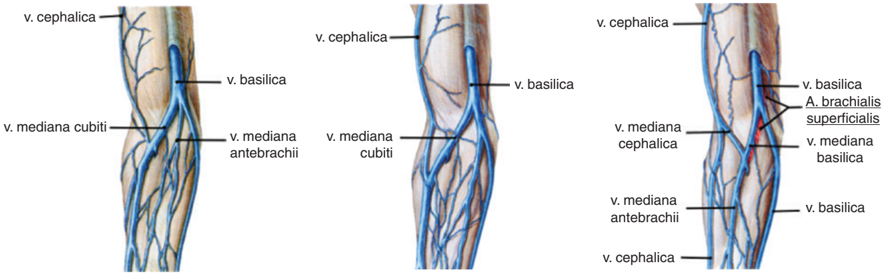
“Under the basilica vein run an artery and a nerve, so puncturing here runs the risk of damaging the nerve or artery and is usually more painful [10].”
BackgroundÇat, A., & Uçar, K. T. (2022) · American Journal of Clinical Pathology · doi:10.1093/ajcp/aqac071 · Cited by 1
Brugnoni, D., Portesi, N., Serana, F., Micheletti, M., Carini, M., Martellosio, G., Caravaggi, E., Biasiotto, G., & Marini, M. (2022) · Biochemia Medica · doi:10.11613/bm.2022.031001 · Cited by 1
FACTORS OF INTERFERENCE IN LABORATORY INVESTIGATIONS: HEMOLYSIS, ICTERUS, LIPEMIA
Maksymyuk, H. V., Boykiv, N., & Мартьянова, О. И. (2023) · Ukrainian Journal of Laboratory Medicine · doi:10.62151/2786-9288.1.1.2023.04 · Cited by 1
Exploratory study on reference intervals of calprotectin and pentraxin 3
Alfirević, I., Saračević, A., Čičak, H., Galic, H., Biljak, V. R., & Šimundić, A.-M. (2024) · Annals of Clinical Biochemistry International Journal of Laboratory Medicine · doi:10.1177/00045632241307186 · Cited by 2
“18,19 Upon venipuncture, the serum samples were left to clot at room temperature for 30 min, after which they were centrifuged with a Mega Star 1.6 centrifuge (VWR International Ltd, Lutterworth, England) at 3000×g for 10 min.”
InfluentialSelf-citationEvaluation of performance in preanalytical phase EQA: can laboratories mitigate common pitfalls?
Linko-Parvinen, A., Pelanti, J., Vanhelo, T., Eloranta, P., & Pallari, H. (2024) · Clinical Chemistry and Laboratory Medicine (CCLM) · doi:10.1515/cclm-2024-0990 · Cited by 1
Maku, H. O., Pierre, C. C., Greene, D. N., et al. (2025) · Heliyon · doi:10.1016/j.heliyon.2025.e42023 · Cited by 1
“To date, there is no gender diversity training tailored for laboratory phle-botomy staff despite the fact that phlebotomists spend significant amounts of time engaging with and providing care to patients [10, 11].”
Upper Arm Versus Forearm Placement of Long Peripheral Catheters for Blood Sampling
Bahl, A., Drogowski, M., Gutta, A., et al. (2025) · Journal of Nursing Care Quality · doi:10.1097/ncq.0000000000000857 · Cited by 1
García-Miralles, C., Martínez-Sevilla, E., Busquets-Carmona, N., Solé-Enrech, G., Cano‐Corres, R., & Escribano-Tembleque, R. (2025) · Biochemia Medica · doi:10.11613/bm.2025.020703 · Cited by 3
Ercan, Ş., & Manav, A. (2025) · Biochemia Medica · doi:10.11613/bm.2025.020704 · Cited by 3
la Torre, A. G.-D., Sánchez-Lora, F. J., Navarrete-Ortiz, M. C., López, P. T., Ortiz-García, C., Alarcón, G. M., Buforn-Jiménez, M., Cobos-Díaz, A., & la Torre-Prados, M. V. D. (2025) · Clinical Chemistry and Laboratory Medicine (CCLM) · doi:10.1515/cclm-2025-1312 · Cited by 4
“In both groups, a notable percentage of pre-analytical errors was observed, mainly due to sample contamination with intravenous fl uids or washing solutions [14].”
A survey of order of draw on inpatient wards and adherence to EFLM-COLABIOCLI recommendations
Hepburn, S. (2020) · Clinical Chemistry and Laboratory Medicine (CCLM) · doi:10.1515/cclm-2020-0202 · Cited by 1
“Respondents provided 31 different renditions of order of draw, and only seven (11%) reported an order of draw in adherence with EFLM-COLABIOCLI recommendations [1].”
BackgroundMethodInfluentialHazra, A., Mandal, S., Jawalekar, S., Rawtani, J., & Marlecha, M. (2021) · International Journal of Medical Research and Review · doi:10.17511/ijmrr.2021.i01.01 · Cited by 2
Kadić, D., Avdagić-Ismić, A., Hasić, S., & Bošnjak, F. (2021) · Medicinski Glasnik · doi:10.17392/1347-21 · Cited by 2
Paxton, J. H., Szydlowski, B. A., & Coddington, C. G. (2021) · Springer eBooks · doi:10.1007/978-3-030-77177-5_10 · Cited by 2
LABORATORY TESTING AND PREANALYTICAL ERRORS: WHERE ARE WE IN 2022?
Pap, D. (2022) · RAP Conference Proceedings · doi:10.37392/rapproc.2022.15 · Cited by 1
de Andrade, N. C., Curtin, S. N., Masih, A., Fitzgibbon, B., Herbert, K., Gowen, M., Lehane, M., & Costelloe, S. J. (2023) · Diagnosis · doi:10.1515/dx-2022-0131 · Cited by 2
Korkut, S., Ülker, T., Güler, S., & Gürsoy, Ş. (2023) · The Journal of Vascular Access · doi:10.1177/11297298231164181 · Cited by 1
“7 On the other hand, Kai et al. 27 evaluated the effectiveness of the care bundle used when blood culture was taken.”
Effect of delayed sample draw after blood collection for haemoglobin test in South Korea
Kim, H., & Kim, J. (2023) · African Journal of Laboratory Medicine · doi:10.4102/ajlm.v12i1.2008 · Cited by 1
Mortensen, S. M., Ekelund, C. K., Pedersen, B. W., Tabor, A., & Rode, L. (2023) · Journal of obstetrics and gynaecology research · doi:10.1111/jog.15700 · Cited by 1
Recommendation for the design of stability studies on clinical specimens
Rioja, R. G., Meyer, A., Cornes, M. P., Costelloe, S. J., Vermeersch, P., Šimundić, A.-M., Nybo, M., Baird, G. S., Kristensen, G. B., & Cadamuro, J. (2023) · Laboratory Service · doi:10.17116/labs20231203161 · Cited by 1
Self-citationLynge, R., Kirkvaag, C. I., Eilenberger, I. H., Hansen, A. M. D., & Smith, J. S. (2024) · Practical Laboratory Medicine · doi:10.1016/j.plabm.2024.e00381 · Cited by 1
“Health care professionals must follow protocols to assure preanalytical quality and patient safety, which includes ethanol swabbing of the skin to prevent infection introduced mainly from the bacterial flora on the skin [6 – 8].”
BackgroundRigoni, M., & Tessarolo, F. (2024) · Clinical Chemistry and Laboratory Medicine (CCLM) · doi:10.1515/cclm-2024-0460 · Cited by 1
Indagine conoscitiva sulla necessità del digiuno in preparazione al prelievo di sangue
NEGRI, R., SIPMeL, A. N. D. G.-Q., Porcelli, B., Terzuoli, L., Signorini, S. G., Garrafa, E., MARTINO, M. C. D., & POLIZZI, A. (2024) · La Rivista Italiana della Medicina di Laboratorio - Italian Journal of Laboratory Medicine · doi:10.23736/s1825-859x.24.00250-0 · Cited by 1
Ibarz, M., & Rioja, R. G. (2019) · Revista del Laboratorio Clínico · doi:10.1016/j.labcli.2019.02.001 · Cited by 2
Self-citationКазаков, С. П., & Suslova, L. A. (2020) · Medical Immunology (Russia) · doi:10.15789/1563-0625-dop-1920 · Cited by 1
Pennacchiotti, G. L., Benozzi, S. F., Unger, G., Milano, P. G., & Campion, A. (2022) · Revista Bioquímica y Patología Clínica · doi:10.62073/bypc.v86i2.202 · Cited by 2
Improving the preanalytical phase in laboratory medicine.
(2020) · PubMed Central · Cited by 4
Salvagno, G. L., Pucci, M., & Lippi, G. (2019) · Journal of Laboratory and Precision Medicine · doi:10.21037/jlpm.2019.08.03
Self-citationErrors while collecting and sending biological material
Šprongl, L. (2019) · Medicína pro praxi · doi:10.36290/med.2019.010
Mairesse, A., Gruson, D., Scohy, A., et al. (2021) · Practical Laboratory Medicine · doi:10.1016/j.plabm.2021.e00224
Herlihy, N. O., Griffin, S., Gaffney, R., Henn, P., Khashan, A. S., Ring, M., Gallagher, A. G., & Cahill, M. R. (2021) · HRB Open Research · doi:10.12688/hrbopenres.13329.1
Apolipoproteína B: sus ventajas en el manejo del riesgo cardiovascular aterosclerótico
Coniglio, R. I. (2021) · Acta bioquímica clínica latinoamericana/Acta bioquímica clínica latinoamericana · Cited by 2
Recommendations for safe collection of venous blood by a closed collection system
Bolerázska, B., Birková, A., Čižmárová, B., & Hubková, B. (2021) · Vnitřní lékařství · doi:10.36290/vnl.2021.114
“Odporúčanie je rozdelené na 4 hlavné časti: I) Postupy pred odberom krvi, II) Odber krvi, III) Postupy po odbere krvi, IV) Implementácia, pričom je zadefinované aj poradie jednotlivých krokov počas týchto postupov od 1 – 20 (4).”
Herlihy, N. O., Griffin, S., Gaffney, R., et al. (2021) · HRB Open Research · doi:10.12688/hrbopenres.13329.2
ÇİNPOLAT, H. Y., & Çakır, D. Ü. (2022) · ANKEM Dergisi · doi:10.54962/ankemderg.1216839
Endothelial dysfunction in patients with various forms of congenital epidermolysis bullosa
Корнев, В. И., Startseva, O. N., Pleshkov, A. S., et al. (2022) · The Scientific Notes of the Pavlov University · doi:10.24884/1607-4181-2022-29-3-101-105
Effect of magnesium citrate on iron status parameters: an interventional study
Milinković, N., Ivanović, N., Veličković, K., et al. (2022) · Macedonian Pharmaceutical Bulletin · doi:10.33320/maced.pharm.bull.2022.68.03.177
The role and place of integral methods in the diagnosis of hemostasis
Dolgushina, N. V., Shpilyuk, M. A., Ivanets, T. Y., et al. (2022) · Laboratory Service · doi:10.17116/labs2022110417
Камышников, В. С. (2023) · Лабораторная диагностика Восточная Европа · doi:10.34883/pi.2023.12.1.001
Korkut, S., Ünsal, A., & Kaplan, A. (2023) · Nurse Education in Practice · doi:10.1016/j.nepr.2023.103669 · Cited by 1
Atzaz, N., Mehnaz, Zuhra, F. T., Muneer, S., Ali, H., & Saeed, S. (2023) · Journal of Rawalpindi Medical College · doi:10.37939/jrmc.v27i2.2239
Honour, J. W. (2023) · Elsevier eBooks · doi:10.1016/b978-0-12-818124-9.00016-4
Nurses’ knowledge of venous blood collection: problems and ways of their solution
Kharashun, E. A., & Ostrovskaya, I. V. (2024) · Meditsinskaya sestra · doi:10.29296/25879979-2024-06-08
General considerations when dealing with biological fluid samples
Guthrie, J. W., Siódmiak, J., & Krintus, M. (2024) · Elsevier eBooks · doi:10.1016/b978-0-443-15978-7.00079-5 · Cited by 1
Alharbi, A. M. (2024) · Diagnostic Microbiology and Infectious Disease · doi:10.1016/j.diagmicrobio.2024.116581
de Blas, R. N., Menacho-Román, M., Romero, S. O., Mariñán, C. M., Vega, A. A., Gómez, G. M., Pastor, M. Á., Menéndez, L. C., Villa, M. J. A., Sobrino, M. D. P. P., et al. (2024) · Advances in Laboratory Medicine / Avances en Medicina de Laboratorio · doi:10.1515/almed-2024-0119
Evaluation of an alternative centrifugation protocol for reducing total turnaround time
de Blas, R. N., Menacho-Román, M., Romero, S. O., Mariñán, C. M., Vega, A. A., Gómez, G. M., Pastor, M. Á., Menéndez, L. C., Villa, M. J. A., Sobrino, M. D. P. P., et al. (2024) · Advances in Laboratory Medicine / Avances en Medicina de Laboratorio · doi:10.1515/almed-2024-0170
“450085V1 Greiner Bio-One ) following the Clinical and Laboratory Standards Institute (CLSI) GP41 guidelines [10] and the joint guidelines of the European Federation of Clinical Chemistry and Laboratory Medicine (EFLM) and the Latin America Confederation of Clinical Biochemistry [11].”
Il non digiuno prima del prelievo venoso è proponibile?
Porcelli, B., SIPMeL, A. N. D. G.-Q., Garrafa, E., Signorini, S. G., MARTINO, M. C. D., Ferretti, F., & Terzuoli, L. (2024) · La Rivista Italiana della Medicina di Laboratorio - Italian Journal of Laboratory Medicine · doi:10.23736/s1825-859x.24.00268-8
Kuktić, I., Pašalić, A., Čančarević, O., Galić, E., Saračević, A., & Biljak, V. R. (2024) · Blood Coagulation & Fibrinolysis · doi:10.1097/mbc.0000000000001334
Ruolo e competenze del professionista di laboratorio nella fase preanalitica
NEGRI, R., Terzuoli, L., CAMPOLUCCI, C., & Porcelli, B. (2025) · La Rivista Italiana della Medicina di Laboratorio - Italian Journal of Laboratory Medicine · doi:10.23736/s1825-859x.25.00276-2
Friedecky, B., & Kratochvíla, J. (2019) · Klinická biochemie a metabolismus · doi:10.61568/kbm.2019.020 · Cited by 1
Metadata
- Authors
- Simundic, A.-M., Bölenius, K., Cadamuro, J., Church, S., Cornes, M. P., van Dongen-Lases, E. C., Eker, P., Erdeljanovic, T., Grankvist, K., Guimaraes, J. T., Hoke, R., Ibarz, M., Ivanov, H., Kovalevskaya, S., Kristensen, G. B. B., Lima-Oliveira, G., Lippi, G., von Meyer, A., Nybo, M., De la Salle, B., Seipelt, C., Sumarac, Z., Vermeersch, P., & on behalf of the Working Group for Preanalytical Phase (WG-PRE), O. T. E. F. O. C. C. A. L. M. (. A. L. A. W. G. F. P. P. (.-P.-L. O. T. L. A. C. O. C. B. (.
- Affiliations
- Umeå University (SE)
- Paracelsus Medical University (AT)
- Worcestershire Acute Hospitals NHS Trust (GB)
- Univerzitetski Klinički Centar Srbije (RS)
- University of Verona (IT)
- Odense University Hospital (DK)
- KU Leuven (BE)
- ORCID
- Venue
- Clinical Chemistry and Laboratory Medicine (CCLM)
- Publisher
- Walter de Gruyter GmbH
- Published
- 2018-11-27
- Volume
- 56
- Issue
- 12
- Pages
- 2015-2038
- ISSN
- 1434-6621 (ISSN-L)
- 1437-4331
- OpenAlex
- W2883895380
- Cited by
- 240
- References
- 120
- Citations by year
- 2026: 25 · 2025: 30 · 2024: 28 · 2023: 27 · 2022: 25 · 2021: 30 · 2020: 40 · 2019: 32 · 2018: 3
- FWCI
- 3.45
- Type
- journal article
- Language
- en
- Open access
- bronze
- doi.org
- Locations
- Clinical Chemistry and Laboratory Medicine (CCLM) (publishedVersion)
- PubMed (publishedVersion)
- University of Southern Denmark Research Portal (University of Southern Denmark) (publishedVersion, other-oa)
- Data Archiving and Networked Services (DANS) (submittedVersion, other-oa)
- Lirias (KU Leuven) (submittedVersion)
- Pure Amsterdam UMC (submittedVersion, other-oa)
- Topics
- Health Sciences › Health Professions › Medical Laboratory Technology › Clinical Laboratory Practices and Quality Control
- Health Sciences › Medicine › Public Health, Environmental and Occupational Health › Patient Safety and Medication Errors
- Health Sciences › Medicine › Infectious Diseases › Infection Control in Healthcare
- Keywords
- venous blood sampling, pre-analytical phase, patient safety, occupational safety, implementation barriers, clinical laboratory practice
- MeSH terms
- Blood Specimen Collection, Chemistry, Clinical, Europe, Humans, Latin America, Medical Laboratory Science
About these checks
Registry, retraction, Cites and statistics results are computed, not judged, with one exception: a printed reference that no index lists is read once by a model before it counts as a citation error. Claims are extracted by a model and kept only when their quote appears verbatim in the text; each cited source is then checked, with a model’s help, for whether it says what the claim relies on. Those verdicts can be wrong — read the claim’s quote and the cited source before relying on one.
The claim verdicts this report counts are experimental: their accuracy is not yet measured.
A language model drew the claims from the paper on 2026-10-11, under version 3 of the claim definition (model deepseek-v4.1-flash, prompt extract-v3).
A second model labelled each claim on 2026-10-11 (model jev-1.13-20260917, definition revision gold-guideline-v0.2).
Cited sources are checked with a language model’s help (gpt-6-sol).
Statistics and arithmetic are recomputed, not judged.
Confidence bands are shown only for fields calibrated on our annotated test set. None is calibrated yet, so no band is shown.
What counts as a claim ›How we measure confidence ›How we check this ›
Are you an author, or do you see a problem with this page? Request a review
Data sources
Bibliographic data: Semantic Scholar, OpenAlex, Crossref.
Contains information from the Semantic Scholar Academic Graph Datasets, made available under the ODC Attribution License (ODC-BY 1.0).
Semantic Scholar’s data is described in: Kinney, R., et al. (2023). The Semantic Scholar Open Data Platform. arXiv:2301.10140.
