

The DOI matches its Crossref record; 111 of the 114 references it cites were found in a registry or an index, and 3 are not checked yet.
The Amyloid Cascade Hypothesis in Alzheimer’s Disease: It’s Time to Change Our Mind
Open accessAbstract
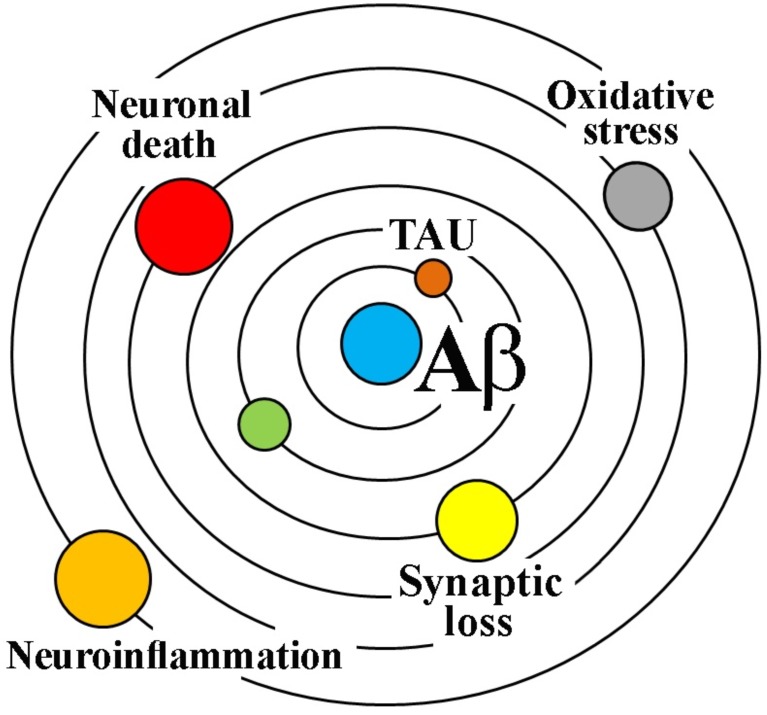
Since its discovery in 1984, the beta amyloid peptide has treaded the boards of neurosciences as the star molecule in Alzheimer's disease pathogenesis. In the last decade, however, this vision has been challenged by evidence-based medicine showing the almost complete failure of clinical trials that experimented anti-amyloid therapies with great hopes. Moreover, data have accumulated which clearly indicate that this small peptide plays a key role in the physiological processes of memory formation. In the present review, we will discuss the different aspects of the amyloid cascade hypothesis, highlighting its pros and cons, and we will analyse the results of the therapeutic approaches attempted to date that should change the direction of Alzheimer's disease research in the future.
Overview
The claims and statistics of this paper haven’t been checked yet.
Run the check — free, no account needed. It reads the open-access text and checks the sources it cites.
Integrity signals
Registry
Cites
Statistics
Figures
Verification
Claims the paper makes
The claims and statistics of this paper haven’t been checked yet.
Run the check — free, no account needed. It reads the open-access text and checks the sources it cites.
Claims other papers make about this one
Each is checked against this paper’s own text: does it say what the citing paper says it does?
The source backs part of the claim, not all of it — or backs it for a different population, condition or comparison.
In the citing paper
“Therefore, more integrative hypotheses have suggested that inflammation, excitatory‐inhibitory imbalance, or vascular impairment is involved in the series of initial reactions that eventually become chronic and result in irreversible brain dyshomeostasis, neurodegeneration, and AD [42, 66, 69].”
From Gliovascular alterations in sporadic and familial Alzheimer's disease: APOE3 Christchurch homozygote glioprotection (2023) · cites this paper as [69]
Experimental — accuracy not yet measuredThe source backs part of the claim, not all of it — or backs it for a different population, condition or comparison.
In the citing paper
“Under healthy conditions, soluble monomeric Aβ contributes to synaptic regulation, neuronal signaling, and neuroprotection through modulation of calcium homeostasis, metal ion binding, and antimicrobial defense [41–43].”
From Toward a Unified Framework in Molecular Neurobiology of Alzheimer’s Disease: Revisiting the Pathophysiological Hypotheses (2026) · cites this paper as [42]
Experimental — accuracy not yet measured
Self-check
Percentages, sums and reported differences re-computed from the paper’s own numbers.
The self-check needs the paper’s full text.
Citations
Cites
Neuropathological stageing of Alzheimer-related changes.
Braak, H., & Braak, E. (1991) · Acta Neuropathologica · doi:10.1007/bf00308809 · Cited by 16,123
Amyloid oligomers exacerbate tau pathology in a mouse model of tauopathy
Selenica, M.-L. B., Brownlow, M., Jimenez, J. P., Lee, D. C., Pena, G., Dickey, C. A., Gordon, M. N., & Morgan, D. (2013) · Neurodegenerative Diseases · doi:10.1159/000337230 · Cited by 10,359
Alzheimer's disease: the amyloid cascade hypothesis
Hardy, J. A., & Higgins, G. A. (1992) · Science · doi:10.1126/science.1566067 · Cited by 7,484
(2023) · doi:10.1126/science · Cited by 6,063
Colman (2022) · doi:10.1073/pnas · Cited by 4,370
Triple-Transgenic Model of Alzheimer’s Disease with Plaques and Tangles
Oddo, S., Caccamo, A., Shepherd, J. D., Murphy, M. P., Golde, T. E., Kayed, R., Metherate, R., Mattson, M. P., Akbari, Y., & LaFerla, F. M. (2003) · Neuron · doi:10.1016/s0896-6273(03)00434-3 · Cited by 4,126
Diffusible, nonfibrillar ligands derived from Aβ 1–42 are potent central nervous system neurotoxins
Lambert, M. P., Barlow, A. K., Chromy, B. A., Edwards, C., Freed, R., Liosatos, M., Morgan, T. E., Rozovsky, I., Trommer, B., Viola, K. L., et al. (1998) · Proceedings of the National Academy of Sciences · doi:10.1073/pnas.95.11.6448 · Cited by 3,506
The antibody aducanumab reduces Aβ plaques in Alzheimer’s disease
Sevigny, J., Chiao, P., Bussière, T., Weinreb, P. H., Williams, L., Maier, M., Dunstan, R., Salloway, S., Chen, T., Ling, Y., et al. (2016) · Nature · doi:10.1038/nature19323 · Cited by 3,059
Bloom (2014) · doi:10.1001/jamaneurol.2013.5847 · Cited by 2,194
Neurotrophic and Neurotoxic Effects of Amyloid β Protein: Reversal by Tachykinin Neuropeptides
Yankner, B. A., Duffy, L. K., & Kirschner, D. A. (1990) · Science · doi:10.1126/science.2218531 · Cited by 1,975
Two Phase 3 Trials of Bapineuzumab in Mild-to-Moderate Alzheimer's Disease
Salloway, S., Sperling, R., Fox, N. C., Blennow, K., Klunk, W., Raskind, M., Sabbagh, M., Honig, L. S., Porsteinsson, A. P., Ferris, S., et al. (2014) · New England Journal of Medicine · doi:10.1056/nejmoa1304839 · Cited by 1,960
Reducing Endogenous Tau Ameliorates Amyloid ß-Induced Deficits in an Alzheimer's Disease Mouse Model
Roberson, E. D., Scearce-Levie, K., Palop, J. J., Yan, F., Cheng, I. H., Wu, T., Gerstein, H., Yu, G.-Q., & Mucke, L. (2007) · Science · doi:10.1126/science.1141736 · Cited by 1,892
Dendritic Function of Tau Mediates Amyloid-β Toxicity in Alzheimer's Disease Mouse Models
Ittner, L. M., Ke, Y. D., Delerue, F., Bi, M., Gladbach, A., van Eersel, J., Wölfing, H., Chieng, B. C., Christie, M. J., Napier, I. A., et al. (2010) · Cell · doi:10.1016/j.cell.2010.06.036 · Cited by 1,821
Phase 3 Trials of Solanezumab for Mild-to-Moderate Alzheimer's Disease
Doody, R. S., Thomas, R. G., Farlow, M., Iwatsubo, T., Vellas, B., Joffe, S., Kieburtz, K., Raman, R., Sun, X., Aisen, P. S., et al. (2014) · New England Journal of Medicine · doi:10.1056/nejmoa1312889 · Cited by 1,668
Enhanced neurofibrillary degeneration in transgenic mice expressing mutant tau and APP
Lewis, J., Dickson, D. W., Lin, W.-L., Chisholm, L., Corral, A., Jones, G., Yen, S.-H., Sahara, N., Skipper, L., Yager, D., et al. (2001) · Science · doi:10.1126/science.1058189 · Cited by 1,611
Holmes, C., Boche, D., Wilkinson, D., Yadegarfar, G., Hopkins, V., Bayer, A., Jones, R. W., Bullock, R., Love, S., Neal, J. W., et al. (2008) · The Lancet · doi:10.1016/s0140-6736(08)61075-2 · Cited by 1,416 · cited 2×
“These negative effects occurred despite the decrease of amyloid plaques observed in autoptic brains of vaccinated patients [69-73].”
BackgroundNeuropathology of human Alzheimer disease after immunization with amyloid-β peptide: a case report
Nicoll, J. A. R., Wilkinson, D., Holmes, C., Steart, P., Markham, H., & Weller, R. O. (2003) · Nature Medicine · doi:10.1038/nm840 · Cited by 1,397
A subset of NSAIDs lower amyloidogenic Aβ42 independently of cyclooxygenase activity
Weggen, S., Eriksen, J. L., Das, P., Sagi, S. A., Wang, R., Pietrzik, C. U., Findlay, K. A., Smith, T. E., Murphy, M. P., Bulter, T., et al. (2001) · Nature · doi:10.1038/35102591 · Cited by 1,388 · cited 1×
“Although the exact mechanism of action still remains unclear, these modulators are able to decrease the production of Aβ42 without reducing overall Aβ levels, do not increase APP CTFs and do not alter Notch processing [108].”
BackgroundClinical effects of Aβ immunization (AN1792) in patients with AD in an interrupted trial
Gilman, S., Koller, M., Black, R. S., Jenkins, L., Griffith, S. G., Fox, N. C., Eisner, L., Kirby, L., Rovira, M. B., Forette, F., et al. (2005) · Neurology · doi:10.1212/01.wnl.0000159740.16984.3c · Cited by 1,329
Amyloid-β and tau--a toxic pas de deux in Alzheimer’s disease
Ittner, L. M., & Götz, J. (2011) · Nature Reviews Neuroscience · doi:10.1038/nrn2967 · Cited by 1,269
Katzman, R., Terry, R., DeTeresa, R., Brown, T., Davies, P., Fuld, P., Renbing, X., & Peck, A. (1988) · Annals of Neurology · doi:10.1002/ana.410230206 · Cited by 1,225
A Phase 3 Trial of Semagacestat for Treatment of Alzheimer's Disease
Doody, R. S., Raman, R., Farlow, M., Iwatsubo, T., Vellas, B., Joffe, S., Kieburtz, K., He, F., Sun, X., Thomas, R. G., et al. (2013) · New England Journal of Medicine · doi:10.1056/nejmoa1210951 · Cited by 1,224
Structural conversion of neurotoxic amyloid-β1–42 oligomers to fibrils
Ahmed, M., Davis, J., Aucoin, D., Sato, T., Ahuja, S., Aimoto, S., Elliott, J. I., Van Nostrand, W. E., & Smith, S. O. (2010) · Nature Structural & Molecular Biology · doi:10.1038/nsmb.1799 · Cited by 1,111
Frequent amyloid deposition without significant cognitive impairment among the elderly
Aizenstein, H. J., Nebes, R. D., Saxton, J. A., Price, J. C., Mathis, C. A., Tsopelas, N. D., Ziolko, S. K., James, J. A., Snitz, B. E., Houck, P. R., et al. (2008) · Archives of Neurology · doi:10.1001/archneur.65.11.1509 · Cited by 1,059
Neurotoxicity of Amyloid -Protein: Synaptic and Network Dysfunction
Mucke, L., & Selkoe, D. J. (2012) · Cold Spring Harbor Perspectives in Medicine · doi:10.1101/cshperspect.a006338 · Cited by 1,000
Kumar, D. K. V., Choi, S. H., Washicosky, K. J., Eimer, W. A., Tucker, S., Ghofrani, J., Lefkowitz, A., McColl, G., Goldstein, L. E., Tanzi, R. E., et al. (2016) · Science Translational Medicine · doi:10.1126/scitranslmed.aaf1059 · Cited by 971
De Felice, F. G., Velasco, P. T., Lambert, M. P., Viola, K., Fernandez, S. J., Ferreira, S. T., & Klein, W. L. (2007) · Journal of Biological Chemistry · doi:10.1074/jbc.m607483200 · Cited by 882
Longitudinal assessment of Aβ and cognition in aging and Alzheimer disease
Villemagne, V. L., Pike, K. E., Chételat, G., Ellis, K. A., Mulligan, R. S., Bourgeat, P., Ackermann, U., Jones, G., Szoeke, C., Salvado, O., et al. (2011) · Annals of Neurology · doi:10.1002/ana.22248 · Cited by 833
Price, J. L., Davis, P. B., Morris, J. C., & White, D. L. (1991) · Neurobiology of Aging · doi:10.1016/0197-4580(91)90006-6 · Cited by 818
Alzheimer's disease: experimental models and reality
Drummond, E., & Wisniewski, T. (2017) · Acta Neuropathologica · doi:10.1007/s00401-016-1662-x · Cited by 810
Tau is essential to β-amyloid-induced neurotoxicity
Rapoport, M., Dawson, H. N., Binder, L. I., Vitek, M. P., & Ferreira, A. (2002) · Proceedings of the National Academy of Sciences · doi:10.1073/pnas.092136199 · Cited by 807
Structure–neurotoxicity relationships of amyloid β-protein oligomers
Ono, K., Condron, M. M., & Teplow, D. B. (2009) · Proceedings of the National Academy of Sciences · doi:10.1073/pnas.0905127106 · Cited by 782
A phase 2 multiple ascending dose trial of bapineuzumab in mild to moderate Alzheimer disease
Salloway, S., Sperling, R., Gilman, S., Fox, N. C., Blennow, K., Raskind, M., Sabbagh, M., Honig, L. S., Doody, R., van Dyck, C. H., et al. (2009) · Neurology · doi:10.1212/wnl.0b013e3181c67808 · Cited by 753
Picomolar Amyloid-β Positively Modulates Synaptic Plasticity and Memory in Hippocampus
Puzzo, D., Privitera, L., Leznik, E., Fà, M., Staniszewski, A., Palmeri, A., & Arancio, O. (2008) · The Journal of Neuroscience · doi:10.1523/jneurosci.2692-08.2008 · Cited by 740
Targeting the β secretase BACE1 for Alzheimer's disease therapy
Yan, R., & Vassar, R. J. (2014) · The Lancet Neurology · doi:10.1016/s1474-4422(13)70276-x · Cited by 645
Identification of normal and pathological aging in prospectively studied nondemented elderly humans
Dickson, D. W., Crystal, H. A., Mattiace, L. A., Masur, D. M., Blau, A. D., Davies, P., Yen, S.-H., & Aronson, M. K. (1992) · Neurobiology of Aging · doi:10.1016/0197-4580(92)90027-u · Cited by 643
Laird, F. M., Cai, H., Savonenko, A. V., Farah, M. H., He, K., Melnikova, T., Wen, H., Chiang, H.-C., Xu, G., Koliatsos, V. E., et al. (2005) · The Journal of Neuroscience · doi:10.1523/jneurosci.2766-05.2005 · Cited by 521
Kamat, P. K., Kalani, A., Rai, S., Swarnkar, S., Tota, S., Nath, C., & Tyagi, N. (2014) · Molecular Neurobiology · doi:10.1007/s12035-014-9053-6 · Cited by 511
The mechanism of γ‐Secretase dysfunction in familial Alzheimer disease
Chávez‐Gutiérrez, L., Bammens, L., Benilova, I., Vandersteen, A., Benurwar, M., Borgers, M., Lismont, S., Zhou, L., Van Cleynenbreugel, S., Esselmann, H., et al. (2012) · The EMBO Journal · doi:10.1038/emboj.2012.79 · Cited by 495
Ferrer, I., Rovira, M. B., Guerra, M. L. S., Rey, M. J., & Costa‐Jussá, F. (2004) · Brain Pathology · doi:10.1111/j.1750-3639.2004.tb00493.x · Cited by 479
Bohrmann, B., Baumann, K., Benz, J., Gerber, F., Huber, W., Knoflach, F., Messer, J., Oroszlan, K., Rauchenberger, R., Richter, W. F., et al. (2012) · Journal of Alzheimer's Disease · doi:10.3233/jad-2011-110977 · Cited by 448 · cited 1×
“Gantenerumab is a human antibody directed against the aggregated forms of Aβ, which recognizes both the Nterminus and the mid-domain of Aβ [84, 85].”
BackgroundThe Aβ oligomer hypothesis for synapse failure and memory loss in Alzheimer’s disease
Ferreira, S. T., & Klein, W. L. (2011) · Neurobiology of Learning and Memory · doi:10.1016/j.nlm.2011.08.003 · Cited by 442 · cited 1×
“they have never been proven in AD patients [5-7].”
BackgroundMechanism of amyloid removal in patients with Alzheimer disease treated with gantenerumab
Ostrowitzki, S. (2012) · Archives of Neurology · doi:10.1001/archneurol.2011.1538 · Cited by 431 · cited 1×
“In a first double-blind, randomized, placebo controlled PET trial, gantenerumab was shown to reduce cerebral amyloid levels in a dose-dependent fashion in mild to moderate AD patients (36% difference from placebo at the highest dose tested) [86].”
BackgroundDawson, G. R., Seabrook, G. R., Zheng, H., Smith, D. W., Graham, S. J., O'Dowd, G., Bowery, B. J., Boyce, S., Trumbauer, M. E., Chen, H. Y., et al. (1999) · Neuroscience · doi:10.1016/s0306-4522(98)00410-2 · Cited by 394
Cirrito, J. R., May, P. C., O'Dell, M. A., Taylor, J. W., Parsadanian, M., Cramer, J. W., Audia, J. E., Nissen, J. S., Bales, K. R., Paul, S. M., et al. (2003) · The Journal of Neuroscience · doi:10.1523/jneurosci.23-26-08844.2003 · Cited by 394
Ferreira, S. T., Lourenco, M. V., Oliveira, M. M., & De Felice, F. G. (2015) · Frontiers in Cellular Neuroscience · doi:10.3389/fncel.2015.00191 · Cited by 373
Phase 3 solanezumab trials: Secondary outcomes in mild Alzheimer's disease patients
Siemers, E. R., Sundell, K. L., Carlson, C., Case, M., Sethuraman, G., Liu‐Seifert, H., Dowsett, S. A., Pontecorvo, M. J., Dean, R. A., & Demattos, R. (2016) · Alzheimer's & Dementia · doi:10.1016/j.jalz.2015.06.1893 · Cited by 370
Aβ vaccination effects on plaque pathology in the absence of encephalitis in Alzheimer disease
Masliah, E., Hansen, L., Adame, A., Crews, L. A., Bard, F., Lee, C., Seubert, P. A., Games, D., Kirby, L., & Schenk, D. (2005) · Neurology · doi:10.1212/01.wnl.0000148590.39911.df · Cited by 355
Fagan, A. M., Mintun, M. A., Shah, A. R., Aldea, P., Roe, C. M., Mach, R. H., Marcus, D., Morris, J. C., & Holtzman, D. M. (2009) · EMBO Molecular Medicine · doi:10.1002/emmm.200900048 · Cited by 353
Physiological Functions of APP Family ProteinsPreprint
Müller, U., & Zheng, H. (2011) · Cold Spring Harbor Perspectives in Medicine · doi:10.1101/cshperspect.a006288 · Cited by 339
The Production of Amyloid β Peptide Is a Critical Requirement for the Viability of Central Neurons
Plant, L. D., Boyle, J. P., Smith, I. F., Peers, C., & Pearson, H. A. (2003) · Journal of Neuroscience · doi:10.1523/jneurosci.23-13-05531.2003 · Cited by 326
Winblad, B. G., Andreasen, N., Minthon, L., Floesser, A., Imbert, G., Dumortier, T., Maguire, R. P., Blennow, K., Lundmark, J., Staufenbiel, M., et al. (2012) · The Lancet Neurology · doi:10.1016/s1474-4422(12)70140-0 · Cited by 321
Alzheimer's disease: synapses gone cold
Koffie, R. M., Hyman, B. T., & Spires‐Jones, T. L. (2011) · Molecular Neurodegeneration · doi:10.1186/1750-1326-6-63 · Cited by 316
The amyloid precursor protein: A biochemical enigma in brain development, function and disease
Nalivaeva, N. N., & Turner, A. J. (2013) · FEBS Letters · doi:10.1016/j.febslet.2013.05.010 · Cited by 293
Wilcock, G. K., Black, S. E., Hendrix, S. B., Zavitz, K. H., Swabb, E. A., & Laughlin, M. A. (2008) · The Lancet Neurology · doi:10.1016/s1474-4422(08)70090-5 · Cited by 291
Safety and biomarker effects of solanezumab in patients with Alzheimer's disease
Farlow, M. R., Arnold, S. E., van Dyck, C. H., Aisen, P. S. S., Snider, B. J., Porsteinsson, A. P., Friedrich, S. W., Dean, R. A., Gonzales, C., Sethuraman, G., et al. (2012) · Alzheimer s & Dementia · doi:10.1016/j.jalz.2011.09.224 · Cited by 285
Götz, J., Streffer, J. R., David, D. C., Schild, A., Hoerndli, F. J., Pennanen, L., Kurosinski, P., & Chen, F. (2004) · Molecular Psychiatry · doi:10.1038/sj.mp.4001508 · Cited by 284
PPARγ Agonists as Therapeutics for the Treatment of Alzheimer's Disease
Landreth, G. E., Jiang, Q., Mandrekar, S., & Heneka, M. T. (2008) · Neurotherapeutics · doi:10.1016/j.nurt.2008.05.003 · Cited by 283
Seabrook, G. R., Smith, D. W., Bowery, B. J., Easter, A., Reynolds, T., Fitzjohn, S. M., Morton, R. A., Zheng, H., Dawson, G. R., SIRINATHSINGHJI, D. J. S., et al. (1999) · Neuropharmacology · doi:10.1016/s0028-3908(98)00204-4 · Cited by 281
Endogenous amyloid‐β is necessary for hippocampal synaptic plasticity and memory
Puzzo, D., Privitera, L., Fa', M., Staniszewski, A., Hashimoto, G., Aziz, F., Sakurai, M., Ribe, E. M., Troy, C. M., Mercken, M., et al. (2011) · Annals of Neurology · doi:10.1002/ana.22313 · Cited by 278
γ-Secretase inhibitors and modulators
Golde, T. E., Koo, E. H., Felsenstein, K. M., Osborne, B. A., & Miele, L. (2013) · Biochimica et Biophysica Acta (BBA) - Biomembranes · doi:10.1016/j.bbamem.2013.06.005 · Cited by 275
Spatial and temporal relationships between plaques and tangles in Alzheimer-pathology
Schönheit, B., Zarski, R., & Ohm, T. G. (2004) · Neurobiology of Aging · doi:10.1016/j.neurobiolaging.2003.09.009 · Cited by 262
Vellas, B. J., Black, R. S., Thal, L. J., Fox, N. C., Daniels, M., McLennan, G., Tompkins, C., Leibman, C. W., Pomfret, M., & Grundman, M. (2009) · Current Alzheimer Research · doi:10.2174/156720509787602852 · Cited by 261
Targeting Prodromal Alzheimer Disease With Avagacestat: A Randomized Clinical Trial
Coric, V., Salloway, S., van Dyck, C. H., Dubois, B., Andreasen, N., Brody, M., Curtis, C., Soininen, H., Thein, S., Shiovitz, T., et al. (2015) · JAMA Neurology · doi:10.1001/jamaneurol.2015.0607 · Cited by 240
Garwood, C. J., Ratcliffe, L. E., Simpson, J. E., Heath, P. R., Ince, P. G., & Wharton, S. B. (2017) · Neuropathology and Applied Neurobiology · doi:10.1111/nan.12338 · Cited by 233
Behavioral assays with mouse models of Alzheimer's disease: Practical considerations and guidelines
Puzzo, D., Lee, L. S., Palmeri, A., Calabrese, G., & Arancio, O. (2014) · Biochemical Pharmacology · doi:10.1016/j.bcp.2014.01.011 · Cited by 226
Selective neuronal degeneration induced by soluble oligomeric amyloid beta‐protein
Kim, H., Chae, S., Lee, D., Chromy, B. A., Lee, S. C., Park, Y., Klein, W. L., Krafft, G. A., & Hong, S. (2002) · The FASEB Journal · doi:10.1096/fj.01-0987fje · Cited by 219
Amyloid Beta: Multiple Mechanisms of Toxicity and Only Some Protective Effects?
Carrillo‐Mora, P., Luna, R., & Colín-Barenque, L. (2014) · Oxidative Medicine and Cellular Longevity · doi:10.1155/2014/795375 · Cited by 187
Delaère, P., Duyckaerts, C., Masters, C., Beyreuther, K., Piette, F., & Hauw, J.-J. (1990) · Neuroscience Letters · doi:10.1016/0304-3940(90)90391-l · Cited by 186
A Greek Tragedy: The Growing Complexity of Alzheimer Amyloid Precursor Protein Proteolysis
Andrew, R. J., Kellett, K. A. B., Thinakaran, G., & Hooper, N. M. (2016) · Journal of Biological Chemistry · doi:10.1074/jbc.r116.746032 · Cited by 186
Gillman, K. W., Starrett, J. E., Parker, M. F., Xie, K. M., Bronson, J. J., Marcin, L. R., McElhone, K. E., Bergstrom, C. P., Mate, R. A., Williams, R. D., et al. (2010) · ACS Medicinal Chemistry Letters · doi:10.1021/ml1000239 · Cited by 185
Amyloid beta mediates memory formationPreprint
García‐Osta, A., & Alberini, C. M. (2009) · Learning & Memory · doi:10.1101/lm.1310209 · Cited by 185
The γ-secretase complex: from structure to function
Zhang, X., Li, Y., Xu, H., & Zhang, Y. (2014) · Frontiers in Cellular Neuroscience · doi:10.3389/fncel.2014.00427 · Cited by 179
Peroxisome Proliferator-Activated Receptor γ Induces a Clearance Mechanism for the Amyloid-β Peptide
Espuny-Camacho, I., Serneels, L., Spittaels, K., Merchiers, P., Dominguez, D. I., & Strooper, B. D. (2004) · Journal of Neuroscience · doi:10.1523/jneurosci.3987-04.2004 · Cited by 171
Martone, R., Zhou, H., Atchison, K., Comery, T., Xu, J. Z., Huang, X.-Y., Gong, X., Jin, M., Kreft, A., Harrison, B., et al. (2009) · Journal of Pharmacology and Experimental Therapeutics · doi:10.1124/jpet.109.152975 · Cited by 163
Ribé, E. M., Pérez, M., Puig, B., Gich, I., Lim, F., Cuadrado, M., Sesma, T., Catena, S., Sánchez, B., Nieto, M., et al. (2005) · Neurobiology of Disease · doi:10.1016/j.nbd.2005.05.027 · Cited by 162
Leroy, K., Ando, K., Laporte, V., Dedecker, R., Suain, V., Authelet, M., Héraud, C., Pierrot, N., Yilmaz, Z., Octave, J.-N., et al. (2012) · The American Journal of Pathology · doi:10.1016/j.ajpath.2012.08.012 · Cited by 161
BACE1 Physiological Functions May Limit Its Use as Therapeutic Target for Alzheimer's Disease
Barão, S., Moechars, D., Lichtenthaler, S. F., & De Strooper, B. (2016) · Trends in Neurosciences · doi:10.1016/j.tins.2016.01.003 · Cited by 158
Toward more predictive genetic mouse models of Alzheimer’s disease
Onos, K. D., Sukoff Rizzo, S. J., Howell, G. R., & Sasner, M. (2016) · Brain Research Bulletin · doi:10.1016/j.brainresbull.2015.12.003 · Cited by 156
Long-term treatment with active Aβ immunotherapy with CAD106 in mild Alzheimer’s disease
Farlow, M. R., Andreasen, N., Riviere, M., Voštiar, I., Vitaliti, A., Sóvágó, J., Caputo, A., Winblad, B. G., & Graf, A. (2015) · Alzheimer s Research & Therapy · doi:10.1186/s13195-015-0108-3 · Cited by 149
Cai, J., Qi, X., Kociok, N., Skosyrski, S., Emilio, A., Ruan, Q., Han, S., Liu, L., Chen, Z., Bowes Rickman, C., et al. (2012) · EMBO Molecular Medicine · doi:10.1002/emmm.201101084 · Cited by 136
Variability in cognitive presentation of Alzheimer's disease
Stopford, C. L., Snowden, J. S., Thompson, J. C., & Neary, D. (2007) · Cortex · doi:10.1016/j.cortex.2005.11.002 · Cited by 133
Pharmacological Inhibition of BACE1 Impairs Synaptic Plasticity and Cognitive Functions
Filser, S., Ovsepian, S. V., Masana, M., Blázquez‐Llorca, L., Elvang, A. B., Volbracht, C., Müller, M. B., Jung, C. K. E., & Herms, J. W. (2014) · Biological Psychiatry · doi:10.1016/j.biopsych.2014.10.013 · Cited by 131
Rosiglitazone and Pioglitazone for the Treatment of Alzheimer's Disease
Miller, B. W., Willett, K. C., & Desilets, A. R. (2011) · Annals of Pharmacotherapy · doi:10.1345/aph.1q238 · Cited by 128
Transmission and age‐at‐onset patterns in familial Alzheimer's disease
Farrer, L. A., Myers, R. H., Cupples, L. A., George‐Hyslop, P. S., Bird, T. D., Rossor, M. N., MULLAN, M. J., Polinsky, R. J., Nee, L. E., Heston, L. L., et al. (1990) · Neurology · doi:10.1212/wnl.40.3_part_1.395 · Cited by 125
Bace1 and Neuregulin‐1 cooperate to control formation and maintenance of muscle spindles
Cheret, C., Willem, M., Fricker, F. R., Wende, H., Wulf‐Goldenberg, A., Tahirovic, S., Nave, K., Saftig, P., Haass, C., Garratt, A. N., et al. (2013) · The EMBO Journal · doi:10.1038/emboj.2013.146 · Cited by 124
Giedraitis, V., Sundelöf, J. E., Irizarry, M. C., Gårevik, N., Hyman, B. T., Wahlund, L., Ingelsson, M., & Lannfelt, L. (2007) · Neuroscience Letters · doi:10.1016/j.neulet.2007.09.023 · Cited by 121
Wang, H., Song, L., Laird, F. M., Wong, P. C., & Lee, H. (2008) · Journal of Neuroscience · doi:10.1523/jneurosci.2440-08.2008 · Cited by 116
ADDLs and the signaling web that leads to Alzheimer’s disease
Krafft, G. A., & Klein, W. L. (2010) · Neuropharmacology · doi:10.1016/j.neuropharm.2010.07.012 · Cited by 113
Mayer, S. C., Kreft, A. F., Harrison, B. L., Abou-Gharbia, M. A., Antane, M. M., Aschmies, S., Atchison, K. P., Chlenov, M. A., Cole, D. C., Comery, T. A., et al. (2008) · Journal of Medicinal Chemistry · doi:10.1021/jm801252w · Cited by 111
BACE1 gene deletion: Impact on behavioral function in a model of Alzheimer’s disease
Kobayashi, D., Zeller, M., Cole, T., Buttini, M., McConlogue, L., Sinha, S., Freedman, S., Morris, R. G. M., & Chen, K. S. (2008) · Neurobiology of Aging · doi:10.1016/j.neurobiolaging.2007.01.002 · Cited by 111
Pasquier, F., Sadowsky, C., Holstein, A. R., Prince, G. L., Peng, Y., Jackson, N. M., Fox, N. C., Ketter, N., Liu, E., Ryan, J. M., et al. (2016) · Journal of Alzheimer s Disease · doi:10.3233/jad-150376 · Cited by 108
Functions of the APP gene family in the nervous system: insights from mouse models
Aydin, D., Weyer, S. W., & Müller, U. (2011) · Experimental Brain Research · doi:10.1007/s00221-011-2861-2 · Cited by 102
High Degree of Heterogeneity in Alzheimer's Disease Progression Patterns
Komarova, N. L., & Thalhauser, C. J. (2011) · PLoS Computational Biology · doi:10.1371/journal.pcbi.1002251 · Cited by 97
Anti-Viral Properties of Amyloid-β Peptides
Bourgade, K., Dupuis, G., Frost, E. H., & Fülöp, T. (2016) · Journal of Alzheimer s Disease · doi:10.3233/jad-160517 · Cited by 97
Jaworski, T., Dewachter, I., Lechat, B., Croes, S., Termont, A., Demedts, D., Borghgraef, P., Devijver, H., Filipkowski, R. K., Kaczmarek, L., et al. (2009) · PLoS ONE · doi:10.1371/journal.pone.0007280 · Cited by 96
BMS-708,163 Targets Presenilin and Lacks Notch-Sparing Activity
Crump, C. J., Castro, S. V., Wang, F., Pozdnyakov, N., Ballard, T. E., Sisodia, S. S., Bales, K. R., Johnson, D. S., & Li, Y. (2012) · Biochemistry · doi:10.1021/bi301137h · Cited by 95
d’Abramo, C., Massone, S., Zingg, J.-M., Pizzuti, A., Marambaud, P., Piccola, B. D., Azzi, A., Marinari, U. M., Pronzato, M. A., & Ricciarelli, R. (2005) · Biochemical Journal · doi:10.1042/bj20050560 · Cited by 81
Self-citationβ-amyloid-(1–40) increases long-term potentiation in rat hippocampus in vitro
Wu, J., Anwyl, R., & Rowan, M. J. (1995) · European Journal of Pharmacology · doi:10.1016/0014-2999(95)00539-w · Cited by 80
Mura, E., Zappettini, S., Preda, S., Biundo, F., Lanni, C., Grilli, M., Cavallero, A., Olivero, G., Salamone, A., Govoni, S. M., et al. (2012) · PLoS ONE · doi:10.1371/journal.pone.0029661 · Cited by 65
The Binding Receptors of Aβ: an Alternative Therapeutic Target for Alzheimer’s Disease
Xia, M., Cheng, X., Yi, R., Gao, D., & Xiong, J. (2014) · Molecular Neurobiology · doi:10.1007/s12035-014-8994-0 · Cited by 53
Profile of gantenerumab and its potential in the treatment of Alzheimer's disease
Nisticò, R., Novakovic, D., Feligioni, M., Scaccianoce, S., Piccinin, S., Mercuri, N. B., Nicoletti, F., Caruso, A., Schepisi, C., & Errico, F. (2013) · Drug Design Development and Therapy · doi:10.2147/dddt.s53401 · Cited by 50
Alzheimer's disease: Old problem, new views from transgenic and viral models
Jaworski, T., Dewachter, I., Seymour, C. M., Borghgraef, P., Devijver, H., Kügler, S., & LEUVEN, F. V. (2010) · Biochimica et Biophysica Acta (BBA) - Molecular Basis of Disease · doi:10.1016/j.bbadis.2010.03.005 · Cited by 49
Drug pipeline in neurodegeneration based on transgenic mice models of Alzheimer's disease
Li, C., Ebrahimi, A., & Schluesener, H. J. (2012) · Ageing Research Reviews · doi:10.1016/j.arr.2012.09.002 · Cited by 44
Peripheral and central effects of γ-secretase inhibition by semagacestat in Alzheimer’s disease
Doody, R. S., Raman, R., Sperling, R. A., Seimers, E., Sethuraman, G., Mohs, R. C., Farlow, M. R., Iwatsubo, T., Vellas, B. J., Sun, X., et al. (2015) · Alzheimer s Research & Therapy · doi:10.1186/s13195-015-0121-6 · Cited by 43
β‐Amyloid pathogenesis: Chemical properties versus cellular levels
Tiwari, M. K., & Kepp, K. P. (2015) · Alzheimer s & Dementia · doi:10.1016/j.jalz.2015.06.1895 · Cited by 37
A novel mechanism for cyclic adenosine monophosphate–mediated memory formation: Role of amyloid beta
Ricciarelli, R., Puzzo, D., Bruno, O., Canepa, E., Gardella, E., Rivera, D., Privitera, L., Domenicotti, C., Marengo, B., Marinari, U. M., et al. (2014) · Annals of Neurology · doi:10.1002/ana.24130 · Cited by 32
Self-citationCanepa, E., Domenicotti, C., Marengo, B., Passalacqua, M., Marinari, U. M., Pronzato, M. A., Fedele, E., & Ricciarelli, R. (2013) · IUBMB Life · doi:10.1002/iub.1109 · Cited by 27
Self-citationIncreased Cerebrospinal Fluid Aβ38/Aβ42 Ratio in Alzheimer Disease
Mehta, P. D., & Pirttilä, T. (2005) · Neurodegenerative Diseases · doi:10.1159/000090363 · Cited by 24
Amyloid β: Walking on the dark side of the moon
Fedele, E., Rivera, D., Marengo, B., Pronzato, M. A., & Ricciarelli, R. (2015) · Mechanisms of Ageing and Development · doi:10.1016/j.mad.2015.09.001 · Cited by 23
Self-citationBACE1 modulates gating of KCNQ1 (Kv7.1) and cardiac delayed rectifier KCNQ1/KCNE1 (IKs)
Agsten, M., Hessler, S., Lehnert, S., Volk, T., Rittger, A., Hartmann, S., Raab, C., Kim, D. Y., Groemer, T. W., Schwake, M., et al. (2015) · Journal of Molecular and Cellular Cardiology · doi:10.1016/j.yjmcc.2015.10.006 · Cited by 22
Evaluating the role of hnRNP‐C and FMRP in the cAMP‐induced APP metabolism
Rivera, D., Fedele, E., Marinari, U. M., Pronzato, M. A., & Ricciarelli, R. (2015) · BioFactors · doi:10.1002/biof.1207 · Cited by 5
Self-citationBarbero (2014) · doi:10.1016/j · Cited by 1
Research works printed but not linked: 2
- [5]Ferreira S.T. Lourenco M.V. Oliveira M.M. De Felice F.G. Soluble amyloid-β oligomers as synaptotoxins leading to cognitive impairment in Alzheimer’s disease. Front. Cell. Neurosci. 2015 26 9 191 PMC4443025 26074767
- [90]Wang H. Song L. Laird F. Wong P.C. Lee H.K. BACE1 knockouts display deficits in activity-dependent potentiation of synaptic transmission at mossy fiber to CA3 synapses in the hippocampus. J. Neurosci. 2008 28 8677 8681 [http://dx.doi.org/ 10.1523/JNEUROSCI.2440-08.2008]. 18753368 PMC2728626 · DOI
Cited by
Sorted by citations
Comprehensive Review on Alzheimer’s Disease: Causes and Treatment
Breijyeh, Z., & Karaman, R. (2020) · Molecules · doi:10.3390/molecules25245789 · Cited by 2,789
Wang, C., & Holtzman, D. M. (2020) · Neuropsychopharmacology · doi:10.1038/s41386-019-0478-5 · Cited by 615
Alzheimer’s disease: Recent treatment strategies
Vaz, M., & Silvestre, S. (2020) · European Journal of Pharmacology · doi:10.1016/j.ejphar.2020.173554 · Cited by 547
The multiplex model of the genetics of Alzheimer's disease
Sims, R., Hill, M., & Williams, J. (2020) · Nature Neuroscience · doi:10.1038/s41593-020-0599-5 · Cited by 466
GLP-1 Receptor Agonists: Beyond Their Pancreatic Effects
Zhao, X., Wang, M., Wen, Z., Lu, Z., Cui, L., Fu, C., Xue, H., Liu, Y., & Zhang, Y. (2021) · Frontiers in Endocrinology · doi:10.3389/fendo.2021.721135 · Cited by 463
Metadata
- Authors
- Ricciarelli, R., & Fedele, E.
- Affiliations
- University of Genoa (IT)
- Corresponding author
- Ricciarelli, Roberta
- Fedele, Ernesto
- Venue
- Current Neuropharmacology
- Publisher
- Bentham Science Publishers Ltd.
- Published
- 2017-07-31
- Volume
- 15
- Issue
- 6
- Pages
- 926-935
- ISSN
- 1570-159X (ISSN-L)
- PMC
- PMC5652035
- OpenAlex
- W2581177196
- Cited by
- 380
- References
- 111
- Citations by year
- 2026: 22 · 2025: 30 · 2024: 49 · 2023: 60 · 2022: 53 · 2021: 58 · 2020: 51 · 2019: 33 · 2018: 13 · 2017: 11
- FWCI
- 21.86
- Type
- journal article
- Language
- en
- Open access
- green
- www.ncbi.nlm.nih.gov
- Licence
- cc-by-nc
- Locations
- Current Neuropharmacology (publishedVersion)
- PubMed Central (publishedVersion, cc-by-nc)
- PubMed (publishedVersion)
- CINECA IRIS Institutial Research Information System (University of Genoa) (submittedVersion)
- Topics
- Life Sciences › Neuroscience › Cellular and Molecular Neuroscience › Alzheimer's disease research and treatments
- Health Sciences › Medicine › Psychiatry and Mental health › Dementia and Cognitive Impairment Research
- Life Sciences › Neuroscience › Neurology › Neuroinflammation and Neurodegeneration Mechanisms
- Keywords
- amyloid hypothesis, Alzheimer's disease, amyloid-beta, anti-amyloid therapy, clinical trial failure, memory formation, Alzheimer's disease pathogenesis
- MeSH terms
- Alzheimer Disease, Animals, Brain, Humans, Amyloid beta-Peptides
About these checks
Registry, retraction, Cites and statistics results are computed, not judged, with one exception: a printed reference that no index lists is read once by a model before it counts as a citation error. Claims are extracted by a model and kept only when their quote appears verbatim in the text; each cited source is then checked, with a model’s help, for whether it says what the claim relies on. Those verdicts can be wrong — read the claim’s quote and the cited source before relying on one.
Statistics and arithmetic are recomputed, not judged.
Confidence bands are shown only for fields calibrated on our annotated test set. None is calibrated yet, so no band is shown.
What counts as a claim ›How we measure confidence ›How we check this ›
Are you an author, or do you see a problem with this page? Request a review
