

Environmental programming of stress responses through DNA methylation: life at the interface between a dynamic environment and a fixed genome
Open accessThe DOI matches its Crossref record; 133 of the 133 references it cites were found in a registry or an index.
Abstract
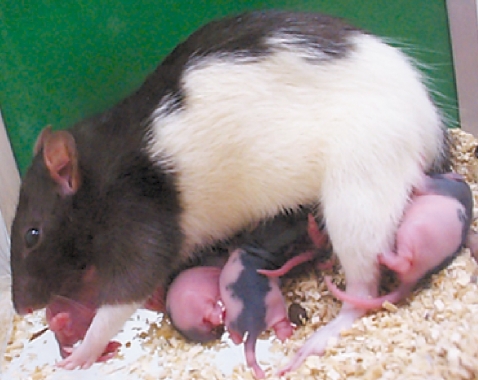
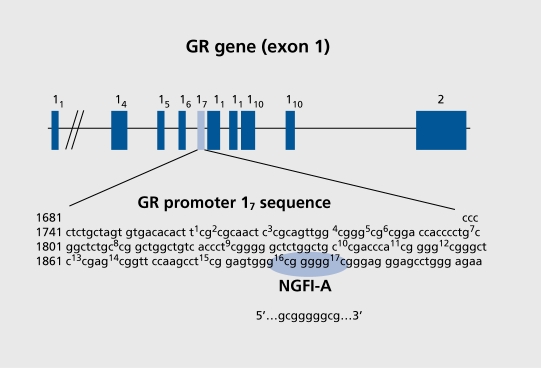
Early experience permanently alters behavior and physiology. These effects are, in part, mediated by sustained alterations in gene expression in selected brain regions. The critical question concerns the mechanism of these environmental "programming" effects. We examine this issue with an animal model that studies the consequences of variations in mother-infant interactions on the development of individual differences in behavioral and endocrine responses to stress in adulthood. Increased levels of pup licking/grooming by rat mothers in the first week of life alter DNA structure at a glucocorticoid receptor gene promoter in the hippocampus of the offspring. Differences in the DNA methylation pattern between the offspring of high- and low-licking/grooming mothers emerge over the first week of life; they are reversed with cross-fostering; they persist into adulthood; and they are associated with altered histone acetylation and transcription factor (nerve growth factor-induced clone A [NGFIA]) binding to the glucocorticoid receptor promoter. DNA methylation alters glucocorticoid receptor expression through modifications of chromatin structure. Pharmacological reversal of the effects on chromatin structure completely eliminates the effects of maternal care on glucocorticoid receptor expression and hypothalamic-pituitary-adrenal (HPA) responses to stress, thus suggesting a causal relation between the maternally induced, epigenetic modification of the glucocorticoid receptor gene and the effects on stress responses in the offspring. These findings demonstrate that the structural modifications of the DNA can be established through environmental programming and that, in spite of the inherent stability of this epigenomic marker, it is dynamic and potentially reversible.
Overview
The claims and statistics of this paper haven’t been checked yet.
Free: it reads the open-access text and checks the first 5 claims that cite a source we can check. Create a free account to check every claim.
Integrity signals
Registry
Cites
Statistics
Figures
Verification
Claims the paper makes
The claims and statistics of this paper haven’t been checked yet.
Free: it reads the open-access text and checks the first 5 claims that cite a source we can check. Create a free account to check every claim.
Claims other papers make about this one
Each is checked against this paper’s own text: does it say what the citing paper says it does?
The source backs part of the claim, not all of it — or backs it for a different population, condition or comparison.
In the citing paper
“Evidence to date also supports the hypothesis that early experiences operate on many neural target sites through epigenetic factors, providing a mechanism by which genes and environments interact to produce variation in individual HPA stress phenotypes through a variety of mechanisms, including changes in glucocorticoid (GC) and mineralocorticoid (MC) receptors in the hippocampus (Meaney and Szyf,”
From Quality of maternal and paternal care predicts later stress reactivity in the cooperatively-breeding marmoset (Callithrix geoffroyi) (2013) · cites this paper as Meaney and Szyf, 2005
Experimental — accuracy not yet measuredThe cited source says what the claim attributes to it.
In the citing paper
“A first important line of research, conducted by Michael Meaney and colleagues, has shown that parental care during early life induces long-term changes in behaviour as well as in gene expression mediated by epigenetic changes in the hippocampus of rats 21.”
From Resilience in mental health: linking psychological and neurobiological perspectives. (2013) · cites this paper as [21]
The cited source says what the claim attributes to it.
In the citing paper
“These associations are consistent with well defined neurobiological models linking early experience with the development of the HPA axis component of the stress response system (Meaney & Szyf, 2005) and linking stress and stress hormones with cognition, particularly executive functions (Arnsten, 2000; Lupien, Maheu, Tu, Fiocco, & Shramek, 2007).”
From Salivary cortisol mediates effects of poverty and parenting on executive functions in early childhood (2011) · cites this paper as Meaney & Szyf, 2005
The cited source says what the claim attributes to it.
In the citing paper
“Research with rodents, non-human primates, and humans, has shown that parental caregiving mediates the regulation of the HPA axis (see, e.g., Francis, Diorio, Plotsky, & Meaney, 2002; Levine, 2005; Meaney & Szyf, 2005; Sanchez, 2006).”
From Normalizing the development of cortisol regulation in maltreated infants through preventive interventions (2011) · cites this paper as Meaney & Szyf, 2005
The cited source says what the claim attributes to it.
In the citing paper
“Remarkably, research has shown that the maternal licking and grooming behavior in the rat that is so central to the development of the HPA stress response system produces its effect through molecular mechanisms that alter the epigenetic state of the gene that codes for GR receptor density in the hippocampus (Meaney & Szyf, 2005; Weaver, 2007; Weaver et al., 2004).”
From Stress and the development of self-regulation in context (2010) · cites this paper as Meaney & Szyf, 2005
5 more claims about this paper
Create a free account to see every claim other papers make about this one.
Self-check
Percentages, sums and reported differences re-computed from the paper’s own numbers.
The self-check needs the paper’s full text.
Citations
Cites
Felitti, V. J., Anda, R. F., Nordenberg, D., Williamson, D. F., Spitz, A. M., Edwards, V., Koss, M. P., & Marks, J. S. (1998) · American Journal of Preventive Medicine · doi:10.1016/s0749-3797(98)00017-8 · Cited by 18,943
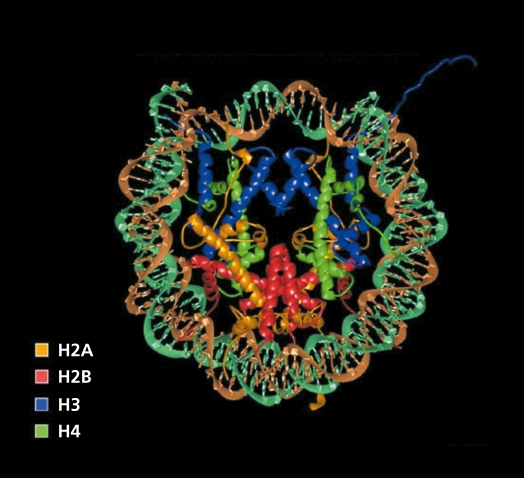
Crystal structure of the nucleosome core particle at 2.8 Å resolution
Luger, K., Mäder, A. W., Richmond, R. K., Sargent, D. F., & Richmond, T. J. (1997) · Nature · doi:10.1038/38444 · Cited by 9,466
Child abuse: Adolescent records vs. adult recall
Femina, D. D., Yeager, C. A., & Lewis, D. O. (1990) · Child Abuse & Neglect · doi:10.1016/0145-2134(90)90033-p · Cited by 8,820
Influence of life stress on depression: moderation by a polymorphism in the 5-HTT gene
Caspi, A., Sugden, K., Moffitt, T. E., Taylor, A., Craig, I. W., Harrington, H., McClay, J., Mill, J., Martin, J., Braithwaite, A., et al. (2003) · Science · doi:10.1126/science.1083968 · Cited by 8,120 · cited 1×
“Such models have considerable appeal, and could potentially identify both the origins and the nature of vulnerability derived from either epigenetic influences, such as early family life, or genomic variations.(27,34) For developmentalists the critical questions are (i) how early experience might “program” individual…”
Sapolsky, R. M., Romero, L. M., & Munck, A. U. (2000) · Endocrine Reviews · doi:10.1210/edrv.21.1.0389 · Cited by 7,541 · cited 1×
“CRF synthesis and release are inhibited through a glucocorticoid negative-feedback system mediated by both mineralocorticoid and glucocorticoid receptors (GRs) in a number of brain regions including, and perhaps especially in, the hippocampus.(46,47) CRF neurons in the amygdala project directly to the locus ceruleus a…”
Sapolsky, R. M. (2000) · Endocrine Reviews · doi:10.1210/er.21.1.55 · Cited by 7,533
Protective and Damaging Effects of Stress Mediators
McEwen, B. S. (1998) · New England Journal of Medicine · doi:10.1056/nejm199801153380307 · Cited by 6,733
Epigenetic programming by maternal behavior
Weaver, I. C. G., Cervoni, N., Champagne, F. A., D'Alessio, A. C., Sharma, S., Seckl, J. R., Dymov, S., Szyf, M., & Meaney, M. J. (2004) · Nature Neuroscience · doi:10.1038/nn1276 · Cited by 6,177
Self-citationNan, X., Ng, H.-H., Johnson, C. A., Laherty, C. D., Turner, B. M., Eisenman, R. N., & Bird, A. (1998) · Nature · doi:10.1038/30764 · Cited by 3,440 · cited 1×
“Methylated DNA attracts methylated DNA binding proteins, which recruit a cluster of proteins referred to as repressor complexes, which include histone deacetylases that result in inactive chromatin and the silencing of gene expression.(105,106) The model positioning DNA methylation as driving chromatin inactivation is…”
Frommer, M., McDonald, L. E., Millar, D. S., Collis, C. M., Watt, F., Grigg, G. W., Molloy, P. L., & Paul, C. L. (1992) · Proceedings of the National Academy of Sciences · doi:10.1073/pnas.89.5.1827 · Cited by 3,238 · cited 1×
“NaBis treatment of DNA samples converts nonmethylated cytosines to uracils, which are then detected as thymidine on subsequent sequencing gels.(115) Methylated cytosines are unaffected by NaBis and the differences in methylation status are thus apparent and easily quantifiable on sequencing gels.”
Research works printed but not linked: 6
- Heim C. Newport DJ. Wagner D. Wilcox MM. Miller AH. Nemeroff CB. The role of early adverse experience and adulthood stress in the prediction of neuroendocrine stress reactivity in women: a multiple regression analysis. Depress Anxiety 2002 15 117 125 12001180 · DOI · Paper page
- 10.1126/science.135.3506.795-a · DOI · Paper page
- Caldji CC. Liu D. Meaney MJ. Maternal behavior in infancy regulates the development of GABAA receptor levels and its subunit composition and GAD. Soc Neurosci Abst 2000 179 11
- Hellstrom I. Diorio J. Weaver ICG. Szyf M. Meaney MJ. Ex vivo characterization of maternal programming of stress responses through modulation of the epigenome. Soc Neurosci Abstr 2004 662 11 xx
- Reik W. Dean W. Walter J. Epigenetic reprogramming in mammalian development. Science 2000 293 1089 1093 11498579 · DOI · Paper page
- Cervoni N. Detich N. Seo SB. Chakravarti D. Szyf M. The oncoprotein Set/TAF-1beta, an inhibitor of histone acetyltransferase, inhibits active demethylation of DNA, integrating DNA methylation and transcriptional silencing. J Biol Chem 2002 277 25026 25031 11978794 · DOI · Paper page
Cited by
Items 501–600 of 965
Kallak, T. K., Fransson, E., Bränn, E., Berglund, H., Lager, S., Comasco, E., Lyle, R., & Skalkidou, A. (2022) · Translational Psychiatry · doi:10.1038/s41398-022-01954-6 · Cited by 14
Gannon, M. A., Brown, C. J., Stevens, R. M., Griffith, M. S., Marczinski, C. A., & Bardgett, M. E. (2015) · Pharmacology Biochemistry and Behavior · doi:10.1016/j.pbb.2015.01.007 · Cited by 13
Petrella, C., Giuli, C., Agostini, S., Bacquie, V., Zinni, M., Théodorou, V., Broccardo, M., Casolini, P., & Improta, G. (2014) · PLoS ONE · doi:10.1371/journal.pone.0113389 · Cited by 14
COMTVal158Met andMTHFRC677T moderate risk of schizophrenia in response to childhood adversity
Debost, J.-C., Debost, M., Grove, J., Mors, O. N., HOUGAARD, D. M., Børglum, A. D., Mortensen, P. B., & Petersen, L. V. (2017) · Acta Psychiatrica Scandinavica · doi:10.1111/acps.12761 · Cited by 15
Kelsay, K. J., Leung, D., Mrázek, D., & Klinnert, M. (2012) · Developmental Psychobiology · doi:10.1002/dev.21006 · Cited by 12
Paris, J. (2009) · The Canadian Journal of Psychiatry · doi:10.1177/070674370905400803 · Cited by 13
Hernández-Valencia, M., & Patti, M. (2006) · Archives of Medical Research · doi:10.1016/j.arcmed.2006.03.003 · Cited by 13
Glucocorticoids and Aggression: A Tripartite Interaction
Haller, J. (2022) · Current topics in behavioral neurosciences · doi:10.1007/7854_2022_307 · Cited by 12
DePasquale, C. E., Lawler, J. M., Koss, K. J., & Gunnar, M. R. (2020) · Research on Child and Adolescent Psychopathology · doi:10.1007/s10802-020-00633-8 · Cited by 12
Environmental epigenetics of sex differences in the brain
Marrocco, J., Einhorn, N. R., & McEwen, B. S. (2020) · Handbook of clinical neurology · doi:10.1016/b978-0-444-64123-6.00015-1 · Cited by 14
Lorgen-Ritchie, M., Murray, A. D., Staff, R. T., Ferguson‐Smith, A. C., Richards, M., Horgan, G. W., Phillips, L. H., Hoad, G., McNeil, C. J., Ribeiro, A., et al. (2021) · Scientific Reports · doi:10.1038/s41598-020-78062-2 · Cited by 14
Filipe, Â. M., Lloyd, S., & Larivée, A. (2021) · Frontiers in Sociology · doi:10.3389/fsoc.2021.635986 · Cited by 17
A mother's touch: Preschool‐aged children are regulated by positive maternal touch
Scott, M. G., Smiley, P. A., Ahn, A., Lazarus, M. F., Borelli, J. L., & Doan, S. N. (2022) · Developmental Psychobiology · doi:10.1002/dev.22243 · Cited by 13
Zilcha‐Mano, S., Duek, O. A., Suarez‐Jimenez, B., Zhu, X., Lazarov, A., Helpman, L., Korem, N., Malka, M., Harpaz‐Rotem, I., & Neria, Y. (2023) · Biological Psychiatry Global Open Science · doi:10.1016/j.bpsgos.2023.01.005 · Cited by 13
Koenig, H. G., VanderWeele, T. J., & Peteet, J. R. (2023) · Oxford University Press eBooks · doi:10.1093/oso/9780190088859.003.0001 · Cited by 12
Cooney, M. D., & Nishio, S. (2013) · Lovotics · doi:10.4172/2090-9888.1000101 · Cited by 12
A genome-wide association study to identify chromosomal regions influencing ovine cortisol response
Pant, S. D., You, Q., Schenkel, L. C., Voort, G. V., Schenkel, F. S., Wilton, J., Cain, L., & Karrow, N. A. (2016) · Livestock Science · doi:10.1016/j.livsci.2016.02.006 · Cited by 21
Zorenko, T., Atanasov, N., & Голенищев, Ф. Н. (2016) · Russian Journal of Theriology · doi:10.15298/rusjtheriol.15.2.06 · Cited by 12
Castañeda-Cortés, D. C., Zhang, J., Boan, A. F., Langlois, V. S., & Fernandino, J. I. (2020) · General and Comparative Endocrinology · doi:10.1016/j.ygcen.2020.113605 · Cited by 14
Learning to Be an Orangutan—Implications of Life History for Orangutan Rehabilitation
Preuschoft, S., Yassir, I., Putri, A. I., Aoliya, N., Yuliani, E., Badriyah, S. N., Corbi, P., Sugianto, Y., Sitepu, B. S., Mukhlisi, M., et al. (2021) · Animals · doi:10.3390/ani11030767 · Cited by 14
You, Q., Karrow, N. A., Quinton, M., Mallard, B. A., & Boermans, H. J. (2008) · Veterinary Dermatology · doi:10.1111/j.1365-3164.2008.00664.x · Cited by 15
Adoption internationale, familles et enfants dits « à besoins spéciaux »
Chicoine, J.-F., Germain, P., & Lemieux, J. (2013) · Cahiers critiques de thérapie familiale et de pratiques de réseaux · doi:10.3917/ctf.049.0155 · Cited by 13
Amorim, J. P., Chuffa, L. G. D. A., Teixeira, G. R., Mendes, L. D. O., Fioruci, B. A., Martins, O. A., Júnior, W. D. M., Anselmo-Franci, J. A., Pinheiro, P. F. F., Martinez, M., et al. (2011) · Reproductive Biology and Endocrinology · doi:10.1186/1477-7827-9-160 · Cited by 15
Alterations in Systemic and Cognitive Glucocorticoid Sensitivity in Depression
Gaffey, A. E., Walsh, E. C., Ladd, C. O., Hoks, R. M., & Abercrombie, H. C. (2018) · Biological Psychiatry Cognitive Neuroscience and Neuroimaging · doi:10.1016/j.bpsc.2018.11.007 · Cited by 12
Child Developmental Trajectories in Adversity
Hunt, X., & Tomlinson, M. (2018) · Elsevier eBooks · doi:10.1016/b978-0-12-815310-9.00006-x · Cited by 12
Giacolini, T., Alcaro, A., Conversi, D., & Tarsitani, L. (2025) · Frontiers in Psychology · doi:10.3389/fpsyg.2024.1391664 · Cited by 12
Mechanisms underlying stress effects on the brain: Basic concepts and clinical implications
Saad, H. A., Marzouk, M., Abdelrahman, H., & Moradikor, N. (2025) · Progress in brain research · doi:10.1016/bs.pbr.2025.01.008 · Cited by 13
The Vindication of Lamarck? Epigenetics at the Intersection of Law and Mental Health
DeLisi, M., & Vaughn, M. G. (2015) · Behavioral Sciences & the Law · doi:10.1002/bsl.2206 · Cited by 13
Molecular Biological Markers for Toxicology and Risk Assessment
Fowler, B. A. (2016) · Elsevier eBooks · doi:10.1016/b978-0-12-809589-8.00001-9 · Cited by 11
Epigenetics in Families: Covariance between Mother and Child Methylation Patterns
van Aswegen, T., Bosmans, G., Goossens, L., Leeuwen, K. G. V., Claes, S. J., Noortgate, W. V. D., & Hankin, B. L. (2021) · Brain Sciences · doi:10.3390/brainsci11020190 · Cited by 16
Evolution by habit: Peirce, Lamarck, and teleology in biology
Švorcová, J., Lacková, Ľ., & Fulínová, E. (2023) · Theory in Biosciences · doi:10.1007/s12064-023-00406-z · Cited by 13
Lin, A., Mertens, A., Rahman, M. Z., Tan, S. T., Il’yasova, D., Spasojević, I., Ali, S., Stewart, C. P., Fernald, L. C. H., Kim, L., et al. (2024) · Nature Communications · doi:10.1038/s41467-024-47896-z · Cited by 12
Bromberg, A., Levine, J., Belmaker, R., & Agam, G. (2010) · Journal of Psychopharmacology · doi:10.1177/0269881110388328 · Cited by 12
Maternal stimulation in infancy predicts hypothalamic–pituitary–adrenal axis reactivity in young men
Schmid, B., Buchmann, A. F., Trautmann‐Villalba, P., Blomeyer, D., Zimmermann, U. S., Schmidt, M. H., Esser, G., Banaschewski, T., & Laucht, M. (2013) · Journal of Neural Transmission · doi:10.1007/s00702-013-0970-8 · Cited by 12
Effects of Stress Throughout the Lifespan on the Brain and Behavior
Nasca, C., Davis, E. P., Bigio, B., Sandi, C., & McEwen, B. S. (2016) · Elsevier eBooks · doi:10.1016/b978-0-12-803592-4.00111-5 · Cited by 12
Tan, Z., Min, J., Xue, H., Wang, W., & Wang, Y. (2017) · Preventive Medicine · doi:10.1016/j.ypmed.2017.09.014 · Cited by 11
Буткевич, И. П., Михайленко, В. А., Vershinina, E. A., & Barr, G. A. (2021) · Frontiers in Behavioral Neuroscience · doi:10.3389/fnbeh.2021.691578 · Cited by 11
Borderline personality disorder: A review and reformulation from evolutionary theory
Molina, J. D. D., Lopez-Munoz, F. J., Stein, D. J., Martín-Vázquez, M.-J., Álamo, C., Lerma-Carrillo, I., Andrade‐Rosa, C., Sánchez-López, M. V., & de la Calle-Real, M. (2009) · Medical Hypotheses · doi:10.1016/j.mehy.2009.03.024 · Cited by 13
Epigenetics, Brain and Behavior
Sassone‐Corsi, P., & Christen, Y. (2012) · Research and perspectives in neurosciences · doi:10.1007/978-3-642-27913-3 · Cited by 11
Bales, K. L., Ianov, L., Kennedy, A. J., Sweatt, J. D., & Gross, A. K. (2018) · PubMed Central · Cited by 15
Siller, S., Heidinger, B. J., Westneat, D. F., Solomon, J. W., & Rubenstein, D. R. (2024) · Molecular Ecology · doi:10.1111/mec.17291 · Cited by 13
The Power of Birth Cohorts to Study Risk Factors for Cognitive Impairment
Richards, M. (2022) · Current Neurology and Neuroscience Reports · doi:10.1007/s11910-022-01244-0 · Cited by 11
Holdsworth, E. A., Schell, L. M., & Appleton, A. A. (2023) · American Journal of Human Biology · doi:10.1002/ajhb.23876 · Cited by 11
Capturing the Dynamic Endophenotype: A Developmental Psychophysiological Manifesto
Segalowitz, S. J., & Schmidt, L. A. (2007) · Cambridge University Press eBooks · doi:10.1017/cbo9780511499791.003 · Cited by 13
Stylianakis, A. A., Harmon‐Jones, S. K., Richardson, R., & Baker, K. (2018) · Developmental Psychobiology · doi:10.1002/dev.21750 · Cited by 13
Molecular foundations of chiropractic therapy.
Maltese, P. E., Michelini, S., Baronio, M., & Bertelli, M. (2019) · Acta bio-medica dell'Ateneo parmense/Acta biomedica · doi:10.23750/abm.v90i10-s.8768 · Cited by 11
Resilience to Stress: Lessons from Rodents about Nature versus Nurture
Clinton, S. M., Unroe, K. A., Shupe, E. A., McCoy, C. R., & Glover, M. E. (2021) · The Neuroscientist · doi:10.1177/1073858421989357 · Cited by 11
Deer, L. K., Shields, G. S., Alen, N. V., & Hostinar, C. E. (2021) · Psychoneuroendocrinology · doi:10.1016/j.psyneuen.2021.105237 · Cited by 10
Heynen, J. P., Paxman, E., Sanghavi, P., McCreary, J. K., Montina, T., & Metz, G. A. S. (2022) · Metabolites · doi:10.3390/metabo12070572 · Cited by 12
Filho, E. J. D. M., Frechette, A., Pokhvisneva, I., Arcego, D. M., Barth, B., Tejada, C.-A. V., Sassi, R. B., Wazana, A. D., Atkinson, L. R., Meaney, M. J., et al. (2022) · Frontiers in Behavioral Neuroscience · doi:10.3389/fnbeh.2022.954977 · Cited by 11
Self-citationRat pup social motivation: A critical component of early psychological development
Cromwell, H. C. (2011) · Neuroscience & Biobehavioral Reviews · doi:10.1016/j.neubiorev.2011.01.004 · Cited by 12
Übersichtsarbeiten: Resilienz – Eine interdisziplinäre Annäherung an Konzept und Forschung
Korn, L. (2012) · Praxis der Kinderpsychologie und Kinderpsychiatrie · doi:10.13109/prkk.2012.61.5.305 · Cited by 10
Connection experiments in neurobiology
Bickle, J., & Kostko, A. (2018) · Synthese · doi:10.1007/s11229-018-1838-0 · Cited by 10
Khoury, J. E., Jamieson, B., González, A., & Atkinson, L. R. (2019) · Biological Psychology · doi:10.1016/j.biopsycho.2019.107808 · Cited by 11
Evolutionary Psychiatry and Nosology: Prospects and Limitations
Faucher, L. (2012) · The Baltic International Yearbook of Cognition Logic and Communication · doi:10.4148/biyclc.v7i0.1776 · Cited by 12
Childhood Adversity, Trauma and Abuse: Context and Consequences
Boyce, P. M., & Harris, A. W. F. (2011) · Australian & New Zealand Journal of Psychiatry · doi:10.3109/00048674.2011.602209 · Cited by 17
Early Experience and Stress Regulation in Human Development
Gunnar, M. R., & Loman, M. M. (2010) · Cambridge University Press eBooks · doi:10.1017/cbo9780511975394.005 · Cited by 13
1. Neurobehavioral Medicine and Stress-Related Disorders
Hellhammer, D. H., & Hellhammer, J. (2008) · KARGER eBooks · doi:10.1159/000118798 · Cited by 10
Hughey, M. W., & Byrd, W. C. (2015) · The Annals of the American Academy of Political and Social Science · doi:10.1177/0002716215591477 · Cited by 9
The Eco‐Social Trauma Intervention Model
Gültekin, L., Kusunoki, Y., Šinko, L., Cannon, L. M., Abramoski, K., Khan, A., & Seng, J. S. (2019) · Public Health Nursing · doi:10.1111/phn.12619 · Cited by 10
Coplan, J. D., Kolavennu, V., Abdallah, C. G., Mathew, S. J., Perera, T. D., Pantol, G., Carpenter, D. M., & Tang, C. Y. (2015) · Journal of Affective Disorders · doi:10.1016/j.jad.2015.11.049 · Cited by 10
Odeón, M. M., Salatino, A., & Acosta, G. B. (2015) · Clinical and Experimental Pharmacology · doi:10.4172/2161-1459.1000121 · Cited by 9
Global DNA Methylation in the Limbic System of Cattle
Cantrell, B., Lachance, H., Murdoch, B. M., Sjoquist, J., Funston, R. N., Weaber, R. L., & McKay, S. (2019) · Epigenomes · doi:10.3390/epigenomes3020008 · Cited by 10
Алексеевич, В. А., Portnova, G. V., & McGlone, F. F. (2020) · Neuroscience and Behavioral Physiology · doi:10.1007/s11055-020-00916-z · Cited by 9
Influence of Genetics on Disease Susceptibility and Progression
Duff, G. W. (2008) · Nutrition Reviews · doi:10.1111/j.1753-4887.2007.tb00359.x · Cited by 10
Apolipoprotein E: the resilience gene
James, L. M., Engdahl, B. E., & Georgopoulos, A. P. (2017) · Experimental Brain Research · doi:10.1007/s00221-017-4941-4 · Cited by 12
Epigenetics and the Suicidal Brain: Reconsidering Context in an Emergent Style of Reasoning
Lloyd, S., & Raikhel, E. (2017) · Palgrave Macmillan UK eBooks · doi:10.1057/978-1-137-52879-7_21 · Cited by 9
Ferber, S. G. (2009) · Behavioral and Brain Sciences · doi:10.1017/s0140525x09000107 · Cited by 9
Fernàndez‐Castillo, N., & Martín‐García, E. (2022) · Frontiers in Psychiatry · doi:10.3389/fpsyt.2022.917198 · Cited by 9
Cellular specificity is key to deciphering epigenetic changes underlying Alzheimer's disease
Signal, B., Suárez, T. G. P., Taberlay, P. C., & Woodhouse, A. (2023) · Neurobiology of Disease · doi:10.1016/j.nbd.2023.106284 · Cited by 8
Ilott, N. E., Schneider, T., Mill, J. S., Schalkwyk, L. C., Brolese, G., Bizarro, L., Stolerman, I. P., Dempster, E. L., & Asherson, P. J. (2014) · PLoS ONE · doi:10.1371/journal.pone.0088896 · Cited by 9
Wei, S., Xia, D., Li, L., Xiao, J.-S., Bao, J.-W., Parvizi, N., & Zhao, R. (2010) · Livestock Science · doi:10.1016/j.livsci.2010.04.007 · Cited by 10
Martínez, A. D., Mercado, E., Barbieri, M., Kim, S. Y., & Granger, D. A. (2022) · Frontiers in Public Health · doi:10.3389/fpubh.2021.762735 · Cited by 10
Švorcová, J., & Kleisner, K. (2018) · Biosemiotics · doi:10.1007/s12304-018-9328-9 · Cited by 8
Impact of Nonmedical Factors on Neurobehavior and Language Outcomes of Preterm Infants
McGowan, E. C., & Vohr, B. R. (2019) · NeoReviews · doi:10.1542/neo.20-7-e372 · Cited by 9
Organism and environment in Auguste Comte
McVeigh, R. (2020) · History of the Human Sciences · doi:10.1177/0952695120917908 · Cited by 8
Specificity of California mouse pup vocalizations in response to olfactory stimuli
Wilson, K. M., Wagner, V. A., & Saltzman, W. (2022) · Developmental Psychobiology · doi:10.1002/dev.22261 · Cited by 9
Trangle, S. S., Rosenberg, T., Parnas, H., Levy, G., Bar, E., Marco, A., & Barak, B. (2022) · Molecular Psychiatry · doi:10.1038/s41380-022-01921-z · Cited by 8
Weaponized sex: Defensive pseudo-erotic aggression in the service of safety
Kluft, R. P. (2017) · Journal of Trauma & Dissociation · doi:10.1080/15299732.2017.1295376 · Cited by 8
Molecular and Behavioral Effects of Infant Maltreatment across Generations in Rhesus MonkeysPreprint
Klengel, T., Morin, E. L., Howell, B., Bramlett, S. N., Guzman, D., Meyer, J. S., Ressler, K. J., & Sánchez, M. M. (2019) · bioRxiv (Cold Spring Harbor Laboratory) · doi:10.1101/791152 · Cited by 8
Stress-related psychiatric disorders
Bazzal, A. A., Mtairek, M. A., Awde, M. H., Kanso, H., Hajj, F., Amin, F. A., Kazan, Z., Mohammed, N. A., & Hamdar, H. (2025) · Progress in brain research · doi:10.1016/bs.pbr.2025.01.019 · Cited by 8
Cortisol response to synacthen stimulation is attenuated following abusive head trauma
Heather, N. L., Derraik, J. G. B., Brennan, C. M., Jefferies, C., Hofman, P. L., Kelly, P. J., Jones, R., Rowe, D. L., & Cutfield, W. S. (2012) · Clinical Endocrinology · doi:10.1111/j.1365-2265.2012.04376.x · Cited by 7
Understanding the Religion, Mental, and Social Health Relationship
Koenig, H. G., VanderWeele, T. J., & Peteet, J. R. (2023) · Oxford University Press eBooks · doi:10.1093/oso/9780190088859.003.0016 · Cited by 7
The Importance of Glia in Dealing with Stress
Woodbury-Fariña, M. A. (2014) · Psychiatric Clinics of North America · doi:10.1016/j.psc.2014.08.003 · Cited by 7
The promise of pharmacogenetics in labor analgesia…tantalizing, but not there yet
Wong, C. A. (2012) · International Journal of Obstetric Anesthesia · doi:10.1016/j.ijoa.2012.02.003 · Cited by 7
Threat vigilance and socioeconomic disparities in metabolic health
Hostinar, C. E., Ross, K. M., Chan, M., Chen, E., & Miller, G. E. (2017) · Development and Psychopathology · doi:10.1017/s0954579417001353 · Cited by 7
Burgess, D. J., Lucia, D., Cuffe, J. S. M., & Moritz, K. M. (2020) · Psychoneuroendocrinology · doi:10.1016/j.psyneuen.2020.104901 · Cited by 7
Social roles influence cortisol levels in captive Livingstone's fruit bats (Pteropus livingstonii)
Edwards, M. J., Stanley, C. R., Hosie, C. A., Richdon, S., Price, E. C., Wormell, D., & Smith, T. E. (2022) · Hormones and Behavior · doi:10.1016/j.yhbeh.2022.105228 · Cited by 8
RELAÇÕES ENTRE A TEORIA DE PIAGET E A NEUROCIÊNCIA COGNITIVA NO ENSINO DE FÍSICA
de Freitas, P. D. S. C., & de Sousa, C. E. B. (2026) · Educação em Revista · doi:10.1590/0102-4698-58050 · Cited by 7
The Shadow of Childhood Harm Behind Prison Walls: Theory, Evidence, and Treatment
Wolff, N. (2022) · doi:10.1093/oso/9780197653135.001.0001 · Cited by 10
Ensink, J. B. M., Henneman, P., Venema, A., Zantvoord, J. B., den Kelder, R. O., Mannens, M. M. A. M., & Lindauer, R. (2024) · Translational Psychiatry · doi:10.1038/s41398-024-02892-1 · Cited by 7
Hein, R. J., Lappé, M. D., & Fahey, F. F. (2024) · BioSocieties · doi:10.1057/s41292-024-00337-y · Cited by 7
Ferroni, N. M., Berardino, B. G., Belluscio, L. M., Fernández, M. S., Fesser, E. A., Sonzogni, S. V., & Cánepa, E. T. (2020) · Nutritional Neuroscience · doi:10.1080/1028415x.2020.1829343 · Cited by 7
Cadney, M. D., Schwartz, N. E., McNamara, M. P., Schmill, M. P., Castro, A. A., Hillis, D., & Garland, T. (2021) · Physiology and Behavior · doi:10.1016/j.physbeh.2021.113569 · Cited by 6
dos Santos, A. S., Segabinazi, E., de Almeida, W., Faustino, A. M., Bronauth, L., dos Santos, T. M., Ferreira, F. S., Wyse, Â. T. D. S., Marcuzzo, S., & Pereira, L. O. (2023) · Behavioural Brain Research · doi:10.1016/j.bbr.2023.114362 · Cited by 8
Dynamisches Epigenom als Vermittler zwischen Umwelt und Genom
Szyf, M. (2009) · Medizinische Genetik · doi:10.1007/s11825-009-0145-z · Cited by 13
Self-citationHaley, S., O'Grady, S., Gulliver, K., Bowman, B., Baldassarre, R., Miller, S. C., Lane, R. H., & Moyer‐Mileur, L. J. (2011) · PubMed · Cited by 8
Environmental vulnerability and genetic–environmental interactions
van Os, J., & Poulton, R. (2009) · Cambridge University Press eBooks · doi:10.1017/cbo9780511576287.005 · Cited by 8
Poverty and HPA Functioning in Young Children
Mills-Koonce, R., & Towe‐Goodman, N. R. (2012) · Oxford University Press eBooks · doi:10.1093/oxfordhb/9780199769100.013.0022 · Cited by 9
Functional Genomic Approaches in Behavioral Medicine Research
Miller, G. E., & Cole, S. W. (2010) · Springer eBooks · doi:10.1007/978-0-387-09488-5_30 · Cited by 7
Metadata
- Authors
- Meaney, M. J., & Szyf, M.
- Affiliations
- Douglas Mental Health University Institute (CA)
- McGill Program for the Study of Behavior, Genes and Environment, Department of Pharmacology, McGill University; Douglas Hospital Research Centre, Montreal, Canada
- Corresponding author
- Meaney, Michael J.
- ORCID
- Meaney, Michael J.
- Venue
- Dialogues in Clinical Neuroscience
- Publisher
- Informa UK Limited
- Published
- 2005-06-30
- Volume
- 7
- Issue
- 2
- Pages
- 103-123
- ISSN
- 1294-8322 (ISSN-L)
- 1958-5969
- PMC
- PMC3181727
- OpenAlex
- W1527534059
- Cited by
- 958
- References
- 132
- Citations by year
- 2026: 33 · 2025: 35 · 2024: 22 · 2023: 68 · 2022: 48 · 2021: 66 · 2020: 41 · 2019: 40 · 2018: 49 · 2017: 42 · 2016: 58 · 2015: 56 · 2014: 60 · 2013: 48 · 2012: 59
- FWCI
- 11.96
- Type
- journal article
- Language
- en
- Open access
- diamond
- doi.org
- Licence
- Locations
- Dialogues in Clinical Neuroscience (publishedVersion, cc-by-nc-nd)
- Europe PMC (PubMed Central) (publishedVersion, cc-by-nc-nd)
- PubMed Central (publishedVersion, cc-by-nc-nd)
- PubMed (publishedVersion)
- Topics
- Life Sciences › Neuroscience › Behavioral Neuroscience › Stress Responses and Cortisol
- Life Sciences › Biochemistry, Genetics and Molecular Biology › Molecular Biology › Epigenetics and DNA Methylation
- Life Sciences › Neuroscience › Endocrine and Autonomic Systems › Neuroendocrine regulation and behavior
- Keywords
- DNA methylation, environmental programming, maternal care, glucocorticoid receptor, hippocampus, stress response, hypothalamic-pituitary-adrenal axis, histone acetylation, chromatin structure, cross-fostering, epigenetics, rat offspring, early life experience
- MeSH terms
- Animals, Female, Humans, Hypothalamo-Hypophyseal System, Maternal Behavior, Pituitary-Adrenal System, Receptors, Glucocorticoid, Stress, Psychological, DNA Methylation, Epigenesis, Genetic, Rats
About these checks
Registry, retraction, Cites and statistics results are computed, not judged, with one exception: a printed reference that no index lists is read once by a model before it counts as a citation error. Claims are extracted by a model and kept only when their quote appears verbatim in the text; each cited source is then checked, with a model’s help, for whether it says what the claim relies on. Those verdicts can be wrong — read the claim’s quote and the cited source before relying on one.
Statistics and arithmetic are recomputed, not judged.
Confidence bands are shown only for fields calibrated on our annotated test set. None is calibrated yet, so no band is shown.
What counts as a claim ›How we measure confidence ›How we check this ›
Are you an author, or do you see a problem with this page? Request a review
Data sources
Bibliographic data: Semantic Scholar, OpenAlex, Crossref.
Contains information from the Semantic Scholar Academic Graph Datasets, made available under the ODC Attribution License (ODC-BY 1.0).
Semantic Scholar’s data is described in: Kinney, R., et al. (2023). The Semantic Scholar Open Data Platform. arXiv:2301.10140.
