

Environmental programming of stress responses through DNA methylation: life at the interface between a dynamic environment and a fixed genome
Open accessThe DOI matches its Crossref record; 133 of the 133 references it cites were found in a registry or an index.
Abstract
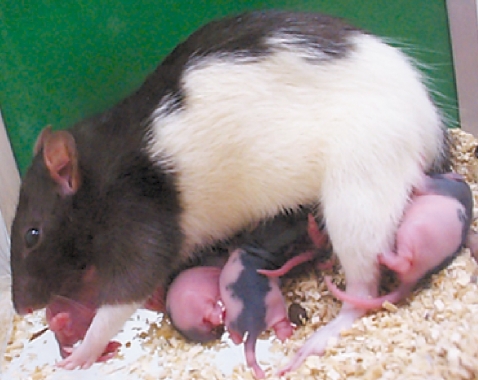
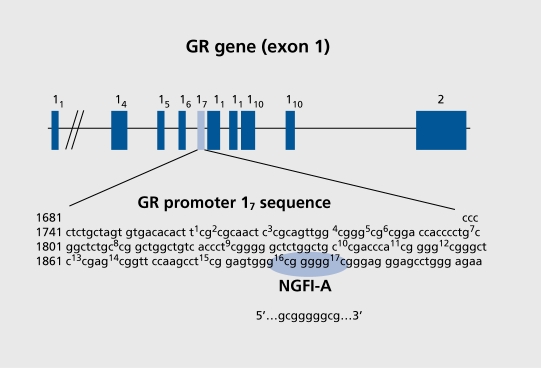
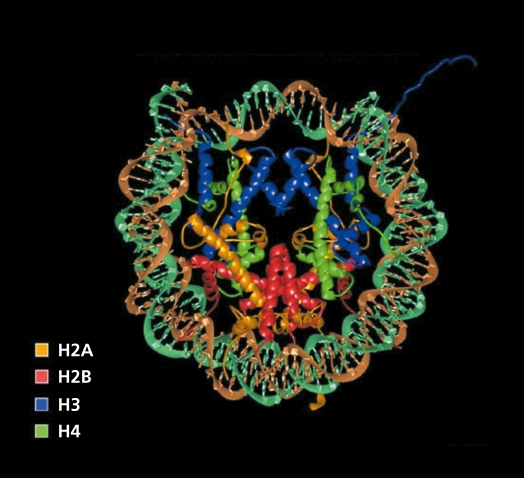
Early experience permanently alters behavior and physiology. These effects are, in part, mediated by sustained alterations in gene expression in selected brain regions. The critical question concerns the mechanism of these environmental "programming" effects. We examine this issue with an animal model that studies the consequences of variations in mother-infant interactions on the development of individual differences in behavioral and endocrine responses to stress in adulthood. Increased levels of pup licking/grooming by rat mothers in the first week of life alter DNA structure at a glucocorticoid receptor gene promoter in the hippocampus of the offspring. Differences in the DNA methylation pattern between the offspring of high- and low-licking/grooming mothers emerge over the first week of life; they are reversed with cross-fostering; they persist into adulthood; and they are associated with altered histone acetylation and transcription factor (nerve growth factor-induced clone A [NGFIA]) binding to the glucocorticoid receptor promoter. DNA methylation alters glucocorticoid receptor expression through modifications of chromatin structure. Pharmacological reversal of the effects on chromatin structure completely eliminates the effects of maternal care on glucocorticoid receptor expression and hypothalamic-pituitary-adrenal (HPA) responses to stress, thus suggesting a causal relation between the maternally induced, epigenetic modification of the glucocorticoid receptor gene and the effects on stress responses in the offspring. These findings demonstrate that the structural modifications of the DNA can be established through environmental programming and that, in spite of the inherent stability of this epigenomic marker, it is dynamic and potentially reversible.
Overview
The claims and statistics of this paper haven’t been checked yet.
Free: it reads the open-access text and checks the first 5 claims that cite a source we can check. Create a free account to check every claim.
Integrity signals
Registry
Cites
Statistics
Figures
Verification
Claims the paper makes
The claims and statistics of this paper haven’t been checked yet.
Free: it reads the open-access text and checks the first 5 claims that cite a source we can check. Create a free account to check every claim.
Claims other papers make about this one
Each is checked against this paper’s own text: does it say what the citing paper says it does?
The source backs part of the claim, not all of it — or backs it for a different population, condition or comparison.
In the citing paper
“Evidence to date also supports the hypothesis that early experiences operate on many neural target sites through epigenetic factors, providing a mechanism by which genes and environments interact to produce variation in individual HPA stress phenotypes through a variety of mechanisms, including changes in glucocorticoid (GC) and mineralocorticoid (MC) receptors in the hippocampus (Meaney and Szyf,”
From Quality of maternal and paternal care predicts later stress reactivity in the cooperatively-breeding marmoset (Callithrix geoffroyi) (2013) · cites this paper as Meaney and Szyf, 2005
Experimental — accuracy not yet measuredThe cited source says what the claim attributes to it.
In the citing paper
“A first important line of research, conducted by Michael Meaney and colleagues, has shown that parental care during early life induces long-term changes in behaviour as well as in gene expression mediated by epigenetic changes in the hippocampus of rats 21.”
From Resilience in mental health: linking psychological and neurobiological perspectives. (2013) · cites this paper as [21]
The cited source says what the claim attributes to it.
In the citing paper
“These associations are consistent with well defined neurobiological models linking early experience with the development of the HPA axis component of the stress response system (Meaney & Szyf, 2005) and linking stress and stress hormones with cognition, particularly executive functions (Arnsten, 2000; Lupien, Maheu, Tu, Fiocco, & Shramek, 2007).”
From Salivary cortisol mediates effects of poverty and parenting on executive functions in early childhood (2011) · cites this paper as Meaney & Szyf, 2005
The cited source says what the claim attributes to it.
In the citing paper
“Research with rodents, non-human primates, and humans, has shown that parental caregiving mediates the regulation of the HPA axis (see, e.g., Francis, Diorio, Plotsky, & Meaney, 2002; Levine, 2005; Meaney & Szyf, 2005; Sanchez, 2006).”
From Normalizing the development of cortisol regulation in maltreated infants through preventive interventions (2011) · cites this paper as Meaney & Szyf, 2005
The cited source says what the claim attributes to it.
In the citing paper
“Remarkably, research has shown that the maternal licking and grooming behavior in the rat that is so central to the development of the HPA stress response system produces its effect through molecular mechanisms that alter the epigenetic state of the gene that codes for GR receptor density in the hippocampus (Meaney & Szyf, 2005; Weaver, 2007; Weaver et al., 2004).”
From Stress and the development of self-regulation in context (2010) · cites this paper as Meaney & Szyf, 2005
5 more claims about this paper
Create a free account to see every claim other papers make about this one.
Self-check
Percentages, sums and reported differences re-computed from the paper’s own numbers.
The self-check needs the paper’s full text.
Citations
Cites
Felitti, V. J., Anda, R. F., Nordenberg, D., Williamson, D. F., Spitz, A. M., Edwards, V., Koss, M. P., & Marks, J. S. (1998) · American Journal of Preventive Medicine · doi:10.1016/s0749-3797(98)00017-8 · Cited by 18,943
Crystal structure of the nucleosome core particle at 2.8 Å resolution
Luger, K., Mäder, A. W., Richmond, R. K., Sargent, D. F., & Richmond, T. J. (1997) · Nature · doi:10.1038/38444 · Cited by 9,466
Child abuse: Adolescent records vs. adult recall
Femina, D. D., Yeager, C. A., & Lewis, D. O. (1990) · Child Abuse & Neglect · doi:10.1016/0145-2134(90)90033-p · Cited by 8,820
Influence of life stress on depression: moderation by a polymorphism in the 5-HTT gene
Caspi, A., Sugden, K., Moffitt, T. E., Taylor, A., Craig, I. W., Harrington, H., McClay, J., Mill, J., Martin, J., Braithwaite, A., et al. (2003) · Science · doi:10.1126/science.1083968 · Cited by 8,120 · cited 1×
“Such models have considerable appeal, and could potentially identify both the origins and the nature of vulnerability derived from either epigenetic influences, such as early family life, or genomic variations.(27,34) For developmentalists the critical questions are (i) how early experience might “program” individual…”
Sapolsky, R. M., Romero, L. M., & Munck, A. U. (2000) · Endocrine Reviews · doi:10.1210/edrv.21.1.0389 · Cited by 7,541 · cited 1×
“CRF synthesis and release are inhibited through a glucocorticoid negative-feedback system mediated by both mineralocorticoid and glucocorticoid receptors (GRs) in a number of brain regions including, and perhaps especially in, the hippocampus.(46,47) CRF neurons in the amygdala project directly to the locus ceruleus a…”
Sapolsky, R. M. (2000) · Endocrine Reviews · doi:10.1210/er.21.1.55 · Cited by 7,533
Protective and Damaging Effects of Stress Mediators
McEwen, B. S. (1998) · New England Journal of Medicine · doi:10.1056/nejm199801153380307 · Cited by 6,733
Epigenetic programming by maternal behavior
Weaver, I. C. G., Cervoni, N., Champagne, F. A., D'Alessio, A. C., Sharma, S., Seckl, J. R., Dymov, S., Szyf, M., & Meaney, M. J. (2004) · Nature Neuroscience · doi:10.1038/nn1276 · Cited by 6,177
Self-citationNan, X., Ng, H.-H., Johnson, C. A., Laherty, C. D., Turner, B. M., Eisenman, R. N., & Bird, A. (1998) · Nature · doi:10.1038/30764 · Cited by 3,440 · cited 1×
“Methylated DNA attracts methylated DNA binding proteins, which recruit a cluster of proteins referred to as repressor complexes, which include histone deacetylases that result in inactive chromatin and the silencing of gene expression.(105,106) The model positioning DNA methylation as driving chromatin inactivation is…”
Frommer, M., McDonald, L. E., Millar, D. S., Collis, C. M., Watt, F., Grigg, G. W., Molloy, P. L., & Paul, C. L. (1992) · Proceedings of the National Academy of Sciences · doi:10.1073/pnas.89.5.1827 · Cited by 3,238 · cited 1×
“NaBis treatment of DNA samples converts nonmethylated cytosines to uracils, which are then detected as thymidine on subsequent sequencing gels.(115) Methylated cytosines are unaffected by NaBis and the differences in methylation status are thus apparent and easily quantifiable on sequencing gels.”
Research works printed but not linked: 6
- Heim C. Newport DJ. Wagner D. Wilcox MM. Miller AH. Nemeroff CB. The role of early adverse experience and adulthood stress in the prediction of neuroendocrine stress reactivity in women: a multiple regression analysis. Depress Anxiety 2002 15 117 125 12001180 · DOI · Paper page
- 10.1126/science.135.3506.795-a · DOI · Paper page
- Caldji CC. Liu D. Meaney MJ. Maternal behavior in infancy regulates the development of GABAA receptor levels and its subunit composition and GAD. Soc Neurosci Abst 2000 179 11
- Hellstrom I. Diorio J. Weaver ICG. Szyf M. Meaney MJ. Ex vivo characterization of maternal programming of stress responses through modulation of the epigenome. Soc Neurosci Abstr 2004 662 11 xx
- Reik W. Dean W. Walter J. Epigenetic reprogramming in mammalian development. Science 2000 293 1089 1093 11498579 · DOI · Paper page
- Cervoni N. Detich N. Seo SB. Chakravarti D. Szyf M. The oncoprotein Set/TAF-1beta, an inhibitor of histone acetyltransferase, inhibits active demethylation of DNA, integrating DNA methylation and transcriptional silencing. J Biol Chem 2002 277 25026 25031 11978794 · DOI · Paper page
Cited by
Items 201–300 of 965
Developmental programming of the metabolic syndrome - critical windows for intervention
Vickers, M. H. (2011) · World Journal of Diabetes · doi:10.4239/wjd.v2.i9.137 · Cited by 95
Social environmental effects on gene regulation
Tung, J., & Gilad, Y. (2013) · Cellular and Molecular Life Sciences · doi:10.1007/s00018-013-1357-6 · Cited by 89
Early origins of mental disorder - risk factors in the perinatal and infant period
Newman, L. K., Judd, F. K., Olsson, C. A., Castle, D. J., Bousman, C., Sheehan, P. M., Pantelis, C., Craig, J. M., Komiti, A., & Everall, I. (2016) · BMC Psychiatry · doi:10.1186/s12888-016-0982-7 · Cited by 96
Glucocorticoid Receptor Polymorphisms in Major Depression
Claes, S. (2009) · Annals of the New York Academy of Sciences · doi:10.1111/j.1749-6632.2009.05012.x · Cited by 83
Can epigenetics translate environmental cues into phenotypes?
Norouzitallab, P., Baruah, K., Vanrompay, D. C. G., & Bossier, P. (2018) · The Science of The Total Environment · doi:10.1016/j.scitotenv.2018.08.063 · Cited by 100
Genetic and epigenetic epidemiology of chronic widespread pain
Kerr, J. I., & Burri, A. V. (2017) · Journal of Pain Research · doi:10.2147/jpr.s143869 · Cited by 86
Bipolar disorder and suicide: Research synthesis and clinical translation
McIntyre, R. S., Muzina, D. J., Kemp, D. E., Blank, D., Woldeyohannes, H. O., Lofchy, J., Soczynska, J. K., Banik, S., & Konarski, J. Z. (2008) · Current Psychiatry Reports · doi:10.1007/s11920-008-0012-7 · Cited by 95
Thapar, A., Harold, G., Rice, F., Ge, X., Boivin, J., Hay, D., van den Bree, M., & Lewis, A. (2007) · BMC Medical Research Methodology · doi:10.1186/1471-2288-7-25 · Cited by 80
Epigenetics: A missing link between early life stress and depression
Juruena, M. F., Gadelrab, R., Cleare, A. J., & Young, A. H. (2021) · Progress in Neuro-Psychopharmacology and Biological Psychiatry · doi:10.1016/j.pnpbp.2020.110231 · Cited by 74
Plasticity of the stress response early in life: Mechanisms and significance
Korosi, A., & Baram, T. Z. (2010) · Developmental Psychobiology · doi:10.1002/dev.20490 · Cited by 74
Ebner, N. C., Lin, T., Muradoglu, M., Weir, D. H., Plasencia, G. M., Lillard, T. S., Pournajafi-Nazarloo, H., Cohen, R. A., Sue Carter, C., & Connelly, J. J. (2019) · International Journal of Psychophysiology · doi:10.1016/j.ijpsycho.2018.01.008 · Cited by 79
Esposito, E. A., Jones, M. J., Doom, J. R., MacIsaac, J. L., Gunnar, M. R., & Kobor, M. S. (2016) · Development and Psychopathology · doi:10.1017/s0954579416000055 · Cited by 71
Regulation of TRH neurons and energy homeostasis-related signals under stress
Joseph‐Bravo, P., Jaimes-Hoy, L., & Charli, J. (2015) · Journal of Endocrinology · doi:10.1530/joe-14-0593 · Cited by 86
Social Influences on Health: Is Serotonin a Critical Mediator?
Way, B. M., & Taylor, S. E. (2010) · Psychosomatic Medicine · doi:10.1097/psy.0b013e3181ce6a7d · Cited by 76
Early rearing history influences oxytocin receptor epigenetic regulation in rhesus macaques
Baker, M., Lindell, S. G., Driscoll, C. A., Zhou, Z., Yuan, Q., Schwandt, M. L., Miller-Crews, I., Simpson, E. A., Paukner, A., Ferrari, P. F., et al. (2017) · Proceedings of the National Academy of Sciences · doi:10.1073/pnas.1706206114 · Cited by 73
Post, R. M., Altshuler, L. L., Leverich, G. S., Frye, M. A., Suppes, T. M., McElroy, S. L., Keck, P. E., Nolen, W. A., Kupka, R., Grunze, H., et al. (2013) · Journal of Affective Disorders · doi:10.1016/j.jad.2012.11.020 · Cited by 81
Lu, S., Gao, W., Huang, M., Li, L., & Xu, Y. (2016) · Journal of Psychiatric Research · doi:10.1016/j.jpsychires.2016.03.009 · Cited by 75
Ewald, D. R., Strack, R. W., & Orsini, M. M. (2019) · Global Pediatric Health · doi:10.1177/2333794x18821943 · Cited by 81
GABAergic implications in anxiety and related disorders
Arora, I., Mal, P., Arora, P., Paul, A., & Kumar, M. (2024) · Biochemical and Biophysical Research Communications · doi:10.1016/j.bbrc.2024.150218 · Cited by 84
Examining the joint contribution of placental NR3C1 and HSD11B2 methylation for infant neurobehavior
Appleton, A. A., Lester, B. M., Armstrong, D. A., Lesseur, C., & Marsit, C. J. (2015) · Psychoneuroendocrinology · doi:10.1016/j.psyneuen.2014.11.004 · Cited by 71
Lataster, T., Collip, D., Lardinois, M., Van Os, J., & Myin‐Germeys, I. (2010) · Acta Psychiatrica Scandinavica · doi:10.1111/j.1600-0447.2010.01566.x · Cited by 73
Rees, S. L., Steiner, M. S., & Fleming, A. S. (2006) · Behavioural Brain Research · doi:10.1016/j.bbr.2006.09.013 · Cited by 79
Vandeleest, J. J., McCowan, B., & Capitanio, J. P. (2011) · Applied Animal Behaviour Science · doi:10.1016/j.applanim.2011.02.010 · Cited by 68
Effects of early life social stress on endocrinology, maternal behavior, and lactation in rats
Carini, L. M., & Nephew, B. C. (2013) · Hormones and Behavior · doi:10.1016/j.yhbeh.2013.08.011 · Cited by 79
Interplay Between Social Experiences and the Genome: Epigenetic Consequences for Behavior
Champagne, F. A. (2012) · Advances in genetics · doi:10.1016/b978-0-12-387687-4.00002-7 · Cited by 81
Developmental and Transmittable Origins of Obesity-Associated Health Disorders
Oestreich, A. K., & Moley, K. H. (2017) · Trends in Genetics · doi:10.1016/j.tig.2017.03.008 · Cited by 76
Xiang, T., Liu, J., Yang, X., Zhang, D., Shen, Q., Le, X. C., & Li, X. (2025) · Environmental Science & Technology · doi:10.1021/acs.est.4c13900 · Cited by 78
Allomaternal Nursing in Humans
Hewlett, B. S., & Winn, S. (2014) · Current Anthropology · doi:10.1086/675657 · Cited by 89
ALS and FTD: an epigenetic perspective
Belzil, V. V., Katzman, R. B., & Petrucelli, L. (2016) · Acta Neuropathologica · doi:10.1007/s00401-016-1587-4 · Cited by 69
Anisman, H., Merali, Z., & Stead, J. D. H. (2008) · Neuroscience & Biobehavioral Reviews · doi:10.1016/j.neubiorev.2008.03.001 · Cited by 81
The Genetics of Mood Disorders
Lau, J. Y. F., & Eley, T. C. (2010) · Annual Review of Clinical Psychology · doi:10.1146/annurev.clinpsy.121208.131308 · Cited by 68
Perinatal programming of neuroendocrine mechanisms connecting feeding behavior and stress
Spencer, S. J. (2013) · Frontiers in Neuroscience · doi:10.3389/fnins.2013.00109 · Cited by 84
Maternal touch and feed as critical regulators of behavioral and stress responses in the offspring
Walker, C. (2010) · Developmental Psychobiology · doi:10.1002/dev.20492 · Cited by 83
Childhood adversities and adolescent depression: A matter of both risk and resilience
Oldehinkel, A. J., Ormel, J., Verhulst, F. C., & Nederhof, E. (2014) · Development and Psychopathology · doi:10.1017/s0954579414000534 · Cited by 70
Cultural neuroscience and psychopathology: prospects for cultural psychiatry
Choudhury, S., & Kirmayer, L. J. (2009) · Progress in brain research · doi:10.1016/s0079-6123(09)17820-2 · Cited by 80
A Life Course Approach to the Development of Mental Skills
Richards, M., & Hatch, S. L. (2011) · The Journals of Gerontology Series B · doi:10.1093/geronb/gbr013 · Cited by 77
Humphreys, K. L., Moore, S. R., Davis, E., MacIsaac, J. L., Lin, D. T. S., Kobor, M. S., & Gotlib, I. H. (2019) · Translational Psychiatry · doi:10.1038/s41398-019-0582-7 · Cited by 71
Riedl, D., Beck, T., Exenberger, S., Daniels, J., Dejaco, D., Unterberger, I., & Lampe, A. (2019) · Journal of Psychosomatic Research · doi:10.1016/j.jpsychores.2018.11.019 · Cited by 69
Effects of short‐term exposure to inhalable particulate matter on DNA methylation of tandem repeats
Guo, L., Byun, H., Zhong, J., Motta, V., Barupal, J. K., Zheng, Y., Chang, D., Zhang, F., McCracken, J. P., Díaz-Artiga, A., et al. (2014) · Environmental and Molecular Mutagenesis · doi:10.1002/em.21838 · Cited by 75
EPIGENETIC EFFECTS OF SHIFTWORK ON BLOOD DNA METHYLATION
Bollati, V., Baccarelli, A., Sartori, S., Tarantini, L., Motta, V., Rota, F., & Costa, G. (2010) · Chronobiology International · doi:10.3109/07420528.2010.490065 · Cited by 64
Schmid, B., Blomeyer, D., Buchmann, A. F., Trautmann‐Villalba, P., Zimmermann, U. S., Schmidt, M. H., Esser, G., Banaschewski, T., & Laucht, M. (2011) · Journal of Psychiatric Research · doi:10.1016/j.jpsychires.2011.05.010 · Cited by 75
Mello, M. F., Faria, A. A., Mello, A. F., Carpenter, L. L., Tyrka, A. R., & Price, L. H. (2009) · Revista Brasileira de Psiquiatria · doi:10.1590/s1516-44462009000600002 · Cited by 58
Johnson, A. E., Bruce, J., Tarullo, A. R., & Gunnar, M. R. (2011) · Development and Psychopathology · doi:10.1017/s0954579411000356 · Cited by 60
The effects of SES on infant and maternal diurnal salivary cortisol output
Clearfield, M. W., Carter-Rodriguez, A. M., Merali, A.-R., & Shober, R. N. (2014) · Infant Behavior and Development · doi:10.1016/j.infbeh.2014.04.008 · Cited by 72
Genome-wide non-CpG methylation of the host genome during M. tuberculosis infection
Sharma, G., Sowpati, D. T., Singh, P. R., Khan, M. Z., Ganji, R., Upadhyay, S., Banerjee, S., Nandicoori, V. K., & Khosla, S. (2016) · Scientific Reports · doi:10.1038/srep25006 · Cited by 69
Profiling changes in cortical astroglial cells following chronic stress
Simard, S., Coppola, G., Rudyk, C. A., Hayley, S., McQuaid, R. J., & Salmaso, N. (2018) · Neuropsychopharmacology · doi:10.1038/s41386-018-0105-x · Cited by 55
Cross-fostering: Elucidating the effects of gene×environment interactions on phenotypic development
McCarty, R. C. (2016) · Neuroscience & Biobehavioral Reviews · doi:10.1016/j.neubiorev.2016.12.025 · Cited by 74
Edelman, S., Shalev, I., Uzefovsky, F., Israel, S., Knafo, A., Kremer, I., Mankuta, D., Kaitz, M., & Ebstein, R. P. (2012) · PLoS ONE · doi:10.1371/journal.pone.0048597 · Cited by 64
Kentner, A. C., Cryan, J. F., & Brummelte, S. (2019) · Developmental Psychobiology · doi:10.1002/dev.21775 · Cited by 64
DNA memories of early social life
Hoffmann, A. H., & Spengler, D. (2012) · Neuroscience · doi:10.1016/j.neuroscience.2012.04.003 · Cited by 75
SANDERS, B., & Anticevic, A. (2007) · Behavioural Brain Research · doi:10.1016/j.bbr.2007.05.020 · Cited by 70
Biological Implications of Gene–Environment Interaction
Rutter, M. L. (2008) · Research on Child and Adolescent Psychopathology · doi:10.1007/s10802-008-9256-2 · Cited by 69
Nelson, E. E., Herman, K. N., Barrett, C. E., Noble, P. L., Wojteczko, K., Chisholm, K., Delaney, D., Ernst, M., Fox, N. A., Suomi, S. J., et al. (2009) · Biological Psychiatry · doi:10.1016/j.biopsych.2009.04.007 · Cited by 61
Post-Traumatic Stress Disorder
Frommberger, U., Angenendt, J., & Berger, T. (2014) · Deutsches Ärzteblatt international · doi:10.3238/arztebl.2014.0059 · Cited by 98
Farrell, A. K., Simpson, J. A., Carlson, E. A., Englund, M. M., & Sung, S. (2017) · Health Psychology · doi:10.1037/hea0000424 · Cited by 65
Neglect, HPA axis reactivity, and development
Reilly, E. B., & Gunnar, M. R. (2019) · International Journal of Developmental Neuroscience · doi:10.1016/j.ijdevneu.2019.07.010 · Cited by 67
Early life trauma, depression and the glucocorticoid receptor gene—An epigenetic perspective
Smart, C., Strathdee, G., Watson, S., Murgatroyd, C., & McAllister-Williams, R. H. (2015) · Psychological Medicine · doi:10.1017/s0033291715001555 · Cited by 61
Epigenetics, nutrition and mental health. Is there a relationship?
Stevens, A. J., Rucklidge, J. J., & Kennedy, M. A. (2017) · Nutritional Neuroscience · doi:10.1080/1028415x.2017.1331524 · Cited by 65
Avian ecological epigenetics: pitfalls and promises
Sepers, B., van den Heuvel, K., Lindner, M., Viitaniemi, H. M., Husby, A., & van Oers, K. (2019) · Journal für Ornithologie · doi:10.1007/s10336-019-01684-5 · Cited by 62
Léonhardt, M., Matthews, S. G., Meaney, M. J., & Walker, C. (2006) · Hormones and Behavior · doi:10.1016/j.yhbeh.2006.08.008 · Cited by 68
Self-citationSpry, E., Moreno-Betancur, M., Becker, D., Romaniuk, H., Carlin, J. B., Molyneaux, E., Howard, L. M., Ryan, J., Letcher, P., McIntosh, J., et al. (2020) · Psychological Medicine · doi:10.1017/s0033291719000709 · Cited by 60
When modularization fails to occur: A developmental perspective
D’Souza, D., & Karmiloff‐Smith, A. (2011) · Cognitive Neuropsychology · doi:10.1080/02643294.2011.614939 · Cited by 67
Role of the Bed Nucleus of the Stria Terminalis in PTSD: Insights From Preclinical Models
Miles, O. W., & Maren, S. (2019) · Frontiers in Behavioral Neuroscience · doi:10.3389/fnbeh.2019.00068 · Cited by 64
Epigenetic mechanisms in irritable bowel syndrome
Mahurkar-Joshi, S., & Chang, L. (2020) · Frontiers in Psychiatry · doi:10.3389/fpsyt.2020.00805 · Cited by 59
Caizergues, A. E., Luyer, J. L., Grégoire, A., Szulkin, M., Señar, J. C., Charmantier, A., & Perrier, C. (2022) · Evolutionary Applications · doi:10.1111/eva.13334 · Cited by 62
Tarantino, L. M., Sullivan, P. F., & Meltzer-Brody, S. (2011) · Frontiers in Psychiatry · doi:10.3389/fpsyt.2011.00044 · Cited by 55
Developmental imaging genetics: Challenges and promises for translational research
VIDING, E., WILLIAMSON, D. E., & HARIRI, A. R. (2006) · Development and Psychopathology · doi:10.1017/s0954579406060433 · Cited by 57
Moisan, M., & Moal, M. L. (2012) · médecine/sciences · doi:10.1051/medsci/2012286014 · Cited by 75
Simons, R. L., Lei, M., Beach, S. R. H., Cutrona, C. E., & Philibert, R. A. (2016) · Development and Psychopathology · doi:10.1017/s0954579416000420 · Cited by 60
Synaptic rewiring of stress-sensitive neurons by early-life experience: A mechanism for resilience?
Singh-Taylor, A., Korosi, A., Molet, J., Gunn, B. G., & Baram, T. Z. (2015) · Neurobiology of Stress · doi:10.1016/j.ynstr.2014.10.007 · Cited by 53
Van Ryzin, M. J., Chatham, M., Kryzer, E., Kertes, D. A., & Gunnar, M. R. (2009) · Psychoneuroendocrinology · doi:10.1016/j.psyneuen.2008.08.014 · Cited by 56
Mindfulness Meditation for Increasing Resilience in College Students
Rogers, H. B. (2013) · Psychiatric Annals · doi:10.3928/00485713-20131206-06 · Cited by 66
Elwood, J., Murray, E. K., Bell, A. F., Sinclair, M., Kernohan, G. W., & Stockdale, J. (2019) · Journal of Affective Disorders · doi:10.1016/j.jad.2019.04.059 · Cited by 88
Urban environment and psychiatric disorders: a review of the neuroscience and biology
Silva, J. A. C. E., & Steffen, R. E. (2019) · Metabolism · doi:10.1016/j.metabol.2019.07.004 · Cited by 66
The multifaceted mineralocorticoid receptor
Gomez‐Sanchez, E., & Gomez‐Sanchez, C. E. (2014) · Comprehensive Physiology · doi:10.1002/j.2040-4603.2014.tb00569.x · Cited by 55
Pitula, C. E., DePasquale, C. E., Mliner, S. B., & Gunnar, M. R. (2019) · Child Development · doi:10.1111/cdev.12986 · Cited by 56
Walker, C., Xu, Z., Rochford, J. M., & Johnston, C. C. (2008) · Pain · doi:10.1016/j.pain.2008.08.004 · Cited by 58
Frigerio, A., Ceppi, E., Rusconi, M., Giorda, R., Raggi, M. E., & Fearon, P. (2009) · Journal of Child Psychology and Psychiatry · doi:10.1111/j.1469-7610.2009.02126.x · Cited by 49
Epigenetics, brain, behavior, and the environment
Crews, D. P. (2010) · HORMONES · doi:10.14310/horm.2002.1251 · Cited by 63
Egle, U. T., Egloff, N., & von Känel, R. (2016) · Der Schmerz · doi:10.1007/s00482-016-0107-8 · Cited by 60
Schizophrenia aetiology: Do gene-environment interactions hold the key?
The European Network of Schizophrenia Networks for the Study of Gene-Environment Interactions(EU-GEI) (2008) · Schizophrenia Research · doi:10.1016/j.schres.2008.04.003 · Cited by 75
Wieck, A., Grassi-Oliveira, R., Hartmann do Prado, C., Teixeira, A. L., & Bauer, M. E. (2014) · Neuroimmunomodulation · doi:10.1159/000356552 · Cited by 51
The Intergenerational Effects of Early Adversity
Galler, J., & Rabinowitz, D. G. (2014) · Progress in Molecular Biology and Translational Science · doi:10.1016/b978-0-12-800977-2.00007-3 · Cited by 52
Human Computer Confluence: Transforming Human Experience Through Symbiotic Technologies
Gaggioli, A., Ferscha, A., Riva, G., Dunne, S., & Viaud-Delmon, I. (2015) · doi:10.1515/9783110471137 · Cited by 50
van den Hoogen, N. J., Patijn, J., Tibboel, D., Joosten, E. A. J., Fitzgerald, M., & Kwok, C. H. T. (2018) · Pain · doi:10.1097/j.pain.0000000000001201 · Cited by 59
Marrocco, J., Gray, J. D., Kogan, J. F., Einhorn, N. R., O’Cinneide, E. M., Rubin, T. G., Carroll, T. S., Schmidt, E. F., & McEwen, B. S. (2019) · Frontiers in Behavioral Neuroscience · doi:10.3389/fnbeh.2019.00157 · Cited by 57
Exploring the Complexity of Intellectual Disability in Fetal Alcohol Spectrum Disorders
Chokroborty-Hoque, A., Alberry, B., & Singh, S. M. (2014) · Frontiers in Pediatrics · doi:10.3389/fped.2014.00090 · Cited by 57
Duffy, A., Lewitzka, U., Doucette, S., Andreazza, A., & Grof, P. (2012) · Early Intervention in Psychiatry · doi:10.1111/j.1751-7893.2011.00323.x · Cited by 47
Dynamic DNA methylation controls glutamate receptor trafficking and synaptic scaling
Sweatt, J. D. (2016) · Journal of Neurochemistry · doi:10.1111/jnc.13564 · Cited by 55
Spry, E., Aarsman, S. R., Youssef, G. J., Patton, G. C., Macdonald, J. A., Sanson, A. V., Thomson, K., Hutchinson, D. M., Letcher, P., & Olsson, C. A. (2020) · Developmental Review · doi:10.1016/j.dr.2020.100934 · Cited by 54
Fostering in mice induces cardiovascular and metabolic dysfunction in adulthood
Matthews, P. A., Samuelsson, A., Seed, P., Pombo, J., Oben, J. A., Poston, L., & Taylor, P. D. (2011) · The Journal of Physiology · doi:10.1113/jphysiol.2011.212324 · Cited by 53
Dadds, M. R., Schollar‐Root, O., Lenroot, R., Moul, C., & Hawes, D. J. (2016) · European Child & Adolescent Psychiatry · doi:10.1007/s00787-016-0828-3 · Cited by 52
Maternal separation in rodents: a journey from gut to brain and nutritional perspectives
Rincel, M., & Darnaudéry, M. (2019) · Proceedings of The Nutrition Society · doi:10.1017/s0029665119000958 · Cited by 54
Biological perspectives on the effects of early psychosocial experience
Marshall, P. J., & Kenney, J. W. (2009) · Developmental Review · doi:10.1016/j.dr.2009.05.001 · Cited by 65
Dadds, M. R., Moul, C., Hawes, D. J., Mendoza Diaz, A., & Brennan, J. (2015) · Child Development · doi:10.1111/cdev.12391 · Cited by 49
Bey, K., Lennertz, L., Riesel, A., Klawohn, J., Kaufmann, C., Heinzel, S., Grützmann, R., Kathmann, N., & Wagner, M. (2017) · Acta Psychiatrica Scandinavica · doi:10.1111/acps.12707 · Cited by 45
Wenzel, M. A., & Piertney, S. B. (2014) · Molecular Ecology · doi:10.1111/mec.12833 · Cited by 58
The Potential of Epigenetics Research to Transform Conceptions of Phenotype Development
Moore, D. S. (2017) · Human Development · doi:10.1159/000477992 · Cited by 50
Topham, L., Grégoire, S., Kang, H., Salmon‐Divon, M., Lax, E., Millecamps, M., Szyf, M., & Stone, L. S. (2020) · Pain · doi:10.1097/j.pain.0000000000001917 · Cited by 52
Self-citationSomatic mutation as an explanation for epigenetic aging
Koch, Z., Li, A., Evans, D. S., Cummings, S. R., & Ideker, T. (2025) · Nature Aging · doi:10.1038/s43587-024-00794-x · Cited by 54
Metadata
- Authors
- Meaney, M. J., & Szyf, M.
- Affiliations
- Douglas Mental Health University Institute (CA)
- McGill Program for the Study of Behavior, Genes and Environment, Department of Pharmacology, McGill University; Douglas Hospital Research Centre, Montreal, Canada
- Corresponding author
- Meaney, Michael J.
- ORCID
- Meaney, Michael J.
- Venue
- Dialogues in Clinical Neuroscience
- Publisher
- Informa UK Limited
- Published
- 2005-06-30
- Volume
- 7
- Issue
- 2
- Pages
- 103-123
- ISSN
- 1294-8322 (ISSN-L)
- 1958-5969
- PMC
- PMC3181727
- OpenAlex
- W1527534059
- Cited by
- 958
- References
- 132
- Citations by year
- 2026: 33 · 2025: 35 · 2024: 22 · 2023: 68 · 2022: 48 · 2021: 66 · 2020: 41 · 2019: 40 · 2018: 49 · 2017: 42 · 2016: 58 · 2015: 56 · 2014: 60 · 2013: 48 · 2012: 59
- FWCI
- 11.96
- Type
- journal article
- Language
- en
- Open access
- diamond
- doi.org
- Licence
- Locations
- Dialogues in Clinical Neuroscience (publishedVersion, cc-by-nc-nd)
- Europe PMC (PubMed Central) (publishedVersion, cc-by-nc-nd)
- PubMed Central (publishedVersion, cc-by-nc-nd)
- PubMed (publishedVersion)
- Topics
- Life Sciences › Neuroscience › Behavioral Neuroscience › Stress Responses and Cortisol
- Life Sciences › Biochemistry, Genetics and Molecular Biology › Molecular Biology › Epigenetics and DNA Methylation
- Life Sciences › Neuroscience › Endocrine and Autonomic Systems › Neuroendocrine regulation and behavior
- Keywords
- DNA methylation, environmental programming, maternal care, glucocorticoid receptor, hippocampus, stress response, hypothalamic-pituitary-adrenal axis, histone acetylation, chromatin structure, cross-fostering, epigenetics, rat offspring, early life experience
- MeSH terms
- Animals, Female, Humans, Hypothalamo-Hypophyseal System, Maternal Behavior, Pituitary-Adrenal System, Receptors, Glucocorticoid, Stress, Psychological, DNA Methylation, Epigenesis, Genetic, Rats
About these checks
Registry, retraction, Cites and statistics results are computed, not judged, with one exception: a printed reference that no index lists is read once by a model before it counts as a citation error. Claims are extracted by a model and kept only when their quote appears verbatim in the text; each cited source is then checked, with a model’s help, for whether it says what the claim relies on. Those verdicts can be wrong — read the claim’s quote and the cited source before relying on one.
Statistics and arithmetic are recomputed, not judged.
Confidence bands are shown only for fields calibrated on our annotated test set. None is calibrated yet, so no band is shown.
What counts as a claim ›How we measure confidence ›How we check this ›
Are you an author, or do you see a problem with this page? Request a review
Data sources
Bibliographic data: Semantic Scholar, OpenAlex, Crossref.
Contains information from the Semantic Scholar Academic Graph Datasets, made available under the ODC Attribution License (ODC-BY 1.0).
Semantic Scholar’s data is described in: Kinney, R., et al. (2023). The Semantic Scholar Open Data Platform. arXiv:2301.10140.
