

Environmental programming of stress responses through DNA methylation: life at the interface between a dynamic environment and a fixed genome
Open accessThe DOI matches its Crossref record; 133 of the 133 references it cites were found in a registry or an index.
Abstract
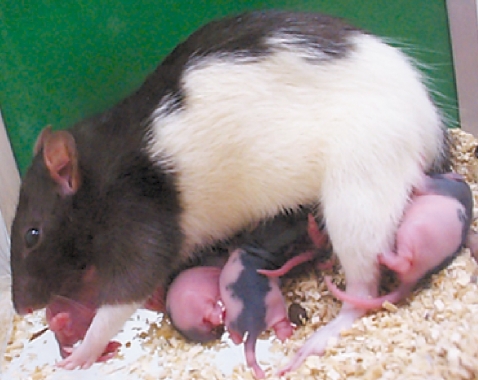
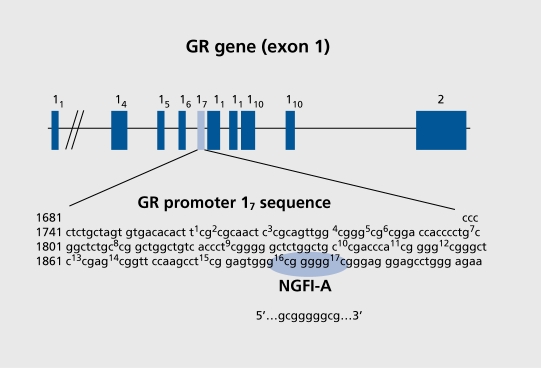
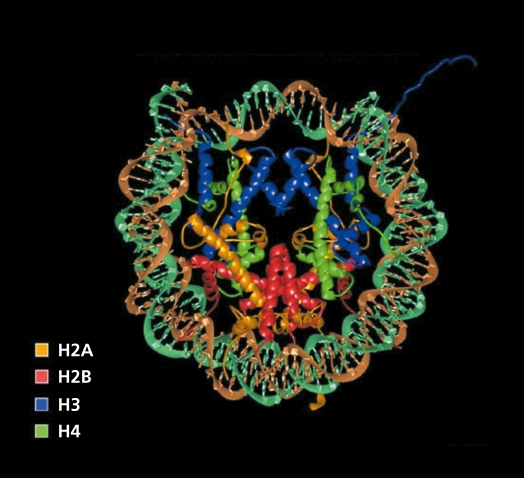
Early experience permanently alters behavior and physiology. These effects are, in part, mediated by sustained alterations in gene expression in selected brain regions. The critical question concerns the mechanism of these environmental "programming" effects. We examine this issue with an animal model that studies the consequences of variations in mother-infant interactions on the development of individual differences in behavioral and endocrine responses to stress in adulthood. Increased levels of pup licking/grooming by rat mothers in the first week of life alter DNA structure at a glucocorticoid receptor gene promoter in the hippocampus of the offspring. Differences in the DNA methylation pattern between the offspring of high- and low-licking/grooming mothers emerge over the first week of life; they are reversed with cross-fostering; they persist into adulthood; and they are associated with altered histone acetylation and transcription factor (nerve growth factor-induced clone A [NGFIA]) binding to the glucocorticoid receptor promoter. DNA methylation alters glucocorticoid receptor expression through modifications of chromatin structure. Pharmacological reversal of the effects on chromatin structure completely eliminates the effects of maternal care on glucocorticoid receptor expression and hypothalamic-pituitary-adrenal (HPA) responses to stress, thus suggesting a causal relation between the maternally induced, epigenetic modification of the glucocorticoid receptor gene and the effects on stress responses in the offspring. These findings demonstrate that the structural modifications of the DNA can be established through environmental programming and that, in spite of the inherent stability of this epigenomic marker, it is dynamic and potentially reversible.
Overview
The claims and statistics of this paper haven’t been checked yet.
Free: it reads the open-access text and checks the first 5 claims that cite a source we can check. Create a free account to check every claim.
Integrity signals
Registry
Cites
Statistics
Figures
Verification
Claims the paper makes
The claims and statistics of this paper haven’t been checked yet.
Free: it reads the open-access text and checks the first 5 claims that cite a source we can check. Create a free account to check every claim.
Claims other papers make about this one
Each is checked against this paper’s own text: does it say what the citing paper says it does?
The source backs part of the claim, not all of it — or backs it for a different population, condition or comparison.
In the citing paper
“Evidence to date also supports the hypothesis that early experiences operate on many neural target sites through epigenetic factors, providing a mechanism by which genes and environments interact to produce variation in individual HPA stress phenotypes through a variety of mechanisms, including changes in glucocorticoid (GC) and mineralocorticoid (MC) receptors in the hippocampus (Meaney and Szyf,”
From Quality of maternal and paternal care predicts later stress reactivity in the cooperatively-breeding marmoset (Callithrix geoffroyi) (2013) · cites this paper as Meaney and Szyf, 2005
Experimental — accuracy not yet measuredThe cited source says what the claim attributes to it.
In the citing paper
“A first important line of research, conducted by Michael Meaney and colleagues, has shown that parental care during early life induces long-term changes in behaviour as well as in gene expression mediated by epigenetic changes in the hippocampus of rats 21.”
From Resilience in mental health: linking psychological and neurobiological perspectives. (2013) · cites this paper as [21]
The cited source says what the claim attributes to it.
In the citing paper
“These associations are consistent with well defined neurobiological models linking early experience with the development of the HPA axis component of the stress response system (Meaney & Szyf, 2005) and linking stress and stress hormones with cognition, particularly executive functions (Arnsten, 2000; Lupien, Maheu, Tu, Fiocco, & Shramek, 2007).”
From Salivary cortisol mediates effects of poverty and parenting on executive functions in early childhood (2011) · cites this paper as Meaney & Szyf, 2005
The cited source says what the claim attributes to it.
In the citing paper
“Research with rodents, non-human primates, and humans, has shown that parental caregiving mediates the regulation of the HPA axis (see, e.g., Francis, Diorio, Plotsky, & Meaney, 2002; Levine, 2005; Meaney & Szyf, 2005; Sanchez, 2006).”
From Normalizing the development of cortisol regulation in maltreated infants through preventive interventions (2011) · cites this paper as Meaney & Szyf, 2005
The cited source says what the claim attributes to it.
In the citing paper
“Remarkably, research has shown that the maternal licking and grooming behavior in the rat that is so central to the development of the HPA stress response system produces its effect through molecular mechanisms that alter the epigenetic state of the gene that codes for GR receptor density in the hippocampus (Meaney & Szyf, 2005; Weaver, 2007; Weaver et al., 2004).”
From Stress and the development of self-regulation in context (2010) · cites this paper as Meaney & Szyf, 2005
5 more claims about this paper
Create a free account to see every claim other papers make about this one.
Self-check
Percentages, sums and reported differences re-computed from the paper’s own numbers.
The self-check needs the paper’s full text.
Citations
Cites
Felitti, V. J., Anda, R. F., Nordenberg, D., Williamson, D. F., Spitz, A. M., Edwards, V., Koss, M. P., & Marks, J. S. (1998) · American Journal of Preventive Medicine · doi:10.1016/s0749-3797(98)00017-8 · Cited by 18,943
Crystal structure of the nucleosome core particle at 2.8 Å resolution
Luger, K., Mäder, A. W., Richmond, R. K., Sargent, D. F., & Richmond, T. J. (1997) · Nature · doi:10.1038/38444 · Cited by 9,466
Child abuse: Adolescent records vs. adult recall
Femina, D. D., Yeager, C. A., & Lewis, D. O. (1990) · Child Abuse & Neglect · doi:10.1016/0145-2134(90)90033-p · Cited by 8,820
Influence of life stress on depression: moderation by a polymorphism in the 5-HTT gene
Caspi, A., Sugden, K., Moffitt, T. E., Taylor, A., Craig, I. W., Harrington, H., McClay, J., Mill, J., Martin, J., Braithwaite, A., et al. (2003) · Science · doi:10.1126/science.1083968 · Cited by 8,120 · cited 1×
“Such models have considerable appeal, and could potentially identify both the origins and the nature of vulnerability derived from either epigenetic influences, such as early family life, or genomic variations.(27,34) For developmentalists the critical questions are (i) how early experience might “program” individual…”
Sapolsky, R. M., Romero, L. M., & Munck, A. U. (2000) · Endocrine Reviews · doi:10.1210/edrv.21.1.0389 · Cited by 7,541 · cited 1×
“CRF synthesis and release are inhibited through a glucocorticoid negative-feedback system mediated by both mineralocorticoid and glucocorticoid receptors (GRs) in a number of brain regions including, and perhaps especially in, the hippocampus.(46,47) CRF neurons in the amygdala project directly to the locus ceruleus a…”
Sapolsky, R. M. (2000) · Endocrine Reviews · doi:10.1210/er.21.1.55 · Cited by 7,533
Protective and Damaging Effects of Stress Mediators
McEwen, B. S. (1998) · New England Journal of Medicine · doi:10.1056/nejm199801153380307 · Cited by 6,733
Epigenetic programming by maternal behavior
Weaver, I. C. G., Cervoni, N., Champagne, F. A., D'Alessio, A. C., Sharma, S., Seckl, J. R., Dymov, S., Szyf, M., & Meaney, M. J. (2004) · Nature Neuroscience · doi:10.1038/nn1276 · Cited by 6,177
Self-citationNan, X., Ng, H.-H., Johnson, C. A., Laherty, C. D., Turner, B. M., Eisenman, R. N., & Bird, A. (1998) · Nature · doi:10.1038/30764 · Cited by 3,440 · cited 1×
“Methylated DNA attracts methylated DNA binding proteins, which recruit a cluster of proteins referred to as repressor complexes, which include histone deacetylases that result in inactive chromatin and the silencing of gene expression.(105,106) The model positioning DNA methylation as driving chromatin inactivation is…”
Frommer, M., McDonald, L. E., Millar, D. S., Collis, C. M., Watt, F., Grigg, G. W., Molloy, P. L., & Paul, C. L. (1992) · Proceedings of the National Academy of Sciences · doi:10.1073/pnas.89.5.1827 · Cited by 3,238 · cited 1×
“NaBis treatment of DNA samples converts nonmethylated cytosines to uracils, which are then detected as thymidine on subsequent sequencing gels.(115) Methylated cytosines are unaffected by NaBis and the differences in methylation status are thus apparent and easily quantifiable on sequencing gels.”
Research works printed but not linked: 6
- Heim C. Newport DJ. Wagner D. Wilcox MM. Miller AH. Nemeroff CB. The role of early adverse experience and adulthood stress in the prediction of neuroendocrine stress reactivity in women: a multiple regression analysis. Depress Anxiety 2002 15 117 125 12001180 · DOI · Paper page
- 10.1126/science.135.3506.795-a · DOI · Paper page
- Caldji CC. Liu D. Meaney MJ. Maternal behavior in infancy regulates the development of GABAA receptor levels and its subunit composition and GAD. Soc Neurosci Abst 2000 179 11
- Hellstrom I. Diorio J. Weaver ICG. Szyf M. Meaney MJ. Ex vivo characterization of maternal programming of stress responses through modulation of the epigenome. Soc Neurosci Abstr 2004 662 11 xx
- Reik W. Dean W. Walter J. Epigenetic reprogramming in mammalian development. Science 2000 293 1089 1093 11498579 · DOI · Paper page
- Cervoni N. Detich N. Seo SB. Chakravarti D. Szyf M. The oncoprotein Set/TAF-1beta, an inhibitor of histone acetyltransferase, inhibits active demethylation of DNA, integrating DNA methylation and transcriptional silencing. J Biol Chem 2002 277 25026 25031 11978794 · DOI · Paper page
Cited by
Items 601–700 of 965
How the Social Environment Gets Under the Skin
King, R. B., & Bures, R. M. (2017) · Population Research and Policy Review · doi:10.1007/s11113-017-9447-z · Cited by 7
Counselors’ Neuroscience Conceptualizations of Depression
Field, T. A., Beeson, E. T., Luke, C., Ghoston, M. R., & Golubovic, N. (2019) · Journal of Mental Health Counseling · doi:10.17744/mehc.41.3.05 · Cited by 7
Baeta-Corral, R., la Fuente, M. D., & Giménez‐Llort, L. (2022) · Behavioural Brain Research · doi:10.1016/j.bbr.2022.114189 · Cited by 8
Trauma‐ and Stressor‐Related Disorders in Infants, Children, and Adolescents
Perry, B. D. (2017) · Wiley eBooks · doi:10.1002/9781394258932.ch20 · Cited by 11
Burri, A. V. (2013) · The Journal of Sex Research · doi:10.1080/00224499.2012.753027 · Cited by 7
Introduction to Special Issue on the Neurobiology of Depression
Barch, D. M. (2012) · Neurobiology of Disease · doi:10.1016/j.nbd.2012.10.026 · Cited by 7
How to Raise Household Savings in LAC: Constraints and Best Practices
Frisancho, V. (2016) · doi:10.18235/0000285 · Cited by 7
Ethnic minority position as risk indicator for autism-spectrum and psychotic disorders
van der Ven, E. (2016) · Research Publications (Maastricht University) · doi:10.26481/dis.20160422ev · Cited by 9
The Stress Response Is Adaptive in a Context- and State-Dependent Manner
Krugers, H. J., & Joëls, M. (2025) · Cells · doi:10.3390/cells14241957 · Cited by 8
Krejčová, L. V., Bento‐Torres, J., Diniz, D. G., Pereira, A., Hornsby, M. B.-D.-O., Morais, A., Mendes-da-Silva, R. F., Abadie‐Guedes, R., dos Santos, Â. A., de Lima, D. S. C., et al. (2024) · Brain Sciences · doi:10.3390/brainsci14050497 · Cited by 6
DNMT Enzymes and Their Impact on Cervical Cancer: A State-of-the-Art Review
Salmerón-Bárcenas, E. G., Martínez-Zayas, A., Vargas, M. A., Villegas‐Sepúlveda, N., Briseño-Díaz, P., Aguilar‐Rojas, A., Baños‐Hernández, C. J., Torres‐Rojas, F. I., Antaño-Arias, R., & Hernández‐Rivas, R. (2025) · International Journal of Molecular Sciences · doi:10.3390/ijms262110496 · Cited by 7
Bank, I.-A. D. (2016) · Palgrave Macmillan US eBooks · doi:10.1057/978-1-349-94929-8 · Cited by 6
Neurobiological Mechanisms of Psychopathology and Treatment Action
Beauchaine, T. P., Zisner, A. R., & Hayden, E. P. (2018) · Oxford University Press eBooks · doi:10.1093/oxfordhb/9780190634841.013.54 · Cited by 6
How stress affects gene expression through epigenetic modifications
Bainomugisa, C. K., & Mehta, D. (2022) · Elsevier eBooks · doi:10.1016/b978-0-12-823039-8.00014-9 · Cited by 7
Why Do Mental Disorders Persist? Evolutionary Foundations for Psychiatry
Nesse, R. M. (2022) · Cambridge University Press eBooks · doi:10.1017/9781009030564.008 · Cited by 11
Sanwald, S., Montag, C., & Kiefer, M. (2024) · Psychiatry Research · doi:10.1016/j.psychres.2024.115855 · Cited by 7
A Cross-Generational Methylomic Signature of Infant Maltreatment in Newborn Rhesus Macaques
Lardenoije, R., Smulders, M. N. C. A., Morin, E. L., Howell, B., Guzman, D., Meyer, J. S., Ressler, K. J., Sánchez, M., & Klengel, T. (2025) · Biological Psychiatry · doi:10.1016/j.biopsych.2025.02.901 · Cited by 6
DNA Methylation and Toxicogenomics
Deobagkar, D. D. (2012) · Wiley eBooks · doi:10.1002/9781118349045.ch3 · Cited by 7
Learning and Teaching in Early Childhood: Pedagogies of Inquiry and Relationships
Boyd, W., Green, N., & Jovanovic, J. (2021) · Cambridge University Press eBooks · doi:10.1017/9781108908122 · Cited by 7
Corona‐Herrera, G. A., Navarrete‐Ramírez, P., Sanchez-Flores, F., Jacinto, V. J., Martínez-Palacios, C. A., Palomera‐Sánchez, Z., Volkoff, H., & Martínez‐Chávez, C. C. (2022) · Journal of Photochemistry and Photobiology B Biology · doi:10.1016/j.jphotobiol.2022.112550 · Cited by 7
Early Deprivation and Developmental Psychopathology
Esposito, E. A., & Gunnar, M. R. (2014) · Springer eBooks · doi:10.1007/978-1-4614-9608-3_19 · Cited by 7
Bringing a Developmental Perspective to Early Childhood and Family Interventionists
Hogan, A., & Quay, H. C. (2014) · Advances in child development and behavior · doi:10.1016/b978-0-12-800285-8.00009-1 · Cited by 6
Krishnaveni, G. V., Kumaran, K., Krishna, M., Sahariah, S. A., Chandak, G. R., Kehoe, S. H., Jones, A., Bhat, D., Danivas, V., Srinivasan, K., et al. (2018) · Wellcome Open Research · doi:10.12688/wellcomeopenres.14583.1 · Cited by 7
Early-Life Stress Drives the Molecular Mechanisms Shaping the Adult Phenotype
Huber, S., Costantini, D., Houdelier, C., & Marasco, V. (2022) · Fascinating life sciences · doi:10.1007/978-3-030-90131-8_4 · Cited by 6
Biological and Experiential Influences on Psychological Development
Rutter, M. L. (2010) · Cambridge University Press eBooks · doi:10.1017/cbo9780511975394.002 · Cited by 7
Exploring the role of environmental enrichment and early life adversity on emotional development
de Lima, R. M. S., da Mata, M. J., dos Santos, J. C. P., Costa, L., Marques, V. H. M., Bento, L. V. D. S., Lugon, M. D. M. V., Arcego, D. M., Baraúna, V. G., Bittencourt, A. S., et al. (2024) · Behavioural Brain Research · doi:10.1016/j.bbr.2024.115147 · Cited by 5
Takahashi, C., Okabe, E., Nono, M., Kishimoto, S., Matsui, H., Ishitani, T., Yamamoto, T., Uno, M., & Nishida, E. (2024) · Aging · doi:10.18632/aging.206111 · Cited by 6
Exploring the interplay of epigenetics and individualization
Meuthen, D., Hoffman, J. I., Kurtz, J., Berthelsen, A. L., Chakarov, N., Chen, R. S., Coculla, A., Gadau, J. R., Gossmann, T. I., Mühlenhaupt, M., et al. (2026) · Trends in Ecology & Evolution · doi:10.1016/j.tree.2025.12.010 · Cited by 5
Hodsoll, J. P., Pickles, A. R., Bozicevic, L., Supraja, T. A., Hill, J., Chandra, P. S., & Sharp, H. M. (2022) · Frontiers in Psychology · doi:10.3389/fpsyg.2022.852618 · Cited by 5
Unraveling the roots of depression – it’s complicated
Davis, K. L., & Montag, C. (2023) · Neuropsychoanalysis · doi:10.1080/15294145.2023.2261454 · Cited by 5
Physical Activity and Dietary Interventions for Mental Health in Ageing and Longevity
Lakhman, S. S., Murzello, A., & Gueits, P. G. (2024) · Healthy ageing and longevity · doi:10.1007/978-3-031-68513-2_5 · Cited by 5
Manns, M., Juckel, G., & Freund, N. (2025) · Brain Sciences · doi:10.3390/brainsci15020169 · Cited by 5
Role of Triglyceride/Fatty Acid Cycle in Development of Type 2 Diabetes
Hsieh, C., DeSantis, D., & Colleen, M. (2011) · InTech eBooks · doi:10.5772/24033 · Cited by 6
Distributed Heredity and Development: a Heterarchical Perspective
Švorcová, J. (2016) · Biosemiotics · doi:10.1007/s12304-016-9276-1 · Cited by 5
Norrmén-Smith, I. O., Gómez-Carrillo, A., & Choudhury, S. (2021) · Frontiers in Sociology · doi:10.3389/fsoc.2021.653160 · Cited by 5
Chandola, T., Kumari, M., & Marmot, M. G. (2013) · Springer eBooks · doi:10.1007/978-0-387-09834-0_23 · Cited by 8
Oginni, O. A., & Hur, Y. (2022) · Development and Psychopathology · doi:10.1017/s0954579422000943 · Cited by 5
Koenig, H. G., VanderWeele, T. J., & Peteet, J. R. (2023) · Oxford University Press eBooks · doi:10.1093/oso/9780190088859.003.0002 · Cited by 5
Sequeira‐Cordero, A., & Trías, J. F. (2014) · Actualidades en Psicología · doi:10.15517/ap.v28i117.14115 · Cited by 6
The ADHD debate: being mindful of complexity and wary of reductionist explanations and polarization
Thapar, A., Langley, K., & Muñoz‐Solomando, A. (2012) · Journal of Family Therapy · doi:10.1111/j.1467-6427.2012.00608.x · Cited by 5
An Epigenetic Spin to ALS and FTD
Ebbert, M., Lank, R. J., & Belzil, V. (2018) · Advances in neurobiology · doi:10.1007/978-3-319-89689-2_1 · Cited by 6
DNA methylation profiles in adults born at extremely low birth weight
Mathewson, K. J., McGowan, P. O., de Vega, W. C., Lieshout, R. J. V., Morrison, K. M., Saigal, S., & Schmidt, L. A. (2020) · Development and Psychopathology · doi:10.1017/s0954579420000899 · Cited by 5
Atakan, S. S., & Soscia, I. (2021) · Springer eBooks · doi:10.1007/978-3-030-54296-2_8 · Cited by 5
A neuroendocrine perspective on the origin and evolution of cooperative breeding
Potticary, A. L., & Duckworth, R. A. (2021) · The Auk · doi:10.1093/ornithology/ukab036 · Cited by 5
Lambert, M., Lachal, J., Mansouri, M., & Moro, M. R. (2022) · Neuropsychiatrie de l Enfance et de l Adolescence · doi:10.1016/j.neurenf.2022.09.001 · Cited by 5
Shen, X., Yan, H., Li, W., Zhou, H., Wang, J., Zhang, Q., Zhang, L., Liu, Q., & Liu, Y. (2023) · Gene · doi:10.1016/j.gene.2023.147641 · Cited by 6
DNA Methylation in Memory Formation
Sweatt, J. D. (2012) · Research and perspectives in neurosciences · doi:10.1007/978-3-642-27913-3_8 · Cited by 5
Linking hair cortisol and life stress: The role of stress reactivity and habituation
Planert, J., Stalder, T., Huthsteiner, K., Slavich, G. M., Klucken, T., & Finke, J. B. (2025) · Psychoneuroendocrinology · doi:10.1016/j.psyneuen.2025.107715 · Cited by 4
Epigenetics in Captivity: Restoring Wild Phenotypes in Captive‐Reared Salmonids
Attfield, T., Honsey, A. E., Ackiss, A. S., Luek, A., Meagher, B., Nuetzel, H. M., Koch, I. J., April, J., Wakeling, K. M., Wellband, K. W., et al. (2026) · Evolutionary Applications · doi:10.1111/eva.70210 · Cited by 4
Parks, K. C., Buthmann, J. L., Teh, A. L., Chen, L., Chen, H. Y., & Gotlib, I. H. (2025) · Child Abuse & Neglect · doi:10.1016/j.chiabu.2025.107650 · Cited by 4
Developmental Effects of Selective Breeding for an Infant Trait
Brunelli, S. A., Zimmerberg, B., & Hofer, M. A. (2010) · Wiley eBooks · doi:10.1002/9781444327632.ch10 · Cited by 5
Lost in Translation: Psychologische Mechanismen und Psychotherapie
Flor, H. (2015) · Verhaltenstherapie · doi:10.1159/000430829 · Cited by 4
Koenig, H. G., VanderWeele, T. J., & Peteet, J. R. (2023) · Oxford University Press eBooks · doi:10.1093/oso/9780190088859.003.0014 · Cited by 4
DNA Methylation Patterns Associated with Tinnitus in Young Adults—A Pilot Study
Bhatt, I. S., Garay, J. A. R., Torkamani, A., & Dias, R. (2024) · Journal of the Association for Research in Otolaryngology · doi:10.1007/s10162-024-00961-2 · Cited by 4
Neurobiology of Disruptive Behavior: A Developmental Perspective and Relevant Findings
Susman, E. J., & Pollak, S. D. (2013) · Springer eBooks · doi:10.1007/978-1-4614-7557-6_3 · Cited by 4
Blair, C. (2010) · Mind Brain and Education · doi:10.1111/j.1751-228x.2010.01097.x · Cited by 5
Genetic Contributions to Intergroup Responses: A Cautionary Perspective
Ratner, K. G., & Kubota, J. T. (2012) · Frontiers in Human Neuroscience · doi:10.3389/fnhum.2012.00223 · Cited by 4
Thomas, J. A., Morris, P. A., & Seigel, E. (2018) · World Journal of Neuroscience · doi:10.4236/wjns.2018.82019 · Cited by 4
Neonatal mice exposed to a high-fat diet in utero influence the behaviour of their nursing dam
Baptissart, M., Lamb, H. E., To, K. T., Bradish, C. M., Tehrani, J. M., Reif, D. M., & Cowley, M. (2018) · Proceedings of the Royal Society B Biological Sciences · doi:10.1098/rspb.2018.1237 · Cited by 4
Fink, A. E. (2019) · AJOB Neuroscience · doi:10.1080/21507740.2019.1632970 · Cited by 4
Bierut, L. J., Biroli, P., Galama, T. J., & Thom, K. (2023) · Journal of Economic Psychology · doi:10.1016/j.joep.2023.102636 · Cited by 5
Siller, S., Westneat, D. F., Heidinger, B. J., Solomon, J. W., & Rubenstein, D. R. (2023) · General and Comparative Endocrinology · doi:10.1016/j.ygcen.2023.114336 · Cited by 5
Neurochemistry and Behavior: Nonhuman Primate Studies
Higley, J. D., & Barr, C. S. (2008) · Elsevier eBooks · doi:10.1016/b978-012373743-4.50009-6 · Cited by 5
Lloyd, S., & Raikhel, E. (2014) · Anthropologie et santé · doi:10.4000/anthropologiesante.1568 · Cited by 5
van Os, J., Rutten, B. P. F., & Poulton, R. (2009) · Springer eBooks · doi:10.1007/978-1-4419-0913-8_2 · Cited by 7
Disorganized attachment and reproductive strategies
Lewis, A. J., & Tooley, G. A. (2009) · Behavioral and Brain Sciences · doi:10.1017/s0140525x0900017x · Cited by 4
Violencia y estrés infantil: ¿está en juego nuestro futuro?
Águila-Escobedo, A. D. (2016) · ACTA MEDICA PERUANA · doi:10.35663/amp.2015.322.132 · Cited by 30
Does Experience With Sagebrush in Utero and Early in Life Influence Use of Sagebrush by Sheep?
Villalba, J. J., Provenza, F., & Longmore, A. (2018) · Digital Commons - USU (Utah State University) · doi:10.26077/m28j-xb22 · Cited by 5
Epigenetic Alterations to NR3C1 and HSD11B2 and the Developmental Origins of Mental Disease Risk
Appleton, A. A., Holdsworth, E. A., & Ingle, M. E. (2016) · Epigenetics and human health · doi:10.1007/978-3-319-29901-3_5 · Cited by 4
Tafet, G. E. (2017) · Springer eBooks · doi:10.1007/978-3-319-53126-7_13 · Cited by 4
Schmidt, B. L., Santos, M. J., Cariaga-Martínez, A. E., Hill, L., Barloese, M. C. J., & Hall, Z. J. (2017) · Cited by 4
Peer led parenting support programmes
Stewart-Brown, S. L. (2012) · BMJ · doi:10.1136/bmj.e1160 · Cited by 5
Prenatal nutritional influences on obesity risk in offspring
Sloboda, D. M., & Vickers (2010) · Nutrition and Dietary Supplements · doi:10.2147/nds.s8555 · Cited by 6
Murder on the development express: who killed nature/nurture?
Stotz, K. C. (2012) · Biology & Philosophy · doi:10.1007/s10539-012-9343-1 · Cited by 4
Corpuz, R., Kotov, D. A., & Donovan, R. L. (2023) · Frontiers in Psychology · doi:10.3389/fpsyg.2023.1199735 · Cited by 3
A developmentalist’s view of inheritance
Laland, K. N. (2025) · acta ethologica · doi:10.1007/s10211-025-00464-0 · Cited by 3
Karaburun, M. (2026) · Psikiyatride Guncel Yaklasimlar - Current Approaches in Psychiatry · doi:10.18863/pgy.1694859 · Cited by 3
Conceptual and Methodological Issues in Studying Early Adversity and Development
Pollak, S. D., & Smith, K. E. (2026) · Annual Review of Clinical Psychology · doi:10.1146/annurev-clinpsy-061724-091000 · Cited by 5
Zhao, K., Oualkacha, K., Zeng, Y., Shen, C., Klein, K., Lakhal‐Chaieb, L., Labbe, A., Pastinen, T., Hudson, M., Colmegna, I., et al. (2024) · Statistics in Medicine · doi:10.1002/sim.10149 · Cited by 3
Effect of stress on neuronal cell: Morphological to molecular approach
Bhardwaj, I., Singh, S., Ansari, A. H., Rai, S. P., & Singh, D. (2025) · Progress in brain research · doi:10.1016/bs.pbr.2025.01.010 · Cited by 4
“Motherless Children Have the Hardest Time”: Epigenetic Programming and Early Life Environment
Wright, R. O. (2018) · PEDIATRICS · doi:10.1542/peds.2018-1528 · Cited by 3
Rifkin‐Graboi, A., Khng, K. H., Cheung, P., Tsotsi, S., Sun, H. Q., Kwok, F. Y., Yu, Y., Xie, H., Yang, Y., Chen, M., et al. (2019) · Learning Research and Practice · doi:10.1080/23735082.2019.1674907 · Cited by 4
Molecular characterization of the resilient brain
Issler, O., Lorsch, Z. S., & Nestler, E. J. (2019) · Elsevier eBooks · doi:10.1016/b978-0-12-813983-7.00015-x · Cited by 4
Micronutrients and the evolution of the human brain
Biesalski, H. K. (2023) · NFS Journal · doi:10.1016/j.nfs.2023.100150 · Cited by 3
Hong, S. H., Ribaudo, J. M., Safyer, P., Routté, I., & Watkins, D. C. (2025) · Social Work · doi:10.1093/sw/swaf003 · Cited by 3
GLUCOCORTICOIDS AND LEARNING DURING INFANCY
Gunnar, M. R. (2015) · Monographs of the Society for Research in Child Development · doi:10.1111/mono.12218 · Cited by 3
Gene and Economics Interaction in The Formation of Human Capital. The Case of Obesity
Biroli, P. (2014) · Health & Healthcare in America: From Economics to Policy · Cited by 6
Maternal Fat Intake and Offspring Brain Development
Walker, C., Naef, L., D’Asti, E., Long, H., & Xu, Z. (2008) · Elsevier eBooks · doi:10.1016/b978-0-12-374285-8.00018-4 · Cited by 3
Syed, S. A., Cranshaw, M., & Nemeroff, C. B. (2019) · Elsevier eBooks · doi:10.1016/b978-0-12-813983-7.00013-6 · Cited by 3
Aggernæs, B. (2020) · AIMS molecular science · doi:10.3934/molsci.2020008 · Cited by 3
An Update on Social Touch: How Does Humans’ Social Nature Emerge at the Periphery of the Body?
Capelli, E., Grumi, S., Fullone, E., Rinaldi, E., & Provenzi, L. (2022) · Rorschachiana Journal of the International Society for the Rorschach · doi:10.1027/1192-5604/a000153 · Cited by 4
Vaccarino, V. (2014) · Springer eBooks · doi:10.1007/978-3-319-09241-6_6 · Cited by 4
Epigenetics – Chromatin Structure and Rett Syndrome
Levenson, J. M., & Wood, M. A. (2008) · Elsevier eBooks · doi:10.1016/b978-012370509-9.00043-7 · Cited by 3
Mother–Infant Interaction in the Variable Foraging Demand Model
Coplan, J. D., Kral, J. G., Smith, E. L., & Rosenblum, L. A. (2009) · Elsevier eBooks · doi:10.1016/b978-008045046-9.00089-9 · Cited by 3
Nikolova, Y. S., Swartz, J. R., & Hariri, A. R. (2016) · Epigenomics · doi:10.2217/epi-2016-0099 · Cited by 4
How to Raise Household Savings in LAC: Constraints and Best Practices
Frisancho, V. (2016) · doi:10.18235/0009286 · Cited by 5
Pharmacogenetics in IBS: update and impact of GWAS studies in drug targets and metabolism
Camilleri, M., & Jencks, K. J. (2024) · Expert Opinion on Drug Metabolism & Toxicology · doi:10.1080/17425255.2024.2349716 · Cited by 2
Bablis, P., Day, R. R., Bablis, S., & Pollard, H. P. (2025) · Cureus · doi:10.7759/cureus.83558 · Cited by 2
Bender, A., Bertele, L., Musaoğlu, M. N., Pasche, S., Edelmann, S., & Nieratschker, V. (2025) · Brain Sciences · doi:10.3390/brainsci15090950 · Cited by 2
de Lima, R. M. S., August, P. M., Peres, A. M., Machado, A. G., Lampert, C., Alves, J., Smaniotto, T. Â., Krolow, R., Dalmaz, C., & Ferrúa, C. P. (2025) · Archives of Medical Research · doi:10.1016/j.arcmed.2025.103323 · Cited by 2
Metadata
- Authors
- Meaney, M. J., & Szyf, M.
- Affiliations
- Douglas Mental Health University Institute (CA)
- McGill Program for the Study of Behavior, Genes and Environment, Department of Pharmacology, McGill University; Douglas Hospital Research Centre, Montreal, Canada
- Corresponding author
- Meaney, Michael J.
- ORCID
- Meaney, Michael J.
- Venue
- Dialogues in Clinical Neuroscience
- Publisher
- Informa UK Limited
- Published
- 2005-06-30
- Volume
- 7
- Issue
- 2
- Pages
- 103-123
- ISSN
- 1294-8322 (ISSN-L)
- 1958-5969
- PMC
- PMC3181727
- OpenAlex
- W1527534059
- Cited by
- 958
- References
- 132
- Citations by year
- 2026: 33 · 2025: 35 · 2024: 22 · 2023: 68 · 2022: 48 · 2021: 66 · 2020: 41 · 2019: 40 · 2018: 49 · 2017: 42 · 2016: 58 · 2015: 56 · 2014: 60 · 2013: 48 · 2012: 59
- FWCI
- 11.96
- Type
- journal article
- Language
- en
- Open access
- diamond
- doi.org
- Licence
- Locations
- Dialogues in Clinical Neuroscience (publishedVersion, cc-by-nc-nd)
- Europe PMC (PubMed Central) (publishedVersion, cc-by-nc-nd)
- PubMed Central (publishedVersion, cc-by-nc-nd)
- PubMed (publishedVersion)
- Topics
- Life Sciences › Neuroscience › Behavioral Neuroscience › Stress Responses and Cortisol
- Life Sciences › Biochemistry, Genetics and Molecular Biology › Molecular Biology › Epigenetics and DNA Methylation
- Life Sciences › Neuroscience › Endocrine and Autonomic Systems › Neuroendocrine regulation and behavior
- Keywords
- DNA methylation, environmental programming, maternal care, glucocorticoid receptor, hippocampus, stress response, hypothalamic-pituitary-adrenal axis, histone acetylation, chromatin structure, cross-fostering, epigenetics, rat offspring, early life experience
- MeSH terms
- Animals, Female, Humans, Hypothalamo-Hypophyseal System, Maternal Behavior, Pituitary-Adrenal System, Receptors, Glucocorticoid, Stress, Psychological, DNA Methylation, Epigenesis, Genetic, Rats
About these checks
Registry, retraction, Cites and statistics results are computed, not judged, with one exception: a printed reference that no index lists is read once by a model before it counts as a citation error. Claims are extracted by a model and kept only when their quote appears verbatim in the text; each cited source is then checked, with a model’s help, for whether it says what the claim relies on. Those verdicts can be wrong — read the claim’s quote and the cited source before relying on one.
Statistics and arithmetic are recomputed, not judged.
Confidence bands are shown only for fields calibrated on our annotated test set. None is calibrated yet, so no band is shown.
What counts as a claim ›How we measure confidence ›How we check this ›
Are you an author, or do you see a problem with this page? Request a review
Data sources
Bibliographic data: Semantic Scholar, OpenAlex, Crossref.
Contains information from the Semantic Scholar Academic Graph Datasets, made available under the ODC Attribution License (ODC-BY 1.0).
Semantic Scholar’s data is described in: Kinney, R., et al. (2023). The Semantic Scholar Open Data Platform. arXiv:2301.10140.
