

Environmental programming of stress responses through DNA methylation: life at the interface between a dynamic environment and a fixed genome
Open accessThe DOI matches its Crossref record; 133 of the 133 references it cites were found in a registry or an index.
Abstract
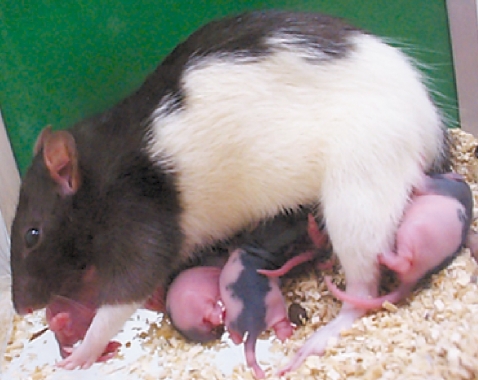
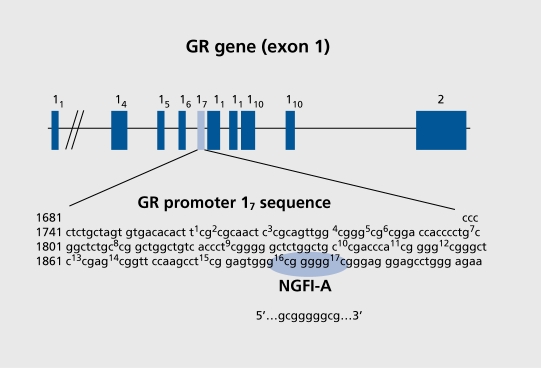
Early experience permanently alters behavior and physiology. These effects are, in part, mediated by sustained alterations in gene expression in selected brain regions. The critical question concerns the mechanism of these environmental "programming" effects. We examine this issue with an animal model that studies the consequences of variations in mother-infant interactions on the development of individual differences in behavioral and endocrine responses to stress in adulthood. Increased levels of pup licking/grooming by rat mothers in the first week of life alter DNA structure at a glucocorticoid receptor gene promoter in the hippocampus of the offspring. Differences in the DNA methylation pattern between the offspring of high- and low-licking/grooming mothers emerge over the first week of life; they are reversed with cross-fostering; they persist into adulthood; and they are associated with altered histone acetylation and transcription factor (nerve growth factor-induced clone A [NGFIA]) binding to the glucocorticoid receptor promoter. DNA methylation alters glucocorticoid receptor expression through modifications of chromatin structure. Pharmacological reversal of the effects on chromatin structure completely eliminates the effects of maternal care on glucocorticoid receptor expression and hypothalamic-pituitary-adrenal (HPA) responses to stress, thus suggesting a causal relation between the maternally induced, epigenetic modification of the glucocorticoid receptor gene and the effects on stress responses in the offspring. These findings demonstrate that the structural modifications of the DNA can be established through environmental programming and that, in spite of the inherent stability of this epigenomic marker, it is dynamic and potentially reversible.
Overview
The claims and statistics of this paper haven’t been checked yet.
Free: it reads the open-access text and checks the first 5 claims that cite a source we can check. Create a free account to check every claim.
Integrity signals
Registry
Cites
Statistics
Figures
Verification
Claims the paper makes
The claims and statistics of this paper haven’t been checked yet.
Free: it reads the open-access text and checks the first 5 claims that cite a source we can check. Create a free account to check every claim.
Claims other papers make about this one
Each is checked against this paper’s own text: does it say what the citing paper says it does?
The source backs part of the claim, not all of it — or backs it for a different population, condition or comparison.
In the citing paper
“Evidence to date also supports the hypothesis that early experiences operate on many neural target sites through epigenetic factors, providing a mechanism by which genes and environments interact to produce variation in individual HPA stress phenotypes through a variety of mechanisms, including changes in glucocorticoid (GC) and mineralocorticoid (MC) receptors in the hippocampus (Meaney and Szyf,”
From Quality of maternal and paternal care predicts later stress reactivity in the cooperatively-breeding marmoset (Callithrix geoffroyi) (2013) · cites this paper as Meaney and Szyf, 2005
Experimental — accuracy not yet measuredThe cited source says what the claim attributes to it.
In the citing paper
“A first important line of research, conducted by Michael Meaney and colleagues, has shown that parental care during early life induces long-term changes in behaviour as well as in gene expression mediated by epigenetic changes in the hippocampus of rats 21.”
From Resilience in mental health: linking psychological and neurobiological perspectives. (2013) · cites this paper as [21]
The cited source says what the claim attributes to it.
In the citing paper
“These associations are consistent with well defined neurobiological models linking early experience with the development of the HPA axis component of the stress response system (Meaney & Szyf, 2005) and linking stress and stress hormones with cognition, particularly executive functions (Arnsten, 2000; Lupien, Maheu, Tu, Fiocco, & Shramek, 2007).”
From Salivary cortisol mediates effects of poverty and parenting on executive functions in early childhood (2011) · cites this paper as Meaney & Szyf, 2005
The cited source says what the claim attributes to it.
In the citing paper
“Research with rodents, non-human primates, and humans, has shown that parental caregiving mediates the regulation of the HPA axis (see, e.g., Francis, Diorio, Plotsky, & Meaney, 2002; Levine, 2005; Meaney & Szyf, 2005; Sanchez, 2006).”
From Normalizing the development of cortisol regulation in maltreated infants through preventive interventions (2011) · cites this paper as Meaney & Szyf, 2005
The cited source says what the claim attributes to it.
In the citing paper
“Remarkably, research has shown that the maternal licking and grooming behavior in the rat that is so central to the development of the HPA stress response system produces its effect through molecular mechanisms that alter the epigenetic state of the gene that codes for GR receptor density in the hippocampus (Meaney & Szyf, 2005; Weaver, 2007; Weaver et al., 2004).”
From Stress and the development of self-regulation in context (2010) · cites this paper as Meaney & Szyf, 2005
5 more claims about this paper
Create a free account to see every claim other papers make about this one.
Self-check
Percentages, sums and reported differences re-computed from the paper’s own numbers.
The self-check needs the paper’s full text.
Citations
Cites
Felitti, V. J., Anda, R. F., Nordenberg, D., Williamson, D. F., Spitz, A. M., Edwards, V., Koss, M. P., & Marks, J. S. (1998) · American Journal of Preventive Medicine · doi:10.1016/s0749-3797(98)00017-8 · Cited by 18,943
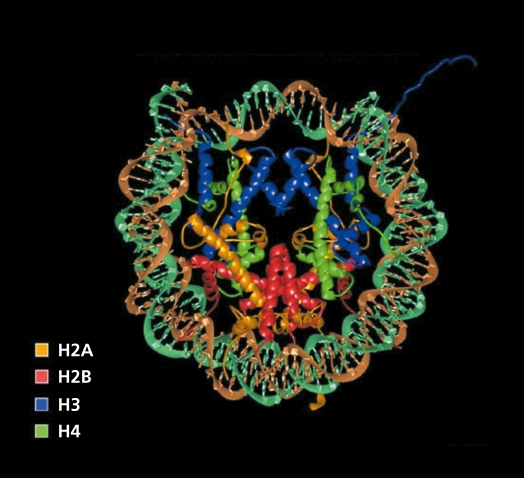
Crystal structure of the nucleosome core particle at 2.8 Å resolution
Luger, K., Mäder, A. W., Richmond, R. K., Sargent, D. F., & Richmond, T. J. (1997) · Nature · doi:10.1038/38444 · Cited by 9,466
Child abuse: Adolescent records vs. adult recall
Femina, D. D., Yeager, C. A., & Lewis, D. O. (1990) · Child Abuse & Neglect · doi:10.1016/0145-2134(90)90033-p · Cited by 8,820
Influence of life stress on depression: moderation by a polymorphism in the 5-HTT gene
Caspi, A., Sugden, K., Moffitt, T. E., Taylor, A., Craig, I. W., Harrington, H., McClay, J., Mill, J., Martin, J., Braithwaite, A., et al. (2003) · Science · doi:10.1126/science.1083968 · Cited by 8,120 · cited 1×
“Such models have considerable appeal, and could potentially identify both the origins and the nature of vulnerability derived from either epigenetic influences, such as early family life, or genomic variations.(27,34) For developmentalists the critical questions are (i) how early experience might “program” individual…”
Sapolsky, R. M., Romero, L. M., & Munck, A. U. (2000) · Endocrine Reviews · doi:10.1210/edrv.21.1.0389 · Cited by 7,541 · cited 1×
“CRF synthesis and release are inhibited through a glucocorticoid negative-feedback system mediated by both mineralocorticoid and glucocorticoid receptors (GRs) in a number of brain regions including, and perhaps especially in, the hippocampus.(46,47) CRF neurons in the amygdala project directly to the locus ceruleus a…”
Sapolsky, R. M. (2000) · Endocrine Reviews · doi:10.1210/er.21.1.55 · Cited by 7,533
Protective and Damaging Effects of Stress Mediators
McEwen, B. S. (1998) · New England Journal of Medicine · doi:10.1056/nejm199801153380307 · Cited by 6,733
Epigenetic programming by maternal behavior
Weaver, I. C. G., Cervoni, N., Champagne, F. A., D'Alessio, A. C., Sharma, S., Seckl, J. R., Dymov, S., Szyf, M., & Meaney, M. J. (2004) · Nature Neuroscience · doi:10.1038/nn1276 · Cited by 6,177
Self-citationNan, X., Ng, H.-H., Johnson, C. A., Laherty, C. D., Turner, B. M., Eisenman, R. N., & Bird, A. (1998) · Nature · doi:10.1038/30764 · Cited by 3,440 · cited 1×
“Methylated DNA attracts methylated DNA binding proteins, which recruit a cluster of proteins referred to as repressor complexes, which include histone deacetylases that result in inactive chromatin and the silencing of gene expression.(105,106) The model positioning DNA methylation as driving chromatin inactivation is…”
Frommer, M., McDonald, L. E., Millar, D. S., Collis, C. M., Watt, F., Grigg, G. W., Molloy, P. L., & Paul, C. L. (1992) · Proceedings of the National Academy of Sciences · doi:10.1073/pnas.89.5.1827 · Cited by 3,238 · cited 1×
“NaBis treatment of DNA samples converts nonmethylated cytosines to uracils, which are then detected as thymidine on subsequent sequencing gels.(115) Methylated cytosines are unaffected by NaBis and the differences in methylation status are thus apparent and easily quantifiable on sequencing gels.”
Research works printed but not linked: 6
- Heim C. Newport DJ. Wagner D. Wilcox MM. Miller AH. Nemeroff CB. The role of early adverse experience and adulthood stress in the prediction of neuroendocrine stress reactivity in women: a multiple regression analysis. Depress Anxiety 2002 15 117 125 12001180 · DOI · Paper page
- 10.1126/science.135.3506.795-a · DOI · Paper page
- Caldji CC. Liu D. Meaney MJ. Maternal behavior in infancy regulates the development of GABAA receptor levels and its subunit composition and GAD. Soc Neurosci Abst 2000 179 11
- Hellstrom I. Diorio J. Weaver ICG. Szyf M. Meaney MJ. Ex vivo characterization of maternal programming of stress responses through modulation of the epigenome. Soc Neurosci Abstr 2004 662 11 xx
- Reik W. Dean W. Walter J. Epigenetic reprogramming in mammalian development. Science 2000 293 1089 1093 11498579 · DOI · Paper page
- Cervoni N. Detich N. Seo SB. Chakravarti D. Szyf M. The oncoprotein Set/TAF-1beta, an inhibitor of histone acetyltransferase, inhibits active demethylation of DNA, integrating DNA methylation and transcriptional silencing. J Biol Chem 2002 277 25026 25031 11978794 · DOI · Paper page
Cited by
Items 701–800 of 965
Rebecka, W. (2025) · Psychology · doi:10.4236/psych.2025.1612085 · Cited by 2
Suchanecka, A., Recław, R., Chmielowiec, K., Chmielowiec, J., Masiak, J., & Grzywacz, A. (2025) · Genes Brain & Behavior · doi:10.1111/gbb.70040 · Cited by 2
Potapova, S., Isakov, Y., Tyulkova, E. I., & Vetrovoy, O. V. (2026) · International Journal of Molecular Sciences · doi:10.3390/ijms27062873 · Cited by 2
Mutuyimana, C., Sezibera, V., & Cassady, C. (2021) · Springer eBooks · doi:10.1007/978-3-030-83707-5_11 · Cited by 3
Transgenerational Epigenetic Programming
Bautista, N. M. (2022) · Springer eBooks · doi:10.1007/978-3-031-13771-6_5 · Cited by 3
Substance Use and Substance Use Disorders
Koenig, H. G., VanderWeele, T. J., & Peteet, J. R. (2023) · Oxford University Press eBooks · doi:10.1093/oso/9780190088859.003.0010 · Cited by 2
Psychological Well-Being and Positive Emotions
Koenig, H. G., VanderWeele, T. J., & Peteet, J. R. (2023) · Oxford University Press eBooks · doi:10.1093/oso/9780190088859.003.0012 · Cited by 2
Koenig, H. G., VanderWeele, T. J., & Peteet, J. R. (2023) · Oxford University Press eBooks · doi:10.1093/oso/9780190088859.003.0008 · Cited by 2
Riedl, D., Kirchhoff, C., Egle, U. T., Nolte, T., Tschuggnall, M., Rumpold, G., Kantner-Rumplmair, W., Grote, V., Fischer, M. J., & Lampe, A. (2025) · Diagnostics · doi:10.3390/diagnostics15070839 · Cited by 3
DNA Methylation in the Pathogenesis of Autoimmunity
Xu, X., Yang, P., Zhang, S., Bai, Y., & Wang, C. (2011) · Wiley eBooks · doi:10.1002/9780470933947.ch3 · Cited by 2
Chromatin Ultrastructural Abnormalities in Leukocytes, as Peripheral Markers of Bipolar Patients
Chrysanthou‐Piterou, M., Havaki, S., Alevizos, V., Papadimitriou, G. N., & Issidorides, M. R. (2009) · Ultrastructural Pathology · doi:10.3109/01913120903288579 · Cited by 2
13. State of the Art in Technology-Supported Resilience Training For Military Professionals
Favié, J., Vanessa Vakili, A., Brinkman, W., Morina, N., & Neerincx, M. A. (2015) · doi:10.1515/9783110471137-013 · Cited by 3
The Impact of Early Adversity on Health
Taylor, S. E. (2010) · Springer eBooks · doi:10.1007/978-0-387-09488-5_36 · Cited by 2
Laudenslager, M. L., Natvig, C. L., Mikulich‐Gilbertson, S. M., Blevins, M. W., Corcoran, C. A., Pierre, P. J., & Bennett, A. J. (2010) · Developmental Psychobiology · doi:10.1002/dev.20449 · Cited by 3
Gene-Environment Interactions, Stress, and Depression
Cohen‐Woods, S., & Harkess, K. N. (2016) · Springer eBooks · doi:10.1007/978-981-4560-53-5_41-2 · Cited by 2
Nutrition in Early Life, Epigenetics, and Health
Jiang, X. (2016) · Springer eBooks · doi:10.1007/978-3-319-25325-1_6 · Cited by 2
Psychiatric Neuroscience: Incorporating Pathophysiology into Clinical Case Formulation
Morrow, E. M., Roffman, J. L., Wolf, D. H., & Coyle, J. T. (2008) · Elsevier eBooks · doi:10.1016/b978-0-323-04743-2.50042-1 · Cited by 2
Basic mechanisms of, and treatment targets for, stress-related disorders
McEwen, B. S. (2020) · doi:10.1093/med/9780198713005.003.0079 · Cited by 2
Overweight and Obesity as Novel Grounds of Discrimination
Richter, D. (2020) · European Union and its neighbours in a globalized world · doi:10.1007/978-3-030-43764-0_16 · Cited by 2
CLAUDE ADRIEN HELVÉTİUS VE EĞİTİMSEL EŞİTLİK
KOÇ, Ö. C., & Ünder, H. (2020) · Avrasya Uluslararası Araştırmalar Dergisi · doi:10.33692/avrasyad.709902 · Cited by 2
Approaches to teaching and learning
Boyd, W., Green, N., & Jovanovic, J. (2021) · Cambridge University Press eBooks · doi:10.1017/9781108908122.005 · Cited by 2
Latchney, S. E., Cadney, M. D., Hopkins, A., & Garland, T. (2023) · Genes Brain & Behavior · doi:10.1111/gbb.12858 · Cited by 3
Jelinek, E. M. (2015) · ProQuest Demo Repository · Cited by 6
Lawler, J. M. (2015) · University of Minnesota Digital Conservancy (University of Minnesota) · Cited by 4
The relation of chronic stress during middle childhood to allostatic load in adolescence
Wolpert, C. M. (2014) · ProQuest Demo Repository · Cited by 3
Emotion dysregulation and internalizing spectrum disordersPreprint
Hostinar, C. E., & Cicchetti, D. (2021) · PsyArXiv (OSF Preprints) · doi:10.31234/osf.io/57ysp · Cited by 2
Ghanayem, L. K. (2024) · Carleton University's Institutional Repository (MacOdrum Library, Carleton University) · doi:10.22215/etd/2024-16237 · Cited by 3
Gustafsson, L. (2007) · Uppsala University Publications (Uppsala University) · Cited by 2
Epigenetic Remodeling of Delta FosB Protein: Its Role in Regulation of Stress
Vasdev, K., Dhawan, G., & Mani, I. (2018) · Cell & Cellular Life Sciences Journal · doi:10.23880/cclsj-16000121 · Cited by 4
Transforming Trauma With Lifestyle Medicine
Gordon, J. S., & Znayenko‐Miller, T. (2021) · American Journal of Lifestyle Medicine · doi:10.1177/15598276211008123 · Cited by 1
Koenig, H. G., VanderWeele, T. J., & Peteet, J. R. (2023) · Oxford University Press eBooks · doi:10.1093/oso/9780190088859.003.0025 · Cited by 1
Koenig, H. G., VanderWeele, T. J., & Peteet, J. R. (2023) · Oxford University Press eBooks · doi:10.1093/oso/9780190088859.003.0003 · Cited by 1
Koenig, H. G., VanderWeele, T. J., & Peteet, J. R. (2023) · Oxford University Press eBooks · doi:10.1093/oso/9780190088859.003.0015 · Cited by 1
The Heritability of Mental Health Disorders: The Role of Heritability and Environmental Factors
Ukpene, A. O. (2022) · Journal of Mental Health Issues and Behavior · doi:10.55529/jmhib.26.26.38 · Cited by 1
Toward Understanding and Halting Legacies of Trauma
Taylor, W., Korobkova, L., Bhinderwala, N., & Dias, B. G. (2025) · Biological Psychiatry · doi:10.1016/j.biopsych.2025.02.010 · Cited by 1
Differential effects of postpartum sleep restriction on maternal and offspring immunity in the rat
Peña, F., Rodríguez‐Camejo, C., Hernández, A., Rivas, M., Saravia, A., Serantes, D., Castro, J. P., Torterolo, P., Freire, T., & Benedetto, L. (2025) · Brain Behavior and Immunity · doi:10.1016/j.bbi.2025.106229 · Cited by 1
Miller, E., Weightman, M. J., Amos, A. J., Yeates, S., & Wilkes, F. (2026) · Frontiers in Medicine · doi:10.3389/fmed.2025.1712622 · Cited by 1
Bender, A., Schweizer, L., Musaoğlu, M. N., Pasche, S., Wiegand, A., Edelmann, S., & Nieratschker, V. (2026) · Biomolecules · doi:10.3390/biom16070934 · Cited by 1
Liebl, A. L., Anderson, S., Russell, A. F., Wesner, J. S., & Petersen, J. L. (2026) · Philosophical Transactions of the Royal Society B Biological Sciences · doi:10.1098/rstb.2025.0014 · Cited by 1
Dhahbi, W., Chamari, K., Dergaa, I., Trabelsi, K., Gaddas, M., Ammar, A., BaHammam, A. S., & Saad, H. B. (2026) · Nature and Science of Sleep · doi:10.2147/nss.s621788 · Cited by 1
Mind as epigenetic modifier in mood disorders
Serapinas, D., Serapinienė, A., Narbekovas, A., & Juškevičius, J. (2012) · Lithuanian University of Health Sciences · doi:10.5200/296 · Cited by 1
Autonomous and motor behaviors
Crusio, W. E., Sluyter, F., Gerlai, R. T., & Pietropaolo, S. (2013) · Cambridge University Press eBooks · doi:10.1017/cbo9781139541022.011 · Cited by 1
Maternal Protein Restriction and Effects on Behavior and Memory in Offspring
Oliveira, A. D. S. L., Gontijo, J. A. R., & Boer, P. A. (2017) · Springer eBooks · doi:10.1007/978-3-319-60289-9_12 · Cited by 1
Living and Adapting to Its Own Habitat
Cabej, N. R. (2013) · Elsevier eBooks · doi:10.1016/b978-0-12-401667-5.00004-3 · Cited by 1
Alastalo, H. (2013) · Helda - University of Helsinki Institutional Repository · Cited by 2
Molina, J. D. D., Real, M. D. L. C., Ruiz, A. R., Lopez-Munoz, F. J., Algar, M. J. M., Andrade‐Rosa, C., & Toledo-Romero, F. (2014) · Journal of Behavioral and Brain Science · doi:10.4236/jbbs.2014.41005 · Cited by 1
Role of Environmental Epigenetics in Perinatal and Neonatal Development
Sundararajan, S., & Bearer, C. F. (2016) · Springer eBooks · doi:10.1007/978-3-319-25325-1_5 · Cited by 1
L’observation du bébé et du petit enfant : À propos de la qualité du zoom
Borghini, A. (2016) · Journal de la psychanalyse de l enfant · doi:10.3917/jpe.012.0225 · Cited by 1
Stress, Mood, and Pathways to Depression
Krishnan, K. R. (2016) · Elsevier eBooks · doi:10.1016/b978-0-12-802381-5.00048-8 · Cited by 1
Bifulco, A. T. (2019) · Papers of Social Pedagogy · doi:10.5604/01.3001.0013.5890 · Cited by 1
On Mitigating the Cruelty of Natural Selection Through Humane Genome Editing
Edison, R., & Esvelt, K. M. (2020) · Advances in neuroethics · doi:10.1007/978-3-030-31011-0_7 · Cited by 2
The Biology of Glucocorticoids: Normal and Abnormal Aggression
Haller, J. (2020) · Springer eBooks · doi:10.1007/978-3-030-46331-1_5 · Cited by 1
Tafet, G. E., & Feder, D. J. (2021) · Springer eBooks · doi:10.1007/978-3-030-61721-9_28 · Cited by 1
The Bio-Ontological Status of Aging: Atavism or Adaptation?
Zhelnin, A. I. (2020) · Vestnik Tomskogo gosudarstvennogo universiteta · doi:10.17223/15617793/458/8 · Cited by 1
Waldie, K. E., D’Souza, S., Bibby, C., Thompson, J., & Mitchell, E. A. (2021) · Elsevier eBooks · doi:10.1016/b978-0-12-817986-4.00002-x · Cited by 1
Prätraumatisch, postapokalyptisch: Evolutionspsychologische Dynamik der Klima-Großkrise
Schonnebeck, M. (2021) · Vandenhoeck & Ruprecht eBooks · doi:10.13109/9783666407710.75 · Cited by 1
The Next Steps in Our Understanding of Gene–Peer Interplay: A Commentary
Burt, S. A. (2014) · Merrill-palmer Quarterly · doi:10.13110/merrpalmquar1982.60.2.0238 · Cited by 1
Gene-Environment Interactions, Stress, and Depression
Cohen‐Woods, S., & Harkess, K. N. (2015) · Springer eBooks · doi:10.1007/978-981-4560-53-5_41-1 · Cited by 1
Boyd, W., Green, N., & Jovanovic, J. (2021) · Cambridge University Press eBooks · doi:10.1017/9781108908122.002 · Cited by 1
Sexual Differentiation of the Mammalian Brain
Krebs‐Kraft, D. L., & McCarthy, M. M. (2011) · Elsevier eBooks · doi:10.1016/b978-0-12-374932-1.00048-2 · Cited by 1
Cirulli, F., & Alleva, E. (2013) · Cambridge University Press eBooks · doi:10.1017/cbo9781139541022.012 · Cited by 1
The Brain and Body’s Threat System Functioning in Those with NSSI
Carosella, K. A., Wiglesworth, A., Başgöze, Z., Cullen, K. R., & Klimes‐Dougan, B. (2023) · Oxford University Press eBooks · doi:10.1093/oxfordhb/9780197611272.013.14 · Cited by 1
Levasseur, B. M., Young, E. E., & Christianson, J. A. (2023) · Springer eBooks · doi:10.1007/978-3-031-25702-5_5 · Cited by 1
Koenig, H. G., VanderWeele, T. J., & Peteet, J. R. (2023) · Oxford University Press eBooks · doi:10.1093/oso/9780190088859.003.0005 · Cited by 1
Koenig, H. G., VanderWeele, T. J., & Peteet, J. R. (2023) · Oxford University Press eBooks · doi:10.1093/oso/9780190088859.003.0027 · Cited by 1
Public Health and Human Flourishing
Koenig, H. G., VanderWeele, T. J., & Peteet, J. R. (2023) · Oxford University Press eBooks · doi:10.1093/oso/9780190088859.003.0032 · Cited by 1
Understanding the Religion–Physical Health Relationship
Koenig, H. G., VanderWeele, T. J., & Peteet, J. R. (2023) · Oxford University Press eBooks · doi:10.1093/oso/9780190088859.003.0031 · Cited by 1
Disease Prevention, Detection, and Treatment
Koenig, H. G., VanderWeele, T. J., & Peteet, J. R. (2023) · Oxford University Press eBooks · doi:10.1093/oso/9780190088859.003.0030 · Cited by 1
Koenig, H. G., VanderWeele, T. J., & Peteet, J. R. (2023) · Oxford University Press eBooks · doi:10.1093/oso/9780190088859.003.0017 · Cited by 1
Koenig, H. G., VanderWeele, T. J., & Peteet, J. R. (2023) · Oxford University Press eBooks · doi:10.1093/oso/9780190088859.003.0006 · Cited by 1
de Boer, S. F., & Koolhaas, J. M. (2024) · Wiley eBooks · doi:10.1002/9781119555278.ch22 · Cited by 7
Epigenetic regulation of stress
Alamoudi, M. K., Alibrahim, N., Alsaleh, A. A., & Raza, M. L. (2025) · Progress in brain research · doi:10.1016/bs.pbr.2025.01.007 · Cited by 2
Zuluaga, M. J., Agrati, D., Bedó, G., Ferreira, A., & Uriarte, N. (2025) · Behavioural Brain Research · doi:10.1016/j.bbr.2025.115830 · Cited by 1
The Role of Emerging Techniques in Understanding Aggression
Haller, J. (2014) · Springer eBooks · doi:10.1007/978-3-7091-1268-7_5 · Cited by 1
Traumatisme dans l’enfance et sensibilité au stress à l’âge adulte
Heim, C. C. (2012) · Cited by 2
Vetrovoy, O. V., Tyulkova, E. I., Stratilov, V. A., & Vataeva, L. A. (2021) · Cell and Tissue Biology · doi:10.1134/s1990519x21010132 · Cited by 1
An Ingeneious Study of Intergenerational Transmission of the Effects of PTSD
Spiegel, D. (2014) · American Journal of Psychiatry · doi:10.1176/appi.ajp.2014.14050611 · Cited by 1
Burt, S. A. (2015) · Journal of Child Psychology and Psychiatry · doi:10.1111/jcpp.12393 · Cited by 1
Zhao, K., Oualkacha, K., Lakhal‐Chaieb, L., Labbe, A., Klein, K., Bernatsky, S., Hudson, M., Colmegna, I., & Greenwood, C. M. T. (2021) · arXiv (Cornell University) · doi:10.48550/arxiv.2101.07374 · Cited by 1
Koenig, H. G., VanderWeele, T. J., & Peteet, J. R. (2023) · Oxford University Press eBooks · doi:10.1093/oso/9780190088859.002.0003 · Cited by 1
Early Life Stress and Neurobehavioral Development
Stellern, S. A., & Gunnar, M. R. (2014) · Wiley eBooks · doi:10.1002/9781118539415.wbwell015
George, S. (2011) · InTech eBooks · doi:10.5772/23106
Bipolar disorder and cognitive functioning : a two-year naturalistic study
Arts, B. M. G. (2012) · Research Publications (Maastricht University) · doi:10.26481/dis.20120511ba
Reid, M. W. (2014) · Scholars' Bank (University of Oregon) · Cited by 1
Genetics as a tool for the dissociation of mental operations over the course of development
Fossella, J., Guise, K. G., & Fan, J. (2010) · Annals of the New York Academy of Sciences · doi:10.1111/j.1749-6632.2010.05439.x
Nutritional status and neurodevelopment in International Adoptees.
Fuglestad, A. J. (2010) · University of Minnesota Digital Conservancy (University of Minnesota)
t he Social defeat hypothesis of Schizophrenia: an Update
Ent, E., & Enia, S. (2013)
Würzburg, J.-M.-U., & Jakob, S. B. (2012)
in the deep cerebellar nuclei Calcium-based dendritic excitability and its regulation
Civillico, E. F., Wang, S. S. ‐., Najafi, F., Giovannucci, A., & Medina, J. F. (2015)
Aas, M., Blokland, G. A. M., Chawner, S. J. R. A., Choi, S. W., Estrada, J., Forsingdal, A., Friedrich, M. U., Ganesham, S., Hall, L. S., Haslinger, D., et al. (2015) · Psychiatric Genetics · doi:10.1097/ypg.0000000000000112
Epigenética: un nuevo lenguaje, un nuevo destino
Sánchez-Serrano, S. L., & Lamas, M. (2011) · Cited by 4
Augusto‐Oliveira, M. (2012) · Americanae (AECID Library) · doi:10.13140/rg.2.2.19062.45126
Johnson, A. E. (2013) · University of Minnesota Digital Conservancy (University of Minnesota)
Environmental Effects on Age-Associated Epigenetics
Saldanha, S. N., McCollum, A., & Tollefsbol, T. O. (2009) · Springer eBooks · doi:10.1007/978-1-4419-0639-7_23
Mayer, E. A., & Brunnhuber, S. (2010) · Cambridge University Press eBooks · doi:10.1017/cbo9780511711879.017
Cooney, M., & クーニ, マ. ダ. (2014) · Institutional Repositories DataBase (IRDB) · doi:10.18910/34532
Xiong-Zhao, Z. H. U., Su-Fang, P. E. N. G., ZHANG, S., ZHANG, Y., & Lin, C. A. I. (2013) · Acta Psychologica Sinica · doi:10.3724/sp.j.1041.2012.00330
Metadata
- Authors
- Meaney, M. J., & Szyf, M.
- Affiliations
- Douglas Mental Health University Institute (CA)
- McGill Program for the Study of Behavior, Genes and Environment, Department of Pharmacology, McGill University; Douglas Hospital Research Centre, Montreal, Canada
- Corresponding author
- Meaney, Michael J.
- ORCID
- Meaney, Michael J.
- Venue
- Dialogues in Clinical Neuroscience
- Publisher
- Informa UK Limited
- Published
- 2005-06-30
- Volume
- 7
- Issue
- 2
- Pages
- 103-123
- ISSN
- 1294-8322 (ISSN-L)
- 1958-5969
- PMC
- PMC3181727
- OpenAlex
- W1527534059
- Cited by
- 958
- References
- 132
- Citations by year
- 2026: 33 · 2025: 35 · 2024: 22 · 2023: 68 · 2022: 48 · 2021: 66 · 2020: 41 · 2019: 40 · 2018: 49 · 2017: 42 · 2016: 58 · 2015: 56 · 2014: 60 · 2013: 48 · 2012: 59
- FWCI
- 11.96
- Type
- journal article
- Language
- en
- Open access
- diamond
- doi.org
- Licence
- Locations
- Dialogues in Clinical Neuroscience (publishedVersion, cc-by-nc-nd)
- Europe PMC (PubMed Central) (publishedVersion, cc-by-nc-nd)
- PubMed Central (publishedVersion, cc-by-nc-nd)
- PubMed (publishedVersion)
- Topics
- Life Sciences › Neuroscience › Behavioral Neuroscience › Stress Responses and Cortisol
- Life Sciences › Biochemistry, Genetics and Molecular Biology › Molecular Biology › Epigenetics and DNA Methylation
- Life Sciences › Neuroscience › Endocrine and Autonomic Systems › Neuroendocrine regulation and behavior
- Keywords
- DNA methylation, environmental programming, maternal care, glucocorticoid receptor, hippocampus, stress response, hypothalamic-pituitary-adrenal axis, histone acetylation, chromatin structure, cross-fostering, epigenetics, rat offspring, early life experience
- MeSH terms
- Animals, Female, Humans, Hypothalamo-Hypophyseal System, Maternal Behavior, Pituitary-Adrenal System, Receptors, Glucocorticoid, Stress, Psychological, DNA Methylation, Epigenesis, Genetic, Rats
About these checks
Registry, retraction, Cites and statistics results are computed, not judged, with one exception: a printed reference that no index lists is read once by a model before it counts as a citation error. Claims are extracted by a model and kept only when their quote appears verbatim in the text; each cited source is then checked, with a model’s help, for whether it says what the claim relies on. Those verdicts can be wrong — read the claim’s quote and the cited source before relying on one.
Statistics and arithmetic are recomputed, not judged.
Confidence bands are shown only for fields calibrated on our annotated test set. None is calibrated yet, so no band is shown.
What counts as a claim ›How we measure confidence ›How we check this ›
Are you an author, or do you see a problem with this page? Request a review
Data sources
Bibliographic data: Semantic Scholar, OpenAlex, Crossref.
Contains information from the Semantic Scholar Academic Graph Datasets, made available under the ODC Attribution License (ODC-BY 1.0).
Semantic Scholar’s data is described in: Kinney, R., et al. (2023). The Semantic Scholar Open Data Platform. arXiv:2301.10140.
