

Environmental programming of stress responses through DNA methylation: life at the interface between a dynamic environment and a fixed genome
Open accessThe DOI matches its Crossref record; 133 of the 133 references it cites were found in a registry or an index.
Abstract
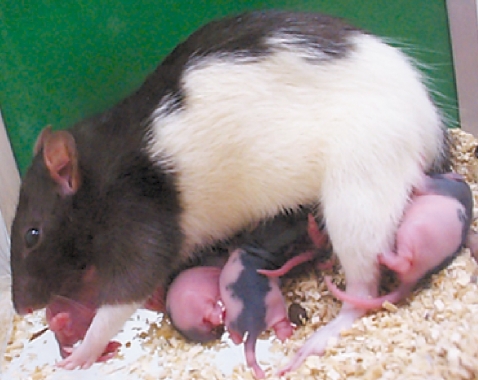
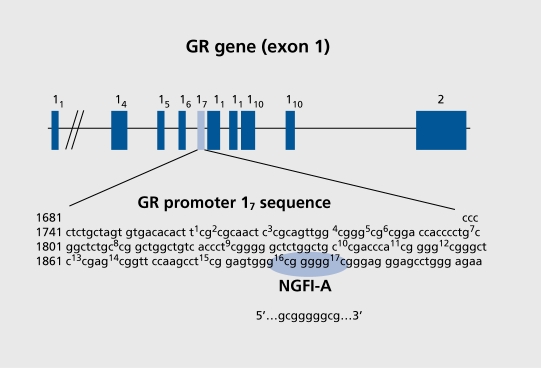
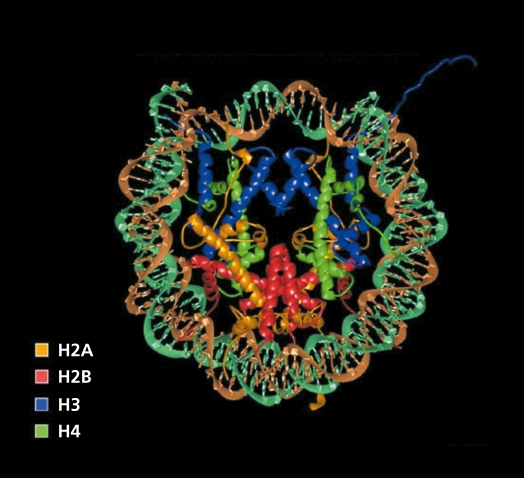
Early experience permanently alters behavior and physiology. These effects are, in part, mediated by sustained alterations in gene expression in selected brain regions. The critical question concerns the mechanism of these environmental "programming" effects. We examine this issue with an animal model that studies the consequences of variations in mother-infant interactions on the development of individual differences in behavioral and endocrine responses to stress in adulthood. Increased levels of pup licking/grooming by rat mothers in the first week of life alter DNA structure at a glucocorticoid receptor gene promoter in the hippocampus of the offspring. Differences in the DNA methylation pattern between the offspring of high- and low-licking/grooming mothers emerge over the first week of life; they are reversed with cross-fostering; they persist into adulthood; and they are associated with altered histone acetylation and transcription factor (nerve growth factor-induced clone A [NGFIA]) binding to the glucocorticoid receptor promoter. DNA methylation alters glucocorticoid receptor expression through modifications of chromatin structure. Pharmacological reversal of the effects on chromatin structure completely eliminates the effects of maternal care on glucocorticoid receptor expression and hypothalamic-pituitary-adrenal (HPA) responses to stress, thus suggesting a causal relation between the maternally induced, epigenetic modification of the glucocorticoid receptor gene and the effects on stress responses in the offspring. These findings demonstrate that the structural modifications of the DNA can be established through environmental programming and that, in spite of the inherent stability of this epigenomic marker, it is dynamic and potentially reversible.
Overview
The claims and statistics of this paper haven’t been checked yet.
Free: it reads the open-access text and checks the first 5 claims that cite a source we can check. Create a free account to check every claim.
Integrity signals
Registry
Cites
Statistics
Figures
Verification
Claims the paper makes
The claims and statistics of this paper haven’t been checked yet.
Free: it reads the open-access text and checks the first 5 claims that cite a source we can check. Create a free account to check every claim.
Claims other papers make about this one
Each is checked against this paper’s own text: does it say what the citing paper says it does?
The source backs part of the claim, not all of it — or backs it for a different population, condition or comparison.
In the citing paper
“Evidence to date also supports the hypothesis that early experiences operate on many neural target sites through epigenetic factors, providing a mechanism by which genes and environments interact to produce variation in individual HPA stress phenotypes through a variety of mechanisms, including changes in glucocorticoid (GC) and mineralocorticoid (MC) receptors in the hippocampus (Meaney and Szyf,”
From Quality of maternal and paternal care predicts later stress reactivity in the cooperatively-breeding marmoset (Callithrix geoffroyi) (2013) · cites this paper as Meaney and Szyf, 2005
Experimental — accuracy not yet measuredThe cited source says what the claim attributes to it.
In the citing paper
“A first important line of research, conducted by Michael Meaney and colleagues, has shown that parental care during early life induces long-term changes in behaviour as well as in gene expression mediated by epigenetic changes in the hippocampus of rats 21.”
From Resilience in mental health: linking psychological and neurobiological perspectives. (2013) · cites this paper as [21]
The cited source says what the claim attributes to it.
In the citing paper
“These associations are consistent with well defined neurobiological models linking early experience with the development of the HPA axis component of the stress response system (Meaney & Szyf, 2005) and linking stress and stress hormones with cognition, particularly executive functions (Arnsten, 2000; Lupien, Maheu, Tu, Fiocco, & Shramek, 2007).”
From Salivary cortisol mediates effects of poverty and parenting on executive functions in early childhood (2011) · cites this paper as Meaney & Szyf, 2005
The cited source says what the claim attributes to it.
In the citing paper
“Research with rodents, non-human primates, and humans, has shown that parental caregiving mediates the regulation of the HPA axis (see, e.g., Francis, Diorio, Plotsky, & Meaney, 2002; Levine, 2005; Meaney & Szyf, 2005; Sanchez, 2006).”
From Normalizing the development of cortisol regulation in maltreated infants through preventive interventions (2011) · cites this paper as Meaney & Szyf, 2005
The cited source says what the claim attributes to it.
In the citing paper
“Remarkably, research has shown that the maternal licking and grooming behavior in the rat that is so central to the development of the HPA stress response system produces its effect through molecular mechanisms that alter the epigenetic state of the gene that codes for GR receptor density in the hippocampus (Meaney & Szyf, 2005; Weaver, 2007; Weaver et al., 2004).”
From Stress and the development of self-regulation in context (2010) · cites this paper as Meaney & Szyf, 2005
5 more claims about this paper
Create a free account to see every claim other papers make about this one.
Self-check
Percentages, sums and reported differences re-computed from the paper’s own numbers.
The self-check needs the paper’s full text.
Citations
Cites
Felitti, V. J., Anda, R. F., Nordenberg, D., Williamson, D. F., Spitz, A. M., Edwards, V., Koss, M. P., & Marks, J. S. (1998) · American Journal of Preventive Medicine · doi:10.1016/s0749-3797(98)00017-8 · Cited by 18,943
Crystal structure of the nucleosome core particle at 2.8 Å resolution
Luger, K., Mäder, A. W., Richmond, R. K., Sargent, D. F., & Richmond, T. J. (1997) · Nature · doi:10.1038/38444 · Cited by 9,466
Child abuse: Adolescent records vs. adult recall
Femina, D. D., Yeager, C. A., & Lewis, D. O. (1990) · Child Abuse & Neglect · doi:10.1016/0145-2134(90)90033-p · Cited by 8,820
Influence of life stress on depression: moderation by a polymorphism in the 5-HTT gene
Caspi, A., Sugden, K., Moffitt, T. E., Taylor, A., Craig, I. W., Harrington, H., McClay, J., Mill, J., Martin, J., Braithwaite, A., et al. (2003) · Science · doi:10.1126/science.1083968 · Cited by 8,120 · cited 1×
“Such models have considerable appeal, and could potentially identify both the origins and the nature of vulnerability derived from either epigenetic influences, such as early family life, or genomic variations.(27,34) For developmentalists the critical questions are (i) how early experience might “program” individual…”
Sapolsky, R. M., Romero, L. M., & Munck, A. U. (2000) · Endocrine Reviews · doi:10.1210/edrv.21.1.0389 · Cited by 7,541 · cited 1×
“CRF synthesis and release are inhibited through a glucocorticoid negative-feedback system mediated by both mineralocorticoid and glucocorticoid receptors (GRs) in a number of brain regions including, and perhaps especially in, the hippocampus.(46,47) CRF neurons in the amygdala project directly to the locus ceruleus a…”
Sapolsky, R. M. (2000) · Endocrine Reviews · doi:10.1210/er.21.1.55 · Cited by 7,533
Protective and Damaging Effects of Stress Mediators
McEwen, B. S. (1998) · New England Journal of Medicine · doi:10.1056/nejm199801153380307 · Cited by 6,733
Epigenetic programming by maternal behavior
Weaver, I. C. G., Cervoni, N., Champagne, F. A., D'Alessio, A. C., Sharma, S., Seckl, J. R., Dymov, S., Szyf, M., & Meaney, M. J. (2004) · Nature Neuroscience · doi:10.1038/nn1276 · Cited by 6,177
Self-citationNan, X., Ng, H.-H., Johnson, C. A., Laherty, C. D., Turner, B. M., Eisenman, R. N., & Bird, A. (1998) · Nature · doi:10.1038/30764 · Cited by 3,440 · cited 1×
“Methylated DNA attracts methylated DNA binding proteins, which recruit a cluster of proteins referred to as repressor complexes, which include histone deacetylases that result in inactive chromatin and the silencing of gene expression.(105,106) The model positioning DNA methylation as driving chromatin inactivation is…”
Frommer, M., McDonald, L. E., Millar, D. S., Collis, C. M., Watt, F., Grigg, G. W., Molloy, P. L., & Paul, C. L. (1992) · Proceedings of the National Academy of Sciences · doi:10.1073/pnas.89.5.1827 · Cited by 3,238 · cited 1×
“NaBis treatment of DNA samples converts nonmethylated cytosines to uracils, which are then detected as thymidine on subsequent sequencing gels.(115) Methylated cytosines are unaffected by NaBis and the differences in methylation status are thus apparent and easily quantifiable on sequencing gels.”
Research works printed but not linked: 6
- Heim C. Newport DJ. Wagner D. Wilcox MM. Miller AH. Nemeroff CB. The role of early adverse experience and adulthood stress in the prediction of neuroendocrine stress reactivity in women: a multiple regression analysis. Depress Anxiety 2002 15 117 125 12001180 · DOI · Paper page
- 10.1126/science.135.3506.795-a · DOI · Paper page
- Caldji CC. Liu D. Meaney MJ. Maternal behavior in infancy regulates the development of GABAA receptor levels and its subunit composition and GAD. Soc Neurosci Abst 2000 179 11
- Hellstrom I. Diorio J. Weaver ICG. Szyf M. Meaney MJ. Ex vivo characterization of maternal programming of stress responses through modulation of the epigenome. Soc Neurosci Abstr 2004 662 11 xx
- Reik W. Dean W. Walter J. Epigenetic reprogramming in mammalian development. Science 2000 293 1089 1093 11498579 · DOI · Paper page
- Cervoni N. Detich N. Seo SB. Chakravarti D. Szyf M. The oncoprotein Set/TAF-1beta, an inhibitor of histone acetyltransferase, inhibits active demethylation of DNA, integrating DNA methylation and transcriptional silencing. J Biol Chem 2002 277 25026 25031 11978794 · DOI · Paper page
Cited by
Items 401–500 of 965
Gurbanov, R., Tunçer, S., Mingu, S., Severcan, F., & Gozen, A. G. (2019) · Journal of Photochemistry and Photobiology B Biology · doi:10.1016/j.jphotobiol.2019.111580 · Cited by 29
Alós‐Ferrer, C. (2018) · Journal of Economic Literature · doi:10.1257/jel.20171370 · Cited by 33
Wearable EEG-Based Brain–Computer Interface for Stress Monitoring
Premchand, B., Liang, L., Phua, K. S., Zhang, Z., Wang, C., Ling, G., Ang, J., Koh, J., Yong, X., & Ang, K. K. (2024) · NeuroSci · doi:10.3390/neurosci5040031 · Cited by 31
DNA methylation in cord blood in association with prenatal depressive symptoms
Kallak, T. K., Bränn, E., Fransson, E., Johansson, Å., Lager, S., Comasco, E., Lyle, R., & Skalkidou, A. (2021) · Clinical Epigenetics · doi:10.1186/s13148-021-01054-0 · Cited by 26
Steiger, H., Gauvin, L. I., Joober, R., Israël, M., Badawi, G., Groleau, P., Bruce, K. R., Kin, N. M. K. N. Y., Sycz, L., & Ouelette, A. S. (2011) · Journal of Psychiatric Research · doi:10.1016/j.jpsychires.2011.10.005 · Cited by 27
Molecular genetics of the stress‐responsive adrenocortical axis
Redei, E. E. (2008) · Annals of Medicine · doi:10.1080/07853890701724863 · Cited by 29
The role of nutraceuticals in the management of autism
Alanazi, A. (2012) · Saudi Pharmaceutical Journal · doi:10.1016/j.jsps.2012.10.001 · Cited by 32
Paternal personality and social status influence offspring activity in zebrafish
Zajitschek, S. R. K., Herbert‐Read, J. E., Abbasi, N. M., Zajitschek, F., & Immler, S. (2017) · BMC Evolutionary Biology · doi:10.1186/s12862-017-1005-0 · Cited by 26
Evolutionary theory, psychiatry, and psychopharmacology
Stein, D. J. (2006) · Progress in Neuro-Psychopharmacology and Biological Psychiatry · doi:10.1016/j.pnpbp.2006.01.003 · Cited by 31
Environmental epigenetics: new horizons in redefining biological and health outcomes
Faraji, J., & Metz, G. A. S. (2026) · Environment International · doi:10.1016/j.envint.2026.110072 · Cited by 30
The Kindling/Sensitization Model and Early Life Stress
Post, R. M. (2020) · Current topics in behavioral neurosciences · doi:10.1007/7854_2020_172 · Cited by 28
Epigenetic code during mycobacterial infections: therapeutic implications for tuberculosis
Fatima, S., Kumari, A., Agarwal, M., Pahuja, I., Yadav, V., Dwivedi, V. P., & Bhaskar, A. (2021) · FEBS Journal · doi:10.1111/febs.16170 · Cited by 25
PTSD, alcohol dependence, and conduct problems: Distinct pathways via lability and disinhibition
Simons, J. S., Simons, R. M., O’Brien, C., Stoltenberg, S. F., Keith, J. A., & Hudson, J. A. (2016) · Addictive Behaviors · doi:10.1016/j.addbeh.2016.08.044 · Cited by 26
Lee, J., Kwak, Y.-S., Kim, Y., Kim, E.-J., Park, E. J., Shin, Y., Lee, B.-H., Lee, S. H., Jung, H. Y., Lee, I., et al. (2019) · Psychiatry Investigation · doi:10.30773/pi.2019.01.21 · Cited by 25
Hough, D., Swart, P., & Cloete, S. W. P. (2013) · Animals · doi:10.3390/ani3020442 · Cited by 26
Toward a Psychobiologic Understanding of Youth Health Disparities
Susman, E. J. (2007) · Journal of Adolescent Health · doi:10.1016/j.jadohealth.2007.04.002 · Cited by 26
Boschen, K. E., Keller, S. M., Roth, T. L., & Klintsova, A. Y. (2018) · Neurotoxicology and Teratology · doi:10.1016/j.ntt.2017.12.009 · Cited by 24
Protective effects of chronic mild stress during adolescence in the low-novelty responder rat
Rana, S., Nam, H., Glover, M. E., Akil, H., Watson, S. J., Clinton, S. M., & Kerman, I. A. (2015) · Stress · doi:10.3109/10253890.2015.1108304 · Cited by 25
Solomonova, E., Lee, Y. E., Robins, S., King, L., Feeley, N., Gold, I., Hayton, B. C., Libman, E., Nagy, C., Turecki, G., et al. (2019) · Psychoneuroendocrinology · doi:10.1016/j.psyneuen.2019.05.010 · Cited by 27
Stryjek, R., Parsons, M. H., Fendt, M., Święcicki, J., & Bębas, P. (2021) · Journal of Neuroscience Methods · doi:10.1016/j.jneumeth.2021.109303 · Cited by 25
Efficacy and safety of probiotics in irritable bowel syndrome: A systematic review and meta-analysis
Yang, R., Jiang, J., Ouyang, J., Zhao, Y., & Xi, B. (2024) · Clinical Nutrition ESPEN · doi:10.1016/j.clnesp.2024.02.025 · Cited by 27
Genes and life-style factors in BELFAST nonagenarians: Nature, Nurture and Narrative
Rea, J. N. M., Carvalho, A., McNerlan, S., Alexander, H. D., & Rea, I. M. (2015) · Biogerontology · doi:10.1007/s10522-015-9567-y · Cited by 25
Sanwald, S., Gahr, M., Widenhorn‐Müller, K., Schönfeldt‐Lecuona, C., Richter, K., Connemann, B. J., Kammer, T., Montag, C., & Kiefer, M. (2019) · Journal of Molecular Neuroscience · doi:10.1007/s12031-019-01446-1 · Cited by 26
Zsigrai, S., Kalmár, A., Nagy, Z. B., Barták, B. K., Valcz, G., Szigeti, K. A., Galamb, O., Dankó, T., Sebestyén, A. R., Barna, G., et al. (2020) · Cells · doi:10.3390/cells9081864 · Cited by 25
Genomics and epigenomics of addiction
Maldonado, R. J., Calvé, P., García‐Blanco, A., Domingo‐Rodriguez, L., Senabre, E., & Martín‐García, E. (2021) · American Journal of Medical Genetics Part B Neuropsychiatric Genetics · doi:10.1002/ajmg.b.32843 · Cited by 29
Using Monozygotic Twins to Dissect Common Genes in Posttraumatic Stress Disorder and Migraine
Bainomugisa, C. K., Sutherland, H. G. E., Parker, R., McRae, A. F., Haupt, L. M., Griffiths, L. R., Heath, A. C., Nelson, E. C., Wright, M. J., Hickie, I. B., et al. (2021) · Frontiers in Neuroscience · doi:10.3389/fnins.2021.678350 · Cited by 24
“Large longitudinal twin and molecular genetic cohort studies suggest that the impact of adverse life events is probably moderated by genetic variants through genetic and environmental interactions (Meaney and Szyf, 2005; Probst et al., 2009).”
Rosenberg, T., Kisliouk, T., Cramer, T., Shinder, D., Druyan, S., & Meiri, N. (2020) · Frontiers in Genetics · doi:10.3389/fgene.2020.00767 · Cited by 24
Apsley, A. T., Ye, Q., Etzel, L. C., Wolf, S. E., Hastings, W. J., Mattern, B. C., Siegel, S. R., & Shalev, I. (2023) · Epigenetics · doi:10.1080/15592294.2023.2230686 · Cited by 25
Pathways from science findings to health benefits
Rutter, M. L., & Plomin, R. J. (2008) · Psychological Medicine · doi:10.1017/s003329170800398x · Cited by 24
Clowtis, L., Kang, D.-H., Padhye, N. S., Rozmus, C., & Barratt, M. S. (2016) · Nursing Research · doi:10.1097/nnr.0000000000000172 · Cited by 28
Attachment-related dimensions in the epigenetic era: A systematic review of the human research
Craig, F., Tenuta, F., Rizzato, V., Costabile, A., Trabacca, A., & Montirosso, R. (2021) · Neuroscience & Biobehavioral Reviews · doi:10.1016/j.neubiorev.2021.03.006 · Cited by 26
Khor, Y. M., Soga, T., & Parhar, I. S. (2015) · General and Comparative Endocrinology · doi:10.1016/j.ygcen.2015.12.004 · Cited by 24
Museum epigenomics: Characterizing cytosine methylation in historic museum specimens
Rubi, T. L., Knowles, L. L., & Dantzer, B. (2019) · Molecular Ecology Resources · doi:10.1111/1755-0998.13115 · Cited by 25
Development of the Stress Axis: Maternal and Environmental Influences
Walker, C., & McCormick, C. M. (2009) · Elsevier eBooks · doi:10.1016/b978-008088783-8.00061-9 · Cited by 25
Ceulemans, S., De Zutter, S., Heyrman, L., Norrback, K., Nordin, A., Nilsson, L., Adolfsson, R., Del‐Favero, J., & Claes, S. (2011) · Bipolar Disorders · doi:10.1111/j.1399-5618.2011.00960.x · Cited by 22
Neural Underpinnings of Social Stress in Substance Use Disorders
Sahani, V., Hurd, Y. L., & Bachi, K. (2021) · Current topics in behavioral neurosciences · doi:10.1007/7854_2021_272 · Cited by 28
Mothers’ Attachment Representations and Children’s Brain Structure
Fitter, M., Stern, J. A., Straske, M. D., Allard, T. L., Cassidy, J. A., & Riggins, T. (2022) · Frontiers in Human Neuroscience · doi:10.3389/fnhum.2022.740195 · Cited by 24
Perinatal Developmental Origins of Self-Regulation
Henrichs, J., & den Bergh, B. R. H. V. (2014) · Springer eBooks · doi:10.1007/978-1-4939-1236-0_23 · Cited by 22
Arcego, D. M., Krolow, R., Lampert, C., Noschang, C. G., Ferreira, A. G. K., Scherer, E. B. D. S., Wyse, Â. T. D. S., & Dalmaz, C. (2013) · Physiology & Behavior · doi:10.1016/j.physbeh.2013.10.029 · Cited by 26
Trotter, P. D., Владимировна, Б. Е., McGlone, F., & Алексеевич, В. А. (2018) · PLoS ONE · doi:10.1371/journal.pone.0206905 · Cited by 24
Differential Methylation Levels in CpGs of the BIN1 Gene in Individuals With Alzheimer Disease
Salcedo-Tacuma, D., Melgarejo, J. D., Mahecha, M. F., Ortega-Rojas, J., Bustos, C., Pardo, R., & Arboleda, H. (2019) · Alzheimer Disease & Associated Disorders · doi:10.1097/wad.0000000000000329 · Cited by 25
Gene environment interplay: Nonhuman primate models in the study of resilience and vulnerability
Bennett, A. J. (2007) · Developmental Psychobiology · doi:10.1002/dev.20263 · Cited by 25
An overview on stress neurobiology: Fundamental concepts and its consequences
Doewes, R. I., Gangadhar, L., & Subburaj, S. (2021) · Neuroscience Informatics · doi:10.1016/j.neuri.2021.100011 · Cited by 25
Priviero, F. B. M. (2023) · Biochemical Pharmacology · doi:10.1016/j.bcp.2023.115412 · Cited by 23
The Sociodevelopmental Origins of Psychosis
Morgan, C., & Hutchinson, G. (2010) · Principles of Social Psychiatry · doi:10.1002/9780470684214.ch15 · Cited by 21
You, Q., Karrow, N. A., Cao, H., Rodriguez, A., Mallard, B. A., & Boermans, H. J. (2008) · Toxicology and Applied Pharmacology · doi:10.1016/j.taap.2008.01.033 · Cited by 32
Kuenzel, E., Séguin, D., Nicolson, R., & Duerden, E. G. (2021) · Autism Research · doi:10.1002/aur.2613 · Cited by 23
Infant Development: The First 3 Years of Life
Humphreys, K. L., Zeanah, C. H., & Scheeringa, M. S. (2015) · Wiley eBooks · doi:10.1002/9781118753378.ch9 · Cited by 24
Stover, C. S., & Keeshin, B. R. (2016) · Clinical Psychology Review · doi:10.1016/j.cpr.2016.11.002 · Cited by 23
Childhood socioeconomic status moderates genetic predisposition for peak smokingPreprint
Bierut, L. J., Biroli, P., Galama, T. J., & Thom, K. (2018) · bioRxiv (Cold Spring Harbor Laboratory) · doi:10.1101/336834 · Cited by 21
Endophenotypes and the Diagnosis of Personality Disorders
Paris, J. (2011) · Journal of Personality Disorders · doi:10.1521/pedi.2011.25.2.260 · Cited by 20
Placental accelerated aging in antenatal depression
Saeed, H., Wu, J., Tesfaye, M., Grantz, K. L., & Ayele, F. T. (2023) · American Journal of Obstetrics & Gynecology MFM · doi:10.1016/j.ajogmf.2023.101237 · Cited by 20
Behavioral stress reduces RIP140 expression in astrocyte and increases brain lipid accumulation
Feng, X., Lin, Y., & Wei, L. (2015) · Brain Behavior and Immunity · doi:10.1016/j.bbi.2015.02.008 · Cited by 21
Bendre, M., Comasco, E., Checknita, D., Tiihonen, J., Hodgins, S., & Nilsson, K. W. (2018) · Alcoholism Clinical and Experimental Research · doi:10.1111/acer.13578 · Cited by 22
Gibb, R. L., & Kovalchuk, A. (2017) · Elsevier eBooks · doi:10.1016/b978-0-12-804036-2.00001-7 · Cited by 23
Early Biomarkers and Intervention Programs for the Infant Exposed to Prenatal Stress
Antonelli, M. C., Frasch, M. G., Rumi, M. M., Sharma, R., Zimmermann, P., Molinet, M. S., & Lobmaier, S. M. (2021) · Current Neuropharmacology · doi:10.2174/1570159x19666210125150955 · Cited by 24
Xu, Z., Chen, Z., Shen, T., Chen, L., Tan, T., Gao, C., Chen, B., Yuan, Y., & Zhang, Z. (2021) · Psychiatry and Clinical Neurosciences · doi:10.1111/pcn.13314 · Cited by 23
The Developmental Psychobiology of Stress and Emotion in Childhood
Hostinar, C. E., & Gunnar, M. R. (2012) · Wiley eBooks · doi:10.1002/9781118133880.hop206005 · Cited by 22
Neuroscience, Embodiment, and Development
Marshall, P. J. (2015) · Wiley eBooks · doi:10.1002/9781118963418.childpsy107 · Cited by 20
Ground Rules for Preschooler Exposure to the Digital Environment: A Review of Studies
Nikolaeva, E. I., Kalabina, I. A., Progackaya, T. K., & Ivanova, E. V. (2023) · Psychology in Russia State of Art · doi:10.11621/pir.2023.0403 · Cited by 25
Lampis, V., Maziade, M., & Battaglia, M. (2011) · Pediatric Research · doi:10.1203/pdr.0b013e318212b42e · Cited by 20
Roth, A., Kyzar, E. J., Cachat, J., Stewart, A., Green, J. B. A., Gaikwad, S., O’Leary, T. P., Tabakoff, B., Brown, R. E., & Kalueff, A. V. (2012) · Progress in Neuro-Psychopharmacology and Biological Psychiatry · doi:10.1016/j.pnpbp.2012.10.015 · Cited by 22
Epigenetic landscape of stress surfeit disorders: Key role for DNA methylation dynamics
Gatta, E., Saudagar, V., Auta, J., Grayson, D. R., & Guidotti, A. (2020) · International review of neurobiology · doi:10.1016/bs.irn.2020.08.002 · Cited by 22
Linking neuroscience and psychoanalysis from a developmental perspective: Why and how?
Ouss, L., & Golse, B. (2010) · Journal of Physiology-Paris · doi:10.1016/j.jphysparis.2010.09.005 · Cited by 23
Pollak, S. D. (2012) · Parenting · doi:10.1080/15295192.2012.683363 · Cited by 19
“These changes reflect altered gene expression, socalled “environmental programming” (Meaney & Szyf, 2005).”
Health and Biological Functioning
Hill, T. D., Bradshaw, M., & Burdette, A. M. (2016) · Handbooks of sociology and social research · doi:10.1007/978-3-319-31395-5_2 · Cited by 20
Early life stress and voluntary alcohol consumption in relation to Maoa methylation in male rats
Bendre, M., Granholm, L., Drennan, R., Meyer, A., Yan, L., Nilsson, K. W., Nylander, I., & Comasco, E. (2018) · Alcohol · doi:10.1016/j.alcohol.2018.11.001 · Cited by 19
A life-course, epigenetic perspective on resilience in brain and body
McEwen, B. S. (2019) · Elsevier eBooks · doi:10.1016/b978-0-12-813983-7.00001-x · Cited by 20
Zheng, G., Pang, S., Wang, J., Wang, F., Wang, Q., Yang, L., Ji, M., Xie, D., Zhu, S., Chen, Y., et al. (2023) · iScience · doi:10.1016/j.isci.2023.107137 · Cited by 21
EMDR Therapy in Psycho-Oncology: A Bridge Between Mind and Body
Faretta, E., & Civilotti, C. (2016) · Journal of EMDR Practice and Research · doi:10.1891/1933-3196.10.3.138 · Cited by 19
Naß, J., & Efferth, T. (2016) · Current Neuropharmacology · doi:10.2174/1570159x15666161111113514 · Cited by 19
Comparative epigenetics in animal physiology: An emerging frontier
Navarro‐Martín, L., Martyniuk, C. J., & Mennigen, J. A. (2020) · Comparative Biochemistry and Physiology Part D Genomics and Proteomics · doi:10.1016/j.cbd.2020.100745 · Cited by 20
Clarke, M., Cai, G., Saleh, S., Buller, K. M., & Spencer, S. J. (2013) · Journal of Neuroendocrinology · doi:10.1111/jne.12056 · Cited by 20
A Genetics Primer for Social Health Research
Way, B. M., & Gurbaxani, B. M. (2008) · Social and Personality Psychology Compass · doi:10.1111/j.1751-9004.2008.00084.x · Cited by 19
Gaudi, S., Guffanti, G., Fallon, J., & Macciardi, F. M. (2016) · The Journal of Comparative Neurology · doi:10.1002/cne.24046 · Cited by 21
The epigenetic basis of individuality
Sweatt, J. D. (2018) · Current Opinion in Behavioral Sciences · doi:10.1016/j.cobeha.2018.06.009 · Cited by 19
The effect of enriched environment across ages: A study of anhedonia and BDNF gene induction
Dong, B. E., Xue, Y., & Sakata, K. (2018) · Genes Brain & Behavior · doi:10.1111/gbb.12485 · Cited by 17
Kramer, H. M., Cook, D. E., van den Berg, G. C. M., Seidl, M. F., & Thomma, B. P. H. J. (2021) · Epigenetics & Chromatin · doi:10.1186/s13072-021-00396-6 · Cited by 16
Mental Illness, Women, Mothers and their Children
Abel, K. M., & Morgan, V. A. (2011) · Wiley eBooks · doi:10.1002/9780470976739.ch27 · Cited by 16
Bidirectional Effects of Mother-Young Contact on the Maternal and Neonatal Brains
González‐Mariscal, G., & Melo, Á. I. (2017) · Advances in experimental medicine and biology · doi:10.1007/978-3-319-62817-2_6 · Cited by 19
Behavioral Epigenetics of Family-Centered Care in the Neonatal Intensive Care Unit
Provenzi, L., & Barello, S. (2015) · Archives of Pediatrics and Adolescent Medicine · doi:10.1001/jamapediatrics.2015.0367 · Cited by 16
Fonagy, P., & Campbell, C. (2017) · Neuropsychoanalysis · doi:10.1080/15294145.2017.1294502 · Cited by 17
A perspective-based analysis of attachment from prenatal period to second year postnatal life
Santaguida, E., & Bergamasco, M. (2024) · Frontiers in Psychology · doi:10.3389/fpsyg.2024.1296242 · Cited by 18
Driscoll, C. A., & Barr, C. S. (2015) · Neuroscience Research · doi:10.1016/j.neures.2015.08.001 · Cited by 15
Estresse precoce no desenvolvimento: impactos na saúde e mecanismos de proteção
Linhares, M. B. M. (2016) · Estudos de Psicologia (Campinas) · doi:10.1590/1982-02752016000400003 · Cited by 33
An epigenomics approach to individual differences and its translation to neuropsychiatric conditions
Sweatt, J. D., & Tamminga, C. A. (2016) · Dialogues in Clinical Neuroscience · doi:10.31887/dcns.2016.18.3/dsweatt · Cited by 17
Calcium-based dendritic excitability and its regulation in the deep cerebellar nuclei
Schneider, E. R., Civillico, E. F., & Wang, S. S. ‐. (2013) · Journal of Neurophysiology · doi:10.1152/jn.00925.2012 · Cited by 16
Choi, K. H., Le, T., McGuire, J. L., Coyner, J. L., Higgs, B. W., Diglisic, S., Johnson, L. R., Benedek, D. M., & Ursano, R. J. (2012) · PLoS ONE · doi:10.1371/journal.pone.0049183 · Cited by 15
Post, R. M., Altshuler, L. L., Leverich, G. S., Frye, M. A., Suppes, T. M., McElroy, S. L., Keck, P. E., Nolen, W. A., Kupka, R., Grunze, H., et al. (2014) · Comprehensive Psychiatry · doi:10.1016/j.comppsych.2014.08.050 · Cited by 16
Paediatric major depressive disorder: neurobiology and implications for early intervention
Cullen, K. R., Klimes‐Dougan, B., Kumra, S., & Schulz, S. C. (2009) · Early Intervention in Psychiatry · doi:10.1111/j.1751-7893.2009.00131.x · Cited by 17
Parental depression and parent and child stress physiology: Moderation by parental hostility
Merwin, S. M., Leppert, K. A., Smith, V. C., & Dougherty, L. R. (2017) · Developmental Psychobiology · doi:10.1002/dev.21556 · Cited by 16
da Silva, A. M. T., Davis, W. B., Winchester, J. F., Coleman, D., & Weir, C. W. (1985) · PubMed · Cited by 20
Duckworth, R. A., Chenard, K. C., Meza, L. A., & Beiriz, M. C. (2023) · Neuroscience & Biobehavioral Reviews · doi:10.1016/j.neubiorev.2023.105241 · Cited by 16
Intrauterine Programmierung von Störungen der Hirnfunktion im späteren Leben
Schwab, M. (2009) · Gyn�kologisch-geburtshilfliche Rundschau · doi:10.1159/000184442 · Cited by 21
Effects of maternal strain on ethanol responses in reciprocal F1 C57BL/6J and DBA/2J hybrid mice
Gabriel, K. I., & Cunningham, C. L. (2007) · Genes Brain & Behavior · doi:10.1111/j.1601-183x.2007.00349.x · Cited by 16
Juvenile social isolation affects maternal care in rats: involvement of allopregnanolone
Pisu, M. G., Boero, G., Biggio, F., Garau, A., Corda, D., Congiu, M., Concas, A., Porcu, P., & Serra, M. (2017) · Psychopharmacology · doi:10.1007/s00213-017-4661-2 · Cited by 14
Lee, E., & Jeste, D. V. (2019) · Cambridge University Press eBooks · doi:10.1017/9781108568272.005 · Cited by 15
Stressed and Depressed? Check Your GDNF for Epigenetic Repression
Miller, C. A. (2011) · Neuron · doi:10.1016/j.neuron.2011.01.006 · Cited by 14
Genetics and epigenetics of stress: New avenues for an old concept
Estruch, M. S., Tamashiro, K. L., & Daskalakis, N. P. (2023) · Neurobiology of Stress · doi:10.1016/j.ynstr.2023.100525 · Cited by 17
Prospects of Genetics and Epigenetics of Alcohol Use Disorder
Wedemeyer, F., Kaminski, J. A., Zillich, L., Hall, A. S. M., Friedel, E., & Witt, S. H. (2020) · Current Addiction Reports · doi:10.1007/s40429-020-00331-x · Cited by 13
Metadata
- Authors
- Meaney, M. J., & Szyf, M.
- Affiliations
- Douglas Mental Health University Institute (CA)
- McGill Program for the Study of Behavior, Genes and Environment, Department of Pharmacology, McGill University; Douglas Hospital Research Centre, Montreal, Canada
- Corresponding author
- Meaney, Michael J.
- ORCID
- Meaney, Michael J.
- Venue
- Dialogues in Clinical Neuroscience
- Publisher
- Informa UK Limited
- Published
- 2005-06-30
- Volume
- 7
- Issue
- 2
- Pages
- 103-123
- ISSN
- 1294-8322 (ISSN-L)
- 1958-5969
- PMC
- PMC3181727
- OpenAlex
- W1527534059
- Cited by
- 958
- References
- 132
- Citations by year
- 2026: 33 · 2025: 35 · 2024: 22 · 2023: 68 · 2022: 48 · 2021: 66 · 2020: 41 · 2019: 40 · 2018: 49 · 2017: 42 · 2016: 58 · 2015: 56 · 2014: 60 · 2013: 48 · 2012: 59
- FWCI
- 11.96
- Type
- journal article
- Language
- en
- Open access
- diamond
- doi.org
- Licence
- Locations
- Dialogues in Clinical Neuroscience (publishedVersion, cc-by-nc-nd)
- Europe PMC (PubMed Central) (publishedVersion, cc-by-nc-nd)
- PubMed Central (publishedVersion, cc-by-nc-nd)
- PubMed (publishedVersion)
- Topics
- Life Sciences › Neuroscience › Behavioral Neuroscience › Stress Responses and Cortisol
- Life Sciences › Biochemistry, Genetics and Molecular Biology › Molecular Biology › Epigenetics and DNA Methylation
- Life Sciences › Neuroscience › Endocrine and Autonomic Systems › Neuroendocrine regulation and behavior
- Keywords
- DNA methylation, environmental programming, maternal care, glucocorticoid receptor, hippocampus, stress response, hypothalamic-pituitary-adrenal axis, histone acetylation, chromatin structure, cross-fostering, epigenetics, rat offspring, early life experience
- MeSH terms
- Animals, Female, Humans, Hypothalamo-Hypophyseal System, Maternal Behavior, Pituitary-Adrenal System, Receptors, Glucocorticoid, Stress, Psychological, DNA Methylation, Epigenesis, Genetic, Rats
About these checks
Registry, retraction, Cites and statistics results are computed, not judged, with one exception: a printed reference that no index lists is read once by a model before it counts as a citation error. Claims are extracted by a model and kept only when their quote appears verbatim in the text; each cited source is then checked, with a model’s help, for whether it says what the claim relies on. Those verdicts can be wrong — read the claim’s quote and the cited source before relying on one.
Statistics and arithmetic are recomputed, not judged.
Confidence bands are shown only for fields calibrated on our annotated test set. None is calibrated yet, so no band is shown.
What counts as a claim ›How we measure confidence ›How we check this ›
Are you an author, or do you see a problem with this page? Request a review
Data sources
Bibliographic data: Semantic Scholar, OpenAlex, Crossref.
Contains information from the Semantic Scholar Academic Graph Datasets, made available under the ODC Attribution License (ODC-BY 1.0).
Semantic Scholar’s data is described in: Kinney, R., et al. (2023). The Semantic Scholar Open Data Platform. arXiv:2301.10140.
