

Environmental programming of stress responses through DNA methylation: life at the interface between a dynamic environment and a fixed genome
Open accessThe DOI matches its Crossref record; 133 of the 133 references it cites were found in a registry or an index.
Abstract
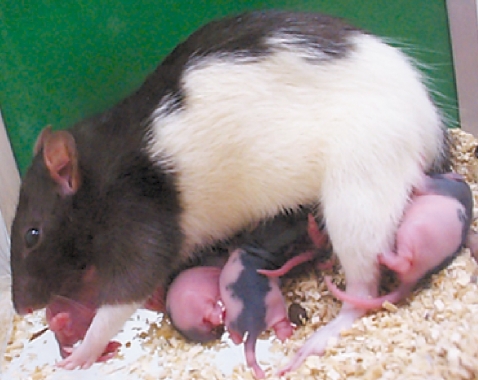
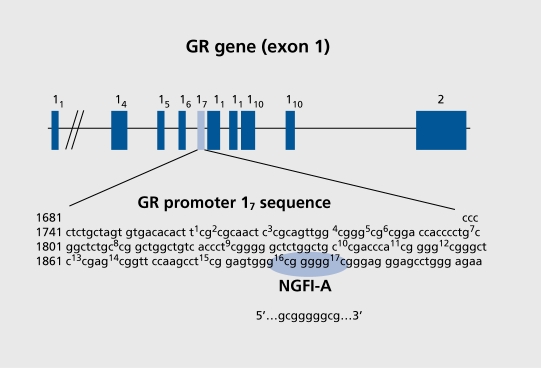
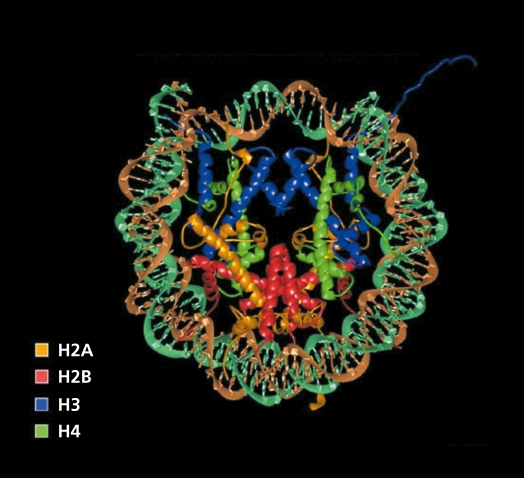
Early experience permanently alters behavior and physiology. These effects are, in part, mediated by sustained alterations in gene expression in selected brain regions. The critical question concerns the mechanism of these environmental "programming" effects. We examine this issue with an animal model that studies the consequences of variations in mother-infant interactions on the development of individual differences in behavioral and endocrine responses to stress in adulthood. Increased levels of pup licking/grooming by rat mothers in the first week of life alter DNA structure at a glucocorticoid receptor gene promoter in the hippocampus of the offspring. Differences in the DNA methylation pattern between the offspring of high- and low-licking/grooming mothers emerge over the first week of life; they are reversed with cross-fostering; they persist into adulthood; and they are associated with altered histone acetylation and transcription factor (nerve growth factor-induced clone A [NGFIA]) binding to the glucocorticoid receptor promoter. DNA methylation alters glucocorticoid receptor expression through modifications of chromatin structure. Pharmacological reversal of the effects on chromatin structure completely eliminates the effects of maternal care on glucocorticoid receptor expression and hypothalamic-pituitary-adrenal (HPA) responses to stress, thus suggesting a causal relation between the maternally induced, epigenetic modification of the glucocorticoid receptor gene and the effects on stress responses in the offspring. These findings demonstrate that the structural modifications of the DNA can be established through environmental programming and that, in spite of the inherent stability of this epigenomic marker, it is dynamic and potentially reversible.
Overview
The claims and statistics of this paper haven’t been checked yet.
Free: it reads the open-access text and checks the first 5 claims that cite a source we can check. Create a free account to check every claim.
Integrity signals
Registry
Cites
Statistics
Figures
Verification
Claims the paper makes
The claims and statistics of this paper haven’t been checked yet.
Free: it reads the open-access text and checks the first 5 claims that cite a source we can check. Create a free account to check every claim.
Claims other papers make about this one
Each is checked against this paper’s own text: does it say what the citing paper says it does?
The source backs part of the claim, not all of it — or backs it for a different population, condition or comparison.
In the citing paper
“Evidence to date also supports the hypothesis that early experiences operate on many neural target sites through epigenetic factors, providing a mechanism by which genes and environments interact to produce variation in individual HPA stress phenotypes through a variety of mechanisms, including changes in glucocorticoid (GC) and mineralocorticoid (MC) receptors in the hippocampus (Meaney and Szyf,”
From Quality of maternal and paternal care predicts later stress reactivity in the cooperatively-breeding marmoset (Callithrix geoffroyi) (2013) · cites this paper as Meaney and Szyf, 2005
Experimental — accuracy not yet measuredThe cited source says what the claim attributes to it.
In the citing paper
“A first important line of research, conducted by Michael Meaney and colleagues, has shown that parental care during early life induces long-term changes in behaviour as well as in gene expression mediated by epigenetic changes in the hippocampus of rats 21.”
From Resilience in mental health: linking psychological and neurobiological perspectives. (2013) · cites this paper as [21]
The cited source says what the claim attributes to it.
In the citing paper
“These associations are consistent with well defined neurobiological models linking early experience with the development of the HPA axis component of the stress response system (Meaney & Szyf, 2005) and linking stress and stress hormones with cognition, particularly executive functions (Arnsten, 2000; Lupien, Maheu, Tu, Fiocco, & Shramek, 2007).”
From Salivary cortisol mediates effects of poverty and parenting on executive functions in early childhood (2011) · cites this paper as Meaney & Szyf, 2005
The cited source says what the claim attributes to it.
In the citing paper
“Research with rodents, non-human primates, and humans, has shown that parental caregiving mediates the regulation of the HPA axis (see, e.g., Francis, Diorio, Plotsky, & Meaney, 2002; Levine, 2005; Meaney & Szyf, 2005; Sanchez, 2006).”
From Normalizing the development of cortisol regulation in maltreated infants through preventive interventions (2011) · cites this paper as Meaney & Szyf, 2005
The cited source says what the claim attributes to it.
In the citing paper
“Remarkably, research has shown that the maternal licking and grooming behavior in the rat that is so central to the development of the HPA stress response system produces its effect through molecular mechanisms that alter the epigenetic state of the gene that codes for GR receptor density in the hippocampus (Meaney & Szyf, 2005; Weaver, 2007; Weaver et al., 2004).”
From Stress and the development of self-regulation in context (2010) · cites this paper as Meaney & Szyf, 2005
5 more claims about this paper
Create a free account to see every claim other papers make about this one.
Self-check
Percentages, sums and reported differences re-computed from the paper’s own numbers.
The self-check needs the paper’s full text.
Citations
Cites
Felitti, V. J., Anda, R. F., Nordenberg, D., Williamson, D. F., Spitz, A. M., Edwards, V., Koss, M. P., & Marks, J. S. (1998) · American Journal of Preventive Medicine · doi:10.1016/s0749-3797(98)00017-8 · Cited by 18,943
Crystal structure of the nucleosome core particle at 2.8 Å resolution
Luger, K., Mäder, A. W., Richmond, R. K., Sargent, D. F., & Richmond, T. J. (1997) · Nature · doi:10.1038/38444 · Cited by 9,466
Child abuse: Adolescent records vs. adult recall
Femina, D. D., Yeager, C. A., & Lewis, D. O. (1990) · Child Abuse & Neglect · doi:10.1016/0145-2134(90)90033-p · Cited by 8,820
Influence of life stress on depression: moderation by a polymorphism in the 5-HTT gene
Caspi, A., Sugden, K., Moffitt, T. E., Taylor, A., Craig, I. W., Harrington, H., McClay, J., Mill, J., Martin, J., Braithwaite, A., et al. (2003) · Science · doi:10.1126/science.1083968 · Cited by 8,120 · cited 1×
“Such models have considerable appeal, and could potentially identify both the origins and the nature of vulnerability derived from either epigenetic influences, such as early family life, or genomic variations.(27,34) For developmentalists the critical questions are (i) how early experience might “program” individual…”
Sapolsky, R. M., Romero, L. M., & Munck, A. U. (2000) · Endocrine Reviews · doi:10.1210/edrv.21.1.0389 · Cited by 7,541 · cited 1×
“CRF synthesis and release are inhibited through a glucocorticoid negative-feedback system mediated by both mineralocorticoid and glucocorticoid receptors (GRs) in a number of brain regions including, and perhaps especially in, the hippocampus.(46,47) CRF neurons in the amygdala project directly to the locus ceruleus a…”
Sapolsky, R. M. (2000) · Endocrine Reviews · doi:10.1210/er.21.1.55 · Cited by 7,533
Protective and Damaging Effects of Stress Mediators
McEwen, B. S. (1998) · New England Journal of Medicine · doi:10.1056/nejm199801153380307 · Cited by 6,733
Epigenetic programming by maternal behavior
Weaver, I. C. G., Cervoni, N., Champagne, F. A., D'Alessio, A. C., Sharma, S., Seckl, J. R., Dymov, S., Szyf, M., & Meaney, M. J. (2004) · Nature Neuroscience · doi:10.1038/nn1276 · Cited by 6,177
Self-citationNan, X., Ng, H.-H., Johnson, C. A., Laherty, C. D., Turner, B. M., Eisenman, R. N., & Bird, A. (1998) · Nature · doi:10.1038/30764 · Cited by 3,440 · cited 1×
“Methylated DNA attracts methylated DNA binding proteins, which recruit a cluster of proteins referred to as repressor complexes, which include histone deacetylases that result in inactive chromatin and the silencing of gene expression.(105,106) The model positioning DNA methylation as driving chromatin inactivation is…”
Frommer, M., McDonald, L. E., Millar, D. S., Collis, C. M., Watt, F., Grigg, G. W., Molloy, P. L., & Paul, C. L. (1992) · Proceedings of the National Academy of Sciences · doi:10.1073/pnas.89.5.1827 · Cited by 3,238 · cited 1×
“NaBis treatment of DNA samples converts nonmethylated cytosines to uracils, which are then detected as thymidine on subsequent sequencing gels.(115) Methylated cytosines are unaffected by NaBis and the differences in methylation status are thus apparent and easily quantifiable on sequencing gels.”
Research works printed but not linked: 6
- Heim C. Newport DJ. Wagner D. Wilcox MM. Miller AH. Nemeroff CB. The role of early adverse experience and adulthood stress in the prediction of neuroendocrine stress reactivity in women: a multiple regression analysis. Depress Anxiety 2002 15 117 125 12001180 · DOI · Paper page
- 10.1126/science.135.3506.795-a · DOI · Paper page
- Caldji CC. Liu D. Meaney MJ. Maternal behavior in infancy regulates the development of GABAA receptor levels and its subunit composition and GAD. Soc Neurosci Abst 2000 179 11
- Hellstrom I. Diorio J. Weaver ICG. Szyf M. Meaney MJ. Ex vivo characterization of maternal programming of stress responses through modulation of the epigenome. Soc Neurosci Abstr 2004 662 11 xx
- Reik W. Dean W. Walter J. Epigenetic reprogramming in mammalian development. Science 2000 293 1089 1093 11498579 · DOI · Paper page
- Cervoni N. Detich N. Seo SB. Chakravarti D. Szyf M. The oncoprotein Set/TAF-1beta, an inhibitor of histone acetyltransferase, inhibits active demethylation of DNA, integrating DNA methylation and transcriptional silencing. J Biol Chem 2002 277 25026 25031 11978794 · DOI · Paper page
Cited by
Items 101–200 of 965
Sex differences in histone modifications in the neonatal mouse brain
Tsai, H.-W., Grant, P. A., & Rissman, E. F. (2009) · Epigenetics · doi:10.4161/epi.4.1.7288 · Cited by 203
Addiction science: Uncovering neurobiological complexity
Volkow, N. D., & Baler, R. D. (2014) · Neuropharmacology · doi:10.1016/j.neuropharm.2013.05.007 · Cited by 193
Stress inoculation‐induced indications of resilience in monkeys
Lyons, D. M., & Parker, K. J. (2007) · Journal of Traumatic Stress · doi:10.1002/jts.20265 · Cited by 191
Gunnar, M. R., & Quevedo, K. M. (2007) · Progress in Brain Research · doi:10.1016/s0079-6123(07)67010-1 · Cited by 199
Poverty-alleviation program participation and salivary cortisol in very low-income children
Fernald, L. C. H., & Gunnar, M. R. (2009) · Social Science & Medicine · doi:10.1016/j.socscimed.2009.03.032 · Cited by 192
Childhood stressful events, HPA axis and anxiety disorders
Faravelli, C. (2012) · World Journal of Psychiatry · doi:10.5498/wjp.v2.i1.13 · Cited by 198
How Biology Became Social, and What it Means for Social Theory
Meloni, M. (2014) · The Sociological Review · doi:10.1111/1467-954x.12151 · Cited by 179
Nasca, C., Bigio, B., Zelli, D., Nicoletti, F., & McEwen, B. S. (2015) · Molecular Psychiatry · doi:10.1038/mp.2014.96 · Cited by 194
Epigenetic Mechanisms in Learned Fear: Implications for PTSD
Zovkic, I. B., & Sweatt, J. D. (2013) · Neuropsychopharmacology · doi:10.1038/npp.2012.79 · Cited by 187
Intervention effects on foster parent stress: Associations with child cortisol levels
Fisher, P. A., & Stoolmiller, M. (2008) · Development and Psychopathology · doi:10.1017/s0954579408000473 · Cited by 190
Individual development and evolution: Experiential canalization of self-regulation.
Blair, C., & Raver, C. C. (2012) · Developmental Psychology · doi:10.1037/a0026472 · Cited by 174
Nair, A., Vadodaria, K. C., Banerjee, S. B., Benekareddy, M., Dias, B. G., Duman, R. S., & Vaidya, V. A. (2007) · Neuropsychopharmacology · doi:10.1038/sj.npp.1301276 · Cited by 189
Kozyrskyj, A. L., Mai, X.-M., McGrath, P., HayGlass, K. T., Becker, A. B., & MacNeil, B. (2008) · American Journal of Respiratory and Critical Care Medicine · doi:10.1164/rccm.200703-381oc · Cited by 181
Tremblay, R. E., Vitaro, F., & Côté, S. M. (2018) · Annual Review of Psychology · doi:10.1146/annurev-psych-010416-044030 · Cited by 170
The neurobiological basis of human aggression: A review on genetic and epigenetic mechanisms
Waltes, R., Chiocchetti, A. G., & Freitag, C. M. (2016) · American Journal of Medical Genetics Part B: Neuropsychiatric Genetics · doi:10.1002/ajmg.b.32388 · Cited by 182
Blair, C., Family Life Project Investigators, Granger, D. A., Kivlighan, K. T., Mills-Koonce, R., Willoughby, M., Greenberg, M. T., Hibel, L. C., & Fortunato, C. K. (2008) · Developmental Psychology · doi:10.1037/0012-1649.44.4.1095 · Cited by 177
O’Neill, L., Fraser, T., Kitchenham, A., & McDonald, V. (2018) · Journal of Child & Adolescent Trauma · doi:10.1007/s40653-016-0117-9 · Cited by 177
Environmental Cycles, Melatonin, and Circadian Control of Stress Response in Fish
Sánchez‐Vázquez, F. J., López‐Olmeda, J. F., Vera, L. M., Migaud, H., López‐Patiño, M. A., & Míguez, J. M. (2019) · Frontiers in Endocrinology · doi:10.3389/fendo.2019.00279 · Cited by 196
Huo, L., Straub, R. E., Roca, C., Schmidt, P. J., Shi, K., Vakkalanka, R., Weinberger, D. R., & Rubinow, D. R. (2007) · Biological Psychiatry · doi:10.1016/j.biopsych.2006.12.019 · Cited by 174
Murgatroyd, C., Quinn, J. P., Sharp, H. M., Pickles, A., & Hill, J. (2015) · Translational Psychiatry · doi:10.1038/tp.2014.140 · Cited by 169
Systems theory and cascades in developmental psychopathology
Cox, M. J., Mills-Koonce, R., Propper, C. B., & Gariépy, J. (2010) · Development and Psychopathology · doi:10.1017/s0954579410000234 · Cited by 191
Cicchetti, D., Rogosch, F. A., Toth, S. L., & Sturge-Apple, M. L. (2011) · Development and Psychopathology · doi:10.1017/s0954579411000307 · Cited by 168
Lanius, R., Frewen, P., Vermetten, E., & Yehuda, R. (2010) · European Journal of Psychotraumatology · doi:10.3402/ejpt.v1i0.5467 · Cited by 149
PromisingInterventions, O’Connell, M. E., Boat, T. F., & Warner, K. E. (2009) · Cited by 188
Gunnar, M. R., Hostinar, C. E., Sanchez, M. M., Tottenham, N., & Sullivan, R. M. (2015) · Social Neuroscience · doi:10.1080/17470919.2015.1070198 · Cited by 158
Epigenetics and its implications for behavioral neuroendocrinology
Crews, D. P. (2008) · Frontiers in Neuroendocrinology · doi:10.1016/j.yfrne.2008.01.003 · Cited by 172
Summary cortisol reactivity indicators: Interrelations and meaning
Khoury, J. E., Gonzalez, A., Levitan, R. D., Pruessner, J. C., Chopra, K., Basile, V. S., Masellis, M., Goodwill, A., & Atkinson, L. (2015) · Neurobiology of Stress · doi:10.1016/j.ynstr.2015.04.002 · Cited by 144
Inflammation and neuronal plasticity: a link between childhood trauma and depression pathogenesis
Cattaneo, A., Macchi, F., Plazzotta, G., Veronica, B., Bocchio-Chiavetto, L., Riva, M. A., & Pariante, C. M. (2015) · Frontiers in Cellular Neuroscience · doi:10.3389/fncel.2015.00040 · Cited by 152
Stress and functional neurological disorders: mechanistic insights
Keynejad, R. C., Frodl, T., Kanaan, R., Pariante, C., Reuber, M., & Nicholson, T. R. (2019) · Journal of Neurology, Neurosurgery & Psychiatry · doi:10.1136/jnnp-2018-318297 · Cited by 151
Food for love: the role of food offering in empathic emotion regulation
Hamburg, M. E., Finkenauer, C., & Schuengel, C. (2014) · Frontiers in Psychology · doi:10.3389/fpsyg.2014.00032 · Cited by 187
DNA Methylation Patterns in Cord Blood DNA and Body Size in Childhood
Relton, C. L., Groom, A., St. Pourcain, B., Sayers, A. E., Swan, D. C., Embleton, N. D., Pearce, M. S., Ring, S. M., Northstone, K., Tobias, J. H., et al. (2012) · PLoS ONE · doi:10.1371/journal.pone.0031821 · Cited by 145
Integrating biological measures into the design and evaluation of preventive interventions
Cicchetti, D., & Gunnar, M. R. (2008) · Development and Psychopathology · doi:10.1017/s0954579408000357 · Cited by 148
Pesonen, A.-K., Räikkönen, K., Feldt, K., Heinonen, K., Osmond, C., Phillips, D. I. W., Barker, D. J. P., Eriksson, J. G., & Kajantie, E. (2010) · Psychoneuroendocrinology · doi:10.1016/j.psyneuen.2009.10.017 · Cited by 147
Epigenetic dysregulation of SHANK3 in brain tissues from individuals with autism spectrum disorders
Zhu, L., Wang, X., Li, X.-L., Towers, A., Cao, X., Wang, P., Bowman, R., Yang, H., Goldstein, J., Li, Y.-J., et al. (2014) · Human Molecular Genetics · doi:10.1093/hmg/ddt547 · Cited by 147
Rincón-Cortés, M., & Sullivan, R. M. (2014) · Frontiers in Endocrinology · doi:10.3389/fendo.2014.00033 · Cited by 139
Sharp, H., Pickles, A., Meaney, M., Marshall, K., Tibu, F., & Hill, J. (2012) · PLoS ONE · doi:10.1371/journal.pone.0045446 · Cited by 141
Self-citationEpigenetic transmission of Holocaust trauma: can nightmares be inherited?
Kellermann, N. P. F. (2013) · PubMed · Cited by 252
The social brain: Neurobiological basis of affiliative behaviours and psychological well-being
Walker, S. C., & McGlone, F. P. (2013) · Neuropeptides · doi:10.1016/j.npep.2013.10.008 · Cited by 151
Novikova, S. I., He, F., Bai, J., Cutrufello, N. J., Lidow, M. S., & Undieh, A. S. (2008) · PLoS ONE · doi:10.1371/journal.pone.0001919 · Cited by 140
Branje, S., Geeraerts, S. B., de Zeeuw, E. L., Oerlemans, A. M., Koopman‐Verhoeff, M. E., Schulz, S., Nelemans, S. A., Meeus, W., Hartman, C. A., Hillegers, M. H. J., et al. (2020) · Developmental Cognitive Neuroscience · doi:10.1016/j.dcn.2020.100835 · Cited by 151
Genetics and philosophy: an introduction
(2014) · Choice Reviews Online · doi:10.5860/choice.51-3829 · Cited by 141
Appleton, A. A., Armstrong, D. A., Lesseur, C., Lee, J., Padbury, J. F., Lester, B. M., & Marsit, C. J. (2013) · PLoS ONE · doi:10.1371/journal.pone.0074691 · Cited by 134
Mothers' and fathers' sensitivity and children's cognitive development in low-income, rural families
Mills-Koonce, R., Willoughby, M. T., Zvara, B. J., Barnett, M. A., Gustafsson, H., & Cox, M. J. (2015) · Journal of Applied Developmental Psychology · doi:10.1016/j.appdev.2015.01.001 · Cited by 154
HPA axis and sleep: Identifying subtypes of major depression: Review
Antonijevic, I., & Antonijevic, I. (2008) · Stress · doi:10.1080/10253890701378967 · Cited by 134
Stilling, R. M., Bordenstein, S. R., Dinan, T. G., & Cryan, J. F. (2014) · Frontiers in Cellular and Infection Microbiology · doi:10.3389/fcimb.2014.00147 · Cited by 137
The Developmental Effects of Early Life Stress: An Overview of Current Theoretical Frameworks
Hostinar, C. E., & Gunnar, M. R. (2013) · Current Directions in Psychological Science · doi:10.1177/0963721413488889 · Cited by 129
Koss, K. J., Mliner, S. B., Donzella, B., & Gunnar, M. R. (2016) · Psychoneuroendocrinology · doi:10.1016/j.psyneuen.2015.12.018 · Cited by 133
D’Alessio, A. C., & Szyf, M. (2006) · Biochemistry and Cell Biology · doi:10.1139/o06-090 · Cited by 138
Self-citationGonadal steroid regulation of mood: The lessons of premenstrual syndrome☆
Rubinow, D. R., & SCHMIDT, P. (2006) · Frontiers in Neuroendocrinology · doi:10.1016/j.yfrne.2006.02.003 · Cited by 195
The developmental origins of health and disease: current theories and epigenetic mechanisms
Sinclair, K., Lea, R., Rees, W., & Young, L. (2007) · Reproduction in Domestic Ruminants · doi:10.5661/rdr-vi-425 · Cited by 131
Genetic and environmental vulnerabilities in children with neurodevelopmental disorders
Karmiloff-Smith, A., D’Souza, D., Dekker, T. M., Van Herwegen, J., Xu, F., Rodic, M., & Ansari, D. (2012) · Proceedings of the National Academy of Sciences · doi:10.1073/pnas.1121087109 · Cited by 131
Epigenetic regulation of the expression of genes involved in steroid hormone biosynthesis and action
Martinez-Arguelles, D. B., & Papadopoulos, V. (2010) · Steroids · doi:10.1016/j.steroids.2010.02.004 · Cited by 152
The Impact of Early Life Stress on Anxiety Symptoms in Late Adulthood
Lähdepuro, A., Savolainen, K., Lahti‐Pulkkinen, M., Eriksson, J. G., Lahti, J. M. T., Tuovinen, S., Kajantie, E., Pesonen, A., Heinonen, K., & Räikkönen, K. (2019) · Scientific Reports · doi:10.1038/s41598-019-40698-0 · Cited by 138
Breaking the Intergenerational Cycle of Disadvantage: The Three Generation Approach
Cheng, T. L., Johnson, S. B., & Goodman, E. (2016) · Pediatrics · doi:10.1542/peds.2015-2467 · Cited by 124
Childhood trauma, HPA axis activity and antidepressant response in patients with depression
Nikkheslat, N., McLaughlin, A. P., Hastings, C., Zajkowska, Z., Nettis, M. A., Mariani, N., Enache, D., Lombardo, G., Pointon, L., Cowen, P. J., et al. (2020) · Brain, Behavior, and Immunity · doi:10.1016/j.bbi.2019.11.024 · Cited by 124
Claessens, S. E. F., Daskalakis, N. P., van der Veen, R., Oitzl, M. S., de Kloet, E. R., & Champagne, D. L. (2011) · Psychopharmacology · doi:10.1007/s00213-010-2118-y · Cited by 120
Epigenetic Programming by Maternal Behavior in the Human Infant
Lester, B. M., Conradt, E., LaGasse, L. L., Tronick, E. Z., Padbury, J. F., & Marsit, C. J. (2018) · Pediatrics · doi:10.1542/peds.2017-1890 · Cited by 116
Early deprivation and home basal cortisol levels: a study of internationally adopted children
Kertes, D. A., Gunnar, M. R., Madsen, N. J., & Long, J. D. (2008) · Development and Psychopathology · doi:10.1017/s0954579408000230 · Cited by 121
Stress-induced epigenetic transcriptional memory of acetylcholinesterase by HDAC4
Sailaja, B. S., Cohen-Carmon, D., Zimmerman, G., Soreq, H., & Meshorer, E. (2012) · Proceedings of the National Academy of Sciences · doi:10.1073/pnas.1209990110 · Cited by 121
Bush, N. R., Edgar, R. D., Park, M., MacIsaac, J. L., McEwen, L. M., Adler, N. E., Essex, M. J., Kobor, M. S., & Boyce, W. T. (2018) · Epigenomics · doi:10.2217/epi-2018-0042 · Cited by 132
Extended evolutionary psychology: the importance of transgenerational developmental plasticity
Stotz, K. (2014) · Frontiers in Psychology · doi:10.3389/fpsyg.2014.00908 · Cited by 113
Baldini, S., Restani, L., Baroncelli, L., Coltelli, M., Franco, R., Cenni, M. C., Maffei, L., & Berardi, N. (2013) · Journal of Neuroscience · doi:10.1523/jneurosci.3541-12.2013 · Cited by 112
Beyond genotype: serotonin transporter epigenetic modification predicts human brain function
Nikolova, Y. S., Koenen, K. C., Galea, S., Wang, C.-M., Seney, M. L., Sibille, E., Williamson, D. E., & Hariri, A. R. (2014) · Nature Neuroscience · doi:10.1038/nn.3778 · Cited by 113
Cardiovascular health of Finnish war evacuees 60 years later
Alastalo, H., Räikkönen, K., Pesonen, A.-K., Osmond, C., Barker, D. J. P., Kajantie, E., Heinonen, K., Forsén, T. J., & Eriksson, J. G. (2009) · Annals of Medicine · doi:10.1080/07853890802301983 · Cited by 116
Biology, Genes, and Resilience: Toward a Multidisciplinary Approach
Bowes, L., & Jaffee, S. R. (2013) · Trauma, Violence, & Abuse · doi:10.1177/1524838013487807 · Cited by 97
The neurobiological effects of childhood maltreatment on brain structure, function, and attachment
Tomoda, A., Nishitani, S., Takiguchi, S., Fujisawa, T. X., Sugiyama, T., & Teicher, M. H. (2024) · European Archives of Psychiatry and Clinical Neuroscience · doi:10.1007/s00406-024-01779-y · Cited by 133
Developmental neuroscience perspectives on emotion regulation
Goldsmith, H. H., Pollak, S. D., & Davidson, R. J. (2008) · Child Development Perspectives · doi:10.1111/j.1750-8606.2008.00055.x · Cited by 114
Lin, Y., Lin, S., & Wang, S. Z. (2011) · Brain Behavior and Immunity · doi:10.1016/j.bbi.2011.12.003 · Cited by 116
Hosokawa, R., & Katsura, T. (2018) · PLoS ONE · doi:10.1371/journal.pone.0197961 · Cited by 115
Keeping up NF-κB appearances: Epigenetic control of immunity or inflammation-triggered epigenetics
Berghe, W. V., Ndlovu, ’. N., Hoya-Arias, R., Dijsselbloem, N., Gerlo, S., & Haegeman, G. (2006) · Biochemical Pharmacology · doi:10.1016/j.bcp.2006.07.012 · Cited by 122
Childhood and later life stressors and increased inflammatory gene expression at older ages
Levine, M. E., Cole, S. W., Weir, D. R., & Crimmins, E. M. (2015) · Social Science & Medicine · doi:10.1016/j.socscimed.2015.01.030 · Cited by 106
Feder, A., Charney, D., & Collins, K. (2011) · Resilience and Mental Health · doi:10.1017/cbo9780511994791.003 · Cited by 89
Rosenberg, N., Bloch, M., Avi, I. B., Rouach, V., Schreiber, S., Stern, N., & Greenman, Y. (2012) · Psychiatry Research · doi:10.1016/j.psychres.2012.09.050 · Cited by 109
Resource base influences genome‐wide DNA methylation levels in wild baboons (Papio cynocephalus)
Lea, A. J., Altmann, J., Alberts, S. C., & Tung, J. (2016) · Molecular Ecology · doi:10.1111/mec.13436 · Cited by 114
Van Lieshout, R. J., Bienenstock, J., & MacQueen, G. M. (2009) · Psychosomatic Medicine · doi:10.1097/psy.0b013e3181907012 · Cited by 102
Genetics of emotion regulation
Canli, T., Ferri, J. M., & Duman, E. A. (2009) · Neuroscience · doi:10.1016/j.neuroscience.2009.06.049 · Cited by 115
Zovkic, I. B., Wilton, A., Styles, A., & McCormick, C. M. (2008) · Behavioural Brain Research · doi:10.1016/j.bbr.2008.02.004 · Cited by 109
Patel, P. D., Katz, M., Karssen, A. M., & Lyons, D. M. (2008) · Psychoneuroendocrinology · doi:10.1016/j.psyneuen.2007.12.003 · Cited by 102
Environment-Sensitive Epigenetics and the Heritability of Complex Diseases
Furrow, R. E., Christiansen, F. B., & Feldman, M. W. (2011) · Genetics · doi:10.1534/genetics.111.131912 · Cited by 100
Love, fear, and the human-animal bond: On adversity and multispecies relationships
Applebaum, J. W., MacLean, E. L., & McDonald, S. E. (2021) · Comprehensive Psychoneuroendocrinology · doi:10.1016/j.cpnec.2021.100071 · Cited by 113
Atypical Lateralization in Neurodevelopmental and Psychiatric Disorders: What Is the Role of Stress?
Berretz, G., Wolf, O. T., Güntürkün, O., & Ocklenburg, S. (2020) · Cortex · doi:10.1016/j.cortex.2019.12.019 · Cited by 100
Teicher, M. H., Samson, J. A., Polcari, A., & Andersen, S. L. (2009) · The Journal of Clinical Psychiatry · doi:10.4088/jcp.08m04235 · Cited by 100
Social deprivation and the HPA axis in early development
Koss, K. J., Hostinar, C. E., Donzella, B., & Gunnar, M. R. (2014) · Psychoneuroendocrinology · doi:10.1016/j.psyneuen.2014.07.028 · Cited by 99
The Neurobiology of Intervention and Prevention in Early Adversity
Fisher, P. A., Beauchamp, K. G., Roos, L. E., Noll, L. K., Flannery, J., & Delker, B. C. (2016) · Annual Review of Clinical Psychology · doi:10.1146/annurev-clinpsy-032814-112855 · Cited by 94
Moloney, R. D., Stilling, R. M., Dinan, T. G., & Cryan, J. F. (2015) · Neurogastroenterology & Motility · doi:10.1111/nmo.12675 · Cited by 95
The confluence of adverse early experience and puberty on the cortisol awakening response
Quevedo, K., Johnson, A. E., Loman, M. L., LaFavor, T. L., & Gunnar, M. (2012) · International Journal of Behavioral Development · doi:10.1177/0165025411406860 · Cited by 94
Research Review: The role of cytokines in depression in adolescents: a systematic review
Mills, N. T., Scott, J. G., Wray, N. R., Cohen‐Woods, S., & Baune, B. T. (2013) · Journal of Child Psychology and Psychiatry · doi:10.1111/jcpp.12080 · Cited by 92
Sharp, H., Hill, J., Hellier, J., & Pickles, A. (2015) · Psychological Medicine · doi:10.1017/s0033291714001342 · Cited by 89
Cicchetti, D., & Handley, E. D. (2017) · Development and Psychopathology · doi:10.1017/s0954579417001407 · Cited by 85
Andrews, J., Ali, N., & Pruessner, J. C. (2013) · Psychoneuroendocrinology · doi:10.1016/j.psyneuen.2013.02.010 · Cited by 104
Infant Neurobehavioral Development
Lester, B. M., Miller, R. J., Hawes, K., Salisbury, A. L., Bigsby, R., Sullivan, M. C., & Padbury, J. F. (2011) · Seminars in Perinatology · doi:10.1053/j.semperi.2010.10.003 · Cited by 111
DNA methylation in peripheral tissue of schizophrenia and bipolar disorder: a systematic review
Teroganova, N., Girshkin, L., Suter, C. M., & Green, M. J. (2016) · BMC Genetics · doi:10.1186/s12863-016-0332-2 · Cited by 87
Matosin, N., Cruceanu, C., & Binder, E. B. (2017) · Chronic Stress · doi:10.1177/2470547017710764 · Cited by 83
DNA methylation in interleukin-11 predicts clinical response to antidepressants in GENDEP
Powell, T. R., Smith, R. G., Hackinger, S., Schalkwyk, L. C., Uher, R., McGuffin, P., Mill, J., & Tansey, K. E. (2013) · Translational Psychiatry · doi:10.1038/tp.2013.73 · Cited by 90
Neonatal programming of innate immune function
Spencer, S. J., Galic, M. A., & Pittman, Q. J. (2011) · American Journal of Physiology-Endocrinology and Metabolism · doi:10.1152/ajpendo.00516.2010 · Cited by 91
Babb, J. A., Carini, L. M., Spears, S. L., & Nephew, B. C. (2014) · Hormones and Behavior · doi:10.1016/j.yhbeh.2014.03.005 · Cited by 95
Apter-Levy, Y., Pratt, M., Vakart, A., Feldman, M., Zagoory‐Sharon, O., & Feldman, R. (2015) · Psychoneuroendocrinology · doi:10.1016/j.psyneuen.2015.11.006 · Cited by 96
Sex, Gender and Health: Mapping the Landscape of Research and Policy
Greaves, L., & Ritz, S. A. (2022) · International Journal of Environmental Research and Public Health · doi:10.3390/ijerph19052563 · Cited by 101
Genetic influences on conduct disorder
Salvatore, J. E., & Dick, D. M. (2018) · Neuroscience & Biobehavioral Reviews · doi:10.1016/j.neubiorev.2016.06.034 · Cited by 74
Schalinski, I., Elbert, T., Steudte-Schmiedgen, S., & Kirschbaum, C. (2015) · PLOS ONE · doi:10.1371/journal.pone.0136921 · Cited by 88
Metadata
- Authors
- Meaney, M. J., & Szyf, M.
- Affiliations
- Douglas Mental Health University Institute (CA)
- McGill Program for the Study of Behavior, Genes and Environment, Department of Pharmacology, McGill University; Douglas Hospital Research Centre, Montreal, Canada
- Corresponding author
- Meaney, Michael J.
- ORCID
- Meaney, Michael J.
- Venue
- Dialogues in Clinical Neuroscience
- Publisher
- Informa UK Limited
- Published
- 2005-06-30
- Volume
- 7
- Issue
- 2
- Pages
- 103-123
- ISSN
- 1294-8322 (ISSN-L)
- 1958-5969
- PMC
- PMC3181727
- OpenAlex
- W1527534059
- Cited by
- 958
- References
- 132
- Citations by year
- 2026: 33 · 2025: 35 · 2024: 22 · 2023: 68 · 2022: 48 · 2021: 66 · 2020: 41 · 2019: 40 · 2018: 49 · 2017: 42 · 2016: 58 · 2015: 56 · 2014: 60 · 2013: 48 · 2012: 59
- FWCI
- 11.96
- Type
- journal article
- Language
- en
- Open access
- diamond
- doi.org
- Licence
- Locations
- Dialogues in Clinical Neuroscience (publishedVersion, cc-by-nc-nd)
- Europe PMC (PubMed Central) (publishedVersion, cc-by-nc-nd)
- PubMed Central (publishedVersion, cc-by-nc-nd)
- PubMed (publishedVersion)
- Topics
- Life Sciences › Neuroscience › Behavioral Neuroscience › Stress Responses and Cortisol
- Life Sciences › Biochemistry, Genetics and Molecular Biology › Molecular Biology › Epigenetics and DNA Methylation
- Life Sciences › Neuroscience › Endocrine and Autonomic Systems › Neuroendocrine regulation and behavior
- Keywords
- DNA methylation, environmental programming, maternal care, glucocorticoid receptor, hippocampus, stress response, hypothalamic-pituitary-adrenal axis, histone acetylation, chromatin structure, cross-fostering, epigenetics, rat offspring, early life experience
- MeSH terms
- Animals, Female, Humans, Hypothalamo-Hypophyseal System, Maternal Behavior, Pituitary-Adrenal System, Receptors, Glucocorticoid, Stress, Psychological, DNA Methylation, Epigenesis, Genetic, Rats
About these checks
Registry, retraction, Cites and statistics results are computed, not judged, with one exception: a printed reference that no index lists is read once by a model before it counts as a citation error. Claims are extracted by a model and kept only when their quote appears verbatim in the text; each cited source is then checked, with a model’s help, for whether it says what the claim relies on. Those verdicts can be wrong — read the claim’s quote and the cited source before relying on one.
Statistics and arithmetic are recomputed, not judged.
Confidence bands are shown only for fields calibrated on our annotated test set. None is calibrated yet, so no band is shown.
What counts as a claim ›How we measure confidence ›How we check this ›
Are you an author, or do you see a problem with this page? Request a review
Data sources
Bibliographic data: Semantic Scholar, OpenAlex, Crossref.
Contains information from the Semantic Scholar Academic Graph Datasets, made available under the ODC Attribution License (ODC-BY 1.0).
Semantic Scholar’s data is described in: Kinney, R., et al. (2023). The Semantic Scholar Open Data Platform. arXiv:2301.10140.
