

Environmental programming of stress responses through DNA methylation: life at the interface between a dynamic environment and a fixed genome
Open accessThe DOI matches its Crossref record; 133 of the 133 references it cites were found in a registry or an index.
Abstract
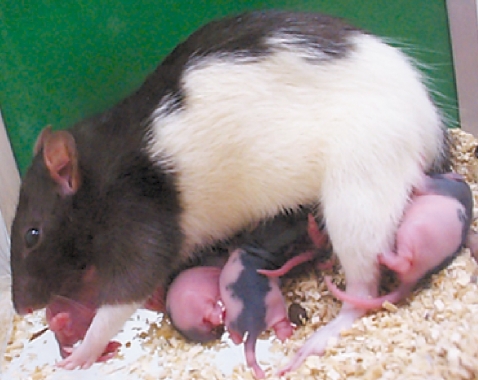
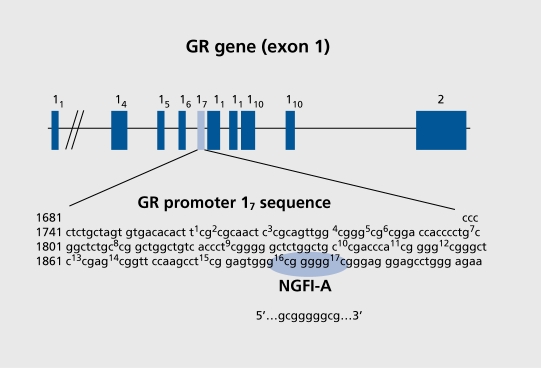
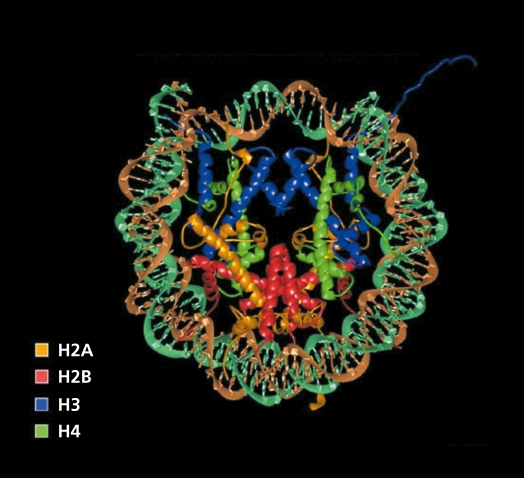
Early experience permanently alters behavior and physiology. These effects are, in part, mediated by sustained alterations in gene expression in selected brain regions. The critical question concerns the mechanism of these environmental "programming" effects. We examine this issue with an animal model that studies the consequences of variations in mother-infant interactions on the development of individual differences in behavioral and endocrine responses to stress in adulthood. Increased levels of pup licking/grooming by rat mothers in the first week of life alter DNA structure at a glucocorticoid receptor gene promoter in the hippocampus of the offspring. Differences in the DNA methylation pattern between the offspring of high- and low-licking/grooming mothers emerge over the first week of life; they are reversed with cross-fostering; they persist into adulthood; and they are associated with altered histone acetylation and transcription factor (nerve growth factor-induced clone A [NGFIA]) binding to the glucocorticoid receptor promoter. DNA methylation alters glucocorticoid receptor expression through modifications of chromatin structure. Pharmacological reversal of the effects on chromatin structure completely eliminates the effects of maternal care on glucocorticoid receptor expression and hypothalamic-pituitary-adrenal (HPA) responses to stress, thus suggesting a causal relation between the maternally induced, epigenetic modification of the glucocorticoid receptor gene and the effects on stress responses in the offspring. These findings demonstrate that the structural modifications of the DNA can be established through environmental programming and that, in spite of the inherent stability of this epigenomic marker, it is dynamic and potentially reversible.
Overview
The claims and statistics of this paper haven’t been checked yet.
Free: it reads the open-access text and checks the first 5 claims that cite a source we can check. Create a free account to check every claim.
Integrity signals
Registry
Cites
Statistics
Figures
Verification
Claims the paper makes
The claims and statistics of this paper haven’t been checked yet.
Free: it reads the open-access text and checks the first 5 claims that cite a source we can check. Create a free account to check every claim.
Claims other papers make about this one
Each is checked against this paper’s own text: does it say what the citing paper says it does?
The source backs part of the claim, not all of it — or backs it for a different population, condition or comparison.
In the citing paper
“Evidence to date also supports the hypothesis that early experiences operate on many neural target sites through epigenetic factors, providing a mechanism by which genes and environments interact to produce variation in individual HPA stress phenotypes through a variety of mechanisms, including changes in glucocorticoid (GC) and mineralocorticoid (MC) receptors in the hippocampus (Meaney and Szyf,”
From Quality of maternal and paternal care predicts later stress reactivity in the cooperatively-breeding marmoset (Callithrix geoffroyi) (2013) · cites this paper as Meaney and Szyf, 2005
Experimental — accuracy not yet measuredThe cited source says what the claim attributes to it.
In the citing paper
“A first important line of research, conducted by Michael Meaney and colleagues, has shown that parental care during early life induces long-term changes in behaviour as well as in gene expression mediated by epigenetic changes in the hippocampus of rats 21.”
From Resilience in mental health: linking psychological and neurobiological perspectives. (2013) · cites this paper as [21]
The cited source says what the claim attributes to it.
In the citing paper
“These associations are consistent with well defined neurobiological models linking early experience with the development of the HPA axis component of the stress response system (Meaney & Szyf, 2005) and linking stress and stress hormones with cognition, particularly executive functions (Arnsten, 2000; Lupien, Maheu, Tu, Fiocco, & Shramek, 2007).”
From Salivary cortisol mediates effects of poverty and parenting on executive functions in early childhood (2011) · cites this paper as Meaney & Szyf, 2005
The cited source says what the claim attributes to it.
In the citing paper
“Research with rodents, non-human primates, and humans, has shown that parental caregiving mediates the regulation of the HPA axis (see, e.g., Francis, Diorio, Plotsky, & Meaney, 2002; Levine, 2005; Meaney & Szyf, 2005; Sanchez, 2006).”
From Normalizing the development of cortisol regulation in maltreated infants through preventive interventions (2011) · cites this paper as Meaney & Szyf, 2005
The cited source says what the claim attributes to it.
In the citing paper
“Remarkably, research has shown that the maternal licking and grooming behavior in the rat that is so central to the development of the HPA stress response system produces its effect through molecular mechanisms that alter the epigenetic state of the gene that codes for GR receptor density in the hippocampus (Meaney & Szyf, 2005; Weaver, 2007; Weaver et al., 2004).”
From Stress and the development of self-regulation in context (2010) · cites this paper as Meaney & Szyf, 2005
5 more claims about this paper
Create a free account to see every claim other papers make about this one.
Self-check
Percentages, sums and reported differences re-computed from the paper’s own numbers.
The self-check needs the paper’s full text.
Citations
Cites
Felitti, V. J., Anda, R. F., Nordenberg, D., Williamson, D. F., Spitz, A. M., Edwards, V., Koss, M. P., & Marks, J. S. (1998) · American Journal of Preventive Medicine · doi:10.1016/s0749-3797(98)00017-8 · Cited by 18,943
Crystal structure of the nucleosome core particle at 2.8 Å resolution
Luger, K., Mäder, A. W., Richmond, R. K., Sargent, D. F., & Richmond, T. J. (1997) · Nature · doi:10.1038/38444 · Cited by 9,466
Child abuse: Adolescent records vs. adult recall
Femina, D. D., Yeager, C. A., & Lewis, D. O. (1990) · Child Abuse & Neglect · doi:10.1016/0145-2134(90)90033-p · Cited by 8,820
Influence of life stress on depression: moderation by a polymorphism in the 5-HTT gene
Caspi, A., Sugden, K., Moffitt, T. E., Taylor, A., Craig, I. W., Harrington, H., McClay, J., Mill, J., Martin, J., Braithwaite, A., et al. (2003) · Science · doi:10.1126/science.1083968 · Cited by 8,120 · cited 1×
“Such models have considerable appeal, and could potentially identify both the origins and the nature of vulnerability derived from either epigenetic influences, such as early family life, or genomic variations.(27,34) For developmentalists the critical questions are (i) how early experience might “program” individual…”
Sapolsky, R. M., Romero, L. M., & Munck, A. U. (2000) · Endocrine Reviews · doi:10.1210/edrv.21.1.0389 · Cited by 7,541 · cited 1×
“CRF synthesis and release are inhibited through a glucocorticoid negative-feedback system mediated by both mineralocorticoid and glucocorticoid receptors (GRs) in a number of brain regions including, and perhaps especially in, the hippocampus.(46,47) CRF neurons in the amygdala project directly to the locus ceruleus a…”
Sapolsky, R. M. (2000) · Endocrine Reviews · doi:10.1210/er.21.1.55 · Cited by 7,533
Protective and Damaging Effects of Stress Mediators
McEwen, B. S. (1998) · New England Journal of Medicine · doi:10.1056/nejm199801153380307 · Cited by 6,733
Epigenetic programming by maternal behavior
Weaver, I. C. G., Cervoni, N., Champagne, F. A., D'Alessio, A. C., Sharma, S., Seckl, J. R., Dymov, S., Szyf, M., & Meaney, M. J. (2004) · Nature Neuroscience · doi:10.1038/nn1276 · Cited by 6,177
Self-citationNan, X., Ng, H.-H., Johnson, C. A., Laherty, C. D., Turner, B. M., Eisenman, R. N., & Bird, A. (1998) · Nature · doi:10.1038/30764 · Cited by 3,440 · cited 1×
“Methylated DNA attracts methylated DNA binding proteins, which recruit a cluster of proteins referred to as repressor complexes, which include histone deacetylases that result in inactive chromatin and the silencing of gene expression.(105,106) The model positioning DNA methylation as driving chromatin inactivation is…”
Frommer, M., McDonald, L. E., Millar, D. S., Collis, C. M., Watt, F., Grigg, G. W., Molloy, P. L., & Paul, C. L. (1992) · Proceedings of the National Academy of Sciences · doi:10.1073/pnas.89.5.1827 · Cited by 3,238 · cited 1×
“NaBis treatment of DNA samples converts nonmethylated cytosines to uracils, which are then detected as thymidine on subsequent sequencing gels.(115) Methylated cytosines are unaffected by NaBis and the differences in methylation status are thus apparent and easily quantifiable on sequencing gels.”
Research works printed but not linked: 6
- Heim C. Newport DJ. Wagner D. Wilcox MM. Miller AH. Nemeroff CB. The role of early adverse experience and adulthood stress in the prediction of neuroendocrine stress reactivity in women: a multiple regression analysis. Depress Anxiety 2002 15 117 125 12001180 · DOI · Paper page
- 10.1126/science.135.3506.795-a · DOI · Paper page
- Caldji CC. Liu D. Meaney MJ. Maternal behavior in infancy regulates the development of GABAA receptor levels and its subunit composition and GAD. Soc Neurosci Abst 2000 179 11
- Hellstrom I. Diorio J. Weaver ICG. Szyf M. Meaney MJ. Ex vivo characterization of maternal programming of stress responses through modulation of the epigenome. Soc Neurosci Abstr 2004 662 11 xx
- Reik W. Dean W. Walter J. Epigenetic reprogramming in mammalian development. Science 2000 293 1089 1093 11498579 · DOI · Paper page
- Cervoni N. Detich N. Seo SB. Chakravarti D. Szyf M. The oncoprotein Set/TAF-1beta, an inhibitor of histone acetyltransferase, inhibits active demethylation of DNA, integrating DNA methylation and transcriptional silencing. J Biol Chem 2002 277 25026 25031 11978794 · DOI · Paper page
Cited by
The Lifelong Effects of Early Childhood Adversity and Toxic Stress
Shonkoff, J. P., Garner, A. S., THE COMMITTEE ON PSYCHOSOCIAL ASPECTS OF CHILD AND FAMILY HEALTH, C. O. E. C., Siegel, B. S., Dobbins, M. I., Earls, M. F., Garner, A. S., McGuinn, L., Pascoe, J., & Wood, D. L. (2012) · Pediatrics · doi:10.1542/peds.2011-2663 · Cited by 5,164
Miller, G. E., Chen, E., & Zhou, E. S. (2007) · Psychological Bulletin · doi:10.1037/0033-2909.133.1.25 · Cited by 2,467
The neurobiology of stress and development.
Gunnar, M., & Quevedo, K. (2007) · Annual Review of Psychology · doi:10.1146/annurev.psych.58.110405.085605 · Cited by 2,011
The link between childhood trauma and depression: insights from HPA axis studies in humans
Heim, C., Newport, D. J., Mletzko, T., Miller, A. H., & Nemeroff, C. B. (2008) · Psychoneuroendocrinology · doi:10.1016/j.psyneuen.2008.03.008 · Cited by 1,704
Stress Effects on Neuronal Structure: Hippocampus, Amygdala, and Prefrontal Cortex
McEwen, B. S., Nasca, C., & Gray, J. D. (2016) · Neuropsychopharmacology · doi:10.1038/npp.2015.171 · Cited by 1,574
Addiction and the brain antireward system
Koob, G. F., & Le Moal, M. (2008) · Annual Review of Psychology · doi:10.1146/annurev.psych.59.103006.093548 · Cited by 1,457
Mechanisms of stress in the brain
McEwen, B. S., Bowles, N. P., Gray, J. D., Hill, M. N., Hunter, R. G., Karatsoreos, I. N., & Nasca, C. (2015) · Nature Neuroscience · doi:10.1038/nn.4086 · Cited by 1,386
Psychobiology and molecular genetics of resilience
Feder, A., Nestler, E. J., & Charney, D. S. (2009) · Nature Reviews Neuroscience · doi:10.1038/nrn2649 · Cited by 1,272
Russo, S. J., Murrough, J. W., Han, M.-H., Charney, D. S., & Nestler, E. J. (2012) · Nature Neuroscience · doi:10.1038/nn.3234 · Cited by 1,206
Brain on stress: how the social environment gets under the skin
McEwen, B. S. (2012) · Proceedings of the National Academy of Sciences · doi:10.1073/pnas.1121254109 · Cited by 1,200
Handbook of Religion and Health
Koenig, H. G., VanderWeele, T., & Peteet, J. R. (2024) · doi:10.1093/oso/9780190088859.001.0001 · Cited by 1,139
Discriminative and affective touch: Sensing and feeling.
McGlone, F., Wessberg, J., & Olausson, H. (2014) · Neuron · doi:10.1016/j.neuron.2014.05.001 · Cited by 1,112
The Brain on Stress: Vulnerability and Plasticity of the Prefrontal Cortex over the Life Course
McEwen, B. S., & Morrison, J. H. (2013) · Neuron · doi:10.1016/j.neuron.2013.06.028 · Cited by 1,079
Encyclopedia of Behavioral Medicine
(2013) · Springer eBooks · doi:10.1007/978-1-4419-1005-9 · Cited by 927
Neurobiological and Systemic Effects of Chronic Stress
McEwen, B. S. (2017) · Chronic Stress · doi:10.1177/2470547017692328 · Cited by 1,059
Taylor, S. E. (2012) · The Oxford Handbook of Health Psychology · doi:10.1093/oxfordhb/9780195342819.013.0009 · Cited by 993
The neuroendocrinology of social isolation
Cacioppo, J. T., Cacioppo, S., Capitanio, J. P., & Cole, S. W. (2015) · Annual Review of Psychology · doi:10.1146/annurev-psych-010814-015240 · Cited by 977
Social Bonds and Posttraumatic Stress Disorder
Charuvastra, A., & Cloitre, M. (2008) · Annual Review of Psychology · doi:10.1146/annurev.psych.58.110405.085650 · Cited by 911
Social influences on neuroplasticity: stress and interventions to promote well-being
Davidson, R. J., & McEwen, B. S. (2012) · Nature Neuroscience · doi:10.1038/nn.3093 · Cited by 892
Miller, G. E., Chen, E., Fok, A. K., Walker, H., Lim, A., Nicholls, E. F., Cole, S., & Kobor, M. S. (2009) · Proceedings of the National Academy of Sciences · doi:10.1073/pnas.0902971106 · Cited by 822
Resilience under conditions of extreme stress: a multilevel perspective
CICCHETTI, D. (2010) · World Psychiatry · doi:10.1002/j.2051-5545.2010.tb00297.x · Cited by 749
Child development in the context of adversity: Experiential canalization of brain and behavior.
Blair, C., & Raver, C. C. (2012) · American Psychologist · doi:10.1037/a0027493 · Cited by 799
Wilkins, A. S., Wrangham, R. W., & Fitch, W. T. (2014) · Genetics · doi:10.1534/genetics.114.165423 · Cited by 751
Post-traumatic stress disorder: the neurobiological impact of psychological trauma
Sherin, J. E., & Nemeroff, C. B. (2011) · Dialogues in Clinical Neuroscience · doi:10.31887/dcns.2011.13.2/jsherin · Cited by 750
Hostinar, C. E., Sullivan, R. M., & Gunnar, M. R. (2014) · Psychological Bulletin · doi:10.1037/a0032671 · Cited by 739
Intergenerational transmission of trauma effects: putative role of epigenetic mechanisms
Yehuda, R., & Lehrner, A. (2018) · World Psychiatry · doi:10.1002/wps.20568 · Cited by 730
van Os, J., Rutten, B. P., & Poulton, R. (2008) · Schizophrenia Bulletin · doi:10.1093/schbul/sbn117 · Cited by 713
Chida, Y., & Hamer, M. (2008) · Psychological Bulletin · doi:10.1037/a0013342 · Cited by 667
Chronic stress, cognitive functioning and mental health
Marin, M.-F., Lord, C., Andrews, J., Juster, R.-P., Sindi, S., Arsenault-Lapierre, G., Fiocco, A. J., & Lupien, S. J. (2011) · Neurobiology of Learning and Memory · doi:10.1016/j.nlm.2011.02.016 · Cited by 654
Sex, attachment, and the development of reproductive strategies
Del Giudice, M. (2009) · Behavioral and Brain Sciences · doi:10.1017/s0140525x09000016 · Cited by 598
Stress and anxiety: Structural plasticity and epigenetic regulation as a consequence of stress
McEwen, B. S., Eiland, L., Hunter, R. G., & Miller, M. M. (2012) · Neuropharmacology · doi:10.1016/j.neuropharm.2011.07.014 · Cited by 596
British Society of Gastroenterology guidelines on the management of irritable bowel syndrome
Vasant, D. H., Paine, P. A., Black, C. J., Houghton, L. A., Everitt, H. A., Corsetti, M., Agrawal, A., Aziz, I., Farmer, A. D., Eugenicos, M. P., et al. (2021) · Gut · doi:10.1136/gutjnl-2021-324598 · Cited by 592
Miller, G., Chen, E., & Cole, S. W. (2009) · Annual Review of Psychology · doi:10.1146/annurev.psych.60.110707.163551 · Cited by 591
Blair, C., Granger, D. A., Willoughby, M., Mills-Koonce, R., Cox, M., Greenberg, M. T., Kivlighan, K. T., Fortunato, C. K., & the FLP Investigators (2011) · Child Development · doi:10.1111/j.1467-8624.2011.01643.x · Cited by 579
Pain and Stress in a Systems Perspective: Reciprocal Neural, Endocrine, and Immune Interactions
Chapman, C. R., Tuckett, R. P., & Song, C. W. (2008) · The Journal of Pain · doi:10.1016/j.jpain.2007.09.006 · Cited by 541
Early experience and the development of stress reactivity and regulation in children
Loman, M. M., & Gunnar, M. R. (2010) · Neuroscience & Biobehavioral Reviews · doi:10.1016/j.neubiorev.2009.05.007 · Cited by 488
The social defeat hypothesis of schizophrenia: An update
Selten, J.-P., van der Ven, E., Rutten, B. P. F., & Cantor-Graae, E. (2013) · Schizophrenia Bulletin · doi:10.1093/schbul/sbt134 · Cited by 498
Koss, K. J., & Gunnar, M. R. (2018) · Journal of Child Psychology and Psychiatry · doi:10.1111/jcpp.12784 · Cited by 489
The Contribution of Maternal Stress to Preterm Birth: Issues and Considerations
Wadhwa, P. D., Entringer, S., Buss, C., & Lu, M. C. (2011) · Clinics in Perinatology · doi:10.1016/j.clp.2011.06.007 · Cited by 486
Drivers of human development: How relationships and context shape learning and development 1
Osher, D., Cantor, P., Berg, J., Steyer, L., & Rose, T. (2020) · Applied Developmental Science · doi:10.1080/10888691.2017.1398650 · Cited by 484
Essex, M. J., Thomas Boyce, W., Hertzman, C., Lam, L. L., Armstrong, J. M., Neumann, S. M. A., & Kobor, M. S. (2013) · Child Development · doi:10.1111/j.1467-8624.2011.01641.x · Cited by 462
Prenatal stress and risk for autism
KINNEY, D., MUNIR, K., CROWLEY, D., & MILLER, A. (2008) · Neuroscience & Biobehavioral Reviews · doi:10.1016/j.neubiorev.2008.06.004 · Cited by 440
Van den Bergh, B. R. H., Van Calster, B., Smits, T., Van Huffel, S., & Lagae, L. (2008) · Neuropsychopharmacology · doi:10.1038/sj.npp.1301450 · Cited by 434
Glover, V. (2015) · Advances in Neurobiology · doi:10.1007/978-1-4939-1372-5_13 · Cited by 392
Resilience in mental health: linking psychological and neurobiological perspectives.
Rutten, B. P. F., Hammels, C., Geschwind, N., Menne‐Lothmann, C., Pishva, E., Schruers, K., van den Hove, D., Kenis, G., van Os, J., & Wichers, M. (2013) · Acta Psychiatrica Scandinavica · doi:10.1111/acps.12095 · Cited by 418
Epigenetic programming of the stress response in male and female rats by prenatal restraint stress
Darnaudéry, M., & Maccari, S. (2008) · Brain Research Reviews · doi:10.1016/j.brainresrev.2007.11.004 · Cited by 412
Tafet, G. E., & Nemeroff, C. B. (2016) · The Journal of Neuropsychiatry and Clinical Neurosciences · doi:10.1176/appi.neuropsych.15030053 · Cited by 393
Mechanisms linking early life stress to adult health outcomes
Taylor, S. E. (2010) · Proceedings of the National Academy of Sciences · doi:10.1073/pnas.1003890107 · Cited by 383
Stress and the development of self-regulation in context
Blair, C. (2010) · Child Development Perspectives · doi:10.1111/j.1750-8606.2010.00145.x · Cited by 379
Promoter-Wide Hypermethylation of the Ribosomal RNA Gene Promoter in the Suicide Brain
McGowan, P. O., Sasaki, A., Huang, T. C. T., Unterberger, A., Suderman, M., Ernst, C., Meaney, M. J., Turecki, G., & Szyf, M. (2008) · PLoS ONE · doi:10.1371/journal.pone.0002085 · Cited by 372
Self-citationNeurobiology and consequences of social isolation stress in animal model—A comprehensive review
Mumtaz, F., Khan, M. I., Zubair, M., & Dehpour, A. R. (2018) · Biomedicine & Pharmacotherapy · doi:10.1016/j.biopha.2018.05.086 · Cited by 369
Association between Income and the Hippocampus
Hanson, J. L., Chandra, A., Wolfe, B. L., & Pollak, S. D. (2011) · PLoS ONE · doi:10.1371/journal.pone.0018712 · Cited by 343
Feldman, R., Monakhov, M., Pratt, M., & Ebstein, R. P. (2016) · Biological Psychiatry · doi:10.1016/j.biopsych.2015.08.008 · Cited by 352
GUNNAR, M. R., FISHER, P. A., & THE EARLY EXPERIENCE, S. (2006) · Development and Psychopathology · doi:10.1017/s0954579406060330 · Cited by 331
Effects of a therapeutic intervention for foster preschoolers on diurnal cortisol activity
Fisher, P. A., Stoolmiller, M., Gunnar, M. R., & Burraston, B. O. (2007) · Psychoneuroendocrinology · doi:10.1016/j.psyneuen.2007.06.008 · Cited by 339
Kim, H. S., Sherman, D. K., Sasaki, J. Y., Xu, J., Chu, T. Q., Ryu, C., Suh, E. M., Graham, K., & Taylor, S. E. (2010) · Proceedings of the National Academy of Sciences · doi:10.1073/pnas.1010830107 · Cited by 341
Cicchetti, D., Rogosch, F. A., Gunnar, M. R., & Toth, S. L. (2010) · Child Development · doi:10.1111/j.1467-8624.2009.01393.x · Cited by 337
Andersen, S. L., & Teicher, M. H. (2009) · Neuroscience & Biobehavioral Reviews · doi:10.1016/j.neubiorev.2008.09.009 · Cited by 326
Genetics of Human Social Behavior
Ebstein, R. P., Israel, S., Chew, S. H., Zhong, S., & Knafo, A. (2010) · Neuron · doi:10.1016/j.neuron.2010.02.020 · Cited by 323
FISHER, P. A., GUNNAR, M. R., DOZIER, M., BRUCE, J., & PEARS, K. C. (2006) · Annals of the New York Academy of Sciences · doi:10.1196/annals.1376.023 · Cited by 303
Interdisciplinarity and Systems Science to Improve Population Health
Mabry, P. L., Olster, D. H., Morgan, G. D., & Abrams, D. B. (2008) · American Journal of Preventive Medicine · doi:10.1016/j.amepre.2008.05.018 · Cited by 292
Cortisol and depression: three questions for psychiatry
Herbert, J. (2013) · Psychological Medicine · doi:10.1017/s0033291712000955 · Cited by 301
Epigenetic principles and mechanisms underlying nervous system functions in health and disease
MEHLER, M. (2008) · Progress in Neurobiology · doi:10.1016/j.pneurobio.2008.10.001 · Cited by 291
Maternal prenatal depressive symptoms predict infant NR3C1 1F and BDNF IV DNA methylation
Braithwaite, E., Kundakovic, M., Ramchandani, P., Murphy, S., & Champagne, F. (2015) · Epigenetics · doi:10.1080/15592294.2015.1039221 · Cited by 299
Associations Between Early Life Stress and Gene Methylation in Children
Romens, S. E., McDonald, J., Svaren, J., & Pollak, S. D. (2015) · Child Development · doi:10.1111/cdev.12270 · Cited by 299
DNA Methylation Biomarkers: Cancer and Beyond
Mikeska, T., & Craig, J. (2014) · Genes · doi:10.3390/genes5030821 · Cited by 288
Recognizing resilience: Learning from the effects of stress on the brain
McEwen, B. S., Gray, J. D., & Nasca, C. (2015) · Neurobiology of Stress · doi:10.1016/j.ynstr.2014.09.001 · Cited by 292
Granat, A., Gadassi, R., Gilboa-Schechtman, E., & Feldman, R. (2017) · Emotion · doi:10.1037/emo0000204 · Cited by 256
Ouellet-Morin, I., Odgers, C. L., Danese, A., Bowes, L., Shakoor, S., Papadopoulos, A. S., Caspi, A., Moffitt, T. E., & Arseneault, L. (2011) · Biological Psychiatry · doi:10.1016/j.biopsych.2011.06.017 · Cited by 271
Childhood adversities and psychosis: evidence, challenges, implications
Morgan, C., & Gayer‐Anderson, C. (2016) · World Psychiatry · doi:10.1002/wps.20330 · Cited by 260
Epigenetic Mechanisms of Depression and Antidepressant Action
Vialou, V., Feng, J., Robison, A. J., & Nestler, E. J. (2013) · Annual Review of Pharmacology and Toxicology · doi:10.1146/annurev-pharmtox-010611-134540 · Cited by 277
McCormick, C. M., Mathews, I. Z., Thomas, C., & Waters, P. (2010) · Brain and Cognition · doi:10.1016/j.bandc.2009.06.003 · Cited by 276
Maternal care, the epigenome and phenotypic differences in behavior
Szyf, M., Weaver, I., & Meaney, M. (2007) · Reproductive Toxicology · doi:10.1016/j.reprotox.2007.05.001 · Cited by 266
Self-citationJuster, R.-P., Bizik, G., Picard, M., Arsenault-Lapierre, G., Sindi, S., Trepanier, L., Marin, M.-F., Wan, N., Sekerovic, Z., Lord, C., et al. (2011) · Development and Psychopathology · doi:10.1017/s0954579411000289 · Cited by 268
The role of glutamate signaling in the pathogenesis and treatment of obsessive-compulsive disorder
Wu, K., Hanna, G. L., Rosenberg, D. R., & Arnold, P. D. (2012) · Pharmacology Biochemistry and Behavior · doi:10.1016/j.pbb.2011.10.007 · Cited by 264
Kentner, A. C., Bilbo, S. D., Brown, A. S., Hsiao, E. Y., McAllister, A. K., Meyer, U., Pearce, B. D., Pletnikov, M. V., Yolken, R. H., & Bauman, M. D. (2019) · Neuropsychopharmacology · doi:10.1038/s41386-018-0185-7 · Cited by 255
Kapoor, A., Petropoulos, S., & Matthews, S. G. (2008) · Brain Research Reviews · doi:10.1016/j.brainresrev.2007.06.013 · Cited by 246
Macrì, S., & Würbel, H. (2006) · Hormones and Behavior · doi:10.1016/j.yhbeh.2006.06.015 · Cited by 255
Massage Accelerates Brain Development and the Maturation of Visual Function
Guzzetta, A., Baldini, S., Bancale, A., Baroncelli, L., Ciucci, F., Ghirri, P., Putignano, E., Sale, A., Viegi, A., Berardi, N., et al. (2009) · The Journal of Neuroscience · doi:10.1523/jneurosci.5548-08.2009 · Cited by 245
Cross-talk between nuclear receptors and nuclear factor κB
De Bosscher, K., Vanden Berghe, W., & Haegeman, G. (2006) · Oncogene · doi:10.1038/sj.onc.1209935 · Cited by 247
Early adversity and adult health outcomes
Taylor, S. E., Way, B. M., & Seeman, T. E. (2011) · Development and Psychopathology · doi:10.1017/s0954579411000411 · Cited by 229
The Neurobiological Toll of Child Abuse and Neglect
Neigh, G. N., Gillespie, C. F., & Nemeroff, C. B. (2009) · Trauma, Violence, & Abuse · doi:10.1177/1524838009339758 · Cited by 240
Heim, C. (2009) · Frontiers in Behavioral Neuroscience · doi:10.3389/neuro.08.041.2009 · Cited by 245
The Molecular Neurobiology of Depression
Shelton, R. C. (2007) · Psychiatric Clinics of North America · doi:10.1016/j.psc.2006.12.005 · Cited by 243
Pharmacological Treatment of Anxiety Disorders: The Role of the HPA Axis
Tafet, G. E., & Nemeroff, C. B. (2020) · Frontiers in Psychiatry · doi:10.3389/fpsyt.2020.00443 · Cited by 214
Infantile Amnesia: A Critical Period of Learning to Learn and Remember
Alberini, C. M., & Travaglia, A. (2017) · The Journal of Neuroscience · doi:10.1523/jneurosci.0324-17.2017 · Cited by 206
Kreppner, J. M., Rutter, M., Beckett, C., Castle, J., Colvert, E., Groothues, C., Hawkins, A., O'Connor, T. G., Stevens, S., & Sonuga-Barke, E. J. S. (2007) · Developmental Psychology · doi:10.1037/0012-1649.43.4.931 · Cited by 231
Dadds, M. R., Moul, C., Cauchi, A., Dobson-Stone, C., Hawes, D. J., Brennan, J., & Ebstein, R. E. (2014) · Development and Psychopathology · doi:10.1017/s0954579413000497 · Cited by 230
The relevance of epigenetics to PTSD: Implications for the DSM‐V
Yehuda, R., & Bierer, L. M. (2009) · Journal of Traumatic Stress · doi:10.1002/jts.20448 · Cited by 229
The Dynamic Epigenome and its Implications in Toxicology
Szyf, M. (2007) · Toxicological Sciences · doi:10.1093/toxsci/kfm177 · Cited by 222
Self-citationImaging phenotypes of major depressive disorder: genetic correlates
Savitz, J. B., & Drevets, W. C. (2009) · Neuroscience · doi:10.1016/j.neuroscience.2009.03.082 · Cited by 216
Stress, the hippocampus, and epilepsy
Joëls, M. (2009) · Epilepsia · doi:10.1111/j.1528-1167.2008.01902.x · Cited by 224
Developmental Origins of Health and Disease: Environmental Exposures
Swanson, J., Entringer, S., Buss, C., & Wadhwa, P. (2009) · Seminars in Reproductive Medicine · doi:10.1055/s-0029-1237427 · Cited by 214
The neurobiology of mammalian parenting and the biosocial context of human caregiving
Feldman, R. (2016) · Hormones and Behavior · doi:10.1016/j.yhbeh.2015.10.001 · Cited by 206
Li, M., Sloboda, D. M., & Vickers, M. H. (2011) · Experimental Diabetes Research · doi:10.1155/2011/592408 · Cited by 210
Diet and the epigenetic (re)programming of phenotypic differences in behavior
McGowan, P. O., Meaney, M. J., & Szyf, M. (2008) · Brain Research · doi:10.1016/j.brainres.2008.07.074 · Cited by 214
Self-citationEncyclopedia of Behavioral Medicine
(2020) · Springer eBooks · doi:10.1007/978-3-030-39903-0 · Cited by 192
The Rooting of the Mind in the Body: New Links Between Attachment Theory and Psychoanalytic Thought
Fonagy, P., & Target, M. (2007) · Journal of the American Psychoanalytic Association · doi:10.1177/00030651070550020501 · Cited by 204
The Role of Life Events and HPA Axis in Anxiety Disorders: A Review
Faravelli, C., Lo Sauro, C., Lelli, L., Pietrini, F., Lazzeretti, L., Godini, L., Benni, L., Fioravanti, G., Alina Talamba, G., Castellini, G., et al. (2012) · Current Pharmaceutical Design · doi:10.2174/138161212803530907 · Cited by 208
Ouellet-Morin, I., Wong, C. C. Y., Danese, A., Pariante, C. M., Papadopoulos, A. S., Mill, J., & Arseneault, L. (2013) · Psychological Medicine · doi:10.1017/s0033291712002784 · Cited by 207
Metadata
- Authors
- Meaney, M. J., & Szyf, M.
- Affiliations
- Douglas Mental Health University Institute (CA)
- McGill Program for the Study of Behavior, Genes and Environment, Department of Pharmacology, McGill University; Douglas Hospital Research Centre, Montreal, Canada
- Corresponding author
- Meaney, Michael J.
- ORCID
- Meaney, Michael J.
- Venue
- Dialogues in Clinical Neuroscience
- Publisher
- Informa UK Limited
- Published
- 2005-06-30
- Volume
- 7
- Issue
- 2
- Pages
- 103-123
- ISSN
- 1294-8322 (ISSN-L)
- 1958-5969
- PMC
- PMC3181727
- OpenAlex
- W1527534059
- Cited by
- 958
- References
- 132
- Citations by year
- 2026: 33 · 2025: 35 · 2024: 22 · 2023: 68 · 2022: 48 · 2021: 66 · 2020: 41 · 2019: 40 · 2018: 49 · 2017: 42 · 2016: 58 · 2015: 56 · 2014: 60 · 2013: 48 · 2012: 59
- FWCI
- 11.96
- Type
- journal article
- Language
- en
- Open access
- diamond
- doi.org
- Licence
- Locations
- Dialogues in Clinical Neuroscience (publishedVersion, cc-by-nc-nd)
- Europe PMC (PubMed Central) (publishedVersion, cc-by-nc-nd)
- PubMed Central (publishedVersion, cc-by-nc-nd)
- PubMed (publishedVersion)
- Topics
- Life Sciences › Neuroscience › Behavioral Neuroscience › Stress Responses and Cortisol
- Life Sciences › Biochemistry, Genetics and Molecular Biology › Molecular Biology › Epigenetics and DNA Methylation
- Life Sciences › Neuroscience › Endocrine and Autonomic Systems › Neuroendocrine regulation and behavior
- Keywords
- DNA methylation, environmental programming, maternal care, glucocorticoid receptor, hippocampus, stress response, hypothalamic-pituitary-adrenal axis, histone acetylation, chromatin structure, cross-fostering, epigenetics, rat offspring, early life experience
- MeSH terms
- Animals, Female, Humans, Hypothalamo-Hypophyseal System, Maternal Behavior, Pituitary-Adrenal System, Receptors, Glucocorticoid, Stress, Psychological, DNA Methylation, Epigenesis, Genetic, Rats
About these checks
Registry, retraction, Cites and statistics results are computed, not judged, with one exception: a printed reference that no index lists is read once by a model before it counts as a citation error. Claims are extracted by a model and kept only when their quote appears verbatim in the text; each cited source is then checked, with a model’s help, for whether it says what the claim relies on. Those verdicts can be wrong — read the claim’s quote and the cited source before relying on one.
Statistics and arithmetic are recomputed, not judged.
Confidence bands are shown only for fields calibrated on our annotated test set. None is calibrated yet, so no band is shown.
What counts as a claim ›How we measure confidence ›How we check this ›
Are you an author, or do you see a problem with this page? Request a review
Data sources
Bibliographic data: Semantic Scholar, OpenAlex, Crossref.
Contains information from the Semantic Scholar Academic Graph Datasets, made available under the ODC Attribution License (ODC-BY 1.0).
Semantic Scholar’s data is described in: Kinney, R., et al. (2023). The Semantic Scholar Open Data Platform. arXiv:2301.10140.
