

The DOI matches its Crossref record; 102 of the 104 references it cites were found in a registry or an index.
Perinatal iron deficiency and neurocognitive development
Open accessAbstract
Iron deficiency is the most common form of nutrient deficiency worldwide. It is highly prevalent due to the limited availability of high quality food in developing countries and poor dietary habits in industrialized countries. According to the World Health Organization, it affects nearly 2 billion people and up to 50% of women who are pregnant. Maternal anemia during pregnancy is especially burdensome to healthy neurodevelopment in the fetus because iron is needed for proper neurogenesis, development, and myelination. Maternal anemia also increases the risk of low birth weight, either due to premature birth or fetal growth restriction, which is associated with delayed neurocognitive development and even psychiatric illness. As rapid neurodevelopment continues after birth infants that received sufficient iron in utero, but that receive a low iron diet after 6 months of age, also show deficits in neurocognitive development, including impairments in learning and memory. Unfortunately, the neurocognitive complications of iron deficiency during critical pre- and postnatal periods of brain development are difficult to remedy, persisting into adulthood. Thus, preventing iron deficiency in the pre- and postnatal periods is critical as is devising new means to recapture cognitive function in individuals who experienced early iron deficiency. This review will discuss the prevalence of pre- and postnatal iron deficiency, the mechanism, and effects of iron deficiency on brain and cognitive development.
Overview
The claims and statistics of this paper haven’t been checked yet.
Run the check — free, no account needed. It reads the open-access text and checks the sources it cites.
Integrity signals
Registry
Cites
Statistics
Figures
Verification
Claims the paper makes
The claims and statistics of this paper haven’t been checked yet.
Run the check — free, no account needed. It reads the open-access text and checks the sources it cites.
Claims other papers make about this one
Each is checked against this paper’s own text: does it say what the citing paper says it does?
In the citing paper
“the neurocognitive damage elicited by iron deficiency during this period is irreversible and will persist into adulthood [176].”
From Vitamins and Minerals for Energy, Fatigue and Cognition: A Narrative Review of the Biochemical and Clinical Evidence (2020) · cites this paper as [176]
In the citing paper
“There is a wide consensus regarding the critical importance of appropriate iron supply during neurodevelopment from birth, and even before, up to the first years of life”
From Vitamins and Minerals for Energy, Fatigue and Cognition: A Narrative Review of the Biochemical and Clinical Evidence (2020) · cites this paper as [176]
Self-check
Percentages, sums and reported differences re-computed from the paper’s own numbers.
The self-check needs the paper’s full text.
Citations
Cites
Two new Later Stone Age sites from the Final Pleistocene in the Falémé Valley, eastern Senegal
Ndiaye, M., Lespez, L., Tribolo, C., Rassé, M., Hadjas, I., Davidoux, S., Huysecom, É., & Douze, K. (2024) · Monash University Research Portal (Monash University) · doi:10.3929/ethz-b-000667478 · Cited by 24,214
Home visits: a strategy to improve newborn survival - Authors' reply
(2008) · Americanae (AECID Library) · doi:10.1016/s0140 · Cited by 22,524
(1996) · Institutional Research Information System University of Turin (University of Turin) · doi:10.1111/j · Cited by 5,486
Rice, D., & Barone, S. (2000) · Environmental Health Perspectives · doi:10.1289/ehp.00108s3511 · Cited by 2,944
Worldwide prevalence of anaemia, WHO Vitamin and Mineral Nutrition Information System, 1993–2005
McLean, E., Cogswell, M., Egli, I., Wojdyla, D., & de Benoist, B. (2009) · Public Health Nutrition · doi:10.1017/s1368980008002401 · Cited by 2,734
The worldwide incidence of preterm birth: a systematic review of maternal mortality and morbidity
Beck, S., WOJDYLA, D. M., Say, L., Betrán, A. P., Meraldi, M., Requejo, J. H., Rubens, C. E., Menon, R., & Look, P. V. (2009) · Bulletin of the World Health Organization · doi:10.2471/blt.08.062554 · Cited by 2,190 · cited 1×
“As the incidence of both these conditions is increasing worldwide (Beck et al., 2010; Martin et al., 2010; Danaei et al., 2011), it is likely that iron deficiency in infants will become an even greater concern in the future.”
BackgroundSTRESS AND HIPPOCAMPAL PLASTICITY
McEwen, B. S. (1999) · Annual Review of Neuroscience · doi:10.1146/annurev.neuro.22.1.105 · Cited by 2,087 · cited 2×
“This phase of rapid growth represents a sensitive period, wherein environmental insults alter neurodevelopment (McEwen, 1999).”
BackgroundInfluentialPyramidal neurons: dendritic structure and synaptic integration
Spruston, N. (2008) · Nature Reviews Neuroscience · doi:10.1038/nrn2286 · Cited by 1,688 · cited 3×
“Like dendritic arbor structure, a spine’s morphology can impact its function (Spruston, 2008).”
BackgroundInfluentialThe developmental role of serotonin: news from mouse molecular genetics
Gaspar, P., Cases, O., & Maroteaux, L. (2003) · Nature Reviews Neuroscience · doi:10.1038/nrn1256 · Cited by 1,297 · cited 1×
“The SERT, which is responsible for re-uptake of serotonin within the brain, is the predominant mechanism controlling strength and duration of serotonergic neurotransmission (Gaspar et al., 2003).”
BackgroundDanaei, G., Finucane, M. M., Lin, J. K., Singh, G. M., Paciorek, C. J., Cowan, M. J., Farzadfar, F., Stevens, G. A., Lim, S. S., Riley, L. M., et al. (2011) · The Lancet · doi:10.1016/s0140-6736(10)62036-3 · Cited by 1,239
Iron Biology in Immune Function, Muscle Metabolism and Neuronal Functioning
Beard, J. L. (2001) · Journal of Nutrition · doi:10.1093/jn/131.2.568s · Cited by 1,163 · cited 3×
“Most likely Tf (secreted by the choroid plexus, which is another point of regulation) is the primary method for the distribution of iron in the brain (Beard, 2001); however, it is also possible for iron to be transported by binding to ferritin (Piñero and Connor, 2000).”
BackgroundA Structural MRI Study of Human Brain Development from Birth to 2 Years
Knickmeyer, R. C., Gouttard, S., Kang, C., Evans, D., Wilber, K., Smith, J. K., Hamer, R. M., Lin, W., Gerig, G., & Gilmore, J. H. (2008) · The Journal of Neuroscience · doi:10.1523/jneurosci.3479-08.2008 · Cited by 1,151
Anemia and iron deficiency: effects on pregnancy outcome
Allen, L. H. (2000) · American Journal of Clinical Nutrition · doi:10.1093/ajcn/71.5.1280s · Cited by 1,099 · cited 2×
“It was previously thought that neonates were protected from iron deficiency, in all but the most severe cases of maternal anemia, due to mobilization of iron stores accumulated in utero (Allen, 2000).”
BackgroundCourchesne, E., Chisum, H. J., Townsend, J., Cowles, A., Covington, J., Egaas, B., Harwood, M., Hinds, S., & Press, G. A. (2000) · Radiology · doi:10.1148/radiology.216.3.r00au37672 · Cited by 1,049 · cited 1×
“…human brain and cognitive development is of particular interest because the brain growth spurt that begins in the last one-third of pregnancy continues the first 2 years after birth due to dendritic growth, synaptogenesis, and glial cell proliferation (Courchesne et al., 2000; Gogtay et al., 2006).”
BackgroundLong-lasting neural and behavioral effects of iron deficiency in infancy
Lozoff, B., Beard, J., Connor, J., Felt, B., Georgieff, M., & Schallert, T. (2006) · Nutrition Reviews · doi:10.1301/nr.2006.may.s34-s43 · Cited by 975 · cited 2×
“Neonatal iron deficiency is also greater in infants born prematurely or of a diabetic mother (Lozoff et al., 2006).”
BackgroundCorridors of migrating neurons in the human brain and their decline during infancy
Sanai, N., Nguyen, T., Ihrie, R. A., Mirzadeh, Z., Tsai, H.-H., Wong, M., Gupta, N., Berger, M. S., Huang, E., Garcia-Verdugo, J.-M., et al. (2011) · Nature · doi:10.1038/nature10487 · Cited by 849 · cited 2×
“Neurogenesis in the hippocampal dentate gyrus also persists in the neonatal period (and throughout adulthood), and recent evidence indicates lingering neurogenesis in different cortical regions, including the prefrontal cortex in human infants (Sanai et al., 2011; Feliciano and Bordey, 2012).”
BackgroundInfluentialThe roles of iron in health and disease
Lieu, P. T., Heiskala, M. K., Peterson, P. A., & Yang, Y. M. (2001) · Molecular Aspects of Medicine · doi:10.1016/s0098-2997(00)00006-6 · Cited by 829 · cited 2×
“IRON UTILIZATION WITHIN THE BRAIN So what are some potential mechanisms underlying iron deficiency-related deficits in cognition? Iron is important for erythropoiesis, formation of hemoglobin and myoglobin, gene transcription, cellular enzyme reactions, and important oxidation-reduction actions (Lieu et al., 2001).”
BackgroundRice, D. C., & Barone, S. (2000) · Environmental Health Perspectives · doi:10.2307/3454543 · Cited by 712
I RON S TATUS AND N EURAL F UNCTIONING
Beard, J. L., & Connor, J. R. (2003) · Annual Review of Nutrition · doi:10.1146/annurev.nutr.23.020102.075739 · Cited by 669 · cited 6×
“After 6 months of age, the blood-brain barrier is a major control point for the entry of iron into the brain, although the choroid plexus (the vasculature responsible for producing cerebrospinal fluid) is also a location of regulation for iron entry (Beard and Connor, 2003).”
BackgroundInfluentialIron Deficiency Anemia: Adverse Effects on Infant Psychomotor Development
Walter, T., Isidora De Andraca, O., Patricia Chadud, M., & Perales, C. G. (1989) · PEDIATRICS · doi:10.1542/peds.84.1.7 · Cited by 502 · cited 1×
“The anemic infants also showed deficits in language capability and coordination (Walter et al., 1989).”
BackgroundReversal of developmental delays in iron-deficient anaemic infants treated with iron
Idjradinata, P. S., & Pollitt, E. (1993) · The Lancet · doi:10.1016/0140-6736(93)92477-b · Cited by 482 · cited 2×
“…when 12–18 month old infants that were diagnosed with iron deficiency anemia were given an oral iron intervention, Bayley Scales of Infant Development scores significantly improved compared to those given a placebo, even after only 4 months of supplementation (Idjradinata and Pollitt, 1993).”
BackgroundMethodControl of iron deficiency anemia in low- and middle-income countries
Pasricha, S.-R., Drakesmith, H., Black, J., Hipgrave, D., & Biggs, B.-A. (2013) · Blood · doi:10.1182/blood-2012-09-453522 · Cited by 440 · cited 1×
“The large increase in iron deficiency in pregnant women in developing countries may be due to poor nutrition education and lack of iron supplements (Pasricha et al., 2013).”
BackgroundDynamic mapping of normal human hippocampal development
Gogtay, N., Nugent, T. F., Herman, D. H., Ordonez, A., Greenstein, D., Hayashi, K. M., Clasen, L., Toga, A. W., Giedd, J. N., Rapoport, J. L., et al. (2006) · Hippocampus · doi:10.1002/hipo.20193 · Cited by 426
Martin, J. A., Hamilton, B. E., Sutton, P. D., Ventura, S. J., Mathews, T. J., Kirmeyer, S., & Osterman, M. J. K. (2010) · PubMed · Cited by 419
The ontogeny of human memory: A cognitive neuroscience perspective.
Nelson, C. A. (1995) · Developmental Psychology · doi:10.1037/0012-1649.31.5.723 · Cited by 415
Global Burden of Maternal and Child Undernutrition and Micronutrient Deficiencies
Ahmed, T., Hossain, M., & Sanin, K. I. (2012) · Annals of Nutrition and Metabolism · doi:10.1159/000345165 · Cited by 387 · cited 1×
“In developing countries, approximately 12% of children under 5 will die from a micronutrient deficiency (Ahmed et al., 2012).”
BackgroundIron Deficiency Anemia in Infancy: Long-Lasting Effects on Auditory and Visual System Functioning
Algarín, C. R., Peirano, P. D., Marcelo Garrido, S., Pizarro, F., & Lozoff, B. (2003) · Pediatric Research · doi:10.1203/01.pdr.0000047657.23156.55 · Cited by 377 · cited 1×
“Increased latency of auditory brain stem potentials and visual evoked potentials (indirect markers of myelination) has been reported in iron deficient children (Roncagliolo et al., 1998; Algarín et al., 2003).”
BackgroundRoncagliolo, M., Marcelo Garrido, S., Walter, T., Peirano, P. D., & Lozoff, B. (1998) · American Journal of Clinical Nutrition · doi:10.1093/ajcn/68.3.683 · Cited by 371 · cited 2×
“This coincides with the onset of myelination and an increase in transferring mRNA levels in brain (Connor et al., 1987; Connor and Menzies, 1996; Roncagliolo et al., 1998).”
BackgroundTamura, T., Goldenberg, R. L., Hou, J., Johnston, K. E., Cliver, S. P., Ramey, S. L., & Nelson, K. G. (2002) · The Journal of Pediatrics · doi:10.1067/mpd.2002.120688 · Cited by 360 · cited 1×
“Five year old children, who were born either iron deficient, scored lower on tests of language ability, fine-motor skills, and tractability, when compared to children who were iron sufficient at birth (Tamura et al., 2002).”
BackgroundIron Deficiency in Children With Attention-Deficit/Hyperactivity Disorder
Konofal, É., Lecendreux, M., Arnulf, I., & Mouren, M. (2004) · Archives of Pediatrics and Adolescent Medicine · doi:10.1001/archpedi.158.12.1113 · Cited by 325 · cited 1×
“Iron-deficient animals develop ADHD-like behavior that has been linked to the dopaminergic system (Lahat et al., 2011).”
BackgroundLukowski, A. F., Koss, M., Burden, M. J., Jonides, J., Nelson, C. A., Kaciroti, N., Jiménez, E., & Lozoff, B. (2010) · Nutritional Neuroscience · doi:10.1179/147683010x12611460763689 · Cited by 312 · cited 2×
“…test, Intra-Extra-dimensional Shift, Stockings of Cambridge, Spatial Working Memory, Rapid Visual Information Processing, Pattern Recognition Memory, and Spatial Recognition Memory) at the age of 19 years old, when compared to teens that were iron sufficient during infancy (Lukowski et al., 2010).”
BackgroundIron Deficiency and Cognitive Function
Pollitt, E. (1993) · Annual Review of Nutrition · doi:10.1146/annurev.nu.13.070193.002513 · Cited by 307 · cited 4×
“Hippocampal-dependent memory appears and matures between 3–18 months of age (Nelson, 1995).”
BackgroundMethodInfluentialRole of actin cytoskeleton in dendritic spine morphogenesis
Sekino, Y., Kojima, N., & Shirao, T. (2007) · Neurochemistry International · doi:10.1016/j.neuint.2007.04.029 · Cited by 294
Neurotransmitters and neuromodulators during early human development
Herlenius, E., & Lagercrantz, H. (2001) · Early Human Development · doi:10.1016/s0378-3782(01)00189-x · Cited by 290 · cited 1×
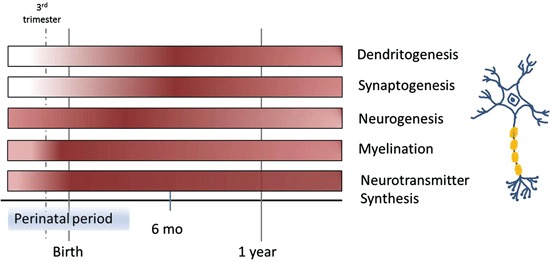
“Neurotransmitter synthesis begins during embryogenesis (Figure 1; Herlenius and Lagercrantz, 2001).”
BackgroundActivity-induced targeting of profilin and stabilization of dendritic spine morphology
Ackermann, M., & Matus, A. I. (2003) · Nature Neuroscience · doi:10.1038/nn1135 · Cited by 289 · cited 1×
“These in turn modulate factors that facilitate elongation and branching by promoting or reducing actin polymerization (Ackermann and Matus, 2003; Sekino et al., 2007).”
BackgroundBehavior of Infants with Iron-Deficiency Anemia
Lozoff, B., Klein, N. K., Nelson, E. C., McClish, D. K., Manuel, M., & Chacon, M. E. (1998) · Child Development · doi:10.1111/j.1467-8624.1998.tb06130.x · Cited by 270
Iron deficiency alters auditory recognition memory in newborn infants of diabetic mothers
Siddappa, A. M., Georgieff, M. K., Wewerka, S., Worwa, C., Nelson, C. A., & Deregnier, R.-A. (2004) · Pediatric Research · doi:10.1203/01.pdr.0000127021.38207.62 · Cited by 269 · cited 2×
“It has also been demonstrated that infants with low serum ferritin concentrations have abnormal auditory recognition memory (Siddappa et al., 2004).”
BackgroundIron in fetal and neonatal nutrition
Rao, R., & Georgieff, M. (2006) · Seminars in Fetal and Neonatal Medicine · doi:10.1016/j.siny.2006.10.007 · Cited by 269 · cited 1×
“However, it is now documented that even mild iron deficiency in the mother reduces iron stores in the fetus, resulting in a neonatal iron-deficient condition (Rao and Georgieff, 2002).”
BackgroundHodgkin, A. L. (1954) · The Journal of Physiology · doi:10.1113/jphysiol.1954.sp005152 · Cited by 268 · cited 1×
“Smaller spine heads could reduce conduction velocity resulting in less coordinated input to the soma as well as represent smaller post-synaptic density which could also affect signal transmission (Hodgkin, 1954).”
BackgroundOrtiz, E., Pasquini, J. M., Thompson, K., Felt, B. T., Butkus, G., Beard, J. L., & Connor, J. R. (2004) · Journal of Neuroscience Research · doi:10.1002/jnr.20207 · Cited by 260 · cited 2×
“Additionally, rats that were iron deficient in the perinatal period displayed deficits in myelinogenesis at adulthood, even though iron stores were replete (Ortiz et al., 2004).”
BackgroundThe Role of Iron in Learning and Memory
Fretham, S. J. B., Carlson, E. S., & Georgieff, M. K. (2011) · Advances in Nutrition · doi:10.3945/an.110.000190 · Cited by 235
The effects of therapy on the developmental scores of iron-deficient infants
Oski, F. A., & Honig, A. S. (1978) · The Journal of Pediatrics · doi:10.1016/s0022-3476(78)80063-8 · Cited by 232 · cited 2×
“The results showed an improved scores within the Mental Development Index for the iron supplemented group (Oski and Honig, 1978), which resulted in a surge of interest in this topic (Yehuda et al., 2010).”
BackgroundResultEffect of mild iron deficiency on infant mentaldevelopment scores
Walter, T., Kovalskys, J., & Abraham Stekel, G. (1983) · The Journal of Pediatrics · doi:10.1016/s0022-3476(83)80177-2 · Cited by 227 · cited 4×
“In Chile, infants 3 months of age, were given either iron fortified formula or control diet for 12 months (Walter et al., 1983).”
BackgroundMethodInfluentialBloch, B., Popovici, T., Levin, M. J., Tuil, D. G., & Kahn, A. (1985) · Proceedings of the National Academy of Sciences · doi:10.1073/pnas.82.19.6706 · Cited by 224
Scholl, T. O. (2011) · Nutrition Reviews · doi:10.1111/j.1753-4887.2011.00429.x · Cited by 222
Bagot, R. C., van Hasselt, F. N., Champagne, D. L., Meaney, M. J., Krugers, H. J., & Joëls, M. (2009) · Neurobiology of Learning and Memory · doi:10.1016/j.nlm.2009.03.004 · Cited by 216 · cited 1×
“This process is not restricted to early developmental periods because it is also necessary for reshaping neural circuitry during experience-dependent learning throughout life (i.e., synaptic plasticity; Figure 1; Bagot et al., 2009).”
BackgroundThe role of iron in neurodevelopment: fetal iron deficiency and the developing hippocampus
Georgieff, M. (2008) · Biochemical Society Transactions · doi:10.1042/bst0361267 · Cited by 201 · cited 3×
“However, it is now documented that even mild iron deficiency in the mother reduces iron stores in the fetus, resulting in a neonatal iron-deficient condition (Rao and Georgieff, 2002).”
BackgroundInfluentialdel Giudice, E. M., Santoro, N., Amato, A., Brienza, C., Calabrò, P., Wiegerinck, E. T. G., Cirillo, G., Tartaglione, N., Grandone, A., Swinkels, D. W., et al. (2009) · The Journal of Clinical Endocrinology & Metabolism · doi:10.1210/jc.2009-1361 · Cited by 201 · cited 1×
“In industrialized countries like the United States, the incidence of iron deficiency is increasing, probably due in part to the increase in the number of children and adults who are overweight or obese (inflammation disrupts iron homeostasis) (Del Giudice et al., 2009).”
BackgroundLozoff, B., Brittenham, G. M., Viteri, F. E., Wolf, A. W., & Urrutia, J. J. (1982) · The Journal of Pediatrics · doi:10.1016/s0022-3476(82)80428-9 · Cited by 195 · cited 4×
“S u p p le m en t ad m in is tr at io n an d ti m in g R es u lt Po ss ib le ca u se S o u rc e B eh av io r C os ta R ic an in fa nt s 12 –2 3 m on th s, ID A (n = 52 ), IS (n = 13 9) O bs er va tio n in cl in ic an d at ho m e us in g ba yl ey sc al es of in fa nt de ve lo pm en t.”
BackgroundInfluentialSoewondo, S., Husaini, M. A., & Pollitt, E. (1989) · American Journal of Clinical Nutrition · doi:10.1093/ajcn/50.3.667 · Cited by 189 · cited 1×
“Studies in Indonesia found that 8 weeks of oral supplementation of iron in anemic preschool aged children reduced deficits in visual attention and concept acquisition compared to children who were not given supplementation (Soewondo et al., 1989).”
Backgroundde Pee, S., Bloem, M. W., Sari, M., Kiess, L., Yip, R., & Kosen, S. (2002) · Journal of Nutrition · doi:10.1093/jn/132.8.2215 · Cited by 184 · cited 1×
“…appears to have a programming effect on the physiologic mechanisms responsible for iron homeostasis resulting in offspring that are more likely to develop iron deficiency in the future regardless of adequate nutrition (De Pee et al., 2002; Georgieff et al., 2002; Emamghorashi and Heidari, 2004.”
BackgroundIron Homeostasis in the Neonate
Collard, K. J. (2009) · PEDIATRICS · doi:10.1542/peds.2008-1047 · Cited by 183 · cited 1×
“At birth, the blood-brain barrier is incompletely developed: it prevents iron transport proteins from diffusing into the brain but it lacks the ability to transfer iron from the blood into the brain parenchyma (Collard, 2009).”
BackgroundCongdon, E. L., Westerlund, A., Algarín, C. R., Peirano, P. D., Gregas, M. C., Lozoff, B., & Nelson, C. A. (2012) · The Journal of Pediatrics · doi:10.1016/j.jpeds.2011.12.011 · Cited by 183
Jorgenson, L. A., Sun, M., O'Connor, M., & Georgieff, M. K. (2005) · Hippocampus · doi:10.1002/hipo.20128 · Cited by 162
Effect of prenatal iron deficiency on myelination in rat pups.
Yu, G. S., Steinkirchner, T. M., Rao, G. A., & Larkin, E. C. (1986) · PubMed Central · Cited by 156
Domellöf, M., Lönnerdal, B. L., Abrams, S. A., & Hernell, O. (2002) · American Journal of Clinical Nutrition · doi:10.1093/ajcn/76.1.198 · Cited by 153 · cited 1×
“This is vital because the neonatal gut is developmentally immature and infants are unable to regulate iron absorption until 6–9 months of age (Domellöf et al., 2002).”
BackgroundTransferrin and Iron Uptake by the Brain: Effects of Altered Iron Status
Taylor, E. M., Crowe, A. P., & Morgan, E. H. (1991) · Journal of Neurochemistry · doi:10.1111/j.1471-4159.1991.tb06355.x · Cited by 150 · cited 2×
“The rate of iron entry into the brain is increased during iron deficiency (Taylor et al., 1991), which is due to an increased amount of Tf receptors present on the cells of the blood-brain barrier (van Gelder et al.”
BackgroundModerate iron deficiency in infancy: biology and behavior in young rats
Beard, J. L., Felt, B., Schallert, T., Burhans, M., Connor, J. R., & Georgieff, M. K. (2006) · Behavioural Brain Research · doi:10.1016/j.bbr.2006.02.024 · Cited by 146 · cited 1×
“In rodents, iron deficiency is associated with delayed development of surface righting, bar hold, forelimb placing, and negative geotaxis (Beard et al., 2006).”
BackgroundIron deficiency: Differential effects on monoamine transporters
Burhans, M. S., Dailey, C., Beard, Z., Wiesinger, J. A., Murray‐Kolb, L. E., Jones, B. C., & Beard, J. L. (2005) · Nutritional Neuroscience · doi:10.1080/10284150500047070 · Cited by 143 · cited 1×
“Other studies demonstrate that serotonin transporter (SERT) and norepinephrine transporter densities are also altered by iron deficiency (Burhans et al., 2005).”
BackgroundCarlson, E. S., Stead, J. D. H., Neal, C. R., Petryk, A., & Georgieff, M. K. (2007) · Hippocampus · doi:10.1002/hipo.20307 · Cited by 141 · cited 1×
“For example, iron deficiency in the perinatal period is associated with altered expression of genes critical for hippocampal development and function (Carlson et al., 2007).”
BackgroundPerinatal aspects of iron metabolism
Rao, R., & Georgieff, M. K. (2002) · Acta Paediatrica · doi:10.1111/j.1651-2227.2002.tb02917.x · Cited by 133 · cited 1×
“However, it is now documented that even mild iron deficiency in the mother reduces iron stores in the fetus, resulting in a neonatal iron-deficient condition (Rao and Georgieff, 2002).”
BackgroundIron in the Brain: An Important Contributor in Normal and Diseased States
Piñero, D. J., & Connor, J. R. (2000) · The Neuroscientist · doi:10.1177/107385840000600607 · Cited by 132 · cited 14×
“Also in Indonesia, when 12–18 month old infants that were diagnosed with iron deficiency anemia were given an oral iron intervention, Bayley Scales of Infant Development scores significantly improved compared to those given a placebo, even after only 4 months of supplementation (Idjradinata and Pollitt, 1993).”
BackgroundMethodInfluentialSiddappa, A. M., Rao, R., Wobken, J. D., Leibold, E. A., Connor, J. R., & Georgieff, M. (2002) · Journal of Neuroscience Research · doi:10.1002/jnr.10246 · Cited by 129 · cited 1×
“Studies done in rat pups showed that iron regulatory proteins, which are involved with the regulation of Tf receptor, were not readily expressed until post-natal day 15, when peak myelination occurs in the rat (Siddappa et al., 2002).”
BackgroundBrain iron: a lesson from animal models
Yehuda, S., & Youdim, M. B. H. (1989) · American Journal of Clinical Nutrition · doi:10.1093/ajcn/50.3.618 · Cited by 128 · cited 1×
“Iron deficient diets also resulted in cognitive deficits in the Morris Water Maze, a hippocampal-dependent task which requires the rat to develop a spatial map of the area surrounding the pool in order to reach a hidden platform (Yehuda and Youdim, 1989).”
BackgroundIron deficiency and infant motor development
Shafir, T., Angulo-Kinzler, R. M., Jing, Y., Angelilli, M. L., Jacobson, S. W., & Lozoff, B. (2008) · Early Human Development · doi:10.1016/j.earlhumdev.2007.12.009 · Cited by 127
Burden, M. J., Westerlund, A., Armony-Sivan, R., Nelson, C. A., Jacobson, S. W., Lozoff, B., Angelilli, M. L., & Jacobson, J. L. (2007) · PEDIATRICS · doi:10.1542/peds.2006-2525 · Cited by 126 · cited 2×
“…months infants that were iron sufficient showed greater attentional response to the mother’s face and greater updating of memory to the stranger’s face, while iron deficient infants did not show this response until 12 months of age, suggesting a delay in cognitive development (Burden et al., 2007).”
BackgroundBrunette, K. E., Tran, P. V., Wobken, J. D., Carlson, E. S., & Georgieff, M. (2010) · Developmental Neuroscience · doi:10.1159/000314341 · Cited by 122 · cited 1×
“At post-natal day 15, CA1 pyramidal neurons in rats that underwent a period of iron deficiency in utero showed reduced dendritic branching and smaller spine head diameters (Brunette et al., 2010).”
BackgroundSetting the Stage for Child Health and Development: Prevention of Iron Deficiency in Early Infancy
Chaparro, C. M. (2008) · Journal of Nutrition · doi:10.1093/jn/138.12.2529 · Cited by 122
Ontogeny and regulation of the serotonin transporter: Providing insights into human disorders
Daws, L. C., & Gould, G. G. (2011) · Pharmacology & Therapeutics · doi:10.1016/j.pharmthera.2011.03.013 · Cited by 121 · cited 1×
“SERT is expressed more during development than in adulthood (Daws and Gould, 2011).”
BackgroundIron status at 9 months of infants with low iron stores at birth
Georgieff, M., Wewerka, S., Nelson, C. A., & deRegnier, R.-A. O. (2002) · The Journal of Pediatrics · doi:10.1067/mpd.2002.127090 · Cited by 112 · cited 2×
“Multiple studies have shown that iron status in infants born to iron deficient mothers is still abnormally low 9 months after birth despite being provided adequate dietary iron (Georgieff et al., 2002; Geltman et al., 2004).”
BackgroundSiddappa, A. M., Rao, R., Wobken, J. D., Casperson, K., Leibold, E. A., Connor, J. R., & Georgieff, M. (2003) · Pediatric Research · doi:10.1203/01.pdr.0000058922.67035.d5 · Cited by 108 · cited 1×
“During prenatal development iron accumulates in the brain so levels are highest immediately after birth (Siddappa et al., 2003).”
BackgroundIron Status and Neurobehavioral Development of Premature Infants
Armony-Sivan, R., Eidelman, A. I., Lanir, A., Sredni, D., & Yehuda, S. (2004) · Journal of Perinatology · doi:10.1038/sj.jp.7211178 · Cited by 105 · cited 2×
“…premature and had low ferritin levels at birth performed significantly worse on tests involving spatial cognition and processing of auditory signals when tested at 9 to 10 years of age, even though their hemoglobin levels had returned to normal (Armony-Sivan et al., 2004; Yehuda and Yehuda, 2006).”
BackgroundTran, P. V., Carlson, E. S., Fretham, S. J. B., & Georgieff, M. (2008) · Journal of Nutrition · doi:10.3945/jn.108.091553 · Cited by 105 · cited 1×
“Young rats whose mothers were fed an iron-deficient diet and who were born with iron deficiency, showed decreased brain-derived neurotrophic factor (BDNF) levels, down-regulation of BDNF target genes, and altered neuronal differentiation (Tran et al., 2008).”
BackgroundLozoff, B. (1989) · American Psychologist · doi:10.1037//0003-066x.44.2.231 · Cited by 98
Young, M. F., Griffin, I. J., Pressman, E. K., McIntyre, A. W., Cooper, E., McNanley, T. J., Harris, Z. L., Westerman, M. E., & O'Brien, K. O. (2011) · Journal of Nutrition · doi:10.3945/jn.111.145961 · Cited by 96 · cited 1×
“MATERNAL IRON DEFICIENCY AND IRON DEFICIENCY ANEMIA: EFFECTS ON NEONATAL IRON STATUS As iron is concerned, the developing fetus was once considered a “perfect parasite,” able to acquire sufficient iron from the mother even when she was iron deficient (Young et al., 2012).”
BackgroundLong-term consequences of early iron deficiency in the rat
Weinberg, J., Levine, S. D., & Dallman, P. R. (1979) · Pharmacology Biochemistry and Behavior · doi:10.1016/0091-3057(79)90254-5 · Cited by 82 · cited 1×
“…deficits in both passive avoidance, where the rat had to inhibit its activity (i.e., not leave a platform and enter a chamber) in order to avoid shock, and active avoidance (i.e., where rats had to move into another chamber of the testing area in order to avoid shock) (Weinberg et al., 1979, 1981).”
BackgroundBrain iron-deficiency causes reduced learning capacity in rats
Yehuda, S., Youdim, M., & Mostofsky, D. I. (1986) · Pharmacology Biochemistry and Behavior · doi:10.1016/0091-3057(86)90244-3 · Cited by 80 · cited 2×
“Similar deficits were observed in a water Y-maze (where the rat had two choices and a dry platform was placed at the end of the arm of the correct choice as a reward), including increased incorrect arm entries and a longer time to reach the platform (Yehuda et al., 1986), both of which indicate cognitive deficits.”
BackgroundResultMcEchron, M. D., Cheng, A. Y. T., Liu, H., Connor, J. R., & Gilmartin, M. R. (2005) · Nutritional Neuroscience · doi:10.1080/10284150500162952 · Cited by 79 · cited 1×
“Fear conditioning (as measured by heart rate deceleration in a cage where the rat had been shocked previously, as well as exposure to a tone that was played during the shock in a novel cage) was also impaired in iron deficient rats (McEchron et al., 2005).”
BackgroundEarly Life Iron Deficiency Impairs Spatial Cognition in Neonatal Piglets ,2
Rytych, J. L., Elmore, M. R. P., Burton, M. D., Conrad, M. S., Donovan, S. M., Dilger, R. N., & Johnson, R. W. (2012) · Journal of Nutrition · doi:10.3945/jn.112.165522 · Cited by 79 · cited 3×
“The authors would also like to thank Jennifer Rytych for her input and help with the content of this article.”
BackgroundRegional Variation in the Levels of Transferrin in the CNS of Normal and Myelin‐Deficient Rats
Connor, J. R., Phillips, T. M., Lakshman, M., Barron, K. D., Fine, R. E., & Csiza, C. K. (1987) · Journal of Neurochemistry · doi:10.1111/j.1471-4159.1987.tb01023.x · Cited by 77 · cited 1×
“This coincides with the onset of myelination and an increase in transferring mRNA levels in brain (Connor et al., 1987; Connor and Menzies, 1996; Roncagliolo et al., 1998).”
BackgroundFrontal-striatal disconnection disrupts cognitive performance of the frontal-type in the rat
Dunnett, S. B., Meldrum, A., & Muir, J. L. (2005) · Neuroscience · doi:10.1016/j.neuroscience.2005.07.033 · Cited by 70 · cited 2×
“Dopamine is important for regulating cognition and emotion, reward and pleasure, movement, and hormone release (Dunnett et al., 2005).”
BackgroundCalabrese, F., Guidotti, G., Middelman, A., Racagni, G., Homberg, J. R., & Riva, M. A. (2013) · Molecular Neurobiology · doi:10.1007/s12035-013-8449-z · Cited by 60
Sub-Optimal Fetal Iron Acquisition under a Maternal Environment
Jaime‐Pérez, J. C., Herrera-Garza, J. L., & Gómez‐Almaguer, D. (2005) · Archives of Medical Research · doi:10.1016/j.arcmed.2005.03.023 · Cited by 57
Identifying a Window of Vulnerability during Fetal Development in a Maternal Iron Restriction Model
Mihaila, C., Schramm, J. C., Strathmann, F. G., Lee, D. L., Gelein, R. M., Luebke, A. E., & Mayer‐Pröschel, M. (2011) · PLoS ONE · doi:10.1371/journal.pone.0017483 · Cited by 54 · cited 2×
“In a Brazilian community, iron deficiency anemia in infants (average age 11.6 months) reached nearly 26% (Konstantyner et al., 2012); and in Canada, the rate of iron deficiency anemia in Cree Indian infants (average age 9 months) was nearly 32% (Willows et al., 2000).”
BackgroundInfluentialNormal myelination of anatomic nerve fiber bundles: MR analysis.
Nakagawa, H., Iwasaki, S., Kichikawa, K., Fukusumi, A., Taoka, T., Ohishi, H., & Uchida, H. (1998) · PubMed Central · Cited by 53
Newborn cortical neurons: only for neonates?
Feliciano, D. M., & Bordey, A. (2013) · Trends in Neurosciences · doi:10.1016/j.tins.2012.09.004 · Cited by 51 · cited 2×
“Neurogenesis in the hippocampal dentate gyrus also persists in the neonatal period (and throughout adulthood), and recent evidence indicates lingering neurogenesis in different cortical regions, including the prefrontal cortex in human infants (Sanai et al., 2011; Feliciano and Bordey, 2012).”
BackgroundInfluentialBehavioral effects of iron supplementation in infants in Madang, Papua New Guinea
Heywood, A., Oppenheimer, S., Heywood, P., & Jolley, D. (1989) · American Journal of Clinical Nutrition · doi:10.1093/ajcn/50.3.630 · Cited by 50 · cited 2×
“Thus, in critical developmental periods environmental insults that inhibit neurogenesis or alter neuron maturation will likely affect present and future behavior.”
BackgroundTissue effects of iron deficiency in the rat
MCKAY, R., Higuchi, D. A., Winder, W. W., Fell, R. D., & BROWN, E. (1983) · Biochimica et Biophysica Acta (BBA) - General Subjects · doi:10.1016/0304-4165(83)90061-2 · Cited by 49 · cited 1×
“Oligodendrocytes synthesize fatty acids and Frontiers in Human Neuroscience www.frontiersin.org September 2013 | Volume 7 | Article 585 | 7 cholesterol for myelin (Mackler et al., 1979; McKay et al., 1983).”
BackgroundPrevalence of anemia among James Bay Cree infants of northern Quebec.
Willows, N. D., Morel, J., & Gray‐Donald, K. (2000) · PubMed · Cited by 46
van Gelder, W., Huijskes-Heins, M. I. E., Cleton, M. I., Dijk, J. P. V., & van Eijk, H. G. (1998) · Journal of Neurochemistry · doi:10.1046/j.1471-4159.1998.71031134.x · Cited by 41
Iron deficiency in children with attention deficit hyperactivity disorder.
Lahat, E., Heyman, E., Livne, A., Goldman, M., Berkovitch, M., & Zachor, D. A. (2011) · PubMed · Cited by 37
Daily Multivitamins With Iron to Prevent Anemia in High-Risk Infants: A Randomized Clinical Trial
Geltman, P. L., Meyers, A. F., Mehta, S. D., Brugnara, C., Villon, I., Wu, Y. A., & Bauchner, H. (2004) · PEDIATRICS · doi:10.1542/peds.114.1.86 · Cited by 37 · cited 1×
“Multiple studies have shown that iron status in infants born to iron deficient mothers is still abnormally low 9 months after birth despite being provided adequate dietary iron (Georgieff et al., 2002; Geltman et al., 2004).”
BackgroundRisk Factors for Anemia among Brazilian Infants from the 2006 National Demographic Health Survey
Konstantyner, T., Konstantyner, T. C. R. D. O., & Taddei, J. A. D. A. C. (2012) · Anemia · doi:10.1155/2012/850681 · Cited by 35 · cited 2×
“6 months) reached nearly 26% (Konstantyner et al., 2012); and in Canada, the rate of iron deficiency anemia in Cree Indian infants (average age 9 months) was nearly 32% (Willows et al.”
BackgroundInfluentialIron Deficiency and Cognitive Function
Pollitt, E. (1993) · Annual Review of Nutrition · doi:10.1146/annurev.nutr.13.1.521 · Cited by 32
Long lasting effects of infancy iron deficiency — Preliminary results
Yehuda, S., & Yehuda, M. (2006) · Springer eBooks · doi:10.1007/978-3-211-33328-0_20 · Cited by 31 · cited 2×
“…premature and had low ferritin levels at birth performed significantly worse on tests involving spatial cognition and processing of auditory signals when tested at 9 to 10 years of age, even though their hemoglobin levels had returned to normal (Armony-Sivan et al., 2004; Yehuda and Yehuda, 2006).”
BackgroundLong-term effects of early iron deficiency on consummatory behavior in the rat
Weinberg, J., Brett, L. P., Levine, S. D., & Dallman, P. R. (1981) · Pharmacology Biochemistry and Behavior · doi:10.1016/0091-3057(81)90301-4 · Cited by 28 · cited 2×
“The authors would also like to thank Jennifer Rytych for her input and help with the content of this article.”
BackgroundIron status of babies born to iron-deficient anaemic mothers in an Iranian hospital
Emamghorashi, F., & Heidari, T. (2004) · Eastern Mediterranean Health Journal · doi:10.26719/2004.10.6.808 · Cited by 28 · cited 1×
“…appears to have a programming effect on the physiologic mechanisms responsible for iron homeostasis resulting in offspring that are more likely to develop iron deficiency in the future regardless of adequate nutrition (De Pee et al., 2002; Georgieff et al., 2002; Emamghorashi and Heidari, 2004.”
BackgroundRanade, S. C., Nawaz, S., Chakrabarti, A., Gressèns, P., & Mani, S. (2013) · Hormones and Behavior · doi:10.1016/j.yhbeh.2013.04.005 · Cited by 22 · cited 4×
“Another study was carried out to investigate the effects of perinatal iron deficiency on hippocampal development in mice (Ranade et al., 2013).”
BackgroundMethodInfluentialIron Deficiency in the Rat: Effects on Phenylalanine Metabolism
Mackler, B. F., Person, R., Miller, L. R., & Finch, C. A. (1979) · Pediatric Research · doi:10.1203/00006450-197909000-00012 · Cited by 21
Tamura, T., Goldenberg, R. L., Hou, J., Johnston, K. E., Cliver, S., Ramey, S. L., & Nelson, K. G. (2002) · Obstetrical & Gynecological Survey · doi:10.1097/00006254-200208000-00008 · Cited by 20
Profile of Behavior and IQ in Anemic Children
Mubarak, A., Fadel, W. A., Said, S., & Hammar, M. A. (2010) · CNS Spectrums · doi:10.1017/s1092852912000089 · Cited by 12
Cited by
Sorted by citations
Lopez, A., Cacoub, P., Macdougall, I. C., & Peyrin‐Biroulet, L. (2015) · The Lancet · doi:10.1016/s0140-6736(15)60865-0 · Cited by 1,603
Iron neurochemistry in Alzheimer's disease and Parkinson's disease: targets for therapeutics
Belaidi, A. A., & Bush, A. I. (2015) · Journal of Neurochemistry · doi:10.1111/jnc.13425 · Cited by 594
Tardy, A.-L., Pouteau, E., Marquez, D., Yilmaz, C., & Scholey, A. (2020) · Nutrients · doi:10.3390/nu12010228 · Cited by 541
Striking while the iron is hot: Iron metabolism and ferroptosis in neurodegeneration
Masaldan, S., Bush, A. I., Devos, D., Rolland, A., & Moreau, C. (2018) · Free Radical Biology and Medicine · doi:10.1016/j.freeradbiomed.2018.09.033 · Cited by 494
“stages, where the dysfunction may affect memory and learning ability [171].”
Iron Deficiency, Cognitive Functions, and Neurobehavioral Disorders in Children
Pivina, L., Semenova, Y., Doşa, M. D., Dauletyarova, M., & Bjørklund, G. (2019) · Journal of Molecular Neuroscience · doi:10.1007/s12031-019-01276-1 · Cited by 263
Metadata
- Authors
- Radlowski, E. C., & Johnson, R. W.
- Affiliations
- University of Illinois Urbana-Champaign (US)
- Corresponding author
- Johnson, Rodney W.
- ORCID
- Johnson, Rodney W.
- Venue
- Frontiers in Human Neuroscience
- Publisher
- Frontiers Media SA
- Published
- 2013
- Volume
- 7
- Pages
- 585-585
- ISSN
- 1662-5161 (ISSN-L)
- PMC
- PMC3779843
- OpenAlex
- W1980560945
- Cited by
- 315
- References
- 104
- Citations by year
- 2026: 16 · 2025: 27 · 2024: 17 · 2023: 32 · 2022: 34 · 2021: 25 · 2020: 23 · 2019: 23 · 2018: 29 · 2017: 33 · 2016: 20 · 2015: 21 · 2014: 13 · 2013: 1
- FWCI
- 2.79
- Type
- journal article
- Language
- en
- Open access
- gold
- doi.org
- Licence
- cc-by
- Locations
- Frontiers in Human Neuroscience (publishedVersion, cc-by)
- Europe PMC (PubMed Central) (publishedVersion, cc-by)
- PubMed Central (publishedVersion, cc-by)
- PubMed (publishedVersion)
- DOAJ (DOAJ: Directory of Open Access Journals) (submittedVersion, cc-by-sa)
- Funders
- National Institute on Aging (R01AG016710)
- Eunice Kennedy Shriver National Institute of Child Health and Human Development (R01HD069899)
- Topics
- Health Sciences › Medicine › Hematology › Iron Metabolism and Disorders
- Health Sciences › Nursing › Nutrition and Dietetics › Trace Elements in Health
- Health Sciences › Nursing › Nutrition and Dietetics › Child Nutrition and Water Access
- Keywords
- iron deficiency, neurocognitive development, low birth weight, fetal growth restriction, preterm birth, brain development, neurogenesis, myelination, learning and memory impairment, cognitive recovery, iron deficiency prevention
About these checks
Registry, retraction, Cites and statistics results are computed, not judged, with one exception: a printed reference that no index lists is read once by a model before it counts as a citation error. Claims are extracted by a model and kept only when their quote appears verbatim in the text; each cited source is then checked, with a model’s help, for whether it says what the claim relies on. Those verdicts can be wrong — read the claim’s quote and the cited source before relying on one.
Statistics and arithmetic are recomputed, not judged.
Confidence bands are shown only for fields calibrated on our annotated test set. None is calibrated yet, so no band is shown.
What counts as a claim ›How we measure confidence ›How we check this ›
Are you an author, or do you see a problem with this page? Request a review
