

Probiotics Alleviate the Progressive Deterioration of Motor Functions in a Mouse Model of Parkinson’s Disease
Open accessThe DOI matches its Crossref record; 73 of the 73 references it cites were found in a registry or an index.
Abstract
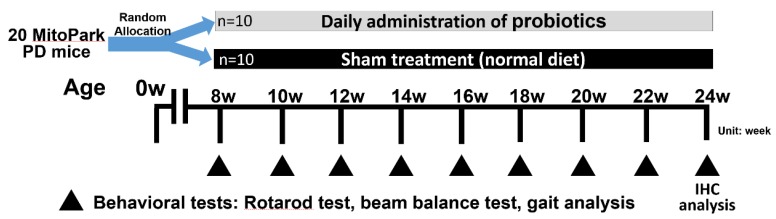
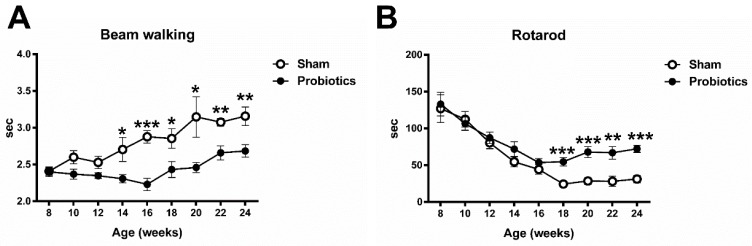
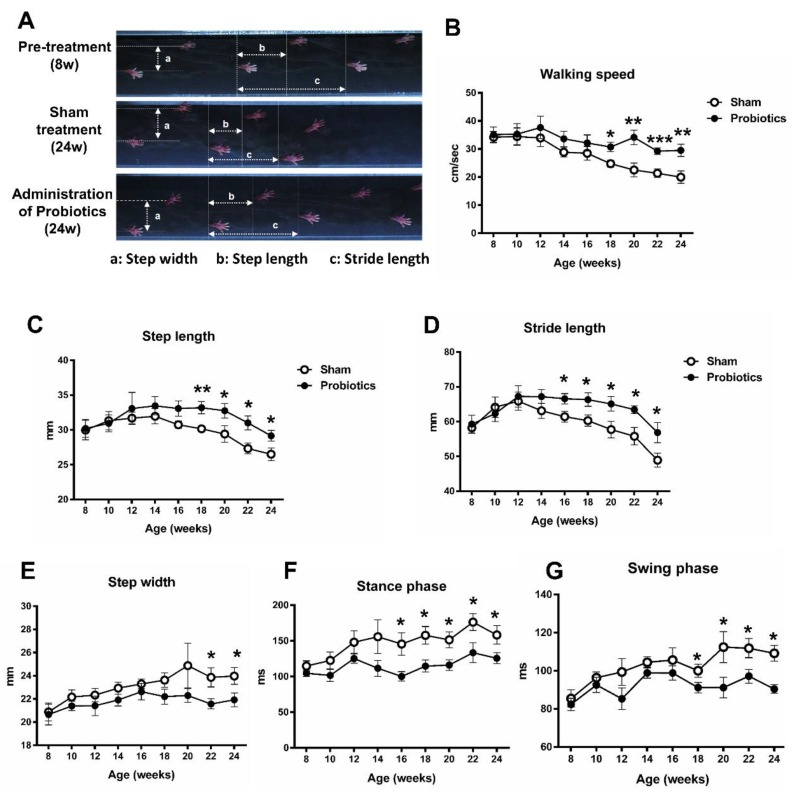
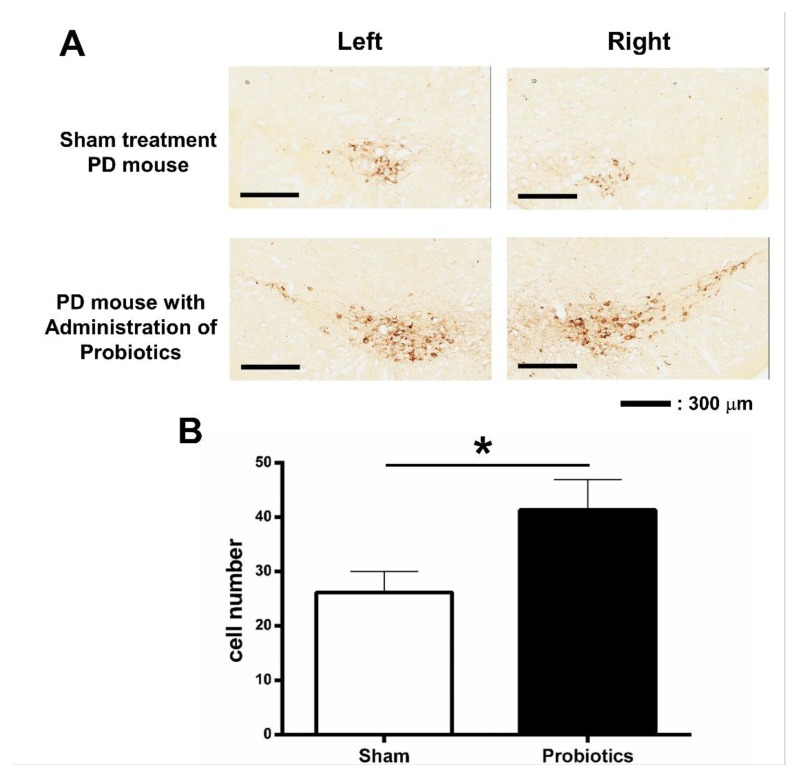
Parkinson's disease (PD) is one of the common long-term degenerative disorders that primarily affect motor systems. Gastrointestinal (GI) symptoms are common in individuals with PD and often present before motor symptoms. It has been found that gut dysbiosis to PD pathology is related to the severity of motor and non-motor symptoms in PD. Probiotics have been reported to have the ability to improve the symptoms related to constipation in PD patients. However, the evidence from preclinical or clinical research to verify the beneficial effects of probiotics for the motor functions in PD is still limited. An experimental PD animal model could be helpful in exploring the potential therapeutic strategy using probiotics. In the current study, we examined whether daily and long-term administration of probiotics has neuroprotective effects on nigrostriatal dopamine neurons and whether it can further alleviate the motor dysfunctions in PD mice. Transgenic MitoPark PD mice were chosen for this study and the effects of daily probiotic treatment on gait, beam balance, motor coordination, and the degeneration levels of dopaminergic neurons were identified. From the results, compared with the sham treatment group, we found that the daily administration of probiotics significantly reduced the motor impairments in gait pattern, balance function, and motor coordination. Immunohistochemically, a tyrosine hydroxylase (TH)-positive cell in the substantia nigra was significantly preserved in the probiotic-treated PD mice. These results showed that long-term administration of probiotics has neuroprotective effects on dopamine neurons and further attenuates the deterioration of motor dysfunctions in MitoPark PD mice. Our data further highlighted the promising possibility of the potential use of probiotics, which could be the relevant approach for further application on human PD subjects.
Overview
The claims and statistics of this paper haven’t been checked yet.
Free: it reads the open-access text and checks the first 5 claims that cite a source we can check. Create a free account to check every claim.
Integrity signals
Registry
Cites
Statistics
Figures
Verification
Claims the paper makes
The claims and statistics of this paper haven’t been checked yet.
Free: it reads the open-access text and checks the first 5 claims that cite a source we can check. Create a free account to check every claim.
Claims other papers make about this one
Each is checked against this paper’s own text: does it say what the citing paper says it does?
In the citing paper
“Similarly, positive effects of probiotic strains in in vitro and in vivo models of Parkinson's disease were reported by Castelli et al. [441] and Hsieh et al. [442].”
From The Role of Microbiota-Gut-Brain Axis in Neuropsychiatric and Neurological Disorders (2021) · cites this paper as [442]
Self-check
Percentages, sums and reported differences re-computed from the paper’s own numbers.
The self-check needs the paper’s full text.
Citations
Cites
2 retracted
Tamtaji, O. R., Taghizadeh, M., Daneshvar Kakhaki, R., Kouchaki, E., Bahmani, F., Borzabadi, S., Oryan, S., Mafi, A., & Asemi, Z. (2019) · Clinical Nutrition · doi:10.1016/j.clnu.2018.05.018 · Cited by 398 · cited 3×
“Probiotics have been demonstrated as having potential for PD, including the improvement of stool consistency and bowel habits and the reduction of scores from the Movement Disorders Society-Unified Parkinson’s Disease Rating Scale (MDS-UPDRS) [28,29].”
MethodResultRetractedGastrointestinal dysfunction in idiopathic Parkinsonism: A narrative review
Salari, M., Fayyazi, E., & Mirmosayyeb, O. (2016) · Journal of Research in Medical Sciences · doi:10.4103/1735-1995.196608 · Cited by 4
RetractedRole of the microbiota in immunity and inflammation.
Belkaid, Y., & Hand, T. W. (2014) · Cell · doi:10.1016/j.cell.2014.03.011 · Cited by 5,385 · cited 1×
“In addition to the use of peptides for the improvement of gastrointestinal or digestive dysfunctions [13,20–22], and in order to improve GI function and the balance of microbiota, probiotics could be one of the powerful tools to be used for altering the PD-associated microbiota composition and mitigating the related i…”
BackgroundGut microbiota are related to Parkinson's disease and clinical phenotype
Scheperjans, F., Aho, V., Pereira, P. A. B., Koskinen, K., Paulin, L., Pekkonen, E., Haapaniemi, E., Kaakkola, S., Eerola‐Rautio, J., Pohja, M., et al. (2015) · Movement Disorders · doi:10.1002/mds.26069 · Cited by 1,968 · cited 1×
“The lower levels of Lachnospiraceae and higher levels of Enterobacteriaceae families have been correlated with the severity of the disease, postural instability, gait difficulty, and motor impairment (assessed by MDS-UPDRS III and Hoehn and Yahr stage) [51,53].”
MethodNeurotransmitter modulation by the gut microbiota
Strandwitz, P. (2018) · Brain Research · doi:10.1016/j.brainres.2018.03.015 · Cited by 1,527 · cited 1×
“Animal studies show that microbiota-based interventions can influence host physiology by modulating the function of mammalian neurotransmitters, such as dopamine, norepinephrine, and serotonin [60].”
BackgroundMicrobiota and neurodevelopmental windows: implications for brain disorders
Borre, Y. E., O’Keeffe, G. W., Clarke, G., Stanton, C., Dinan, T. G., & Cryan, J. F. (2014) · Trends in Molecular Medicine · doi:10.1016/j.molmed.2014.05.002 · Cited by 1,089
Forsyth, C. B., Shannon, K. M., Kordower, J. H., Voigt, R. M., Shaikh, M., Jaglin, J. A., Estes, J. D., Dodiya, H. B., & Keshavarzian, A. (2011) · PLoS ONE · doi:10.1371/journal.pone.0028032 · Cited by 974
Hill‐Burns, E. M., Debelius, J. W., Morton, J. T., Wissemann, W. T., Lewis, M. R., Wallen, Z. D., Peddada, S. D., Factor, S. A., Molho, E., Zabetian, C. P., et al. (2017) · Movement Disorders · doi:10.1002/mds.26942 · Cited by 874
Sun, M.-F., Zhu, Y.-L., Zhou, Z.-L., Jia, X.-B., Xu, Y.-D., Yang, Q., Cui, C., & Shen, Y.-Q. (2018) · Brain, Behavior, and Immunity · doi:10.1016/j.bbi.2018.02.005 · Cited by 736 · cited 3×
“Earlier studies have reported that the administration of probiotics increased the levels of BDNF and GDNF, which are required for the survival of dopaminergic neurons in vivo [67,69].”
BackgroundTime-course gait analysis of hemiparkinsonian rats following 6-hydroxydopamine lesion
Hsieh, T.-H., Chen, J.-J. J., Chen, L.-H., Chiang, P.-T., & Lee, H.-Y. (2011) · Behavioural Brain Research · doi:10.1016/j.bbr.2011.03.031 · Cited by 684
Cited by
The gut microbiota–brain axis in behaviour and brain disorders
Morais, L. H., Schreiber, H. L., & Mazmanian, S. K. (2021) · Nature Reviews Microbiology · doi:10.1038/s41579-020-00460-0 · Cited by 2,149
The Role of Microbiota-Gut-Brain Axis in Neuropsychiatric and Neurological Disorders
Socała, K., Doboszewska, U., Szopa, A., Serefko, A., Włodarczyk, M., Zielińska, A., Poleszak, E., Fichna, J., & Wlaź, P. (2021) · Pharmacological Research · doi:10.1016/j.phrs.2021.105840 · Cited by 857
A Comprehensive Review on the Role of the Gut Microbiome in Human Neurological Disorders
Sorboni, S. G., Moghaddam, H. S., Jafarzadeh-Esfehani, R., & Soleimanpour, S. (2022) · Clinical Microbiology Reviews · doi:10.1128/cmr.00338-20 · Cited by 522
Probiotics, prebiotics and amelioration of diseases
Tsai, Y.-L., Lin, T.-L., Chang, C.-J., Wu, T.-R., Lai, W.-F., Lu, C.-C., & Lai, H.-C. (2019) · Journal of Biomedical Science · doi:10.1186/s12929-018-0493-6 · Cited by 388
Microbiota and the gut-brain-axis: Implications for new therapeutic design in the CNS
Liu, L., Huh, J. R., & Shah, K. (2022) · eBioMedicine · doi:10.1016/j.ebiom.2022.103908 · Cited by 344
The Association Between the Gut Microbiota and Parkinson’s Disease, a Meta-Analysis
Shen, T., Yue, Y., He, T., Huang, C., Qu, B., Lv, W., & Lai, H.-Y. (2021) · Frontiers in Aging Neuroscience · doi:10.3389/fnagi.2021.636545 · Cited by 219
Parkinson’s disease and gut microbiota: from clinical to mechanistic and therapeutic studies
Zhang, X., Tang, B., & Guo, J. (2023) · Translational Neurodegeneration · doi:10.1186/s40035-023-00392-8 · Cited by 187
Victoria Obayomi, O., Folakemi Olaniran, A., & Olugbemiga Owa, S. (2024) · Journal of Functional Foods · doi:10.1016/j.jff.2024.106337 · Cited by 184
The Gut–Brain Axis and Its Relation to Parkinson’s Disease: A Review
Klann, E. M., Dissanayake, U., Gurrala, A., Farrer, M., Shukla, A. W., Ramirez-Zamora, A., Mai, V., & Vedam-Mai, V. (2022) · Frontiers in Aging Neuroscience · doi:10.3389/fnagi.2021.782082 · Cited by 182
Gut Microbiota: A Novel Therapeutic Target for Parkinson’s Disease
Zhu, M., Liu, X., Ye, Y., Yan, X., Cheng, Y., Zhao, L., Chen, F., & Ling, Z. (2022) · Frontiers in Immunology · doi:10.3389/fimmu.2022.937555 · Cited by 177
Probiotics synergized with conventional regimen in managing Parkinson’s disease
Sun, H., Zhao, F., Liu, Y., Ma, T., Jin, H., Quan, K., Leng, B., Zhao, J., Yuan, X., Li, Z., et al. (2022) · npj Parkinson's Disease · doi:10.1038/s41531-022-00327-6 · Cited by 136
da Silva, T. F., Glória, R. D. A., Americo, M. F., Freitas, A. D. S., de Jesus, L. C. L., Barroso, F. A. L., Laguna, J. G., Coelho-Rocha, N. D., Tavares, L. M., le Loir, Y., et al. (2024) · Probiotics and Antimicrobial Proteins · doi:10.1007/s12602-024-10247-x · Cited by 117
“In a study conducted by Hsieh et al. [336], it was reported that the consumption of a probiotic mixture containing B. bifidum , B. longum , Ls. rhamnosus GG, L. lactis subsp. lactis , and Lp. plantarum LP28 at a dose of 10 billion CFU/day for 16 weeks effectively protected dopamine-releasing…”
Gut Microbiota Interaction with the Central Nervous System throughout Life
Ojeda, J., Ávila, A., & Vidal, P. M. (2021) · Journal of Clinical Medicine · doi:10.3390/jcm10061299 · Cited by 103
Potential roles of gut microbiota and microbial metabolites in Parkinson’s disease
Zheng, S.-Y., Li, H.-X., Xu, R.-C., Miao, W.-T., Dai, M.-Y., Ding, S.-T., & Liu, H.-D. (2021) · Ageing Research Reviews · doi:10.1016/j.arr.2021.101347 · Cited by 101
Psychobiotics: the Influence of Gut Microbiota on the Gut-Brain Axis in Neurological Disorders
Oroojzadeh, P., Bostanabad, S. Y., & Lotfi, H. (2022) · Journal of Molecular Neuroscience · doi:10.1007/s12031-022-02053-3 · Cited by 130
Probiotics for Parkinson's disease: Current evidence and future directions
Tan, A. H., Hor, J. W., Chong, C. W., & Lim, S. (2021) · JGH Open · doi:10.1002/jgh3.12450 · Cited by 98
Therapeutic, Prophylactic, and Functional Use of Probiotics: A Current Perspective
Aponte, M., Murru, N., & Shoukat, M. (2020) · Frontiers in Microbiology · doi:10.3389/fmicb.2020.562048 · Cited by 110
The emerging role of probiotics in neurodegenerative diseases: new hope for Parkinson’s disease?
d’Angelo, M., Cimini, A., Castelli, V., Quintiliani, M., Benedetti, E., & Cifone, M. G. (2020) · Neural Regeneration Research · doi:10.4103/1673-5374.295270 · Cited by 99
“Notably, another research group showed that long-term probiotic administration (six bacterial strains) exerted neuroprotective effects on dopaminergic neurons and was able to counteract motor impairments in a genetic PD mouse model (Hsieh et al., 2020).”
BackgroundVaresi, A., Campagnoli, L. I. M., Fahmideh, F., Pierella, E., Romeo, M., Ricevuti, G., Nicoletta, M., Chirumbolo, S., & Pascale, A. (2022) · International Journal of Molecular Sciences · doi:10.3390/ijms232012289 · Cited by 88
The gut-brain axis and Parkinson disease: Clinical and pathogenetic relevance
Menozzi, E., Macnaughtan, J., & Schapira, A. H. V. (2021) · Annals of Medicine · doi:10.1080/07853890.2021.1890330 · Cited by 81
Liu, X., Du, Z. R., Wang, X., Sun, X. R., Zhao, Q., Zhao, F., Wong, W. T., Wong, K. H., & Dong, X.-L. (2022) · Food Research International · doi:10.1016/j.foodres.2022.111067 · Cited by 77
Leta, V., Chaudhuri, К. R., Milner, O., Chung‐Faye, G., Metta, V., Pariante, C. M., & Borsini, A. (2021) · Brain Behavior and Immunity · doi:10.1016/j.bbi.2021.07.026 · Cited by 83
“Neurodegeneration Ten preclinical studies, 9 in vivo (Alipour Nosrani et al., 2020; Dwyer et al., 2021; Goya et al., 2020; Hsieh et al., 2020; Liao et al., 2020; Marsova et al., 2020; Perez Visñuk et al., 2020; Srivastav et al., 2019; Sun et al., 2020) and 1 both in vitro and in vivo (Castelli et al.”
BackgroundMethodInfluentialMicrobiome Gut-Brain-Axis: Impact on Brain Development and Mental Health
Ramadan, Y. N., Alqifari, S. F., Alshehri, K., Alhowiti, A., Mirghani, H. O., Alrasheed, T., Aljohani, F., Alghamdi, A. M., & Hetta, H. F. (2025) · Molecular Neurobiology · doi:10.1007/s12035-025-04846-0 · Cited by 111
Li, T., Chu, C., Yu, L., Zhai, Q., Wang, S., Zhao, J., Zhang, H., Chen, W., & Tian, F. (2022) · Nutrients · doi:10.3390/nu14214678 · Cited by 76
“) rhamnosus GG were shown to preserve DA neurons and improve motor dyskinesia in a PD mouse model when administered daily for 16 weeks [12].”
BackgroundPerez Visñuk, D., Savoy de Giori, G., LeBlanc, J. G., & de Moreno de LeBlanc, A. (2020) · Nutrition · doi:10.1016/j.nut.2020.110995 · Cited by 76
Probiotics as modulators of gut-brain axis for cognitive development
Kumar, A., Sivamaruthi, B. S., Dey, S., Kumar, Y., Malviya, R., Prajapati, B. G., & Chaiyasut, C. (2024) · Frontiers in Pharmacology · doi:10.3389/fphar.2024.1348297 · Cited by 99
“Probiotic interventions could provide neuroprotection and reduce the exerts, improving dopaminergic neuronal degeneration (Hsieh et al., 2020).”
BackgroundSingh, R. P., Shadan, A., & Ma, Y. (2022) · Probiotics and Antimicrobial Proteins · doi:10.1007/s12602-022-09992-8 · Cited by 75
Koszewicz, M. A., Jaroch, J., Brzecka, A., Ejma, M., Budrewicz, S. P., Михалева, Л. М., Muresanu, C., Schield, P., Somasundaram, S. G., Kirkland, C. E., et al. (2020) · Pharmacological Research · doi:10.1016/j.phrs.2020.105277 · Cited by 88
Probiotics for Neurodegenerative Diseases: A Systemic Review
Ojha, S., Patil, N., Jain, M., Kole, C., & Kaushik, P. (2023) · Microorganisms · doi:10.3390/microorganisms11041083 · Cited by 89
“Additionally, some probiotics have been shown to create molecules that can stimulate the production of brain-derived neurotrophic factor (BDNF), a protein that promotes the growth and survival of neurons in the brain.”
BackgroundInfluentialLorente-Picón, M., & Laguna, A. (2021) · Biomolecules · doi:10.3390/biom11030433 · Cited by 69
“Moreover, the administration of probiotics had neuroprotective effects on dopaminergic cells preventing them from cell death [252].”
BackgroundNew hope for Parkinson’s disease treatment: Targeting gut microbiota
Fan, H., Sheng, S., & Zhang, F. (2022) · CNS Neuroscience & Therapeutics · doi:10.1111/cns.13916 · Cited by 66
Can the gut be the missing piece in uncovering PD pathogenesis?
Chapelet, G., Leclair-Visonneau, L., Clairembault, T., Neunlist, M., & Derkinderen, P. (2019) · Parkinsonism & Related Disorders · doi:10.1016/j.parkreldis.2018.11.014 · Cited by 59
Are We What We Eat? Impact of Diet on the Gut–Brain Axis in Parkinson’s Disease
Alfonsetti, M., Castelli, V., & d’Angelo, M. (2022) · Nutrients · doi:10.3390/nu14020380 · Cited by 56
Probiotics and the Treatment of Parkinson's Disease: An Update
Mirzaei, H., Sedighi, S., Kouchaki, E., Barati, E., Dadgostar, E., Aschner, M., & Tamtaji, O. R. (2022) · Cellular and Molecular Neurobiology · doi:10.1007/s10571-021-01128-w · Cited by 57
Nurrahma, B. A., Tsao, S.-P., Wu, C.-H., Yeh, T.-H., Hsieh, P.-S., Panunggal, B., & Huang, H.-Y. (2021) · Frontiers in Aging Neuroscience · doi:10.3389/fnagi.2021.668775 · Cited by 56
The Involvement of Neuroinflammation in the Onset and Progression of Parkinson’s Disease
Jurcău, A., Andronie-Cioară, F. L., Nistor-Cseppento, C. D., Pașcalău, N., Rus, M., Vasca, E., & Jurcău, M. C. (2023) · International Journal of Molecular Sciences · doi:10.3390/ijms241914582 · Cited by 64
“The beneficial effects of probiotics containing various bacteria have been reinforced by a large number of studies in animal PD models [338,339].”
Baert, F., Matthys, C., Maselyne, J., Poucke, C. V., Coillie, E. V., Bergmans, B. A., & Vlaemynck, G. (2021) · npj Parkinson's Disease · doi:10.1038/s41531-021-00215-5 · Cited by 59
Li, J., Li, J., Tang, B., & Guo, J. (2023) · European Journal of Neurology · doi:10.1111/ene.15848 · Cited by 65
Liu, W., Lim, K., & Tan, E. (2022) · Translational Neurodegeneration · doi:10.1186/s40035-022-00318-w · Cited by 50
“Probiotics that are effective in inhibiting α-syn aggregation could be effective in halting the misfolding of other proteins [73, 74].”
BackgroundThe role of probiotics in personalized therapeutics: Advances in gut microbe-driven interventions
Manan, M. A. (2025) · The Microbe · doi:10.1016/j.microb.2025.100497 · Cited by 68
Rani, L., & Mondal, A. C. (2021) · Neuroscience Research · doi:10.1016/j.neures.2021.01.001 · Cited by 50
The gut microbiome as a target for adjuvant therapy in obstructive sleep apnea
Badran, M., Mashaqi, S., & Gozal, D. (2020) · Expert Opinion on Therapeutic Targets · doi:10.1080/14728222.2020.1841749 · Cited by 47
A Narrative Review of Psychobiotics: Probiotics That Influence the Gut–Brain Axis
Ķimse, L., Reinis, A., Miķelsone-Jansone, L., Gintere, S., & Krūmiņa, A. (2024) · Medicina · doi:10.3390/medicina60040601 · Cited by 66
“The study found that the daily administration of probiotics significantly improved gait, balance, and coordination [51].”
BackgroundThe Brain–Gut–Bone Axis in Neurodegenerative Diseases: Insights, Challenges, and Future Prospects
Li, R., Miao, Z., Liu, Y., Chen, X., Wang, H., Su, J., & Chen, J. (2024) · Advanced Science · doi:10.1002/advs.202307971 · Cited by 65
Pereira, T. D. M. C., Côco, L. Z., Ton, A. M. M., Meyrelles, S. S., Campos‐Toimil, M., Campagnaro, B. P., & Vasquez, E. C. (2021) · Antioxidants · doi:10.3390/antiox10111845 · Cited by 72
“Emerging studies have shown that the use of probiotics can provide an interesting strategy against the progression of ND, reducing neuroinflammation [40,119–121], ameliorating gastrointestinal function [122,123] and diminishing gut leakiness [124,125].”
BackgroundAghamohammad, S., Hafezi, A., & Rohani, M. (2023) · Biomedicine & Pharmacotherapy · doi:10.1016/j.biopha.2023.114816 · Cited by 48
Kumar, N., Sahoo, N. K., Mehan, S., & verma, B. (2023) · Multiple Sclerosis and Related Disorders · doi:10.1016/j.msard.2023.104547 · Cited by 46
Yadav, M., Kapoor, A., Verma, A., & Ambatipudi, K. (2022) · Journal of Agricultural and Food Chemistry · doi:10.1021/acs.jafc.2c00335 · Cited by 39
Xu, R.-C., Miao, W.-T., Xu, J., Xu, W. V., Liu, M.-R., Ding, S., Jian, Y.-X., Lei, Y.-H., Yan, N., & Liu, H.-D. (2022) · Nutrients · doi:10.3390/nu14194163 · Cited by 49
Neurodegenerative Microbially-Shaped Diseases: Oxidative Stress Meets Neuroinflammation
Silva, D. F., Empadinhas, N., Cardoso, S. M., & Esteves, A. R. (2022) · Antioxidants · doi:10.3390/antiox11112141 · Cited by 47
Gut-brain axis: gut dysbiosis and psychiatric disorders in Alzheimer’s and Parkinson’s disease
Denman, C. R., Park, S. M., & Jo, J. (2023) · Frontiers in Neuroscience · doi:10.3389/fnins.2023.1268419 · Cited by 47
“…treating neurodegenerative disease have yielded promising outcomes, with results demonstrating amelioration of cognitive deficits and motor dysfunctions in rat and mouse models of AD and PD, respectively, alongside reductions in protein aggregation (Nimgampalle and Kuna, 2017; Hsieh et al., 2020).”
BackgroundThe critical role of gut-brain axis microbiome in mental disorders
Basiji, K., Sendani, A. A., Ghavami, S. B., Farmani, M., Kazemifard, N., Sadeghi, A., Lotfali, E., & Aghdaei, H. A. (2023) · Metabolic Brain Disease · doi:10.1007/s11011-023-01248-w · Cited by 58
“2 ) (Hsieh et al. 2020).”
Fang, X., Liu, S., Muhammad, B., Zheng, M., Ge, X., Xu, Y., Shu, K., Zhang, Y., Yu, Y., Zheng, K., et al. (2024) · Neural Regeneration Research · doi:10.4103/1673-5374.391191 · Cited by 45
A Narrative Review on the Advance of Probiotics to Metabiotics
Jang, H. J., Lee, N., & Paik, H. (2024) · Journal of Microbiology and Biotechnology · doi:10.4014/jmb.2311.11023 · Cited by 43
“B. bifidum , B. longum , L. rhamnosus , L. rhamnosus GG, Lactococcus lactis subsp. lactis , and L. plantarum LP28 effectively protect dopamine-releasing neurons and decrease motor dysfunction [69].”
BackgroundLi, Q., Meng, L., Chen, L., Shi, X., Tu, L., Zhou, Q. G., Yu, J.-L., Liao, X., Zeng, Y., & Yuan, Q. (2023) · Frontiers in Neurology · doi:10.3389/fneur.2023.1185375 · Cited by 46
“Longterm administration of probiotics can not only improve gastrointestinal symptoms and UPDRS scores of MitoPark PD mice but also inhibit the progressive degeneration of DN in the nigra (155).”
BackgroundGut-brain axis and Alzheimer's disease: Therapeutic interventions and strategies
Singh, H., Chopra, C., Singh, H., Malgotra, V., Wani, A. K., Dhanjal, D. S., Sharma, I., Nepovimová, E., Alomar, S. Y., Singh, R., et al. (2023) · Journal of Functional Foods · doi:10.1016/j.jff.2023.105915 · Cited by 44
Neuroprotective and Immunomodulatory Effects of Probiotics in a Rat Model of Parkinson’s Disease
Parra, I., Martínez, I., Vásquez-Celaya, L., Góngora-Alfaro, J. L., Tizabi, Y., & Mendieta, L. (2023) · Neurotoxicity Research · doi:10.1007/s12640-022-00627-y · Cited by 36
“Thus, a number of preclinical studies show that administration of probiotics can prevent dopaminergic degeneration by preserving TH+ cells of the SNpc and concomitantly reduce motor asymmetry, and improve walking, coordination, and even fine motor movements (Hsieh et al. 2020; Perez Visñuk et al. 2020; Alipour Nosrani…”
BackgroundBrain-gut-microbiota axis in Parkinson’s disease: A historical review and future perspective
Dong, S., Sun, M., He, C. H., & Cheng, H. (2022) · Brain Research Bulletin · doi:10.1016/j.brainresbull.2022.02.015 · Cited by 34
Meta-analysis of randomized controlled trials of the effects of probiotics in Parkinson's disease
Chu, C., Yu, L., Li, Y. H., Guo, H., Zhai, Q., Chen, W., & Tian, F. (2023) · Food & Function · doi:10.1039/d2fo03825k · Cited by 36
Progressive parkinsonism due to mitochondrial impairment: Lessons from the MitoPark mouse model
Beckstead, M. J., & Howell, R. D. (2021) · Experimental Neurology · doi:10.1016/j.expneurol.2021.113707 · Cited by 36
Microbiota-targeted therapies in inflammation resolution
Strati, F., Lattanzi, G., Amoroso, C., & Facciotti, F. (2022) · Seminars in Immunology · doi:10.1016/j.smim.2022.101599 · Cited by 33
What the Gut Tells the Brain—Is There a Link between Microbiota and Huntington’s Disease?
Wronka, D., Karlik, A., Misiorek, J. O., & Przybył, Ł. (2023) · International Journal of Molecular Sciences · doi:10.3390/ijms24054477 · Cited by 34
Harrass, S., Yi, C., & Chen, H. (2021) · International Journal of Molecular Sciences · doi:10.3390/ijms222011207 · Cited by 34
Venkidesh, B. S., Shankar, S. R., Narasimhamurthy, R. K., Rao, B. S. S., & Mumbrekar, K. D. (2023) · Clinical & Translational Oncology · doi:10.1007/s12094-023-03184-8 · Cited by 31
“Further, evidences from preclinical research confirms beneficial effects of probiotics [30].”
BackgroundPsychobiotics for Mitigation of Neuro‐Degenerative Diseases: Recent Advancements
Dhyani, P., Goyal, C., Dhull, S. B., Chauhan, A. K., Saharan, B. S., Harshita, Duhan, J. S., & Gökşen, G. (2023) · Molecular Nutrition & Food Research · doi:10.1002/mnfr.202300461 · Cited by 33
The gut-immune-brain axis in neurodevelopment and neurological disorders
Park, J. C., & Im, S. (2022) · Microbiome Research Reports · doi:10.20517/mrr.2022.11 · Cited by 40
Microbiome-based therapeutics for Parkinson's disease
Hamilton, A. M., Krout, I. N., White, A. C., & Sampson, T. R. (2024) · Neurotherapeutics · doi:10.1016/j.neurot.2024.e00462 · Cited by 33
Gut brain axis: an insight into microbiota role in Parkinson’s disease
Moustafa, S. A., Abdou, S. M., Dawood, A. S., Azar, J., Elmorsy, E. M., Rizk, N., & Salama, M. (2021) · Metabolic Brain Disease · doi:10.1007/s11011-021-00808-2 · Cited by 37
Li, X., Deng, R., Li, J., Li, H., Xu, Z., Zhang, L., Feng, L., Shu, C., Zhen, M., & Wang, C. (2023) · Theranostics · doi:10.7150/thno.85711 · Cited by 28
“Actually, it has been explored to intervene neurodegenerative diseases by gut microbiota, such as probiotics treatment, fecal microbiota transplantation, and other bioactive substances uptake [39-42].”
BackgroundThe gut microbiome, systemic inflammation, and autoimmunity in Parkinson's disease
Fonseca, M. D. C., Zanetti, L., Fanourakis, S., Sulzer, D., & Mazmanian, S. K. (2025) · The Lancet Neurology · doi:10.1016/s1474-4422(25)00382-5 · Cited by 34
Neuroprotective Effect of Riboflavin Producing Lactic Acid Bacteria in Parkinsonian Models
Visñuk, D. P., Terán, M. D. M., de Giori, G. S., LeBlanc, J. G., & de LeBlanc, A. D. M. (2022) · Neurochemical Research · doi:10.1007/s11064-021-03520-w · Cited by 29
“In this sense, similar results on motor skills were observed with other microorganisms, such as those described with a mixture of probiotics in models induced by MPTP and rotenone [35], and with the long-term probiotics administration in MitoPark PD mice [36].”
ResultLee, D. W., Ryu, Y., Chang, D., Park, H., Go, J., Maeng, S.-Y., Hwang, D. Y., Kim, B., Lee, C., & Kim, K. (2022) · Journal of Microbiology and Biotechnology · doi:10.4014/jmb.2205.05032 · Cited by 27
“9 have shown improved motor performance and reduced degeneration of midbrain dopaminergic neurons, indicating the neuroprotective effect of probiotics [17-19].”
BackgroundParkinson’s Disease and the Gut: Future Perspectives for Early Diagnosis
Harsányiová, J., Buday, T., & Trancikova, A. K. (2020) · Frontiers in Neuroscience · doi:10.3389/fnins.2020.00626 · Cited by 31
“(2020) observed that long-term administration of probiotics has neuroprotective effects on dopamine neurons and significantly reduced motor dysfunction in MitoPark PD mice (Hsieh et al., 2020).”
BackgroundChan, D. G., Ventura, K., Villeneuve, A., Du Bois, P., & Holahan, M. R. (2022) · Journal of Parkinson's Disease · doi:10.3233/jpd-223461 · Cited by 24
“This suggests that probiotic treatments may prolong dopaminergic neuronal survival in the brain and alleviate motor and non-motor impairments [100, 105].”
BackgroundHeidari, H., & Lawrence, D. A. (2024) · Journal of Toxicology and Environmental Health Part B · doi:10.1080/10937404.2024.2378406 · Cited by 29
“Findings indicate a bidirectional relationship, suggesting that disruptions in the gut microbiome are associated with PD, while PD itself may contribute to alterations in the microbiome indicated by the role of elevated endogenous SCFAs and serotonin in PD pathogenesis, which suggests potential mechanisms underlying t…”
InfluentialDrobny, A., Ngo, P. A., Neurath, M. F., Zunke, F., & López-Posadas, R. (2021) · Frontiers in Medicine · doi:10.3389/fmed.2021.655123 · Cited by 24
“The use of probiotics has been found to be beneficial in PD patients (311, 312) and experimental PD models (313, 314).”
BackgroundModulation of the Microbiome in Parkinson's Disease: Diet, Drug, Stool Transplant, and Beyond
Brown, E. G., & Goldman, S. M. (2020) · Neurotherapeutics · doi:10.1007/s13311-020-00942-2 · Cited by 28
Hawrysh, P. J., Gao, J., Tan, S., Oh, A., Nodwell, J. R., Tompkins, T. A., & McQuibban, G. A. (2023) · Autophagy · doi:10.1080/15548627.2023.2172873 · Cited by 24
“Probiotic supplementation has been used to improve constipation and metabolic profiles in PD patients [25,26] and facilitates the recovery of mitochondrial function while alleviating motor function deterioration in various rodent PD models [27,28].”
BackgroundRevisiting Alpha-Synuclein Pathways to Inflammation
Lyra, P., Machado, V., Rota, S., Chaudhuri, К. R., Botelho, J., & Mendes, J. J. (2023) · International Journal of Molecular Sciences · doi:10.3390/ijms24087137 · Cited by 26
Jia, X., Chen, Q., Zhang, Y., & Asakawa, T. (2023) · Frontiers in Cellular and Infection Microbiology · doi:10.3389/fcimb.2023.1296713 · Cited by 22
Ugwu, O. P.-C., Okon, M. B., Alum, E. U., Ugwu, C. N., Anyanwu, G. E., Basajja, M., Ogenyi, F. C., Eze, V. H. U., Anyanwu, C. N., Ezeonwumelu, J. O. C., et al. (2025) · Medicine · doi:10.1097/md.0000000000043542 · Cited by 33
Bacteria-driven bio-therapy: From fundamental studies to clinical trials
Yu, Y., Lin, S., Chen, Z., Qin, B. Y., He, Z., Cheng, M., Sun, M., & Sun, J. Y. (2022) · Nano Today · doi:10.1016/j.nantod.2022.101731 · Cited by 26
Kim, J. H., Choi, Y., Lee, S.-M., & Oh, M. S. (2024) · Biomolecules & Therapeutics · doi:10.4062/biomolther.2024.215 · Cited by 29
Parkinson’s Disease and the Metal–Microbiome–Gut–Brain Axis: A Systems Toxicology Approach
Forero-Rodríguez, L. J., Josephs‐Spaulding, J., Flor, S., Pinzón, A. M., & Kaleta, C. (2021) · Antioxidants · doi:10.3390/antiox11010071 · Cited by 26
“Lactis Mice Preserves dopamine neurons, reduces the motor impairments, and maintains tyrosine hydroxylase in neurons [414]”
BackgroundEffects of a probiotic suspension Symprove™ on a rat early-stage Parkinson’s disease model
Sancandi, M., Caro, C. D., Cypaite, N., Marascio, N., Avagliano, C., Marco, C. D., Russo, E., Constanti, A., & Mercer, A. (2023) · Frontiers in Aging Neuroscience · doi:10.3389/fnagi.2022.986127 · Cited by 26
“Modulation of neuroinflammation was associated with a prevention of the loss of TH-positive neurones in the SNpc of ~17% which was in agreement with recent studies that showed a neuroprotective effect of probiotics in animal models of more advanced stages of PD (Srivastav et al., 2019;Hsieh et al., 2020; Castelli et a…”
ResultHill, A. E., Wade‐Martins, R., & Burnet, P. W. J. (2021) · Frontiers in Neuroscience · doi:10.3389/fnins.2021.708587 · Cited by 20
Panaitescu, P.-Ș., Răzniceanu, V., Mocrei-Rebrean, Ș.-M., Neculicioiu, V. S., Dragoș, H.-M., Costache, C. A., & Filip, G. A. (2024) · Current Issues in Molecular Biology · doi:10.3390/cimb46050244 · Cited by 21
“Two studies (10.53%, 95% CI [1.3%, 33.14”
InfluentialKerstens, R., & Joyce, P. M. (2024) · Biomedicines · doi:10.3390/biomedicines12081738 · Cited by 20
“Changes in GI dopamine levels impact gut motility [18,50].”
BackgroundWhen the microbiome helps the brain‐current evidence
Drljača, J., Milosevic, N. P., Milanović, M., Abenavoli, L., & Milić, N. (2023) · CNS Neuroscience & Therapeutics · doi:10.1111/cns.14076 · Cited by 21
Essmat, N., Karádi, D. Á., Zádor, F., Király, K. P., Fürst, S., & Al‐Khrasani, M. (2023) · Molecules · doi:10.3390/molecules28237766 · Cited by 20
Prospects of Probiotic Adjuvant Drugs in Clinical Treatment
Ren, Z., Hong, Y., Huo, Y., Peng, L., Lv, H., Chen, J., Wu, Z., & Wan, C. (2022) · Nutrients · doi:10.3390/nu14224723 · Cited by 19
“proved that a probiotic mixture protected dopamine neurons and further attenuated the deterioration of motor dysfunctions in Parkinson’s disease mice [23].”
BackgroundCuevas-Carbonell, S. G., Vásquez-Celaya, L., García-López, D., Granados-Patrón, D., García‐Miss, M. D. R., Álvarez-Cervera, F. J., Mut-Martín, M., Parra, I., Mendieta, L., Salgado, H., et al. (2022) · Neuroscience · doi:10.1016/j.neuroscience.2022.11.004 · Cited by 19
Skalny, A. V., Aschner, M., Гриценко, В. А., Martins, A. C., Tizabi, Y., Korobeinikova, T. V., Paoliello, M. M. B., & Tinkov, A. A. (2024) · Advances in neurotoxicology · doi:10.1016/bs.ant.2024.02.002 · Cited by 23
Regulation of Pain Perception by Microbiota in Parkinson Disease
Manjarres, Z., Calvo, M., & Pacheco, R. (2023) · Pharmacological Reviews · doi:10.1124/pharmrev.122.000674 · Cited by 15
The role of the gut microbiota in neurodegenerative diseases targeting metabolism
Fu, Y., Gu, Z., Cao, H., Zuo, C., Huang, Y., Song, Y., Jiang, Y., & Wang, F. (2024) · Frontiers in Neuroscience · doi:10.3389/fnins.2024.1432659 · Cited by 18
“Additionally, in a hereditary mouse model of PD, long-term probiotics using six bacterial strains reduced motor deficits and protected dopaminergic neurons (Hsieh et al., 2020).”
BackgroundKoumpouli, D., Koumpouli, V., & Koutelidakis, A. Ε. (2025) · Applied Sciences · doi:10.3390/app15105558 · Cited by 19
“These results together indicate that probiotic supplementation may not only delay a decline in motor dysfunction but also have a neuroprotective impact against the progressing degeneration of dopaminergic cells [60].”
Radisavljevic, N., Cirstea, M. S., Bauer, K. C., Lo, C., Metcalfe‐Roach, A., Bozorgmehr, T., Bar‐Yoseph, H., & Finlay, B. B. (2022) · Journal of Parkinson s Disease · doi:10.3233/jpd-223165 · Cited by 17
“Multiple animal studies have indicated a role for the microbiota in PD [20, 21, 68, 69, 51, 57–59 , 64– 67 ].”
Hsieh, T.-H., He, X., Liu, H.-H., Chen, J. J., Peng, C., Liu, H., Rotenberg, A., Chen, K., Chang, M., Chiang, Y. H., et al. (2021) · Neural Plasticity · doi:10.1155/2021/1763533 · Cited by 15
“TH staining analysis was carried out according to a previously employed protocol [45, 48, 60].”
MethodThe Gut-Brain Axis in Alzheimer’s and Parkinson’s Diseases: The Catalytic Role of Mitochondria
Candeias, E., Pereira-Santos, A. R., Empadinhas, N., Cardoso, S. M., & Esteves, A. R. (2024) · Journal of Alzheimer s Disease · doi:10.3233/jad-240524 · Cited by 16
Moreno, L. O., Bagüés, A., Martínez, V., & Abalo, R. (2023) · Nutrients · doi:10.3390/nu15122775 · Cited by 11
Metadata
- Authors
- Hsieh, T.-H., Kuo, C.-W., Hsieh, K.-H., Shieh, M.-J., Peng, C.-W., Chen, Y.-C., Chang, Y.-L., Huang, Y.-Z., Chen, C.-C., Chang, P.-K., Chen, K.-Y., & Chen, H.-Y.
- Affiliations
- Chang Gung University (TW)
- National Taiwan University (TW)
- Tajen University (TW)
- Taipei Medical University (TW)
- Taichung Veterans General Hospital (TW)
- Corresponding author
- Chen, Hsin-Yung
- ORCID
- Venue
- Brain Sciences
- Publisher
- MDPI AG
- Published
- 2020-04-01
- Volume
- 10
- Issue
- 4
- Pages
- 206
- ISSN
- 2076-3425 (ISSN-L)
- PMC
- PMC7226147
- OpenAlex
- W3014346200
- Cited by
- 174
- References
- 73
- Citations by year
- 2026: 17 · 2025: 27 · 2024: 29 · 2023: 35 · 2022: 33 · 2021: 22 · 2020: 9
- FWCI
- 10.72
- Type
- journal article
- Language
- en
- Open access
- gold
- dx.doi.org
- Licence
- Locations
- Brain Sciences (publishedVersion, cc-by)
- PubMed Central (publishedVersion, cc-by)
- PubMed (publishedVersion)
- DOAJ (DOAJ: Directory of Open Access Journals) (submittedVersion, cc-by-sa)
- Funders
- Ministry of Science and Technology, Taiwan (106-2410-H-182-008-MY2, 108-2314-B-182-011)
- Chang Gung Memorial Hospital (CMRPD1H0461, CMRPD1H0462, CMRPD1F0501, CMRPD3H0021)
- Topics
- Health Sciences › Medicine › Clinical Neurology › Parkinson's Disease Mechanisms and Treatments
- Life Sciences › Agricultural and Biological Sciences › Food Science › Probiotics and Fermented Foods
- Health Sciences › Medicine › Clinical Neurology › Deep Brain Stimulation and Movement Disorders
- Keywords
- probiotics, Parkinson's disease, motor impairment, neuroprotection, dopaminergic neurons, substantia nigra, gut dysbiosis, tyrosine hydroxylase, gait, balance, motor coordination
About these checks
Registry, retraction, Cites and statistics results are computed, not judged, with one exception: a printed reference that no index lists is read once by a model before it counts as a citation error. Claims are extracted by a model and kept only when their quote appears verbatim in the text; each cited source is then checked, with a model’s help, for whether it says what the claim relies on. Those verdicts can be wrong — read the claim’s quote and the cited source before relying on one.
Statistics and arithmetic are recomputed, not judged.
Confidence bands are shown only for fields calibrated on our annotated test set. None is calibrated yet, so no band is shown.
What counts as a claim ›How we measure confidence ›How we check this ›
Are you an author, or do you see a problem with this page? Request a review
Data sources
Bibliographic data: Semantic Scholar, OpenAlex, Crossref.
Contains information from the Semantic Scholar Academic Graph Datasets, made available under the ODC Attribution License (ODC-BY 1.0).
Semantic Scholar’s data is described in: Kinney, R., et al. (2023). The Semantic Scholar Open Data Platform. arXiv:2301.10140.
