

A Role for NF-κB in Organ Specific Cancer and Cancer Stem Cells
Open accessThe DOI matches its Crossref record; 164 of the 164 references it cites were found in a registry or an index.
Abstract
Cancer stem cells (CSCs) account for tumor initiation, invasiveness, metastasis, and recurrence in a broad range of human cancers. Although being a key player in cancer development and progression by stimulating proliferation and metastasis and preventing apoptosis, the role of the transcription factor NF-κB in cancer stem cells is still underestimated. In the present review, we will evaluate the role of NF-κB in CSCs of glioblastoma multiforme, ovarian cancer, multiple myeloma, lung cancer, colon cancer, prostate cancer, as well as cancer of the bone. Next to summarizing current knowledge regarding the presence and contribution of CSCs to the respective types of cancer, we will emphasize NF-κB-mediated signaling pathways directly involved in maintaining characteristics of cancer stem cells associated to tumor progression. Here, we will also focus on the status of NF-κB-activity predominantly in CSC populations and the tumor mass. Genetic alterations leading to NF-κB activity in glioblastoma, ependymoma, and multiple myeloma will be discussed.
Overview
The claims and statistics of this paper haven’t been checked yet.
Free: it reads the open-access text and checks the first 5 claims that cite a source we can check. Create a free account to check every claim.
Integrity signals
Registry
Cites
Statistics
Figures
Verification
Claims the paper makes
The claims and statistics of this paper haven’t been checked yet.
Free: it reads the open-access text and checks the first 5 claims that cite a source we can check. Create a free account to check every claim.
Claims other papers make about this one
Each is checked against this paper’s own text: does it say what the citing paper says it does?
The source backs part of the claim, not all of it — or backs it for a different population, condition or comparison.
In the citing paper
“Signaling by the inflammatory cytokines induced by NF-kB including IL-1, IL-6, TNF, IL-8, IL-17, IFN-γ, and CCL-5 among others (23) promotes tumor growth by induction of cell proliferation (24) in both autocrine and paracrine manners (25).”
From Tumor-Induced Inflammatory Cytokines and the Emerging Diagnostic Devices for Cancer Detection and Prognosis (2021) · cites this paper as [25]
Experimental — accuracy not yet measured
Self-check
Percentages, sums and reported differences re-computed from the paper’s own numbers.
The self-check needs the paper’s full text.
Citations
Cites
Hallmarks of Cancer: The Next Generation
Hanahan, D., & Weinberg, R. A. (2011) · Cell · doi:10.1016/j.cell.2011.02.013 · Cited by 66,590 · cited 2×
“Constitutive activity of NF-κB subunits in turn arises from a prolonged chronic inflammatory microenvironment or by various oncogenic mutations [12,17,18].”
BackgroundJemal, A., Bray, F., Center, M. M., Ferlay, J., Ward, E., & Forman, D. (2011) · CA: A Cancer Journal for Clinicians · doi:10.3322/caac.20107 · Cited by 54,679
Radiotherapy Plus Concomitant and Adjuvant Temozolomide for Glioblastoma
Stupp, R., Mason, W. P., van den Bent, M. J., Weller, M., Fisher, B., Taphoorn, M. J. B., Belanger, K., Brandes, A. A., Marosi, C., Bogdahn, U., et al. (2005) · New England Journal of Medicine · doi:10.1056/nejmoa043330 · Cited by 21,807
Siegel, R. L., Miller, K. D., & Jemal, A. (2019) · CA: A Cancer Journal for Clinicians · doi:10.3322/caac.21551 · Cited by 20,160
The Epithelial-Mesenchymal Transition Generates Cells with Properties of Stem Cells
Mani, S. A., Guo, W., Liao, M.-J., Eaton, E. N., Ayyanan, A., Zhou, A. Y., Brooks, M., Reinhard, F., Zhang, C. C., Shipitsin, M., et al. (2008) · Cell · doi:10.1016/j.cell.2008.03.027 · Cited by 8,672 · cited 1×
“Stem-like cells showed increased expression of stem cell markers, sphere formation ability, and more efficient capability for tumor formation [31].”
BackgroundMGMT Gene Silencing and Benefit from Temozolomide in Glioblastoma
Hegi, M. E., Diserens, A.-C., Gorlia, T., Hamou, M.-F., de Tribolet, N., Weller, M., Kros, J. M., Hainfellner, J. A., Mason, W., Mariani, L., et al. (2005) · New England Journal of Medicine · doi:10.1056/nejmoa043331 · Cited by 7,405 · cited 1×
“Of note, MGMT promoter hypermethylation has proven an important predictive biomarker for benefit from alkylating chemotherapy as well as powerful prognostic factor [59,60].”
BackgroundSingle Lgr5 stem cells build crypt-villus structures in vitro without a mesenchymal niche
Sato, T., Vries, R. G., Snippert, H. J., van de Wetering, M., Barker, N., Stange, D. E., van Es, J. H., Abo, A., Kujala, P., Peters, P. J., et al. (2009) · Nature · doi:10.1038/nature07935 · Cited by 7,204 · cited 1×
“Normal colon stem cells were reported to be Lrg5 positive and can built cryptvillus structures in vivo [139].”
BackgroundBonnet, D., & Dick, J. E. (1997) · Nature Medicine · doi:10.1038/nm0797-730 · Cited by 5,864 · cited 3×
“In pediatric tumors, acute myeloid leukemia stem cells were the first CSCs being identified [79] via expression of the hematopoietic stem cell marker CD34, while lacking the lymphocyte differentiation marker CD38 [80].”
BackgroundA cell initiating human acute myeloid leukaemia after transplantation into SCID mice
Lapidot, T., Sirard, C., Vormoor, J., Murdoch, B., Hoang, T., Caceres-Cortes, J., Minden, M., Paterson, B., Caligiuri, M. A., & Dick, J. E. (1994) · Nature · doi:10.1038/367645a0 · Cited by 4,783 · cited 1×
“Only a small fraction of all dissociated cells was propagated in the nude mouse model (1/250,000) [1].”
BackgroundSiegel, R., Ward, E., Brawley, O., & Jemal, A. (2011) · CA: A Cancer Journal for Clinicians · doi:10.3322/caac.20121 · Cited by 4,070
The complexity of NF-κB signaling in inflammation and cancer
Hoesel, B., & Schmid, J. A. (2013) · Molecular Cancer · doi:10.1186/1476-4598-12-86 · Cited by 3,165
The NF- B Family of Transcription Factors and Its Regulation
Oeckinghaus, A., & Ghosh, S. (2009) · Cold Spring Harbor Perspectives in Biology · doi:10.1101/cshperspect.a000034 · Cited by 2,842 · cited 2×
“The NF-κB dimer is subsequently translocated into the nucleus and binds to specific target sites, thus enabling target gene expression [9,10].”
BackgroundNF-κB, inflammation, immunity and cancer: coming of age
Taniguchi, K., & Karin, M. (2018) · Nature Reviews Immunology · doi:10.1038/nri.2017.142 · Cited by 2,679
Auphan, N., DiDonato, J. A., Rosette, C., Helmberg, A., & Karin, M. (1995) · Science · doi:10.1126/science.270.5234.286 · Cited by 2,390
Integrating cell-signalling pathways with NF-κB and IKK function
Perkins, N. D. (2007) · Nature Reviews Molecular Cell Biology · doi:10.1038/nrm2083 · Cited by 2,350
Bristow, R. E., Tomacruz, R. S., Armstrong, D. K., Trimble, E. L., & Montz, F. J. (2002) · Journal of Clinical Oncology · doi:10.1200/jco.2002.20.5.1248 · Cited by 2,312 · cited 1×
“The prognosis of ovarian cancer is dependent on stage of the cancer, histologic type and grade, and maximum diameter of residual disease after cytoreductive surgery [97].”
BackgroundGlioblastoma and Other Malignant Gliomas: A Clinical Review
Omuro, A. (2013) · JAMA · doi:10.1001/jama.2013.280319 · Cited by 2,301
Identification of Bronchioalveolar Stem Cells in Normal Lung and Lung Cancer
Kim, C. F. B., Jackson, E. L., Woolfenden, A. E., Lawrence, S., Babar, I., Vogel, S., Crowley, D., Bronson, R. T., & Jacks, T. (2005) · Cell · doi:10.1016/j.cell.2005.03.032 · Cited by 2,195 · cited 1×
“In mice, the bronchioalveolar duct junction of the adult mouse lung was suggested to harbor a stem cell population, which can be activated by K-Ras and gives rise to adenocarcinomas [118,119].”
BackgroundA Phase 3 Trial of Bevacizumab in Ovarian Cancer
Perren, T. J., Swart, A. M., Pfisterer, J., Ledermann, J. A., Pujade-Lauraine, E., Kristensen, G., Carey, M. S., Beale, P., Cervantes, A., Kurzeder, C., et al. (2011) · New England Journal of Medicine · doi:10.1056/nejmoa1103799 · Cited by 2,172 · cited 1×
“Bevacizumab, an antibody against VEGF-A, may be added to this regimen [101].”
BackgroundTerzić, J., Grivennikov, S., Karin, E., & Karin, M. (2010) · Gastroenterology · doi:10.1053/j.gastro.2010.01.058 · Cited by 1,974 · cited 2×
“In chronic inflammation, accumulation of proinflammatory cytokines caused by increased activity of NF-κB was shown to promote a protumorigenic microenvironment in colon cancer [19].”
BackgroundNew approach for understanding genome variations in KEGG
Kanehisa, M., Sato, Y., Furumichi, M., Morishima, K., & Tanabe, M. (2019) · Nucleic Acids Research · doi:10.1093/nar/gky962 · Cited by 1,845
Cancerous stem cells can arise from pediatric brain tumors
Hemmati, H. D., Nakano, I., Lazareff, J. A., Masterman-Smith, M., Geschwind, D. H., Bronner-Fraser, M., & Kornblum, H. I. (2003) · Proceedings of the National Academy of Sciences · doi:10.1073/pnas.2036535100 · Cited by 1,817 · cited 1×
“CSCs in pediatric brain tumors express similar CSC markers as in adults (including CD133, SOX2, musashi-1, BMI1), but also show elevated expression of maternal embryonic leucine zipper kinase and phosphoserine phosphatase [83].”
BackgroundUlcerative Colitis and Colorectal Cancer: A Population-Based Study
Ekbom, A., Helmick, C., Zack, M., & Adami, H.-O. (1990) · New England Journal of Medicine · doi:10.1056/nejm199011013231802 · Cited by 1,777
Hohenberger, W., Weber, K., Matzel, K., Papadopoulos, T., & Merkel, S. (2009) · Colorectal Disease · doi:10.1111/j.1463-1318.2008.01735.x · Cited by 1,636 · cited 1×
“Radical lymphadenectomies, like total mesorectal excision in rectal and complete mesocolic excision in right colon cancer, have been demonstrated to improve local recurrence and overall survival [135,136].”
BackgroundSchröder, F. H., Hugosson, J., Roobol, M. J., Tammela, T. L. J., Zappa, M., Nelen, V., Kwiatkowski, M., Lujan, M., Määttänen, L., Lilja, H., et al. (2014) · The Lancet · doi:10.1016/s0140-6736(14)60525-0 · Cited by 1,566 · cited 1×
“In contrary, prostate cancer can be detected in an early stage using prostate-specific-antigen-testing (PSA-testing) [149] and mortality is reduced when radical prostatectomy is performed as curative therapy [150].”
BackgroundCancer stem cells in glioblastoma
Lathia, J. D., Mack, S. C., Mulkearns-Hubert, E. E., Valentim, C. L. L., & Rich, J. N. (2015) · Genes & Development · doi:10.1101/gad.261982.115 · Cited by 1,520
Kehoe, S., Hook, J., Nankivell, M., Jayson, G. C., Kitchener, H., Lopes, T., Luesley, D., Perren, T., Bannoo, S., Mascarenhas, M., et al. (2015) · The Lancet · doi:10.1016/s0140-6736(14)62223-6 · Cited by 1,414 · cited 1×
“In selected patients with cytologically proven advanced disease, neoadjuvant chemotherapy may be given initially, followed by interval debulking surgery, and additional chemotherapy [99].”
BackgroundIliopoulos, D., Hirsch, H. A., & Struhl, K. (2009) · Cell · doi:10.1016/j.cell.2009.10.014 · Cited by 1,374
Activation by IKKα of a Second, Evolutionary Conserved, NF-κB Signaling Pathway
Senftleben, U., Cao, Y., Xiao, G., Greten, F. R., Krähn, G., Bonizzi, G., Chen, Y., Hu, Y., Fong, A., Sun, S.-C., et al. (2001) · Science · doi:10.1126/science.1062677 · Cited by 1,359 · cited 1×
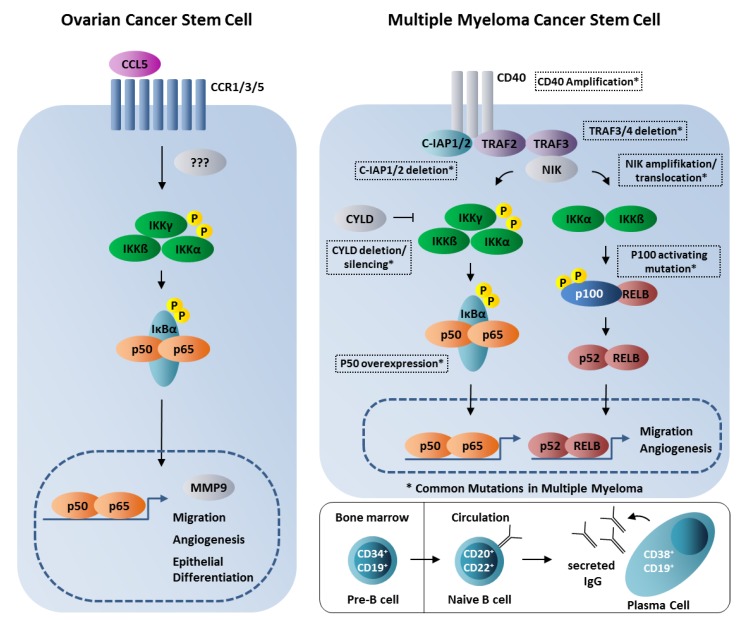
“Next to this canonical NF-κB signaling cascade, non-canonical NF-κB signaling is mediated by phosphorylation of IKKs via NIK, in turn leading to phosphorylation of p100 and its proteasomal processing to p52 [11] (see also Figure 1 for overview).”
BackgroundNF-κB, an Active Player in Human Cancers
Xia, Y., Shen, S., & Verma, I. M. (2014) · Cancer Immunology Research · doi:10.1158/2326-6066.cir-14-0112 · Cited by 1,213
Weller, M., Butowski, N., Tran, D. D., Recht, L. D., Lim, M., Hirte, H., Ashby, L., Mechtler, L., Goldlust, S. A., Iwamoto, F., et al. (2017) · The Lancet Oncology · doi:10.1016/s1470-2045(17)30517-x · Cited by 1,134 · cited 1×
“EGFR gene amplification and overexpression of a constitutively active variant are considered molecular hallmarks of GBM, and have been explored as potential therapeutic targets [52].”
BackgroundDuration of adjuvant chemotherapy for stage III colon cancer
Grothey, A., Sobrero, A. F., Shields, A. F., Yoshino, T., Paul, J., Taieb, J., Souglakos, J., Shi, Q., Kerr, R., Labianca, R., et al. (2018) · New England Journal of Medicine · doi:10.1056/nejmoa1713709 · Cited by 1,092 · cited 1×
“The benefits of adjuvant chemotherapy have been most clearly demonstrated in stage III (node-positive) disease [137].”
BackgroundIntestinal Tumorigenesis Initiated by Dedifferentiation and Acquisition of Stem-Cell-like Properties
Schwitalla, S., Fingerle, A. A., Cammareri, P., Nebelsiek, T., Göktuna, S. I., Ziegler, P. K., Canli, O., Heijmans, J., Huels, D. J., Moreaux, G., et al. (2013) · Cell · doi:10.1016/j.cell.2012.12.012 · Cited by 1,068 · cited 2×
“Surprisingly, high expression of beta catenin seems to be favorable in CRC survival (the human protein atlas) [141].”
BackgroundHuber, M. A., Azoitei, N., Baumann, B., Grünert, S., Sommer, A., Pehamberger, H., Kraut, N., Beug, H., & Wirth, T. (2004) · Journal of Clinical Investigation · doi:10.1172/jci200421358 · Cited by 1,033
Lomustine and Bevacizumab in Progressive Glioblastoma
Wick, W., Gorlia, T., Bendszus, M., Taphoorn, M., Sahm, F., Harting, I., Brandes, A. A., Taal, W., Domont, J., Idbaih, A., et al. (2017) · New England Journal of Medicine · doi:10.1056/nejmoa1707358 · Cited by 970 · cited 1×
“Many feel that bevacizumab reduces peritumoral edema, and has only very limited tumoricidal activity, at the least [61,65].”
BackgroundReconstructing and Reprogramming the Tumor-Propagating Potential of Glioblastoma Stem-like Cells
Suvà, M. L., Rheinbay, E., Gillespie, S. M., Patel, A. P., Wakimoto, H., Rabkin, S. D., Riggi, N., Chi, A. S., Cahill, D. P., Nahed, B. V., et al. (2014) · Cell · doi:10.1016/j.cell.2014.02.030 · Cited by 944
Paracrine and Autocrine Signals Induce and Maintain Mesenchymal and Stem Cell States in the Breast
Scheel, C., Eaton, E. N., Li, S. H.-J., Chaffer, C. L., Reinhardt, F., Kah, K.-J., Bell, G., Guo, W., Rubin, J., Richardson, A. L., et al. (2011) · Cell · doi:10.1016/j.cell.2011.04.029 · Cited by 858 · cited 1×
“Furthermore, in transformed mammary epithelial cells, TGF-β and Wnt signaling synergize to induce activation of the epithelial–mesenchymal transition (EMT) program, and function in an autocrine fashion to maintain the resulting stem-cell state [38].”
BackgroundStandards of care for treatment of recurrent glioblastoma—are we there yet?
Weller, M., Cloughesy, T., Perry, J. R., & Wick, W. (2013) · Neuro-Oncology · doi:10.1093/neuonc/nos273 · Cited by 771 · cited 1×
“This explains why there is a big unmet need for more effective and individualized therapies that should be based upon the specific pathophysiology of the tumors and their microenvironment [78].”
BackgroundGlioblastoma: pathology, molecular mechanisms and markers
Aldape, K., Zadeh, G., Mansouri, S., Reifenberger, G., & von Deimling, A. (2015) · Acta Neuropathologica · doi:10.1007/s00401-015-1432-1 · Cited by 735
A luminal epithelial stem cell that is a cell of origin for prostate cancer
Wang, X., Julio, M. K.-D., Economides, K. D., Walker, D., Yu, H., Halili, M. V., Hu, Y.-P., Price, S. M., Abate-Shen, C., & Shen, M. M. (2009) · Nature · doi:10.1038/nature08361 · Cited by 734 · cited 1×
“Lineage tracing in mice revealed a luminal epithelial stem cell as origin of prostate cancer [151].”
BackgroundSingle-cell cloning of colon cancer stem cells reveals a multi-lineage differentiation capacity
Vermeulen, L., Todaro, M., de Sousa Mello, F., Sprick, M. R., Kemper, K., Perez Alea, M., Richel, D. J., Stassi, G., & Medema, J. P. (2008) · Proceedings of the National Academy of Sciences · doi:10.1073/pnas.0805706105 · Cited by 724 · cited 2×
“There is a lot of information about normal tissue stem cells in the intestine and CRC. Normal colon stem cells were reported to be Lrg5 positive and can built cryptvillus structures in vivo [139].”
BackgroundPrimary Prevention of Colorectal Cancer
Chan, A. T., & Giovannucci, E. L. (2010) · Gastroenterology · doi:10.1053/j.gastro.2010.01.057 · Cited by 723
Bookman, M. A., Brady, M. F., McGuire, W. P., Harper, P. G., Alberts, D. S., Friedlander, M., Colombo, N., Fowler, J. M., Argenta, P. A., De Geest, K., et al. (2009) · Journal of Clinical Oncology · doi:10.1200/jco.2008.19.1684 · Cited by 705 · cited 1×
“Patients who have had primary cytoreductive surgery for advanced ovarian cancer should receive platinum-based combination chemotherapy following surgery [100].”
BackgroundRisch, H. A., McLaughlin, J. R., Cole, D. E. C., Rosen, B., Bradley, L., Fan, I., Tang, J., Li, S., Zhang, S., Shaw, P. A., et al. (2006) · JNCI: Journal of the National Cancer Institute · doi:10.1093/jnci/djj465 · Cited by 680 · cited 1×
“Notably, germline mutations in BRCA1/2 were observed in at least 15% of women with high grade non-mucinous ovarian cancers, despite that 40% of these women did not have a family history of breast or ovarian cancer [92].”
BackgroundC11orf95–RELA fusions drive oncogenic NF-κB signalling in ependymoma
Parker, M., Mohankumar, K. M., Punchihewa, C., Weinlich, R., Dalton, J. D., Li, Y., Lee, R., Tatevossian, R. G., Phoenix, T. N., Thiruvenkatam, R., et al. (2014) · Nature · doi:10.1038/nature13109 · Cited by 670
Advances in the molecular genetics of gliomas — implications for classification and therapy
Reifenberger, G., Wirsching, H.-G., Knobbe-Thomsen, C. B., & Weller, M. (2017) · Nature Reviews Clinical Oncology · doi:10.1038/nrclinonc.2016.204 · Cited by 662 · cited 1×
“, GBM developing from a preexistent lower-grade glioma), and may play a role as a prognostic factor [71,72].”
BackgroundSignaling Cross Talk between TGF-β/Smad and Other Signaling Pathways
Luo, K. (2017) · Cold Spring Harbor Perspectives in Biology · doi:10.1101/cshperspect.a022137 · Cited by 639 · cited 1×
“The complex cross-talk between signaling pathways of Wnt, Notch, Hippo, Hedgehog (Hh), mitogen-activated protein (MAP), kinase, phosphoinositide 3-kinase (PI3K)-Akt, and the nuclear NF-κB has been covered in a recent review [39].”
BackgroundLuo, J.-L., Maeda, S., Hsu, L.-C., Yagita, H., & Karin, M. (2004) · Cancer Cell · doi:10.1016/j.ccr.2004.08.012 · Cited by 603
Cancer stem cells in nervous system tumors
Singh, S. K., Clarke, I. D., Hide, T., & Dirks, P. B. (2004) · Oncogene · doi:10.1038/sj.onc.1207946 · Cited by 569 · cited 1×
“This initial report was followed by the observation of CSCs in a broad range of pediatric brain tumors, including medulloblastomas [3] and high-grade gliomas (HGGs) [81].”
BackgroundHerrlinger, U., Tzaridis, T., Mack, F., Steinbach, J. P., Schlegel, U., Sabel, M., Hau, P., Kortmann, R.-D., Krex, D., Grauer, O., et al. (2019) · The Lancet · doi:10.1016/s0140-6736(18)31791-4 · Cited by 568 · cited 3×
“This has resulted in attempts at therapeutic stratification of glioblastoma based on MGMT methylation status [43,61].”
BackgroundSelf-citationCrosstalk between Wnt/β-Catenin and NF-κB Signaling Pathway during Inflammation
Ma, B., & Hottiger, M. O. (2016) · Frontiers in Immunology · doi:10.3389/fimmu.2016.00378 · Cited by 563
Systemic Treatment of Colorectal Cancer
Wolpin, B. M., & Mayer, R. J. (2008) · Gastroenterology · doi:10.1053/j.gastro.2008.02.098 · Cited by 504 · cited 1×
“, Cetuximab (Erbitux®), Bevacizumab (Avastin®), and Panitumumab (Vectibix®)) was recently made [138].”
BackgroundRadical Prostatectomy or Watchful Waiting in Prostate Cancer — 29-Year Follow-up
Bill-Axelson, A., Holmberg, L., Garmo, H., Taari, K., Busch, C., Nordling, S., Häggman, M., Andersson, S.-O., Andrén, O., Steineck, G., et al. (2018) · New England Journal of Medicine · doi:10.1056/nejmoa1807801 · Cited by 495 · cited 1×
“In contrary, prostate cancer can be detected in an early stage using prostate-specific-antigen-testing (PSA-testing) [149] and mortality is reduced when radical prostatectomy is performed as curative therapy [150].”
BackgroundStaudt, L. M. (2010) · Cold Spring Harbor Perspectives in Biology · doi:10.1101/cshperspect.a000109 · Cited by 485 · cited 3×
“In summary, multiple myeloma was mostly described as a tumor arisen from transformed plasma cells [23].”
BackgroundLeukaemia stem cells and the evolution of cancer-stem-cell research
Huntly, B. J. P., & Gilliland, D. G. (2005) · Nature Reviews Cancer · doi:10.1038/nrc1592 · Cited by 483 · cited 1×
“In pediatric tumors, acute myeloid leukemia stem cells were the first CSCs being identified [79] via expression of the hematopoietic stem cell marker CD34, while lacking the lymphocyte differentiation marker CD38 [80].”
BackgroundKapiteijn, E., Putter, H., & van de Velde, C. J. H. (2002) · British Journal of Surgery · doi:10.1046/j.1365-2168.2002.02196.x · Cited by 481 · cited 1×
“Radical lymphadenectomies, like total mesorectal excision in rectal and complete mesocolic excision in right colon cancer, have been demonstrated to improve local recurrence and overall survival [135,136].”
BackgroundNormal and disease-related biological functions of Twist1 and underlying molecular mechanisms
Qin, Q., Xu, Y., He, T., Qin, C., & Xu, J. (2012) · Cell Research · doi:10.1038/cr.2011.144 · Cited by 455 · cited 3×
“Among the broad range of NF-κB target genes and associated pathways, epithelial-to-mesenchymal transition (EMT) is one of the most prominent ones in regulating CSC-functionality [29,30].”
BackgroundSaccani, A., Schioppa, T., Porta, C., Biswas, S. K., Nebuloni, M., Vago, L., Bottazzi, B., Colombo, M. P., Mantovani, A., & Sica, A. (2006) · Cancer Research · doi:10.1158/0008-5472.can-06-1867 · Cited by 455 · cited 2×
“Defective responsiveness of tumor-associated macrophages to M1 activation signals in human ovarian carcinoma was also associated with activation of the NF-κB p50 homodimer [21], suggesting a context-dependent role of NF-κB-activity at least in cancers related to chronic inflammation.”
BackgroundHeterogeneity Maintenance in Glioblastoma: A Social Network
Bonavia, R., Inda, M.-D.-M., Cavenee, W. K., & Furnari, F. B. (2011) · Cancer Research · doi:10.1158/0008-5472.can-11-0153 · Cited by 439
Primary cytoreductive surgery for epithelial ovarian cancer.
Hacker, N. F., Berek, J. S., Lagasse, L. D., Nieberg, R. K., & Elashoff, R. M. (1983) · PubMed · Cited by 437
Kaltschmidt, B., & Kaltschmidt, C. (2009) · Cold Spring Harbor Perspectives in Biology · doi:10.1101/cshperspect.a001271 · Cited by 392 · cited 2×
“NF-κB is ubiquitously expressed and mediates a broad range of cellular processes ranging from apoptosis, cell growth, inflammation, memory, and learning to immunity [8,9].”
BackgroundSelf-citationEmerging Cellular Therapies for Cancer
Guedan, S., Ruella, M., & June, C. H. (2019) · Annual Review of Immunology · doi:10.1146/annurev-immunol-042718-041407 · Cited by 386 · cited 1×
“In addition, recently developed cellular therapies like those utilizing genetically engineered T cells may circumvent limitations of current treatment strategies [163] and be extended towards targeting CSCs in the future.”
BackgroundNF‐κB and epithelial to mesenchymal transition of cancer
Min, C., Eddy, S. F., Sherr, D. H., & Sonenshein, G. E. (2008) · Journal of Cellular Biochemistry · doi:10.1002/jcb.21695 · Cited by 376
Immunobiological Characterization of Cancer Stem Cells Isolated from Glioblastoma Patients
Di Tomaso, T., Mazzoleni, S., Wang, E., Sovena, G., Clavenna, D., Franzin, A., Mortini, P., Ferrone, S., Doglioni, C., Marincola, F. M., et al. (2010) · Clinical Cancer Research · doi:10.1158/1078-0432.ccr-09-2730 · Cited by 344
Targeting Interleukin 6 Signaling Suppresses Glioma Stem Cell Survival and Tumor Growth
Wang, H., Lathia, J. D., Wu, Q., Wang, J., Li, Z., Heddleston, J. M., Eyler, C. E., Elderbroom, J., Gallagher, J., Schuschu, J., et al. (2009) · Stem Cells · doi:10.1002/stem.188 · Cited by 333 · cited 1×
“Targeting the NF-κB target gene IL-6 was also demonstrated to directly reduce survival of CSCs in GBM concomitant with decreased tumor growth [54].”
BackgroundSasaki, Y., Derudder, E., Hobeika, E., Pelanda, R., Reth, M., Rajewsky, K., & Schmidt-Supprian, M. (2006) · Immunity · doi:10.1016/j.immuni.2006.04.005 · Cited by 322 · cited 1×
“Notably, canonical NF-κB signaling was already observed to be required for persistence functionality of mature B cells [113] and is a hallmark of various B cell lymphomas [114].”
BackgroundKaltschmidt, C., Kaltschmidt, B., & Baeuerle, P. A. (1995) · Proceedings of the National Academy of Sciences · doi:10.1073/pnas.92.21.9618 · Cited by 307 · cited 1×
“In Wistar rats, NF-κB is developmentally regulated during cerebellum development with high constitutive activity at p5 in neuronal stem cells, which drops dramatically during later life, suggesting a potential correlation with the effect of RELA fusion [88].”
BackgroundSelf-citationEvidence for type II cells as cells of origin of K-Ras–induced distal lung adenocarcinoma
Xu, X., Rock, J. R., Lu, Y., Futtner, C., Schwab, B., Guinney, J., Hogan, B. L. M., & Onaitis, M. W. (2012) · Proceedings of the National Academy of Sciences · doi:10.1073/pnas.1112499109 · Cited by 303 · cited 1×
“Next to bronchoalveolar stem cells, alveolar type II progenitor cells, which are Clara cells in the terminal bronchioles, were reported to directly contribute to K-Ras-induced lung hyperplasia [120,121].”
BackgroundCancer stem cells in osteosarcoma
Brown, H. K., Tellez-Gabriel, M., & Heymann, D. (2017) · Cancer Letters · doi:10.1016/j.canlet.2016.11.019 · Cited by 303 · cited 5×
“As a potential cellular origin, a single cell located in the bone marrow is thought to give rise to a polyclonal, heterogeneous tumor mass [157].”
BackgroundInfluentialNF-κB c-Rel Is Crucial for the Regulatory T Cell Immune Checkpoint in Cancer
Grinberg-Bleyer, Y., Oh, H., Desrichard, A., Bhatt, D. M., Caron, R., Chan, T. A., Schmid, R. M., Klein, U., Hayden, M. S., & Ghosh, S. (2017) · Cell · doi:10.1016/j.cell.2017.08.004 · Cited by 297 · cited 1×
“Here, NF-κB c-Rel was recently shown to be crucial for the Treg immune checkpoint in cancer with inhibition of c-Rel in Tregs resulting in reduced melanoma growth and potentiated the effects of anti-PD-1 immunotherapy [164].”
BackgroundProstaglandin E2 Promotes Colorectal Cancer Stem Cell Expansion and Metastasis in Mice
Wang, D., Fu, L., Sun, H., Guo, L., & DuBois, R. N. (2015) · Gastroenterology · doi:10.1053/j.gastro.2015.07.064 · Cited by 292 · cited 1×
“Pro-inflammatory PGE2 was demonstrated to induce CSC formation and expansion by activating NF-κB via EP4-PI3K and EP4-MAPK pathways in vitro [147].”
BackgroundThe resolution of inflammation: Anti-inflammatory roles for NF-κB
Lawrence, T., & Fong, C. (2010) · The International Journal of Biochemistry & Cell Biology · doi:10.1016/j.biocel.2009.12.016 · Cited by 285 · cited 1×
“However, NF-κB has also been described to have anti-inflammatory roles with direct effects on tumor formation and therapy resistance (reviewed in [20]).”
BackgroundGlioblastoma stem‐like cells secrete the pro‐angiogenic VEGF‐A factor in extracellular vesicles
Treps, L., Perret, R., Edmond, S., Ricard, D., & Gavard, J. (2017) · Journal of Extracellular Vesicles · doi:10.1080/20013078.2017.1359479 · Cited by 277 · cited 1×
“Here, glioblastoma stem cells were recently shown to secrete VEGF-A in extracellular vesicles [64].”
BackgroundOstrom, Q. T., Gittleman, H., de Blank, P. M., Finlay, J. L., Gurney, J. G., McKean-Cowdin, R., Stearns, D. S., Wolff, J. E., Liu, M., Wolinsky, Y., et al. (2016) · Neuro-Oncology · doi:10.1093/neuonc/nov297 · Cited by 274 · cited 1×
“With 16,050 deaths per year, brain tumors were reported to be the leading cause of cancer death in children [75].”
BackgroundTumour-initiating stem-like cells in human prostate cancer exhibit increased NF-κB signalling
Rajasekhar, V. K., Studer, L., Gerald, W., Socci, N. D., & Scher, H. I. (2011) · Nature Communications · doi:10.1038/ncomms1159 · Cited by 259
Kortüm, K. M., Mai, E. K., Hanafiah, N. H., Shi, C.-X., Zhu, Y.-X., Bruins, L., Barrio, S., Jedlowski, P., Merz, M., Xu, J., et al. (2016) · Blood · doi:10.1182/blood-2016-02-698092 · Cited by 255 · cited 1×
“Furthermore, it can be discussed, that secondary aberrations like RAS mutations and translocations involving MYK could influence the course of disease and prognosis of myeloma [110].”
BackgroundYang, W., Xia, Y., Cao, Y., Zheng, Y., Bu, W., Zhang, L., You, M. J., Koh, M. Y., Cote, G., Aldape, K., et al. (2012) · Molecular Cell · doi:10.1016/j.molcel.2012.09.028 · Cited by 245
NFKBIA Deletion in Glioblastomas
Bredel, M., Scholtens, D. M., Yadav, A. K., Alvarez, A. A., Renfrow, J. J., Chandler, J. P., Yu, I. L. Y., Carro, M. S., Dai, F., Tagge, M. J., et al. (2011) · New England Journal of Medicine · doi:10.1056/nejmoa1006312 · Cited by 243 · cited 1×
“Interestingly, a recent genetic analysis showed deletion of the IκBα (NFKBIA) gene in up to 24% of glioblastoma patients [57].”
BackgroundProspective Study Using the Risk of Ovarian Cancer Algorithm to Screen for Ovarian Cancer
Menon, U., Skates, S. J., Lewis, S., Rosenthal, A. N., Rufford, B., Sibley, K., MacDonald, N., Dawnay, A., Jeyarajah, A., Bast, R. C., et al. (2005) · Journal of Clinical Oncology · doi:10.1200/jco.2005.01.6642 · Cited by 243 · cited 1×
“There are no effective screening methods that reduce the mortality of ovarian cancer [96].”
BackgroundSox2 maintains self renewal of tumor-initiating cells in osteosarcomas
Basu-Roy, U., Seo, E., Ramanathapuram, L., Rapp, T. B., Perry, J. A., Orkin, S. H., Mansukhani, A., & Basilico, C. (2012) · Oncogene · doi:10.1038/onc.2011.405 · Cited by 238 · cited 1×
“Osteosarcoma CSCs have been demonstrated to be maintained by the stem cell transcription factor Sox2 via inhibition of the Hippo pathway [158].”
BackgroundTERT promoter mutations: a novel independent prognostic factor in primary glioblastomas
Simon, M., Hosen, I., Gousias, K., Rachakonda, S., Heidenreich, B., Gessi, M., Schramm, J., Hemminki, K., Waha, A., & Kumar, R. (2015) · Neuro-Oncology · doi:10.1093/neuonc/nou158 · Cited by 237 · cited 1×
“, GBM developing from a preexistent lower-grade glioma), and may play a role as a prognostic factor [71,72].”
BackgroundSelf-citationNF-kappaB in lung cancer, a carcinogenesis mediator and a prevention and therapy target
Chen, W. (2011) · Frontiers in Bioscience · doi:10.2741/3782 · Cited by 233 · cited 1×
“In addition, NF-κB provides one important linkage between the pathogenesis of pulmonary inflammation and cancer [124].”
BackgroundThe Treatment of Glioblastoma Multiforme of the Brain
Jelsma, R., & Bucy, P. C. (1967) · Journal of Neurosurgery · doi:10.3171/jns.1967.27.5.0388 · Cited by 233 · cited 1×
“Opposite to the overall better survival rates of children with cancer, GBM survival rates have remained low for the last 50 years, with a median survival time of 12–18 months [77].”
BackgroundJi, Z., He, L., Regev, A., & Struhl, K. (2019) · Proceedings of the National Academy of Sciences · doi:10.1073/pnas.1821068116 · Cited by 219 · cited 4×
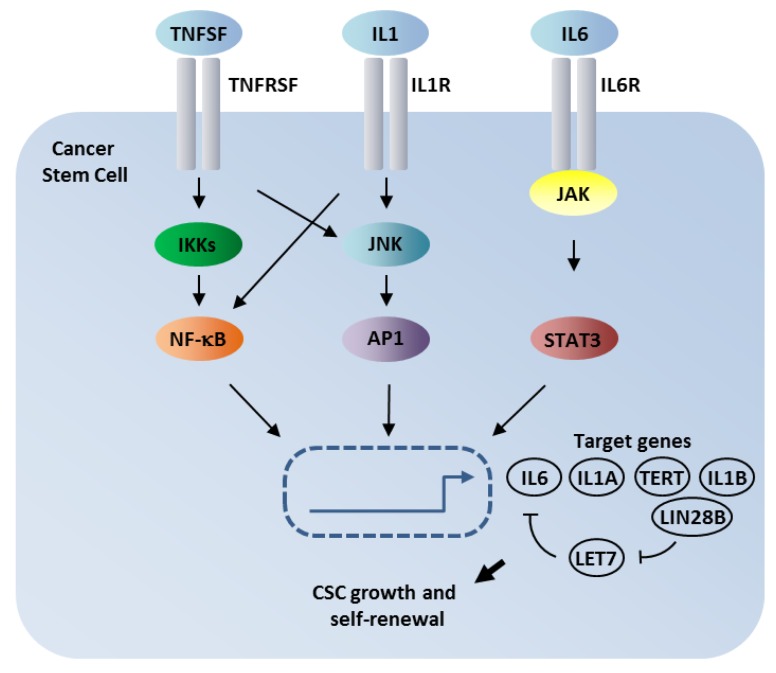
“details, see respective text (modified from [25]).”
BackgroundInfluentialBirnie, R., Bryce, S. D., Roome, C., Dussupt, V., Droop, A., Lang, S. H., Berry, P. A., Hyde, C. F., Lewis, J. L., Stower, M. J., et al. (2008) · Genome Biology · doi:10.1186/gb-2008-9-5-r83 · Cited by 212 · cited 3×
“Furth more, expression of tra scription fact r LIN28 was induced, which is a repressor of LET7 microRNA, thus releasing th repression of IL6 protein expression.”
BackgroundInfluentialStem cells in cancer therapy: opportunities and challenges
Zhang, C.-L., Huang, T., Wu, B.-L., He, W.-X., & Liu, D. (2017) · Oncotarget · doi:10.18632/oncotarget.20798 · Cited by 203 · cited 1×
“As recently reviewed by Zhang and colleagues, normal stem cells can also act to target CSCs, since these attract normal stem cells, resulting in reduced proliferation and metastasis [165].”
BackgroundLong, H., Xie, R., Xiang, T., Zhao, Z., Lin, S., Liang, Z., Chen, Z., & Zhu, B. (2012) · STEM CELLS · doi:10.1002/stem.1194 · Cited by 202 · cited 2×
“It was shown, using CSC from ovarian cancers by magnetic sorting (anti CD133), that NF-κB-mediated migration is activated by an autocrinous loop of CCL5 to RelA [22] (Figure 1).”
BackgroundMethodHerrlinger, U., Schäfer, N., Steinbach, J. P., Weyerbrock, A., Hau, P., Goldbrunner, R., Friedrich, F., Rohde, V., Ringel, F., Schlegel, U., et al. (2016) · Journal of Clinical Oncology · doi:10.1200/jco.2015.63.4691 · Cited by 201 · cited 2×
“Many feel that bevacizumab reduces peritumoral edema, and has only very limited tumoricidal activity, at the least [61,65].”
BackgroundVigneswaran, K., Neill, S. G., & Hadjipanayis, C. G. (2015) · Europe PMC (PubMed Central) · doi:10.3978/j.issn.2305-5839.2015.03.57 · Cited by 200 · cited 1×
“Here, glioblastoma multiforme (GBM; World Health Organization grade IV astrocytoma) is ranging among the most malignant and aggressive forms of brain tumors [76].”
BackgroundYamamoto, M., Taguchi, Y., Ito-Kureha, T., Semba, K., Yamaguchi, N., & Inoue, J.-I. (2013) · Nature Communications · doi:10.1038/ncomms3299 · Cited by 189
C11ORF95-RELA FUSIONS DRIVE ONCOGENIC NF-KB SIGNALING IN EPENDYMOMA
Gilbertson, R., Parker, M., Mohankumar, K. M., Punchihewa, C., Weinlich, R., Dalton, J. D., Li, Y., Lee, R., Tatevossian, R. G., Phoenix, T. N., et al. (2014) · Neuro-Oncology · doi:10.1093/neuonc/nou206.57 · Cited by 173
Kim, S.-H., Ezhilarasan, R., Phillips, E. S., Gallego‐Perez, D., Sparks, A. E., Taylor, D., Ladner, K. J., Furuta, T., Sabit, H., Chhipa, R. R., et al. (2016) · Cancer Cell · doi:10.1016/j.ccell.2016.01.005 · Cited by 172
Negri, E., Franceschi, S., Tzonou, A., Booth, M., La Vecchia, C., Parazzini, F., Beral, V., Boyle, P., & Trichopoulos, D. (1991) · International Journal of Cancer · doi:10.1002/ijc.2910490110 · Cited by 167 · cited 1×
“Early menopause and the use of oral contraceptives are associated with a lower risk for the disease [91].”
BackgroundResidual tumor cells are unique cellular targets in glioblastoma
Glas, M., Rath, B. H., Simon, M., Reinartz, R., Schramme, A., Trageser, D., Eisenreich, R., Leinhaas, A., Keller, M., Schildhaus, H., et al. (2010) · Annals of Neurology · doi:10.1002/ana.22036 · Cited by 160 · cited 2×
“, beyond the margins of the surgical resection), and therefore contribute prominently to tumor recurrence [44].”
BackgroundSelf-citationHonoki (2010) · Oncology Reports · doi:10.3892/or_00000885 · Cited by 143 · cited 1×
“The inhibition of ALDH activity using disulfiram resulted in reduced cell proliferation [159].”
Liu, L., Salnikov, A. V., Bauer, N., Aleksandrowicz, E., Labsch, S., Nwaeburu, C., Mattern, J., Gladkich, J., Schemmer, P., Werner, J., et al. (2014) · International Journal of Cancer · doi:10.1002/ijc.28583 · Cited by 139 · cited 1×
“For instance, the plant-derived agent triptolide, which is in a clinical phase II trial for treating rheumatoid arthritis, was shown to downregulate NF-κB accompanied by reversed EMT and stemness features of pancreatic CSCs as well as inhibition of tumor growth [162].”
BackgroundXie, T., Xia, Z., Zhang, N., Gong, W., & Huang, S. (2010) · PubMed · Cited by 138
Targeting Aggressive Cancer Stem Cells in Glioblastoma
Seymour, T., Nowak, A., & Kakulas, F. (2015) · Frontiers in Oncology · doi:10.3389/fonc.2015.00159 · Cited by 135
NF-κB regulates DNA double-strand break repair in conjunction with BRCA1–CtIP complexes
Volcic, M., Karl, S., Baumann, B., Salles, D., Daniel, P., Fulda, S., & Wiesmüller, L. (2012) · Nucleic Acids Research · doi:10.1093/nar/gkr687 · Cited by 133 · cited 1×
“In addition, NF-κB was demonstrated to directly regulate DNA double-strand break repair in a BRCA2-dependent manner as well as via interaction with CtIP-BRCA1 complexes and promotion of BRCA1 stabilization [95].”
BackgroundNF-κB Signalling in Glioblastoma
Soubannier, V., & Stifani, S. (2017) · Biomedicines · doi:10.3390/biomedicines5020029 · Cited by 131
Targeting A20 Decreases Glioma Stem Cell Survival and Tumor Growth
Hjelmeland, A. B., Wu, Q., Wickman, S., Eyler, C., Heddleston, J., Shi, Q., Lathia, J. D., MacSwords, J., Lee, J., McLendon, R. E., et al. (2010) · PLoS Biology · doi:10.1371/journal.pbio.1000319 · Cited by 130 · cited 1×
“In addition, A20 (TNFAIP3), an NF-kB target gene and regulator of cell survival, was reported to be overexpressed in CSCs from GBM with elevated levels of A20 in GSCs contributing to apoptotic resistance [56].”
BackgroundPietsch, T., Wohlers, I., Goschzik, T., Dreschmann, V., Denkhaus, D., Dörner, E., Rahmann, S., & Klein‐Hitpaß, L. (2014) · Acta Neuropathologica · doi:10.1007/s00401-014-1264-4 · Cited by 125 · cited 1×
“A role for NF-κB RELA in pediatric neuro-oncology is manifested by the RELA fusions in 70% of supratentorial ependymoma [85,86].”
BackgroundSema3C Promotes the Survival and Tumorigenicity of Glioma Stem Cells through Rac1 Activation
Man, J., Shoemake, J. D., Zhou, W., Fang, X., Wu, Q., Rizzo, A. E., Prayson, R. A., Bao, S., Rich, J. N., & Yu, J. S. (2014) · Cell Reports · doi:10.1016/j.celrep.2014.10.055 · Cited by 123 · cited 1×
“Furthermore, glioma stem cells secrete Sema3C and coordinately express Plexin A2/D1 receptors to activate Rac1/NF-κB signaling in an autocrine/paracrine loop to promote their own survival [68]).”
BackgroundEllis, H. P., Greenslade, M., Powell, B., Spiteri, I., Sottoriva, A., & Kurian, K. M. (2015) · Frontiers in Oncology · doi:10.3389/fonc.2015.00251 · Cited by 111
Roles of NF-κB Signaling in the Regulation of miRNAs Impacting on Inflammation in Cancer
Markopoulos, G., Roupakia, E., Tokamani, M., Alabasi, G., Sandaltzopoulos, R., Marcu, K., & Kolettas, E. (2018) · Biomedicines · doi:10.3390/biomedicines6020040 · Cited by 110
Subunit-Specific Role of NF-κB in Cancer
Kaltschmidt, B., Greiner, J. F. W., Kadhim, H. M., & Kaltschmidt, C. (2018) · Biomedicines · doi:10.3390/biomedicines6020044 · Cited by 109
Self-citationBrain Cancer Stem Cells in Adults and Children: Cell Biology and Therapeutic Implications
Abouantoun, T. J., Hale, J. S., Lathia, J. D., & Dombrowski, S. M. (2017) · Neurotherapeutics · doi:10.1007/s13311-017-0524-0 · Cited by 108 · cited 1×
“The technical proof for CSCs in pediatric brain tumors was similar as in adults: CSCs were isolated from bulk tumors using stem cell markers, then demonstrated their capacity for self-renewal, differentiation, and recapitulation of the original tumor [82].”
BackgroundSzczepek, A. J., Bergsagel, P. L., Axelsson, L., Brown, C. B., Belch, A. R., & Pilarski, L. M. (1997) · Blood · doi:10.1182/blood.v89.5.1824 · Cited by 105 · cited 1×
“Up to 98% of these CD34+ cells are positive to CD19 [111].”
BackgroundInhibition of NF-κB Signaling Reduces the Stemness Characteristics of Lung Cancer Stem Cells
Zakaria, N., Yusoff, N. M., Zakaria, Z., Widera, D., & Yahaya, B. H. (2018) · Frontiers in Oncology · doi:10.3389/fonc.2018.00166 · Cited by 102
Mikulasova, A., Wardell, C. P., Murison, A., Boyle, E. M., Jackson, G. H., Smetana, J., Kufova, Z., Pour, L., Sandecka, V., Almasi, M., et al. (2017) · Haematologica · doi:10.3324/haematol.2017.163766 · Cited by 101 · cited 1×
“These chromosomal aberrations are found in MGUS also [109].”
BackgroundHouse, C. D., Jordan, E., Hernandez, L., Ozaki, M., James, J. M., Kim, M., Kruhlak, M. J., Batchelor, E., Elloumi, F., Cam, M. C., et al. (2017) · Cancer Research · doi:10.1158/0008-5472.can-17-0366 · Cited by 91
Cancer Stem Cell Division: When the Rules of Asymmetry Are Broken
Mukherjee, S., Kong, J., & Brat, D. J. (2014) · Stem Cells and Development · doi:10.1089/scd.2014.0442 · Cited by 88 · cited 1×
“Interestingly, especially asymmetric cell division is discussed for being a hallmark of CSCs [5,6].”
BackgroundAACR Special Conference on Epithelial-Mesenchymal Transition and Cancer Progression and Treatment
Torres, E. T. R., Keckesova, Z., Haley, J. D., Epstein, D. M., Weinberg, R. A., & Condeelis, J. S. (2010) · Cancer Research · doi:10.1158/0008-5472.can-10-1208 · Cited by 87 · cited 1×
“NF-κB-mediated EMT as promoter of motility and invasion of epithelial cancer cells is also discussed to enable mesenchymal (stem cell) cell types out of the differentiated epithelium [142].”
Backgroundβ-catenin regulates NF-κB activity via TNFRSF19 in colorectal cancer cells
Schön, S., Flierman, I., Ofner, A., Stahringer, A., Holdt, L. M., Kolligs, F. T., & Herbst, A. (2014) · International Journal of Cancer · doi:10.1002/ijc.28839 · Cited by 84
The cell of origin and subtype of K-Ras-induced lung tumors are modified by Notch and Sox2
Xu, X., Huang, L., Futtner, C., Schwab, B., Rampersad, R. R., Lu, Y., Sporn, T. A., Hogan, B. L. M., & Onaitis, M. W. (2014) · Genes & Development · doi:10.1101/gad.243717.114 · Cited by 82 · cited 1×
“K-Ras-induced tumorigenesis via type II progenitor cells in the mice lung was further shown to depend on Sox2 expression in turn affecting Notch signaling [122].”
BackgroundOzawa, T., Arora, S., Szulzewsky, F., Juric‐Sekhar, G., Miyajima, Y., Bolouri, H., Yasui, Y., Barber, J. K., Kupp, R., Dalton, J., et al. (2018) · Cell Reports · doi:10.1016/j.celrep.2018.04.099 · Cited by 77 · cited 1×
“But only C11orf95–RELA fusions led to the development of ependymoma in a mouse model, whereas overexpression of C11orf95, or RELA or other fusions did not drive tumorigenesis in this model [87].”
BackgroundThe evolving landscape of glioblastoma stem cells
Yan, K., Yang, K., & Rich, J. N. (2013) · Current Opinion in Neurology · doi:10.1097/wco.0000000000000032 · Cited by 76
Ai, D., Pan, H., Han, R., Li, X., Liu, G., & Xia, L. C. (2019) · Genes · doi:10.3390/genes10020112 · Cited by 76
Onaitis, M. W., & Hanna, J. M. (2013) · Journal of Carcinogenesis · doi:10.4103/1477-3163.109033 · Cited by 75
The myeloma stem cell concept, revisited: from phenomenology to operational terms
Johnsen, H. E., Bøgsted, M., Schmitz, A., Bødker, J. S., El‐Galaly, T. C., Johansen, P., Valent, P., Zojer, N., Valckenborgh, E. V., Vanderkerken, K., et al. (2016) · Haematologica · doi:10.3324/haematol.2015.138826 · Cited by 75 · cited 1×
“Based on these findings, a multination consortium of clinicians suggested a selected sampling of biomaterial of different clinical stages and disease spectrum [112].”
BackgroundMicroRNAs in pluripotency, reprogramming and cell fate induction
Lüningschrör, P., Hauser, S., Kaltschmidt, B., & Kaltschmidt, C. (2013) · Biochimica et Biophysica Acta (BBA) - Molecular Cell Research · doi:10.1016/j.bbamcr.2013.03.025 · Cited by 72 · cited 2×
“repression is released during neuronal differentiation [27,28].”
BackgroundSelf-citationGlioblastoma cellular cross-talk converges on NF-κB to attenuate EGFR inhibitor sensitivity
Zanca, C., Villa, G. R., Benitez, J. A., Thorne, A. H., Koga, T., D'Antonio, M., Ikegami, S., Ma, J., Boyer, A. D., Banisadr, A., et al. (2017) · Genes & Development · doi:10.1101/gad.300079.117 · Cited by 72 · cited 1×
“In addition, there is a cellular crosstalk mediated by IL-6 and NF-κB, which leads to attenuation of EGFR tyrosine kinase inhibitors (TKEs) [53].”
BackgroundTang, S., Xiang, T., Huang, S., Zhou, J., Wang, Z., Xie, R., Long, H., & Zhu, B. (2016) · Cancer Letters · doi:10.1016/j.canlet.2016.03.034 · Cited by 71 · cited 2×
“It was shown, using CSC from ovarian cancers by magnetic sorting (anti CD133), that NF-κB-mediated migration is activated by an autocrinous loop of CCL5 to RelA [22] (Figure 1).”
BackgroundDown-Regulation of CDH1 Is Associated with Expression of SNAI1 in Colorectal Adenomas
Kröpil, F., Fluegen, G., Валерьевич, Т. З., Baldus, S. E., Vay, C., Schauer, M. C., Topp, S. A., Esch, J. S. A., Knoefel, W. T., & Stoecklein, N. H. (2012) · PLoS ONE · doi:10.1371/journal.pone.0046665 · Cited by 70 · cited 11×
“Inhibitors of NF-κB reduced PGE2-induced sphere formation (an index of CSC expansion) and expansion of LS-174T and/or human primary CRC cells in that study.”
BackgroundInfluentialBeck, S. J., Jin, X., Sohn, Y.-W., Kim, J.-K., Kim, S.-H., Yin, J., Pian, X., Kim, S.-C., Nam, D., Choi, Y.-J., et al. (2010) · Molecules and Cells · doi:10.1007/s10059-011-0008-8 · Cited by 70 · cited 2×
“In this line, NF-κB target genes may also be of interest for therapeutic applications, as genes like TERT were also shown to be directly associated to CSC characteristics in GBM [73].”
BackgroundBerichts zum Krebsgeschehen in Deutschland 2016
Koch-Institut, R. (2016) · Research Data Centre at the Robert Koch Institute · doi:10.17886/rkipubl-2016-014 · Cited by 70
miR-290 Cluster Modulates Pluripotency by Repressing Canonical NF-κB Signaling
Lüningschrör, P., Stöcker, B., Kaltschmidt, B., & Kaltschmidt, C. (2012) · Stem Cells · doi:10.1002/stem.1033 · Cited by 69 · cited 2×
“repression is released during neuronal differentiation [27,28].”
BackgroundSelf-citationBerns, A. J. M. (2005) · Cell · doi:10.1016/j.cell.2005.06.004 · Cited by 68
c-Rel and its many roles in cancer: an old story with new twists
Hunter, J. E., Leslie, J., & Perkins, N. D. (2016) · British Journal of Cancer · doi:10.1038/bjc.2015.410 · Cited by 67 · cited 1×
“NF-κB cRel is further known as a key regulator of B-cell proliferation and is frequently amplified in B-cell lymphoma [115], but was also described to have a tumor suppressor role in lymphoma development [116].”
BackgroundNuclear Factor-κB: a Key Regulator in Health and Disease of Lungs
Batra, S., Balamayooran, G., & Sahoo, M. K. (2011) · Archivum Immunologiae et Therapiae Experimentalis · doi:10.1007/s00005-011-0136-z · Cited by 65 · cited 1×
“NF-κB signaling is involved in multiple steps of carcinogenesis of lung cells and mediates resistance of lung cancer cells to radio- and chemotherapy [123].”
BackgroundSalinomycin inhibits Akt/NF-κB and induces apoptosis in cisplatin resistant ovarian cancer cells
Parajuli, B., Lee, H.-G., Kwon, S., Cha, S.-D., Shin, S., Lee, G.-H., Bae, I., & Cho, C. (2013) · Cancer Epidemiology · doi:10.1016/j.canep.2013.02.008 · Cited by 61 · cited 1×
“In this line, it could be shown that Salinomycin inhibits NF-κB and induces apoptosis in cisplatin resistant ovarian cancer cells [104].”
BackgroundLi, H., Zhong, A., Li, S., Meng, X., Wang, X., Xu, F., & Lai, M. (2017) · Scientific Reports · doi:10.1038/s41598-017-05280-6 · Cited by 59
Hereditary ovarian cancer: Heterogeneity in age at onset
Lynch, H. T., Watson, P. A., Lynch, J. F., Conway, T., & Fili, M. (2010) · Cancer · doi:10.1002/cncr.2820710213 · Cited by 58
Post-Translational Modifications of RelB NF-κB Subunit and Associated Functions
Baud, V., & Collares, D. (2016) · Cells · doi:10.3390/cells5020022 · Cited by 58
Asymmetric Stem Cell Division in Development and Cancer
Caussinus, E., & Hirth, F. (2007) · Progress in molecular and subcellular biology · doi:10.1007/978-3-540-69161-7_9 · Cited by 58 · cited 1×
“Interestingly, especially asymmetric cell division is discussed for being a hallmark of CSCs [5,6].”
BackgroundIKK/NF-κB signaling contributes to glioblastoma stem cell maintenance
Rinkenbaugh, A. L., Cogswell, P. C., Calamini, B., Dunn, D., Persson, A. I., Weiss, W. A., Lo, D. C., & Baldwin, A. S. (2016) · Oncotarget · doi:10.18632/oncotarget.12507 · Cited by 56
Prognostic significance of NF-κB expression in non-small cell lung cancer: A meta-analysis
Gu, L., Wang, Z., Zuo, J. L., Li, H., & Zha, L. (2018) · PLoS ONE · doi:10.1371/journal.pone.0198223 · Cited by 52 · cited 1×
“In this line, a recent meta-analysis [125] showed that NF-κB-positive lung cancer cells (analyzed by immunohistochemistry) are highly significantly correlated with shorter overall survival time.”
BackgroundA paired comparison between glioblastoma “stem cells” and differentiated cells
Schneider, M., Ströbele, S., Nonnenmacher, L., Siegelin, M. D., Tepper, M., Stroh, S., Hasslacher, S., Enzenmüller, S., Strauss, G., Baumann, B., et al. (2016) · International Journal of Cancer · doi:10.1002/ijc.29908 · Cited by 51
NF-κB Participates in the Stem Cell Phenotype of Ovarian Cancer Cells
González-Torres, C., Gaytán-Cervantes, J., Vázquez-Santillán, K., Mandujano-Tinoco, E. A., Ceballos‐Cancino, G., García-Venzor, A., Zampedri, C., Sanchez-Maldonado, P., Mojica-Espinoza, R., Jimenez-Hernandez, L. E., et al. (2017) · Archives of Medical Research · doi:10.1016/j.arcmed.2017.08.001 · Cited by 51
NF-κB is a critical mediator of BRCA1-induced chemoresistance
Harte, M. T., Gorski, J. J., Savage, K. I., Purcell, J. W., Barros, E. M., Burn, P. M., McFarlane, C., Mullan, P. B., Kennedy, R. D., Perkins, N. D., et al. (2013) · Oncogene · doi:10.1038/onc.2013.10 · Cited by 49
Breast Tumor-Initiating Cells Isolated from Patient Core Biopsies for Study of Hormone Action
Marsden, C. G., Wright, M. J., Pochampally, R. R., & Rowan, B. G. (2009) · Methods in molecular biology · doi:10.1007/978-1-60327-378-7_23 · Cited by 48
Delaney, C. P., Lavery, I. C., Brenner, A. S., Hammel, J., Senagore, A. J., Noone, R. B., & Fazio, V. W. (2002) · Annals of Surgery · doi:10.1097/00000658-200208000-00008 · Cited by 46 · cited 1×
“The aim of preoperative neoadjuvant chemo-radiation therapy is to reach downstaging/downsizing of the disease followed by surgery with improved survival [134].”
BackgroundXie, T., Xia, Z., Zhang, N., Gong, W., & Huang, S. (2010) · Oncology Reports · doi:10.3892/or_00000690 · Cited by 43
Min, J., Liu, L., Li, X., Jiang, J., Wang, J., Zhang, B., Cao, D., Yu, D., Tao, D., Hu, J., et al. (2015) · Scientific Reports · doi:10.1038/srep16578 · Cited by 40 · cited 4×
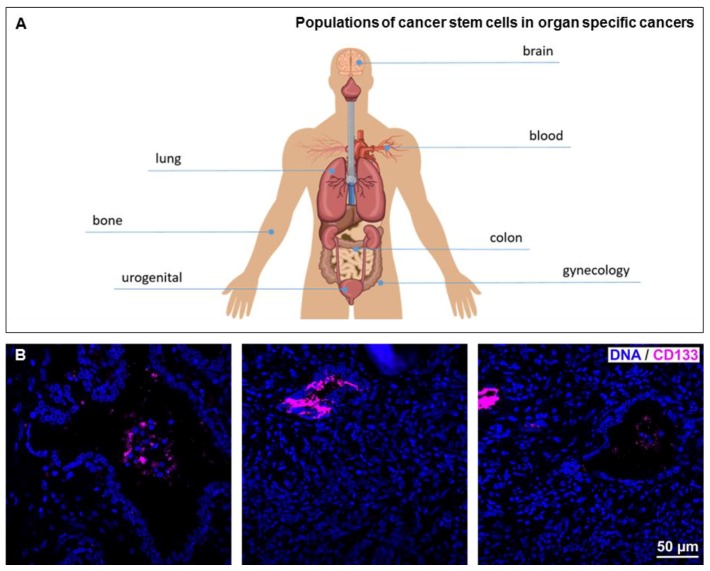
“Cancer stem cells can be identified and isolated due to their specific markers, such as CD44, CD133 (prominin-1, see also Figure 3B), CD117 (c-Kit), ALDH1 (aldehyde dehydrogenase), and OCT3/4 (POU5F1), the transcription factor of the POU (Pit-Oct-Unc) family.”
BackgroundInfluentialThe NF-κB subunit c-Rel regulates Bach2 tumour suppressor expression in B-cell lymphoma
Hunter, J. E., Butterworth, J. A., Zhao, B., Sellier, H., Campbell, K. J., Thomas, H. D., Bacon, C. M., Cockell, S., Gewurz, B. E., & Perkins, N. D. (2015) · Oncogene · doi:10.1038/onc.2015.399 · Cited by 40
Hertler, C., Stojcheva, N., Silginer, M., Weiß, T., Roth, P., Reifenberger, G., & Weller, M. (2018) · Journal of Neurochemistry · doi:10.1111/jnc.14326 · Cited by 39 · cited 1×
“Happold and coworkers analyzed glioblastoma cancer stem cells and described NF-κB as a positive regulator of MGMT (O6-methylguanine DNA methyltransferase) mediated by NF-κB p65 [58].”
BackgroundA new scoring system for predicting survival in patients with non‐small cell lung cancer
Schild, S. E., Tan, A. D., Wampfler, J. A., Ross, H. J., Yang, P., & Sloan, J. A. (2015) · Cancer Medicine · doi:10.1002/cam4.479 · Cited by 36 · cited 1×
“Nevertheless, the overall prognosis of NSCLC is bad, with a five-year survival rate as low as 15% [117].”
Backgroundda Hora, C. C., Pinkham, K., de Carvalho, L. A., Zinter, M., Tabet, E. I., Nakano, I., Tannous, B. A., & Badr, C. E. (2019) · Cell Death Discovery · doi:10.1038/s41420-019-0155-9 · Cited by 32 · cited 1×
“In CSCs from glioblastomas, Smac mimetics trigger an adaptive response with increased expression of TNFα and sustained activation of NF-κB and STA3 signaling [66].”
BackgroundZhou, N., Wu, X., Yang, B., Xu, Y., Zhang, D., & Qing, G. (2014) · Molecular Medicine Reports · doi:10.3892/mmr.2014.2483 · Cited by 30 · cited 1×
“After cisplatin treatment, the dormant cells of human ovarian cancer displayed an augmented expression of cells with Oct-4, nestin, CD-117, and CD44 markers, proving the resistance of this stem cell fraction to cisplatin [102].”
BackgroundEvert, J. S. H., Bekkers, R. L. M., Ottevanger, N. P. B., Schaap, N. P., Hobo, W. A., Jansen, J. H., Massuger, L. F. A. G., & Dolstra, H. (2019) · Medicine · doi:10.1097/md.0000000000014290 · Cited by 30 · cited 1×
“Furthermore, safety of treatment with allogenic in vitro cultured NK cells delivered into the intraperitoneal space by laparoscopy was studied [105].”
Kaus, A., Widera, D., Kassmer, S. H., Peter, J. O., Zaenker, K. S., Kaltschmidt, C., & Kaltschmidt, B. (2010) · Stem Cells and Development · doi:10.1089/scd.2009.0416 · Cited by 29 · cited 6×
“VEGF receptor inhibition as a therapeutic concept for glioblastoma has attracted much attention in recent years.”
BackgroundInfluentialSelf-citationPrognostic significance of RelB overexpression in non‐small cell lung cancer patients
Qin, H., Zhou, J., Zhou, P., Xu, J., Tang, Z., Ma, H., & Guo, F. (2016) · Thoracic Cancer · doi:10.1111/1759-7714.12345 · Cited by 28
Combined Prognostic Value of Both RelA and IκB-α Expression in Human Non–Small Cell Lung Cancer
Zhang, D., Jin, X., Wang, F., Wang, S., Deng, C., Gao, Z., & Guo, C. (2007) · Annals of Surgical Oncology · doi:10.1245/s10434-007-9560-z · Cited by 27
PSCA regulates IL‐6 expression through p38/NF‐κB signaling in prostate cancer
Liu, L., Li, E., Luo, L., Zhao, S., Li, F., Wang, J., Luo, J., & Zhao, Z. (2017) · The Prostate · doi:10.1002/pros.23399 · Cited by 26 · cited 1×
“Expression of PSCA and IL-6 were significantly associated with poor survival of patients with prostate cancer [154].”
BackgroundDerudder, E., Herzog, S., Labi, V., Yasuda, T., Köchert, K., Janz, M., Villunger, A., Schmidt‐Supprian, M., & Rajewsky, K. (2016) · Proceedings of the National Academy of Sciences · doi:10.1073/pnas.1604529113 · Cited by 25 · cited 1×
“Notably, canonical NF-κB signaling was already observed to be required for persistence functionality of mature B cells [113] and is a hallmark of various B cell lymphomas [114].”
BackgroundOvarian cancer stem cells: A target for oncological therapy
Markowska, A., Sajdak, S., Huczyński, A., Rehlis, S., & Markowska, J. (2018) · Advances in Clinical and Experimental Medicine · doi:10.17219/acem/73999 · Cited by 25 · cited 1×
“Thus, additional treatments with drugs more specific to CSC such as Salinomycin and/or Metformin might be considered [103].”
BackgroundCRISPR/Cas9-mediated knockout of c-REL in HeLa cells results in profound defects of the cell cycle
Slotta, C., Schlüter, T., Ruiz-Perera, L. M., Kadhim, H. M., Tertel, T., Henkel, E., Hübner, W., Greiner, J. F. W., Huser, T. R., Kaltschmidt, B., et al. (2017) · PLoS ONE · doi:10.1371/journal.pone.0182373 · Cited by 23 · cited 1×
“In this line, we recently developed tools for specific genetic engineering of NF-κB in tumor cells [160,161], which may be applied for cancer stem cells in future studies.”
MethodSelf-citationHenne, K., Schilling, H., Stoneking, M., Conrads, G., & Horz, H. (2018) · Oncotarget · doi:10.18632/oncotarget.25042 · Cited by 22
Riedlinger, T., Haas, J., Busch, J., van de Sluis, B., Kracht, M., & Schmitz, M. L. (2018) · Biomedicines · doi:10.3390/biomedicines6010036 · Cited by 20
Kunkle, B. W., Yoo, C., & Roy, D. (2012) · NeuroToxicology · doi:10.1016/j.neuro.2012.11.001 · Cited by 18 · cited 1×
“On the contrary, an adult brain is rather long-term exposed to mutagenic transformation events occurring in oncogenes or tumor suppressor genes [84].”
BackgroundSlotta, C., Storm, J., Pfisterer, N., Henkel, E., Kleinwächter, S., Pieper, M., Ruiz-Perera, L. M., Greiner, J. F. W., Kaltschmidt, B., & Kaltschmidt, C. (2018) · Biochimica et Biophysica Acta (BBA) - Molecular Cell Research · doi:10.1016/j.bbamcr.2018.04.003 · Cited by 16
Self-citationTannous, B. A., & Badr, C. E. (2019) · Cell Death and Disease · doi:10.1038/s41419-019-1505-5 · Cited by 13 · cited 1×
“The cross-talk between NF-κB and STAT3 drives tumor progression and promotes stemness characteristics of cancer in multiple malignancies including gliomas [67].”
BackgroundSeltene Knochentumoren der Extremitäten
Dürr, H. R., Tunn, P., Schütte, J., Hartmann, J. T., Budach, V., & Werner, M. (2009) · Der Onkologe · doi:10.1007/s00761-009-1577-4 · Cited by 3
(2003) · PubMed
Cited by
Kartikasari, A. E. R., Huertas, C. S., Mitchell, A., & Plebanski, M. (2021) · Frontiers in Oncology · doi:10.3389/fonc.2021.692142 · Cited by 343
Small Molecule NF-κB Pathway Inhibitors in Clinic
Ramadass, V., Vaiyapuri, T., & Tergaonkar, V. (2020) · International Journal of Molecular Sciences · doi:10.3390/ijms21145164 · Cited by 210
Linking Obesity with Colorectal Cancer: Epidemiology and Mechanistic Insights
Ye, P., Xi, Y., Huang, Z., & Xu, P. (2020) · Cancers · doi:10.3390/cancers12061408 · Cited by 158
NF-κB Signaling in Ovarian Cancer
Harrington, B. S., & Annunziata, C. M. (2019) · Cancers · doi:10.3390/cancers11081182 · Cited by 154
Hypoxia and the phenomenon of immune exclusion
Pietrobon, V., & Marincola, F. M. (2021) · Journal of Translational Medicine · doi:10.1186/s12967-020-02667-4 · Cited by 119
Metadata
- Authors
- Kaltschmidt, C., Banz-Jansen, C., Benhidjeb, T., Beshay, M., Förster, C., Greiner, J., Hamelmann, E., Jorch, N., Mertzlufft, F., Pfitzenmaier, J., Simon, M., Schulte am Esch, J., Vordemvenne, T., Wähnert, D., Weissinger, F., Wilkens, L., & Kaltschmidt, B.
- Affiliations
- Bielefeld University (DE)
- Department of Gynecology and Obstetrics, and Perinatal Center, Protestant Hospital of Bethel Foundation, Burgsteig 13, 33617 Bielefeld, Germany
- Department of General and Visceral Surgery, Protestant Hospital of Bethel Foundation, Schildescher Strasse 99, 33611 Bielefeld, Germany
- Department for Thoracic Surgery and Pneumology, Protestant Hospital of Bethel Foundation, Burgsteig 13, 33617 Bielefeld, Germany
- KRH Klinikum Nordstadt (DE)
- Children’s Center, Protestant Hospital of Bethel Foundation, 33617 Bielefeld, Germany
- Scientific Director, Protestant Hospital of Bethel Foundation, Maraweg 21, 33617 Bielefeld, Germany
- Department of Urology and Center for Computer-assisted and Robotic Urology, Protestant Hospital of Bethel Foundation, Burgsteig 13, 33617 Bielefeld, Germany
- Department of Neurosurgery and Epilepsy Surgery, Protestant Hospital of Bethel Foundation, Burgsteig 13, 33617 Bielefeld, Germany
- Department of Orthopedics, Trauma Surgery, and Trauma Center, Protestant Hospital of Bethel Foundation, Burgsteig 13, 33617 Bielefeld, Germany
- v. Bodelschwing Foundation Bethel (DE)
- Corresponding author
- Kaltschmidt, Christian
- ORCID
- Venue
- Cancers
- Publisher
- MDPI AG
- Published
- 2019-05-11
- Volume
- 11
- Issue
- 5
- Pages
- 655
- ISSN
- 2072-6694 (ISSN-L)
- PMC
- PMC6563002
- OpenAlex
- W2944525244
- Semantic Scholar
- 15c2fe63c75f91998b1a2853c25f53a8567c71a3
- Cited by
- 102
- References
- 164
- Citations by year
- 2026: 5 · 2025: 9 · 2024: 11 · 2023: 18 · 2022: 13 · 2021: 25 · 2020: 17 · 2019: 4
- FWCI
- 1.41
- Type
- journal article
- Language
- en
- Open access
- gold
- dx.doi.org
- Licence
- Locations
- Cancers (publishedVersion, cc-by)
- Europe PMC (PubMed Central) (publishedVersion, cc-by)
- PubMed Central (publishedVersion, cc-by)
- PubMed (publishedVersion)
- DOAJ (DOAJ: Directory of Open Access Journals) (submittedVersion, cc-by-sa)
- Publikationen an der Universität Bielefeld (Universität Bielefeld) (submittedVersion, cc-by)
- Funders
- Westfälische Wilhelms-Universität Münster
- Topics
- Health Sciences › Medicine › Oncology › Cancer Cells and Metastasis
- Life Sciences › Biochemistry, Genetics and Molecular Biology › Cancer Research › NF-κB Signaling Pathways
- Life Sciences › Biochemistry, Genetics and Molecular Biology › Molecular Biology › Signaling Pathways in Disease
- Keywords
- NF-κB, cancer stem cells, organ-specific cancer, glioblastoma, ovarian cancer, multiple myeloma, lung cancer, colon cancer, prostate cancer, bone cancer, ependymoma, NF-κB signaling, tumor progression, metastasis, genetic alterations
About these checks
Registry, retraction, Cites and statistics results are computed, not judged, with one exception: a printed reference that no index lists is read once by a model before it counts as a citation error. Claims are extracted by a model and kept only when their quote appears verbatim in the text; each cited source is then checked, with a model’s help, for whether it says what the claim relies on. Those verdicts can be wrong — read the claim’s quote and the cited source before relying on one.
Statistics and arithmetic are recomputed, not judged.
Confidence bands are shown only for fields calibrated on our annotated test set. None is calibrated yet, so no band is shown.
What counts as a claim ›How we measure confidence ›How we check this ›
Are you an author, or do you see a problem with this page? Request a review
Data sources
Bibliographic data: Semantic Scholar, OpenAlex, Crossref.
Contains information from the Semantic Scholar Academic Graph Datasets, made available under the ODC Attribution License (ODC-BY 1.0).
Semantic Scholar’s data is described in: Kinney, R., et al. (2023). The Semantic Scholar Open Data Platform. arXiv:2301.10140.
