

The DOI matches its Crossref record; 441 of the 460 references it cites were found in a registry or an index.
Multifaceted Interplay between Hormones, Growth Factors and Hypoxia in the Tumor Microenvironment
Open accessAbstract
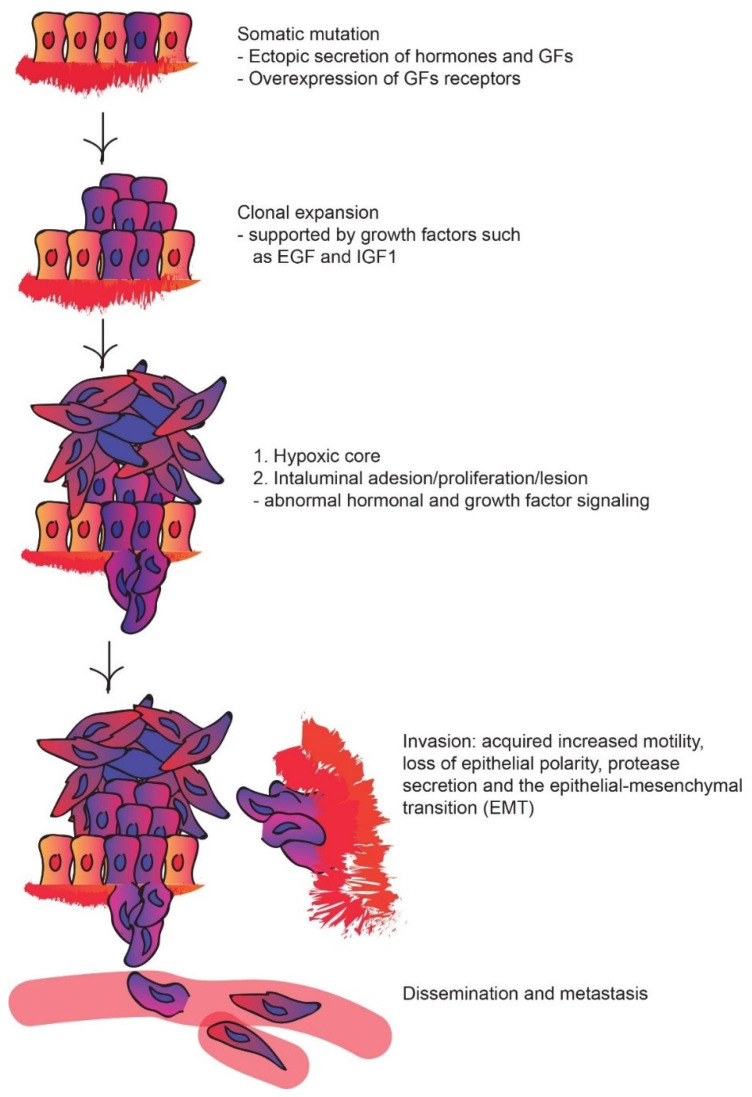
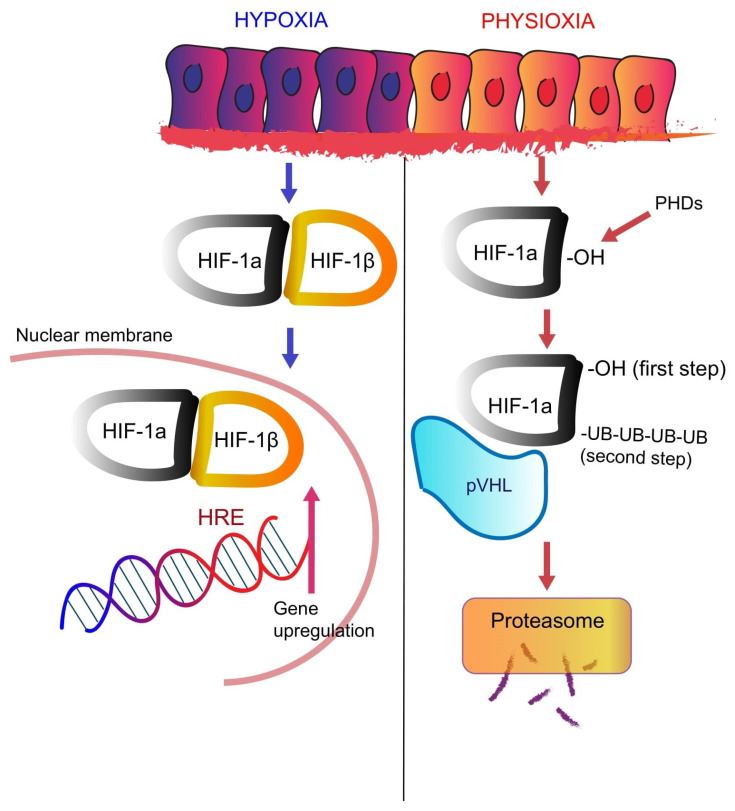
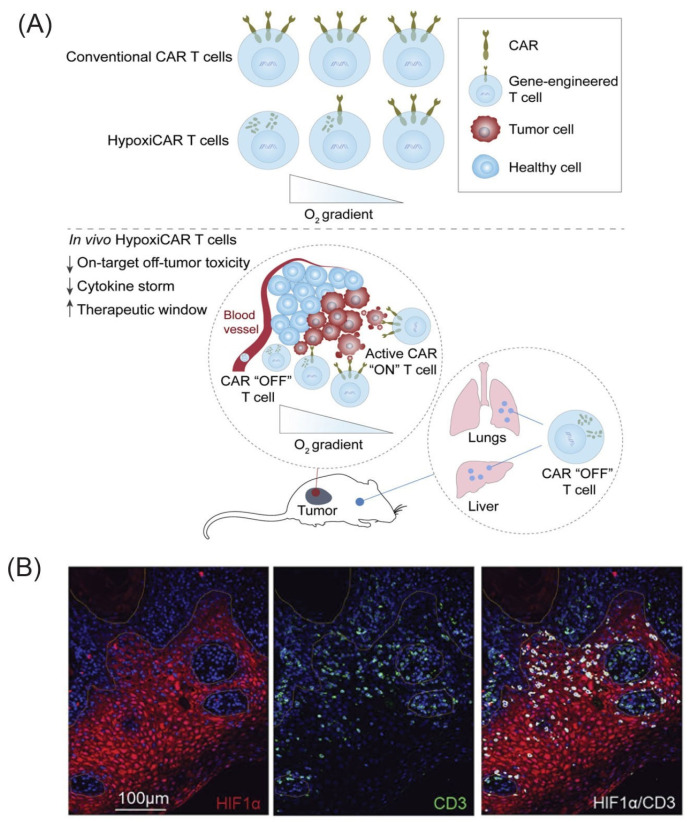
Hormones and growth factors (GFs) are signaling molecules implicated in the regulation of a variety of cellular processes. They play important roles in both healthy and tumor cells, where they function by binding to specific receptors on target cells and activating downstream signaling cascades. The stages of tumor progression are influenced by hormones and GF signaling. Hypoxia, a hallmark of cancer progression, contributes to tumor plasticity and heterogeneity. Most solid tumors contain a hypoxic core due to rapid cellular proliferation that outgrows the blood supply. In these circumstances, hypoxia-inducible factors (HIFs) play a central role in the adaptation of tumor cells to their new environment, dramatically reshaping their transcriptional profile. HIF signaling is modulated by a variety of factors including hormones and GFs, which activate signaling pathways that enhance tumor growth and metastatic potential and impair responses to therapy. In this review, we summarize the role of hormones and GFs during cancer onset and progression with a particular focus on hypoxia and the interplay with HIF proteins. We also discuss how hypoxia influences the efficacy of cancer immunotherapy, considering that a hypoxic environment may act as a determinant of the immune-excluded phenotype and a major hindrance to the success of adoptive cell therapies.
Overview
The claims and statistics of this paper haven’t been checked yet.
Run the check — free, no account needed. It reads the open-access text and checks the sources it cites.
Integrity signals
Registry
Cites
Statistics
Figures
Verification
Claims the paper makes
The claims and statistics of this paper haven’t been checked yet.
Run the check — free, no account needed. It reads the open-access text and checks the sources it cites.
Claims other papers make about this one
Each is checked against this paper’s own text: does it say what the citing paper says it does?
The source backs part of the claim, not all of it — or backs it for a different population, condition or comparison.
In the citing paper
“For instance, hypoxia impacts the efficiency of cancer immunotherapy by contributing to the immune-eliminated phenotype, which is a key barrier to the therapeutic effect of adoptive cell therapy (5).”
From Cross-talk between HIF and PD-1/PD-L1 pathways in carcinogenesis and therapy (2022) · cites this paper as [5]
Experimental — accuracy not yet measured
Self-check
Percentages, sums and reported differences re-computed from the paper’s own numbers.
The self-check needs the paper’s full text.
Citations
Cites
3 retracted
Gilkes, D. M., Bajpai, S. K., Chaturvedi, P., Wirtz, D., & Semenza, G. L. (2013) · Journal of Biological Chemistry · doi:10.1074/jbc.m112.442939 · Cited by 473
RetractedRETRACTED: Collagen Prolyl Hydroxylases Are Essential for Breast Cancer Metastasis
Gilkes, D. M., Chaturvedi, P., Bajpai, S., Wong, C. C., Wei, H., Pitcairn, S., Hubbi, M. E., Wirtz, D., & Semenza, G. L. (2013) · Cancer Research · doi:10.1158/0008-5472.can-12-3963 · Cited by 296
RetractedProcollagen lysyl hydroxylase 2 is essential for hypoxia-induced breast cancer metastasis
Gilkes, D. M., Bajpai, S., Wong, C. C., Chaturvedi, P., Hubbi, M. E., Wirtz, D., & Semenza, G. L. (2013) · Molecular Cancer Research · doi:10.1158/1541-7786.mcr-12-0629 · Cited by 252
RetractedTumor angiogenesis: therapeutic implications
Sherwood, L. M., Parris, E. E., & Folkman, J. (1971) · New England Journal of Medicine · doi:10.1056/nejm197111182852108 · Cited by 10,187
Isolation of Putative Progenitor Endothelial Cells for Angiogenesis
Asahara, T., Murohara, T., Sullivan, A., Silver, M., van der Zee, R., Li, T., Witzenbichler, B., Schatteman, G., & Isner, J. M. (1997) · Science · doi:10.1126/science.275.5302.964 · Cited by 8,725
Molecular Mechanisms of Stress-Responsive Changes in Collagen and Elastin Networks in Skin
Aziz, J., Shezali, H., Radzi, Z., Yahya, N. A., Abu Kassim, N. H., Czernuszka, J., & Rahman, M. T. (2016) · Skin Pharmacology and Physiology · doi:10.1159/000447017 · Cited by 7,323
Wang, G. L., Jiang, B. H., Rue, E. A., & Semenza, G. L. (1995) · Proceedings of the National Academy of Sciences · doi:10.1073/pnas.92.12.5510 · Cited by 6,212
Jaakkola, P., Mole, D. R., Tian, Y.-M., Wilson, M. I., Gielbert, J., Gaskell, S. J., Kriegsheim, A. V., Hebestreit, H. F., Mukherji, M., Schofield, C. J., et al. (2001) · Science · doi:10.1126/science.1059796 · Cited by 5,535
Chimeric Antigen Receptor T Cells for Sustained Remissions in Leukemia
Maude, S. L., Frey, N., Shaw, P. A., Aplenc, R., Barrett, D. M., Bunin, N. J., Chew, A., Gonzalez, V. E., Zheng, Z., Lacey, S. F., et al. (2014) · New England Journal of Medicine · doi:10.1056/nejmoa1407222 · Cited by 5,413
Targeting Hypoxia-Inducible Factors for the Treatment of Anemia in Chronic Kidney Disease Patients
Locatelli, F., Fishbane, S. N., Block, G. A., & Macdougall, I. C. (2017) · American Journal of Nephrology · doi:10.1159/000455166 · Cited by 4,836
HIFα Targeted for VHL-Mediated Destruction by Proline Hydroxylation: Implications for O 2 Sensing
Ivan, M., Kondo, K., Yang, H., Kim, W., Valiando, J., Ohh, M., Salic, A., Asara, J. M., Lane, W. S., & Kaelin Jr., W. G. (2001) · Science · doi:10.1126/science.1059817 · Cited by 4,735
Activation of vascular endothelial growth factor gene transcription by hypoxia-inducible factor 1
Forsythe, J. A., Jiang, B.-H., Iyer, N. V., Agani, F., Leung, S. W., Koos, R. D., & Semenza, G. L. (1996) · Molecular and Cellular Biology · doi:10.1128/mcb.16.9.4604 · Cited by 3,981
Kim, J.-W., Tchernyshyov, I., Semenza, G. L., & Dang, C. V. (2006) · Cell Metabolism · doi:10.1016/j.cmet.2006.02.002 · Cited by 3,905
Hypoxia-inducible factors in physiology and medicine
Semenza, G. L. (2012) · Cell · doi:10.1016/j.cell.2012.01.021 · Cited by 3,645
Genomic and Transcriptomic Features of Response to Anti-PD-1 Therapy in Metastatic Melanoma
Hugo, W., Zaretsky, J. M., Sun, L., Song, C., Moreno, B. H., Hu-Lieskovan, S., Berent-Maoz, B., Pang, J., Chmielowski, B., Cherry, G., et al. (2016) · Cell · doi:10.1016/j.cell.2016.02.065 · Cited by 3,448
Greaves, M., & Maley, C. C. (2012) · Nature · doi:10.1038/nature10762 · Cited by 3,162
Melanoma-intrinsic β-catenin signalling prevents anti-tumour immunity
Spranger, S., Bao, R., & Gajewski, T. F. (2015) · Nature · doi:10.1038/nature14404 · Cited by 2,830
TGF-β-induced epithelial to mesenchymal transition
Xu, J., Lamouille, S., & Derynck, R. (2009) · Cell Research · doi:10.1038/cr.2009.5 · Cited by 2,804
Fibroblast growth factor signalling: from development to cancer
Turner, N. C., & Grose, R. P. (2010) · Nature reviews. Cancer · doi:10.1038/nrc2780 · Cited by 2,768
Epidermal growth factor-related peptides and their receptors in human malignancies
Salomon, D. S., Brandt, R., Ciardiello, F., & Normanno, N. (1995) · Critical Reviews in Oncology/Hematology · doi:10.1016/1040-8428(94)00144-i · Cited by 2,695
Semenza, G. L., & Wang, G. L. (1992) · Molecular and Cellular Biology · doi:10.1128/mcb.12.12.5447 · Cited by 2,617
Hypoxia in cancer: significance and impact on clinical outcome
Vaupel, P., & Mayer, A. (2007) · Cancer and Metastasis Reviews · doi:10.1007/s10555-007-9055-1 · Cited by 2,240
The Histological Structure of Some Human Lung Cancers and the Possible Implications for Radiotherapy
Thomlinson, R. H., & Gray, L. H. (1955) · British Journal of Cancer · doi:10.1038/bjc.1955.55 · Cited by 2,228
(1999) · PubMed · Cited by 2,204
Noman, M. Z., Desantis, G., Janji, B., Hasmim, M., Karray, S., Dessen, P., Bronte, V., & Chouaib, S. (2014) · Journal of Experimental Medicine · doi:10.1084/jem.20131916 · Cited by 2,166
Tumor angiogenesis: causes, consequences, challenges and opportunities
Lugano, R., Ramachandran, M., & Dimberg, A. (2019) · Cellular and Molecular Life Sciences · doi:10.1007/s00018-019-03351-7 · Cited by 2,149
Huang, L. E., Gu, J., Schau, M., & Bunn, H. F. (1998) · Proceedings of the National Academy of Sciences · doi:10.1073/pnas.95.14.7987 · Cited by 2,113
Purification and Characterization of Hypoxia-inducible Factor 1
Wang, G. L., & Semenza, G. L. (1995) · Journal of Biological Chemistry · doi:10.1074/jbc.270.3.1230 · Cited by 2,094
The role of hypoxia in cancer progression, angiogenesis, metastasis, and resistance to therapy
Muz, B., de la Puente, P., Azab, F., & Azab, A. K. (2015) · Hypoxia · doi:10.2147/hp.s93413 · Cited by 2,066
Brentjens, R. J., Davila, M. L., Riviere, I., Park, J., Wang, X., Cowell, L. G., Bartido, S., Stefanski, J., Taylor, C., Olszewska, M., et al. (2013) · Science Translational Medicine · doi:10.1126/scitranslmed.3005930 · Cited by 2,063
Insulin and insulin-like growth factor signalling in neoplasia
Pollak, M. (2008) · Nature Reviews Cancer · doi:10.1038/nrc2536 · Cited by 2,059
Chandel, N. S., McClintock, D. S., Feliciano, C. E., Wood, T. M., Melendez, J. A., Rodriguez, A. M., & Schumacker, P. T. (2000) · Journal of Biological Chemistry · doi:10.1074/jbc.m001914200 · Cited by 2,000
Brabletz, T., Kalluri, R., Nieto, M. A., & Weinberg, R. A. (2018) · Nature Reviews Cancer · doi:10.1038/nrc.2017.118 · Cited by 1,961
Transcriptional regulation of genes encoding glycolytic enzymes by hypoxia-inducible factor 1.
Semenza, G., Roth, P. H., Fang, H. M., & Wang, G. L. (1994) · Journal of Biological Chemistry · doi:10.1016/s0021-9258(17)31580-6 · Cited by 1,892
Lyden, D., Hattori, K., Dias, S., Costa, C., Blaikie, P., Butros, L., Chadburn, A., Heissig, B., Marks, W., Witte, L., et al. (2001) · Nature Medicine · doi:10.1038/nm1101-1194 · Cited by 1,860
Estrogen receptors: how do they signal and what are their targets
Heldring, N., Pike, A., Andersson, S., Matthews, J., Cheng, G., Hartman, J., Tujague, M., Ström, A., Treuter, E., Warner, M., et al. (2007) · Physiological Reviews · doi:10.1152/physrev.00026.2006 · Cited by 1,857
EMT, the cytoskeleton, and cancer cell invasion
Yilmaz, M., & Christofori, G. (2009) · Cancer and Metastasis Reviews · doi:10.1007/s10555-008-9169-0 · Cited by 1,842
L-Arginine Modulates T Cell Metabolism and Enhances Survival and Anti-tumor Activity
Geiger, R., Rieckmann, J. C., Wolf, T., Basso, C., Feng, Y., Fuhrer, T., Kogadeeva, M., Picotti, P., Meissner, F., Mann, M., et al. (2016) · Cell · doi:10.1016/j.cell.2016.09.031 · Cited by 1,775
Semenza, G. L., Jiang, B.-H., Leung, S. W., Passantino, R., Concordet, J.-P., Maire, P., & Giallongo, A. (1996) · Journal of Biological Chemistry · doi:10.1074/jbc.271.51.32529 · Cited by 1,752
Signaling mechanisms of the epithelial-mesenchymal transition
Gonzalez, D. M., & Medici, D. (2014) · Science Signaling · doi:10.1126/scisignal.2005189 · Cited by 1,721
NF-κB links innate immunity to the hypoxic response through transcriptional regulation of HIF-1α
Rius, J., Guma, M., Schachtrup, C., Akassoglou, K., Zinkernagel, A. S., Nizet, V., Johnson, R. S., Haddad, G. G., & Karin, M. (2008) · Nature · doi:10.1038/nature06905 · Cited by 1,614
Mitochondrial complex III is required for hypoxia-induced ROS production and cellular oxygen sensing
Guzy, R. D., Hoyos, B., Robin, E., Chen, H., Liu, L., Mansfield, K. D., Simon, M. C., Hammerling, U., & Schumacker, P. T. (2005) · Cell Metabolism · doi:10.1016/j.cmet.2005.05.001 · Cited by 1,545
Hypoxia and the extracellular matrix: drivers of tumour metastasis
Gilkes, D. M., Semenza, G. L., & Wirtz, D. (2014) · Nature Reviews Cancer · doi:10.1038/nrc3726 · Cited by 1,520
The unique physiology of solid tumors: opportunities (and problems) for cancer therapy.
Brown, J. M., & Giaccia, A. J. (1998) · PubMed · Cited by 1,499
General involvement of hypoxia-inducible factor 1 in transcriptional response to hypoxia.
Wang, G. L., & Semenza, G. L. (1993) · Proceedings of the National Academy of Sciences · doi:10.1073/pnas.90.9.4304 · Cited by 1,468
Pyruvate Kinase M2 Is a PHD3-Stimulated Coactivator for Hypoxia-Inducible Factor 1
Luo, W., Hu, H., Chang, R., Zhong, J., Knabel, M., O'Meally, R., Cole, R. N., Pandey, A., & Semenza, G. L. (2011) · Cell · doi:10.1016/j.cell.2011.03.054 · Cited by 1,463
(2000) · PubMed · Cited by 1,445
Björnström, L., & Sjöberg, M. (2005) · Molecular Endocrinology · doi:10.1210/me.2004-0486 · Cited by 1,416
Differential Roles of Hypoxia-Inducible Factor 1α (HIF-1α) and HIF-2α in Hypoxic Gene Regulation
Hu, C.-J., Wang, L.-Y., Chodosh, L. A., Keith, B., & Simon, M. C. (2003) · Molecular and Cellular Biology · doi:10.1128/mcb.23.24.9361-9374.2003 · Cited by 1,386
Mahon, P. C., Hirota, K., & Semenza, G. L. (2001) · Genes & Development · doi:10.1101/gad.924501 · Cited by 1,385
Cyclin D as a therapeutic target in cancer
Musgrove, E. A., Caldon, C. E., Barraclough, J., Stone, A., & Sutherland, R. L. (2011) · Nature Reviews Cancer · doi:10.1038/nrc3090 · Cited by 1,370
Autocrine Secretion and Malignant Transformation of Cells
Sporn, M. B., & Todaro, G. J. (1980) · New England Journal of Medicine · doi:10.1056/nejm198010093031511 · Cited by 1,363
Estrogen receptors and human disease
Deroo, B. J. (2006) · Journal of Clinical Investigation · doi:10.1172/jci27987 · Cited by 1,356
Tian, H., McKnight, S. L., & Russell, D. W. (1997) · Genes & Development · doi:10.1101/gad.11.1.72 · Cited by 1,351
Talks, K. L., Turley, H., Gatter, K. C., Maxwell, P. H., Pugh, C. W., Ratcliffe, P. J., & Harris, A. L. (2000) · The American Journal of Pathology · doi:10.1016/s0002-9440(10)64554-3 · Cited by 1,312
Laughner, E., Taghavi, P., Chiles, K., Mahon, P. C., & Semenza, G. L. (2001) · Molecular and Cellular Biology · doi:10.1128/mcb.21.12.3995-4004.2001 · Cited by 1,256
Hypoxia-Induced Angiogenesis: Good and Evil
Krock, B. L., Skuli, N., & Simon, M. C. (2011) · Genes & Cancer · doi:10.1177/1947601911423654 · Cited by 1,236
Erler, J. T., Bennewith, K. L., Cox, T. R., Lang, G., Bird, D., Koong, A., Le, Q.-T., & Giaccia, A. J. (2009) · Cancer Cell · doi:10.1016/j.ccr.2008.11.012 · Cited by 1,231
On the Origin of Cancer Metastasis
Seyfried, T. N., & Huysentruyt, L. C. (2012) · Critical Reviews™ in Oncogenesis · doi:10.1615/critrevoncog.v18.i1-2.40 · Cited by 1,218
TGF-β-Mediated Epithelial-Mesenchymal Transition and Cancer Metastasis
Hao, Y., Baker, D. A., & ten Dijke, P. (2019) · International Journal of Molecular Sciences · doi:10.3390/ijms20112767 · Cited by 1,196
Hallmarks of cancer: Interactions with the tumor stroma
Pietras, K., & Östman, A. (2010) · Experimental Cell Research · doi:10.1016/j.yexcr.2010.02.045 · Cited by 1,187
Du, R., Lu, K. V., Petritsch, C. K., Liu, P., Ganß, R., Passegue, E. A., Song, H., VandenBerg, S. R., Johnson, R. S., Werb, Z., et al. (2008) · Cancer Cell · doi:10.1016/j.ccr.2008.01.034 · Cited by 1,166
Huang, Y., Yuan, J., Righi, E., Kamoun, W. S., Ancukiewicz, M., Nezivar, J., Santosuosso, M., Martin, J. D., Martin, M. R., Vianello, F., et al. (2012) · Proceedings of the National Academy of Sciences · doi:10.1073/pnas.1215397109 · Cited by 1,099
HIF-1 and tumor progression: pathophysiology and therapeutics
Semenza, G. L. (2002) · Trends in Molecular Medicine · doi:10.1016/s1471-4914(02)02317-1 · Cited by 1,060
Belfiore, A., Frasca, F., Pandini, G., Sciacca, L., & Vigneri, R. (2009) · Endocrine Reviews · doi:10.1210/er.2008-0047 · Cited by 1,058
Defining normoxia, physoxia and hypoxia in tumours—implications for treatment response
McKeown, S. R. (2014) · The British Journal of Radiology · doi:10.1259/bjr.20130676 · Cited by 1,050
Regulation of the Erythropoietin Gene: Evidence That the Oxygen Sensor Is a Heme Protein
Goldberg, M. A., Dunning, S. P., & Bunn, H. F. (1988) · Science · doi:10.1126/science.2849206 · Cited by 1,032
Ema, M., Taya, S., Yokotani, N., Sogawa, K., Matsuda, Y., & Fujii-Kuriyama, Y. (1997) · Proceedings of the National Academy of Sciences · doi:10.1073/pnas.94.9.4273 · Cited by 1,016
Turtle, C. J., Hanafi, L.-A., Berger, C., Hudecek, M., Pender, B., Robinson, E., Hawkins, R., Chaney, C., Cherian, S., Chen, X., et al. (2016) · Science Translational Medicine · doi:10.1126/scitranslmed.aaf8621 · Cited by 1,016
Regulation of glycolysis by the hypoxia-inducible factor (HIF): Implications for cellular physiology
Kierans, S. J., & Taylor, C. T. (2021) · The Journal of Physiology · doi:10.1113/jp280572 · Cited by 1,015
TGFβ Primes Breast Tumors for Lung Metastasis Seeding through Angiopoietin-like 4
Padua, D. M., Zhang, X. H.-F., Wang, Q., Nadal, C., Gerald, W. L., Gomis, R. R., & Massagué, J. (2008) · Cell · doi:10.1016/j.cell.2008.01.046 · Cited by 982
Hypoxia-Inducible Factors: Master Regulators of Cancer Progression
Schito, L., & Semenza, G. L. (2016) · Trends in Cancer · doi:10.1016/j.trecan.2016.10.016 · Cited by 962
Vaupel, P. W., Schlenger, K., Knoop, C., & Höckel, M. (1991) · PubMed · Cited by 952
Sinclair, L. V., Rolf, J., Emslie, E., Shi, Y.-B., Taylor, P. M., & Cantrell, D. A. (2013) · Nature Immunology · doi:10.1038/ni.2556 · Cited by 930
L-arginine availability regulates T-lymphocyte cell-cycle progression.
Rodriguez, P. C., Quiceno, D. G., & Ochoa, A. C. (2007) · Blood · doi:10.1182/blood-2006-06-031856 · Cited by 926
The G-protein-coupled estrogen receptor GPER in health and disease
Prossnitz, E. R., & Barton, M. (2011) · Nature Reviews Endocrinology · doi:10.1038/nrendo.2011.122 · Cited by 925
Nakaya, M., Xiao, Y., Zhou, X., Chang, J., Chang, M., Cheng, X., Blonska, M., Lin, X., & Sun, S. (2014) · Immunity · doi:10.1016/j.immuni.2014.04.007 · Cited by 902
We need to talk about the Warburg effect
DeBerardinis, R. J., & Chandel, N. S. (2020) · Nature Metabolism · doi:10.1038/s42255-020-0172-2 · Cited by 887
Characterization of hypoxia-inducible factor 1 and regulation of DNA binding activity by hypoxia.
Wang, G. L., & Semenza, G. L. (1993) · Journal of Biological Chemistry · doi:10.1016/s0021-9258(20)80571-7 · Cited by 863
Cancer cells compress intratumour vessels
Padera, T. P., Stoll, B. R., Tooredman, J. B., Capen, D., Tomaso, E. D., & Jain, R. K. (2004) · Nature · doi:10.1038/427695a · Cited by 857
Matrix metalloproteinases in angiogenesis: a moving target for therapeutic intervention
Stetler‐Stevenson, W. G. (1999) · Journal of Clinical Investigation · doi:10.1172/jci6870 · Cited by 845
Regulation of the Chemokine Receptor CXCR4 by Hypoxia
Schioppa, T., Uranchimeg, B., Saccani, A., Biswas, S. K., Doni, A., Rapisarda, A., Bernasconi, S., Saccani, S., Nebuloni, M., Vago, L., et al. (2003) · The Journal of Experimental Medicine · doi:10.1084/jem.20030267 · Cited by 841
Petit, A. M. V., Rak, J. W., Hung, M., Rockwell, P., Goldstein, N. I., FENDLY, B. M., & Kerbel, R. S. (1997) · Europe PMC (PubMed Central) · Cited by 836
Fukuda, R., Hirota, K., Fan, F., Jung, Y. D., Ellis, L. M., & Semenza, G. L. (2002) · Journal of Biological Chemistry · doi:10.1074/jbc.m203781200 · Cited by 832
Transcriptional regulation by hypoxia inducible factors
Dengler, V. L., Galbraith, M. D., & Espinosa, J. M. (2013) · Critical Reviews in Biochemistry and Molecular Biology · doi:10.3109/10409238.2013.838205 · Cited by 816
TGF-β signaling and epithelial–mesenchymal transition in cancer progression
Katsuno, Y., Lamouille, S., & Derynck, R. (2012) · Current Opinion in Oncology · doi:10.1097/cco.0b013e32835b6371 · Cited by 806
Seiler, R., Ashab, H. A. D. M., Erho, N., van Rhijn, B. W. G., Winters, B., Douglas, J., van Kessel, K. E., van de Putte, E. E. F., Sommerlad, M., Wang, N. Q., et al. (2017) · European Urology · doi:10.1016/j.eururo.2017.03.030 · Cited by 787
Rodrı́guez, P. C., Ernstoff, M. S., Hernandez, C., Atkins, M. B., Zabaleta, J., Sierra, R. A., & Ochoa, A. C. (2009) · Cancer Research · doi:10.1158/0008-5472.can-08-1921 · Cited by 774
Regulation of glut1 mRNA by Hypoxia-inducible Factor-1
Chen, C., Pore, N., Behrooz, A., Ismail‐Beigi, F., & Maity, A. M. (2001) · Journal of Biological Chemistry · doi:10.1074/jbc.m010144200 · Cited by 769
Xiong, G., Deng, L., Zhu, J., Rychahou, P. G., & Xu, R. (2014) · BMC Cancer · doi:10.1186/1471-2407-14-1 · Cited by 759
Interleukin-6 induces an epithelial-mesenchymal transition phenotype in human breast cancer cells
Sullivan, N. J., Sasser, A. K., Axel, A. E., Vesuna, F., Raman, V, Ramirez, N., Oberyszyn, T. M., & Hall, B. M. (2009) · Oncogene · doi:10.1038/onc.2009.180 · Cited by 757
Rodrı́guez, P. C., & Ochoa, A. C. (2008) · Immunological Reviews · doi:10.1111/j.1600-065x.2008.00608.x · Cited by 743
Tryptophan Catabolism in Cancer: Beyond IDO and Tryptophan Depletion
Platten, M., Wick, W., & den Eynde, B. J. V. (2012) · Cancer Research · doi:10.1158/0008-5472.can-12-0569 · Cited by 725
Hypoxia activates the capacity of tumor-associated carbonic anhydrase IX to acidify extracellular pH
Švastová, E., Hulı́ková, A., Rafajová, M., Zat'ovičová, M., Gibadulinová, A., Casini, A., Cecchi, A., Scozzafava, A., Supuran, C. T., Pastorek, J., et al. (2004) · FEBS Letters · doi:10.1016/j.febslet.2004.10.043 · Cited by 711
Synnestvedt, K., Furuta, G. T., Comerford, K. M., Louis, N. A., Karhausen, J., Eltzschig, H. K., Hansen, K. R., Thompson, L. F., & Colgan, S. P. (2002) · Journal of Clinical Investigation · doi:10.1172/jci15337 · Cited by 706
Inhibitory PAS domain protein is a negative regulator of hypoxia-inducible gene expression
Makino, Y., Cao, R., Svensson, K., Bertilsson, G., Asman, M., Tanaka, H., Cao, Y., Berkenstam, A., & Poellinger, L. (2001) · Nature · doi:10.1038/35107085 · Cited by 705
Tumour hypoxia induces a metabolic shift causing acidosis: a common feature in cancer
Chiche, J., Brahimi-Horn, M. C., & Pouysségur, J. (2010) · Journal of Cellular and Molecular Medicine · doi:10.1111/j.1582-4934.2009.00994.x · Cited by 700
The angiogenic switch in carcinogenesis
Baeriswyl, V., & Christofori, G. (2009) · Seminars in Cancer Biology · doi:10.1016/j.semcancer.2009.05.003 · Cited by 674
Energy Metabolism in Human Pluripotent Stem Cells and Their Differentiated Counterparts
Varum, S., Rodrigues, A. S., Moura, M. B., Momcilovic, O., Easley, C. A., Ramalho-Santos, J., Van Houten, B., & Schatten, G. (2011) · PLoS ONE · doi:10.1371/journal.pone.0020914 · Cited by 671
Stromal cells in tumor microenvironment and breast cancer
Mao, Y., Keller, E. T., Garfield, D. H., Shen, K., & Wang, J. (2013) · Cancer and Metastasis Reviews · doi:10.1007/s10555-012-9415-3 · Cited by 671
Vascular Normalization as an Emerging Strategy to Enhance Cancer Immunotherapy
Huang, Y., Goel, S., Duda, D. G., Fukumura, D., & Jain, R. K. (2013) · Cancer Research · doi:10.1158/0008-5472.can-12-4354 · Cited by 669
Synnestvedt, K., Furuta, G. T., Comerford, K. M., Louis, N., Karhausen, J., Eltzschig, H. K., Hansen, K. R., Thompson, L. F., & Colgan, S. P. (2002) · Journal of Clinical Investigation · doi:10.1172/jci0215337 · Cited by 660
Hypoxia, Clonal Selection, and the Role of HIF-1 in Tumor Progression
Semenza, G. L. (2000) · Critical Reviews in Biochemistry and Molecular Biology · doi:10.1080/10409230091169186 · Cited by 657
Ciardiello, F., Caputo, R., Bianco, R., Damiano, V., Fontanini, G., Cuccato, S., Placido, S. D., Bianco, A. R., & Tortora, G. (2001) · PubMed · Cited by 643
Reciprocal positive regulation of hypoxia-inducible factor 1alpha and insulin-like growth factor 2.
Feldser, D. M., Agani, F. H., Iyer, N. V., Pak, B. J., Ferreira, G., & Semenza, G. L. (1999) · PubMed · Cited by 638
Transactivation and Inhibitory Domains of Hypoxia-inducible Factor 1α
Jiang, B.-H., Zheng, J. Z., Leung, S. W., Roe, R., & Semenza, G. L. (1997) · Journal of Biological Chemistry · doi:10.1074/jbc.272.31.19253 · Cited by 629
Defining the role of the tumor vasculature in antitumor immunity and immunotherapy
Schaaf, M. B., Garg, A. D., & Agostinis, P. (2018) · Cell Death & Disease · doi:10.1038/s41419-017-0061-0 · Cited by 629
Casazza, A., Laoui, D., Wenes, M., Rizzolio, S., Bassani, N., Mambretti, M., Deschoemaeker, S., Ginderachter, J. A. V., Tamagnone, L., & Mazzone, M. (2013) · Cancer Cell · doi:10.1016/j.ccr.2013.11.007 · Cited by 627
Kelly, B. D., Hackett, S. F., Hirota, K., Oshima, Y., Cai, Z., Berg-Dixon, S., Rowan, A., Yan, Z., Campochiaro, P. A., & Semenza, G. L. (2003) · Circulation Research · doi:10.1161/01.res.0000102937.50486.1b · Cited by 611
Vascular Actions of Estrogens: Functional Implications
Miller, V. M., & DUCKLES, S. P. (2008) · Pharmacological Reviews · doi:10.1124/pr.107.08002 · Cited by 608
Levels of Hypoxia-Inducible Factor-1 During Breast Carcinogenesis
Bos, R., Zhong, H., Hanrahan, C. F., Mommers, E. C. M., Semenza, G. L., Pinedo, H. M., Abeloff, M. D., Simons, J. W., van Diest, P. J., & van der Wall, E. (2001) · JNCI Journal of the National Cancer Institute · doi:10.1093/jnci/93.4.309 · Cited by 602
Recent molecular discoveries in angiogenesis and antiangiogenic therapies in cancer
Welti, J. C., Loges, S., Dimmeler, S., & Carmeliet, P. (2013) · Journal of Clinical Investigation · doi:10.1172/jci70212 · Cited by 601
Huang, H., Nagane, M., Klingbeil, C. K., Lin, H., Nishikawa, R., Ji, X.-D., Huang, C., Gill, G. N., Wiley, H. S., & Cavenee, W. K. (1997) · Journal of Biological Chemistry · doi:10.1074/jbc.272.5.2927 · Cited by 600
Lemke, G. (2013) · Cold Spring Harbor Perspectives in Biology · doi:10.1101/cshperspect.a009076 · Cited by 598
Passing the baton: the HIF switch
Koh, M. Y., & Powis, G. (2012) · Trends in Biochemical Sciences · doi:10.1016/j.tibs.2012.06.004 · Cited by 589
EMT and inflammation: inseparable actors of cancer progression
Suarez‐Carmona, M., Lesage, J., Cataldo, D. D., & Gilles, C. (2017) · Molecular Oncology · doi:10.1002/1878-0261.12095 · Cited by 588
Gu, Y.-Z., Moran, S. M., Hogenesch, J. B., Wartman, L. D., & Bradfield, C. A. (1998) · Europe PMC (PubMed Central) · Cited by 577
Bell, E. L., Klimova, T. A., Eisenbart, J., Moraes, C. T., Murphy, M. P., Budinger, G. R. S., & Chandel, N. S. (2007) · The Journal of Cell Biology · doi:10.1083/jcb.200609074 · Cited by 568
Roles for Growth Factors in Cancer Progression
Witsch, E., Sela, M., & Yarden, Y. (2010) · Physiology · doi:10.1152/physiol.00045.2009 · Cited by 568
Improving immune–vascular crosstalk for cancer immunotherapy
Huang, Y., Kim, B. Y. S., Chan, C. K., Hahn, S. M., Weissman, I. L., & Jiang, W. (2018) · Nature Reviews Immunology · doi:10.1038/nri.2017.145 · Cited by 563
E-cadherin in contact inhibition and cancer
Mendonsa, A. M., Na, T.-Y., & Gumbiner, B. M. (2018) · Oncogene · doi:10.1038/s41388-018-0304-2 · Cited by 562
Role of Oxidants in NF-κB Activation and TNF-α Gene Transcription Induced by Hypoxia and Endotoxin
Chandel, N. S., Trzyna, W., McClintock, D. S., & Schumacker, P. T. (2000) · The Journal of Immunology · doi:10.4049/jimmunol.165.2.1013 · Cited by 542
Regulation of tumor pH and the role of carbonic anhydrase 9
Swietach, P., Vaughan-Jones, R. D., & Harris, A. L. (2007) · Cancer and Metastasis Reviews · doi:10.1007/s10555-007-9064-0 · Cited by 539
Corpechot, C., Barbu, V., Wendum, D., Kinnman, N., Rey, C., Poupon, R. Y., Housset, C., & Rosmorduc, O. (2002) · Hepatology · doi:10.1053/jhep.2002.32524 · Cited by 483
Movafagh, S., Crook, S., & Vo, K. (2015) · Journal of Cellular Biochemistry · doi:10.1002/jcb.25074 · Cited by 469
Role of basic fibroblast growth factor-2 in epithelial-mesenchymal transformation
Strutz, F. M., Zeisberg, M., Ziyadeh, F. N., Yang, C.-Q., Kalluri, R., Muller, G. A., Neilson, E. G., Renziehausen, A., & Sisic, Z. (2002) · Kidney International · doi:10.1046/j.1523-1755.2002.00333.x · Cited by 469
Li, C., Xia, W., Huo, L., Lim, S., Wu, Y., Hsu, J. L., Chao, C.-H., Yamaguchi, H., Yang, N.-K., Ding, Q., et al. (2012) · Cancer Research · doi:10.1158/0008-5472.can-11-3123 · Cited by 467
Hypoxic gene expression and metastasis
Le, Q., Denko, N. C., & Giaccia, A. J. (2004) · Cancer and Metastasis Reviews · doi:10.1023/b:canc.0000031768.89246.d7 · Cited by 467
Collagen density regulates the activity of tumor-infiltrating T cells
Kuczek, D. E., Larsen, A. M. H., Thorseth, M., Carretta, M., Kalviša, A., Siersbæk, M. S., Simões, A. M. C., Roslind, A., Engelholm, L. H., Noeßner, E., et al. (2019) · Journal for ImmunoTherapy of Cancer · doi:10.1186/s40425-019-0556-6 · Cited by 466
Smith, K., Gunaratnam, L., Morley, M., Franovic, A., Mekhail, K., & Lee, S. (2005) · Cancer Research · doi:10.1158/0008-5472.can-05-0169 · Cited by 457
Lou, Y., Diao, L., Parra, E. R., Denning, W. L., Chen, L., Fan, Y. H., Byers, L. A., Wang, J., Papadimitrakopoulou, V. A., Behrens, C., et al. (2016) · Clinical Cancer Research · doi:10.1158/1078-0432.ccr-15-1434 · Cited by 452
Chiu, D. K.-C., Tse, A. P.-W., Xu, I. M.-J., Di Cui, J., Lai, R. K.-H., Li, L. L., Koh, H.-Y., Tsang, F. H.-C., Wei, L. L., Wong, C.-M., et al. (2017) · Nature Communications · doi:10.1038/s41467-017-00530-7 · Cited by 448
Hypoxia-inducible factor 1 is a master regulator of breast cancer metastatic niche formation
Wong, C. C.-L., Gilkes, D. M., Zhang, H., Chen, J., Wei, H., Chaturvedi, P., Fraley, S. I., Wong, C.-M., Khoo, U.-S., Ng, I. O.-L., et al. (2011) · Proceedings of the National Academy of Sciences · doi:10.1073/pnas.1113483108 · Cited by 437
Intermittent blood flow in a murine tumor: radiobiological effects.
Chaplin, D. J., Olive, P. L., & Durand, R. E. (1987) · PubMed · Cited by 435
The Epithelial-to-Mesenchymal Transition in Cancer
Roche, J. (2018) · Cancers · doi:10.3390/cancers10020052 · Cited by 435
Walsh, J. C., Lebedev, A. Y., Aten, E., Madsen, K. S., Marciano, L., & Kolb, H. C. (2014) · Antioxidants and Redox Signaling · doi:10.1089/ars.2013.5378 · Cited by 432
STAT3 is a potential modulator of HIF‐1‐mediated VEGF expression in human renal carcinoma cells
Jung, J. E., Lee, H. S., Cho, I., Chung, D. H., Yoon, S., Yang, Y. M., Lee, S. E., Choi, S., Park, J., Ye, S., et al. (2005) · The FASEB Journal · doi:10.1096/fj.04-3099fje · Cited by 431
Lum, J. J., Bui, T., Gruber, M., Gordan, J. D., DeBerardinis, R. J., Covello, K. L., Simon, M. C., & Thompson, C. B. (2007) · Genes & Development · doi:10.1101/gad.1529107 · Cited by 429
BelAiba, R. S., Bonello, S., Zähringer, C., Schmidt, S., Hess, J., Kietzmann, T., & Görlach, A. (2007) · Molecular Biology of the Cell · doi:10.1091/mbc.e07-04-0391 · Cited by 423
Bruns, C. J., Harbison, M. T., Davis, D. W., Portera, C. A., Tsan, R. Z., McConkey, D. J., Evans, D. B., Abbruzzese, J. L., Hicklin, D. J., & Radinsky, R. (2000) · PubMed · Cited by 422
Zhang, H., Lu, H., Xiang, L., Bullen, J. W., Zhang, C., Samanta, D., Gilkes, D. M., He, J., & Semenza, G. L. (2015) · Proceedings of the National Academy of Sciences · doi:10.1073/pnas.1520032112 · Cited by 420
Caldwell, C. C., Kojima, H., Lukashev, D., Armstrong, J., Farber, M., Apasov, S. G., & Sitkovsky, M. V. (2001) · The Journal of Immunology · doi:10.4049/jimmunol.167.11.6140 · Cited by 420
PI3K/Akt and HIF‑1 signaling pathway in hypoxia‑ischemia (Review)
Zhang, Z., Li, Y., Yang, J., Wang, Z., & Du, G. (2018) · Molecular Medicine Reports · doi:10.3892/mmr.2018.9375 · Cited by 419
Hypoxia and radiotherapy: opportunities for improved outcomes in cancer treatment
Moeller, B. J., Richardson, R. A., & Dewhirst, M. W. (2007) · Cancer and Metastasis Reviews · doi:10.1007/s10555-007-9056-0 · Cited by 417
Nitric Oxide Impairs Normoxic Degradation of HIF-1α by Inhibition of Prolyl Hydroxylases
Metzen, E., Zhou, J., Jelkmann, W., Fandrey, J., & Brüne, B. (2003) · Molecular Biology of the Cell · doi:10.1091/mbc.e02-12-0791 · Cited by 414
TGF-β–Induced Upregulation of malat1 Promotes Bladder Cancer Metastasis by Associating with suz12
Fan, Y., Shen, B., Tan, M., Mu, X., Qin, Y., Zhang, F., & Liu, Y. (2014) · Clinical Cancer Research · doi:10.1158/1078-0432.ccr-13-1455 · Cited by 410
Targeting HIF1α Eliminates Cancer Stem Cells in Hematological Malignancies
Wang, Y., Liu, Y., Malek, S. N., Zheng, P., & Liu, Y. (2011) · Cell stem cell · doi:10.1016/j.stem.2011.02.006 · Cited by 410
Jayaprakash, P., Ai, M., Liu, A., Budhani, P., Bartkowiak, T., Sheng, J., Ager, C., Nicholas, C., Jaiswal, A. R., Sun, Y., et al. (2018) · Journal of Clinical Investigation · doi:10.1172/jci96268 · Cited by 399
Alteration of the Antitumor Immune Response by Cancer-Associated Fibroblasts
Ziani, L., Chouaïb, S., & Thiery, J. (2018) · Frontiers in Immunology · doi:10.3389/fimmu.2018.00414 · Cited by 391
Makino, Y., Kanopka, A., Wilson, W. J., Tanaka, H., & Poellinger, L. (2002) · Journal of Biological Chemistry · doi:10.1074/jbc.c200328200 · Cited by 383
Krook, M. A., Reeser, J. W., Ernst, G., Barker, H. D., Wilberding, M., Li, G., Chen, H., & Roychowdhury, S. (2020) · British Journal of Cancer · doi:10.1038/s41416-020-01157-0 · Cited by 383
Mak, P., Leav, I., Pursell, B. M., Bae, D., Yang, X., Taglienti, C. A., Gouvin, L. M., Sharma, V. M., & Mercurio, A. M. (2010) · Cancer Cell · doi:10.1016/j.ccr.2010.02.030 · Cited by 380
Flamme, I., Fröhlich, T., von Reutern, M., Kappel, A., Damert, A., & Risau, W. (1997) · Mechanisms of Development · doi:10.1016/s0925-4773(97)00674-6 · Cited by 373
Mechanisms regulating T-cell infiltration and activity in solid tumors
Lanitis, E., Dangaj, D., Irving, M., & Coukos, G. (2017) · Annals of Oncology · doi:10.1093/annonc/mdx238 · Cited by 369
Arteaga, C. L., Hurd, S. D., Winnier, A. R., Johnson, M. D., Fendly, B. M., & Forbes, J. T. (1993) · Journal of Clinical Investigation · doi:10.1172/jci116871 · Cited by 359
Hu, C.-J., Sataur, A., Wang, L., Chen, H., & Simon, M. C. (2007) · Molecular Biology of the Cell · doi:10.1091/mbc.e06-05-0419 · Cited by 355
Vascular normalization as a therapeutic strategy for malignant and nonmalignant disease.
Goel, S., Wong, A. H.-K., & Jain, R. K. (2012) · Cold Spring Harbor Perspectives in Medicine · doi:10.1101/cshperspect.a006486 · Cited by 352
Carroll, V. A., & Ashcroft, M. A. (2006) · Cancer Research · doi:10.1158/0008-5472.can-05-2519 · Cited by 352
Koh, M. Y., Lemos, R., Liu, X., & Powis, G. (2011) · Cancer Research · doi:10.1158/0008-5472.can-10-4142 · Cited by 350
VEGF, flk-1, and flt-1 expression in a rat myocardial infarction model of angiogenesis
Li, J., Brown, L. F., Hibberd, M. G., Grossman, J. D., Morgan, J. P., & Simons, M. (1996) · American Journal of Physiology-Heart and Circulatory Physiology · doi:10.1152/ajpheart.1996.270.5.h1803 · Cited by 340
Liao, D., Corle, C., Seagroves, T. N., & Johnson, R. S. (2007) · Cancer Research · doi:10.1158/0008-5472.can-06-2701 · Cited by 339
Liang, J., & Shang, Y. (2012) · Annual Review of Physiology · doi:10.1146/annurev-physiol-030212-183708 · Cited by 336
The tumor microenvironment as a metabolic barrier to effector T cells and immunotherapy
Lim, A. R., Rathmell, W. K., & Rathmell, J. C. (2020) · eLife · doi:10.7554/elife.55185 · Cited by 336
McMahon, S., Charbonneau, M., Grandmont, S., Richard, D. E., & Dubois, C. M. (2006) · Journal of Biological Chemistry · doi:10.1074/jbc.m604507200 · Cited by 335
Phillips, R. J., Mestas, J., Gharaee‐Kermani, M., Burdick, M. D., Sica, A., Belperio, J. A., Keane, M. P., & Strieter, R. M. (2005) · Journal of Biological Chemistry · doi:10.1074/jbc.m500963200 · Cited by 327
Estrogenic GPR30 signalling induces proliferation and migration of breast cancer cells through CTGF
Pandey, D. P., Lappano, R., Albanito, L., Madeo, A., Maggiolini, M., & Picard, D. (2009) · The EMBO Journal · doi:10.1038/emboj.2008.304 · Cited by 327
Self-citationBauer, A. T., Bürgers, H. F., Rabie, T., & Marti, H. H. (2009) · Journal of Cerebral Blood Flow & Metabolism · doi:10.1038/jcbfm.2009.248 · Cited by 325
Modulation of secreted proteins of mouse mammary epithelial cells by the collagenous substrata.
Lee, E. Y., Parry, G., & Bissell, M. J. (1984) · The Journal of Cell Biology · doi:10.1083/jcb.98.1.146 · Cited by 322
Salnikow, K., Donald, S. P., Bruick, R. K., Zhitkovich, A., Phang, J. M., & Kasprzak, K. S. (2004) · Journal of Biological Chemistry · doi:10.1074/jbc.m403057200 · Cited by 321
A review of the development of tumor vasculature and its effects on the tumor microenvironment
Forster, J. C., Harriss-Phillips, W. M., Douglass, M. J. J., & Bezak, E. (2017) · Hypoxia · doi:10.2147/hp.s133231 · Cited by 315
EMT- and stroma-related gene expression and resistance to PD-1 blockade in urothelial cancer
Wang, L., Saci, A., Szabo, P. M., Chasalow, S. D., Castillo-Martin, M., Domingo-Domenech, J., Siefker-Radtke, A., Sharma, P., Sfakianos, J. P., Gong, Y., et al. (2018) · Nature Communications · doi:10.1038/s41467-018-05992-x · Cited by 313
Samanta, D., Park, Y., Ni, X., Li, H., Zahnow, C. A., Gabrielson, E., Pan, F., & Semenza, G. L. (2018) · Proceedings of the National Academy of Sciences · doi:10.1073/pnas.1718197115 · Cited by 302
Peng, X.-H., Karna, P., Cao, Z., Jiang, B., Zhou, M., & Yang, L. P. H. (2006) · Journal of Biological Chemistry · doi:10.1074/jbc.m603414200 · Cited by 298
The IL-1 cytokine family and its role in inflammation and fibrosis in the lung
Borthwick, L. A. (2016) · Seminars in Immunopathology · doi:10.1007/s00281-016-0559-z · Cited by 294
Hypoxia-Driven Immune Escape in the Tumor Microenvironment
Vito, A., El-Sayes, N., & Mossman, K. L. (2020) · Cells · doi:10.3390/cells9040992 · Cited by 287
Braun, R. D., Lanzen, J. L., Snyder, S. A., & Dewhirst, M. W. (2001) · American Journal of Physiology-Heart and Circulatory Physiology · doi:10.1152/ajpheart.2001.280.6.h2533 · Cited by 285
Causes and Effects of Heterogeneous Perfusion in Tumors
Gillies, R. J., Schomack, P. A., Secomb, T. W., & Raghunand, N. (1999) · Neoplasia · doi:10.1038/sj.neo.7900037 · Cited by 285
Partial pressure of oxygen in the human body: a general review.
Ortiz‐Prado, E., Dunn, J. F., Vásconez-González, J., Castillo, D., & Viscor, G. (2019) · Europe PMC (PubMed Central) · Cited by 285
Unravelling the Interplay between Extracellular Acidosis and Immune Cells
Díaz, F. A. E., Dantas, E., & Geffner, J. R. (2018) · Mediators of Inflammation · doi:10.1155/2018/1218297 · Cited by 282
Aharinejad, S., Paulus, P., Sioud, M., Hofmann, M., Zins, K., Schäfer, R., Stanley, E. R., & Abraham, D. (2004) · Cancer Research · doi:10.1158/0008-5472.can-04-0961 · Cited by 280
Hypoxia, gene expression, and metastasis
Chan, D. A., & Giaccia, A. J. (2007) · Cancer and Metastasis Reviews · doi:10.1007/s10555-007-9063-1 · Cited by 280
Hypoxia-Dependent Modification of Collagen Networks Promotes Sarcoma Metastasis
Eisinger‐Mathason, T. S. K., Zhang, M., Qiu, Q., Skuli, N., Nakazawa, M. S., Karakasheva, T. A., Mucaj, V., Shay, J. E. S., Stangenberg, L., Sadri, N., et al. (2013) · Cancer Discovery · doi:10.1158/2159-8290.cd-13-0118 · Cited by 279
Elvert, G., Kappel, A., Heidenreich, R., Englmeier, U., Lanz, S., Acker, T., Rauter, M., Plate, K. H., Sieweke, M. H., Breier, G., et al. (2003) · Journal of Biological Chemistry · doi:10.1074/jbc.m211298200 · Cited by 275
Pore, N., Jiang, Z., Gupta, A., Cerniglia, G. J., Kao, G. D., & Maity, A. M. (2006) · Cancer Research · doi:10.1158/0008-5472.can-05-3090 · Cited by 274
Direct regulation of GAS6/AXL signaling by HIF promotes renal metastasis through SRC and MET
Rankin, E. B., Fuh, K. C., Castellini, L., Viswanathan, K., Finger, E. C., Diep, A. N., LaGory, E. L., Kariolis, M. S., Chan, A., Lindgren, D., et al. (2014) · Proceedings of the National Academy of Sciences · doi:10.1073/pnas.1404848111 · Cited by 269
The Lysyl Oxidases LOX and LOXL2 Are Necessary and Sufficient to Repress E-cadherin in Hypoxia
Schietke, R. E., Warnecke, C., Wacker, I., Schödel, J., Mole, D. R., Câmpean, V., Amann, K., Goppelt‐Struebe, M., Behrens, J., Eckardt, K., et al. (2009) · Journal of Biological Chemistry · doi:10.1074/jbc.m109.042424 · Cited by 266
Acute hypoxia in tumors: Implications for modifiers of radiation effects
Chaplin, D. J., Durand, R. E., & Olive, P. L. (1986) · International Journal of Radiation Oncology*Biology*Physics · doi:10.1016/0360-3016(86)90153-7 · Cited by 264
Accumulation of HIF-1α under the influence of nitric oxide
Sandau, K. B., Fandrey, J., & Brüne, B. (2001) · Blood · doi:10.1182/blood.v97.4.1009 · Cited by 263
Transcriptional regulation by steroid hormones
Beato, M., Chávez, S., & Truss, M. (1996) · Steroids · doi:10.1016/0039-128x(96)00030-x · Cited by 262
Kellum, J. A., Song, M., & Li, J. (2004) · Critical Care · doi:10.1186/cc2900 · Cited by 262
Twenty years of the G protein-coupled estrogen receptor GPER: Historical and personal perspectives
Barton, M., Filardo, E. J., Lolait, S. J., Thomas, P., Maggiolini, M., & Prossnitz, E. R. (2017) · The Journal of Steroid Biochemistry and Molecular Biology · doi:10.1016/j.jsbmb.2017.03.021 · Cited by 262
Self-citationChae, Y. K., Chang, S., Ko, T., Anker, J. F., Agte, S., Iams, W. T., Choi, W. M., Lee, K., & Cruz, M. R. D. S. (2018) · Scientific Reports · doi:10.1038/s41598-018-21061-1 · Cited by 261
Hirata, A., Ogawa, S.-I., Kometani, T., Kuwano, T., Naito, S., Kuwano, M., & Ono, M. (2002) · PubMed · Cited by 258
The relationship between expression of PD-L1 and HIF-1α in glioma cells under hypoxia
Ding, X., Wang, L., Zhang, X., Xu, J., Li, P., Liang, H. L., Zhang, X., Xie, L., Zhou, Z., Yang, J., et al. (2021) · Journal of Hematology & Oncology · doi:10.1186/s13045-021-01102-5 · Cited by 257
Generali, D., Berruti, A., Brizzi, M. P., Campo, L., Bonardi, S., Wigfield, S., Bersiga, A., Allevi, G., Milani, M., Aguggini, S., et al. (2006) · Clinical Cancer Research · doi:10.1158/1078-0432.ccr-05-2690 · Cited by 253
Mimura, I., Nangaku, M., Kanki, Y., Tsutsumi, S., Inoue, T., Kohro, T., Yamamoto, S., Fujita, T., Shimamura, T., Suehiro, J.-I., et al. (2012) · Molecular and Cellular Biology · doi:10.1128/mcb.06643-11 · Cited by 251
Franovic, A., Gunaratnam, L., Smith, K., Robert, I., Patten, D., & Lee, S. (2007) · Proceedings of the National Academy of Sciences · doi:10.1073/pnas.0702387104 · Cited by 250
Targeting the hypoxic fraction of tumours using hypoxia-activated prodrugs
Phillips, R. M. (2016) · Cancer Chemotherapy and Pharmacology · doi:10.1007/s00280-015-2920-7 · Cited by 248
Hitchon, C. A., Wong, K., Ma, G., Reed, J., Lyttle, D., & El-Gabalawy, H. S. (2002) · Arthritis & Rheumatism · doi:10.1002/art.10520 · Cited by 247
Chaturvedi, P., Gilkes, D. M., Wong, C. C., Gupta, K., Luo, W., Zhang, H., Wei, H., Takano, N., Schito, L., Levchenko, A., et al. (2012) · Journal of Clinical Investigation · doi:10.1172/jci64993 · Cited by 244
Cited by
Sorted by citations
Glaviano, A., Lau, H., Carter, L. M., Lee, E. H. C., Lam, H. Y., Okina, E., Tan, D. J. J., Tan, W., Ang, H. L., Carbone, D., et al. (2025) · Journal of Hematology & Oncology · doi:10.1186/s13045-024-01634-6 · Cited by 169
Cross-talk between HIF and PD-1/PD-L1 pathways in carcinogenesis and therapy
Shurin, M. R., & Umansky, V. (2022) · Journal of Clinical Investigation · doi:10.1172/jci159473 · Cited by 113
“For instance, hypoxia impacts the efficiency of cancer immunotherapy by contributing to the immune-eliminated phenotype, which is a key barrier to the therapeutic effect of adoptive cell therapy (5).”
BackgroundTumour hypoxia in driving genomic instability and tumour evolution
Suvac, A., Ashton, J., & Bristow, R. G. (2025) · Nature reviews. Cancer · doi:10.1038/s41568-024-00781-9 · Cited by 60
Exosomes‐mediated crosstalk between glioma and immune cells in the tumor microenvironment
Guo, X., Sui, R., & Piao, H. (2023) · CNS Neuroscience & Therapeutics · doi:10.1111/cns.14239 · Cited by 39
Yang, Z., Pietrobon, V., Bobbin, M. L., Stefanson, O., Yang, J., Goswami, A., Alphson, B., Choi, H., Magallanes, K., Cai, Q., et al. (2023) · Journal of Translational Medicine · doi:10.1186/s12967-023-04014-9 · Cited by 29
Self-citation
Metadata
- Authors
- Lappano, R., Todd, L. A., Stanic, M., Cai, Q., Maggiolini, M., Marincola, F., & Pietrobon, V.
- Affiliations
- University of Calabria (IT)
- University of Waterloo (CA)
- Department of Laboratory Medicine & Pathobiology, University of Toronto, Toronto, ON M5S 1A8, Canada
- Kite Pharma (United States) (US)
- Corresponding author
- Lappano, Rosamaria
- Pietrobon, Violena
- ORCID
- Venue
- Cancers
- Publisher
- MDPI AG
- Published
- 2022-01-21
- Volume
- 14
- Issue
- 3
- Pages
- 539
- ISSN
- 2072-6694 (ISSN-L)
- PMC
- PMC8833523
- OpenAlex
- W4207059954
- Cited by
- 32
- References
- 460
- Citations by year
- 2026: 8 · 2025: 11 · 2024: 5 · 2023: 5 · 2022: 3
- FWCI
- 0.72
- Type
- journal article
- Language
- en
- Open access
- gold
- doi.org
- Licence
- Locations
- Cancers (publishedVersion, cc-by)
- PubMed Central (publishedVersion, cc-by)
- PubMed (publishedVersion)
- TSpace (University of Toronto) (submittedVersion, cc-by)
- DOAJ (DOAJ: Directory of Open Access Journals) (submittedVersion, cc-by-sa)
- Archive of Doctoral Theses and Digital Collections (University of Calabria) (submittedVersion)
- Funders
- Italian Association for Cancer Research (IG 21322)
- Topics
- Life Sciences › Biochemistry, Genetics and Molecular Biology › Cancer Research › Cancer, Hypoxia, and Metabolism
- Health Sciences › Medicine › Hepatology › Hepatocellular Carcinoma Treatment and Prognosis
- Life Sciences › Biochemistry, Genetics and Molecular Biology › Molecular Biology › Angiogenesis and VEGF in Cancer
- Keywords
- tumor microenvironment, hormones, growth factors, hypoxia, hypoxia-inducible factor, HIF signaling, tumor progression, tumor heterogeneity, metastasis, cancer immunotherapy, immune-excluded phenotype, adoptive immunotherapy, treatment resistance
About these checks
Registry, retraction, Cites and statistics results are computed, not judged, with one exception: a printed reference that no index lists is read once by a model before it counts as a citation error. Claims are extracted by a model and kept only when their quote appears verbatim in the text; each cited source is then checked, with a model’s help, for whether it says what the claim relies on. Those verdicts can be wrong — read the claim’s quote and the cited source before relying on one.
Statistics and arithmetic are recomputed, not judged.
Confidence bands are shown only for fields calibrated on our annotated test set. None is calibrated yet, so no band is shown.
What counts as a claim ›How we measure confidence ›How we check this ›
Are you an author, or do you see a problem with this page? Request a review
