

Spirulina/Arthrospira/Limnospira—Three Names of the Single Organism
Open accessThe DOI matches its Crossref record; 177 of the 178 references it cites were found in a registry or an index; 74 of the 162 sources its claims cite were checked for support.
Abstract
Review clarifying spirulina taxonomy and summarizing current omics and genomics advances.
Overview
CoChat Summary
TL;DR
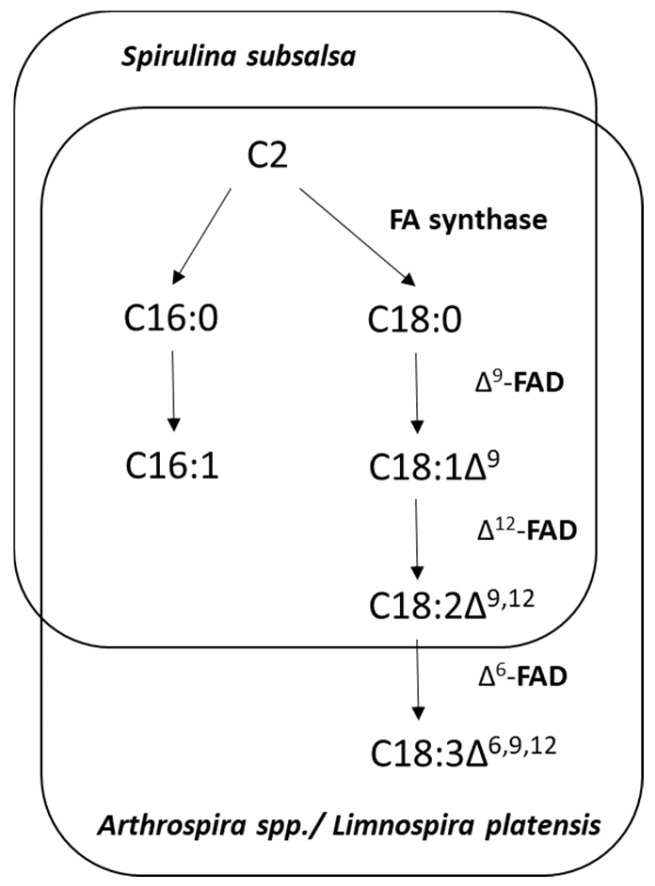
This review synthesizes taxonomy, biochemistry, omics, cultivation quality, genetic modification, and space applications of spirulina, concluding that industrially produced spirulina is now classified as *Limnospira platensis* and is safe as a food product. It emphasizes that natural spirulina lacks ω3 fatty acids and fatty acids longer than C18, while omics and transformation advances support food, pharmaceutical, and life-support uses.
Key findings
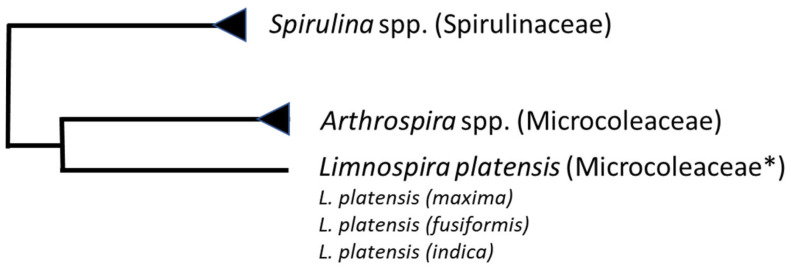
- Taxonomy has split spirulina into three genera: *Spirulina* spp. (12 species, type *S. subsalsa*), *Arthrospira* spp. (about 35 species, type *A. jenneri*), and *Limnospira* spp. (4 species, type *L. fusiformis*); whole-genome comparisons indicate *Limnospira* is monospecific, with *L. platensis* PCC 7345 as reference and other named strains as substrains.
- *Limnospira* biomass contains 60–70% protein, 15–20% carbohydrates, 5–8% lipids, and 6–8% minerals (dry w/w); protein reaches 460–630 g kg⁻¹ in *L. platensis* and 600–710 g kg⁻¹ in *L. maxima*, and GLA is about 32% of fatty acids and 1.5% of dry biomass.
- Omics technologies demonstrated the absence of hazardous compounds in spirulina cells, supporting food safety, and over 83 polysaccharides have been isolated; however, open-pond production can introduce heavy metals, rodent hair, feathers, excrement, and microbial contaminants.
- Spirulina is proposed for space life support: in Mars-simulated domes, about 15 m³ of culture was estimated to supply the protein demands of six crew members, though long-term large-scale cultivation under cosmic radiation, microgravity, low pressure, and high CO₂ requires further study.
Methods
- Design: narrative review of current spirulina research, explicitly aimed at clarifying fallacies in professional literature and public media.
- Data/sample: cited literature spanning taxonomy, biochemistry, genomics, transcriptomics, proteomics, metabolomics, cultivation quality control, genetic transformation, clinical meta-analyses, and space studies; no new experimental data are reported.
- Main analysis: qualitative synthesis and interpretation of published findings, including correction of claims about fatty acid composition and taxonomic naming; no systematic review protocol or meta-analytic method is stated.
Limitations
- Stated in the paper: metabolomics data on spirulina bioactive compounds are still missing in the open scientific press; some transformation protocols have not been reproduced; and a definitive conclusion on microgravity’s influence on spirulina growth could not be reached.
- Evident from the text: as a narrative review, it does not report systematic search, inclusion, or risk-of-bias criteria, so the evidence base is selectively synthesized rather than systematically appraised.
- Evident from the text: many health effects are drawn from systematic reviews and meta-analyses with variable doses (1–8 g/day) and durations (2–12 weeks), and several mechanisms are listed as “no mechanism reported,” leaving causal pathways unresolved.
Model-written summary. Check it against the paper before relying on it.
Integrity signals
Registry
Cites
Statistics
Figures
Verification
Claims the paper makes
43 Valid · 33 Not valid · 60 Not checked · 32 Own results and interpretations
At least one cited source doesn’t support this claim or points to a different paper, and none confirmed it — see the verdicts below.
In the paper
“Spirulina resists various concentration of salt, for example, NaCl at concentrations ranging from 5 to 40 g L−1 does not affect absolute or relative content of proteins (including phycocyanins), lipids, FAs, carbohydrates, chlorophyll, carotenoids [33].”
§ Spirulina/Arthrospira/Limnospira—Three Names of the Single Organism > 2. Biochemical Characterization of Spirulina
What the sources say
- Disputedcites [33] Markou G. Kougia E. Arapoglou D. Chentir I. Andreou V. Tzovenis I. Production of Arthrospira platensis: Effects on growth and biochemical composition of long-term acclimatization at different salinities Bioengineering 2023 10 233 10.3390/bioengineering10020233 36829727 PMC9952471 sourceExperimental — accuracy not yet measured
The Conclusions report that long-term-acclimatized A. platensis grew well at these salinities, and that lipids and chlorophyll were not significantly affected. But they report decreased protein, phycocyanin, and carotenoid content, increased carbohydrate content, and accumulation of unsaturated fatty acids—not unchanged composition across the listed components. (LLM, conf=0.89)
Checked by a reasoning model — may be wrong.
plain- Asserted: passes — The authors put it forward as true.
- Checkable: passes — It can be checked against evidence.
- Load-bearing: unclear — It is unclear whether the paper’s conclusions depend on it.
- Based: passes — The paper gives a reason why it holds.
- Disputed
At least one cited source doesn’t support this claim or points to a different paper, and none confirmed it — see the verdicts below.
In the paper
“A total of 29.6% of the genome was identified as repetitive DNA, containing 518 transposases, 12 recombinases, and seven CRISPR arrays.”
§ Spirulina/Arthrospira/Limnospira—Three Names of the Single Organism > 5. Spirulinomics (Limnospiromics) > 5.1. Genomics—Whole-Genome Sequencing
What the sources say
- Disputedcites [126] Xu T. Qin S. Hu Y. Song Z. Ying J. Li P. Dong W. Zhao F. Yang H. Bao Q. Whole genomic DNA sequencing and comparative genomic analysis of Arthrospira platensis: High genome plasticity and genetic diversity DNA Res. 2016 23 325 338 10.1093/dnares/dsw023 27330141 PMC4991836 sourceExperimental — accuracy not yet measured
Section 3.4, “Repeat sequences in Arthrospira” (page unavailable), reports results for Arthrospira, not L. fusiformis. It gives 159 duplicated transposase copies in A. platensis YZ, rather than 518, and does not give the claimed 29.6% repetitive DNA, 12 recombinases, or seven CRISPR arrays. (LLM, conf=0.86)
Checked by a reasoning model — may be wrong.
plainSingle case- Asserted: passes — The authors put it forward as true.
- Checkable: passes — It can be checked against evidence.
- Load-bearing: unclear — It is unclear whether the paper’s conclusions depend on it.
- Based: passes — The paper gives a reason why it holds.
- Disputed
The cited sources support only part of this claim — read each source’s verdict below.
In the paper
“Finally, at this moment, the name Limnospira is proposed for economically important species that include formally known A. maxima, A. fusiformis, and A. platensis [26].”
§ Spirulina/Arthrospira/Limnospira—Three Names of the Single Organism > 1. A Historical and Taxonomic Introduction: From Spirulina and Arthrospira to Limnospira
What the sources say
- Partly supportedcites [26] Nowicka-Krawczyk P. Mühlsteinová R. Hauer T. Detailed characterization of the Arthrospira type species separating commercially grown taxa into the new genus Limnospira (Cyanobacteria) Sci. Rep. 2019 9 694 10.1038/s41598-018-36831-0 30679537 PMC6345927 sourceExperimental — accuracy not yet measured
The Discussion proposes transferring A. maxima and A. fusiformis to Limnospira, but names A. indica—not A. platensis—as the third species. It says the identity of sequences labelled A. platensis could not be verified and leaves that species’ placement uncertain. (LLM, conf=0.91)
plain- Asserted: passes — The authors put it forward as true.
- Checkable: passes — It can be checked against evidence.
- Load-bearing: passes — The paper’s conclusions depend on it.
- Based: passes — The paper gives a reason why it holds.
- Partly supported
Every source the paper cites for this claim was checked and supports it.
In the paper
“When Limnospira spp. was separated from Arthrospira in 2019, there was doubt about A. platensis; it was not definitely assigned to the Limnospira clade [26].”
§ Spirulina/Arthrospira/Limnospira—Three Names of the Single Organism > 1. A Historical and Taxonomic Introduction: From Spirulina and Arthrospira to Limnospira
What the sources say
- Supportedcites [26] Nowicka-Krawczyk P. Mühlsteinová R. Hauer T. Detailed characterization of the Arthrospira type species separating commercially grown taxa into the new genus Limnospira (Cyanobacteria) Sci. Rep. 2019 9 694 10.1038/s41598-018-36831-0 30679537 PMC6345927 source
The Discussion says the authors transferred only three former Arthrospira species to Limnospira, not A. platensis. Although sequences labelled “A. platensis” fell in the Limnospira clade, the authors could not verify their identification and said it was uncertain whether the species should remain in Arthrospira or be transferred elsewhere. (LLM, conf=0.94)
plain- Asserted: passes — The authors put it forward as true.
- Checkable: passes — It can be checked against evidence.
- Load-bearing: unclear — It is unclear whether the paper’s conclusions depend on it.
- Based: passes — The paper gives a reason why it holds.
- Supported
The cited sources support only part of this claim — read each source’s verdict below.
In the paper
“Further studies of Arthrospira species revealed severe differences between the type strain A. jenneri and commercially produced strains [26].”
§ Spirulina/Arthrospira/Limnospira—Three Names of the Single Organism > 1. A Historical and Taxonomic Introduction: From Spirulina and Arthrospira to Limnospira
What the sources say
- Partly supportedcites [26] Nowicka-Krawczyk P. Mühlsteinová R. Hauer T. Detailed characterization of the Arthrospira type species separating commercially grown taxa into the new genus Limnospira (Cyanobacteria) Sci. Rep. 2019 9 694 10.1038/s41598-018-36831-0 30679537 PMC6345927 sourceExperimental — accuracy not yet measured
The Abstract and Discussion report clear differences between A. jenneri and commercially produced organisms. However, the paper identifies A. jenneri as the type species and says it studied environmental samples, not a type strain; that designation is unsupported. (LLM, conf=0.86)
plain- Asserted: passes — The authors put it forward as true.
- Checkable: passes — It can be checked against evidence.
- Load-bearing: passes — The paper’s conclusions depend on it.
- Based: passes — The paper gives a reason why it holds.
- Partly supported
71 more claims · 31 with their cited sources checked
Create a free account to see all 168 claims and to verify the 5 references still open.
- It may state two separate claims as one. 73
- Probably not a substantial claim. 28
Claims other papers make about this one
Each is checked against this paper’s own text: does it say what the citing paper says it does?
The cited source doesn’t support the claim as written.
In the citing paper
“Both species are rich sources of polyunsaturated fatty acids (PUFAs), including γ-linolenic acid (18:3 ω-6), arachidonic acid (ARA, 20:4 ω-6), eicosapentaenoic acid (EPA, 20:5 ω-3), and docosahexaenoic acid (DHA, 22:6 ω-3), and their protein content can reach 600–710 g/kg of dry biomass (Shahidi and Ambigaipalan, 2018; Sinetova et al., 2024).”
From Microalgae biotechnology and its role in sustainable and healthy food design (2025) · cites this paper as Sinetova et al., 2024
Checked by a reasoning model — may be wrong.
Experimental — accuracy not yet measuredThe source backs part of the claim, not all of it — or backs it for a different population, condition or comparison.
In the citing paper
“They also rely on the composition of polysaccharides and lipids, as well as the amphiphilic nature of proteins, which influence hydration, dispersion, interfacial stabilization, and texture formation [52,72,73].”
From Valorization of Microalgae as Multifunctional Protein Sources in Plant-Based Systems: Structural, Functional, and Processing Challenges (2026) · cites this paper as [52]
Experimental — accuracy not yet measuredThe source backs part of the claim, not all of it — or backs it for a different population, condition or comparison.
In the citing paper
“Both species are rich sources of polyunsaturated fatty acids (PUFAs), including γ-linolenic acid (18:3 ω-6), arachidonic acid (ARA, 20:4 ω-6), eicosapentaenoic acid (EPA, 20:5 ω-3), and docosahexaenoic acid (DHA, 22:6 ω-3), and their protein content can reach 600–710 g/kg of dry biomass (Shahidi and Ambigaipalan, 2018; Sinetova et al., 2024).”
From Microalgae biotechnology and its role in sustainable and healthy food design (2025) · cites this paper as Sinetova et al., 2024
Experimental — accuracy not yet measuredThe source backs part of the claim, not all of it — or backs it for a different population, condition or comparison.
In the citing paper
“Among these, A. platensis stands out for its highly digestible proteins with elevated biological value (460–630 g/kg of dry biomass), including essential amino acids such as leucine, isoleucine, valine, tryptophan, and methionine (Nikolova et al., 2024; Sinetova et al., 2024).”
From Microalgae biotechnology and its role in sustainable and healthy food design (2025) · cites this paper as Sinetova et al., 2024
Experimental — accuracy not yet measuredThe check wasn’t confident either way, so it gives no verdict — never disputed.
In the citing paper
“Its application is especially intended for the sector of dietary supplements, nutraceuticals, and pharmaceutical formulations (Saurav et al., 2019; Yuan et al., 2020; Sinetova et al., 2024).”
From Microalgae biotechnology and its role in sustainable and healthy food design (2025) · cites this paper as Sinetova et al., 2024
Experimental — accuracy not yet measured
2 more claims about this paper
Create a free account to see every claim other papers make about this one.
Self-check
Percentages, sums and reported differences re-computed from the paper’s own numbers.
Each contradiction between two passages listed here was confirmed by an independent check.
Rated minor: it would not touch a result — a value no result rests on, a p-value that stays on the same side of the significance level, or a conflict that is clerical, resolved elsewhere in the paper, or outside its own findings.
In the paper
§ Spirulina/Arthrospira/Limnospira—Three Names of the Single Organism > 6. Spirulina in Space
“It safely came back to Earth, and the results of the experiments on its survival and some characteristics had been reported in 1962 [181].”
§ Spirulina/Arthrospira/Limnospira—Three Names of the Single Organism > References
“181. Semenenko V.E. Vladimirova M.G. Effects of cosmic flight conditions in the Sputnik-ship on the viability of Chlorella Sov. Plant Physiol. 1961 8 743 749”
Citations
Cites
Micro-algae as a source of protein
Becker, E. W. (2007) · Biotechnology Advances · doi:10.1016/j.biotechadv.2006.11.002 · Cited by 2,311 · cited 2×
“…protein sources of microbial origin (460–630 g protein per kg biomass on a dry weight basis in L. platensis and 600–710 g kg − 1 in L. maxima ) [34]. from 5 to 40 g L − 1 does not affect absolute or relative content of proteins (including phycocyanins), lipids, FAs, carbohydrates, chlorophyll,…”
BackgroundMicrofossils of the early Archean apex chert: New evidence of the antiquity of life
Schopf, J. W. (1993) · Science · doi:10.1126/science.260.5108.640 · Cited by 1,363 · cited 2×
“It is accepted that cyanobacteria are very conservative and have changed insignificantly morphologically and, most likely, physiologically over the last at least 2 billion years [1,4].”
BackgroundEcology of Cyanobacteria II: Their Diversity in Space and Time
(2012) · doi:10.1007/978-94-007-3855-3 · Cited by 1,078
Membrane fluidity and its roles in the perception of environmental signals
Los, D. A., & Murata, N. (2004) · Biochimica et Biophysica Acta (BBA) - Biomembranes · doi:10.1016/j.bbamem.2004.08.002 · Cited by 1,020 · cited 2×
“Changes in FA unsaturation affect multiple functions of membrane-bound proteins, such as the photochemical and electron transport reactions that occur in the thylakoid and cytoplasmic membranes of cyanobacterial cells [44].”
BackgroundSelf-citationSpirulina, the edible microorganism.
Ciferri, O. (1983) · Microbiological Reviews · doi:10.1128/mmbr.47.4.551-578.1983 · Cited by 929 · cited 2×
“Finally, both cakes, tecuitlatl and dih é , appeared mostly identical and supposedly consisted of two species, Spirulina maxima and Spirulina platensis , respectively [12,16].”
BackgroundImproving the coverage of the cyanobacterial phylum using diversity driven genome sequencing
Shih, P. M., Wu, D., Latifi, A., Axen, S. D., Fewer, D. P., Talla, E., Calteau, A., Cai, F., Tandeau de Marsac, N., Rippka, R., et al. (2013) · Proceedings of the National Academy of Sciences · doi:10.1073/pnas.1217107110 · Cited by 800 · cited 1×
“Several studies have focused on the evolutionary relationship of Arthrospira to taxa other than the type species, Arthrospira jenneri [9,20].”
BackgroundKomárek, J., Kaštovský, J., Mareš, J., & Johansen, J. R. (2014) · ASEP · Cited by 709
Spirulina Platensis Arthrospira
(1997) · doi:10.1201/9781482272970 · Cited by 704
Structure and expression of fatty acid desaturases
Los, D. A., & Murata, N. (1998) · Biochimica et Biophysica Acta (BBA) - Lipids and Lipid Metabolism · doi:10.1016/s0005-2760(98)00091-5 · Cited by 558 · cited 1×
“The activity of fatty acid desaturases, enzymes that add double bonds into specified locations of fatty-acyl chains in lipids, determines the level of unsaturation [43].”
BackgroundSelf-citationTokuşoglu, Ö., & üUnal, M. K. (2003) · Journal of Food Science · doi:10.1111/j.1365-2621.2003.tb09615.x · Cited by 446
Hayashi, T., Hayashi, K., Maeda, M., & Kojima, I. (1996) · Journal of Natural Products · doi:10.1021/np960017o · Cited by 422 · cited 1×
“Spirulan specifically inhibits the penetration and replication of enveloped viruses, including Herpes simplex viruses type 1 and 2 (HSV-1 and HSV-2), human cytomegalovirus (HCMV), measles, mumps, influenza A, and HIV-1 [89,90].”
BackgroundSpirulina for the Food and Functional Food Industries
Lafarga, T., Fernández-Sevilla, J. M., González-López, C., & Acién-Fernández, F. G. (2020) · Food Research International · doi:10.1016/j.foodres.2020.109356 · Cited by 417
The Contamination and Control of Biological Pollutants in Mass Cultivation of Microalgae
Wang, H., Zhang, W., Chen, L., Wang, J., & Liu, T. (2013) · Bioresource Technology · doi:10.1016/j.biortech.2012.10.158 · Cited by 364 · cited 1×
“Therefore, there should be some ways to keep the pollution within certain limits so that the target cultivated species can reproduce and dominate the symbiotic system [95].”
BackgroundNutritional and medical applications of spirulina microalgae
Hoseini, S. M., Khosravi-Darani, K., & Mozafari, M. R. (2013) · Mini-Reviews in Medicinal Chemistry · doi:10.2174/1389557511313080009 · Cited by 326 · cited 1×
“…immunomodulatory, antitumor, antioxidant, antithrombotic, antiatherosclerotic, hematopoietic, antidiabetic, antiviral, antibacterial, antiradiation, antiaging, antifatigue, anti-anoxic, antiangiogenic, anti-inflammatory, and wound healing effects (for reviews, please see [80,84–86]).”
Phycobiliprotein: Potential microalgae derived pharmaceutical and biological reagent
Manirafasha, E., Ndikubwimana, T., Zeng, X., Lu, Y., & Jing, K. (2016) · Biochemical Engineering Journal · doi:10.1016/j.bej.2016.01.025 · Cited by 321 · cited 2×
“…1 C-phycocyanin is also used in pharmaceutical industries and as a functional food due to its antioxidant, neuroprotective, anti-in fl amma-tory, and hepatoprotective properties [37]. values are comparable with meat (710–760 g kg − 1 ), soybeans (~400 g kg − 1 ), and vulgaris (510–530 g kg − ) [35].”
BackgroundBLANK, C. E., & SÁNCHEZ‐BARACALDO, P. (2010) · Geobiology · doi:10.1111/j.1472-4669.2009.00220.x · Cited by 298 · cited 1×
“It is accepted that cyanobacteria are very conservative and have changed insignificantly morphologically and, most likely, physiologically over the last at least 2 billion years [1,4].”
BackgroundPotential application of microalga Spirulina platensis as a protein source
Lupatini, A. L., Colla, L. M., Canan, C., & Colla, E. (2017) · Journal of the Science of Food and Agriculture · doi:10.1002/jsfa.7987 · Cited by 291 · cited 2×
“Spirulina These values are comparable with meat (710–760 g kg − 1 ), soybeans (~400 g kg − 1 ), and Chlo ‐ rella vulgaris (510–530 g kg − 1 ) [35]. be cultured at temperatures of 30 ± 5 ◦ C without significant changes in growth or in The advertisements report that spirulina has 670% more surplus…”
BackgroundRecent Developments in Production and Biotechnological Applications of C-Phycocyanin
Kuddus, M., Singh, P., Thomas, G., & Al-Hazimi, A. (2013) · BioMed Research International · doi:10.1155/2013/742859 · Cited by 286 · cited 2×
“These Chlorella 1 surplus % more radical iron than spinach, 3100% β -carotene compared 2+ cyanobacterium of c-phycocyanin natural It can also be employed as a fluorescent probe for cellular and molecular detection [38].”
BackgroundMethodStrunecký, O., Ivanova, A. P., & Mareš, J. (2023) · Journal of Phycology · doi:10.1111/jpy.13304 · Cited by 271
Fatty Acid Composition of Chlorella and Spirulina Microalgae Species
Ötleş, S., & Pire, R. (2001) · Journal of AOAC INTERNATIONAL · doi:10.1093/jaoac/84.6.1708 · Cited by 255
Regulatory role of membrane fluidity in gene expression and physiological functions
Los, D. A., Mironov, K. S., & Allakhverdiev, S. I. (2013) · Photosynthesis Research · doi:10.1007/s11120-013-9823-4 · Cited by 254 · cited 1×
“The molecular motion of these glycerolipids is mostly determined by the degree of unsaturation of the fatty acids esterified to the glycerol backbones [42].”
BackgroundSelf-citationFatty acid composition and physiological properties of some filamentous blue-green algae
Kenyon, C. N., Rippka, R., & Stanier, R. Y. (1972) · Archiv f�r Mikrobiologie · doi:10.1007/bf00645123 · Cited by 247 · cited 1×
“Christine Kenyon established the classification of cyanobacteria based on their FA content [48,49], which was later modified by Murata and coworkers [50].”
BackgroundPark, W. S., Kim, H.-J., Li, M., Lim, D.-H., Kim, J., Kwak, S.-S., Kang, C.-M., Ferruzzi, M. G., & Ahn, M.-J. (2018) · doi:10.20944/preprints201807.0470.v1 · Cited by 232
AlFadhly, N. K. Z., Alhelfi, N., Altemimi, A. B., Verma, D. K., Cacciola, F., & Narayanankutty, A. (2022) · Molecules · doi:10.3390/molecules27175584 · Cited by 225 · cited 2×
“Reports and advertisements claiming the presence of ω 3 FAs in spirulina [56,67] are either speculative or based on limited evidence. dark cycles [65] or using urea as a nitrogen source [66].”
BackgroundFatty Acid Composition of Unicellular Strains of Blue-Green Algae
Kenyon, C. N. (1972) · Journal of Bacteriology · doi:10.1128/jb.109.2.827-834.1972 · Cited by 218 · cited 1×
“Christine Kenyon established the classification of cyanobacteria based on their FA content [48,49], which was later modified by Murata and coworkers [50].”
BackgroundGrosshagauer, S., Kraemer, K., & Somoza, V. (2020) · Journal of agricultural and food chemistry · doi:10.1021/acs.jafc.9b08251 · Cited by 216 · cited 1×
“Tight control of metal content is also desirable, since spirulina is known to accumulate considerable amounts of lead, copper, mercury, and other metals [99,100].”
BackgroundNowicka-Krawczyk, P., Mühlsteinová, R., & Hauer, T. (2019) · Scientific Reports · doi:10.1038/s41598-018-36831-0 · Cited by 185 · cited 1×
“When Limnospira spp. was separated from Arthrospira in 2019, there was doubt about A. platensis ; it was not definitely assigned to the Limnospira clade [26].”
BackgroundModes of fatty-acid desaturation in cyanobacteria
(1992) · Plant and Cell Physiology · doi:10.1093/oxfordjournals.pcp.a078344 · Cited by 181 · cited 3×
“Therefore Therefore, true Spirulina species should be attributed to Group 2 cyanobacteria, according to FA-based classification [50,51].”
BackgroundKoníčková, R., Vaňková, K., Vaníková, J., Vánová, K., Muchová, L., Subhanová, I., Zadinová, M., Zelenka, J., Dvořák, A., Kolář, M., et al. (2014) · Annals of Hepatology · doi:10.1016/s1665-2681(19)30891-9 · Cited by 180
Antiviral activity of Arthrospira-derived spirulan-like substances
Rechter, S., König, T., Auerochs, S., Thulke, S., Walter, H., Dörnenburg, H., Walter, C., & Marschall, M. (2006) · Antiviral Research · doi:10.1016/j.antiviral.2006.06.004 · Cited by 159 · cited 1×
“Spirulan specifically inhibits the penetration and replication of enveloped viruses, including Herpes simplex viruses type 1 and 2 (HSV-1 and HSV-2), human cytomegalovirus (HCMV), measles, mumps, influenza A, and HIV-1 [89,90].”
BackgroundGammar linolenic acid—occurrence and physical and chemical properties
Gunstone, F. D. (1992) · Progress in Lipid Research · doi:10.1016/0163-7827(92)90007-6 · Cited by 159 · cited 1×
“[60].”
Large-scale production of Spirulina-based proteins and c-phycocyanin: A biorefinery approach
Thevarajah, B., Nishshanka, G. K. S. H., Premaratne, M., Nimarshana, P. H. V., Nagarajan, D., Chang, J.-S., & Ariyadasa, T. U. (2022) · Biochemical Engineering Journal · doi:10.1016/j.bej.2022.108541 · Cited by 146
Fatty acids in eleven species of blue-green algae: Geochemical significance
Parker, P. L., Van Baalen, C., & Maurer, L. (1967) · Science · doi:10.1126/science.155.3763.707 · Cited by 139 · cited 1×
“The FA composition of each cyanobacterial species is so preserved that it can be utilized as a phylogenetic marker [45–47].”
BackgroundRamos-Romero, S., Torrella, J. R., Pagès, T., Viscor, G., & Torres, J. L. (2021) · Nutrients · doi:10.3390/nu13020563 · Cited by 134 · cited 1×
“In fact, it seems that whatever pharmaceutical drug one wants to get from spirulina, he/she can get it, including antioxidant, antidiabetic, immunomodulatory, antihypertensive, and antihyperlipidemic agents [148–152].”
BackgroundDevelopment of spirulina for the manufacture and oral delivery of protein therapeutics
Jester, B. W., Zhao, H., Gewe, M., Adame, T., Perruzza, L., Bolick, D. T., Agosti, J., Khuong, N., Kuestner, R., Gamble, C., et al. (2022) · Nature Biotechnology · doi:10.1038/s41587-022-01249-7 · Cited by 130 · cited 2×
“Double homologous recombination, which is commonly employed to transform model cyanobacterial strains capable of natural transformation [115], was used to achieve stable, high-level production of an antibody against campylobacter.”
BackgroundFujisawa, T., Narikawa, R., Okamoto, S., Ehira, S., Yoshimura, H., Suzuki, I., Masuda, T., Mochimaru, M., Takaichi, S., Awai, K., et al. (2010) · DNA Research · doi:10.1093/dnares/dsq004 · Cited by 128 · cited 1×
“The genome of A. platensis C1 (PCC 9438) appeared to be a little shorter (6.08 Mbp), existed in a single copy, and contained no plasmid DNA [123].”
BackgroundInfluentialFurmaniak, M. A., Misztak, A. E., Franczuk, M. D., Wilmotte, A., Waleron, M., & Waleron, K. F. (2017) · Frontiers in Microbiology · doi:10.3389/fmicb.2017.02541 · Cited by 121 · cited 1×
“Nonetheless, in cultures without control for contamination, spirulina biomass may contain low quantities of mercury and other heavy metals that constitute a direct health risk [92].”
BackgroundFatty acid composition of Spirulina strains grown under various environmental conditions
Cohen, Z., Vonshak, A., & Richmond, A. (1987) · Phytochemistry · doi:10.1016/s0031-9422(00)84694-4 · Cited by 118 · cited 2×
“It should be noted that whereas 18 of the 19 spirulina strains contained GLA, no GLA was detected in S. subsalsa , which had a very high content of palmitoleic acid [62,63].”
BackgroundSili, C., Torzillo, G., & Vonshak, A. (2012) · Springer eBooks · doi:10.1007/978-94-007-3855-3_25 · Cited by 113
Ibrahim, T. N. B. T., Feisal, N. A. S., Kamaludin, N. H., Cheah, W. Y., How, V., Bhatnagar, A., Ma, Z., & Show, P. L. (2023) · Bioresource Technology · doi:10.1016/j.biortech.2023.128661 · Cited by 107 · cited 1×
“If spirulina fails, even a wider range of bioactive chemicals can be isolated from the marine cyanobacterium, Moorea producens [153] (formerly— Lyngbya majuscula ) or some other cyanobacterial species [154].”
BackgroundComparative study of bioactive substances extracted from fresh and dried Spirulina sp.
Agustini, T. W., Suzery, M., Sutrisnanto, D., Ma’ruf, W. F., & Hadiyanto (2015) · Procedia Environmental Sciences · doi:10.1016/j.proenv.2015.01.042 · Cited by 103 · cited 1×
“In terms of nutritional quality, the drying procedure at 40–50 ◦ C has no noticeable effect when compared to fresh samples [103].”
BackgroundLife cycle assessment of industrial scale production of spirulina tablets
Ye, C., Mu, D., Horowitz, N., Xue, Z., Chen, J., Xue, M., Zhou, Y., Klutts, M., & Zhou, W. (2018) · Algal Research · doi:10.1016/j.algal.2018.07.013 · Cited by 101 · cited 1×
“The total yearly commercial output of spirulina is around 10,000 tons (dry biomass), with China producing roughly half of that [91].”
BackgroundMonographie des oscillariées (Nostocacées Homocystées)
Gomont, M. M. (1893) · G. Masson eBooks · Cited by 101
Antioxidant properties and polyphenolic content in terrestrial cyanobacteria
Singh, D. P., Prabha, R., Verma, S., Meena, K. K., & Yandigeri, M. (2017) · 3 Biotech · doi:10.1007/s13205-017-0786-6 · Cited by 99 · cited 1×
“The examination of phenolic components in 20 terrestrial cyanobacteria strains revealed varying amounts of polyphenolics: gallic, chlorogenic, caffeic, vanillic, and ferulic acids, as well as flavonoids rutin, quercetin, and kaempferol [74].”
BackgroundThe occurrence and biosynthesis of gamma‐linolenic acid in a blue‐green alga,Spirulina platensis
Nichols, B. W., & Wood, B. J. B. (1968) · Lipids · doi:10.1007/bf02530968 · Cited by 97
Kaur, M., Bhatia, S., Gupta, U., Decker, E., Tak, Y., Bali, M., Gupta, V. K., Dar, R. A., & Bala, S. (2023) · Phytochemistry Reviews · doi:10.1007/s11101-022-09848-7 · Cited by 95
The Proterozoic History and Present State of Cyanobacteria
Sergeev, V. N., Герасименко, Л. М., & Zavarzin, G. A. (2002) · Microbiology · doi:10.1023/a:1021415503436 · Cited by 95 · cited 1×
“Studies of fossil microorganisms in Precambrian rocks (3.5–0.5 billion years ago) revealed cyanobacterial communities [2,3].”
BackgroundInfluentialModes of fatty acid desaturation in cyanobacteria: An update
Los, D., & Mironov, K. (2015) · Life · doi:10.3390/life5010554 · Cited by 93 · cited 4×
“Therefore Therefore, true Spirulina species should be attributed to Group 2 cyanobacteria, according to FA-based classification [50,51].”
BackgroundInfluentialSelf-citationMoradi, S., Ziaei, R., Foshati, S., Mohammadi, H., Nachvak, S. M., & Rouhani, M. H. (2019) · Complementary Therapies in Medicine · doi:10.1016/j.ctim.2019.102211 · Cited by 88
Singular over-representation of an octameric palindrome, HIP1, in DNA from many cyanobacteria
Robinson, N. J., Robinson, P. J., Gupta, A., Bleasby, A. J., Whitton, B. A., & Morby, A. P. (1995) · Nucleic Acids Research · doi:10.1093/nar/23.5.729 · Cited by 87 · cited 1×
“It appears exclusively and quite frequently in cyanobacteria: 7356 matches in the genome of Synechococcus elongatus PCC 6301 [119], or appearance in about half of Synechocystis sp. strain PCC 6803 genes [119,120].”
BackgroundTecuitlatl; A glimpse of Aztec food technology
FARRAR, W. V. (1966) · Nature · doi:10.1038/211341a0 · Cited by 86 · cited 1×
“A Spanish chronicle describes harvesting Spirulina from Lake Texcoco, Mexico, in 1521 [5,6] and selling it in the form of blue-green yummy cakes called “tecuitlatl” [7].”
BackgroundCarrizzo, A., Conte, G. M., Sommella, E., Damato, A., Ambrosio, M., Sala, M., Scala, M. C., Aquino, R. P., De Lucia, M., Madonna, M., et al. (2019) · Hypertension · doi:10.1161/hypertensionaha.118.11801 · Cited by 84 · cited 1×
“In fact, it seems that whatever pharmaceutical drug one wants to get from spirulina, he/she can get it, including antioxidant, antidiabetic, immunomodulatory, antihypertensive, and antihyperlipidemic agents [148–152].”
Backgroundγ-Linolenic acid production from Spirulina platensis
Mahajan, G., & Kamat, M. (1995) · Applied Microbiology and Biotechnology · doi:10.1007/bf00218450 · Cited by 82 · cited 1×
“Reports and advertisements claiming the presence of ω 3 FAs in spirulina [56,67] are either speculative or based on limited evidence. dark cycles [65] or using urea as a nitrogen source [66].”
BackgroundGupta, A., Morby, A. P., Turner, J. S., Whitton, B. A., & Robinson, N. J. (1993) · Molecular Microbiology · doi:10.1111/j.1365-2958.1993.tb01110.x · Cited by 82 · cited 1×
“It appears exclusively and quite frequently in cyanobacteria: 7356 matches in the genome of Synechococcus elongatus PCC 6301 [119], or appearance in about half of Synechocystis sp. strain PCC 6803 genes [119,120].”
BackgroundHeavy metal analysis in commercial Spirulina products for human consumption
Al-Dhabi, N. A. (2013) · Saudi Journal of Biological Sciences · doi:10.1016/j.sjbs.2013.04.006 · Cited by 82
Fatty acids in blue-green algae: Possible relation to phylogenetic position
Holton, R. W., Blecker, H. H., & Stevens, T. S. (1968) · Science · doi:10.1126/science.160.3827.545 · Cited by 81
(2007) · Methods in Molecular Biology™ · doi:10.1007/978-1-59745-244-1 · Cited by 80
Food and drug industry applications of microalgae Spirulina platensis: A review
Maddiboyina, B., Vanamamalai, H. K., Roy, H., Ramaiah, Gandhi, S., Kavisri, M., & Moovendhan, M. (2023) · Journal of Basic Microbiology · doi:10.1002/jobm.202200704 · Cited by 80 · cited 2×
“…greatly simplifies the procedure commercialization of Limnospira strains for human consumption regulated by the It also contains pigments chlorophyll a , zeaxanthin and canthaxanthin, vitamins B1, B2, B3, B6, B9, B12, vitamin C and E, and colored proteins с -phycocyanin and allophycocyanin [32].”
BackgroundJiang, L., Pei, H., Hu, W., Ji, Y., Han, L., & Ma, G. (2015) · Bioresource Technology · doi:10.1016/j.biortech.2015.01.019 · Cited by 78 · cited 1×
“It should be noted that whereas 18 of the 19 spirulina strains contained GLA, no GLA was detected in S. subsalsa , which had a very high content of palmitoleic acid [62,63].”
BackgroundUse of cyanobacteria for in-situ resource use in space applications
Olsson-Francis, K., & Cockell, C. S. (2010) · Planetary and Space Science · doi:10.1016/j.pss.2010.05.005 · Cited by 76
Zavřel, T., Očenášová, P., & Červený, J. (2017) · PLOS ONE · doi:10.1371/journal.pone.0189130 · Cited by 75
Possible evolutionary significance of polyunsaturated fatty acids in blue-green algae
KENYON, C. N., & STANIER, R. Y. (1970) · Nature · doi:10.1038/2271164a0 · Cited by 70 · cited 2×
“The FA composition of each cyanobacterial species is so preserved that it can be utilized as a phylogenetic marker [45–47].”
BackgroundNutritional analysis of spirulina sp to promote as superfood candidate
Liestianty, D., Rodianawati, I., Arfah, R. A., Assa, A., Patimah, Sundari, & Muliadi (2019) · IOP Conference Series: Materials Science and Engineering · doi:10.1088/1757-899x/509/1/012031 · Cited by 70
Ratha, S. K., Renuka, N., Rawat, I., & Bux, F. (2021) · Nutrition · doi:10.1016/j.nut.2020.111089 · Cited by 70
12,13-diHOME as a new therapeutic target for metabolic diseases
Macêdo, A. P. A., Muñoz, V. R., Cintra, D. E., & Pauli, J. R. (2021) · Life Sciences · doi:10.1016/j.lfs.2021.120229 · Cited by 69
Calella, P., Cerullo, G., Di Dio, M., Liguori, F., Di Onofrio, V., Gallè, F., & Liguori, G. (2022) · Frontiers in Nutrition · doi:10.3389/fnut.2022.1048258 · Cited by 69
Production of phenolic compounds from Spirulina maxima microalgae and its protective effects
El-Baky, H., El‐Baz, F., & El-Baroty, G. S. (2009) · AFRICAN JOURNAL OF BIOTECHNOLOGY · doi:10.4314/ajb.v8i24.68794 · Cited by 68
Lee, J.-B., Hayashi, T., Hayashi, K., & Sankawa, U. (2000) · Journal of Natural Products · doi:10.1021/np990348b · Cited by 65 · cited 1×
“Ca-spirulan consists of rhamnose, 3-O-methyl-rhamnose, 2,3-di-O-methyl-rhamnose, 3-O-methylxylose, uronic acids, sulfate groups, and calcium ions chelated with sulfate groups [88].”
BackgroundAntiviral Cyanometabolites—A Review
Mazur-Marzec, H., Cegłowska, M., Konkel, R., & Pyrć, K. (2021) · Biomolecules · doi:10.3390/biom11030474 · Cited by 64 · cited 1×
“As previously stated, they exhibit antiox-Foods idant and antiviral (HIV, HSV, and perhaps SARS-CoV) effects [87], and the ability to stimulate the immune system.”
BackgroundMolecular species composition of glycolipids from Sprirulina platensis
Xue, C., Hu, Y., Saito, H., Zhang, Z., Li, Z., Yuepiao, C., Ou, C., Lin, H., & Imbs, A. B. (2002) · Food Chemistry · doi:10.1016/s0308-8146(01)00315-6 · Cited by 63
Natural ACE inhibitory peptides discovery from Spirulina (Arthrospira platensis) strain C1
Anekthanakul, K., Senachak, J., Hongsthong, A., Charoonratana, T., & Ruengjitchatchawalya, M. (2019) · Peptides · doi:10.1016/j.peptides.2019.170107 · Cited by 63 · cited 1×
“Another spirulina peptide revealed by proteomics, GIVAGDVTPI (1 kDa), improved endothelial vasorelaxation, and exerted an antihypertensive action through a NO-dependent mechanism [147].”
BackgroundGuerreiro, A. C., Andrade, M. A., Menezes, C., Vilarinho, F., & Dias, E. M. (2020) · Toxins · doi:10.3390/toxins12090548 · Cited by 63 · cited 1×
“In general, filamentous (multicellular) cyanobacterial species have a greater diversity of phenolic chemicals than unicellular species [76].”
BackgroundAntioxidant activity and phenolic profile in filamentous cyanobacteria: the impact of nitrogen
Blagojević, D., Babić, O., Rašeta, M., Šibul, F. S., Janjušević, L., & Simeunović, J. B. (2018) · Journal of Applied Phycology · doi:10.1007/s10811-018-1476-4 · Cited by 62
Dadheech, P. K., Ballot, A., Casper, P., Kotut, K., Novelo, E., Lemma, B., Pröschold, T., & Krienitz, L. (2010) · Phycologia · doi:10.2216/09-71.1 · Cited by 61
The lipids of the alga Spirulina
Hudson, B. J. F., & Karis, I. G. (1974) · Journal of the Science of Food and Agriculture · doi:10.1002/jsfa.2740250703 · Cited by 61 · cited 2×
“In general, Limnospira (spirulina) biomass contains 60–70% protein, 15–20% carbohydrates, 5–8% lipids, 6–8% minerals (K, Na, Ca, Fe, Mg, and Mn) (dry w / w ) [31]. existing and future strains of Limnospira .”
BackgroundPoughon, L., Laroche, C., Creuly, C., Dussap, C.-G., Paille, C., Lasseur, C., Monsieurs, P., Heylen, W., Coninx, I., Mastroleo, F., et al. (2020) · Life Sciences in Space Research · doi:10.1016/j.lssr.2020.03.002 · Cited by 60 · cited 1×
“Although, due to technical difficulties, a definitive conclusion on the influence or lack of influence of the microgravity on the spirulina growth could not be reached, it appeared that the terrestrial bioreactor growth model is applicable for representing zero-gravity conditions [182].”
BackgroundIlieva, Y. E., Zaharieva, M. M., Najdenski, H. M., & Kroumov, A. D. (2024) · International Journal of Molecular Sciences · doi:10.3390/ijms25105548 · Cited by 60
Nutritional Quality and Safety of the Spirulina Dietary Supplements Sold on the Slovenian Market
Masten Rutar, J., Jagodic Hudobivnik, M., Nečemer, M., Vogel Mikuš, K., Arčon, I., & Ogrinc, N. (2022) · Foods · doi:10.3390/foods11060849 · Cited by 59
Draft genome sequence of Arthrospira platensis C1 (PCC9438)
Cheevadhanarak, S., Paithoonrangsarid, K., Prommeenate, P., Kaewngam, W., Musigkain, A., Tragoonrung, S., Tabata, S., Kaneko, T., Chaijaruwanich, J., Sangsrakru, D., et al. (2012) · Standards in Genomic Sciences · doi:10.4056/sigs.2525955 · Cited by 59 · cited 1×
“…cold-resistant spirulina strain obtained from Solenoye Lake in Siberia did not identify any unique genes related to its tolerance of low temperatures, even though that strain displayed the maximum growth index at 20 ◦ C, compared to the 30–35 ◦ C of Asian, African, and South American strains [125].”
BackgroundEarth Food Spirulina (Arthrospira): Production and Quality Standarts
Koru, E. (2012) · Food Additive · doi:10.5772/31848 · Cited by 59
Transcriptome changes of blue-green algae, Arthrospira sp. in response to sulfate stress
Kumaresan, V., Nizam, F., Ravichandran, G., Viswanathan, K., Palanisamy, R., Bhatt, P., Arasu, M. V., Al-Dhabi, N. A., Mala, K., & Arockiaraj, J. (2017) · Algal Research · doi:10.1016/j.algal.2017.01.012 · Cited by 56 · cited 1×
“Sulfur deficiency led to an increase in total transcripts from ~6000 to ~7000 [135].”
BackgroundUniversal Molecular Triggers of Stress Responses in Cyanobacterium Synechocystis
Mironov, K., Sinetova, M., Shumskaya, M., & Los, D. (2019) · Life · doi:10.3390/life9030067 · Cited by 56 · cited 1×
“HSPs are induced by heat, salt, osmotic, acid, UV, oxidative stresses, and redox changes; all resulted in transcriptional activation of major HSPs and, as a consequence, accumulation of the corresponding proteins (17, 60, 70, 90 kDa) [140,141].”
BackgroundSelf-citationMarkou, G., Kougia, E., Arapoglou, D., Chentir, I., Andreou, V., & Tzovenis, I. (2023) · Bioengineering · doi:10.3390/bioengineering10020233 · Cited by 56 · cited 2×
“…of microbial origin (460–630 g protein per kg biomass on a dry weight basis in L. platensis and 600–710 g kg − 1 in L. maxima ) [34]. from 5 to 40 g L − 1 does not affect absolute or relative content of proteins (including phycocyanins), lipids, FAs, carbohydrates, chlorophyll, carotenoids [33].”
BackgroundOptimization of γ-linolenic acid (GLA) production inSpirulina platensis
Tanticharoen, M., Reungjitchachawali, M., Boonag, B., Vonktaveesuk, P., Vonshak, A., & Cohen, Z. (1994) · Journal of Applied Phycology · doi:10.1007/bf02181942 · Cited by 55 · cited 1×
“Reports and advertisements claiming the presence of ω 3 FAs in spirulina [56,67] are either speculative or based on limited evidence. dark cycles [65] or using urea as a nitrogen source [66].”
BackgroundGenotypic Variation in Fatty Acid Content of Blackcurrant Seeds
Ruiz del Castillo, M. L., Dobson, G., Brennan, R., & Gordon, S. (2002) · Journal of Agricultural and Food Chemistry · doi:10.1021/jf010899j · Cited by 55
Silva, M. R. O. B. D., M. da Silva, G., Silva, A. L. F. D., Lima, L. R. A. D., Bezerra, R. P., & Marques, D. D. A. V. (2021) · ACS Chemical Biology · doi:10.1021/acschembio.1c00568 · Cited by 51
Antioxidant and anti-diabetic properties of Spirulina platensis produced in Turkey
GULDAS, M., ZIYANOK-DEMIRTAS, S., SAHAN, Y., YILDIZ, E., & GURBUZ, O. (2021) · Food Science and Technology · doi:10.1590/fst.23920 · Cited by 50 · cited 1×
“Other reports point to rutin (1.4 mg g − 1 ), naringenin (0.4 mg g − 1 ), quercetin (0.3 mg g − 1 ), kaempferol, and quercetin-3-β -glycoside, as well as neochlorogenic acid at ~2 mg g − 1 for lyophilized and ~60 mg g − 1 for convection-dried spirulina [79].”
BackgroundInfluentialRevellame, E. D., Aguda, R., Chistoserdov, A., Fortela, D. L., Hernandez, R. A., & Zappi, M. E. (2021) · Algal Research · doi:10.1016/j.algal.2021.102258 · Cited by 50 · cited 2×
“In scenarios of long-term human planetary habitation, life support systems that may employ local resources (for example, CO 2 in Mars’ atmosphere) may considerably improve mission success [183].”
BackgroundQuality control and assurance: Crucial for the sustainability of the applied phycology industry
Grobbelaar, J. U. (2003) · Journal of Applied Phycology · doi:10.1023/a:1023820711706 · Cited by 49 · cited 2×
“The drying process uses no preservatives, additives, or stabilizers, and the powder is never irradiated [98].”
BackgroundTriacylglycerol and phytyl ester synthesis in Synechocystis sp. PCC6803
Aizouq, M., Peisker, H., Gutbrod, K., Melzer, M., Hölzl, G., & Dörmann, P. (2020) · Proceedings of the National Academy of Sciences · doi:10.1073/pnas.1915930117 · Cited by 49 · cited 1×
“…and developed. should also be noted that natural cyanobacteria strains do not TAG-like molecules (lipid X) have been detected in picomol concentrations in the model Synechocystis [68,69]. accumulate lipids, such as triacylglycerides (TAGs), and thereby do not produce (much) plant-like oils.”
BackgroundCyanotherapeutics: An emerging field for future drug discovery
Tiwari, A. K., & Tiwari, B. S. (2020) · Applied Phycology · doi:10.1080/26388081.2020.1744480 · Cited by 49
Kawata, Y., Yano, S., Kojima, H., & Toyomizu, M. (2004) · Marine Biotechnology · doi:10.1007/s10126-003-0037-1 · Cited by 48 · cited 1×
“The persistent attempts to genetically modify spirulina resulted in transformation methods based on electroporation of linearized plasmid [107] or Tn5 transposon/transposase with cation liposome complexes [108].”
BackgroundHongsthong, A., Sirijuntarut, M., Prommeenate, P., Lertladaluck, K., Porkaew, K., Cheevadhanarak, S., & Tanticharoen, M. (2008) · FEMS Microbiology Letters · doi:10.1111/j.1574-6968.2008.01330.x · Cited by 47 · cited 1×
“Temperature responses of spirulina have also been assessed by proteomic approaches [138,139].”
BackgroundEffective transformation of the cyanobacterium Spirulina platensis using electroporation
Toyomizu, M., Suzuki, K., Kawata, Y., Kojima, H., & Akiba, Y. (2001) · Journal of Applied Phycology · doi:10.1023/a:1011182613761 · Cited by 47 · cited 1×
“The persistent attempts to genetically modify spirulina resulted in transformation methods based on electroporation of linearized plasmid [107] or Tn5 transposon/transposase with cation liposome complexes [108].”
BackgroundGenome-wide analysis of restriction-modification system in unicellular and filamentous cyanobacteria
Zhao, F., Zhang, X., Liang, C., Wu, J., Bao, Q., & Qin, S. (2006) · Physiological Genomics · doi:10.1152/physiolgenomics.00255.2005 · Cited by 47 · cited 1×
“The restriction modification systems were characterized for spirulina, which consisted of Type-I ( Spl I, Spl II, and Spl III [111]) and Type-II ( Apl I [112]) restriction endonucleases, as well as many other candidates calculated on the basis of genome sequence analysis [113].”
BackgroundGenome Sequence of the Edible Cyanobacterium Arthrospira sp. PCC 8005
Janssen, P. J., Morin, N., Mergeay, M., Leroy, B., Wattiez, R., Vallaeys, T., Waleron, K., Waleron, M., Wilmotte, A., Quillardet, P., et al. (2010) · Journal of Bacteriology · doi:10.1128/jb.00116-10 · Cited by 47 · cited 2×
“In silico hybridization identified 100 genes specific for A. platensis strain YZ, 82 of which encoded unknown proteins [124].”
BackgroundInfluentialNatural Products as Hepatoprotective Agents—A Comprehensive Review of Clinical Trials
Służały, P., Paśko, P., & Galanty, A. (2024) · Plants · doi:10.3390/plants13141985 · Cited by 46
Arthrospira (Spirulina): Systematics and EcophysioIogy
Vonshak, A., & Tomaselli, L. (2006) · Kluwer Academic Publishers eBooks · doi:10.1007/0-306-46855-7_18 · Cited by 45
Dehghani, J., Adibkia, K., Movafeghi, A., Barzegari, A., Pourseif, M. M., Maleki Kakelar, H., Golchin, A., & Omidi, Y. (2018) · Applied Microbiology and Biotechnology · doi:10.1007/s00253-018-9296-7 · Cited by 43 · cited 3×
“For transformation, electroporation and liposomes to protect foreign DNA have been applied together with the inhibitor of a type I restriction modification system [114].”
BackgroundMethodInfluentialAn Improved Natural Transformation Protocol for the Cyanobacterium Synechocystis sp. PCC 6803
Pope, M. A., Hodge, J. A., & Nixon, P. J. (2020) · Frontiers in Plant Science · doi:10.3389/fpls.2020.00372 · Cited by 42 · cited 1×
“This methodology relies on spirulina’s innate transformation capacity, double homologous recombination, and further antibiotic selection [116,117].”
MethodBhaya, D., Vaulot, D., Amin, P., Takahashi, A. W., & Grossman, A. R. (2000) · Journal of Bacteriology · doi:10.1128/jb.182.20.5692-5699.2000 · Cited by 42 · cited 3×
“The exceptions are unusual thylakoid-less Gloeobacter species, where this palindrome is absent [121].”
BackgroundInfluentialSPIRULINA: A SPOTLIGHT ON ITS NUTRACEUTICAL PROPERTIES AND FOOD PROCESSING APPLICATIONS
Priyanka, S., Varsha, R., Verma, R., & Ayenampudi, S. B. (2023) · Journal of microbiology, biotechnology and food sciences · doi:10.55251/jmbfs.4785 · Cited by 42
Suo, Q., Yue, Y., Wang, J., Wu, N., Geng, L., & Zhang, Q. (2022) · Food & Function · doi:10.1039/d2fo01207c · Cited by 39 · cited 1×
“Phycobiliprotein-derived bioactive peptide, IRDLDYY (1 kDa), characterized by high-affinity binding to ACE, also possessed ACE inhibitory activity [146].”
BackgroundRoussel, T., Halary, S., Duval, C., Piquet, B., Cadoret, J.-P., Vernès, L., Bernard, C., & Marie, B. (2023) · Journal of Applied Microbiology · doi:10.1093/jambio/lxad159 · Cited by 39 · cited 3×
“Recent advances in whole-genome sequencing allowed the comparison of complete and draft genomes of Limnospira strains (30 genomes of strains in total, many of which have been newly isolated) [27].”
BackgroundInfluentialγ-linolenic acid production by microalgae
Hirano, M., Mori, H., Miura, Y., Matsunaga, N., Nakamura, N., & Matsunaga, T. (1990) · Applied Biochemistry and Biotechnology · doi:10.1007/bf02920244 · Cited by 38
Kurdrid, P., Senachak, J., Sirijuntarut, M., Yutthanasirikul, R., Phuengcharoen, P., Jeamton, W., Roytrakul, S., Cheevadhanarak, S., & Hongsthong, A. (2011) · Proteome Science · doi:10.1186/1477-5956-9-39 · Cited by 38 · cited 2×
“Several sensory histidine kinases (Hiks), e.g., Hik14, Hik26, and Hik28, have potential interactions with differentially expressed proteins under both high-and low-temperature stresses [139].”
BackgroundChaouachi, M., Vincent, S., & Groussard, C. (2023) · Journal of Dietary Supplements · doi:10.1080/19390211.2023.2208663 · Cited by 38 · cited 1×
“…immunomodulatory, antitumor, antioxidant, antithrombotic, antiatherosclerotic, hematopoietic, antidiabetic, antiviral, antibacterial, antiradiation, antiaging, antifatigue, anti-anoxic, antiangiogenic, anti-inflammatory, and wound healing effects (for reviews, please see [80,84–86]).”
Xu, T., Qin, S., Hu, Y., Song, Z., Ying, J., Li, P., Dong, W., Zhao, F., Yang, H., & Bao, Q. (2016) · DNA Research · doi:10.1093/dnares/dsw023 · Cited by 37 · cited 1×
“This resulted in a fully closed genome of 6.42 Mb, assembled as a single contig with no plasmid [126].”
BackgroundInfluentialSpirulina: A Source of Dietary Gamma-Linolenic Acid?
Roughan, P. G. (1989) · Journal of the Science of Food and Agriculture · doi:10.1002/jsfa.2740470110 · Cited by 37 · cited 1×
“Ciferri [16] and Roughan [61] were the first to indicate that spirulina may be used as the richest source of dietary GLA.”
BackgroundThe 1964–65 Belgian trans-Saharan expedition
LÉONARD, J. (1966) · Nature · doi:10.1038/209126a0 · Cited by 36 · cited 1×
“Dih é samples appeared to be dried purees mostly consisting of filamentous cyanobacteria Spirulina platensis [14].”
BackgroundPanyakampol, J., Cheevadhanarak, S., Sutheeworapong, S., Chaijaruwanich, J., Senachak, J., Siangdung, W., Jeamton, W., Tanticharoen, M., & Paithoonrangsarid, K. (2015) · Plant and Cell Physiology · doi:10.1093/pcp/pcu192 · Cited by 36 · cited 1×
“In the second, long-term response phase, both the induction and repression of genes with important roles in translation and photosynthesis have been observed [137].”
BackgroundRefai, H., El-Gazar, A. A., Ragab, G. M., Hassan, D. H., Ahmed, O. S., Hussein, R. A., Shabana, S., Waffo-Téguo, P., Valls, J., Al-Mokaddem, A. K., et al. (2023) · Marine Drugs · doi:10.3390/md21030149 · Cited by 36 · cited 1×
“Ophthalmic acid is a precursor of glutathione, which was reported to reduce oxidative stress [178].”
BackgroundSevimli-Gür, C., Erdogan, D. K., Onbasõlar, I., Atilla, P., Çakar, N., & Gurhan, İ. D. (2013) · Journal of Medicinal Plants Research · doi:10.5897/jmpr12.705 · Cited by 34 · cited 1×
“Thirteen compounds have been identified, including phenolic acids, fatty acids, alcohols, and nucleoside derivatives, which may affect wound healing [177].”
BackgroundSinetova, M. A., & Los, D. A. (2016) · Molecular BioSystems · doi:10.1039/c6mb00551a · Cited by 33 · cited 1×
“HSPs are induced by heat, salt, osmotic, acid, UV, oxidative stresses, and redox changes; all resulted in transcriptional activation of major HSPs and, as a consequence, accumulation of the corresponding proteins (17, 60, 70, 90 kDa) [140,141].”
BackgroundSelf-citationMachowiec, P., Ręka, G., Maksymowicz, M., Piecewicz-Szczęsna, H., & Smoleń, A. (2021) · Nutrients · doi:10.3390/nu13093054 · Cited by 33
[62] Sulfur metabolism in cyanobacteria
Schmidt, A. (1988) · Methods in Enzymology · doi:10.1016/0076-6879(88)67065-0 · Cited by 32 · cited 1×
“Reduced sulfate is employed for protein (cysteine biosynthesis and subsequent transfer to methionine, glutathione) and coenzyme synthesis, whereas oxidized sulfur compounds are used for sulfolipid biosynthesis [134].”
BackgroundDrobac, D., & Tokodi, N. (2024) · Journal of Environmental Management · doi:10.1016/j.jenvman.2024.121115 · Cited by 32
Jeamton, W., Dulsawat, S., Tanticharoen, M., Vonshak, A., & Cheevadhanarak, S. (2017) · Plant and Cell Physiology · doi:10.1093/pcp/pcx016 · Cited by 31 · cited 1×
“Only after a decade was an efficient and stable transformation method of spirulina reported [109].”
MethodInnovative processes for combating contaminants in fresh Spirulina
Bumandalai, O., Bayliss, K. L., & Moheimani, N. R. (2024) · Algal Research · doi:10.1016/j.algal.2024.103397 · Cited by 31 · cited 3×
“…celangulin, azadirachtin, toosendanin) treatments; exposure to high temperature or pressure, or ozone; irradiation with electron beams or gamma-rays; and, finally—the most advanced to date—cold plasma treatment, an innovative non-thermal approach for food preservation and decontamination [97,102].”
BackgroundPreclinical antitoxic properties ofSpirulina(Arthrospira)
Martínez-Galero, E., Pérez-Pastén-Borja, R., Pérez-Juárez, A., Castillo, L., Gutiérrez-Salmeán, G., & Chamorro, G. (2015) · Pharmaceutical Biology · doi:10.3109/13880209.2015.1077464 · Cited by 30
El‐Samragy, Y. A. (2012) · InTech eBooks · doi:10.5772/1521 · Cited by 30
Jung, F., Braune, S., Jung, C. H. G., Krüger‐Genge, A., Waldeck, P., Petrick, I., & Küpper, J. (2022) · Life · doi:10.3390/life12101497 · Cited by 29
Farag, M. A., Reda, A., Nabil, M., Elimam, D. M., & Zayed, A. (2023) · Food & Function · doi:10.1039/d3fo01949g · Cited by 28 · cited 1×
“Currently, commercial GLA is derived largely from plant seed oils: evening-primrose oil ( Oenothera biennis ) (~10% of total FAs) [57], blackcurrant seed oil ( Ribes nigrum ) (up to 20”
BackgroundMontalvo, G. E. B., Vandenberghe, L. P. D. S., Thomaz‐Soccol, V., de Carvalho, J. C., & Soccol, C. R. (2020) · Current Molecular Medicine · doi:10.2174/1566524020666200319113006 · Cited by 28
Recent advances in chemistry and bioactivity of marine cyanobacteria Moorea species
Xu, J., Zhang, T., Yao, J., Lu, J. Q., Liu, Z., & Ding, L. (2020) · European Journal of Medicinal Chemistry · doi:10.1016/j.ejmech.2020.112473 · Cited by 28 · cited 1×
“If spirulina fails, even a wider range of bioactive chemicals can be isolated from the marine cyanobacterium, Moorea producens [153] (formerly— Lyngbya majuscula ) or some other cyanobacterial species [154].”
BackgroundBerthold, D. E., Lefler, F. W., & Laughinghouse, H. D. (2022) · Phycologia · doi:10.1080/00318884.2021.2006589 · Cited by 27 · cited 2×
“* According to NCBI taxonomy browser, all Limnospira substrains belong to Sirenicapil-lariaceae family [30].”
MethodTaxonomic revision of commercially used Arthrospira(Cyanobacteria) strains: a polyphasic approach
Papapanagiotou, G., & Gkelis, S. (2019) · European Journal of Phycology · doi:10.1080/09670262.2019.1624832 · Cited by 26
Ngu, E.-L., Tan, C.-Y., Lai, N. J.-Y., Wong, K.-H., Lim, S., Ming, L. C., Tan, K. O., Phang, S., & Yow, Y. (2022) · Metabolites · doi:10.3390/metabo12111147 · Cited by 26
Fais, G., Manca, A., Concas, A., Pantaleo, A., & Cao, G. (2022) · Acta Astronautica · doi:10.1016/j.actaastro.2022.09.058 · Cited by 25 · cited 3×
“It has been proposed that microalga-based life support systems are cost-effective for long-term space missions [183–185].”
BackgroundMróz, M., Parchem, K., Jóźwik, J. K., Domingues, M. R., & Kusznierewicz, B. (2024) · Molecules · doi:10.3390/molecules29081747 · Cited by 25
Liao, B., Zheng, J., Xia, C., Chen, X., Xu, Q., & Duan, B. (2023) · International Journal of Biological Macromolecules · doi:10.1016/j.ijbiomac.2023.127482 · Cited by 24 · cited 2×
“…immunomodulatory, antitumor, antioxidant, antithrombotic, antiatherosclerotic, hematopoietic, antidiabetic, antiviral, antibacterial, antiradiation, antiaging, antifatigue, anti-anoxic, antiangiogenic, anti-inflammatory, and wound healing effects (for reviews, please see [80,84–86]).”
BackgroundJeamton, W., Mungpakdee, S., Sirijuntarut, M., Prommeenate, P., Cheevadhanarak, S., Tanticharoen, M., & Hongsthong, A. (2008) · FEMS Microbiology Letters · doi:10.1111/j.1574-6968.2008.01100.x · Cited by 24 · cited 1×
“Nevertheless, these difficulties can be overcome with “a little push” coupled “with a little luck” [[131–133]; https://www.youtube.com/watch?v=w99NAM1eMsg; accessed on 13 August 2024].”
BackgroundKlanchui, A., Dulsawat, S., Chaloemngam, K., Cheevadhanarak, S., Prommeenate, P., & Meechai, A. (2018) · Metabolites · doi:10.3390/metabo8040084 · Cited by 24
Tanaka, M., Ishikawa, T., Tamura, S., Saito, Y., Kawai-Yamada, M., & Hihara, Y. (2020) · Plant and Cell Physiology · doi:10.1093/pcp/pcaa069 · Cited by 24 · cited 1×
“…and developed. should also be noted that natural cyanobacteria strains do not TAG-like molecules (lipid X) have been detected in picomol concentrations in the model Synechocystis [68,69]. accumulate lipids, such as triacylglycerides (TAGs), and thereby do not produce (much) plant-like oils.”
BackgroundThe evolution of the early precambrian geobiological systems
Rozanov, A. Y., & Astafieva, M. M. (2009) · Paleontological Journal · doi:10.1134/s0031030109080103 · Cited by 24 · cited 1×
“Studies of fossil microorganisms in Precambrian rocks (3.5–0.5 billion years ago) revealed cyanobacterial communities [2,3].”
BackgroundInfluentialA glucan from the cell wall of the cyanobacterium Spirulina platensis
van Eykelenburg, C. (1978) · Antonie van Leeuwenhoek · doi:10.1007/bf00394309 · Cited by 24
Potential application of Spirulina in dermatology
Ikeda, I. K., Sydney, E. B., & Sydney, A. C. N. (2022) · Journal of Cosmetic Dermatology · doi:10.1111/jocd.14997 · Cited by 22 · cited 1×
“So far, only few studies have been focused on identification of bioactive compounds of spirulina, which participate in skin care [175] or wound healing [176].”
BackgroundBai, R., Nguyen, T. T., Zhou, Y., Diao, Y., & Zhang, W. (2023) · Marine Drugs · doi:10.3390/md21030146 · Cited by 22 · cited 1×
“LC-MS/MS analysis revealed 230 peptides with various biological activities derived from 108 spirulina proteins [145].”
BackgroundCompendium of Metabolomic and Genomic Datasets for Cyanobacteria: Mined the Gap
Ferrinho, S., Connaris, H., Mouncey, N. J., & Goss, R. J. M. (2024) · Water Research · doi:10.1016/j.watres.2024.121492 · Cited by 21 · cited 1×
“Metabolomics already became a tool for drug discovery and development, metabolic engineering, water and food quality con-trol [168,169].”
MethodGhanbari, F., Amerizadeh, A., Behshood, P., Moradi, S., & Asgary, S. (2021) · Current Problems in Cardiology · doi:10.1016/j.cpcardiol.2021.100942 · Cited by 21
Highly iterated palindromic sequences (HIPs) and their relationship to DNA methyltransferases
Elhai, J. (2015) · Life · doi:10.3390/life5010921 · Cited by 20 · cited 1×
“The genome also contains at least 140 complete insertion elements (ISs) belonging to various families and eight copies of a putative genomic island [122].”
BackgroundRNA Isolation from Synechocystis
Mironov, K., & Los, D. (2015) · BIO-PROTOCOL · doi:10.21769/bioprotoc.1428 · Cited by 19 · cited 1×
“At least RNA cannot be easily isolated with conventional liquid nitrogen grinding, or Trizol™ (Invitrogen, Waltham, MA, USA), or hot phenol extraction followed by lithium chloride precipitation [130].”
MethodSelf-citationLi, Q., Chang, R., Sun, Y., & Li, B. (2016) · PLOS ONE · doi:10.1371/journal.pone.0166876 · Cited by 19 · cited 1×
“An isobaric tag for relative and absolute quantitation (iTRAQ)-based quantitative proteomics approach identified a total of 3782 proteins, of which 1062 showed differential expression under cold stress [143].”
BackgroundGentscheva, G., Milkova-Tomova, I., Pehlivanov, I., Gugleva, V., Nikolova, K., Petkova, N., Andonova, V., Buhalova, D., & Pisanova, E. (2022) · Applied Sciences · doi:10.3390/app12199935 · Cited by 19 · cited 1×
“The HPLC profiling of phenolic extracts of spirulina revealed a number of phenolic acids and flavonoids: gallic, chlorogenic, cinnamic, p -OH-benzoic acids, and pinostrobin (5-hydroxy-7-methoxyflavanone) [77].”
BackgroundMisztak, A. E., Waleron, M., Furmaniak, M., Waleron, M. M., Bazhenova, O., Daroch, M., & Waleron, K. F. (2021) · Cells · doi:10.3390/cells10123411 · Cited by 19 · cited 2×
“The genome contained the genes for 37 reverse transcriptases and eight phage annotations, suggesting viral associations with spirulina [127].”
BackgroundInfluentialBianco, M., Ventura, G., Calvano, C. D., et al. (2022) · Food Chemistry · doi:10.1016/j.foodchem.2022.133319 · Cited by 19 · cited 1×
“Metabolomics already became a tool for drug discovery and development, metabolic engineering, water and food quality con-trol [168,169].”
MethodChoi, G.-G., Ahn, C.-Y., & Oh, H.-M. (2012) · ALGAE · doi:10.4490/algae.2012.27.2.075 · Cited by 18
Hồng, Đ. D., Hien, H. T. M., Thom, L. T., Ha, N. C., Huy, L. A., Thu, N. T. H., Cuong, N., Tang, D. Y. Y., & Show, P. L. (2023) · Sustainability · doi:10.3390/su151511906 · Cited by 18 · cited 3×
“The study [136] concluded that under nutritional and/or salt stress, spirulina responded by modifying gene expression involved in growth regulation and ATP generation.”
BackgroundInfluentialBerry seed oils as potential cardioprotective food supplements
Jurgoński, A., Koza, J., Chu, D., & Opyd, P. (2018) · Nutrire · doi:10.1186/s41110-018-0086-x · Cited by 17
Li, Z., Zhou, T., Zhang, Q., Liu, T., Lai, J., Wang, C., Cao, L., Liu, Y., Ruan, R. R., Xue, M., et al. (2023) · Bioresource Technology · doi:10.1016/j.biortech.2023.129480 · Cited by 17 · cited 1×
“…celangulin, azadirachtin, toosendanin) treatments; exposure to high temperature or pressure, or ozone; irradiation with electron beams or gamma-rays; and, finally—the most advanced to date—cold plasma treatment, an innovative non-thermal approach for food preservation and decontamination [97,102].”
BackgroundSYSTEMS BIOLOGY AND METABOLIC ENGINEERING OF ARTHROSPIRA CELL FACTORIES
Klanchui, A., Vorapreeda, T., Vongsangnak, W., Khannapho, C., Cheevadhanarak, S., & Meechai, A. (2012) · Computational and Structural Biotechnology Journal · doi:10.5936/csbj.201210015 · Cited by 17 · cited 1×
“The multiple pharmaceutical applications of spirulina metabolites and their impact on various health disorders would certainly appeal to metabolomics approach for fractionation and characterization of the spirulina biomass [171,172].”
BackgroundKondo, M., Aoki, M., Hirai, K., Sagami, T., Ito, R., Tsuzuki, M., & Sato, N. (2023) · Frontiers in Plant Science · doi:10.3389/fpls.2023.1181180 · Cited by 16 · cited 2×
“, lipid X was defined as plastoquinone-C esterified with 16:0 or 18:0 by the acyltransferase [70].”
BackgroundOmics‐prediction of bioactive peptides from the edible cyanobacterium Arthrospira platensis proteome
Ji, C., Han, J., Zhang, J., Hu, J., Fu, Y., Qi, H., Sun, Y., & Yu, C. (2018) · Journal of the Science of Food and Agriculture · doi:10.1002/jsfa.8546 · Cited by 15 · cited 1×
“The 593 high-abundance proteins of spirulina were subjected to in silico digestion by trypsin, pepsin, and chy-motrypsin, giving 78, 99, and 96 bioactive peptides, respectively [144].”
MethodHuili, W., Xiaokai, Z., Meili, L., Dahlgren, R. A., Wei, C., Jaiopeng, Z., Chengyang, X., Chunlei, J., Yi, X., Xuedong, W., et al. (2013) · PLoS ONE · doi:10.1371/journal.pone.0083485 · Cited by 15
Huh, J., Zhang, J., Hauerová, R., Lee, J., Haider, S., Wang, M., Hauer, T., Khan, I. A., Chittiboyina, A. G., & Pugh, N. D. (2022) · Scientific Reports · doi:10.1038/s41598-022-19590-x · Cited by 14 · cited 1×
“Quantitative methods have been developed for identifying FAs as potential chemical markers of immune-enhancing activity [104].”
MethodA method for rapid isolation of total RNA of high purity and yield from Arthrospira platensis
Pathak, R. R., & Lochab, S. (2010) · Canadian Journal of Microbiology · doi:10.1139/w10-045 · Cited by 14
A New and Profitable Protocol to DNA Extraction in Limnospira maxima
Pineda‐Rodríguez, Y. Y., Pompelli, M. F., Jarma‐Orozco, A., Rodríguez, N. V., & Rodríguéz-Páez, L. A. (2023) · Methods and Protocols · doi:10.3390/mps6040062 · Cited by 14 · cited 1×
“Nevertheless, these difficulties can be overcome with “a little push” coupled “with a little luck” [[131–133]; https://www.youtube.com/watch?v=w99NAM1eMsg; accessed on 13 August 2024].”
BackgroundSHIRAISHI, H., & TABUSE, Y. (2013) · Bioscience, Biotechnology, and Biochemistry · doi:10.1271/bbb.120919 · Cited by 13 · cited 2×
“The restriction enzyme genes include Spl I, Sna B I, Hgi C I, Ava I, Ava III, Nsp I; all of these activities had been experimentally proved [112].”
BackgroundDo Cyanobacterial Lipids Contain Fatty Acids Longer Than 18 Carbon Atoms?
Iliev, I., Petkov, G., Lukavsky, J., Furnadzhieva, S., & Andreeva, R. (2011) · Zeitschrift für Naturforschung C · doi:10.1515/znc-2011-5-610 · Cited by 13 · cited 1×
“Cyanobacterial lipids include a relatively small variety of unsaturated FAs (UFAs), specifically C14-C18 FAs with one to four double bonds [51,53].”
BackgroundHegazi, N., Khattab, A. R., Saad, H. H., Abib, B., & Farag, M. A. (2024) · Scientific Reports · doi:10.1038/s41598-024-53219-5 · Cited by 13 · cited 1×
“Using freeze drying (most expensive and most effective method) as a control, the most protective method appeared to be air drying at 40 ◦ C. Vacuum drying at both 40 and 75 ◦ C caused the most intense degradation of valuable spirulina metabolites [174].”
MethodDe-novo Assembly of Limnospira fusiformis Using Ultra-Long Reads
Hicks, M., Tran-Dao, T.-K., Mulroney, L., & Bernick, D. L. (2021) · Frontiers in Microbiology · doi:10.3389/fmicb.2021.657995 · Cited by 12 · cited 1×
“It consisted of circular DNA of 6,818,916 bp (6.78 Mb in draft version [128]), which contained 6373 predicted protein-coding sequences (6630 in draft sequence), four rRNA genes (identical to draft sequence), and 48 tRNA genes (40 in draft sequence), including one gene for tRNA-Lys (locus_tag =…”
BackgroundInfluentialAntiinflammatory Activities of Curcumin and Spirulina: Focus on Their Role against COVID-19
Perna, A., Hay, E., Sellitto, C., Del Genio, E., De Falco, M., Guerra, G., De Luca, A., De Blasiis, P., & Lucariello, A. (2023) · Journal of Dietary Supplements · doi:10.1080/19390211.2023.2173354 · Cited by 12
Characterization of DNA restriction-modification systems in Spirulina platensis strain pacifica
Tragut, V., Xiao, J., Bylina, E. J., & Borthakur, D. (1995) · Journal of Applied Phycology · doi:10.1007/bf00003943 · Cited by 11 · cited 1×
“The restriction modification systems were characterized for spirulina, which consisted of Type-I ( Spl I, Spl II, and Spl III [111]) and Type-II ( Apl I [112]) restriction endonucleases, as well as many other candidates calculated on the basis of genome sequence analysis [113].”
BackgroundSukhinov, D. V., Gotovtsev, P. M., & Sergeeva, Y. E. (2023) · Acta Astronautica · doi:10.1016/j.actaastro.2023.07.006 · Cited by 11
Kawata, Y., Yano, S.-I., & Kojima, H. (1998) · Current Microbiology · doi:10.1007/s002849900380 · Cited by 10 · cited 1×
“The first reported attempt to construct a spirulina DNA library was conducted by Hiroyuki Kojima’s group at Osaka National Research Institute (Japan) with a method based on sonication and ligation with a TA vector [105,106].”
MethodTabakh, H., Jester, B. W., Zhao, H., Kuestner, R., Khuong, N., Shanitta, C., Takeuchi, R., & Roberts, J. (2023) · STAR Protocols · doi:10.1016/j.xpro.2023.102087 · Cited by 8 · cited 1×
“This methodology relies on spirulina’s innate transformation capacity, double homologous recombination, and further antibiotic selection [116,117].”
MethodMcKinley, L., Acen, I. K., Alshannaq, A., Christensen, L., Dolan, K., Kates, A., Keating, J., Musuuza, J., Hollnagel, F., & Safdar, N. (2024) · Clinical Nutrition ESPEN · doi:10.1016/j.clnesp.2024.06.049 · Cited by 7
Characterization of Limnospira platensis PCC 9108 R-M and CRISPR-Cas systems
Castillo, M., Guevara, G., Baldanta, S., Rodríguez, P. S., Agudo, L., Nogales, J., Carrasco, A. D., Arribas-Aguilar, F., Pérez-Pérez, J., García, J. L., et al. (2024) · Microbiological Research · doi:10.1016/j.micres.2023.127572 · Cited by 7 · cited 2×
“An in silico analysis of the Limnospira platensis PCC 9108 genome identified six CRISPR arrays and five Cas gene clusters [118].”
BackgroundMcDonnell, B., Parlindungan, E., Vasiliauskaite, E., Bottacini, F., Coughlan, K., Krishnaswami, L. P., Sassen, T., Lugli, G. A., Ventura, M., Mastroleo, F., et al. (2024) · Viruses · doi:10.3390/v16071039 · Cited by 7 · cited 1×
“This may include metagenomics analysis of cultured strains [96] and identification of possible harmful organisms and substances produced by them [97].”
BackgroundShiraishi, H., & Nishida, H. (2023) · Microbiology Resource Announcements · doi:10.1128/mra.01139-22 · Cited by 5 · cited 1×
“…6373 predicted protein-coding sequences (6630 in draft sequence), four rRNA genes (identical to draft sequence), and 48 tRNA genes (40 in draft sequence), including one gene for tRNA-Lys (locus_tag = “N39L_t00350”; https://www.ncbi.nlm.nih.gov/nuccore/AP026945; accessed on 16 July 2024) [129].”
BackgroundCastenholz, R. W., Rippka, R., Herdman, M., & Wilmotte, A. (2015) · Bergey's Manual of Systematics of Archaea and Bacteria · doi:10.1002/9781118960608.gbm00432 · Cited by 5
The Care and Feeding of Spacemen
Lockhart, J. A. (1959) · Caltech Magazine (California Institute of Technology) · Cited by 4
Physico-chemical parameters influencing DNase activity of the cyanobacterium Spirulina platensis
Cao, J., Liang, D., Xu, Z., Qiu, G., Li, B., & Vonshak, A. (2000) · Microbiological Research · doi:10.1016/s0944-5013(00)80024-5 · Cited by 2 · cited 1×
“During this time, it became clear that an effective DNA restriction mechanism outside or within the cells may be a barrier to the route of foreign DNA entering spirulina cells [110].”
BackgroundThe microbiological quality of ‘health foods’ sold in Ontario, Canada
Warburton, D. W., & Brodsky, M. H. (1993) · Food Microbiology · doi:10.1006/fmic.1993.1007 · Cited by 2 · cited 1×
“Spirulina powder or tablets produced from the materials collected in open ponds may contain rodent hair, bird feathers, and excrement as well as many other interesting things (including various microorganisms) that may bring these products to marginal quality [93].”
Background(2004) · Tianran chanwu yanjiu yu kaifa · Cited by 2
Kawata, Y., Yano, S.-I., & Kojima, H. (1998) · Chinese Journal of Oceanology and Limnology · doi:10.1007/bf02849075 · Cited by 1 · cited 1×
“The first reported attempt to construct a spirulina DNA library was conducted by Hiroyuki Kojima’s group at Osaka National Research Institute (Japan) with a method based on sonication and ligation with a TA vector [105,106].”
Method(2008) · FAO eBooks
Research works printed but not linked: 8
- Turpin P.J.F. Spirulina oscillarioide Dict. Sci. 1827 50 309 310
- Stizenberger E. Spirulina und Arthrospira (nov. gen.) Hedwigia 1852 1 32 41 Available online: https://www.zobodat.at/pdf/Hedwigia_1_1854_0032-0034.pdf (accessed on 13 August 2024)
- Rich F. Notes on Arthrospira platensis Rev. Algol. 1931 6 75 79
- Geitler L. Cyanophyceae Rabenhorst’s Kryptogamen flora von Deutschland, Österreich und der Schweiz Akademie Verlag Leipzig, Germany 1932 Volume 14 916 931
- Dangeard P. Sur une algue bleue alimentaire pour l’homme: Arthrospira platensis (Nordst.) Gomont Actes Soc. Linn. Boreaux Extr. Proces-Verbaux. 1940 91 39 41
- Clément G. A new type of food algae Single-Cell Protein Mateles R.J. Tannenbaum S.R. MIT Press Cambridge, MA, USA 1968 306 308
- Ojit S.K. Thadoi D.A. Indrama T. Avijeet S.O. Gunapati O. Tiwari O.N. Sharma G.D. Fatty acid profiling of filamentous non-heterocystous cyanobacteria from Loktak Lake, the largest freshwater lake in North-Eastern region of India Int. Res. J. Biol. Sci. 2015 4 69 74 Available online: https://www.isca.in/IJBS/Archive/v4/i6/13.ISCA-IRJBS-2015-073.pdf (accessed on 13 August 2024)
- Luo G. Ma M. Zhang X. Yang S. Wang D. Chen T. Three-phase partitioning for efficient extraction and separation of polysaccharides from Spriulina platensis and its structural characterization Food Ferment. Ind. 2019 45 147 152 10.13995/j.cnki.11-1802/ts.017786 · doi:10.13995/j.cnki.11-1802/ts.017786
Cited by
Spínola, M. P., Mendes, A. R., & Prates, J. A. M. (2024) · Foods · doi:10.3390/foods13223656 · Cited by 146
Biological and Nutritional Applications of Microalgae
Sarıtaş, S., Kalkan, A. E., Yılmaz, K., Gürdal, S., Göksan, T., Witkowska, A. M., Lombardo, M., & Karav, S. (2024) · Nutrients · doi:10.3390/nu17010093 · Cited by 70
“The reason why they are crucial is that they are composed of contents, mainly rich in protein, carbohydrates, and lipids (Table 2) [31,51,79,146,147].”
Chwil, M., Mihelič, R., Matraszek, R., Terlecka, P., Skoczylas, M. M., & Terlecki, K. (2024) · Pharmaceuticals · doi:10.3390/ph17101321 · Cited by 41
“Therefore, the interpretation of data on the potential use of spirulina in phytotherapeutic products requires detailed in vivo studies on human skin [215].”
BackgroundPhycochemistry and pharmacological significance of filamentous cyanobacterium Spirulina sp.
Sabat, S., Bej, S., Swain, S. N., Bishoyi, A. K., Sahoo, C. R., Sabat, G., & Padhy, R. N. (2025) · Bioresources and Bioprocessing · doi:10.1186/s40643-025-00861-0 · Cited by 37
“Traditionally called Spirulina maxima or Spirulina fusi-formis , belongs to the genus Limnospira sp., e.g., Lim-nospira maxima, Limnospira platensis and Limnospira fusiformis (Sinetova et al. 2024).”
Spirulina as a Key Ingredient in the Evolution of Eco-Friendly Cosmetics
Ramos, S. D. P., Bürck, M., da Costa, S. F. F., Assis, M., & Braga, A. R. C. (2025) · BioTech · doi:10.3390/biotech14020041 · Cited by 30
“This reclassification has direct implications for the standardization of scientific nomenclature, regulatory frameworks for derived products, and the direction of future research [18–20].”
Metadata
- Authors
- Sinetova, M. A., Kupriyanova, E. V., & Los, D. A.
- Affiliations
- Russian Academy of Sciences (RU)
- Corresponding author
- Los, Dmitry A.
- Venue
- Foods
- Publisher
- MDPI AG
- Published
- 2024-08-30
- Volume
- 13
- Issue
- 17
- Pages
- 2762
- ISSN
- 2304-8158 (ISSN-L)
- PMC
- PMC11395459
- OpenAlex
- W4402050962
- Semantic Scholar
- 46830251d1a5492a4fac4d12e44ced15b18f8e1a
- Cited by
- 51
- References
- 176
- Citations by year
- 2026: 25 · 2025: 21 · 2024: 5
- FWCI
- 1.06
- Type
- journal article
- Language
- en
- Open access
- gold
- doi.org
- Licence
- Locations
- Foods (publishedVersion, cc-by)
- PubMed Central (publishedVersion, cc-by)
- PubMed (publishedVersion)
- DOAJ (DOAJ: Directory of Open Access Journals) (submittedVersion, cc-by-sa)
- Funders
- Russian Science Foundation (21-74-30003, 122042700043-9)
- Ministry of Science and Higher Education of the Russian Federation (21-74-30003, 122042700043-9)
- Topics
- Physical Sciences › Energy › Renewable Energy, Sustainability and the Environment › Algal biology and biofuel production
- Life Sciences › Agricultural and Biological Sciences › Aquatic Science › Seaweed-derived Bioactive Compounds
- Life Sciences › Agricultural and Biological Sciences › Ecology, Evolution, Behavior and Systematics › Biocrusts and Microbial Ecology
- Keywords
- Spirulina, Arthrospira, cyanobacteria, bacterial nomenclature, whole genome sequencing, metabolite production, food safety, dietary supplements, pharmaceuticals, spacecraft life support, natural products
About these checks
Registry, retraction, Cites and statistics results are computed, not judged, with one exception: a printed reference that no index lists is read once by a model before it counts as a citation error. Claims are extracted by a model and kept only when their quote appears verbatim in the text; each cited source is then checked, with a model’s help, for whether it says what the claim relies on. Those verdicts can be wrong — read the claim’s quote and the cited source before relying on one.
The claim verdicts this report counts are experimental: their accuracy is not yet measured.
A language model drew the claims from the paper on 2026-10-10, under version 3 of the claim definition (model deepseek-v4.1-flash, prompt extract-v3).
A second model labelled each claim on 2026-10-10 (model jev-1.13-20260917, definition revision gold-guideline-v0.2).
Cited sources are checked with a language model’s help (gpt-6-sol).
Statistics and arithmetic are recomputed, not judged.
Confidence bands are shown only for fields calibrated on our annotated test set. None is calibrated yet, so no band is shown.
What counts as a claim ›How we measure confidence ›How we check this ›
Are you an author, or do you see a problem with this page? Request a review
Data sources
Bibliographic data: Semantic Scholar, OpenAlex, Crossref.
Contains information from the Semantic Scholar Academic Graph Datasets, made available under the ODC Attribution License (ODC-BY 1.0).
Semantic Scholar’s data is described in: Kinney, R., et al. (2023). The Semantic Scholar Open Data Platform. arXiv:2301.10140.
