

Immediate Psychological Responses and Associated Factors during the Initial Stage of the 2019 Coronavirus Disease (COVID-19) Epidemic among the General Population in China
Open accessThe DOI matches its Crossref record; 37 of the 38 references it cites were found in a registry or an index.
Abstract
Background: The 2019 coronavirus disease (COVID-19) epidemic is a public health emergency of international concern and poses a challenge to psychological resilience. Research data are needed to develop evidence-driven strategies to reduce adverse psychological impacts and psychiatric symptoms during the epidemic. The aim of this study was to survey the general public in China to better understand their levels of psychological impact, anxiety, depression, and stress during the initial stage of the COVID-19 outbreak. The data will be used for future reference. Methods: From 31 January to 2 February 2020, we conducted an online survey using snowball sampling techniques. The online survey collected information on demographic data, physical symptoms in the past 14 days, contact history with COVID-19, knowledge and concerns about COVID-19, precautionary measures against COVID-19, and additional information required with respect to COVID-19. Psychological impact was assessed by the Impact of Event Scale-Revised (IES-R), and mental health status was assessed by the Depression, Anxiety and Stress Scale (DASS-21). Results: This study included 1210 respondents from 194 cities in China. In total, 53.8% of respondents rated the psychological impact of the outbreak as moderate or severe; 16.5% reported moderate to severe depressive symptoms; 28.8% reported moderate to severe anxiety symptoms; and 8.1% reported moderate to severe stress levels. Most respondents spent 20–24 h per day at home (84.7%); were worried about their family members contracting COVID-19 (75.2%); and were satisfied with the amount of health information available (75.1%). Female gender, student status, specific physical symptoms (e.g., myalgia, dizziness, coryza), and poor self-rated health status were significantly associated with a greater psychological impact of the outbreak and higher levels of stress, anxiety, and depression (p < 0.05). Specific up-to-date and accurate health information (e.g., treatment, local outbreak situation) and particular precautionary measures (e.g., hand hygiene, wearing a mask) were associated with a lower psychological impact of the outbreak and lower levels of stress, anxiety, and depression (p < 0.05). Conclusions: During the initial phase of the COVID-19 outbreak in China, more than half of the respondents rated the psychological impact as moderate-to-severe, and about one-third reported moderate-to-severe anxiety. Our findings identify factors associated with a lower level of psychological impact and better mental health status that can be used to formulate psychological interventions to improve the mental health of vulnerable groups during the COVID-19 epidemic.
Overview
The claims and statistics of this paper haven’t been checked yet.
Free: it reads the open-access text and checks the first 5 claims that cite a source we can check. Create a free account to check every claim.
Integrity signals
Registry
Cites
Statistics
Figures
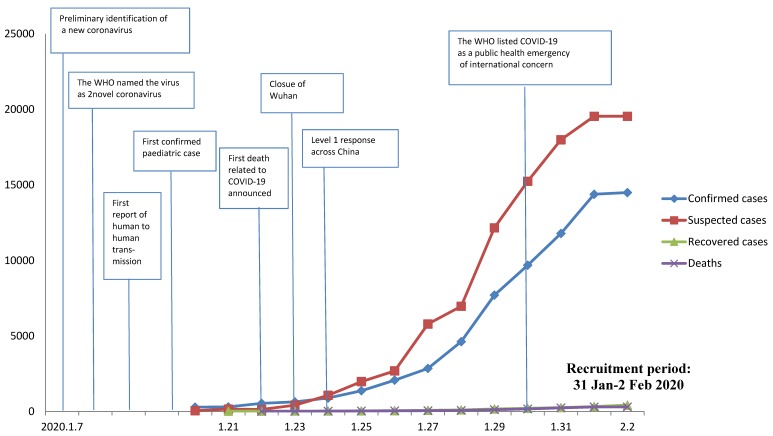
Verification
Claims the paper makes
The claims and statistics of this paper haven’t been checked yet.
Free: it reads the open-access text and checks the first 5 claims that cite a source we can check. Create a free account to check every claim.
Claims other papers make about this one
Each is checked against this paper’s own text: does it say what the citing paper says it does?
The cited source doesn’t support the claim as written.
In the citing paper
“However, there was some indication that younger people (aged 12–21 years) perceived the impact of COVID-19 to be greater than older adults (aged 50–59 years).”
From Risk and protective factors for prospective changes in adolescent mental health during the COVID-19 pandemic (2021) · cites this paper as Wang et al. 2020
Checked by a reasoning model — may be wrong.
Experimental — accuracy not yet measuredThe cited source doesn’t support the claim as written.
In the citing paper
“One study surveyed 1738 Chinese participants at two time points following the commencement of the pandemic and found no significant changes across time in depression, anxiety and stress over the study period (Wang et al. 2020).”
From Risk and protective factors for prospective changes in adolescent mental health during the COVID-19 pandemic (2021) · cites this paper as Wang et al. 2020
Checked by a reasoning model — may be wrong.
Experimental — accuracy not yet measuredThe cited source doesn’t support the claim as written.
In the citing paper
“Studies also reported that female adolescents showed higher depression and anxiety levels during COVID‑19 than male adolescents did [23,24,25,32,33].”
From Mental Health of Children and Adolescents Amidst COVID-19 and Past Pandemics: A Rapid Systematic Review (2021) · cites this paper as [32]
Checked by a reasoning model — may be wrong.
Experimental — accuracy not yet measuredThe source backs part of the claim, not all of it — or backs it for a different population, condition or comparison.
In the citing paper
“Individuals with pre-existing mental disorders may be at especially high risk of experiencing deterioration of their mental well-being during the time of the pandemic [13].”
From The impact of the COVID-19 pandemic on help-seeking behaviors in individuals suffering from eating disorders and their caregivers (2020) · cites this paper as [13]
Experimental — accuracy not yet measuredThe source backs part of the claim, not all of it — or backs it for a different population, condition or comparison.
In the citing paper
“Immediately following the onset of COVID-19, many studies noted steep increases in the experience of anxiety, depressive, and eating pathology symptoms (Qiu et al., 2021, Taylor et al., 2020a; Wang et al., 2020).”
From Prevalence rates of anxiety, depressive, and eating pathology symptoms between the pre- and peri-COVID-19 eras: A meta-analysis (2022) · cites this paper as Wang et al., 2020
Experimental — accuracy not yet measured
32 more claims about this paper
Create a free account to see every claim other papers make about this one.
Self-check
Percentages, sums and reported differences re-computed from the paper’s own numbers.
The self-check needs the paper’s full text.
Citations
Cites
Clinical features of patients infected with 2019 novel coronavirus in Wuhan, China
Huang, C., Wang, Y., Li, X., Ren, L., Zhao, J., Hu, Y., Zhang, L., Fan, G., Xu, J., Gu, X., et al. (2020) · The Lancet · doi:10.1016/s0140-6736(20)30183-5 · Cited by 48,884
Chen, N., Zhou, M., Dong, X., Qu, J., Gong, F., Han, Y., Qiu, Y., Wang, J., Liu, Y., Wei, Y., et al. (2020) · The Lancet · doi:10.1016/s0140-6736(20)30211-7 · Cited by 21,415 · cited 8×
“For the anxiety subscale, 770 (63.6%) were considered to have a normal score (score: 0-6); 91 (7.5%) were considered to suffer from mild anxiety (score: 7-9); 247 (20.4%) were considered to suffer from moderate anxiety (score: [10] [11] [12] [13] [14] ; and 102 (8.4%) were considered to suffer from severe and extremel…”
BackgroundInfluentialEarly transmission dynamics in Wuhan, China, of novel coronavirus-infected pneumonia
Li, Q., Guan, X., Wu, P., Wang, X., Zhou, L., Tong, Y., Ren, R., Leung, K. S. M., Lau, E. H. Y., Wong, J. Y., et al. (2020) · New England Journal of Medicine · doi:10.1056/nejmoa2001316 · Cited by 16,575 · cited 2×
“The average incubation period is estimated to be 5.2 days, with significant variation among patients [9] , and it may be capable of asymptomatic spread [10, 11] .”
BackgroundInfluentialLu, R., Zhao, X., Li, J., Niu, P., Yang, B., Wu, H., Wang, W., Song, H., Huang, B., Zhu, N., et al. (2020) · The Lancet · doi:10.1016/s0140-6736(20)30251-8 · Cited by 11,907 · cited 5×
“Linear regression analysis showed that avoiding the sharing of utensils (e.g., chopsticks) during meals was significantly associated with lower scores in the IES-R [20] [21] [22] [23] [24] 1025 (84.7) Reference Reference Reference Reference * p < 0.05; ** p < 0.01; *** p < 0.001.”
BackgroundInfluentialA novel coronavirus outbreak of global health concern
Wang, C., Horby, P. W., Hayden, F. G., & Gao, G. F. (2020) · The Lancet · doi:10.1016/s0140-6736(20)30185-9 · Cited by 7,700 · cited 1×
“The 2019 coronavirus disease (COVID-19) epidemic in China is a global health threat [1] , and is by far the largest outbreak of atypical pneumonia since the severe acute respiratory syndrome (SARS) outbreak in 2003.”
BackgroundSelf-citationFirst case of 2019 novel coronavirus in the United States
Holshue, M. L., DeBolt, C., Lindquist, S., Lofy, K. H., Wiesman, J., Bruce, H., Spitters, C., Ericson, K., Wilkerson, S., Tural, A., et al. (2020) · New England Journal of Medicine · doi:10.1056/nejmoa2001191 · Cited by 6,030 · cited 6×
“For the anxiety subscale, 770 (63.6%) were considered to have a normal score (score: 0-6); 91 (7.5%) were considered to suffer from mild anxiety (score: 7-9); 247 (20.4%) were considered to suffer from moderate anxiety (score: [10] [11] [12] [13] [14] ; and 102 (8.4%) were considered to suffer from severe and extremel…”
BackgroundInfluentialTransmission of 2019-nCoV Infection from an Asymptomatic Contact in Germany
Rothe, C., Schunk, M., Sothmann, P., Bretzel, G., Froeschl, G., Wallrauch, C., Zimmer, T., Thiel, V., Janke, C., Guggemos, W., et al. (2020) · New England Journal of Medicine · doi:10.1056/nejmc2001468 · Cited by 4,144 · cited 4×
“The average incubation period is estimated to be 5.2 days, with significant variation among patients [9] , and it may be capable of asymptomatic spread [10, 11] .”
BackgroundInfluentialTimely mental health care for the 2019 novel coronavirus outbreak is urgently needed
Xiang, Y.-T., Yang, Y., Li, W., Zhang, L., Zhang, Q., Cheung, T., & Ng, C. H. (2020) · The Lancet Psychiatry · doi:10.1016/s2215-0366(20)30046-8 · Cited by 3,598 · cited 5×
“The ongoing COVID-19 epidemic is inducing fear, and a timely understanding of mental health status is urgently needed for society [16] .”
BackgroundInfluentialCoronavirus Infections—More Than Just the Common Cold
Paules, C. I., Marston, H. D., & Fauci, A. S. (2020) · JAMA · doi:10.1001/jama.2020.0757 · Cited by 2,136 · cited 1×
“COVID-19, similarly to SARS, is a beta-coronavirus that can be spread to humans through intermediate hosts such as bats [5], though the actual route of transmission is still debatable.”
BackgroundPsychometric properties of the Impact of Event Scale—Revised
Creamer, M., Bell, R., & Failla, S. (2003) · Behaviour Research and Therapy · doi:10.1016/j.brat.2003.07.010 · Cited by 1,947
Cited by
Items 801–900 of 1,126
The impact of COVID-19 on college anxiety, optimism, gratitude, and course satisfaction
Biber, D., Melton, B. F., & Czech, D. R. (2020) · Journal of American College Health · doi:10.1080/07448481.2020.1842424 · Cited by 113
“examined college students in China, with the majority of students rating the psychological impact of the COVID-19 outbreak as moderate or severe.(3) Lee suggests that college and university students are stressed about campus evacuations and cancelation of anticipated events such as study abroad opportunities and gradu…”
BackgroundWan Mohd Yunus, W. M. A., Badri, S. K. Z., Panatik, S. A., & Mukhtar, F. (2021) · Frontiers in Psychiatry · doi:10.3389/fpsyt.2020.566221 · Cited by 91
“Likewise, recent studies during the COVID-19 pandemic have also provide evidences of indirect adverse mental health impact of the virus (4, 5).”
BackgroundMethodUncovering survivorship bias in longitudinal mental health surveys during the COVID-19 pandemic
Czeisler, M. É., Wiley, J. F., Czeisler, C. A., Rajaratnam, S. M. W., & Howard, M. E. (2021) · Epidemiology and Psychiatric Sciences · doi:10.1017/s204579602100038x · Cited by 90
O impacto da pandemia pela COVID-19 na saúde mental: qual é o papel da Atenção Primária à Saúde?
Nabuco, G., de Oliveira, M. H. P. P., & Afonso, M. P. D. (2020) · Revista Brasileira de Medicina de Família e Comunidade · doi:10.5712/rbmfc15(42)2532 · Cited by 245
Concerns of women regarding pregnancy and childbirth during the COVID-19 pandemic
Ahlers‐Schmidt, C. R., Hervey, A. M., Neil, T., Kuhlmann, S., & Kuhlmann, Z. C. (2020) · Patient Education and Counseling · doi:10.1016/j.pec.2020.09.031 · Cited by 90
“With overwhelming misinformation regarding COVID-19 [13] and females expressing significantly higher levels of stress, anxiety and depression [14], it is crucial to assess the impact on perinatal women.”
Bourion-Bédès, S., Tarquinio, C., Batt, M., Tarquinio, P., Lebreuilly, R., Sorsana, C., Legrand, K., Rousseau, H., & Baumann, C. (2021) · Psychiatry Research · doi:10.1016/j.psychres.2020.113559 · Cited by 90
Yang, Y., Liu, K., Li, S., & Shu, M. (2020) · International Journal of Environmental Research and Public Health · doi:10.3390/ijerph17238931 · Cited by 90
“Similarly, a longitudinal study indicated that, despite of the sharp increases in COVID-19-confirmed cases between the end of January (10 days after the outbreak) and the beginning of March, the levels of stress, anxiety, and depression were relatively stable among the general population [11].”
BackgroundResultLuo, Y., Chua, C. R., Xiong, Z., Ho, R., & Ho, C. S. H. (2020) · Frontiers in Psychiatry · doi:10.3389/fpsyt.2020.565098 · Cited by 103
“30) when compared to the employed population (16).”
Self-citationCouarraze, S., Delamarre, L., Marhar, F., Quach, B., Jiao, J., Avilés Dorlhiac, R., Saadaoui, F., Liu, A. S.-I., Dubuis, B., Antunes, S., et al. (2021) · PLOS ONE · doi:10.1371/journal.pone.0257840 · Cited by 90
“Our results concord with the literature revealing that women are more prone to stress [51–53], and may also suffer more from the negative psychological impact of the COVID-19 outbreak [39, 54].”
ResultGrasso, M. T., Klicperová‐Baker, M., Koos, S., Kosyakova, Y., Petrillo, A., & Vlase, I. (2021) · European Societies · doi:10.1080/14616696.2020.1869283 · Cited by 90
“In the beginning of the crisis, non-traditional means of political participation, such as demonstrations, have been mostly muted, but demonstrations later took place across Europe, for example against government measures to fight COVID-19 and over other questions, such as for example those in France against the securi…”
BackgroundConsidering grief in mental health outcomes of COVID-19.
Bertuccio, R. F., & Runion, M. C. (2020) · Psychological Trauma: Theory, Research, Practice, and Policy · doi:10.1037/tra0000723 · Cited by 87
Distress and Resilience in the Days of COVID-19: Comparing Two Ethnicities
Kimhi, S., Eshel, Y., Marciano, H., & Adini, B. (2020) · International Journal of Environmental Research and Public Health · doi:10.3390/ijerph17113956 · Cited by 89
“The assumption was that highly educated professionals are accustomed to a busy lifestyle and the current isolation from routine colleagues, activities, and occupations, contributed to elevated frustrations and anxiety [3,39,40].”
BackgroundDecrease in sleep quality during COVID-19 outbreak
Targa, A., Benitez, I. D., Moncusí‐Moix, A., Arguimbau, M., de Batlle, J., Dalmases, M., & Barbé, F. (2020) · Sleep And Breathing · doi:10.1007/s11325-020-02202-1 · Cited by 98
“In addition, in a study performed during the initial stage of the COVID-19 outbreak in China, 54% of participants rated the psychological impact as moderate or severe and about onethird reported moderate-to-severe anxiety [7].”
BackgroundAgberotimi, S. F., Akinsola, O. S., Oguntayo, R., & Olaseni, A. O. (2020) · Frontiers in Psychology · doi:10.3389/fpsyg.2020.559819 · Cited by 88
“Interestingly, a similar higher prevalence of mental health outcomes was reported among healthcare workers in China caring for COVID-19 patients as against lower prevalence of mental health outcomes among the Chinese general population (Lai et al., 2020; Wang et al., 2020).”
BackgroundCOVID-19 information-related digital literacy among online health consumers in a low-income country
Abdulai, A.-F., Tiffere, A.-H., Adam, F., & Kabanunye, M. M. (2021) · International Journal of Medical Informatics · doi:10.1016/j.ijmedinf.2020.104322 · Cited by 88
Mojtahedi, D., Dagnall, N., Denovan, A., Clough, P., Hull, S., Canning, D., Lilley, C., & Papageorgiou, K. Α. (2021) · Frontiers in Psychiatry · doi:10.3389/fpsyt.2020.607246 · Cited by 106
“From these studies it is clear that individual differences can play a significant role in mitigating the negative mental effects of the pandemic (15, 17, 18).”
BackgroundResultKogila Palanimuthu1, H. Y. (2021) · Medico-Legal Update · doi:10.37506/mlu.v21i1.2349 · Cited by 89
Wang, S., Wen, X., Dong, Y., Liu, B., & Cui, M. (2020) · Psychosomatics · doi:10.1016/j.psym.2020.05.005 · Cited by 100
“5% reported moderate to severe depressive symptoms.(6) Therefore, the psychological state of the public during the pandemic is very important.”
Humer, E., Pieh, C., Kuska, M., Barke, A., Doering, B. K., Gossmann, K., Trnka, R., Meier, Z., Kascakova, N., Tavel, P., et al. (2020) · International Journal of Environmental Research and Public Health · doi:10.3390/ijerph17134811 · Cited by 88
“At the same time, mental health problems increase not only among infected patients and relatives, but also in the general population [1,4,5].”
BackgroundZhao, H., He, X., Fan, G., Li, L., Huang, Q., Qiu, Q., Kang, Z., Du, T., Han, L., Ding, L., et al. (2020) · Journal of Affective Disorders · doi:10.1016/j.jad.2020.07.085 · Cited by 88
“More relevantly, Wang and colleagues (Wang et al., 2020) reported that 53.”
InfluentialChen, H., Sun, L., Du, Z., Zhao, L., & Wang, L. (2020) · Journal of Clinical Nursing · doi:10.1111/jocn.15444 · Cited by 88
“…skills, stress-reduction strategies (mindfulness, deep breathing, gratitude), self-administered acupressure, and emotional freedom techniques (derived from key principles within traditional Chinese medicine) may be effective strategies to improve mental health(Ho, Chee, & Ho,2020;Wang et al.,2020).”
MethodResultEarly Psychological Impact of the COVID-19 Pandemic in Brazil: A National Survey
Campos, J. Á. D. B., Martins, B. G., Campos, L. A., Marôco, J. P., Saadiq, R. A., & Ruano, R. (2020) · Journal of Clinical Medicine · doi:10.3390/jcm9092976 · Cited by 114
“[22] (Normal—0 to 23; Mild—24 to 32; Moderate—33 to 36; Severe—≥37) were proposed to estimate the prevalence of psychological impact and its degree of involvement.”
BackgroundJung, S., Kneer, J., & Krüger, T. H. C. (2020) · Journal of Clinical Medicine · doi:10.3390/jcm9113708 · Cited by 102
“found that more than half of the general population rated the outbreak’s psychological impact as moderate or severe [5].”
BackgroundCOVID-19 related concerns of people with long-term respiratory conditions: a qualitative study
Philip, K. E. J., Lonergan, B., Cumella, A., Farrington-Douglas, J., Laffan, M., & Hopkinson, N. S. (2020) · BMC Pulmonary Medicine · doi:10.1186/s12890-020-01363-9 · Cited by 97
Ansiedad por Covid - 19 y salud mental en estudiantes universitarios
Vivanco-Vidal, A., Saroli-Araníbar, D., Caycho‐Rodríguez, T., Carbajal‐León, C., & Noé-Grijalva, M. (2020) · Revista de Investigación en Psicología · doi:10.15381/rinvp.v23i2.19241 · Cited by 169
Mosheva, M., Gross, R., Hertz‐Palmor, N., Hasson‐Ohayon, I., Kaplan, R., Cleper, R., Kreiss, Y., Gothelf, D., & Pessach, I. M. (2021) · Depression and Anxiety · doi:10.1002/da.23140 · Cited by 105
“…widespread fear, anxiety, depression, and stress in the public in general (Ettman et al., 2020; Gao et al., 2020; Huang & Zhao, 2020; Lu et al., 2020; Wang et al., 2020) as well as among frontline responders, most noticeably physicians and nurses (Chen et al., 2020; Dewey et al., 2020; Kisely et…”
BackgroundStangier, U., Kananian, S., & Schüller, J. S. (2021) · Current Psychology · doi:10.1007/s12144-021-01456-6 · Cited by 100
“There is much evidence that knowledge about COVID-19 is associated with behavioral changes (Clements, 2020; Wang et al., 2020).”
BackgroundResultRamalho, S. M., Trovisqueira, A., de Lourdes, M., Gonçalves, S. F., Ribeiro, I., Vaz, A., Machado, P. P. P., & Conceição, E. (2021) · Eating and Weight Disorders - Studies on Anorexia Bulimia and Obesity · doi:10.1007/s40519-021-01128-1 · Cited by 111
Depression and anxiety during the COVID‐19 pandemic in Saudi Arabia: A cross‐sectional study
Alyami, H. S., Naser, A. Y., Dahmash, E. Z., Alyami, M. H., & Alyami, M. S. (2021) · International Journal of Clinical Practice · doi:10.1111/ijcp.14244 · Cited by 98
“TA B L E 5 Logistic regression analysis Wang et al (2020) revealed that women were significantly associated with a greater psychological impact following the COVID- 19 outbreak and had higher levels of stress, anxiety and depression (P .05).1 Several factors could have contributed to the women's…”
MethodResultPerceived stress among university students in Oman during COVID-19-induced e-learning
Malik, M., & Javed, S. (2021) · Middle East Current Psychiatry · doi:10.1186/s43045-021-00131-7 · Cited by 145
“Furthermore, the negative psychological impacts are aggravated if the public emergencies accompany with home confinement [6, 7], which is what happened across the globe, during COVID-19.”
BackgroundChen, C.-Y., Chen, I.-H., O’Brien, K. S., Latner, J. D., & Lin, C.-Y. (2021) · International Journal of Obesity · doi:10.1038/s41366-021-00741-5 · Cited by 87
Depression, Anxiety, and Stress In The Time of COVID-19 Pandemic In Kurdistan Region, Iraq
Kamal, N. M., & Othman, N. (2020) · Kurdistan Journal of Applied Research · doi:10.24017/covid.5 · Cited by 87
“Apart from the fear and uncertainty about the spread of infections, people faced other challenges that could impact their mental health and psychological well-being including movement restriction, changes in their lifestyle, living conditions and jobs, closure of schools [3].”
BackgroundYehudai, M., Bender, S., Гриценко, В. В., Konstantinov, V. V., Reznik, A., & Isralowitz, R. (2020) · International Journal of Mental Health and Addiction · doi:10.1007/s11469-020-00360-7 · Cited by 103
Anxiety and Depression Symptoms in COVID-19 Isolated Patients and in Their Relatives
Dorman-Ilan, S., Hertz‐Palmor, N., Brand‐Gothelf, A., Hasson‐Ohayon, I., Matalon, N., Gross, R., Chen, W., Abramovich, A., Afek, A. B., Ziv, A., et al. (2020) · Frontiers in Psychiatry · doi:10.3389/fpsyt.2020.581598 · Cited by 100
“On chi-square test for independence, differences in religiosity distribution between adult relatives and children were significant [χ2 (1) = 4.”
BackgroundMethodInfluentialWiguna, T., Anindyajati, G., Kaligis, F., Ismail, R. I., Minayati, K., Hanafi, E., Murtani, B. J., Wigantara, N. A., Putra, A. A., & Pradana, K. (2020) · Frontiers in Psychiatry · doi:10.3389/fpsyt.2020.598756 · Cited by 87
“This brief research report was presented data during the first and second phases of the pandemic, which was defined as the period between the Indonesian government’s enforced social distancing, school closures, and personal hygiene measures such as hand washing and the use of face masks, in order to mitigate the sprea…”
BackgroundPsychological Effects of Social Isolation Due to Quarantine in Chile: An Exploratory Study
Dagnino, P., Anguita, V., Escobar, K., & Cifuentes, S. (2020) · Frontiers in Psychiatry · doi:10.3389/fpsyt.2020.591142 · Cited by 87
“Few studies have evaluated these issues among the general population (25, 31), mainly targeting specific people such as health professionals [e.”
BackgroundInfluentialCallinan, S., Mojica‐Perez, Y., Wright, C. C. J., Livingston, M., Kuntsche, S., Laslett, A., Room, R., & Kuntsche, E. N. (2020) · Drug and Alcohol Review · doi:10.1111/dar.13200 · Cited by 101
Rodríguez‐Nogueira, Ó., Leirós‐Rodríguez, R., Benítez‐Andrades, J. A., Álvarez, M. J. Á., Marqués‐Sánchez, P., & Pinto‐Carral, A. (2020) · International Journal of Environmental Research and Public Health · doi:10.3390/ijerph18010031 · Cited by 118
“[17] have quantified the psychological impact brought about by the outbreak of COVID-19, identifying that the prevalence of pathological degrees of stress has affected 28.”
BackgroundCheng, C., Wang, H.-Y., & Ebrahimi, O. V. (2021) · Frontiers in Psychiatry · doi:10.3389/fpsyt.2021.626197 · Cited by 100
Hamzehgardeshi, Z., Omidvar, S., Asadi-Amoli, A., & Firouzbakht, M. (2021) · BMC Pregnancy and Childbirth · doi:10.1186/s12884-021-03694-9 · Cited by 123
Social Media and Health Care (Part II): Narrative Review of Social Media Use by Patients
Farsi, D., Martínez‐Menchaca, H., Ahmed, M., & Farsi, N. J. (2022) · Journal of Medical Internet Research · doi:10.2196/30379 · Cited by 122
“8% of respondents expressed encountering a moderate or severe psychological impact from the COVID-19 pandemic [76].”
BackgroundSkalski-Bednarz, S. B., Uram, P., Dobrakowski, P., & Kwiatkowska, A. (2020) · doi:10.31234/osf.io/28tnw · Cited by 86
Changes in Provision of Psychotherapy in the Early Weeks of the COVID-19 Lockdown in Austria
Probst, T., Stippl, P., & Pieh, C. (2020) · International Journal of Environmental Research and Public Health · doi:10.3390/ijerph17113815 · Cited by 99
Barello, S., & Graffigna, G. (2020) · Frontiers in Psychology · doi:10.3389/fpsyg.2020.01431 · Cited by 112
Seyahi, E., Poyraz, B. Ç., Süt, N., Akdoğan, S., & Hamuryudan, V. (2020) · Rheumatology International · doi:10.1007/s00296-020-04626-0 · Cited by 94
Naylor, G., Burke, L. A., & Holman, J. A. (2020) · Ear and Hearing · doi:10.1097/aud.0000000000000948 · Cited by 102
“Emotions • The Covid-19 pandemic has induced elevated anxiety in the general population (Wang et al. 2020).”
BackgroundPerceived Stress Level and Anxiety Levels in İndividuals in Covid-19 Outbreak
KUMCAĞIZ, Ö. G. H., & KUMCAĞIZ, H. (2020) · Journal of Turkish Studies · doi:10.7827/turkishstudies.44397 · Cited by 87
Schiff, M., Zasiekina, L., Pat‐Horenczyk, R., & Benbenishty, R. (2020) · Journal of Community Health · doi:10.1007/s10900-020-00930-9 · Cited by 97
“The unprecedented aspects of the COVID-19 crisis call indeed for re-thinking or re-calculating innovative approaches not just to inform the development of novel prevention and interventions [11], but also for conceptualizing and measuring its consequences [12].”
BackgroundSkalski‐Bednarz, S. B., Uram, P., Dobrakowski, P. P., & Kwiatkowska, A. (2020) · Personality and Individual Differences · doi:10.1016/j.paid.2020.110540 · Cited by 96
Korkmaz, H., & Güloğlu, B. (2021) · Personality and Individual Differences · doi:10.1016/j.paid.2021.110952 · Cited by 113
Wheaton, M. G., Ward, H. E., Silber, A., McIngvale, E., & Björgvinsson, T. (2021) · Journal of Anxiety Disorders · doi:10.1016/j.janxdis.2021.102410 · Cited by 86
“, quarantine, economic shutdowns, and social distancing) are also having an enormous impact on mental health and emotional well-being, for both the general public (Fitzpatrick, Drawve, & Harris, 2020; Qiu et al., 2020; Shigemura, Ursano, Morganstein, Kurosawa, & Benedek, 2020; Wang et al., 2020) as well as individuals…”
Background¿Se observarán cambios en el consumo de alcohol y tabaco durante el confinamiento por COVID-19?
García-Álvarez, L., de la Fuente-Tomás, L., Sáiz, P. A., García‐Portilla, M. P., & Bobes, J. (2020) · Adicciones · doi:10.20882/adicciones.1546 · Cited by 122
“En los estudios publicados sobre el impacto psicológico del COVID-19 en China, se ha observado malestar emocional, estando las respuestas de ansiedad grave presentes en un tercio de la población general (Lima et al., 2020; Wang et al., 2020).”
BackgroundGarcía-Álvarez, L., de la Fuente-Tomás, L., García‐Portilla, M. P., Sáiz, P. A., Moya-Lacasa, C., Santo, F. D., González-Blanco, L., Bobes-Bascarán, T., García, M. V., Alvarez-Vázquez, C., et al. (2020) · Journal of Global Health · doi:10.7189/jogh.10.020505 · Cited by 102
COVID-19 and Crimes Against Women: Evidence from Mexico
Hoehn‐Velasco, L., Silverio‐Murillo, A., & de la Miyar, J. R. B. (2020) · Economics & Human Biology · doi:10.1016/j.ehb.2021.100991 · Cited by 102
McPherson, K. E., McAloney‐Kocaman, K., McGlinchey, E., Faeth, P. C., & Armour, C. (2021) · Psychiatry Research · doi:10.1016/j.psychres.2021.114138 · Cited by 98
Rogowska, A. M., Ochnik, D., Kuśnierz, C., Jakubiak, M., Schütz, A., Held, M. J., Arzenšek, A., Benatov, J., Berger, R., Korchagina, E. V., et al. (2021) · BMC Public Health · doi:10.1186/s12889-021-12288-1 · Cited by 84
An, M. H., You, S. C., Park, R. W., & Lee, S. (2021) · JMIR Medical Informatics · doi:10.2196/25435 · Cited by 84
“2% worrying about their family members being exposed to COVID-19 [39].”
BackgroundEl-Monshed, A. H., El-Adl, A. A., Ali, A. S., & Loutfy, A. (2022) · Journal of American College Health · doi:10.1080/07448481.2021.1891086 · Cited by 84
James Riegler, L., Raj, S. P., Moscato, E. L., Narad, M. E., Kincaid, A., & Wade, S. L. (2020) · Journal of Psychotherapy Integration · doi:10.1037/int0000220 · Cited by 84
Covid stress predicts depression, anxiety and stress symptoms of Filipino respondents
Montano, R. L. T., & Acebes, K. M. L. (2020) · International Journal of Research in Business and Social Science (2147- 4478) · doi:10.20525/ijrbs.v9i4.773 · Cited by 83
“Some of the COVID and mental health studies looked at posttraumatic stress symptoms (e.g. Liu et al., 2020) while some incorporated other disorders as well (e.g. Wang et al., 2020a,b).”
BackgroundSayeed, A., Kundu, S., Banna, M. H. A., Christopher, E., Hasan, M. T., Begum, M. R., Chowdhury, S., & Khan, M. S. I. (2020) · Psychiatria Danubina · doi:10.24869/psyd.2020.491 · Cited by 116
Resilience in the age of COVID-19
Kaye‐Kauderer, H., Feingold, J. H., Feder, A., Southwick, S. M., & Charney, D. S. (2021) · BJPsych Advances · doi:10.1192/bja.2021.5 · Cited by 116
Hubbard, G., den Daas, C., Johnston, M., Murchie, P., Thompson, C. W., & Dixon, D. L. (2021) · International Journal of Environmental Research and Public Health · doi:10.3390/ijerph18083869 · Cited by 100
Zito, M., Ingusci, E., Cortese, C. G., Giancaspro, M. L., Manuti, A., Molino, M., Signore, F., & Russo, V. (2021) · International Journal of Environmental Research and Public Health · doi:10.3390/ijerph18083933 · Cited by 67
“[112], conducted in China already in the initial phase of the lockdown, the psychological impact was assessed as moderate to severe, and about one third of the population reported feeling anxious.”
BackgroundMindfulness practice for protecting mental health during the COVID-19 pandemic
Zhu, J. L., Schülke, R., Vatansever, D., Xi, D., Yan, J., Zhao, H., Xie, X., Feng, J., Chen, M. Y., Sahakian, B. J., et al. (2021) · Translational Psychiatry · doi:10.1038/s41398-021-01459-8 · Cited by 83
Anxiety and depression and its correlates in patients with coronavirus disease 2019 in Wuhan
Nie, X.-D., Wang, Q., Wang, M.-N., Zhao, S., Liu, L., Zhu, Y.-L., & Chen, H. (2021) · International Journal of Psychiatry in Clinical Practice · doi:10.1080/13651501.2020.1791345 · Cited by 83
“Studies of the general population of China have found significantly higher prevalence rates of depression and anxiety (Gao et al. 2020; Wang et al. 2020a, 2020b).”
BackgroundResultInfluentialCOVID-19-related Traumatic Effects and Psychological Reactions among International Students
Song, B., Zhao, Y., & Zhu, J. (2020) · Journal of Epidemiology and Global Health · doi:10.2991/jegh.k.201016.001 · Cited by 104
Maalouf, F. T., Mdawar, B., Meho, L. I., & Akl, E. A. (2020) · Journal of Psychiatric Research · doi:10.1016/j.jpsychires.2020.10.018 · Cited by 93
Córdova, A., Caballero-García, A., Drobnic, F., Roche, E., & Noriega, D. C. (2023) · Healthcare · doi:10.3390/healthcare11121787 · Cited by 154
Nochaiwong, S., Ruengorn, C., Awiphan, R., Ruanta, Y., Boonchieng, W., Nanta, S., Kowatcharakul, W., Pumpaisalchai, W., Kanjanarat, P., Mongkhon, P., et al. (2020) · Medicine · doi:10.1097/md.0000000000020751 · Cited by 97
Ren, Y., Qian, W., Li, Z., Liu, Z., Zhou, Y., Wang, R., Qi, L., Yang, J., Song, X., Zeng, L., et al. (2020) · Journal of Affective Disorders · doi:10.1016/j.jad.2020.08.045 · Cited by 96
Pan, Y., Xin, M., Zhang, C., Dong, W., Fang, Y., Wu, W., Li, M., Pang, J., Zheng, Z., Wang, Z. J., et al. (2020) · Journal of Medical Internet Research · doi:10.2196/22596 · Cited by 93
“People with inadequate skills and resources to analyze and appraise the information to which they are exposed may be particularly vulnerable to mental distress due to high information anxiety, confusion about information quality, and unsatisfied information needs [12,52,53].”
BackgroundBinh, N., Nguyen, P., Khuê, P. M., Nguyen, H. C., Nguyen, M. H., Tran, C. Q., Nguyen, T. T. P., Tran, T. V., Pham, L. V., Tran, K. V., et al. (2020) · Frontiers in Public Health · doi:10.3389/fpubh.2020.581746 · Cited by 98
“This finding is similar to previous studies (50, 51).”
ResultGiusti, L., Salza, A., Mammarella, S., Bianco, D., Ussorio, D., Casacchia, M., & Roncone, R. (2020) · Frontiers in Psychiatry · doi:10.3389/fpsyt.2020.574812 · Cited by 82
“Among selected predictors of their constructed model, the student condition did not seem to represent a predictive significant variable of stress, anxiety, and depression symptoms (27), whereas significant predictors were female gender, negative affect, and detachment.”
BackgroundResultThe Effect of COVID-19 Anxiety on General Health: the Role of COVID-19 Coping
Yıldırım, M., Akgül, Ö., & Geçer, E. (2021) · International Journal of Mental Health and Addiction · doi:10.1007/s11469-020-00429-3 · Cited by 106
Meaning in Life, Religious Coping, and Loneliness During the Coronavirus Health Crisis in Turkey
Yıldırım, M., KIZILGEÇİT, M., Seçer, İ., Karabulut, F., ANGIN, Y., DAĞCI, A., Vural, M. E., Bayram, N. N., & Çinici, M. (2021) · Journal of Religion and Health · doi:10.1007/s10943-020-01173-7 · Cited by 119
An, R., Chen, X., Wu, Y., Liu, J., Deng, C., Liu, Y., & Guo, H. (2021) · Archives of Psychiatric Nursing · doi:10.1016/j.apnu.2021.02.001 · Cited by 92
Chen, X., Zou, Y., & Gao, H. (2021) · Health & Place · doi:10.1016/j.healthplace.2021.102532 · Cited by 98
The Effect of Loneliness on Death Anxiety in the Elderly During the COVID-19 Pandemic
Güner, T. A., Erdoğan, Z., & Demir, İ. (2021) · OMEGA - Journal of Death and Dying · doi:10.1177/00302228211010587 · Cited by 104
“Due to the high rate of spread and mortality of this virus, which causes serious acute respiratory system infections, strict isolation measures have been applied especially to those in risk groups in countries where the epidemic occurs (Karcıo glu, 2020; Velavan &Meyer, 2020; Wang et al., 2020).”
BackgroundDai, J., Sang, X., Menhas, R., Xu, X., Khurshid, S., Mahmood, S., Weng, Y., Huang, J., Cai, Y., Shahzad, B., et al. (2021) · Frontiers in Psychology · doi:10.3389/fpsyg.2021.667461 · Cited by 101
COVID-19 pandemic and the psyche, bruxism, temporomandibular disorders triangle
Colonna, A., Guarda‐Nardini, L., Ferrari, M., & Manfredini, D. (2021) · CRANIO® · doi:10.1080/08869634.2021.1989768 · Cited by 93
“Not surprisingly, a recent study shows that the coronavirus outbreak is associated with a moderate to severe psychological impact in most individuals [3].”
BackgroundWork-Life Balance and Mental Health Needs of Health Professionals During COVID-19 Pandemic in Turkey
Ayar, D., Karaman, M. A., & Karaman, R. (2021) · International Journal of Mental Health and Addiction · doi:10.1007/s11469-021-00717-6 · Cited by 129
Matos, M., McEwan, K., Kanovský, M., Halamová, J., Steindl, S. R., Ferreira, N., Linharelhos, M., Rijo, D., Asano, K., Márquez, M. G., et al. (2022) · Mindfulness · doi:10.1007/s12671-021-01822-2 · Cited by 82
The Relationship Between Fear of COVID-19 and Depression, Anxiety, and Stress: A Meta-Analysis
Erbiçer, E. S., Metin, A., Çetinkaya, A., & Şen, S. (2021) · European Psychologist · doi:10.1027/1016-9040/a000464 · Cited by 82
Fang, Y., Ji, B., Liu, Y., Zhang, J., Liu, Q., Ge, Y., Xie, Y., & Liu, C. (2022) · Scientific Reports · doi:10.1038/s41598-022-16328-7 · Cited by 91
Scharmer, C., Martinez, K., Gorrell, S., Reilly, E. E., Donahue, J. M., & Anderson, D. A. (2020) · International Journal of Eating Disorders · doi:10.1002/eat.23395 · Cited by 79
“The coronavirus (COVID-19) pandemic (WHO, 2020) has resulted in high death and unemployment rates and disruptions in daily living, which may contribute to increased mental health concerns, including elevated anxiety (Wang et al., 2020).”
BackgroundLiu, S., Heinzel, S., Haucke, M. N., & Heinz, A. (2021) · Medicina · doi:10.3390/medicina57010053 · Cited by 81
Healing the Healer: Protecting Emergency Health Care Workers’ Mental Health During COVID-19
Wong, A. H.-W., Pacella‐LaBarbara, M. L., Ray, J. M., Ranney, M. L., & Chang, B. (2020) · Annals of Emergency Medicine · doi:10.1016/j.annemergmed.2020.04.041 · Cited by 94
“In addition to the physical mortality and morbidity directly attributed to COVID-19, this pandemic has broad psychosocial and emotional influence.(3,4) Advancements in global connectedness, digital technology, and media coverage have amplified both the spread of the COVID-19 infection and the intensity of associated p…”
The psychological status of people affected by the COVID-19 outbreak in China
Zhu, Z. H., Liu, Q., Jiang, X., Manandhar, U., Luo, Z., Zheng, X., Li, Y., Xie, J., & Bo, Z. (2020) · Journal of Psychiatric Research · doi:10.1016/j.jpsychires.2020.05.026 · Cited by 93
Nurunnabi, M., Hossain, S. F. A., Chinna, K., Sundarasen, S., Khoshaim, H. B., Kamaludin, K., Baloch, G., Sukayt, A., & Shan, X. (2020) · F1000Research · doi:10.12688/f1000research.25557.1 · Cited by 92
Anxiety and Sleep Problems of College Students During the Outbreak of COVID-19
Wang, X., Chen, H., Liu, L., Liu, Y., Zhang, N., Sun, Z., Lou, Q., Ge, W., Hu, B., & Li, M. (2020) · Frontiers in Psychiatry · doi:10.3389/fpsyt.2020.588693 · Cited by 81
Nguyen, T. M., & Le, G. N. H. (2021) · Traumatology An International Journal · doi:10.1037/trm0000295 · Cited by 101
Hubbard, G., den Daas, C., Johnston, M., & Dixon, D. L. (2021) · International Journal of Behavioral Medicine · doi:10.1007/s12529-021-09967-z · Cited by 102
Yang, G.-Y., Lin, X., Fang, A., & Zhu, H. (2021) · Nutrients · doi:10.3390/nu13030970 · Cited by 100
“An online survey was conducted via the questionnaire platform “Wenjuan xing” (Wenjuan xing Tech Co. Ltd., Changsha, China), and was distributed via “WeChat” (Tencent Inc., Shenzhen, China) between 23 February and 4 March 2020.”
BackgroundInfluentialBeutel, M. E., Hettich, N., Ernst, M., Schmutzer, G., Tibubos, A. N., & Brähler, E. (2021) · Scientific Reports · doi:10.1038/s41598-021-94434-8 · Cited by 99
RADWAN, E. S., Radwan, A., Radwan, W., & Pandey, D. (2021) · BMC Psychology · doi:10.1186/s40359-021-00688-2 · Cited by 100
“[12], who found that the female gender was a predictor of the negative psychological influence of the COVID-19 pandemic, with females experiencing a greater psychological impact and higher levels of depression, stress and anxiety than males.”
BackgroundMethodInfluentialPUBLIC MENTAL HEALTH IN POST-COVID-19 ERA
Beijing University of Chinese Medicine, B., Ren, F.-F., Guo, R.-J., & Department of Neurology, D. H. (2020) · Psychiatria Danubina · doi:10.24869/psyd.2020.251 · Cited by 80
“At the end of 2019, the Coronavirus disease 2019 (COVID-19) caused by severe acute respiratory syndrome coronavirus-2 (SARS-CoV-2) broke out rapidly and widely spread allover the world (Wang et al. 2020).”
BackgroundInfluentialSobol, M., Błachnio, A., & Przepiórka, A. (2020) · Social Science & Medicine · doi:10.1016/j.socscimed.2020.113408 · Cited by 96
“A great problem in the struggle with the epidemic is the fact that not all members of society comply with the announcements and regulations concerning the ways to behave (Li et al., 2020; Makhanova and Shepherd, 2020; Wang et al., 2020; Zajenkowski et al., 2020).”
BackgroundResultSerafini, R. A., Powell, S. K., Frere, J. J., Saali, A., Krystal, H. L., Kumar, V., Yashaswini, C. N., Hernandez-Antonio, J., Moody, K. A., Aronson, A., et al. (2020) · Psychiatry Research · doi:10.1016/j.psychres.2020.113595 · Cited by 91
“The sweeping effects of the COVID-19 pandemic have led to increased levels of psychological distress and psychiatric symptoms worldwide (Fitzpatrick et al., 2020; Ozamiz-Etxebarria et al., 2020; Ettman et al., 2020; Sønderskov et al., 2020; Wang et al., 2020).”
BackgroundAssesment of parent-child relationship in Covid-19 pandemic
Uzun, H., Karaca, N. H., & Metin, Ş. (2021) · Children and Youth Services Review · doi:10.1016/j.childyouth.2020.105748 · Cited by 80
Metadata
- Authors
- Wang, C., Pan, R., Wan, X., Tan, Y., Xu, L., Ho, C. S., & Ho, R. C.
- Affiliations
- Huaibei Normal University (CN)
- National University of Singapore (SG)
- Corresponding author
- Ho, Roger C.
- Venue
- International Journal of Environmental Research and Public Health
- Publisher
- MDPI AG
- Published
- 2020-03-06
- Volume
- 17
- Issue
- 5
- Pages
- 1729
- ISSN
- 1660-4601 (ISSN-L)
- PMC
- PMC7084952
- OpenAlex
- W3009506062
- Semantic Scholar
- cb2f7b692a3a6fde784aca19531e5df97d25fbfd
- Cited by
- 9,923
- References
- 38
- Citations by year
- 2026: 115 · 2025: 284 · 2024: 664 · 2023: 1307 · 2022: 2216 · 2021: 3268 · 2020: 2048
- FWCI
- 883.33
- Type
- journal article
- Language
- en
- Open access
- gold
- dx.doi.org
- Licence
- Locations
- International Journal of Environmental Research and Public Health (publishedVersion, cc-by)
- Europe PMC (PubMed Central) (publishedVersion, cc-by)
- PubMed Central (publishedVersion, cc-by)
- PubMed (publishedVersion)
- Rare & Special e-Zone (The Hong Kong University of Science and Technology) (submittedVersion)
- National University of Singapore (submittedVersion, cc-by)
- RePEc: Research Papers in Economics (submittedVersion)
- DOAJ (DOAJ: Directory of Open Access Journals) (submittedVersion)
- Informationszentrum Lebenswissenschaften (ZB MED) (submittedVersion, cc-by)
- Topics
- Social Sciences › Psychology › Clinical Psychology › COVID-19 and Mental Health
- Health Sciences › Medicine › Public Health, Environmental and Occupational Health › Maternal Mental Health During Pregnancy and Postpartum
- Health Sciences › Medicine › Psychiatry and Mental health › Mental Health Treatment and Access
- Keywords
- COVID-19 pandemic, psychological impact, anxiety, depression, stress, mental health, general population, Impact of Event Scale-Revised, DASS-21, health information, precautionary measures, somatic symptoms, gender differences, self-rated health, home confinement, China, 2020 outbreak, hand hygiene, masking
- MeSH terms
- Betacoronavirus, COVID-19, SARS-CoV-2, Adolescent, Adult, Aged, Anxiety, Anxiety Disorders, Child, China, Cross-Sectional Studies, Depression, Disease Outbreaks, Female, Health Status, Humans, Male, Mental Health, Middle Aged, Pneumonia, Viral, Surveys and Questionnaires, Coronavirus, Coronavirus Infections, Resilience, Psychological, Young Adult, Epidemics
About these checks
Registry, retraction, Cites and statistics results are computed, not judged, with one exception: a printed reference that no index lists is read once by a model before it counts as a citation error. Claims are extracted by a model and kept only when their quote appears verbatim in the text; each cited source is then checked, with a model’s help, for whether it says what the claim relies on. Those verdicts can be wrong — read the claim’s quote and the cited source before relying on one.
Statistics and arithmetic are recomputed, not judged.
Confidence bands are shown only for fields calibrated on our annotated test set. None is calibrated yet, so no band is shown.
What counts as a claim ›How we measure confidence ›How we check this ›
Are you an author, or do you see a problem with this page? Request a review
Data sources
Bibliographic data: Semantic Scholar, OpenAlex, Crossref.
Contains information from the Semantic Scholar Academic Graph Datasets, made available under the ODC Attribution License (ODC-BY 1.0).
Semantic Scholar’s data is described in: Kinney, R., et al. (2023). The Semantic Scholar Open Data Platform. arXiv:2301.10140.
