

Impact of COVID-19 on Mental Health in Adolescents: A Systematic Review
Open accessThe DOI matches its Crossref record; 32 of the 32 references it cites were found in a registry or an index.
Abstract
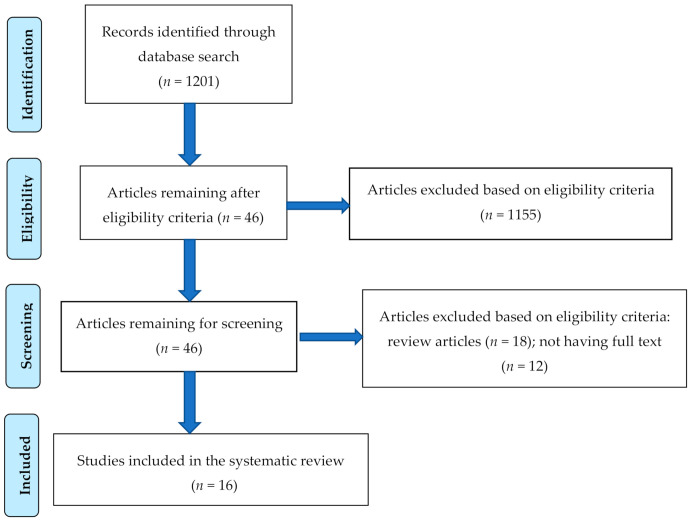
Due to lack of sufficient data on the psychological toll of the COVID-19 pandemic on adolescent mental health, this systematic analysis aims to evaluate the impact of the pandemic on adolescent mental health. This study follows the PRISMA guidelines for systematic reviews of 16 quantitative studies conducted in 2019–2021 with 40,076 participants. Globally, adolescents of varying backgrounds experience higher rates of anxiety, depression, and stress due to the pandemic. Secondly, adolescents also have a higher frequency of using alcohol and cannabis during the COVID-19 pandemic. However, social support, positive coping skills, home quarantining, and parent–child discussions seem to positively impact adolescent mental health during this period of crisis. Whether in the United States or abroad, the COVID-19 pandemic has impacted adolescent mental health. Therefore, it is important to seek and to use all of the available resources and therapies to help adolescents mediate the adjustments caused by the pandemic.
Overview
The claims and statistics of this paper haven’t been checked yet.
Free: it reads the open-access text and checks the first 5 claims that cite a source we can check. Create a free account to check every claim.
Integrity signals
Registry
Cites
Statistics
Figures
Verification
Claims the paper makes
The claims and statistics of this paper haven’t been checked yet.
Free: it reads the open-access text and checks the first 5 claims that cite a source we can check. Create a free account to check every claim.
Claims other papers make about this one
Each is checked against this paper’s own text: does it say what the citing paper says it does?
The source backs part of the claim, not all of it — or backs it for a different population, condition or comparison.
In the citing paper
“Vaccination of adolescents will allow them to reintegrate into society and resume in-person learning safely, which are especially important outcomes given the severe mental health effects of the Covid-19 pandemic on this group.18,22,26”
From Safety, immunogenicity, and efficacy of the BNT162b2 covid-19 vaccine in adolescents (2021) · cites this paper as [26]
Experimental — accuracy not yet measuredThe cited source says what the claim attributes to it.
In the citing paper
“Finally, research has found that higher levels of social support, coupled with positive coping strategies, were protective for youth mental health during the pandemic [35].”
Self-check
Percentages, sums and reported differences re-computed from the paper’s own numbers.
The self-check needs the paper’s full text.
Citations
Cites
Preferred Reporting Items for Systematic Reviews and Meta-Analyses: the PRISMA statement
Moher, D., Liberati, A., Tetzlaff, J., Altman, D. G., & for the PRISMA Group (2009) · BMJ · doi:10.1136/bmj.b2535 · Cited by 83,823
Preferred Reporting Items for Systematic Reviews and Meta-Analyses: The PRISMA Statement
Moher, D., Liberati, A., Tetzlaff, J., Altman, D. G., & The PRISMA Group (2009) · PLoS Medicine · doi:10.1371/journal.pmed.1000097 · Cited by 64,042
Wang, G., Ma, R., Qiao, G., Wada, K., Aizawa, Y., & Satoh, T. (2015) · Integrative Medicine International · doi:10.1159/000368408 · Cited by 18,657
WHO Coronavirus Disease (COVID-19) Dashboard
(2020) · Bangladesh Physiotherapy Journal · doi:10.46945/bpj.10.1.03.01 · Cited by 3,806
Chronic stress, drug use, and vulnerability to addiction
Sinha, R. (2008) · Annals of the New York Academy of Sciences · doi:10.1196/annals.1441.030 · Cited by 1,904 · cited 1×
“An earlier study [32] showed the link between the lack of positive coping skills and the possible neurobiological pathways that may associate stress with the craving for drug use.”
BackgroundMental health effects of school closures during COVID-19
Lee, J. (2020) · The Lancet Child & Adolescent Health · doi:10.1016/s2352-4642(20)30109-7 · Cited by 1,882
“Pandemic fear” and COVID-19: mental health burden and strategies
Ornell, F., Schuch, J. B., Sordi, A. O., & Kessler, F. H. P. (2020) · Brazilian Journal of Psychiatry · doi:10.1590/1516-4446-2020-0008 · Cited by 1,852 · cited 1×
“As a result of social isolation, and the constant concern of infectivity, mental health consequences that are associated with the COVID-19 crisis are monumental [2,3].”
BackgroundLi, S., Wang, Y., Xue, J., Zhao, N., & Zhu, T. (2020) · International Journal of Environmental Research and Public Health · doi:10.3390/ijerph17062032 · Cited by 1,835
Magson, N. R., Freeman, J. Y. A., Rapee, R. M., Richardson, C. E., Oar, E. L., & Fardouly, J. (2021) · Journal of Youth and Adolescence · doi:10.1007/s10964-020-01332-9 · Cited by 1,498 · cited 1×
“There has been very little attention to the psychological toll of COVID-19 on adolescent mental health [5].”
BackgroundDuan, L., Shao, X., Wang, Y., Huang, Y., Miao, J., Yang, X., & Zhu, G. (2020) · Journal of Affective Disorders · doi:10.1016/j.jad.2020.06.029 · Cited by 991 · cited 2×
“Five studies (31%) addressed depression among non-special populations and identified an association between the pandemic and depression [17,25,27,28,30].”
Background
Cited by
Safety, immunogenicity, and efficacy of the BNT162b2 covid-19 vaccine in adolescents
Frenck, R. W., Klein, N. P., Kitchin, N., Gurtman, A., Absalon, J., Lockhart, S., Perez, J. L., Walter, E. B., Senders, S., Bailey, R., et al. (2021) · New England Journal of Medicine · doi:10.1056/nejmoa2107456 · Cited by 889
Ravens-Sieberer, U., Kaman, A., Erhart, M., Otto, C., Devine, J., Löffler, C., Hurrelmann, K., Bullinger, M., Barkmann, C., Siegel, N. A., et al. (2023) · European Child & Adolescent Psychiatry · doi:10.1007/s00787-021-01889-1 · Cited by 334
Mitra, A. K., Bhuiyan, A. R., & Jones, E. A. (2021) · Diseases · doi:10.3390/diseases9040088 · Cited by 224
“We followed the similar rating scales published in an earlier study [19].”
ResultSelf-citationHossain, M. M., Nesa, F., Das, J., Aggad, R., Tasnim, S., Bairwa, M., Ma, P., & Ramirez, G. (2022) · Psychiatry Research · doi:10.1016/j.psychres.2022.114814 · Cited by 177
Zolopa, C., Burack, J. A., O’Connor, R. M., Corran, C., Lai, J., Bomfim, E. D. O., DeGrace, S., Dumont, J., Larney, S., & Wendt, D. C. (2022) · Adolescent Research Review · doi:10.1007/s40894-022-00185-6 · Cited by 181
The impact of COVID-19 on the mental health of Canadian children and youth
Vaillancourt, T., Szatmári, P., Georgiades, K., & Krygsman, A. (2021) · FACETS · doi:10.1139/facets-2021-0078 · Cited by 137
The legacy of Covid-19 in education
Werner, K., & Woessmann, L. (2024) · Economic Policy · doi:10.1093/epolic/eiad016 · Cited by 100
SeyedAlinaghi, S., Mirzapour, P., Pashaei, Z., Afzalian, A., Tantuoyir, M. M., Salmani, R., Maroufi, S. F., Paranjkhoo, P., Maroufi, S. P., Badri, H., et al. (2023) · AIDS Research and Therapy · doi:10.1186/s12981-022-00496-7 · Cited by 114
Schoolless life and mental health of public-school students in the COVID-19 pandemic
Vazquez, D. A., Caetano, S. C., Schlegel, R., Lourenço, E., Nemi, A., Slemian, A., & Sanchez, Z. M. (2022) · Saúde em Debate · doi:10.1590/0103-1104202213304i · Cited by 156
School-based mental health promotion: A global policy review
Margaretha, M., Azzopardi, P. S., Fisher, J., & Sawyer, S. M. (2023) · Frontiers in Psychiatry · doi:10.3389/fpsyt.2023.1126767 · Cited by 118
Grande, A. J., Hoffmann, M. S., Evans-Lacko, S. E., Ziebold, C., de Miranda, C. T., McDaid, D., Tomasi, C. D., & Ribeiro, W. S. (2023) · Frontiers in Psychiatry · doi:10.3389/fpsyt.2022.1012257 · Cited by 115
“Anxiety and depression are being reported together in school-based mental health literature synthesis (14, 63, 64).”
BackgroundMental health interventions for adolescents in sub-Saharan Africa: A scoping review
Mabrouk, A., Mbithi, G., Chongwo, E. J., Too, E. K., Sarki, A. M., Namuguzi, M., Atukwatse, J., Ssewanyana, D., & Abubakar, A. A. (2022) · Frontiers in Psychiatry · doi:10.3389/fpsyt.2022.937723 · Cited by 112
“The COVID19 pandemic has also placed additional stress on adolescent mental health (12).”
BackgroundThe Impact of the COVID-19 Pandemic on Students’ Mental Health and Sleep in Saudi Arabia
Alyoubi, A., Halstead, E. J., Zambelli, Z., & Dimitriou, D. (2021) · International Journal of Environmental Research and Public Health · doi:10.3390/ijerph18179344 · Cited by 106
“In addition, a systematic review also found that adolescents aged between 13 and 17 years old in several nations reported higher rates of depression, anxiety, and stress compared with older adolescents during the pandemic [43].”
BackgroundHeavy Metal Uptake by Plants and Cyanobacteria
Küpper, H., & Kroneck, P. M. H. (2005) · Metal Ions in Biological Systems · doi:10.1201/9780849346071-5 · Cited by 92
Pathophysiological, immunological, and inflammatory features of long COVID
Böhmwald, K., Diethelm‐Varela, B., Rodríguez‐Guilarte, L., Rivera, T., Riedel, C. A., González, P. A., & Kalergis, A. M. (2024) · Frontiers in Immunology · doi:10.3389/fimmu.2024.1341600 · Cited by 91
Chen, T., Ou, J., Li, G., & Luo, H. (2024) · Frontiers in Psychology · doi:10.3389/fpsyg.2024.1356554 · Cited by 99
“In particular, the emergence of COVID-19 has led to an increase in depression, anxiety, and other psychological symptoms (Jones et al., 2021; Shah et al., 2021).”
BackgroundVankerckhoven, L., Raemen, L., Claes, L., Eggermont, S., Palmeroni, N., & Luyckx, K. (2022) · Journal of Youth and Adolescence · doi:10.1007/s10964-022-01717-y · Cited by 83
“lescents’ mental health in relation to the pandemic and testified to the serious negative outcomes adolescents were confronted with (Jones et al., 2021).”
BackgroundPark access and mental health among parents and children during the COVID-19 pandemic
Hazlehurst, M. F., Muqueeth, S., Wolf, K. L., Simmons, C., Kroshus, E., & Tandon, P. S. (2022) · BMC Public Health · doi:10.1186/s12889-022-13148-2 · Cited by 86
“During the pandemic, social support and parent–child discussions have been identified as protective factors for mental health [27].”
BackgroundMartinsone, B., Stokenberga, I., Damberga, I., Supe, I., Simões, C., Lebre, P., Canha, L., Santos, M. F., Santos, A. C., Fonseca, A. M., et al. (2022) · Frontiers in Psychiatry · doi:10.3389/fpsyt.2022.942692 · Cited by 84
Supporting youth mental health with arts-based strategies: a global perspective
Golden, T. L., Ordway, R. W., Magsamen, S. H., Mohanty, A., Chen, Y., & Ng, T. W. C. (2024) · BMC Medicine · doi:10.1186/s12916-023-03226-6 · Cited by 85
Fazio, N. D., Morena, D., Delogu, G., Volonnino, G., Manetti, F., Padovano, M., Scopetti, M., Frati, P., & Fineschi, V. (2022) · International Journal of Environmental Research and Public Health · doi:10.3390/ijerph19159347 · Cited by 92
“In general, children and adolescents likely have much more uncertainty about their future and less emotional and cognitive protective abilities to cope with stress [122,123].”
BackgroundZhang, X., Yue, H., Hao, X., Liu, X., & Bao, H. (2023) · Preventive Medicine Reports · doi:10.1016/j.pmedr.2023.102199 · Cited by 82
“During the epidemic in COVID-19, with the implementation of isolation measures, the lack of outdoor sports, the reduction of interpersonal communication and the excessive use of the Internet, adolescents experienced a higher proportion of anxiety, depression and stress than before the epidemic (Jones et al., 2021; Mag…”
BackgroundStracke, M., Heinzl, M., Müller, A. D., Gilbert, K., Thorup, A. A. E., Paul, J. L., & Christiansen, H. (2023) · International Journal of Environmental Research and Public Health · doi:10.3390/ijerph20054485 · Cited by 83
Foster, S., Estévez-Lamorte, N., Walitza, S., Dzemaili, S., & Mohler‐Kuo, M. (2022) · European Child & Adolescent Psychiatry · doi:10.1007/s00787-022-02119-y · Cited by 76
“, trying to view things in a positive light), problem-focused coping, and engagement coping (acceptance, positive thinking) were associated with fewer mental health problems and greater psychological adjustment [9, 10, 12, 13, 17, 19].”
BackgroundResultHarrison, L., Carducci, B., Klein, J. D., & Bhutta, Z. A. (2022) · BMJ Global Health · doi:10.1136/bmjgh-2022-010713 · Cited by 75
Armitage, J. M., Collishaw, S., & Sellers, R. (2024) · Discover Social Science and Health · doi:10.1007/s44155-024-00076-2 · Cited by 76
“Even in high income countries child poverty has substantial impacts on life course outcomes, and impacts of poverty on youth mental health have become more pronounced over time [17, 50, 163].”
BackgroundYang, Q., Hu, Y., Zeng, Z., Liu, S.-J., Wu, T., & Zhang, G.-H. (2022) · International Journal of Environmental Research and Public Health · doi:10.3390/ijerph192315895 · Cited by 69
“In the last two years, the global COVID-19 pandemic has also had an impact on the mental health of adolescents [5], resulting in an increased incidence of suicidal ideation and behaviors [6,7].”
BackgroundLi, X., Huan, J.-M., Lin, L., & Hu, Y. (2023) · Frontiers in Psychiatry · doi:10.3389/fpsyt.2023.1097196 · Cited by 78
Children and adolescents' emotional problems during the COVID-19 pandemic in Brazil
Zuccolo, P. F., Casella, C. B., Fatori, D., Shephard, E., Sugaya, L. S., Gurgel, W. D. S., Farhat, L. C., Argeu, A., Teixeira, M., Otoch, L. N., et al. (2022) · European Child & Adolescent Psychiatry · doi:10.1007/s00787-022-02006-6 · Cited by 69
Impact of COVID-19 on adolescent health and use of social media
Ramsey, N., Obeidallah, M., & Abraham, A. (2023) · Current Opinion in Pediatrics · doi:10.1097/mop.0000000000001248 · Cited by 70
Anorexia nervosa and the COVID-19 pandemic among young people: a scoping review
Schlissel, A. C., Richmond, T. K., Eliasziw, M., Leonberg, K. E., & Skeer, M. R. (2023) · Journal of Eating Disorders · doi:10.1186/s40337-023-00843-7 · Cited by 69
“Lastly, while it is known that in general, young people, lack the same degree of resilience and coping compared to adults, it is unclear how lower resilience may impact the disease trajectories of young people with AN/AAN going forward [6].”
BackgroundMethodInfluentialKerekes, N., Bador, K., Sfendla, A., Belaatar, M., Mzadi, A., Jovic, V., Damjanovic, R., Erlandsson, M., Nguyen, H., Nguyen, N., et al. (2021) · International Journal of Environmental Research and Public Health · doi:10.3390/ijerph18168755 · Cited by 59
“While the review highlighted the importance and protective effects of positive coping strategies and family support, the overall conclusion warned about the potential negative impact of the pandemic on adolescent mental health [9].”
BackgroundResultInfluentialCamerini, A.-L., Albanese, E., & Marciano, L. (2022) · Computers in Human Behavior Reports · doi:10.1016/j.chbr.2022.100204 · Cited by 69
Palinkas, L. A., De Leon, J., Salinas, E., Chu, S., Hunter, K., Marshall, T. M., Tadehara, E., Strnad, C. M., Purtle, J., Horwitz, S. M., et al. (2021) · International Journal of Environmental Research and Public Health · doi:10.3390/ijerph18189622 · Cited by 56
Andreas, J. B., & Brunborg, G. S. (2021) · JAMA Network Open · doi:10.1001/jamanetworkopen.2021.21934 · Cited by 55
Beaumont, J., Putwain, D. W., Gallard, D., Malone, E., Marsh, H. W., & Pekrun, R. H. (2023) · Journal of Educational Psychology · doi:10.1037/edu0000800 · Cited by 62
Carey, R. L., Bailey, M. J., & Polanco, C. (2023) · Current Opinion in Psychology · doi:10.1016/j.copsyc.2023.101655 · Cited by 56
Zavala, M., Ireland, G., Amin‐Chowdhury, Z., Ramsay, M. E., & Ladhani, S. N. (2021) · Clinical Infectious Diseases · doi:10.1093/cid/ciab991 · Cited by 54
“Ac ce pte d M an us cri pt An important finding in our cohort, however, was the high prevalence of mental health symptoms among all children, regardless of symptoms or test results, adding to global concerns about the mental health of children and adolescents, including loneliness, stress, anxiety, depression and suic…”
BackgroundWatson, K. R., Capp, G., Astor, R. A., Kelly, M. S., & Benbenishty, R. (2022) · School Mental Health · doi:10.1007/s12310-022-09512-7 · Cited by 59
Ricardi, C., Barachini, S., Consoli, G., Marazziti, D., Polini, B., & Chiellini, G. (2024) · International Journal of Molecular Sciences · doi:10.3390/ijms25063203 · Cited by 54
“Globally, 10–20% of adolescents experience mental health conditions and the pandemic likely increases their vulnerability [5].”
BackgroundBosch, R., Pagerols, M., Prat, R., Español‐Martín, G., Rivas, C., Dolz, M., Haro, J. M., Ramos‐Quiroga, J. A., Ribasés, M., & Casas, M. (2022) · International Journal of Environmental Research and Public Health · doi:10.3390/ijerph19074120 · Cited by 53
“Symptoms of depression, anxiety, and posttraumatic stress disorder were also highly prevalent among young people [12–15] and were later reported in studies from other geographical areas [8,16].”
BackgroundResultSteinmayr, R., Paschke, P., & Wirthwein, L. (2022) · Journal of Happiness Studies · doi:10.1007/s10902-022-00537-y · Cited by 51
“Up until now, the majority of current studies analyzing the impact of the COVID-19 pandemic conducted with children and adolescents refer to mental health constructs such as depression or anxiety, indicating that mental health has declined since the beginning of the pandemic (Bacikova-Sleskova et al., 2021; Chen et al…”
BackgroundResultPrevalence of depressive symptoms in U.S. adults during the COVID-19 pandemic: A systematic review
Ettman, C. K., Fan, A. Y., Subramanian, M., Adam, G. P., Goicoechea, E. B., Abdalla, S. M., Stuart, E. A., & Galea, S. (2023) · SSM - Population Health · doi:10.1016/j.ssmph.2023.101348 · Cited by 58
“, 2021), children and adolescents (Jones et al., 2021; Meherali et al., 2021; Panda et al., 2021), and COVID-19 patients (Deng et al.”
Early Adolescents' Experiences During the COVID-19 Pandemic and Changes in Their Well-Being
Gadermann, A., Thomson, K., Gill, R., Schonert-Reichl, K. A., Gagné, M. H., Guhn, M., Warren, M. T., & Oberle, E. (2022) · Frontiers in Public Health · doi:10.3389/fpubh.2022.823303 · Cited by 53
Kim, K., Wang, Y., Shi, J., Guo, W., Zhou, Z., & Liu, Z. (2023) · Sustainability · doi:10.3390/su15118668 · Cited by 58
“The COVID-19 pandemic, announced by the World Health Organization on 12 March 2020, affected every aspect of our lives [1], including education [2], mental health [3], and tourism [4], among which tourism and leisure is the most affected industry [5,6].”
BackgroundThe Relationship Between COVID-19 and the Development of Depression: Implications on Mental Health
Shetty, P. A., Ayari, L., Madry, J. E., Betts, C., Robinson, D. M., & Kirmani, B. F. (2023) · Neuroscience Insights · doi:10.1177/26331055231191513 · Cited by 50
Impact of COVID-19 on the mental health of children and young people: an umbrella review
Bevilacqua, L., Fox‐Smith, L., Lewins, A., Jetha, P., Sideri, A., Barton, G., Meiser‐Stedman, R., & Beazley, P. I. (2023) · Journal of Epidemiology & Community Health · doi:10.1136/jech-2022-220259 · Cited by 56
“34 In the first half of 2020, Oliveira et al report that 85.5% of Chinese under 16 years old displayed symptoms of PTSD that would place them in the ‘moderate’ or ‘severe’ range, according to the Impact of Events Scale-Revised (IES-R), a self-report measure that assesses subjective distress caused…”
BackgroundInfluentialThe Role of the Pediatrician in the Promotion of Healthy, Active Living
Muth, N. D., Bolling, C. F., Hannon, T. S., Sharifi, M., OBESITY, S. O., Armstrong, S., Barlow, S. E., Fox, C. K., Groos, J., Haemer, M. A., et al. (2024) · PEDIATRICS · doi:10.1542/peds.2023-065480 · Cited by 56
Kostev, K., Weber, K., Riedel-Heller, S. G., von Vultée, C., & Bohlken, J. (2021) · European Child & Adolescent Psychiatry · doi:10.1007/s00787-021-01924-1 · Cited by 49
“1 3 of access to health services usually provided through schools (26).”
BackgroundWindarwati, H. D., Lestari, R., Supianto, A. A., Wicaksono, S. A., Ati, N. A. L., Kusumawati, M. W., Humayya, A., & Ekawati, D. (2022) · Journal of Child and Adolescent Psychiatric Nursing · doi:10.1111/jcap.12370 · Cited by 45
“While there was already literature discussing the impact of COVID‐19 on adolescents (Jones et al., 2021).”
BackgroundUnderstanding adolescent stress during the COVID-19 pandemic
Jost, G. M., Hang, S., Shaikh, U., & Hostinar, C. E. (2023) · Current Opinion in Psychology · doi:10.1016/j.copsyc.2023.101646 · Cited by 48
Joannès, C., Redmond, N. M., Kelly‐Irving, M., Klinkenberg, J., Guillemot, C., Sordes, F., Delpierre, C., Neufcourt, L., Basson, J.-C., Grégory, B., et al. (2023) · BMC Public Health · doi:10.1186/s12889-023-16280-9 · Cited by 50
“However, most of the published literature focusses on specific populations: children or adolescents [6], students [7], healthcare workers [8] and those already affected by mental disorders [9].”
Cyberbullying prevalence in Australian adolescents: Time trends 2015-2020
Trompeter, N., Jackson, E. F., Sheanoda, V., Luo, A., Allison, K. R., & Bussey, K. (2022) · Journal of School Violence · doi:10.1080/15388220.2022.2075881 · Cited by 48
“Emerging evidence has further pointed toward increases in mental health problems that typically have been associated with cyberbullying since the start of the pandemic in early 2020 (E. A. K. Jones et al., 2021; Magson et al., 2021; Schafer et al., 2021).”
BackgroundRanta, K., Aalto‐Setälä, T., Heikkinen, T., & Kiviruusu, O. H. (2023) · Social Psychiatry and Psychiatric Epidemiology · doi:10.1007/s00127-023-02466-4 · Cited by 48
Islam, M. I., Yunus, F. M., Isha, S. N., Kabir, E., Khanam, R., & Martiniuk, A. L. C. (2022) · Scientific Reports · doi:10.1038/s41598-022-09352-0 · Cited by 50
Impact of COVID-19 on School Populations and Associated Factors: A Systematic Review
Sakti, A. M. T., Ajis, S. Z. M., Azlan, A. A., Kim, H. J., Wong, E., & Mohamad, E. M. W. (2022) · International Journal of Environmental Research and Public Health · doi:10.3390/ijerph19074024 · Cited by 49
Adolescents, Suicide, and the COVID-19 Pandemic
Durante, J. C., & Lau, M. (2022) · Pediatric Annals · doi:10.3928/19382359-20220317-02 · Cited by 44
Maternal diet, nutritional status and infant birth weight in Malaysia: a scoping review
Mohamed, H. J. J., Loy, S. L., Mitra, A. K., Kaur, S., Teoh, A. N., Rahman, S. H. A., & Amarra, M. S. (2022) · BMC Pregnancy and Childbirth · doi:10.1186/s12884-022-04616-z · Cited by 49
“Three researchers (HJ, SK, and SL) independently evaluated the quality of the 17 studies from a rating scale of 0 to 4 based on the following criteria: (a) Study design: studies employing cross-sectional, case–control, or cohort design = 1, otherwise = 0; (b) Sample size: large = 1, small = 0; (c) Use of validated que…”
MethodSelf-citationThe benefits of belonging: Students’ perceptions of their online learning experiences
DiGiacomo, D. K., Usher, E. L., Han, J., Abney, J. M., Cole, A. E., & Patterson, J. T. (2023) · Distance Education · doi:10.1080/01587919.2022.2155615 · Cited by 46
“Stressors such as lack of social support and new demands on learning were related to heightened anxiety, depression, and suicidality in adolescents (Jones et al., 2021; Yard et al., 2021).”
BackgroundSpanagel, R., Bach, P., Banaschewski, T., Beck, A., Bermpohl, F., Bernardi, R. E., Beste, C., Deserno, L., Durstewitz, D., Ebner‐Priemer, U., et al. (2024) · Addiction Biology · doi:10.1111/adb.13419 · Cited by 41
Seeger, F. R., Neukel, C., Williams, K., Wenigmann, M., Fleck, L., Georg, A. K., Bermpohl, F., Taubner, S., Kaess, M., & Herpertz, S. C. (2022) · Current Psychiatry Reports · doi:10.1007/s11920-022-01367-8 · Cited by 41
Salmon, S., Taillieu, T. L., Fortier, J., Stewart-Tufescu, A., & Afifi, T. O. (2022) · Psychiatry Research · doi:10.1016/j.psychres.2022.114495 · Cited by 38
“In a global systematic review restricted to adolescents aged 13 to 17 years, several studies observed increases in anxiety and depression related to the pandemic (Jones et al., 2021).”
Kaur, W., Balakrishnan, V., Chen, Y. Y., & Periasamy, J. (2022) · International Journal of Environmental Research and Public Health · doi:10.3390/ijerph19158894 · Cited by 45
Dumont, R., Richard, V., Lorthe, E., Loizeau, A., Pennacchio, F., Zaballa, M.-E., Baysson, H., Nehme, M., Perrin, A., L’Huillier, A. G., et al. (2022) · Nature Communications · doi:10.1038/s41467-022-34616-8 · Cited by 41
Herpertz‐Dahlmann, B., Dempfle, A., & Eckardt, S. (2022) · European Psychiatry · doi:10.1192/j.eurpsy.2022.2345 · Cited by 42
“As has been demonstrated in other studies regarding the impact of the COVID-19 pandemic on globalmental health, young people seem to be especially prone to the pandemic-associated psychological effects, because they lack “the mental capabilities of resilience and coping” [6].”
ResultDatu, J. A. D., Buenconsejo, J. U., Shek, C. Y. C., Choy, Y. L. E., & Sou, K. L. E. (2023) · School Psychology International · doi:10.1177/01430343221147273 · Cited by 38
“…emotional distress associated with school closures, postponement of examinations, lower self-efficacy with remote modes of learning, social isolation, as well as the lack of psychological resilience and coping strategies that most developed adults possess (Jones et al., 2021; Xiong et al., 2020).”
BackgroundInfluentialWatson, K. R., & Astor, R. A. (2025) · Review of Education · doi:10.1002/rev3.70025 · Cited by 45
“In addition, students report feelings of isolation due to personal and collective trauma (Jones et al., 2021).”
Fischer, K., Tieskens, J. M., Luijten, M. A. J., Zijlmans, J., van Oers, H. A., de Groot, R., van der Doelen, D., van Ewijk, H., Klip, H., van der Lans, R. M., et al. (2023) · European Child & Adolescent Psychiatry · doi:10.1007/s00787-022-01991-y · Cited by 36
“A recent systematic review on the effects of the pandemic on adolescent mental health shows that adolescents with pre-existing mental health conditions experienced a worsening in their pre-existing conditions with onset of the pandemic [15].”
BackgroundKourgiantakis, T., Markoulakis, R., Hussain, A., Lee, E., Ashcroft, R., Williams, C. C., Lau, C., Goldstein, A. L., Kodeeswaran, S., & LEVITT, A. J. (2022) · Canadian Journal of Public Health · doi:10.17269/s41997-022-00670-4 · Cited by 38
Ramaiya, A., Chandra‐Mouli, V., Both, R., Gottert, A., Guglielmi, S., Beckwith, S., Li, M., & Blum, R. W. (2023) · Sexual and Reproductive Health Matters · doi:10.1080/26410397.2023.2187170 · Cited by 41
Marciano, L., Viswanath, K., Morese, R., & Camerini, A.-L. (2022) · Frontiers in Psychiatry · doi:10.3389/fpsyt.2022.981881 · Cited by 36
Matsumoto, N., Kadowaki, T., Takanaga, S., Shigeyasu, Y., Okada, A., & Yorifuji, T. (2023) · BMC Public Health · doi:10.1186/s12889-023-16228-z · Cited by 38
“Rates of anxiety, depression, stress, alcohol drinking, and drug use have been reported to have increased during the COVID-19 pandemic among teenagers world-wide [1, 2].”
BackgroundJanssen, T. W. P., & van Atteveldt, N. (2023) · Scientific Reports · doi:10.1038/s41598-023-33392-9 · Cited by 37
Challenges to Global Health Emerging from the COVID-19 Pandemic
Albreht, T. (2023) · Sustainability · doi:10.3390/su15097633 · Cited by 35
Latinx LGBTQ Youth, COVID-19, and Psychological Well-Being: A Systematic Review
Abreu, R. L., Barrita, A. M., Martin, J. A., Sostre, J. P., & Gonzalez, K. A. (2023) · Journal of Clinical Child & Adolescent Psychology · doi:10.1080/15374416.2022.2158839 · Cited by 37
Shin, H., Park, S., Yon, H., Ban, C. Y., Turner, S., Cho, S., Shin, Y. H., Shin, J. U., Koyanagi, A., Jacob, L., et al. (2023) · World Journal of Pediatrics · doi:10.1007/s12519-022-00673-8 · Cited by 34
“Statistics showed that the rate of adolescents who experienced sadness or despair increased during the mid-pandemic period [24,25].”
BackgroundTintori, A., Pompili, M., Ciancimino, G., Corsetti, G., & Cerbara, L. (2023) · Scientific Reports · doi:10.1038/s41598-023-48201-6 · Cited by 38
Huang, L., Said, R., Goh, H. C., & Cao, Y. (2023) · International Journal of Environmental Research and Public Health · doi:10.3390/ijerph20042968 · Cited by 35
“Given that a review of the current literature informs a comprehensive understanding of the effect of the residential environment on migrants’ health and well-being and analyses the limitations of and future research directions in this field, the study adopted a similar three-stage methodological approach following PRI…”
MethodDale, R., O’Rourke, T., Humer, E. C., Jesser, A., Plener, P. L., & Pieh, C. (2021) · International Journal of Environmental Research and Public Health · doi:10.3390/ijerph18178933 · Cited by 34
Ertanir, B., Kassis, W., & Garrote, A. (2021) · International Journal of Environmental Research and Public Health · doi:10.3390/ijerph182312734 · Cited by 33
“Within a very short time, the number of scientific publications on the topic increased rapidly and reached its peak around the middle of the year in August 2020 [16].”
BackgroundAnxiety among Adolescents and Young Adults during COVID-19 Pandemic: A Multi-Country Survey
Sabbagh, H. J., Abdelaziz, W., Alghamdi, W., Quritum, M., AlKhateeb, N., Abourdan, J., Qureshi, N., Qureshi, S., Hamoud, A. H. N., Mahmoud, N., et al. (2022) · International Journal of Environmental Research and Public Health · doi:10.3390/ijerph191710538 · Cited by 34
“Factors associated with high anxiety during the pandemic include fatigue, loneliness, stress, pandemic-related concerns, and changes in health behaviors [17].”
BackgroundRaccanello, D., Rocca, E., Vicentini, G., & Brondino, M. (2022) · Child & Youth Care Forum · doi:10.1007/s10566-022-09706-9 · Cited by 37
Cambron, C. (2022) · International Journal of Environmental Research and Public Health · doi:10.3390/ijerph191811726 · Cited by 32
“and increased socioeconomic hardship, among others [6].”
Zhang, Y., Xu, C., Dai, H., & Jia, X. (2021) · International Journal of Environmental Research and Public Health · doi:10.3390/ijerph182312279 · Cited by 32
“The flood and the COVID-19 pandemic became a “double disaster” for Zhengzhou adolescents, which may have caused adolescents’ psychological symptoms and distress [4,5].”
Freibott, C. E., Stein, M. D., & Lipson, S. K. (2022) · Drug and Alcohol Dependence Reports · doi:10.1016/j.dadr.2022.100060 · Cited by 31
“( Jones, Mitra, and Bhuiyan 2021 ; Roberts et al. 2021 ; Saeed et al. 2022 ; Wu et al. 2021 ) In June 2020, the CDC reported that 13% of Americans indicated initiating or increasing substance use as a coping mechanism for stressors related to COVID-19 ( Czeisler 2020 , 24).”
COVID-19-related mental health difficulties among marginalised populations: A literature review
Camara, C., Surkan, P. J., van der Waerden, J. E. B., Tortelli, A., Downes, N., Vuillermoz, C., & Melchior, M. (2022) · Cambridge Prisms Global Mental Health · doi:10.1017/gmh.2022.56 · Cited by 31
“…groups is limited, unlike healthcare workers, children, women, older people and people with pre-existing mental health disorders who have been widely studied (Sepúlveda-Loyola et al., 2020; Thibaut and Van Wijngaarden-Cremers, 2020; Vizheh et al., 2020; Jones et al., 2021; Hards et al., 2022).”
Koper, N., Boin, Y., Creemers, H. E., van Dam, L., Stams, G. J. J. M., & Branje, S. (2024) · BMC Public Health · doi:10.1186/s12889-023-17506-6 · Cited by 32
Jolliff, A. F., Zhao, Q., Eickhoff, J. C., & Moreno, M. A. (2021) · JMIR Formative Research · doi:10.2196/30702 · Cited by 30
“A systematic review published in 2021 [15] demonstrated that research on US adolescents was still in a nascent stage; out of 16 international studies on the psychological impacts of COVID-19 on children, only 2 focused on US participants [16,17].”
BackgroundCOVID-19 and Resilience in Schools: Implications for Practice and Policy
Luthar, S. S., Pao, L. S., & Kumar, N. L. (2021) · Child Policy Nexus · doi:10.1002/sop2.16 · Cited by 32
Romero, J. C. G., Domínguez, A. P., Villa, E. G., & Lugo, S. G. (2021) · School Psychology International · doi:10.1177/01430343211066461 · Cited by 29
“A systematic review of the impact of COVID-19 on the mental health of adolescents from different countries revealed that anxiety and depression are the most common clinical problems associated with the outbreak (Jones et al., 2021).”
BackgroundGorfinkel, L., Snell, G., Long, D., del Casal, M., Wu, J., Schonert-Reichl, K. A., Guhn, M., & Samji, H. (2023) · Health Promotion and Chronic Disease Prevention in Canada · doi:10.24095/hpcdp.43.4.03 · Cited by 33
Morgado, T. M. M., Lopes, V., Carvalho, D., & Santos, E. J. F. (2022) · Nursing Reports · doi:10.3390/nursrep12010022 · Cited by 34
“Recently, several articles reported the effect of the pandemic on increased anxiety in adolescents [10–18], reporting about 38% of children and adolescents experiencing anxiety [13,17].”
BackgroundIncreased severity of mental health symptoms among adolescent inpatients during COVID-19
Millner, A. J., Zuromski, K. L., Joyce, V. W., Kelly, F., Richards, C., Buonopane, R. J., & Nash, C. C. (2022) · General Hospital Psychiatry · doi:10.1016/j.genhosppsych.2022.04.004 · Cited by 29
Swimmer, K. R., & Sandelich, S. (2023) · Emergency Medicine Clinics of North America · doi:10.1016/j.emc.2023.06.023 · Cited by 33
Rossi, C., Bonanomi, A., & Oasi, O. (2021) · International Journal of Environmental Research and Public Health · doi:10.3390/ijerph18115862 · Cited by 27
“This finding is in line with a recent study [24] and also with a systematic review about adolescence [37].”
ResultPearse, C., & Scott, S. (2023) · British Journal of Biomedical Science · doi:10.3389/bjbs.2023.11266 · Cited by 31
Psychological Impact of COVID-19 on People with Pre-Existing Chronic Disease
Budu, M. O., Rugel, E. J., Nocos, R., Teo, K. K., Rangarajan, S., & Lear, S. A. (2021) · International Journal of Environmental Research and Public Health · doi:10.3390/ijerph18115972 · Cited by 29
“Multiple studies have reported increased levels of anxiety, depression, and stress among adolescents during this pandemic [12,13].”
BackgroundBuenconsejo, J. U., & Datu, J. A. D. (2022) · Human Development · doi:10.1159/000527122 · Cited by 27
“, drug use, post-traumatic stress disorder, and suicidal ideation) among children and adolescents globally (Jones et al., 2021; Oliveira et al., 2022).”
BackgroundAfriat, M., France, K. D., Stack, D. M., Serbin, L. A., & Hollenstein, T. (2023) · Journal of Child and Family Studies · doi:10.1007/s10826-022-02519-3 · Cited by 27
“Systematic reviews have documented high levels of anxiety, depression, and stress among adolescent samples since the onset of the pandemic (Jones et al., 2021; Loades et al., 2020), and longitudinal results suggest that youth are, on average, reporting sig-”
BackgroundReiß, F., Cosma, A. P., Bersia, M., Erhart, M., Dalmasso, P., Devine, J., Hulbert, S., Catunda, C., Gobiņa, I., Giladi, A., et al. (2024) · Child and Adolescent Psychiatry and Mental Health · doi:10.1186/s13034-024-00779-z · Cited by 27
Metadata
- Authors
- Jones, E. A. K., Mitra, A. K., & Bhuiyan, A. R.
- Affiliations
- Jackson State University (US)
- Corresponding author
- Mitra, Amal K.
- Venue
- International Journal of Environmental Research and Public Health
- Publisher
- MDPI AG
- Published
- 2021-03-03
- Volume
- 18
- Issue
- 5
- Pages
- 2470
- ISSN
- 1660-4601 (ISSN-L)
- PMC
- PMC7967607
- OpenAlex
- W3134683097
- Cited by
- 857
- References
- 32
- Citations by year
- 2026: 49 · 2025: 120 · 2024: 187 · 2023: 259 · 2022: 198 · 2021: 43
- FWCI
- 22.81
- Type
- journal article
- Language
- en
- Open access
- gold
- doi.org
- Licence
- Locations
- International Journal of Environmental Research and Public Health (publishedVersion, cc-by)
- PubMed Central (publishedVersion, cc-by)
- PubMed (publishedVersion)
- RePEc: Research Papers in Economics (submittedVersion)
- DOAJ (DOAJ: Directory of Open Access Journals) (submittedVersion)
- Funders
- National Institute on Minority Health and Health Disparities (P20MD006899)
- Topics
- Social Sciences › Psychology › Clinical Psychology › COVID-19 and Mental Health
- Social Sciences › Psychology › Clinical Psychology › Child and Adolescent Psychosocial and Emotional Development
- Social Sciences › Psychology › Developmental and Educational Psychology › Student Stress and Coping
- Keywords
- COVID-19 pandemic, adolescent mental health, anxiety, depression, stress, alcohol consumption, cannabis use, social support, coping strategies, home quarantine, parent-child communication, psychological adjustment
- MeSH terms
- COVID-19, SARS-CoV-2, Adolescent, Anxiety, Child, Depression, Humans, Mental Health, Quarantine, United States, Pandemics
About these checks
Registry, retraction, Cites and statistics results are computed, not judged, with one exception: a printed reference that no index lists is read once by a model before it counts as a citation error. Claims are extracted by a model and kept only when their quote appears verbatim in the text; each cited source is then checked, with a model’s help, for whether it says what the claim relies on. Those verdicts can be wrong — read the claim’s quote and the cited source before relying on one.
Statistics and arithmetic are recomputed, not judged.
Confidence bands are shown only for fields calibrated on our annotated test set. None is calibrated yet, so no band is shown.
What counts as a claim ›How we measure confidence ›How we check this ›
Are you an author, or do you see a problem with this page? Request a review
Data sources
Bibliographic data: Semantic Scholar, OpenAlex, Crossref.
Contains information from the Semantic Scholar Academic Graph Datasets, made available under the ODC Attribution License (ODC-BY 1.0).
Semantic Scholar’s data is described in: Kinney, R., et al. (2023). The Semantic Scholar Open Data Platform. arXiv:2301.10140.
