

Impact of COVID-19 on Mental Health in Adolescents: A Systematic Review
Open accessThe DOI matches its Crossref record; 32 of the 32 references it cites were found in a registry or an index.
Abstract
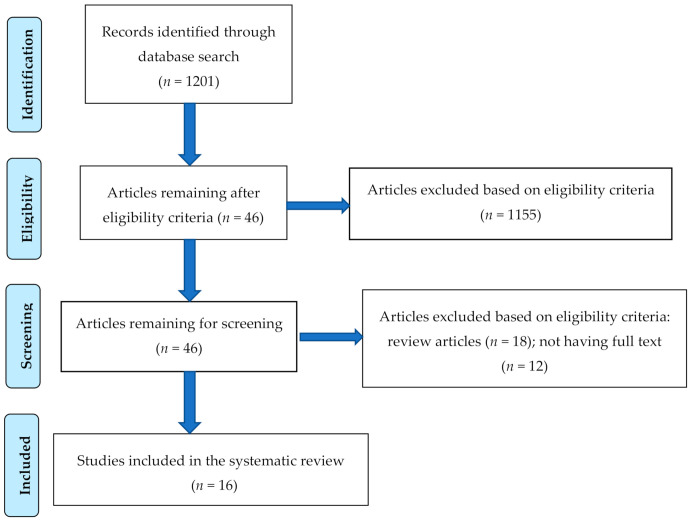
Due to lack of sufficient data on the psychological toll of the COVID-19 pandemic on adolescent mental health, this systematic analysis aims to evaluate the impact of the pandemic on adolescent mental health. This study follows the PRISMA guidelines for systematic reviews of 16 quantitative studies conducted in 2019–2021 with 40,076 participants. Globally, adolescents of varying backgrounds experience higher rates of anxiety, depression, and stress due to the pandemic. Secondly, adolescents also have a higher frequency of using alcohol and cannabis during the COVID-19 pandemic. However, social support, positive coping skills, home quarantining, and parent–child discussions seem to positively impact adolescent mental health during this period of crisis. Whether in the United States or abroad, the COVID-19 pandemic has impacted adolescent mental health. Therefore, it is important to seek and to use all of the available resources and therapies to help adolescents mediate the adjustments caused by the pandemic.
Overview
The claims and statistics of this paper haven’t been checked yet.
Free: it reads the open-access text and checks the first 5 claims that cite a source we can check. Create a free account to check every claim.
Integrity signals
Registry
Cites
Statistics
Figures
Verification
Claims the paper makes
The claims and statistics of this paper haven’t been checked yet.
Free: it reads the open-access text and checks the first 5 claims that cite a source we can check. Create a free account to check every claim.
Claims other papers make about this one
Each is checked against this paper’s own text: does it say what the citing paper says it does?
The source backs part of the claim, not all of it — or backs it for a different population, condition or comparison.
In the citing paper
“Vaccination of adolescents will allow them to reintegrate into society and resume in-person learning safely, which are especially important outcomes given the severe mental health effects of the Covid-19 pandemic on this group.18,22,26”
From Safety, immunogenicity, and efficacy of the BNT162b2 covid-19 vaccine in adolescents (2021) · cites this paper as [26]
Experimental — accuracy not yet measuredThe cited source says what the claim attributes to it.
In the citing paper
“Finally, research has found that higher levels of social support, coupled with positive coping strategies, were protective for youth mental health during the pandemic [35].”
Self-check
Percentages, sums and reported differences re-computed from the paper’s own numbers.
The self-check needs the paper’s full text.
Citations
Cites
Preferred Reporting Items for Systematic Reviews and Meta-Analyses: the PRISMA statement
Moher, D., Liberati, A., Tetzlaff, J., Altman, D. G., & for the PRISMA Group (2009) · BMJ · doi:10.1136/bmj.b2535 · Cited by 83,823
Preferred Reporting Items for Systematic Reviews and Meta-Analyses: The PRISMA Statement
Moher, D., Liberati, A., Tetzlaff, J., Altman, D. G., & The PRISMA Group (2009) · PLoS Medicine · doi:10.1371/journal.pmed.1000097 · Cited by 64,042
Wang, G., Ma, R., Qiao, G., Wada, K., Aizawa, Y., & Satoh, T. (2015) · Integrative Medicine International · doi:10.1159/000368408 · Cited by 18,657
WHO Coronavirus Disease (COVID-19) Dashboard
(2020) · Bangladesh Physiotherapy Journal · doi:10.46945/bpj.10.1.03.01 · Cited by 3,806
Chronic stress, drug use, and vulnerability to addiction
Sinha, R. (2008) · Annals of the New York Academy of Sciences · doi:10.1196/annals.1441.030 · Cited by 1,904 · cited 1×
“An earlier study [32] showed the link between the lack of positive coping skills and the possible neurobiological pathways that may associate stress with the craving for drug use.”
BackgroundMental health effects of school closures during COVID-19
Lee, J. (2020) · The Lancet Child & Adolescent Health · doi:10.1016/s2352-4642(20)30109-7 · Cited by 1,882
“Pandemic fear” and COVID-19: mental health burden and strategies
Ornell, F., Schuch, J. B., Sordi, A. O., & Kessler, F. H. P. (2020) · Brazilian Journal of Psychiatry · doi:10.1590/1516-4446-2020-0008 · Cited by 1,852 · cited 1×
“As a result of social isolation, and the constant concern of infectivity, mental health consequences that are associated with the COVID-19 crisis are monumental [2,3].”
BackgroundLi, S., Wang, Y., Xue, J., Zhao, N., & Zhu, T. (2020) · International Journal of Environmental Research and Public Health · doi:10.3390/ijerph17062032 · Cited by 1,835
Magson, N. R., Freeman, J. Y. A., Rapee, R. M., Richardson, C. E., Oar, E. L., & Fardouly, J. (2021) · Journal of Youth and Adolescence · doi:10.1007/s10964-020-01332-9 · Cited by 1,498 · cited 1×
“There has been very little attention to the psychological toll of COVID-19 on adolescent mental health [5].”
BackgroundDuan, L., Shao, X., Wang, Y., Huang, Y., Miao, J., Yang, X., & Zhu, G. (2020) · Journal of Affective Disorders · doi:10.1016/j.jad.2020.06.029 · Cited by 991 · cited 2×
“Five studies (31%) addressed depression among non-special populations and identified an association between the pandemic and depression [17,25,27,28,30].”
Background
Cited by
Items 101–200 of 949
Sadeghi, N., Fors, P. Q., Eisner, L., Taigman, J., Qi, K., Gorham, L. S., Camp, C., O’Callaghan, G., Rodriguez, D., McGuire, J., et al. (2022) · Journal of the American Academy of Child & Adolescent Psychiatry · doi:10.1016/j.jaac.2022.04.004 · Cited by 27
“health,(10-14) particularly for those with pre-existing mental health problems.(5,15-17) School closures and reductions in social interactions and activities such as sports, accompanied by an increase in media use and decreased sleep, can adversely affect mental health.”
Effects of Changes in Environmental Color Chroma on Heart Rate Variability and Stress by Gender
Oh, J., & Park, H. (2022) · International Journal of Environmental Research and Public Health · doi:10.3390/ijerph19095711 · Cited by 28
Kassis, W., Janousch, C., Sidler, P., Aksoy, D., Favre, C. A., & Ertanir, B. (2022) · PLoS ONE · doi:10.1371/journal.pone.0276794 · Cited by 31
Risk Factors for Pediatric Anxiety Disorders
Warner, E. N., & Strawn, J. R. (2023) · Child and Adolescent Psychiatric Clinics of North America · doi:10.1016/j.chc.2022.10.001 · Cited by 28
Inequalities in access to mental health treatment by Australian youths during the COVID-19 pandemic
Gao, C. X., McDonald, L. P., Hamilton, M. P., Simons, K., Menssink, J. M., Filia, K., Rickwood, D., Rice, S., Hickie, I., McGorry, P. D., et al. (2023) · Psychiatric Services · doi:10.1176/appi.ps.20220345 · Cited by 25
Social media insights into spatio-temporal emotional responses to COVID-19 crisis
Wang, S., Liang, C., Gao, Y., Ye, Y., Qiu, J., Tao, C., & Wang, H. (2024) · Health & Place · doi:10.1016/j.healthplace.2024.103174 · Cited by 29
Students' perceptions, educational challenges and hope during the COVID‐19 pandemic
Bryce, C. I., & Fraser, A. M. (2022) · Child Care Health and Development · doi:10.1111/cch.13036 · Cited by 26
“…little is known regarding how adolescents feel their lives have been specifically impacted by COVID-19, how protective factors such as hope may assist with resilience and if there are any positive experiences that may be a by-product of the pandemic (Dvorsky et al., 2020; Jones et al., 2021).”
BackgroundThe National Football League Concussion Protocol: A Review
Jacobi, J., Wasserman, E. B., Mack, C. D., Heinzelmann, M. M., Cárdenas, J. F., Rehberg, R. S., Solomon, G. S., Sills, A. K., & Vargas, B. B. (2023) · HSS Journal® The Musculoskeletal Journal of Hospital for Special Surgery · doi:10.1177/15563316231177207 · Cited by 25
“Participation in youth, middle school, and high school sports has been shown to have significant health, psychological, and social benefits [7,32], all increasingly important as young people face exceptional mental and physical health challenges [14,15].”
BackgroundBilodeau, J., Quesnel‐Vallée, A., & Poder, T. G. (2023) · BMC Public Health · doi:10.1186/s12889-023-17037-0 · Cited by 26
Bravo-Sanzana, M., Oriol, X., & Miranda, R. (2022) · Child Indicators Research · doi:10.1007/s12187-021-09905-1 · Cited by 25
“A recent systematic review assessed the impact of the pandemic on the mental health of adolescents around the world, showing that adolescents present higher rates of anxiety, depression, and stress (Jones et al., 2021), particularly those with psychiatric or psychological conditions (Mensi et al.”
BackgroundDändliker, L., Brünecke, I., Citterio, P., Lochmatter, F., Buchmann, M. C., & Grütter, J. (2022) · Frontiers in Psychology · doi:10.3389/fpsyg.2021.733683 · Cited by 29
Humoral response and safety of BNT162b2 mRNA vaccine in children with rheumatic diseases
Akgün, Ö., Çakmak, F., Guliyeva, V., Demirkan, F. G., Tanatar, A., Törün, S. H., Çin, D., Meşe, S., Ağaçfidan, A., & Ayaz, N. A. (2022) · Rheumatology · doi:10.1093/rheumatology/keac140 · Cited by 25
Gilsbach, S., & Herpertz‐Dahlmann, B. (2023) · Nutrients · doi:10.3390/nu15051242 · Cited by 27
“In a German nationwide longitudinal survey, over two thirds of the participating children and adolescents between 11 and 17 years reported being burdened by the pandemic and suffering from a significantly lower health related quality of life [1].”
BackgroundInfluentialWork-family interface and children's mental health: a systematic review
Bilodeau, J., Mikutra-Cencora, M., & Quesnel‐Vallée, A. (2023) · Child and Adolescent Psychiatry and Mental Health · doi:10.1186/s13034-023-00596-w · Cited by 26
“On the other hand, however, other research also points to perhaps unexpected beneficial effects of the widespread mandates to move to telework, including increased communication and time with the working parent [9, 10].”
BackgroundSleep hygiene and sleep quality in Iranian adolescents during the COVID-19 pandemic
Chehri, A., Shetabi, M., Khazaie, H., & Zakiei, A. (2023) · BMC Psychology · doi:10.1186/s40359-023-01165-8 · Cited by 27
“Disorders such as anxiety, depression, and stress were frequently reported in adolescents around the world [3].”
BackgroundYang, C.-C., Llamas‐Díaz, D., Bahena, Y. A., Cabello, R., Dahl, R. E., & Magis‐Weinberg, L. (2023) · Journal of Affective Disorders · doi:10.1016/j.jad.2023.05.036 · Cited by 27
Declines in social–emotional skills in college students during the COVID-19 pandemic
Cerutti, J., Burt, K. B., Moeller, R. W., & Seehuus, M. (2024) · Frontiers in Psychology · doi:10.3389/fpsyg.2024.1392058 · Cited by 26
Analysis of potential risk factors associated with COVID-19 and hospitalization
Alharbi, A.-H. M., Rabbani, S. I., Mohamed, A. A. H., Almushayti, B. K., Aldhwayan, N. I., Almohaimeed, A. T., Alharbi, A., Alharbi, N. S., Asdaq, S. M. B., Alamri, A. S., et al. (2022) · Frontiers in Public Health · doi:10.3389/fpubh.2022.921953 · Cited by 30
Markiewicz-Gospodarek, A., Górska, A., Markiewicz, R., Chilimoniuk, Z., Czeczelewski, M., Baj, J., Maciejewski, R., & Masiak, J. (2022) · International Journal of Environmental Research and Public Health · doi:10.3390/ijerph19159573 · Cited by 27
“However, greater social media use was associated with higher depressive symptoms [69,70].”
BackgroundReenvisioning Postpandemic Youth Sport to Meet Young People’s Mental, Emotional, and Social Needs
Whitley, M. A., Smith, A. L., Dorsch, T. E., Bowers, M. T., & Centeio, E. E. (2021) · Translational Journal of the American College of Sports Medicine · doi:10.1249/tjx.0000000000000177 · Cited by 28
Marinucci, A., Grové, C., Allen, K., & Riebschleger, J. (2021) · Mental Health & Prevention · doi:10.1016/j.mhp.2021.200216 · Cited by 25
Tal‐Saban, M., & Zaguri‐Vittenberg, S. (2022) · International Journal of Environmental Research and Public Health · doi:10.3390/ijerph19063157 · Cited by 23
“These results contribute to the recent COVID-19-inspired trend of exploring resources that enable individuals to deal with stress and adapt to changing circumstances [12,15,16,24,30,38].”
BackgroundResultPutra, D. I. A., Farida, U., Sartika, D., Kasdi, A., & Handayani, S. (2022) · Mental Health Religion & Culture · doi:10.1080/13674676.2021.2009787 · Cited by 25
“According to Jones et al. (2021), there were deviations in adolescent behaviour in the form of crimes such as the use of alcohol and marijuana during the COVID-19 pandemic.”
BackgroundAmpuero-Tello, N. L., Zegarra-López, A., Padilla-López, D. A., & Venturo-Pimentel, D. S. (2022) · Interacciones Revista de Avances en Psicología · doi:10.24016/2022.v8.289 · Cited by 25
Figas, K., Giannouchos, T. V., & Crouch, E. L. (2023) · Child Psychiatry & Human Development · doi:10.1007/s10578-023-01536-7 · Cited by 26
“Indeed, preliminary evidence from the early stages of the pandemic suggests declines in mental health, with child and adolescent anxiety and youth substance use on the rise, as well as significant increases in mental-health related emergency department visits and insurance claims for mental health [26, 39, 43].”
Parent-Perceived Benefits and Harms Associated With Internet Use by Adolescent Offspring
Kimball, H. G., Fernandez, F., Moskowitz, K., Kang, M., Alexander, L. M., Conway, K. P., Merikangas, K. R., Salum, G. A., & Milham, M. P. (2023) · JAMA Network Open · doi:10.1001/jamanetworkopen.2023.39851 · Cited by 23
Hemberg, J. A. V., Sundqvist, A. J. E., Korzhina, Y., Östman, L., Gylfe, S., Gädda, F., Nyström, L., Groundstroem, H., & Nyman-Kurkiala, P. (2024) · International Journal of Adolescence and Youth · doi:10.1080/02673843.2024.2302102 · Cited by 25
“They also experienced decreased well-being and became more apathetic (cf. Alt et al., 2021; Branje & Morris, 2021; Branquinho et al., 2020; Groarke et al., 2020; Hollenstein et al., 2021; Jones et al., 2021; Liang et al., 2020; Orgilés et al., 2020).”
BackgroundJesser, A., Schaffler, Y., Gächter, A., Dale, R., Humer, E. C., & Pieh, C. (2022) · Healthcare · doi:10.3390/healthcare10071334 · Cited by 24
Luo, Y., Liang, L., Zhou, H., Qi, X., Xu, J., & Meng, H. (2025) · BMC Public Health · doi:10.1186/s12889-025-23443-3 · Cited by 27
Hamdani, S. U., Huma, Z., Nizami, A. T., Baneen, U.-U., Suleman, N., Javed, H., Malik, A., Wang, D., Mazhar, S., Khan, S. A., et al. (2022) · Child and Adolescent Psychiatry and Mental Health · doi:10.1186/s13034-022-00480-z · Cited by 23
“Given that mental health problems affect one in five adolescents globally [16] and the rates of socio-emotional problems in adolescents are likely to exacerbate in the context of COVID-19 pandemic [27], there is an urgent need to address the ever growing mental health needs of adolescents.”
BackgroundMonkeypox Post-COVID-19: Knowledge, Worrying, and Vaccine Adoption in the Arabic General Population
Swed, S., Bohsas, H., Alibrahim, H., Rakab, A., Hafez, W., Sawaf, B., Rais, M. A., Motawei, A. S., Aljabali, A. S., Shoib, S., et al. (2023) · Vaccines · doi:10.3390/vaccines11040759 · Cited by 22
The effect of the COVID-19 pandemic on hospital admissions and outpatient visits in Ontario, Canada
Habbous, S., Lambrinos, A., Petersen, S., & Hellsten, E. (2023) · Annals of Thoracic Medicine · doi:10.4103/atm.atm_376_22 · Cited by 22
Nilles, C., Szejko, N., Martino, D., & Pringsheim, T. M. (2023) · European Journal of Neurology · doi:10.1111/ene.16051 · Cited by 22
Bookman, C. J., Nunes, J. C., Ngo, N. T., Twickler, N. K., Smith, T. S., Lekwauwa, R., & Yuen, E. Y. (2024) · Child and Adolescent Psychiatry and Mental Health · doi:10.1186/s13034-024-00750-y · Cited by 23
“Furthermore, there were notable changes in children’s and adolescents’ behaviors, such as an increase in difficulty concentrating, lower frustration tolerance, and a lower threshold for “general discomfort” [9, 10].”
BackgroundPublic discourse on mental health: a critical view
MALLA, A. K., & Gold, I. (2024) · Journal of Psychiatry and Neuroscience · doi:10.1503/jpn.230161 · Cited by 23
“24,25 .”
Li, J., Dou, K., & Liu, Z.-H. (2022) · Child and Adolescent Psychiatry and Mental Health · doi:10.1186/s13034-022-00451-4 · Cited by 24
Mental health interventions in adolescence
Campisi, S. C., Ataullahjan, A., Baxter, J. B., Szatmári, P., & Bhutta, Z. A. (2022) · Current Opinion in Psychology · doi:10.1016/j.copsyc.2022.101492 · Cited by 24
Panchal, U. R., Vaquerizo‐Serrano, J., Conde-Ghigliazza, I., Genç, H. A., Marchini, S., Pociūtė, K., Ocakoğlu, B. K., Sanchez-Roman, S., Őri, D., Catalán, A., et al. (2023) · The European Journal of Psychiatry · doi:10.1016/j.ejpsy.2023.06.003 · Cited by 24
Haryana, N. R., Rosmiati, R., Purba, E. M., & Firmansyah, H. (2023) · Jurnal Gizi Kerja dan Produktivitas · doi:10.52742/jgkp.v4i2.195 · Cited by 37
Riiser, K., Richardsen, K. R., Haraldstad, K., Helseth, S., & Torbjørnsen, A. (2022) · PLoS ONE · doi:10.1371/journal.pone.0266510 · Cited by 21
“Several studies have been published describing similar findings, showing that shortly after the pandemic outbreak young people reported lower HRQoL and more mental health problems [7, 9-11].”
ResultLanghammer, T., Peters, C., Ertle, A., Hilbert, K., & Lueken, U. (2022) · PLoS ONE · doi:10.1371/journal.pone.0272215 · Cited by 20
“During the COVID-19 pandemic depressions rank among the most prevalent mental health problems in the general population [32], and pre-disaster mental illness has consistently been found to be a risk factor for post-disaster depression [13].”
BackgroundKoper, N., Creemers, H. E., van Dam, L., Stams, G. J. J. M., & Branje, S. (2022) · Child and Adolescent Psychiatry and Mental Health · doi:10.1186/s13034-022-00542-2 · Cited by 21
“Despite the effectiveness of measures such as lockdowns and physical distancing to restrain the spreading of the virus, there may have been be a negative impact of the pandemic and related measures on individuals’ mental health [1, 2].”
BackgroundInfluentialTornivuori, A., Kronström, K., Aromaa, M. E., Salanterä, S., & Karukivi, M. (2023) · Child and Adolescent Psychiatry and Mental Health · doi:10.1186/s13034-023-00576-0 · Cited by 20
“COVID-19 introduced many more stress-induced factors into the everyday lives of adolescents and thus did contribute to mental health challenges [41].”
BackgroundDuong, C. B., Tran, V. N., Nguyen, H. A., Le, T. N., Ha, B. H., Phuc, C. N., Huynh, K., Le, T. M., Nguyen, T. P., & Nguyen, T. T. H. (2023) · BMC Public Health · doi:10.1186/s12889-023-15317-3 · Cited by 21
“Our finding was compatible with studies showed that seniors have higher rates of post-COVID-19 mental stress than first-year students [4, 24, 37, 40, 42].”
BackgroundResultThe Appa Health App for Youth Mental Health: Development and Usability Study
Giovanelli, A., Karver, T. S., Roundfield, K. D., Woodruff, S., Wierzba, C., Wolny, J., & Kaufman, M. R. (2023) · JMIR Formative Research · doi:10.2196/49998 · Cited by 21
“The COVID-19 pandemic contributed to further spikes in demand for such care [3,4] while simultaneously widening existing disparities for youth from historically underserved racial and ethnic populations, as well as lesbian, gay, bisexual, transgender, queer (LGBTQ), rural, and low-income youth…”
BackgroundFlow Experience and Emotional Well-Being among Italian Adolescents during the COVID-19 Pandemic
Bassi, M., Carissoli, C., Beretta, S., Negri, L., Fianco, A., & Fave, A. D. (2022) · The Journal of Psychology · doi:10.1080/00223980.2022.2074347 · Cited by 20
“…in activities deemed as highly relevant for their physical and psycho-social growth, as a consequence of home confinement, physical distancing, partial or complete school closure, online learning, and limitations to outdoors leisure practice (Commodari & La Rosa, 2020; Jones et al., 2021).”
InfluentialFigas, K., Chandler, T., Niles, M. L., Chehoski, B. E., Parham, B. R., & Weist, M. D. (2024) · Behavioral Sciences · doi:10.3390/bs14080649 · Cited by 20
Cannabis use, abuse and dependence during the COVID-19 pandemic: a scoping review
Bonnet, U., Specka, M., Roser, P., & Scherbaum, N. (2022) · Journal of Neural Transmission · doi:10.1007/s00702-022-02564-8 · Cited by 19
“The same applied to alcohol and other psychoactive drugs including analgesics (Jones et al. 2021; Ismael et al. 2021; Kumar et al. 2022).”
BackgroundCena, L., Trainini, A., Zecca, S., Zappa, S. B., Cunegatti, F., & Buizza, C. (2023) · Journal of Child and Adolescent Psychiatric Nursing · doi:10.1111/jcap.12412 · Cited by 22
Dimitropoulos, G., Bassi, E. M., Bright, K. S., Gondziola, J., Bradley, J., Fersovitch, M., Stamp, L., LaMonica, H. M., Iorfino, F., Gaskell, T., et al. (2024) · JMIR Mental Health · doi:10.2196/49099 · Cited by 20
“The increase is linked to a disruption to daily routines and family connections [4], a reduction in the availability of social support [1], and a lack of necessary coping skills to navigate challenges and stressors experienced by youth [4].”
BackgroundSchool Professional Needs to Support Student Mental Health During the COVID-19 Pandemic
Rusch, A., Rodríguez‐Quintana, N., Choi, S. Y., Lane, A., Smith, M., Koschmann, E., & Smith, S. N. (2021) · Frontiers in Education · doi:10.3389/feduc.2021.663871 · Cited by 20
Lee, J., Lim, H., Allen, J., & Choi, G. (2021) · Frontiers in Psychology · doi:10.3389/fpsyg.2021.712219 · Cited by 24
Stewart, S. L., Toohey, A., Celebre, A., & Poss, J. W. (2021) · International Journal of Environmental Research and Public Health · doi:10.3390/ijerph181910184 · Cited by 21
“A systematic review by Jones and colleagues [17] found that adolescents from different countries around the world generally reported heightened stress, anxiety, and depression, as well as increased use of alcohol and cannabis during the pandemic.”
BackgroundSubstance Use Disorder Visits Among Adolescents at Children’s Hospitals During COVID-19
Masonbrink, A. R., Middlebrooks, L., Gooding, H. C., Abella, M., Hall, M., Burger, R. K., & Goyal, M. K. (2021) · Journal of Adolescent Health · doi:10.1016/j.jadohealth.2021.12.024 · Cited by 21
“Recent evidence shows the adverse impact of COVID-19 on adolescent mental health, including increased symptoms of depression, anxiety, and psychological distress [13,14].”
BackgroundProblematic internet use and attachment styles among adolescents in Japan
Suzuki, H., Miyatake, N., & Kusaka, T. (2023) · Pediatrics International · doi:10.1111/ped.15411 · Cited by 19
Dizon, J. I. W. T., Mendoza, N. B., & Nalipay, M. J. N. (2023) · Journal of Pacific Rim Psychology · doi:10.1177/18344909231156532 · Cited by 18
“Similarly, lower subjective well-being was found to be correlated with higher levels of anxiety among university students in Argentina (Jones et al., 2021).”
BackgroundKim, H., Lee, Y. J., & Jung, S. J. (2023) · Journal of Adolescent Health · doi:10.1016/j.jadohealth.2023.02.014 · Cited by 19
Debenham, J., Birrell, L., Newton, N. C., Devine, E. K., Champion, K. E., Stapinski, L. A., Kershaw, S., Arunogiri, S., Teesson, M., & Stockings, E. (2024) · Health Promotion Journal of Australia · doi:10.1002/hpja.874 · Cited by 19
“41,42 During adolescence, there is a rapid rise in internalising symptoms (i.e., symptoms of anxiety and depression) and there is a bi-directional relationship between alcohol use and mental health symptom escalation during this period.”
Overcoming Disaster Through Critical Consciousness and Ideological Change
Sullivan, A. L. (2022) · School Psychology Review · doi:10.1080/2372966x.2022.2093127 · Cited by 18
“Mental health challenges have increased among children, adolescents, and young adults, who report rising rates of anxiety and depression (Jones et al., 2021; Samji et al., 2022), with discrimination, minority stress, and limited social support conferring added detriments for individuals from…”
BackgroundRubio, I. M., Sánchez-López, P., Ángel, N. G., & Ruíz, N. F. O. (2022) · International Journal of Environmental Research and Public Health · doi:10.3390/ijerph192114171 · Cited by 21
Troxel, W. M., Palimaru, A. I., Klein, D. J., Dong, L., Dickerson, D. L., Brown, R. A., Johnson, C. L., & D’Amico, E. J. (2022) · Behavioral Sleep Medicine · doi:10.1080/15402002.2021.2022679 · Cited by 17
“…increases in these symptoms during the early months of the pandemic, as they are indicative of the disruption to daily routines resulting from COVID-related closures and stay-at-home orders, as well as COVID-related increases in stress and anxiety (Jones et al., 2021; Tang et al., 2021).”
BackgroundZhang, X., Xiao, Y., Xu, P., & Dong, S. (2025) · Journal of Pacific Rim Psychology · doi:10.1177/18344909251324571 · Cited by 17
“Scholars from around the world have highlighted a signi fi cant surge in mental health symptoms during the pandemic, particularly concerning depression, general anxiety, and stress (Fan et al., 2020; Hou et al., 2021; Jones et al., 2021; Raihan, 2021; Twenge & Joiner, 2020).”
Senger‐Carpenter, T., Scott, E. L., Marriott, D. J., Lenko, R., Seng, J. S., Ploutz-Snyder, R. J., Robinson‐Lane, S. G., Cofield, C., Chen, B., & Voepel‐Lewis, T. (2022) · Clinical Journal of Pain · doi:10.1097/ajp.0000000000001069 · Cited by 18
Neurological Manifestations of SARS-CoV2 Infection: A Narrative Review
Pavel, B., Moroti, R., Spataru, A., Popescu, M. R., Panaitescu, A. M., & Zăgrean, A. (2022) · Brain Sciences · doi:10.3390/brainsci12111531 · Cited by 18
Noel, J. K., Rosenthal, S. R., Skierkowski, D., & Borden, S. K. (2022) · Public Health Reports · doi:10.1177/00333549221138856 · Cited by 17
Spiekerman, A. M., Guo, Y., Payton, J., Campione‐Barr, N., Killoren, S. E., Rote, W. M., & Rose, A. J. (2023) · Children · doi:10.3390/children10081281 · Cited by 20
Sexual and Gender Minority Sleep Health Disparities and Minority Stress in Early Adolescence
Leonard, S. I., Liu, J., Jackman, K., & Bruzzese, J. (2024) · Journal of Adolescent Health · doi:10.1016/j.jadohealth.2024.05.022 · Cited by 18
Hjuler, T. F., Lee, D. I., & Ghetti, S. (2025) · Child Development · doi:10.1111/cdev.14131 · Cited by 18
The genetic landscape of neuro-related proteins in human plasma
Repetto, L., Chen, J., Yang, Z., Zhai, R., Timmers, P. R. H. J., Feng, X., Li, T., Yao, Y., Maslov, D. E., Timoshchuk, A. N., et al. (2024) · Nature Human Behaviour · doi:10.1038/s41562-024-01963-z · Cited by 20
“…brought to the forefront of public health discussions anew, after the impact of COVID-19 on people’s lives, where stressors such as isolation, notable changes in habits, and global enhanced mortality and fear of contracting the disease have had severe consequences on mental well-being 5–7 .”
Stevanović, D., Başay, B. K., Başay, Ö., Leskauskas, D., Nussbaum, L. A., & Zirakashvili, M. (2021) · Nordic Journal of Psychiatry · doi:10.1080/08039488.2021.2013531 · Cited by 23
Gatti, A., Pugliese, L., Pellino, V. C., Bianco, M. D., Vandoni, M., & Lovecchio, N. (2022) · European Journal of Investigation in Health Psychology and Education · doi:10.3390/ejihpe12060049 · Cited by 18
“In fact, a lot of research has shown an increased state of depression, anxiety, and stress during the quarantine and lockdown periods, both in adults [1] and adolescents [6].”
BackgroundStanley, L. R., Crabtree, M. A., Swaim, R. C., & Prince, M. A. (2022) · JAMA Network Open · doi:10.1001/jamanetworkopen.2022.31764 · Cited by 18
Fürstová, J., Kaščáková, N., Sigmundová, D., Žídková, R., Tavel, P., & Baďura, P. (2022) · Frontiers in Psychology · doi:10.3389/fpsyg.2022.964313 · Cited by 18
Mateo‐Orcajada, A., Abenza‐Cano, L., Cano-Martínez, A., & Vaquero‐Cristóbal, R. (2022) · Children · doi:10.3390/children9121926 · Cited by 17
“It greatly affected the psychological state of adolescents [37,38], more noticeably and with greater risk for females [39].”
BackgroundChronic alcohol consumption and COVID ‐19 infection risk: A narrative review
Friske, M. M., & Spanagel, R. (2023) · Alcoholism Clinical and Experimental Research · doi:10.1111/acer.15041 · Cited by 17
Hansen, J., Galimov, A., Unger, J. B., Sussman, S. Y., & Hanewinkel, R. (2023) · International Journal of Environmental Research and Public Health · doi:10.3390/ijerph20054478 · Cited by 17
Bao, L., & Moretti, M. M. (2023) · Attachment & Human Development · doi:10.1080/14616734.2023.2179574 · Cited by 17
“cents reported even higher levels of mental health problems (Jones et al., 2021; Nearchou et al., 2020; Panda et al., 2020), and reports of familial violence and child maltreatment increased (Cappa & Jijon, 2021; Public Health Ontario, 2021).”
BackgroundJones, S. M., Brush, K. E., Wettje, S., Ramirez, T., Poddar, A., Kannarr, A., Barnes, S. P., Hooper, A., Brion‐Meisels, G., & Chng, E. (2022) · doi:10.59656/yd-os7616.001 · Cited by 23
Yuan, T., Li, X., Zhang, M., Tao, X. B., Xu, S. J., & Liu, H. (2022) · Frontiers in Public Health · doi:10.3389/fpubh.2022.1015803 · Cited by 18
Park, B., Kim, J., Yang, J., Choi, S., & Oh, K. (2023) · Epidemiology and Health · doi:10.4178/epih.e2023019 · Cited by 16
“In fact, previous studies have reported that the prevalence of anxiety, depression, and stress increased in adolescents during the COVID-19 pandemic [10-12].”
BackgroundSilva, A. J., & Caetano, A. (2023) · Personality and Individual Differences · doi:10.1016/j.paid.2023.112190 · Cited by 17
Egilsson, E., Bjarnason, R. G., & Njarðvík, U. (2023) · JMIR mhealth and uhealth · doi:10.2196/45414 · Cited by 18
Dong, R., & Dou, K. (2023) · Brain and Behavior · doi:10.1002/brb3.3116 · Cited by 18
Long-term central nervous system (CNS) consequences of COVID-19 in children
de la Torre, S. H., Parlatini, V., & Cortese, S. (2023) · Expert Review of Neurotherapeutics · doi:10.1080/14737175.2023.2239500 · Cited by 16
“During the pandemic, there has been a world-wide increase in rates of depression, anxiety, problematic eating and alcohol and cannabis use among previously healthy children and young people [115,116,132,150].”
BackgroundDietary Changes of Youth during the COVID-19 Pandemic: A Systematic Review
Woods, N., Seabrook, J. A., Holly, S., Burke, S. M., Tucker, P., & Gilliland, J. (2024) · Journal of Nutrition · doi:10.1016/j.tjnut.2024.02.022 · Cited by 20
“In a systematic review on the impact of the COVID-19 pandemic on the mental health of adolescents worldwide, living through the pandemic was found to be associated with higher anxiety, depression, and psychological distress, compared with prior [7].”
ResultAksoy, O., Wu, A. F.-W., Aksoy, S., & Rivas, C. A. (2024) · BMC Psychology · doi:10.1186/s40359-024-01596-x · Cited by 17
“Therefore, both age groups are at a transition point in their lives which affect mental wellbeing [58, 59].”
BackgroundHerrmann, K., Beese, F., Wollgast, L., Mauz, E., Kersjes, C., Hoebel, J., & Wachtler, B. (2024) · Frontiers in Public Health · doi:10.3389/fpubh.2024.1397392 · Cited by 18
Adolescence, Interrupted: A narrative review of the impact of Covid-19 on adolescent wellbeing
Oakley, E. M., Vintges, J., Hamad, B. A. A., Mitu, K., Seager, J. E., Yadete, W., Jones, N., & Baird, S. (2024) · World Development · doi:10.1016/j.worlddev.2024.106786 · Cited by 18
Sheikhan, N. Y., Hawke, L. D., Ma, C., Courtney, D., Szatmári, P., Cleverley, K., Voineskos, A. N., Cheung, A., & Henderson, J. L. (2022) · The Canadian Journal of Psychiatry · doi:10.1177/07067437221097906 · Cited by 18
“10,13 A cross-sectional study in Canada found that youth with a pre-existing psychiatric diagnosis experienced higher rates of mental health deterioration than youth without a pre-existing diagnosis during the fi rst wave of COVID-19.”
Maunula, L., Dabravolskaj, J., Maximova, K., Sim, S., Willows, N. D., Newton, A. S., & Veugelers, P. J. (2021) · Children · doi:10.3390/children8121185 · Cited by 16
“To buffer negative mental health risks over time, promoting resilience in schools can foster positive coping skills, such as help-seeking, positive appraisal and thinking, and problemsolving [45].”
BackgroundCorke, L., Maksyutynska, K., Jones, J. M., & George, T. P. (2025) · Annals of Clinical Psychiatry · doi:10.1177/10401237251344098 · Cited by 19
“10,11 This may in part be due to the disruption of experiences critical for their social development including a loss of autonomy, disrupted social lives, and challenges with their education.”
Price, A. M. H., Measey, M., Hoq, M., Rhodes, A., & Goldfeld, S. R. (2022) · BMJ Paediatrics Open · doi:10.1136/bmjpo-2021-001390 · Cited by 17
Deimel, D., Firk, C., Stöver, H., Hees, N., Scherbaum, N., & Fleißner, S. (2022) · International Journal of Environmental Research and Public Health · doi:10.3390/ijerph191912801 · Cited by 16
Hidalgo-Padilla, L., Vilela-Estrada, A. L., Toyama, M., Flores, S., Ramirez-Meneses, D., Steffen, M. W., Heritage, P., Fung, C., Priebe, S., & Diez‐Canseco, F. (2022) · International Journal of Environmental Research and Public Health · doi:10.3390/ijerph192315517 · Cited by 16
“This has also been raised by a systematic review of the mental health experiences of adolescents globally [52].”
BackgroundTrends in Positive Depression and Suicide Risk Screens in Pediatric Primary Care During COVID-19
Hannan, C., Mayne, S. L., Kelly, M. K., Davis, M., Young, J. F., Powell, M., Stephens‐Shields, A. J., Dalembert, G., McPeak, K. E., Jenssen, B. P., et al. (2022) · Academic Pediatrics · doi:10.1016/j.acap.2022.12.006 · Cited by 15
“2 We conducted several sensitivity analyses using alternative outcome definitions: (1) examining a more severe level of depressive symptoms (PHQ-9-M score of 15-”
MethodCOVID-19 school closures and mental health of adolescent students: Evidence from rural Mozambique
Chimbutane, F., Herrera‐Almanza, C., Karachiwalla, N., Lauchande, C., & Leight, J. (2023) · SSM - Mental Health · doi:10.1016/j.ssmmh.2023.100203 · Cited by 18
Enhanced reactive inhibition in adolescents with non‐suicidal self‐injury disorder
Mirabella, G., Mancini, C. M., Pacifici, S., Guerrini, D., & Terrinoni, A. (2023) · Developmental Medicine & Child Neurology · doi:10.1111/dmcn.15794 · Cited by 15
“40 As expected, 5–7 self-report measures of impulsivity in adolescents with NSSID did not correlate with the SSRT, confirming that reactive inhibition is disentangled from such measures.”
BackgroundJiang, S., Du, R., Jiang, C., Tan, S., & Dong, Z. (2024) · Child & Family Social Work · doi:10.1111/cfs.13170 · Cited by 17
Blankestijn, J. M., Abdel‐Aziz, M. I., Baalbaki, N., Bazdar, S., Beekers, I., Beijers, R. J. H. C. G., Bloemsma, L. D., Cornelissen, M. E. B., Gach, D., Houweling, L., et al. (2024) · BMJ Open Respiratory Research · doi:10.1136/bmjresp-2023-001907 · Cited by 20
Domínguez-Lara, S., Valente, S. N., Lourenço, A. A., Pinto, B. P., Díaz-Peñaloza, M., & León, S. R. (2024) · Revista Fuentes · doi:10.12795/revistafuentes.2024.23116 · Cited by 16
Metadata
- Authors
- Jones, E. A. K., Mitra, A. K., & Bhuiyan, A. R.
- Affiliations
- Jackson State University (US)
- Corresponding author
- Mitra, Amal K.
- Venue
- International Journal of Environmental Research and Public Health
- Publisher
- MDPI AG
- Published
- 2021-03-03
- Volume
- 18
- Issue
- 5
- Pages
- 2470
- ISSN
- 1660-4601 (ISSN-L)
- PMC
- PMC7967607
- OpenAlex
- W3134683097
- Cited by
- 857
- References
- 32
- Citations by year
- 2026: 49 · 2025: 120 · 2024: 187 · 2023: 259 · 2022: 198 · 2021: 43
- FWCI
- 22.81
- Type
- journal article
- Language
- en
- Open access
- gold
- doi.org
- Licence
- Locations
- International Journal of Environmental Research and Public Health (publishedVersion, cc-by)
- PubMed Central (publishedVersion, cc-by)
- PubMed (publishedVersion)
- RePEc: Research Papers in Economics (submittedVersion)
- DOAJ (DOAJ: Directory of Open Access Journals) (submittedVersion)
- Funders
- National Institute on Minority Health and Health Disparities (P20MD006899)
- Topics
- Social Sciences › Psychology › Clinical Psychology › COVID-19 and Mental Health
- Social Sciences › Psychology › Clinical Psychology › Child and Adolescent Psychosocial and Emotional Development
- Social Sciences › Psychology › Developmental and Educational Psychology › Student Stress and Coping
- Keywords
- COVID-19 pandemic, adolescent mental health, anxiety, depression, stress, alcohol consumption, cannabis use, social support, coping strategies, home quarantine, parent-child communication, psychological adjustment
- MeSH terms
- COVID-19, SARS-CoV-2, Adolescent, Anxiety, Child, Depression, Humans, Mental Health, Quarantine, United States, Pandemics
About these checks
Registry, retraction, Cites and statistics results are computed, not judged, with one exception: a printed reference that no index lists is read once by a model before it counts as a citation error. Claims are extracted by a model and kept only when their quote appears verbatim in the text; each cited source is then checked, with a model’s help, for whether it says what the claim relies on. Those verdicts can be wrong — read the claim’s quote and the cited source before relying on one.
Statistics and arithmetic are recomputed, not judged.
Confidence bands are shown only for fields calibrated on our annotated test set. None is calibrated yet, so no band is shown.
What counts as a claim ›How we measure confidence ›How we check this ›
Are you an author, or do you see a problem with this page? Request a review
Data sources
Bibliographic data: Semantic Scholar, OpenAlex, Crossref.
Contains information from the Semantic Scholar Academic Graph Datasets, made available under the ODC Attribution License (ODC-BY 1.0).
Semantic Scholar’s data is described in: Kinney, R., et al. (2023). The Semantic Scholar Open Data Platform. arXiv:2301.10140.
