

Impact of COVID-19 on Mental Health in Adolescents: A Systematic Review
Open accessThe DOI matches its Crossref record; 32 of the 32 references it cites were found in a registry or an index.
Abstract
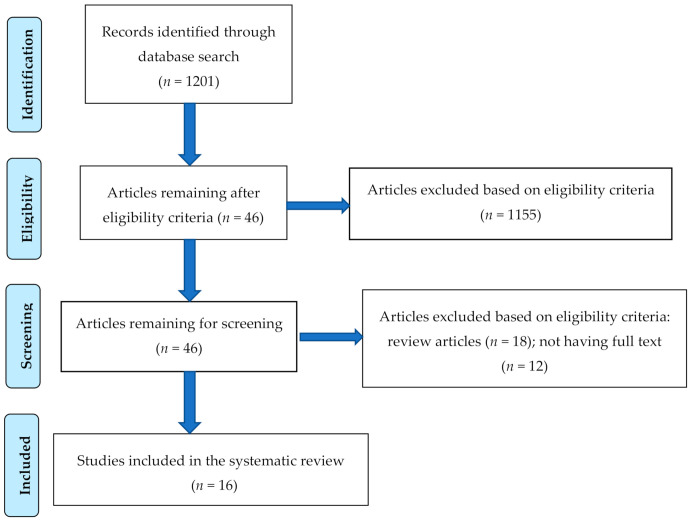
Due to lack of sufficient data on the psychological toll of the COVID-19 pandemic on adolescent mental health, this systematic analysis aims to evaluate the impact of the pandemic on adolescent mental health. This study follows the PRISMA guidelines for systematic reviews of 16 quantitative studies conducted in 2019–2021 with 40,076 participants. Globally, adolescents of varying backgrounds experience higher rates of anxiety, depression, and stress due to the pandemic. Secondly, adolescents also have a higher frequency of using alcohol and cannabis during the COVID-19 pandemic. However, social support, positive coping skills, home quarantining, and parent–child discussions seem to positively impact adolescent mental health during this period of crisis. Whether in the United States or abroad, the COVID-19 pandemic has impacted adolescent mental health. Therefore, it is important to seek and to use all of the available resources and therapies to help adolescents mediate the adjustments caused by the pandemic.
Overview
The claims and statistics of this paper haven’t been checked yet.
Free: it reads the open-access text and checks the first 5 claims that cite a source we can check. Create a free account to check every claim.
Integrity signals
Registry
Cites
Statistics
Figures
Verification
Claims the paper makes
The claims and statistics of this paper haven’t been checked yet.
Free: it reads the open-access text and checks the first 5 claims that cite a source we can check. Create a free account to check every claim.
Claims other papers make about this one
Each is checked against this paper’s own text: does it say what the citing paper says it does?
The source backs part of the claim, not all of it — or backs it for a different population, condition or comparison.
In the citing paper
“Vaccination of adolescents will allow them to reintegrate into society and resume in-person learning safely, which are especially important outcomes given the severe mental health effects of the Covid-19 pandemic on this group.18,22,26”
From Safety, immunogenicity, and efficacy of the BNT162b2 covid-19 vaccine in adolescents (2021) · cites this paper as [26]
Experimental — accuracy not yet measuredThe cited source says what the claim attributes to it.
In the citing paper
“Finally, research has found that higher levels of social support, coupled with positive coping strategies, were protective for youth mental health during the pandemic [35].”
Self-check
Percentages, sums and reported differences re-computed from the paper’s own numbers.
The self-check needs the paper’s full text.
Citations
Cites
Preferred Reporting Items for Systematic Reviews and Meta-Analyses: the PRISMA statement
Moher, D., Liberati, A., Tetzlaff, J., Altman, D. G., & for the PRISMA Group (2009) · BMJ · doi:10.1136/bmj.b2535 · Cited by 83,823
Preferred Reporting Items for Systematic Reviews and Meta-Analyses: The PRISMA Statement
Moher, D., Liberati, A., Tetzlaff, J., Altman, D. G., & The PRISMA Group (2009) · PLoS Medicine · doi:10.1371/journal.pmed.1000097 · Cited by 64,042
Wang, G., Ma, R., Qiao, G., Wada, K., Aizawa, Y., & Satoh, T. (2015) · Integrative Medicine International · doi:10.1159/000368408 · Cited by 18,657
WHO Coronavirus Disease (COVID-19) Dashboard
(2020) · Bangladesh Physiotherapy Journal · doi:10.46945/bpj.10.1.03.01 · Cited by 3,806
Chronic stress, drug use, and vulnerability to addiction
Sinha, R. (2008) · Annals of the New York Academy of Sciences · doi:10.1196/annals.1441.030 · Cited by 1,904 · cited 1×
“An earlier study [32] showed the link between the lack of positive coping skills and the possible neurobiological pathways that may associate stress with the craving for drug use.”
BackgroundMental health effects of school closures during COVID-19
Lee, J. (2020) · The Lancet Child & Adolescent Health · doi:10.1016/s2352-4642(20)30109-7 · Cited by 1,882
“Pandemic fear” and COVID-19: mental health burden and strategies
Ornell, F., Schuch, J. B., Sordi, A. O., & Kessler, F. H. P. (2020) · Brazilian Journal of Psychiatry · doi:10.1590/1516-4446-2020-0008 · Cited by 1,852 · cited 1×
“As a result of social isolation, and the constant concern of infectivity, mental health consequences that are associated with the COVID-19 crisis are monumental [2,3].”
BackgroundLi, S., Wang, Y., Xue, J., Zhao, N., & Zhu, T. (2020) · International Journal of Environmental Research and Public Health · doi:10.3390/ijerph17062032 · Cited by 1,835
Magson, N. R., Freeman, J. Y. A., Rapee, R. M., Richardson, C. E., Oar, E. L., & Fardouly, J. (2021) · Journal of Youth and Adolescence · doi:10.1007/s10964-020-01332-9 · Cited by 1,498 · cited 1×
“There has been very little attention to the psychological toll of COVID-19 on adolescent mental health [5].”
BackgroundDuan, L., Shao, X., Wang, Y., Huang, Y., Miao, J., Yang, X., & Zhu, G. (2020) · Journal of Affective Disorders · doi:10.1016/j.jad.2020.06.029 · Cited by 991 · cited 2×
“Five studies (31%) addressed depression among non-special populations and identified an association between the pandemic and depression [17,25,27,28,30].”
Background
Cited by
Items 401–500 of 949
Confirmatory factor analysis of the DASS-10 with Black adolescents
Goodwin, A. K. B., & Knox, J. L. (2024) · Journal of Affective Disorders Reports · doi:10.1016/j.jadr.2024.100735 · Cited by 5
Gupta, M., Sarangi, R., Sharma, S., & Patnaik, L. (2024) · Journal of Education and Health Promotion · doi:10.4103/jehp.jehp_392_23 · Cited by 6
“[3] Anxiety has substantial negative effects on children’s social, emotional, and academic success.”
BackgroundSpiritual Health and COVID-Related Anxiety Among Adolescents with and Without Chronic Disease
Shahrbabaki, R. M., Babaie, M., Amiri, S., Moharamkhani, M., Dalvand, S., & Farahani, A. S. (2024) · Jundishapur Journal of Chronic Disease Care · doi:10.5812/jjcdc-139448 · Cited by 5
Meyer-Wilmes, P., Wittenborn, J., Kupec, T., Caspers, R., Stickeler, E., & Iborra, S. (2024) · Archives of Gynecology and Obstetrics · doi:10.1007/s00404-024-07519-w · Cited by 5
Disordered Eating in Early Adolescence: Disparities Among Minoritised Youth
Daniel, B., Suissa, A., Liu, J., Bruzzese, J., Jackman, K., & Leonard, S. I. (2024) · Journal of Advanced Nursing · doi:10.1111/jan.16526 · Cited by 5
Afifi, T. O., Fortier, J., Salmon, S., Taillieu, T., Osorio, A., Roos, L. E., Stewart-Tufescu, A., Tonmyr, L., González, A., Kimber, M., et al. (2024) · FACETS · doi:10.1139/facets-2023-0160 · Cited by 5
Ohashi, S., Urao, Y., Fujiwara, K., Koshiba, T., Ishikawa, S., & Shimizu, E. (2024) · BMC Psychiatry · doi:10.1186/s12888-024-06264-3 · Cited by 5
Neumann, C., Cancino, I., Salfate, C., & Sandoval, J. (2021) · Revista Confluencia · doi:10.52611/confluencia.num2.2021.671 · Cited by 5
“…línea, en una revisión sistemática, otros autores, afirmaron que los adolescentes diagnosticados con anorexia nerviosa, durante la pandemia de Covid-19 informaron un aumento del 70% en los malos hábitos alimenticios y un aumento en los pensamientos asociados con los trastornos alimentarios 18 .”
Differential Effects of Pandemic-Related Stressors on Mental Health by Age and Sex
Borja, J. B., & Patten, S. B. (2025) · Healthcare · doi:10.3390/healthcare13030224 · Cited by 5
Yi, Z., Chen, M., Huang, R., Chen, W., Liu, H., Liu, G., & Hao, M. (2025) · PLoS ONE · doi:10.1371/journal.pone.0322635 · Cited by 7
“Psychological challenge pose an even greater burden for college students who lack resilience and coping skills [6].”
Weaver, A. A., Ness, B. M., Roman, D. P., Giampetruzzi, N., & Cleland, J. A. (2022) · International Journal of Sports Physical Therapy · doi:10.26603/001c.35668 · Cited by 6
Tricking the Brain with Leptin to Limit Post Liposuction and Post Bariatric Surgery Weight Regain?
Ghanemi, A., Yoshioka, M., & St‐Amand, J. (2022) · Diseases · doi:10.3390/diseases10040080 · Cited by 5
“Furthermore, psychological consequences and mental health issues resulting from COVID-19-related measures worsened the public health profile [11,12].”
BackgroundPediatric Primary Care Mental Health Specialist Examination: Job Task Analysis
Hallas, D. M., Heuer, B., Sesay-Tuffour, S., & Foerster, L. A. (2022) · The Journal for Nurse Practitioners · doi:10.1016/j.nurpra.2022.08.024 · Cited by 5
Xu, D., Wang, X., & Zhou, D. (2023) · ACS Omega · doi:10.1021/acsomega.3c07287 · Cited by 5
Kurt, Z. K., Hacıosmanoğlu, G. D., Yıldırım, M., & Özaslan, A. (2024) · Journal of Ethnicity in Substance Abuse · doi:10.1080/15332640.2023.2299873 · Cited by 5
“Compared to the period before the outbreak of the COVID-19 pandemic, more severe and frequent behavioral problems were detected in children with mental disorders (Jones et al., 2021).”
Barth, A. M., Meinert, A. C., Zopatti, K. L., Mathai, D. S., Leong, A. W., Dickinson, E. M., Goodman, W. K., Shah, A. A., Schneider, S. C., & Storch, E. A. (2021) · Children s Health Care · doi:10.1080/02739615.2021.2003196 · Cited by 5
“…mental health of youth during the pandemic, there has been less research on the psychological effects of the pandemic among children and adolescents compared to other populations such as adults and the elderly (de Miranda et al., 2020; Gul & Demirci, 2021; Jones et al., 2021; Moulin et al., 2021).”
BackgroundInfluentialMental State of Inpatients With COVID-19: A Computational Psychiatry Approach
Sorokin, M. Y., Palchikova, E. I., Кибитов, А. А., Kasyanov, E. D., Khobeysh, M. A., & Zubova, E. (2022) · Frontiers in Psychiatry · doi:10.3389/fpsyt.2022.801135 · Cited by 5
Shpakou, A., Krajewska-Kułak, E., Cybulski, M., Seredocha, I., Tałaj, A. E., Andryszczyk, M., Kleszczewska, E., Szafranek, A., Modzelewska, B., Naumau, I. A., et al. (2022) · International Journal of Environmental Research and Public Health · doi:10.3390/ijerph191610275 · Cited by 9
“Under the conditions of an unstable state of society during a pandemic, a transformation and expansion of the repertoire of strategies for coping with stress was noted [12,13].”
BackgroundMental Health and Substance Use among Adolescents during the COVID-19 Pandemic: A Mini Review
de MICHELI, D. (2021) · Psychology & Psychological Research International Journal · doi:10.23880/pprij-16000287 · Cited by 5
Pérez-Salas, C., Moreno, V. P., & Carvajal, C. B. M. (2022) · Perspectiva educacional · doi:10.4151/07189729-vol.61-iss.3-art.1315 · Cited by 6
Mundy, L. K., Canterford, L. D., Dashti, S. G., Husin, H. M., Beatson, R. M., Edwards, B., & Patton, G. C. (2023) · Australian Journal of Social Issues · doi:10.1002/ajs4.249 · Cited by 5
Impact of the COVID-19 pandemic on the epidemiology of severe burns
Christ, A., Staud, C. J., Wielscher, M., Resch, A., Teufelsbauer, M., & Radtke, C. (2023) · Wiener klinische Wochenschrift · doi:10.1007/s00508-022-02149-1 · Cited by 5
“It is undisputed that the pandemic has had a serious impact on socioeconomic behavior patterns and the overall mental state of the population [22], and it has been reported that more than one in six adults increased their alcohol consumption during lockdown.”
BackgroundSobalvarro, S., Cepeda, J., Garcia, J. T., Jackson, C., Shiang, E., Chakravarti, S., Workman, J., & Reese, J. M. (2023) · Clinical Practice in Pediatric Psychology · doi:10.1037/cpp0000485 · Cited by 5
“A recent systematic review demonstrated the signi fi cant impact of COVID-19 on adolescents ’ mental health (Jones et al., 2021).”
Initial Psychological Reactions to COVID-19 of Middle Adolescents in Portugal
Brites, R., Paulino, M., Brissos, S., Gabriel, S., Alho, L., Simões, M. R., & da Silva, C. F. (2023) · International Journal of Environmental Research and Public Health · doi:10.3390/ijerph20095705 · Cited by 5
“[27], who concluded that, overall, adolescents experienced higher rates of anxiety, depression, and stress.”
BackgroundZhang, Z., Wang, J., & Duan, W. (2023) · Journal of Evidence-Based Social Work · doi:10.1080/26408066.2023.2231438 · Cited by 7
Kiperman, S., Al-Tweej, S., & Fisher, E. S. (2024) · Contemporary School Psychology · doi:10.1007/s40688-024-00489-5 · Cited by 5
“For example, some LGBTQ + youth reported less frequent exposure to in-person stress and victimization because of spending less time in school (Jones et al., 2021), and LGBTQ + youth found affirming social support through online communities (Fish et al., 2020; Gonzalez et al., 2021).”
Offline Factors Influencing the Online Safety of Adolescents with Family Vulnerabilities
Katz, A., & Brett, H. M. (2025) · Social Sciences · doi:10.3390/socsci14060392 · Cited by 7
“As mentioned, the pandemic led to increased family difficulties (Calvano et al. 2022), alongside decreases in adolescents’ wellbeing (Jones et al. 2021).”
González-Casals, H., Vives‐Cases, C., López, M. J., Sanz‐Barbero, B., Pérez, K., Pérez, G., Cortés-Albaladejo, M., Serral, G., Barceló, M. A., Ruíz-Pérez, I., et al. (2025) · BMC Public Health · doi:10.1186/s12889-025-23515-4 · Cited by 4
Hartung, L. K., Schmitt, S., Fremer, C., Klages, C. S., Szejko, N., & Müller‐Vahl, K. (2025) · Movement Disorders Clinical Practice · doi:10.1002/mdc3.70384 · Cited by 4
“…stressors as well as social and intergroup dynamics 13 have been identi fi ed as relevant factors with regard to the development of FTLB. 12,14 15 – 18 Thus, similarly to other functional neurological disorders (FND), 19 a biopsychosocial perspective is crucial for a comprehensive understanding of…”
Harmful Effects of Microplastics and Nanoplastics in Human Body Systems: A Systematic Review
Edet, P. P., Mitra, A. K., Dennis, M., & Zaman, M. S. (2026) · Diseases · doi:10.3390/diseases14030088 · Cited by 5
Self-citationMestre-Pintó, J. I., Fonseca, F., Schaub, M. P., Baumgartner, C., Alías-Ferri, M., & Torrens, M. (2022) · Trials · doi:10.1186/s13063-022-06399-2 · Cited by 4
Szigethy, E., Wolfson, D., Sinclair-McBride, K., Williams, K. R., Jhe, G., Lee, E. H., Bialostozky, M., Wallace, M. L., Bhatnagar, S., DeMaso, D. R., et al. (2023) · BMJ Open · doi:10.1136/bmjopen-2022-067141 · Cited by 4
Kalubi, J., Riglea, T., Wellman, R. J., O’Loughlin, J. L., & Maximova, K. (2023) · Health Promotion and Chronic Disease Prevention in Canada · doi:10.24095/hpcdp.43.7.02 · Cited by 6
KAJIAN PUSTAKA : KESEJAHTERAAN PSIKOLOGIS PADA REMAJA SELAMA PANDEMI COVID-19
Djatmiko, C. B. P., Permatasari, N. I., Romero, D. A., & Husna, I. (2023) · Jurnal Medika Malahayati · doi:10.33024/jmm.v7i2.10625 · Cited by 4
Síndrome de Burnout en estudiantes de odontología durante el regreso a la presencialidad
Rivera, P., Sepúlveda, D. R., Alarcón, G. T., & Ibáñez, N. P. (2023) · Revista Española de Educación Médica · doi:10.6018/edumed.582211 · Cited by 4
Zhao, J., Shi, K., Zhang, N., Chen, X., & Yu, J. (2024) · Journal of Tissue Viability · doi:10.1016/j.jtv.2024.03.010 · Cited by 4
Vossoughi, M., Kharazi, M., Mani, A., Safari, F., Habibi, P., Zarei, L., Sarikhani, Y., Heydari, S. T., & Lankarani, K. B. (2024) · BMC Psychology · doi:10.1186/s40359-024-01945-w · Cited by 5
Lopez, D. E. M., Sherwin, E. B., Martijena, C. Q., Liu, Y., & Magis‐Weinberg, L. (2024) · Journal of Adolescent Health · doi:10.1016/j.jadohealth.2024.08.012 · Cited by 5
Online Therapy for Children: Yay or Nay? Clinicians’ Insights from the COVID-19 Era
Hagyari-Donaldson, P., & Scott, N. (2024) · Child & Youth Care Forum · doi:10.1007/s10566-024-09835-3 · Cited by 4
“…that children have been at an increased risk of experiencing lasting adverse mental health effects due to the mandated social distancing measures (de Oliveira et al., 2022a, 2022b; Power et al., 2020), such as anxiety, depression, stress, and substance use (Jones et al., 2021; Samji et al., 2022).”
Mental health literacy and help-seeking behaviour among adolescents in Kerala, India
K., K. K., Scaria, L., & Devassy, S. M. (2024) · Mental Health and Social Inclusion · doi:10.1108/mhsi-11-2024-0207 · Cited by 4
Maynard, M. L., Khalid, H., Valoojerdy, Z. K., Talwar, V., & Bosacki, S. (2025) · Adolescents · doi:10.3390/adolescents5020011 · Cited by 4
“A large proportion of current research into adolescent well-being in the post-COVID-19 context relates explicitly to internalizing challenges [74,76], lifestyle risk behaviour (i.e., smoking, drinking, and excessive technology use) [77], and suicidal behaviours [78].”
Horwitz, S. M., Seag, D. E. M., Cervantes, P. E., Gerson, R. S., Baroni, A., Guo, F., Wiener, E., Tay, E. T., Ort, K. M., & Gibbons, R. D. (2025) · Pediatric Emergency Care · doi:10.1097/pec.0000000000003404 · Cited by 4
Hong, S., Zhang, Q., Wei, Y., Ai, M., Wang, W., Chen, J., Xu, X., Li, X., Greenshaw, A. J., & Kuang, L. (2025) · Frontiers in Psychiatry · doi:10.3389/fpsyt.2025.1554939 · Cited by 5
Anderson, R., & Livie, M. (2025) · Methods in Psychology · doi:10.1016/j.metip.2025.100201 · Cited by 5
“Freedom and Dignity Are Worth More than Life”: The Dramatic Suicide of an Anti-Vax Man
Sablone, S., Spagnolo, L., Macorano, E., Ciavarella, M. C., Pascale, N., Strisciullo, G., Introna, F., & Fazio, A. D. (2022) · Healthcare · doi:10.3390/healthcare10112141 · Cited by 4
Haider, K., Humer, E. C., Pieh, C., Plener, P. L., & Jesser, A. (2022) · Healthcare · doi:10.3390/healthcare10112206 · Cited by 5
Tang, Y.-M., Wu, T.-L., & Liu, H.-T. (2023) · International Journal of Environmental Research and Public Health · doi:10.3390/ijerph20021097 · Cited by 5
“The social instability caused by the pandemic has drawn attention to stress coping strategies [66,67].”
Mental Health of Russian Adolescents during the COVID-19 Pandemic
Slobodskaya, H. R., Safronova, M. V., Semenova, N. B., Kornienko, O. S., Rippinen, T. O., Валентиновна, Р. Е., Leto, I. V., Petrenko, E. N., Козлова, Е. А., Варшал, А. В., et al. (2023) · Psikhiatriya · doi:10.30629/2618-6667-2023-21-1-16-26 · Cited by 5
Wharton, M. K., Balassone, A., Thomas, S., Treffers, R. D., Paschall, M. J., Lam, L., & Lipperman‐Kreda, S. (2023) · Addictive Behaviors · doi:10.1016/j.addbeh.2023.107707 · Cited by 4
“Yet, other factors including staying at home and resiliency factors such as social supports, coping skills, and parent/caregiver communication were positively associated with better adolescent mental health and substance use outcomes in earlier phases of the pandemic (Jones et al., 2021; Qi et al., 2020).”
BackgroundResultInfluentialPayne, L., Goijen, H. J., Cobham, V. E., Bor, W., Stathis, S. S., Coghill, D., & Middeldorp, C. M. (2023) · Early Intervention in Psychiatry · doi:10.1111/eip.13421 · Cited by 4
“Children and adolescents may be at particular risk for negative consequences to their mental health as a result of the COVID-19 pandemic and associated social restrictions (Hawke et al., 2021; Jones et al., 2021; Lee, 2020; Li et al., 2022; Orben et al., 2020; Singh et al., 2020).”
BackgroundTeske, J., Kugel, J. D., Javaherian-Dysinger, H., Krpalek, D., & Salamat, A. (2023) · Occupational Therapy in Mental Health · doi:10.1080/0164212x.2023.2237188 · Cited by 4
“Positive coping skills are essential for positive mental health and dealing with trauma (Jones et al., 2021).”
BackgroundExamining factors that drive health-related students to seek help for psychological challenges
Sojindamanee, N., Hongsanguansri, S., Hataiyusuk, S., Neelapaichit, N., Suttapanit, K., Jithavech, P., & Kiatrungrit, K. (2023) · International Journal of Medical Education · doi:10.5116/ijme.64a7.bffb · Cited by 4
Zhang, Y., Ma, J., Xu, Q., Rong, Y., Lu, S., & Wang, Z. (2023) · BMJ Open · doi:10.1136/bmjopen-2023-073648 · Cited by 4
Koob, C., Stuenkel, M., Gagnon, R. J., Griffin, S. F., & Sease, K. K. (2024) · Community Mental Health Journal · doi:10.1007/s10597-024-01258-7 · Cited by 5
“In 2021, national leaders in the United States (US) declared a “national youth mental health crisis,” citing worsened mental health prevalence and symptomology since the onset of the COVID-19 pandemic (Jones et al., 2021; Tolliver & Hostutler, 2022).”
BackgroundMckee, S., Sheikhan, N. Y., Patenaude, S., Henderson, J. L., Knight, R., Kidd, S. A., Barbic, S. P., O’Reilly, A., & Hawke, L. D. (2024) · Health Expectations · doi:10.1111/hex.70051 · Cited by 4
“Numerous studies have found increased stress, anxiety, depression, trauma ‐ related distress and a negative mental health impact early in the pandemic [13, 15 – 17].”
BackgroundBai, Y., Burns, R. D., Ma, C., Curl, A., Hudziak, J. J., & Copeland, W. (2024) · Scandinavian Journal of Medicine and Science in Sports · doi:10.1111/sms.14738 · Cited by 5
Evaluation of an Educator Mental Health Literacy Online Training Package
Gotham, H. J., Lever, N. A., Gonzalez, J., Macias, M., Canelo, R., McCullough, S. N., & Hoover, S. (2024) · Psychology in the Schools · doi:10.1002/pits.23343 · Cited by 4
Stuenkel, M., Koob, C., Griffin, S. F., & Sease, K. K. (2024) · BMC Health Services Research · doi:10.1186/s12913-024-11844-w · Cited by 4
Yang, Y. (2025) · Public Health · doi:10.1016/j.puhe.2025.03.009 · Cited by 4
Aguaslimpias, Y. A. S., & Rebullido, T. R. (2025) · Retos · doi:10.47197/retos.v67.113961 · Cited by 4
Benchimol, E. I., Carroll, M. W., Geist, R., Griffiths, A. M., Huang, J. G., Mack, D. R., Bernstein, C. N., Bitton, A., Jones, J., Kaplan, G. G., et al. (2021) · Journal of the Canadian Association of Gastroenterology · doi:10.1093/jcag/gwab030 · Cited by 5
“In addition, there is evidence that children are disproportionately affected by mental health concerns as a result of social isolation, pandemic-related anxiety and lack of physical activity (9).”
BackgroundImpacto da Covid-19 na vida de crianças e adolescentes: uma revisão narrativa
Costa, E. M. D. A., Goulart, A. L. G., Ribeiro, V. S., Oliveira, I. S. B., Borges, A. A., Alves, M. G., Santos, E. M. D. F., & Lenza, N. D. F. B. (2022) · Revista Eletrônica Acervo Saúde · doi:10.25248/reas.e9747.2022 · Cited by 7
Prevention of Mental Health Disorder among Adolescents during The COVID-19 Pandemic
Khariri, A., Mahendra, A. I., Maesarah, Augustria, N. R., Heru, R. A. S., & Zahra, Z. (2022) · Jurnal Psikiatri Surabaya · doi:10.20473/jps.v11i2.29688 · Cited by 4
COVID-19 vaccination up-take in three districts of Nepal
Pokhrel, T. N., Karki, K., Tinkari, B. S., Upreti, S. R., Khatiwada, S. U., Amatya, R., Zervos, J., Kaljee, L., Zenlea, K., Prentiss, T. C., et al. (2023) · Human Vaccines & Immunotherapeutics · doi:10.1080/21645515.2023.2166321 · Cited by 4
Radomski, A. D., Cloutier, P., Polihronis, C., Sheridan, N., Sundar, P. D., & Cappelli, M. (2023) · PubMed Central · Cited by 7
Mucci, F., Bouanani, S., Cerù, A., Mauro, A., & Diolaiuti, F. (2023) · PubMed Central · doi:10.36131/cnfioritieditore20230410 · Cited by 8
“Therefore, it is crucial to provide adolescents with positive coping skills to improve their mental health outcomes during periods of adjustments (Jones et al., 2021; Meherali et al., 2021; Mukhtar, 2020; Pfefferbaum & North, 2020).”
InfluentialSun, S., Wang, Y., Hou, H., Niu, Y., Shao, Y., Chen, L., & Zhang, X. (2024) · Frontiers in Public Health · doi:10.3389/fpubh.2024.1365848 · Cited by 4
COVID-19 and psychiatric disorders among young people: a cross-sectional study
Prodi, T., Dragogna, F., Benatti, B., Varinelli, A., Vanzetto, S., Gianfelice, L., & Dell’Osso, B. M. (2024) · International Clinical Psychopharmacology · doi:10.1097/yic.0000000000000565 · Cited by 4
“As reported in a recent systematic review, an association between the COVID-19 pandemic and higher rates of anxiety among adolescents has been confirmed by many studies (Jones et al ., 2021).”
Edukasi daring untuk pengelolaan kesehatan mental mahasiswa di masa pandemi Covid-19
Putri, N. A. S., Juhri, N. A., Asy’ari, A. H., Mufid, S. A., Sari, D. R., Kinasih, D. S. S., Pratiwi, O. G., Melbiarta, R. R., Mudjianto, G. P., Divamillenia, D., et al. (2021) · TRANSFORMASI Jurnal Pengabdian Masyarakat · doi:10.20414/transformasi.v17i2.3617 · Cited by 13
Family and peer functioning mediate associations between COVID-19 impact and child mental health
Zik, J. B., Hawks, J. L., Ellingson, J. M., Elliotte, E., Penner, A. E., Malaska, C. M., Trujillo, T. H., & Stoddard, J. (2024) · Current Psychology · doi:10.1007/s12144-024-05780-5 · Cited by 3
“Based on known responses to pandemics (Jones et al., 2021; Meherali et al., 2021; Taylor, 2021), we hypothesized that our sample would show associations of COVID-19 pandemic impacts with youth mental health, family functioning, and peer functioning.”
Kotarska, K., Nowak, M. A., & Timoszyk-Tomczak, C. (2024) · Acta kinesiologica · doi:10.51371/issn.1840-2976.2024.18.1.2 · Cited by 4
Chen, L., Chen, Q., Huang, Z., Yao, L., Zhuang, J., Lu, H., Zeng, Y., Fan, J., Song, A., & Zhang, Y. (2025) · BMC Public Health · doi:10.1186/s12889-025-21746-z · Cited by 4
Caycho‐Rodríguez, T., Vilca, L. W., Carbajal‐León, C., Valencia, P. D., Baños-Chaparro, J., Yupanqui-Lorenzo, D. E., Reyes-Bossio, M. A., Delgado-Campusano, M., Moreta‐Herrera, R., Puerta-Cortés, D. X., et al. (2025) · Revista Interamericana de Psicología/Interamerican Journal of Psychology · doi:10.30849/ripijp.v59(2025).e2103 · Cited by 3
“In this context, a range of mental health problems have emerged in different populations (Clemente-Suárez et al., 2021; Jones et al., 2021; Saragih et al., 2021; Sousa et al., 2021).”
Fang, S., Chen, F., Zhu, X., Bian, J., Zhang, J., Wang, Y., & Wang, Y. (2025) · Journal of Multidisciplinary Healthcare · doi:10.2147/jmdh.s533788 · Cited by 3
The contribution of mTOR to the immunopathology of bipolar disorder
Bertollo, A. G., Jordan, V. A., Capitanio, M. Z., & Ignácio, Z. M. (2025) · Journal of Neuroimmunology · doi:10.1016/j.jneuroim.2025.578744 · Cited by 3
Odahowski, C. L., Garcia, J. M., Boswell, E. K., Taazieh, J., Hung, P., Andrews, C. M., & Crouch, E. L. (2025) · Public Health · doi:10.1016/j.puhe.2025.105925 · Cited by 3
Smith, D. L., Kelly, S. W., Mermelstein, R. J., & Karnik, N. S. (2025) · JAACAP Open · doi:10.1016/j.jaacop.2025.10.002 · Cited by 3
“23–25 During the onset of the pandemic, businesses closed, people lost their jobs, and caregivers experienced abundant financial hardships resulting in a tense home environment for many youth.”
Heiniger, C., Chok, L., Fernandes, D., & Barrense‐Dias, Y. (2025) · Discover Psychology · doi:10.1007/s44202-025-00416-6 · Cited by 3
Clinical Cut Point for the Postconcussion Symptom Inventory Following Adolescent Concussion
Donahue, C. C., Smulligan, K. L., Wingerson, M. J., Kniss, J. R., Wilson, J. C., & Howell, D. R. (2026) · Medicine & Science in Sports & Exercise · doi:10.1249/mss.0000000000003949 · Cited by 3
Insufficient quality of mental health information on German-speaking TikTok: A content analysis
Mross, A. L., Takahashi, H., Koelkebeck, K., & Langenbach, B. P. (2026) · Clinical Psychology in Europe · doi:10.32872/cpe.17279 · Cited by 3
“With mostly young viewers, these videos potentially reach an audience that has already been distressed by the COVID-19 pandemic (Blackwell et al., 2022; Jones et al., 2021; Panchal et al., 2023).”
Liu, J., Zhao, Y., Cao, M., Chen, Z., Zhou, H., Ke, T., Chen, Y., & Tang, C. (2026) · Frontiers in Physiology · doi:10.3389/fphys.2026.1756285 · Cited by 3
“The post-pandemic era has intensified these challenges, with extended home confinement and reduced physical activity worsening both obesity rates and psychological distress among youth (Sa Filho et al., 2020; Jones et al., 2021).”
Seo, Y., Chul-Min, K., Kim, M. J., Lee, E.-J., & Youn, H.-S. (2022) · Healthcare · doi:10.3390/healthcare11010083 · Cited by 3
“These issues are pertinent to both adults and children; they negatively impact child and adolescent physical and psychological health, and cause depression, anxiety, social isolation, maladjustment, and stress [3,4].”
BackgroundLakshmi, R. K. R. R., Oinam, E., & Devi, K. G. (2023) · Pastoral Psychology · doi:10.1007/s11089-023-01061-3 · Cited by 3
“Due to the prevalence of at-home, online classes during the pandemic, smart phone and internet addiction also increased in children and adolescents (Jones et al., 2021).”
BackgroundCoutinho, B. L., Anunciação, L., Landeira-Fernández, J., & Krahe, T. E. (2023) · Psicologia Reflexão e Crítica · doi:10.1186/s41155-023-00264-0 · Cited by 3
“…social groups in different ways and research points to more severe mental health consequences in children (Kumar & Nayar, 2021), adolescents (Jones et al., 2021), women (Almeida et al., 2020), people living in poverty (Bassey et al., 2022), the elderly (Grolli et al., 2021), and risk groups…”
BackgroundStefánsdóttir, N. Þ., Kirk, J. W., Vestergaard, L., Thøgersen, D. B., Seing, I., Vrangbæk, K., Andersen, O., Nilsén, P., Tjørnhøj‐Thomsen, T., & Karlsson, E. A. (2024) · International Journal of Adolescence and Youth · doi:10.1080/02673843.2024.2312860 · Cited by 3
“Higher rates of anxiety, depression, stress (de Oliveira et al., 2022; Jones et al., 2021; Kleine et al., 2023; Meherali et al., 2021; Nearchou et al., 2020; Octavius et al., 2020; Panchal et al., 2023; Panda et al., 2021; Samji et al., 2022; Shah et al., 2020; von Soest et al., 2022), collective…”
Lipska, J., & Leś, K. K. (2024) · Psychiatria i Psychologia Kliniczna · doi:10.15557/pipk.2024.0023 · Cited by 3
Casline, E. P., Woodard, G. S., Lane, E., Pollowitz, S., Douglas, S. R., Ehrenreich, J. T., Ginsburg, G. S., & Jensen‐Doss, A. (2024) · Administration and Policy in Mental Health and Mental Health Services Research · doi:10.1007/s10488-024-01417-8 · Cited by 3
“…and their further exacerbation by the effects of isolation, stress, and changes in routines during the COVID-19 pandemic have underscored the need for high quality youth mental health care services (Jones et al., 2021; Lebrun-Harris et al., 2022; Theberath et al., 2022; Tkacz & Brady, 2021).”
Pandemic scars: long-term impact of COVID-19 on work stress among healthcare workers in China
Qian, H., Lin, S., Zhang, L., Song, S., & Liu, N. (2024) · Journal of Health Organization and Management · doi:10.1108/jhom-11-2023-0346 · Cited by 3
Symptomatic associations and sexual differences in depression and communication
Jin, Y., Fan, Y., He, J., Wilson, A., Li, Y., Li, J., Bu, Y., & Wang, Y. (2024) · npj Mental Health Research · doi:10.1038/s44184-024-00098-3 · Cited by 4
Drysdale, R. E., Mvelase, S., Kane, J. C., Gruver, R. S., Desmond, C., & Davidson, L. L. (2025) · Journal of Adolescent Health · doi:10.1016/j.jadohealth.2024.11.240 · Cited by 3
Leich, M., Guse, J., & Bergelt, C. (2025) · Frontiers in Psychology · doi:10.3389/fpsyg.2025.1526960 · Cited by 4
Haine, P., Coetzee, B., Vuuren, M. J. V., & Kagee, A. (2025) · International Journal of Studies in Psychology · doi:10.38140/ijspsy.v5i1.1572 · Cited by 3
N-acetylcysteine as an antidote for paracetamol poisoning: a multicenter study
Codinach-Martín, M., Pérez, J. O., Gispert-Ametller, M. A., Salgado, E., Mariblanca, A. R., Nogué, S., & Puiguriguer-Ferrando, J. (2024) · Emergencias · doi:10.55633/s3me/e067.2022 · Cited by 4
Dambre, C., Baumgart, N. J., Feron, S. C., Engel, O., Seddighi, H., Degomme, O., & Gallo, V. (2022) · The Journal of Climate Change and Health · doi:10.1016/j.joclim.2022.100158 · Cited by 4
Believing Processes during the COVID-19 Pandemic: A Qualitative Analysis
Wagner‐Skacel, J., Tietz, S., Fleischmann, E., Fellendorf, F. T., Bengesser, S., Lenger, M., Reininghaus, E. Z., Mairinger, M., Körner, C., Pieh, C., et al. (2022) · International Journal of Environmental Research and Public Health · doi:10.3390/ijerph191911997 · Cited by 3
“There are numerous studies that have examined mental health symptoms as a response to the pandemic [10,11], as well as studies that have examined specific beliefs during the COVID-19 pandemic [12].”
BackgroundJahn, I., Jelinek, L., Moritz, S., & Stengler, K. (2023) · Psychiatrische Praxis · doi:10.1055/a-1997-9592 · Cited by 3
“Während eine Zunahme an Depressivität, Angst-und Suchterkrankungen sowohl bei Kindern und Jugendlichen [2, 3] als auch bei Erwachsenen mit steigender Inanspruchnahme der psychiatrischen-psychothera-peutischen Systeme zu verzeichnen ist [4–6], haben sich nur weni-ge Studien in den letzten zwei…”
BackgroundBusch, J., Haehner, P., Spierling, S. K., & Leyendecker, B. (2023) · Stress and Health · doi:10.1002/smi.3238 · Cited by 5
Bahrami, G., Takaffoli, M., & Vameghi, M. (2022) · Iranian Journal of Psychiatry and Clinical Psychology · doi:10.32598/ijpcp.28.3.3976.1 · Cited by 4
Kras, N., & Keenan, J. (2023) · Island Studies Journal · doi:10.24043/isj.420 · Cited by 4
Bonuccelli, A., Depietri, G., Baldaccini, T., Ricciutelli, I., Peroni, D. G., Spalice, A., Massimetti, G., Morganti, R., Orsini, A. A., & Striano, P. (2023) · Frontiers in Pediatrics · doi:10.3389/fped.2023.1166984 · Cited by 3
Metadata
- Authors
- Jones, E. A. K., Mitra, A. K., & Bhuiyan, A. R.
- Affiliations
- Jackson State University (US)
- Corresponding author
- Mitra, Amal K.
- Venue
- International Journal of Environmental Research and Public Health
- Publisher
- MDPI AG
- Published
- 2021-03-03
- Volume
- 18
- Issue
- 5
- Pages
- 2470
- ISSN
- 1660-4601 (ISSN-L)
- PMC
- PMC7967607
- OpenAlex
- W3134683097
- Cited by
- 857
- References
- 32
- Citations by year
- 2026: 49 · 2025: 120 · 2024: 187 · 2023: 259 · 2022: 198 · 2021: 43
- FWCI
- 22.81
- Type
- journal article
- Language
- en
- Open access
- gold
- doi.org
- Licence
- Locations
- International Journal of Environmental Research and Public Health (publishedVersion, cc-by)
- PubMed Central (publishedVersion, cc-by)
- PubMed (publishedVersion)
- RePEc: Research Papers in Economics (submittedVersion)
- DOAJ (DOAJ: Directory of Open Access Journals) (submittedVersion)
- Funders
- National Institute on Minority Health and Health Disparities (P20MD006899)
- Topics
- Social Sciences › Psychology › Clinical Psychology › COVID-19 and Mental Health
- Social Sciences › Psychology › Clinical Psychology › Child and Adolescent Psychosocial and Emotional Development
- Social Sciences › Psychology › Developmental and Educational Psychology › Student Stress and Coping
- Keywords
- COVID-19 pandemic, adolescent mental health, anxiety, depression, stress, alcohol consumption, cannabis use, social support, coping strategies, home quarantine, parent-child communication, psychological adjustment
- MeSH terms
- COVID-19, SARS-CoV-2, Adolescent, Anxiety, Child, Depression, Humans, Mental Health, Quarantine, United States, Pandemics
About these checks
Registry, retraction, Cites and statistics results are computed, not judged, with one exception: a printed reference that no index lists is read once by a model before it counts as a citation error. Claims are extracted by a model and kept only when their quote appears verbatim in the text; each cited source is then checked, with a model’s help, for whether it says what the claim relies on. Those verdicts can be wrong — read the claim’s quote and the cited source before relying on one.
Statistics and arithmetic are recomputed, not judged.
Confidence bands are shown only for fields calibrated on our annotated test set. None is calibrated yet, so no band is shown.
What counts as a claim ›How we measure confidence ›How we check this ›
Are you an author, or do you see a problem with this page? Request a review
Data sources
Bibliographic data: Semantic Scholar, OpenAlex, Crossref.
Contains information from the Semantic Scholar Academic Graph Datasets, made available under the ODC Attribution License (ODC-BY 1.0).
Semantic Scholar’s data is described in: Kinney, R., et al. (2023). The Semantic Scholar Open Data Platform. arXiv:2301.10140.
