

Impact of COVID-19 on Mental Health in Adolescents: A Systematic Review
Open accessThe DOI matches its Crossref record; 32 of the 32 references it cites were found in a registry or an index.
Abstract
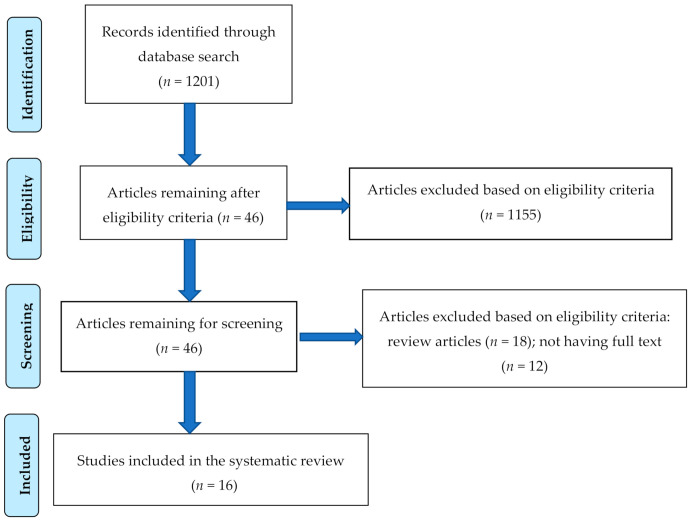
Due to lack of sufficient data on the psychological toll of the COVID-19 pandemic on adolescent mental health, this systematic analysis aims to evaluate the impact of the pandemic on adolescent mental health. This study follows the PRISMA guidelines for systematic reviews of 16 quantitative studies conducted in 2019–2021 with 40,076 participants. Globally, adolescents of varying backgrounds experience higher rates of anxiety, depression, and stress due to the pandemic. Secondly, adolescents also have a higher frequency of using alcohol and cannabis during the COVID-19 pandemic. However, social support, positive coping skills, home quarantining, and parent–child discussions seem to positively impact adolescent mental health during this period of crisis. Whether in the United States or abroad, the COVID-19 pandemic has impacted adolescent mental health. Therefore, it is important to seek and to use all of the available resources and therapies to help adolescents mediate the adjustments caused by the pandemic.
Overview
The claims and statistics of this paper haven’t been checked yet.
Free: it reads the open-access text and checks the first 5 claims that cite a source we can check. Create a free account to check every claim.
Integrity signals
Registry
Cites
Statistics
Figures
Verification
Claims the paper makes
The claims and statistics of this paper haven’t been checked yet.
Free: it reads the open-access text and checks the first 5 claims that cite a source we can check. Create a free account to check every claim.
Claims other papers make about this one
Each is checked against this paper’s own text: does it say what the citing paper says it does?
The source backs part of the claim, not all of it — or backs it for a different population, condition or comparison.
In the citing paper
“Vaccination of adolescents will allow them to reintegrate into society and resume in-person learning safely, which are especially important outcomes given the severe mental health effects of the Covid-19 pandemic on this group.18,22,26”
From Safety, immunogenicity, and efficacy of the BNT162b2 covid-19 vaccine in adolescents (2021) · cites this paper as [26]
Experimental — accuracy not yet measuredThe cited source says what the claim attributes to it.
In the citing paper
“Finally, research has found that higher levels of social support, coupled with positive coping strategies, were protective for youth mental health during the pandemic [35].”
Self-check
Percentages, sums and reported differences re-computed from the paper’s own numbers.
The self-check needs the paper’s full text.
Citations
Cites
Preferred Reporting Items for Systematic Reviews and Meta-Analyses: the PRISMA statement
Moher, D., Liberati, A., Tetzlaff, J., Altman, D. G., & for the PRISMA Group (2009) · BMJ · doi:10.1136/bmj.b2535 · Cited by 83,823
Preferred Reporting Items for Systematic Reviews and Meta-Analyses: The PRISMA Statement
Moher, D., Liberati, A., Tetzlaff, J., Altman, D. G., & The PRISMA Group (2009) · PLoS Medicine · doi:10.1371/journal.pmed.1000097 · Cited by 64,042
Wang, G., Ma, R., Qiao, G., Wada, K., Aizawa, Y., & Satoh, T. (2015) · Integrative Medicine International · doi:10.1159/000368408 · Cited by 18,657
WHO Coronavirus Disease (COVID-19) Dashboard
(2020) · Bangladesh Physiotherapy Journal · doi:10.46945/bpj.10.1.03.01 · Cited by 3,806
Chronic stress, drug use, and vulnerability to addiction
Sinha, R. (2008) · Annals of the New York Academy of Sciences · doi:10.1196/annals.1441.030 · Cited by 1,904 · cited 1×
“An earlier study [32] showed the link between the lack of positive coping skills and the possible neurobiological pathways that may associate stress with the craving for drug use.”
BackgroundMental health effects of school closures during COVID-19
Lee, J. (2020) · The Lancet Child & Adolescent Health · doi:10.1016/s2352-4642(20)30109-7 · Cited by 1,882
“Pandemic fear” and COVID-19: mental health burden and strategies
Ornell, F., Schuch, J. B., Sordi, A. O., & Kessler, F. H. P. (2020) · Brazilian Journal of Psychiatry · doi:10.1590/1516-4446-2020-0008 · Cited by 1,852 · cited 1×
“As a result of social isolation, and the constant concern of infectivity, mental health consequences that are associated with the COVID-19 crisis are monumental [2,3].”
BackgroundLi, S., Wang, Y., Xue, J., Zhao, N., & Zhu, T. (2020) · International Journal of Environmental Research and Public Health · doi:10.3390/ijerph17062032 · Cited by 1,835
Magson, N. R., Freeman, J. Y. A., Rapee, R. M., Richardson, C. E., Oar, E. L., & Fardouly, J. (2021) · Journal of Youth and Adolescence · doi:10.1007/s10964-020-01332-9 · Cited by 1,498 · cited 1×
“There has been very little attention to the psychological toll of COVID-19 on adolescent mental health [5].”
BackgroundDuan, L., Shao, X., Wang, Y., Huang, Y., Miao, J., Yang, X., & Zhu, G. (2020) · Journal of Affective Disorders · doi:10.1016/j.jad.2020.06.029 · Cited by 991 · cited 2×
“Five studies (31%) addressed depression among non-special populations and identified an association between the pandemic and depression [17,25,27,28,30].”
Background
Cited by
Items 201–300 of 949
Martínez-García, A. (2022) · Health Education · doi:10.1108/he-07-2021-0106 · Cited by 15
Impact of COVID-19 on Pediatric Mental and Behavioral Health Visits to the Emergency Department
Bolt, J., Patel, F., Stone, L., Pandian, D., Manuel, M. M., & Gaines, N. (2022) · Pediatric Emergency Care · doi:10.1097/pec.0000000000002794 · Cited by 17
Pupils’ Adaptability at School, a Balance Between Demands and Resources?
Oger, M., Broc, G., Martin‐Krumm, C., Roux, F. L., Müller, A., & Tarquinio, C. (2022) · Frontiers in Education · doi:10.3389/feduc.2022.814376 · Cited by 16
Swedish High School Students’ Drug and Alcohol Use Habits throughout 2020
Sfendla, A., Bador, K., Paganelli, M., & Kerekes, N. (2022) · International Journal of Environmental Research and Public Health · doi:10.3390/ijerph192416928 · Cited by 17
Anxiety, Stress Perception, and Coping Strategies among Students with COVID-19 Exposure
Shpakou, A., Krajewska-Kułak, E., Cybulski, M., Sokołowska, D., Andryszczyk, M., Kleszczewska, E., Loginovich, Y., Owoc, J., Tarasov, A. V., Skoblina, N., et al. (2023) · Journal of Clinical Medicine · doi:10.3390/jcm12134404 · Cited by 19
“The universality of psychological reactions in humans during a pandemic can be understood by drawing analogies with reactions observed in other highly stressful situations [7,8].”
BackgroundReduction in the use of green spaces during the COVID-19 pandemic and its impact on mental health
Borgi, M., Collacchi, B., Cirulli, F., & Medda, E. (2023) · Health & Place · doi:10.1016/j.healthplace.2023.103093 · Cited by 17
Gonsalves, P. P., Bhat, B., Sharma, R., Jambhale, A., Chodankar, B., Verma, M., Hodgson, E., Weiss, H. A., Leurent, B., Cavanagh, K., et al. (2023) · BJPsych Open · doi:10.1192/bjo.2022.624 · Cited by 14
Operto, F. F., Abbate, C. S., Piscitelli, F. T., Olivieri, M., Rizzo, L., Sica, G., Labate, A., Roccella, M., Carotenuto, M., & Pastorino, G. M. G. (2022) · Healthcare · doi:10.3390/healthcare10122368 · Cited by 14
Zheng, Y., Li, J., & Vergunst, F. (2023) · Preventive Medicine · doi:10.1016/j.ypmed.2023.107558 · Cited by 14
A Neuropsychiatric Assessment of Children with Previous SARS-CoV-2 Infection
Scarselli, V., Calderoni, D., Terrinoni, A., Davico, C., Pruccoli, G., Denina, M., Carducci, C., Smarrazzo, A., Martucci, M., Presicce, M., et al. (2023) · Journal of Clinical Medicine · doi:10.3390/jcm12123917 · Cited by 16
“A few studies have also identified an association between the pandemic and depression [32].”
BackgroundĐiền, T. M., Làn, P. T., Duy, P. Q., Anh, L. H., Ngân, N. T. K., & Vu, L. (2023) · BMC Public Health · doi:10.1186/s12889-023-17348-2 · Cited by 18
“Multiple previous studies reported that globally, adolescents of varying backgrounds experience higher rates of anxiety, depression, and stress due to the pandemic [2, 10].”
BackgroundCunha, R. S., Dias, P., Andrés, A., Bowe, M., & Renshaw, T. L. (2024) · School Mental Health · doi:10.1007/s12310-024-09691-5 · Cited by 14
“In the context of the COVID-19 pandemic, adolescents presented higher rates of anxiety and depression (Jones et al., 2021).”
Yang, Z., Shang, Y., Liang, Y., Zhang, H., Yang, Y., Wang, Y., Shang, L., & Zhang, Y. (2022) · Frontiers in Public Health · doi:10.3389/fpubh.2022.833561 · Cited by 14
Moya-Vergara, R., Portilla-Saavedra, D., Castillo-Morales, K., Espinoza-Tapia, R., & Pastén, S. S. (2022) · Journal of Clinical Medicine · doi:10.3390/jcm12010269 · Cited by 17
“Regarding the mental health indicators addressed in this study, the findings are consistent with other research that reports the increase in depressive and anxious symptoms in young people during the pandemic [13,18,20,23,25,27].”
BackgroundResultHua, J., & Zhou, Y. (2023) · Frontiers in Psychology · doi:10.3389/fpsyg.2023.1097068 · Cited by 14
Ferro, V., Averna, R., Murciano, M., Raucci, U., Cristaldi, S., Musolino, A. M., Pontillo, M., Vecchia, N. D., Labonia, M., Pisani, M., et al. (2023) · Children · doi:10.3390/children10030578 · Cited by 17
“Altogether, these multiple stressors might work as an “explosive mixture” and might abruptly and acutely destroy the personal and social balance of the adolescent who basically suffers a lack of positive coping skills and resilience during periods of adjustment [40,41].”
BackgroundParlatini, V., Frangou, L., Zhang, S., Epstein, S., Morris, A. C., Grant, C., Zalewski, L., Jewell, A., Velupillai, S. U., Simonoff, E. A., et al. (2023) · Social Psychiatry and Psychiatric Epidemiology · doi:10.1007/s00127-023-02517-w · Cited by 14
Zhu, S., Xue, R., Chen, Y., Zhang, Y., Du, J., Luo, F.-Y., Ma, H., Yang, Y., Xu, R. F., Li, J., et al. (2023) · Brain Research · doi:10.1016/j.brainres.2023.148472 · Cited by 15
Timmins, L., Schneider, J. A., Chen, Y., Pagkas-Bather, J., Kim, B., Moody, R. L., Al‐Ajlouni, Y. A., Lee, F. L. F., Koli, K., Durrell, M., et al. (2022) · Social Psychiatry and Psychiatric Epidemiology · doi:10.1007/s00127-022-02282-2 · Cited by 13
Liu, J., Roberts, J., Reynolds, M. J., Hanby, E. P., Gundersen, D. A., Winickoff, J. P., Rees, V. W., Emmons, K. M., & Tan, A. S. L. (2023) · Translational Behavioral Medicine · doi:10.1093/tbm/ibad012 · Cited by 14
Ogawa, T., Shiratori, Y., Midorikawa, H., Aiba, M., Sugawara, D., Kawakami, N., Arai, T., & Tachikawa, H. (2023) · COVID · doi:10.3390/covid3080082 · Cited by 14
Quinlan-Davidson, M., Shan, D., Courtney, D., Barbic, S. P., Cleverley, K., Hawke, L. D., Ma, C., Prebeg, M., Relihan, J., Szatmári, P., et al. (2023) · Child and Adolescent Psychiatry and Mental Health · doi:10.1186/s13034-023-00653-4 · Cited by 14
“Findings from a recent systematic review on the impact of COVID-19 on adolescent mental health showed that a lack of social support during the COVID-19 pandemic was associated with increased levels of anxiety and depression in youth [96, 97].”
BackgroundBertollo, A. G., Braga, G. D. C., Tonin, P. T., Luzardo, A. R., Bagatini, M. D., & Ignácio, Z. M. (2023) · Brain Sciences · doi:10.3390/brainsci13101414 · Cited by 13
“Accordingly, studies indicate that some of the changes that were very evident during the pandemic were those related to brain functions and psychological processes, pointing to pandemic social isolation as a trigger for the onset and worsening of these conditions [5,10].”
BackgroundArts therapies for mental disorders in COVID-19 patients: a comprehensive review
Luo, X., Zhang, Z., Shi, X., He, C., Wang, J., Wu, Q., & Huang, G. (2023) · Frontiers in Public Health · doi:10.3389/fpubh.2023.1289545 · Cited by 17
“Present research emphasizes pandemics’ impact on mental health (4–6), the manifestation of complex stressors such as economic hardship, disease epidemics, labor force reductions, and stringent government policies exacerbating global mental health crises (9–11).”
BackgroundInfluentialExploring Media Literacy Formation at the Intersection of Family, School, and Peers
Šušterič, N., Ošljak, K. K., & Tašner, V. (2024) · Media and Communication · doi:10.17645/mac.9098 · Cited by 13
Advances in the prevalence and treatment of depression for adolescents: a review
Yin, C., Xu, M., & Zong, Z. (2025) · Frontiers in Pharmacology · doi:10.3389/fphar.2025.1574574 · Cited by 17
Yoo, J.-I., Han, J. K., Youn, H.-S., & Jung, J.-H. (2021) · International Journal of Environmental Research and Public Health · doi:10.3390/ijerph18157937 · Cited by 15
Lee, S.-M., Yoo, J.-I., & Youn, H.-S. (2021) · International Journal of Environmental Research and Public Health · doi:10.3390/ijerph182010981 · Cited by 13
“More specifically, they reported that COVID-19 pandemic has taken a toll on adolescents’ mental health, including elevated depression, anxiety, social isolation, maladaptive behavior, and stress [11-15].”
Effect of Digital Technology on Adolescents
Rose, N. N., Ishak, A. S., Sultan, N. H. H., Ismail, F. B., & Fahrudin, A. (2021) · Advances in human and social aspects of technology book series · doi:10.4018/978-1-7998-8318-0.ch001 · Cited by 18
Donenberg, G. R., Merrill, K. G., Obiezu‐Umeh, C., Nwaozuru, U., Blachman-Demner, D. R., Subramanian, S., Fournier, A. P., & Iwelunmor, J. (2022) · Global Implementation Research and Applications · doi:10.1007/s43477-022-00042-7 · Cited by 14
Valladares-Garrido, M. J., Huamani-Colquichagua, Y., Anchay-Zuloeta, C., Picón-Reátegui, C. K., & Valladares-Garrido, D. (2022) · International Journal of Environmental Research and Public Health · doi:10.3390/ijerph191711052 · Cited by 14
Sánchez‐Sánchez, F. J., & Sánchez, A. M. S. (2022) · International Journal of Environmental Research · doi:10.1007/s41742-022-00474-x · Cited by 13
“2021), in mental health (Jones et al. 2021; Kola et al. 2021), or in tourism (Vaishar and Šťastná 2022; Senbeto and Hon 2020), with the tourism and leisure sector being one of the most affected (RobinaRamírez et al.”
BackgroundFinding voice in a year of collective trauma: Case study of an online photovoice project with youth
Macias, R. L., Nava, N., Delgadillo, D. R., Beschel, J., & Kuperminc, G. P. (2022) · American Journal of Community Psychology · doi:10.1002/ajcp.12630 · Cited by 13
COVID-19 mental health challenges: A scoping review
Agrawal, S., Dayama, S., & Galhotra, A. (2022) · Journal of Education and Health Promotion · doi:10.4103/jehp.jehp_426_22 · Cited by 14
“Journal of Education and Health Promotion | Volume 11 | November 2022 7 adolescents,[10,17] women,[9,12,13,20,24] the elderly,[24] HCWs and FLWs.”
BackgroundLampropoulou, A., Georgakakou‐Koutsonikou, N., Hatzichristou, C., & Ρούσσος, Π. (2023) · Education Sciences · doi:10.3390/educsci13070644 · Cited by 15
“However, in most studies that reported significant differences, girls were more negatively affected than boys; studies reported a disproportionate effect on girls with regard to symptoms of anxiety and depression [3,5,33].”
BackgroundHumbert, A., Kohls, E., Baldofski, S., Epple, C., & Rummel‐Kluge, C. (2023) · Frontiers in Psychiatry · doi:10.3389/fpsyt.2023.1271702 · Cited by 13
The prevalence of undiagnosed anxiety: A national survey
Momin, A., Rodrigues, K., Stead, T. S., Mangal, R. K., & Ganti, L. (2023) · Journal of Affective Disorders Reports · doi:10.1016/j.jadr.2023.100584 · Cited by 19
The Effects of Social Determinants and Resilience on the Mental Health of Chilean Adolescents
Caqueo‐Urízar, A., Mena‐Chamorro, P., Henríquez, D., Alfonso Urzúa, M., & Irarrázaval, M. (2023) · Children · doi:10.3390/children10071213 · Cited by 15
Gao, R., Wang, H., Liu, S., Wang, X., Xiong, X., Song, S., & Wang, Y. (2024) · Frontiers in Public Health · doi:10.3389/fpubh.2024.1387247 · Cited by 13
Grzankowska, I., Wójtowicz-Dacka, M., & Deja, M. (2025) · Frontiers in Public Health · doi:10.3389/fpubh.2024.1480416 · Cited by 13
Intersectionality and mental health in university students: a jeopardy index approach
de Lima, J. D., Plácido, J. D. S. S., de Andrade, B. B., Abend, L. D., Waclawovsky, A. J., Pires, D. A., da Silva, D. R. P., de Jesus‐Moraleida, F. R., Moura, H. F., Coelho, N. L. G., et al. (2025) · Revista de Saúde Pública · doi:10.11606/s1518-8787.2025059006197 · Cited by 17
“…in college students, it is crucial to underscore the additional negative impact of COVID-19 pandemic for the increase in symptoms of depression, anxiety, stress, and sleep problems in the https://doi.org/10.11606/s1518-8787.2025059006197 Rev. Saude Publica I v.59 I e3 I 2025 young population 28 .”
InfluentialAlhassan, M. A., Alarabi, M., Albalawi, W. M., Alkhodairi, A. F., Alghalayini, K., Alsomari, A. K., & Fiaar, H. A. A. (2025) · BMC Psychiatry · doi:10.1186/s12888-025-07585-7 · Cited by 14
“Recent evidence, including studies during the COVID-19 pandemic, further suggests that social isolation and loneliness exacerbate adolescent mental health risks [6, 13–15].”
Meireles, A., Marques, S., Peixoto, M. M., Sousa, M., & Cruz, S. (2022) · Applied Psychology Health and Well-Being · doi:10.1111/aphw.12356 · Cited by 12
“…adolescents reported lower health-related quality of life during the COVID-19, especially girls (Ravens-Sieberer et al., 2021), and experienced more mental health problems, as well as elevated anxiety scores, than before the pandemic outbreak (Jones et al., 2021; Ravens-Sieberer et al., 2021).”
BackgroundWatson, K. H., Coiro, M. J., Ciriegio, A. E., Dakkak, A. N., Jones, M. T., Reisman, J., Kujawa, A., & Compas, B. E. (2022) · Child and Adolescent Mental Health · doi:10.1111/camh.12598 · Cited by 13
Li, G., Liu, H., Qiu, C., & Tang, W. (2022) · Frontiers in Psychiatry · doi:10.3389/fpsyt.2022.971800 · Cited by 12
The impact of the COVID-19 pandemic on psychiatric emergency consultations in adolescents
So, P., Wierdsma, A. I., Mulder, C. L., & Vermeiren, R. R. J. M. (2023) · BMC Psychology · doi:10.1186/s40359-023-01085-7 · Cited by 12
Prevalence of depression and anxiety in Colombia: What happened during Covid-19 pandemic?
Martínez, S., Roncancio, M. V. P., Carrasquilla, G., Casas, G., & González-Uribe, C. (2024) · PLoS ONE · doi:10.1371/journal.pone.0282760 · Cited by 13
Coping Strategies Among Adolescents During the COVID-19 Pandemic: A Cross-Cultural Exploration
Mmari, K., Mafuta, E. M., Yu, C., Pinandari, A., Borges, A. L. V., Maddaleno, M., & Martinez-Baack, M. (2024) · Journal of Adolescent Health · doi:10.1016/j.jadohealth.2024.09.001 · Cited by 12
Learning and happiness during Covid-19 school closure in urban Malaysia
Asadullah, M. N., & Tham, E. (2023) · International Journal of Educational Development · doi:10.1016/j.ijedudev.2023.102822 · Cited by 14
The other pandemic: Mental illness in young people from low and middle-income countries
Lux, M. E., Merino, M. M., Viviescas, A., & Escobar, J. M. (2023) · Current Opinion in Psychology · doi:10.1016/j.copsyc.2023.101642 · Cited by 12
The Impact of COVID-19 on Pregnant Women and Children: Recommendations for Health Promotion
Witt, W. P., Harlaar, N., & Palmer, A. (2023) · American Journal of Health Promotion · doi:10.1177/08901171221140641e · Cited by 13
Melander, K., Kortteisto, T., Hermanson, E., Kaltiala, R., Mäki-Kokkila, K., Kaila, M., & Kosola, S. (2022) · PLOS ONE · doi:10.1371/journal.pone.0264259 · Cited by 11
“The Covid-19 pandemic has globally exacerbated adolescents’ mental health problems [56], which highlights the relevance of all possible measures to alleviate them.”
BackgroundRepo, J., Herkama, S., Yanagida, T., & Salmivalli, C. (2023) · European Journal of Developmental Psychology · doi:10.1080/17405629.2022.2122434 · Cited by 11
“Recent meta-analyses on COVID impact on adolescents have indicated a worrying increase especially in anxiety symptoms (Jones et al., 2021; Panchal et al., 2021; Racine et al., 2021).”
BackgroundCai, J. C., Wang, Y., Wang, C., Deng, Z.-Y., Mu, Y.-F., Deng, A.-P., Song, H.-J., Huang, Y., Fang, D.-Z., Liu, G.-L., et al. (2025) · BMC Psychiatry · doi:10.1186/s12888-025-06588-8 · Cited by 12
Limsuwan, N., Prachason, T., & Wisajun, P. (2022) · Frontiers in Public Health · doi:10.3389/fpubh.2022.1055819 · Cited by 11
Cofini, V., Muselli, M., Lolli, C., Fabiani, L., & Necozione, S. (2022) · International Journal of Environmental Research and Public Health · doi:10.3390/ijerph20010625 · Cited by 12
Riva, G., Lernia, D. D., Tuena, C., Bernardelli, L., Gutiérrez‐Maldonado, J., Ferrer‐García, M., Porras-García, B., Meyer, M. L., Shiban, Y., Castelnuovo, G., et al. (2023) · Psychosomatic Medicine · doi:10.1097/psy.0000000000001198 · Cited by 12
Yatkin, E., Aral, N., GÜNEŞ, L. C., & Tosun, S. (2023) · Frontiers in Psychology · doi:10.3389/fpsyg.2023.1184788 · Cited by 13
“The relevant literature host research exploring psychological projections among students preparing for exams and the impacts of the exam preparation process on burnout, anxiety, mood, and emotional reactions (Esposito et al., 2020; Guessoum et al., 2020; Van De Groep et al., 2020; Gazmararian et al., 2021; Green et al…”
BackgroundDing, H., Xu, Z., Hu, W., Guo, Y., Wang, C., Li, S., Hui, Z., Wang, J., Peng, X., & Xia, W. (2023) · International Journal of Social Psychiatry · doi:10.1177/00207640231188321 · Cited by 12
“Social support is reported to be a major factor in determining the mental sustainability of youths during the pandemic (Jones et al., 2021).”
BackgroundSaha, I., Majumder, J., Bagepally, B. S., Ray, S., Saha, A., & Chakrabarti, A. (2023) · Asian Journal of Psychiatry · doi:10.1016/j.ajp.2023.103790 · Cited by 11
Ssesanga, T., Thomas, K. A., Nelson, K. A., Oenen, E., Kansiime, C., Lagony, S., Enomut, J. R., Mayanja, Y., & Weiss, H. A. (2024) · Child and Adolescent Psychiatry and Mental Health · doi:10.1186/s13034-024-00829-6 · Cited by 12
“In addition, the COVID-19 pandemic has further exacerbated poor mental health among adolescents due to isolation, lack of social support and extended school closures [13].”
BackgroundPediatric mTBI during the COVID-19 pandemic: considerations for evaluation and management
Ransom, D. M. E., Caldwell, C. T., DiVirgilio, E. K., McNally, K. A., Peterson, R. L., Ploetz, D. M., Sady, M., & Slomine, B. S. (2021) · Child Neuropsychology · doi:10.1080/09297049.2021.1985101 · Cited by 11
Russian adolescent mental health in 2002, 2015 and during the COVID ‐19 pandemic in 2021
Slobodskaya, H. R., Safronova, M. V., Kharchenko, I. I., Валентиновна, Р. Е., & Kornienko, O. S. (2022) · Child and Adolescent Mental Health · doi:10.1111/camh.12591 · Cited by 11
Szigethy, E., Silfee, V., Marroquín, M. A. E., Pavlick, A. N., Wallace, M. L., Williams, K. R., & Hoberman, A. (2022) · Psychiatric Services · doi:10.1176/appi.ps.202200045 · Cited by 11
Child well‐being before and after the 2020 COVID ‐19 lockdowns in three Australian states
Allen, J. B. H., Homel, R. J., McGee, T. R., & Freiberg, K. (2023) · Australian Journal of Social Issues · doi:10.1002/ajs4.258 · Cited by 12
Commentary: School closures, the pandemic, and pediatric mental health: Scrutinizing the evidence.
Black, T. R., Virk, P., Woodward, M. L., Stea, J. N., & Doan, Q. H. (2023) · PubMed Central · Cited by 11
A systematic literature review on coping mechanisms and food security during pandemics
Budiawati, Y., Natawidjaja, R. S., Utomo, D. S., Perdana, T., & Karmana, M. H. (2024) · Food Security · doi:10.1007/s12571-024-01445-0 · Cited by 10
“Similarly, coping strategy research, as exemplified by Majrashi et al. (2021 #81), Nang et al. (2022 #83), Aziz et al. (2021 #82), Muller et al. (2020 #84), Jones et al. (2021 #85), and Kaur et al. (2022 #86), is well-documented.”
Liu, S., Xu, J., Cao, H., An, Y., Li, Y., Li, Z., Gao, M. M., & Han, Z. R. (2024) · Journal of Child Psychology and Psychiatry · doi:10.1111/jcpp.14027 · Cited by 10
Jurek, K., Niewiadomska, I., & Chwaszcz, J. (2024) · Scientific Reports · doi:10.1038/s41598-024-73103-6 · Cited by 11
Gao, R., Wang, H., Liu, S., Wang, X., Song, S., & Wang, Y. (2024) · Frontiers in Public Health · doi:10.3389/fpubh.2024.1385639 · Cited by 12
Piguet, C., Celen, Z., Meuleman, B., Schilliger, Z., Smith, M. M., Mendola, E., Pham, E., Jouabli, S., Ivanova, V., Murray, R. J., et al. (2025) · Depression and Anxiety · doi:10.1155/da/2679049 · Cited by 13
“This is surprising given the global increase in stress and anxiety reported in the literature [82], but this might concern adolescents that are older or have other vulnerability factors.”
Güzelsoy, N., Ravens‐Sieberer, U., Westenhöfer, J., Devine, J., Erhart, M., Hölling, H., & Kaman, A. (2022) · Frontiers in Psychiatry · doi:10.3389/fpsyt.2022.901783 · Cited by 13
Advancing School Behavioral Health at Multiple Levels of Scale
Weist, M. D., Figas, K., Stern, K., Terry, J., Scherder, E., Collins, D., Davis, T., & Stevens, R. N. (2022) · Pediatric Clinics of North America · doi:10.1016/j.pcl.2022.04.004 · Cited by 11
Working with Youth During the COVID-19 Pandemic: Adaptations and Insights from Youth Workers
Khoury, É., Boisvert-Viens, J., & Goyette, M. (2023) · Child and Adolescent Social Work Journal · doi:10.1007/s10560-023-00917-0 · Cited by 11
“A meta-analysis on the impact of the pandemic on young people reveals an increase in anxiety, depression, and stress as well as more frequent consumption of alcohol and can - nabis during this period (Jones et al., 2021).”
Alta prevalência de ansiedade e sintomatologia depressiva em adolescentes na pandemia da COVID-19
Borges, J. A., Nakamura, P. M., & Andaki, A. C. R. (2023) · Revista Brasileira de Atividade Física & Saúde · doi:10.12820/rbafs.27e0287 · Cited by 10
Filipović, A. T., & Rihtar, S. (2023) · Journal of Religious Education · doi:10.1007/s40839-023-00197-x · Cited by 10
“Researchers warn of the risk of permanent damage to mental health as a consequence of the pandemic, especially among vulnerable groups (Antičević, 2021; Jones et al., 2021).”
BackgroundMaximova, K., Wu, X., Khan, M. K. A., Dabravolskaj, J., Sim, S., Mandour, B. A., Pabayo, R., & Veugelers, P. J. (2023) · SSM - Population Health · doi:10.1016/j.ssmph.2023.101454 · Cited by 10
“…studies have demonstrated the impact of the pandemic and lockdown measures on lifestyle behaviours and mental health and wellbeing among children (Jones et al., 2021; Runacres et al., 2021; Stockwell et al., 2021), and others have shown that children growing up in socioeconomically disadvantaged…”
Hong, G., Less, J., Masoudian, B., Cruz, A., Sifuentes, S., Vue, J., Yanamandra, A., Sattler, A. L., & Lin, S. (2023) · Family Medicine · doi:10.22454/fammed.2023.755040 · Cited by 10
Morello, L., Scaini, S., Caputi, M., Frisiello, A., & Forresi, B. (2023) · Current Psychology · doi:10.1007/s12144-023-05008-y · Cited by 11
“Several studies highlighted how the Covid-19 pandemic, with its containment policies, had a negative impact on population’s mental health and particularly affected child and adolescent psychological wellbeing (Caputi et al., 2021; Jones et al., 2021; Scaini et al., 2021).”
Guo, B.-C., Chen, Y., Huang, W.-Y., Lin, M.-J., & Wu, H. (2023) · Frontiers in Psychology · doi:10.3389/fpsyg.2023.1281806 · Cited by 14
Ross, T., Ma, X., & Doty, J. L. (2023) · The Journal of Early Adolescence · doi:10.1177/02724316231215784 · Cited by 11
“The COVID-19 pandemic has exacerbated the factors that give to rise to these problems and had a negative impact on mental health outcomes in adolescent populations (Jones et al., 2021).”
Chaffee, B. W., Cheng, J., Couch, E. T., & Halpern‐Felsher, B. L. (2023) · Journal of School Health · doi:10.1111/josh.13418 · Cited by 10
Mateo‐Orcajada, A., Abenza‐Cano, L., Molina-Morote, J. M., & Vaquero‐Cristóbal, R. (2024) · BMC Psychology · doi:10.1186/s40359-024-01906-3 · Cited by 10
“Adolescence is a complicated stage in which physical and psychological changes occur [1].”
BackgroundImpacto de la pandemia por COVID-19 en la salud mental
Sánchez-Caicedo, C. A., & Aguilar-Salazar, A. F. (2024) · Revista Arbitrada Interdisciplinaria de Ciencias de la Salud Salud y Vida · doi:10.35381/s.v.v8i16.4030 · Cited by 10
Externalizing Behaviors/Violence Exposure and Suicide Among U.S. Adolescents
Joseph, V. A., Kreski, N. T., & Keyes, K. M. (2024) · American Journal of Preventive Medicine · doi:10.1016/j.amepre.2024.08.014 · Cited by 10
Quality of life at school: Between vulnerability and robustness of students
Oger, M., Martin‐Krumm, C., Fenouillet, F., Müller, A., Roux, F. L., Tarquinio, C., & Broc, G. (2022) · Psychology in the Schools · doi:10.1002/pits.22719 · Cited by 10
Effects of COVID-19 lockdown on weight in a cohort of allergic children and adolescents
Brindisi, G., Marino, V. P. D., Olivero, F., Canditiis, D. D., Castro, G. D., Zicari, A. M., & Anania, C. (2022) · The Italian Journal of Pediatrics/Italian journal of pediatrics · doi:10.1186/s13052-022-01273-y · Cited by 10
“, reported instead the negative effect that the pandemic is having especially on adolescent mental health, emphasizing the need to therapies and resources capable of supporting adolescents for their physical and mental growth [32].”
BackgroundAbe, K., Daniunaite, I., Truskauskaitė‐Kunevičienė, I., Sugimura, K., Želvienė, P., Hihara, S., Kamite, Y., & Kazlauskas, E. (2022) · Brain Sciences · doi:10.3390/brainsci12091172 · Cited by 12
“There is also increasing evidence at the global level that the COVID-19 pandemic has a negative impact on the mental health of adolescents [31,32].”
BackgroundCaycho‐Rodríguez, T., Lee, S. A., Vilca, L. W., Carbajal‐León, C., Reyes-Bossio, M. A., Delgado-Campusano, M., Gallegos, M., Esteban, R. F. C., & Noé-Grijalva, M. (2022) · OMEGA - Journal of Death and Dying · doi:10.1177/00302228221124987 · Cited by 10
“Evidence to date has indicated that the pandemic has generated elevated symptoms of post-traumatic stress disorder, anxiety, depression, stress and sleep problems in the general population (Jones et al., 2021; Nochaiwong et al., 2021; Robinson et al., 2022; Wu et al., 2021).”
Bizzi, F., Riva, A., Mora, S. C., Tironi, M., Sforza, S. E., Milani, L. M., & Nacinovich, R. (2023) · International Journal of Environmental Research and Public Health · doi:10.3390/ijerph20043670 · Cited by 11
“Moreover, we investigated internal variables in adolescence, a developmental phase which is of increasing clinical interest, and the associations among the above-mentioned variables in a very unusual period, namely the COVID-19 pandemic, fraught with spillover effects on youths’ mental health, as largely evidenced by…”
BackgroundAksoy, D., Simões, C., & Favre, C. A. (2023) · International Journal of Environmental Research and Public Health · doi:10.3390/ijerph20095676 · Cited by 10
Mental health and the COVID-19 pandemic
Zalewska, A., & Matysiak, M. (2022) · Kwartalnik Naukowy Fides et Ratio · doi:10.34766/fetr.v3i51.1118 · Cited by 12
Vidal, C., & Wissow, L. S. (2023) · Journal of Applied Social Science · doi:10.1177/19367244221140306 · Cited by 9
“…a steep increase since the introduction and widespread use of smartphones and social media (Twenge et al. 2018), and, more recently, in the context of disruption of in-person activity (Jones, Mitra, and Bhuiyan 2021) and increased online activity (Marciano et al. 2022) during the COVID-19 pandemic.”
BackgroundAdolescents amid emerging COVID-19 pandemic in Bissau, Guinea-Bissau: a qualitative study
Baboudóttir, F. N., Jandi, Z., Indjai, B., Einarsdóttir, J., & Gunnlaugsson, G. (2022) · BMJ Paediatrics Open · doi:10.1136/bmjpo-2022-001417 · Cited by 9
Zeiler, M. D., Wittek, T., Graf, T., Bozic, I., Nitsch, M., Waldherr, K., Karwautz, A. F. K., Wagner, G., & Berger, G. (2022) · Behavioral Medicine · doi:10.1080/08964289.2022.2084358 · Cited by 11
Erschens, R. S., Adam, S. H., Weisshap, C., Giel, K. E., Wallis, H., Herrmann‐Werner, A., Wietek, T. F., Mazurak, N., Zipfel, S., & Junne, F. (2022) · Frontiers in Neuroscience · doi:10.3389/fnins.2022.1030397 · Cited by 9
“, 2022) show a significant increase in mental distress among healthcare professionals (Mulfinger et al., 2020; Salazar de Pablo et al., 2020; Jones et al., 2021) in addition to the significantly increased prevalence of mental distress in general (Xiong et al.”
BackgroundPrice, A. M. H., Suárez, D. C., Zhu, A., Schreurs, N., Measey, M., Woolfenden, S. R., Burley, J., Bryson, H., Efron, D., Rhodes, A., et al. (2022) · Australian Journal of Social Issues · doi:10.1002/ajs4.252 · Cited by 9
“Our findings for children are like other studies investigating the lockdown experiences of young people (Jones et al., 2021; Racine et al., 2021; Samji et al., 2022).”
BackgroundResultCOVID-19 responses and coping in young Malaysians from low-income families
Wong, L. P., Farid, N. D. N., Alias, H., Yusop, S. M., Musa, Z., Hu, Z., & Lin, Y. (2023) · Frontiers in Psychiatry · doi:10.3389/fpsyt.2023.1165023 · Cited by 10
“Frequent negative parent–child interactions and conflicts with their children have been reported during the pandemic (10, 11).”
BackgroundMarr, C., Gaskin, C., Kasinathan, J. G., Kaye, S. S., Singh, Y., & Dean, K. (2023) · Psychiatry Psychology and Law · doi:10.1080/13218719.2023.2192257 · Cited by 9
“…on young people ’ s mental health and self-harm or suicidal behaviours in both custodial (e.g. Johnson, Gutridge, Parkes, Roy, & Plugge, 2021; Kasinathan et al., 2021) and community (e.g. Corrigan et al., 2022; Jones, Mitra, & Bhuiyan, 2021; Sara et al., 2022; Zolopa et al., 2022) settings.”
BackgroundThe COVID-19 Crisis and the Incidence of Alcohol-Related Deaths in Poland
Silczuk, A., Gujska, J. H., Wojtyniak, B., Camlet, K., Stępień, M., Stokwiszewski, J., & Juszczyk, G. (2023) · Medical Science Monitor · doi:10.12659/msm.940904 · Cited by 11
Metadata
- Authors
- Jones, E. A. K., Mitra, A. K., & Bhuiyan, A. R.
- Affiliations
- Jackson State University (US)
- Corresponding author
- Mitra, Amal K.
- Venue
- International Journal of Environmental Research and Public Health
- Publisher
- MDPI AG
- Published
- 2021-03-03
- Volume
- 18
- Issue
- 5
- Pages
- 2470
- ISSN
- 1660-4601 (ISSN-L)
- PMC
- PMC7967607
- OpenAlex
- W3134683097
- Cited by
- 857
- References
- 32
- Citations by year
- 2026: 49 · 2025: 120 · 2024: 187 · 2023: 259 · 2022: 198 · 2021: 43
- FWCI
- 22.81
- Type
- journal article
- Language
- en
- Open access
- gold
- doi.org
- Licence
- Locations
- International Journal of Environmental Research and Public Health (publishedVersion, cc-by)
- PubMed Central (publishedVersion, cc-by)
- PubMed (publishedVersion)
- RePEc: Research Papers in Economics (submittedVersion)
- DOAJ (DOAJ: Directory of Open Access Journals) (submittedVersion)
- Funders
- National Institute on Minority Health and Health Disparities (P20MD006899)
- Topics
- Social Sciences › Psychology › Clinical Psychology › COVID-19 and Mental Health
- Social Sciences › Psychology › Clinical Psychology › Child and Adolescent Psychosocial and Emotional Development
- Social Sciences › Psychology › Developmental and Educational Psychology › Student Stress and Coping
- Keywords
- COVID-19 pandemic, adolescent mental health, anxiety, depression, stress, alcohol consumption, cannabis use, social support, coping strategies, home quarantine, parent-child communication, psychological adjustment
- MeSH terms
- COVID-19, SARS-CoV-2, Adolescent, Anxiety, Child, Depression, Humans, Mental Health, Quarantine, United States, Pandemics
About these checks
Registry, retraction, Cites and statistics results are computed, not judged, with one exception: a printed reference that no index lists is read once by a model before it counts as a citation error. Claims are extracted by a model and kept only when their quote appears verbatim in the text; each cited source is then checked, with a model’s help, for whether it says what the claim relies on. Those verdicts can be wrong — read the claim’s quote and the cited source before relying on one.
Statistics and arithmetic are recomputed, not judged.
Confidence bands are shown only for fields calibrated on our annotated test set. None is calibrated yet, so no band is shown.
What counts as a claim ›How we measure confidence ›How we check this ›
Are you an author, or do you see a problem with this page? Request a review
Data sources
Bibliographic data: Semantic Scholar, OpenAlex, Crossref.
Contains information from the Semantic Scholar Academic Graph Datasets, made available under the ODC Attribution License (ODC-BY 1.0).
Semantic Scholar’s data is described in: Kinney, R., et al. (2023). The Semantic Scholar Open Data Platform. arXiv:2301.10140.
