

Impact of COVID-19 on Mental Health in Adolescents: A Systematic Review
Open accessThe DOI matches its Crossref record; 32 of the 32 references it cites were found in a registry or an index.
Abstract
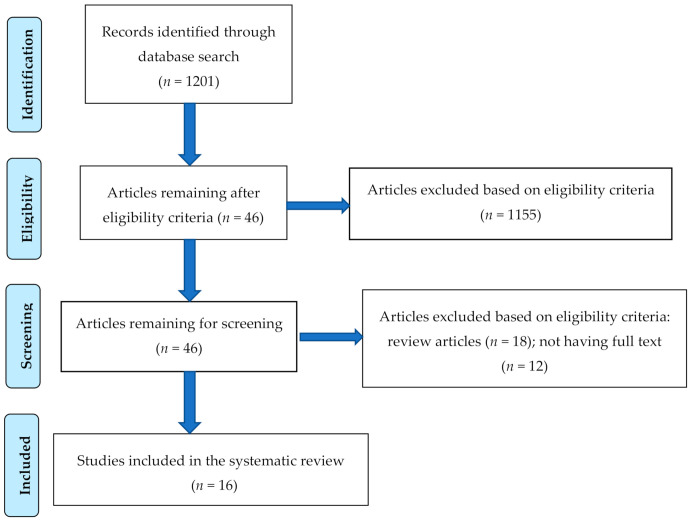
Due to lack of sufficient data on the psychological toll of the COVID-19 pandemic on adolescent mental health, this systematic analysis aims to evaluate the impact of the pandemic on adolescent mental health. This study follows the PRISMA guidelines for systematic reviews of 16 quantitative studies conducted in 2019–2021 with 40,076 participants. Globally, adolescents of varying backgrounds experience higher rates of anxiety, depression, and stress due to the pandemic. Secondly, adolescents also have a higher frequency of using alcohol and cannabis during the COVID-19 pandemic. However, social support, positive coping skills, home quarantining, and parent–child discussions seem to positively impact adolescent mental health during this period of crisis. Whether in the United States or abroad, the COVID-19 pandemic has impacted adolescent mental health. Therefore, it is important to seek and to use all of the available resources and therapies to help adolescents mediate the adjustments caused by the pandemic.
Overview
The claims and statistics of this paper haven’t been checked yet.
Free: it reads the open-access text and checks the first 5 claims that cite a source we can check. Create a free account to check every claim.
Integrity signals
Registry
Cites
Statistics
Figures
Verification
Claims the paper makes
The claims and statistics of this paper haven’t been checked yet.
Free: it reads the open-access text and checks the first 5 claims that cite a source we can check. Create a free account to check every claim.
Claims other papers make about this one
Each is checked against this paper’s own text: does it say what the citing paper says it does?
The source backs part of the claim, not all of it — or backs it for a different population, condition or comparison.
In the citing paper
“Vaccination of adolescents will allow them to reintegrate into society and resume in-person learning safely, which are especially important outcomes given the severe mental health effects of the Covid-19 pandemic on this group.18,22,26”
From Safety, immunogenicity, and efficacy of the BNT162b2 covid-19 vaccine in adolescents (2021) · cites this paper as [26]
Experimental — accuracy not yet measuredThe cited source says what the claim attributes to it.
In the citing paper
“Finally, research has found that higher levels of social support, coupled with positive coping strategies, were protective for youth mental health during the pandemic [35].”
Self-check
Percentages, sums and reported differences re-computed from the paper’s own numbers.
The self-check needs the paper’s full text.
Citations
Cites
Preferred Reporting Items for Systematic Reviews and Meta-Analyses: the PRISMA statement
Moher, D., Liberati, A., Tetzlaff, J., Altman, D. G., & for the PRISMA Group (2009) · BMJ · doi:10.1136/bmj.b2535 · Cited by 83,823
Preferred Reporting Items for Systematic Reviews and Meta-Analyses: The PRISMA Statement
Moher, D., Liberati, A., Tetzlaff, J., Altman, D. G., & The PRISMA Group (2009) · PLoS Medicine · doi:10.1371/journal.pmed.1000097 · Cited by 64,042
Wang, G., Ma, R., Qiao, G., Wada, K., Aizawa, Y., & Satoh, T. (2015) · Integrative Medicine International · doi:10.1159/000368408 · Cited by 18,657
WHO Coronavirus Disease (COVID-19) Dashboard
(2020) · Bangladesh Physiotherapy Journal · doi:10.46945/bpj.10.1.03.01 · Cited by 3,806
Chronic stress, drug use, and vulnerability to addiction
Sinha, R. (2008) · Annals of the New York Academy of Sciences · doi:10.1196/annals.1441.030 · Cited by 1,904 · cited 1×
“An earlier study [32] showed the link between the lack of positive coping skills and the possible neurobiological pathways that may associate stress with the craving for drug use.”
BackgroundMental health effects of school closures during COVID-19
Lee, J. (2020) · The Lancet Child & Adolescent Health · doi:10.1016/s2352-4642(20)30109-7 · Cited by 1,882
“Pandemic fear” and COVID-19: mental health burden and strategies
Ornell, F., Schuch, J. B., Sordi, A. O., & Kessler, F. H. P. (2020) · Brazilian Journal of Psychiatry · doi:10.1590/1516-4446-2020-0008 · Cited by 1,852 · cited 1×
“As a result of social isolation, and the constant concern of infectivity, mental health consequences that are associated with the COVID-19 crisis are monumental [2,3].”
BackgroundLi, S., Wang, Y., Xue, J., Zhao, N., & Zhu, T. (2020) · International Journal of Environmental Research and Public Health · doi:10.3390/ijerph17062032 · Cited by 1,835
Magson, N. R., Freeman, J. Y. A., Rapee, R. M., Richardson, C. E., Oar, E. L., & Fardouly, J. (2021) · Journal of Youth and Adolescence · doi:10.1007/s10964-020-01332-9 · Cited by 1,498 · cited 1×
“There has been very little attention to the psychological toll of COVID-19 on adolescent mental health [5].”
BackgroundDuan, L., Shao, X., Wang, Y., Huang, Y., Miao, J., Yang, X., & Zhu, G. (2020) · Journal of Affective Disorders · doi:10.1016/j.jad.2020.06.029 · Cited by 991 · cited 2×
“Five studies (31%) addressed depression among non-special populations and identified an association between the pandemic and depression [17,25,27,28,30].”
Background
Cited by
Items 501–600 of 949
Florek, S., Piegza, M. J., Dębski, P. G., Gorczyca, P. W., & Pudło, R. (2023) · Frontiers in Psychology · doi:10.3389/fpsyg.2023.1126471 · Cited by 3
“On the other hand, it should be emphasized that the disease and its limitations affected the vast majority of the population, as confirmed by numerous publications cited in this article (Almeida et al., 2020; Chen et al., 2021; Jones et al., 2021; Juchnowicz et al., 2021; Sitarz et al., 2021; Thatrimontrichai et al.,…”
BackgroundImpact of the Covid-19 Pandemic on Adolescent Mental Health and Well-being
Paunova-Markova, E., Alexandrova‐Karamanova, A., Yordanova, T., & Mineva, K. (2023) · The Central European Journal of Paediatrics · doi:10.5457/p2005-114.338 · Cited by 3
Scattoni, M. L., Micai, M., Caruso, A., Gila, L., Fulceri, F., Galati, G., Costantino, M. A., Molteni, M., Petralia, P., Lanari, M., et al. (2023) · Journal of Clinical Medicine · doi:10.3390/jcm12134270 · Cited by 3
“Most studies conducted so far have explored the consequences of the SARS-CoV-2 pandemic only in the short term and with significant methodological biases [5].”
BackgroundMotivos para el consumo de tabaco, alcohol y cannabis en el contexto del confinamiento por COVID-19
Sánchez, C., Carmona, A., & Carbonell, X. (2023) · ALERTA Revista Científica del Instituto Nacional de Salud · doi:10.5377/alerta.v6i2.16219 · Cited by 3
Gottert, A., Vieitez, I., Nevárez, R., Austrian, K., Muluve, E., Patel, S. K., Saggurti, N., Bajracharya, A., DeMulder, J., Soler‐Hampejsek, E., et al. (2023) · Journal of Adolescent Health · doi:10.1016/j.jadohealth.2023.06.016 · Cited by 3
“Systematic reviews document consistent study fi ndings of adverse effects on young people ’ s mental health [3 e 5], educational outcomes [6], and sexual and reproductive health [7].”
BackgroundOsman, K., Mundodan, J. M., Chowdhury, J., Ravi, R. P., Baaboura, R., Albuquerque, J., Riaz, B., Emran, R. Y., Batoul, K., Esameldin, A. M., et al. (2023) · Vaccines · doi:10.3390/vaccines11101522 · Cited by 3
“Vaccinating adolescents can enable them to safely return to in-person learning and reintegrate into society, addressing the debilitating mental health consequences of the COVID-19 pandemic [16,17].”
BackgroundSosialisasi Resiliensi Pada Remaja: You Are Strong Than You Think
Putri, R. D., Hidajat, H. G., Asfari, N. A. B., & Rahmi, Y. (2023) · GERVASI Jurnal Pengabdian kepada Masyarakat · doi:10.31571/gervasi.v7i2.5234 · Cited by 3
“Guna mengoptimalkan perkembangan remaja dalam mengatasi faktor risiko dari masalah kesehatan mental, beberapa studi menjelaskan bahwa remaja dapat melakukan positive coping strategies (Jones et al., 2021; Theberath et al., 2022).”
BackgroundStark, V. S., Williams, E., Tribin, F. E., Coto, J., Carrico, A. W., Carreño, J. M., Bielak, D. A., Desai, P., Krammer, F., Hoffer, M. E., et al. (2023) · Journal of Occupational and Environmental Medicine · doi:10.1097/jom.0000000000003014 · Cited by 3
“41 Thus, protective factors such as social support, learned coping skills, and family discussions are of utmost importance.”
BackgroundChanges in substance use among adolescents before and during the COVID-19 pandemic in Guatemala
Monzon, J. C., Barnoya, J., Mus, S., Davila, G., Vidaña-Pérez, D., & Thrasher, J. F. (2024) · Frontiers in Psychiatry · doi:10.3389/fpsyt.2024.1331962 · Cited by 3
Impact of the Covid-19 pandemic on Suicidal Behaviour in Copenhagen
Lichter, H., Blomberg, S. N. F., & Christensen, H. C. (2024) · Journal of Medicine Surgery and Public Health · doi:10.1016/j.glmedi.2024.100089 · Cited by 3
Tunstall, A. M., O’Brien, S. C., Monaghan, D. M., Burakoff, A. W., & Marquardt, R. K. (2024) · Emerging infectious diseases · doi:10.3201/eid3013.230782 · Cited by 3
Gao, C. X., Clarke, E., Nicholas, J., Teo, S. M., Koppe, C., Peter, G., Lum, A., Barth, T., Farish, S., Rudd, M., et al. (2024) · Early Intervention in Psychiatry · doi:10.1111/eip.13603 · Cited by 3
“…with the higher rates of psychological distress and mental ill-health during the pandemic, particularly among young people, that have been documented both globally and in Australia (Santomauro et al. 2021; Jones, Mitra, and Bhuiyan 2021; Kauhanen et al. 2023; Australian Bureau of Statistics 2022).”
Taylor, M., Dimitropoulos, G., Scott, S. D., Ben‐David, S., & Hilario, C. T. (2024) · Global Qualitative Nursing Research · doi:10.1177/23333936241273270 · Cited by 4
“Most frequently, studies during this period found that mental health overall worsened as anxiety and depression increased (Ellis et al., 2020; E. A. K. Jones et al., 2021).”
BackgroundResultZupanič, S., Karakatič, S., & Radobuljac, M. D. (2024) · Child and Adolescent Psychiatry and Mental Health · doi:10.1186/s13034-024-00811-2 · Cited by 3
“The COVID-19 pandemic wrought a negative impact on the mental health of children and adolescents worldwide [2–7].”
de Souza, K. B., Wyse, E. D. L., Nasser, R., Veber, A. P., Muccillo-Baisch, A. L., Arbo, B. D., Júnior, F. M. R. D. S., & Hort, M. A. (2025) · Discover Public Health · doi:10.1186/s12982-025-00708-1 · Cited by 3
Somaiya, J., Thompson, A. D., O'Donoghue, B. N., & Brown, E. (2022) · Early Intervention in Psychiatry · doi:10.1111/eip.13280 · Cited by 3
“This unsurprising finding is inline with previous studies showing that restrictions around physical distancing due to the pandemic have contributed to feelings of loneliness and a lack of social support in young people (Jones et al., 2021; Munasinghe et al., 2020).”
Resultvan den Broek, N., Verhagen, M., Larsen, J. K., & Vink, J. M. (2022) · TSG - Tijdschrift voor gezondheidswetenschappen · doi:10.1007/s12508-022-00331-4 · Cited by 3
“In lijn hiermee heeft coronaonderzoek aangetoond dat jongeren die tijdens de coronacrisis kwalitatief goede contacten hadden met zowel leeftijdgenoten als ouders een betere mentale gezondheid over tijd rapporteerden dan jongeren die dit niet hadden [9, 10, 13, 19, 20].”
BackgroundImpact of COVID-19 on Mental Health in Children and Adolescents
Beal, J. A. (2022) · MCN The American Journal of Maternal/Child Nursing · doi:10.1097/nmc.0000000000000856 · Cited by 3
Psychiatric symptoms in patients with non-valvular atrial fibrillation
Yossef, M., Amer, R. A. R., Elsokkary, H. M., & Shama, G. (2022) · Middle East Current Psychiatry · doi:10.1186/s43045-022-00268-z · Cited by 3
“Their adverse consequences may be mediated by the lower chance of receiving preventive measures and by the poor adherence to lifestyle interventions and medications [3, 4].”
BackgroundLei, Q., McWeeny, R., Shinkaruk, C., Baxter, A., Cao, B., Greenshaw, A., Silverstone, P. H., Pazderka, H., & Wei, Y. (2023) · Frontiers in Public Health · doi:10.3389/fpubh.2023.1212297 · Cited by 4
Learning motivation and engagement
Wang, M., Scanlon, C. L., & Henry, D. A. (2023) · Elsevier eBooks · doi:10.1016/b978-0-323-96023-6.00010-5 · Cited by 3
Ouyang, J. X., Pustilnik, S. D., Cotton, A., Fallucco, E. M., & Hopkins, M. A. (2024) · Academic Psychiatry · doi:10.1007/s40596-024-01946-2 · Cited by 4
Tasso, N. D. A. M., & Castro, F. N. (2023) · Current Psychology · doi:10.1007/s12144-023-05213-9 · Cited by 3
“Such an extended period of negative impact on our happiness could be one of the factors contributing to the rise in reported mental illness, along with ostracism and threats to a sense of belonging (Meier et al., 2021; Kola et al., 2021; Jones et al., 2021).”
SELF-PERCEPTION OF HEALTH IN ADOLESCENTS: PREVALENCE AND ASSOCIATED FACTORS DURING COVID-19 PANDEMIC
Borges, J. A., & Andaki, A. C. R. (2023) · Psicologia Saúde & Doenças · doi:10.15309/23psd240312 · Cited by 2
Dyke, N. V., Keo, S. O., & de Courten, M. (2024) · Frontiers in Public Health · doi:10.3389/fpubh.2024.1360441 · Cited by 2
Mendelsohn, A., Greenberger, A., & Friedberg, R. D. (2024) · Exploratory Research and Hypothesis in Medicine · doi:10.14218/erhm.2024.00004 · Cited by 5
The post COVID era in mental health systems: Better together
Aedo, A. (2024) · European Neuropsychopharmacology · doi:10.1016/j.euroneuro.2024.09.003 · Cited by 2
Machine Learning Prediction of Self-Injurious Outcomes in Adolescents by Sexual and Gender Identity
Kako, N., Pinder, J. B., Powers, J., & Fox, K. R. (2024) · Archives of Suicide Research · doi:10.1080/13811118.2024.2436636 · Cited by 2
“Limiting our study, data were collected during the height of the COVID-19 pandemic, which had a profound effect on adolescents’ well-being globally (Jones et al., 2021), and greater impacts reported amongst SGM populations (Hawke et al., 2021).”
Ren, X.-Y., Jiang, Q., Chen, H., & Tang, J. (2025) · Current Medical Science · doi:10.1007/s11596-025-00007-5 · Cited by 2
London, S. M., Howley, C. T., Sarche, M. C., & Kaufman, C. E. (2025) · International Journal of Environmental Research and Public Health · doi:10.3390/ijerph22030358 · Cited by 2
“Isolation disrupted education and access to reproductive health care, and an unstable economy contributed substantially to pandemic stress [30–34], even while research with reservation-based Native youth points to varied profiles of risk and resilience during the pandemic [35].”
Mohanam, B., Khoodoruth, M. A. S., Saini, P., & Al-Nuaimi, S. K. (2025) · Middle East Current Psychiatry · doi:10.1186/s43045-025-00515-z · Cited by 2
Janssen, A. H. J., Wegdam, J. A., Jaspar, A., Reilingh, T. S. D. V., Vermeulen, H., & Eskes, A. M. (2025) · Journal of Wound Care · doi:10.12968/jowc.2022.0145 · Cited by 2
Muysewinkel, E., Vesentini, L., Deynse, H. V., Vanclooster, S., Kinderrechten, K., Devarwaere, S., Bilsen, J. J. R., & Overmeire, R. V. (2025) · Frontiers in Public Health · doi:10.3389/fpubh.2025.1527141 · Cited by 2
Pe, F. A. S., Pallotto, I. K., Smith, J. L., Combs, A., McCarthy, A., Bass, Z., & Stough, C. C. O. (2025) · Journal of Child & Adolescent Trauma · doi:10.1007/s40653-025-00729-7 · Cited by 3
“…in anxiety, par - ticularly social anxiety, resulting from the social isolation and academic disruption of the pandemic and subsequent shutdown (De Figueiredo et al., 2021 ; Jefferies & Ungar, 2020; Jones et al., 2021; Magson et al., 2021; Rico et al., 2022; Roche et al., 2022; Wang et al., 2020).”
Rahman, N. K., Ishitsuka, K., Piedvache, A., Hangai, M., & Morisaki, N. (2025) · Journal of Affective Disorders Reports · doi:10.1016/j.jadr.2025.100959 · Cited by 3
Wang, C., Li, Q., Xu, D., & Yuan, G. F. (2025) · Asian Journal Of Social Psychology · doi:10.1111/ajsp.70056 · Cited by 2
Pu, Y., Wang, L., Chen, H., Ma, Y., Ye, H., Yu, M., Yang, Y., Xu, H., & Zhang, J. (2025) · Journal of Psychiatric Research · doi:10.1016/j.jpsychires.2025.09.037 · Cited by 2
Deng, Y.-Y., Shi, Z.-M., Tang, Y.-Y., Li, Z., Cai, D.-B., Si, Z.-X., Yang, X.-H., Huang, X., & Zheng, W. (2025) · Journal of Affective Disorders · doi:10.1016/j.jad.2025.120435 · Cited by 2
Gutman, G., Saldanha, N. E., Dave, S., Fisher, M., & Cerise, J. E. (2025) · International Journal of Adolescent Medicine and Health · doi:10.1515/ijamh-2025-0046 · Cited by 2
Zellner, A. A., Schmitt, M., Roos, J., Prangenberg, C., Pennig, H., Cucchi, D., & Scheidt, S. (2025) · European Journal of Trauma and Emergency Surgery · doi:10.1007/s00068-025-03015-1 · Cited by 2
Síntomas depresivos y actividad física: análisis post-confinamiento de la pandemia del Covid-19
Botero-Arboleda, A., & Aguirre-Loaiza, H. (2025) · MHSALUD Revista en Ciencias del Movimiento Humano y Salud · doi:10.15359/mhs.22-2.19578 · Cited by 2
“El cierre de las escuelas interrumpió la rutina de los jóvenes y los niños, lo que resultó en un mayor consumo de sustancias psicoactivas en los adolescentes (Jones et al. , 2021) y en una leve disminución en la calidad del sueño (Corrêa et al. , 2023).”
Toreyhi, Z., Rezai-Mersagh, A. M., Kheradmand, A., & Mehrvar, R. (2025) · Health Science Reports · doi:10.1002/hsr2.71580 · Cited by 2
“Although telehealth services were introduced to mitigate access barriers, the overall system response was insufficient, which indicates the need for more resilient and crisis ‐ adaptive models of addiction care [28].”
Siril, H. N., Gitagno, D., Kaaya, S., Caputo, M., Hirschhorn, L. R., Nyamhanga, T. M., Mtei, R. J., Festo, C., & Hawkins, C. (2025) · BMC Public Health · doi:10.1186/s12889-025-23768-z · Cited by 3
“Several countries in SSA as well as globally have reported adverse effects of the COVID-19 pandemic on health care services, the environment and social support networks in adolescents with and without HIV [38, 39].”
Dou, L., Ma, M., Qi, W., Ren, H., Zhao, G., & Sun, P. (2026) · Frontiers in Public Health · doi:10.3389/fpubh.2026.1692392 · Cited by 2
Choi, S. Y., Graham, J., Ye, Y., & Chiang, Y.-C. (2026) · Urban Education · doi:10.1177/00420859261417317 · Cited by 2
“…these challenges, with increased substance use particularly among students whose parents experienced job loss during the pandemic (Shockey & Silver, 2025) and disruptions in school connectedness left many adolescents feeling isolated and helpless (Hertz et al., 2022; Jones et al., 2021).”
Connelly, M. A., Dilts, J. J., Boorigie, M. E., & Gerson, T. (2023) · Children · doi:10.3390/children10020184 · Cited by 2
“Consistent with coping and stress buffering theories [14,15], children’s coping strategies and their level of perceived family and peer support are speculated to be important moderators of the pandemic’s impact [8,9,13].”
BackgroundRelationship between COVID-19-related depressive symptom and oral health in Korean adolescents
(2023) · Journal of Korean society of Dental Hygiene · doi:10.13065/jksdh.20230009 · Cited by 2
Stefańska, M., Koker, R. D., Vos, J., Wachter, E. D., Dębiec-Bąk, A., & Ptak, A. (2023) · International Journal of Environmental Research and Public Health · doi:10.3390/ijerph20054311 · Cited by 2
“The infection of the immune system can cause psychopathologies, which was confirmed in previous observations of the coronavirus epidemic [33,46,47].”
ResultWoodward, M. L., Hossain, A. K. M. M., Chun, A., Liu, C. H., Kilyk, K., Bone, J. N., Meckler, G. D., Black, T. R., Stewart, S. E., Samji, H., et al. (2023) · PLoS ONE · doi:10.1371/journal.pone.0281083 · Cited by 2
Ika Marlia, X., Suherman, X., & Armalivia, F. (2023) · Journal of Medical Science · doi:10.55572/jms.v3i2.96 · Cited by 2
Database System Development of Mental Health Care for Elderly in Situation with COVID-19 Period
Aneksak, W., Kijphati, R., Krates, J., Scully, P., Amornmahaphun, S., Pholputta, L., Buadang, S., Noradee, S., Kanjaras, P., Toemjai, T., et al. (2023) · International Journal of TROPICAL DISEASE & Health · doi:10.9734/ijtdh/2023/v44i121446 · Cited by 2
Sahu, N. N., & Gawai, J. P. (2023) · Cureus · doi:10.7759/cureus.41497 · Cited by 2
“, 2021 [12] United States Systematic Review Adolescent 40076 COVID-19 Social support, positive coping skills, home quarantining, and parent–child discussions seem to impact adolescent mental health during this crisis period positively.”
BackgroundPauluth-Penner, T., & Prendergast, M. (2023) · Applied Theatre Research · doi:10.1386/atr_00074_1 · Cited by 2
Academic Burnout Experiences of Students in Online Distance Learning: A Phenomenology of Fortitude
Cadiz, R. L., & Balongoy, A. P. (2023) · Cognizance Journal of Multidisciplinary Studies · doi:10.47760/cognizance.2023.v03i07.030 · Cited by 2
“According to Jones et al. (2021), globally, due to the epidemic, teenagers from all socioeconomic levels have greater rates of anxiety, sadness, and stress.”
BackgroundGilbertson, M. L., Pyun, Y., Laffoon, R., Jeong, R., Ogg, J. A., Demaray, M. K., & Malecki, C. K. (2023) · Psychology in the Schools · doi:10.1002/pits.23038 · Cited by 3
Hertz, M. F., Dierst-Davies, R., Freire, K., Verlenden, J., Whitton, L., Zimmerman, J., Honeycutt, S., Puddy, R. W., & Baldwin, G. T. (2023) · Public Health Reports · doi:10.1177/00333549231190050 · Cited by 3
“11,12 In addition, emerging evidence suggested that continued disruptions could exacerbate preexisting sociostructural inequalities 12 and academic disparities 13 and reduce the ability of schools to provide social and nutritional services.”
BackgroundPattison, K. L., Lehman, E. B., Molinari, A. M., Costigan, H. J., Pileggi, F., Stuckey, H. L., & Sekhar, D. L. (2023) · American Journal of Health Promotion · doi:10.1177/08901171231204473 · Cited by 2
The Toolbox Approach: Towards a Novel Flexible Way of Implementing and Testing Positive Education
Lucciarini, E., & Boniwell, I. (2023) · Springer eBooks · doi:10.1007/978-981-99-5609-8_8 · Cited by 2
Moumni, H., & Elghazouani, F. (2023) · Indian Journal of Psychiatry · doi:10.4103/indianjpsychiatry.indianjpsychiatry_363_23 · Cited by 2
“Psycho-active substance use was associated with depression ( P = 0.023) but not anxiety ( P = 1.000) [Table 3].”
InfluentialHillebrand, J. F., Ziólkiewicz, O. A., Zsuffa, J. A., Horvath, A. A., & Katz, S. (2023) · Orvosi Hetilap · doi:10.1556/650.2023.32940 · Cited by 5
Albikawi, Z. F., & Abuadas, M. H. (2023) · The Journal of Infection in Developing Countries · doi:10.3855/jidc.17793 · Cited by 2
“This is even though there has been a noticeable rise in the number of adolescent mental health problems [25,26].”
BackgroundRosenthal, S. R., Noel, J. K., Skierkowski, D., Gately, K. A., & Borden, S. K. (2024) · Journal of Substance Use · doi:10.1080/14659891.2024.2312384 · Cited by 2
“…with and perceptions of peer and parental disapproval toward substance use is critical to prevention efforts targeting youth substance behavior, particularly when considering the suggested increase in youth depression and anxiety resultant from the COVID-19 pandemic (E. A. K. Jones et al., 2021).”
Sato, A. F., West, C. E., Fresco, D. M., Moore, S. M., & Jelalian, E. (2024) · Children s Health Care · doi:10.1080/02739615.2024.2313498 · Cited by 2
“Third, related to this, as shown by systematic reviews, adolescents globally experienced an increase in perceived stress during the COVID-19 pandemic, as well as mental health concerns such as anxiety and depression (Jones et al., 2021).”
Barr, N. (2024) · Death Studies · doi:10.1080/07481187.2024.2321163 · Cited by 2
“Studies indicate that globally, youth experienced increased rates of anxiety, depression, and stress due to the pandemic and, in the U.S., a higher incidence of psychiatric emergency room care (Hawes et al., 2021; Jones et al., 2021; Overhage et al., 2023; Ridout et al., 2021).”
Chan, S. K. W., Zhou, L., Cai, J. C., Liao, Y., Huang, Y., Deng, Z.-Y., Liu, Y., Chen, X.-C., Gao, R., Zhang, X.-F., et al. (2024) · Journal of Affective Disorders · doi:10.1016/j.jad.2024.03.099 · Cited by 2
Psychiatric conditions and delirium in hospitalized patients with COVID-19 during the pandemic
Ertekin, H., Kettaş, E., & Korkmaz, Ş. A. (2024) · Family practice and palliative care · doi:10.22391/fppc.1404419 · Cited by 2
Olfactory Epithelium Infection by SARS-CoV-2: Possible Neuroinflammatory Consequences of COVID-19
Gutiérrez‐García, A. G., & Contreras, C. M. (2024) · Complex Psychiatry · doi:10.1159/000540982 · Cited by 3
“Adolescents experienced anxiety, depression, and stress and a greater use of alcohol and cannabis during the COVID-19 pandemic [78], affecting predominantly more adolescents than younger children and more females than males [79].”
Patten, S. B. (2024) · COVID · doi:10.3390/covid4120131 · Cited by 2
Xuan, T., Quach, H., Hoang, T. N. A., Nguyen, T. T. P., Le, L. T. H., Nguyen, T. T., Do, B. N., Khuê, P. M., Hai, V. V., Pham, L. V., et al. (2024) · Journal of Epidemiology and Global Health · doi:10.1007/s44197-024-00333-2 · Cited by 2
Ponnou, S., Briffault, X., Aragno, V., Thomé, B., & Gonon, F. (2025) · Neuropsychiatrie de l Enfance et de l Adolescence · doi:10.1016/j.neurenf.2024.12.001 · Cited by 2
Kurtović, A. (2024) · Journal of Psychopathology and Behavioral Assessment · doi:10.1007/s10862-024-10189-2 · Cited by 3
“Estimates vary between 10% and 20% of children and adolescents who suffer from mental health problems (Bor et al. 2014; Jones et al. 2021), and the rates have increased during the pandemic - studies have suggested that more than 35% of children and youth are at an elevated risk of developing…”
Zaboli, A., Molaro, M., Turcato, G., Sibilio, S., Brigiari, G., Weissmann, G., Cogo, P. E., Schmidt, O., & Brigo, F. (2025) · Emergency Care Journal · doi:10.4081/ecj.2025.12965 · Cited by 3
Hasselt Corona Impact Study: Impact of COVID-19 on healthcare seeking in a small Dutch town
Veldman, C., Gijssel, E. A. V., Rooij, A. H. V., Buitenhuis, L., van den Berg, J. W., & Blanker, M. H. (2025) · npj Primary Care Respiratory Medicine · doi:10.1038/s41533-025-00426-w · Cited by 2
“Furthermore, the various restrictive measures could have in fl uenced mental health, possibly leading to changes in healthcare seeking behaviour 6,11,12 .”
Beaudoin, K., Lo, J., Mewhinney, E., Bortolin, K., Cellucci, T., Dowhaniuk, J. K., Heale, L. D., Issenman, R. M., Pai, N., Sherlock, M. E., et al. (2025) · Children · doi:10.3390/children12080995 · Cited by 2
“Youth with chronic diseases experienced an even more significant decline in mental health compared to their peers without chronic conditions during the COVID-19 pandemic [15,16].”
Gonçalves, L., Reggiani, L. C., dos Santos, J. M., de Souza, G. R., de Mello, R. G. B., Carniel, B. P., & da Rocha, N. S. (2025) · Frontiers in Psychology · doi:10.3389/fpsyg.2025.1576150 · Cited by 2
Chiriac, O. C., Sporea, C., Miricescu, D., Mitrea, A. R., Văcăroiu, I. A., Grigore, R., & Nica, A. S. (2025) · Advances in respiratory medicine · doi:10.3390/arm93050043 · Cited by 2
“Due to social isolation and persistent concerns about infection, mental health disorders related to the COVID-19 crisis remain significant [25].”
Amnesia of Uncertain Etiology in an Adolescent during COVID-19 Pandemic: A Case Report
Basagni, B., Martelli, S., Mazzucchi, A., & Cecchi, F. (2022) · Case Reports in Neurology · doi:10.1159/000523733 · Cited by 3
Youn, H.-S., Lee, E.-J., Sukou, R., Mizno, C., Chul-Min, K., & Okade, Y. (2022) · Journal of Men s Health · doi:10.31083/j.jomh1811211 · Cited by 2
Demaria, F., & Vicari, S. (2023) · International Journal of Environmental Research and Public Health · doi:10.3390/ijerph20031819 · Cited by 2
“In particular, the impact on adolescents may have been significant [3] due to vulnerability factors linked to their developmental stage and level of education as well as pre-existing mental health conditions [4].”
BackgroundMcKune, S. L., Acosta, D., Fujii, Y., Joyce‐Beaulieu, D., Sayeed, M. A., Cato, E. T., Flaherty, K. E., Creasy-Marrazzo, A., Pu, R., Kariyawasam, S., et al. (2023) · Frontiers in Public Health · doi:10.3389/fpubh.2023.1003923 · Cited by 3
Kajka, N., Karakuła‐Juchnowicz, H., Kulik, A., Szewczyk, P., & Hryniewicz, K. (2023) · International Journal of Environmental Research and Public Health · doi:10.3390/ijerph20065151 · Cited by 3
Parra, M. D. R., & Muñoz‐Pareja, M. (2023) · ARS MEDICA Revista de Ciencias Médicas · doi:10.11565/arsmed.v48i1.1942 · Cited by 3
Rodrigues, R. N. G., Lemes, J. A., de Souza, F. G., Tucci, A. M., & Viana, M. D. B. (2023) · Research Society and Development · doi:10.33448/rsd-v12i5.41762 · Cited by 2
Bizoń, M., Ostrowska, A., Wieczorek, A., & Sawicki, W. (2023) · Ginekologia Polska · doi:10.5603/gp.a2023.0066 · Cited by 2
Evaluating the influence of static management on individuals’ oral health
Huang, T., Li, J., & Wang, Z. (2023) · BMC Oral Health · doi:10.1186/s12903-023-03300-8 · Cited by 2
“Since individuals were asked to be home during static management, it was highly likely that they strengthened their family ties and receive increased social support [21, 25–27].”
BackgroundThe Impact of COVID-19 on Adolescents’ Mental Health in Catalonia (Spain): A Qualitative Study
Aguayo–González, M., Leyva‐Moral, J. M., Giménez‐Díez, D., Colom‐Cadena, A., Martínez, I., Watson, C., Bordas, A., Casabona, J., & Folch, C. (2023) · The Journal of School Nursing · doi:10.1177/10598405231194542 · Cited by 2
Adapting a quality of life scale for children and young people with Down syndrome in Chile
Urrutia, M. J., Bedregal, P., & C, M. L. (2023) · American Journal of Medical Genetics Part A · doi:10.1002/ajmg.a.63414 · Cited by 2
“…and it has been described how the pandemic and confinement have a greater impact on social and emotional development in them than in adults (Jones et al., 2021; Meherali et al., 2021; Singh et al., 2020 Health teams have traditionally focused the evaluation of children mainly on measures…”
BackgroundKajka, N., & Kulik, A. (2024) · Psychiatria Polska · doi:10.12740/pp/onlinefirst/168298 · Cited by 2
“They fall into a vicious circle, sustaining their perse-verative beliefs while constantly feeling threatened [18].”
Mental health crisis in children and adolescents: The hidden harm of COVID-19
Saraiva, J., Cotta, P., Marques, P., Sá, T., Silva, F. M., Barrias, P., Fernandes, G., Martins, V., Queirós, O., & Correia, Z. (2022) · Scientific Repository of Open Access of Portugal (RCAAP) · doi:10.25753/birthgrowthmj.v31.i3.27606 · Cited by 2
Resultados del estudio sobre violencia en la era COVID-19 (VoCes-19): Línea base reporte
Larrea-Schiavon, S., López-Lalinde, L., Martínez, I. V., Regules, R., Gutiérrez, J. P., Nevárez, R., MacGregor, C., Lopez, P., Haberland, N. A., & Ngo, T. (2021) · doi:10.31899/sbsr2021.1049 · Cited by 2
SINTOMAS DE ANSIEDADE E DEPRESSÃO EM ADOLESCENTES NO CONTEXTO DA PANDEMIA DO COVID-19
RODRIGUES, J. M. S. (2022) · doi:10.17771/pucrio.acad.58909 · Cited by 8
Dharma, C., Grace, D., Logie, C. H., Abramovich, A., Mitsitakis, N., Baskerville, N. B., & Chaiton, M. (2022) · Research Square · doi:10.21203/rs.3.rs-2199889/v1 · Cited by 2
Enhancing the School Mental Health Initiative Amid COVID-19
Kweon, Y. (2023) · Journal of korean Academy of Child and Adolescent Psychiatry · doi:10.5765/jkacap.220045 · Cited by 2
MENTAL HEALTH OF CHILDREN AND ADOLESCENTS IN TIMES OF PANDEMIC: AN INTEGRATIVE REVIEW
Silva, H. T. R., ARAUJO, I. D. O., Cabral, P., Sanson, D. M., Araújo, C. T., Nolasco, M. S., de Oliveira, C. E., Santos, F. J. M., Silva, K. L., Assis, J. D. D. S., et al. (2021) · Brazilian Medical Students · doi:10.53843/bms.v5i8.97 · Cited by 4
Effectiveness of Tele-therapy from the Perspectives of Training Therapists and High School Students
Son, B. (2022) · International journal of high school research · doi:10.36838/v4i3.1 · Cited by 1
Application of the Toxic Stress Schema: An Exemplar for School Nurses
Childs, G. D., DeSocio, J. E., Sloand, E., GARY, F. A., Burke, P. J., Outlaw, F. H., Snethen, J. A., Lewandowski, L., & Bowen, F. (2022) · The Journal of School Nursing · doi:10.1177/10598405221135186 · Cited by 1
“Calls to address the mental and behavioral health needs of children related to the COVID-19 pandemic have come from numerous researchers and organizations (American Academy of Pediatrics, 2021; de Miranda, et al., 2020, Jones et al., 2021, Meherali et al., 2021, UNICEF, 2021, Yard et al., 2021).”
BackgroundPsychological Distress of High School Graduates During Social Distancing in Croatia
Ćurković, N., BUGARIN, J., & Lukačin, L. (2022) · European Journal of Mental Health · doi:10.5708/ejmh.17.2022.2.4 · Cited by 1
“Moreover, Jones et al. (2021) concluded in their research reviews that adolescents experience higher rates of anxiety, depression, and stress due to the pandemic.”
BackgroundMental Health and SDG3.3, 3d, 3.4 and 3.5
Mphande, F. A. (2023) · Sustainable development goals series · doi:10.1007/978-981-99-4254-1_7 · Cited by 1
Marques, E. S., Reichenheim, M. E., dos Santos, É. B., Taquette, S. R., & de Moraes, C. L. (2024) · Ciência & Saúde Coletiva · doi:10.1590/1413-81232024291.18182022en · Cited by 1
Jagtiani, P., Young, T., Ahmed, W., Devarajan, A., Hickman, Z. L., & Jones, S. (2024) · Cureus · doi:10.7759/cureus.58928 · Cited by 1
Metadata
- Authors
- Jones, E. A. K., Mitra, A. K., & Bhuiyan, A. R.
- Affiliations
- Jackson State University (US)
- Corresponding author
- Mitra, Amal K.
- Venue
- International Journal of Environmental Research and Public Health
- Publisher
- MDPI AG
- Published
- 2021-03-03
- Volume
- 18
- Issue
- 5
- Pages
- 2470
- ISSN
- 1660-4601 (ISSN-L)
- PMC
- PMC7967607
- OpenAlex
- W3134683097
- Cited by
- 857
- References
- 32
- Citations by year
- 2026: 49 · 2025: 120 · 2024: 187 · 2023: 259 · 2022: 198 · 2021: 43
- FWCI
- 22.81
- Type
- journal article
- Language
- en
- Open access
- gold
- doi.org
- Licence
- Locations
- International Journal of Environmental Research and Public Health (publishedVersion, cc-by)
- PubMed Central (publishedVersion, cc-by)
- PubMed (publishedVersion)
- RePEc: Research Papers in Economics (submittedVersion)
- DOAJ (DOAJ: Directory of Open Access Journals) (submittedVersion)
- Funders
- National Institute on Minority Health and Health Disparities (P20MD006899)
- Topics
- Social Sciences › Psychology › Clinical Psychology › COVID-19 and Mental Health
- Social Sciences › Psychology › Clinical Psychology › Child and Adolescent Psychosocial and Emotional Development
- Social Sciences › Psychology › Developmental and Educational Psychology › Student Stress and Coping
- Keywords
- COVID-19 pandemic, adolescent mental health, anxiety, depression, stress, alcohol consumption, cannabis use, social support, coping strategies, home quarantine, parent-child communication, psychological adjustment
- MeSH terms
- COVID-19, SARS-CoV-2, Adolescent, Anxiety, Child, Depression, Humans, Mental Health, Quarantine, United States, Pandemics
About these checks
Registry, retraction, Cites and statistics results are computed, not judged, with one exception: a printed reference that no index lists is read once by a model before it counts as a citation error. Claims are extracted by a model and kept only when their quote appears verbatim in the text; each cited source is then checked, with a model’s help, for whether it says what the claim relies on. Those verdicts can be wrong — read the claim’s quote and the cited source before relying on one.
Statistics and arithmetic are recomputed, not judged.
Confidence bands are shown only for fields calibrated on our annotated test set. None is calibrated yet, so no band is shown.
What counts as a claim ›How we measure confidence ›How we check this ›
Are you an author, or do you see a problem with this page? Request a review
Data sources
Bibliographic data: Semantic Scholar, OpenAlex, Crossref.
Contains information from the Semantic Scholar Academic Graph Datasets, made available under the ODC Attribution License (ODC-BY 1.0).
Semantic Scholar’s data is described in: Kinney, R., et al. (2023). The Semantic Scholar Open Data Platform. arXiv:2301.10140.
