

Impact of COVID-19 on Mental Health in Adolescents: A Systematic Review
Open accessThe DOI matches its Crossref record; 32 of the 32 references it cites were found in a registry or an index.
Abstract
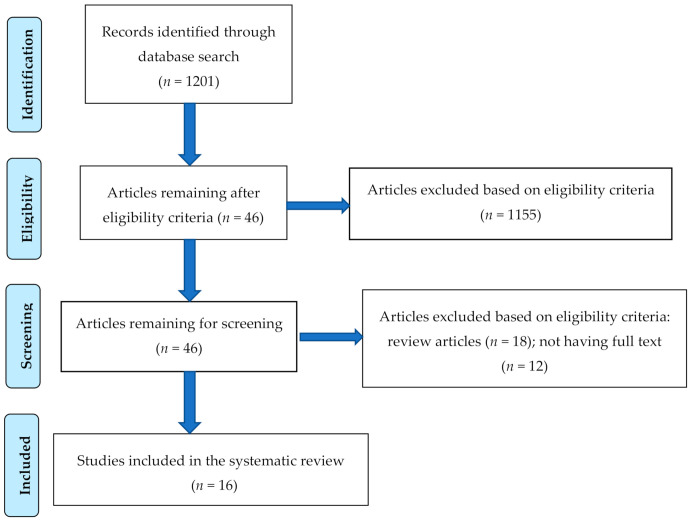
Due to lack of sufficient data on the psychological toll of the COVID-19 pandemic on adolescent mental health, this systematic analysis aims to evaluate the impact of the pandemic on adolescent mental health. This study follows the PRISMA guidelines for systematic reviews of 16 quantitative studies conducted in 2019–2021 with 40,076 participants. Globally, adolescents of varying backgrounds experience higher rates of anxiety, depression, and stress due to the pandemic. Secondly, adolescents also have a higher frequency of using alcohol and cannabis during the COVID-19 pandemic. However, social support, positive coping skills, home quarantining, and parent–child discussions seem to positively impact adolescent mental health during this period of crisis. Whether in the United States or abroad, the COVID-19 pandemic has impacted adolescent mental health. Therefore, it is important to seek and to use all of the available resources and therapies to help adolescents mediate the adjustments caused by the pandemic.
Overview
The claims and statistics of this paper haven’t been checked yet.
Free: it reads the open-access text and checks the first 5 claims that cite a source we can check. Create a free account to check every claim.
Integrity signals
Registry
Cites
Statistics
Figures
Verification
Claims the paper makes
The claims and statistics of this paper haven’t been checked yet.
Free: it reads the open-access text and checks the first 5 claims that cite a source we can check. Create a free account to check every claim.
Claims other papers make about this one
Each is checked against this paper’s own text: does it say what the citing paper says it does?
The source backs part of the claim, not all of it — or backs it for a different population, condition or comparison.
In the citing paper
“Vaccination of adolescents will allow them to reintegrate into society and resume in-person learning safely, which are especially important outcomes given the severe mental health effects of the Covid-19 pandemic on this group.18,22,26”
From Safety, immunogenicity, and efficacy of the BNT162b2 covid-19 vaccine in adolescents (2021) · cites this paper as [26]
Experimental — accuracy not yet measuredThe cited source says what the claim attributes to it.
In the citing paper
“Finally, research has found that higher levels of social support, coupled with positive coping strategies, were protective for youth mental health during the pandemic [35].”
Self-check
Percentages, sums and reported differences re-computed from the paper’s own numbers.
The self-check needs the paper’s full text.
Citations
Cites
Preferred Reporting Items for Systematic Reviews and Meta-Analyses: the PRISMA statement
Moher, D., Liberati, A., Tetzlaff, J., Altman, D. G., & for the PRISMA Group (2009) · BMJ · doi:10.1136/bmj.b2535 · Cited by 83,823
Preferred Reporting Items for Systematic Reviews and Meta-Analyses: The PRISMA Statement
Moher, D., Liberati, A., Tetzlaff, J., Altman, D. G., & The PRISMA Group (2009) · PLoS Medicine · doi:10.1371/journal.pmed.1000097 · Cited by 64,042
Wang, G., Ma, R., Qiao, G., Wada, K., Aizawa, Y., & Satoh, T. (2015) · Integrative Medicine International · doi:10.1159/000368408 · Cited by 18,657
WHO Coronavirus Disease (COVID-19) Dashboard
(2020) · Bangladesh Physiotherapy Journal · doi:10.46945/bpj.10.1.03.01 · Cited by 3,806
Chronic stress, drug use, and vulnerability to addiction
Sinha, R. (2008) · Annals of the New York Academy of Sciences · doi:10.1196/annals.1441.030 · Cited by 1,904 · cited 1×
“An earlier study [32] showed the link between the lack of positive coping skills and the possible neurobiological pathways that may associate stress with the craving for drug use.”
BackgroundMental health effects of school closures during COVID-19
Lee, J. (2020) · The Lancet Child & Adolescent Health · doi:10.1016/s2352-4642(20)30109-7 · Cited by 1,882
“Pandemic fear” and COVID-19: mental health burden and strategies
Ornell, F., Schuch, J. B., Sordi, A. O., & Kessler, F. H. P. (2020) · Brazilian Journal of Psychiatry · doi:10.1590/1516-4446-2020-0008 · Cited by 1,852 · cited 1×
“As a result of social isolation, and the constant concern of infectivity, mental health consequences that are associated with the COVID-19 crisis are monumental [2,3].”
BackgroundLi, S., Wang, Y., Xue, J., Zhao, N., & Zhu, T. (2020) · International Journal of Environmental Research and Public Health · doi:10.3390/ijerph17062032 · Cited by 1,835
Magson, N. R., Freeman, J. Y. A., Rapee, R. M., Richardson, C. E., Oar, E. L., & Fardouly, J. (2021) · Journal of Youth and Adolescence · doi:10.1007/s10964-020-01332-9 · Cited by 1,498 · cited 1×
“There has been very little attention to the psychological toll of COVID-19 on adolescent mental health [5].”
BackgroundDuan, L., Shao, X., Wang, Y., Huang, Y., Miao, J., Yang, X., & Zhu, G. (2020) · Journal of Affective Disorders · doi:10.1016/j.jad.2020.06.029 · Cited by 991 · cited 2×
“Five studies (31%) addressed depression among non-special populations and identified an association between the pandemic and depression [17,25,27,28,30].”
Background
Cited by
Items 301–400 of 949
Doery, K., Guo, S., Jones, R., O’Connor, M., Olsson, C. A., Harriott, L., Guerra, C., & Priest, N. (2023) · Australian Journal of Social Issues · doi:10.1002/ajs4.278 · Cited by 10
Catalán, A., Tognin, S., Hammoud, R., Aymerich, C., Pedruzo, B., Bilbao‐González, A., de Pablo, G. S., Pacho, M., Fusar‐Poli, P., & Torres, M. Á. G. (2023) · Psychiatry Research · doi:10.1016/j.psychres.2023.115494 · Cited by 9
Rani, S., Ahmed, K. E. U., & Subramani, S. (2024) · Applied Sciences · doi:10.3390/app14041547 · Cited by 15
García-Cerde, R., Wagner, G. A., Valente, J. Y., & Sanchez, Z. M. (2024) · Jornal de Pediatria · doi:10.1016/j.jped.2024.01.005 · Cited by 11
Teaching Physical Education Post-COVID-19: Curriculum, Instruction, and Assessment
Fan, X., Treadwell, S. M., Ha, T., & Cardina, C. E. (2024) · Journal of Teaching in Physical Education · doi:10.1123/jtpe.2023-0345 · Cited by 10
Suicide Risk Factors in High School Students
Delgado, G. G., Rojo, A. P., Mireles, J. E. R., Carmona-Moreno, F. D. J., Salcedo, C. C. F., & Romero, A. (2024) · International Journal of Environmental Research and Public Health · doi:10.3390/ijerph21081055 · Cited by 13
“In young people and adolescents, all of these stressors have had negative effects on their physical and mental health [2] with higher levels of depression symptoms [3–6], anxiety [7–9], loneliness [10–12], post-traumatic stress disorder [13,14], decreased physical activity [15–17], and adverse…”
BackgroundLooijmans, M., von Spreckelsen, P., Berkelmans, G., Popma, A., van Bergen, D. D., Gilissen, R., & Mérelle, S. Y. M. (2024) · Child and Adolescent Psychiatry and Mental Health · doi:10.1186/s13034-024-00828-7 · Cited by 11
Kurki, T., & Rask, S. (2025) · Journal of Youth Studies · doi:10.1080/13676261.2025.2468486 · Cited by 12
“In addition, reduced social interactions during the COVID-19 pandemic (Jones, Mitra, and Bhuiyan 2021; Kiviruusu 2024) and increased social media use (Marciano et al. 2022) have been linked to the youth mental health crisis.”
Hamdani, S. U., Huma, Z., Malik, A., Nizami, A. T., Baneen, U. U., Suleman, N., Javed, H., Wang, D., van Ommeren, M., Mazhar, S., et al. (2022) · BMJ Open · doi:10.1136/bmjopen-2022-063607 · Cited by 12
Health-care provider burnout in Syria during COVID-19 pandemic’s Omicron wave
Swed, S., Bohsas, H., Ibrahim, I., Hafez, W., shoib, S., Sawaf, B., Rais, M. A., Aljabali, A. S., Shaheen, N., Elsayed, M., et al. (2022) · Medicine · doi:10.1097/md.0000000000032308 · Cited by 10
“[2] However, because of its intensity and rapid spread, this pandemic has caused many mental health issues in individuals all around the globe, including anxiety, depression, and other forms of psychological anguish.[3] The first COVID-19 case was identified in Syria on March 22, 2020, and according to the WHO, there…”
BackgroundKirkham, E., Huggins, C. F., & Fawns‐Ritchie, C. (2022) · Journal of Child & Adolescent Trauma · doi:10.1007/s40653-022-00509-7 · Cited by 9
“Various studies and reviews examining this topic have reported reduced wellbeing and increased levels of stress among adolescents during the Covid-19 pandemic (Houghton et al., 2022; Jones et al., 2021; Meherali et al., 2021).”
BackgroundAnálisis estructural de una versión breve de la Trait Meta-Mood Scale en adolescentes peruanos.
Domínguez-Lara, S., Pinto, B. P., Valente, S. N., Lourenço, A. A., & Flores-Cataño, K. R. (2023) · Revista Fuentes · doi:10.12795/revistafuentes.2023.22077 · Cited by 9
Stänicke, L. I., Kurseth, P. O., & Bekkhus, M. (2023) · Scandinavian Journal of Public Health · doi:10.1177/14034948231152272 · Cited by 9
“In addition, a recent review reported an increase in social and risky behaviour problems among adolescents during the pandemic [14].”
BackgroundOkunogbe, A., Meekins, M., Saalim, K., Conti‐Lopez, M. A., Benabaye, R. M., Mendoza, O. M., Julio, R., Stan, L., & Bisson, C. (2023) · BMC Public Health · doi:10.1186/s12889-023-15102-2 · Cited by 10
“While a growing body of evidence has documented reduction in access and utilization of nonCOVID-19 related health services especially in the early phase of the pandemic [20, 21], less have been documented about effects on AHS utilization [22, 23].”
BackgroundLategan, C., Newton, A. S., Thull‐Freedman, J. D., Stang, A. S., Lang, E., Arnold, P. D., Stubbs, M., & Freedman, S. B. (2023) · Canadian Journal of Emergency Medicine · doi:10.1007/s43678-023-00511-4 · Cited by 11
Buenconsejo, J. U., Fincham, F. D., & Datu, J. A. D. (2023) · Applied Psychology Health and Well-Being · doi:10.1111/aphw.12447 · Cited by 9
Gu, X., Shan, X., Wang, L., Gao, W.-Y., & Liu, X. (2023) · Research in Developmental Disabilities · doi:10.1016/j.ridd.2023.104632 · Cited by 11
Altered development of face recognition among infants born amid the COVID-19 pandemic
Kim, K. K., Fang, W., Liu, A., Panesar, D., & Xiao, N. G. (2024) · Journal of Experimental Child Psychology · doi:10.1016/j.jecp.2024.105942 · Cited by 11
Brandizzi, M., Polselli, A., Corigliano, V., Tamorri, S. M., Venturini, P., Azzoni, A., Grasso, S., Onofri, A., Pesce, S., Romani, F., et al. (2022) · Annals of General Psychiatry · doi:10.1186/s12991-022-00408-z · Cited by 10
“Recently published cross-sectional studies and meta-analyses reported significant psychological effects of the COVID-19 outbreak with a rising prevalence of depression, anxiety, sleep problems, PTSD on COVID-19 patients, healthcare workers [3–7] as well as among the general population [8], affecting particularly child…”
BackgroundResultKim, Y., Park, H., Bhan, Y., Lee, D., Oh, C., Lee, W., & Park, B. (2024) · Journal of Adolescent Health · doi:10.1016/j.jadohealth.2024.07.032 · Cited by 8
α7 nicotinic acetylcholine receptor and depression: Mechanistic insights and therapeutic prospects
Wang, C., Gan, D., Hong, Z., Feng, H., Wu, Y., Xu, G., Xun, T., & Yang, X. (2025) · Neurobiology of Disease · doi:10.1016/j.nbd.2025.107122 · Cited by 8
The Impact of Lockdown during COVID-19 Pandemic on Physical and Mental Health of Adolescents
Charatcharoenwitthaya, K., & Niltwat, S. (2022) · Siriraj Medical Journal/San Sirirat · doi:10.33192/smj.2022.105 · Cited by 8
Gaspar, T., Carvalho, M., Guedes, F. B., Cerqueira, A., & de Matos, M. G. (2023) · Child Indicators Research · doi:10.1007/s12187-023-10092-4 · Cited by 11
“Positive management strategies with family and social support can be essential to achieve better results (Gaspar et al., 2022a, b, c; Jones et al., 2021; Panchal et al., 2021; Theberath et al., 2022).”
Understanding Adolescent Mental Health in the COVID-19 Era: A Psychodynamic Approach
Akın, A., & Sarrar, L. (2024) · Children · doi:10.3390/children11070772 · Cited by 9
“Of particular concern was the impact on adolescents, who faced unique challenges during this period of uncertainty and upheaval [4–6].”
BackgroundHews‐Girard, J., Bright, K. S., Barker, M., Bassi, E. M., Iorfino, F., LaMonica, H. M., Moskovic, K., Fersovitch, M., Stamp, L., Gondziola, J., et al. (2024) · Digital Health · doi:10.1177/20552076241289179 · Cited by 10
Perceived Supervisor Support for Health Affects Presenteeism: A Prospective Cohort Study
Mori, T., Nagata, T., Nagata, M., Odagami, K., & Mori, K. (2022) · Journal of Occupational and Environmental Medicine · doi:10.1097/jom.0000000000002691 · Cited by 9
Crabtree, M. A., Stanley, L. R., Swaim, R. C., & Prince, M. A. (2022) · International Journal of Environmental Research and Public Health · doi:10.3390/ijerph191811228 · Cited by 13
Battisti, A., Lazzaro, G., Varuzza, C., Vicari, S., & Menghini, D. (2022) · Frontiers in Psychiatry · doi:10.3389/fpsyt.2022.995484 · Cited by 9
Santos, M. F., Simões, C., Santos, A. C., Lebre, P., & Grazzani, I. (2022) · International Journal of Environmental Research and Public Health · doi:10.3390/ijerph192416990 · Cited by 9
“What's going on?” Racism, COVID‐19, and centering the voices of Black youth
Butler‐Barnes, S. T. (2023) · American Journal of Community Psychology · doi:10.1002/ajcp.12646 · Cited by 8
Vallentin-Holbech, L., Ewing, S. W. F., & Thomsen, K. R. (2023) · Nordic Studies on Alcohol and Drugs · doi:10.1177/14550725221149489 · Cited by 8
“It may be expected that a crisis such as a pandemic will result in poorer mental health, and studies have found that young people experienced an increase in anxiety, depression and stress due to the pandemic (Jones et al., 2021).”
BackgroundZani, B., Luckett, B., & Thurman, T. R. (2024) · AIDS Care · doi:10.1080/09540121.2024.2308025 · Cited by 10
“To alleviate the psychological distress caused by household shocks, organizations could work towards strengthening family relationships (Jones et al., 2021; Lu et al., 2022).”
Motreff, Y., Marillier, M., Saoudi, A., Verdot, C., Seconda, L., Pognon, D., Khireddine-Medouni, I., Richard, J., Kovess–Masféty, V., Delorme, R., et al. (2024) · JMIR Public Health and Surveillance · doi:10.2196/57584 · Cited by 8
Gonsalves, P. P., Sharma, R., Hodgson, E. S., Bhat, B., Jambhale, A., Weiss, H. A., Fairburn, C. G., Cavanagh, K., Cuijpers, P. J., Michelson, D., et al. (2021) · JMIR Research Protocols · doi:10.2196/30339 · Cited by 9
“The COVID-19 pandemic has increased the incidence of some mental disorders among the youth and has exacerbated existing mental health problems [3-7], with worsening mental health outcomes linked to social isolation, disrupted education, and worries about the future [8].”
BackgroundMental Health Literacy and School Behavioral Health: Introduction to the Special Issue
Weist, M. D., Parham, B. R., & Figas, K. (2024) · American Journal of Health Education · doi:10.1080/19325037.2024.2422073 · Cited by 10
“The pandemic only intensified these concerns, leading to unprecedented levels of need (Demaray et al., 2022; Jones et al., 2021; Racine et al., 2021).”
Lyzwinski, L., Zwicker, J. D., Mcdonald, S., & Tough, S. (2024) · JMIR Pediatrics and Parenting · doi:10.2196/59171 · Cited by 7
“Finally, research has found that higher levels of social support, coupled with positive coping strategies, were protective for youth mental health during the pandemic [35].”
BackgroundHaag, A., Nick, E. A., Chen, S., Telzer, E. H., Prinstein, M. J., & Bonanno, G. A. (2024) · Journal of Research on Adolescence · doi:10.1111/jora.13045 · Cited by 8
“…meta-analyses including studies throughout the world describe a rise of mental health symptoms in youth during COVID-19, such as distress, depression, anxiety, eating disorders, substance use, self-harm, and suicidality (Goldstein, 2023; Jones et al., 2021; Viner et al., 2022; Wang et al., 2022).”
Comparison of mental health networks across different educational stages
Wang, S., Yu, M., Zhang, X., Huang, W., Wang, T., Liu, K., & Xiang, B. (2025) · European Child & Adolescent Psychiatry · doi:10.1007/s00787-025-02731-8 · Cited by 7
“Kezhi Liu 375767644@qq.com Bo Xiang xiangbo@swmu.edu.cn COVID-19 pandemic has further exacerbated this situation [9, 10].”
Thuery, G., Sheridan, C., Iusan, P., Brar, G., Ledden, K., Freyne, A., Kelly, J. R., & Harkin, A. (2025) · Acta Neuropsychiatrica · doi:10.1017/neu.2025.10030 · Cited by 8
Global change in adolescent social media use (2018–2022): An ecological analysis across 28 countries
Marino, C., Bersia, M., Fürstová, J., Galeotti, T., van den Eijnden, R. J. J. M., Boniel‐Nissim, M., Pickett, W., Lenzi, M., Canale, N., Eriksson, C. C.-G., et al. (2025) · Computers in Human Behavior · doi:10.1016/j.chb.2025.108789 · Cited by 8
Baker, J. S., Cole, A. M., Tao, D., Li, F., Liang, W., Jiao, J., Gao, Y., & Supriya, R. (2021) · Journal of risk and financial management · doi:10.3390/jrfm14100476 · Cited by 8
“Globally, adolescents of varying backgrounds experience higher levels of anxiety, depression, and stress due to the pandemic and have become frequent consumers of alcohol and recreational drugs (Jones et al. 2021).”
BackgroundLu, J., Sun, H., Zhou, J., & Xiong, J. (2022) · Children · doi:10.3390/children9091286 · Cited by 7
“Adolescence is a transitional stage from childhood to adulthood in which physiological development gradually matures, but psychological development relatively lags behind, causing a serious imbalance [4,5].”
BackgroundMcLaughlin, S., Staniland, L., Egan, S. J., Wheadon, J., Munro, C., Preece, D. A., Furlong, Y., Mavaddat, N., Thompson, A., Robinson, S., et al. (2023) · BMJ Open · doi:10.1136/bmjopen-2023-073438 · Cited by 8
Magalhães, S., Carvalhais, L. S. D. A., Oliveira, P., Francisco, C., Mourisco, C., Leal, T., & Limpo, T. (2023) · Mindfulness · doi:10.1007/s12671-023-02269-3 · Cited by 8
“More and more evidence around the world showed that the pandemic strongly interfered with youngsters’ mental health and life satisfaction (Jones et al., 2021; Loades et al., 2020).”
Bringing Virtual Reality to Mainstream Pediatric Care
Kuang, W., Yang, E. J., Truong, R., & Woo, B. K. P. (2024) · Journal of patient-centered research and reviews · doi:10.17294/2330-0698.2063 · Cited by 7
“38 VR holds potential in addressing the rising rates of depression.”
BackgroundOverall Health Status of Rural Children and Associations with Child Poverty
Workman, M. (2024) · Pediatric Clinics of North America · doi:10.1016/j.pcl.2024.07.021 · Cited by 7
Sustainable Promotion of Mental Health and Prevention of Mental Health Disorders Across the World
Martinelli, A. (2024) · Integrated science · doi:10.1007/978-3-031-64288-3_1 · Cited by 8
Chen, H., Wang, Q., Zhu, J., Zhu, Y., Yang, F., Hui, J., Tang, X., & Zhang, T. (2025) · Journal of Affective Disorders · doi:10.1016/j.jad.2025.01.029 · Cited by 8
Boban, I. V., & Saraga, M. (2022) · Medical Science Monitor · doi:10.12659/msm.935567 · Cited by 8
“A few studies found an increase in frequency of alcohol consumption during the COVID-19 pandemic in adolescents [6,20,26]; others reported a significant decrease [7,2732]; while some found no difference in drinking among adolescents before and during the pandemic [33,34].”
BackgroundRoyuela-Colomer, E., Fernández‐González, L., Orue, I., & Calvete, E. (2022) · Child Psychiatry & Human Development · doi:10.1007/s10578-022-01349-0 · Cited by 7
“Preliminary data since the onset of COVID-19 suggest that adolescents are at high risk of poor mental health outcomes due to the pandemic [ 4, 8].”
BackgroundResultInfluentialZhang, Y., Feng, K., Liao, M., & Yan, H. (2022) · International Journal of Ophthalmology · doi:10.18240/ijo.2023.01.02 · Cited by 7
Dendup, T., Putra, I. G. N. E., Dorji, T., Zangmo, S., Tshering, K. D., Phuntsho, S., & Khandu, D. (2023) · Future · doi:10.3390/future1010004 · Cited by 7
Troncone, A., Cascella, C., Chianese, A., Zanfardino, A., Pizzini, B., & Iafusco, D. (2023) · Journal of Psychosomatic Research · doi:10.1016/j.jpsychores.2023.111206 · Cited by 8
“According to recent literature, COVID-19 was found to seriously impact the mental health of the general population and to be associated with higher rates of anxiety, depression, and psychological distress [1, 2, 3].”
BackgroundCOVID-19 Fear, Sleep Quality, Anxiety and Depression: A Moderated Mediation Model
Ho, T. T. Q. (2023) · Journal of Child & Adolescent Trauma · doi:10.1007/s40653-023-00533-1 · Cited by 7
“It was a strong, natural feeling that led to a of adolescents suffering from anxiety, depression, stress, poor sleep quality, and substance use has increased (Jones et al., 2021; Silva et al., 2022).”
BackgroundDao, V., Barruel, D., Masson, V. D., Silva, J. D. D. S., Gourévitch, R., & Pham‐Scottez, A. (2023) · Neuropsychiatrie de l Enfance et de l Adolescence · doi:10.1016/j.neurenf.2023.03.002 · Cited by 7
Veronese, G., Cavazzoni, F., & Pepe, A. (2023) · Journal of Public Health · doi:10.1007/s10389-023-01913-5 · Cited by 7
“…related to the pandemic outbreak – and the adopted measures to contain it – that have affected the quality of life and psychological well-being of the populations around the world (Jones et al. 2021; Kola et al. 2021; Liu et al. 2022; O'Connor et al. 2021; Robinson et al. 2022; among others).”
COVID-19 Anti-Chinese Discrimination, Current Pandemic Stress, And Adolescents’ Mental Health
Benner, A. D., Alers‐Rojas, F., Kim, S. Y., Hou, Y., & Coulter, K. M. (2023) · Journal of Racial and Ethnic Health Disparities · doi:10.1007/s40615-023-01663-w · Cited by 7
“The negative toll of the pandemic on young people’s well-being is only beginning to be detailed [27, 28], with heightened stress tied to fears about and experiences of virus transmission, restrictions related to social distancing, challenges associated with online learning, and economic insecurity…”
Comparison of Korean School Students’ Safety Accident Rates before and after COVID-19
Seo, Y., & Youn, H.-S. (2023) · Healthcare · doi:10.3390/healthcare11162326 · Cited by 8
Förtsch, K., Viermann, R., Reinauer, C., Baumeister, H., Warschburger, P., Holl, R. W., Domhardt, M., Krassuski, L. M., Platzbecker, A. L., Kammering, H., et al. (2024) · Journal of Adolescent Health · doi:10.1016/j.jadohealth.2023.11.397 · Cited by 8
Lawrence, S. E., Hanna‐Walker, V. R., & Lefkowitz, E. S. (2024) · International journal of LGBTQ+ youth studies. · doi:10.1080/19361653.2024.2311871 · Cited by 7
“Our findings extend this prior research by suggesting that these minority stressors remain salient in the context of the pandemic, amid pandemic-related stressors and at a time when psychological distress was heightened (Jones et al., 2021; Kidd et al., 2021; Moore et al., 2021).”
Fujimoto, H., Heywood, A. E., Maston, K., Brown, L., Bartholomew, A., Werner‐Seidler, A., Christensen, H. M., & Batterham, P. J. (2024) · Child and Adolescent Psychiatry and Mental Health · doi:10.1186/s13034-024-00759-3 · Cited by 7
“In four years since the initial implementation of the COVID-19 restrictions, there have been several systematic reviews of cross-sectional studies [2, 7, 8] and longitudinal studies [1, 2], all showing the overall negative impact of the pandemic restrictions on adolescents’ mental health.”
BackgroundWang, Q., An, S., & Shao, Z. (2023) · PLoS ONE · doi:10.1371/journal.pone.0283208 · Cited by 7
High plasma nesfatin-1 level in Chinese adolescents with depression
Sun, J., Gao, N., Wu, Q., Yan, L., Zhang, L., Jiang, Z., Wang, Z., & Liu, J. (2023) · Scientific Reports · doi:10.1038/s41598-023-42513-3 · Cited by 8
Xu, F., & Huang, L. J. (2022) · Frontiers in Psychiatry · doi:10.3389/fpsyt.2021.767189 · Cited by 7
Henke, R. M. (2023) · American Journal of Health Promotion · doi:10.1177/08901171221140641 · Cited by 7
From data extraction to analysis: a comparative study of ELISE capabilities in scientific literature
Gobin, M., Gosnat, M., Touré, S., Faik, L., Belafa, J., de Torcy, A. V., & Armstrong, F. (2025) · Frontiers in Artificial Intelligence · doi:10.3389/frai.2025.1587244 · Cited by 6
Character Education through Tapak Suci: A Qualitative Case Study in Indonesian Senior High School
Hidayati, E., Siswanto, D. H., Susetyawati, M. M. E., & Kintoko, K. (2026) · Journal of Educational Research and Practice. · doi:10.70376/jerp.v4i1.402 · Cited by 7
Ojio, Y., Shiozawa, T., Gregorio, E. R., Leynes, M. C., Hernandez, P. M. R., Estrada, C. A. M., Fuyama, T., Kobayashi, J., & Satake, N. (2024) · Early Intervention in Psychiatry · doi:10.1111/eip.13545 · Cited by 7
“The COVID-19 pandemic exacerbated mental health problems, particularly anxiety and depression, among youth (Bignardi et al., 2020; Hawke et al., 2021; Jones et al., 2021; Meade, 2021; Singh et al., 2020).”
Yamaguchi, S., Foo, J. C., & Sasaki, T. (2024) · Journal of Mental Health · doi:10.1080/09638237.2024.2390376 · Cited by 6
“During the COVID-19 pandemic, it was reported that mental health symptoms in adolescents worsened (Hosozawa et al., 2024; DeVylder et al., 2024; Jones et al., 2021).”
Dijkstra, L., Gülöksüz, S., Batalla, A., & van Os, J. (2024) · Epidemiology and Psychiatric Sciences · doi:10.1017/s2045796024000404 · Cited by 6
“(Christensen et al. , 2017; Clayton, 2021; Hossain et al. , 2020; Jones et al. , 2021; Lund et al. , 2018; Mehta et al. , 2015; Palinkas and Wong, 2020; Santos et al. , 2017) Mental disorders are known to emerge at a young age and cause a higher burden of disease in younger people compared to older…”
Ji, W., Shi, W., Li, X., Xia, S., Zhou, J., Liu, F., & Qi, F. (2022) · Telemedicine Journal and e-Health · doi:10.1089/tmj.2022.0118 · Cited by 7
“According to existing studies, the COVID-19 outbreak has brought different degrees of psychological impact to the population, affecting people’s psychological perception, mood, and behavioral changes, such as panic, anxiety, and impatience.(29,30) For healthy people, this stress may come from the disease prevention an…”
Marciano, L., Albanese, E., Viswanath, K., & Camerini, A.-L. (2023) · European Journal of Health Communication · doi:10.47368/ejhc.2023.101 · Cited by 7
MentorOn: A peer mentoring program developed for COVID‐19 times
Patel, K. N., Lincoln, B., Gomez, L. A. M., Cepeda-Lopez, A. C., Ting, T., Lund, T. J., & Liang, B. (2023) · Journal of Community Psychology · doi:10.1002/jcop.23030 · Cited by 6
School‐Based Mental Health Service Utilization Through the COVID‐19 Pandemic and Beyond
Stuenkel, M., Koob, C., Richardson, E., Griffin, S. F., & Sease, K. K. (2023) · Journal of School Health · doi:10.1111/josh.13384 · Cited by 6
Goodman, L. P., Walsh, D., Kunin‐Batson, A., Sherwood, N. E., & Arlinghaus, K. R. (2023) · Preventive Medicine Reports · doi:10.1016/j.pmedr.2023.102447 · Cited by 8
“…uncertainty regarding the COVID-19 pandemic, which has since negatively affected adolescent mental health, weight status, and health behaviors (Chang et al., 2021; Hawes et al., 2021; McGuine et al., 2021; Browne et al., 2021; Jones et al., 2021; Woolford et al., 2021; Neshteruk et al., 2021).”
BackgroundWright, B., Celeste-Villalvir, A., Moorehead, D., Johnson, C., Mendoza, K. L., Bowers, M., & Zima, B. T. (2023) · School Mental Health · doi:10.1007/s12310-023-09611-z · Cited by 6
“The COVID-19 pandemic has negatively impacted the mental health of K-12 students, resulting in the U.S. Surgeon General declaring youth mental health a public health priority (Jones et al., 2021a, 2021b; Office of the Surgeon General, 2021; Singh et al., 2020; Samji et al., 2022).”
BackgroundBérard, M., Manneville, F., Minary, L., Ligier, F., Bitar, S., & Agrinier, N. (2023) · Sleep Medicine · doi:10.1016/j.sleep.2023.10.020 · Cited by 6
Jung, S.-I., Lee, S.-Y., Kim, D., & Yang, C.-M. (2024) · Journal of Korean Medical Science · doi:10.3346/jkms.2024.39.e32 · Cited by 7
Moro, G. L., Scaioli, G., Conrado, F., Lusiani, L., Pinto, S., Rolfini, E., Bert, F., & Siliquini, R. (2024) · Journal of School Health · doi:10.1111/josh.13449 · Cited by 6
“Moreover, school closures may have resulted in a reduction of structured activities and interactions with peers, which can also have a negative impact on mental health (E. A. K. Jones et al., 2021; Panchal et al., 2021; Ravens-Sieberer et al., 2022; Singh et al., 2020).”
Comparison of safety of acetaminophen and ibuprofen in minors: based on the FAERS database
Wang, J., Feng, G., Li, D., Zhou, X., Chen, J., Wang, F., & Chen, L. (2024) · Expert Opinion on Drug Safety · doi:10.1080/14740338.2024.2348614 · Cited by 7
“Around the world, 10–20% of adolescents suffer from mental health problems [40].”
Marcotullio, C., Attanasi, M., Porreca, A., Filippo, P. D., Matricardi, S., Venanzi, A., Schiavo, M., Paone, A., Rossi, N., Chiarelli, F., et al. (2024) · Children · doi:10.3390/children11050532 · Cited by 6
“These stressors have been linked to amplified reports of headaches, abdominal pain, and musculoskeletal discomfort in pediatric populations [26].”
BackgroundMethodResultInfluentialThomas, S. A., Thompson, E. C., Peters, J. R., Micalizzi, L., Meisel, S. N., Maron, M. M., Ryan, S. K., & Wolff, J. C. (2024) · Child Psychiatry & Human Development · doi:10.1007/s10578-024-01731-0 · Cited by 6
Eventos adversos posteriores a la vacunación contra COVID-19: un estudio de corte transversal
Fuertes-Bucheli, J. F., Madrid-Bonilla, J. U., Rivas, A., Ordóñez-Londoño, E., Ruao-Bolaños, M. F., Chalparpue-Torres, J. J., Bermúdez-Nessim, A. M., Pineda, D. A. R., Silva, S. A., Pacheco, R., et al. (2022) · Revista de Investigación de la Universidad Norbert Wiener · doi:10.37768/unw.rinv.11.02.a0007 · Cited by 6
“La infodemia sobre los EAPV ha generado rechazo, temor y duda hacia la vacunación contra la COVID-19 en la población (10-15).”
BackgroundA Life Skills Intervention for Enhancing Psychological Well-Being of Secondary School Students
Kaur, J., & Kaur, M. (2022) · MIER Journal of Educational Studies Trends & Practices · doi:10.52634/mier/2022/v12/i2/2263 · Cited by 6
Campos, R. T., Lindoso, L., de Sousa, R. A., Helito, A. C., Ihara, B. P., Strabelli, C. A. A., Paradelas, L. M. V., Carneiro, B. O. L., Cardoso, M. P. R., de Souza, J. P. V., et al. (2023) · Clinics · doi:10.1016/j.clinsp.2023.100167 · Cited by 6
“181 Family and friends 11 (10) 15 (6) Health professionals 8 (7) 9 (4) Social media/television/radio 91 (83) 209 (90) Reliable COVID-19 information 75 (68) 179 (77) 0.”
The significant value of sustainable cosmetics fragrance in the spotlight after COVID ‐19
Lee, J., & Kwon, K. H. (2022) · Journal of Cosmetic Dermatology · doi:10.1111/jocd.15166 · Cited by 6
Camerini, A.-L., Albanese, E., & Marciano, L. (2021) · PsyArXiv (OSF Preprints) · doi:10.31234/osf.io/ehbsn · Cited by 6
Decreased inpatient psychiatric admissions with telepsychiatry use during the COVID-19 pandemic
Lin, B., Costakis, A., John, M., & Linder, H. (2023) · Frontiers in Psychiatry · doi:10.3389/fpsyt.2023.1172019 · Cited by 5
Sexual Debut in Early Adolescence and Individual, School, and Neighborhood Social Capital
Fabersunne, C. C., Milliren, C. E., Schuster, M. A., Elliott, M. N., Emery, S. T., Cuccaro, P. M., Davies, S. L., & Richmond, T. K. (2024) · Journal of Adolescent Health · doi:10.1016/j.jadohealth.2024.04.007 · Cited by 6
Tamizi, N. A. M., Perveen, A., Hamzah, H. B., & Aroyewun, T. F. (2024) · Pakistan Journal of Life and Social Sciences (PJLSS) · doi:10.57239/pjlss-2024-22.1.00346 · Cited by 6
Social Workers’ Reports on Needs and Recommendations to Enhance School Safety
Fensterstock, N., Watson, K. R., Robinson, L. E., Warri, V. R., Garcia, A. A., Wu, C., Hogenkamp, S., Xu, Y., Garner, H., Dunn, D., et al. (2025) · Behavioral Sciences · doi:10.3390/bs15050627 · Cited by 5
“Student well-being and behavioral health are growing areas of concern in the wake of the COVID-19 pandemic (E. A. Jones et al., 2021; McMahon et al., 2024b; Watson et al., 2022).”
Health-Related and Social Drivers of Chronic Absenteeism in an Urban School District
Shankar, M., Joseph-Lumpkin, G., Costa, D. K., Cebert, M., Fenick, A. M., Sharifi, M., & Suttiratana, S. C. (2025) · Academic Pediatrics · doi:10.1016/j.acap.2025.103113 · Cited by 5
Davis, A., Landers, S. E., Sun, Y., Nguyen, V. O., Bolger, N. P., Lewis, R. A., & Rosenthal, S. L. (2025) · Clinical Pediatrics · doi:10.1177/00099228251371903 · Cited by 6
“Of those who downloaded the app, average engagement with Wysa over the study period was 12.4 times (SD: 9.4; Median: 9.5; Interquartile Range: [5-19]; Total Range: [1-32]).”
InfluentialErnst, G., Kim-Dorner, S.-J., Hampel, M., Fritsch, H., & Lange, K. (2025) · BMJ Open Diabetes Research & Care · doi:10.1136/bmjdrc-2025-005243 · Cited by 5
“That said, to truly benefit AYA with T1D, these technological advances must be integrated into a holistic, patient-centered approach to care, which includes attention to mental health and overall well-being.”
Winkler, D., Reichardt, B., Rothenberg, M., Rujescu, D., & Pjrek, E. (2022) · European Psychiatry · doi:10.1192/j.eurpsy.2022.2328 · Cited by 5
Reali, L., Nijman, R., Hadjipanayis, A., del Torso, S., Calamita, P., Rafele, I., Katz, M., Barak, S., & Grossman, Z. (2022) · Frontiers in Pediatrics · doi:10.3389/fped.2022.1006596 · Cited by 6
Graff, M., & Barenholtz, E. (2023) · Psychological Reports · doi:10.1177/00332941231168559 · Cited by 5
“…Lay, 1992; Milgram et al., 1998), and there has been a well-documented rise in reported cases of depression and anxiety during the Covid-19 pandemic that has been more marked among teens and young adults (e.g. Jones et al., 2021; Kazmi et al., 2020; O ’ Connor et al., 2021; Wang et al., 2020).”
Fehkührer, S., Humer, E. C., Kaltschik, S., Pieh, C., Probst, T., Diestler, G., & Jesser, A. (2023) · Healthcare · doi:10.3390/healthcare11162242 · Cited by 7
Lorková, M., & Gažarová, M. (2023) · Roczniki Państwowego Zakładu Higieny · doi:10.32394/rpzh.2023.0268 · Cited by 7
Mental health and jaw function of patients with anterior disc displacement with reduction
Yao, Y., Liu, S., Jin, L., Zeng, H., Jiang, X. H., Fang, Z. Y., Cai, B., & Xu, L. (2023) · Journal of Oral Rehabilitation · doi:10.1111/joor.13637 · Cited by 5
Metadata
- Authors
- Jones, E. A. K., Mitra, A. K., & Bhuiyan, A. R.
- Affiliations
- Jackson State University (US)
- Corresponding author
- Mitra, Amal K.
- Venue
- International Journal of Environmental Research and Public Health
- Publisher
- MDPI AG
- Published
- 2021-03-03
- Volume
- 18
- Issue
- 5
- Pages
- 2470
- ISSN
- 1660-4601 (ISSN-L)
- PMC
- PMC7967607
- OpenAlex
- W3134683097
- Cited by
- 857
- References
- 32
- Citations by year
- 2026: 49 · 2025: 120 · 2024: 187 · 2023: 259 · 2022: 198 · 2021: 43
- FWCI
- 22.81
- Type
- journal article
- Language
- en
- Open access
- gold
- doi.org
- Licence
- Locations
- International Journal of Environmental Research and Public Health (publishedVersion, cc-by)
- PubMed Central (publishedVersion, cc-by)
- PubMed (publishedVersion)
- RePEc: Research Papers in Economics (submittedVersion)
- DOAJ (DOAJ: Directory of Open Access Journals) (submittedVersion)
- Funders
- National Institute on Minority Health and Health Disparities (P20MD006899)
- Topics
- Social Sciences › Psychology › Clinical Psychology › COVID-19 and Mental Health
- Social Sciences › Psychology › Clinical Psychology › Child and Adolescent Psychosocial and Emotional Development
- Social Sciences › Psychology › Developmental and Educational Psychology › Student Stress and Coping
- Keywords
- COVID-19 pandemic, adolescent mental health, anxiety, depression, stress, alcohol consumption, cannabis use, social support, coping strategies, home quarantine, parent-child communication, psychological adjustment
- MeSH terms
- COVID-19, SARS-CoV-2, Adolescent, Anxiety, Child, Depression, Humans, Mental Health, Quarantine, United States, Pandemics
About these checks
Registry, retraction, Cites and statistics results are computed, not judged, with one exception: a printed reference that no index lists is read once by a model before it counts as a citation error. Claims are extracted by a model and kept only when their quote appears verbatim in the text; each cited source is then checked, with a model’s help, for whether it says what the claim relies on. Those verdicts can be wrong — read the claim’s quote and the cited source before relying on one.
Statistics and arithmetic are recomputed, not judged.
Confidence bands are shown only for fields calibrated on our annotated test set. None is calibrated yet, so no band is shown.
What counts as a claim ›How we measure confidence ›How we check this ›
Are you an author, or do you see a problem with this page? Request a review
Data sources
Bibliographic data: Semantic Scholar, OpenAlex, Crossref.
Contains information from the Semantic Scholar Academic Graph Datasets, made available under the ODC Attribution License (ODC-BY 1.0).
Semantic Scholar’s data is described in: Kinney, R., et al. (2023). The Semantic Scholar Open Data Platform. arXiv:2301.10140.
