

The Roles of Autophagy in Cancer
Open accessThe DOI matches its Crossref record; 185 of the 187 references it cites were found in a registry or an index.
Abstract
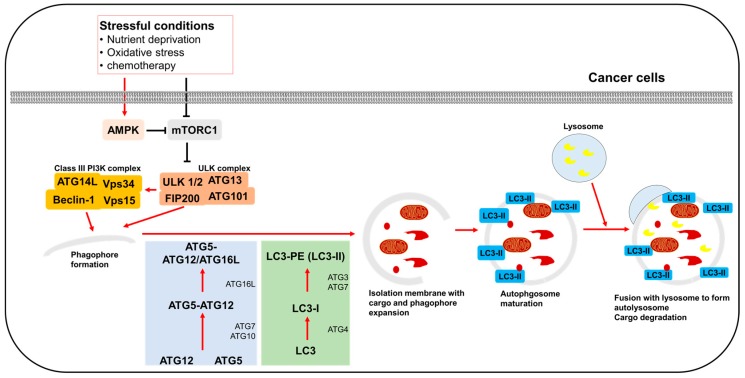
Autophagy is an intracellular degradative process that occurs under several stressful conditions, including organelle damage, the presence of abnormal proteins, and nutrient deprivation. The mechanism of autophagy initiates the formation of autophagosomes that capture degraded components and then fuse with lysosomes to recycle these components. The modulation of autophagy plays dual roles in tumor suppression and promotion in many cancers. In addition, autophagy regulates the properties of cancer stem-cells by contributing to the maintenance of stemness, the induction of recurrence, and the development of resistance to anticancer reagents. Although some autophagy modulators, such as rapamycin and chloroquine, are used to regulate autophagy in anticancer therapy, since this process also plays roles in both tumor suppression and promotion, the precise mechanism of autophagy in cancer requires further study. In this review, we will summarize the mechanism of autophagy under stressful conditions and its roles in tumor suppression and promotion in cancer and in cancer stem-cells. Furthermore, we discuss how autophagy is a promising potential therapeutic target in cancer treatment.
Overview
The claims and statistics of this paper haven’t been checked yet.
Free: it reads the open-access text and checks the first 5 claims that cite a source we can check. Create a free account to check every claim.
Integrity signals
Registry
Cites
Statistics
Figures
Verification
Claims the paper makes
The claims and statistics of this paper haven’t been checked yet.
Free: it reads the open-access text and checks the first 5 claims that cite a source we can check. Create a free account to check every claim.
Claims other papers make about this one
Each is checked against this paper’s own text: does it say what the citing paper says it does?
The cited source says what the claim attributes to it.
In the citing paper
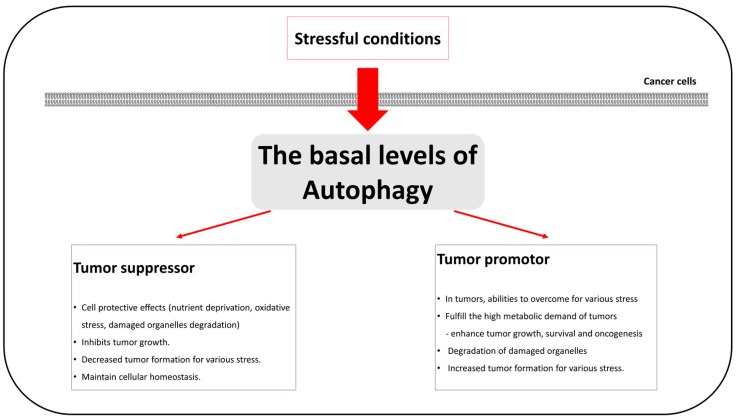
“In cancer cells, autophagy plays dual roles in tumor promotion and suppression.48”
From Reactive Oxygen Species in Cancer: Current Findings and Future Directions (2021) · cites this paper as [48]
In the citing paper
“Although autophagy can play dual roles in both tumor promotion and suppression (Yun and Lee, 2018), in terms of chemotherapy autophagy is usually considered as a mechanism of drug-resistance against therapeutics.”
From An Arthropod Hormone, Ecdysterone, Inhibits the Growth of Breast Cancer Cells via Different Mechanisms (2020) · cites this paper as Yun and Lee, 2018
Self-check
Percentages, sums and reported differences re-computed from the paper’s own numbers.
The self-check needs the paper’s full text.
Citations
Cites
2 retracted
Mariño, G., Salvador-Montoliu, N., Fueyo, A., Knecht, E., Mizushima, N., & López-Otín, C. (2007) · Journal of Biological Chemistry · doi:10.1074/jbc.m701194200 · Cited by 407 · cited 1×
“Mice deficient in ATG4 have been observed to have increased susceptibility to the generation of fibrosarcomas when exposed to chemical carcinogens [67].”
BackgroundRetractedSui, X., Kong, N., Wang, X., Fang, Y., Hu, X., Xu, Y., Chen, W., Wang, K., Li, D., Jin, W., et al. (2014) · Scientific Reports · doi:10.1038/srep04694 · Cited by 96
RetractedRepertoires of Autophagy in the Pathogenesis of Ocular Diseases
Li, Y.-J., Jiang, Q., Cao, G.-F., Yao, J., & Yan, B. (2015) · Cellular Physiology and Biochemistry · doi:10.1159/000373980 · Cited by 16,304
Prospective identification of tumorigenic breast cancer cells
Al-Hajj, M., Wicha, M. S., Benito-Hernandez, A., Morrison, S. J., & Clarke, M. F. (2003) · Proceedings of the National Academy of Sciences · doi:10.1073/pnas.0530291100 · Cited by 10,370 · cited 1×
“In breast cancer stem-cells, a previous study has shown that CSCs contribute to the recurrence of cancer and metastasis [142].”
BackgroundThe basics of epithelial-mesenchymal transition
Kalluri, R., & Weinberg, R. A. (2009) · Journal of Clinical Investigation · doi:10.1172/jci39104 · Cited by 10,196
Epithelial-Mesenchymal Transitions in Development and Disease
Thiery, J. P., Acloque, H., Huang, R. Y. J., & Nieto, M. A. (2009) · Cell · doi:10.1016/j.cell.2009.11.007 · Cited by 9,931 · cited 1×
“These processes induce metastasis of cancer, leading to a lack of cell-cell adhesion, cell polarity to increase of cell motility, polarity, and invasiveness [111,112].”
BackgroundAMPK and mTOR regulate autophagy through direct phosphorylation of Ulk1
Kim, J., Kundu, M., Viollet, B., & Guan, K.-L. (2011) · Nature Cell Biology · doi:10.1038/ncb2152 · Cited by 7,227 · cited 1×
“mTORC1 is regulated by AMP-activated protein kinase (AMPK), and inhibition of mTORC1 and increased AMPK induces the autophagic process [26,27].”
BackgroundOncology meets immunology: the cancer-immunity cycle.
Chen, D. S., & Mellman, I. (2013) · Immunity · doi:10.1016/j.immuni.2013.07.012 · Cited by 6,929 · cited 1×
“Cancer neoantigen is released into the surrounding environment and presented to T cells, and then cancer cells are killed through T cell-mediated cytotoxicity [131].”
BackgroundLC3, a mammalian homologue of yeast Apg8p, is localized in autophagosome membranes after processing.
Kabeya, Y., Mizushima, N., Ueno, T., Yamamoto, A., Kirisako, T., Noda, T., Kominami, E., Ohsumi, Y., & Yoshimori, T. (2000) · The EMBO Journal · doi:10.1093/emboj/19.21.5720 · Cited by 6,605
Cui, C., Cui, J., Jin, F., Cui, Y., Li, R., Jiang, X., Tian, Y., Wang, K., Jiang, P., & Gao, J. (2017) · Cellular Physiology and Biochemistry · doi:10.1159/000479571 · Cited by 5,203
Cited by
Items 301–400 of 1,000
Regulation of autophagy by microRNAs in human breast cancer
Chong, Z. X., Yeap, S. K., & Ho, W. Y. (2021) · Journal of Biomedical Science · doi:10.1186/s12929-021-00715-9 · Cited by 24
“Autophagy is essential to provide nutrients to the cancer cells to grow and at the same time, eliminate unusable cellular macromolecules that could potentially pose harm to the cancer cells [34].”
BackgroundShen, P.-W., Chou, Y.-M., Li, C.-L., Liao, E.-C., Huang, H.-S., Yin, C.-H., Chen, C.-L., & Yu, S.-J. (2021) · Oncology Letters · doi:10.3892/ol.2021.13029 · Cited by 23
“It is well‐known that autophagy is an evolutionarily conserved intracellular recycling system; thus, with increased intracellular oxidative stress and organ damage, autophagy begins to self‐degrade the injured organelle, producing more ATP to maintain cell function and survival (31).”
BackgroundJiang, Z., Liu, J., Chen, B., Mani, R., Pugazhendhi, A., Shanmuganathan, R., & Jacob, J. A. (2019) · Process Biochemistry · doi:10.1016/j.procbio.2019.09.006 · Cited by 24
Tungsukruthai, S., Reamtong, O., Roytrakul, S., Sukrong, S., Vinayanwattikun, C., & Chanvorachote, P. (2021) · Antioxidants · doi:10.3390/antiox10040534 · Cited by 25
“Despite the role of autophagy as a catabolic process that enhances cell survival through the recycling of bioenergetics and basic cellular units and by the elimination of damaged organelles and unwanted proteins [6,7], several lines of evidence suggest that autophagy is also somehow critical for cell death, especially…”
BackgroundIKCa channels control breast cancer metabolism including AMPK-driven autophagy
Gross, D., Bischof, H., Maier, S., Sporbeck, K., Birkenfeld, A. L., Malli, R., Ruth, P., Proikas‐Cezanne, T., & Łukowski, R. (2022) · Cell Death and Disease · doi:10.1038/s41419-022-05329-z · Cited by 24
The interplay between selective types of (macro)autophagy: Mitophagy and xenophagy
Rubio‐Tomás, T., Sotiriou, A., & Tavernarakis, N. (2022) · International review of cytology · doi:10.1016/bs.ircmb.2022.10.003 · Cited by 25
Li, R., Wu, Y., Li, Y., Wen, S., Wang, A., Zhu, Y., Hu, X., Xia, Y., Ouyang, L., & Wang, G. (2023) · European Journal of Medicinal Chemistry · doi:10.1016/j.ejmech.2023.116040 · Cited by 29
Navone, S. E., Guarnaccia, L., Rizzaro, M. D., Begani, L., Barilla, E., Alotta, G. A., Garzia, E., Caroli, M., Ampollini, A. M., Violetti, A., et al. (2023) · International Journal of Molecular Sciences · doi:10.3390/ijms25010130 · Cited by 23
“Noteworthy, autophagy in cancer may serve also as a tumor suppressor mechanism, by oxidative stress induction, nutrient deprivation and degradation of damaged organelles [20].”
BackgroundThe Interplay between Autophagy and Mitochondria in Cancer
Zdanowicz, A., & Grosicka-Maciąg, E. (2024) · International Journal of Molecular Sciences · doi:10.3390/ijms25179143 · Cited by 26
“Autophagy is initiated under conditions of starvation and stress, such as organelle damage and the presence of misfolded proteins [163].”
BackgroundAutophagy in brain tumors: molecular mechanisms, challenges, and therapeutic opportunities
Zhang, J., Jinan, Z., & Chen, Y. (2025) · Journal of Translational Medicine · doi:10.1186/s12967-024-06063-0 · Cited by 26
“1 A schematic representation of how autophagy works in cells [73].”
Mao, Z., Sang, M., Chen, C., Zhu, W.-T., Gong, Y.-S., & Pei, D. (2019) · International Journal of Biological Sciences · doi:10.7150/ijbs.32987 · Cited by 23
“The modulation of autophagy plays dual roles in tumor promotion and suppression in many cancers [14].”
BackgroundAndo, T., Ichikawa, J., Fujimaki, T., Taniguchi, N., Takayama, Y., & Haro, H. (2020) · Cancers · doi:10.3390/cancers12113097 · Cited by 23
“Rapa is known to promote autophagy by blocking the mTOR pathway [46,47].”
BackgroundFreyter, B. M., Al‐razaq, M. A. A., Isermann, A., Dietz, A., Azimzadeh, O., Hekking, L. H. P., Gomolka, M., & Rübe, C. E. (2022) · Cells · doi:10.3390/cells11020273 · Cited by 24
“The inhibition of lysosomal activities, thereby blocking the formation of autophagosomes that capture degraded components and then fuse with lysosomes to recycle these components, is a promising potential therapeutic target in cancer treatment [30].”
BackgroundChronotype and Cancer: Emerging Relation Between Chrononutrition and Oncology from Human Studies
Godos, J., Currenti, W., Ferri, R., Lanza, G., Caraci, F., Frias-Toral, E., Guglielmetti, M., Ferraris, C., Lipari, V., Carvajal Altamiranda, S., et al. (2025) · Nutrients · doi:10.3390/nu17030529 · Cited by 22
“Another mechanism related to cell cycle regulation that seems to be associated with eating/fasting timing alternation is circadian autophagy, a process induced in response to calorie restriction and starvation that has been observed to improve longevity and suppress cancer development [94,95].”
Yung, Y., Lee, E., Chu, H.-T., Yip, P.-K., & Gill, H. (2021) · International Journal of Molecular Sciences · doi:10.3390/ijms22020659 · Cited by 23
Choi, M. S., Chae, Y., Choi, J. W., & Chang, J. (2021) · International Journal of Molecular Sciences · doi:10.3390/ijms22157869 · Cited by 23
At the Crossroads: Mechanisms of Apoptosis and Autophagy in Cell Life and Death
Shliapina, V. L., Yurtaeva, S. V., Rubtsova, M. P., & Dontsova, O. А. (2021) · Acta Naturae · doi:10.32607/actanaturae.11208 · Cited by 24
Naseer, A., Mir, S. S., Takács‐Vellai, K., & Nazir, A. (2021) · International Journal of Molecular Sciences · doi:10.3390/ijms222212263 · Cited by 22
“It has been shown that deletion of autophagy-related genes results in a variety of cancers such as prostate, breast and ovarian cancers [34].”
BackgroundAutophagy in cancer: The cornerstone during glutamine deprivation
Fares, H. M., Lyu, X., Xu, X., Dong, R., Ding, M., Mi, S., Wang, Y., Li, X., Yuan, S., & Sun, L. (2021) · European Journal of Pharmacology · doi:10.1016/j.ejphar.2021.174723 · Cited by 25
Wang, W., Chen, S.-M., Lee, Y., & Chang, W. (2022) · Journal of Functional Foods · doi:10.1016/j.jff.2022.105338 · Cited by 22
Maslinic acid exerts anticancer effects by targeting cancer hallmarks
Ooi, K. X., Poo, C. L., Subramaniam, M., Cordell, G. A., & Lim, Y. M. (2022) · Phytomedicine · doi:10.1016/j.phymed.2022.154631 · Cited by 25
Jiang, R., Fang, Z., Zhang, H., Xu, J., Zhu, J., Chen, K.-Y., Wang, W., Jiang, X., & Wang, X. (2023) · Chinese Medicine · doi:10.1186/s13020-023-00822-9 · Cited by 23
“However, research has shown that certain pharmacological interventions can simultaneously activate both autophagy and apoptosis, synergistically promoting cell death [74].”
BackgroundS-Nitrosylation at the intersection of metabolism and autophagy: Implications for cancer
Guil‐Luna, S., Sánchez-Montero, M. T., & Rodríguez‐Ariza, A. (2023) · Biochimica et Biophysica Acta (BBA) - Reviews on Cancer · doi:10.1016/j.bbcan.2023.189012 · Cited by 25
Cancer-associated muscle weakness - From triggers to molecular mechanisms
Shorter, E., Engman, V., & Lanner, J. T. (2024) · Molecular Aspects of Medicine · doi:10.1016/j.mam.2024.101260 · Cited by 27
The Nuclear Lamina: Protein Accumulation and Disease
Almendáriz-Palacios, C., Gillespie, Z. E., Janzen, M., Martinez, V., Bridger, J. M., Harkness, T. A. A., Mousseau, D. D., & Eskiw, C. H. (2020) · Biomedicines · doi:10.3390/biomedicines8070188 · Cited by 24
“Loss of autophagy is associated with the initial stages of carcinogenesis, with failure to maintain proteostasis leading to increased cell proliferation [115].”
BackgroundShi, H., Zhong, F., Yi, X., Shi, Z., Ou, F., Xu, Z., & Zuo, Y. (2021) · Frontiers in Genetics · doi:10.3389/fgene.2020.616998 · Cited by 23
“However, autophagy plays a dual role in many cancers both promoting and suppressing cancers, depending on the tumor microenvironment (Yun and Lee, 2018).”
BackgroundMun, J., Han, Y., Jeon, H.-D., Yoon, D. H., Lee, Y. G., Hong, S., & Kee, J. (2021) · The American Journal of Chinese Medicine · doi:10.1142/s0192415x21500725 · Cited by 24
Pancreatic Cancer and Microenvironments: Implications of Anesthesia
Lai, H., Kuo, Y.-W., Huang, Y., Chan, S.-M., Cheng, K., & Wu, Z. (2022) · Cancers · doi:10.3390/cancers14112684 · Cited by 25
“Autophagy occurs in response to various stresses, inducing a series of intracellular degradation processes that involve presentations of organelle damage, abnormal protein expression, and nutrient deprivation [144].”
BackgroundJeon, H. D., Han, Y., Mun, J., Yoon, D. H., Lee, Y. G., Kee, J., & Hong, S. (2021) · Phytomedicine · doi:10.1016/j.phymed.2021.153809 · Cited by 21
Lee, J.-H., Yoo, E., Han, S., Jung, G.-H., Han, E.-J., Jung, S., Kim, B. S., Cho, S., Nam, J., Choi, C., et al. (2021) · Journal of Functional Foods · doi:10.1016/j.jff.2021.104854 · Cited by 21
Local Anesthetic Ropivacaine Exhibits Therapeutic Effects in Cancers
Xu, P., Zhang, S.-B., Tan, L., Wang, L., Yang, Z., & Li, J. (2022) · Frontiers in Oncology · doi:10.3389/fonc.2022.836882 · Cited by 25
Binlateh, T., Uppatcha, N., Thepchai, J., Pleungtuk, Y., Noisa, P., Hutamekalin, P., & Jitprasertwong, P. (2022) · Journal of Dental Sciences · doi:10.1016/j.jds.2022.03.002 · Cited by 21
Yao, F., Zhang, B., Lv, J., Zhang, P., Mao, Q., Lin, F., Zhao, J., Fu, X., Yang, Y., Li, Z., et al. (2022) · European Journal of Medicinal Chemistry · doi:10.1016/j.ejmech.2022.114254 · Cited by 21
Re-Sensitizing Cancer Stem Cells to Conventional Chemotherapy Agents
Kim, M., Bakyt, L., Akhmetkaliyev, A., Toktarkhanova, D., & Bulanin, D. S. (2023) · International Journal of Molecular Sciences · doi:10.3390/ijms24032122 · Cited by 22
Deng, Z., Gao, Y., Nguyen, T., Chai, J., Wu, J., Li, J., Abdel-Rahman, M. A., Xu, X., & Chen, X. (2023) · Toxins · doi:10.3390/toxins15050347 · Cited by 22
“A growing body of evidence has proven that inducing autophagy might become a promising therapy in cancer treatment [35].”
BackgroundOsthole impairs mitochondrial metabolism and the autophagic flux in colorectal cancer
Song, J., Ham, J., Park, W., Song, G., & Lim, W. (2024) · Phytomedicine · doi:10.1016/j.phymed.2024.155383 · Cited by 22
The Anticancer Activity of Monosaccharides: Perspectives and Outlooks
McCallum, N., & Najlah, M. (2024) · Cancers · doi:10.3390/cancers16162775 · Cited by 21
RNF115 deletion inhibits autophagosome maturation and growth of gastric cancer
Li, R., Gu, Z., Zhang, X., Yu, J., Feng, J., Lou, Y., Lv, P., & Chen, Y. (2020) · Cell Death and Disease · doi:10.1038/s41419-020-03011-w · Cited by 21
Protein lipidation in the tumor microenvironment: enzymology, signaling pathways, and therapeutics
Xu, M., & Xu, B. (2025) · Molecular Cancer · doi:10.1186/s12943-025-02309-7 · Cited by 24
“It plays a dual role in cancer, acting both as a tumor suppressor by clearing damaged organelles and as a tumor promoter by sustaining metabolic adaptation and survival under stress [218].”
Tian, F., Chen, Z., Zhu, W., Tang, M., Li, J., Zhang, X., Jiang, J. W., & Cheng, X. (2021) · The Journal of Gene Medicine · doi:10.1002/jgm.3329 · Cited by 20
“role of autophagy during cancer development, improving the survival of cancer cells under stressful conditions such as hypoxia or low nutrition.(30) As a result, extensive studies have evidenced the antagonism between these two mechanisms.”
BackgroundPustovalova, M. V., Alhaddad, L., Blokhina, T., Smetanina, N. M., Chigasova, A. K., Chuprov‐Netochin, R. N., Eremin, P. S., Ринатовна, Г. И., Osipov, A. N., & Leonov, S. V. (2021) · International Journal of Molecular Sciences · doi:10.3390/ijms22052369 · Cited by 21
“Autophagy is thought to play a crucial role in cancer cells’ resistance to various anticancer therapies [51].”
BackgroundHuang, L., Lin, L., Fu, X., & Meng, C. (2021) · PeerJ · doi:10.7717/peerj.11968 · Cited by 21
PLIN2 promotes HCC cells proliferation by inhibiting the degradation of HIF1α
Liu, W., Liu, X., Liu, Y., Ling, T., Chen, D., Otkur, W., Zhao, H., Ma, M., Ma, K., Dong, B., et al. (2022) · Experimental Cell Research · doi:10.1016/j.yexcr.2022.113244 · Cited by 20
Petsri, K., Thongsom, S., Racha, S., Chamni, S., Jindapol, S., Kaekratoke, N., Zou, H., & Chanvorachote, P. (2022) · BMC Complementary Medicine and Therapies · doi:10.1186/s12906-022-03727-6 · Cited by 20
“Although autophagy catalytic process enhances cell survival through the recycling of cellular units and bioenergetics and by removing misfolded or aggregated proteins and clearing damaged organelles [5], several evidences also suggest that autophagy is critical for cell death mechanism, especially in the case of inhib…”
BackgroundA Novel TP53 Gene Mutation Sustains Non-Small Cell Lung Cancer through Mitophagy
Wang, Y., Goh, K. Y., Chen, Z., Lee, W. X., Choy, S. M., Fong, J. X., Wong, Y. K., Li, D., Hu, F., & Tang, H.-W. (2022) · Cells · doi:10.3390/cells11223587 · Cited by 23
“Autophagy is an important molecular degradation mechanism that maintains cellular homeostasis [13].”
BackgroundThe Integrative Studies on the Functional A-to-I RNA Editing Events in Human Cancers
Wu, S., Fan, Z., Kim, P., Huang, L., & Zhou, X. (2023) · Genomics Proteomics & Bioinformatics · doi:10.1016/j.gpb.2022.12.010 · Cited by 22
“…higher editing frequency in breast invasive carcinoma. two genes, several recent studies reported the induction function of APOL1 in autophagy [15] to probably promote tumor cell growth and proliferation [31], and the fusion possibility of ZNF280D with the TSG of STK3 [32,33] to involve in cancer.”
BackgroundGetu, A. A., Zhou, M., Cheng, S., & Tan, M. (2023) · Cancer Letters · doi:10.1016/j.canlet.2023.216183 · Cited by 25
Multi-Anticancer Activities of Phytoestrogens in Human Osteosarcoma
Cimmino, A., Fasciglione, G. F., Gioia, M., Marini, S., & Ciaccio, C. (2023) · International Journal of Molecular Sciences · doi:10.3390/ijms241713344 · Cited by 22
Li, F., Wan, X., Li, Z., & Zhou, L. (2024) · Cancer Medicine · doi:10.1002/cam4.7382 · Cited by 23
Simões, M. M., Paiva, K. L. R., de Souza, I. F., da Silva, V. C. M., da Silva, I. G. M., de Souza, P. E. N., Muehlmann, L. A., & Báo, S. N. (2024) · Pharmaceutics · doi:10.3390/pharmaceutics16070941 · Cited by 21
The dual role of autophagy in suppressing and promoting hepatocellular carcinoma
Mohammed, W. H., Sulaiman, G. M., Abomughaid, M. M., Klionsky, D. J., & Abu-Alghayth, M. H. (2024) · Frontiers in Cell and Developmental Biology · doi:10.3389/fcell.2024.1472574 · Cited by 24
Organic extracts from Cleome droserifolia exhibit effective caspase-dependent anticancer activity
Panicker, N. G., Balhamar, S. O. M. S., Akhlaq, S., Qureshi, M. M., Rehman, N. U., Al‐Harrasi, A., Hussain, J., & Mustafa, F. (2020) · BMC Complementary Medicine and Therapies · doi:10.1186/s12906-020-2858-0 · Cited by 25
Recent developments in autophagy-targeted therapies in cancer
Jogalekar, M. P., Veerabathini, A., & Gangadaran, P. (2020) · Experimental Biology and Medicine · doi:10.1177/1535370220966545 · Cited by 20
“Previous reports have shown that welldeveloped tumors require autophagy for cell survival.(18)”
BackgroundClinical Translation of Combined MAPK and Autophagy Inhibition in RAS Mutant Cancer
Lee, J. J., Jain, V., & Amaravadi, R. K. (2021) · International Journal of Molecular Sciences · doi:10.3390/ijms222212402 · Cited by 23
Regulation of apoptosis and autophagy by albendazole in human colon adenocarcinoma cells
Jung, Y. Y., Baek, S. H., Ha, I. J., & Ahn, K. S. (2022) · Biochimie · doi:10.1016/j.biochi.2022.04.014 · Cited by 21
Autophagy, molecular chaperones, and unfolded protein response as promoters of tumor recurrence
Alhasan, B. A., Mikeladze, M. A., Guzhova, I. V., & Margulis, B. A. (2023) · Cancer and Metastasis Reviews · doi:10.1007/s10555-023-10085-3 · Cited by 22
Autophagy in Viral Development and Progression of Cancer
Suares, A., Medina, M. V., & Coso, O. A. (2021) · Frontiers in Oncology · doi:10.3389/fonc.2021.603224 · Cited by 19
“Therefore, autophagy prevents tumor generation by regulating ROS levels (89).”
BackgroundIFI35 Promotes Renal Cancer Progression by Inhibiting pSTAT1/pSTAT6-Dependent Autophagy
Chai, D., Shi, S. Y., Sobhani, N., Ding, J., Zhang, Z., Jiang, N., Wang, G., Li, M., Li, H., Zheng, J., et al. (2022) · Cancers · doi:10.3390/cancers14122861 · Cited by 20
“In other words, it is suggested that lack of autophagy in tumor cells causes tumor suppression or tumorigenesis through different mechanisms [11,33,34].”
BackgroundAutophagy in arsenic exposed population and cancer patients
Kumar, A. J., Raj, V., Srivastava, A., Ali, M., Ghosh, A. K., Rachamalla, M., & Kumar, D. (2022) · Elsevier eBooks · doi:10.1016/b978-0-323-99879-6.00010-9 · Cited by 25
Abruscato, G., Chiarelli, R., Lazzara, V., Punginelli, D., Sugár, S. N., Mauro, M., Librizzi, M., Stefano, V. A. D., Arizza, V., Vizzini, A., et al. (2023) · Biology · doi:10.3390/biology12040616 · Cited by 31
Missong, H., Joshi, R., Khullar, N., Thareja, S., Navik, U., Bhatti, G. K., & Bhatti, J. S. (2024) · The Journal of Nutritional Biochemistry · doi:10.1016/j.jnutbio.2024.109592 · Cited by 22
Jun, S. Y., Jeon, S.-J., Yoon, J., Lee, J.-J., Yoon, H. R., Choi, M.-H., Halder, D., Lee, K. H., & Kim, N.-S. (2019) · Scientific Reports · doi:10.1038/s41598-019-53191-5 · Cited by 19
The Role of Extracellular Vesicles in Mediating Resistance to Anticancer Therapies
Maleki, S., Jabalee, J., & Garnis, C. (2021) · International Journal of Molecular Sciences · doi:10.3390/ijms22084166 · Cited by 20
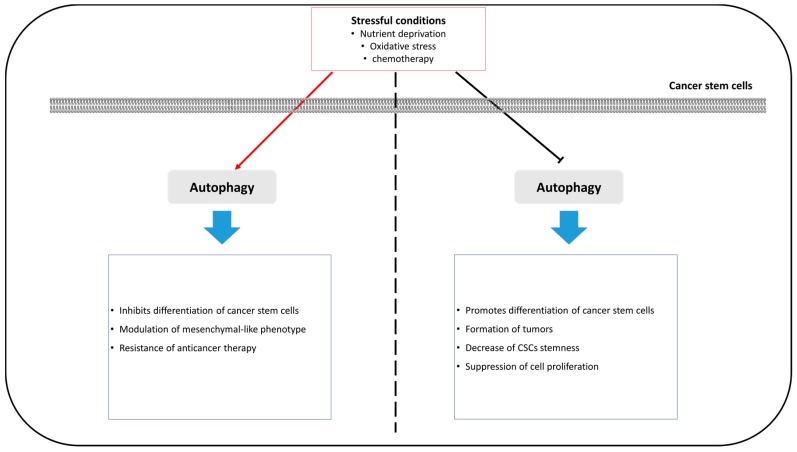
“ATG7 is an essential regulator of autophagy, a process involved in tumor suppression, maintenance of the stemness properties of cancer cells, disease recurrence, and anticancer drug resistance, and ATG7 upregulation in recipient cells induces resistance to erlotinib [57,59].”
BackgroundCircular RNAs in Epithelial Ovarian Cancer: From Biomarkers to Therapeutic Targets
Qiu, Y., Chen, Y., Agbede, O., Eshaghi, E., & Peng, C. (2022) · Cancers · doi:10.3390/cancers14225711 · Cited by 20
Emerging molecular functions of microRNA-124: Cancer pathology and therapeutic implications
Moghadasi, M., Alivand, M. R., Fardi, M., Moghadam, K. S., & Solali, S. (2020) · Pathology - Research and Practice · doi:10.1016/j.prp.2020.152827 · Cited by 19
Molecular Mechanisms of Vitexin: An Update on Its Anti-Cancer Functions
Li, L., Deng, Y., Li, J., Feng, X., & Zou, H. (2025) · International Journal of Molecular Sciences · doi:10.3390/ijms26125853 · Cited by 19
“This process has garnered significant attention for its critical role in tumor suppression [76].”
Wang, M., Chen, Q., Cheng, Z., Dai, Z., Wu, T., Han, B., Jia, F., Li, C., & Chen, H. (2025) · Advanced Functional Materials · doi:10.1002/adfm.202502635 · Cited by 23
Melatonin and neuroblastoma: a novel therapeutic approach
Pourhanifeh, M. H., Kamali, M., Mehrzadi, S., & Hosseinzadeh, A. (2021) · Molecular Biology Reports · doi:10.1007/s11033-021-06439-1 · Cited by 18
Regulation of the Cell-Intrinsic DNA Damage Response by the Innate Immune Machinery
Hayman, T. J., & Glazer, P. M. (2021) · International Journal of Molecular Sciences · doi:10.3390/ijms222312761 · Cited by 20
“Autophagy is a regulated program by which cytoplasmic substrates including, damaged organelles and various proteins are degraded through the formation of autophagosomes and subsequent fusion of the autophagosome with the lysosome [107,108].”
BackgroundER-phagy in the Occurrence and Development of Cancer
Zhou, H., Wang, K., Wang, M., Zhao, W., Zhang, C.-H., Cai, M., Qiu, Y., Zhang, T., Shao, R., & Zhao, W. (2022) · Biomedicines · doi:10.3390/biomedicines10030707 · Cited by 21
Research Progress on the Role and Mechanism of IL-37 in Liver Diseases
Jiang, B., Zhou, Y., Liu, Y., He, S., Liao, B., Peng, T., Yao, L., & Qi, L. (2023) · Seminars in Liver Disease · doi:10.1055/a-2153-8836 · Cited by 18
“123 IL-37 induces autophagy and apoptosis of HCC cells by inhibiting the PI3K/AKT/mTOR signaling pathway while simultaneously inhibiting the proliferation of HCC cells.”
BackgroundZhuang, D., Wang, S., Deng, H., Shi, Y., Liu, C. X., Leng, X., Zhang, Q., Bai, F., Zheng, B., Guo, J., et al. (2024) · International Journal of Oral Science · doi:10.1038/s41368-024-00297-w · Cited by 19
“9,10,14 For example, ursolic acid has been reported to promote apoptosis and autophagy by inhibiting the AKT/mTOR/NF-κ B pathway and signi fi cantly inhibits the migration and invasion of the OSCC cell lines CA-922 and SCC-2095.”
BackgroundRahdan, F., Saberi, A., Saraygord‐Afshari, N., Hadizadeh, M., Arjmand, T. F., Ghanbari, E., Dianat‐Moghadam, H., & Alizadeh, E. (2024) · Heliyon · doi:10.1016/j.heliyon.2024.e39489 · Cited by 19
Nanomedicine Approaches for Autophagy Modulation in Cancer Therapy
Mahri, S., Villa, R., Shiau, Y., Tang, M., Racacho, K. J., Zong, Q., Chowdhury, S., Hua, T., Godinez, F., Birkeland, A. C., et al. (2025) · Small Science · doi:10.1002/smsc.202400607 · Cited by 24
Khalil, H., ElHady, A. A., Elawdan, K. A., Mohamed, D. D., Mohamed, D. D., Maksoud, A. I. A. E., El-Chennawi, F. A., El-Fikiy, B., & El-Sayed, I. H. (2020) · Immunological Investigations · doi:10.1080/08820139.2020.1828453 · Cited by 22
“Indeed, the interruption of autophagosomes formation or lysosomal fusion and autolysosomes in late cancer induces apoptosis and prevents cell proliferation (Mulcahy Levy and Thorburn 2020; Yun and Lee 2018).”
BackgroundChen, Y., Wang, R., Huang, S., Henson, E. S., Bi, J., & Gibson, S. B. (2021) · Cancers · doi:10.3390/cancers13051038 · Cited by 19
“In contrast, in established cancer cells, basal levels of autophagy promote cell survival and, when autophagy is over-enhanced, it can induce autophagic cell death [31,53,54].”
BackgroundZarei, M., Shrestha, R., Johnson, S. H., Yu, Z., Karki, K., Gohar, A. V., Epps, J. L., Du, H., Suva, L. J., Zarei, M., et al. (2021) · Cancer Research Communications · doi:10.1158/2767-9764.crc-21-0073 · Cited by 19
“A recent study demonstrates that autophagy regulates the unique properties of cancer stem cells, such as differentiation and self-renewal, which contributes to tumor metastasis, tumor reoccurrence, and chemoresistance (20).”
BackgroundJuszczak, K., Kubicka, A., Kitel, R., Dzido, G., Łabieniec-Watała, M., Zawadzki, S., Marczak, A., Walczak, K., Matczak, K., & Tomczyk, M. D. (2022) · International Journal of Molecular Sciences · doi:10.3390/ijms23052616 · Cited by 19
“Other studies show that autophagy may play a dual role in cancer, which may, as already mentioned, help cancer cells survive under stressful conditions such as hypoxia or nutrient deprivation [46].”
BackgroundFriend or Foe: The Relativity of (Anti)oxidative Agents and Pathways
Szarka, A., Lőrincz, T., & Hajdinák, P. (2022) · International Journal of Molecular Sciences · doi:10.3390/ijms23095188 · Cited by 22
“Autophagy enhances cancer cell survival by increasing stress tolerance and supplying nutrients to meet the high metabolic and energetic demands of proliferating cancer cells by recycling biomolecules [46,57].”
BackgroundOriganum syriacum L. Attenuates the Malignant Phenotype of MDA-MB231 Breast Cancer Cells
AlKahlout, A., Fardoun, M., Mesmar, J. E., Abdallah, R., Badran, A., Nasser, S. A., Baydoun, S. E., Kobeissy, F. H., Shaito, A. A., Iratni, R., et al. (2022) · Frontiers in Oncology · doi:10.3389/fonc.2022.922196 · Cited by 20
Tsai, T., Chang, A., Chen, P., Ho, C., Chen, H.-E., Chou, K., & Hwang, T. I. (2022) · Journal of Cellular Physiology · doi:10.1002/jcp.30817 · Cited by 18
“Studies have noted that abnormal autophagy is correlated to tumor progression (Yun & Lee, 2018), cancer cell migration and invasion (Macintosh et al., 2012), cancer stem cell differentiation (Nazio et al., 2019), anoikis resistance (Chen et al., 2017), tumor dormancy (Sosa et al., 2013), and…”
BackgroundRecent Advances on Natural and Non-Natural Xanthones as Potential Anticancer Agents: A Review
Gogoi, U., Pathak, K., Saikia, R., Pathak, M. P., Paul, T., Khan, S. A., & Das, A. (2022) · Medicinal Chemistry · doi:10.2174/1573406419666221226093311 · Cited by 18
A Summary of Autophagy Mechanisms in Cancer Cells
Sahebi, R., Akbari, N., Bayat, Z., Rashidmayvan, M., Mansoori, A., & Beihaghi, M. (2022) · Research in Biotechnology and Environmental Science · doi:10.58803/rbes.2022.1.1.06 · Cited by 19
Hasan, M. M., Azme, E., Alam, R., Mamun, M. J. I., Chowdhury, M. T., Rasel, M., Momen, M. S. H., Hoque, N., Ekram, M. E. H., Eshaque, N. H., et al. (2025) · Cancer Pathogenesis and Therapy · doi:10.1016/j.cpt.2025.08.001 · Cited by 20
“55 In early tumorigenesis, autophagy maintains cellular quality by removing damaged organelles and proteins, preserving genomic stability, activating tumor suppressors, regulating PI3K/Akt signaling, and preventing oxidative stress to inhibit cancer development.”
Gulia, S., Chandra, P., & Das, A. (2023) · Cell Biochemistry and Biophysics · doi:10.1007/s12013-023-01179-4 · Cited by 17
“Therefore, autophagy mediators are central in tumor therapy because they can work in different manners, they can suppress tumor formation or promote it depending on the tumor microenvironment and cellular environment [18, 19].”
BackgroundG-quadruplexes in MTOR and induction of autophagy
Majumder, P., Shukla, C., Arya, A., Sharma, S. K., & Datta, B. (2024) · Scientific Reports · doi:10.1038/s41598-024-52561-y · Cited by 18
Quero, J., Paesa, M., Morales, C., Mendoza, G., Osada, J., Teixeira, J. A., Ferreira‐Santos, P., & Rodriguez‐Yoldi, M. J. (2024) · Antioxidants · doi:10.3390/antiox13080908 · Cited by 19
“It has been demonstrated that autophagy may be able to inhibit the development and propagation of tumors by lowering oxidative stress in cancerous cells, in which mitochondrial damage promotes the generation of reactive oxygen species [62].”
Vistro, W. A., Zhang, Y., Bai, X., Yang, P., Huang, Y., Qu, W., Baloch, A. S., Wu, R., Tarique, I., & Chen, Q. (2019) · Biomolecules · doi:10.3390/biom9110682 · Cited by 17
The Controversial Role of Autophagy in Ewing Sarcoma Pathogenesis—Current Treatment Options
Koustas, E., Sarantis, P., Karamouzis, M. V., Vielh, P. R., & Theocharis, S. E. (2021) · Biomolecules · doi:10.3390/biom11030355 · Cited by 17
“Under normal conditions, cells initiate basal levels of autophagic machinery in order to maintain the homeostasis, biological function, and quality-control of cytoplasmic contents, and to eliminate old, misfolding proteins and damaged organelles [16].”
BackgroundYoo, G., Park, D., Kim, Y., & Chung, C. (2021) · Cancers · doi:10.3390/cancers13123069 · Cited by 19
“Autophagy is a physiologic process activated to survive against cellular stresses such as serum starvation or augmented metabolic demands [21,67].”
BackgroundJung, Y. Y., Kim, C., Ha, I. J., Lee, S., Lee, J., Um, J., & Ahn, K. S. (2021) · International Journal of Molecular Sciences · doi:10.3390/ijms22158147 · Cited by 18
Self-citationGrønningsæter, I. S., Reikvam, H., Aasebø, E., Bartaula-Brevik, S., Hernandez-Valladares, M., Selheim, F., Berven, F. S., Tvedt, T. H. A., Bruserud, Ø., & Hatfield, K. J. (2021) · Journal of Personalized Medicine · doi:10.3390/jpm11080779 · Cited by 19
“, by chloroquine or chloroquine analogs, is regarded as a possible approach for treatment of cancer, including AML [21,22,24,41,42], but our present results suggest that the susceptibility to chloroquine varies between patients.”
ResultLi, S., Gao, L., Zhang, W., Yu, Y., Zheng, J., Liang, X., Xin, S., Ren, W., & Zhi, K. (2022) · Stem Cell Research & Therapy · doi:10.1186/s13287-022-03018-4 · Cited by 17
“Autophagy is a physiological cellular process for the degradation and elimination of misfolded proteins and damaged organelles that functions in response to some stimulus, such as stress [7], starvation [8], cell death [9] and tumor suppression [10].”
BackgroundPyrazole-sulfonamide scaffold featuring dual-tail strategy as apoptosis inducers in colon cancer
El‐Hazek, R. M. M., Zaher, N. H., Emam, H. E., El-Gazzar, M. G., & Khalil, A. I. (2023) · Scientific Reports · doi:10.1038/s41598-023-32820-0 · Cited by 17
“3-Amino-1-(4-methoxyphenyl)-5-phenyl-N-(4-(N-(pyridin-2-yl)sulfamoyl)phenyl)-1H-pyrazole-4-carboxamide (16).”
Silva, V. A. O., Rosa, M. N., Tansini, A., Martinho, O., Tanuri, A., Evangelista, A. F., Carloni, A. C., Lima, J. P. D. S. N., Pianowski, L. F., & Reis, R. M. (2019) · Molecules · doi:10.3390/molecules24234265 · Cited by 17
“We assessed the interplay of autophagy and IngC exposure due to the dual role of autophagy in cancer [39].”
BackgroundHuang, Y., Yan, S., Dong, X., Jiao, X., Wang, S., Li, D., & Wang, G. (2022) · Frontiers in Immunology · doi:10.3389/fimmu.2022.993788 · Cited by 18
Zaryouh, H., Loenhout, J. V., Peeters, M., Vermorken, J. B., Lardon, F., & Wouters, A. (2022) · Cancers · doi:10.3390/cancers14246128 · Cited by 16
Si, L., Zhang, L., Xing, S., Fang, P., Tian, X., Liu, X., & Xv, X. (2023) · Phytotherapy Research · doi:10.1002/ptr.7863 · Cited by 17
The Role of Death-Associated Protein Kinase-1 in Cell Homeostasis-Related Processes
Makgoo, L., Mosebi, S., & Mbita, Z. (2023) · Genes · doi:10.3390/genes14061274 · Cited by 17
“During autophagy, autophagosomes are formed which capture degraded components and then blend with lysosomes to recycle them [63].”
BackgroundPsara, E., Poulios, E., Papadopoulou, S. Κ., Tolia, M., Vasios, G. K., & Giaginis, C. (2023) · Anti-Cancer Agents in Medicinal Chemistry · doi:10.2174/1871520623666230816090229 · Cited by 16
Metadata
- Authors
- Yun, C. W., & Lee, S. H.
- Affiliations
- Soonchunhyang University (KR)
- Corresponding author
- Lee, Sang Hun
- Venue
- International Journal of Molecular Sciences
- Publisher
- MDPI AG
- Published
- 2018-11-05
- Volume
- 19
- Issue
- 11
- Pages
- 3466
- ISSN
- 1422-0067 (ISSN-L)
- PMC
- PMC6274804
- OpenAlex
- W2899871244
- Cited by
- 965
- References
- 187
- Citations by year
- 2026: 52 · 2025: 97 · 2024: 143 · 2023: 161 · 2022: 169 · 2021: 181 · 2020: 114 · 2019: 45 · 2018: 2
- FWCI
- 12.28
- Type
- journal article
- Language
- en
- Open access
- gold
- dx.doi.org
- Licence
- Locations
- International Journal of Molecular Sciences (publishedVersion, cc-by)
- Europe PMC (PubMed Central) (publishedVersion, cc-by)
- PubMed Central (publishedVersion, cc-by)
- PubMed (publishedVersion)
- DOAJ (DOAJ: Directory of Open Access Journals) (submittedVersion)
- Funders
- National Research Foundation of Korea (NRF- 2016R1D1A3B01007727)
- Topics
- Life Sciences › Biochemistry, Genetics and Molecular Biology › Cell Biology › Autophagy in Disease and Therapy
- Life Sciences › Biochemistry, Genetics and Molecular Biology › Molecular Biology › Ubiquitin and proteasome pathways
- Life Sciences › Biochemistry, Genetics and Molecular Biology › Physiology › Calcium signaling and nucleotide metabolism
- Keywords
- autophagy, cancer, tumor suppression, tumor promotion, cancer stem cells, stemness, tumor recurrence, drug resistance, rapamycin, chloroquine, autophagy modulators, autophagosome formation, lysosome fusion, nutrient deprivation, stress response
- MeSH terms
- Animals, Autophagy, Humans, Models, Biological, Neoplasms, Neoplastic Stem Cells, Tumor Microenvironment, Carcinogenesis
About these checks
Registry, retraction, Cites and statistics results are computed, not judged, with one exception: a printed reference that no index lists is read once by a model before it counts as a citation error. Claims are extracted by a model and kept only when their quote appears verbatim in the text; each cited source is then checked, with a model’s help, for whether it says what the claim relies on. Those verdicts can be wrong — read the claim’s quote and the cited source before relying on one.
Statistics and arithmetic are recomputed, not judged.
Confidence bands are shown only for fields calibrated on our annotated test set. None is calibrated yet, so no band is shown.
What counts as a claim ›How we measure confidence ›How we check this ›
Are you an author, or do you see a problem with this page? Request a review
Data sources
Bibliographic data: Semantic Scholar, OpenAlex, Crossref.
Contains information from the Semantic Scholar Academic Graph Datasets, made available under the ODC Attribution License (ODC-BY 1.0).
Semantic Scholar’s data is described in: Kinney, R., et al. (2023). The Semantic Scholar Open Data Platform. arXiv:2301.10140.
