

The DOI matches its Crossref record; 247 of the 252 references it cites were found in a registry or an index.
Nitric Oxide in Macrophage Immunometabolism: Hiding in Plain Sight
Open accessAbstract
Nitric Oxide (NO) is a soluble endogenous gas with various biological functions like signaling, and working as an effector molecule or metabolic regulator. In response to inflammatory signals, immune myeloid cells, like macrophages, increase production of cytokines and NO, which is important for pathogen killing. Under these proinflammatory circumstances, called “M1”, macrophages undergo a series of metabolic changes including rewiring of their tricarboxylic acid (TCA) cycle. Here, we review findings indicating that NO, through its interaction with heme and non-heme metal containing proteins, together with components of the electron transport chain, functions not only as a regulator of cell respiration, but also a modulator of intracellular cell metabolism. Moreover, diverse effects of NO and NO-derived reactive nitrogen species (RNS) involve precise interactions with different targets depending on concentration, temporal, and spatial restrictions. Although the role of NO in macrophage reprogramming has been in evidence for some time, current models have largely minimized its importance. It has, therefore, been hiding in plain sight. A review of the chemical properties of NO, past biochemical studies, and recent publications, necessitates that mechanisms of macrophage TCA reprogramming during stimulation must be re-imagined and re-interpreted as mechanistic results of NO exposure. The revised model of metabolic rewiring we describe here incorporates many early findings regarding NO biochemistry and brings NO out of hiding and to the forefront of macrophages immunometabolism.
Overview
The claims and statistics of this paper haven’t been checked yet.
Run the check — free, no account needed. It reads the open-access text and checks the sources it cites.
Integrity signals
Registry
Cites
Statistics
Figures
Verification
Claims the paper makes
The claims and statistics of this paper haven’t been checked yet.
Run the check — free, no account needed. It reads the open-access text and checks the sources it cites.
Claims other papers make about this one
Each is checked against this paper’s own text: does it say what the citing paper says it does?
In the citing paper
“The role of •NO in macrophage reprogramming has been known for a long time, but current models greatly underestimate its importance [125].”
From The Role of Reactive Species on Innate Immunity (2022) · cites this paper as [125]
In the citing paper
“The •NO/ROS balance is also important during the transition from Th1 to Th2 [125,126].”
From The Role of Reactive Species on Innate Immunity (2022) · cites this paper as [125]
Self-check
Percentages, sums and reported differences re-computed from the paper’s own numbers.
The self-check needs the paper’s full text.
Citations
Cites
Nitric oxide: physiology, pathophysiology, and pharmacology.
Moncada, S., Palmer, R. M., & Higgs, E. A. (1991) · Pharmacological Reviews · doi:10.1016/s0031-6997(25)06663-3 · Cited by 15,525
Furchgott, R. F., & Zawadzki, J. V. (1980) · Nature · doi:10.1038/288373a0 · Cited by 12,064 · cited 1×
“Early descriptions of an Endothelium-derived relaxing factor (EDRF) capable of inducing vasodilation began in 1980 [1].”
BackgroundAnalysis of nitrate, nitrite, and [15N]nitrate in biological fluids
Green, L. C., Wagner, D. A., Glogowski, J. A., Skipper, P. L., Wishnok, J. S., & Tannenbaum, S. R. (1982) · Analytical Biochemistry · doi:10.1016/0003-2697(82)90118-x · Cited by 12,061
Endothelium-derived relaxing factor produced and released from artery and vein is nitric oxide.
Ignarro, L. J., Buga, G. M., Wood, K. S., Byrns, R. E., & Chaudhuri, G. (1987) · Proceedings of the National Academy of Sciences · doi:10.1073/pnas.84.24.9265 · Cited by 5,074
NITRIC OXIDE AND MACROPHAGE FUNCTION
MacMicking, J. D., Xie, Q. W., & Nathan, C. (1997) · Annual Review of Immunology · doi:10.1146/annurev.immunol.15.1.323 · Cited by 4,245 · cited 1×
“nitrogen intermediates through NOS2 [135], and increased production of effectors such as cationic peptides, lysosomal hydrolases, and metabolic inhibitors [136], including itaconate (antibacterial) [107] and 25-hydroxycholesterol (antiviral) [137], all contribute to macrophage antimicrobial responses.”
BackgroundSuccinate is an inflammatory signal that induces IL-1β through HIF-1α
Tannahill, G. M., Curtis, A. M., Adamik, J., Palsson-McDermott, E. M., McGettrick, A. F., Goel, G., Frezza, C., Bernard, N. J., Kelly, B., Foley, N. H., et al. (2013) · Nature · doi:10.1038/nature11986 · Cited by 4,176 · cited 23×
“Both groups have reported elevated IL-1β in Nos2−/− macrophages likely due to the lack of NO-mediated nitrosation of the inflammasome complex [179–181].”
BackgroundInfluentialKim, J.-W., Tchernyshyov, I., Semenza, G. L., & Dang, C. V. (2006) · Cell Metabolism · doi:10.1016/j.cmet.2006.02.002 · Cited by 3,905
Ischaemic accumulation of succinate controls reperfusion injury through mitochondrial ROS
Chouchani, E. T., Pell, V. R., Gaude, E., Aksentijević, D., Sundier, S. Y., Robb, E. L., Logan, A., Nadtochiy, S. M., Ord, E. N. J., Smith, A. C., et al. (2014) · Nature · doi:10.1038/nature13909 · Cited by 2,907 · cited 1×
“A similar mechanism has been proposed for the involvement of succinate in damage associated with reperfusion injury in the heart [133].”
BackgroundPeroxynitrite oxidation of sulfhydryls.
Radí, R., Beckman, J. S., Bush, K., & Freeman, B. Α. (1991) · Journal of Biological Chemistry · doi:10.1016/s0021-9258(20)64313-7 · Cited by 2,492
Mills, E. L., Kelly, B., Logan, A., Costa, A. S. H., Varma, M., Bryant, C. E., Tourlomousis, P., Däbritz, J. H. M., Gottlieb, E., Latorre, I., et al. (2016) · Cell · doi:10.1016/j.cell.2016.08.064 · Cited by 2,291 · cited 2×
“As a fuel for Complex II, succinate can drive ROS production in macrophages and, therefore, be critical in antibacterial function [131], and via reverse electron transport, succinate can fuel ROS production by Complex I.”
BackgroundHIF-1 mediates adaptation to hypoxia by actively downregulating mitochondrial oxygen consumption
Papandreou, I., Cairns, R. A., Fontana, L., Lim, A. L., & Denko, N. C. (2006) · Cell Metabolism · doi:10.1016/j.cmet.2006.01.012 · Cited by 2,267 · cited 5×
“These findings led to the suggestion that in polarized macrophages, pseudo-hypoxia, caused by reduction in α-KG /succinate ratios and suppression of dioxygenase activity [113,114], leads to HIF1α stabilization and expression of Pyruvate Dehydrogenase Kinase 1 (Pdk1) that phosphorylates Pyruvate Dehydrogenase (PDH), re…”
BackgroundInfluentialSuccinate links TCA cycle dysfunction to oncogenesis by inhibiting HIF-α prolyl hydroxylase
Selak, M. A., Armour, S. M., MacKenzie, E. D., Boulahbel, H., Watson, D. G., Mansfield, K. D., Pan, Y., Simon, M. C., Thompson, C. B., & Gottlieb, E. (2005) · Cancer Cell · doi:10.1016/j.ccr.2004.11.022 · Cited by 2,108 · cited 2×
“These findings led to the suggestion that in polarized macrophages, pseudo-hypoxia, caused by reduction in α-KG /succinate ratios and suppression of dioxygenase activity [113,114], leads to HIF1α stabilization and expression of Pyruvate Dehydrogenase Kinase 1 (Pdk1) that phosphorylates Pyruvate Dehydrogenase (PDH), re…”
BackgroundMitochondrial membrane potential
Zorova, L. D., Popkov, V. A., Plotnikov, E. Y., Silachev, D. N., Pevzner, I. B., Jankauskas, S. S., Babenko, V. A., Zorov, S. D., Balakireva, A. V., Juhaszova, M., et al. (2017) · Analytical Biochemistry · doi:10.1016/j.ab.2017.07.009 · Cited by 2,092 · cited 1×
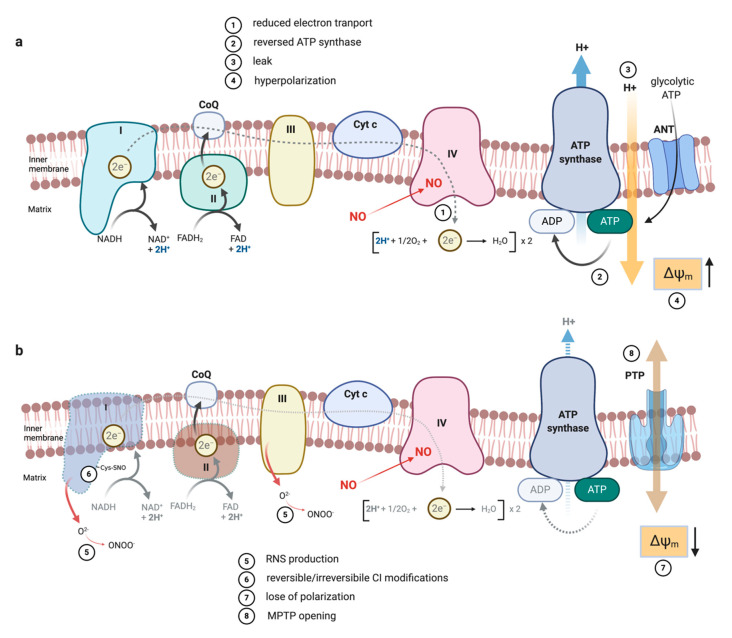
“They align perfectly with a model where the hyperpolarization of mitochondrial membranes, the condition where the mitochondrial inner membrane becomes more negative on the matrix side [148,149], is induced by NO initially blocking Complex IV and favoring hydrolysis of glycolytically-derived ATP [80,150] (Figure 2a).”
BackgroundJha, A. K., Huang, S. C.-C., Sergushichev, A., Lampropoulou, V., Ivanova, Y., Loginicheva, E., Chmielewski, K., Stewart, K. M., Ashall, J., Everts, B., et al. (2015) · Immunity · doi:10.1016/j.immuni.2015.02.005 · Cited by 2,066 · cited 13×
“In brief, this interrupted TCA cycle is thought to drive the accumulation of key intermediates of metabolism such as citrate, itaconate, and succinate [106,107] that support effector functions.”
BackgroundInfluentialNitric oxide: A cytotoxic activated macrophage effector molecule
Hibbs, J. B., Taintor, R. R., Vavrin, Z., & Rachlin, E. M. (1988) · Biochemical and Biophysical Research Communications · doi:10.1016/s0006-291x(88)80015-9 · Cited by 2,030 · cited 1×
“In 1988–89, Hibbs as well as Stuehr and Nathan [8,9] connected the dots by showing NO to be the key effector molecule used by activated murine macrophages to kill tumors.”
BackgroundItaconate is an anti-inflammatory metabolite that activates Nrf2 via alkylation of KEAP1
Mills, E. L., Ryan, D. G., Prag, H. A., Dikovskaya, D., Menon, D., Zaslona, Z., Jedrychowski, M. P., Costa, A. S. H., Higgins, M., Hams, E., et al. (2018) · Nature · doi:10.1038/nature25986 · Cited by 1,885
Nrf2 suppresses macrophage inflammatory response by blocking proinflammatory cytokine transcription
Kobayashi, E. H., Suzuki, T., Funayama, R., Nagashima, T., Hayashi, M., Sekine, H., Tanaka, N., Moriguchi, T., Motohashi, H., Nakayama, K., et al. (2016) · Nature Communications · doi:10.1038/ncomms11624 · Cited by 1,878 · cited 1×
“Our recent description of a NOS2-dependent NRF2 gene signature in murine macrophages, together with NRF2′s known ability to attenuate inflammation [177], suggests that NO reprograms metabolism while supporting the antioxidant response, all at the expense of full inflammatory potential.”
BackgroundMetabolic reprogramming in macrophages and dendritic cells in innate immunity
Kelly, B., & O'Neill, L. A. (2015) · Cell Research · doi:10.1038/cr.2015.68 · Cited by 1,876 · cited 2×
“Others have referred to evidence that many metabolic enzymes could be s-nitrosated by NO [143] and assumed that cysteine nitrosation could affect the activity of these enzymes in immune cells as well [144].”
BackgroundImmunometabolism governs dendritic cell and macrophage function
O'Neill, L. A. J., & Pearce, E. J. (2015) · The Journal of Experimental Medicine · doi:10.1084/jem.20151570 · Cited by 1,779 · cited 1×
“Although alterations in the TCA are considered to be vital for appropriate immune responses [115,176], evidence suggests that in cells that lack NO, the functional TCA cycle and stabilization of KEAP1 (Kelch-like ECH-associated protein 1), a key regulator of the transcription factor NRF2, prevents NRF2-mediated transc…”
BackgroundStuehr, D. J., & Nathan, C. F. (1989) · The Journal of Experimental Medicine · doi:10.1084/jem.169.5.1543 · Cited by 1,744 · cited 1×
“In 1988–89, Hibbs as well as Stuehr and Nathan [8,9] connected the dots by showing NO to be the key effector molecule used by activated murine macrophages to kill tumors.”
BackgroundTHE MITOCHONDRIAL ELECTRON TRANSPORT AND OXIDATIVE PHOSPHORYLATION SYSTEM
Hatefi, Y. (1985) · Annual Review of Biochemistry · doi:10.1146/annurev.bi.54.070185.005055 · Cited by 1,650 · cited 2×
“However, assumption and generalization that all enzymes containing Fe-S clusters are inhibited by the same mechanism cannot be made, as Complex III, although containing a 2Fe-2S cluster essential for electron transport function [57], was found to be still functional in injured target cells.”
BackgroundLampropoulou, V., Sergushichev, A., Bambousková, M., Nair, S., Vincent, E. E., Loginicheva, E., Cervantes‐Barragán, L., Ma, X., Huang, S. C., Griss, T., et al. (2016) · Cell Metabolism · doi:10.1016/j.cmet.2016.06.004 · Cited by 1,583 · cited 2×
“This is likely due to its weak, but substantial, inhibitory effect on SDH, although this mechanism is disputed [111,112].”
BackgroundMacrophage cytotoxicity: role for L-arginine deiminase and imino nitrogen oxidation to nitrite
Hibbs, J. B., Taintor, R. R., & Vavrin, Z. (1987) · Science · doi:10.1126/science.2432665 · Cited by 1,527 · cited 3×
“In contrast to vascular integrity, the roles of NO in immunity involve it being a toxic agent towards infectious organisms [13,22,23], an inducer or suppressor of leukocyte apoptosis [24] or an immunoregulator [25–31].”
BackgroundAltered immune responses in mice lacking inducible nitric oxide synthase
Wei, X., Charles, I. G., Smith, A. G., Ure, J. M., Feng, G.-J., Huang, F.-P., Xu, D., Müller, W., Moncada, S., & Liew, F. Y. (1995) · Nature · doi:10.1038/375408a0 · Cited by 1,280
α-ketoglutarate orchestrates macrophage activation through metabolic and epigenetic reprogramming
Liu, P.-S., Wang, H., Li, X., Chao, T., Teav, T., Christen, S., Di Conza, G., Cheng, W.-C., Chou, C.-H., Vavakova, M., et al. (2017) · Nature Immunology · doi:10.1038/ni.3796 · Cited by 1,264 · cited 2×
“These findings led to the suggestion that in polarized macrophages, pseudo-hypoxia, caused by reduction in α-KG /succinate ratios and suppression of dioxygenase activity [113,114], leads to HIF1α stabilization and expression of Pyruvate Dehydrogenase Kinase 1 (Pdk1) that phosphorylates Pyruvate Dehydrogenase (PDH), re…”
BackgroundMartin, W., Villani, G. M., Jothianandan, D., & Furchgott, R. F. (1985) · Journal of Pharmacology and Experimental Therapeutics · doi:10.1016/s0022-3565(25)20898-9 · Cited by 1,259 · cited 1×
“It worked by stimulating soluble guanylate cyclase (sGC) and could be inhibited by hemoglobin, superoxide, and methylene blue [2].”
BackgroundToll-like receptor–induced changes in glycolytic metabolism regulate dendritic cell activation
Krawczyk, C. M., Holowka, T., Sun, J., Blagih, J., Amiel, E., DeBerardinis, R. J., Cross, J. R., Jung, E., Thompson, C. B., Jones, R. G., et al. (2010) · Blood · doi:10.1182/blood-2009-10-249540 · Cited by 1,246 · cited 13×
“This changes the ETC to a more reduced state and leads to a defense response where reversal of the ATP synthase will hydrolyze cytoplasmic glycolytic ATP extruding protons (H+).”
BackgroundInfluentialCleeter, M. W. J., Cooper, J. M., Darley-Usmar, V. M., Moncada, S., & Schapira, A. H. V. (1994) · FEBS Letters · doi:10.1016/0014-5793(94)00424-2 · Cited by 1,241
Immune-responsive gene 1 protein links metabolism to immunity by catalyzing itaconic acid production
Michelucci, A., Cordes, T., Ghelfi, J., Pailot, A., Reiling, N., Goldmann, O., Binz, T., Wegner, A., Tallam, A., Rausell, A., et al. (2013) · Proceedings of the National Academy of Sciences · doi:10.1073/pnas.1218599110 · Cited by 1,191 · cited 3×
“nitrogen intermediates through NOS2 [135], and increased production of effectors such as cationic peptides, lysosomal hydrolases, and metabolic inhibitors [136], including itaconate (antibacterial) [107] and 25-hydroxycholesterol (antiviral) [137], all contribute to macrophage antimicrobial responses.”
BackgroundIgnarro, L. J., Byrns, R. E., Buga, G. M., & Wood, K. S. (1987) · Circulation Research · doi:10.1161/01.res.61.6.866 · Cited by 1,164
Stuehr, D. J., & Marletta, M. A. (1985) · Proceedings of the National Academy of Sciences · doi:10.1073/pnas.82.22.7738 · Cited by 1,126 · cited 12×
“A year before these studies on tumor cells, Stuehr and Marletta had demonstrated that macrophages exposed to recombinant interferon-γ (rIFNγ) and LPS synthesize nitrite (NO2−) and nitrate (NO3−) [7,65].”
BackgroundInfluentialEverts, B., Amiel, E., Huang, S. C.-C., Smith, A. M., Chang, C.-H., Lam, W. Y., Redmann, V., Freitas, T. C., Blagih, J., van der Windt, G. J. W., et al. (2014) · Nature Immunology · doi:10.1038/ni.2833 · Cited by 1,064 · cited 4×
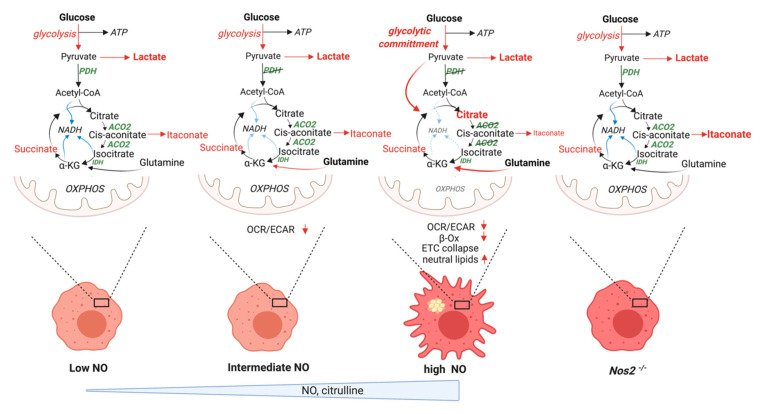
“In summary, current M1 polarization models suggest that rewiring of carbon utilization takes place through the concomitant suppression of IDH1 (via unknown mechanisms), SDH (via itaconate), and the PDH complex (via HIF1α– induced Pdk1) [102,106,117,119,141] and a subsequent increase in glutaminolysis.”
BackgroundInfluentialBrown, G. C., & Cooper, C. E. (1994) · FEBS Letters · doi:10.1016/0014-5793(94)01290-3 · Cited by 1,055 · cited 1×
“At an O2 concentration of 145 μM (approximately same as arterial concentration), the IC50 for NO inhibition is 270 nM, whereas at 30 μM (approximately the tissue concentration of O2) the IC50 falls to 60 nM [38].”
BackgroundMitochondrial dysfunction prevents repolarization of inflammatory macrophages
Van den Bossche, J., Baardman, J., Otto, N. A., van der Velden, S., Neele, A. E., van den Berg, S. M., Luque-Martin, R., Chen, H.-J., Boshuizen, M. C. S., Ahmed, M., et al. (2016) · Cell Reports · doi:10.1016/j.celrep.2016.09.008 · Cited by 1,027 · cited 2×
“also support the conclusion that the inhibition of mitochondrial respiration is not essential for maintaining inflammatory polarization [108,178].”
BackgroundRodríguez-Prados, J.-C., Través, P. G., Cuenca, J., Rico, D., Aragonés, J., Martín-Sanz, P., Cascante, M., & Boscá, L. (2010) · The Journal of Immunology · doi:10.4049/jimmunol.0901698 · Cited by 1,022 · cited 2×
“Lastly, Hif1α -/- macrophages have been shown to maintain PDK1 expression, the stimulation-induced TCA break and to compromise PDH activity [101], and we found no significant effect of Hif1α deletion on LPS-induced glycolytic flux.”
BackgroundMacrophage defense mechanisms against intracellular bacteria
Weiss, G., & Schaible, U. E. (2015) · Immunological Reviews · doi:10.1111/imr.12266 · Cited by 989 · cited 1×
“nitrogen intermediates through NOS2 [135], and increased production of effectors such as cationic peptides, lysosomal hydrolases, and metabolic inhibitors [136], including itaconate (antibacterial) [107] and 25-hydroxycholesterol (antiviral) [137], all contribute to macrophage antimicrobial responses.”
BackgroundThe chemical biology of nitric oxide: Implications in cellular signaling
Thomas, D. D., Ridnour, L. A., Isenberg, J. S., Flores-Santana, W., Switzer, C. H., Donzelli, S., Hussain, P., Vecoli, C., Paolocci, N., Ambs, S., et al. (2008) · Free Radical Biology and Medicine · doi:10.1016/j.freeradbiomed.2008.03.020 · Cited by 975
Self-citationReactive oxygen and reactive nitrogen intermediates in innate and specific immunity
Bogdan, C., Röllinghoff, M., & Diefenbach, A. (2000) · Current Opinion in Immunology · doi:10.1016/s0952-7915(99)00052-7 · Cited by 952 · cited 1×
“Therefore, evidence suggests that the high NO production sustained by inducible NOS (iNOS or NOS2) is fundamental for the biology of NO linked to inflammation, in contrast to NO pulses produced by the constitutive NOS enzymes that elicit a low NO wave within fractions of seconds as needed in cardiovascular responses […”
BackgroundNitric oxide in immunity and inflammation
Coleman, J. W. (2001) · International Immunopharmacology · doi:10.1016/s1567-5769(01)00086-8 · Cited by 945 · cited 6×
“Therefore, evidence suggests that the high NO production sustained by inducible NOS (iNOS or NOS2) is fundamental for the biology of NO linked to inflammation, in contrast to NO pulses produced by the constitutive NOS enzymes that elicit a low NO wave within fractions of seconds as needed in cardiovascular responses […”
BackgroundInfluentialHibbs, J. B., Vavrin, Z., & Taintor, R. R. (1987) · The Journal of Immunology · doi:10.4049/jimmunol.138.2.550 · Cited by 938 · cited 2×
“put the pieces together and reported then that when murine macrophages become cytotoxic, they acquire the ability to convert L-arginine to L-citrulline, NO2− and NO3− through a pathway independent of the urea cycle [13,66].”
BackgroundEndogenous nitric oxide release required for long-term synaptic depression in the cerebellum
Shibuki, K., & Okada, D. (1991) · Nature · doi:10.1038/349326a0 · Cited by 871
Clementi, E., Brown, G. C., Feelisch, M., & Moncada, S. (1998) · Proceedings of the National Academy of Sciences · doi:10.1073/pnas.95.13.7631 · Cited by 863 · cited 1×
“Considering the history of NO chemistry and the elegant dissection of metabolic mechanisms associated with macrophage cytotoxicity noted above, it is surprising that most in the immunometabolism field have been speculating that the inhibitory effects of NO on oxidative mitochondrial metabolism might be simply due to d…”
BackgroundDoes nitric oxide modulate mitochondrial energy generation and apoptosis?
Moncada, S., & Erusalimsky, J. D. (2002) · Nature Reviews Molecular Cell Biology · doi:10.1038/nrm762 · Cited by 794 · cited 3×
“In fact, various degrees of rescue of ATP-linked mitochondrial respiration can indeed be achieved upon genetic ablation or pharmacologic inhibition of NOS2 in myeloid cells [45,108,142].”
BackgroundRole of oxidative carbonylation in protein quality control and senescence
Nyström, T. (2005) · The EMBO Journal · doi:10.1038/sj.emboj.7600599 · Cited by 791
The biological lifetime of nitric oxide: Implications for the perivascular dynamics of NO and O 2
Thomas, D. D., Liu, X., Kantrow, S. P., & Lancaster, J. R. (2001) · Proceedings of the National Academy of Sciences · doi:10.1073/pnas.98.1.355 · Cited by 760
Poderoso, J. J., Carreras, M. C., Lisdero, C., Riobó, N., Schöpfer, F., & Boveris, A. (1996) · Archives of Biochemistry and Biophysics · doi:10.1006/abbi.1996.0146 · Cited by 726 · cited 1×
“A consequence of NO inhibition of cytochrome c oxidase would be increased availability of O2 in the surrounding tissues [46,47].”
BackgroundMaragos, C. M., Morley, D., Wink, D. A., Dunams, T. M., Saavedra, J. E., Hoffman, A., Bove, A. A., Isaac, L., Hrabie, J. A., & Keefer, L. K. (1991) · Journal of Medicinal Chemistry · doi:10.1021/jm00115a013 · Cited by 722
Self-citationStuehr, D. J., & Marletta, M. A. (1987) · The Journal of Immunology · doi:10.4049/jimmunol.139.2.518 · Cited by 713 · cited 10×
“A year before these studies on tumor cells, Stuehr and Marletta had demonstrated that macrophages exposed to recombinant interferon-γ (rIFNγ) and LPS synthesize nitrite (NO2−) and nitrate (NO3−) [7,65].”
BackgroundInfluentialInhibition of Mitochondrial Electron Transport by Peroxynitrite
Radi, R., Rodriguez, M., Castro, L., & Telleri, R. (1994) · Archives of Biochemistry and Biophysics · doi:10.1006/abbi.1994.1013 · Cited by 693 · cited 14×
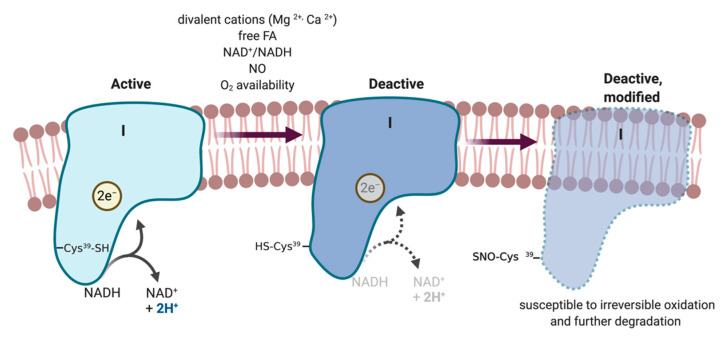
“Interestingly, Cysteine39 in the ND3 subunit becomes exposed in the D-form and is susceptible to covalent modification by nitrosothiols (RSNO), ROS, and RNS [89–91], perhaps making it a specific site of physiological SNO regulation.”
BackgroundInfluentialThe multifaceted roles of nitric oxide in cancer
Wink, D. (1998) · Carcinogenesis · doi:10.1093/carcin/19.5.711 · Cited by 682 · cited 1×
“Together, the integration of these effects may define a powerful therapeutic target [235,236].”
BackgroundSelf-citationA roadmap for interpreting 13C metabolite labeling patterns from cells
Buescher, J. M., Antoniewicz, M. R., Boros, L. G., Burgess, S. C., Brunengraber, H., Clish, C. B., DeBerardinis, R. J., Féron, O., Frezza, C., Ghesquière, B., et al. (2015) · Current Opinion in Biotechnology · doi:10.1016/j.copbio.2015.02.003 · Cited by 644 · cited 1×
“For many years, researchers have tried to link inflammatory stimuli such as LPS to altered mitochondrial function [95,96], but recent technologies [97,98] have brought advances in the field.”
BackgroundItaconate: the poster child of metabolic reprogramming in macrophage function
O'Neill, L. A. J., & Artyomov, M. N. (2019) · Nature reviews. Immunology · doi:10.1038/s41577-019-0128-5 · Cited by 643 · cited 1×
“The biology and biochemistry of itaconate has been recently reviewed in detail by others [128,129].”
BackgroundThe Sedoheptulose Kinase CARKL Directs Macrophage Polarization through Control of Glucose Metabolism
Haschemi, A., Kosma, P., Gille, L., Evans, C. R., Burant, C. F., Starkl, P., Knapp, B., Haas, R., Schmid, J. A., Jandl, C., et al. (2012) · Cell Metabolism · doi:10.1016/j.cmet.2012.04.023 · Cited by 635 · cited 1×
“[101] demonstrated this at the level of gene expression and many groups [102,103] have now shown that metabolic changes can be present as early as 30 min after activation.”
BackgroundCardioprotection by S-nitrosation of a cysteine switch on mitochondrial complex I
Chouchani, E. T., Methner, C., Nadtochiy, S. M., Logan, A., Pell, V. R., Ding, S., James, A. M., Cochemé, H. M., Reinhold, J., Lilley, K. S., et al. (2013) · Nature Medicine · doi:10.1038/nm.3212 · Cited by 619 · cited 2×
“Considering the history of NO chemistry and the elegant dissection of metabolic mechanisms associated with macrophage cytotoxicity noted above, it is surprising that most in the immunometabolism field have been speculating that the inhibitory effects of NO on oxidative mitochondrial metabolism might be simply due to d…”
BackgroundNewsholme, P. (2001) · Journal of Nutrition · doi:10.1093/jn/131.9.2515s · Cited by 619
Arnelle, D. R., & Stamler, J. S. (1995) · Archives of Biochemistry and Biophysics · doi:10.1006/abbi.1995.1231 · Cited by 604
Liu, X., Miller, M. J. S., Joshi, M. S., Thomas, D. D., & Lancaster, J. R. (1998) · Proceedings of the National Academy of Sciences · doi:10.1073/pnas.95.5.2175 · Cited by 602
Drapier, J., & Hibbs, J. B. (1988) · The Journal of Immunology · doi:10.4049/jimmunol.140.8.2829 · Cited by 592 · cited 4×
“First of all, as noted above, unlike IDH1, ACO2 is a long known target of NO via attack of its FeS cluster [53,68,69].”
BackgroundResultInfluentialMishra, B. B., Rathinam, V. A. K., Martens, G. W., Martinot, A. J., Kornfeld, H., Fitzgerald, K. A., & Sassetti, C. M. (2013) · Nature Immunology · doi:10.1038/ni.2474 · Cited by 571
The dual role of iNOS in cancer
Vannini, F., Kashfi, K., & Nath, N. (2015) · Redox Biology · doi:10.1016/j.redox.2015.08.009 · Cited by 545 · cited 1×
“Therapeutically shifting the TME from tumorigenic simmering iNOS activity driven by the tumor itself, towards an immune surveillance situation where macrophages are reprogrammed to produce higher, effector level, NO fluxes could be beneficial [237,238].”
BackgroundAnalysis and Interpretation of Microplate-Based Oxygen Consumption and pH Data
Divakaruni, A. S., Paradyse, A. R., Ferrick, D. A., Murphy, A. N., & Jastroch, M. (2014) · Methods in enzymology on CD-ROM/Methods in enzymology · doi:10.1016/b978-0-12-801415-8.00016-3 · Cited by 543 · cited 1×
“For many years, researchers have tried to link inflammatory stimuli such as LPS to altered mitochondrial function [95,96], but recent technologies [97,98] have brought advances in the field.”
BackgroundCommitment to glycolysis sustains survival of NO-producing inflammatory dendritic cells
Everts, B., Amiel, E., van der Windt, G. J. W., Freitas, T. C., Chott, R., Yarasheski, K. E., Pearce, E. L., & Pearce, E. J. (2012) · Blood · doi:10.1182/blood-2012-03-419747 · Cited by 532 · cited 4×
“The early dissection of macrophage cytotoxic mechanisms by Hibbs and Drapier, and the finding that the metabolic switch in macrophages and DCs activated with LPS was dependent on NOS2 led to the suggestion that NO generated by NOS2 mediates the LPS-induced mitochondrial dysfunction and increase in glycolysis [142].”
BackgroundInfluentialCordes, T., Wallace, M., Michelucci, A., Divakaruni, A. S., Sapcariu, S. C., Sousa, C., Koseki, H., Cabrales, P., Murphy, A. N., Hiller, K., et al. (2016) · Journal of Biological Chemistry · doi:10.1074/jbc.m115.685792 · Cited by 526 · cited 5×
“The rapid and profound increase of itaconate in stimulated macrophages [112], Nos2−/− cells bearing higher levels of itaconate with high fractional incorporation of glucose carbon at the expense of glutamine carbon, together with the sensitivity of inhibition of PDH and ACO2 to NO, all justify a new, corrected model f…”
BackgroundInfluentialMechanistic aspects of the reactions of nitric oxide with transition-metal complexes
Ford, P. C., & Lorkovic, I. M. (2002) · Chemical Reviews · doi:10.1021/cr0000271 · Cited by 525 · cited 1×
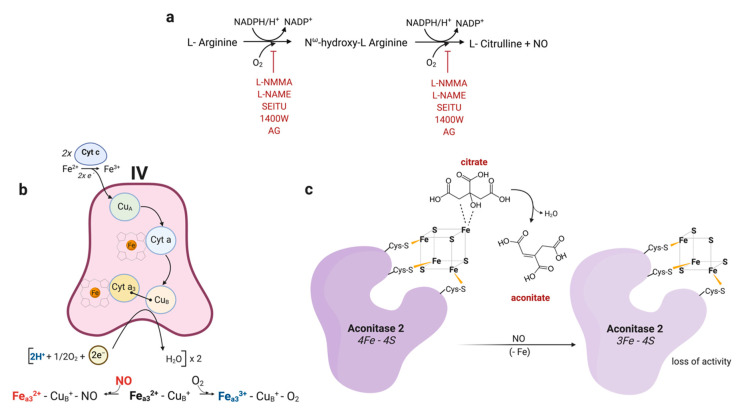
“The rate constant for association of NO to heme centers is typically very high relative to other potential targets [20], such that even low nanomolar levels of NO are sufficient to activate sGC [21].”
BackgroundTriggering the succinate receptor GPR91 on dendritic cells enhances immunity
Rubic, T., Lametschwandtner, G., Jost, S., Hinteregger, S., Kund, J., Carballido-Perrig, N., Schwärzler, C., Junt, T., Voshol, H., Meingassner, J. G., et al. (2008) · Nature Immunology · doi:10.1038/ni.1657 · Cited by 525 · cited 1×
“Succinate has been implicated in various aspects of inflammatory function including acting in trans via the succinate receptor expressed on internal organs as well as on immune cells [130].”
BackgroundPKM2 regulates the Warburg effect and promotes HMGB1 release in sepsis
Yang, L., Xie, M., Yang, M., Yu, Y., Zhu, S., Hou, W., Kang, R., Lotze, M. T., Billiar, T. R., Wang, H., et al. (2014) · Nature Communications · doi:10.1038/ncomms5436 · Cited by 509 · cited 1×
“[151] also exposed apparent incongruences with studies indicating that HIF1α-dependent upregulation of Pdk1 and consequent suppression of acetyl-CoA synthesis, may be responsible for OXPHOS regulation in macrophages [152].”
BackgroundNitric oxide and asthmatic inflammation
Barnes, P. J., & Liew, F. Y. (1995) · Immunology Today · doi:10.1016/0167-5699(95)80128-6 · Cited by 502
Inducible nitric oxide synthase in pulmonary alveolar macrophages from patients with tuberculosis.
Nicholson, S., Bonecini-Almeida, M. D. G., Silva, J. R. L. E., Nathan, C., Xie, Q. W., Mumford, R. A., Weidner, J. R., Calaycay, J. R., Geng, J., Boéchat, N., et al. (1996) · The Journal of Experimental Medicine · doi:10.1084/jem.183.5.2293 · Cited by 497
Drapier, J., Wietzerbin, J., & Hibbs, J. B. (1988) · European Journal of Immunology · doi:10.1002/eji.1830181018 · Cited by 497 · cited 4×
“found a correlation between the ability of combinations of stimuli to induce NO2− and NO3− synthesis from L-arginine and their ability to cause reductions in aconitase activity in the producer macrophages [67].”
BackgroundInfluentialPalmieri, E. M., Gonzalez-Cotto, M., Baseler, W. A., Davies, L. C., Ghesquière, B., Maio, N., Rice, C. M., Rouault, T. A., Cassel, T., Higashi, R. M., et al. (2020) · Nature Communications · doi:10.1038/s41467-020-14433-7 · Cited by 483 · cited 16×
“Carbon tracing suggests contributions of glucose- but primarily glutamine-derived carbon during itaconate production [109].”
BackgroundInfluentialSelf-citationImmunometabolism at the interface between macrophages and pathogens
Russell, D. G., Huang, L., & VanderVen, B. C. (2019) · Nature reviews. Immunology · doi:10.1038/s41577-019-0124-9 · Cited by 470 · cited 4×
“Lastly, Hif1α -/- macrophages have been shown to maintain PDK1 expression, the stimulation-induced TCA break and to compromise PDH activity [101], and we found no significant effect of Hif1α deletion on LPS-induced glycolytic flux.”
BackgroundInfluentialBagasra, O., Michaels, F. H., Zheng, Y., Bobroski, L. E., Spitsin, S. V., Fu, Z., Tawadros, R., & Koprowski, H. (1995) · Proceedings of the National Academy of Sciences · doi:10.1073/pnas.92.26.12041 · Cited by 456
Weinberg, J., Misukonis, M., Shami, P., Mason, S. N., Sauls, D., Dittman, W. A., Wood, E., Smith, G., McDonald, B., & Bachus, K. (1995) · Blood · doi:10.1182/blood.v86.3.1184.1184 · Cited by 435
Almeida, A., Almeida, J., Bolaños, J. P., & Moncada, S. (2001) · Proceedings of the National Academy of Sciences · doi:10.1073/pnas.261560998 · Cited by 423 · cited 10×
“This changes the ETC to a more reduced state and leads to a defense response where reversal of the ATP synthase will hydrolyze cytoplasmic glycolytic ATP extruding protons (H+).”
BackgroundInfluentialDiffusion of Nitric Oxide in the Aorta Wall Monitored in Situ by Porphyrinic Microsensors
Malinski, T., Taha, Z., Grunfeld, S., Patton, S. R., Kapturczak, M., & Tomboulian, P. (1993) · Biochemical and Biophysical Research Communications · doi:10.1006/bbrc.1993.1735 · Cited by 417
Palmieri, E. M., Menga, A., Martín‐Pérez, R., Quinto, A., Riera‐Domingo, C., Tullio, G. D., Hooper, D. C., Lamers, W. H., Ghesquière, B., McVicar, D. W., et al. (2017) · Cell Reports · doi:10.1016/j.celrep.2017.07.054 · Cited by 417 · cited 1×
“Accordingly, our older work, tracing carbon sources in M1 polarized human monocyte derived macrophages [227], showed full glucose-derived labeling of citrate and this pattern was conserved in downstream metabolites such as α-KG and malate.”
BackgroundSelf-citationDrapier, J., & Hibbs, J. B. (1986) · Journal of Clinical Investigation · doi:10.1172/jci112642 · Cited by 415 · cited 2×
“First of all, as noted above, unlike IDH1, ACO2 is a long known target of NO via attack of its FeS cluster [53,68,69].”
BackgroundNitric Oxide‐Mediated Inhibition of the Mitochondrial Respiratory Chain in Cultured Astrocytes
Bolaños, J. P., Peuchen, S., Heales, S., Land, J. M., & Clark, J. B. (1994) · Journal of Neurochemistry · doi:10.1046/j.1471-4159.1994.63030910.x · Cited by 413 · cited 1×
“These authors, however, were skeptical of which oxidant compounds might be responsible for this inhibition: they found that NO2− + NO3− released by LPS+FNγ treatment was accompanied by enhanced hydrogen peroxide (H2O2) production consistent with superoxide production [71].”
BackgroundNitric oxide suppresses NLRP3 inflammasome activation and protects against LPS-induced septic shock
Mao, K., Chen, S., Chen, M., Ma, Y., Wang, Y., Huang, B., He, Z., Zeng, Y., Hu, Y., Sun, S., et al. (2013) · Cell Research · doi:10.1038/cr.2013.6 · Cited by 408
Effect of exogenous and endogenous nitric oxide on mitochondrial respiration of rat hepatocytes
Stadler, J., Billiar, T. R., CURRAN, R. D., Stuehr, D. J., Ochoa, J. B., & Simmons, R. L. (1991) · American Journal of Physiology-Cell Physiology · doi:10.1152/ajpcell.1991.260.5.c910 · Cited by 396 · cited 1×
“First of all, as noted above, unlike IDH1, ACO2 is a long known target of NO via attack of its FeS cluster [53,68,69].”
BackgroundBeltrán, B., Mathur, A., Duchen, M. R., Erusalimsky, J. D., & Moncada, S. (2000) · Proceedings of the National Academy of Sciences · doi:10.1073/pnas.97.26.14602 · Cited by 395 · cited 10×
“This changes the ETC to a more reduced state and leads to a defense response where reversal of the ATP synthase will hydrolyze cytoplasmic glycolytic ATP extruding protons (H+).”
BackgroundResultInfluentialItaconic acid is a mammalian metabolite induced during macrophage activation
Strelko, C. L., Lu, W., Dufort, F. J., Seyfried, T. N., Chiles, T. C., Rabinowitz, J. D., & Roberts, M. F. (2011) · Journal of the American Chemical Society · doi:10.1021/ja2070889 · Cited by 391 · cited 1×
“Irg1 is one of the most highly upregulated genes during macrophage M1 polarization and although it has been near the top of many lists of upregulated genes in macrophages for years, it has only recently come into the forefront [107,121].”
BackgroundActivation of NRF2 by Nitrosative Agents and H2O2 Involves KEAP1 Disulfide Formation
Fourquet, S., Guérois, R., Biard, D. S. F., & Tolédano, M. B. (2010) · Journal of Biological Chemistry · doi:10.1074/jbc.m109.051714 · Cited by 389
25-Hydroxycholesterols in innate and adaptive immunity
Cyster, J. G., Dang, E. V., Reboldi, A., & Yi, T. (2014) · Nature Reviews Immunology · doi:10.1038/nri3755 · Cited by 388 · cited 1×
“nitrogen intermediates through NOS2 [135], and increased production of effectors such as cationic peptides, lysosomal hydrolases, and metabolic inhibitors [136], including itaconate (antibacterial) [107] and 25-hydroxycholesterol (antiviral) [137], all contribute to macrophage antimicrobial responses.”
BackgroundNitric oxide production and inducible nitric oxide synthase expression in inflammatory arthritides.
Sakurai, H., Kohsaka, H., Liu, M. F., Higashiyama, H., Hirata, Y., Kanno, K., Saito, I., & Miyasaka, N. (1995) · Journal of Clinical Investigation · doi:10.1172/jci118292 · Cited by 388
The mitochondrial citrate carrier: a new player in inflammation
Infantino, V., Convertini, P., Cucci, L., Panaro, M. A., Noia, M. A. D., Calvello, R., Palmieri, F., & Iacobazzi, V. (2011) · Biochemical Journal · doi:10.1042/bj20111275 · Cited by 386 · cited 1×
“This was first based on evidence that human histiocytoma cell lines where the mitochondrial citrate transporter had been silenced show deficits in prostaglandin mediators [120].”
BackgroundDenis, M. (1991) · Journal of Leukocyte Biology · doi:10.1002/jlb.49.4.380 · Cited by 383
The role of iron in the activation-inactivation of aconitase.
Kennedy, M. C., Emptage, M. H., Dreyer, J.-L., & Beinert, H. (1983) · Journal of Biological Chemistry · doi:10.1016/s0021-9258(17)44390-0 · Cited by 377
Cleeter, M. W. J., Cooper, J. M., & Schapira, A. H. V. (1992) · Journal of Neurochemistry · doi:10.1111/j.1471-4159.1992.tb09789.x · Cited by 372 · cited 1×
“Accordingly, inhibition of cytochrome c oxidase is required for the irreversible loss of Complex I [79].”
BackgroundTaylor-Robinson, A. W., Liew, F. Y., Severn, A., Xu, D., McSorley, S. J., Garside, P., Padron, J., & PHILLIPS, R. S. (1994) · European Journal of Immunology · doi:10.1002/eji.1830240430 · Cited by 370
Reaction between S-Nitrosothiols and Thiols: Generation of Nitroxyl (HNO) and Subsequent Chemistry
Wong, P. S.-Y., Hyun, J., Fukuto, J. M., Shirota, F. N., DeMaster, E. G., Shoeman, D. W., & Nagasawa, H. T. (1998) · Biochemistry · doi:10.1021/bi973153g · Cited by 363 · cited 3×
“Indeed, the mechanism of irreversible inhibition of aldehyde dehydrogenase by HNO has been speculated to involve the presence of a sulfinamide [240,245].”
BackgroundParadoxical fate and biological action of peroxynitrite on human platelets.
Moro, M. Á., Darley-Usmar, V. M., Goodwin, D. A., Read, N. G., Zamora-Pino, R., Feelisch, M., Radomski, M. W., & Moncada, S. (1994) · Proceedings of the National Academy of Sciences · doi:10.1073/pnas.91.14.6702 · Cited by 363 · cited 1×
“Although the effect of RNS depends on the composition of the microenvironment in which this substance would be generated [84], this situation facilitates the induction of the permeability”
BackgroundMacKenzie, E. D., Selak, M. A., Tennant, D. A., Payne, L. J., Crosby, S., Frederiksen, C. M., Watson, D. G., & Gottlieb, E. (2007) · Molecular and Cellular Biology · doi:10.1128/mcb.01927-06 · Cited by 359
Inhibition of Cytochromes P450 by Nitric Oxide and a Nitric Oxide-Releasing Agent
Wink, D. A., Osawa, Y., Darbyshire, J. F., Jones, C. R., Eshenaur, S. C., & Nims, R. W. (1993) · Archives of Biochemistry and Biophysics · doi:10.1006/abbi.1993.1016 · Cited by 357
Self-citationSites of inhibition of mitochondrial electron transport in macrophage-injured neoplastic cells.
Granger, D. L., & Lehninger, A. L. (1982) · The Journal of Cell Biology · doi:10.1083/jcb.95.2.527 · Cited by 346 · cited 1×
“They found that Complex I (NADH-coenzyme Q reductase) was most sensitive to inhibition, followed by Complex II (succinate-coenzyme Q reductase) [52].”
BackgroundSwain, A., Bambousková, M., Kim, H., Andhey, P. S., Duncan, D., Auclair, K., Chubukov, V., Simons, D. M., Roddy, T. P., Stewart, K. M., et al. (2020) · Nature Metabolism · doi:10.1038/s42255-020-0210-0 · Cited by 341 · cited 13×
“However, we find that activation of NRF2 occurs regardless of intracellular availability of itaconate.”
BackgroundInfluentialThe chemistry of nitroxyl (HNO) and implications in biology
Miranda, K. M. (2005) · Coordination Chemistry Reviews · doi:10.1016/j.ccr.2004.08.010 · Cited by 339 · cited 1×
“Compared to NO and other RNS, HNO has a distinct signaling mechanism of action [242,243] and higher electrophilicity than NO [244].”
BackgroundWang, F., Zhang, S., Jeon, R., Vuckovic, I., Jiang, X., Lerman, A., Folmes, C. D., Dzeja, P. D., & Herrmann, J. (2018) · eBioMedicine · doi:10.1016/j.ebiom.2018.02.009 · Cited by 339 · cited 1×
“IFNγ treatment alone, without LPS [170], or stimulation with monophospholipid A [171], or low LPS [112] does not result in the dramatic reductions in mitochondrial ATP production discussed above and in some circles maximal respiratory capacity (MRC) can actually increase early upon bacterial recognition [172].”
BackgroundSchneemann, M., Schoedon, G., Hofer, S., Blau, N., Guerrero, L., & Schaffner, A. (1993) · The Journal of Infectious Diseases · doi:10.1093/infdis/167.6.1358 · Cited by 333
Nitric Oxide Potently and Reversibly Deenergizes Mitochondria at Low Oxygen Tension
Schweizer, M., & Richter, C. (1994) · Biochemical and Biophysical Research Communications · doi:10.1006/bbrc.1994.2441 · Cited by 331
Bukrinsky, M., Nottet, H. S. L. M., Schmidtmayerova, H., Dubrovsky, L., Flanagan, C. R., Mullins, M. E., Lipton, S. A., & Gendelman, H. E. (1995) · The Journal of Experimental Medicine · doi:10.1084/jem.181.2.735 · Cited by 331
Lachmandas, E., Boutens, L., Ratter, J. M., Hijmans, A., Hooiveld, G. J. E. J., Joosten, L. A. B., Rodenburg, R. J., Fransen, J. A. M., Houtkooper, R. H., van Crevel, R., et al. (2016) · Nature Microbiology · doi:10.1038/nmicrobiol.2016.246 · Cited by 321 · cited 1×
“Many studies have reported complex metabolic footprints in macrophages activated under different stimuli and tissue environments [168,169].”
BackgroundLizasoaín, I., Moro, M. Á., Knowles, R. G., Darley-Usmar, V. M., & Moncada, S. (1996) · Biochemical Journal · doi:10.1042/bj3140877 · Cited by 318
Dobbins, R. L., Szczepaniak, L. S., Bentley, B., Esser, V., Myhill, J., & McGarry, J. D. (2001) · Diabetes · doi:10.2337/diabetes.50.1.123 · Cited by 315
Mitochondrial respiratory-chain adaptations in macrophages contribute to antibacterial host defense
Garaude, J., Acín-Pérez, R., Martínez-Cano, S., Enamorado, M., Ugolini, M., Nistal-Villán, E., Hervás-Stubbs, S., Pelegrín, P., Sander, L. E., Enríquez, J. A., et al. (2016) · Nature Immunology · doi:10.1038/ni.3509 · Cited by 313 · cited 1×
“IFNγ treatment alone, without LPS [170], or stimulation with monophospholipid A [171], or low LPS [112] does not result in the dramatic reductions in mitochondrial ATP production discussed above and in some circles maximal respiratory capacity (MRC) can actually increase early upon bacterial recognition [172].”
BackgroundDaniels, B. P., Kofman, S. B., Smith, J. R., Norris, G. T., Snyder, A. G., Kolb, J. P., Gao, X., Locasale, J. W., Martinez, J., Gale, M., et al. (2019) · Immunity · doi:10.1016/j.immuni.2018.11.017 · Cited by 305
Triacylglycerol synthesis enhances macrophage inflammatory function
Castoldi, Â., Monteiro, L. D. B., Bakker, N. V. T., Sanin, D. E., Rana, N., Corrado, M., Cameron, A. M., Hässler, F., Matsushita, M., Caputa, G., et al. (2020) · Nature Communications · doi:10.1038/s41467-020-17881-3 · Cited by 305 · cited 1×
“Although DGAT1-dependent TG synthesis has recently been reported to enhance macrophage inflammatory function together with PGE2 signaling [197], this finding still lacks mechanistic understanding regarding its intrinsic connections to metabolic needs and cell function.”
BackgroundBiological nitric oxide signalling: chemistry and terminology
Heinrich, T. A., da Silva, R. S., Miranda, K. M., Switzer, C., Wink, D. A., & Fukuto, J. M. (2013) · British Journal of Pharmacology · doi:10.1111/bph.12217 · Cited by 288 · cited 2×
“Nitrosation requires NO+ donors since in solution, NO+ has an appreciable lifetime only under high acidic conditions [35].”
BackgroundSelf-citationProduction of nitric oxide in the synovial membrane of rheumatoid and osteoarthritis patients.
McInnes, I. B., Leung, B. P. L., Field, M., Wei, X., Huang, F., Sturrock, R. D., Kinninmonth, A. W. G., Weidner, J. R., Mumford, R. A., & Liew, F. Y. (1996) · The Journal of Experimental Medicine · doi:10.1084/jem.184.4.1519 · Cited by 288
Nitric oxide prevents a pathogen-permissive granulocytic inflammation during tuberculosis
Mishra, B. B., Lovewell, R. R., Olive, A. J., Zhang, G., Wang, W., Eugenín, E. A., Smith, C. M., Phuah, J. Y., Long, J. E., Dubuke, M. L., et al. (2017) · Nature Microbiology · doi:10.1038/nmicrobiol.2017.72 · Cited by 285
Miranda, K. M., Paolocci, N., Katori, T., Thomas, D. D., Ford, E., Bartberger, M. D., Espey, M. G., Kass, D. A., Feelisch, M., Fukuto, J. M., et al. (2003) · Proceedings of the National Academy of Sciences · doi:10.1073/pnas.1430507100 · Cited by 283 · cited 1×
“Compared to NO and other RNS, HNO has a distinct signaling mechanism of action [242,243] and higher electrophilicity than NO [244].”
BackgroundSelf-citationIrg1 expression in myeloid cells prevents immunopathology during M. tuberculosis infection
Nair, S., Huynh, J. P., Lampropoulou, V., Loginicheva, E., Esaulova, E., Gounder, A. P., Boon, A. C. M., Schwarzkopf, E. A., Bradstreet, T. R., Edelson, B. T., et al. (2018) · Journal of Experimental Medicine · doi:10.1084/jem.20180118 · Cited by 280
Vouldoukis, I., Riveros‐Moreno, V., Dugas, B., Ouaaz, F., Bécherel, P., Debré, P., Moncada, S., & Mossalayi, M. D. (1995) · Proceedings of the National Academy of Sciences · doi:10.1073/pnas.92.17.7804 · Cited by 267
Iniesta, V., Gómez-Nieto, L. C., & Corraliza, I. (2001) · The Journal of Experimental Medicine · doi:10.1084/jem.193.6.777 · Cited by 267 · cited 1×
“Moreover, the NOS intermediate NOHA, supporting effective NO production by suppressing arginase activity freeing cellular arginine for NO production [139], has been shown to be critical in controlling parasites such as Leishmania [140].”
BackgroundItaconic acid mediates crosstalk between macrophage metabolism and peritoneal tumors
Weiss, J. M., Davies, L. C., Karwan, M., Ileva, L., Ozaki, M. K., Cheng, R. Y. S., Ridnour, L. A., Annunziata, C. M., Wink, D. A., & McVicar, D. W. (2018) · Journal of Clinical Investigation · doi:10.1172/jci99169 · Cited by 267 · cited 1×
“Itaconate production by the resident macrophages of the peritoneal cavity has also been shown to regulate their ROS production and facilitate their ability to promote tumor growth in this anatomical site [127].”
BackgroundSelf-citationBailey, J. D., Diotallevi, M., NICOL, T., McNeill, E., Shaw, A., Chuaiphichai, S., Hale, A., Starr, A., Nandi, M., Stylianou, E., et al. (2019) · Cell Reports · doi:10.1016/j.celrep.2019.06.018 · Cited by 266 · cited 20×
“Cyt c, cytochrome c; FADH2, flavin-adenine dinucleotide reduced; NADH, nicotinamide adenine dinucleotide reduced; Q, ubiquinone; I, II, III, and IV refer to the complexes of ETC. ANT, adenosine nucleotide translocator.”
BackgroundMethodInfluentialNitric oxide-mediated mitochondrial damage: A potential neuroprotective role for glutathione
Bolaños, J. P., Heales, S. J. R., Peuchen, S., Barker, J. E., Land, J. M., & Clark, J. B. (1996) · Free Radical Biology and Medicine · doi:10.1016/s0891-5849(96)00240-7 · Cited by 263
Apoptosis-induced mitochondrial dysfunction causes cytoplasmic lipid droplet formation
Boren, J., & Brindle, K. M. (2012) · Cell Death and Differentiation · doi:10.1038/cdd.2012.34 · Cited by 259
Trained Immunity: An Ancient Way of Remembering
Netea, M. G., & van der Meer, J. W. M. (2017) · Cell Host & Microbe · doi:10.1016/j.chom.2017.02.003 · Cited by 259 · cited 1×
“Many studies have reported complex metabolic footprints in macrophages activated under different stimuli and tissue environments [168,169].”
BackgroundReddy, D. S. A., Lancaster, J. R., & Cornforth, D. P. (1983) · Science · doi:10.1126/science.6308761 · Cited by 258 · cited 1×
“Through Electron Spin Resonance, iron-nitric oxide complexes were detected in proteins in these cells [59].”
BackgroundMechanisms of triglyceride accumulation in activated macrophages
Feingold, K. R., Shigenaga, J. K., Kazemi, M. R., McDonald, C. M., Patzek, S. M., Cross, A. S., Moser, A. H., & Grünfeld, C. (2012) · Journal of Leukocyte Biology · doi:10.1189/jlb.1111537 · Cited by 257 · cited 3×
“Therefore, the NO-dependent increased formation of lipid vesicles during macrophage activation may facilitate the production and storage of compounds important for subsequent effector function [156,194].”
BackgroundDoulias, P.-T., Tenopoulou, M., Greene, J. L., Raju, K., & Ischiropoulos, H. (2013) · Science Signaling · doi:10.1126/scisignal.2003252 · Cited by 250 · cited 1×
“Others have referred to evidence that many metabolic enzymes could be s-nitrosated by NO [143] and assumed that cysteine nitrosation could affect the activity of these enzymes in immune cells as well [144].”
BackgroundLeukocyte lipid bodies — Biogenesis and functions in inflammation
Bozza, P. T., Magalhães, K. G., & Weller, P. F. (2009) · Biochimica et Biophysica Acta (BBA) - Molecular and Cell Biology of Lipids · doi:10.1016/j.bbalip.2009.01.005 · Cited by 248 · cited 1×
“Therefore, the NO-dependent increased formation of lipid vesicles during macrophage activation may facilitate the production and storage of compounds important for subsequent effector function [156,194].”
BackgroundNitric oxide in parasitic infections
Brunet, L. R. (2001) · International Immunopharmacology · doi:10.1016/s1567-5769(01)00090-x · Cited by 240 · cited 1×
“In contrast to vascular integrity, the roles of NO in immunity involve it being a toxic agent towards infectious organisms [13,22,23], an inducer or suppressor of leukocyte apoptosis [24] or an immunoregulator [25–31].”
BackgroundReaction of Superoxide and Nitric Oxide with Peroxynitrite
Jourd’heuil, D., Jourd’heuil, F. L., Kutchukian, P. S., Musah, R. A., Wink, D. A., & Grisham, M. B. (2001) · Journal of Biological Chemistry · doi:10.1074/jbc.m102341200 · Cited by 239
Self-citationNitrite in Human Saliva. Its Possible Relationship to Nitrosamine Formation23
Tannenbaum, S. R., Sinskey, A. J., Weisman, M., & Bishop, W. (1974) · JNCI Journal of the National Cancer Institute · doi:10.1093/jnci/53.1.79 · Cited by 237
The Immunomodulatory Potential of the Metabolite Itaconate
Hooftman, A., & O'Neill, L. A. J. (2019) · Trends in Immunology · doi:10.1016/j.it.2019.05.007 · Cited by 236 · cited 1×
“The biology and biochemistry of itaconate has been recently reviewed in detail by others [128,129].”
BackgroundMason, M. G., Nicholls, P., Wilson, M. T., & Cooper, C. E. (2006) · Proceedings of the National Academy of Sciences · doi:10.1073/pnas.0506562103 · Cited by 233
Vijayan, V., Pradhan, P., Braud, L., Fuchs, H. R., Gueler, F., Motterlini, R., Foresti, R., & Immenschuh, S. (2019) · Redox Biology · doi:10.1016/j.redox.2019.101147 · Cited by 233 · cited 1×
“For example, the mitochondrial bioenergetic changes observed in murine M1 polarized BMDMs are largely absent in similarly stimulated human PBMC-derived macrophages [100,226].”
BackgroundA broken Krebs cycle in macrophages
O’Neill, L. A. J. (2015) · Immunity · doi:10.1016/j.immuni.2015.02.017 · Cited by 232 · cited 5×
“These findings led to the suggestion that in polarized macrophages, pseudo-hypoxia, caused by reduction in α-KG /succinate ratios and suppression of dioxygenase activity [113,114], leads to HIF1α stabilization and expression of Pyruvate Dehydrogenase Kinase 1 (Pdk1) that phosphorylates Pyruvate Dehydrogenase (PDH), re…”
BackgroundInfluentialMYC inhibition induces metabolic changes leading to accumulation of lipid droplets in tumor cells
Zirath, H., Frenzel, A., Oliynyk, G., Segerström, L., Westermark, U., Larsson, K., Persson, M. M., Hultenby, K. R., Lehtiö, J., Einvik, C., et al. (2013) · Proceedings of the National Academy of Sciences · doi:10.1073/pnas.1222404110 · Cited by 229
Nitric Oxide, Cytochrome C Oxidase, and the Cellular Response to Hypoxia
Taylor, C. T., & Moncada, S. (2010) · Arteriosclerosis, Thrombosis, and Vascular Biology · doi:10.1161/atvbaha.108.181628 · Cited by 220 · cited 1×
“Although the mechanism of A/D transition may only operate in pathological conditions, when enzyme turnover is limited by hypoxia or by a high NO/O2 ratios [92,162], we suggested that it is the lack of substrates, (i.”
BackgroundYi, Z., Deng, M., Scott, M. J., Fu, G., Loughran, P., Lei, Z., Li, S., Sun, P., Yang, C., Li, W., et al. (2020) · Hepatology · doi:10.1002/hep.31147 · Cited by 218
Molecular Mechanisms of Nitric Oxide in Cancer Progression, Signal Transduction, and Metabolism
Somasundaram, V., Basudhar, D., Bharadwaj, G., No, J. H., Ridnour, L. A., Cheng, R. Y. S., Fujita, M., Thomas, D. D., Anderson, S. K., McVicar, D. W., et al. (2018) · Antioxidants and Redox Signaling · doi:10.1089/ars.2018.7527 · Cited by 217 · cited 4×
“Superoxide is generated within complexes I and III as byproduct of mitochondrial electron transfer which, if not consumed by mitochondrial manganese-dependent SOD (MnSOD) [77,78], can react with NO to form ONOO− which is rapidly converted to NO2 and N2O3 [34].”
BackgroundInfluentialSelf-citationOn the expression of nitric oxide synthase by human macrophages. Why no NO?
Albina, J. E. (1995) · Journal of Leukocyte Biology · doi:10.1002/jlb.58.6.643 · Cited by 213
Hypoxia stimulates release of endothelium-derived relaxant factor
Pohl, U., & Busse, R. (1989) · American Journal of Physiology-Heart and Circulatory Physiology · doi:10.1152/ajpheart.1989.256.6.h1595 · Cited by 207 · cited 1×
“As reduced supplies of O2 will make endogenous NO even more effective at inhibiting cytochrome c oxidase [48], this might indeed be a mechanism in the microcirculation by which NO, sensing hypoxia, diverts O2 into adjacent issues and at the same time induces vasodilation in an attempt to improve tissue perfusion [45].”
BackgroundTorres, J., Darley-Usmar, V. M., & Wilson, M. T. (1995) · Biochemical Journal · doi:10.1042/bj3120169 · Cited by 206 · cited 1×
“In later studies, NO was found to bind and dissociate very rapidly from the enzyme [40,41].”
BackgroundGroot, C. J. A. D., Ruuls, S. R., THEEUWES, J. W. M., Dijkstra, C. D., & van der Valk, P. (1997) · Journal of Neuropathology & Experimental Neurology · doi:10.1097/00005072-199701000-00002 · Cited by 205
Vinogradov, A. D. (1998) · Biochimica et Biophysica Acta (BBA) - Bioenergetics · doi:10.1016/s0005-2728(98)00026-7 · Cited by 204 · cited 3×
“Deactive or dormant (D) enzyme is reactivated by a pulse of NADH, when the enzyme undergoes one or several slow turnovers or chemical conversions as NADH is oxidized and ubiquinone is reduced [87].”
BackgroundCytokine Secretion in Macrophages: SNAREs, Rabs, and Membrane Trafficking
Murray, R. Z., & Stow, J. L. (2014) · Frontiers in Immunology · doi:10.3389/fimmu.2014.00538 · Cited by 200 · cited 1×
“Unlike the NOS2− and NO-independent lipogenesis of species like phosphatidylcholine (PC), phosphatidylethanolamine (PE), and phosphatidylinositol (PI) which is important to support the need of cytokine secretion within the ER and Golgi network [195,196], the role of TG synthesis via DGAT1 is less clear.”
BackgroundManderson, A. P., Kay, J. G., Hammond, L. A., Brown, D. L., & Stow, J. L. (2007) · The Journal of Cell Biology · doi:10.1083/jcb.200612131 · Cited by 198 · cited 1×
“Unlike the NOS2− and NO-independent lipogenesis of species like phosphatidylcholine (PC), phosphatidylethanolamine (PE), and phosphatidylinositol (PI) which is important to support the need of cytokine secretion within the ER and Golgi network [195,196], the role of TG synthesis via DGAT1 is less clear.”
BackgroundLiew, F. Y., Li, Y., Moss, D., Parkinson, C., Rogers, M. V., & Moncada, S. (1991) · European Journal of Immunology · doi:10.1002/eji.1830211216 · Cited by 197
Muñoz‐Fernández, M. Á., Fernández, M. A., & Fresno, M. (1992) · Immunology Letters · doi:10.1016/0165-2478(92)90090-b · Cited by 197
Oxidative stress and S‐nitrosylation of proteins in cells
Beltrán, B., Orsi, A., Clementi, E., & Moncada, S. (2000) · British Journal of Pharmacology · doi:10.1038/sj.bjp.0703147 · Cited by 196 · cited 1×
“transition pore (PTP), which leads to the collapse of the membrane potential, mitochondrial swelling, outer mitochondrial membrane rupture, release of mitochondrial pro-apoptotic factors, and cell death [85] (Figure 2b).”
BackgroundInducible nitric oxide synthase in the liver: regulation and function.
Taylor, B. S., Alarcon, L. H., & Billiar, T. R. (1998) · PubMed · Cited by 195
Lushchak, O. V., Piroddi, M., Galli, F., & Lushchak, V. I. (2013) · Redox Report · doi:10.1179/1351000213y.0000000073 · Cited by 195
Abu‐Soud, H. M., Wang, J., Rousseau, D. L., Fukuto, J. M., Ignarro, L. J., & Stuehr, D. J. (1995) · Journal of Biological Chemistry · doi:10.1074/jbc.270.39.22997 · Cited by 193
Role of nitric oxide in lysis of tumor cells by cytokine-activated endothelial cells.
Li, L. M., Kilbourn, R. G., Adams, J. M., & Fidler, I. J. (1991) · PubMed · Cited by 189
NITRIC OXIDE—A NEW ENDOGENOUS IMMUNOMODULATOR
Langrehr, J. M., HOFFMAN, R. A., Lancaster, J. R., & Simmons, R. L. (1993) · Transplantation · doi:10.1097/00007890-199306000-00001 · Cited by 187
Pellat‐Deceunynck, C., Henry, Y. A., & Drapier, J. (1990) · Biochemical and Biophysical Research Communications · doi:10.1016/0006-291x(90)91919-j · Cited by 185 · cited 1×
“This work led to the conclusion that inhibition of mitochondrial non-heme iron-dependent enzymes in macrophages is mediated by autologous NO binding to enzymes containing iron-prosthetic groups [67,70].”
BackgroundQualls, J. E., Subramanian, C., Rafi, W., Smith, A. M., Balouzian, L., DeFreitas, A. A., Shirey, K. A., Reutterer, B., Kernbauer, E., Stockinger, S., et al. (2012) · Cell Host & Microbe · doi:10.1016/j.chom.2012.07.012 · Cited by 184
Cutting Edge: Nitric Oxide Inhibits the NLRP3 Inflammasome
Hernandez-Cuellar, E., Tsuchiya, K., Hara, H., Fang, R., Sakai, S., Kawamura, I., Akira, S., & Mitsuyama, M. (2012) · The Journal of Immunology · doi:10.4049/jimmunol.1202479 · Cited by 184
Injury of neoplastic cells by murine macrophages leads to inhibition of mitochondrial respiration.
Granger, D. L., Taintor, R. R., Cook, J. L., & Hibbs, J. B. (1980) · Journal of Clinical Investigation · doi:10.1172/jci109679 · Cited by 180 · cited 1×
“Reports from 1980 began to show that incubation of a variety of neoplastic cell types with cytotoxic macrophage-conditional medium (CM) leads to inhibition of target cell mitochondrial respiration by as much as 80–90% [51].”
BackgroundSeim, G. L., Britt, E. C., John, S. V., Yeo, F. J., Johnson, A. R., Eisenstein, R. S., Pagliarini, D. J., & Fan, J. (2019) · Nature Metabolism · doi:10.1038/s42255-019-0083-2 · Cited by 179 · cited 21×
“concluded that that mechanism only partially reduces the flux through PDH [153].”
BackgroundInfluentialDeMaster, E. G., Redfern, B., & Nagasawa, H. T. (1998) · Biochemical Pharmacology · doi:10.1016/s0006-2952(98)00080-x · Cited by 176 · cited 1×
“Indeed, the mechanism of irreversible inhibition of aldehyde dehydrogenase by HNO has been speculated to involve the presence of a sulfinamide [240,245].”
BackgroundWang, C., Liu, C. Y., Lin, H.-C., Yu, C.-T., Chung, K. F., & Kuo, H.-P. (1998) · European Respiratory Journal · doi:10.1183/09031936.98.11040809 · Cited by 176
Maria, R. D., Cifone, M. G., Trotta, R., Rippo, M. R., Festuccia, C., Santoni, A., & Testi, R. (1994) · The Journal of Experimental Medicine · doi:10.1084/jem.180.5.1999 · Cited by 176
Sorting cells alters their redox state and cellular metabolome
Llufrio, E. M., Wang, L., Naser, F. J., & Patti, G. J. (2018) · Redox Biology · doi:10.1016/j.redox.2018.03.004 · Cited by 172 · cited 1×
“Given known metabolic plasticity in vivo and reports that redox states and metabolomes are altered during ex vivo manipulations [228], our in vivo study [109] of a modified Schwartzman-like reaction has important implications for the understanding of the regulation of immunity and disease pathogenesis.”
BackgroundWink, D. A., & Laval, J. (1994) · Carcinogenesis · doi:10.1093/carcin/15.10.2125 · Cited by 167
Self-citationAnalysis of Nitric Oxide Synthase and Nitrotyrosine Expression in Human Pulmonary Tuberculosis
Choi, H.-S., Rai, P. R., Chu, H. W., Cool, C. D., & Chan, E. D. (2002) · American Journal of Respiratory and Critical Care Medicine · doi:10.1164/rccm.2201023 · Cited by 165
Kröncke, K., Fehsel, K., Suschek, C. V., & Kolb-Bachofen, V. (2001) · International Immunopharmacology · doi:10.1016/s1567-5769(01)00087-x · Cited by 161 · cited 1×
“In contrast to vascular integrity, the roles of NO in immunity involve it being a toxic agent towards infectious organisms [13,22,23], an inducer or suppressor of leukocyte apoptosis [24] or an immunoregulator [25–31].”
BackgroundDhakshinamoorthy, S., & Porter, A. G. (2004) · Journal of Biological Chemistry · doi:10.1074/jbc.m312492200 · Cited by 159
Nitric oxide activates Nrf2 through S-nitrosylation of Keap1 in PC12 cells
Um, H.-C., Jang, J.-H., Kim, D.-H., Lee, C., & Surh, Y.-J. (2011) · Nitric Oxide · doi:10.1016/j.niox.2011.06.001 · Cited by 153 · cited 1×
“Ongoing expression analysis and targeted metabolomics in BMDM from Acod1−/−, Nos2−/−, and double knockouts mice and the use of NO donors will likely definitively find that the NRF2 pathway is driven directly by NO as has been suggested for other cell types [193].”
BackgroundNitric oxide stimulates Nrf2 nuclear translocation in vascular endothelium
Buckley, B. J., Marshall, Z. M., & Whorton, A. R. (2003) · Biochemical and Biophysical Research Communications · doi:10.1016/s0006-291x(03)01308-1 · Cited by 152
Signaling and stress: The redox landscape in NOS2 biology
Thomas, D. D., Heinecke, J. L., Ridnour, L. A., Cheng, R. Y., Kesarwala, A. H., Switzer, C. H., McVicar, D. W., Roberts, D. D., Glynn, S., Fukuto, J. M., et al. (2015) · Free Radical Biology and Medicine · doi:10.1016/j.freeradbiomed.2015.06.002 · Cited by 150 · cited 5×
“The rate constant for association of NO to heme centers is typically very high relative to other potential targets [20], such that even low nanomolar levels of NO are sufficient to activate sGC [21].”
BackgroundInfluentialSelf-citationMcNeill, E., Crabtree, M. J., Sahgal, N., Patel, J., Chuaiphichai, S., Iqbal, A. J., Hale, A., Greaves, D. R., & Channon, K. M. (2014) · Free Radical Biology and Medicine · doi:10.1016/j.freeradbiomed.2014.10.575 · Cited by 150 · cited 4×
“Moreover, Bailey et al. observed increased transcription of Il1b, and although HIF1α can transcriptionally regulate Il1b, both labs concluded that HIF1α was not responsible for their findings.”
BackgroundInfluentialGalkin, A., Meyer, B., Wittig, I., Karas, M., Schägger, H., Vinogradov, A., & Brandt, U. (2008) · Journal of Biological Chemistry · doi:10.1074/jbc.m803190200 · Cited by 147
Regulation of mitochondrial processes by protein S-nitrosylation
Piantadosi, C. A. (2011) · Biochimica et Biophysica Acta (BBA) - General Subjects · doi:10.1016/j.bbagen.2011.03.008 · Cited by 147 · cited 1×
“Older reports on the E3 of PDH support its targeting by nitroxyl (HNO) or peroxynitrite [154,155].”
BackgroundOn the Mechanism of Inhibition of Cytochrome c Oxidase by Nitric Oxide
Giuffrè, A., Sarti, P., D’Itri, E., Buse, G., Soulimane, T., & Brunori, M. (1996) · Journal of Biological Chemistry · doi:10.1074/jbc.271.52.33404 · Cited by 144
Gross, T. J., Kremens, K., Powers, L. S., Brink, B., Knutson, T. M., Domann, F. E., Philibert, R. A., Milhem, M. M., & Monick, M. M. (2014) · The Journal of Immunology · doi:10.4049/jimmunol.1301758 · Cited by 139
Oxidized Mitochondrial Protein Degradation and Repair in Aging and Oxidative Stress
Ugarte, N., Petropoulos, I., & Friguet, B. (2009) · Antioxidants and Redox Signaling · doi:10.1089/ars.2009.2998 · Cited by 136
Cameron, M. L., Granger, D. L., Weinberg, J. B., Kozumbo, W. J., & Koren, H. S. (1990) · American Review of Respiratory Disease · doi:10.1164/ajrccm/142.6_pt_1.1313 · Cited by 135 · cited 1×
“An alternative hypothesis was that human monocytes/macrophages cannot synthesize tetrahydrobiopterin, an essential co-factor for iNOS activity and, thus, needed to acquire it from other cells, such as lymphocytes [218,219].”
BackgroundCharacterisation of the active/de-active transition of mitochondrial complex I
Babot, M., Birch, A., Labarbuta, P., & Galkin, A. S. (2014) · Biochimica et Biophysica Acta (BBA) - Bioenergetics · doi:10.1016/j.bbabio.2014.02.018 · Cited by 135 · cited 2×
“In brief, the enzyme spontaneously converts into the D-form after exposure to high physiological temperatures (>30 °C) or in the absence of substrate [86,87].”
BackgroundLack of Oxygen Deactivates Mitochondrial Complex I
Galkin, A. S., Abramov, A. Y., Frakich, N., Duchen, M. R., & Moncada, S. (2009) · Journal of Biological Chemistry · doi:10.1074/jbc.m109.054346 · Cited by 132
Nitric oxide and T helper cell immunity
van der Veen, R. C. (2001) · International Immunopharmacology · doi:10.1016/s1567-5769(01)00093-5 · Cited by 131
The reemergence of nitric oxide and cancer
Wink, D. A., Ridnour, L. A., Hussain, S. P., & Harris, C. C. (2008) · Nitric Oxide · doi:10.1016/j.niox.2008.05.003 · Cited by 130
Self-citationSchoedon, G., Troppmair, J., FONTANA, A., Huber, C., Curtius, H., & Niederwieser, A. (1987) · European Journal of Biochemistry · doi:10.1111/j.1432-1033.1987.tb13515.x · Cited by 130 · cited 1×
“An alternative hypothesis was that human monocytes/macrophages cannot synthesize tetrahydrobiopterin, an essential co-factor for iNOS activity and, thus, needed to acquire it from other cells, such as lymphocytes [218,219].”
BackgroundDirect Evidence of Nitric Oxide Presence within Mitochondria
López-Figueroa, M. O., Caamaño, C. A., Morano, M. I., Rønn, L. C. B., Akil, H., & Watson, S. J. (2000) · Biochemical and Biophysical Research Communications · doi:10.1006/bbrc.2000.2748 · Cited by 124
S-Nitrosation of Mitochondrial Complex I Depends on Its Structural Conformation
Galkin, A., & Moncada, S. (2007) · Journal of Biological Chemistry · doi:10.1074/jbc.m707543200 · Cited by 122 · cited 2×
“Re-activation of the D form by NADH was inhibited by nitrosothiols and peroxynitrite whilst the A form was insensitive to such treatment [92].”
BackgroundLIU, X., Peyton, K. J., Ensenat, D., WANG, H., HANNINK, M., Alam, J., & Durante, W. (2007) · Cardiovascular Research · doi:10.1016/j.cardiores.2007.03.004 · Cited by 121
Superoxide fluxes limit nitric oxide-induced signaling
Thomas, D. D., Ridnour, L. A., Espey, M. G., Donzelli, S., Ambs, S., Hussain, S. P., Harris, C. C., DeGraff, W., Roberts, D. D., Mitchell, J. B., et al. (2006) · Journal of Biological Chemistry · doi:10.1074/jbc.m602242200 · Cited by 121 · cited 1×
“Superoxide is generated within complexes I and III as byproduct of mitochondrial electron transfer which, if not consumed by mitochondrial manganese-dependent SOD (MnSOD) [77,78], can react with NO to form ONOO− which is rapidly converted to NO2 and N2O3 [34].”
BackgroundSelf-citationAmiel, E., Everts, B., Fritz, D. I., Beauchamp, S., Ge, B., Pearce, E. L., & Pearce, E. J. (2014) · The Journal of Immunology · doi:10.4049/jimmunol.1302498 · Cited by 120 · cited 1×
“This second wave of glycolytic induction is mediated in DCs by mTOR/ HIF1α /NOS2 [142,146].”
BackgroundEvaluation of nitrite production by human monocyte-derived macrophages
Padgett, E. L., & Pruett, S. B. (1992) · Biochemical and Biophysical Research Communications · doi:10.1016/0006-291x(92)90813-z · Cited by 118
Superoxide production by mitochondria in the presence of nitric oxide forms peroxynitrite
Packer, M. A., Porteous, C. M., & Murphy, M. P. (1996) · IUBMB Life · doi:10.1080/15216549600201103 · Cited by 118
Baseler, W. A., Davies, L. C., Quigley, L., Ridnour, L. A., Weiss, J. M., Hussain, S. P., Wink, D. A., & McVicar, D. W. (2016) · Redox Biology · doi:10.1016/j.redox.2016.09.005 · Cited by 115 · cited 2×
“[151] also exposed apparent incongruences with studies indicating that HIF1α-dependent upregulation of Pdk1 and consequent suppression of acetyl-CoA synthesis, may be responsible for OXPHOS regulation in macrophages [152].”
BackgroundSelf-citationThe role of nitric oxide in metabolic regulation of Dendritic cell immune function
Thwe, P. M., & Amiel, E. (2017) · Cancer Letters · doi:10.1016/j.canlet.2017.10.032 · Cited by 113 · cited 2×
“This phenomenon has led many researchers to assume that HIF1α is critically required for DC glycolytic reprogramming, when in fact this is only the case for the sustained commitment to glycolysis observed in NO-producing DCs [145].”
BackgroundBasudhar, D., Glynn, S. A., Greer, M., Somasundaram, V., No, J. H., Scheiblin, D. A., Garrido, P., Heinz, W. F., Ryan, A. E., Weiss, J. M., et al. (2017) · Proceedings of the National Academy of Sciences · doi:10.1073/pnas.1709119114 · Cited by 113 · cited 1×
“Although human endothelial cells, hepatocytes, and other non-myeloid human cell types [198] have been shown to readily express NOS2 [199] and produce substantial fluxes of NO, many authors have reported limited induction of iNOS in human monocytes/macrophages causing continued controversy regarding the role of NO in h…”
BackgroundSelf-citationTamura, M., Hazeki, O., Nioka, S., & Chance, B. (1989) · Annual Review of Physiology · doi:10.1146/annurev.ph.51.030189.004121 · Cited by 111 · cited 1×
“Intracellularly, the concentration of O2 has been reported to be as low as 10 μM [42].”
BackgroundBuga, G. M., Liu, W., Bauer, P. M., Fukuto, J. M., & Ignarro, L. J. (1998) · American Journal of Physiology-Regulatory, Integrative and Comparative Physiology · doi:10.1152/ajpregu.1998.275.4.r1256 · Cited by 109
Li, C., Wang, Y., Li, Y., Yu, Q., Jin, X., Wang, X., Jia, A., Hu, Y., Han, L., Wang, J., et al. (2018) · Scientific Reports · doi:10.1038/s41598-018-22039-9 · Cited by 109 · cited 1×
“The result is so called M1, proinflammatory macrophages, which demonstrate reduced mitochondrial activity together with substantial upregulation of glycolytic metabolism for the fast generation of ATP needed to sustain phagocytosis and microbial killing [102,104,105].”
BackgroundHypoxia-driven immunosuppression: A new reason to use thermal therapy in the treatment of cancer?
Lee, C.-T., Mace, T. A., & Repasky, E. A. (2010) · International Journal of Hyperthermia · doi:10.3109/02656731003601745 · Cited by 108 · cited 1×
“Of consequence, the increased available pO2 associated with elevated NO levels can affect the immune response [234].”
BackgroundNitric oxide activation of Keap1/Nrf2 signaling in human colon carcinoma cells
Li, C.-Q., Kim, M. Y., Godoy, L. C., Thiantanawat, A., Trudel, L. J., & Wogan, G. N. (2009) · Proceedings of the National Academy of Sciences · doi:10.1073/pnas.0907539106 · Cited by 108
Forkink, M., Manjeri, G. R., Liemburg-Apers, D. C., Nibbeling, E. A. R., Blanchard, M. G., Wojtala, A., Smeitink, J. A. M., Wieckowski, M. R., Willems, P. H. G. M., & Koopman, W. J. H. (2014) · Biochimica et Biophysica Acta (BBA) - Bioenergetics · doi:10.1016/j.bbabio.2014.04.008 · Cited by 106 · cited 1×
“They align perfectly with a model where the hyperpolarization of mitochondrial membranes, the condition where the mitochondrial inner membrane becomes more negative on the matrix side [148,149], is induced by NO initially blocking Complex IV and favoring hydrolysis of glycolytically-derived ATP [80,150] (Figure 2a).”
BackgroundFensterheim, B. A., Young, J. D., Luan, L., Kleinbard, R. R., Stothers, C. L., Patil, N. K., Pereira, A. G. M., Guo, Y., Trenary, I. A., Hernandez, A., et al. (2018) · The Journal of Immunology · doi:10.4049/jimmunol.1800085 · Cited by 105 · cited 1×
“IFNγ treatment alone, without LPS [170], or stimulation with monophospholipid A [171], or low LPS [112] does not result in the dramatic reductions in mitochondrial ATP production discussed above and in some circles maximal respiratory capacity (MRC) can actually increase early upon bacterial recognition [172].”
BackgroundTargeting Tumor Perfusion and Oxygenation to Improve the Outcome of Anticancer Therapy1
Jordan, B. F., & Sonveaux, P. (2012) · Frontiers in Pharmacology · doi:10.3389/fphar.2012.00094 · Cited by 104
Kolb, J., Paul‐Eugène, N., Damais, C., Yamaoka, K. A., Drapier, J., & Dugas, B. (1994) · Journal of Biological Chemistry · doi:10.1016/s0021-9258(17)36955-7 · Cited by 100
Kent, T. A., Emptage, M. H., Merkle, H., Kennedy, M. C., Beinert, H., & Münck, E. (1985) · Journal of Biological Chemistry · doi:10.1016/s0021-9258(18)88861-5 · Cited by 100
Intraphagosomal Measurement of the Magnitude and Duration of the Oxidative Burst
VanderVen, B. C., Yates, R. M., & Russell, D. G. (2009) · Traffic · doi:10.1111/j.1600-0854.2009.00877.x · Cited by 98
Role of nitric oxide in Sjögren's syndrome
Konttinen, Y. T., Platts, L. A. M., Tuominen, S., Eklund, K. K., Santavirta, N., Törnwall, J., Sorsa, T. A., Hukkanen, M., & Polak, J. M. (1997) · Arthritis & Rheumatism · doi:10.1002/art.1780400515 · Cited by 98
Perrotta, C., Cervia, D., Renzo, I. D., Moscheni, C., Bassi, M. T., Campana, L., Martelli, C., Catalani, E., Giovarelli, M., Zecchini, S., et al. (2018) · Frontiers in Immunology · doi:10.3389/fimmu.2018.01186 · Cited by 98 · cited 1×
“Therapeutically shifting the TME from tumorigenic simmering iNOS activity driven by the tumor itself, towards an immune surveillance situation where macrophages are reprogrammed to produce higher, effector level, NO fluxes could be beneficial [237,238].”
Background
Cited by
Sorted by citations
Macrophages in immunoregulation and therapeutics
Chen, S., Saeed, A. F. U. H., Liu, Q., Jiang, Q., Xu, H., Xiao, G. G., Rao, L., & Duo, Y. (2023) · Signal Transduction and Targeted Therapy · doi:10.1038/s41392-023-01452-1 · Cited by 2,477
Macrophage plasticity: signaling pathways, tissue repair, and regeneration
Yan, L., Wang, J., Cai, X., Liou, Y., Shen, H., Hao, J., Huang, C., Luo, G., & He, W. (2024) · MedComm · doi:10.1002/mco2.658 · Cited by 406
Macrophage Reprogramming and Cancer Therapeutics: Role of iNOS-Derived NO
Kashfi, K., Kannikal, J. J., & Nath, N. (2021) · Cells · doi:10.3390/cells10113194 · Cited by 244
“If the cell situation could be altered such that the TME’s low iNOS activity is reprogrammed to produce higher iNOS/NO concentrations, it may then be of therapeutic value [74,75].”
BackgroundMarrocco, A., & Ortiz, L. A. (2022) · Frontiers in Immunology · doi:10.3389/fimmu.2022.936167 · Cited by 173
The Role of Reactive Species on Innate Immunity
Andrés, C., Pérez de la Lastra, J., Juan, C., Plou, F., & Pérez-Lebeña, E. (2022) · Vaccines · doi:10.3390/vaccines10101735 · Cited by 142
“The •NO/ROS balance is also important during the transition from Th1 to Th2 [125,126].”
Background
Metadata
- Authors
- Palmieri, E. M., McGinity, C., Wink, D. A., & McVicar, D. W.
- Affiliations
- National Cancer Institute (US)
- Corresponding author
- McVicar, Daniel W.
- Venue
- Metabolites
- Publisher
- MDPI AG
- Published
- 2020-10-26
- Volume
- 10
- Issue
- 11
- Pages
- 429
- ISSN
- 2218-1989 (ISSN-L)
- PMC
- PMC7693038
- OpenAlex
- W3096340664
- Cited by
- 237
- References
- 252
- Citations by year
- 2026: 40 · 2025: 59 · 2024: 56 · 2023: 46 · 2022: 15 · 2021: 20 · 2020: 1
- FWCI
- 2.00
- Type
- journal article
- Language
- en
- Open access
- gold
- doi.org
- Licence
- Locations
- Metabolites (publishedVersion, cc-by)
- PubMed Central (publishedVersion, cc-by)
- PubMed (publishedVersion)
- DOAJ (DOAJ: Directory of Open Access Journals) (submittedVersion, cc-by-sa)
- Funders
- National Cancer Institute (ZIA BC 010300, ZIA BC 010899)
- Topics
- Life Sciences › Immunology and Microbiology › Immunology › Immune cells in cancer
- Health Sciences › Medicine › Physiology (medical) › Nitric Oxide and Endothelin Effects
- Life Sciences › Biochemistry, Genetics and Molecular Biology › Molecular Biology › Redox biology and oxidative stress
- Keywords
- nitric oxide, macrophage immunometabolism, M1 macrophages, reactive nitrogen species, electron transport chain, heme proteins, cellular respiration, macrophage metabolic reprogramming, inflammation
About these checks
Registry, retraction, Cites and statistics results are computed, not judged, with one exception: a printed reference that no index lists is read once by a model before it counts as a citation error. Claims are extracted by a model and kept only when their quote appears verbatim in the text; each cited source is then checked, with a model’s help, for whether it says what the claim relies on. Those verdicts can be wrong — read the claim’s quote and the cited source before relying on one.
Statistics and arithmetic are recomputed, not judged.
Confidence bands are shown only for fields calibrated on our annotated test set. None is calibrated yet, so no band is shown.
What counts as a claim ›How we measure confidence ›How we check this ›
Are you an author, or do you see a problem with this page? Request a review
