

The DOI matches its Crossref record; 109 of the 110 references it cites were found in a registry or an index.
Centella asiatica and Its Metabolite Asiatic Acid: Wound Healing Effects and Therapeutic Potential
Open accessAbstract
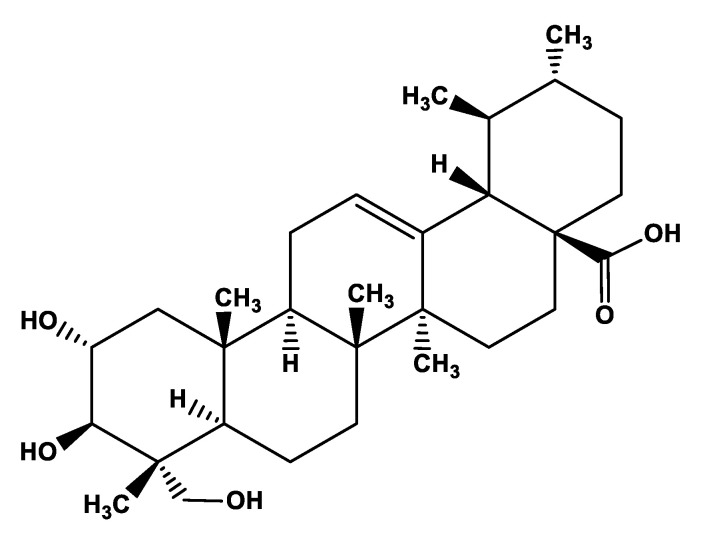
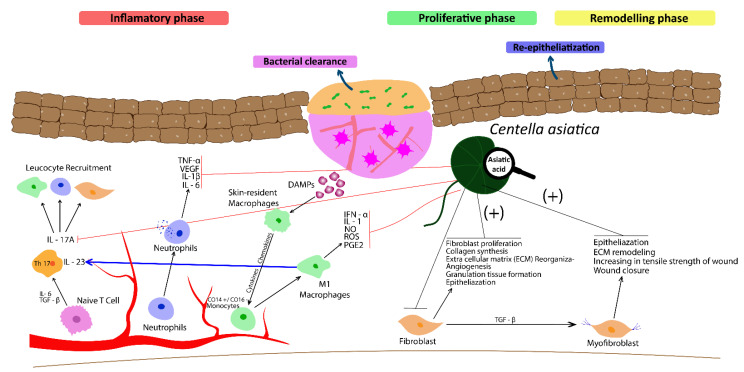
An intense effort has been focused on new therapeutic approaches and the development of technologies for more efficient and rapid wound healing. The research for plants used for long time in traditional medicine in the treatment of wound has become a promising strategy to obtain drugs therapeutically useful in the acute and chronic wound management. In this context, Centella asiatica (Apiaceae) has been used to treat a variety of skin diseases, such as leprosy, lupus, varicose ulcers, eczema and psoriasis, in Asiatic traditional medicine for thousands of years. Studies have shown that Centella asiatica extracts (CAE) display activity in tissue regeneration, cell migration and wound repair process by promoting fibroblast proliferation and collagen synthesis. Preliminary findings have shown that the asiatic acid is one of the main active constituents of C. asiatica, directly associated with its healing activity. Thus, this study discusses aspects of the effects of Centella asiatica and its active component, asiatic acid, in different stages of the healing process of cutaneous wounds, including phytochemical and antimicrobial aspects that contribute to its therapeutic potential.
Overview
The claims and statistics of this paper haven’t been checked yet.
Run the check — free, no account needed. It reads the open-access text and checks the sources it cites.
Integrity signals
Registry
Cites
Statistics
Figures
Verification
Claims the paper makes
The claims and statistics of this paper haven’t been checked yet.
Run the check — free, no account needed. It reads the open-access text and checks the sources it cites.
Claims other papers make about this one
Each is checked against this paper’s own text: does it say what the citing paper says it does?
The source backs part of the claim, not all of it — or backs it for a different population, condition or comparison.
In the citing paper
“Preclinical studies have demonstrated that these compounds exhibit potent antioxidant and anti-inflammatory activities, promote fibroblast proliferation, enhance collagen synthesis, and protect extracellular matrix integrity [16,17,19,22,23,24].”
From A Randomized, Double-Blind, Placebo-Controlled Trial Assessing the Effects of Oral Centella asiatica Extract on Skin Aging-Related Parameters in Middle-Aged Korean Women. (2026) · cites this paper as [17]
Experimental — accuracy not yet measuredThe source backs part of the claim, not all of it — or backs it for a different population, condition or comparison.
In the citing paper
“These constituents exert complementary actions relevant to skin biology, including stimulation of collagen synthesis and dermal matrix remodeling, modulation of pro-inflammatory signaling, and attenuation of oxidative and glycation stress that collectively underpin benefits in tissue repair and skin-barrier maintenance (Park 2021a; Diniz et al. 2023; Rashid et al. 2023).”
From Centella asiatica (L.) Urb. in skin health and cosmeceuticals: mechanisms, clinical evidence, and advanced delivery systems (2025) · cites this paper as Diniz et al. 2023
Experimental — accuracy not yet measuredThe cited source says what the claim attributes to it.
In the citing paper
“Centella asiatica (L.) Urb. is a medicinal plant traditionally used in Asian and Ayurvedic medicine for wound healing and various skin disorders [16,17,18].”
The cited source says what the claim attributes to it.
In the citing paper
“The pharmacological activity of C. asiatica is attributed primarily to its secondary metabolites.”
From Centella asiatica (L.) Urb. in skin health and cosmeceuticals: mechanisms, clinical evidence, and advanced delivery systems (2025) · cites this paper as Diniz et al. 2023
The cited source says what the claim attributes to it.
In the citing paper
“These constituents exert complementary actions relevant to skin biology, including stimulation of collagen synthesis and dermal matrix remodeling, modulation of pro-inflammatory signaling, and attenuation of oxidative and glycation stress that collectively underpin benefits in tissue repair and skin-barrier maintenance (Park 2021a; Diniz et al. 2023; Rashid et al. 2023).”
From Centella asiatica (L.) Urb. in skin health and cosmeceuticals: mechanisms, clinical evidence, and advanced delivery systems (2025) · cites this paper as Diniz et al. 2023
Self-check
Percentages, sums and reported differences re-computed from the paper’s own numbers.
The self-check needs the paper’s full text.
Citations
Cites
Singer, A. J., & Clark, R. A. F. (1999) · New England Journal of Medicine · doi:10.1056/nejm199909023411006 · Cited by 6,106
Wound Healing: A Cellular Perspective
Rodrigues, M., Kosaric, N., Bonham, C. A., & Gurtner, G. C. (2018) · Physiological Reviews · doi:10.1152/physrev.00067.2017 · Cited by 3,211
The Wound Healing Process: An Overview of the Cellular and Molecular Mechanisms
Velnar, T., Bailey, T. A., & Smrkolj, V. (2009) · Journal of International Medical Research · doi:10.1177/147323000903700531 · Cited by 2,446
Reinke, J. M., & Sorg, H. (2012) · European Surgical Research · doi:10.1159/000339613 · Cited by 1,898
Skin Wound Healing: An Update on the Current Knowledge and Concepts
Sorg, H., Tilkorn, D. J., Hager, S., Hauser, J., & Mirastschijski, U. (2016) · European Surgical Research · doi:10.1159/000454919 · Cited by 1,342
Ethnopharmacological approaches to wound healing—Exploring medicinal plants of India
Kumar, B., Vijayakumar, M., Govindarajan, R., & Pushpangadan, P. (2007) · Journal of Ethnopharmacology · doi:10.1016/j.jep.2007.08.010 · Cited by 532
Chemical, pharmacological and clinical profile of the East Asian medical plant Centella aslatica
Brinkhaus, B., Lindner, M., Schuppan, D., & Hahn, E. G. (2000) · Phytomedicine · doi:10.1016/s0944-7113(00)80065-3 · Cited by 525
In Vitro and in Vivo Wound Healing Activity of Asiaticoside Isolated from Centella Asiatica
Shukla, A., Rasik, A. M., Jain, G. K., Shankar, R., Kulshrestha, D. K., & Dhawan, B. N. (1999) · Journal of Ethnopharmacology · doi:10.1016/s0378-8741(98)00141-x · Cited by 428
Chronic wounds: Current status, available strategies and emerging therapeutic solutions
Las Heras, K., Igartua, M., Santos-Vizcaino, E., & Hernandez, R. M. (2020) · Journal of Controlled Release · doi:10.1016/j.jconrel.2020.09.039 · Cited by 370
Mr, Z., Rain, A. N., Ar, B., Adlin, A., Norazah, A., & Zakiah, I. (2005) · PubMed · Cited by 357
Cited by
Sorted by citations
Palani, N., Vijayakumar, P., Monisha, P., Ayyadurai, S., & Rajadesingu, S. (2024) · Journal of Nanobiotechnology · doi:10.1186/s12951-024-02491-8 · Cited by 125
Witkowska, K., Paczkowska-Walendowska, M., Garbiec, E., & Cielecka-Piontek, J. (2024) · Pharmaceutics · doi:10.3390/pharmaceutics16101252 · Cited by 78
Herbal bioactive-loaded biopolymeric formulations for wound healing applications
Jangra, N., Singla, A., Puri, V., Dheer, D., Chopra, H., Malik, T., & Sharma, A. (2025) · RSC Advances · doi:10.1039/d4ra08604j · Cited by 74
Zhang, W., Zhao, S., Guan, Q., Li, P., & Fan, Y. (2024) · ACS Applied Materials & Interfaces · doi:10.1021/acsami.3c14690 · Cited by 45
Novel Functional Dressing Materials for Intraoral Wound Care
Ding, Y., Zhu, Z., Zhang, X., & Wang, J. (2024) · Advanced Healthcare Materials · doi:10.1002/adhm.202400912 · Cited by 41
Khattak, S., Ullah, I., Yousaf, M. T., Ullah, S., Yousaf, H., Li, Y., Jin, H., Shen, J., & Xu, H. (2025) · International Journal of Biological Macromolecules · doi:10.1016/j.ijbiomac.2025.147270 · Cited by 43
Bansal, K., Bhati, H., Vanshita, & Bajpai, M. (2024) · Pharmacological Research - Modern Chinese Medicine · doi:10.1016/j.prmcm.2024.100403 · Cited by 37
Kmail, A., Said, O., & Saad, B. (2023) · Current Issues in Molecular Biology · doi:10.3390/cimb45110567 · Cited by 37
Liu, Y., Zhao, J., Mu, X., Deng, J., Wu, X., He, W., Liu, Y., Gu, R., Han, F. Y., & Nie, X. (2023) · Journal of Ethnopharmacology · doi:10.1016/j.jep.2023.117266 · Cited by 34
Centella asiatica: Advances in Extraction Technologies, Phytochemistry, and Therapeutic Applications
Hein, Z. M., Gopalakrishna, P. K., Kanuri, A. K., Thomas, W., Hussan, F., Naik, V. R., Shantakumari, N., Che Ramli, M. D., Mohd Moklas, M. A., Che Mohd Nassir, C. M. N., et al. (2025) · Life · doi:10.3390/life15071081 · Cited by 33
From Plants to Wound Dressing and Transdermal Delivery of Bioactive Compounds
Isopencu, G. O., Covaliu-Mierlă, C.-I., & Deleanu, I. M. (2023) · Plants · doi:10.3390/plants12142661 · Cited by 33
Natural Products for Improving Soft Tissue Healing: Mechanisms, Innovations, and Clinical Potential
Alberts, A., Lungescu, I. A., Niculescu, A.-G., & Grumezescu, A. M. (2025) · Pharmaceutics · doi:10.3390/pharmaceutics17060758 · Cited by 33
Wang, L., Yang, Y., Han, W., & Ding, H. (2024) · Regenerative Therapy · doi:10.1016/j.reth.2024.03.006 · Cited by 29
Biosynthesis and bioactivities of triterpenoids from Centella asiatica: Challenges and opportunities
Zeng, W., Li, H., Liu, S., Luo, Z., Chen, J., & Zhou, J. (2025) · Biotechnology Advances · doi:10.1016/j.biotechadv.2025.108541 · Cited by 27
Can Asiatic Acid from Centella asiatica Be a Potential Remedy in Cancer Therapy?—A Review
Wiciński, M., Fajkiel-Madajczyk, A., Kurant, Z., Gajewska, S., Kurant, D., Kurant, M., & Sousak, M. (2024) · Cancers · doi:10.3390/cancers16071317 · Cited by 29
Andleeb, A., Khan, H., Andleeb, A., Khan, M., & Tariq, M. (2024) · Critical Reviews in Biomedical Engineering · doi:10.1615/critrevbiomedeng.2024053066 · Cited by 23
Kandaswamy, K., Panda, S. P., Shaik, M. R., Hussain, S. A., Deepak, P., Thiyagarajulu, N., Jain, D., Antonyraj, A. P. M., Subramanian, R., Guru, A., et al. (2024) · International Journal of Biological Macromolecules · doi:10.1016/j.ijbiomac.2024.137425 · Cited by 21
Phytoconstituent-Loaded Nanofibrous Meshes as Wound Dressings: A Concise Review
Sharma, A., Dheer, D., Singh, I., Puri, V., & Kumar, P. (2023) · Pharmaceutics · doi:10.3390/pharmaceutics15041058 · Cited by 21
Pires, P. C., Renca, A., Amaro, I., Parreiras, L., Anselmo, M., Ferreira, M., Veiga, F., & Paiva‐Santos, A. C. (2024) · Journal of Drug Delivery Science and Technology · doi:10.1016/j.jddst.2024.106395 · Cited by 16
Sabarudin, N. S., Ghani, N. A. A., Ahmat, N., Harlin, E. W., Hao, L. Q., Handajani, J., Nor, F. M., Fadilah, N. I. M., Maarof, M., & Fauzi, M. B. (2025) · Biomedicines · doi:10.3390/biomedicines13102414 · Cited by 14
Lokman, M. S., Kassab, R. B., Salem, F. A. M., Elshopakey, G. E., Hussein, A., Aldarmahi, A. A., Theyab, A., Alzahrani, K. J., Hassan, K. E., Alsharif, K. F., et al. (2024) · Bioscience Reports · doi:10.1042/bsr20232004 · Cited by 14
Mahadev, M., Ballal, S., Shetty, A., Dubey, A., Shetty, S. S., Hebbar, S., & El-Zahaby, S. A. (2025) · International Journal of Biological Macromolecules · doi:10.1016/j.ijbiomac.2025.140097 · Cited by 14
Asiatic acid in anticancer effects: emerging roles and mechanisms
Chen, R., Zhang, W., Zhang, M., Liu, W., Feng, W., & Zhang, Y. (2025) · Frontiers in Pharmacology · doi:10.3389/fphar.2025.1545654 · Cited by 14
Chettupalli, A. K., Bukke, S. P. N., Vardhan, J., Yadhav, S., Mugaiahgari, B. K. M., Jahnavi, P., Yata, V. K., & Narapureddy, B. R. (2025) · Journal of Biomaterials Science Polymer Edition · doi:10.1080/09205063.2025.2568684 · Cited by 14
Gupta, A., Roy, A., Raja, V., Rustagi, S., Malik, S., & Verma, D. (2024) · Journal of Integrated Science and Technology · doi:10.62110/sciencein.jist.2024.v12.764 · Cited by 13
Evidence of Potential Natural Products for the Management of Hypertrophic Scars
Meetam, T., Angspatt, A., & Aramwit, P. (2024) · Journal of Evidence-Based Integrative Medicine · doi:10.1177/2515690x241271948 · Cited by 12
Xia, B., Li, Y., Liu, Y., Sun, W., Chen, J., Li, L., Pang, J., Liu, X., Chen, S., & Cheng, H. (2023) · International Journal of Analytical Chemistry · doi:10.1155/2023/7769368 · Cited by 12
Quintero-Rincón, P., Mesa-Arango, A. C., Flórez-Acosta, O. A., Zapata-Zapata, C., Stashenko, E. E., & Benítez, N. P. (2023) · Pharmaceuticals · doi:10.3390/ph16070990 · Cited by 11
Tiwari, A., Shukla, A., & Samal, P. K. (2025) · Journal of Biochemical and Molecular Toxicology · doi:10.1002/jbt.70255 · Cited by 11
Optimal Growth and Biomass of Centella asiatica Using a Twin-Bottle Temporary Immersion Bioreactor
Wongsa, T., Kongbangkerd, A., & Kunakhonnuruk, B. (2023) · Horticulturae · doi:10.3390/horticulturae9060638 · Cited by 10
Natural Products with Potential Effects on Hemorrhoids: A Review
Liang, Y., Ren, T., Li, R., Yu, Z., Wang, Y., Zhang, X., Qin, Z., Li, J., Hu, J., & Luo, C. (2024) · Molecules · doi:10.3390/molecules29112673 · Cited by 10
Kamol, P., Nukool, W., Pumjaroen, S., Inthima, P., Kongbangkerd, A., Suphrom, N., & Buddhachat, K. (2024) · Industrial Crops and Products · doi:10.1016/j.indcrop.2024.118976 · Cited by 10
Endothelial cytoskeleton in mechanotransduction and vascular diseases
Jin, L., Qin, Y., Zhao, Y., Zhou, X., & Zeng, Y. (2025) · Journal of Biomechanics · doi:10.1016/j.jbiomech.2025.112579 · Cited by 11
Chemopreventive and Anticancer Activity of Selected Triterpenoids in Melanoma
Dycha, N., Michalak-Tomczyk, M., Jachuła, J., Okoń, E., Jarząb, A., Tokarczyk, J., Koch, W., Gaweł‐Bęben, K., Kukula-Koch, W. A., & Wawruszak, A. (2025) · Cancers · doi:10.3390/cancers17101625 · Cited by 10
Multiplex Bar-HRM for differentiating Centella asiatica (L.) Urb. from possible substituent species
Nukool, W., Kamol, P., Inthima, P., Nangngam, P., Chomdej, S., & Buddhachat, K. (2023) · Industrial Crops and Products · doi:10.1016/j.indcrop.2023.117567 · Cited by 10
Asiatic acid inhibits osteosarcoma cell migration and invasion via the AKT / Sp1 / MMP1 axis
Law, Y., Lee, H., Lin, C., Chen, P., Wang, P., Hsieh, Y., & Chen, C. (2024) · Environmental Toxicology · doi:10.1002/tox.24246 · Cited by 10
Kamal, H. K., Almutairi, B. O., & Abdel‐Naim, A. B. (2024) · Naunyn-Schmiedeberg s Archives of Pharmacology · doi:10.1007/s00210-024-03405-z · Cited by 9
Dong, X., Wang, T., Gao, C., Cui, Y., & Li, L. (2025) · Molecules · doi:10.3390/molecules30183688 · Cited by 9
Chang, T., Wu, C., Huang, H., Wang, S.-S., Chuang, C.-H., Kao, P.-L., Tang, W. H., Liu, L., Qiu, W.-Y., Percec, I., et al. (2025) · International Journal of Molecular Sciences · doi:10.3390/ijms26188982 · Cited by 11
Zhu, Y., Yan, X., Li, W., Zhong, Y., Qiao, J., & Zhao, G.-R. (2025) · Bioresource Technology · doi:10.1016/j.biortech.2025.133558 · Cited by 9
Guo, Q., Li, Q., Liang, W., Zhang, Y., Jiang, C., Zhang, Y., Tan, J., & Zhao, H. (2024) · Journal of Applied Toxicology · doi:10.1002/jat.4602 · Cited by 8
Design and Development of Topical Hydrogel of Centella Asiatica for the Treatment of Skin Burn
Vajpayee, D., Parashar, A. K., & Sethi, V. A. (2024) · International Journal of Newgen Research in Pharmacy & Healthcare · doi:10.61554/ijnrph.v2i1.2024.62 · Cited by 8
Demyashkin, G. A., Sataieva, T., Shevkoplyas, L., Kuevda, T. A., Ahrameeva, M., Алексеевич, П. М., Mimuni, A. F., Pimkin, G., Atiakshin, D., Shchekin, V. I., et al. (2024) · International Journal of Molecular Sciences · doi:10.3390/ijms25168990 · Cited by 8
Chang, T.-M., Wu, C.-C., Huang, H.-C., Lu, J.-Y., Chuang, C.-H., Kao, P.-L., Tang, W.-H., Liu, L. T.-C., Qiu, W.-Y., Percec, I., et al. (2025) · Cosmetics · doi:10.3390/cosmetics12050186 · Cited by 7
Chang, T.-M., Wu, C.-C., Huang, H.-C., Wang, S.-S., Chuang, C.-H., Kao, P.-L., Tang, W.-H., Liu, L. T.-C., Qiu, W.-Y., Percec, I., et al. (2024) · doi:10.1101/2024.12.03.624435 · Cited by 7
AQbD enabled method development and quantification of asiaticoside in foam-based formulations
Kumar, M., Pant, A., Chopra, S., & Bhatia, A. (2024) · Accreditation and Quality Assurance · doi:10.1007/s00769-024-01608-8 · Cited by 6
Exploring the Potential Role of Centella asiatica in Burn Wound Healing: A Literature Review
Siregar, E. H. D., Gunadi, J. W., & Wargasetia, T. L. (2025) · Natural Resources for Human Health · doi:10.53365/nrfhh/203178 · Cited by 6
Sri, R. S., Pavithra, T., Vinciya, T., Kumar, V. S., Harikrishnan, N., Begum, R. F., & Singh, S. A. (2025) · Frontiers in Pharmacology · doi:10.3389/fphar.2025.1561702 · Cited by 8
Transfersomal delivery of Centella asiatica promotes efficient excision wound healing in rats
Lapmanee, S., Bunwatcharaphansakun, P., Phongsupa, W., Namdee, K., Suttisintong, K., Asawapirom, U., Ruktanonchai, U., Wongchitrat, P., Bhubhanil, S., Maitarad, P., et al. (2025) · Drug Delivery · doi:10.1080/10717544.2025.2563649 · Cited by 11
Borges, A. L. S., Bittar, V. P., Justino, A. B., Carrillo, M. S. P., Duarte, R. F. M., Silva, N. B. S., Gonçalves, D. S., Prado, D. G., Araújo, I. A. C., Martins, M. M., et al. (2024) · Journal of Pharmaceutical and Biomedical Analysis · doi:10.1016/j.jpba.2024.116143 · Cited by 6
Krishnaswamy, S. (2024) · Interdisciplinary biotechnological advances · doi:10.1007/978-981-97-1148-2_20 · Cited by 6
Natural products for the treatment of hypertrophic scars: Preclinical and clinical studies
Zhang, Y., Liu, E., Gao, H., He, Q., Chen, A., Pang, Y., Zhang, X., Bai, S., Zeng, J., & Guo, J. (2024) · Heliyon · doi:10.1016/j.heliyon.2024.e37059 · Cited by 7
Peng, Y., Demidchik, V. V., Li, Y., & Shen, Z. (2025) · Fitoterapia · doi:10.1016/j.fitote.2025.106411 · Cited by 6
Singh, A. K., Pathak, A. K., Kumar, P., Singh, A. K., Gond, M. K. S., Negi, R. S., Das, R., Agrawal, S., Mishra, S. K., & Tiwari, K. N. (2025) · Brain Research · doi:10.1016/j.brainres.2025.149652 · Cited by 8
Călina, I. C., Scărișoreanu, A., Demeter, M., Manaila, E. N., & Craciun, G. D. (2025) · Polymers · doi:10.3390/polym17233105 · Cited by 6
Lăcătuşu, I., Bacalum, M., Stan, D. L., Oprea, O., Neagu, M., Alexandru, G., Prisacari, M., & Badea, N. M. (2025) · Pharmaceutics · doi:10.3390/pharmaceutics18010048 · Cited by 5
Sang, C., Wei, W., Yin, X., Chen, Q., Wang, X., Zeng, W., & Zhou, J. (2026) · Synthetic and Systems Biotechnology · doi:10.1016/j.synbio.2026.01.030 · Cited by 5
HPLC analysis and antibacterial activity of methanolic extract of Centella asiatica (L.) urban
Bisht, V. K., Bhandari, A. K., Bisht, R. S., Kandari, L. S., Chandra, S., Negi, T., Palai, S., Rosas, J. F., Junior, J. I., e Silva, D. A., et al. (2024) · Pharmacological Research - Natural Products · doi:10.1016/j.prenap.2024.100106 · Cited by 5
Sinha, A., Jain, P., & Ajazuddin, M. (2025) · Inflammopharmacology · doi:10.1007/s10787-025-01858-z · Cited by 5
Kandaswamy, K., Balasubramanian, S., Panda, S. P., Chaitanya, M., Marisetti, A. L., Nadeem, A., Shazly, G. A., Santhosh, P., Deepak, P., Thiyagarajulu, N., et al. (2025) · Journal of Dentistry · doi:10.1016/j.jdent.2025.106001 · Cited by 5
Anugrawan, M., Leman, Y., Wahid, I., Djabir, Y. Y., & Khuzaimah, A. (2020) · Revista Tecnología en Marcha · doi:10.18845/tm.v39i2.8130 · Cited by 5
A greener side of health care: Revisiting phytomedicine against the human fungal pathogen Malassezia
Sasikumar, J., Keerthana, P. V., Naik, B., & Das, S. P. (2024) · Fitoterapia · doi:10.1016/j.fitote.2024.106243 · Cited by 6
Handayani, R., Febriyanti, R. M., Muhaimin, M., & Chearunisaa, A. Y. (2025) · Pharmacia · doi:10.3897/pharmacia.72.e167217 · Cited by 5
Cao, X., He, R., Xu, D., & Zhao, Y. (2025) · Bioactive Materials · doi:10.1016/j.bioactmat.2025.09.040 · Cited by 4
Luo, Z., Zeng, L., Zhu, X., & Cao, X. (2026) · Smart Medicine · doi:10.1002/smmd.70047 · Cited by 4
Teerapattarakan, N., Kamsrijai, U., Janyou, A., Hankittichai, P., Anukanon, S., Hawiset, T., & Issara, U. (2025) · South African Journal of Botany · doi:10.1016/j.sajb.2025.03.014 · Cited by 4
Abbas, A., Raza, M. A., Ai, X., Sadia, S., Liao, H., Li, N., Naseer, S., Li, D., Zhang, Y., Lian, C., et al. (2025) · Journal of Biomaterials Science Polymer Edition · doi:10.1080/09205063.2025.2511992 · Cited by 4
Comparative effectiveness of plant-derived compounds in keloid management: a review
Prananda, A. T., Nugraha, S. E., Situmorang, P. C., & Syahputra, R. A. (2025) · Frontiers in Pharmacology · doi:10.3389/fphar.2025.1576851 · Cited by 5
Akter, R., Hossain, M. L., Al-Arafat, T., Karmakar, P. C., Adnan, M. H., Diba, F., Karim, N., Akhtar, N., & Asaduzzaman, S. M. (2025) · Cell and Tissue Banking · doi:10.1007/s10561-025-10157-4 · Cited by 4
The Natural Centella asiatica Extract Acts as a Stretch Mark Eraser: A Biological Evaluation
Boira, C., Meunier, M., Bracq, M., Scandolera, A., & Reynaud, R. (2024) · Cosmetics · doi:10.3390/cosmetics11010015 · Cited by 4
ARNAN, L. B., ESCUETA, K. J. S., RASHID, N. R. P., TACBOBO, E. M., & TINOY, Q. R. M. (2024) · International Journal of Innovative Science and Research Technology (IJISRT) · doi:10.38124/ijisrt/ijisrt24aug722 · Cited by 4
Lee, H., Baek, J.-H., Im, D., Heo, J.-W., & Kim, T. (2025) · Frontiers in Plant Science · doi:10.3389/fpls.2025.1646310 · Cited by 5
Sethuram, L., & Chandrasekaran, N. (2025) · Materials Advances · doi:10.1039/d5ma00322a · Cited by 3
Ethnomedicinal plants used for immediate care in Nepal: A cross-cultural review
Chaudhary, S., Koirala, S. B., Dhungana, L., Khand, S., Neupane, S., Rai, E., Khadka, D., Kunwar, R. M., Tao, D., Uprety, Y., et al. (2025) · Journal of Ethnobiology and Ethnomedicine · doi:10.1186/s13002-025-00807-y · Cited by 7
Zou, W., & Li, J. (2026) · International Journal of Molecular Sciences · doi:10.3390/ijms27020602 · Cited by 3
Esmaeili, S., Rahmati, M., Salehi, M., Yahaya, B. H., & Zamani, S. (2026) · Skin Research and Technology · doi:10.1111/srt.70325 · Cited by 3
Dağar, O., & Ortatatlı, M. (2026) · Journal of Molecular Histology · doi:10.1007/s10735-026-10788-1 · Cited by 3
Kim, Y., Lee, J. H., Ha, J., & Cho, E. (2024) · Frontiers in Microbiology · doi:10.3389/fmicb.2024.1452127 · Cited by 3
Kim, M., Jo, H., Lim, K., Kim, I., Kim, H., Kim, S., Nho, Y. H., Kim, M.-S., Kim, H., Baek, C., et al. (2024) · Plants · doi:10.3390/plants13182636 · Cited by 3
Yang, H., Yang, B., Yu, T., Ge, J., Feng, X., & Tian, Y. (2024) · Organic & Biomolecular Chemistry · doi:10.1039/d4ob01298d · Cited by 3
Asilian, A., Mohammadian, P., Mahram, H., Shahriarirad, R., & Bigham, M. (2025) · Journal of Cosmetic Dermatology · doi:10.1111/jocd.16784 · Cited by 3
Khairinisa, M. A., Fakih, T. M., & Ramadhan, D. S. F. (2025) · Computers in Biology and Medicine · doi:10.1016/j.compbiomed.2025.110970 · Cited by 3
Soni, U., Gupta, J. K., Singh, K., & Khandelwal, G. (2023) · Current Cancer Therapy Reviews · doi:10.2174/0115733947263006231020185402 · Cited by 3
Rao, S. V. D. S., Ryntathiang, I., Behera, A., Saravanan, S., Prasad, M., & Jothinathan, M. K. D. (2024) · Cureus · doi:10.7759/cureus.62078 · Cited by 3
Zan, X., Liu, B., Liu, H., Yu, T., & Cao, Y. (2025) · Archives of Dermatological Research · doi:10.1007/s00403-025-03868-x · Cited by 2
Kirana, H., Namratha, D., & Sindhu, L. (2025) · Research Journal of Pharmacognosy and Phytochemistry · doi:10.52711/0975-4385.2025.00021 · Cited by 2
Wang, Y., Guo, K., Li, Y. X., Zhao, W.-Y., Wu, Z.-R., Chen, C.-Y., Feng, Z., Zhong, X.-C., Lin, X.-Y., & Tan, W.-Q. (2026) · Aesthetic Plastic Surgery · doi:10.1007/s00266-025-05558-5 · Cited by 2
Kandaswamy, K., Guru, A., Kapoor, S., Panda, S. P., Panigrahy, U. P., Vikhashini, P. M., Annadurai, H., Subramanian, R., Santhosh, P., Gupta, R., et al. (2026) · Dental Materials · doi:10.1016/j.dental.2026.02.024 · Cited by 2
Shashikumar, P., Das, D., Nisha, S., Karmakar, S., Baria, S., & Sahu, S. (2024) · International journal of Nutrition Pharmacology Neurological Diseases · doi:10.4103/ijnpnd.ijnpnd_53_23 · Cited by 2
Biological activity and mechanism of action of Gotu kola oil in skin wound repair
Xu, B., Duan, Y., Yu, D., & Jia, P. (2024) · Tropical Journal of Pharmaceutical Research · doi:10.4314/tjpr.v23i4.3 · Cited by 2
Wang, L., Zhang, Y., Chen, L., Yuan, D., Feng, X., Zheng, J., Li, X., & Yuan, C. (2024) · Journal of Cosmetic Dermatology · doi:10.1111/jocd.16413 · Cited by 2
Karwowska, K., Gniadek, M., Urbaniak, W., & Petelska, A. D. (2024) · Scientific Reports · doi:10.1038/s41598-024-79234-0 · Cited by 2
Sumrejkanchanakij, P., Fitri, A. R., Pavasant, P., Chareonvit, S., Lin, A. C. K., & Chamni, S. (2025) · Archives of Oral Biology · doi:10.1016/j.archoralbio.2025.106175 · Cited by 2
Bhujel, M., Sripada, L., & Golakoti, N. R. (2025) · Microchemical Journal · doi:10.1016/j.microc.2025.112778 · Cited by 2
Venous ulcers in Behçet syndrome
Karakoç, A., Özgüler, Y., Özdede, A., Ferhatoğlu, Z. A., Yıldız, K. A., Kutlubay, Z., Karagoz, S. H., Adaletli, İ., Ulgen, O. A., Esatoğlu, S. N., et al. (2025) · Seminars in Arthritis and Rheumatism · doi:10.1016/j.semarthrit.2025.152643 · Cited by 2
Dolova, M. A., Esiev, R. K., Karaeva, S. O., Zakaeva, V. R., Tajudinova, F. K., Voropaeva, I. S., Albogachieva, A. B., Dzaurova, B. S., & Abzotova, M. R. (2025) · Annals of dental specialty · doi:10.51847/krzcu3jzxb · Cited by 2
Vishnumukkala, T., Gopalakrishna, P. K., Karikalan, B., Jagadeesan, S., Baharuldin, M. T. H., Thomas, W., & Moklas, M. A. M. (2023) · International Journal of Anatomy and Research · doi:10.16965/ijar.2023.204 · Cited by 3
Therapeutic potential of phytocompounds of Bacopa monnieri (L.) Wettst (literature review)
Nikitina, O. O., & Tsyba, D. S. (2024) · Medicni perspektivi · doi:10.26641/2307-0404.2024.3.313488 · Cited by 1
Nguyen, T. V., Doan, N. T., Ngo, N. H., Nguyen, H. V., & Nguyen, D. H. (2025) · Asian Journal of Biochemistry Genetics and Molecular Biology · doi:10.9734/ajbgmb/2025/v17i1435 · Cited by 1
Improvement in venous ulcer closure and healing with Centellicum®
Belcaro, G., Dugall, M., Cesarone, M. R., Ledda, A. G., IPPOLITO, E., Corsi, M., Hosoi, M., SCIPIONE, V., SCIPIONE, C., Cotellese, R., et al. (2025) · Minerva Surgery · doi:10.23736/s2724-5691.25.10976-3 · Cited by 1
Metadata
- Authors
- Diniz, L. R. L., Calado, L. L., Duarte, A. B. S., & de Sousa, D. P.
- Affiliations
- Instituto Nacional do Semiárido (BR)
- Universidade Federal da Paraíba (BR)
- Departament of Pharmaceutical Sciences, Federal University of Paraíba, João Pessoa 58051-970, Paraíba, Brazil
- Venue
- Metabolites
- Publisher
- MDPI AG
- Published
- 2023-02-14
- Volume
- 13
- Issue
- 2
- Pages
- 276
- ISSN
- 2218-1989 (ISSN-L)
- PMC
- PMC9966672
- OpenAlex
- W4320919855
- Cited by
- 160
- References
- 110
- Citations by year
- 2026: 38 · 2025: 59 · 2024: 50 · 2023: 12
- FWCI
- 9.31
- Type
- journal article
- Language
- en
- Open access
- gold
- doi.org
- Licence
- Locations
- Metabolites (publishedVersion, cc-by)
- PubMed Central (publishedVersion, cc-by)
- PubMed (publishedVersion)
- DOAJ (DOAJ: Directory of Open Access Journals) (submittedVersion, cc-by-sa)
- Funders
- Brazilian agencies National Council for Scientific and Technological Development (CNPq) (306729/2019-9, PROEX TERMO AUXPE 0521/2019)
- Coordination for the Improvement of Higher Education Personnel (CAPES) (306729/2019-9, PROEX TERMO AUXPE 0521/2019)
- Topics
- Health Sciences › Medicine › Complementary and alternative medicine › Medicinal Plants and Neuroprotection
- Health Sciences › Medicine › Surgery › Wound Healing and Treatments
- Health Sciences › Medicine › Complementary and alternative medicine › Phytochemicals and Medicinal Plants
- Keywords
- Centella asiatica, asiatic acid, wound healing, skin wounds, traditional medicine, tissue regeneration, fibroblast proliferation, collagen synthesis, cell migration, phytochemicals, antimicrobial activity, chronic wounds
About these checks
Registry, retraction, Cites and statistics results are computed, not judged, with one exception: a printed reference that no index lists is read once by a model before it counts as a citation error. Claims are extracted by a model and kept only when their quote appears verbatim in the text; each cited source is then checked, with a model’s help, for whether it says what the claim relies on. Those verdicts can be wrong — read the claim’s quote and the cited source before relying on one.
Statistics and arithmetic are recomputed, not judged.
Confidence bands are shown only for fields calibrated on our annotated test set. None is calibrated yet, so no band is shown.
What counts as a claim ›How we measure confidence ›How we check this ›
Are you an author, or do you see a problem with this page? Request a review
