

The DOI matches its Crossref record; 17 of the 17 references it cites were found in a registry or an index.
Food Allergy and Intolerance: A Narrative Review on Nutritional Concerns
Abstract
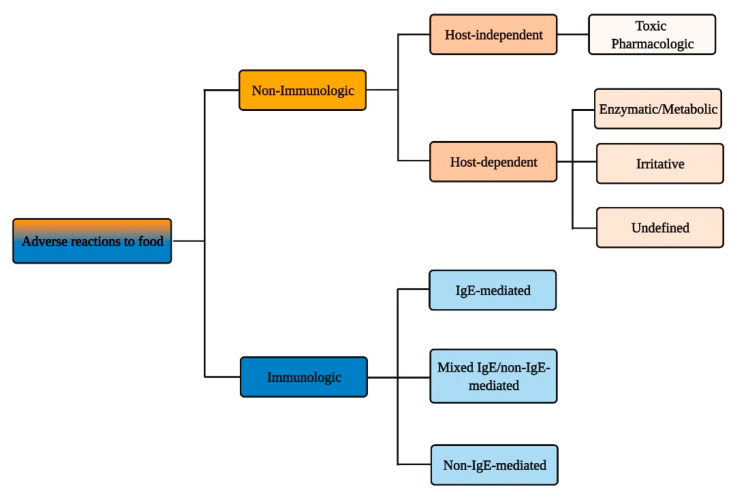
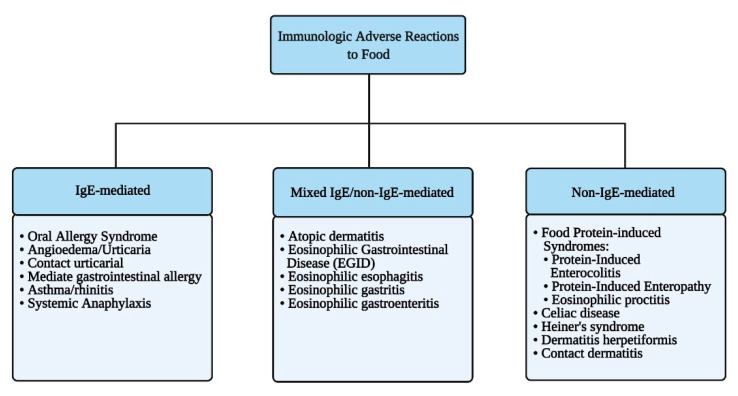
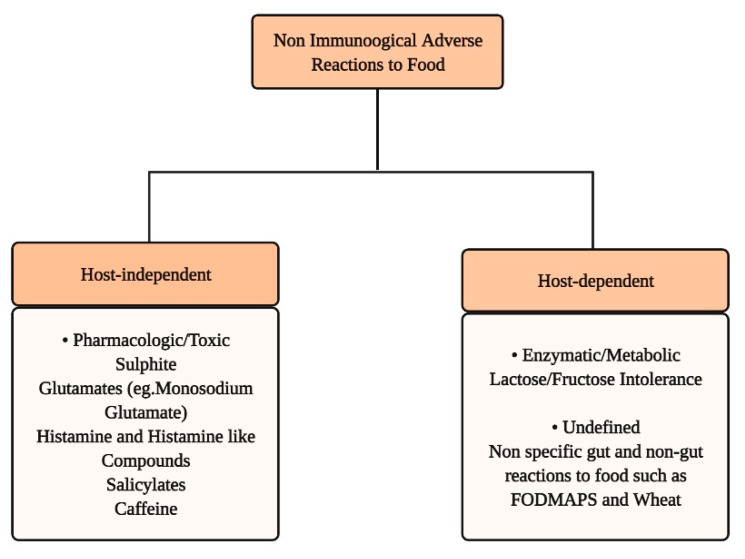
Adverse food reactions include immune-mediated food allergies and non-immune-mediated intolerances. However, this distinction and the involvement of different pathogenetic mechanisms are often confused. Furthermore, there is a discrepancy between the perceived vs. actual prevalence of immune-mediated food allergies and non-immune reactions to food that are extremely common. The risk of an inappropriate approach to their correct identification can lead to inappropriate diets with severe nutritional deficiencies. This narrative review provides an outline of the pathophysiologic and clinical features of immune and non-immune adverse reactions to food—along with general diagnostic and therapeutic strategies. Special emphasis is placed on specific nutritional concerns for each of these conditions from the combined point of view of gastroenterology and immunology, in an attempt to offer a useful tool to practicing physicians in discriminating these diverging disease entities and planning their correct management. We conclude that a correct diagnostic approach and dietary control of both immune- and non-immune-mediated food-induced diseases might minimize the nutritional gaps in these patients, thus helping to improve their quality of life and reduce the economic costs of their management.
Overview
The claims and statistics of this paper haven’t been checked yet.
Run the check — free, no account needed. It reads the open-access text and checks the sources it cites.
Integrity signals
Registry
Cites
Statistics
Figures
Verification
Claims the paper makes
The claims and statistics of this paper haven’t been checked yet.
Run the check — free, no account needed. It reads the open-access text and checks the sources it cites.
Claims other papers make about this one
Each is checked against this paper’s own text: does it say what the citing paper says it does?
In the citing paper
“Fear of reactions may lead to the avoidance of specific foods, potentially resulting in nutritional deficiencies or a restricted diet [58].”
From Pollen–Food Allergy Syndrome: Allergens, Clinical Insights, Diagnostic and Therapeutic Challenges (2024) · cites this paper as [58]
Self-check
Percentages, sums and reported differences re-computed from the paper’s own numbers.
The self-check needs the paper’s full text.
Citations
Cites
Metabolites produced by commensal bacteria promote peripheral regulatory T-cell generation
Arpaia, N., Campbell, C., Fan, X., Dikiy, S., van der Veeken, J., deRoos, P., Liu, H., Cross, J. R., Pfeffer, K., Coffer, P. J., et al. (2013) · Nature · doi:10.1038/nature12726 · Cited by 4,838
Environment dominates over host genetics in shaping human gut microbiota
Rothschild, D., Weissbrod, O., Barkan, E., Kurilshikov, A., Korem, T., Zeevi, D., Costea, P. I., Godneva, A., Kalka, I. N., Bar, N., et al. (2018) · Nature · doi:10.1038/nature25973 · Cited by 2,859
Global Prevalence of Celiac Disease: Systematic Review and Meta-analysis
Singh, P., Arora, A., Strand, T. A., Leffler, D. A., Catassi, C., Green, P. H., Kelly, C. P., Ahuja, V., & Makharia, G. K. (2018) · Clinical Gastroenterology and Hepatology · doi:10.1016/j.cgh.2017.06.037 · Cited by 1,743
The maternal microbiota drives early postnatal innate immune development
Gomez de Agüero, M., Ganal-Vonarburg, S. C., Fuhrer, T., Rupp, S., Uchimura, Y., Li, H., Steinert, A., Heikenwalder, M., Hapfelmeier, S., Sauer, U., et al. (2016) · Science · doi:10.1126/science.aad2571 · Cited by 1,231
The microbiota regulates type 2 immunity through RORγt + T cells
Ohnmacht, C., Park, J.-H., Cording, S., Wing, J. B., Atarashi, K., Obata, Y., Gaboriau-Routhiau, V., Marques, R., Dulauroy, S., Fedoseeva, M., et al. (2015) · Science · doi:10.1126/science.aac4263 · Cited by 863 · cited 1×
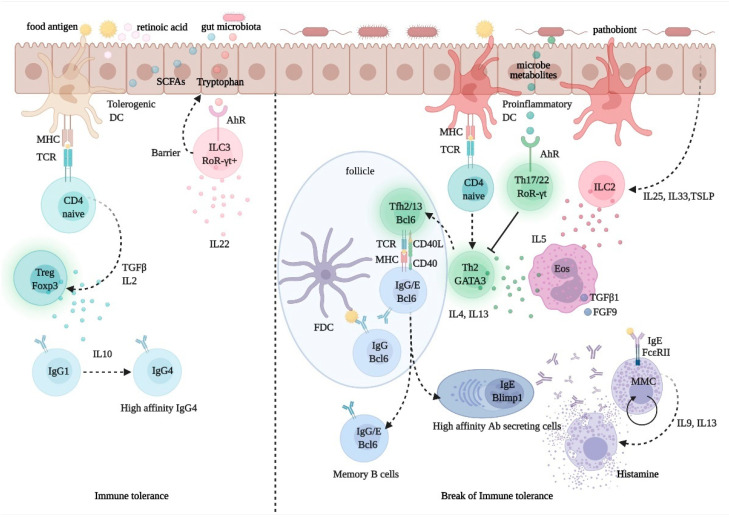
“Studies in germ-free mice demonstrated that microbiota-delivered factors can regulate Th2-driven immunity through the induction of Th17 cells and of a subset of Treg cells expressing the Th17 signature factor, retinoid-related orphan receptor (ROR)-γt [137].”
BackgroundDiets that differ in their FODMAP content alter the colonic luminal microenvironment
Halmos, E. P., Christophersen, C. T., Bird, A. R., Shepherd, S. J., Gibson, P. R., & Muir, J. G. (2015) · Gut · doi:10.1136/gutjnl-2014-307264 · Cited by 681
14 Years of Eosinophilic Esophagitis: Clinical Features and Prognosis
Spergel, J. M., Brown‐Whitehorn, T. F., Beausoleil, J. L., Franciosi, J., Shuker, M., Verma, R., & Liacouras, C. A. (2009) · Journal of Pediatric Gastroenterology and Nutrition · doi:10.1097/mpg.0b013e3181788282 · Cited by 467
The atopic march and atopic multimorbidity: many trajectories, many pathways
Paller, A. S., Spergel, J. M., Mina-Osorio, P., & Irvine, A. D. (2019) · Journal of Allergy and Clinical Immunology · doi:10.1016/j.jaci.2018.11.006 · Cited by 464 · cited 1×
“Increasing evidence suggests that epicutaneous sensitization may in fact promote the subsequent development of allergic diseases, especially food allergy, in children with AD, thus contributing to the progression of the atopic march [117,118].”
BackgroundMonsbakken, K. W., Vandvik, P. O., & Farup, P. G. (2006) · European Journal of Clinical Nutrition · doi:10.1038/sj.ejcn.1602367 · Cited by 364
Huang, Y. J., Marsland, B. J., Bunyavanich, S., O'Mahony, L., Leung, D. Y. M., Muraro, A., & Fleisher, T. A. (2017) · Journal of Allergy and Clinical Immunology · doi:10.1016/j.jaci.2017.02.007 · Cited by 330
Major, G., Pritchard, S., Murray, K., Alappadan, J. P., Hoad, C. L., Marciani, L., Gowland, P., & Spiller, R. (2017) · Gastroenterology · doi:10.1053/j.gastro.2016.09.062 · Cited by 302
Histamine Intolerance: The Current State of the Art
Comas-Basté, O., Sánchez-Pérez, S., Veciana-Nogués, M. T., Latorre-Moratalla, M., & Vidal-Carou, M. D. C. (2020) · Biomolecules · doi:10.3390/biom10081181 · Cited by 246
Cutaneous barrier dysfunction in allergic diseases
Leung, D. Y. M., Berdyshev, E., & Goleva, E. (2020) · Journal of Allergy and Clinical Immunology · doi:10.1016/j.jaci.2020.02.021 · Cited by 190
Wang, S., Charbonnier, L.-M., Noval Rivas, M., Georgiev, P., Li, N., Gerber, G., Bry, L., & Chatila, T. A. (2015) · Immunity · doi:10.1016/j.immuni.2015.06.014 · Cited by 161
Irritable bowel syndrome in adults in primary care: summary of updated NICE guidance
Hookway, C., Buckner, S., Crosland, P., & Longson, D. (2015) · BMJ · doi:10.1136/bmj.h701 · Cited by 148
Savaiano, D. A., Ritter, A. J., Klaenhammer, T. R., James, G. M., Longcore, A. T., Chandler, J. R., Walker, W. A., & Foyt, H. L. (2013) · Nutrition Journal · doi:10.1186/1475-2891-12-160 · Cited by 99
Hulme, K., Chilcot, J., & Smith, M. A. (2018) · Psychology, Health & Medicine · doi:10.1080/13548506.2017.1417613 · Cited by 33
Research works printed but not linked: 230
- Boyce, 2010, Guidelines for the diagnosis and management of food allergy in the united states: Summary of the NIAID-sponsored expert panel report, J. Allergy Clin. Immunol., 126, 1105, 10.1016/j.jaci.2010.10.008 · DOI
- Warren, 2020, Epidemiology and burden of food allergy, Curr. Allergy Asthma Rep., 20, 6, 10.1007/s11882-020-0898-7 · DOI
- Gupta, 2019, Prevalence and severity of food allergies among us adults, JAMA Netw. Open, 2, e185630, 10.1001/jamanetworkopen.2018.5630 · DOI
- Sicherer, 2020, Food allergy from infancy through adulthood, J. Allergy Clin. Immunol. Pract., 8, 1854, 10.1016/j.jaip.2020.02.010 · DOI · Paper page
- Santos, 2021, Prevention of food allergy: Can we stop the rise of ige mediated food allergies?, Curr. Opin. Allergy Clin. Immunol., 21, 195, 10.1097/ACI.0000000000000719 · DOI
- Wolf, 2014, Dietary elimination therapy is an effective option for adults with eosinophilic esophagitis, Clin. Gastroenterol. Hepatol., 12, 1272, 10.1016/j.cgh.2013.12.034 · DOI
- Onyimba, F., Crowe, S.E., Johnson, S., and Leung, J. (2021). Food allergies and intolerances: A clinical approach to the diagnosis and management of adverse reactions to food. Clin. Gastroenterol. Hepatol. · DOI · Paper page
- Turnbull, 2015, Review article: The diagnosis and management of food allergy and food intolerances, Aliment. Pharmacol. Ther., 41, 3, 10.1111/apt.12984 · DOI
- Bernstein, 2014, The diagnosis and management of acute and chronic urticaria: 2014 update, J. Allergy Clin. Immunol., 133, 1270, 10.1016/j.jaci.2014.02.036 · DOI
- Sharma, 2015, Signs and symptoms of food allergy and food-induced anaphylaxis, Pediatr. Clin. N. Am., 62, 1377, 10.1016/j.pcl.2015.07.008 · DOI
- Ho, 2014, Clinical spectrum of food allergies: A comprehensive review, Clin. Rev. Allergy Immunol., 46, 225, 10.1007/s12016-012-8339-6 · DOI
- Sampson, 2006, Second symposium on the definition and management of anaphylaxis: Summary report--second national institute of allergy and infectious disease/food allergy and anaphylaxis network symposium, Ann. Emerg. Med., 47, 373, 10.1016/j.annemergmed.2006.01.018 · DOI · Paper page
- Sampson, 2004, Update on food allergy, J. Allergy Clin. Immunol., 113, 805, 10.1016/j.jaci.2004.03.014 · DOI
- Waserman, 2011, Food allergy, Allergy Asthma Clin. Immunol., 7, S7, 10.1186/1710-1492-7-S1-S7 · DOI
- Price, 2015, Oral allergy syndrome (pollen-food allergy syndrome), Dermatitis, 26, 78, 10.1097/DER.0000000000000087 · DOI
- Simons, 2011, World allergy organization guidelines for the assessment and management of anaphylaxis, World Allergy Organ. J., 4, 13, 10.1097/WOX.0b013e318211496c · DOI
- Cardona, 2020, World allergy organization anaphylaxis guidance 2020, World Allergy Organ. J., 13, 100472, 10.1016/j.waojou.2020.100472 · DOI
- Cianferoni, 2012, Food-induced anaphylaxis, Immunol. Allergy Clin. N. Am., 32, 165, 10.1016/j.iac.2011.10.002 · DOI
- Bansal, 2007, Dangerous liaison: Sexually transmitted allergic reaction to brazil nuts, J. Investig. Allergol. Clin. Immunol., 17, 189
- Liccardi, 2017, Anaphylaxis and intimate behaviour, Curr. Opin Allergy Clin. Immunol., 17, 350, 10.1097/ACI.0000000000000386 · DOI
- Lyons, 2019, Food allergy in adults: Substantial variation in prevalence and causative foods across europe, J. Allergy Clin. Immunol. Pract., 7, 1920, 10.1016/j.jaip.2019.02.044 · DOI · Paper page
- Freye, 1996, Anaphylaxis to the ingestion and inhalation of tenebrio molitor (mealworm) and zophobas morio (superworm), Allergy Asthma Proc., 17, 215, 10.2500/108854196778996903 · DOI
- Gautreau, 2017, Familial anaphylaxis after silkworm ingestion, Prehosp. Emerg. Care, 21, 83, 10.1080/10903127.2016.1204035 · DOI
- Buonomo, 2015, Recurrent anaphylaxis: A case of ige-mediated allergy to carmine red (e120), J. Investig. Allergol. Clin. Immunol., 25, 440
- Verhoeckx, 2018, Insect (food) allergy and allergens, Mol. Immunol., 100, 82, 10.1016/j.molimm.2018.03.015 · DOI · Paper page
- Nwaru, 2014, Prevalence of common food allergies in europe: A systematic review and meta-analysis, Allergy, 69, 992, 10.1111/all.12423 · DOI
- Asero, 2009, Causes of food-induced anaphylaxis in italian adults: A multi-centre study, Int. Arch. Allergy Immunol., 150, 271, 10.1159/000222679 · DOI
- Romano, 2009, Allergy to peanut lipid transfer protein (ltp): Frequency and cross-reactivity between peanut and peach ltp, Eur. Ann. Allergy Clin. Immunol., 41, 106
- Asero, 2006, Peach fuzz contains large amounts of lipid transfer protein: Is this the cause of the high prevalence of sensitization to ltp in mediterranean countries?, Eur. Ann. Allergy Clin. Immunol., 38, 118
- Asero, 2004, Relationship between peach lipid transfer protein specific ige levels and hypersensitivity to non-rosaceae vegetable foods in patients allergic to lipid transfer protein, Ann. Allergy Asthma Immunol., 92, 268, 10.1016/S1081-1206(10)61559-1 · DOI
- Wilson, 2019, Investigation into the alpha-gal syndrome: Characteristics of 261 children and adults reporting red meat allergy, J. Allergy Clin. Immunol. Pract., 7, 2348, 10.1016/j.jaip.2019.03.031 · DOI
- Beaudouin, 2006, Food-dependent exercise-induced anaphylaxis--update and current data, Eur. Ann. Allergy Clin. Immunol., 38, 45
- Caffarelli, 2012, Exercise-induced anaphylaxis: A clinical view, Ital. J. Pediatr., 38, 43, 10.1186/1824-7288-38-43 · DOI
- Castells, 2003, Exercise-Induced anaphylaxis, Curr. Allergy Asthma Rep., 3, 15, 10.1007/s11882-003-0005-x · DOI
- Muraro, 2014, Eaaci food allergy and anaphylaxis guidelines: Diagnosis and management of food allergy, Allergy, 69, 1008, 10.1111/all.12429 · DOI · Paper page
- Ocmant, 2009, Basophil activation tests for the diagnosis of food allergy in children, Clin. Exp. Allergy, 39, 1234, 10.1111/j.1365-2222.2009.03292.x · DOI
- Santos, 2014, Basophil activation test discriminates between allergy and tolerance in peanut-sensitized children, J. Allergy Clin. Immunol., 134, 645, 10.1016/j.jaci.2014.04.039 · DOI
- Rubio, 2011, Benefit of the basophil activation test in deciding when to reintroduce cow’s milk in allergic children, Allergy, 66, 92, 10.1111/j.1398-9995.2010.02432.x · DOI
- Song, 2015, Correlations between basophil activation, allergen-specific ige with outcome and severity of oral food challenges, Ann. Allergy Asthma Immunol., 114, 319, 10.1016/j.anai.2015.01.006 · DOI
- Santos, 2015, Distinct parameters of the basophil activation test reflect the severity and threshold of allergic reactions to peanut, J. Allergy Clin. Immunol., 135, 179, 10.1016/j.jaci.2014.09.001 · DOI
- Chinthrajah, 2018, Development of a tool predicting severity of allergic reaction during peanut challenge, Ann. Allergy Asthma Immunol., 121, 69, 10.1016/j.anai.2018.04.020 · DOI
- Sampson, 2012, Standardizing double-blind, placebo-controlled oral food challenges: American academy of allergy, asthma & immunology-european academy of allergy and clinical immunology practall consensus report, J. Allergy Clin. Immunol., 130, 1260, 10.1016/j.jaci.2012.10.017 · DOI
- Muraro, 2014, Eaaci food allergy and anaphylaxis guidelines. Primary prevention of food allergy, Allergy, 69, 590, 10.1111/all.12398 · DOI
- Lack, 2008, Clinical practice. Food allergy, N. Engl. J. Med., 359, 1252, 10.1056/NEJMcp0800871 · DOI
- Nelson, 1997, Treatment of anaphylactic sensitivity to peanuts by immunotherapy with injections of aqueous peanut extract, J. Allergy Clin. Immunol., 99, 744, 10.1016/S0091-6749(97)80006-1 · DOI
- Oppenheimer, 1992, Treatment of peanut allergy with rush immunotherapy, J. Allergy Clin. Immunol., 90, 256, 10.1016/0091-6749(92)90080-L · DOI
- PALISADE Group of Clinical Investigators, Vickery, B.P., Vereda, A., Casale, T.B., Beyer, K., du Toit, G., Hourihane, J.O., Jones, S.M., Shreffler, W.G., and Marcantonio, A. (2018). Ar101 oral immunotherapy for peanut allergy. N. Engl. J. Med., 379, 1991–2001. · DOI
- Cianferoni, 2021, Safety review of year 1 oral immunotherapy clinic: Multifood immunotherapy in real-world setting, J. Allergy Clin. Immunol., 147, AB245, 10.1016/j.jaci.2020.12.037 · DOI
- Fleischer, 2019, Effect of epicutaneous immunotherapy vs. placebo on reaction to peanut protein ingestion among children with peanut allergy: The pepites randomized clinical trial, JAMA, 321, 946, 10.1001/jama.2019.1113 · DOI
- Kulis, 2021, Peanut protein-loaded microneedle patches are immunogenic and distinct from subcutaneous delivery, J. Allergy Clin. Immunol., 147, AB237, 10.1016/j.jaci.2020.12.013 · DOI
- Sicherer, 2018, Food allergy: A review and update on epidemiology, pathogenesis, diagnosis, prevention, and management, J. Allergy Clin. Immunol., 141, 41, 10.1016/j.jaci.2017.11.003 · DOI
- Sicherer, 2010, Immunologic features of infants with milk or egg allergy enrolled in an observational study (consortium of food allergy research) of food allergy, J. Allergy Clin. Immunol., 125, 1077, 10.1016/j.jaci.2010.02.038 · DOI
- Novembre, 2003, Severe hypoproteinemia in infant with ad, Allergy, 58, 88, 10.1034/j.1398-9995.2003.23710_6.x · DOI
- Mori, 2015, A kwashiorkor case due to the use of an exclusive rice milk diet to treat atopic dermatitis, Nutr. J., 14, 83, 10.1186/s12937-015-0071-7 · DOI
- Niggemann, 2008, Safety and efficacy of a new extensively hydrolyzed formula for infants with cow’s milk protein allergy, Pediatr. Allergy Immunol., 19, 348, 10.1111/j.1399-3038.2007.00653.x · DOI
- Galli, 1996, Clinical comparison of different replacement milk formulas in children with allergies to cow’s milk proteins. 24-month follow-up study, Minerva Pediatr., 48, 71
- Muraro, 2002, Soy formulas and nonbovine milk, Ann. Allergy Asthma Immunol., 89, 97, 10.1016/S1081-1206(10)62132-1 · DOI
- Halken, 1993, Safety of a new, ultrafiltrated whey hydrolysate formula in children with cow milk allergy: A clinical investigation, Pediatr. Allergy Immunol., 4, 53, 10.1111/j.1399-3038.1993.tb00067.x · DOI
- Nocerino, 2012, Effect of lactobacillus gg on tolerance acquisition in infants with cow’s milk allergy: A randomized trial, J. Allergy Clin. Immunol., 129, 580, 10.1016/j.jaci.2011.10.004 · DOI
- Klemola, 2002, Allergy to soy formula and to extensively hydrolyzed whey formula in infants with cow’s milk allergy: A prospective, randomized study with a follow-up to the age of 2 years, J. Pediatr., 140, 219, 10.1067/mpd.2002.121935 · DOI
- Reche, 2010, The effect of a partially hydrolysed formula based on rice protein in the treatment of infants with cow’s milk protein allergy, Pediatr. Allergy Immunol., 21, 577, 10.1111/j.1399-3038.2010.00991.x · DOI
- Terracciano, 2010, Impact of dietary regimen on the duration of cow’s milk allergy: A random allocation study, Clin. Exp. Allergy, 40, 637, 10.1111/j.1365-2222.2009.03427.x · DOI
- Fiocchi, 2010, World allergy organization (wao) diagnosis and rationale for action against cow’s milk allergy (dracma) guidelines, Pediatr. Allergy Immunol., 21, 1, 10.1111/j.1399-3038.2010.01068.x · DOI
- Fox, 2004, Food allergy as a risk factor for nutritional rickets, Pediatr. Allergy Immunol., 15, 566, 10.1111/j.1399-3038.2004.00158.x · DOI
- Salcedo, 2004, Plant non-specific lipid transfer proteins as food and pollen allergens, Clin. Exp. Allergy, 34, 1336, 10.1111/j.1365-2222.2004.02018.x · DOI
- Breiteneder, 2005, Nonspecific lipid-transfer proteins in plant foods and pollens: An important allergen class, Curr. Opin. Allergy Clin. Immunol., 5, 275, 10.1097/01.all.0000168794.35571.a5 · DOI
- Aceves, 2018, Pathophysiology of eosinophilic esophagitis, Gastroenterology, 154, 333, 10.1053/j.gastro.2017.06.065 · DOI
- Lieberman, 2012, Dietary therapy can reverse esophageal subepithelial fibrosis in patients with eosinophilic esophagitis: A historical cohort, Allergy, 67, 1299, 10.1111/j.1398-9995.2012.02881.x · DOI
- Greenhawt, 2013, The management of eosinophilic esophagitis, J. Allergy Clin. Immunol. Pract., 1, 332, 10.1016/j.jaip.2013.05.009 · DOI
- Dellon, 2018, Epidemiology and natural history of eosinophilic esophagitis, Gastroenterology, 154, 319, 10.1053/j.gastro.2017.06.067 · DOI
- Clayton, 2014, Eosinophilic esophagitis in adults is associated with igg4 and not mediated by ige, Gastroenterology, 147, 602, 10.1053/j.gastro.2014.05.036 · DOI
- Fishbein, 2020, Update on atopic dermatitis: Diagnosis, severity assessment, and treatment selection, J. Allergy Clin. Immunol. Pract., 8, 91, 10.1016/j.jaip.2019.06.044 · DOI
- Rowlands, 2006, Does food allergy cause atopic dermatitis? Food challenge testing to dissociate eczematous from immediate reactions, Dermatol. Ther., 19, 97, 10.1111/j.1529-8019.2006.00063.x · DOI
- Liacouras, 2005, Eosinophilic esophagitis: A 10-year experience in 381 children, Clin. Gastroenterol. Hepatol., 3, 1198, 10.1016/S1542-3565(05)00885-2 · DOI
- Kelly, 2000, Eosinophilic gastroenteritis, J. Pediatr. Gastroenterol. Nutr., 30, S28, 10.1097/00005176-200001001-00005 · DOI
- Markowitz, 2003, Elemental diet is an effective treatment for eosinophilic esophagitis in children and adolescents, Am. J. Gastroenterol., 98, 777, 10.1111/j.1572-0241.2003.07390.x · DOI
- Rothenberg, 2004, Eosinophilic gastrointestinal disorders (egid), J. Allergy Clin. Immunol., 113, 11, 10.1016/j.jaci.2003.10.047 · DOI
- Sampson, 2001, Aga technical review on the evaluation of food allergy in gastrointestinal disorders. American gastroenterological association, Gastroenterology, 120, 1026, 10.1053/gast.2001.23031 · DOI
- Uppal, 2016, Eosinophilic gastroenteritis and colitis: A comprehensive review, Clin. Rev. Allergy Immunol., 50, 175, 10.1007/s12016-015-8489-4 · DOI
- Cotton, 2017, Six-Food elimination diet and topical steroids are effective for eosinophilic esophagitis: A meta-regression, Dig. Dis. Sci., 62, 2408, 10.1007/s10620-017-4642-7 · DOI
- Steinbach, 2018, Eosinophilic esophagitis and the eosinophilic gastrointestinal diseases: Approach to diagnosis and management, J. Allergy Clin. Immunol. Pract., 6, 1483, 10.1016/j.jaip.2018.06.012 · DOI
- Gonsalves, 2019, Eosinophilic gastrointestinal disorders, Clin. Rev. Allergy Immunol., 57, 272, 10.1007/s12016-019-08732-1 · DOI
- Hirano, 2020, Efficacy of dupilumab in a phase 2 randomized trial of adults with active eosinophilic esophagitis, Gastroenterology, 158, 111, 10.1053/j.gastro.2019.09.042 · DOI
- Eigenmann, 1998, Prevalence of ige-mediated food allergy among children with atopic dermatitis, Pediatrics, 101, E8, 10.1542/peds.101.3.e8 · DOI
- Bergmann, 2013, Evaluation of food allergy in patients with atopic dermatitis, J. Allergy Clin. Immunol. Pract., 1, 22, 10.1016/j.jaip.2012.11.005 · DOI
- Chung, 2011, Treatment of atopic dermatitis with a low-histamine diet, Ann. Dermatol., 23, S91, 10.5021/ad.2011.23.S1.S91 · DOI
- Mehta, 2013, Growth and nutritional concerns in children with food allergy, Curr. Opin. Allergy Clin. Immunol., 13, 275, 10.1097/ACI.0b013e328360949d · DOI
- Straumann, 2008, Eosinophilic esophagitis: Analysis of food impaction and perforation in 251 adolescent and adult patients, Clin. Gastroenterol. Hepatol., 6, 598, 10.1016/j.cgh.2008.02.003 · DOI
- Klinnert, 2009, Psychological impact of eosinophilic esophagitis on children and families, Immunol. Allergy Clin. N. Am., 29, 99, 10.1016/j.iac.2008.09.011 · DOI
- Wang, 2018, Assessing adherence and barriers to long-term elimination diet therapy in adults with eosinophilic esophagitis, Dig. Dis. Sci., 63, 1756, 10.1007/s10620-018-5045-0 · DOI
- Lebwohl, 2021, Epidemiology, presentation, and diagnosis of celiac disease, Gastroenterology, 160, 63, 10.1053/j.gastro.2020.06.098 · DOI
- Sampson, 2003, Food protein-induced enterocolitis syndrome caused by solid food proteins, Pediatrics, 111, 829, 10.1542/peds.111.4.829 · DOI
- Caubet, 2014, Clinical features and resolution of food protein-induced enterocolitis syndrome: 10-year experience, J. Allergy Clin. Immunol., 134, 382, 10.1016/j.jaci.2014.04.008 · DOI
- Diaz, 2019, Food protein-induced enterocolitis syndrome: Data from a multicenter retrospective study in spain, J. Pediatr. Gastroenterol. Nutr., 68, 232, 10.1097/MPG.0000000000002169 · DOI
- Sopo, 2012, A multicentre retrospective study of 66 italian children with food protein-induced enterocolitis syndrome: Different management for different phenotypes, Clin. Exp. Allergy, 42, 1257, 10.1111/j.1365-2222.2012.04027.x · DOI
- Du, 2018, Fpies in adults, Ann. Allergy Asthma Immunol., 121, 736, 10.1016/j.anai.2018.08.003 · DOI
- Fernandes, 2012, Food protein-induced enterocolitis syndrome can occur in adults, J. Allergy Clin. Immunol., 130, 1199, 10.1016/j.jaci.2012.06.017 · DOI
- Tan, 2014, Non-Ige-Mediated gastrointestinal food hypersensitivity syndrome in adults, J. Allergy Clin. Immunol. Pract., 2, 355, 10.1016/j.jaip.2014.02.002 · DOI
- Caparros, 2019, Food protein-induced enterocolitis-like syndrome in a population of adolescents and adults caused by seafood, J. Allergy Clin. Immunol. Pract., 7, 670, 10.1016/j.jaip.2018.07.028 · DOI
- Ichimura, 2019, A rare case of fetal onset, food protein-induced enterocolitis syndrome, Neonatology, 116, 376, 10.1159/000502717 · DOI
- Faber, 2005, Allergic colitis presenting within the first hours of premature life, Acta Paediatr., 94, 1514, 10.1111/j.1651-2227.2005.tb01831.x · DOI
- Lozinsky, 2014, Eosinophilic colitis in infants, J. Pediatr., 90, 16, 10.1016/j.jped.2013.03.024 · DOI
- Labrosse, R., Graham, F., and Caubet, J.C. (2020). Non-Ige-Mediated gastrointestinal food allergies in children: An update. Nutrients, 12. · DOI
- Katz, 2011, The prevalence and natural course of food protein-induced enterocolitis syndrome to cow’s milk: A large-scale, prospective population-based study, J. Allergy Clin. Immunol., 127, 647, 10.1016/j.jaci.2010.12.1105 · DOI
- Leonard, 2013, Manifestations, diagnosis, and management of food protein-induced enterocolitis syndrome, Pediatr. Ann., 42, 135, 10.3928/00904481-20130619-11 · DOI
- Zingone, 2019, Coeliac disease: No difference in milk and dairy products consumption in comparison with controls, BMJ Nutr. Prev. Health, 2, 39, 10.1136/bmjnph-2018-000022 · DOI
- Ciacci, 2005, Grown-Up coeliac children: The effects of only a few years on a gluten-free diet in childhood, Aliment. Pharmacol. Ther., 21, 421, 10.1111/j.1365-2036.2005.02345.x · DOI
- Akdis, 2020, Global warming, climate change, air pollution and allergies, Allergy, 75, 2158, 10.1111/all.14527 · DOI
- Satitsuksanoa, 2018, Regulatory immune mechanisms in tolerance to food allergy, Front. Immunol., 9, 2939, 10.3389/fimmu.2018.02939 · DOI
- Chapman, 2007, Proteases as th2 adjuvants, Curr. Allergy Asthma Rep., 7, 363, 10.1007/s11882-007-0055-6 · DOI
- Tordesillas, 2013, Transport of pru p 3 across gastrointestinal epithelium—An essential step towards the induction of food allergy?, Clin. Exp. Allergy, 43, 1374, 10.1111/cea.12202 · DOI
- Cevhertas, 2020, Environmental factors in epithelial barrier dysfunction, J. Allergy Clin. Immunol., 145, 1517, 10.1016/j.jaci.2020.04.024 · DOI
- Foong, 2017, The role of environmental exposure to peanut in the development of clinical allergy to peanut, Clin. Exp. Allergy, 47, 1232, 10.1111/cea.12992 · DOI
- Brough, 2020, Epicutaneous sensitization in the development of food allergy: What is the evidence and how can this be prevented?, Allergy, 75, 2185, 10.1111/all.14304 · DOI · Paper page
- Salzano, 2018, Microbiota composition and the integration of exogenous and endogenous signals in reactive nasal inflammation, J. Immunol. Res., 2018, 2724951, 10.1155/2018/2724951 · DOI
- Schluter, 2020, The gut microbiota is associated with immune cell dynamics in humans, Nature, 588, 303, 10.1038/s41586-020-2971-8 · DOI · Paper page
- Crestani, 2020, Dietary and microbial determinants in food allergy, Immunity, 53, 277, 10.1016/j.immuni.2020.07.025 · DOI
- Vidman, 2016, Emerging evidence of the role of gut microbiota in the development of allergic diseases, Curr. Opin. Allergy Clin. Immunol., 16, 390, 10.1097/ACI.0000000000000277 · DOI
- Renz, 2020, Early life microbial exposures and allergy risks: Opportunities for prevention, Nat. Rev. Immunol., 21, 177, 10.1038/s41577-020-00420-y · DOI
- Ogrodowczyk, A.M., Zakrzewska, M., Romaszko, E., and Wroblewska, B. (2020). Gestational dysfunction-driven diets and probiotic supplementation correlate with the profile of allergen-specific antibodies in the serum of allergy sufferers. Nutrients, 12. · DOI
- Garcia-Larsen, V., Ierodiakonou, D., Jarrold, K., Cunha, S., Chivinge, J., Robinson, Z., Geoghegan, N., Ruparelia, A., Devani, P., and Trivella, M. (2018). Diet during pregnancy and infancy and risk of allergic or autoimmune disease: A systematic review and meta-analysis. PLoS Med., 15. · DOI
- Hanski, 2012, Environmental biodiversity, human microbiota, and allergy are interrelated, Proc. Natl. Acad. Sci. USA, 109, 8334, 10.1073/pnas.1205624109 · DOI · Paper page
- Tan, 2016, Dietary fiber and bacterial scfa enhance oral tolerance and protect against food allergy through diverse cellular pathways, Cell Rep., 15, 2809, 10.1016/j.celrep.2016.05.047 · DOI
- Paparo, L., Nocerino, R., Ciaglia, E., Di Scala, C., De Caro, C., Russo, R., Trinchese, G., Aitoro, R., Amoroso, A., and Bruno, C. (2020). Butyrate as bioactive human milk protective component against food allergy. Allergy. · DOI
- Vonk, 2019, Butyrate enhances desensitization induced by oral immunotherapy in cow’s milk allergic mice, Mediat. Inflamm., 2019, 9062537, 10.1155/2019/9062537 · DOI
- Stefka, 2014, Commensal bacteria protect against food allergen sensitization, Proc. Natl. Acad. Sci. USA, 111, 13145, 10.1073/pnas.1412008111 · DOI
- Brosseau, C., Selle, A., Palmer, D.J., Prescott, S.L., Barbarot, S., and Bodinier, M. (2019). Prebiotics: Mechanisms and preventive effects in allergy. Nutrients, 11. · DOI
- Bessede, 2014, Aryl hydrocarbon receptor control of a disease tolerance defence pathway, Nature, 511, 184, 10.1038/nature13323 · DOI
- Mortha, 2014, Microbiota-Dependent crosstalk between macrophages and ilc3 promotes intestinal homeostasis, Science, 343, 1249288, 10.1126/science.1249288 · DOI · Paper page
- Neeland, 2018, Early life innate immune signatures of persistent food allergy, J. Allergy Clin. Immunol., 142, 857, 10.1016/j.jaci.2017.10.024 · DOI
- Morita, 2016, Innate lymphoid cells in allergic and nonallergic inflammation, J. Allergy Clin. Immunol., 138, 1253, 10.1016/j.jaci.2016.09.011 · DOI
- Christianson, 2015, Persistence of asthma requires multiple feedback circuits involving type 2 innate lymphoid cells and il-33, J. Allergy Clin. Immunol., 136, 59, 10.1016/j.jaci.2014.11.037 · DOI
- Drake, 2016, Group 2 innate lymphoid cells promote an early antibody response to a respiratory antigen in mice, J. Immunol., 197, 1335, 10.4049/jimmunol.1502669 · DOI
- Matha, 2016, Allergen-Experienced group 2 innate lymphoid cells acquire memory-like properties and enhance allergic lung inflammation, Immunity, 45, 198, 10.1016/j.immuni.2016.06.017 · DOI
- Lee, 2016, Il-25 and cd4+ th2 cells enhance type 2 innate lymphoid cell-derived il-13 production, which promotes ige-mediated experimental food allergy, J. Allergy Clin. Immunol., 137, 1216, 10.1016/j.jaci.2015.09.019 · DOI
- Gowthaman, 2019, Identification of a t follicular helper cell subset that drives anaphylactic ige, Science, 365, 6456, 10.1126/science.aaw6433 · DOI
- Crotty, 2019, T follicular helper cell biology: A decade of discovery and diseases, Immunity, 50, 1132, 10.1016/j.immuni.2019.04.011 · DOI · Paper page
- Keen, 2006, Characterization of a novel pma-inducible pathway of interleukin-13 gene expression in t cells, Immunology, 117, 29, 10.1111/j.1365-2567.2005.02260.x · DOI
- Liang, 2011, Divergent expression patterns of il-4 and il-13 define unique functions in allergic immunity, Nat. Immunol., 13, 58, 10.1038/ni.2182 · DOI
- Casolaro, 2008, Posttranscriptional regulation of il-13 in t cells: Role of the rna-binding protein hur, J. Allergy Clin. Immunol., 121, 853, 10.1016/j.jaci.2007.12.1166 · DOI
- Xiong, 2012, Sequential class switching is required for the generation of high affinity ige antibodies, J. Exp. Med., 209, 353, 10.1084/jem.20111941 · DOI
- Takhar, 2007, Class switch recombination to ige in the bronchial mucosa of atopic and nonatopic patients with asthma, J. Allergy Clin. Immunol., 119, 213, 10.1016/j.jaci.2006.09.045 · DOI
- Vicario, 2010, Local b cells and ige production in the oesophageal mucosa in eosinophilic oesophagitis, Gut, 59, 12, 10.1136/gut.2009.178020 · DOI
- Croote, 2018, High-Affinity allergen-specific human antibodies cloned from single ige b cell transcriptomes, Science, 362, 1306, 10.1126/science.aau2599 · DOI
- Aranda, 2019, The secret life of ige-producing cells, Immunity, 50, 285, 10.1016/j.immuni.2019.01.018 · DOI
- He, 2017, Igg1 memory b cells keep the memory of ige responses, Nat. Commun., 8, 641, 10.1038/s41467-017-00723-0 · DOI
- Beck, 2014, Dupilumab treatment in adults with moderate-to-severe atopic dermatitis, N. Engl. J. Med., 371, 130, 10.1056/NEJMoa1314768 · DOI
- Boonpiyathad, 2019, Der p 1-specific regulatory t-cell response during house dust mite allergen immunotherapy, Allergy, 74, 976, 10.1111/all.13684 · DOI
- Foong, 2020, Biomarkers of diagnosis and resolution of food allergy, Pediatr. Allergy Immunol., 32, 223, 10.1111/pai.13389 · DOI
- Sugimoto, 2016, Differential response in allergen-specific ige, iggs, and iga levels for predicting outcome of oral immunotherapy, Pediatr. Allergy Immunol., 27, 276, 10.1111/pai.12535 · DOI
- Wright, 2016, Component-Resolved analysis of iga, ige, and igg4 during egg oit identifies markers associated with sustained unresponsiveness, Allergy, 71, 1552, 10.1111/all.12895 · DOI
- Akdis, 2014, Mechanisms of allergen-specific immunotherapy: Multiple suppressor factors at work in immune tolerance to allergens, J. Allergy Clin. Immunol., 133, 621, 10.1016/j.jaci.2013.12.1088 · DOI
- Rogosch, 2014, Igg4 and ige transcripts in childhood allergic asthma reflect divergent antigen-driven selection, J. Immunol., 193, 5801, 10.4049/jimmunol.1401409 · DOI
- Kim, 2016, Mesenteric il-10-producing cd5+ regulatory b cells suppress cow’s milk casein-induced allergic responses in mice, Sci. Rep., 6, 19685, 10.1038/srep19685 · DOI
- Stanic, 2016, Role of regulatory B cells in immune tolerance to allergens and beyond, J. Allergy Clin. Immunol., 138, 654, 10.1016/j.jaci.2016.07.006 · DOI
- Stanic, 2013, Igg4 production is confined to human IL-10-producing regulatory B cells that suppress antigen-specific immune responses, J. Allergy Clin. Immunol., 131, 1204, 10.1016/j.jaci.2013.01.014 · DOI
- Runge, 2015, Do we know what causes eosinophilic esophagitis? A mechanistic update, Curr. Gastroenterol. Rep., 17, 33, 10.1007/s11894-015-0458-9 · DOI
- Mishra, 2002, Il-5 promotes eosinophil trafficking to the esophagus, J. Immunol., 168, 2464, 10.4049/jimmunol.168.5.2464 · DOI
- Hirano, 2014, Clinical implications and pathogenesis of esophageal remodeling in eosinophilic esophagitis, Gastroenterol. Clin. N. Am., 43, 297, 10.1016/j.gtc.2014.02.015 · DOI
- Morita, 2013, Antigen-Specific t-cell responses in patients with non-IgE-mediated gastrointestinal food allergy are predominantly skewed to T(h)2, J. Allergy Clin. Immunol., 131, 590, 10.1016/j.jaci.2012.09.005 · DOI
- Konstantinou, 2014, The role of casein-specific iga and tgf-beta in children with food protein-induced enterocolitis syndrome to milk, Pediatr. Allergy Immunol., 25, 651, 10.1111/pai.12288 · DOI
- Khoshoo, 1991, Is cow’s milk protein sensitive enteropathy a cell mediated immunological phenomenon?, Acta Paediatr. Scand., 80, 1092, 10.1111/j.1651-2227.1991.tb11788.x · DOI
- Odze, 1993, Allergic proctocolitis in infants: A prospective clinicopathologic biopsy study, Hum. Pathol., 24, 668, 10.1016/0046-8177(93)90248-F · DOI
- Maglio, 2020, Intestinal anti-tissue transglutaminase2 autoantibodies: Pathogenic and clinical implications for celiac disease, Front. Nutr., 7, 73, 10.3389/fnut.2020.00073 · DOI
- Ciccocioppo, 2005, The immune recognition of gluten in coeliac disease, Clin. Exp. Immunol., 140, 408, 10.1111/j.1365-2249.2005.02783.x · DOI
- White, 2021, High prevalence of food intolerances among us internet users, Public Health Nutr., 24, 531, 10.1017/S1368980020003298 · DOI
- Panel, 2010, Guidelines for the diagnosis and management of food allergy in the united states: Report of the NIAID-sponsored expert panel, J. Allergy Clin. Immunol., 126, S1, 10.1016/j.jaci.2010.10.007 · DOI
- Werfel, 2001, Skin manifestations in food allergy, Allergy, 56, 98, 10.1034/j.1398-9995.2001.00929.x · DOI
- Cardinale, 2008, Intolerance to food additives: An update, Minerva Pediatr., 60, 1401
- Kang, 2014, Basophil activation test with food additives in chronic urticaria patients, Clin. Nutr. Res., 3, 9, 10.7762/cnr.2014.3.1.9 · DOI
- Halpern, 1987, Non-Ige antibody mediated mechanisms in food allergy, Ann. Allergy, 58, 14
- Reese, 2017, German guideline for the management of adverse reactions to ingested histamine: Guideline of the german society for allergology and clinical immunology (DGAKI), the german society for pediatric allergology and environmental medicine (GPA), the german association of allergologists (AEDA), and the swiss society for allergology and immunology (SGAI), Allergo J. Int., 26, 72, 10.1007/s40629-017-0011-5 · DOI
- Schnedl, 2019, Evaluation of symptoms and symptom combinations in histamine intolerance, Intest. Res., 17, 427, 10.5217/ir.2018.00152 · DOI
- Skypala, 2015, Sensitivity to food additives, vaso-active amines and salicylates: A review of the evidence, Clin. Transl. Allergy, 5, 34, 10.1186/s13601-015-0078-3 · DOI
- Vally, 2012, Adverse reactions to the sulphite additives, Gastroenterol. Hepatol. Bed Bench, 5, 16
- Andreozzi, 2019, Hypersensitivity reactions to food and drug additives: Problem or myth?, Acta Biomed., 90, 80
- 2014, Processing contaminants: Biogenic amines, Encyclopedia of Food Safety, Volume 2, 381
- Brachero, 2016, Histamine intolerance and dietary management: A complete review, Allergol. Immunopathol., 44, 475, 10.1016/j.aller.2016.04.015 · DOI
- Kettner, 2020, Evaluation of porcine diamine oxidase for the conversion of histamine in food-relevant amounts, J. Food Sci., 85, 843, 10.1111/1750-3841.15069 · DOI
- Holton, 2012, The effect of dietary glutamate on fibromyalgia and irritable bowel symptoms, Clin. Exp. Rheumatol., 30, 10
- Malakar, 2017, Bioactive food chemicals and gastrointestinal symptoms: A focus of salicylates, J. Gastroenterol. Hepatol., 32, 73, 10.1111/jgh.13702 · DOI
- Enattah, 2005, Genetically defined adult-type hypolactasia and self-reported lactose intolerance as risk factors of osteoporosis in finnish postmenopausal women, Eur. J. Clin. Nutr., 59, 1105, 10.1038/sj.ejcn.1602219 · DOI
- Deng, 2015, Lactose intolerance in adults: Biological mechanism and dietary management, Nutrients, 7, 8020, 10.3390/nu7095380 · DOI
- Montalto, 2005, Effect of exogenous beta-galactosidase in patients with lactose malabsorption and intolerance: A crossover double-blind placebo-controlled study, Eur. J. Clin. Nutr., 59, 489, 10.1038/sj.ejcn.1602098 · DOI
- Misselwitz, 2019, Update on lactose malabsorption and intolerance: Pathogenesis, diagnosis and clinical management, Gut, 68, 2080, 10.1136/gutjnl-2019-318404 · DOI · Paper page
- Iovino, 2006, Perception of electrocutaneous stimuli in irritable bowel syndrome, Am. J. Gastroenterol., 101, 596, 10.1111/j.1572-0241.2006.00414.x · DOI
- Hertzler, 1996, Colonic adaptation to daily lactose feeding in lactose maldigesters reduces lactose intolerance, Am. J. Clin. Nutr., 64, 232, 10.1093/ajcn/64.2.232 · DOI
- Zingone, 2017, Consumption of milk and dairy products: Facts and figures, Nutrition, 33, 322, 10.1016/j.nut.2016.07.019 · DOI
- Zhu, 2013, Bloating and distention in irritable bowel syndrome: The role of gas production and visceral sensation after lactose ingestion in a population with lactase deficiency, Am. J. Gastroenterol., 108, 1516, 10.1038/ajg.2013.198 · DOI
- Iovino, 2014, Bloating and functional gastro-intestinal disorders: Where are we and where are we going?, World J. Gastroenterol., 20, 14407, 10.3748/wjg.v20.i39.14407 · DOI
- Halmos, 2014, A diet low in fodmaps reduces symptoms of irritable bowel syndrome, Gastroenterology, 146, 67, 10.1053/j.gastro.2013.09.046 · DOI · Paper page
- Murray, 2014, Differential effects of fodmaps (fermentable oligo-, di-, mono-saccharides and polyols) on small and large intestinal contents in healthy subjects shown by mri, Am. J. Gastroenterol., 109, 110, 10.1038/ajg.2013.386 · DOI
- Neri, 2016, Bloating is associated with worse quality of life, treatment satisfaction, and treatment responsiveness among patients with constipation-predominant irritable bowel syndrome and functional constipation, Neurogastroenterol. Motil., 28, 581, 10.1111/nmo.12758 · DOI
- Chen, 2017, Fructo-Oligosaccharide intensifies visceral hypersensitivity and intestinal inflammation in a stress-induced irritable bowel syndrome mouse model, World J. Gastroenterol., 23, 8321, 10.3748/wjg.v23.i47.8321 · DOI
- McIntosh, 2017, Fodmaps alter symptoms and the metabolome of patients with ibs: A randomised controlled trial, Gut, 66, 1241, 10.1136/gutjnl-2015-311339 · DOI
- Valeur, 2016, Fecal fermentation in irritable bowel syndrome: Influence of dietary restriction of fermentable oligosaccharides, disaccharides, monosaccharides and polyols, Digestion, 94, 50, 10.1159/000448280 · DOI
- Volta, U., Bardella, M.T., Calabro, A., Troncone, R., Corazza, G.R., and Study Group for Non-Celiac Gluten Sensitivity (2014). An italian prospective multicenter survey on patients suspected of having non-celiac gluten sensitivity. BMC Med., 12. · DOI
- Catassi, 2013, Non-celiac gluten sensitivity: The new frontier of gluten related disorders, Nutrients, 5, 3839, 10.3390/nu5103839 · DOI
- Biesiekierski, 2013, No effects of gluten in patients with self-reported non-celiac gluten sensitivity after dietary reduction of fermentable, poorly absorbed, short-chain carbohydrates, Gastroenterology, 145, 320, 10.1053/j.gastro.2013.04.051 · DOI
- Carroccio, 2017, Suspected nonceliac gluten sensitivity confirmed in few patients after gluten challenge in double-blind, placebo-controlled trials, Clin. Gastroenterol. Hepatol., 15, 339, 10.1016/j.cgh.2016.08.007 · DOI
200 of 230 shown
Cited by
Sorted by citations
Kedar, O., Golberg, A., Obolski, U., & Confino‐Cohen, R. (2024) · Comprehensive Reviews in Food Science and Food Safety · doi:10.1111/1541-4337.13300 · Cited by 27
Pollen–Food Allergy Syndrome: Allergens, Clinical Insights, Diagnostic and Therapeutic Challenges
Haidar, L., Bănărescu, C. F., Uța, C., Moldovan, S. I., Zimbru, E.-L., Zimbru, R.-I., Ciurariu, E., Georgescu, M., & Panaitescu, C. (2024) · Applied Sciences · doi:10.3390/app15010066 · Cited by 21
Metadata
- Authors
- Gargano, D., Appanna, R., Santonicola, A., De Bartolomeis, F., Stellato, C., Cianferoni, A., Casolaro, V., & Iovino, P.
- Venue
- Nutrients
- Publisher
- MDPI AG
- Published
- 2021-05-13
- Volume
- 13
- Issue
- 5
- Pages
- 1638
- ISSN
- 2072-6643
- PMC
- PMC8152468
- Cited by
- 169
- References
- 17
- Language
- en
About these checks
Registry, retraction, Cites and statistics results are computed, not judged, with one exception: a printed reference that no index lists is read once by a model before it counts as a citation error. Claims are extracted by a model and kept only when their quote appears verbatim in the text; each cited source is then checked, with a model’s help, for whether it says what the claim relies on. Those verdicts can be wrong — read the claim’s quote and the cited source before relying on one.
Statistics and arithmetic are recomputed, not judged.
Confidence bands are shown only for fields calibrated on our annotated test set. None is calibrated yet, so no band is shown.
What counts as a claim ›How we measure confidence ›How we check this ›
Are you an author, or do you see a problem with this page? Request a review
