

The DOI matches its Crossref record; 16 of the 16 references it cites were found in a registry or an index.
Therapeutic and Diagnostic Potential of Exosomes as Drug Delivery Systems in Brain Cancer
Abstract
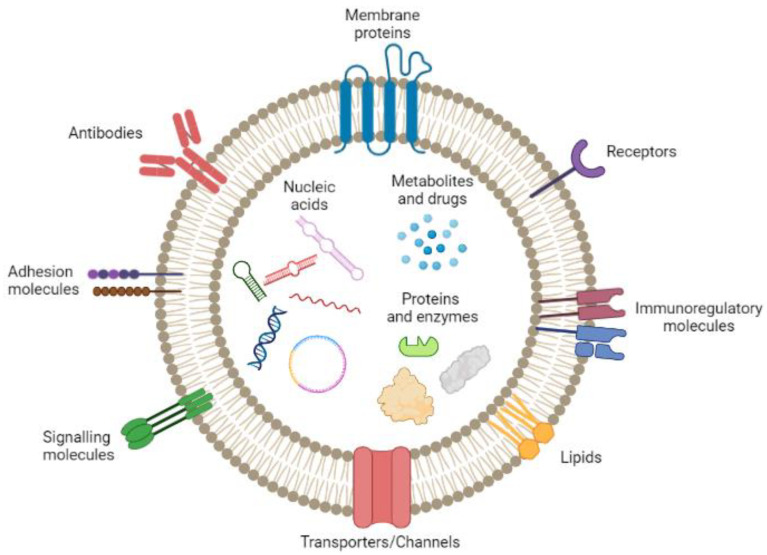
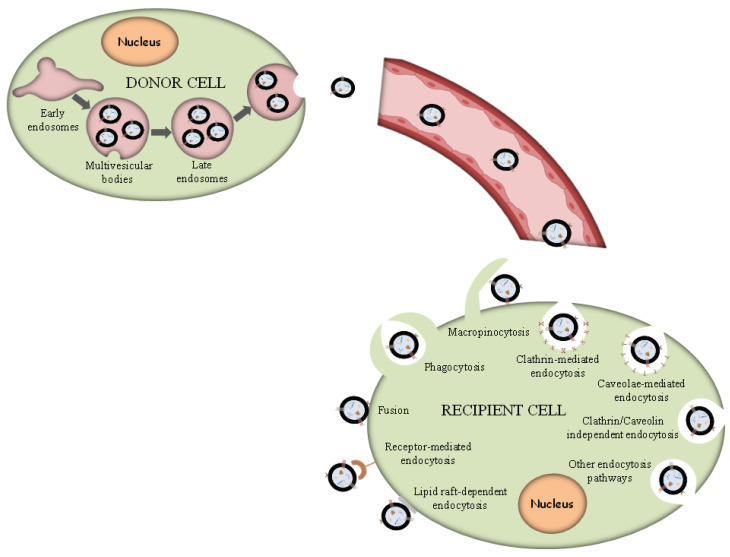
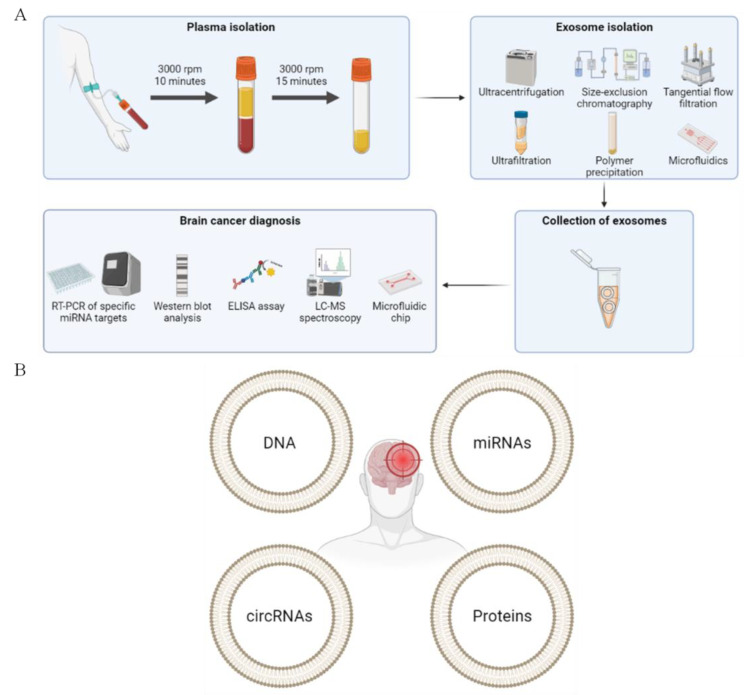
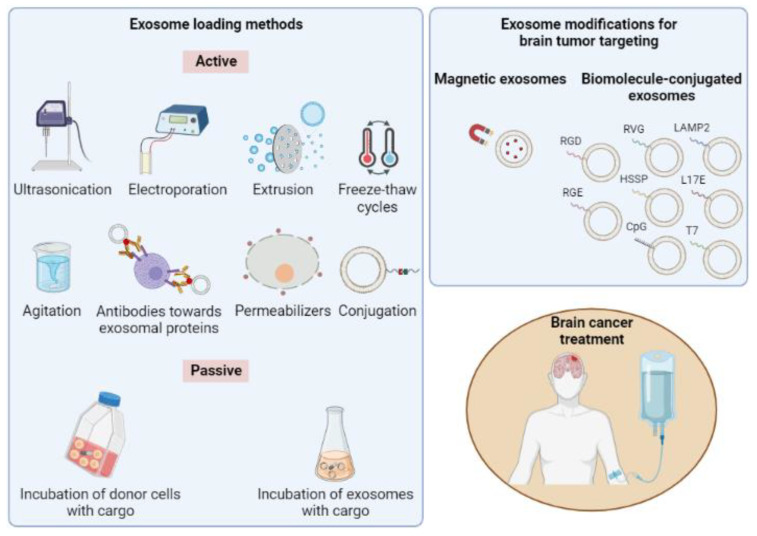
Cancer is designated as one of the principal causes of mortality universally. Among different types of cancer, brain cancer remains the most challenging one due to its aggressiveness, the ineffective permeation ability of drugs through the blood–brain barrier (BBB), and drug resistance. To overcome the aforementioned issues in fighting brain cancer, there is an imperative need for designing novel therapeutic approaches. Exosomes have been proposed as prospective “Trojan horse” nanocarriers of anticancer theranostics owing to their biocompatibility, increased stability, permeability, negligible immunogenicity, prolonged circulation time, and high loading capacity. This review provides a comprehensive discussion on the biological properties, physicochemical characteristics, isolation methods, biogenesis and internalization of exosomes, while it emphasizes their therapeutic and diagnostic potential as drug vehicle systems in brain cancer, highlighting recent advances in the research field. A comparison of the biological activity and therapeutic effectiveness of several exosome-encapsulated cargo including drugs and biomacromolecules underlines their great supremacy over the non-exosomal encapsulated cargo in the delivery, accumulation, and biological potency. Various studies on cell lines and animals give prominence to exosome-based nanoparticles (NPs) as a promising and alternative approach in the management of brain cancer.
Overview
The claims and statistics of this paper haven’t been checked yet.
Run the check — free, no account needed. It reads the open-access text and checks the sources it cites.
Integrity signals
Registry
Cites
Statistics
Figures
Verification
Claims the paper makes
The claims and statistics of this paper haven’t been checked yet.
Run the check — free, no account needed. It reads the open-access text and checks the sources it cites.
Claims other papers make about this one
Each is checked against this paper’s own text: does it say what the citing paper says it does?
In the citing paper
“Their biocompatibility, capacity to cross biological barriers, and low immunogenicity make them highly suitable for drug delivery, particularly in cancer therapy [1].”
From Emerging role of exosomes in cancer therapy: progress and challenges (2025) · cites this paper as [1]
Self-check
Percentages, sums and reported differences re-computed from the paper’s own numbers.
The self-check needs the paper’s full text.
Citations
Cites
Circular RNAs in the Mammalian Brain Are Highly Abundant, Conserved, and Dynamically Expressed
Rybak-Wolf, A., Stottmeister, C., Glažar, P., Jens, M., Pino, N., Giusti, S., Hanan, M., Behm, M., Bartok, O., Ashwal-Fluss, R., et al. (2015) · Molecular Cell · doi:10.1016/j.molcel.2015.03.027 · Cited by 2,423
Hypoxia-inducible factors and the response to hypoxic stress
Majmundar, A. J., Wong, W. J., & Simon, M. C. (2010) · Molecular Cell · doi:10.1016/j.molcel.2010.09.022 · Cited by 2,380
Monopoli, M. P., Walczyk, D., Campbell, A., Elia, G., Lynch, I., Baldelli Bombelli, F., & Dawson, K. A. (2011) · Journal of the American Chemical Society · doi:10.1021/ja107583h · Cited by 1,835
RNA delivery by extracellular vesicles in mammalian cells and its applications
O’Brien, K., Breyne, K., Ughetto, S., Laurent, L. C., & Breakefield, X. O. (2020) · Nature Reviews Molecular Cell Biology · doi:10.1038/s41580-020-0251-y · Cited by 1,811
Ha, D., Yang, N., & Nadithe, V. (2016) · Acta Pharmaceutica Sinica B · doi:10.1016/j.apsb.2016.02.001 · Cited by 1,346
Zhang, Y., Bi, J., Huang, J., Tang, Y., Du, S., & Li, P. (2020) · International Journal of Nanomedicine · doi:10.2147/ijn.s264498 · Cited by 1,323
Large-scale generation of functional mRNA-encapsulating exosomes via cellular nanoporation
Yang, Z., Shi, J., Xie, J., Wang, Y., Sun, J., Liu, T., Zhao, Y., Zhao, X., Wang, X., Ma, Y., et al. (2019) · Nature Biomedical Engineering · doi:10.1038/s41551-019-0485-1 · Cited by 744
Tian, T., Zhu, Y.-L., Zhou, Y.-Y., Liang, G.-F., Wang, Y.-Y., Hu, F.-H., & Xiao, Z.-D. (2014) · Journal of Biological Chemistry · doi:10.1074/jbc.m114.588046 · Cited by 726
Microfluidic isolation and transcriptome analysis of serum microvesicles
Chen, C., Skog, J., Hsu, C.-H., Lessard, R. T., Balaj, L., Wurdinger, T., Carter, B. S., Breakefield, X. O., Toner, M., & Irimia, D. (2010) · Lab Chip · doi:10.1039/b916199f · Cited by 572
Qu, Y., Franchi, L., Nunez, G., & Dubyak, G. R. (2007) · The Journal of Immunology · doi:10.4049/jimmunol.179.3.1913 · Cited by 563
Research works printed but not linked: 250
- Arrighetti, 2018, Exosome-like Nanovectors for Drug Delivery in Cancer, Curr. Med. Chem., 26, 6132, 10.2174/0929867325666180831150259 · DOI
- Romano, E., Netti, P.A., and Torino, E. (2020). Exosomes in Gliomas: Biogenesis, Isolation, and Preliminary Applications in Nanomedicine. Pharmaceuticals, 13. · DOI
- Benecke, L., Coray, M., Umbricht, S., Chiang, D., Figueiró, F., and Muller, L. (2021). Exosomes: Small Evs with Large Immunomodulatory Effect in Glioblastoma. Int. J. Mol. Sci., 22. · DOI
- Wu, 2021, The Roles of Exosomes as Future Therapeutic Agents and Diagnostic Tools for Glioma, Front. Oncol., 11, 733529, 10.3389/fonc.2021.733529 · DOI
- Tang, 2021, Nanotherapeutics Overcoming the Blood-Brain Barrier for Glioblastoma Treatment, Front. Pharmacol., 12, 786700, 10.3389/fphar.2021.786700 · DOI
- Ghaemmaghami, 2020, Role of Exosomes in Malignant Glioma: MicroRNAs and Proteins in Pathogenesis and Diagnosis, Cell Commun. Signal., 18, 120, 10.1186/s12964-020-00623-9 · DOI
- Huang, 2022, The Potential Role of Exosomes in the Treatment of Brain Tumors, Recent Updates and Advances, Front. Oncol., 12, 869929, 10.3389/fonc.2022.869929 · DOI
- Oliveira, F.D., Castanho, M.A.R.B., and Neves, V. (2021). Exosomes and Brain Metastases: A Review on Their Role and Potential Applications. Int. J. Mol. Sci., 22. · DOI
- Zheng, 2022, Exosome-Based Delivery Nanoplatforms: Next-Generation Theranostic Platforms for Breast Cancer, Biomater. Sci., 10, 1607, 10.1039/D2BM00062H · DOI
- Halevas, 2022, Flavonoid-Liposomes Formulations: Physico-Chemical Characteristics, Biological Activities and Therapeutic Applications, Eur. J. Med. Chem. Rep., 5, 100059
- Batrakova, 2015, Using Exosomes, Naturally-Equipped Nanocarriers, for Drug Delivery, J. Control. Release, 219, 396, 10.1016/j.jconrel.2015.07.030 · DOI · Paper page
- Wei, 2021, Regulation of Exosome Production and Cargo Sorting, Int. J. Biol. Sci., 17, 163, 10.7150/ijbs.53671 · DOI · Paper page
- Nam, 2020, Emerging Prospects of Exosomes for Cancer Treatment: From Conventional Therapy to Immunotherapy, Adv. Mater., 32, 2002440, 10.1002/adma.202002440 · DOI
- Gurung, 2021, The Exosome Journey: From Biogenesis to Uptake and Intracellular Signalling, Cell Commun. Signal., 19, 47, 10.1186/s12964-021-00730-1 · DOI
- Jan, A.T., Rahman, S., Badierah, R., Lee, E.J., Mattar, E.H., Redwan, E.M., and Choi, I. (2021). Expedition into Exosome Biology: A Perspective of Progress from Discovery to Therapeutic Development. Cancers, 13. · DOI
- Lyu, 2018, Extracellular Vesicle Directed Exogenous Ion Channel Transport for Precise Manipulation of Biological Events, Bioconjug. Chem., 29, 2715, 10.1021/acs.bioconjchem.8b00377 · DOI
- Burtenshaw, 2022, Exosomal Composition, Biogenesis and Profiling Using Point-of-Care Diagnostics—Implications for Cardiovascular Disease, Front. Cell Dev. Biol., 10, 853451, 10.3389/fcell.2022.853451 · DOI
- Peng, 2020, Exosome: A Significant Nano-Scale Drug Delivery Carrier, J. Mater. Chem. B, 8, 7591, 10.1039/D0TB01499K · DOI
- Zhou, 2020, Application of Exosomes as Liquid Biopsy in Clinical Diagnosis, Signal Transduct. Target. Ther., 5, 144, 10.1038/s41392-020-00258-9 · DOI · Paper page
- Yu, 2022, Exosomes as a New Frontier of Cancer Liquid Biopsy, Mol. Cancer, 21, 56, 10.1186/s12943-022-01509-9 · DOI · Paper page
- Gao, 2021, Emerging Role of Exosomes in Liquid Biopsy for Monitoring Prostate Cancer Invasion and Metastasis, Front. Cell Dev. Biol., 9, 679527, 10.3389/fcell.2021.679527 · DOI
- Gu, Y., Li, M., Wang, T., Liang, Y., Zhong, Z., Wang, X., Zhou, Q., Chen, L., Lang, Q., and He, Z. (2012). Lactation-Related MicroRNA Expression Profiles of Porcine Breast Milk Exosomes. PLoS ONE, 7. · DOI
- Rehman, 2023, Exosomes Based Strategies for Brain Drug Delivery, Biomaterials, 293, 121949, 10.1016/j.biomaterials.2022.121949 · DOI
- Azami, 2022, Exosome-Based Strategies for Diagnosis and Therapy of Glioma Cancer, Cancer Cell Int., 22, 262, 10.1186/s12935-022-02642-7 · DOI
- Katakowski, 2016, Exosomes as Tools to Suppress Primary Brain Tumor, Cell. Mol. Neurobiol., 36, 343, 10.1007/s10571-015-0280-9 · DOI
- Zottel, A., Videtič Paska, A., and Jovčevska, I. (2019). Nanotechnology Meets Oncology: Nanomaterials in Brain Cancer Research, Diagnosis and Therapy. Materials, 12. · DOI
- Shi, 2020, Role of Exosomes in the Progression, Diagnosis, and Treatment of Gliomas, Med. Sci. Monit., 26, e924023, 10.12659/MSM.924023 · DOI
- Masoomzadeh, 2017, Polyphenol Nanoformulations for Cancer Therapy: Experimental Evidence and Clinical Perspective, Int. J. Nanomed., 12, 2689, 10.2147/IJN.S131973 · DOI
- Choi, D.G., Venkatesan, J., and Shim, M.S. (2019). Selective Anticancer Therapy Using Pro-Oxidant Drug-Loaded Chitosan–Fucoidan Nanoparticles. Int. J. Mol. Sci., 20. · DOI
- Abdelaziz, 2018, Inhalable Particulate Drug Delivery Systems for Lung Cancer Therapy: Nanoparticles, Microparticles, Nanocomposites and Nanoaggregates, J. Control. Release, 269, 374, 10.1016/j.jconrel.2017.11.036 · DOI
- Curcio, M., Diaz-Gomez, L., Cirillo, G., Nicoletta, F.P., Leggio, A., and Iemma, F. (2021). Dual-Targeted Hyaluronic Acid/Albumin Micelle-Like Nanoparticles for the Vectorization of Doxorubicin. Pharmaceutics, 13. · DOI
- de la Torre, P., Pérez-Lorenzo, M.J., Alcázar-Garrido, Á., and Flores, A.I. (2020). Cell-Based Nanoparticles Delivery Systems for Targeted Cancer Therapy: Lessons from Anti-Angiogenesis Treatments. Molecules, 25. · DOI
- AlMalki, 2021, Tannin Nanoparticles (NP99) Enhances the Anticancer Effect of Tamoxifen on ER+ Breast Cancer Cells, J. Renew. Mater., 9, 2077, 10.32604/jrm.2021.016173 · DOI
- Hua, 2018, Current Trends and Challenges in the Clinical Translation of Nanoparticulate Nanomedicines: Pathways for Translational Development and Commercialization, Front. Pharmacol., 9, 790, 10.3389/fphar.2018.00790 · DOI
- Ion, D., Niculescu, A.G., Păduraru, D.N., Andronic, O., Mușat, F., Grumezescu, A.M., and Bolocan, A. (2022). An Up-to-Date Review of Natural Nanoparticles for Cancer Management. Pharmaceutics, 14. · DOI
- Raposo, 2013, Extracellular Vesicles: Exosomes, Microvesicles, and Friends, J. Cell Biol., 200, 373, 10.1083/jcb.201211138 · DOI · Paper page
- Hood, 2016, Post Isolation Modification of Exosomes for Nanomedicine Applications, Nanomedicine, 11, 1745, 10.2217/nnm-2016-0102 · DOI
- Hood, 2012, A Systematic Approach to Exosome-Based Translational Nanomedicine, Wiley Interdiscip. Rev. Nanomed. Nanobiotechnol., 4, 458, 10.1002/wnan.1174 · DOI
- You, 2018, Engineering Exosomes: A New Direction for Anticancer Treatment, Am. J. Cancer Res., 8, 1332
- Samanta, 2018, Exosomes: New Molecular Targets of Diseases, Acta Pharmacol. Sin., 39, 501, 10.1038/aps.2017.162 · DOI
- Jia, 2014, Emerging Technologies in Extracellular Vesicle-Based Molecular Diagnostics, Expert Rev. Mol. Diagn., 14, 307, 10.1586/14737159.2014.893828 · DOI
- Yuana, 2014, Co-Isolation of Extracellular Vesicles and High-Density Lipoproteins Using Density Gradient Ultracentrifugation, J. Extracell. Vesicles, 3, 23262, 10.3402/jev.v3.23262 · DOI
- Cheruvanky, 2007, Rapid Isolation of Urinary Exosomal Biomarkers Using a Nanomembrane Ultrafiltration Concentrator, Am. J. Physiol. Physiol., 292, F1657, 10.1152/ajprenal.00434.2006 · DOI
- Grootemaat, 2014, Single-Step Isolation of Extracellular Vesicles by Size-Exclusion Chromatography, J. Extracell. Vesicles, 3, 23430, 10.3402/jev.v3.23430 · DOI
- Deregibus, 2016, Charge-Based Precipitation of Extracellular Vesicles, Int. J. Mol. Med., 38, 1359, 10.3892/ijmm.2016.2759 · DOI
- Niu, Z., Pang, R.T.K., Liu, W., Li, Q., Cheng, R., and Yeung, W.S.B. (2017). Polymer-Based Precipitation Preserves Biological Activities of Extracellular Vesicles from an Endometrial Cell Line. PLoS ONE, 12. · DOI
- Lobb, 2015, Optimized Exosome Isolation Protocol for Cell Culture Supernatant and Human Plasma, J. Extracell. Vesicles, 4, 27031, 10.3402/jev.v4.27031 · DOI
- Li, 2017, Progress in Exosome Isolation Techniques, Theranostics, 7, 789, 10.7150/thno.18133 · DOI
- Lee, 2015, Acoustic Purification of Extracellular Microvesicles, ACS Nano, 9, 2321, 10.1021/nn506538f · DOI
- Busatto, S., Vilanilam, G., Ticer, T., Lin, W.-L., Dickson, D., Shapiro, S., Bergese, P., and Wolfram, J. (2018). Tangential Flow Filtration for Highly Efficient Concentration of Extracellular Vesicles from Large Volumes of Fluid. Cells, 7. · DOI
- Gardiner, 2016, Techniques Used for the Isolation and Characterization of Extracellular Vesicles: Results of a Worldwide Survey, J. Extracell. Vesicles, 5, 32945, 10.3402/jev.v5.32945 · DOI
- Tauro, 2012, Comparison of Ultracentrifugation, Density Gradient Separation, and Immunoaffinity Capture Methods for Isolating Human Colon Cancer Cell Line LIM1863-Derived Exosomes, Methods, 56, 293, 10.1016/j.ymeth.2012.01.002 · DOI
- Morishita, 2015, Quantitative Analysis of Tissue Distribution of the B16BL6-Derived Exosomes Using a Streptavidin-Lactadherin Fusion Protein and Iodine-125-Labeled Biotin Derivative After Intravenous Injection in Mice, J. Pharm. Sci., 104, 705, 10.1002/jps.24251 · DOI
- Smyth, 2015, Biodistribution and Delivery Efficiency of Unmodified Tumor-Derived Exosomes, J. Control. Release, 199, 145, 10.1016/j.jconrel.2014.12.013 · DOI
- Haney, 2015, Exosomes as Drug Delivery Vehicles for Parkinson’s Disease Therapy, J. Control. Release, 207, 18, 10.1016/j.jconrel.2015.03.033 · DOI · Paper page
- Didiot, 2016, Exosome-Mediated Delivery of Hydrophobically Modified SiRNA for Huntingtin MRNA Silencing, Mol. Ther., 24, 1836, 10.1038/mt.2016.126 · DOI · Paper page
- Faruqu, 2019, Membrane Radiolabelling of Exosomes for Comparative Biodistribution Analysis in Immunocompetent and Immunodeficient Mice—A Novel and Universal Approach, Theranostics, 9, 1666, 10.7150/thno.27891 · DOI
- Zhang, 2022, Exosomes as Anticancer Drug Delivery Vehicles: Prospects and Challenges, Front. Biosci. Landmark, 27, 293, 10.31083/j.fbl2710293 · DOI
- Rezaie, 2022, A Review on Exosomes Application in Clinical Trials: Perspective, Questions, and Challenges, Cell Commun. Signal., 20, 145, 10.1186/s12964-022-00959-4 · DOI
- Witwer, 2018, Minimal Information for Studies of Extracellular Vesicles 2018 (MISEV2018): A Position Statement of the International Society for Extracellular Vesicles and Update of the MISEV2014 Guidelines, J. Extracell. Vesicles, 7, 1535750, 10.1080/20013078.2018.1535750 · DOI · Paper page
- Cocucci, 2009, Shedding Microvesicles: Artefacts No More, Trends Cell Biol., 19, 43, 10.1016/j.tcb.2008.11.003 · DOI · Paper page
- Patil, 2019, Exosomes: Biogenesis, Composition, Functions, and Their Role in Pre-Metastatic Niche Formation, Biotechnol. Bioprocess Eng., 24, 689, 10.1007/s12257-019-0170-y · DOI
- Teng, 2021, Shedding Light on Extracellular Vesicle Biogenesis and Bioengineering, Adv. Sci., 8, 2003505, 10.1002/advs.202003505 · DOI
- Zhuo, 2020, Circular RNAs in Early Brain Development and Their Influence and Clinical Significance in Neuropsychiatric Disorders, Neural Regen. Res., 15, 817, 10.4103/1673-5374.268969 · DOI
- Armstrong, 2018, Strategic Design of Extracellular Vesicle Drug Delivery Systems, Adv. Drug Deliv. Rev., 130, 12, 10.1016/j.addr.2018.06.017 · DOI · Paper page
- Kibria, 2018, Exosomes as a Drug Delivery System in Cancer Therapy: Potential and Challenges, Mol. Pharm., 15, 3625, 10.1021/acs.molpharmaceut.8b00277 · DOI
- Kalluri, 2020, The Biology, Function, and Biomedical Applications of Exosomes, Science, 367, eaau6977, 10.1126/science.aau6977 · DOI · Paper page
- Vahabi, 2022, Tumor Cells-Derived Exosomal CircRNAs: Novel Cancer Drivers, Molecular Mechanisms, and Clinical Opportunities, Biochem. Pharmacol., 200, 115038, 10.1016/j.bcp.2022.115038 · DOI
- Lunova, M., Smolková, B., Lynnyk, A., Uzhytchak, M., Jirsa, M., Kubinová, Š., Dejneka, A., and Lunov, O. (2019). Targeting the MTOR Signaling Pathway Utilizing Nanoparticles: A Critical Overview. Cancers, 11. · DOI
- Jeppesen, 2019, Reassessment of Exosome Composition, Cell, 177, 428, 10.1016/j.cell.2019.02.029 · DOI · Paper page
- Stahl, 2015, Extracellular Vesicles Shuffling Intercellular Messages: For Good or for Bad, Curr. Opin. Cell Biol., 35, 69, 10.1016/j.ceb.2015.04.013 · DOI
- Phoonsawat, 2014, Adiponectin Is Partially Associated with Exosomes in Mouse Serum, Biochem. Biophys. Res. Commun., 448, 261, 10.1016/j.bbrc.2014.04.114 · DOI · Paper page
- Chen, 2015, Suppression of Fibrogenic Signaling in Hepatic Stellate Cells by Twist1-Dependent MicroRNA-214 Expression: Role of Exosomes in Horizontal Transfer of Twist1, Am. J. Physiol. Liver Physiol., 309, G491
- Mathivanan, 2012, ExoCarta 2012: Database of Exosomal Proteins, RNA and Lipids, Nucleic Acids Res., 40, D1241, 10.1093/nar/gkr828 · DOI
- Simpson, 2012, ExoCarta as a Resource for Exosomal Research, J. Extracell. Vesicles, 1, 18374, 10.3402/jev.v1i0.18374 · DOI
- Kim, 2013, EVpedia: An Integrated Database of High-Throughput Data for Systemic Analyses of Extracellular Vesicles, J. Extracell. Vesicles, 2, 20384, 10.3402/jev.v2i0.20384 · DOI
- Subra, 2007, Exosome Lipidomics Unravels Lipid Sorting at the Level of Multivesicular Bodies, Biochimie, 89, 205, 10.1016/j.biochi.2006.10.014 · DOI
- Subra, 2010, Exosomes Account for Vesicle-Mediated Transcellular Transport of Activatable Phospholipases and Prostaglandins, J. Lipid Res., 51, 2105, 10.1194/jlr.M003657 · DOI
- Zitvogel, 2002, Exosomes: Composition, Biogenesis and Function, Nat. Rev. Immunol., 2, 569, 10.1038/nri855 · DOI
- Valadi, 2007, Exosome-Mediated Transfer of MRNAs and MicroRNAs Is a Novel Mechanism of Genetic Exchange between Cells, Nat. Cell Biol., 9, 654, 10.1038/ncb1596 · DOI · Paper page
- Skog, 2008, Glioblastoma Microvesicles Transport RNA and Proteins That Promote Tumour Growth and Provide Diagnostic Biomarkers, Nat. Cell Biol., 10, 1470, 10.1038/ncb1800 · DOI · Paper page
- Shao, 2020, Advances in Exosome-Based Drug Delivery and Tumor Targeting: From Tissue Distribution to Intracellular Fate, Int. J. Nanomed., 15, 9355, 10.2147/IJN.S281890 · DOI · Paper page
- Breakefield, 2013, Extracellular Vesicles: Biology and Emerging Therapeutic Opportunities, Nat. Rev. Drug Discov., 12, 347, 10.1038/nrd3978 · DOI · Paper page
- Shaimardanova, 2020, Extracellular Vesicles in the Diagnosis and Treatment of Central Nervous System Diseases, Neural Regen. Res., 15, 586, 10.4103/1673-5374.266908 · DOI
- Heusermann, 2016, Exosomes Surf on Filopodia to Enter Cells at Endocytic Hot Spots, Traffic within Endosomes, and Are Targeted to the ER, J. Cell Biol., 213, 173, 10.1083/jcb.201506084 · DOI · Paper page
- Wu, 2009, Human Γδ T Cells: A Lymphoid Lineage Cell Capable of Professional Phagocytosis, J. Immunol., 183, 5622, 10.4049/jimmunol.0901772 · DOI
- Nabi, 2003, Caveolae/Raft-Dependent Endocytosis, J. Cell Biol., 161, 673, 10.1083/jcb.200302028 · DOI
- Joshi, 2020, Endocytosis of Extracellular Vesicles and Release of Their Cargo from Endosomes, ACS Nano, 14, 4444, 10.1021/acsnano.9b10033 · DOI
- Andreu, 2014, Tetraspanins in Extracellular Vesicle Formation and Function, Front. Immunol., 5, 442, 10.3389/fimmu.2014.00442 · DOI
- Garnier, 2012, Oncogenic Extracellular Vesicles in Brain Tumor Progression, Front. Physiol., 3, 294
- Whiteside, 2013, Immune Modulation of T-Cell and NK (Natural Killer) Cell Activities by TEXs (Tumour-Derived Exosomes), Biochem. Soc. Trans., 41, 245, 10.1042/BST20120265 · DOI
- Peinado, 2012, Melanoma Exosomes Educate Bone Marrow Progenitor Cells toward a Pro-Metastatic Phenotype through MET, Nat. Med., 18, 883, 10.1038/nm.2753 · DOI · Paper page
- Smyth, 2014, Examination of the Specificity of Tumor Cell Derived Exosomes with Tumor Cells in Vitro, Biochim. Biophys. Acta—Biomembr., 1838, 2954, 10.1016/j.bbamem.2014.07.026 · DOI
- Rajagopal, 2018, The Origin and Functions of Exosomes in Cancer, Front. Oncol., 8, 66, 10.3389/fonc.2018.00066 · DOI
- Vaidya, M., and Sugaya, K. (2020). DNA Associated with Circulating Exosomes as a Biomarker for Glioma. Genes, 11. · DOI
- Jafari, 2020, Designer Exosomes: A New Platform for Biotechnology Therapeutics, BioDrugs, 34, 567, 10.1007/s40259-020-00434-x · DOI
- Louis, 2016, The 2016 World Health Organization Classification of Tumors of the Central Nervous System: A Summary, Acta Neuropathol., 131, 803, 10.1007/s00401-016-1545-1 · DOI
- McLendon, 2003, Is the Long-Term Survival of Patients with Intracranial Glioblastoma Multiforme Overstated?, Cancer, 98, 1745, 10.1002/cncr.11666 · DOI
- Pan, 2019, Delayed Remote Ischemic Preconditioning ConfersRenoprotection against Septic Acute Kidney Injury via Exosomal MiR-21, Theranostics, 9, 405, 10.7150/thno.29832 · DOI
- Xiao, J., and Cretoiu, S. (2017). Exosomes in Cardiovascular Diseases. Advances in Experimental Medicine and Biology, Springer. · DOI
- Raj, 2012, A Multiplex Quantitative Proteomics Strategy for Protein Biomarker Studies in Urinary Exosomes, Kidney Int., 81, 1263, 10.1038/ki.2012.25 · DOI
- Baker, 2006, Evaluating Markers for the Early Detection of Cancer: Overview of Study Designs and Methods, Clin. Trials, 3, 43, 10.1191/1740774506cn130oa · DOI
- Properzi, 2013, Exosomes: The Future of Biomarkers in Medicine, Biomark. Med., 7, 769, 10.2217/bmm.13.63 · DOI
- Sun, 2018, Tumor Exosomes: A Double-Edged Sword in Cancer Therapy, Acta Pharmacol. Sin., 39, 534, 10.1038/aps.2018.17 · DOI
- Maisano, D., Mimmi, S., Russo, R., Fioravanti, A., Fiume, G., Vecchio, E., Nisticò, N., Quinto, I., and Iaccino, E. (2020). Uncovering the Exosomes Diversity: A Window of Opportunity for Tumor Progression Monitoring. Pharmaceuticals, 13. · DOI
- Alonso, 2017, DNA Sequences within Glioma-Derived Extracellular Vesicles Can Cross the Intact Blood-Brain Barrier and Be Detected in Peripheral Blood of Patients, Oncotarget, 8, 1416, 10.18632/oncotarget.13635 · DOI · Paper page
- Touat, 2015, Emerging Circulating Biomarkers in Glioblastoma: Promises and Challenges, Expert Rev. Mol. Diagn., 15, 1311, 10.1586/14737159.2015.1087315 · DOI
- Schwarzenbach, 2014, Clinical Relevance of Circulating Cell-Free MicroRNAs in Cancer, Nat. Rev. Clin. Oncol., 11, 145, 10.1038/nrclinonc.2014.5 · DOI · Paper page
- Takahashi, 2015, The Roles of MicroRNAs in Breast Cancer, Cancers, 7, 598, 10.3390/cancers7020598 · DOI · Paper page
- Ahir, 2017, MicroRNAs in Glioblastoma Pathogenesis and Therapy: A Comprehensive Review, Crit. Rev. Oncol. Hematol., 120, 22, 10.1016/j.critrevonc.2017.10.003 · DOI
- Galardi, 2005, Extensive Modulation of a Set of MicroRNAs in Primary Glioblastoma, Biochem. Biophys. Res. Commun., 334, 1351, 10.1016/j.bbrc.2005.07.030 · DOI · Paper page
- Sun, Y., Wang, J., Guo, C., Sai, K., Wang, J., Chen, F., Yang, Q., Chen, Y., Wang, J., and To, T.S. (2014). MiR-181b Sensitizes Glioma Cells to Teniposide by Targeting MDM2. BMC Cancer, 14. · DOI
- Chen, 2013, BEAMing and Droplet Digital PCR Analysis of Mutant IDH1 MRNA in Glioma Patient Serum and Cerebrospinal Fluid Extracellular Vesicles, Mol. Ther.—Nucleic Acids, 2, e109, 10.1038/mtna.2013.28 · DOI
- Siegal, 2016, Dynamics of Circulating Hypoxia-Mediated miRNAs and Tumor Response in Patients with High-Grade Glioma Treated with Bevacizumab, J. Neurosurg., 125, 1008, 10.3171/2015.8.JNS15437 · DOI
- Bronisz, 2014, Extracellular Vesicles Modulate the Glioblastoma Microenvironment via a Tumor Suppression Signaling Network Directed by MiR-1, Cancer Res., 74, 738, 10.1158/0008-5472.CAN-13-2650 · DOI · Paper page
- Shi, J. (2016). Considering Exosomal MiR-21 as a Biomarker for Cancer. J. Clin. Med., 5. · DOI
- Lai, 2015, Serum MicroRNA-210 as a Potential Noninvasive Biomarker for the Diagnosis and Prognosis of Glioma, Br. J. Cancer, 112, 1241, 10.1038/bjc.2015.91 · DOI
- Chevillet, 2014, Issues and Prospects of MicroRNA-Based Biomarkers in Blood and Other Body Fluids, Molecules, 19, 6080, 10.3390/molecules19056080 · DOI
- Catelan, S., Olioso, D., Santangelo, A., Scapoli, C., Tamanini, A., Pinna, G., Sala, F., Lippi, G., Nicolato, A., and Cabrini, G. (2022). miRNAs in Serum Exosomes for Differential Diagnosis of Brain Metastases. Cancers, 14. · DOI
- Manterola, 2014, A Small Noncoding RNA Signature Found in Exosomes of GBM Patient Serum as a Diagnostic Tool, Neuro. Oncol., 16, 520, 10.1093/neuonc/not218 · DOI
- White, 1996, Repression of RNA Polymerase III Transcription by the Retinoblastoma Protein, Nature, 382, 88, 10.1038/382088a0 · DOI
- (2010). Cabarcas Inhibition of U6 SnRNA Transcription by PTEN. Online J. Biol. Sci., 10, 114–125. · DOI
- Marshall, 2008, Non-Coding RNA Production by RNA Polymerase III Is Implicated in Cancer, Nat. Rev. Cancer, 8, 911, 10.1038/nrc2539 · DOI
- Su, 2012, Aberrant Expression of MicroRNAs in Gastric Cancer and Biological Significance of MiR-574-3p, Int. Immunopharmacol., 13, 468, 10.1016/j.intimp.2012.05.016 · DOI
- Tatarano, 2012, Novel Oncogenic Function of Mesoderm Development Candidate 1 and Its Regulation by MiR-574-3p in Bladder Cancer Cell Lines, Int. J. Oncol., 40, 951, 10.3892/ijo.2011.1294 · DOI
- Ebrahimkhani, 2018, Deep Sequencing of Circulating Exosomal MicroRNA Allows Non-Invasive Glioblastoma Diagnosis, npj Precis. Oncol., 2, 28, 10.1038/s41698-018-0071-0 · DOI
- Fm, 2015, Differentiation Programs in Glioblastoma, Cold Spring Harb. Lab. Press, 2, 25838542
- Jiang, 2010, MiR-182 as a Prognostic Marker for Glioma Progression and Patient Survival, Am. J. Pathol., 177, 29, 10.2353/ajpath.2010.090812 · DOI
- Song, 2013, MiR-486 Sustains NF-ΚB Activity by Disrupting Multiple NF-ΚB-Negative Feedback Loops, Cell Res., 23, 274, 10.1038/cr.2012.174 · DOI
- Yuan, 2016, MicroRNA-328 Is a Favorable Prognostic Marker in Human Glioma via Suppressing Invasive and Proliferative Phenotypes of Malignant Cells, Int. J. Neurosci., 126, 145, 10.3109/00207454.2014.1002610 · DOI
- Huang, 2015, MiR-340 Suppresses Glioblastoma Multiforme, Oncotarget, 6, 9257, 10.18632/oncotarget.3288 · DOI
- Xu, 2017, MiR-543 Functions as a Tumor Suppressor in Glioma in Vitro and in Vivo, Oncol. Rep., 38, 725, 10.3892/or.2017.5712 · DOI
- Ueda, 2009, Dicer-Regulated MicroRNAs 222 and 339 Promote Resistance of Cancer Cells to Cytotoxic T-Lymphocytes by down-Regulation of ICAM-1, Proc. Natl. Acad. Sci. USA, 106, 10746, 10.1073/pnas.0811817106 · DOI
- Lan, 2020, Exosomal MicroRNA-210 Is a Potentially Non-invasive Biomarker for the Diagnosis and Prognosis of Glioma, Oncol. Lett., 19, 1967
- Colwell, 2017, Hypoxia in the Glioblastoma Microenvironment: Shaping the Phenotype of Cancer Stem-like Cells, Neuro. Oncol., 19, 887, 10.1093/neuonc/now258 · DOI
- Dang, 2015, The Role of Hypoxia-Induced MiR-210 in Cancer Progression, Int. J. Mol. Sci., 16, 6353, 10.3390/ijms16036353 · DOI
- Yang, 2017, Biological Implications and Clinical Value of Mir-210 in Gastrointestinal Cancer, Expert Rev. Gastroenterol. Hepatol., 11, 539, 10.1080/17474124.2017.1309281 · DOI
- Sun, 2021, Exosomal MiR-2276-5p in Plasma Is a Potential Diagnostic and Prognostic Biomarker in Glioma, Front. Cell Dev. Biol., 9, 671202, 10.3389/fcell.2021.671202 · DOI
- Hutagalung, 2011, Role of Rab GTPases in Membrane Traffic and Cell Physiology, Physiol. Rev., 91, 119, 10.1152/physrev.00059.2009 · DOI · Paper page
- Clancy, 2012, Tumor-Derived Microvesicles: Shedding Light on Novel Microenvironment Modulators and Prospective Cancer Biomarkers, Genes Dev., 26, 1287, 10.1101/gad.192351.112 · DOI
- Hoshino, 2013, Exosome Secretion Is Enhanced by Invadopodia and Drives Invasive Behavior, Cell Rep., 5, 1159, 10.1016/j.celrep.2013.10.050 · DOI
- Shao, 2019, MiR-454-3p Is an Exosomal Biomarker and Functions as a Tumor Suppressor in Glioma, Mol. Cancer Ther., 18, 459, 10.1158/1535-7163.MCT-18-0725 · DOI
- Vo, 2019, The Landscape of Circular RNA in Cancer, Cell, 176, 869, 10.1016/j.cell.2018.12.021 · DOI
- Meng, 2017, CircRNA: Functions and Properties of a Novel Potential Biomarker for Cancer, Mol. Cancer, 16, 94, 10.1186/s12943-017-0663-2 · DOI
- Li, 2015, Circular RNA Is Enriched and Stable in Exosomes: A Promising Biomarker for Cancer Diagnosis, Cell Res., 25, 981, 10.1038/cr.2015.82 · DOI
- Kaiser, 2018, ‘Liquid Biopsy’ for Cancer Promises Earlydetection, Science, 359, 259, 10.1126/science.359.6373.259 · DOI
- Dong, 2016, Identification and Characterization of Human Testis Derived Circular RNAs and Their Existence in Seminal Plasma, Sci. Rep., 6, 39080, 10.1038/srep39080 · DOI
- Xu, 2018, NFIX Circular RNA Promotes Glioma Progression by Regulating MiR-34a-5p via Notch Signaling Pathway, Front. Mol. Neurosci., 11, 225, 10.3389/fnmol.2018.00225 · DOI
- Zhang, 2018, A Peptide Encoded by Circular Form of LINC-PINT Suppresses Oncogenic Transcriptional Elongation in Glioblastoma, Nat. Commun., 9, 4475, 10.1038/s41467-018-06862-2 · DOI
- Yin, 2020, CircMMP1promotes the Progression of Glioma through MiR-433 HMGB3 Axis in Vitro and in Vivo, IUBMB Life, 72, 2508, 10.1002/iub.2383 · DOI
- Li, 2022, Circular RNA Sequencing Reveals Serum Exosome Circular RNA Panel for High-Grade Astrocytoma Diagnosis, Clin. Chem., 68, 332, 10.1093/clinchem/hvab254 · DOI
- Thakur, 2014, Double-Stranded DNA in Exosomes: A Novel Biomarker in Cancer Detection, Cell Res., 24, 766, 10.1038/cr.2014.44 · DOI
- Yang, 2017, DNM3, P65 and P53 from Exosomes Represent Potential Clinical Diagnosis Markers for Glioblastoma Multiforme, Ther. Adv. Med. Oncol., 9, 741, 10.1177/1758834017737471 · DOI
- Manda, 2018, Exosomes as a Biomarker Platform for Detecting Epidermal Growth Factor Receptor-Positive High-Grade Gliomas, J. Neurosurg., 128, 1091, 10.3171/2016.11.JNS161187 · DOI
- Chen, 2018, Exosomal PD-L1 Contributes to Immunosuppression and Is Associated with Anti-PD-1 Response, Nature, 560, 382, 10.1038/s41586-018-0392-8 · DOI · Paper page
- Francisco, 2009, PD-L1 Regulates the Development, Maintenance, and Function of Induced Regulatory T Cells, J. Exp. Med., 206, 3015, 10.1084/jem.20090847 · DOI
- Litak, J., Mazurek, M., Grochowski, C., Kamieniak, P., and Roliński, J. (2019). PD-L1/PD-1 Axis in Glioblastoma Multiforme. Int. J. Mol. Sci., 20. · DOI
- Shao, 2015, Chip-Based Analysis of Exosomal MRNA Mediating Drug Resistance in Glioblastoma, Nat. Commun., 6, 6999, 10.1038/ncomms7999 · DOI
- Chun, S., Ahn, S., Yeom, C.H., and Park, S. (2016). Exosome Proteome of U-87MG Glioblastoma Cells. Biology, 5. · DOI
- Burgeson, R.E. (1987). Structure and Function of Collagen Types, Elsevier.
- Stenbeck, 1993, Beta′-COP, a Novel Subunit of Coatomer, EMBO J., 12, 2841, 10.1002/j.1460-2075.1993.tb05945.x · DOI
- Markoff, 2007, Annexin A5 Interacts with Polycystin-1 and Interferes with the Polycystin-1 Stimulated Recruitment of E-Cadherin into Adherens Junctions, J. Mol. Biol., 369, 954, 10.1016/j.jmb.2007.03.070 · DOI
- Naryzhny, S., Volnitskiy, A., Kopylov, A., Zorina, E., Kamyshinsky, R., Bairamukov, V., Garaeva, L., Shlikht, A., and Shtam, T. (2020). Proteome of Glioblastoma-Derived Exosomes as a Source of Biomarkers. Biomedicines, 8. · DOI
- Daido, 2005, Inhibition of the DNA-Dependent Protein Kinase Catalytic Subunit Radiosensitizes Malignant Glioma Cells by Inducing Autophagy, Cancer Res., 65, 4368, 10.1158/0008-5472.CAN-04-4202 · DOI
- Jiang, 2013, Valosin-Containing Protein Regulates the Proteasome-Mediated Degradation of DNA-PKcs in Glioma Cells, Cell Death Dis., 4, e647, 10.1038/cddis.2013.171 · DOI
- Lara, 2011, MVP and Vaults: A Role in the Radiation Response, Radiat. Oncol., 6, 148, 10.1186/1748-717X-6-148 · DOI
- Stavrovskaya, 2016, Problems of Glioblastoma Multiforme Drug Resistance, Biochem., 81, 91
- Cui, 2010, Gli1 Is a Potential Target for Alleviating Multidrug Resistance of Gliomas, J. Neurol. Sci., 288, 156, 10.1016/j.jns.2009.09.006 · DOI
- Volnitskiy, A., Shtam, T., Burdakov, V., Kovalev, R., Konev, A., and Filatov, M. (2019). Abnormal Activity of Transcription Factors Gli in High-Grade Gliomas. PLoS ONE, 14. · DOI
- Peterson, 2019, Isolation and Analysis of Plasma-Derived Exosomes in Patients With Glioma, Front. Oncol., 9, 651, 10.3389/fonc.2019.00651 · DOI
- Qiu, 2019, Detection of Glioma-Derived Exosomes with the Biotinylated Antibody-Functionalized Titanium Nitride Plasmonic Biosensor, Adv. Funct. Mater., 29, 1806761, 10.1002/adfm.201806761 · DOI
- Salomon, C., Ryan, J., Sobrevia, L., Kobayashi, M., Ashman, K., Mitchell, M., and Rice, G.E. (2013). Exosomal Signaling during Hypoxia Mediates Microvascular Endothelial Cell Migration and Vasculogenesis. PLoS ONE, 8. · DOI
- Pucci, 2019, Innovative Approaches for Cancer Treatment: Current Perspectives and New Challenges, Ecancermedicalscience, 13, 961, 10.3332/ecancer.2019.961 · DOI
- Zugazagoitia, 2016, Current Challenges in Cancer Treatment, Clin. Ther., 38, 1551, 10.1016/j.clinthera.2016.03.026 · DOI
- Li, C., Li, Y., Li, G., and Wu, S. (2022). Functional Nanoparticles for Enhanced Cancer Therapy. Pharmaceutics, 14. · DOI
- Kim, H., Jang, H., Cho, H., Choi, J., Hwang, K.Y., Choi, Y., Kim, S.H., and Yang, Y. (2021). Recent Advances in Exosome-based Drug Delivery for Cancer Therapy. Cancers, 13. · DOI · Paper page
- Chen, 2022, Exosomes as Drug Carriers in Anti-Cancer Therapy, Front. Cell Dev. Biol., 10, 728616, 10.3389/fcell.2022.728616 · DOI
- Walker, 2019, Extracellular Vesicle-Based Drug Delivery Systems for Cancer Treatment, Theranostics, 9, 8001, 10.7150/thno.37097 · DOI
- Piffoux, 2018, Modification of Extracellular Vesicles by Fusion with Liposomes for the Design of Personalized Biogenic Drug Delivery Systems, ACS Nano, 12, 6830, 10.1021/acsnano.8b02053 · DOI
- Zou, 2018, Effective and Targeted Human Orthotopic Glioblastoma Xenograft Therapy via a Multifunctional Biomimetic Nanomedicine, Adv. Mater., 30, 1803717, 10.1002/adma.201803717 · DOI · Paper page
- Vader, 2016, Extracellular Vesicles for Drug Delivery, Adv. Drug Deliv. Rev., 106, 148, 10.1016/j.addr.2016.02.006 · DOI · Paper page
- Akuma, 2019, Naturally Occurring Exosome Vesicles as Potential Delivery Vehicle for Bioactive Compounds, Front. Sustain. Food Syst., 3, 23, 10.3389/fsufs.2019.00023 · DOI
- Luan, 2017, Engineering Exosomes as Refined Biological Nanoplatforms for Drug Delivery, Acta Pharmacol. Sin., 38, 754, 10.1038/aps.2017.12 · DOI
- Butreddy, A., Kommineni, N., and Dudhipala, N. (2021). Exosomes as Naturally Occurring Vehicles for Delivery of Biopharmaceuticals: Insights from Drug Delivery to Clinical Perspectives. Nanomaterials, 11. · DOI
- Lee, 2022, Exosome-Based Drug Delivery Systems and Their Therapeutic Applications, RSC Adv., 12, 18475, 10.1039/D2RA02351B · DOI
- Liu, Q., Li, S., Dupuy, A., Le Mai, H., Sailliet, N., Logé, C., Robert, J.M.H., and Brouard, S. (2021). Exosomes as New Biomarkers and Drug Delivery Tools for the Prevention and Treatment of Various Diseases: Current Perspectives. Int. J. Mol. Sci., 22. · DOI
- Ghasempour, 2022, Mesenchymal Stem Cell-Derived Exosomes as a New Therapeutic Strategy in the Brain Tumors, Stem Cell Res. Ther., 13, 1, 10.1186/s13287-022-03212-4 · DOI
- Tibensky, M., Jakubechova, J., Altanerova, U., Pastorakova, A., Rychly, B., Baciak, L., Mravec, B., and Altaner, C. (2022). Gene-Directed Enzyme/Prodrug Therapy of Rat Brain Tumor Mediated by Human Mesenchymal Stem Cell Suicide Gene Extracellular Vesicles In Vitro and In Vivo. Cancers, 14. · DOI
- Lee, 2013, Mesenchymal Stem Cells Deliver Synthetic MicroRNA Mimics to Glioma Cells and Glioma Stem Cells and Inhibit Their Cell Migration and Self-Renewal, Oncotarget, 4, 346, 10.18632/oncotarget.868 · DOI
- Munoz, 2013, Delivery of Functional Anti-MiR-9 by Mesenchymal Stem Cell-Derived Exosomes to Glioblastoma Multiforme Cells Conferred Chemosensitivity, Mol. Ther.—Nucleic Acids, 2, e126, 10.1038/mtna.2013.60 · DOI
- Yan, 2021, Exosomes Derived from MicroRNA-512-5p-Transfected Bone Mesenchymal Stem Cells Inhibit Glioblastoma Progression by Targeting JAG1, Aging, 13, 9911, 10.18632/aging.202747 · DOI
- Yu, 2019, Exosomes Derived from MicroRNA-199a-Overexpressing Mesenchymal Stem Cells Inhibit Glioma Progression by down-Regulating AGAP2, Aging, 11, 5300, 10.18632/aging.102092 · DOI
- Zhang, 2021, MicroRNA-29a-3p Delivery via Exosomes Derived from Engineered Human Mesenchymal Stem Cells Exerts Tumour Suppressive Effects by Inhibiting Migration and Vasculogenic Mimicry in Glioma, Aging, 13, 5055, 10.18632/aging.202424 · DOI
- Xu, 2019, Mesenchymal Stem Cell-Derived Exosomal MicroRNA-133b Suppresses Glioma Progression via Wnt/β-Catenin Signaling Pathway by Targeting EZH2, Stem Cell Res. Ther., 10, 381, 10.1186/s13287-019-1446-z · DOI
- Kim, 2018, Exosomes Derived from MicroRNA-584 Transfected Mesenchymal Stem Cells: Novel Alternative Therapeutic Vehicles for Cancer Therapy, BMB Rep., 51, 406, 10.5483/BMBRep.2018.51.8.105 · DOI
- Katakowski, 2013, Exosomes from Marrow Stromal Cells Expressing MiR-146b Inhibit Glioma Growth, Cancer Lett., 335, 201, 10.1016/j.canlet.2013.02.019 · DOI · Paper page
- Parsaei, 2022, Exosomes to Control Glioblastoma Multiforme: Investigating the Effects of Mesenchymal Stem Cell-Derived Exosomes on C6 Cells in Vitro, Cell Biol. Int., 46, 2028, 10.1002/cbin.11884 · DOI
- Rehman, 2022, Heme Oxygenase-1 Targeting Exosomes for Temozolomide Resistant Glioblastoma Synergistic Therapy, J. Control. Release, 345, 696, 10.1016/j.jconrel.2022.03.036 · DOI
- Lang, 2018, Mesenchymal Stem Cells as Natural Biofactories for Exosomes Carrying MiR-124a in the Treatment of Gliomas, Neuro. Oncol., 20, 380, 10.1093/neuonc/nox152 · DOI
- Valipour, 2022, The Anti-Angiogenic Effect of Atorvastatin Loaded Exosomes on Glioblastoma Tumor Cells: An in Vitro 3D Culture Model, Microvasc. Res., 143, 104385, 10.1016/j.mvr.2022.104385 · DOI
200 of 250 shown
Cited by
Sorted by citations
Emerging role of exosomes in cancer therapy: progress and challenges
Li, J., Wang, J., & Chen, Z. (2025) · Molecular Cancer · doi:10.1186/s12943-024-02215-4 · Cited by 297
Metadata
- Authors
- Avgoulas, D. I., Tasioulis, K. S., Papi, R. M., & Pantazaki, A. A.
- Venue
- Pharmaceutics
- Publisher
- MDPI AG
- Published
- 2023-05-08
- Volume
- 15
- Issue
- 5
- Pages
- 1439
- ISSN
- 1999-4923
- PMC
- PMC10221347
- Cited by
- 57
- References
- 16
- Language
- en
About these checks
Registry, retraction, Cites and statistics results are computed, not judged, with one exception: a printed reference that no index lists is read once by a model before it counts as a citation error. Claims are extracted by a model and kept only when their quote appears verbatim in the text; each cited source is then checked, with a model’s help, for whether it says what the claim relies on. Those verdicts can be wrong — read the claim’s quote and the cited source before relying on one.
Statistics and arithmetic are recomputed, not judged.
Confidence bands are shown only for fields calibrated on our annotated test set. None is calibrated yet, so no band is shown.
What counts as a claim ›How we measure confidence ›How we check this ›
Are you an author, or do you see a problem with this page? Request a review
How to cite
Cite CoChat for the checks on this page, and the paper for its own findings.
- This page
- CoChat. (2026). Citation check: Therapeutic and Diagnostic Potential of Exosomes as Drug Delivery Systems in Brain Cancer. https://app.cochat.ai/papers/10.3390/pharmaceutics15051439
- The paper
- Avgoulas, D. I., Tasioulis, K. S., Papi, R. M., & Pantazaki, A. A. (2023). Therapeutic and Diagnostic Potential of Exosomes as Drug Delivery Systems in Brain Cancer. Pharmaceutics. https://doi.org/10.3390/pharmaceutics15051439
