

Brain Computer Interfaces, a Review
Open accessThe DOI matches its Crossref record; 322 of the 325 references it cites were found in a registry or an index.
Abstract
A brain-computer interface (BCI) is a hardware and software communications system that permits cerebral activity alone to control computers or external devices. The immediate goal of BCI research is to provide communications capabilities to severely disabled people who are totally paralyzed or ‘locked in’ by neurological neuromuscular disorders, such as amyotrophic lateral sclerosis, brain stem stroke, or spinal cord injury. Here, we review the state-of-the-art of BCIs, looking at the different steps that form a standard BCI: signal acquisition, preprocessing or signal enhancement, feature extraction, classification and the control interface. We discuss their advantages, drawbacks, and latest advances, and we survey the numerous technologies reported in the scientific literature to design each step of a BCI. First, the review examines the neuroimaging modalities used in the signal acquisition step, each of which monitors a different functional brain activity such as electrical, magnetic or metabolic activity. Second, the review discusses different electrophysiological control signals that determine user intentions, which can be detected in brain activity. Third, the review includes some techniques used in the signal enhancement step to deal with the artifacts in the control signals and improve the performance. Fourth, the review studies some mathematic algorithms used in the feature extraction and classification steps which translate the information in the control signals into commands that operate a computer or other device. Finally, the review provides an overview of various BCI applications that control a range of devices.
Overview
The claims and statistics of this paper haven’t been checked yet.
Free: it reads the open-access text and checks the first 5 claims that cite a source we can check. Create a free account to check every claim.
Integrity signals
Registry
Cites
Statistics
Figures
Verification
Claims the paper makes
The claims and statistics of this paper haven’t been checked yet.
Free: it reads the open-access text and checks the first 5 claims that cite a source we can check. Create a free account to check every claim.
Claims other papers make about this one
Each is checked against this paper’s own text: does it say what the citing paper says it does?
The source backs part of the claim, not all of it — or backs it for a different population, condition or comparison.
In the citing paper
“Noninvasive EEG based BCI could potentially serve the needs of a large population10.”
From Noninvasive Electroencephalogram Based Control of a Robotic Arm for Reach and Grasp Tasks (2016) · cites this paper as [10]
Experimental — accuracy not yet measuredThe cited source says what the claim attributes to it.
In the citing paper
“this response can be used as a neural signal in EEG-based brain-computer interfaces (BCIs), enabling direct communication between the brain and surroundings without the involvement of peripheral nerves or muscles (Nicolas-Alonso and Gomez-Gil, 2012).”
From A Lightweight Multi-Scale Convolutional Neural Network for P300 Decoding: Analysis of Training Strategies and Uncovering of Network Decision (2021) · cites this paper as Nicolas-Alonso and Gomez-Gil, 2012
The check wasn’t confident either way, so it gives no verdict — never disputed.
In the citing paper
“Among others, external influences such as stress, emotion, and work impact these metrics and can be used to infer those [162].”
From A Survey on Measuring Cognitive Workload in Human-Computer Interaction (2023) · cites this paper as [162]
Experimental — accuracy not yet measured
Self-check
Percentages, sums and reported differences re-computed from the paper’s own numbers.
The self-check needs the paper’s full text.
Citations
Cites
A Tutorial on Support Vector Machines for Pattern Recognition
Burges, C. J. C. (1998) · Data Mining and Knowledge Discovery · doi:10.1023/a:1009715923555 · Cited by 16,429 · cited 1×
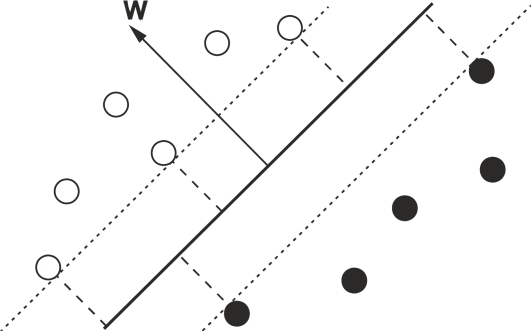
“However, in contrast to LDA, SVM selects the hyperplanes that maximize the margins, that is, the distance between the nearest training samples and the hyperplanes [236].”
MethodAn Information-Maximization Approach to Blind Separation and Blind Deconvolution
Bell, A. J., & Sejnowski, T. J. (1995) · Neural Computation · doi:10.1162/neco.1995.7.6.1129 · Cited by 8,986 · cited 1×
“Finally, s(t) and A are obtained from x(t) by means of certain algorithms, such as Infomax [162] or further modification of the Infomax [163].”
MethodBrain–computer interfaces for communication and control
Wolpaw, J. R., Birbaumer, N., McFarland, D. J., Pfurtscheller, G., & Vaughan, T. M. (2002) · Clinical Neurophysiology · doi:10.1016/s1388-2457(02)00057-3 · Cited by 7,927 · cited 2×
“Furthermore, BCI systems require real-time signal processing, and up until recently the requisite technology either did not exist or was extremely expensive [2].”
BackgroundEvent-related EEG/MEG synchronization and desynchronization: basic principles
Pfurtscheller, G., & Lopes da Silva, F. H. (1999) · Clinical Neurophysiology · doi:10.1016/s1388-2457(99)00141-8 · Cited by 7,328 · cited 1×
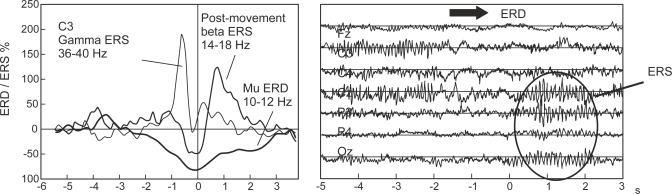
“Both rhythms are associated in such a way that some beta rhythms are harmonic mu rhythms, although some beta rhythms may also be independent [139].”
BackgroundStatistical pattern recognition: a review
Jain, A. K., Duin, P. W., & Mao, J. (2000) · IEEE Transactions on Pattern Analysis and Machine Intelligence · doi:10.1109/34.824819 · Cited by 6,767 · cited 1×
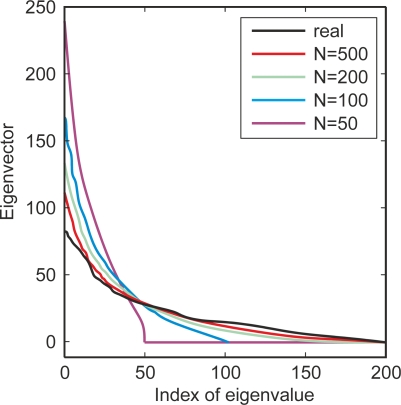
“training data needed to offer good results increases exponentially with the dimensionality of the feature vector [223].”
BackgroundThe ten-twenty electrode system of the international federation
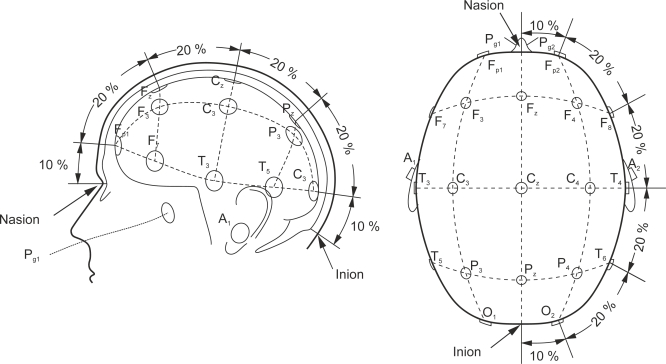
Jasper, H. H. (1958) · Electroencephalography and Clinical Neurophysiology · Cited by 6,567
Neurophysiological investigation of the basis of the fMRI signal
Logothetis, N. K., Pauls, J., Augath, M., Trinath, T., & Oeltermann, A. (2001) · Nature · doi:10.1038/35084005 · Cited by 6,551 · cited 1×
“a correspondence between both does exist [86].”
Frequency Dependence of Signal Power and Spatial Reach of the Local Field Potential
Leski, S., Lindén, H., Tetzlaff, T., Pettersen, K. H., & Einevoll, G. T. (2013) · PubMed · doi:10.18154/rwth-conv-084442 · Cited by 3,639
Neuronal ensemble control of prosthetic devices by a human with tetraplegia
Hochberg, L. R., Serruya, M. D., Friehs, G. M., Mukand, J. A., Saleh, M., Caplan, A. H., Branner, A., Chen, D., Penn, R. D., & Donoghue, J. P. (2006) · Nature · doi:10.1038/nature04970 · Cited by 3,295 · cited 1×
“[287] implanted BrainGate sensors in the primary motor cortex of a tetraplegic patient to control a cursor.”
BackgroundFarwell, L. A., & Donchin, E. (1988) · Electroencephalography and Clinical Neurophysiology · doi:10.1016/0013-4694(88)90149-6 · Cited by 3,228 · cited 5×
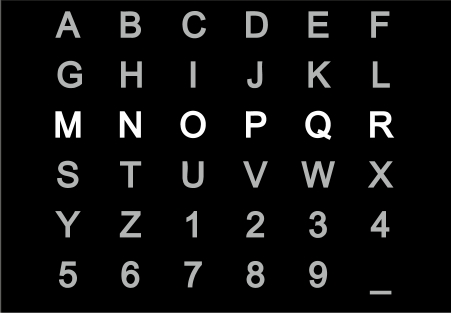
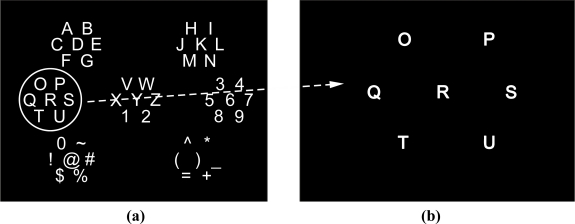
“A typical application of a BCI based on visual P300 evoked potentials comprises a matrix of letters, numbers, or other symbols or commands [123,127,128].”
BackgroundInfluential
Research works printed but not linked: 3
- Steven, L., and Giulio, T. (2009). The Neurology of Consciousness, Academic Press.
- Mellinger, 2007, An MEG-based brain-computer interface (BCI), Neuroimage, 36, 581, 10.1016/j.neuroimage.2007.03.019 · DOI · Paper page
- Tangermann, M., Krauledat, M., Grzeska, K., Sagebaum, M., Blankertz, B., Vidaurre, C., and Müller, K. (2008). Playing Pinball with non-invasive BCI. Proc. NIPS, 1641–1648.
Cited by
Items 401–500 of 1,005
Virtual Reality Cognitive Gaming Based on Brain Computer Interfacing: A Narrative Review
Hadjiaros, M., Neokleous, K., Shimi, A. G., Avraamides, M. N., & Pattichis, C. S. (2023) · IEEE Access · doi:10.1109/access.2023.3247133 · Cited by 37
“Despite the long training phase in NN, new invisible data can be analyzed as soon as the network parameters are defined [57].”
BackgroundMethodMamun, K. A., Mace, M., Lutman, M. E., Stein, J. F., Liu, X., Aziz, T. Z., Vaidyanathan, R., & Wang, S. (2015) · Journal of Neural Engineering · doi:10.1088/1741-2560/12/5/056011 · Cited by 37
Keutayeva, A., & Abibullaev, B. (2024) · IEEE Access · doi:10.1109/access.2024.3394696 · Cited by 38
Xue, Z., Zhang, Y., Li, H., Chen, H., Shen, S., & Du, H. (2024) · IEEE Transactions on Instrumentation and Measurement · doi:10.1109/tim.2024.3417598 · Cited by 42
Weyand, S., Takehara‐Nishiuchi, K., & Chau, T. T. (2015) · IEEE Transactions on Neural Systems and Rehabilitation Engineering · doi:10.1109/tnsre.2015.2399392 · Cited by 41
Recursive Bayesian Coding for BCIs
Higger, M., Quivira, F., Akcakaya, M., Moghadamfalahi, M., Nezamfar, H., Cetin, M., & Erdogmus, D. (2017) · IEEE Transactions on Neural Systems and Rehabilitation Engineering · doi:10.1109/tnsre.2016.2590959 · Cited by 19
Asynchronous brain–computer interface for cognitive assessment in people with cerebral palsy
Alcaide-Aguirre, R. E., Warschausky, S. A., Brown, D., Aref, A. M. A., & Huggins, J. E. (2017) · Journal of Neural Engineering · doi:10.1088/1741-2552/aa7fc4 · Cited by 34
A Survey of Deep Learning and Traditional Approaches for EEG Signal Processing and Classification
Iftikhar, M., Khan, S. A., & Hassan, A. (2018) · IEEE Annual Information Technology, Electronics and Mobile Communication Conference (IEMCON) · doi:10.1109/iemcon.2018.8614893 · Cited by 33
Rashid, M., Islam, M., Sulaiman, N., Bari, B. S., Saha, R. K., & Hasan, M. J. (2020) · SN Applied Sciences · doi:10.1007/s42452-020-2023-x · Cited by 35
“In ECoG recording, electrodes are attached on the exterior of the cortex whereas the electrodes are implanted interior the cortex in intracortical neuron recording [3].”
BackgroundMethodKhanam, F., Hossain, A. B. M. A., & Ahmad, M. (2022) · Brain-Computer Interfaces · doi:10.1080/2326263x.2022.2109855 · Cited by 33
Wei, Q., & Wei, Z. (2015) · Bio-Medical Materials and Engineering · doi:10.3233/bme-151451 · Cited by 32
P300 Detection Based on EEG Shape Features
Alvarado-González, M., Garduño, E., Bribiesca, E., Yáñez-Suárez, Ó., & Medina-Bañuelos, V. (2016) · Computational and Mathematical Methods in Medicine · doi:10.1155/2016/2029791 · Cited by 36
Wittevrongel, B., & Hulle, M. M. V. (2017) · Frontiers in Neuroscience · doi:10.3389/fnins.2017.00630 · Cited by 35
Lionakis, E., Κarampidis, K., & Papadourakis, G. M. (2023) · Multimodal Technologies and Interaction · doi:10.3390/mti7100095 · Cited by 36
Hybrid EEG-NIRS based BCI for quadcopter control
Khan, M. J., Hong, K., Naseer, N., & Bhutta, M. R. (2015) · Annual Conference of the Society of Instrument and Control Engineers of Japan (SICE) · doi:10.1109/sice.2015.7285434 · Cited by 33
Applying Extreme Learning Machine to classification of EEG BCI
Tan, P., Sa, W., & Yu, L. (2016) · IEEE International Conference on Cyber Technology in Automation, Control, and Intelligent Systems · doi:10.1109/cyber.2016.7574827 · Cited by 32
Hübner, D., Verhoeven, T., Müller, K., Kindermans, P.-J., & Tangermann, M. (2018) · IEEE Computational Intelligence Magazine · doi:10.1109/mci.2018.2807039 · Cited by 41
Reddy, T. K., Arora, V., & Behera, L. (2018) · IEEE Transactions on Emerging Topics in Computational Intelligence · doi:10.1109/tetci.2018.2858761 · Cited by 31
EEG-Based Motor Imagery Classification with Deep Multi-Task Learning
Song, Y., Wang, D., Yue, K., Zheng, N., & Shen, Z. M. (2019) · International Joint Conference on Neural Networks (IJCNN) · doi:10.1109/ijcnn.2019.8852362 · Cited by 34
Classification of Imagined Speech Using Siamese Neural Network
Lee, D.-Y., Lee, M., & Lee, S. (2020) · Conference proceedings/Conference proceedings - IEEE International Conference on Systems, Man, and Cybernetics · doi:10.1109/smc42975.2020.9282982 · Cited by 34
Decoding human mental states by whole-head EEG+fNIRS during category fluency task performance
Omurtag, A., Aghajani, H., & Keleş, H. O. (2017) · Journal of Neural Engineering · doi:10.1088/1741-2552/aa814b · Cited by 35
The influence of graphical elements on user’s attention and control on a neurofeedback-based game
Vasiljevic, G. A. M., & de Miranda, L. C. (2018) · Entertainment Computing · doi:10.1016/j.entcom.2018.10.003 · Cited by 31
The history, current state and future possibilities of the non-invasive brain computer interfaces
Caiado, F., & Ukolov, A. (2025) · Medicine in Novel Technology and Devices · doi:10.1016/j.medntd.2025.100353 · Cited by 49
A Double-Partial Least-Squares Model for the Detection of Steady-State Visual Evoked Potentials
Ge, S., Wang, R., Leng, Y., Wang, H., Lin, P., & Iramina, K. (2016) · IEEE Journal of Biomedical and Health Informatics · doi:10.1109/jbhi.2016.2546311 · Cited by 30
Choi, G.-Y., Han, C. H., Jung, Y., & Hwang, H.-J. (2019) · GigaScience · doi:10.1093/gigascience/giz133 · Cited by 32
“Two approaches have been used to develop EEG-based BCIs; the difference between these 2 approaches is the presence of external stimuli [3].”
Reduction of Onset Delay in Functional Near-Infrared Spectroscopy: Prediction of HbO/HbR Signals
Zafar, A., & Hong, K. (2020) · Frontiers in Neurorobotics · doi:10.3389/fnbot.2020.00010 · Cited by 30
“, 2018), and brain-computer interfaces (BCIs) (Nicolas-Alonso and Gomez-Gil, 2012; Naseer and Hong, 2015; Schudlo and Chau, 2018; Shin and Im, 2018).”
Sanna, A., Manuri, F., Fiorenza, J., & Pace, F. D. (2022) · Information · doi:10.3390/info13100460 · Cited by 32
A Hybrid GCN and Filter‐Based Framework for Channel and Feature Selection: An fNIRS‐BCI Study
Zafar, A., Kallu, K. D., Yaqub, M. A., Ali, M. U., Byun, J. H., Yoon, M., & Kim, K. S. (2023) · International Journal of Intelligent Systems · doi:10.1155/2023/8812844 · Cited by 35
Weyand, S., Schudlo, L. C., Takehara‐Nishiuchi, K., & Chau, T. T. (2015) · Neurophotonics · doi:10.1117/1.nph.2.2.025001 · Cited by 38
Cross-modal guiding and reweighting network for multi-modal RSVP-based target detection
Mao, J., Qiu, S., Wei, W., & He, H. (2023) · Neural Networks · doi:10.1016/j.neunet.2023.01.009 · Cited by 31
Controlling an arduino robot using Brain Computer Interface
Gargava, P., Sindwani, K., & Soman, S. (2014) · International Conference on Reliability, Infocom Technologies and Optimization (Trends and Future Directions) (ICRITO) · doi:10.1109/icrito.2014.7014713 · Cited by 29
A review of methods and applications of brain computer interface systems
Alamdari, N., Haider, A., Arefin, R., Verma, A. K., Tavakolian, K., & Fazel-Rezai, R. (2016) · IEEE International Conference on Electro Information Technology · doi:10.1109/eit.2016.7535263 · Cited by 31
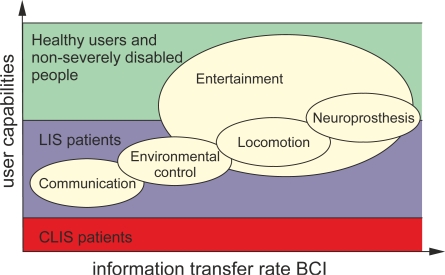
“According to [37], the main target populations for BCI applications fall into three classes.”
BackgroundOptical fiber force myography sensor for applications in prosthetic hand control
Fujiwara, E., Wu, Y. T., Suzuki, C. K., de Andrade, D. T. G., Neto, A. R., & Rohmer, E. (2018) · IEEE International Workshop on Advanced Motion Control (AMC) · doi:10.1109/amc.2019.8371115 · Cited by 29
Kirar, J. S., & Agrawal, R. K. (2019) · Applied Soft Computing · doi:10.1016/j.asoc.2019.105519 · Cited by 30
On the Better Performance of Pianists with Motor Imagery-Based Brain-Computer Interface Systems
Riquelme-Ros, J.-V., Rodríguez-Bermúdez, G., Rodríguez‐Rodríguez, I., Rodríguez, J., & Molina‐García‐Pardo, J. (2020) · Sensors · doi:10.3390/s20164452 · Cited by 31
“A brain-computer interface (BCI) system uses various techniques to recognize brain activity and transform this biological signal into a command that can be used by computer systems to complete certain tasks [1].”
Improving the performance of P300 BCI system using different methods
Fouad, I. A., Labib, F. E.-Z. M., Mabrouk, M. S., Sharawy, A. A., & Sayed, A. Y. (2020) · Network Modeling Analysis in Health Informatics and Bioinformatics · doi:10.1007/s13721-020-00268-1 · Cited by 29
Dunlap, C. F., Colachis, S. C., Meyers, E., Bockbrader, M. A., & Friedenberg, D. A. (2020) · Frontiers in Neurorobotics · doi:10.3389/fnbot.2020.558987 · Cited by 33
Medina-Juliá, M. T., Fernández-Rodríguez, Á., Velasco-Álvarez, F., & Ron-Angevín, R. (2020) · Frontiers in Human Neuroscience · doi:10.3389/fnhum.2020.583358 · Cited by 32
A novel approach for designing authentication system using a picture based P300 speller
Rathi, N., Singla, R. K., & Tiwari, S. (2021) · Cognitive Neurodynamics · doi:10.1007/s11571-021-09664-3 · Cited by 33
Frequency Information Enhanced Deep EEG Denoising Network for Ocular Artifact Removal
Jin, Y., Liu, A., Li, C., Qian, R., & Chen, X. (2022) · IEEE Sensors Journal · doi:10.1109/jsen.2022.3209805 · Cited by 35
A Wearable Asynchronous Brain-Computer Interface Based on EEG-EOG Signals With Fewer Channels
Hu, L., Zhu, J., Chen, S., Zhou, Y., Song, Z., & Li, Y. (2023) · IEEE Transactions on Biomedical Engineering · doi:10.1109/tbme.2023.3308371 · Cited by 29
Liberati, G., Federici, S., & Pasqualotto, E. (2015) · Neurorehabilitation · doi:10.3233/nre-151266 · Cited by 32
Liu, Y., Grumbles, R. M., & Thomas, C. K. (2013) · Journal of Neuropathology & Experimental Neurology · doi:10.1097/nen.0b013e318299d376 · Cited by 32
Energy harvesting from arterial blood pressure for powering embedded micro sensors in human brain
Nanda, A., & Karami, M. A. (2017) · Journal of Applied Physics · doi:10.1063/1.4977842 · Cited by 33
Filter-Bank Artifact Rejection: High performance real-time single-channel artifact detection for EEG
Dhindsa, K. (2017) · Biomedical Signal Processing and Control · doi:10.1016/j.bspc.2017.06.012 · Cited by 31
EEG Based Brain Computer Interface for Speech Communication: Principles and Applications
Mohanchandra, K., Saha, S., & Lingaraju, G. M. (2014) · Intelligent systems reference library · doi:10.1007/978-3-319-10978-7_10 · Cited by 32
“Exogenous BCI uses external stimulus such as sound or picture to elicit the brain activity, while the endogenous BCI is based on selfregulation [59] of brain rhythms and potentials without external stimuli.”
BackgroundEEG in Neurorehabilitation: A Bibliometric Analysis and Content Review
(2022) · doi:10.3390/neurolint14040084 · Cited by 28
Huang, W., Wang, W., Li, Y., & Wu, W. (2024) · IEEE Transactions on Affective Computing · doi:10.1109/taffc.2024.3385651 · Cited by 30
Advances in conductive hydrogels for neural recording and stimulation
Dawit, H., Zhao, Y., Wang, J., & Pei, R. (2024) · Biomaterials Science · doi:10.1039/d4bm00048j · Cited by 32
Advancing BCI with a transformer-based model for motor imagery classification
Liao, W., Liu, H., & Wang, W. (2025) · Scientific Reports · doi:10.1038/s41598-025-06364-4 · Cited by 47
Bayesian Spatial Filters for Source Signal Extraction: A Study in the Peripheral Nerve
Tang, Y., Wodlinger, B., & Durand, D. M. (2014) · IEEE Transactions on Neural Systems and Rehabilitation Engineering · doi:10.1109/tnsre.2014.2303472 · Cited by 28
Brain–computer interface: The first experience of clinical use in Russia
Mokienko, O. A., Lyukmanov, R. K., Chernikova, L. A., Suponeva, N. A., Пирадов, М. А., & Frolov, A. (2016) · Human Physiology · doi:10.1134/s0362119716010126 · Cited by 30
Brain–computer interfaces for patients with disorders of consciousness
Gibson, R. M., Owen, A. M., & Cruse, D. (2016) · Progress in brain research · doi:10.1016/bs.pbr.2016.04.003 · Cited by 32
Toward a Hybrid Passive BCI for the Modulation of Sustained Attention Using EEG and fNIRS
Karran, A. J., Demazure, T., Léger, P., Labonté-LeMoyne, É., Sénécal, S., Frédette, M., & Babin, G. (2019) · Frontiers in Human Neuroscience · doi:10.3389/fnhum.2019.00393 · Cited by 37
Akan, Ö. B., Ramezani, H., Civas, M., Cetinkaya, O., Bilgin, B. A., & Abbasi, N. A. (2021) · IEEE Reviews in Biomedical Engineering · doi:10.1109/rbme.2021.3056455 · Cited by 32
Murovec, N., Heilinger, A., Xu, R., Ortner, R., Spataro, R., Bella, V. L., Miao, Y., Jin, J., Chatelle, C., Laureys, S., et al. (2020) · Frontiers in Neuroscience · doi:10.3389/fnins.2020.00294 · Cited by 33
Prediction versus understanding in computationally enhanced neuroscience
Chirimuuta, M. (2020) · Synthese · doi:10.1007/s11229-020-02713-0 · Cited by 40
Detection and analysis of MEG signals in occipital region with double-channel OPM sensors
Zhang, X., Chen, C.-Q., Zhang, M., Ma, C., Zhang, Y., Wang, H., Guo, Q., Hu, T., Liu, Z., Chang, Y., et al. (2020) · Journal of Neuroscience Methods · doi:10.1016/j.jneumeth.2020.108948 · Cited by 29
A robust and reliable online P300-based BCI system using Emotiv EPOC + headset
Fouad, I. A. (2021) · Journal of Medical Engineering & Technology · doi:10.1080/03091902.2020.1853840 · Cited by 33
Velasco-Álvarez, F., Fernández-Rodríguez, Á., Vizcaíno-Martín, F.-J., Estrella, A. D., & Ron-Angevín, R. (2021) · Sensors · doi:10.3390/s21113716 · Cited by 30
“The neuroimaging technique most used by BCIs is electroencephalography (EEG), possibly due to its relatively low cost and high temporal resolution [8].”
MethodCross-Platform Implementation of an SSVEP-Based BCI for the Control of a 6-DOF Robotic Arm
Quiles, E., Dadone, J., Chio, N., & García, E. (2022) · Sensors · doi:10.3390/s22135000 · Cited by 30
“The SSVEP signal appears in the visual cortex when the subject observes intermittent stimuli [104], and its response depends on the subject’s attention [105–107] and the size, shape, and frequency of the stimulus [7,19,108].”
BackgroundMethodLoriette, C., Amengual, J. L., & Hamed, S. B. (2022) · Frontiers in Neuroscience · doi:10.3389/fnins.2022.811736 · Cited by 36
“However, and in spite of the refined and precise information that they provide, the application of invasive methods of decoding brain activity in humans remains rare as they involve an invasive surgery and they come with strong ethical limitations (Nicolas-Alonso and Gomez-Gil, 2012).”
BackgroundKim, D.-H., Shin, D., & Kam, T. (2023) · Frontiers in Human Neuroscience · doi:10.3389/fnhum.2023.1194751 · Cited by 37
“Brain-computer interface (BCI) is a core technology that establishes a direct communication pathway between the human brain and an external device (Nicolas-Alonso and Gomez-Gil, 2012; Chaudhary et al., 2016; Jeong et al., 2022).”
BackgroundExamining brain activity while playing computer games
Bakaoukas, A. G., Coada, F., & Liarokapis, F. (2015) · Journal on Multimodal User Interfaces · doi:10.1007/s12193-015-0205-4 · Cited by 28
Automated EEG Artifact Handling With Application in Driver Monitoring
Barua, S., Ahmed, M. U., Ahlstrom, C. H. G., Begum, S., & Funk, P. J. (2017) · IEEE Journal of Biomedical and Health Informatics · doi:10.1109/jbhi.2017.2773999 · Cited by 28
“More recently, there has also been an increasing interest in analysing EEG in dynamic environments while users act in naturalistic environments [2], [7]–[10].”
BackgroundMethodThe functional differentiation of brain–computer interfaces (BCIs) and its ethical implications
Sun, X.-Y., & Ye, B. (2023) · Humanities and Social Sciences Communications · doi:10.1057/s41599-023-02419-x · Cited by 29
Cross-Channel Specific-Mutual Feature Transfer Learning for Motor Imagery EEG Signals Decoding
Li, D., Wang, J., Xu, J., Fang, X., & Ji, Y. (2023) · IEEE Transactions on Neural Networks and Learning Systems · doi:10.1109/tnnls.2023.3269512 · Cited by 30
Toward Domain-Free Transformer for Generalized EEG Pre-Training
Kim, S.-J., Lee, D.-H., Kwak, H.-G., & Lee, S. (2024) · IEEE Transactions on Neural Systems and Rehabilitation Engineering · doi:10.1109/tnsre.2024.3355434 · Cited by 35
Speech Imagery Decoding Using EEG Signals and Deep Learning: A Survey
Zhang, L., Zhou, Y., Gong, P., & Zhang, D. (2024) · IEEE Transactions on Cognitive and Developmental Systems · doi:10.1109/tcds.2024.3431224 · Cited by 35
Babu, N., Satija, U., Mathew, J., & Vinod, A. P. (2025) · Biomedical Signal Processing and Control · doi:10.1016/j.bspc.2025.107674 · Cited by 30
Motor imagery movements classification using multivariate EMD and short time Fourier transform
Bashar, S. K., Hassan, A. R., & Bhuiyan, M. I. H. (2015) · IEEE India Conference · doi:10.1109/indicon.2015.7443813 · Cited by 30
Interfacing with the nervous system: a review of current bioelectric technologies
Sahyouni, R., Mahmoodi, A., Chen, J. W., Chang, D. T., Moshtaghi, O., Djalilian, H. R., & Lin, H. W. (2017) · Neurosurgical Review · doi:10.1007/s10143-017-0920-2 · Cited by 29
Keihani, A., Shirzhiyan, Z., Farahi, M., Shamsi, E., Mahnam, A., Makkiabadi, B., Haidari, M. R., & Jafari, A. H. (2018) · Frontiers in Human Neuroscience · doi:10.3389/fnhum.2018.00201 · Cited by 27
Santamaría-Vázquez, E., Martínez-Cagigal, V., Gómez‐Pilar, J., & Hornero, R. (2019) · IEEE Transactions on Neural Systems and Rehabilitation Engineering · doi:10.1109/tnsre.2019.2934645 · Cited by 31
“by inter-session variability, due to inherent properties of brain signals and external factors, such as cap position or attenuation [2], [5].”
BackgroundMethodEEG Motor Execution Decoding via Interpretable Sinc-Convolutional Neural Networks
Borra, D., Fantozzi, S., & Magosso, E. (2019) · World Congress on Medical Physics and Biomedical Engineering, September 7 - 12, 2009, Munich, Germany · doi:10.1007/978-3-030-31635-8_135 · Cited by 29
Detection of Stress in Human Brain
Mukherjee, P., & Roy, A. H. (2019) · International Conference on Advanced Computational and Communication Paradigms (ICACCP) · doi:10.1109/icaccp.2019.8882906 · Cited by 27
Hong, J., & Qin, X. (2021) · Journal of Intelligent & Fuzzy Systems · doi:10.3233/jifs-201280 · Cited by 35
“Three studies [29, 37, 43] simply expressed available brain signal modes, commonly used EEG signals, signal processing algorithms, and applications.”
A Framework for Optimizing Co-adaptation in Body-Machine Interfaces
Santis, D. D. (2021) · Frontiers in Neurorobotics · doi:10.3389/fnbot.2021.662181 · Cited by 35
“, braincomputer interfaces (Santhanam et al., 2006; Millán et al., 2010; Nicolas-Alonso and Gomez-Gil, 2012; Jarosiewicz et al., 2015), brain-machine interfaces (Collinger et al.”
BackgroundAdversarial robustness benchmark for EEG-based brain–computer interfaces
Meng, L., Jiang, X., & Wu, D. (2023) · Future Generation Computer Systems · doi:10.1016/j.future.2023.01.028 · Cited by 37
A DSP for Sensing the Bladder Volume Through Afferent Neural Pathways
Mendez, A., Belghith, A., & Sawan, M. (2013) · IEEE Transactions on Biomedical Circuits and Systems · doi:10.1109/tbcas.2013.2282087 · Cited by 30
Brain computer interface systems using non-invasive electroencephalogram signal: A literature review
Kalagi, S. L., Machado, J., Carvalho, V. H., Soares, F., & Matos, D. (2017) · IEEE International Conference on Engineering, Technology and Innovation (ICE/ITMC) · doi:10.1109/ice.2017.8280071 · Cited by 27
Branco, M. P., de Boer, L. M., Ramsey, N. F., & Vansteensel, M. J. (2019) · European Journal of Neuroscience · doi:10.1111/ejn.14342 · Cited by 32
“…the most accurate spatial and/ or temporal resolution of the acquired signals, which is especially important for the mapping of movement parameters to concise cortical regions (order of 1 neuron to 10,000 neurons) and in short time windows (order of milliseconds) (Nicolas-alonso & Gomez-gil, 2012).”
BackgroundSub 100 nW Volatile Nano-Metal-Oxide Memristor as Synaptic-Like Encoder of Neuronal Spikes
Gupta, I., Serb, A., Khiat, A., Zeitler, R., Vassanelli, S., & Prodromakis, T. (2018) · IEEE Transactions on Biomedical Circuits and Systems · doi:10.1109/tbcas.2018.2797939 · Cited by 26
Design and evaluation of a time adaptive multimodal virtual keyboard
Meena, Y. K., Cecotti, H., Wong‐Lin, K., & Prasad, G. (2019) · Journal on Multimodal User Interfaces · doi:10.1007/s12193-019-00293-z · Cited by 27
Ge, S., Jiang, Y., Wang, P., Wang, H., & Zheng, W. (2019) · IEEE Transactions on Neural Systems and Rehabilitation Engineering · doi:10.1109/tnsre.2019.2934496 · Cited by 26
“Beyond the traditional areas of restoring function and neurological rehabilitation for people with severe motor disabilities [3], BCI systems have also been used in a wide variety of applications for environmental control, locomotion, and entertainment [4].”
BackgroundElectroencephalography of completely locked-in state patients with amyotrophic lateral sclerosis
Maruyama, Y., Yoshimura, N., Rana, A., Malekshahi, A., Tonin, A., Jaramillo-Gonzalez, A., Birbaumer, N., & Chaudhary, U. (2020) · Neuroscience Research · doi:10.1016/j.neures.2020.01.013 · Cited by 34
Siribunyaphat, N., & Punsawad, Y. (2022) · Sensors · doi:10.3390/s22041439 · Cited by 26
The role of brain oscillations in post-stroke motor recovery: An overview
Leonardi, G., Ciurleo, R., Cucinotta, F., Fonti, B., Borzelli, D., Costa, L., Tisano, A., Portaro, S., & Alito, A. (2022) · Frontiers in Systems Neuroscience · doi:10.3389/fnsys.2022.947421 · Cited by 26
“Interestingly, alpha and beta rhythms modulations caused by sensory stimulation, a motor act or motor imagery, are correlated with a decrease or increase in the underlying neuronal population’s synchrony (McFarland et al., 2000; Pfurtscheller et al., 2006; Nicolas-Alonso and Gomez-Gil, 2012).”
BackgroundA Novel Quick-Response Eigenface Analysis Scheme for Brain–Computer Interfaces
Choi, H., Park, J., & Yang, Y.-M. (2022) · Sensors · doi:10.3390/s22155860 · Cited by 26
From psychosomatic medicine, brain–computer interface to brain–apparatus communication
Yao, D., Qin, Y. F., & Zhang, Y. (2022) · Brain-Apparatus Communication A Journal of Bacomics · doi:10.1080/27706710.2022.2120775 · Cited by 28
A hybrid EEG-fNIRS BCI: Motor imagery for EEG and mental arithmetic for fNIRS
Khan, M. J., Hong, K., Naseer, N., & Bhutta, M. R. (2014) · International Conference on Control, Automation and Systems (ICCAS) · doi:10.1109/iccas.2014.6988001 · Cited by 29
Hsu, W. (2016) · Telematics and Informatics · doi:10.1016/j.tele.2016.01.003 · Cited by 27
Design and evaluation of a P300-ERP based BCI system for real-time control of a mobile robot
Nurseitov, D., Serekov, A., Shintemirov, A., & Abibullaev, B. (2017) · International Winter Conference on Brain-Computer Interface (BCI) · doi:10.1109/iww-bci.2017.7858177 · Cited by 26
Geometrical Analysis of Machine Learning Security in Biometric Authentication Systems
Sadeghi, K., Banerjee, A., Sohankar, J., & Gupta, S. K. S. (2017) · International Conference on Machine Learning and Applications · doi:10.1109/icmla.2017.0-142 · Cited by 26
Sorinas, J., Murcia, M. D. G., Vicente, J. M. F., & Fernández, E. (2018) · International Journal of Neural Systems · doi:10.1142/s0129065718500442 · Cited by 30
Khalaf, A. F., Sejdić, E., & Akçakaya, M. (2018) · Journal of Neuroscience Methods · doi:10.1016/j.jneumeth.2018.11.017 · Cited by 30
Enhancing the Hybrid BCI Performance With the Common Frequency Pattern in Dual-Channel EEG
Ko, L.-W., Komarov, O., & Lin, S.-C. (2019) · IEEE Transactions on Neural Systems and Rehabilitation Engineering · doi:10.1109/tnsre.2019.2920748 · Cited by 27
“detection [38], [39] to non-invasive full-cap EEG systems and finally wireless and few channel portable devices [40], [41].”
BackgroundDecoding and interpreting cortical signals with a compact convolutional neural network
Petrosyan, A., Sinkin, M. V., Lebedev, M., & Ossadtchi, A. E. (2021) · Journal of Neural Engineering · doi:10.1088/1741-2552/abe20e · Cited by 32
The Promise of Neurotechnology in Clinical Translational Science
White, S. W., Richey, J. A., Gračanin, D., Bell, M. A., LaConte, S. M., Coffman, M. C., Wieckowski, A. T., & Kim, I. (2014) · Clinical Psychological Science · doi:10.1177/2167702614549801 · Cited by 30
Gonzalez-Vargas, J. E., Dosen, S. S., Amsuess, S., Yu, W., & Farina, D. (2015) · PLoS ONE · doi:10.1371/journal.pone.0127528 · Cited by 31
Metadata
- Authors
- Nicolas-Alonso, L. F., & Gomez-Gil, J.
- Affiliations
- Universidad de Valladolid (ES)
- Department of Signal Theory, Communications and Telematics Engineering, University of Valladolid, Valladolid 47011, Spain
- Corresponding author
- Nicolas-Alonso, Luis Fernando
- Venue
- Sensors
- Publisher
- MDPI AG
- Published
- 2012-01-31
- Volume
- 12
- Issue
- 2
- Pages
- 1211-1279
- ISSN
- 1424-8220 (ISSN-L)
- PMC
- PMC3304110
- OpenAlex
- W2128909182
- Cited by
- 2,143
- References
- 325
- Citations by year
- 2026: 137 · 2025: 186 · 2024: 178 · 2023: 181 · 2022: 201 · 2021: 220 · 2020: 185 · 2019: 185 · 2018: 177 · 2017: 134 · 2016: 118 · 2015: 91 · 2014: 78 · 2013: 48 · 2012: 20
- FWCI
- 5.81
- Type
- journal article
- Language
- en
- Open access
- gold
- doi.org
- Licence
- Locations
- Sensors (publishedVersion, cc-by)
- PubMed Central (publishedVersion, cc-by)
- PubMed (publishedVersion)
- Hispana (publishedVersion, cc-by)
- DOAJ (DOAJ: Directory of Open Access Journals) (submittedVersion, cc-by-sa)
- University of Valladolid Documentary Repository (University of Valladolid) (submittedVersion, cc-by)
- Topics
- Life Sciences › Neuroscience › Cognitive Neuroscience › EEG and Brain-Computer Interfaces
- Physical Sciences › Computer Science › Human-Computer Interaction › Gaze Tracking and Assistive Technology
- Physical Sciences › Engineering › Biomedical Engineering › Muscle activation and electromyography studies
- Keywords
- brain-computer interface, neuroimaging, electrophysiological signals, signal preprocessing, artifact removal, feature extraction, brain signal classification, paralysis, locked-in syndrome, amyotrophic lateral sclerosis, spinal cord injury, brain-computer interface applications
- MeSH terms
- Algorithms, Brain, Electroencephalography, Humans, Man-Machine Systems, Pattern Recognition, Automated, Signal Processing, Computer-Assisted, Transducers, User-Computer Interface
About these checks
Registry, retraction, Cites and statistics results are computed, not judged, with one exception: a printed reference that no index lists is read once by a model before it counts as a citation error. Claims are extracted by a model and kept only when their quote appears verbatim in the text; each cited source is then checked, with a model’s help, for whether it says what the claim relies on. Those verdicts can be wrong — read the claim’s quote and the cited source before relying on one.
Statistics and arithmetic are recomputed, not judged.
Confidence bands are shown only for fields calibrated on our annotated test set. None is calibrated yet, so no band is shown.
What counts as a claim ›How we measure confidence ›How we check this ›
Are you an author, or do you see a problem with this page? Request a review
Data sources
Bibliographic data: Semantic Scholar, OpenAlex, Crossref.
Contains information from the Semantic Scholar Academic Graph Datasets, made available under the ODC Attribution License (ODC-BY 1.0).
Semantic Scholar’s data is described in: Kinney, R., et al. (2023). The Semantic Scholar Open Data Platform. arXiv:2301.10140.
