

Brain Computer Interfaces, a Review
Open accessThe DOI matches its Crossref record; 322 of the 325 references it cites were found in a registry or an index.
Abstract
A brain-computer interface (BCI) is a hardware and software communications system that permits cerebral activity alone to control computers or external devices. The immediate goal of BCI research is to provide communications capabilities to severely disabled people who are totally paralyzed or ‘locked in’ by neurological neuromuscular disorders, such as amyotrophic lateral sclerosis, brain stem stroke, or spinal cord injury. Here, we review the state-of-the-art of BCIs, looking at the different steps that form a standard BCI: signal acquisition, preprocessing or signal enhancement, feature extraction, classification and the control interface. We discuss their advantages, drawbacks, and latest advances, and we survey the numerous technologies reported in the scientific literature to design each step of a BCI. First, the review examines the neuroimaging modalities used in the signal acquisition step, each of which monitors a different functional brain activity such as electrical, magnetic or metabolic activity. Second, the review discusses different electrophysiological control signals that determine user intentions, which can be detected in brain activity. Third, the review includes some techniques used in the signal enhancement step to deal with the artifacts in the control signals and improve the performance. Fourth, the review studies some mathematic algorithms used in the feature extraction and classification steps which translate the information in the control signals into commands that operate a computer or other device. Finally, the review provides an overview of various BCI applications that control a range of devices.
Overview
The claims and statistics of this paper haven’t been checked yet.
Free: it reads the open-access text and checks the first 5 claims that cite a source we can check. Create a free account to check every claim.
Integrity signals
Registry
Cites
Statistics
Figures
Verification
Claims the paper makes
The claims and statistics of this paper haven’t been checked yet.
Free: it reads the open-access text and checks the first 5 claims that cite a source we can check. Create a free account to check every claim.
Claims other papers make about this one
Each is checked against this paper’s own text: does it say what the citing paper says it does?
The source backs part of the claim, not all of it — or backs it for a different population, condition or comparison.
In the citing paper
“Noninvasive EEG based BCI could potentially serve the needs of a large population10.”
From Noninvasive Electroencephalogram Based Control of a Robotic Arm for Reach and Grasp Tasks (2016) · cites this paper as [10]
Experimental — accuracy not yet measuredThe cited source says what the claim attributes to it.
In the citing paper
“this response can be used as a neural signal in EEG-based brain-computer interfaces (BCIs), enabling direct communication between the brain and surroundings without the involvement of peripheral nerves or muscles (Nicolas-Alonso and Gomez-Gil, 2012).”
From A Lightweight Multi-Scale Convolutional Neural Network for P300 Decoding: Analysis of Training Strategies and Uncovering of Network Decision (2021) · cites this paper as Nicolas-Alonso and Gomez-Gil, 2012
The check wasn’t confident either way, so it gives no verdict — never disputed.
In the citing paper
“Among others, external influences such as stress, emotion, and work impact these metrics and can be used to infer those [162].”
From A Survey on Measuring Cognitive Workload in Human-Computer Interaction (2023) · cites this paper as [162]
Experimental — accuracy not yet measured
Self-check
Percentages, sums and reported differences re-computed from the paper’s own numbers.
The self-check needs the paper’s full text.
Citations
Cites
A Tutorial on Support Vector Machines for Pattern Recognition
Burges, C. J. C. (1998) · Data Mining and Knowledge Discovery · doi:10.1023/a:1009715923555 · Cited by 16,429 · cited 1×
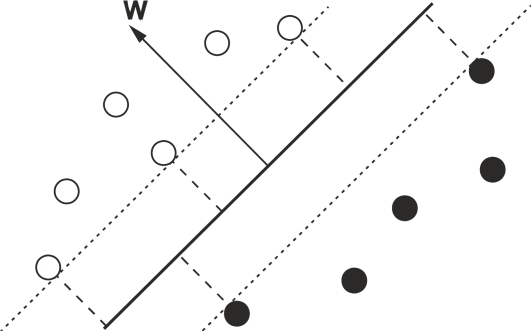
“However, in contrast to LDA, SVM selects the hyperplanes that maximize the margins, that is, the distance between the nearest training samples and the hyperplanes [236].”
MethodAn Information-Maximization Approach to Blind Separation and Blind Deconvolution
Bell, A. J., & Sejnowski, T. J. (1995) · Neural Computation · doi:10.1162/neco.1995.7.6.1129 · Cited by 8,986 · cited 1×
“Finally, s(t) and A are obtained from x(t) by means of certain algorithms, such as Infomax [162] or further modification of the Infomax [163].”
MethodBrain–computer interfaces for communication and control
Wolpaw, J. R., Birbaumer, N., McFarland, D. J., Pfurtscheller, G., & Vaughan, T. M. (2002) · Clinical Neurophysiology · doi:10.1016/s1388-2457(02)00057-3 · Cited by 7,927 · cited 2×
“Furthermore, BCI systems require real-time signal processing, and up until recently the requisite technology either did not exist or was extremely expensive [2].”
BackgroundEvent-related EEG/MEG synchronization and desynchronization: basic principles
Pfurtscheller, G., & Lopes da Silva, F. H. (1999) · Clinical Neurophysiology · doi:10.1016/s1388-2457(99)00141-8 · Cited by 7,328 · cited 1×
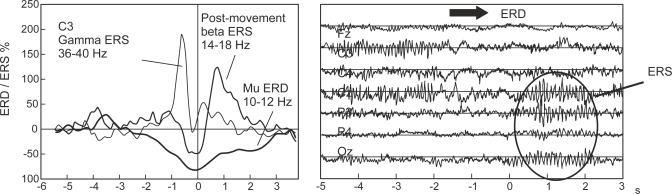
“Both rhythms are associated in such a way that some beta rhythms are harmonic mu rhythms, although some beta rhythms may also be independent [139].”
BackgroundStatistical pattern recognition: a review
Jain, A. K., Duin, P. W., & Mao, J. (2000) · IEEE Transactions on Pattern Analysis and Machine Intelligence · doi:10.1109/34.824819 · Cited by 6,767 · cited 1×
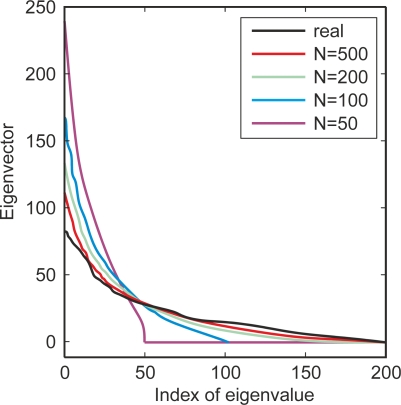
“training data needed to offer good results increases exponentially with the dimensionality of the feature vector [223].”
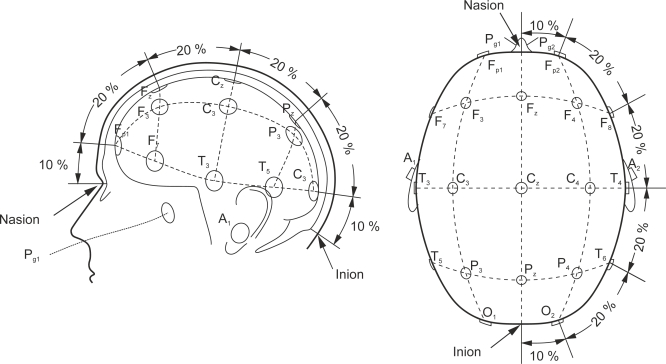
BackgroundThe ten-twenty electrode system of the international federation
Jasper, H. H. (1958) · Electroencephalography and Clinical Neurophysiology · Cited by 6,567
Neurophysiological investigation of the basis of the fMRI signal
Logothetis, N. K., Pauls, J., Augath, M., Trinath, T., & Oeltermann, A. (2001) · Nature · doi:10.1038/35084005 · Cited by 6,551 · cited 1×
“a correspondence between both does exist [86].”
Frequency Dependence of Signal Power and Spatial Reach of the Local Field Potential
Leski, S., Lindén, H., Tetzlaff, T., Pettersen, K. H., & Einevoll, G. T. (2013) · PubMed · doi:10.18154/rwth-conv-084442 · Cited by 3,639
Neuronal ensemble control of prosthetic devices by a human with tetraplegia
Hochberg, L. R., Serruya, M. D., Friehs, G. M., Mukand, J. A., Saleh, M., Caplan, A. H., Branner, A., Chen, D., Penn, R. D., & Donoghue, J. P. (2006) · Nature · doi:10.1038/nature04970 · Cited by 3,295 · cited 1×
“[287] implanted BrainGate sensors in the primary motor cortex of a tetraplegic patient to control a cursor.”
BackgroundFarwell, L. A., & Donchin, E. (1988) · Electroencephalography and Clinical Neurophysiology · doi:10.1016/0013-4694(88)90149-6 · Cited by 3,228 · cited 5×
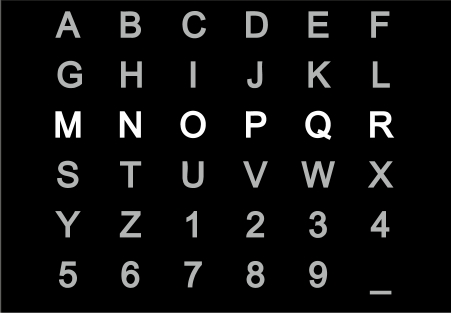
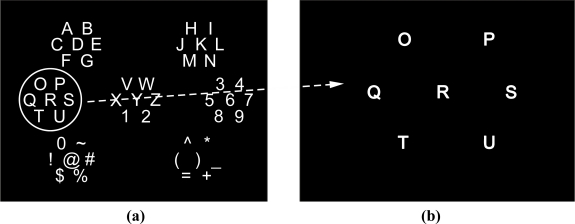
“A typical application of a BCI based on visual P300 evoked potentials comprises a matrix of letters, numbers, or other symbols or commands [123,127,128].”
BackgroundInfluential
Research works printed but not linked: 3
- Steven, L., and Giulio, T. (2009). The Neurology of Consciousness, Academic Press.
- Mellinger, 2007, An MEG-based brain-computer interface (BCI), Neuroimage, 36, 581, 10.1016/j.neuroimage.2007.03.019 · DOI · Paper page
- Tangermann, M., Krauledat, M., Grzeska, K., Sagebaum, M., Blankertz, B., Vidaurre, C., and Müller, K. (2008). Playing Pinball with non-invasive BCI. Proc. NIPS, 1641–1648.
Cited by
Items 101–200 of 1,005
Brain-machine interfaces: an overview.
Lebedev, M. (2014) · Translational Neuroscience · doi:10.2478/s13380-014-0212-z · Cited by 112
Most Popular Signal Processing Methods in Motor-Imagery BCI: A Review and Meta-Analysis
Wierzgała, P., Zapała, D., Wójcik, G. M., & Masiak, J. (2018) · Frontiers in Neuroinformatics · doi:10.3389/fninf.2018.00078 · Cited by 134
A Prototype SSVEP Based Real Time BCI Gaming System
Martišius, I., & Damaševičius, R. (2016) · Computational Intelligence and Neuroscience · doi:10.1155/2016/3861425 · Cited by 115
Arpaïa, P., Espósito, A., Natalizio, A., & Parvis, M. (2022) · Journal of Neural Engineering · doi:10.1088/1741-2552/ac74e0 · Cited by 124
MI-EEGNET: A novel convolutional neural network for motor imagery classification
Riyad, M., Khalil, M., & Adib, A. (2020) · Journal of Neuroscience Methods · doi:10.1016/j.jneumeth.2020.109037 · Cited by 122
Advancing 6G: Survey for Explainable AI on Communications and Network Slicing
Sun, H., Liu, Y., Al-Tahmeesschi, A., Nag, A., Soleimanpour-Moghadam, M., Canberk, B., Arslan, H., & Ahmadi, H. (2025) · IEEE Open Journal of the Communications Society · doi:10.1109/ojcoms.2025.3534626 · Cited by 151
On the Vulnerability of CNN Classifiers in EEG-Based BCIs
Zhang, X., & Wu, D. (2019) · IEEE Transactions on Neural Systems and Rehabilitation Engineering · doi:10.1109/tnsre.2019.2908955 · Cited by 126
Decoding Movement From Electrocorticographic Activity: A Review
Volkova, K., Lebedev, M. A., Kaplan, A., & Ossadtchi, A. (2019) · Frontiers in Neuroinformatics · doi:10.3389/fninf.2019.00074 · Cited by 110
“Thus, EEG-based BCIs, which are currently prevalent because of their ease of use (Nicolas-Alonso and Gomez-Gil, 2012), have a lower information transfer rate compared to invasive BCIs (Lebedev and Nicolelis, 2006).”
BackgroundData Augmentation for Deep Neural Networks Model in EEG Classification Task: A Review
He, C., Liu, J., Zhu, Y., & Du, W. (2021) · Frontiers in Human Neuroscience · doi:10.3389/fnhum.2021.765525 · Cited by 105
Classification of Four-Class Motor Imagery Employing Single-Channel Electroencephalography
Ge, S., Wang, R., & Yu, D. (2014) · PLoS ONE · doi:10.1371/journal.pone.0098019 · Cited by 117
Zhu, X., Li, P., Li, C., Yao, D., Zhang, R., & Xu, P. (2018) · Biomedical Signal Processing and Control · doi:10.1016/j.bspc.2018.12.027 · Cited by 113
Noninvasive Brain–Computer Interfaces for Augmentative and Alternative Communication
Akcakaya, M., Peters, B., Moghadamfalahi, M., Mooney, A. R., Orhan, U., Oken, B., Erdogmus, D., & Fried-Oken, M. (2014) · IEEE Reviews in Biomedical Engineering · doi:10.1109/rbme.2013.2295097 · Cited by 100
Review of real brain-controlled wheelchairs
Fernández-Rodríguez, Á., Velasco-Álvarez, F., & Ron-Angevín, R. (2016) · Journal of Neural Engineering · doi:10.1088/1741-2560/13/6/061001 · Cited by 116
Jeong, J.-H., Yu, B.-W., Lee, D.-H., & Lee, S. (2019) · Brain Sciences · doi:10.3390/brainsci9120348 · Cited by 109
“However, EEG signals-based BCI system has one of the critical issues such as the constrained number of classes since non-stationary signal characteristics of the signals [43,44].”
BackgroundEEG-based emotion recognition using multi-scale dynamic CNN and gated transformer
Cheng, Z., Bu, X., Wang, Q., Yang, T., & Tu, J. (2024) · Scientific Reports · doi:10.1038/s41598-024-82705-z · Cited by 128
Gaur, P., Pachori, R. B., Wang, H., & Prasad, G. (2019) · IEEE Sensors Journal · doi:10.1109/jsen.2019.2912790 · Cited by 105
Towards an EEG-based Intuitive BCI Communication System Using Imagined Speech and Visual Imagery
Lee, S., Lee, M., Jeong, J.-H., & Lee, S. (2019) · Conference proceedings/Conference proceedings - IEEE International Conference on Systems, Man, and Cybernetics · doi:10.1109/smc.2019.8914645 · Cited by 103
Contact Pressure and Flexibility of Multipin Dry EEG Electrodes
Fiedler, P., Mühle, R., Griebel, S., Pedrosa, P., Fonseca, C., Vaz, F., Zanow, F., & Haueisen, J. (2018) · IEEE Transactions on Neural Systems and Rehabilitation Engineering · doi:10.1109/tnsre.2018.2811752 · Cited by 103
Enhanced Drowsiness Detection Using Deep Learning: An fNIRS Study
Tanveer, M. A., Khan, M. J., Qureshi, M., Naseer, N., & Hong, K. (2019) · IEEE Access · doi:10.1109/access.2019.2942838 · Cited by 115
Applications of brain-computer interfaces to the control of robotic and prosthetic arms
Vilela, M., & Hochberg, L. R. (2020) · Handbook of clinical neurology · doi:10.1016/b978-0-444-63934-9.00008-1 · Cited by 118
EEG based emotion recognition using fusion feature extraction method
Gao, Q., Wang, C.-H., Wang, Z., Song, X., Dong, E.-Z., & Song, Y. (2020) · Multimedia Tools and Applications · doi:10.1007/s11042-020-09354-y · Cited by 104
Martínez-Cagigal, V., Thielen, J., Santamaría-Vázquez, E., Pérez-Velasco, S., Desain, P., & Hornero, R. (2021) · Journal of Neural Engineering · doi:10.1088/1741-2552/ac38cf · Cited by 127
A scoping review on the use of consumer-grade EEG devices for research
Sabio, J., Williams, N. S., McArthur, G. M., & Badcock, N. A. (2024) · PLOS ONE · doi:10.1371/journal.pone.0291186 · Cited by 98
“How well the BCI system performs depends on multiple factors that include the chosen algorithm, the quality of the signal, electrode location, and the feature to be extracted [36–38].”
BackgroundRiillo, F., Quitadamo, L. R., Cavrini, F., Gruppioni, E., Pinto, C. A., Pastò, N. C., Sbernini, L., Albero, L., & Saggio, G. (2014) · Biomedical Signal Processing and Control · doi:10.1016/j.bspc.2014.07.007 · Cited by 115
Robust Support Matrix Machine for Single Trial EEG Classification
Zheng, Q., Zhu, F., & Heng, P. (2018) · IEEE Transactions on Neural Systems and Rehabilitation Engineering · doi:10.1109/tnsre.2018.2794534 · Cited by 104
“To extract feature in matrix form, we use time domain parameter (TDP) algorithm [53] 1 due to its robust performance [54].”
MethodAl-Qazzaz, N. K., Ali, S. H. M., Ahmad, S. A., Islam, M., & Escudero, J. (2017) · Sensors · doi:10.3390/s17061326 · Cited by 101
Efficient Classification of Motor Imagery Electroencephalography Signals Using Deep Learning Methods
Majidov, I., & Whangbo, T. K. (2019) · Sensors · doi:10.3390/s19071736 · Cited by 105
“Numerous methods have been proposed to reduce noise in EEG signals [8], such as independent component analysis (ICA) [9].”
MethodA Newcomer's Guide to Functional Near Infrared Spectroscopy Experiments
Almajidy, R. K., Mankodiya, K., Abtahi, M., & Hofmann, U. (2019) · IEEE Reviews in Biomedical Engineering · doi:10.1109/rbme.2019.2944351 · Cited by 102
Monge‐Pereira, E., Ibáñez, J., Diego, I. M. A., Serrano, J. I., Rubio, M. P. S., & Rueda, F. M. (2017) · PM&R · doi:10.1016/j.pmrj.2017.04.016 · Cited by 112
Online EEG Classification of Covert Speech for Brain–Computer Interfacing
Sereshkeh, A. R., Trott, R., Bricout, A., & Chau, T. (2017) · International Journal of Neural Systems · doi:10.1142/s0129065717500332 · Cited by 93
Analysis of Human Gait Using Hybrid EEG-fNIRS-Based BCI System: A Review
Khan, H., Naseer, N., Yazidi, A., Eide, P. K., Hassan, H. W., & Mirtaheri, P. (2021) · Frontiers in Human Neuroscience · doi:10.3389/fnhum.2020.613254 · Cited by 106
Mansour, S., Ang, K. K., Nair, K. P. S., Phua, K. S., & Arvaneh, M. (2021) · Clinical EEG and Neuroscience · doi:10.1177/15500594211009065 · Cited by 107
“Due to its lower cost, higher temporal resolution, and portability, EEG is the most commonly used modality in BCI-based stroke rehabilitation.(3) 2.”
MethodElectrode materials for brain–machine interface: A review
Wu, N., Wan, S., Su, S., Huang, H., Dou, G., & Sun, L. (2021) · InfoMat · doi:10.1002/inf2.12234 · Cited by 100
EEGANet: Removal of Ocular Artifacts From the EEG Signal Using Generative Adversarial Networks
Sawangjai, P., Trakulruangroj, M., Boonnag, C., Piriyajitakonkij, M., Tripathy, R. K., Sudhawiyangkul, T., & Wilaiprasitporn, T. (2021) · IEEE Journal of Biomedical and Health Informatics · doi:10.1109/jbhi.2021.3131104 · Cited by 110
A Bidirectional Brain-Machine Interface Featuring a Neuromorphic Hardware Decoder
Boi, F., Moraitis, T., Feo, V. D., Diotalevi, F., Bartolozzi, C., Indiveri, G., & Vato, A. (2016) · Frontiers in Neuroscience · doi:10.3389/fnins.2016.00563 · Cited by 110
Wu, W., Zhang, H., Pirbhulal, S., Mukhopadhyay, S. C., & Zhang, Y.-T. (2015) · IEEE Sensors Journal · doi:10.1109/jsen.2015.2470638 · Cited by 92
EEG-based Classification of Lower Limb Motor Imagery with Brain Network Analysis
Gu, L., Yu, Z., Ma, T., Wang, H., Li, Z., & Fan, H. (2020) · Neuroscience · doi:10.1016/j.neuroscience.2020.04.006 · Cited by 98
Brain-Computer Interface-Based Humanoid Control: A Review
Chamola, V., Vineet, A., Nayyar, A., & Hossain, E. (2020) · Sensors · doi:10.3390/s20133620 · Cited by 101
“This kind of mechanism becomes extremely helpful for those with motor impairment [3].”
BackgroundCognitive neuroscience and robotics: Advancements and future research directions
Liu, S., Wang, L., & Gao, R. X. (2023) · Robotics and Computer-Integrated Manufacturing · doi:10.1016/j.rcim.2023.102610 · Cited by 107
Bianchi, M., Salvo, A. D., Asplund, M., Carli, S., Lauro, M. D., Schulze‐Bonhage, A., Stieglitz, T., Fadiga, L., & Biscarini, F. (2022) · Advanced Science · doi:10.1002/advs.202104701 · Cited by 100
Zhou, H., & Alıcı, G. (2022) · IEEE Sensors Journal · doi:10.1109/jsen.2022.3169492 · Cited by 101
Chuang, C.-H., Chang, K.-Y., Huang, C.-S., & Jung, T.-P. (2022) · NeuroImage · doi:10.1016/j.neuroimage.2022.119586 · Cited by 88
Review on brain-computer interface technologies in healthcare
Karikari, E., & Koshechkin, K. A. (2023) · Biophysical Reviews · doi:10.1007/s12551-023-01138-6 · Cited by 97
“1 (Nicolas-Alonso and Gomez-Gil 2012).”
EEG-based BCI system for decoding finger movements within the same hand
Alazrai, R., Alwanni, H., & Daoud, M. I. (2019) · Neuroscience Letters · doi:10.1016/j.neulet.2018.12.045 · Cited by 96
Song, R., & Li, B. (2021) · IEEE Transactions on Intelligent Transportation Systems · doi:10.1109/tits.2021.3076164 · Cited by 105
Kumar, S., Mamun, K. A., & Sharma, A. K. (2017) · Computers in Biology and Medicine · doi:10.1016/j.compbiomed.2017.10.025 · Cited by 86
MMCNN: A Multi-branch Multi-scale Convolutional Neural Network for Motor Imagery Classification
Jia, Z., Lin, Y., Wang, J., Yang, K., Liu, T., & Xinwang, Z. (2021) · Lecture notes in computer science · doi:10.1007/978-3-030-67664-3_44 · Cited by 106
Edahbi, M., Plante, B., & Benzaazoua, M. (2018) · Journal of Cleaner Production · doi:10.1016/j.jclepro.2018.11.228 · Cited by 90
Wireless Cortical Brain-Machine Interface for Whole-Body Navigation in Primates
Rajangam, S., Tseng, P.-H., Yin, A. S., Lehew, G., Schwarz, D., Lebedev, M., & Nicolelis, M. A. L. (2016) · Scientific Reports · doi:10.1038/srep22170 · Cited by 93
A Deep Learning Framework for Decoding Motor Imagery Tasks of the Same Hand Using EEG Signals
Alazrai, R., Abuhijleh, M., Alwanni, H., & Daoud, M. I. (2019) · IEEE Access · doi:10.1109/access.2019.2934018 · Cited by 91
Different Set Domain Adaptation for Brain-Computer Interfaces: A Label Alignment Approach
He, H., & Wu, D. (2020) · IEEE Transactions on Neural Systems and Rehabilitation Engineering · doi:10.1109/tnsre.2020.2980299 · Cited by 86
A Tensor-Based Frequency Features Combination Method for Brain–Computer Interfaces
Pei, Y., Luo, Z., Zhao, H., Xu, D., Li, W., Yan, Y., Yan, H., Xie, L., Xu, M., & Yin, E. (2021) · IEEE Transactions on Neural Systems and Rehabilitation Engineering · doi:10.1109/tnsre.2021.3125386 · Cited by 88
Harrison, A. H., & Connolly, J. F. (2013) · Neuroscience & Biobehavioral Reviews · doi:10.1016/j.neubiorev.2013.05.004 · Cited by 97
Multi-objective genetic algorithm as channel selection method for P300 and motor imagery data set
Kee, C.-Y., Ponnambalam, S. G., & Loo, C. K. (2015) · Neurocomputing · doi:10.1016/j.neucom.2015.02.057 · Cited by 89
Mind the gap: State-of-the-art technologies and applications for EEG-based brain–computer interfaces
Lara, R. P., Tahirbegi, I. B., Chapman, C. A. R., Goding, J. A., & Green, R. A. (2021) · APL Bioengineering · doi:10.1063/5.0047237 · Cited by 99
A Brain-Computer Interface Based on a Few-Channel EEG-fNIRS Bimodal System
Ge, S., Yang, Q., Wang, R., Lin, P., Gao, J., Leng, Y., Yang, Y., & Wang, H. (2017) · IEEE Access · doi:10.1109/access.2016.2637409 · Cited by 89
EEGSym: Overcoming Inter-Subject Variability in Motor Imagery Based BCIs With Deep Learning
Pérez-Velasco, S., Santamaría-Vázquez, E., Martínez-Cagigal, V., Marcos-Martínez, D., & Hornero, R. (2022) · IEEE Transactions on Neural Systems and Rehabilitation Engineering · doi:10.1109/tnsre.2022.3186442 · Cited by 107
A review: Motor rehabilitation after stroke with control based on human intent
Li, M., Xu, G., Xie, J., & Chen, C. (2018) · Proceedings of the Institution of Mechanical Engineers Part H Journal of Engineering in Medicine · doi:10.1177/0954411918755828 · Cited by 88
Exploring the Use of Brain‐Computer Interfaces in Stroke Neurorehabilitation
Yang, S., Li, R., Li, H., Xu, K., Shi, Y., Wang, Q., Yang, T., & Sun, X. (2021) · BioMed Research International · doi:10.1155/2021/9967348 · Cited by 88
Belkacem, A. N., Jamil, N., Khalid, S., & Alnajjar, F. (2023) · Frontiers in Human Neuroscience · doi:10.3389/fnhum.2023.1085173 · Cited by 80
“EEG is the most popular and preferred technique in this regard (Nicolas-Alonso and Gomez-Gil, 2012) as it is economical and portable, and can even be measured”
BackgroundLow-latency multi-threaded processing of neuronal signals for brain-computer interfaces
Fischer, J., Milekovic, T., Schneider, G., & Mehring, C. (2014) · Frontiers in Neuroengineering · doi:10.3389/fneng.2014.00001 · Cited by 79
Brain-Computer Interfaces Systems for Upper and Lower Limb Rehabilitation: A Systematic Review
Camargo-Vargas, D., Callejas-Cuervo, M., & Mazzoleni, S. (2021) · Sensors · doi:10.3390/s21134312 · Cited by 94
Nicolas-Alonso, L. F., Corralejo, R., Gómez‐Pilar, J., Álvarez, D., & Hornero, R. (2015) · Neurocomputing · doi:10.1016/j.neucom.2015.02.005 · Cited by 87
Self-citationEEG-triggered dynamic difficulty adjustment for multiplayer games
Stein, A., Yotam, Y., Puzis, R., Shani, G., & Taieb‐Maimon, M. (2017) · Entertainment Computing · doi:10.1016/j.entcom.2017.11.003 · Cited by 93
CARVALHO, R. S. D. D., Dias, N. S., & Cerqueira, J. (2019) · Physiotherapy Research International · doi:10.1002/pri.1764 · Cited by 89
Scherer, R., Faller, J., Friedrich, E. V. C., Opisso, E., Costa, U. M., Kübler, A., & Müller-Putz, G. (2015) · PLoS ONE · doi:10.1371/journal.pone.0123727 · Cited by 98
Multimodal Neuroimaging: Basic Concepts and Classification of Neuropsychiatric Diseases
Tülay, E. E., Metin, B., Tarhan, N., & Arıkan, M. K. (2018) · Clinical EEG and Neuroscience · doi:10.1177/1550059418782093 · Cited by 92
Emotion recognition with EEG-based brain-computer interfaces: a systematic literature review
Erat, K., Şahin, E. B., Doğan, F., Merdanoğlu, N., Akcakaya, A., & Durdu, P. O. (2024) · Multimedia Tools and Applications · doi:10.1007/s11042-024-18259-z · Cited by 104
“…to various factors regarding the nature of the employed device (invasive or noninvasive), the nature of the data processing modality (synchronous or asynchronous), the nature of the signal stimuli (exogenous or endogenous) [51], and how the control signal is applied (active, passive, or reactive).”
Alwateer, M. M., Loke, S. W., & Zuchowicz, A. M. (2019) · Journal of Location Based Services · doi:10.1080/17489725.2018.1564845 · Cited by 87
Zeng, H., Song, A., Yan, R., & Qin, H. (2013) · Sensors · doi:10.3390/s131114839 · Cited by 77
Existence of Initial Dip for BCI: An Illusion or Reality
Hong, K., & Zafar, A. (2018) · Frontiers in Neurorobotics · doi:10.3389/fnbot.2018.00069 · Cited by 78
Nonlinear System Identification of Neural Systems from Neurophysiological Signals
He, F., & Yang, Y. (2020) · Neuroscience · doi:10.1016/j.neuroscience.2020.12.001 · Cited by 88
Materials Strategies to Overcome the Foreign Body Response
Zhou, X., Wang, Y., Ji, J., & Zhang, P. (2024) · Advanced Healthcare Materials · doi:10.1002/adhm.202304478 · Cited by 83
Aydemir, Ö., & Kayıkçıoğlu, T. (2014) · Journal of Neuroscience Methods · doi:10.1016/j.jneumeth.2014.04.007 · Cited by 81
Ron-Angevín, R., Velasco-Álvarez, F., Fernández-Rodríguez, Á., Estrella, A. D., Blanca, M. J., & Vizcaíno-Martín, F.-J. (2017) · Journal of NeuroEngineering and Rehabilitation · doi:10.1186/s12984-017-0261-y · Cited by 80
Gaur, P., McCreadie, K. A., Pachori, R. B., Wang, H., & Prasad, G. (2019) · International Journal of Neural Systems · doi:10.1142/s0129065719500254 · Cited by 75
“Although the field of BCI can generally be sub-divided into those which focus on endogenous and those on exogenous methods, 18 this paper focuses on the former principle of imagined movement, i.e. motor imagery (MI) BCI.”
Design of a Multimodal EEG-based Hybrid BCI System with Visual Servo Module
Duan, F., Lin, D., Li, W., & Zhang, Z. (2015) · IEEE Transactions on Autonomous Mental Development · doi:10.1109/tamd.2015.2434951 · Cited by 79
Representation of internal speech by single neurons in human supramarginal gyrus
Wandelt, S. K., Bjånes, D. A., Pejsa, K., Lee, B., Liu, C., & Andersen, R. A. (2024) · Nature Human Behaviour · doi:10.1038/s41562-024-01867-y · Cited by 74
“Intracortical electrophysiological recordings have higher signal-to-noise ratios and excellent temporal resolution 11 and are a more suitable choice for an internal speech decoding device.”
BackgroundRahman, M. A., Khanam, F., Ahmad, M., & Uddin, M. S. (2020) · Brain Informatics · doi:10.1186/s40708-020-00108-y · Cited by 74
Progress in EEG-Based Brain Robot Interaction Systems
Mao, X., Li, M., Li, W., Niu, L., Xian, B., Zeng, M., & Chen, G. (2017) · Computational Intelligence and Neuroscience · doi:10.1155/2017/1742862 · Cited by 84
Zeng, H., Wang, Y., Wu, C., Song, A., Liu, J., Ji, P., Bao-guo, X., Zhu, L., Li, H., & Wen, P. (2017) · Frontiers in Neurorobotics · doi:10.3389/fnbot.2017.00060 · Cited by 80
Classification of Multi-Class BCI Data by Common Spatial Pattern and Fuzzy System
Nguyen, T. T., Hettiarachchi, I. T., Khatami, A., Gordon-Brown, L., Lim, C. P., & Nahavandi, S. (2018) · IEEE Access · doi:10.1109/access.2018.2841051 · Cited by 78
Han, C., Xu, G., Xie, J., Chen, C., & Zhang, S. (2018) · Scientific Reports · doi:10.1038/s41598-018-24008-8 · Cited by 76
Orlandi, S., House, S. C., Karlsson, P., Saab, R., & Chau, T. T. (2021) · Frontiers in Human Neuroscience · doi:10.3389/fnhum.2021.643294 · Cited by 85
Early Detection of Hemodynamic Responses Using EEG: A Hybrid EEG-fNIRS Study
Khan, M. J., Ghafoor, U., & Hong, K. (2018) · Frontiers in Human Neuroscience · doi:10.3389/fnhum.2018.00479 · Cited by 75
“The primary goal of BCI is to assist patients (typically, in locked-in state) to interact with the living environment using only brain signals (Coyle et al., 2003; Nicolas-Alonso and Gomez-Gil, 2012).”
BackgroundSignal acquisition of brain–computer interfaces: A medical-engineering crossover perspective review
Sun, Y., Chen, X., Liu, B., Liang, L., Wang, Y., Gao, S., & Gao, X. (2024) · Fundamental Research · doi:10.1016/j.fmre.2024.04.011 · Cited by 84
“A decade later, in 2012, BCI tech-∗ nology was redefined by researchers as “a new non-muscular channel ” for interaction [9] .”
Silva, G. A. (2018) · Frontiers in Neuroscience · doi:10.3389/fnins.2018.00843 · Cited by 82
Temporal Combination Pattern Optimization Based on Feature Selection Method for Motor Imagery BCIs
Jiang, J., Wang, C., Wu, J., Qin, W., Xu, M., & Yin, E. (2020) · Frontiers in Human Neuroscience · doi:10.3389/fnhum.2020.00231 · Cited by 78
Brain Emotion Perception Inspired EEG Emotion Recognition With Deep Reinforcement Learning
Li, D., Li, X., Wang, Z., & Yang, H. (2023) · IEEE Transactions on Neural Networks and Learning Systems · doi:10.1109/tnnls.2023.3265730 · Cited by 83
Electroencephalogram based brain-computer interface: Applications, challenges, and opportunities
Yadav, H., & Maini, S. (2023) · Multimedia Tools and Applications · doi:10.1007/s11042-023-15653-x · Cited by 85
“Nicolas et al. [217] proposed an excellent review article considering every aspect of BCI.”
BackgroundAdaptive Stacked Generalization for Multiclass Motor Imagery-Based Brain Computer Interfaces
Nicolas-Alonso, L. F., Corralejo, R., Gómez‐Pilar, J., Álvarez, D., & Hornero, R. (2015) · IEEE Transactions on Neural Systems and Rehabilitation Engineering · doi:10.1109/tnsre.2015.2398573 · Cited by 78
“B RAIN computer interfaces (BCIs) are becoming more popular as a mean to improve the quality of life of severely disabled people and, at the same time, reduce the cost of intensive care [1].”
BackgroundSelf-citationWireless Brain Computer Interface for Smart Home and Medical System
Jafri, S. R. A., Hamid, T., Mahmood, R., Alam, M. A., Rafi, T., Haque, M. Z. U., & Munir, M. W. (2018) · Wireless Personal Communications · doi:10.1007/s11277-018-5932-x · Cited by 73
Comparing Different Classifiers in Sensory Motor Brain Computer Interfaces
Bashashati, H., Ward, R. K., Birch, G. E., & Bashashati, A. (2015) · PLoS ONE · doi:10.1371/journal.pone.0129435 · Cited by 85
Tuning Up the Old Brain with New Tricks: Attention Training via Neurofeedback
Jiang, Y., Abiri, R., & Zhao, X. (2017) · Frontiers in Aging Neuroscience · doi:10.3389/fnagi.2017.00052 · Cited by 82
“Electrocorticography (ECoG) and Electroencephalography (EEG) are known as the most common invasive and noninvasive methods, respectively (Nicolas-Alonso and Gomez-Gil, 2012).”
Mathôt, S., Melmi, J.-B., van der Linden, L., & der Stigchel, S. V. (2016) · PLoS ONE · doi:10.1371/journal.pone.0148805 · Cited by 79
Exploring dimensionality reduction of EEG features in motor imagery task classification
García-Laencina, P. J., Rodríguez-Bermúdez, G., & Roca‐Dorda, J. (2014) · Expert Systems with Applications · doi:10.1016/j.eswa.2014.02.043 · Cited by 79
“The neuro-feedback provided by a BCI system may improve cognitive performance, speech skills, affection, and pain management; and it has been also used in the treatment of mental disorders (Nicolas-Alonso & Gomez-Gil, 2012).”
BackgroundMethodInfluentialMsCNN: A Deep Learning Framework for P300-Based Brain–Computer Interface Speller
Kundu, S., & Ari, S. (2020) · IEEE Transactions on Medical Robotics and Bionics · doi:10.1109/tmrb.2019.2959559 · Cited by 70
Aljalal, M., Ibrahim, S., Djemal, R., & Ko, W. (2020) · Intelligent Service Robotics · doi:10.1007/s11370-020-00328-5 · Cited by 83
“More details on this classifier can be found in [9, 121].”
BackgroundMethodInfluentialHybrid Deep Learning Approach for Stress Detection Using Decomposed EEG Signals
Roy, B., Malviya, L., Kumar, R., Mal, S., Kumar, A., Bhowmik, T., & Hu, J. W. (2023) · Diagnostics · doi:10.3390/diagnostics13111936 · Cited by 88
Random Forest and Filter Bank Common Spatial Patterns for EEG-Based Motor Imagery Classification
Bentlemsan, M., Zemouri, E.-T., Bouchaffra, D., Yahya-Zoubir, B., & Ferroudji, K. (2014) · International Conference on Intelligent Systems, Modelling and Simulation · doi:10.1109/isms.2014.46 · Cited by 78
Metadata
- Authors
- Nicolas-Alonso, L. F., & Gomez-Gil, J.
- Affiliations
- Universidad de Valladolid (ES)
- Department of Signal Theory, Communications and Telematics Engineering, University of Valladolid, Valladolid 47011, Spain
- Corresponding author
- Nicolas-Alonso, Luis Fernando
- Venue
- Sensors
- Publisher
- MDPI AG
- Published
- 2012-01-31
- Volume
- 12
- Issue
- 2
- Pages
- 1211-1279
- ISSN
- 1424-8220 (ISSN-L)
- PMC
- PMC3304110
- OpenAlex
- W2128909182
- Cited by
- 2,143
- References
- 325
- Citations by year
- 2026: 137 · 2025: 186 · 2024: 178 · 2023: 181 · 2022: 201 · 2021: 220 · 2020: 185 · 2019: 185 · 2018: 177 · 2017: 134 · 2016: 118 · 2015: 91 · 2014: 78 · 2013: 48 · 2012: 20
- FWCI
- 5.81
- Type
- journal article
- Language
- en
- Open access
- gold
- doi.org
- Licence
- Locations
- Sensors (publishedVersion, cc-by)
- PubMed Central (publishedVersion, cc-by)
- PubMed (publishedVersion)
- Hispana (publishedVersion, cc-by)
- DOAJ (DOAJ: Directory of Open Access Journals) (submittedVersion, cc-by-sa)
- University of Valladolid Documentary Repository (University of Valladolid) (submittedVersion, cc-by)
- Topics
- Life Sciences › Neuroscience › Cognitive Neuroscience › EEG and Brain-Computer Interfaces
- Physical Sciences › Computer Science › Human-Computer Interaction › Gaze Tracking and Assistive Technology
- Physical Sciences › Engineering › Biomedical Engineering › Muscle activation and electromyography studies
- Keywords
- brain-computer interface, neuroimaging, electrophysiological signals, signal preprocessing, artifact removal, feature extraction, brain signal classification, paralysis, locked-in syndrome, amyotrophic lateral sclerosis, spinal cord injury, brain-computer interface applications
- MeSH terms
- Algorithms, Brain, Electroencephalography, Humans, Man-Machine Systems, Pattern Recognition, Automated, Signal Processing, Computer-Assisted, Transducers, User-Computer Interface
About these checks
Registry, retraction, Cites and statistics results are computed, not judged, with one exception: a printed reference that no index lists is read once by a model before it counts as a citation error. Claims are extracted by a model and kept only when their quote appears verbatim in the text; each cited source is then checked, with a model’s help, for whether it says what the claim relies on. Those verdicts can be wrong — read the claim’s quote and the cited source before relying on one.
Statistics and arithmetic are recomputed, not judged.
Confidence bands are shown only for fields calibrated on our annotated test set. None is calibrated yet, so no band is shown.
What counts as a claim ›How we measure confidence ›How we check this ›
Are you an author, or do you see a problem with this page? Request a review
Data sources
Bibliographic data: Semantic Scholar, OpenAlex, Crossref.
Contains information from the Semantic Scholar Academic Graph Datasets, made available under the ODC Attribution License (ODC-BY 1.0).
Semantic Scholar’s data is described in: Kinney, R., et al. (2023). The Semantic Scholar Open Data Platform. arXiv:2301.10140.
