

MOBILITY AND BIOAVAILABILITY OF HEAVY METALS AND METALLOIDS IN SOIL ENVIRONMENTS
Open accessThe DOI matches its Crossref record; 59 of the 69 references it cites were found in a registry or an index; 4 of the 82 sources its claims cite were checked for support.
Abstract
In soil environments, sorption/desorption reactions as well as chemical complexation with inorganic and organic ligands and redox reactions, both biotic and abiotic, are of great importance in controlling their bioavailability, leaching and toxicity.These reactions are affected by many factors such as pH, nature of the sorbents, presence and concentration of organic and inorganic ligands, including humic and fulvic acid, root exudates, microbial metabolites and nutrients.In this review, we highlight the impact of physical, chemical, and biological interfacial interactions on bioavailability and mobility of metals and metalloids in soil.Special attention is devoted to: i) the sorption/desorption processes of metals and metalloids on/from soil components and soils; ii) their precipitation and reduction-oxidation reactions in solution and onto surfaces of soil components; iii) their chemical speciation, fractionation and bioavailability.
Overview
CoChat Summary
## TL;DR
This review explains how soil pH, sorbent properties, ligands, redox reactions, and reaction time control the mobility, bioavailability, and toxicity of heavy metals and metalloids in soils. It also argues that total soil metal content is a poor predictor of risk and that sequential extraction/fractionation is needed to identify the more bioavailable forms.
## Key findings
- Sorption/desorption, complexation, precipitation, and redox reactions are presented as the main controls on metal and metalloid mobility; the paper says these processes are affected by pH, sorbent nature, and organic/inorganic ligands.
- For cationic metals, the paper reports that Cu was more selectively sorbed than Zn on ferrihydrite and a humic-acid-like sample; in equimolar Zn presence, sorbed Cu was only slightly reduced, while Cu strongly reduced Zn sorption.
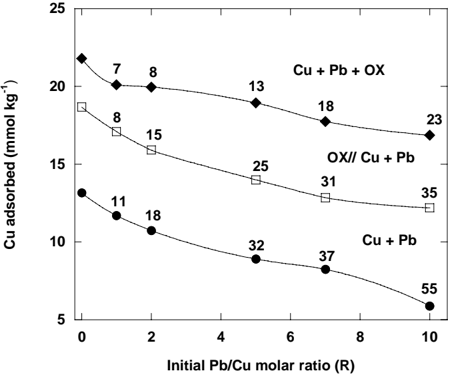
- In a goethite experiment at pH 5.0, increasing Pb/Cu ratio reduced Cu sorption by 11% at R = 1 and 55% at R = 10 without oxalic acid; with oxalic acid, Cu sorption increased by 34–43% in Cu+Pb+OX systems and 18–25% in OX//Cu+Pb systems.
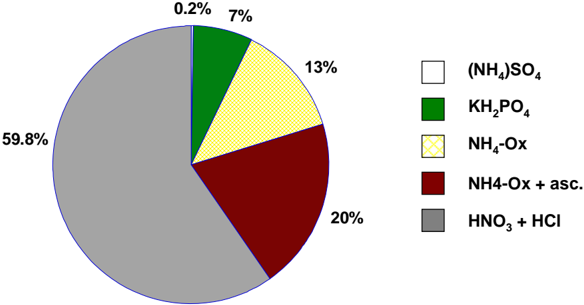
- For arsenic fractionation, the paper reports that in 20 Austrian soils (96–218 mg As kg⁻¹), 30% of As was in step 3 and 27% in step 4 of the Wenzel et al. extraction, while in one Italian polluted soil As was mostly in crystalline oxides (59.8%) and short-range Fe/Al oxides (20%).
## Methods
- Narrative review of published studies on soil metals/metalloids, emphasizing sorption/desorption, redox transformations, and chemical fractionation; no new primary dataset is presented as the paper’s own experiment.
- The paper synthesizes results from cited laboratory and field studies, including competitive sorption experiments on ferrihydrite and goethite, and sequential extraction schemes for Cu, Zn, Cd, and As.
- Main analysis is comparative and qualitative, using reported percentages, correlation coefficients, and extraction fractions from prior studies to illustrate how mobility and bioavailability vary across metals, ligands, and soil phases.
## Limitations
- The paper explicitly notes that “a systematic investigation” of competition among various anions on variable-charge minerals and soils is “rather limited.”
- It also states that information on desorption of trace elements in anionic forms from soil or soil components is “relatively little.”
- Evident from the text: this is a review, so its conclusions depend on heterogeneous studies with different soils, ligands, pH conditions, and extraction schemes, which limits direct comparability across examples.
Model-written summary. Check it against the paper before relying on it.
Integrity signals
Registry
Cites
Statistics
Figures
Verification
Claims the paper makes
4 Valid · 8 Not valid · 66 Not checked · 41 Own results and interpretations
Every source the paper cites for this claim was checked and supports it.
In the paper
“The As mobility, bioavailability, toxicity, and environmental fate are controlled by biogeochemical transformations that either form or destroy As-bearing carrier phases, or modify the redox state and chemical As speciation (see Figure 2 and Table 1 in Borch et al ., 2010).”
What the sources say
- Supportedcites Borch et al., 2010 matched to “Biogeochemical Redox Processes and their Impact on Contaminant Dynamics” (2010) source
The Impact on Trace Elements section (p. 3) states the claim almost verbatim and explicitly points to Figure 2 and Table 1. Figure 2 (p. 3) illustrates both changes to arsenic-bearing mineral phases and changes to arsenic redox state. (LLM, conf=0.95)
plainstates a cause- Asserted: passes — The authors put it forward as true.
- Checkable: passes — It can be checked against evidence.
- Load-bearing: passes — The paper’s conclusions depend on it.
- Based: passes — The paper gives a reason why it holds.
- Supported
Every source the paper cites for this claim was checked and supports it.
In the paper
“Direct reduction of Fe(III) by microorganisms can lead to As sequestration by sorption of As onto secondary Fe minerals (see Figure 2 in Borch et al ., 2010).”
What the sources say
- Supportedcites Borch et al., 2010 matched to “Biogeochemical Redox Processes and their Impact on Contaminant Dynamics” (2010) source
The Impact on Trace Elements section (p. 3) states the claim directly and points to Figure 2. The figure caption on the same page also describes secondary Fe mineral formation following microbial Fe(III) reduction, leading to arsenic sorption or coprecipitation. (LLM, conf=0.95)
plainstates a cause- Asserted: passes — The authors put it forward as true.
- Checkable: passes — It can be checked against evidence.
- Load-bearing: unclear — It is unclear whether the paper’s conclusions depend on it.
- Based: passes — The paper gives a reason why it holds.
- Supported
Every source the paper cites for this claim was checked and supports it.
In the paper
“The simultaneous presence of high dissolved As and Fe(II) concentrations in anoxic groundwater has led to the conclusion that reductive dissolution of As rich Fe(III) (hydr)oxides mobilizes geogenic As (see Figure 2 in Borch et al ., 2010).”
What the sources say
- Supportedcites Borch et al., 2010 matched to “Biogeochemical Redox Processes and their Impact on Contaminant Dynamics” (2010) source
The Impact on Trace Elements section (p. 3) states the claimed conclusion directly, linking high dissolved As and Fe(II) in anoxic groundwater to reductive dissolution of As-rich Fe(III) (hydr)oxides. Figure 2 on the same page also depicts reduction of As-loaded Fe(III) minerals releasing arsenic into solution. (LLM, conf=0.95)
hedgedstates a cause- Asserted: passes — The authors put it forward as true.
- Checkable: passes — It can be checked against evidence.
- Load-bearing: passes — The paper’s conclusions depend on it.
- Based: passes — The paper gives a reason why it holds.
- Supported
The sources with a verdict support this claim; the rest weren’t checked yet, have no full text we could read, or their verdicts aren’t rated yet.
In the paper
“The accumulation level of heavy metals differs between and within species (Huang and Cunningham, 1996; McGrath et al . 2002).”
What the sources say
- Supportedcites Huang and Cunningham, 1996 matched to “Lead phytoextraction: species variation in lead uptake and translocation” (1996) source
The Abstract states 'Our results demonstrated that plant species differ significantly in Pb uptake and translocation', and the Discussion ('Role of a synthetic chelate in Pb phytoextraction') opens 'Results from this research demonstrate that plant species vary significantly in Pb uptake and translocation (Figs 2-4; Table 1)', with dicots exceeding monocots in root Pb and corn exceeding dicots in shoot translocation — the between-species part of the claim. The within-species part is carried by Table 1 and the 'Phytoextraction of Pb from contaminated soil' section, where six Brassica juncea cultivars span shoot Pb from 347 down to 32 mg/kg and the text confirms 'shoot Pb concentrations in the three best Pb accumulating cultivars of Brassica juncea were significantly higher than those in the three least Pb accumulating cultivars'. Scope note: the paper's own measurements are for lead (and it frames them against the general monocot/dicot heavy-metal accumulator belief), which the citing sentence generalises to 'heavy metals'; the paired McGrath et al. 2002 citation covers the broader multi-metal case. (LLM, conf=0.82)
- Not checked — no full text of the sourcecites McGrath et al., 2002 matched to “Phytoremediation of metals, metalloids, and radionuclides” (2002) source
plainstates an association- Asserted: passes — The authors put it forward as true.
- Checkable: passes — It can be checked against evidence.
- Load-bearing: unclear — It is unclear whether the paper’s conclusions depend on it.
- Based: passes — The paper gives a reason why it holds.
- Supported
None of the sources cited for this claim have been checked yet.
In the paper
“Experiments with various synthetic Fe, Al and Mn oxides showed that the affinity of trace elements for Mn oxide was usually much greater than that for Fe or Al oxides.”
What the sources say
- Not matchedcites Kinniburg and Jackson, 1976
An author–year citation the paper’s reference list doesn’t settle. We don’t search these by name.
- Not checked — no full text of the sourcecites McBride, 1982 matched to “Cu2+-Adsorption Characteristics of Aluminum Hydroxide and Oxyhydroxides” (1982) source
- Not checked — no full text of the sourcecites Violante et al., 2003 matched to “Adsorption of Heavy Metals on Mixed Fe-Al Oxides in the Absence or Presence of Organic Ligands” (2003) source
plainstates an association- Asserted: passes — The authors put it forward as true.
- Checkable: passes — It can be checked against evidence.
- Load-bearing: unclear — It is unclear whether the paper’s conclusions depend on it.
- Based: passes — The paper gives a reason why it holds.
- Not matched
75 more claims
Create a free account to see all 119 claims and to verify the 5 references still open.
- Probably not a substantial claim. 22
- It may state two separate claims as one. 23
Citations
Cites
Environmental Chemistry of Soils
McBride, M. B. (1994) · Medical Entomology and Zoology · Cited by 5,997
(2003) · Elsevier eBooks · doi:10.1016/b978-0-12-656446-4.x5000-2 · Cited by 2,575
(2007) · Iron Oxides in the Laboratary · doi:10.1002/9783527613229.ch01 · Cited by 2,442
Roy, W. R. (1995) · Journal of Environmental Quality · doi:10.2134/jeq1995.00472425002400010029x · Cited by 2,431
Accumulators and excluders ‐strategies in the response of plants to heavy metals
Baker, A. J. M. (1981) · Journal of Plant Nutrition · doi:10.1080/01904168109362867 · Cited by 2,233 · cited 1×
“Baker (1981) suggested that plants could be classified into three categories: (1) excluders: those that grow in metal-contaminated soil and maintain shoot concentration at low level up to a critical soil value above which relatively unrestricted root-to-shoot transport result, (2) accumulators:…”
BackgroundThe surface chemistry of soils
Sposito, G. (1984) · Cited by 1,850
Biogeochemical Redox Processes and their Impact on Contaminant Dynamics
Borch, T., Kretzschmar, R., Kappler, A., Cappellen, P. V., Ginder-Vogel, M., Voegelin, A., & Campbell, K. (2010) · Environmental Science & Technology · doi:10.1021/es9026248 · Cited by 1,456 · cited 5×
“The As mobility, bioavailability, toxicity, and environmental fate are controlled by biogeochemical transformations that either form or destroy As-bearing carrier phases, or modify the redox state and chemical As speciation (see Figure 2 and Table 1 in Borch et al., 2010).”
BackgroundInfluentialArsenic fractionation in soils using an improved sequential extraction procedure
Wenzel, W. W., Kirchbaumer, N., Prohaska, T., Stingeder, G., Lombi, E., & Adriano, D. C. (2001) · Analytica Chimica Acta · doi:10.1016/s0003-2670(01)00924-2 · Cited by 1,408 · cited 3×
“Sequential extraction procedure for arsenic (Wenzel et al. 2001) with permission.”
MethodInfluentialArsenate and Chromate Retention Mechanisms on Goethite. 1. Surface Structure
Fendorf, S., Eick, M. J., Grossl, P., & Sparks, D. L. (1997) · Environmental Science & Technology · doi:10.1021/es950653t · Cited by 1,017 · cited 2×
“Particularly, arsenate may form different surface complexes on inorganic soil components: monodentate, bidentate-mononuclear and bidentatebinuclear complexes in different proportion depending on pH and surface coverage (Fendorf et al. 1997; O’Reilly et al. 2001).”
BackgroundChemical sequential extraction for metal partitioning in environmental solid samples.
Filgueiras, A. V., Lavilla, I., & Bendicho, C. (2002) · Journal of Environmental Monitoring · doi:10.1039/b207574c · Cited by 972 · cited 1×
“Sequential extraction schemes for metal partitioning in environmental solid samples have recently been summarized in a comprehensive review by Filgueiras et al. (2002) and in a JUPAC technical report by Hlavay et al. (2004).”
Background
Research works printed but not linked: 2
- Huang, P.M., Germida, J.J. 2002 . Chemical and biochemical processes in the rhizosphere: metal pollutants. In: P.M. Huang, J.-M. Bollag, N. Senesi (eds). Interactions Between Soil Particles and Microorganisms: Impact on the Terrestrial Ecosystem. John Wiley & Sons, New York, pp: 381-438
- Pigna, M., De Santis, R., Cozzolino, V., Violante, A. 2010 . Influence of organic and inorganic ligands on the adsorption of arsenate and arsenite onto ferrihydrite. Geoderma in Press.
Cited by
Items 101–200 of 951
Evaluation of waste materials for acid mine drainage remediation
Jones, S. N., & Çetin, B. (2016) · Fuel · doi:10.1016/j.fuel.2016.10.018 · Cited by 60
Reyes, A., Thiombane, M., Pánico, A., Daniele, L., Lima, A., Bonito, M. D., & Vivo, B. D. (2019) · Environmental Geochemistry and Health · doi:10.1007/s10653-019-00404-5 · Cited by 63
“It is well known (e.g. Shuman 1985; Violante et al. 2010) that concentrations of metals(loids) can increase in soils that are characterised by acid pH and low redox potential, which is mostly related to surface charge on oxides on Fe, Al andMn or precipitation as metal(loid) hydroxides (Stahl and…”
BackgroundFerraro, A., van Hullebusch, E. D., Huguenot, D., Fabbricino, M., & Esposito, G. (2015) · Journal of Environmental Management · doi:10.1016/j.jenvman.2015.08.004 · Cited by 59
“Higher Cu adsorption was occurring at higher pH (Peacock and Sherman, 2004) that can be expected since increase of metal cation sorption was observed with increasing pH values (Violante et al., 2010).”
BackgroundThe Role of Bioretention Systems in the Treatment of Stormwater
Laurenson, G., Laurenson, S., Bolan, N. S., Beecham, S., & Clark, I. (2013) · Advances in agronomy · doi:10.1016/b978-0-12-407686-0.00004-x · Cited by 78
The unquantified risk of post-fire metal concentration in soil: A review
Abraham, J., Dowling, K., & Florentine, S. (2017) · Water, Air, & Soil Pollution · doi:10.1007/s11270-017-3338-0 · Cited by 48
“The correlation of metals with soil pH and dissolved organic matter (measured as DOC) has been noted and it is established that pH is largely responsible for metal solubility, speciation (Drever 1988), mobility (Violante et al. 2010) and uptake by plants (Adriano 1986; Breulmann et al. 2002).”
BackgroundInfluentialSpeciation and mobility of lead in shooting range soils
Kelebemang, R., Dinake, P., Sehube, N., Daniel, B., Totolo, O., & Laetsang, M. (2017) · Chemical Speciation and Bioavailability · doi:10.1080/09542299.2017.1349552 · Cited by 64
Ayari, J., Barbieri, M., Agnan, Y., Sellami, A., Braham, A., Dhaha, F., & Charef, A. (2021) · Environmental Geochemistry and Health · doi:10.1007/s10653-021-00887-1 · Cited by 63
Pătruică, S., Alexa, E., Obiștioiu, D., Cocan, I., Radulov, I., Berbecea, A. A., Lazăr, R. N., Simiz, E., Vicar, N., Hulea, A., et al. (2022) · Molecules · doi:10.3390/molecules27134179 · Cited by 76
“Research conducted by [50] showed a close correlation between soil acidity and cadmium absorption in the plant and nectar, but there are other factors that influence the solubility of mineral elements such as the content of minerals and organic matter in the soil, soil pH, soil temperature and humidity, and soil mecha…”
BackgroundKuleshova, T. E., Rao, A., Bhadra, S., Garlapati, V. K., Sharma, S., Kaushik, A., Goswami, P., Sreekirshnan, T. R., & Sevda, S. (2022) · Biomass and Bioenergy · doi:10.1016/j.biombioe.2022.106629 · Cited by 66
Lanteigne, S., Schindler, M., McDonald, A. M., et al. (2012) · Water Air & Soil Pollution · doi:10.1007/s11270-012-1135-3 · Cited by 58
Exploring the ability of cations to facilitate binding between inorganic oxyanions and humic acid
Martin, D. P., Seiter, J. M., Lafferty, B. J., & Bednar, A. J. (2016) · Chemosphere · doi:10.1016/j.chemosphere.2016.09.084 · Cited by 59
Shaheen, A., & Iqbal, J. (2018) · Sustainability · doi:10.3390/su10030799 · Cited by 64
“The retention of Cr(VI) decreases with increasing pH, resulting in higher mobility in the subsurface soil due to weak adsorption in the alkaline to neutral conditions [60].”
BackgroundHuang, C., Liang, C., Yang, T.-I., Chen, J., & Wang, W.-K. (2021) · PLoS ONE · doi:10.1371/journal.pone.0255137 · Cited by 68
“, [55] showed that pH has a strong influence on the dynamics of metal ions which are more mobile at lower pH.”
BackgroundVisioli, G., Conti, F. D., Gardi, C., et al. (2013) · Bulletin of Environmental Contamination and Toxicology · doi:10.1007/s00128-013-1166-5 · Cited by 57
A review of ion and metal pollutants in urban green water infrastructures
Kabir, M. I., Daly, E., & Maggi, F. (2013) · The Science of The Total Environment · doi:10.1016/j.scitotenv.2013.10.010 · Cited by 73
Redox processes in water remediation
Tandon, P. K., & Singh, S. B. (2015) · Environmental Chemistry Letters · doi:10.1007/s10311-015-0540-4 · Cited by 66
“Redox reactions can mobilize or immobilize metals, depending on the particular metal species and microenvironments (Violante et al. 2010).”
BackgroundEdayilam, N., Montgomery, D., Ferguson, B. O., Maroli, A. S., Martinez, N. E., Powell, B. A., & Tharayil, N. (2018) · Environmental Science & Technology · doi:10.1021/acs.est.7b05836 · Cited by 62
Nitrate reduced arsenic redox transformation and transfer in flooded paddy soil-rice system
Lin, Z., Wang, X., Wu, X., Liu, D., Yin, Y., Zhang, Y., Xiao, S., & Xing, B. (2018) · Environmental Pollution · doi:10.1016/j.envpol.2018.09.054 · Cited by 54
Borah, P., Singh, P., Rangan, L., Karak, T., & Mitra, S. (2018) · Groundwater for Sustainable Development · doi:10.1016/j.gsd.2018.01.002 · Cited by 56
Evaluation methods of heavy metal pollution in soils based on enzyme activities: A review
Cui, Y., Wang, X., Wang, X., Zhang, X., & Fang, L. (2021) · Soil Ecology Letters · doi:10.1007/s42832-021-0096-0 · Cited by 57
“Remediation of heavy metal contaminated soil has thus become an important and extensively studied topic (Zota et al., 2009; Violante et al., 2010; Ju et al., 2019).”
BackgroundAslam, S., Chan, M. W. H., Siddiqui, G., Boczkaj, G., Kazmi, S. J. H., & Kazmi, M. R. (2020) · Marine Pollution Bulletin · doi:10.1016/j.marpolbul.2020.110970 · Cited by 67
Chromium contamination in paddy soil-rice systems and associated human health risks in Pakistan
Ali, W., Zhang, H., Mao, K., Shafeeque, M., Aslam, M. W., Yang, X., Zhong, L., Feng, X., & Podgorski, J. E. (2022) · The Science of The Total Environment · doi:10.1016/j.scitotenv.2022.153910 · Cited by 59
Challenges and opportunities for citrus wastewater management and valorisation: A review
Lucia, C., Laudicina, V. A., Badalucco, L., Galati, A., Palazzolo, E., Torregrossa, M., Viviani, G., & Corsino, S. F. (2022) · Journal of Environmental Management · doi:10.1016/j.jenvman.2022.115924 · Cited by 72
Potentiality of agricultural adsorbent for the sequestering of metal ions from wastewater
Emenike, P. C., Omole, D. O., Ngene, B. U., & Tenebe, I. T. (2016) · Global journal of environmental science and management · doi:10.22034/gjesm.2016.02.04.010 · Cited by 65
“The cationic group comprises of Zn, Fe, Ca, Mn, Cr., the anionic group includes Mo, Se and the bio – inorganic complexes are Co complex and cobalamin (Violante et al., 2010).”
BackgroundPająk, M., Błońska, E., Frąc, M., et al. (2016) · Water Air & Soil Pollution · doi:10.1007/s11270-016-3051-4 · Cited by 55
“mineral complexes which present different sorption capacities (Violante et al., 2010).”
BackgroundÇığ, F., Sönmez, F., Nadeem, M. A., & Sabagh, A. E. (2021) · Agronomy · doi:10.3390/agronomy11122418 · Cited by 62
Molaey, R., Appels, L., Yesil, H., Tuğtaş, A. E., & Çalli, B. (2024) · The Science of The Total Environment · doi:10.1016/j.scitotenv.2024.177020 · Cited by 69
Karna, R. R., Luxton, T. P., Bronstein, K., Redmon, J. H., & Scheckel, K. G. (2017) · Critical Reviews in Environmental Science and Technology · doi:10.1080/10643389.2016.1275417 · Cited by 60
“Complexation may have strong influence on a metal’s distribution, fate/transport, and biochemical effects including plant uptake, toxicity, and bioavailability.([18,28]) Thus, mechanisms and factors involved in immobilization of metals in soils and sediments will provide significant information for amendment applicati…”
BackgroundEnvironmental metal contamination and health impact assessment in two industrial regions of Romania
Nedelescu, M. M., Baconi, D. L., Neagoe, A. D., Iordache, V., Stan, M., Constantinescu, P., Ciobanu, A.-M., Vardavas, A. I., Vinceti, M., & Tsatsakis, A. M. (2016) · The Science of The Total Environment · doi:10.1016/j.scitotenv.2016.12.053 · Cited by 59
Moreira, H., Pereira, S. I. A., Marques, A. P. G. C., Rangel, A. O. S. S., & Castro, P. M. L. (2018) · Geoderma · doi:10.1016/j.geoderma.2018.07.025 · Cited by 59
MOBILITY OF HEAVY METALS IN PLANTS AND SOIL: A CASE STUDY FROM A MINING REGION IN CANADA
Mehes-Smith (2013) · American Journal of Environmental Sciences · doi:10.3844/ajessp.2013.483.493 · Cited by 53
Toxic metal tolerance in native plant species grown in a vanadium mining area
Aihemaiti, A., Jiang, J., Li, D., Li, T., Zhang, W., & Ding, X. (2017) · Environmental Science and Pollution Research · doi:10.1007/s11356-017-0250-5 · Cited by 57
Effect of phosphate on amorphous iron mineral generation and arsenic behavior in paddy soils
Ji, Y., Luo, W., Lu, G., Fan, C., Tao, X., Han, Y., Xie, Y., Shi, Z., Yi, X., & Dang, Z. (2018) · The Science of The Total Environment · doi:10.1016/j.scitotenv.2018.12.063 · Cited by 52
Cuss, C. W., Glover, C. N., Javed, M., Nagel, A. H., & Shotyk, W. (2019) · Environmental Reviews · doi:10.1139/er-2019-0014 · Cited by 57
“…340 reactive sites on the surface of colloidal mineral particles, in turn affecting adsorption and its 341 proclivity for stabilization, flocculation, and TE-binding behaviour in ternary complexes 342 (Schmitt et al. 2002; Violante et al. 2010; Perelomov et al. 2011; Philippe and Schaumann 2014).”
BackgroundAlsherif, E. A., Al-Shaikh, T. M., & AbdElgawad, H. (2022) · Biology · doi:10.3390/biology11020164 · Cited by 70
“Part of the plant shoot and roots were air-dried at room temperature, weighed to calculated dry weight and stored in appropriate containers until heavy metal analysis including Cd, As, Hg, Al, Fe, Cu, V, Cr, Ni, Co, Pb and Zn, through the digestion of ground plant shoot and roots in HNO3/H2O (5:1) [31].”
MethodTitah, H. S., Halmi, M. I. E., Abdullah, S. R. S., Hasan, H. A., Idris, M., & Anuar, N. (2018) · International Journal of Phytoremediation · doi:10.1080/15226514.2017.1413337 · Cited by 58
García-Carmona, M., García‐Robles, H., Torrano, C. T., Ondoño, E. F., Lorite, J., Aragón, M. S., & Martín‐Peinado, F. J. (2018) · The Science of The Total Environment · doi:10.1016/j.scitotenv.2018.09.092 · Cited by 61
Nanotechnology for soil remediation: Revitalizing the tarnished resource
Bakshi, M., & Abhilash, P. C. (2020) · Elsevier eBooks · doi:10.1016/b978-0-12-818598-8.00017-1 · Cited by 77
Rigby, H., & Smith, S. R. (2020) · Environment International · doi:10.1016/j.envint.2020.105844 · Cited by 51
“However, in addition, the soil is a long-term sink for cationic PTEs because they are strongly adsorbed by the soil matrix (Violante et al., 2010), and leaching losses and plant uptake are usually”
BackgroundThe Chemophytostabilisation Process of Heavy Metal Polluted Soil
Grobelak, A., & Napora, A. (2015) · PLOS ONE · doi:10.1371/journal.pone.0129538 · Cited by 49
Candeias, C., Ávila, P. F., da Silva, E. F., et al. (2015) · Environmental Monitoring and Assessment · doi:10.1007/s10661-015-4343-7 · Cited by 50
“Chemical forms of heavy metals in soils directly influence their bioavailability and toxicity (Violante et al. 2010).”
BackgroundA whole-cell bioreporter assay for quantitative genotoxicity evaluation of environmental samples
Jiang, B., Li, G., Xing, Y., Zhang, D., Jia, J., Cui, Z., Luan, X., & Tang, H. (2017) · Chemosphere · doi:10.1016/j.chemosphere.2017.05.159 · Cited by 50
Pikuła, D., & Stępień, W. (2021) · Agronomy · doi:10.3390/agronomy11050878 · Cited by 57
“The mobility of heavy metals in the soil environment depends on the form of their occurrence and the mechanisms of their fixing to organic and inorganic soil components [9].”
BackgroundHeavy metal mobility in surface water and soil, climate change, and soil interactions
Oyewo, O. A., Adeniyi, A., Bopape, M. F., & Onyango, M. S. (2020) · Elsevier eBooks · doi:10.1016/b978-0-12-818032-7.00004-7 · Cited by 77
Potential of plant growth promoting rhizobacteria to mitigate chromium contamination
Mushtaq, Z., Liaquat, M., Nazir, A., Liaquat, R., Iftikhar, H., Anwar, W., & Itrat, N. (2022) · Environmental Technology & Innovation · doi:10.1016/j.eti.2022.102826 · Cited by 51
Akbar, W. A., Rahim, H. U., Irfan, M., Sehrish, A. K., & Mudassir, M. (2023) · Environmental Monitoring and Assessment · doi:10.1007/s10661-023-12258-7 · Cited by 57
“The most important soil factors which affect the bioavailability of HMs are soil pH and organic matter content (Violante et al., 2010; Xu et al., 2015). pH is a parameter that can be used to measure the availability of nutrients and HMs related to the level of toxicity and soil pollution…”
The Fate of Chemical Contaminants in Soil with a View to Potential Risk to Human Health: A Review
Petruzzelli, G., Pezzarossa, B., & Pedron, F. (2025) · Environments · doi:10.3390/environments12060183 · Cited by 68
Meeinkuirt, W., Kruatrachue, M., Pichtel, J., Phusantisampan, T., & Saengwilai, P. (2016) · ScienceAsia · doi:10.2306/scienceasia1513-1874.2016.42.083 · Cited by 49
Copper distribution in surface and subsurface soil horizons
Arenas-Lago, D., Vega, F. A., Silva, L. F. O., & Couce, M. L. A. (2014) · Environmental Science and Pollution Research · doi:10.1007/s11356-014-3084-4 · Cited by 49
Najafi, S., & Jalali, M. (2016) · Environmental Monitoring and Assessment · doi:10.1007/s10661-016-5329-9 · Cited by 52
“The sorption of heavy metals on phyllosilicates may be limited only to the edges, and organic matter also has a high sorption capacity for heavy metals (Violante et al. 2010).”
BackgroundGautam, M., & Agrawal, M. (2019) · Applied Geochemistry · doi:10.1016/j.apgeochem.2019.03.020 · Cited by 54
Guedjeo, C. S., Afahnwie, N. A., Tiabou, A. F., Djibril, K. N. G., Meniemoh, A. R., & Yiika, L. P. (2025) · Journal of Trace Elements and Minerals · doi:10.1016/j.jtemin.2025.100218 · Cited by 58
Jeong, S., Yang, K., Jho, E. H., & Nam, K. (2017) · Journal of Hazardous Materials · doi:10.1016/j.jhazmat.2017.02.009 · Cited by 48
Micro-remediation of Metals: A New Frontier in Bioremediation
Banerjee, A., Jhariya, M. K., Yadav, D. K., & Raj, A. (2018) · Springer eBooks · doi:10.1007/978-3-319-58538-3_10-1 · Cited by 76
Wu, X., Cai, Q., Xu, Q. Q., Zhou, Z., & Shi, J. (2020) · Ecotoxicology and Environmental Safety · doi:10.1016/j.ecoenv.2020.111387 · Cited by 45
Visioli, G., Menta, C., Gardi, C., et al. (2012) · Chemosphere · doi:10.1016/j.chemosphere.2012.09.081 · Cited by 46
Phytoremediation using microbially mediated metal accumulation in Sorghum bicolor
Phieler, R., Merten, D., Roth, M., Büchel, G., & Kothe, E. (2015) · Environmental Science and Pollution Research · doi:10.1007/s11356-015-4471-1 · Cited by 48
“Since only a small fraction of heavy metals is bioavailable for plant uptake, it is necessary to followmetal mobility in soil (Violante et al. 2010).”
BackgroundSaad, R., Kobaissi, A., Robin, C., Echevarria, G., & Benizri, É. (2016) · Environmental and Experimental Botany · doi:10.1016/j.envexpbot.2016.06.010 · Cited by 57
Alsaleh, K. A. M., Meuser, H., Usman, A. R. A., et al. (2017) · Journal of Environmental Management · doi:10.1016/j.jenvman.2017.11.026 · Cited by 46
Simoni, M., Woo, C. L., Zhao, H., Iuga, D., Svora, P., Hanein, T., Kinoshita, H., & Walkley, B. (2023) · Cement and Concrete Research · doi:10.1016/j.cemconres.2023.107295 · Cited by 51
Marabottini, R., Stazi, S. R., Papp, R., Grego, S., & Moscatelli, M. C. (2013) · Ecotoxicology and Environmental Safety · doi:10.1016/j.ecoenv.2013.06.016 · Cited by 46
“oxidation state), the nature of its binding to soil particles, and biological factors (Violante et al., 2010; Márquez-García, et al., 2012).”
BackgroundMethodChen, H., Xiong, J., Fang, L., Fu, H., Zhao, X., Fan, Q., & Tan, W. (2022) · Journal of Hazardous Materials · doi:10.1016/j.jhazmat.2022.129445 · Cited by 46
Liao, Q., He, L., Tu, G., Yang, Z., Yang, W., Tang, J., Cao, W., & Wang, H. (2020) · Chemosphere · doi:10.1016/j.chemosphere.2020.128960 · Cited by 45
Tang, Y., Xing, Y., Wang, X., Ya, H., Zhang, T., Lv, M., Wang, J., Zhang, H., Dai, W., Zhang, D., et al. (2024) · Applied Soil Ecology · doi:10.1016/j.apsoil.2024.105488 · Cited by 46
Perelomov, L. V., Sarkar, B., Rahman, M. M., et al. (2015) · Applied Clay Science · doi:10.1016/j.clay.2015.11.004 · Cited by 43
“These processes are influenced by many factors such as nature of the clay adsorbents, pH, presence and concentration of organic and inorganic ligands including humic and fulvic acids, root exudates, microbial metabolites and nutrient elements (Violante et al., 2010).”
BackgroundSelf-citationMohammadian, S., Krok, B., Fritzsche, A., Bianco, C., Tosco, T. A. E., Montalbán, E. C., Mata, B., González, V., Ortiz, M. D., Ramos, V., et al. (2020) · Journal of Contaminant Hydrology · doi:10.1016/j.jconhyd.2020.103741 · Cited by 50
“Rebound of adsorbed heavy metals from humic acid coated goethite may occure if the pH of groundwater drops significantly (Chuan et al., 1996; Violante et al., 2010), anoxic conditions evolve or strong Fe-complexing agents are introduced.”
BackgroundNon-essential metal contamination in Ecuadorian agricultural production: A critical review
Romero‐Estévez, D., Yánez-Jácome, G. S., & Navarrete, H. (2022) · Journal of Food Composition and Analysis · doi:10.1016/j.jfca.2022.104932 · Cited by 48
High intensity magnetic separation for the clean-up of a site polluted by lead metallurgy
Sierra, C., Martínez, J., Menéndez-Aguado, J. M., et al. (2013) · Journal of Hazardous Materials · doi:10.1016/j.jhazmat.2013.01.011 · Cited by 43
Wang, C., Li, W., Guo, M., & Ji, J. (2017) · Scientific Reports · doi:10.1038/srep40709 · Cited by 52
Kaushal, S. S., Reimer, J. E., Mayer, P. M., Shatkay, R. R., Maas, C. M., Nguyen, W. D., Boger, W. L., Yaculak, A. M., Doody, T. R., Pennino, M. J., et al. (2022) · Freshwater Science · doi:10.1086/721469 · Cited by 53
Colin, V. L., Castro, M. F., Amoroso, M. J., & Villegas, L. B. (2013) · Journal of Hazardous Materials · doi:10.1016/j.jhazmat.2013.08.005 · Cited by 43
Mallampati, S. R., Lee, B. H., Mitoma, Y., & Simion, C. (2017) · Journal of Cleaner Production · doi:10.1016/j.jclepro.2017.09.279 · Cited by 42
Aihemaiti, A., Jiang, J., Blaney, L. M., Zou, Q., Gao, Y., Meng, Y., Yang, M., & Xu, Y. (2019) · Journal of Hazardous Materials · doi:10.1016/j.jhazmat.2019.01.091 · Cited by 44
Gajić, G., Djurdjević, L., Kostić, O., Jarić, S., Stevanović, B., Mitrović, M., & Pavlović, P. (2020) · Plants · doi:10.3390/plants9050657 · Cited by 46
Dagher, D. J., Pitre, F. E., & Hijri, M. (2020) · Journal of Fungi · doi:10.3390/jof6020087 · Cited by 47
“Moreover, edaphic factors, such as humic/fulvic acid content, and pH, increase or decrease the TEs’ bioavailability which influences uptake by plants [42,43].”
BackgroundEid, E. M., Galal, T. M., Shaltout, K. H., El‐Sheikh, M. A., Asaeda, T., Alatar, A. A., Alfarhan, A., Alharthi, A., Alshehri, A. M., Picó, Y., et al. (2020) · The Science of The Total Environment · doi:10.1016/j.scitotenv.2020.136603 · Cited by 41
Delayed geochemical hazard: A tool for risk assessment of heavy metal polluted sites and case study
Zheng, M., Feng, L., He, J., et al. (2015) · Journal of Hazardous Materials · doi:10.1016/j.jhazmat.2015.01.060 · Cited by 40
Shafi, Z., Shahid, M., AlGarawi, A. M., Zeyad, M. T., Marey, S. A., Hatamleh, A. A., Wang, S., & Singh, U. B. (2023) · Applied Biochemistry and Biotechnology · doi:10.1007/s12010-023-04730-4 · Cited by 44
“This might be caused by the release of protons, root exu-dates, and other metabolites, which cause the formation of specific metal-chelating complexes and facilitate the simple dissolution of metal ions [97].”
Elkhatib, E. A., Moharem, M. L., Mahdy, A., & Mesalem, M. O. (2016) · Land Degradation and Development · doi:10.1002/ldr.2559 · Cited by 38
“sponsible for heavy metal sorption include soil OM, phyllosilicates and carbonates (Violante et al., 2010; Moharem et al., 2013).”
BackgroundDevi, U., & Bhattacharyya, K. G. (2018) · Applied Water Science · doi:10.1007/s13201-018-0651-8 · Cited by 41
“It is important to measure the pollutant loads of the sediments and the mobility characteristics under different chemical environments (Violante et al. 2010).”
BackgroundInfluentialFijałkowska, G., Wisniewska, M. A., Szewczuk‐Karpisz, K., Jędruchniewicz, K., & Oleszczuk, P. (2021) · Chemosphere · doi:10.1016/j.chemosphere.2021.130088 · Cited by 39
The Effect of Sugarcane Bagasse Biochar on Maize Growth Factors in Lead and Cadmium-Polluted Soils
Rassaei, F. (2022) · Communications in Soil Science and Plant Analysis · doi:10.1080/00103624.2022.2146704 · Cited by 44
“The bioavailability of the contaminants in the soil is often decreased by their linkage and fixation (Violante et al. 2010).”
BackgroundAn, J., Jho, E. H., & Nam, K. (2014) · Journal of Hazardous Materials · doi:10.1016/j.jhazmat.2014.12.016 · Cited by 41
Nguyen, T. X. T., Amyot, M., & Labrecque, M. (2016) · Chemosphere · doi:10.1016/j.chemosphere.2016.10.047 · Cited by 47
Disi, Z. A. A., Al-Ghouti, M. A., & Zouari, N. (2022) · Environmental Technology & Innovation · doi:10.1016/j.eti.2022.102513 · Cited by 41
Han, Q., Fu, G., Liu, K., Adnan, M., Liu, S., Wang, M., Jiang, F., & Wang, M. (2025) · Journal of environmental chemical engineering · doi:10.1016/j.jece.2025.119858 · Cited by 50
Söderberg, T. U., Kleja, D. B., Åström, M., Jarsjö, J., Fröberg, M., Svensson, A., & Augustsson, A. L. M. (2019) · The Science of The Total Environment · doi:10.1016/j.scitotenv.2019.03.013 · Cited by 44
Factors controlling arsenic contamination and potential remediation measures in soil-plant systems
Bakhat, H. F., Zia, Z., Abbas, S., Hammad, H. M., Shah, G. M., Khalid, S., Shahid, N., Sajjad, M., & Fahad, S. (2019) · Groundwater for Sustainable Development · doi:10.1016/j.gsd.2019.100263 · Cited by 41
Unda-Calvo, J., Ruíz-Romera, E., Martínez‐Santos, M., Vidal, M., & Antigüedad, I. (2019) · The Science of The Total Environment · doi:10.1016/j.scitotenv.2019.135026 · Cited by 38
Aihemaiti, A., Gao, Y., Liu, L., Yang, G., Han, S., & Jiang, J. (2020) · Environmental Pollution · doi:10.1016/j.envpol.2020.114916 · Cited by 39
La, Ce and Nd in the soil-plant system in a vegetation experiment with barley (Hordeum vulgare L.)
Kotelnikova, A. D., Fastovets, I., Рогова, О. Б., & Volkov, D. S. (2020) · Ecotoxicology and Environmental Safety · doi:10.1016/j.ecoenv.2020.111193 · Cited by 37
Budianta, W. (2020) · Environmental Science and Pollution Research · doi:10.1007/s11356-020-11157-5 · Cited by 37
Hayat, K., Khan, A., Bibi, F., Salahuddin, S., Murad, W., Fu, Y., Batiha, G. E., Alqarni, M. A., Khan, A., & Al‐Harrasi, A. (2021) · Metabolites · doi:10.3390/metabo11110769 · Cited by 41
Kalubi, K. N., Mehes-Smith, M., & Omri, A. (2016) · Chemistry and Ecology · doi:10.1080/02757540.2016.1142978 · Cited by 49
Properties and environmental impact of the mosaic sludge incorporated into fired clay bricks
Sarani, N. A., Kadir, A. B. A., Rahim, A. S. A., et al. (2018) · Construction and Building Materials · doi:10.1016/j.conbuildmat.2018.06.171 · Cited by 36
Rivera, M. B., Caliani, J. C. F., & Giráldez, I. (2015) · Geoderma · doi:10.1016/j.geoderma.2015.06.009 · Cited by 38
Marchand, L., Nsanganwimana, F., Cook, B. J., Vystavna, Y., Huneau, F., Coustumer, P. L., Lamy, J., Oustriere, N., & Mench, M. J. (2014) · Ecological Indicators · doi:10.1016/j.ecolind.2014.07.011 · Cited by 38
Zhao, F., Yang, L., Chen, L., Li, S., & Sun, L. (2018) · Environmental Science and Pollution Research · doi:10.1007/s11356-018-3350-y · Cited by 36
“The association might be attributed to the strong influence of soil properties such as soil pH, SOM, and clay content (Liu et al. 1997; Violante et al. 2010).”
BackgroundSchoffer, J. T., Sauvé, S., Neaman, A., & Ginocchio, R. (2020) · Journal of soil science and plant nutrition · doi:10.1007/s42729-020-00186-1 · Cited by 40
Effect of trace metal contamination in sediments on the bioaccumulation of bivalve Meretrix meretrix
Kumar, M. R., Krishnan, K. A., & Vimexen, V. (2022) · Marine Pollution Bulletin · doi:10.1016/j.marpolbul.2022.113422 · Cited by 39
Metadata
- Authors
- Violante, A., Cozzolino, V, Perelomov, L., Caporale, A. G., & Pigna, M.
- Affiliations
- University of Naples Federico II (IT)
- Corresponding author
- Violante, A
- Venue
- Journal of Soil Science and Plant Nutrition
- Published
- 2010-07
- Volume
- 10
- Issue
- 3
- ISSN
- 0718-9508 (ISSN-L)
- 0718-9516
- OpenAlex
- W1998582560
- Semantic Scholar
- cb8e101c122956fb00a221b2884004b417ea544f
- Cited by
- 957
- References
- 69
- Citations by year
- 2026: 75 · 2025: 70 · 2024: 74 · 2023: 68 · 2022: 94 · 2021: 99 · 2020: 82 · 2019: 77 · 2018: 61 · 2017: 66 · 2016: 60 · 2015: 41 · 2014: 35 · 2013: 33 · 2012: 19
- FWCI
- 17.27
- Type
- journal article
- Language
- en
- Open access
- hybrid
- doi.org
- Licence
- cc-by-nc
- Locations
- Journal of soil science and plant nutrition (publishedVersion, cc-by-nc)
- Americanae (AECID Library) (publishedVersion, other-oa)
- LA Referencia (Red Federada de Repositorios Institucionales de Publicaciones Científicas) (publishedVersion, other-oa)
- INFM-OAR (INFN Catania) (submittedVersion, other-oa)
- Topics
- Physical Sciences › Environmental Science › Pollution › Heavy metals in environment
- Life Sciences › Agricultural and Biological Sciences › Plant Science › Plant Micronutrient Interactions and Effects
- Physical Sciences › Environmental Science › Water Science and Technology › Environmental and Analytical Chemistry Studies
- Keywords
- heavy metals, metalloids, metal bioavailability, metal mobility, soil sorption, desorption, redox reactions, metal speciation, metal fractionation, humic and fulvic acids, root exudates, microbial metabolites, metal leaching, metal toxicity
About these checks
Registry, retraction, Cites and statistics results are computed, not judged, with one exception: a printed reference that no index lists is read once by a model before it counts as a citation error. Claims are extracted by a model and kept only when their quote appears verbatim in the text; each cited source is then checked, with a model’s help, for whether it says what the claim relies on. Those verdicts can be wrong — read the claim’s quote and the cited source before relying on one.
A language model drew the claims from the paper on 2026-10-10, under version 3 of the claim definition (model deepseek-v4.1-flash, prompt extract-v3).
A second model labelled each claim on 2026-10-10 (model jev-1.13-20260917, definition revision gold-guideline-v0.2).
Cited sources are checked with a language model’s help (gpt-6-sol and qwen3.8-omni-flash).
Statistics and arithmetic are recomputed, not judged.
Confidence bands are shown only for fields calibrated on our annotated test set. None is calibrated yet, so no band is shown.
What counts as a claim ›How we measure confidence ›How we check this ›
Are you an author, or do you see a problem with this page? Request a review
Data sources
Bibliographic data: Semantic Scholar, OpenAlex, Crossref.
Contains information from the Semantic Scholar Academic Graph Datasets, made available under the ODC Attribution License (ODC-BY 1.0).
Semantic Scholar’s data is described in: Kinney, R., et al. (2023). The Semantic Scholar Open Data Platform. arXiv:2301.10140.
