

MOBILITY AND BIOAVAILABILITY OF HEAVY METALS AND METALLOIDS IN SOIL ENVIRONMENTS
Open accessThe DOI matches its Crossref record; 59 of the 69 references it cites were found in a registry or an index; 4 of the 82 sources its claims cite were checked for support.
Abstract
In soil environments, sorption/desorption reactions as well as chemical complexation with inorganic and organic ligands and redox reactions, both biotic and abiotic, are of great importance in controlling their bioavailability, leaching and toxicity.These reactions are affected by many factors such as pH, nature of the sorbents, presence and concentration of organic and inorganic ligands, including humic and fulvic acid, root exudates, microbial metabolites and nutrients.In this review, we highlight the impact of physical, chemical, and biological interfacial interactions on bioavailability and mobility of metals and metalloids in soil.Special attention is devoted to: i) the sorption/desorption processes of metals and metalloids on/from soil components and soils; ii) their precipitation and reduction-oxidation reactions in solution and onto surfaces of soil components; iii) their chemical speciation, fractionation and bioavailability.
Overview
CoChat Summary
## TL;DR
This review explains how soil pH, sorbent properties, ligands, redox reactions, and reaction time control the mobility, bioavailability, and toxicity of heavy metals and metalloids in soils. It also argues that total soil metal content is a poor predictor of risk and that sequential extraction/fractionation is needed to identify the more bioavailable forms.
## Key findings
- Sorption/desorption, complexation, precipitation, and redox reactions are presented as the main controls on metal and metalloid mobility; the paper says these processes are affected by pH, sorbent nature, and organic/inorganic ligands.
- For cationic metals, the paper reports that Cu was more selectively sorbed than Zn on ferrihydrite and a humic-acid-like sample; in equimolar Zn presence, sorbed Cu was only slightly reduced, while Cu strongly reduced Zn sorption.
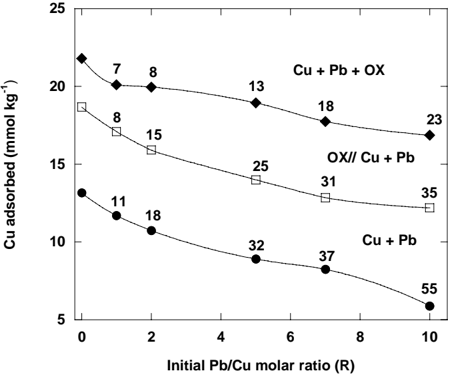
- In a goethite experiment at pH 5.0, increasing Pb/Cu ratio reduced Cu sorption by 11% at R = 1 and 55% at R = 10 without oxalic acid; with oxalic acid, Cu sorption increased by 34–43% in Cu+Pb+OX systems and 18–25% in OX//Cu+Pb systems.
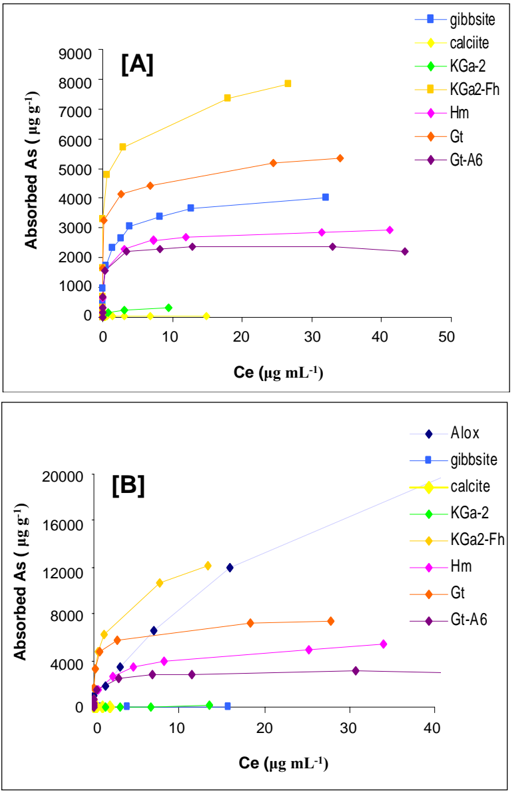
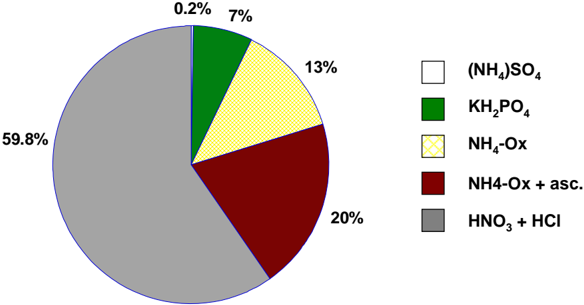
- For arsenic fractionation, the paper reports that in 20 Austrian soils (96–218 mg As kg⁻¹), 30% of As was in step 3 and 27% in step 4 of the Wenzel et al. extraction, while in one Italian polluted soil As was mostly in crystalline oxides (59.8%) and short-range Fe/Al oxides (20%).
## Methods
- Narrative review of published studies on soil metals/metalloids, emphasizing sorption/desorption, redox transformations, and chemical fractionation; no new primary dataset is presented as the paper’s own experiment.
- The paper synthesizes results from cited laboratory and field studies, including competitive sorption experiments on ferrihydrite and goethite, and sequential extraction schemes for Cu, Zn, Cd, and As.
- Main analysis is comparative and qualitative, using reported percentages, correlation coefficients, and extraction fractions from prior studies to illustrate how mobility and bioavailability vary across metals, ligands, and soil phases.
## Limitations
- The paper explicitly notes that “a systematic investigation” of competition among various anions on variable-charge minerals and soils is “rather limited.”
- It also states that information on desorption of trace elements in anionic forms from soil or soil components is “relatively little.”
- Evident from the text: this is a review, so its conclusions depend on heterogeneous studies with different soils, ligands, pH conditions, and extraction schemes, which limits direct comparability across examples.
Model-written summary. Check it against the paper before relying on it.
Integrity signals
Registry
Cites
Statistics
Figures
Verification
Claims the paper makes
4 Valid · 8 Not valid · 66 Not checked · 41 Own results and interpretations
Every source the paper cites for this claim was checked and supports it.
In the paper
“The As mobility, bioavailability, toxicity, and environmental fate are controlled by biogeochemical transformations that either form or destroy As-bearing carrier phases, or modify the redox state and chemical As speciation (see Figure 2 and Table 1 in Borch et al ., 2010).”
What the sources say
- Supportedcites Borch et al., 2010 matched to “Biogeochemical Redox Processes and their Impact on Contaminant Dynamics” (2010) source
The Impact on Trace Elements section (p. 3) states the claim almost verbatim and explicitly points to Figure 2 and Table 1. Figure 2 (p. 3) illustrates both changes to arsenic-bearing mineral phases and changes to arsenic redox state. (LLM, conf=0.95)
plainstates a cause- Asserted: passes — The authors put it forward as true.
- Checkable: passes — It can be checked against evidence.
- Load-bearing: passes — The paper’s conclusions depend on it.
- Based: passes — The paper gives a reason why it holds.
- Supported
Every source the paper cites for this claim was checked and supports it.
In the paper
“Direct reduction of Fe(III) by microorganisms can lead to As sequestration by sorption of As onto secondary Fe minerals (see Figure 2 in Borch et al ., 2010).”
What the sources say
- Supportedcites Borch et al., 2010 matched to “Biogeochemical Redox Processes and their Impact on Contaminant Dynamics” (2010) source
The Impact on Trace Elements section (p. 3) states the claim directly and points to Figure 2. The figure caption on the same page also describes secondary Fe mineral formation following microbial Fe(III) reduction, leading to arsenic sorption or coprecipitation. (LLM, conf=0.95)
plainstates a cause- Asserted: passes — The authors put it forward as true.
- Checkable: passes — It can be checked against evidence.
- Load-bearing: unclear — It is unclear whether the paper’s conclusions depend on it.
- Based: passes — The paper gives a reason why it holds.
- Supported
Every source the paper cites for this claim was checked and supports it.
In the paper
“The simultaneous presence of high dissolved As and Fe(II) concentrations in anoxic groundwater has led to the conclusion that reductive dissolution of As rich Fe(III) (hydr)oxides mobilizes geogenic As (see Figure 2 in Borch et al ., 2010).”
What the sources say
- Supportedcites Borch et al., 2010 matched to “Biogeochemical Redox Processes and their Impact on Contaminant Dynamics” (2010) source
The Impact on Trace Elements section (p. 3) states the claimed conclusion directly, linking high dissolved As and Fe(II) in anoxic groundwater to reductive dissolution of As-rich Fe(III) (hydr)oxides. Figure 2 on the same page also depicts reduction of As-loaded Fe(III) minerals releasing arsenic into solution. (LLM, conf=0.95)
hedgedstates a cause- Asserted: passes — The authors put it forward as true.
- Checkable: passes — It can be checked against evidence.
- Load-bearing: passes — The paper’s conclusions depend on it.
- Based: passes — The paper gives a reason why it holds.
- Supported
The sources with a verdict support this claim; the rest weren’t checked yet, have no full text we could read, or their verdicts aren’t rated yet.
In the paper
“The accumulation level of heavy metals differs between and within species (Huang and Cunningham, 1996; McGrath et al . 2002).”
What the sources say
- Supportedcites Huang and Cunningham, 1996 matched to “Lead phytoextraction: species variation in lead uptake and translocation” (1996) source
The Abstract states 'Our results demonstrated that plant species differ significantly in Pb uptake and translocation', and the Discussion ('Role of a synthetic chelate in Pb phytoextraction') opens 'Results from this research demonstrate that plant species vary significantly in Pb uptake and translocation (Figs 2-4; Table 1)', with dicots exceeding monocots in root Pb and corn exceeding dicots in shoot translocation — the between-species part of the claim. The within-species part is carried by Table 1 and the 'Phytoextraction of Pb from contaminated soil' section, where six Brassica juncea cultivars span shoot Pb from 347 down to 32 mg/kg and the text confirms 'shoot Pb concentrations in the three best Pb accumulating cultivars of Brassica juncea were significantly higher than those in the three least Pb accumulating cultivars'. Scope note: the paper's own measurements are for lead (and it frames them against the general monocot/dicot heavy-metal accumulator belief), which the citing sentence generalises to 'heavy metals'; the paired McGrath et al. 2002 citation covers the broader multi-metal case. (LLM, conf=0.82)
- Not checked — no full text of the sourcecites McGrath et al., 2002 matched to “Phytoremediation of metals, metalloids, and radionuclides” (2002) source
plainstates an association- Asserted: passes — The authors put it forward as true.
- Checkable: passes — It can be checked against evidence.
- Load-bearing: unclear — It is unclear whether the paper’s conclusions depend on it.
- Based: passes — The paper gives a reason why it holds.
- Supported
None of the sources cited for this claim have been checked yet.
In the paper
“Experiments with various synthetic Fe, Al and Mn oxides showed that the affinity of trace elements for Mn oxide was usually much greater than that for Fe or Al oxides.”
What the sources say
- Not matchedcites Kinniburg and Jackson, 1976
An author–year citation the paper’s reference list doesn’t settle. We don’t search these by name.
- Not checked — no full text of the sourcecites McBride, 1982 matched to “Cu2+-Adsorption Characteristics of Aluminum Hydroxide and Oxyhydroxides” (1982) source
- Not checked — no full text of the sourcecites Violante et al., 2003 matched to “Adsorption of Heavy Metals on Mixed Fe-Al Oxides in the Absence or Presence of Organic Ligands” (2003) source
plainstates an association- Asserted: passes — The authors put it forward as true.
- Checkable: passes — It can be checked against evidence.
- Load-bearing: unclear — It is unclear whether the paper’s conclusions depend on it.
- Based: passes — The paper gives a reason why it holds.
- Not matched
75 more claims
Create a free account to see all 119 claims and to verify the 5 references still open.
- Probably not a substantial claim. 22
- It may state two separate claims as one. 23
Citations
Cites
Environmental Chemistry of Soils
McBride, M. B. (1994) · Medical Entomology and Zoology · Cited by 5,997
(2003) · Elsevier eBooks · doi:10.1016/b978-0-12-656446-4.x5000-2 · Cited by 2,575
(2007) · Iron Oxides in the Laboratary · doi:10.1002/9783527613229.ch01 · Cited by 2,442
Roy, W. R. (1995) · Journal of Environmental Quality · doi:10.2134/jeq1995.00472425002400010029x · Cited by 2,431
Accumulators and excluders ‐strategies in the response of plants to heavy metals
Baker, A. J. M. (1981) · Journal of Plant Nutrition · doi:10.1080/01904168109362867 · Cited by 2,233 · cited 1×
“Baker (1981) suggested that plants could be classified into three categories: (1) excluders: those that grow in metal-contaminated soil and maintain shoot concentration at low level up to a critical soil value above which relatively unrestricted root-to-shoot transport result, (2) accumulators:…”
BackgroundThe surface chemistry of soils
Sposito, G. (1984) · Cited by 1,850
Biogeochemical Redox Processes and their Impact on Contaminant Dynamics
Borch, T., Kretzschmar, R., Kappler, A., Cappellen, P. V., Ginder-Vogel, M., Voegelin, A., & Campbell, K. (2010) · Environmental Science & Technology · doi:10.1021/es9026248 · Cited by 1,456 · cited 5×
“The As mobility, bioavailability, toxicity, and environmental fate are controlled by biogeochemical transformations that either form or destroy As-bearing carrier phases, or modify the redox state and chemical As speciation (see Figure 2 and Table 1 in Borch et al., 2010).”
BackgroundInfluentialArsenic fractionation in soils using an improved sequential extraction procedure
Wenzel, W. W., Kirchbaumer, N., Prohaska, T., Stingeder, G., Lombi, E., & Adriano, D. C. (2001) · Analytica Chimica Acta · doi:10.1016/s0003-2670(01)00924-2 · Cited by 1,408 · cited 3×
“Sequential extraction procedure for arsenic (Wenzel et al. 2001) with permission.”
MethodInfluentialArsenate and Chromate Retention Mechanisms on Goethite. 1. Surface Structure
Fendorf, S., Eick, M. J., Grossl, P., & Sparks, D. L. (1997) · Environmental Science & Technology · doi:10.1021/es950653t · Cited by 1,017 · cited 2×
“Particularly, arsenate may form different surface complexes on inorganic soil components: monodentate, bidentate-mononuclear and bidentatebinuclear complexes in different proportion depending on pH and surface coverage (Fendorf et al. 1997; O’Reilly et al. 2001).”
BackgroundChemical sequential extraction for metal partitioning in environmental solid samples.
Filgueiras, A. V., Lavilla, I., & Bendicho, C. (2002) · Journal of Environmental Monitoring · doi:10.1039/b207574c · Cited by 972 · cited 1×
“Sequential extraction schemes for metal partitioning in environmental solid samples have recently been summarized in a comprehensive review by Filgueiras et al. (2002) and in a JUPAC technical report by Hlavay et al. (2004).”
Background
Research works printed but not linked: 2
- Huang, P.M., Germida, J.J. 2002 . Chemical and biochemical processes in the rhizosphere: metal pollutants. In: P.M. Huang, J.-M. Bollag, N. Senesi (eds). Interactions Between Soil Particles and Microorganisms: Impact on the Terrestrial Ecosystem. John Wiley & Sons, New York, pp: 381-438
- Pigna, M., De Santis, R., Cozzolino, V., Violante, A. 2010 . Influence of organic and inorganic ligands on the adsorption of arsenate and arsenite onto ferrihydrite. Geoderma in Press.
Cited by
Items 201–300 of 951
Heisi, H. D., Awosusi, A. A., Nkuna, R., & Matambo, T. S. (2022) · Journal of Contaminant Hydrology · doi:10.1016/j.jconhyd.2022.104101 · Cited by 39
Assessment of Heavy Metal Contamination in Urban Soils of Chittagong City, Bangladesh
Alamgir, M., Islam, M., Hossain, N., Kibria, M., & Rahman, A. K. M. M. (2015) · International Journal of Plant & Soil Science · doi:10.9734/ijpss/2015/18424 · Cited by 36
“It has been reported that the affinity of trace elements for Mn oxide was usually much greater than that for Fe or Al oxides [30].”
BackgroundAsare, M. O., & Afriyie, J. O. (2021) · Water Air & Soil Pollution · doi:10.1007/s11270-021-05166-4 · Cited by 44
The Effects of Soil Properties to the Extent of Soil Contamination with Metals
Alamgir, M. (2015) · Springer eBooks · doi:10.1007/978-4-431-55759-3_1 · Cited by 60
“The reported PZC of Fe-oxides range from pH 7.0 to 9.5, whereas that of Al-oxides ranges from pH 8.0 to 9.2 as cited in Violante et al. (2010).”
BackgroundInfluentialMykolenko, S. Y., Liedienov, V., Kharytonov, M., Makieieva, N. I., Kuliush, T., Queralt, I., Marguí, E., Hidalgo, M., Pardini, G., & Gispert, M. (2018) · Environmental Pollution · doi:10.1016/j.envpol.2018.02.053 · Cited by 34
Preliminary assessment of lead concentrations in topsoil of 100 parks in Los Angeles, California
Hung, W.-C., Cira, M., Jimenez, K., Elston, I., & Jay, J. A. (2018) · Applied Geochemistry · doi:10.1016/j.apgeochem.2018.10.003 · Cited by 34
Decoupling of plant and soil metal nutrients as affected by nitrogen addition in a meadow steppe
Feng, X., Wang, R., Yu, Q., Cao, Y., Zhang, Y., Li-juan, Y., Dijkstra, F. A., & Jiang, Y. (2019) · Plant and Soil · doi:10.1007/s11104-019-04217-4 · Cited by 35
“1) (Kruger et al. 1985; Violante et al. 2010).”
Kotelnikova, A. D., Рогова, О. Б., Karpukhina, E. A., Solopov, A. B., Levin, I. S., Levkina, V. V., Proskurnin, М. А., & Volkov, D. S. (2021) · Journal of Cleaner Production · doi:10.1016/j.jclepro.2021.130088 · Cited by 34
Potential Release of Zinc and Cadmium From Mine-Affected Soils Under Flooding, a Mesocosm Study
Padoan, E., Kath, A. H., Vahl, L. C., & Ajmone-Marsan, F. (2020) · Archives of Environmental Contamination and Toxicology · doi:10.1007/s00244-020-00777-0 · Cited by 36
Effects of Ca2+ on activity restoration of the damaged anammox consortium
Liu, S., Zhang, Z., & Ni, J. (2013) · Bioresource Technology · doi:10.1016/j.biortech.2013.06.005 · Cited by 31
“Recently, some studies concerning the effects of metal ions on the bacterial activities have been carried out (Pintathong et al., 2009; Violante et al., 2010).”
BackgroundCollembolan response to red mud pollution in Western Hungary
Winkler, D. (2013) · Applied Soil Ecology · doi:10.1016/j.apsoil.2013.07.006 · Cited by 32
Abraham, J., Dowling, K., & Florentine, S. K. (2017) · The Science of The Total Environment · doi:10.1016/j.scitotenv.2017.10.216 · Cited by 43
Cadmium: An Emerging Role in Adipose Tissue Dysfunction
Attia, S. M., Kavitha, V., Shanmugakonar, M., Das, S. C., & Al‐Naemi, H. A. (2021) · Exposure and Health · doi:10.1007/s12403-021-00427-3 · Cited by 40
Chakraborty, P., Chakraborty, S., Vudamala, K., Sarkar, A., & Nath, B. N. (2015) · Environmental Science and Pollution Research · doi:10.1007/s11356-015-5475-6 · Cited by 40
Vegetable Production and the Livelihood of Farmers in Bamenda Municipality, Cameroon
Asongwe, G. A., & Tening, A. S. (2014) · Cited by 54
Transformation processes of metals associated with urban road dust: A critical review
Jayarathne, A., Egodawatta, P., Ayoko, G. A., & Goonetilleke, A. (2019) · Critical Reviews in Environmental Science and Technology · doi:10.1080/10643389.2019.1579630 · Cited by 31
“Although Cr (3þ) undergoes chemisorption reactions with organic matter, the chemisorption ability of Cr (6þ) is relatively low (Violante et al., 2010).”
BackgroundGuo, L., Nkoh, J. N., & Xu, R. (2023) · Journal of Soils and Sediments · doi:10.1007/s11368-023-03502-1 · Cited by 35
“Previous reports have confirmed this for Cu sorption to goethite composites with HA and oxalic acid (Violante et al. 2010; Otero-Fariña et al. 2017), Pb sorption to γ-Al2O3 composite with FA (Wu et al.”
BackgroundPedersen, K. B., Jensen, P. E., Ottosen, L. M., & Barlindhaug, J. (2018) · Chemosphere · doi:10.1016/j.chemosphere.2018.07.063 · Cited by 33
“Mn is known to be 316 among the more mobile metals in soil (Violante et al., 2010) and has low affinity for clay 317 minerals (Fijałkowski et al., 2012) compared to the other metals.”
BackgroundYuan, Z., Gustave, W., Bridge, J., et al. (2019) · Environmental Science & Technology · doi:10.1021/acs.est.8b05390 · Cited by 31
Redwan, M., & Bamousa, A. O. (2019) · Journal of African Earth Sciences · doi:10.1016/j.jafrearsci.2019.103644 · Cited by 33
Verla, E. N., Verla, A. W., Osisi, A. F., Okeke, P. N., & Enyoh, C. E. (2019) · Environmental Monitoring and Assessment · doi:10.1007/s10661-019-7937-7 · Cited by 32
Navas, M., Pérez‐Esteban, J., Torres, M. Á. M., Hontoria, C., & Moliner, A. M. (2020) · European Journal of Soil Science · doi:10.1111/ejss.12979 · Cited by 36
Anwar, S., Naz, A., Ashraf, M., & Malik, A. (2020) · Environmental Science and Pollution Research · doi:10.1007/s11356-020-09198-x · Cited by 34
Yu, X., Shen, T., Kang, X., Cui, Y., Chen, Q., Shoaib, M., Liu, H., Zhang, F., Hussain, S., Xiang, Q., et al. (2021) · The Science of The Total Environment · doi:10.1016/j.scitotenv.2021.145112 · Cited by 32
Chu, Z., Lin, C., Yang, K., Cheng, H., Gu, X., Wang, B., Wu, L., & Ma, J. (2022) · Chemosphere · doi:10.1016/j.chemosphere.2022.136200 · Cited by 36
Liu, Q., Li, X., & He, L. (2022) · Frontiers in Chemistry · doi:10.3389/fchem.2022.988587 · Cited by 47
“The mobile behavior of As in soils was affected by many factors such as pH and amorphous Al and Fe contents (Violante et al., 2010; Álvarez-Ayuso et al., 2016), especially, reduction condition possibly facilitates As releasing from soil because of reducing As (V) to As (III) (Pigna et al.”
BackgroundGlobal patterns and driving factors of plant litter iron, manganese, zinc, and copper concentrations
Peng, Y., Fornara, D. A., Wu, Q., Hědenec, P., Yuan, J., Yuan, C., Yue, K., & Wu, F. (2022) · The Science of The Total Environment · doi:10.1016/j.scitotenv.2022.159686 · Cited by 35
Elkhatib, E. A., Mahdy, A., & ElManeah, M. M. (2012) · Journal of Soils and Sediments · doi:10.1007/s11368-012-0577-y · Cited by 31
“The soil components responsible for heavy metal sorption include soil OM, phyllosilicates, carbonates, and variable charge minerals (Violante et al. 2010).”
BackgroundSorption and mobility of Co(II) in relation to soil properties
Jović, M. D., Šljivić-Ivanović, M. Z., Dimović, S., Marković, J., & Smičiklas, I. D. (2017) · Geoderma · doi:10.1016/j.geoderma.2017.03.006 · Cited by 31
Partition of Cd, Cu, Pb and Zn among mineral particles during their sorption in soils
Sipos, P., Tóth, A., Kis, V. K., Balázs, R., Kovács, I., & Németh, T. (2018) · Journal of Soils and Sediments · doi:10.1007/s11368-018-2184-z · Cited by 29
“This behaviour can be also affected by the phenomenon that metals probably come in contact with a sorbent sequentially in soils (Violante et al. 2010).”
BackgroundBioelectricity production using shade macrophytes in constructed wetlands-microbial fuel cells
Guadarrama‐Pérez, O., Bahena-Rabadan, K. Y., Dehesa-Carrasco, U., Guadarrama-Pérez, V. H., & Estrada‐Arriaga, E. B. (2020) · Environmental Technology · doi:10.1080/09593330.2020.1841306 · Cited by 30
Usman, A. R. A. (2015) · Applied and Environmental Soil Science · doi:10.1155/2015/483836 · Cited by 31
“3 , clay content, organic matter nature and content, redox potential, and soil solution composition [2, 4, 5].”
BackgroundNejad, Z. D., Kim, J. W., & Jung, M. C. (2017) · Geosciences Journal · doi:10.1007/s12303-016-0059-0 · Cited by 32
“M treated soils subsequent of an increase in soil pH (Violante et al., 2010).”
BackgroundInfluentialZinc and lead detoxifying abilities of humic substances relevant to environmental bacterial species
Perelomov, L. V., Sarkar, B., Сизова, О. И., et al. (2018) · Ecotoxicology and Environmental Safety · doi:10.1016/j.ecoenv.2018.01.018 · Cited by 30
Self-citationEnjavinezhad, S. M., Zahedifar, M., Moosavi, A. A., & Khosravani, P. (2024) · The Science of The Total Environment · doi:10.1016/j.scitotenv.2024.171747 · Cited by 38
Availability and accumulation of lead for forage grasses in contaminated soil
Nascimento, S. S., Silva, E. D. B., Alleoni, L. R. F., Grazziotti, P. H., Fonseca, F. G., & Nardis, B. O. (2014) · Journal of soil science and plant nutrition · doi:10.4067/s0718-95162014005000063 · Cited by 36
“Some metals, such as Cd and Zn, have higher transfer coefficients, reflecting their weak soil sorption characteristics, while others, such as Cu, Cr and Pb, have low coefficients because they are strongly linked to soil colloids, which make them less bioavailable (Violante et al., 2010).”
BackgroundInfluentialYun, S.-W., Baveye, P. C., Kim, K.-B., Kang, D., Lee, S., Son, J., Kim, D., Yoon, Y.-C., & Yu, C. (2016) · Journal of Geochemical Exploration · doi:10.1016/j.gexplo.2016.09.002 · Cited by 31
Hariri, M. S. B., & Abu‐Zied, R. H. (2018) · Arabian Journal of Geosciences · doi:10.1007/s12517-018-3838-2 · Cited by 29
Baghenejad, M., Javaheri, F., & Moosavi, A. A. (2016) · Archives of Agronomy and Soil Science · doi:10.1080/03650340.2016.1147647 · Cited by 29
“adsorption of heavy metals is one of the most important processes determining the bioavailability, mobility, and accumulation of different heavy metals in soils (Violante et al. 2010).”
BackgroundBioaccumulation of Potentially Toxic Elements in Cereal and Legume Crops: A Review
Murtaza, G., Usman, Y., Niazi, N. K., Usman, M., & Hussain, T. (2017) · CLEAN - Soil Air Water · doi:10.1002/clen.201700548 · Cited by 34
Tariq, A., & Farhat, F. (2025) · Stress Biology · doi:10.1007/s44154-024-00168-8 · Cited by 35
“A substantial amount of data also points to the importance of soil age in influencing plant bioavailability of metals (Smolders et al. 2009; Violante et al. 2010).”
Secondary gold mineralization in the Amani Placer Gold Deposit, Tanzania
Dunn, S. C., von der Heyden, B. P., Rozendaal, A., & Taljaard, R. (2019) · Ore Geology Reviews · doi:10.1016/j.oregeorev.2019.02.011 · Cited by 28
Gadkar, N. S., Nayak, G. N., & Nasnodkar, M. R. (2019) · Environmental Science and Pollution Research · doi:10.1007/s11356-019-05733-7 · Cited by 28
Khalilzadeh, R., Pirzad, A., Sepehr, E., Khan, S., & Anwar, S. (2021) · Environmental Science and Pollution Research · doi:10.1007/s11356-021-14073-4 · Cited by 31
“As Cu has a greater affinity for the surfaces, a possible explanation of these findings is that Cu is initially absorbed by plants and then slowly precipitates with time into the plants (Violante et al. 2010).”
BackgroundPham, N. T. H., Babcsányi, I., & Farsang, A. (2021) · Environmental Geochemistry and Health · doi:10.1007/s10653-021-01076-w · Cited by 32
“Meanwhile, the bioavailability of PTEs has been used as a useful tool for evaluating the environmental pollution risk and toxicity to crops (Borgese et al., 2013; Nunes et al., 2014; Violante et al., 2010).”
BackgroundMethodNg, C. W. W., So, P. S., Wong, J. T. F., & Lau, S. Y. (2022) · Environmental Pollution · doi:10.1016/j.envpol.2022.120930 · Cited by 34
Current overview and future perspective in fungal biorecovery of metals from secondary sources
Liapun, V., & Motola, M. (2023) · Journal of Environmental Management · doi:10.1016/j.jenvman.2023.117345 · Cited by 36
Distribution coefficients of potentially toxic elements in soils from the eastern Amazon
Braz, A. M. D. S., Fernandes, A. R., Ferreira, J. R., & Alleoni, L. R. F. (2013) · Environmental Science and Pollution Research · doi:10.1007/s11356-013-1723-9 · Cited by 29
Lewińska, K., & Karczewska, A. (2019) · Geoderma · doi:10.1016/j.geoderma.2019.03.031 · Cited by 29
Koralegedara, N. H., Al‐Abed, S. R., Rodrigo, S. K., Karna, R. R., Scheckel, K. G., & Dionysiou, D. D. (2016) · The Science of The Total Environment · doi:10.1016/j.scitotenv.2016.10.027 · Cited by 28
He, K.-Q., Yuan, C., Shi, M.-D., & Jiang, Y.-H. (2019) · Ecotoxicology and Environmental Safety · doi:10.1016/j.ecoenv.2019.109820 · Cited by 27
dos Reis, D. A., Nascimento, L. P., de Abreu, A. T., Nalini, H., Roeser, H., & Santiago, A. D. F. (2019) · Environmental science and pollution research international · doi:10.1007/s11356-019-07119-1 · Cited by 23
Lead transfer in the soil-root-plant system in a highly contaminated Andean area
Castro-Bedriñana, J. I., Chirinos-Peinado, D. M., García–Olarte, E., & Ramos, R. Z. Q. (2021) · PeerJ · doi:10.7717/peerj.10624 · Cited by 35
Saiz‐Fernández, I., Černý, M., Skalák, J., & Brzobohatý, B. (2021) · Plant Methods · doi:10.1186/s13007-020-00706-1 · Cited by 28
“Depending on the nature of the compound and the plant species under study, the applied compounds may be distributed all over the plant, stay in the place of application, or be translocated only to the aerial part, without being distributed to the other side of the SRS [70, 71].”
BackgroundPavlović, P., Sawidis, T. D., Breuste, J., Kostić, O., Čakmak, D., Đorđević, D., Pаvlović, D., Pavlović, M., Perović, V., & Mitrović, M. (2021) · International Journal of Environmental Research and Public Health · doi:10.3390/ijerph18116014 · Cited by 28
“Factors that control the oxidation state and, thus, the mobility and toxicity of many elements, are pH, sorbent nature, the presence and concentration of organic and inorganic ligands, root exudates and nutrients, and redox reactions [28].”
BackgroundRhee, Y. J., Hillier, S., & Gadd, G. M. (2016) · Geomicrobiology Journal · doi:10.1080/01490451.2015.1076544 · Cited by 27
“When lead is maintained in a metallic state it has low bioavailability and toxicity is minimal (Violante et al. 2010).”
BackgroundBąba, W., Błońska, A., Kompała‐Bąba, A., et al. (2016) · Ecological Engineering · doi:10.1016/j.ecoleng.2016.07.013 · Cited by 27
“They naturally reduce the mobility and bio-availability of heavy metals via sorption, sequestration of HM in the vacuoles, precipitation (secretion of chelatin agents in the soil such as histidine, organic acids, and complex reactions) (Göhre and Paszkowski, 2006; Violante et al., 2010).”
BackgroundHansen, M. G., Kepfer‐Rojas, S., Bjerager, P. E. R., Holm, P. E., Skov, S., & Ingerslev, M. (2018) · Forest Ecology and Management · doi:10.1016/j.foreco.2018.05.005 · Cited by 29
Heavy Metals, Metalloids, Their Toxic Effect and Living Systems
Seraj, M. F., & Rahman, T. (2018) · American Journal of Plant Sciences · doi:10.4236/ajps.2018.913191 · Cited by 28
“Bioavailability has been associated with heavy metal ion activity in the soil solution and the exchangeable heavy metal fraction [26] [27].”
BackgroundBoechat, C. L., Pistóia, V. C., Lüdtke, A. C., et al. (2016) · Revista Brasileira de Ciência do Solo · doi:10.1590/18069657rbcs20150383 · Cited by 26
Vithana, C. L., Johnston, S. G., & Dawson, N. (2018) · Chemical Geology · doi:10.1016/j.chemgeo.2018.03.022 · Cited by 28
Characterisation of some soils from flood basin in Amakohia, Owerri, Nigeria
Enyoh, C. E., & Isiuku, B. O. (2020) · International Journal of Environmental & Analytical Chemistry · doi:10.1080/03067319.2020.1773455 · Cited by 27
Ipeaiyeda, A. R., Adenipekun, C. O., & Oluwole, O. (2020) · Sustainable Environment · doi:10.1080/23311843.2020.1847400 · Cited by 30
“The variation in the uptake of heavy metals by fungi could be attributed to possible soil chemical reactions leading to solution of certain species of metal ions having different mobilities (Brümmer, 1986; Violante et al., 2010).”
BackgroundIn search for potential biomarkers of copper stress in aquatic plants
Krayem, M., Khatib, S. E., Hassan, Y., Deluchat, V., & Labrousse, P. (2021) · Aquatic Toxicology · doi:10.1016/j.aquatox.2021.105952 · Cited by 29
Oba, B. T., Zheng, X., Aborisade, M. A., Battamo, A. Y., Kumar, A., Kavwenje, S., Liu, J., Sun, P., Yang, Y., & Zhao, L. (2021) · Environmental Pollution · doi:10.1016/j.envpol.2021.118239 · Cited by 26
Augustsson, A. L. M., Söderberg, T. U., Fröberg, M., Kleja, D. B., Åström, M., Svensson, P. A., & Jarsjö, J. (2020) · Environmental Research · doi:10.1016/j.envres.2020.109252 · Cited by 25
Transfer of Some Toxic Metals from Soil to Honey Depending on Bee Habitat Conditions
Tomczyk, M., Zaguła, G., Puchalski, C., & Dżugan, M. (2020) · Acta Universitatis Cibiniensis. Series E: Food Technology · doi:10.2478/aucft-2020-0005 · Cited by 32
“The solubility of trace elements depends on various factors such as the presence of minerals and organic matter in the soil, soil pH, redox potential, physical and mechanical properties, soil temperature and humidity (Violante et al., 2010; Draszawka-Bołzan, 2015).”
BackgroundIndium Uptake and Accumulation by Rice and Wheat and Health Risk Associated with Their Consumption
Chang, H., Yang, P.-T., Lin, H., Yeh, K., Chen, M.-N., & Wang, S. (2020) · Environmental Science & Technology · doi:10.1021/acs.est.0c02676 · Cited by 24
Abdel-Satar, A. M., & Goher, M. E.-S. (2015) · Environmental Monitoring and Assessment · doi:10.1007/s10661-015-4592-5 · Cited by 27
Kuklová, M., Kukla, J., Hniličková, H., Hnilička, F., & Pivková, I. (2022) · Toxics · doi:10.3390/toxics10040183 · Cited by 30
“Therefore, not only the soil organic carbon, clay and oxides concentrations but also other properties (soil pH and the cationic exchangeable capacity) govern Cu availability in soil [54,55].”
BackgroundMechanism of Microbial Detoxification of Heavy Metals: A Review
Jayaram, S., Munusamy, A. P., Aiswarya, K. P., Devi, M. P., & Rajakumar, S. (2022) · Journal of Pure and Applied Microbiology · doi:10.22207/jpam.16.3.64 · Cited by 33
Kinetics and toxicological potential of heavy metal leaching from asphalt pavements
Zou, F., Leng, Z., Tan, Z., Li, D., Han, M., Lu, G., & Sreeram, A. (2023) · The Science of The Total Environment · doi:10.1016/j.scitotenv.2023.169193 · Cited by 26
The Dynamics of Tungsten in Soil: An Overview
Petruzzelli, G., & Pedron, F. (2021) · Environments · doi:10.3390/environments8070066 · Cited by 26
“Different surface complexes may be formed on inorganic soil components, depending on the pH and surface coverage [70].”
Backgroundde Souza, E. S., Fernandes, A. R., Braz, A. M. D. S., et al. (2014) · Environmental Monitoring and Assessment · doi:10.1007/s10661-014-4074-1 · Cited by 24
Peel, H. R., Martin, D. P., & Bednar, A. J. (2017) · Chemosphere · doi:10.1016/j.chemosphere.2017.02.101 · Cited by 24
“Because 23 the fate and transport of metals can be influenced by changes in their speciation (e.g. oxidation 24 state or coordination environment), understanding their chemistry in the environment is critical 25 to remediation and risk assessment efforts (Violante et al., 2010).”
BackgroundSabri, M., Kazim, H., Tawalbeh, M., Al–Othman, A., & AlMomani, F. A. (2024) · Chemosphere · doi:10.1016/j.chemosphere.2024.143373 · Cited by 23
Heavy metal contents in Latosols cultivated with vegetable crops1
Silva, L. S., Galindo, I. C. D. L., do Nascimento, C. W. A., Gomes, R. P., Campos, M. C. C., de Freitas, L., & de Oliveira, I. A. (2016) · Pesquisa Agropecuária Tropical · doi:10.1590/1983-40632016v4641587 · Cited by 22
Parente, C. E. T., Lino, A. S., de Arruda, E. R., et al. (2018) · Environmental Monitoring and Assessment · doi:10.1007/s10661-018-7156-7 · Cited by 23
Lake, L. M., Basta, N. T., & Barker, D. J. (2021) · Geosciences · doi:10.3390/geosciences11030126 · Cited by 23
“In particular, Fe and Al oxide surfaces have a high preference for sorption of polyvalent metals such as (V) which may explain the higher sequestration of As compared to Pb [40].”
BackgroundAkrawi, H. S. Y., Al-Obaidi, M. A., & Abdulrahman, C. H. (2021) · IOP Conference Series Earth and Environmental Science · doi:10.1088/1755-1315/761/1/012017 · Cited by 35
“The surface of the clay content in the soil hold negative charges and they encourage more Zn adsorption in the soil also made a strong bond between them [23] ; [24] argued that the Langmuir parameters (b) maximum adsorption and (KL) bonding energy constant are dependent on soil chemical and physical properties”
BackgroundPham, N. T. H., Babcsányi, I., Balling, P., & Farsang, A. (2022) · Journal of Soils and Sediments · doi:10.1007/s11368-022-03252-6 · Cited by 29
Bhuiyan, M. A. H., Karmaker, S. C., Bodrud-Doza, M., & Saha, B. B. (2022) · SSRN Electronic Journal · doi:10.1016/j.envpol.2022.119765 · Cited by 24
Juśkiewicz, W., & Gierszewski, P. J. (2022) · Aquatic Sciences · doi:10.1007/s00027-022-00884-1 · Cited by 25
Gunadasa, S. G., Tighe, M. K., & Wilson, S. C. (2022) · Environmental Pollution · doi:10.1016/j.envpol.2022.120591 · Cited by 26
Batista, M. J., Abreu, M. M., Locutura, J., et al. (2012) · Journal of Geochemical Exploration · doi:10.1016/j.gexplo.2012.06.011 · Cited by 23
“The mechanism that controls the mobility of Al and Fe can be associated with Eh–pH seasonal variations that facilitate the solubility or the precipitation of Fe and Al bearing minerals such as oxyhydroxides (Violante et al., 2010).”
BackgroundZhu, H., Hu, W., Bi, R., et al. (2016) · CATENA · doi:10.1016/j.catena.2016.08.038 · Cited by 23
The role of different minerals from red mud assemblage in Co(II) sorption mechanism
Milenković, A., Smičiklas, I. D., Bundaleski, N. K., Teodoro, O. M. N. D., Veljovic, D. N., & Vukelić, N. S. (2016) · Colloids and Surfaces A Physicochemical and Engineering Aspects · doi:10.1016/j.colsurfa.2016.08.011 · Cited by 23
Effects of Arsenic on Trichloroethene–Dechlorination Activities of Dehalococcoides mccartyi 195
Gushgari-Doyle, S., & Alvarez‐Cohen, L. (2020) · Environmental Science & Technology · doi:10.1021/acs.est.9b06527 · Cited by 25
Plant-Based Biostimulants and Plant Stress Responses
Ali, Q., Shehzad, F., Waseem, M., Shahid, S., Hussain, A. I., Haider, M. Z., Habib, N., Hussain, S. M., Javed, M. T., & Perveen, R. (2020) · Springer eBooks · doi:10.1007/978-981-15-2156-0_22 · Cited by 35
Copper stress in rice: Perception, signaling, bioremediation and future prospects
Rob, M. M., Akhter, D., Islam, T., Bhattacharjya, D. K., Khan, M. S. S., Islam, F., & Chen, J. (2024) · Journal of Plant Physiology · doi:10.1016/j.jplph.2024.154314 · Cited by 26
Metales pesados en suelos y sedimentos de la zona cañera del sur de Quintana Roo, México
Tun-Canto, G. E., Álvarez-Legorreta, T., Zapata-Buenfil, G., et al. (2017) · Revista Mexicana de Ciencias Geológicas · doi:10.22201/cgeo.20072902e.2017.3.433 · Cited by 22
Zeng, G., Yu, K. M. K., Li, J., et al. (2020) · ACS Earth and Space Chemistry · doi:10.1021/acsearthspacechem.0c00261 · Cited by 22
Al-Thani, R. F., & Yasseen, B. T. (2021) · International Journal of Phytoremediation · doi:10.1080/15226514.2020.1859986 · Cited by 23
“…2016; Ma et al. 2016), (3) rhizosphere environment (Wenzel 2009; Tangahu et al. 2011; Dotaniya and Meena 2015; Guo et al. 2019), (4) the concentration of elements, (5) pattern of behavior and mobility of heavy metals (Carvalho and Martin 2001; Jung 2008; Violante et al. 2010; Yabanlı et al. 2014).”
BackgroundCaporale, A. G., Sarkar, D., Datta, R., Punamiya, P., & Violante, A. (2014) · Journal of soil science and plant nutrition · doi:10.4067/s0718-95162014005000075 · Cited by 27
“…is characterized by a discrete amount of Al and Fe (hydr)oxides (as suggested by the total and extractable Al and Fe values of Table 1), which are able to strongly bind As and, hence, to drastically reduce its phytoavailability in soil environments (Sarkar and Datta, 2004; Violante et al., 2010).”
BackgroundSelf-citationAziz, A. A., Lee, B.-T., Han, H.-J., & Kim, K. (2018) · Environmental Geochemistry and Health · doi:10.1007/s10653-018-0173-1 · Cited by 24
Tariq, F., Samsuri, A. W., Karam, D. S., Aris, A. Z., & Jamilu, G. (2019) · Environmental Monitoring and Assessment · doi:10.1007/s10661-019-7359-6 · Cited by 24
Fourrier, C., Luglia, M., Hennebert, P., Foulon, J., Ambrosi, J.-P., Angeletti, B., Keller, C., & Stéven, C. (2020) · Ecotoxicology and Environmental Safety · doi:10.1016/j.ecoenv.2020.110847 · Cited by 23
“of metal toxicity in soils, since their toxicity is related to multiple physical and chemical parameters, such as pH, redox potential (Eh), salinity or the presence of organic and mineral ligands (Violante et al., 2010).”
BackgroundDownward Movement of Potentially Toxic Elements in Biosolids Amended Soils
Torri, S. I., & Corrêa, R. S. (2012) · Applied and Environmental Soil Science · doi:10.1155/2012/145724 · Cited by 24
Lewińska, K., Karczewska, A., Siepak, M., Szopka, K., Gałka, B., & Iqbal, M. M. (2019) · Applied Geochemistry · doi:10.1016/j.apgeochem.2019.04.005 · Cited by 25
Jeong, H.-M., Lee, Y., Lee, B., Jung, E., Lee, J.-Y., & Lee, S. (2024) · The Science of The Total Environment · doi:10.1016/j.scitotenv.2024.177667 · Cited by 24
Metadata
- Authors
- Violante, A., Cozzolino, V, Perelomov, L., Caporale, A. G., & Pigna, M.
- Affiliations
- University of Naples Federico II (IT)
- Corresponding author
- Violante, A
- Venue
- Journal of Soil Science and Plant Nutrition
- Published
- 2010-07
- Volume
- 10
- Issue
- 3
- ISSN
- 0718-9508 (ISSN-L)
- 0718-9516
- OpenAlex
- W1998582560
- Semantic Scholar
- cb8e101c122956fb00a221b2884004b417ea544f
- Cited by
- 957
- References
- 69
- Citations by year
- 2026: 75 · 2025: 70 · 2024: 74 · 2023: 68 · 2022: 94 · 2021: 99 · 2020: 82 · 2019: 77 · 2018: 61 · 2017: 66 · 2016: 60 · 2015: 41 · 2014: 35 · 2013: 33 · 2012: 19
- FWCI
- 17.27
- Type
- journal article
- Language
- en
- Open access
- hybrid
- doi.org
- Licence
- cc-by-nc
- Locations
- Journal of soil science and plant nutrition (publishedVersion, cc-by-nc)
- Americanae (AECID Library) (publishedVersion, other-oa)
- LA Referencia (Red Federada de Repositorios Institucionales de Publicaciones Científicas) (publishedVersion, other-oa)
- INFM-OAR (INFN Catania) (submittedVersion, other-oa)
- Topics
- Physical Sciences › Environmental Science › Pollution › Heavy metals in environment
- Life Sciences › Agricultural and Biological Sciences › Plant Science › Plant Micronutrient Interactions and Effects
- Physical Sciences › Environmental Science › Water Science and Technology › Environmental and Analytical Chemistry Studies
- Keywords
- heavy metals, metalloids, metal bioavailability, metal mobility, soil sorption, desorption, redox reactions, metal speciation, metal fractionation, humic and fulvic acids, root exudates, microbial metabolites, metal leaching, metal toxicity
About these checks
Registry, retraction, Cites and statistics results are computed, not judged, with one exception: a printed reference that no index lists is read once by a model before it counts as a citation error. Claims are extracted by a model and kept only when their quote appears verbatim in the text; each cited source is then checked, with a model’s help, for whether it says what the claim relies on. Those verdicts can be wrong — read the claim’s quote and the cited source before relying on one.
A language model drew the claims from the paper on 2026-10-10, under version 3 of the claim definition (model deepseek-v4.1-flash, prompt extract-v3).
A second model labelled each claim on 2026-10-10 (model jev-1.13-20260917, definition revision gold-guideline-v0.2).
Cited sources are checked with a language model’s help (gpt-6-sol and qwen3.8-omni-flash).
Statistics and arithmetic are recomputed, not judged.
Confidence bands are shown only for fields calibrated on our annotated test set. None is calibrated yet, so no band is shown.
What counts as a claim ›How we measure confidence ›How we check this ›
Are you an author, or do you see a problem with this page? Request a review
Data sources
Bibliographic data: Semantic Scholar, OpenAlex, Crossref.
Contains information from the Semantic Scholar Academic Graph Datasets, made available under the ODC Attribution License (ODC-BY 1.0).
Semantic Scholar’s data is described in: Kinney, R., et al. (2023). The Semantic Scholar Open Data Platform. arXiv:2301.10140.
