

MOBILITY AND BIOAVAILABILITY OF HEAVY METALS AND METALLOIDS IN SOIL ENVIRONMENTS
Open accessThe DOI matches its Crossref record; 59 of the 69 references it cites were found in a registry or an index; 4 of the 82 sources its claims cite were checked for support.
Abstract
In soil environments, sorption/desorption reactions as well as chemical complexation with inorganic and organic ligands and redox reactions, both biotic and abiotic, are of great importance in controlling their bioavailability, leaching and toxicity.These reactions are affected by many factors such as pH, nature of the sorbents, presence and concentration of organic and inorganic ligands, including humic and fulvic acid, root exudates, microbial metabolites and nutrients.In this review, we highlight the impact of physical, chemical, and biological interfacial interactions on bioavailability and mobility of metals and metalloids in soil.Special attention is devoted to: i) the sorption/desorption processes of metals and metalloids on/from soil components and soils; ii) their precipitation and reduction-oxidation reactions in solution and onto surfaces of soil components; iii) their chemical speciation, fractionation and bioavailability.
Overview
CoChat Summary
## TL;DR
This review explains how soil pH, sorbent properties, ligands, redox reactions, and reaction time control the mobility, bioavailability, and toxicity of heavy metals and metalloids in soils. It also argues that total soil metal content is a poor predictor of risk and that sequential extraction/fractionation is needed to identify the more bioavailable forms.
## Key findings
- Sorption/desorption, complexation, precipitation, and redox reactions are presented as the main controls on metal and metalloid mobility; the paper says these processes are affected by pH, sorbent nature, and organic/inorganic ligands.
- For cationic metals, the paper reports that Cu was more selectively sorbed than Zn on ferrihydrite and a humic-acid-like sample; in equimolar Zn presence, sorbed Cu was only slightly reduced, while Cu strongly reduced Zn sorption.
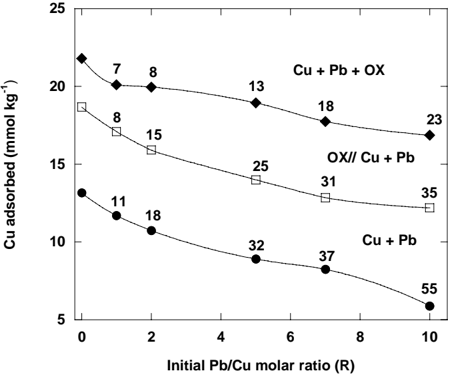
- In a goethite experiment at pH 5.0, increasing Pb/Cu ratio reduced Cu sorption by 11% at R = 1 and 55% at R = 10 without oxalic acid; with oxalic acid, Cu sorption increased by 34–43% in Cu+Pb+OX systems and 18–25% in OX//Cu+Pb systems.
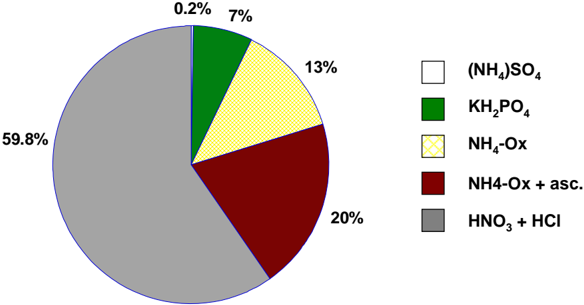
- For arsenic fractionation, the paper reports that in 20 Austrian soils (96–218 mg As kg⁻¹), 30% of As was in step 3 and 27% in step 4 of the Wenzel et al. extraction, while in one Italian polluted soil As was mostly in crystalline oxides (59.8%) and short-range Fe/Al oxides (20%).
## Methods
- Narrative review of published studies on soil metals/metalloids, emphasizing sorption/desorption, redox transformations, and chemical fractionation; no new primary dataset is presented as the paper’s own experiment.
- The paper synthesizes results from cited laboratory and field studies, including competitive sorption experiments on ferrihydrite and goethite, and sequential extraction schemes for Cu, Zn, Cd, and As.
- Main analysis is comparative and qualitative, using reported percentages, correlation coefficients, and extraction fractions from prior studies to illustrate how mobility and bioavailability vary across metals, ligands, and soil phases.
## Limitations
- The paper explicitly notes that “a systematic investigation” of competition among various anions on variable-charge minerals and soils is “rather limited.”
- It also states that information on desorption of trace elements in anionic forms from soil or soil components is “relatively little.”
- Evident from the text: this is a review, so its conclusions depend on heterogeneous studies with different soils, ligands, pH conditions, and extraction schemes, which limits direct comparability across examples.
Model-written summary. Check it against the paper before relying on it.
Integrity signals
Registry
Cites
Statistics
Figures
Verification
Claims the paper makes
4 Valid · 8 Not valid · 66 Not checked · 41 Own results and interpretations
Every source the paper cites for this claim was checked and supports it.
In the paper
“The As mobility, bioavailability, toxicity, and environmental fate are controlled by biogeochemical transformations that either form or destroy As-bearing carrier phases, or modify the redox state and chemical As speciation (see Figure 2 and Table 1 in Borch et al ., 2010).”
What the sources say
- Supportedcites Borch et al., 2010 matched to “Biogeochemical Redox Processes and their Impact on Contaminant Dynamics” (2010) source
The Impact on Trace Elements section (p. 3) states the claim almost verbatim and explicitly points to Figure 2 and Table 1. Figure 2 (p. 3) illustrates both changes to arsenic-bearing mineral phases and changes to arsenic redox state. (LLM, conf=0.95)
plainstates a cause- Asserted: passes — The authors put it forward as true.
- Checkable: passes — It can be checked against evidence.
- Load-bearing: passes — The paper’s conclusions depend on it.
- Based: passes — The paper gives a reason why it holds.
- Supported
Every source the paper cites for this claim was checked and supports it.
In the paper
“Direct reduction of Fe(III) by microorganisms can lead to As sequestration by sorption of As onto secondary Fe minerals (see Figure 2 in Borch et al ., 2010).”
What the sources say
- Supportedcites Borch et al., 2010 matched to “Biogeochemical Redox Processes and their Impact on Contaminant Dynamics” (2010) source
The Impact on Trace Elements section (p. 3) states the claim directly and points to Figure 2. The figure caption on the same page also describes secondary Fe mineral formation following microbial Fe(III) reduction, leading to arsenic sorption or coprecipitation. (LLM, conf=0.95)
plainstates a cause- Asserted: passes — The authors put it forward as true.
- Checkable: passes — It can be checked against evidence.
- Load-bearing: unclear — It is unclear whether the paper’s conclusions depend on it.
- Based: passes — The paper gives a reason why it holds.
- Supported
Every source the paper cites for this claim was checked and supports it.
In the paper
“The simultaneous presence of high dissolved As and Fe(II) concentrations in anoxic groundwater has led to the conclusion that reductive dissolution of As rich Fe(III) (hydr)oxides mobilizes geogenic As (see Figure 2 in Borch et al ., 2010).”
What the sources say
- Supportedcites Borch et al., 2010 matched to “Biogeochemical Redox Processes and their Impact on Contaminant Dynamics” (2010) source
The Impact on Trace Elements section (p. 3) states the claimed conclusion directly, linking high dissolved As and Fe(II) in anoxic groundwater to reductive dissolution of As-rich Fe(III) (hydr)oxides. Figure 2 on the same page also depicts reduction of As-loaded Fe(III) minerals releasing arsenic into solution. (LLM, conf=0.95)
hedgedstates a cause- Asserted: passes — The authors put it forward as true.
- Checkable: passes — It can be checked against evidence.
- Load-bearing: passes — The paper’s conclusions depend on it.
- Based: passes — The paper gives a reason why it holds.
- Supported
The sources with a verdict support this claim; the rest weren’t checked yet, have no full text we could read, or their verdicts aren’t rated yet.
In the paper
“The accumulation level of heavy metals differs between and within species (Huang and Cunningham, 1996; McGrath et al . 2002).”
What the sources say
- Supportedcites Huang and Cunningham, 1996 matched to “Lead phytoextraction: species variation in lead uptake and translocation” (1996) source
The Abstract states 'Our results demonstrated that plant species differ significantly in Pb uptake and translocation', and the Discussion ('Role of a synthetic chelate in Pb phytoextraction') opens 'Results from this research demonstrate that plant species vary significantly in Pb uptake and translocation (Figs 2-4; Table 1)', with dicots exceeding monocots in root Pb and corn exceeding dicots in shoot translocation — the between-species part of the claim. The within-species part is carried by Table 1 and the 'Phytoextraction of Pb from contaminated soil' section, where six Brassica juncea cultivars span shoot Pb from 347 down to 32 mg/kg and the text confirms 'shoot Pb concentrations in the three best Pb accumulating cultivars of Brassica juncea were significantly higher than those in the three least Pb accumulating cultivars'. Scope note: the paper's own measurements are for lead (and it frames them against the general monocot/dicot heavy-metal accumulator belief), which the citing sentence generalises to 'heavy metals'; the paired McGrath et al. 2002 citation covers the broader multi-metal case. (LLM, conf=0.82)
- Not checked — no full text of the sourcecites McGrath et al., 2002 matched to “Phytoremediation of metals, metalloids, and radionuclides” (2002) source
plainstates an association- Asserted: passes — The authors put it forward as true.
- Checkable: passes — It can be checked against evidence.
- Load-bearing: unclear — It is unclear whether the paper’s conclusions depend on it.
- Based: passes — The paper gives a reason why it holds.
- Supported
None of the sources cited for this claim have been checked yet.
In the paper
“Experiments with various synthetic Fe, Al and Mn oxides showed that the affinity of trace elements for Mn oxide was usually much greater than that for Fe or Al oxides.”
What the sources say
- Not matchedcites Kinniburg and Jackson, 1976
An author–year citation the paper’s reference list doesn’t settle. We don’t search these by name.
- Not checked — no full text of the sourcecites McBride, 1982 matched to “Cu2+-Adsorption Characteristics of Aluminum Hydroxide and Oxyhydroxides” (1982) source
- Not checked — no full text of the sourcecites Violante et al., 2003 matched to “Adsorption of Heavy Metals on Mixed Fe-Al Oxides in the Absence or Presence of Organic Ligands” (2003) source
plainstates an association- Asserted: passes — The authors put it forward as true.
- Checkable: passes — It can be checked against evidence.
- Load-bearing: unclear — It is unclear whether the paper’s conclusions depend on it.
- Based: passes — The paper gives a reason why it holds.
- Not matched
75 more claims
Create a free account to see all 119 claims and to verify the 5 references still open.
- Probably not a substantial claim. 22
- It may state two separate claims as one. 23
Citations
Cites
Environmental Chemistry of Soils
McBride, M. B. (1994) · Medical Entomology and Zoology · Cited by 5,997
(2003) · Elsevier eBooks · doi:10.1016/b978-0-12-656446-4.x5000-2 · Cited by 2,575
(2007) · Iron Oxides in the Laboratary · doi:10.1002/9783527613229.ch01 · Cited by 2,442
Roy, W. R. (1995) · Journal of Environmental Quality · doi:10.2134/jeq1995.00472425002400010029x · Cited by 2,431
Accumulators and excluders ‐strategies in the response of plants to heavy metals
Baker, A. J. M. (1981) · Journal of Plant Nutrition · doi:10.1080/01904168109362867 · Cited by 2,233 · cited 1×
“Baker (1981) suggested that plants could be classified into three categories: (1) excluders: those that grow in metal-contaminated soil and maintain shoot concentration at low level up to a critical soil value above which relatively unrestricted root-to-shoot transport result, (2) accumulators:…”
BackgroundThe surface chemistry of soils
Sposito, G. (1984) · Cited by 1,850
Biogeochemical Redox Processes and their Impact on Contaminant Dynamics
Borch, T., Kretzschmar, R., Kappler, A., Cappellen, P. V., Ginder-Vogel, M., Voegelin, A., & Campbell, K. (2010) · Environmental Science & Technology · doi:10.1021/es9026248 · Cited by 1,456 · cited 5×
“The As mobility, bioavailability, toxicity, and environmental fate are controlled by biogeochemical transformations that either form or destroy As-bearing carrier phases, or modify the redox state and chemical As speciation (see Figure 2 and Table 1 in Borch et al., 2010).”
BackgroundInfluentialArsenic fractionation in soils using an improved sequential extraction procedure
Wenzel, W. W., Kirchbaumer, N., Prohaska, T., Stingeder, G., Lombi, E., & Adriano, D. C. (2001) · Analytica Chimica Acta · doi:10.1016/s0003-2670(01)00924-2 · Cited by 1,408 · cited 3×
“Sequential extraction procedure for arsenic (Wenzel et al. 2001) with permission.”
MethodInfluentialArsenate and Chromate Retention Mechanisms on Goethite. 1. Surface Structure
Fendorf, S., Eick, M. J., Grossl, P., & Sparks, D. L. (1997) · Environmental Science & Technology · doi:10.1021/es950653t · Cited by 1,017 · cited 2×
“Particularly, arsenate may form different surface complexes on inorganic soil components: monodentate, bidentate-mononuclear and bidentatebinuclear complexes in different proportion depending on pH and surface coverage (Fendorf et al. 1997; O’Reilly et al. 2001).”
BackgroundChemical sequential extraction for metal partitioning in environmental solid samples.
Filgueiras, A. V., Lavilla, I., & Bendicho, C. (2002) · Journal of Environmental Monitoring · doi:10.1039/b207574c · Cited by 972 · cited 1×
“Sequential extraction schemes for metal partitioning in environmental solid samples have recently been summarized in a comprehensive review by Filgueiras et al. (2002) and in a JUPAC technical report by Hlavay et al. (2004).”
Background
Research works printed but not linked: 2
- Huang, P.M., Germida, J.J. 2002 . Chemical and biochemical processes in the rhizosphere: metal pollutants. In: P.M. Huang, J.-M. Bollag, N. Senesi (eds). Interactions Between Soil Particles and Microorganisms: Impact on the Terrestrial Ecosystem. John Wiley & Sons, New York, pp: 381-438
- Pigna, M., De Santis, R., Cozzolino, V., Violante, A. 2010 . Influence of organic and inorganic ligands on the adsorption of arsenate and arsenite onto ferrihydrite. Geoderma in Press.
Cited by
Items 401–500 of 951
Fluorine soil stabilization using hydroxyapatite synthesized from minerals wastes
Bouzar, B., Benzerzour, M., & Abriak, N.-E. (2023) · Arabian Journal of Chemistry · doi:10.1016/j.arabjc.2023.105261 · Cited by 14
Bioaccessibility data of potentially toxic elements in complementary foods for infants: A review
de Paiva, E. L., Ali, S., Vasco, E. R., Alvito, P., & de Oliveira, C. A. F. (2023) · Food Research International · doi:10.1016/j.foodres.2023.113485 · Cited by 14
He, M., Yin, H., Liu, Z., Luo, F., Zhao, X., Li, H., & Song, X. (2024) · Ecotoxicology and Environmental Safety · doi:10.1016/j.ecoenv.2024.117036 · Cited by 14
Shi, F., Fang, H., Cheng, S., Guo, Y., Wang, H., Chen, L., Pu, H., & Liu, B. (2025) · Journal of Hazardous Materials · doi:10.1016/j.jhazmat.2025.139298 · Cited by 19
Effect of salt stress caused by deicing on the content of microelements in leaves of linden
Dmuchowski, W., Rutkowska, B., Szulc, W., et al. (2014) · Journal of Elementology · doi:10.5601/jelem.2014.19.1.588 · Cited by 14
“The mobility of these elements in the soil solution of acid soils with a low organic matter content is high ( v iolanTe et al. 2010). b eesley et al. (2010) showed that Zn can be transported downward in a soil profile (70-100 cm).”
Yang, K., Jeong, S., Jho, E. H., & Nam, K. (2016) · Environmental Geochemistry and Health · doi:10.1007/s10653-016-9800-x · Cited by 15
“specifically and specifically sorbed As (Fayiga et al. 2007; Smith et al. 2008; Violante et al. 2010).”
BackgroundResultKurniawan, A., Oedjijono, O., Tamad, T., & Sulaeman, U. (2019) · Indonesian Journal of Chemistry · doi:10.22146/ijc.33613 · Cited by 17
“Furthermore, the low pH condition implicated in oxidation state, toxicity, and mobility of elements [9].”
BackgroundIrunde, R. F., Ligate, F. J., Ijumulana, J., Ahmad, A., Maity, J. P., Hamisi, R., Philip, J. Y. N., Kilulya, K. F., Karltun, E., Mtamba, J. O., et al. (2023) · Applied Geochemistry · doi:10.1016/j.apgeochem.2023.105705 · Cited by 16
Sorption of heavy metals in organic horizons of acid forest soils at low added concentrations
Vytopilová, M., Tejnecký, V., Borůvka, L., & Drábek, O. (2015) · Soil and Water Research · doi:10.17221/144/2014-swr · Cited by 18
“…and similar ionic radius of calcium, competition with heavy metals for exchange sites can be expected and the excess of calcium cations from background electrolyte forces heavy metals to the sites with higher affinity and reduces the nonspecific sorption of heavy metals (Violante et al. 2010).”
BackgroundWuana, R. A., Okieimen, F. E., & Vesuwe, R. N. (2014) · African Journal of Environmental Science and Technology · doi:10.5897/ajest2013.1624 · Cited by 33
“Additionally, spectroscopic techniques such as electron spin resonance (ESR) and extended x-ray absorption fine structure spectroscopy (EXAFS) have shown that the strong bonding of Pb, Cu, Co, Cr, Mn, Ni and Zn to these oxide surfaces is due to formation of inner-sphere metal surface complexes and formation of metal h…”
BackgroundMethodYoung, S. M., & Ishiga, H. (2014) · Environmental Earth Sciences · doi:10.1007/s12665-014-3139-3 · Cited by 13
“Iron is one of the main elements strongly associated with heavy metals and it can exist in several phases (Gurzau et al. 2003; Violante et al. 2010).”
Backgroundde Santiago, A., van Oort, F., González, C., et al. (2014) · Environmental Toxicology and Chemistry · doi:10.1002/etc.2772 · Cited by 14
“This result is consistent with the literature, because variable charge minerals (such as Fe oxides) strongly retain trace metals and confer a poor potential (bio) availability [35].”
ResultDiLoreto, Z. A., Weber, P. A., & Weisener, C. G. (2016) · Applied Geochemistry · doi:10.1016/j.apgeochem.2016.02.011 · Cited by 14
Volk, J., & Yerokun, O. A. (2016) · Agriculture · doi:10.3390/agriculture6040064 · Cited by 15
Mejías, E., & Garrido, T. (2017) · InTech eBooks · doi:10.5772/66328 · Cited by 15
“In turn, external sphere complexes primarily involve Coulombic interactions that, through a reversible process, are affected by ionic strengths in the aqueous phase [23].”
BackgroundContaminación de suelos agrícolas por metales pesados, zona minera El Alacrán, Colombia
Martínez, Z. Y., González, M. S., Paternina, J., et al. (2017) · Temas Agrarios · doi:10.21897/rta.v22i2.941 · Cited by 14
Akkajit, P., Fajriati, P., & Assawadithalerd, M. (2018) · Environmental Science and Pollution Research · doi:10.1007/s11356-018-3488-7 · Cited by 14
Arsenic–nucleotides interactions: an experimental and computational investigation
Cassone, G., Chillé, D., Nardo, V. M., Giuffrè, O., Ponterio, R. C., Šponer, J., Trusso, S., Saija, F., & Foti, C. (2020) · Dalton Transactions · doi:10.1039/d0dt00784f · Cited by 13
Cleveland, D. M., Hinck, J. E., & Lankton, J. S. (2020) · Chemosphere · doi:10.1016/j.chemosphere.2020.127908 · Cited by 14
Gaspar, L., Lizaga, I., & Navas, A. (2020) · Geomorphology · doi:10.1016/j.geomorph.2020.107387 · Cited by 14
Urban Farming: The Right to What Sort of City?
Saed (2012) · Capitalism Nature Socialism · doi:10.1080/10455752.2012.724776 · Cited by 28
Guo, L., He, X., Hong, Z., & Xu, R. (2022) · Environmental Science and Pollution Research · doi:10.1007/s11356-022-20315-w · Cited by 13
Hegedus, C. I., Pașcalău, S.-N., Andronie, L., Rotaru, A.-S., Cucu, A.-A., & Dezmirean, D. S. (2023) · Agriculture · doi:10.3390/agriculture13030735 · Cited by 14
Dębicka, M. (2024) · Agronomy · doi:10.3390/agronomy14081688 · Cited by 13
Laptiev, V., Giltrap, M., Tian, F., & Ryzhenko, N. O. (2024) · Pollutants · doi:10.3390/pollutants4030029 · Cited by 19
Gertsen, M., Perelomov, L. V., Kharkova, A. S., Burachevskaya, M., Hemalatha, S., & Atroshchenko, Y. M. (2024) · Toxics · doi:10.3390/toxics12100713 · Cited by 15
“These reactions are influenced by various factors including pH, the composition of the soil, the presence of inorganic and organic ligands such as humic and fulvic acids, and microbial metabolites and root exudates [5,6].”
BackgroundSelf-citationOsakwe, S. A., & Okolie, L. P. (2016) · Journal of applied science and environmental management · doi:10.4314/jasem.v19i4.19 · Cited by 13
“The biological uptake and their ecotoxicological effects on the soil biota can be better understood in terms of their chemical speciation (Violante et al., 2010).”
BackgroundInfluentialThe effect of bullet removal and vegetation on mobility of Pb in shooting range soils
Fayiga, A. O., & Saha, U. (2016) · Chemosphere · doi:10.1016/j.chemosphere.2016.06.098 · Cited by 13
Stabilization of fluorine in soil using calcium hydroxide and its potential human health risk
Jeong, S., Kim, D., & Yoon, H.-O. (2019) · Environmental Engineering Research · doi:10.4491/eer.2018.347 · Cited by 13
“It is widely recognized that heavy metals, as well as F, are most toxic and mobile in their water-soluble form (fraction 1), and it is unlikely that in the residue form (fraction 4), it is accessible to living organisms, or exhibits any toxic effects [8, 40-42].”
BackgroundRelevance of Soil Heavy Metal XRF Screening for Quality and Landscaping of Public Playgrounds
Răcușan, O., Tănăselia, C., Chintoanu, M., Crișan, I., HOBLE, A. G., Ștefan, R., & Dîrja, M. (2023) · Toxics · doi:10.3390/toxics11060530 · Cited by 15
Concentrations of rare-earth elements in soils of the Prioksko-Terrasnyi state biospheric reserve
Perelomov, L. V., Асаинова, Ж. С., Yoshida, S., et al. (2012) · Eurasian Soil Science · doi:10.1134/s1064229312100079 · Cited by 13
Self-citationTortella, G., Rubilar, O., Cea, M., et al. (2019) · Journal of soil science and plant nutrition · doi:10.1007/s42729-019-00037-8 · Cited by 1
Labrecque, M., Hu, Y., Vincent, G. A., & Shang, K. (2020) · International Journal of Phytoremediation · doi:10.1080/15226514.2020.1773758 · Cited by 16
A comparative structural study of nitrogen-rich fulvic acids from various Antarctic lakes
Farzadnia, S., Nimmagadda, R. D., & McRae, C. R. (2018) · Environmental Chemistry · doi:10.1071/en17095 · Cited by 13
Organic Matter and Heavy Metals Sorption
Al-Jumaily, M. M., & Al-Hamandi, H. M. (2022) · Tikrit Journal for Agricultural Sciences · doi:10.25130/tjas.22.3.18 · Cited by 12
“…4.5 - 450 mg of different heavy metals with high affinity to Co and Ni and low affinity to Mn. HA sorption Capacity increases as acidity increases, Violante et al (2010) measured the amounts of metals sorbed by HA at pH 5-6 and obtained the following values : Au: 16- Ce:31-Cd:9-Sr:18 - Cu: 18 and…”
BackgroundInfluentialDaramola, S. O., Demlie, M. B., & Hingston, E. D. C. (2024) · Journal of Environmental Management · doi:10.1016/j.jenvman.2024.120511 · Cited by 17
Phytoremediation of Pb-polluted soil using bermudagrass: Effect of mowing frequencies
Cai, X., Liang, Y., Peng, L., Jiang, M., Guo, B., Yu, X.-F., Sun, L., Huang, Z., Zhang, D., Yue, Y., et al. (2024) · Ecotoxicology and Environmental Safety · doi:10.1016/j.ecoenv.2024.116904 · Cited by 12
Medico, F. L., Rizzo, P., Rotigliano, E., & Celico, F. (2025) · International Journal of Environmental Research and Public Health · doi:10.3390/ijerph22020182 · Cited by 12
“This di ff erence is linked to various factors characterizing soils, such as the presence of iron/manganese oxides, organic ma tt er, humic acids, and clay minerals, which tend to retain metals and metalloids (M&Ms) [22,81–84”
Causes, Effects and Sustainable Approaches to Remediate Contaminated Soil
Gautam, M., Mishra, S., & Agrawal, M. (2021) · Environmental and microbial biotechnology · doi:10.1007/978-981-15-5499-5_16 · Cited by 15
Role of rhizosphere microbiome during phytoremediation of heavy metals
Bretón‐Deval, L., Guevara-García, Á. A., Juárez, K., Lara, P., Rubio-Noguez, D., & Tovar‐Sánchez, E. (2021) · Elsevier eBooks · doi:10.1016/b978-0-323-85455-9.00016-3 · Cited by 17
Okoroafor, P. U., Mann, L., Ngu, K. A., Zaffar, N., Monei, N. L., Boldt, C., Reitz, T., Heilmeier, H., & Wiche, O. (2022) · Plants · doi:10.3390/plants11030341 · Cited by 13
Phytoremediation of Radionuclides: A Report on the State of the Art
Jagetiya, B., Sharma, A., Soni, A., & Khatik, U. K. (2014) · Springer eBooks · doi:10.1007/978-3-319-07665-2_1 · Cited by 23
“Microbial reduction of certain metals to a lower redox state along with other metal precipitation mechanisms may result in reduced mobility and toxicity (Gadd 2008; Violante et al. 2010).”
BackgroundPhytoremediation of iron from red soil of tropical region by using Centella asiatica
Bhat, I. U. H., Mauris, E. N., & Khanam, Z. (2016) · International Journal of Phytoremediation · doi:10.1080/15226514.2016.1156637 · Cited by 12
“The soil pH was within the suitable range (5.0–7.0), ensuring high bioavailability of most essential nutrients required for the plant growth and development (Violante et al. 2010).”
BackgroundInfluentialEffects of Wood Ash on Nutrients and Heavy Metal(oid)s Mobility in an Ultisol
Rodríguez, Y., Maudier, B., Zagal, E., & Hernández, P. (2019) · International Journal of Environmental Research and Public Health · doi:10.3390/ijerph16071246 · Cited by 12
“The prevalence of these elements in the soil depends on various factors, with some of the most important being soil pH, organic material content, texture, clay content, and the amounts of iron (Fe), aluminum (Al), and manganese (Mn) oxides [6].”
BackgroundMolecular Mechanism and Signaling Response of Heavy Metal Stress Tolerance in Plants
Joshi, R., Dkhar, J., Singla-Pareek, S. L., & Pareek, A. (2019) · Springer eBooks · doi:10.1007/978-3-030-20732-8_2 · Cited by 16
Seed Priming and Metal/Metalloid Stress Tolerance in Plants
Saboor, A., Mustafa, G., Arshad, M., Ahmad, M. B., Hussain, S., Ahmed, N., Ahmad, S., Shahid, M. A. R., & Ali, M. A. (2019) · Springer eBooks · doi:10.1007/978-981-13-8625-1_14 · Cited by 17
Akhigbe, G. E., Adebiyi, F. M., & Torimiro, N. (2019) · Journal of Health and Pollution · doi:10.5696/2156-9614-9.24.191213 · Cited by 12
Nespor, B., Andrianova, A. A., Pollack, S., et al. (2020) · ACS Omega · doi:10.1021/acsomega.9b02783 · Cited by 12
“16 There are minimal concentrations of active ingredients of drugs present in the soil environment, which may or may not uptake and translocate into the plant seeds, thus the treatment of plants with active ingredients is only a viable option to concentrate into the seed, especially in functional…”
Heavy metal mobility in soil under futuristic climatic conditions
Grobelak, A., & Kowalska, A. (2020) · Elsevier eBooks · doi:10.1016/b978-0-12-818032-7.00016-3 · Cited by 19
Almendros, P., González, D., Ibáñez, M. Á. T., Fernández, M. D., García‐Gómez, C., Smolders, E., & Obrador, A. (2020) · Journal of soil science and plant nutrition · doi:10.1007/s42729-020-00241-x · Cited by 13
“Different authors (Duchaufour 1987; Violante et al. 2010; Gonzalez et al. 2015) have reported that the movement of dissolved micronutrients through the soil profile due to the addition of water is clearly related to both the texture and physicochemical characteristics of the soil.”
BackgroundEnvironmental mobility of trace elements present in dusts emitted from Zn–Pb metallurgical processes
Adamczyk, Z., & Nowińska, K. (2016) · Environmental Earth Sciences · doi:10.1007/s12665-016-5765-4 · Cited by 12
“…in anoxic groundwater has led to the conclusion that reductive dissolution of As rich Fe(III) (hydr)oxides mobilises geogenic As (Borch et al. 2010, Voliante et al. 2010) The plotted Eh and pH diagrams indicate that within the pH range of 4.5–7.5, which is characteristic of the soil and water…”
BackgroundInfluentialFractions of arsenic and selenium in fly ash by ultrasound-assisted sequential extraction
He, K.-Q., Yuan, C., Shi, M.-D., Jiang, Y.-H., & Yu, S. (2020) · RSC Advances · doi:10.1039/c9ra08481a · Cited by 12
Guo, H., Song, Z., Wang, S., et al. (2025) · Journal of Marine Science and Engineering · doi:10.3390/jmse13040708 · Cited by 11
Xiu, Z., Jin, Q., Wang, P., & Huang, C. (2023) · Toxics · doi:10.3390/toxics11030249 · Cited by 12
“Cu in preservative-treated wood took the form of Cu(II) regardless of the in-service time [90], and Cu mobility and bio-effectiveness in soils are largely controlled by the sorption–desorption behavior of organic and inorganic colloids [91].”
BackgroundBioaccumulation of Cr, Zn, Pb and Cu in Ambrosia artemisiifolia L. and Erigeron canadensis L.
Laptiev, V., Apori, S. O., Giltrap, M., Tian, F., & Ryzhenko, N. O. (2024) · Resources · doi:10.3390/resources13030043 · Cited by 13
“At slightly acidic pH levels, metals are more mobile and bioavailable, while organic matter can influence metal mobility through complexation (i.e., the formation of stable metal–organic complexes) and precipitation (i.e., chelation or adsorption of metal onto organic surfaces) [33].”
BackgroundMicrobial Amelioration of Heavy Metal Toxicity in Plants for Agro-Environmental Sustainability
Kour, D., Sharma, B., Negi, R., Kumar, S., Kaur, S., Kaur, T., Khan, S. S., Kour, H., Ramniwas, S., Rustegi, S., et al. (2024) · Water Air & Soil Pollution · doi:10.1007/s11270-024-07251-w · Cited by 13
“Both abiotic and biotic redox reactions also contribute in mobilization, immobilization and toxicity of elements such as Cu, Co, Cr, As, Pb, Ni and Se, on the basis of type microenvironments and metal species (Violante et al., 2010).”
Gupta, A., Siwach, C., & Mishra, V. K. (2024) · Sustainable Chemistry for the Environment · doi:10.1016/j.scenv.2024.100156 · Cited by 15
Guadarrama‐Pérez, O., Guadarrama-Pérez, V. H., Terrones, V. B., Guillén-Garcés, R. A., Treviño-Quintanilla, L. G., Estrada‐Arriaga, E. B., & Chávez, G. (2024) · Electrochimica Acta · doi:10.1016/j.electacta.2024.145116 · Cited by 14
Sahraoui, A. L., Calonne-Salmon, M., Labidi, S., Meglouli, H., & Fontaine, J. (2021) · Elsevier eBooks · doi:10.1016/b978-0-12-822893-7.00008-2 · Cited by 16
Redox Processes in Water Remediation Technologies
Tandon, P. K., & Singh, S. B. (2015) · Environmental chemistry for a sustainable world · doi:10.1007/978-3-319-19375-5_5 · Cited by 15
“Redox reactions can mobilize or immobilize metals, depending on the particular metal species and microenvironments (Violante et al. 2010).”
BackgroundGhazouani, S., Béjaoui, Z., Spiers, G., Beckett, P., Gtari, M., & Nkongolo, K. K. C. (2020) · Water Air & Soil Pollution · doi:10.1007/s11270-020-04783-9 · Cited by 13
Mitrović, M., Blanuša, T., Pavlović, M., Pаvlović, D., Kostić, O., Perović, V., Jarić, S., & Pavlović, P. (2021) · Sustainability · doi:10.3390/su13179784 · Cited by 14
“Soil pH has a great influence on soil chemical processes which determine the behavior of pollutants because the solubility of some elements tends to increase at lower pH and decrease at higher pH values [21,24,26,65,66].”
BackgroundDefo, C., Yerima, B. P. K., & Bemmo, N. (2016) · Environment Development and Sustainability · doi:10.1007/s10668-016-9819-2 · Cited by 11
“These confirmed the observations of Violate et al. (2010) and Silveira et al.(2003) who reported that sorption of heavy metals in soils is strongly influenced by soil geochemical factors such as the nature of the sorbents, redox reactions, and presence of organic and inorganic ligands.”
BackgroundResultMarchand, L., Lamy, P., Bert, V., Quintela‐Sabarís, C., & Mench, M. J. (2015) · Environmental Science and Pollution Research · doi:10.1007/s11356-015-4646-9 · Cited by 13
“Iron and Mn (hydr)oxides can react by sorption and co-precipitation with cations, e.g., Zn, Cd, Cu, and Ni, and anions, e.g., arsenates (As(V)) (Violante et al. 2010), molybdates (Caporale et al. 2011), and phosphates (Yan et al. 2010).”
BackgroundNannoni, F., Mazzeo, R., Santolini, R., et al. (2017) · International Journal of Environmental Science and Technology · doi:10.1007/s13762-017-1342-y · Cited by 11
Leclercq-Dransart, J., Demuynck, S., Waterlot, C., Bidar, G., Sahmer, K., Pernin, C., Deram, A., Leprêtre, A., & Douay, F. (2019) · Water Air & Soil Pollution · doi:10.1007/s11270-019-4290-y · Cited by 10
Trace element bioaccumulation in hypersaline ecosystems and implications of a global invasion
Pais-Costa, A. J., Sánchez, M. I., Taggart, M. A., et al. (2021) · The Science of The Total Environment · doi:10.1016/j.scitotenv.2021.149349 · Cited by 10
He, X., Shi, R.-Y., Nkoh, J. N., Lai, H.-W., Guan, P. F., Li, K., & Xu, R. (2023) · Archives of Agronomy and Soil Science · doi:10.1080/03650340.2023.2192490 · Cited by 11
“Secondly, most soils in tropical and subtropical regions of southern China are acidic, and lower pH enhances the mobility and bioavailability of Cd in these soils (Violante et al. 2010; Zhao et al. 2010; Li et al. 2014; Wang et al. 2015).”
BackgroundSantorufo, L., Memoli, V., Santini, G., Natale, G. D., Trifuoggi, M., Barile, R., & Maisto, G. (2023) · CATENA · doi:10.1016/j.catena.2023.107438 · Cited by 9
Kumari, K., Chakraborty, S., & Bauddh, K. (2023) · Chemosphere · doi:10.1016/j.chemosphere.2023.140316 · Cited by 13
Qiu, L., Yan, C., Zhang, Y., Chen, Y., & Nie, M. (2024) · Environmental Pollution · doi:10.1016/j.envpol.2024.124039 · Cited by 10
Nadłonek, W., Cabała, J., & Szopa, K. (2024) · Minerals · doi:10.3390/min14050475 · Cited by 10
Partani, S., Mehr, A. D., Ahmadi, K. A., Alaei, M., Maghrebi, M., Taniwaki, R. H., & Jafari, A. (2024) · The Science of The Total Environment · doi:10.1016/j.scitotenv.2024.176635 · Cited by 12
Principles of spatial organization and evolution of the biosphere and the noosphere
Korobova, E. (2017) · Geochemistry International · doi:10.1134/s001670291713002x · Cited by 10
Maksimović, J., Pivić, R., Stanojković-Sebić, A., Jovković, M., Jaramaz, D., & Dinić, Z. (2021) · Agronomy · doi:10.3390/agronomy11010141 · Cited by 10
Flórez-Vargas, O., Vilanova, E., Alcaide, C., et al. (2023) · The Science of The Total Environment · doi:10.1016/j.scitotenv.2023.165632 · Cited by 10
Ji, C., Zhu, Y., Zhao, S., Zhang, Y., Nie, Y., Zhang, H., Zhang, H., Wang, S., Zhou, J., Zhao, H., et al. (2023) · Chemosphere · doi:10.1016/j.chemosphere.2023.140938 · Cited by 12
Mallet, C., Rossi, F., Hassan-Loni, Y., et al. (2024) · The Science of The Total Environment · doi:10.1016/j.scitotenv.2024.170692 · Cited by 10
Mobility of metals in river sediments from a watershed in the Iron Quadrangle, Brazil
Marques, L., dos Reis, D. A., Nascimento, L., Oliveira, E., Santiago, A. D. F., & Roeser, H. M. P. (2019) · Geochimica Brasiliensis · doi:10.21715/gb2358-2812.2019333273 · Cited by 11
Reis, A. P. M., Costa, C., Rocha, F. T., Cave, M. R., Wragg, J., Valente, T. M. F., Braga, M. A. S., & Noack, Y. (2020) · Geosciences · doi:10.3390/geosciences10100392 · Cited by 10
“Aluminium oxy‐hydroxides can adsorb PTEs in a specific manner, which testifies to their unquestionable role on bioavailability and mobility of metals and metalloids [51,54,55].”
BackgroundDong, H., Xun, Y., Yoneda, M., & Feng, L. (2021) · The Science of The Total Environment · doi:10.1016/j.scitotenv.2021.147509 · Cited by 10
The environmental impact of biosolids' land application
Torri, S. I., & Cabrera, M. (2017) · CONICET Digital (CONICET) · Cited by 15
Jurković, J., Murtić, S., Bašić, F., Gavrić, T., Sijahović, E., & Čadro, S. (2021) · ACS Earth and Space Chemistry · doi:10.1021/acsearthspacechem.1c00078 · Cited by 10
Rascio, I., Gattullo, C. E., Porfido, C., Allegretta, I., Spagnuolo, M., Tiziani, R., Celletti, S., Cesco, S., Mimmo, T., & Terzano, R. (2022) · Environmental Science and Pollution Research · doi:10.1007/s11356-022-22471-5 · Cited by 17
Ugaz, C. A. V., León-Roque, N., Nuñez-León, J. L., et al. (2023) · Heliyon · doi:10.1016/j.heliyon.2023.e14659 · Cited by 10
“The presence of metals and metalloids as natural components has great importance in soils where mineral fraction comprises a stock of potentially mobile metal species, such as components of clays, minerals, and iron and manganese oxides which, in turn, have a dramatic influence on soil geochemistry [4].”
BackgroundSmieja-Król, B., Janeczek, J., & Wiedermann, J. (2014) · Environmental Science and Pollution Research · doi:10.1007/s11356-014-2700-7 · Cited by 13
“…and includes sorption onto organic matter and mineral surfaces, incorporation in precipitates, release through desorption and dissolution of minerals or decomposition of organic matter, and interactions with plants and microbes (Li and Thornton 2001; Helal 2006; Gadd 2010; Violante et al. 2010).”
BackgroundHeavy metals pollution assessment in industrial area soil of Mysore city, Karnataka, India
Shivakumar, D., & Srikantaswamy, S. (2012) · International Journal of Applied Science and Engineering Research · doi:10.6088/ijaser.0020101062 · Cited by 10
Transport of Heavy Metals in Materials With Diameter Analogous to Xylem Vessels
Oropeza-García, N. A., Häusler, R., Glaus, M., Vega-Azamar, R. E., & Romero-López, R. (2014) · Espace ÉTS (ETS) · doi:10.22059/ijer.2014.701 · Cited by 12
“Nevertheless, numerous studies suggest that the interaction of many environmental variables can change the mobility of metals in soils (Chojnacka et al., 2005; Ernst, 1996; Violante et al., 2010).”
Influences of dissolved humic acid on Zn bioavailability and its consequences for thyroid toxicity
Li, J., Liu, Y., Zuo, R., Teng, Y., Ai, Y., & Yang, J. (2018) · Ecotoxicology and Environmental Safety · doi:10.1016/j.ecoenv.2018.09.051 · Cited by 11
Gupta, S. K., Roy, S., Chabukdhara, M., Hussain, J., & Kumar, M. (2019) · Springer eBooks · doi:10.1007/978-981-13-3179-4_3 · Cited by 18
Zhu, M., Hu, X., Tu, C., Luo, Y., Yang, R., Zhou, S., Cheng, N., & Rylott, E. L. (2019) · Journal of Soils and Sediments · doi:10.1007/s11368-019-02431-2 · Cited by 10
Zine, H., Hakkou, R., Adnani, M. E., Lamnai, K., Elgadi, S., Rachid, A. B., Midhat, L., Papazoglou, E. G., Loutfi, K., Hafidi, M., et al. (2020) · Remediation Journal · doi:10.1002/rem.21662 · Cited by 13
Contributions of Wetland Plants on Metal Accumulation in Sediment
Nel, M. A., Rubidge, G., Adams, J. B., et al. (2022) · Sustainability · doi:10.3390/su14063679 · Cited by 9
“Organic matter can either act as a source or a sink of metals depending on its solubility and the particular metals [57,58].”
BackgroundPetrini, R., Ghezzi, L., Arrighi, S., Genovesi, L., Frassi, C., & Pandolfi, L. (2022) · International Journal of Environmental Research and Public Health · doi:10.3390/ijerph192013419 · Cited by 10
“Once below the water table, contaminants may be subject to dispersion and diffusion, with different flowpaths and velocities [46], possibly extending groundwater contamination.”
BackgroundWang, S., Wang, Z., Zhang, W., Li, J., Lin, M., & Chen, L. (2024) · Ecological Processes · doi:10.1186/s13717-024-00521-9 · Cited by 9
“For example, Violante et al. (2010) reported the adsorption/desorption reactions of biotic and abiotic organisms in soil environments, as well as the chemical complexation processes with inorganic and organic ligands, indicating that the interaction between chemical and biological interfaces had a…”
BackgroundFe(II)-Catalyzed Recrystallization Drives Phosphorus and Aluminum Release from Goethite
Karimian, N., Pownceby, M. I., Burton, E. D., Wells, M., & Frierdich, A. J. (2024) · Environmental Science & Technology · doi:10.1021/acs.est.4c03574 · Cited by 10
Microbial fuel cells: A potent and sustainable solution for heavy metal removal
Akagunduz, D., Aydin, O., Tuncay, E., & Bermek, H. (2025) · Euchembioj Reviews · doi:10.62063/rev-6 · Cited by 16
“Studies demonstrated that stability and mobility of copper increased when the pH value decreased (Violante et al., 2010).”
BackgroundEjaz, U., Khan, S. M., Shah, S. F. A., Khalid, N., Jehangir, S., Rizvi, Z. F., & Svenning, J. (2025) · Journal of Hazardous Materials Advances · doi:10.1016/j.hazadv.2025.100596 · Cited by 28
Intamo, P., Suddhiprakarn, A., Kheoruenromne, I., Tawornpruek, S., & Gilkes, R. J. (2016) · Geoderma Regional · doi:10.1016/j.geodrs.2016.06.002 · Cited by 8
Brami, C., Lowe, C. N., Menasseri, S., Jacquet, T., & Pérès, G. (2020) · Biomass and Bioenergy · doi:10.1016/j.biombioe.2020.105793 · Cited by 15
“On a polluted site with a sandy texture, even if Miscanthus has no positive effect on soil quality at the plot level, at the scale of the Chanteloup plain phytostabilization could lead to a decrease in metal mobility [109] and reduce the transfer of contaminants into groundwater and the nearby river Seine.”
Background
Metadata
- Authors
- Violante, A., Cozzolino, V, Perelomov, L., Caporale, A. G., & Pigna, M.
- Affiliations
- University of Naples Federico II (IT)
- Corresponding author
- Violante, A
- Venue
- Journal of Soil Science and Plant Nutrition
- Published
- 2010-07
- Volume
- 10
- Issue
- 3
- ISSN
- 0718-9508 (ISSN-L)
- 0718-9516
- OpenAlex
- W1998582560
- Semantic Scholar
- cb8e101c122956fb00a221b2884004b417ea544f
- Cited by
- 957
- References
- 69
- Citations by year
- 2026: 75 · 2025: 70 · 2024: 74 · 2023: 68 · 2022: 94 · 2021: 99 · 2020: 82 · 2019: 77 · 2018: 61 · 2017: 66 · 2016: 60 · 2015: 41 · 2014: 35 · 2013: 33 · 2012: 19
- FWCI
- 17.27
- Type
- journal article
- Language
- en
- Open access
- hybrid
- doi.org
- Licence
- cc-by-nc
- Locations
- Journal of soil science and plant nutrition (publishedVersion, cc-by-nc)
- Americanae (AECID Library) (publishedVersion, other-oa)
- LA Referencia (Red Federada de Repositorios Institucionales de Publicaciones Científicas) (publishedVersion, other-oa)
- INFM-OAR (INFN Catania) (submittedVersion, other-oa)
- Topics
- Physical Sciences › Environmental Science › Pollution › Heavy metals in environment
- Life Sciences › Agricultural and Biological Sciences › Plant Science › Plant Micronutrient Interactions and Effects
- Physical Sciences › Environmental Science › Water Science and Technology › Environmental and Analytical Chemistry Studies
- Keywords
- heavy metals, metalloids, metal bioavailability, metal mobility, soil sorption, desorption, redox reactions, metal speciation, metal fractionation, humic and fulvic acids, root exudates, microbial metabolites, metal leaching, metal toxicity
About these checks
Registry, retraction, Cites and statistics results are computed, not judged, with one exception: a printed reference that no index lists is read once by a model before it counts as a citation error. Claims are extracted by a model and kept only when their quote appears verbatim in the text; each cited source is then checked, with a model’s help, for whether it says what the claim relies on. Those verdicts can be wrong — read the claim’s quote and the cited source before relying on one.
A language model drew the claims from the paper on 2026-10-10, under version 3 of the claim definition (model deepseek-v4.1-flash, prompt extract-v3).
A second model labelled each claim on 2026-10-10 (model jev-1.13-20260917, definition revision gold-guideline-v0.2).
Cited sources are checked with a language model’s help (gpt-6-sol and qwen3.8-omni-flash).
Statistics and arithmetic are recomputed, not judged.
Confidence bands are shown only for fields calibrated on our annotated test set. None is calibrated yet, so no band is shown.
What counts as a claim ›How we measure confidence ›How we check this ›
Are you an author, or do you see a problem with this page? Request a review
Data sources
Bibliographic data: Semantic Scholar, OpenAlex, Crossref.
Contains information from the Semantic Scholar Academic Graph Datasets, made available under the ODC Attribution License (ODC-BY 1.0).
Semantic Scholar’s data is described in: Kinney, R., et al. (2023). The Semantic Scholar Open Data Platform. arXiv:2301.10140.
