

MOBILITY AND BIOAVAILABILITY OF HEAVY METALS AND METALLOIDS IN SOIL ENVIRONMENTS
Open accessThe DOI matches its Crossref record; 59 of the 69 references it cites were found in a registry or an index; 4 of the 82 sources its claims cite were checked for support.
Abstract
In soil environments, sorption/desorption reactions as well as chemical complexation with inorganic and organic ligands and redox reactions, both biotic and abiotic, are of great importance in controlling their bioavailability, leaching and toxicity.These reactions are affected by many factors such as pH, nature of the sorbents, presence and concentration of organic and inorganic ligands, including humic and fulvic acid, root exudates, microbial metabolites and nutrients.In this review, we highlight the impact of physical, chemical, and biological interfacial interactions on bioavailability and mobility of metals and metalloids in soil.Special attention is devoted to: i) the sorption/desorption processes of metals and metalloids on/from soil components and soils; ii) their precipitation and reduction-oxidation reactions in solution and onto surfaces of soil components; iii) their chemical speciation, fractionation and bioavailability.
Overview
CoChat Summary
## TL;DR
This review explains how soil pH, sorbent properties, ligands, redox reactions, and reaction time control the mobility, bioavailability, and toxicity of heavy metals and metalloids in soils. It also argues that total soil metal content is a poor predictor of risk and that sequential extraction/fractionation is needed to identify the more bioavailable forms.
## Key findings
- Sorption/desorption, complexation, precipitation, and redox reactions are presented as the main controls on metal and metalloid mobility; the paper says these processes are affected by pH, sorbent nature, and organic/inorganic ligands.
- For cationic metals, the paper reports that Cu was more selectively sorbed than Zn on ferrihydrite and a humic-acid-like sample; in equimolar Zn presence, sorbed Cu was only slightly reduced, while Cu strongly reduced Zn sorption.
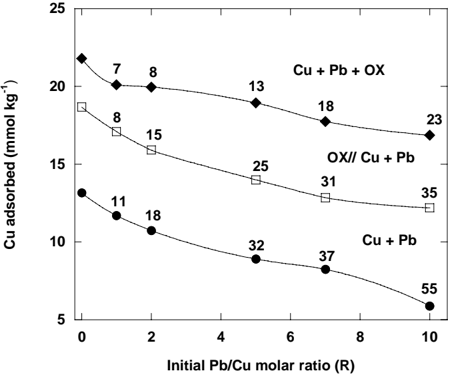
- In a goethite experiment at pH 5.0, increasing Pb/Cu ratio reduced Cu sorption by 11% at R = 1 and 55% at R = 10 without oxalic acid; with oxalic acid, Cu sorption increased by 34–43% in Cu+Pb+OX systems and 18–25% in OX//Cu+Pb systems.
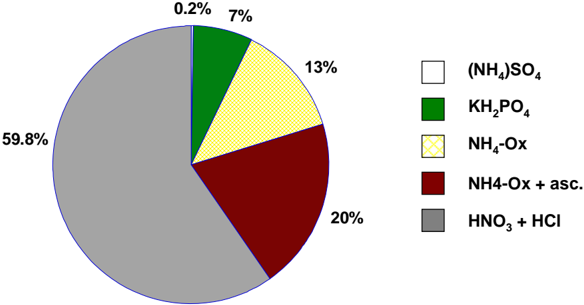
- For arsenic fractionation, the paper reports that in 20 Austrian soils (96–218 mg As kg⁻¹), 30% of As was in step 3 and 27% in step 4 of the Wenzel et al. extraction, while in one Italian polluted soil As was mostly in crystalline oxides (59.8%) and short-range Fe/Al oxides (20%).
## Methods
- Narrative review of published studies on soil metals/metalloids, emphasizing sorption/desorption, redox transformations, and chemical fractionation; no new primary dataset is presented as the paper’s own experiment.
- The paper synthesizes results from cited laboratory and field studies, including competitive sorption experiments on ferrihydrite and goethite, and sequential extraction schemes for Cu, Zn, Cd, and As.
- Main analysis is comparative and qualitative, using reported percentages, correlation coefficients, and extraction fractions from prior studies to illustrate how mobility and bioavailability vary across metals, ligands, and soil phases.
## Limitations
- The paper explicitly notes that “a systematic investigation” of competition among various anions on variable-charge minerals and soils is “rather limited.”
- It also states that information on desorption of trace elements in anionic forms from soil or soil components is “relatively little.”
- Evident from the text: this is a review, so its conclusions depend on heterogeneous studies with different soils, ligands, pH conditions, and extraction schemes, which limits direct comparability across examples.
Model-written summary. Check it against the paper before relying on it.
Integrity signals
Registry
Cites
Statistics
Figures
Verification
Claims the paper makes
4 Valid · 8 Not valid · 66 Not checked · 41 Own results and interpretations
Every source the paper cites for this claim was checked and supports it.
In the paper
“The As mobility, bioavailability, toxicity, and environmental fate are controlled by biogeochemical transformations that either form or destroy As-bearing carrier phases, or modify the redox state and chemical As speciation (see Figure 2 and Table 1 in Borch et al ., 2010).”
What the sources say
- Supportedcites Borch et al., 2010 matched to “Biogeochemical Redox Processes and their Impact on Contaminant Dynamics” (2010) source
The Impact on Trace Elements section (p. 3) states the claim almost verbatim and explicitly points to Figure 2 and Table 1. Figure 2 (p. 3) illustrates both changes to arsenic-bearing mineral phases and changes to arsenic redox state. (LLM, conf=0.95)
plainstates a cause- Asserted: passes — The authors put it forward as true.
- Checkable: passes — It can be checked against evidence.
- Load-bearing: passes — The paper’s conclusions depend on it.
- Based: passes — The paper gives a reason why it holds.
- Supported
Every source the paper cites for this claim was checked and supports it.
In the paper
“Direct reduction of Fe(III) by microorganisms can lead to As sequestration by sorption of As onto secondary Fe minerals (see Figure 2 in Borch et al ., 2010).”
What the sources say
- Supportedcites Borch et al., 2010 matched to “Biogeochemical Redox Processes and their Impact on Contaminant Dynamics” (2010) source
The Impact on Trace Elements section (p. 3) states the claim directly and points to Figure 2. The figure caption on the same page also describes secondary Fe mineral formation following microbial Fe(III) reduction, leading to arsenic sorption or coprecipitation. (LLM, conf=0.95)
plainstates a cause- Asserted: passes — The authors put it forward as true.
- Checkable: passes — It can be checked against evidence.
- Load-bearing: unclear — It is unclear whether the paper’s conclusions depend on it.
- Based: passes — The paper gives a reason why it holds.
- Supported
Every source the paper cites for this claim was checked and supports it.
In the paper
“The simultaneous presence of high dissolved As and Fe(II) concentrations in anoxic groundwater has led to the conclusion that reductive dissolution of As rich Fe(III) (hydr)oxides mobilizes geogenic As (see Figure 2 in Borch et al ., 2010).”
What the sources say
- Supportedcites Borch et al., 2010 matched to “Biogeochemical Redox Processes and their Impact on Contaminant Dynamics” (2010) source
The Impact on Trace Elements section (p. 3) states the claimed conclusion directly, linking high dissolved As and Fe(II) in anoxic groundwater to reductive dissolution of As-rich Fe(III) (hydr)oxides. Figure 2 on the same page also depicts reduction of As-loaded Fe(III) minerals releasing arsenic into solution. (LLM, conf=0.95)
hedgedstates a cause- Asserted: passes — The authors put it forward as true.
- Checkable: passes — It can be checked against evidence.
- Load-bearing: passes — The paper’s conclusions depend on it.
- Based: passes — The paper gives a reason why it holds.
- Supported
The sources with a verdict support this claim; the rest weren’t checked yet, have no full text we could read, or their verdicts aren’t rated yet.
In the paper
“The accumulation level of heavy metals differs between and within species (Huang and Cunningham, 1996; McGrath et al . 2002).”
What the sources say
- Supportedcites Huang and Cunningham, 1996 matched to “Lead phytoextraction: species variation in lead uptake and translocation” (1996) source
The Abstract states 'Our results demonstrated that plant species differ significantly in Pb uptake and translocation', and the Discussion ('Role of a synthetic chelate in Pb phytoextraction') opens 'Results from this research demonstrate that plant species vary significantly in Pb uptake and translocation (Figs 2-4; Table 1)', with dicots exceeding monocots in root Pb and corn exceeding dicots in shoot translocation — the between-species part of the claim. The within-species part is carried by Table 1 and the 'Phytoextraction of Pb from contaminated soil' section, where six Brassica juncea cultivars span shoot Pb from 347 down to 32 mg/kg and the text confirms 'shoot Pb concentrations in the three best Pb accumulating cultivars of Brassica juncea were significantly higher than those in the three least Pb accumulating cultivars'. Scope note: the paper's own measurements are for lead (and it frames them against the general monocot/dicot heavy-metal accumulator belief), which the citing sentence generalises to 'heavy metals'; the paired McGrath et al. 2002 citation covers the broader multi-metal case. (LLM, conf=0.82)
- Not checked — no full text of the sourcecites McGrath et al., 2002 matched to “Phytoremediation of metals, metalloids, and radionuclides” (2002) source
plainstates an association- Asserted: passes — The authors put it forward as true.
- Checkable: passes — It can be checked against evidence.
- Load-bearing: unclear — It is unclear whether the paper’s conclusions depend on it.
- Based: passes — The paper gives a reason why it holds.
- Supported
None of the sources cited for this claim have been checked yet.
In the paper
“Experiments with various synthetic Fe, Al and Mn oxides showed that the affinity of trace elements for Mn oxide was usually much greater than that for Fe or Al oxides.”
What the sources say
- Not matchedcites Kinniburg and Jackson, 1976
An author–year citation the paper’s reference list doesn’t settle. We don’t search these by name.
- Not checked — no full text of the sourcecites McBride, 1982 matched to “Cu2+-Adsorption Characteristics of Aluminum Hydroxide and Oxyhydroxides” (1982) source
- Not checked — no full text of the sourcecites Violante et al., 2003 matched to “Adsorption of Heavy Metals on Mixed Fe-Al Oxides in the Absence or Presence of Organic Ligands” (2003) source
plainstates an association- Asserted: passes — The authors put it forward as true.
- Checkable: passes — It can be checked against evidence.
- Load-bearing: unclear — It is unclear whether the paper’s conclusions depend on it.
- Based: passes — The paper gives a reason why it holds.
- Not matched
75 more claims
Create a free account to see all 119 claims and to verify the 5 references still open.
- Probably not a substantial claim. 22
- It may state two separate claims as one. 23
Citations
Cites
Environmental Chemistry of Soils
McBride, M. B. (1994) · Medical Entomology and Zoology · Cited by 5,997
(2003) · Elsevier eBooks · doi:10.1016/b978-0-12-656446-4.x5000-2 · Cited by 2,575
(2007) · Iron Oxides in the Laboratary · doi:10.1002/9783527613229.ch01 · Cited by 2,442
Roy, W. R. (1995) · Journal of Environmental Quality · doi:10.2134/jeq1995.00472425002400010029x · Cited by 2,431
Accumulators and excluders ‐strategies in the response of plants to heavy metals
Baker, A. J. M. (1981) · Journal of Plant Nutrition · doi:10.1080/01904168109362867 · Cited by 2,233 · cited 1×
“Baker (1981) suggested that plants could be classified into three categories: (1) excluders: those that grow in metal-contaminated soil and maintain shoot concentration at low level up to a critical soil value above which relatively unrestricted root-to-shoot transport result, (2) accumulators:…”
BackgroundThe surface chemistry of soils
Sposito, G. (1984) · Cited by 1,850
Biogeochemical Redox Processes and their Impact on Contaminant Dynamics
Borch, T., Kretzschmar, R., Kappler, A., Cappellen, P. V., Ginder-Vogel, M., Voegelin, A., & Campbell, K. (2010) · Environmental Science & Technology · doi:10.1021/es9026248 · Cited by 1,456 · cited 5×
“The As mobility, bioavailability, toxicity, and environmental fate are controlled by biogeochemical transformations that either form or destroy As-bearing carrier phases, or modify the redox state and chemical As speciation (see Figure 2 and Table 1 in Borch et al., 2010).”
BackgroundInfluentialArsenic fractionation in soils using an improved sequential extraction procedure
Wenzel, W. W., Kirchbaumer, N., Prohaska, T., Stingeder, G., Lombi, E., & Adriano, D. C. (2001) · Analytica Chimica Acta · doi:10.1016/s0003-2670(01)00924-2 · Cited by 1,408 · cited 3×
“Sequential extraction procedure for arsenic (Wenzel et al. 2001) with permission.”
MethodInfluentialArsenate and Chromate Retention Mechanisms on Goethite. 1. Surface Structure
Fendorf, S., Eick, M. J., Grossl, P., & Sparks, D. L. (1997) · Environmental Science & Technology · doi:10.1021/es950653t · Cited by 1,017 · cited 2×
“Particularly, arsenate may form different surface complexes on inorganic soil components: monodentate, bidentate-mononuclear and bidentatebinuclear complexes in different proportion depending on pH and surface coverage (Fendorf et al. 1997; O’Reilly et al. 2001).”
BackgroundChemical sequential extraction for metal partitioning in environmental solid samples.
Filgueiras, A. V., Lavilla, I., & Bendicho, C. (2002) · Journal of Environmental Monitoring · doi:10.1039/b207574c · Cited by 972 · cited 1×
“Sequential extraction schemes for metal partitioning in environmental solid samples have recently been summarized in a comprehensive review by Filgueiras et al. (2002) and in a JUPAC technical report by Hlavay et al. (2004).”
Background
Research works printed but not linked: 2
- Huang, P.M., Germida, J.J. 2002 . Chemical and biochemical processes in the rhizosphere: metal pollutants. In: P.M. Huang, J.-M. Bollag, N. Senesi (eds). Interactions Between Soil Particles and Microorganisms: Impact on the Terrestrial Ecosystem. John Wiley & Sons, New York, pp: 381-438
- Pigna, M., De Santis, R., Cozzolino, V., Violante, A. 2010 . Influence of organic and inorganic ligands on the adsorption of arsenate and arsenite onto ferrihydrite. Geoderma in Press.
Cited by
Items 601–700 of 951
Vasilache, N., Diacu, E., Cănănău, S., et al. (2023) · Plants · doi:10.3390/plants12173123 · Cited by 5
Mohammadi, M., McMackin, C., & Egli, M. (2023) · CATENA · doi:10.1016/j.catena.2023.107619 · Cited by 5
Bąba, W., Kompała‐Bąba, A., Sierka, E. M., & Bierza, W. (2024) · Scientific Reports · doi:10.1038/s41598-024-82952-0 · Cited by 6
Ahmad, R., Si, C., Fahad, S., Khattak, W. A., & Zakir, M. (2025) · Journal of soil science and plant nutrition · doi:10.1007/s42729-025-02535-4 · Cited by 9
“Conversely, higher pH levels can precipitate metals and reduce their bio-availability (Violante et al. 2010).”
Santha, N., Watcharamai, T., Benjakul, R., & Saenton, S. (2025) · Toxics · doi:10.3390/toxics13080687 · Cited by 6
“Sodium perchlorate was chosen as the electrolyte due to its chemical inertness and minimal complexation with metals, thereby minimizing interference with metal speciation during the experiment [50,51].”
Hill, R. C., Pieńkowska, A., Merbach, I., Reitz, T., Muehe, E. M., & Vengosh, A. (2025) · Environment International · doi:10.1016/j.envint.2025.109851 · Cited by 8
Sur, I. M., Prodan, V. C., Micle, V., et al. (2025) · Soil Systems · doi:10.3390/soilsystems9040130 · Cited by 5
“The introduction of organic acids (humic, malic, and gluconic) enhances these processes by (i) decreasing pH, which promotes partial dissolution of metal-bearing minerals and oxides, and (ii) forming soluble metal–ligand complexes that shift the equilibrium toward the aqueous phase [46,47,67].”
InfluentialZhang, Z., Farooq, M. R., Liu, X., Shen, L., Chen, Y., Rehman, A., Yin, X., & Song, J. (2025) · Journal of environmental chemical engineering · doi:10.1016/j.jece.2025.120424 · Cited by 8
Mellouki, M. E., Boularbah, A., & Kebede, F. (2025) · Frontiers in Soil Science · doi:10.3389/fsoil.2025.1703751 · Cited by 5
Dawan, S. H., Bhattacharya, T., & Kumar, A. (2025) · Journal of environmental chemical engineering · doi:10.1016/j.jece.2025.119509 · Cited by 5
An overview of lead toxicity and its therapeutic strategies
Rawat, P. S., & Singh, S. T. (2026) · Journal of Trace Elements in Medicine and Biology · doi:10.1016/j.jtemb.2026.127815 · Cited by 9
The soil-root nexus: how soil health shapes plant nutrient uptake and food nutritional security
Joshi, N., Kaur, R., & Nawaz, T. (2026) · Plant and Soil · doi:10.1007/s11104-026-08489-5 · Cited by 18
Arsenic in Gold Mining Wastes: An Environmental and Human Health Threat in Ghana
Mensah, A. K., Marschner, B., Bansah, K. J., Stemn, E., Shaheen, S. M., & Rinklebe, J. (2022) · Environmental science and engineering · doi:10.1007/978-3-031-16360-9_4 · Cited by 10
Biochar versus heavy metals under changing environmental conditions
Khan, A. A., Hayat, K., Wang, Y.-F., Alhaithloul, H. A. S., Alghanem, S. M. S., Alhoqail, W. A., & Soliman, M. H. (2024) · Elsevier eBooks · doi:10.1016/b978-0-443-21562-9.00007-4 · Cited by 6
Chen, W., Huang, Q., Gao, J., et al. (2024) · Water Air & Soil Pollution · doi:10.1007/s11270-024-07223-0 · Cited by 5
“Adsorption–desorption is a geochemical process vital to the mobility, toxicity, and distribution of heavy metal(loid)s in the soil environment (Xu et al., 2022; Zhao et al., 2014) where adsorption–desorption is dynamically changed by many factors, such as soil DOM and pH (Violante et al., 2010).”
Pandey, V., Jha, D. K., Kirubagaran, R., & Dharani, G. (2024) · Marine Environmental Research · doi:10.1016/j.marenvres.2024.106772 · Cited by 5
Hamzaoui, E. H. E., Baghdadi, M. E., & Hilali, A. (2025) · Modeling Earth Systems and Environment · doi:10.1007/s40808-025-02367-2 · Cited by 6
Perri, G., Gargano, D., Randazzo, L., Calabrese, S., Brusca, L., Fuoco, I., Apollaro, C., & Russa, M. F. L. (2024) · Resources · doi:10.3390/resources13060085 · Cited by 25
Cai, K., Du, J., Yan, L., Luan, Z., He, Y., Shen, J., Song, Z., Zhao, Z., Luan, W., Liu, X., et al. (2024) · Journal of Environmental Management · doi:10.1016/j.jenvman.2024.122909 · Cited by 5
Zhang, S., Xu, L., Dong, J., Cheng, P., Zhou, Z., & Fu, J. (2011) · RSC Advances · doi:10.1039/c2ra01293f · Cited by 5
Vondráčková, S., Tlustoš, P., & Száková, J. (2017) · Environmental Science and Pollution Research · doi:10.1007/s11356-017-9510-7 · Cited by 6
“Soil acidity is an important factor affecting availabilities of elements in soil and the development of root system (Hytönen 2005; Violante et al. 2010).”
Backgroundvan Oort, F., Foy, E., Labanowski, J., Leguédois, S., & Jongmans, T. (2018) · Soil Systems · doi:10.3390/soilsystems2010017 · Cited by 5
“In soil solution, hydrated trace metals display ion-exchange properties with negative charges of clay minerals and oxides, as do alkaline earth cations [6].”
Lee, Y., Cui, M., Son, Y., Ma, J., Han, Z., & Khim, J. (2021) · Environmental Pollution · doi:10.1016/j.envpol.2021.116617 · Cited by 8
HALIM, N. H. A., Abdullah, R., KADIR, W. R., Ajeng, A. A., & ZAWAWI, N. Z. B. (2022) · Applied Ecology and Environmental Research · doi:10.15666/aeer/2005_40114030 · Cited by 4
“Plant heavy metal uptake is determined not only by its activity in solution, but also by the relationship that exists between solid-phase ions and solution ions (Violante et al., 2010).”
BackgroundWyszkowski, M., & Kordala, N. (2023) · Materials · doi:10.3390/ma16103655 · Cited by 5
“Some of the most important soil factors that determine the solubility and availability of trace elements include soil pH and the organic matter content [83,88].”
BackgroundComposto orgânico com altos teores de níquel e sua biodisponibilidade no sistema solo planta
Roveda, L. F., Cuquel, F. L., Motta, A. C. V., et al. (2014) · Revista Brasileira de Engenharia Agrícola e Ambiental · doi:10.1590/1807-1929/agriambi.v18n08p819-825 · Cited by 5
Remya, N., Roshni, T., Yadav, R. R., & Neha, S. (2019) · Environmental Quality Management · doi:10.1002/tqem.21658 · Cited by 5
Đurić, M., Oprčkal, P., Serjun, V. Z., Pranjić, A. M., Ščančar, J., Milačić, R., & Mladenovič, A. (2021) · Applied Sciences · doi:10.3390/app112411822 · Cited by 6
“These are bioavailable and can contaminate both surface and ground waters [4,5].”
BackgroundAssessment of the Bioavailability of Cu, Pb, and Zn throughPetunia axillarisin Contaminated Soils
Bondareva, L. G., Teisserenc, R., Pakharkova, N., et al. (2014) · International Journal of Ecology · doi:10.1155/2014/378642 · Cited by 5
Salazar, G. J. P., Aguirre, R., & Peñuela, M. G. A. (2015) · Earth Interactions · doi:10.1175/ei-d-14-0008.1 · Cited by 5
“The release of metal cations such as Mn may be due to the desorption processes, which occur as a result of ligand exchange and a decrease in the pH (Violante et al. 2010), and the formation of soluble organic complexes associated with the decomposition of organic matter (Hlavay et al.”
BackgroundSinegani, A. A. S., Nikbakht, N., & Banejad, H. (2016) · Chemistry and Ecology · doi:10.1080/02757540.2016.1157172 · Cited by 5
Srikanth, K., & Rao, J. V. (2014) · Environmental Earth Sciences · doi:10.1007/s12665-014-3194-9 · Cited by 5
“pigmentifera might be due to the fact that these are loosely bound to the suspended particulate fraction and at the same time existing low pH has also caused the increased solubility and mobility of PTEs which increase their availability (Violante et al. 2010).”
BackgroundFoliar application of trace elements in alleviating drought stress
Folli‐Pereira, M. D. S., Ramos, A. C., Canton, G. C., da Conceição, J. M., de Souza, S. B., Cogo, A. J. D., Figueira, F. F., Eutrópio, F. J., & Rasool, N. (2016) · Wiley eBooks · doi:10.1002/9781119054450.ch38 · Cited by 5
Rachappanavar, V., Padiyal, A., Sharma, J. K., Sk, G., & Negi, N. (2021) · Research Square · doi:10.21203/rs.3.rs-1052525/v1 · Cited by 5
“However, response of all the detoxi cation machineries in uenced by As bio-availibity, toxicity and mobility and presence of other ligands (Violante et al. 2010).”
BackgroundWanenge, M. T. (2013) · University of the Witwatersrand, Johannesburg Institutional Repository on DSpace (University of the Witwatersrand, Johannesburg) · Cited by 4
Environmental assessment of potential toxic elements in the mining district of Mazarrón (SE, Spain)
Azizi, M., Carmona, D., Faz, Á., et al. (2025) · The Science of The Total Environment · doi:10.1016/j.scitotenv.2025.180368 · Cited by 4
Mandizha, N. T., Kugara, J., Mombeshora, E. T., et al. (2024) · Environmental Geochemistry and Health · doi:10.1007/s10653-024-02117-w · Cited by 4
“Total metal concentration alone fails to give adequate information on potential risks associated with aquatic eco-system contamination (Kumar et al., 2014; Zaynab et al., 2022) and interactions between metal species in the water column and those in the sediment (Violante et al., 2010).”
Roy, A., Kerketta, N., Bora, P. B., Goswami, P., & Gogoi, N. (2025) · Environmental Science and Pollution Research · doi:10.1007/s11356-025-36078-z · Cited by 5
“Fungal activity may also result in the production of substances leading to higher immobilization of Pb compared to Cd (Violante et al. 2010).”
Kolokotsa, A., Koukoulakis, P. H., Kyritsis, S. S., et al. (2025) · Water Air & Soil Pollution · doi:10.1007/s11270-025-08069-w · Cited by 4
“The heavy metals are subjected to various reactions and chemical and physical transformation processes in soil, such as sorption/desorption, compl-exation with organic or inorganic ligands, as well as oxidation/reduction reactions (Violante et al., 2010).”
Tracing Cation Exchange Processes at Earth's Surface Using Mg Isotopes
Cai, D., & Yang, S. (2025) · Global Biogeochemical Cycles · doi:10.1029/2024gb008411 · Cited by 5
Li, Y., Xie, J., He, K.-Q., et al. (2022) · Environmental Technology & Innovation · doi:10.1016/j.eti.2022.102767 · Cited by 4
Microbial consortia and their application for environmental sustainability
Debbarma, P., Sharma, R., Luthra, N., Pandey, S. C., & Singh, S. V. (2023) · Elsevier eBooks · doi:10.1016/b978-0-323-91643-1.00012-0 · Cited by 10
Catalytic ozonation of N-methyldiethanolamine over mixed oxides derived from Mg/Fe-LDH
Boucenna, N., Mokhtari-Belkhadem, F., Ali, B., et al. (2023) · Water Science & Technology · doi:10.2166/wst.2023.102 · Cited by 4
Azizi, R., & Sendi, J. J. (2024) · Physiological Entomology · doi:10.1111/phen.12430 · Cited by 5
“Another aspect of heavy metals is their negative impact on macromolecular chemicals in any organism that is exposed to them (Violante et al., 2010).”
BackgroundViana, L. M. D. S., Pestana, I. A., Tostes, E. C. L., Constantino, W. D., Luze, F. H. R., Salomão, M. S. M. D. B., de Jesus, T. B., & de Carvalho, C. E. V. (2024) · Environmental Monitoring and Assessment · doi:10.1007/s10661-024-12469-6 · Cited by 5
“Furthermore, they can modify the toxicity of elements and impact the behavior of sulfates as well as oxyhydroxides of iron (Fe) and manganese (Mn) (Borch et al., 2010; Lee et al., 2019; Violante et al., 2010).”
Effect of long-term application of pig slurry and NPK fertilizers on trace metal content in the soil
Barłóg, P., Hlísníkovský, L., Łukowiak, R., & Kunzová, E. (2024) · Environmental Science and Pollution Research · doi:10.1007/s11356-024-34993-1 · Cited by 6
“Among the soil factors, soil reaction (pH) is particularly important (Tlustoš et al. 2006; Violante et al. 2010; Tkac-zyk et al. 2017).”
BackgroundRelease of Potentially Toxic Elements From Industrial Sludge: Implications for Land Disposal
Dung, T. T. T., Cappuyns, V., Vassilieva, E., Golreihan, A., Phung, N. K., & Swennen, R. (2015) · CLEAN - Soil Air Water · doi:10.1002/clen.201400487 · Cited by 4
Mahrous, N. N. (2012) · Scholarship@Western (Western University) · Cited by 4
Earthworms as useful bioindicator of soils contamination around Košice city, Slovakia
Šestinová, O., Hančuľák, J., & Špaldon, T. (2019) · Nova Biotechnologica et Chimica · doi:10.2478/nbec-2019-0002 · Cited by 4
Effects of bromides of potassium and ammonium on some crops
Shtangeeva, I. V., Niemelä, M. E., & Perämäki, P. (2019) · Journal of Plant Nutrition · doi:10.1080/01904167.2019.1655037 · Cited by 5
“It is known that metals and metalloids may be adsorbed on the surface of the soil particles (Bradl 2004; Violante et al. 2010).”
BackgroundSaffari, M., & Moazallahi, M. (2022) · Archives of Agronomy and Soil Science · doi:10.1080/03650340.2022.2047945 · Cited by 4
“Both EX and Car forms in the C sample, as highly mobile forms of Ni (Violante et al. 2010), accounted for a total of 38.”
BackgroundInfluentialStančić, Z., Fiket, Ž., & Vujević, D. (2022) · Molecules · doi:10.3390/molecules27196558 · Cited by 7
“While all these factors influence the behavior of metals in soils [64], soil pH is one of the most important parameters affecting the mobility of metals [65].”
BackgroundUse of limekiln dust in the stabilization of heavy metals in Ghanaian gold oxide ore mine tailings
Vandyck, M. M., Arthur, E. K., Gikunoo, E., Agyemang, F. O., Koomson, B., Foli, G., & Baah, D. S. (2023) · Environmental Monitoring and Assessment · doi:10.1007/s10661-023-11306-6 · Cited by 4
“: (0123456789) exchange, dissolution, and desorption of heavy metals in the soil (Peng et al., 2018; Riba et al., 2004; Tack & Verloo, 1995; Violante et al., 2010).”
BackgroundThe metal oxides of abandoned tin mining pit waters as an indicator for bacterial diversity.
Kurniawan, A., & Pi, S. (2020) · Aquaculture Aquarium Conservation & Legislation · Cited by 5
Accumulation of lead radionuclides in 18 leaf vegetable types in Viet Nam
Phương, H. T., Ba, V. N., Thien, B. N., et al. (2022) · Journal of Environmental Radioactivity · doi:10.1016/j.jenvrad.2022.106960 · Cited by 4
Mineral fertilizers with iron influence spring rape, maize and soil properties
Filipek-Mazur, B., Tabak, M., Koncewicz-Baran, M., & Bobowiec, A. (2019) · Archives of Agronomy and Soil Science · doi:10.1080/03650340.2019.1571268 · Cited by 4
“The third of the analyzed fractions included iron bound by amorphous manganese oxides (Violante et al. 2010).”
BackgroundInfluentialRivera-Uria, Y., Romero, F. M., Sedov, S., et al. (2019) · Revista Mexicana de Ciencias Geológicas · doi:10.22201/cgeo.20072902e.2019.3.1039 · Cited by 4
“…and quantification of metals in the geochemical fraction of the soils were determined using reagents with increasing aggressiveness – a common approach for distinguishing species of trace elements according to their physicochemical mobility and potential bioavailability (Violante et al., 2010).”
MethodLow presence of potentially toxic elements in Singapore urban garden soils
Goh, T. A., Ramchunder, S. J., & Ziegler, A. D. (2022) · CABI Agriculture and Bioscience · doi:10.1186/s43170-022-00126-2 · Cited by 32
Bouaroudj, S., Bounamous, A., Bouasla, A., Kadri, F., Gherib, A., Anissa, Z., Elmechta, L., & Chenchouni, H. (2024) · Environmental Nanotechnology Monitoring & Management · doi:10.1016/j.enmm.2024.100989 · Cited by 7
Wright, E. G., He, X., Flynn, E. D., Giammar, D. E., & Catalano, J. G. (2024) · Geochimica et Cosmochimica Acta · doi:10.1016/j.gca.2024.12.029 · Cited by 3
Ioniţă, M.-F., Radu, S. M., & Dunca, E.-C. (2025) · IntechOpen eBooks · doi:10.5772/intechopen.1013085 · Cited by 3
Carbon-Rich Biochar as a Sustainable Remediator of Antimony Contamination: A Critical Review
Ali, I., Ali, A., Manan, F., Ullah, S., & Xu, X. (2026) · Journal of soil science and plant nutrition · doi:10.1007/s42729-025-02996-7 · Cited by 6
Guliani, E., Banga, S., & Pathak, V. V. (2026) · Journal of Food Measurement & Characterization · doi:10.1007/s11694-026-04124-0 · Cited by 3
Miletić, Z., Mitrović, M., Sekulić, D., Jarić, S., Radulović, N., Marković, M., & Pavlović, P. (2026) · Plants · doi:10.3390/plants15071078 · Cited by 9
“Among these, pH is a dominant regulator of element solubility, with acidic conditions generally enhancing the mobility and plant availability of elements such as Cd, Zn, and Ni, while neutral to alkaline conditions promote sorption and precipitation reactions that reduce uptake potential [52,53,75].”
InfluentialMuhaya, B. B., Bukas, A., Lubala, F. R. T., et al. (2016) · Journal of Environmental Science and Engineering - A · doi:10.17265/2162-5298/2016.09.003 · Cited by 3
“The pH and organic matter are among the factors which favor heavy metal retention in soils and indicate meanwhile the quality of soils [9, 10, 12].”
BackgroundSobik-Szołtysek, J., Bień, J. B., & Grosser, A. (2016) · Environment Protection Engineering · doi:10.37190/epe160113 · Cited by 3
“The difference in the removal of metals may be due to mineralogical compositions of mixtures as well as kinds of heavy metal used in the tests [18], their ionic sizes, stability of bonds between heavy metals and adsorbent [7].”
BackgroundWei, T., Ma, X., Hu, R., Wang, Y., & Ren, X. (2025) · Soil and Sediment Contamination An International Journal · doi:10.1080/15320383.2025.2467849 · Cited by 4
“Heavy metals form various speciation in soil via adsorption, complexation and precipitation with other soil components, lead to different environmental behaviors and biotoxicity (Violante et al. 2010).”
Li, Y., Yang, K., Gu, X., et al. (2025) · Environmental Geochemistry and Health · doi:10.1007/s10653-025-02493-x · Cited by 3
“The remaining four heavy metals (Cr, Cd, Hg, Pb) also displayed varying degrees of correlation between their concentrations in crops and soil, likely reflecting differences in their soil-to-plant transfer factors (Violante et al., 2010).”
Lee, J.-I., Lee, C.-H., Lee, C., Choi, N., & Park, S. (2025) · International Journal of Sediment Research · doi:10.1016/j.ijsrc.2025.07.012 · Cited by 3
Metal fixation under soil pollution and wastewater reuse
Papaioannou, D., Kalavrouziotis, I. K., Koukoulakis, P. H., et al. (2017) · Desalination and Water Treatment · doi:10.5004/dwt.2017.20283 · Cited by 3
Muhaya, B. B., Kayembe, M. K. W., Kunyonga, C. Z., et al. (2017) · Journal of Environmental Science and Engineering - A · doi:10.17265/2162-5298/2017.04.001 · Cited by 3
“pH, the role of trapping heavy metals [6, 7, 35, 36].”
BackgroundAlagarsamy, R., & Hoon, S. R. (2017) · The Science of The Total Environment · doi:10.1016/j.scitotenv.2017.08.065 · Cited by 3
Nedelescu, M. M., Baconi, D. L., Stan, M., Vlasceanu, A.-M., & Ciobanu, A.-M. (2018) · InTech eBooks · doi:10.5772/intechopen.75054 · Cited by 4
Taboada‐Castro, M. M., Rodríguez-Blanco, M. L., & Taboada-Castro, M. T. (2020) · IOP Conference Series Earth and Environmental Science · doi:10.1088/1755-1315/609/1/012103 · Cited by 3
Hashmi, S., Leybourne, M. I., Hamilton, S. M., et al. (2021) · Geochemistry Exploration Environment Analysis · doi:10.1144/geochem2021-051 · Cited by 3
“The mobility of Au, Cu, Ni and PGEs and associated chalcophile elements is variable in the surficial environment; factors such as pH (and redox conditions) (Stoffregen 1986; Hattori and Cameron 2004; Borch et al. 2010; Leybourne and Cameron 2010; Violante et al. 2010; Rivera et al. 2018), presence of S (Hawkes 1957; R…”
BackgroundInfluentialComparative zinc tolerance and phytoremediation potential of four biofuel plant species
Amin, H., Arain, B. A., Jahangir, T. M., Abbasi, A. R., Abbasi, M. S., & Amin, F. (2022) · International Journal of Phytoremediation · doi:10.1080/15226514.2022.2125496 · Cited by 4
“Low soil pH stimulates high metal mobility (Landner and Reuther 2005; Violante et al. 2010) and bioavailability (Gambrell 1994).”
BackgroundHU, L., ZHANG, B. J., Wu, D., et al. (2022) · Applied Ecology and Environmental Research · doi:10.15666/aeer/2005_42374255 · Cited by 3
“It has been reported that the complex biochemical interaction from was caused by complexing agents, which can act as carriers for trace elements in soil solution (Violante et al., 2010).”
BackgroundSilva, H. L. D. C. E., Barros, R. M., dos Santos, I. F. S., de Alcântara, M. A. K., Lora, E. E. S., Filho, H. J. I., de Menezes-Oliveira, V. B., Fonseca, A. L., de Oliveira, D., Triques, M. C., et al. (2023) · Environment Development and Sustainability · doi:10.1007/s10668-023-03253-6 · Cited by 2
“…properties which might arise from interaction of the applied waste and soil (e.g., iron and aluminum oxides/hydroxides, competitive assorted ions, pH, CEC, water holding capacity, clay, and organic matter contents) (Kobetičová et al., 2010; Lock et al., 2006; Pinto, 2012; Violante et al., 2010).”
Trust Manyiwa, Ultra, V. U., Hengari, M., et al. (2023) · Environmental Pollutants and Bioavailability · doi:10.1080/26395940.2023.2254493 · Cited by 3
“On the other hand, the low EC level coupled with a high pH in the VTD, and the sediments implies that the concentration of soluble heavy metals and metalloids are low compared to those at TD [15].”
BackgroundConquer, S. M., Yan, N. D., & Watmough, S. A. (2023) · Canadian Journal of Forest Research · doi:10.1139/cjfr-2023-0107 · Cited by 3
Putra, R., Tölle, M., Krämer, U., & Müller, C. (2023) · BioMetals · doi:10.1007/s10534-023-00550-5 · Cited by 5
“For example a soil pH below 5 is known to increase bioavailability of elements, such as Al (Ofoe et al. 2023), Mn and Fe (Violante et al. 2010).”
BackgroundFarklı bitki türlerinin ağır metal içerikleri üzerine taş ocaklarının etkisinin değerlendirilmesi
İzmirli, Ş. G. (2025) · Gümüşhane Üniversitesi Fen Bilimleri Enstitüsü Dergisi · doi:10.17714/gumusfenbil.1607018 · Cited by 3
Geochemical Principles of Reductive Remediation Processes
Černík, M., & Zeman, J. (2020) · Applied environmental science and engineering for a sustainable future · doi:10.1007/978-3-030-29840-1_1 · Cited by 3
Mechanisms of copper immobilization in Fluvisol after the carbon sorbent applying
Bauer, T. V., Minkina, T., Sushkova, S., Rajput, V. D., Tereshenko, A., NAZARENKO, A., Манджиева, С. С., & Sushkov, A. (2020) · EURASIAN JOURNAL OF SOIL SCIENCE (EJSS) · doi:10.18393/ejss.785430 · Cited by 3
“Therefore, the soil remediation polluted with HM became the most studied and global problem (Zota et al., 2009; Violante et al., 2010; Ju et al., 2019).”
BackgroundSkwierawska, M. (2012) · Journal of Elementology · doi:10.5601/jelem.2013.18.2.07 · Cited by 3
ACUTE TOXICITY OF METALS: NICKEL AND ZINC TO PARAMECIUM BURSARIA AND ITS ENDOSYMBIONTS
Zagata, P., Kopańska, M., Greczek‐Stachura, M., et al. (2015) · Journal of Microbiology Biotechnology and Food Sciences · doi:10.15414/jmbfs.2015.4.special2.128-131 · Cited by 3
“Aquatic environments include both fractions, soluble and in particulate matter (Violante et al., 2010).”
BackgroundShamilishvili, G., Abakumov, E. V., & Ryumin, A. G. (2015) · Environmental Earth Sciences · doi:10.1007/s12665-015-4379-6 · Cited by 3
ASSESSMENT OF THE EFFECT OF WATER QUALITY ON COPPER TOXICITY INHYALELLA AZTECA
Richards, L., Walsh, S., Shultz, C., et al. (2015) · AECL Nuclear Review · doi:10.12943/anr.2015.00040 · Cited by 3
(2013) · CRC Press eBooks · doi:10.1201/b14776-7 · Cited by 4
Vaca-Escobar, K., & Villalobos, M. (2015) · Boletín de la Sociedad Geológica Mexicana · doi:10.18268/bsgm2015v67n3a9 · Cited by 3
Accumulation and dynamics of manganese in raspberry
Murtić, S., Šahinović, E., Čivić, H., et al. (2019) · Acta agriculturae Slovenica · doi:10.14720/aas.2019.113.2.3 · Cited by 3
Remediation of Cd-Contaminated Soils
Raza, S. H., Shafiq, F., Rashid, U., Ibrahim, M., & Adrees, M. (2014) · Elsevier eBooks · doi:10.1016/b978-0-12-799937-1.00020-6 · Cited by 4
“The low solubility of metal sulphates is effective in limiting Cd ( Violante et al., 2010).”
BackgroundInfluentialRen, B., Wu, Y., Li, H., Chen, Z., & Xu, J. (2021) · Arabian Journal of Geosciences · doi:10.1007/s12517-021-09099-4 · Cited by 3
“These interactions determine the mobility and bioavailability of Cu(II) in soil and water environments (Silveira et al., 2003; Violante et al., 2010).”
BackgroundMicro-remediation of Metals: A New Frontier in Bioremediation
Banerjee, A., Jhariya, M. K., Yadav, D. K., & Raj, A. (2019) · Springer eBooks · doi:10.1007/978-3-319-73645-7_10 · Cited by 4
Micro‐ and Nanoscale Techniques to Explore Bacteria and Fungi Interactions with Silicate Minerals
Balogh‐Brunstad, Z., Smart, K. E., Dohnalkova, A. C., Saccone, L., & Smits, M. M. (2020) · Geophysical monograph · doi:10.1002/9781119413332.ch4 · Cited by 6
Distribution of Metals and Metalloids in Plants
Chaudhary, J., Bhat, J. A., Ram, H., Rana, N., Khatri, P., Ravinder, Agarwal, G., Kumar, V., Sonah, H., & Deshmukh, R. K. (2020) · Wiley eBooks · doi:10.1002/9781119487210.ch8 · Cited by 3
Phytoremediation of Metalloid‐contaminated Soil
Martínez-Alcalá, I. M., & Clemente, R. (2020) · Wiley eBooks · doi:10.1002/9781119487210.ch3 · Cited by 4
Bratkova, S., Nikolova, K., Genova, P., et al. (2021) · Research Square · doi:10.21203/rs.3.rs-550365/v1 · Cited by 3
Trace Metal Contamination in Marine Fish Species: Implications for Food Safety and Human Health
Islam, M. S. M. M., Tuhin, U. H., Islam, M. A., et al. (2025) · Biological Trace Element Research · doi:10.1007/s12011-025-04892-8 · Cited by 2
Thin technosols mature to agronomically functional soils on a reclaimed ash landfill
Golob, N., Zupan, M., Weninger, T., et al. (2026) · Frontiers in Soil Science · doi:10.3389/fsoil.2026.1727139 · Cited by 2
“Mechanisms of dilution and immobilisation – leaching, adsorption onto clay and oxide minerals, and complexation with organic matter – are well described in the literature (51, 52).”
Metadata
- Authors
- Violante, A., Cozzolino, V, Perelomov, L., Caporale, A. G., & Pigna, M.
- Affiliations
- University of Naples Federico II (IT)
- Corresponding author
- Violante, A
- Venue
- Journal of Soil Science and Plant Nutrition
- Published
- 2010-07
- Volume
- 10
- Issue
- 3
- ISSN
- 0718-9508 (ISSN-L)
- 0718-9516
- OpenAlex
- W1998582560
- Semantic Scholar
- cb8e101c122956fb00a221b2884004b417ea544f
- Cited by
- 957
- References
- 69
- Citations by year
- 2026: 75 · 2025: 70 · 2024: 74 · 2023: 68 · 2022: 94 · 2021: 99 · 2020: 82 · 2019: 77 · 2018: 61 · 2017: 66 · 2016: 60 · 2015: 41 · 2014: 35 · 2013: 33 · 2012: 19
- FWCI
- 17.27
- Type
- journal article
- Language
- en
- Open access
- hybrid
- doi.org
- Licence
- cc-by-nc
- Locations
- Journal of soil science and plant nutrition (publishedVersion, cc-by-nc)
- Americanae (AECID Library) (publishedVersion, other-oa)
- LA Referencia (Red Federada de Repositorios Institucionales de Publicaciones Científicas) (publishedVersion, other-oa)
- INFM-OAR (INFN Catania) (submittedVersion, other-oa)
- Topics
- Physical Sciences › Environmental Science › Pollution › Heavy metals in environment
- Life Sciences › Agricultural and Biological Sciences › Plant Science › Plant Micronutrient Interactions and Effects
- Physical Sciences › Environmental Science › Water Science and Technology › Environmental and Analytical Chemistry Studies
- Keywords
- heavy metals, metalloids, metal bioavailability, metal mobility, soil sorption, desorption, redox reactions, metal speciation, metal fractionation, humic and fulvic acids, root exudates, microbial metabolites, metal leaching, metal toxicity
About these checks
Registry, retraction, Cites and statistics results are computed, not judged, with one exception: a printed reference that no index lists is read once by a model before it counts as a citation error. Claims are extracted by a model and kept only when their quote appears verbatim in the text; each cited source is then checked, with a model’s help, for whether it says what the claim relies on. Those verdicts can be wrong — read the claim’s quote and the cited source before relying on one.
A language model drew the claims from the paper on 2026-10-10, under version 3 of the claim definition (model deepseek-v4.1-flash, prompt extract-v3).
A second model labelled each claim on 2026-10-10 (model jev-1.13-20260917, definition revision gold-guideline-v0.2).
Cited sources are checked with a language model’s help (gpt-6-sol and qwen3.8-omni-flash).
Statistics and arithmetic are recomputed, not judged.
Confidence bands are shown only for fields calibrated on our annotated test set. None is calibrated yet, so no band is shown.
What counts as a claim ›How we measure confidence ›How we check this ›
Are you an author, or do you see a problem with this page? Request a review
Data sources
Bibliographic data: Semantic Scholar, OpenAlex, Crossref.
Contains information from the Semantic Scholar Academic Graph Datasets, made available under the ODC Attribution License (ODC-BY 1.0).
Semantic Scholar’s data is described in: Kinney, R., et al. (2023). The Semantic Scholar Open Data Platform. arXiv:2301.10140.
