

MOBILITY AND BIOAVAILABILITY OF HEAVY METALS AND METALLOIDS IN SOIL ENVIRONMENTS
Open accessThe DOI matches its Crossref record; 59 of the 69 references it cites were found in a registry or an index; 4 of the 82 sources its claims cite were checked for support.
Abstract
In soil environments, sorption/desorption reactions as well as chemical complexation with inorganic and organic ligands and redox reactions, both biotic and abiotic, are of great importance in controlling their bioavailability, leaching and toxicity.These reactions are affected by many factors such as pH, nature of the sorbents, presence and concentration of organic and inorganic ligands, including humic and fulvic acid, root exudates, microbial metabolites and nutrients.In this review, we highlight the impact of physical, chemical, and biological interfacial interactions on bioavailability and mobility of metals and metalloids in soil.Special attention is devoted to: i) the sorption/desorption processes of metals and metalloids on/from soil components and soils; ii) their precipitation and reduction-oxidation reactions in solution and onto surfaces of soil components; iii) their chemical speciation, fractionation and bioavailability.
Overview
CoChat Summary
## TL;DR
This review explains how soil pH, sorbent properties, ligands, redox reactions, and reaction time control the mobility, bioavailability, and toxicity of heavy metals and metalloids in soils. It also argues that total soil metal content is a poor predictor of risk and that sequential extraction/fractionation is needed to identify the more bioavailable forms.
## Key findings
- Sorption/desorption, complexation, precipitation, and redox reactions are presented as the main controls on metal and metalloid mobility; the paper says these processes are affected by pH, sorbent nature, and organic/inorganic ligands.
- For cationic metals, the paper reports that Cu was more selectively sorbed than Zn on ferrihydrite and a humic-acid-like sample; in equimolar Zn presence, sorbed Cu was only slightly reduced, while Cu strongly reduced Zn sorption.
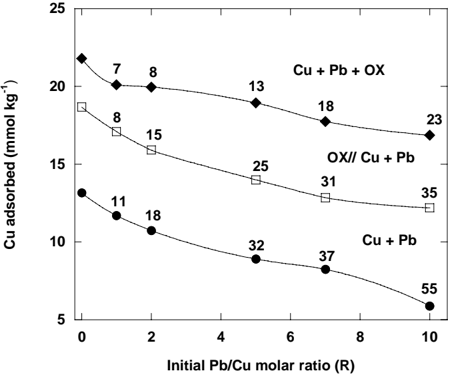
- In a goethite experiment at pH 5.0, increasing Pb/Cu ratio reduced Cu sorption by 11% at R = 1 and 55% at R = 10 without oxalic acid; with oxalic acid, Cu sorption increased by 34–43% in Cu+Pb+OX systems and 18–25% in OX//Cu+Pb systems.
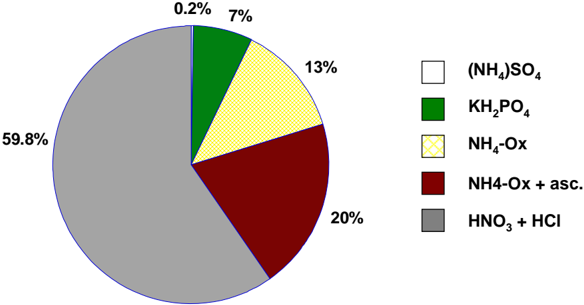
- For arsenic fractionation, the paper reports that in 20 Austrian soils (96–218 mg As kg⁻¹), 30% of As was in step 3 and 27% in step 4 of the Wenzel et al. extraction, while in one Italian polluted soil As was mostly in crystalline oxides (59.8%) and short-range Fe/Al oxides (20%).
## Methods
- Narrative review of published studies on soil metals/metalloids, emphasizing sorption/desorption, redox transformations, and chemical fractionation; no new primary dataset is presented as the paper’s own experiment.
- The paper synthesizes results from cited laboratory and field studies, including competitive sorption experiments on ferrihydrite and goethite, and sequential extraction schemes for Cu, Zn, Cd, and As.
- Main analysis is comparative and qualitative, using reported percentages, correlation coefficients, and extraction fractions from prior studies to illustrate how mobility and bioavailability vary across metals, ligands, and soil phases.
## Limitations
- The paper explicitly notes that “a systematic investigation” of competition among various anions on variable-charge minerals and soils is “rather limited.”
- It also states that information on desorption of trace elements in anionic forms from soil or soil components is “relatively little.”
- Evident from the text: this is a review, so its conclusions depend on heterogeneous studies with different soils, ligands, pH conditions, and extraction schemes, which limits direct comparability across examples.
Model-written summary. Check it against the paper before relying on it.
Integrity signals
Registry
Cites
Statistics
Figures
Verification
Claims the paper makes
4 Valid · 8 Not valid · 66 Not checked · 41 Own results and interpretations
Every source the paper cites for this claim was checked and supports it.
In the paper
“The As mobility, bioavailability, toxicity, and environmental fate are controlled by biogeochemical transformations that either form or destroy As-bearing carrier phases, or modify the redox state and chemical As speciation (see Figure 2 and Table 1 in Borch et al ., 2010).”
What the sources say
- Supportedcites Borch et al., 2010 matched to “Biogeochemical Redox Processes and their Impact on Contaminant Dynamics” (2010) source
The Impact on Trace Elements section (p. 3) states the claim almost verbatim and explicitly points to Figure 2 and Table 1. Figure 2 (p. 3) illustrates both changes to arsenic-bearing mineral phases and changes to arsenic redox state. (LLM, conf=0.95)
plainstates a cause- Asserted: passes — The authors put it forward as true.
- Checkable: passes — It can be checked against evidence.
- Load-bearing: passes — The paper’s conclusions depend on it.
- Based: passes — The paper gives a reason why it holds.
- Supported
Every source the paper cites for this claim was checked and supports it.
In the paper
“Direct reduction of Fe(III) by microorganisms can lead to As sequestration by sorption of As onto secondary Fe minerals (see Figure 2 in Borch et al ., 2010).”
What the sources say
- Supportedcites Borch et al., 2010 matched to “Biogeochemical Redox Processes and their Impact on Contaminant Dynamics” (2010) source
The Impact on Trace Elements section (p. 3) states the claim directly and points to Figure 2. The figure caption on the same page also describes secondary Fe mineral formation following microbial Fe(III) reduction, leading to arsenic sorption or coprecipitation. (LLM, conf=0.95)
plainstates a cause- Asserted: passes — The authors put it forward as true.
- Checkable: passes — It can be checked against evidence.
- Load-bearing: unclear — It is unclear whether the paper’s conclusions depend on it.
- Based: passes — The paper gives a reason why it holds.
- Supported
Every source the paper cites for this claim was checked and supports it.
In the paper
“The simultaneous presence of high dissolved As and Fe(II) concentrations in anoxic groundwater has led to the conclusion that reductive dissolution of As rich Fe(III) (hydr)oxides mobilizes geogenic As (see Figure 2 in Borch et al ., 2010).”
What the sources say
- Supportedcites Borch et al., 2010 matched to “Biogeochemical Redox Processes and their Impact on Contaminant Dynamics” (2010) source
The Impact on Trace Elements section (p. 3) states the claimed conclusion directly, linking high dissolved As and Fe(II) in anoxic groundwater to reductive dissolution of As-rich Fe(III) (hydr)oxides. Figure 2 on the same page also depicts reduction of As-loaded Fe(III) minerals releasing arsenic into solution. (LLM, conf=0.95)
hedgedstates a cause- Asserted: passes — The authors put it forward as true.
- Checkable: passes — It can be checked against evidence.
- Load-bearing: passes — The paper’s conclusions depend on it.
- Based: passes — The paper gives a reason why it holds.
- Supported
The sources with a verdict support this claim; the rest weren’t checked yet, have no full text we could read, or their verdicts aren’t rated yet.
In the paper
“The accumulation level of heavy metals differs between and within species (Huang and Cunningham, 1996; McGrath et al . 2002).”
What the sources say
- Supportedcites Huang and Cunningham, 1996 matched to “Lead phytoextraction: species variation in lead uptake and translocation” (1996) source
The Abstract states 'Our results demonstrated that plant species differ significantly in Pb uptake and translocation', and the Discussion ('Role of a synthetic chelate in Pb phytoextraction') opens 'Results from this research demonstrate that plant species vary significantly in Pb uptake and translocation (Figs 2-4; Table 1)', with dicots exceeding monocots in root Pb and corn exceeding dicots in shoot translocation — the between-species part of the claim. The within-species part is carried by Table 1 and the 'Phytoextraction of Pb from contaminated soil' section, where six Brassica juncea cultivars span shoot Pb from 347 down to 32 mg/kg and the text confirms 'shoot Pb concentrations in the three best Pb accumulating cultivars of Brassica juncea were significantly higher than those in the three least Pb accumulating cultivars'. Scope note: the paper's own measurements are for lead (and it frames them against the general monocot/dicot heavy-metal accumulator belief), which the citing sentence generalises to 'heavy metals'; the paired McGrath et al. 2002 citation covers the broader multi-metal case. (LLM, conf=0.82)
- Not checked — no full text of the sourcecites McGrath et al., 2002 matched to “Phytoremediation of metals, metalloids, and radionuclides” (2002) source
plainstates an association- Asserted: passes — The authors put it forward as true.
- Checkable: passes — It can be checked against evidence.
- Load-bearing: unclear — It is unclear whether the paper’s conclusions depend on it.
- Based: passes — The paper gives a reason why it holds.
- Supported
None of the sources cited for this claim have been checked yet.
In the paper
“Experiments with various synthetic Fe, Al and Mn oxides showed that the affinity of trace elements for Mn oxide was usually much greater than that for Fe or Al oxides.”
What the sources say
- Not matchedcites Kinniburg and Jackson, 1976
An author–year citation the paper’s reference list doesn’t settle. We don’t search these by name.
- Not checked — no full text of the sourcecites McBride, 1982 matched to “Cu2+-Adsorption Characteristics of Aluminum Hydroxide and Oxyhydroxides” (1982) source
- Not checked — no full text of the sourcecites Violante et al., 2003 matched to “Adsorption of Heavy Metals on Mixed Fe-Al Oxides in the Absence or Presence of Organic Ligands” (2003) source
plainstates an association- Asserted: passes — The authors put it forward as true.
- Checkable: passes — It can be checked against evidence.
- Load-bearing: unclear — It is unclear whether the paper’s conclusions depend on it.
- Based: passes — The paper gives a reason why it holds.
- Not matched
75 more claims
Create a free account to see all 119 claims and to verify the 5 references still open.
- Probably not a substantial claim. 22
- It may state two separate claims as one. 23
Citations
Cites
Environmental Chemistry of Soils
McBride, M. B. (1994) · Medical Entomology and Zoology · Cited by 5,997
(2003) · Elsevier eBooks · doi:10.1016/b978-0-12-656446-4.x5000-2 · Cited by 2,575
(2007) · Iron Oxides in the Laboratary · doi:10.1002/9783527613229.ch01 · Cited by 2,442
Roy, W. R. (1995) · Journal of Environmental Quality · doi:10.2134/jeq1995.00472425002400010029x · Cited by 2,431
Accumulators and excluders ‐strategies in the response of plants to heavy metals
Baker, A. J. M. (1981) · Journal of Plant Nutrition · doi:10.1080/01904168109362867 · Cited by 2,233 · cited 1×
“Baker (1981) suggested that plants could be classified into three categories: (1) excluders: those that grow in metal-contaminated soil and maintain shoot concentration at low level up to a critical soil value above which relatively unrestricted root-to-shoot transport result, (2) accumulators:…”
BackgroundThe surface chemistry of soils
Sposito, G. (1984) · Cited by 1,850
Biogeochemical Redox Processes and their Impact on Contaminant Dynamics
Borch, T., Kretzschmar, R., Kappler, A., Cappellen, P. V., Ginder-Vogel, M., Voegelin, A., & Campbell, K. (2010) · Environmental Science & Technology · doi:10.1021/es9026248 · Cited by 1,456 · cited 5×
“The As mobility, bioavailability, toxicity, and environmental fate are controlled by biogeochemical transformations that either form or destroy As-bearing carrier phases, or modify the redox state and chemical As speciation (see Figure 2 and Table 1 in Borch et al., 2010).”
BackgroundInfluentialArsenic fractionation in soils using an improved sequential extraction procedure
Wenzel, W. W., Kirchbaumer, N., Prohaska, T., Stingeder, G., Lombi, E., & Adriano, D. C. (2001) · Analytica Chimica Acta · doi:10.1016/s0003-2670(01)00924-2 · Cited by 1,408 · cited 3×
“Sequential extraction procedure for arsenic (Wenzel et al. 2001) with permission.”
MethodInfluentialArsenate and Chromate Retention Mechanisms on Goethite. 1. Surface Structure
Fendorf, S., Eick, M. J., Grossl, P., & Sparks, D. L. (1997) · Environmental Science & Technology · doi:10.1021/es950653t · Cited by 1,017 · cited 2×
“Particularly, arsenate may form different surface complexes on inorganic soil components: monodentate, bidentate-mononuclear and bidentatebinuclear complexes in different proportion depending on pH and surface coverage (Fendorf et al. 1997; O’Reilly et al. 2001).”
BackgroundChemical sequential extraction for metal partitioning in environmental solid samples.
Filgueiras, A. V., Lavilla, I., & Bendicho, C. (2002) · Journal of Environmental Monitoring · doi:10.1039/b207574c · Cited by 972 · cited 1×
“Sequential extraction schemes for metal partitioning in environmental solid samples have recently been summarized in a comprehensive review by Filgueiras et al. (2002) and in a JUPAC technical report by Hlavay et al. (2004).”
Background
Research works printed but not linked: 2
- Huang, P.M., Germida, J.J. 2002 . Chemical and biochemical processes in the rhizosphere: metal pollutants. In: P.M. Huang, J.-M. Bollag, N. Senesi (eds). Interactions Between Soil Particles and Microorganisms: Impact on the Terrestrial Ecosystem. John Wiley & Sons, New York, pp: 381-438
- Pigna, M., De Santis, R., Cozzolino, V., Violante, A. 2010 . Influence of organic and inorganic ligands on the adsorption of arsenate and arsenite onto ferrihydrite. Geoderma in Press.
Cited by
Items 501–600 of 951
Zhang, Y., Xie, S., Wang, X., Akram, M. A., Hu, W., Dong, L., Sun, Y., Li, H., Degen, A. A., Xiong, J., et al. (2023) · Frontiers in Plant Science · doi:10.3389/fpls.2023.1143442 · Cited by 12
“In addition, organic matter has high selectivity for cations of microelements (Kwiatkowska-Malina, 2018), and most of the transition cations (Pb, Cu, Cr, Ni, Co, Zn, Al, Fe and Mn) are adsorbed to a greater extent than alkali metal cations (Violante et al., 2010).”
BackgroundGeochemical Characteristics of Trace Elements in Argillans of Alfisols in Central China
Li, H., Liu, F., Tan, W., et al. (2015) · Pedosphere · doi:10.1016/s1002-0160(15)30009-6 · Cited by 9
Bartkowiak, A., Lemanowicz, J., Breza-Boruta, B., et al. (2018) · International Journal of Environmental Research · doi:10.1007/s41742-018-0144-5 · Cited by 9
Ramos, R. J., & Leite, G. R. (2022) · BioMetals · doi:10.1007/s10534-022-00408-2 · Cited by 9
Effect of experimental variables onto Co 2+ and Sr 2+ sorption behavior in red mud-water suspensions
Milenkovic, A., Smičiklas, I. D., Šljivić-Ivanović, M. Z., Živković, L. S., & Vukelić, N. S. (2016) · Journal of Environmental Science and Health Part A · doi:10.1080/10934529.2016.1159884 · Cited by 14
“21, 28, 44, 45] The term “sorption edge” is used to define the pH region in which a large increase of cation sorption occurs.([46]) The pH at”
MethodMicrobial community and heavy metals content in soils along the Curu River in Ceará, Brazil
dos Anjos, D. C., Hernández, F. F. F., Bañuelos, G. S., Dangi, S. R., Tirado‐Corbalá, R., da Silva, F. N., & Filho, P. F. M. (2018) · Geoderma Regional · doi:10.1016/j.geodrs.2018.e00173 · Cited by 12
Dinake, P., & Kelebemang, R. (2019) · Environmental Pollutants and Bioavailability · doi:10.1080/26395940.2019.1676170 · Cited by 12
The use of biochar for sustainable treatment of contaminated soils
Shen, Z., Zhang, Y., McMillan, O., O’Connor, D., & Hou, D. (2020) · Elsevier eBooks · doi:10.1016/b978-0-12-817982-6.00006-9 · Cited by 18
Current Aspects of Metal Resistant Bacteria in Bioremediation: From Genes to Ecosystem
Masood, F., & Malik, A. (2013) · Springer eBooks · doi:10.1007/978-94-007-5931-2_11 · Cited by 13
EVALUATION OF WATER QUALITY INDEX OF THE BRASS RIVER, BAYELSA STATE, SOUTH-SOUTH, NIGERIA
Leizou, K. E., O, N. J., & Verla, A. W. (2017) · International Journal of Research -GRANTHAALAYAH · doi:10.29121/granthaalayah.v5.i8.2017.2233 · Cited by 9
Lee, H., Morrison, C., Doriean, N. J. C., Welsh, D. T., & Bennett, W. W. (2024) · Marine Pollution Bulletin · doi:10.1016/j.marpolbul.2024.116981 · Cited by 8
Silva–Gigante, M., Hinojosa‐Reyes, L., Bazzan-Dessuy, M., et al. (2024) · Environmental Monitoring and Assessment · doi:10.1007/s10661-024-13081-4 · Cited by 8
Ajala, L. O., Wilson, J. E. H., Jiru, M., & Iwunze, M. O. (2025) · Toxicology Reports · doi:10.1016/j.toxrep.2025.102086 · Cited by 12
“Metal(loid)s are known to have variations in their water solubility, and their mobility is affected by some factors such as organic matter content, redox potential, pH, and the presence of other chemical species [20,21].”
Heavy metal monitoring and health risk assessment of a tropical mountainous river in Kerala, India
George, P., Joseph, S., & Moses, S. A. (2017) · International Journal of River Basin Management · doi:10.1080/15715124.2017.1315813 · Cited by 8
Geiger, T., & Norton, U. (2021) · Applied Sciences · doi:10.3390/app11135777 · Cited by 10
“Other important soil factors affecting heavy metal availability include: (1) clay content, and thus cation exchange capacity (CEC), as clays are negatively charged [19]; (2) time, which results in heavy metals gradually shifting into less-accessible soil pools as they move into clay interlayer regions and form innersp…”
BackgroundVannucchi, F., Bretzel, F., Pini, R., & Rumble, H. (2021) · Future city · doi:10.1007/978-3-030-75929-2_11 · Cited by 12
Kosolapov, V. M., Cherniavskih, V. I., Dumacheva, E. V., Sajfutdinova, L. D., Zavalin, A. A., Glinushkin, A. P., Kosolapova, V. G., Kartabaeva, B. B., Валерьевна, З. И., Kalinitchenko, V., et al. (2023) · Forests · doi:10.3390/f14071492 · Cited by 26
Self-citationChronic drought alters extractable concentrations of mineral elements in Mediterranean forest soils
Mu, Z., Asensio, D., Sardans, J., Ogaya, R., Llusià, J., Filella, I., Liu, L., Wang, X., & Peñuelas, J. (2023) · The Science of The Total Environment · doi:10.1016/j.scitotenv.2023.167062 · Cited by 9
Heavy Metals’ Poisoning in Farm Animals
Acheampong, S. (2023) · IntechOpen eBooks · doi:10.5772/intechopen.110498 · Cited by 10
Impact of particle size on heavy metal contamination in human health from sandstorms in Iraq
Jaafar, B. I., & Kadhum, S. A. (2023) · Journal of Trace Elements and Minerals · doi:10.1016/j.jtemin.2023.100108 · Cited by 8
Wang, Y., Zhang, Y., & Wang, J. (2024) · Talanta · doi:10.1016/j.talanta.2024.126837 · Cited by 8
Chlorophyll a fluorescence in sweet potatoes under different copper concentrations
Cuchiara, C. C., Silva, I. M. C., Dalberto, D. S., et al. (2015) · Journal of soil science and plant nutrition · doi:10.4067/s0718-95162015005000015 · Cited by 8
“Heavy metals are considered environmental pollutants due to their toxicity, persistence and non-degradability in the soil, and copper is one of the main environmental contaminants (Violante et al., 2010; Cambrollé et al., 2013).”
BackgroundGeochemical and environmental risk assessment of hazardous elements in river sediment
Kumari, J., & Paul, B. (2017) · Environmental Earth Sciences · doi:10.1007/s12665-017-7073-z · Cited by 8
“Later on various researchers worked on speciation of elements in sediment such as Singh and Hasnain (1999), Lee et al. (2000), Morillo et al. (2002), Violante et al. (2010), Simpson et al. (2012), Zhang et al. (2014), Zhuang and Gao (2014), Ladigbolu et al. (2014), Saleem et al. (2015), Taberna et…”
BackgroundSelf-sustained photocatalytic power generation using eco-electrogenic engineered systems
Yeruva, D. K., Chiranjeevi, P., Butti, S. K., & Mohan, S. V. (2018) · Bioresource Technology · doi:10.1016/j.biortech.2018.03.063 · Cited by 8
Shenai-Tirodkar, P. S., Gauns, M., Kumar, G., et al. (2018) · Environmental Science and Pollution Research · doi:10.1007/s11356-018-2258-x · Cited by 8
Prakash, J. (2020) · Elsevier eBooks · doi:10.1016/b978-0-12-820524-2.00005-5 · Cited by 10
Ukwattage, N., Lakmalie, U. V., & Gamage, R. P. (2021) · Agronomy Journal · doi:10.1002/agj2.20711 · Cited by 8
Gao, Y., Jiang, X., Wu, H., et al. (2022) · Journal of Environmental Sciences · doi:10.1016/j.jes.2021.12.045 · Cited by 8
Phytoremediation of Cadmium-Contaminated Soil
Sikka, R., Sahni, T., Verma, D., Chaitra, P., & Singh, A. (2024) · Springer eBooks · doi:10.1007/978-3-031-47390-6_13 · Cited by 9
Jeong, S., Moon, H. S., & Nam, K. (2013) · The Science of The Total Environment · doi:10.1016/j.scitotenv.2013.06.030 · Cited by 8
Mitić, V., Stankov-Jovanović, V. P., Ilić, M., & Nikolić-Mandić, S. (2014) · Environmental Earth Sciences · doi:10.1007/s12665-014-3744-1 · Cited by 8
“Biotic and abiotic redox reactions are very important in controlling the oxidation state and thus, the mobility and the toxicity of many elements (Violante et al. 2010).”
BackgroundKalwa, M., Quináia, S. P., Pletsch, A. L., et al. (2012) · Archives of Environmental Contamination and Toxicology · doi:10.1007/s00244-012-9811-2 · Cited by 8
“The organic fraction plays an important role in the aquatic environment through the formation of stable complexes with metal elements (Violante et al. 2010; Wang et al. 2010).”
BackgroundAzimzadeh, Y., Shirvani, M., & Shariatmadari, H. (2015) · Archives of Agronomy and Soil Science · doi:10.1080/03650340.2015.1110576 · Cited by 10
“Consequently, proper estimation of the bioavailability of soil TMs forms a major concern from both an agricultural and an environmental viewpoint (Tack 2010; Violante et al. 2010).”
BackgroundHansen, S. K., Pandey, S., Karra, S., & Vesselinov, V. V. (2017) · Geoscientific model development · doi:10.5194/gmd-10-4525-2017 · Cited by 10
Reich, J., Nichols, S. J., Maher, W. A., et al. (2019) · The Science of The Total Environment · doi:10.1016/j.scitotenv.2019.03.385 · Cited by 8
Benhachem, F. Z., & Harrache, D. (2021) · Journal of Health and Pollution · doi:10.5696/2156-9614-11.30.210614 · Cited by 8
Metallurgical pathways of lead leaching from brass
Zhu, T., Li, W., Kwok, J. C. M., et al. (2023) · npj Materials Degradation · doi:10.1038/s41529-023-00389-8 · Cited by 7
Bouzar, B., Benzerzour, M., & Abriak, N.-E. (2024) · Environmental Science and Pollution Research · doi:10.1007/s11356-024-34452-x · Cited by 7
“It is generally acknowledged that the water-soluble form (fraction 1) is notably the most pernicious and transportable for both heavy metals and fluoride (Jeong et al. 2017; Zhu et al. 2019; Tack et Verloo 1995; Rodríguez et al. 2009; Violante et al. 2010).”
Naseer, S., Cui, J., Jahangir, S., Noureen, M., & Wei, Z. (2024) · Clean Technologies and Environmental Policy · doi:10.1007/s10098-024-03116-2 · Cited by 8
“In soil, Fe (III)-EDTA complexes were formed due to carboxyl functional groups, and when these complexes formed, it caused the release and reabsorption of Cu from the soil (Smolińska and Król, 2012; Violante et al. 2010).”
Lundgren, M., Hough, R. L., Beesley, L., Troldborg, M., Trakal, L., Moreno‐Jiménez, E., Dai, D., & Augustsson, A. L. M. (2025) · Human and Ecological Risk Assessment An International Journal · doi:10.1080/10807039.2025.2464109 · Cited by 7
“…association between soil organic matter (SOM) and the phytoavailability of trace elements in soils (Sauv � e et al. 2000; R € omkens et al. 2004; Violante et al. 2010; Antoniadis et al. 2017; dos Santos-Araujo et al. 2017), SOM was of low importance for predicting the uptake of PTEs in our…”
Khan, F. R., Bury, N. R., Cooper, C. A., Boyle, D., Middleton, E. T., & Herzog, S. D. (2025) · Environmental Research · doi:10.1016/j.envres.2025.123057 · Cited by 12
“Biogeochemical processes in soils, including sorption/desorption, complexation, and dissolution/precipitation, play a crucial role in determining the residence time of metals and their subsequent release into aquatic environments (Joubert et al., 2007; Violante et al., 2010).”
Ioniţă, M.-F., Dunca, E.-C., & Radu, S. M. (2026) · Plants · doi:10.3390/plants15071045 · Cited by 10
“The pathways described are mainly supported by mechanistic laboratory studies, with relatively limited validation under chronic polymetallic field conditions. processes, resulting in complex geochemical dynamics and variable bioavailability with a direct impact on cellular responses [9,10].”
Wysokiński, A. P., Kuziemska, B., & Łozak, I. (2023) · Agronomy · doi:10.3390/agronomy13030673 · Cited by 12
Mandizha, N. T., Kugara, J., Mombeshora, E. T., & Zaranyika, M. F. (2023) · Environmental Advances · doi:10.1016/j.envadv.2023.100443 · Cited by 10
Luo, C., Zuo, C., Pan, S., Chen, J., Chao, L., Sun, J., & Zhao, L. (2023) · Land Degradation and Development · doi:10.1002/ldr.4979 · Cited by 7
“The enrichment of PTEs in soil is a complex phenomenon that can be influenced by various factors including soil properties and processes (Cataldo & Wildung, 1978; Violante et al., 2010).”
BackgroundEnvironmental fate of monosodium methanearsonate (MSMA)—Part 1: Conceptual model
Eldan, M., & Masue‐Slowey, Y. (2024) · Integrated Environmental Assessment and Management · doi:10.1002/ieam.4961 · Cited by 8
Risk assessment and quantification of elemental concentrations in river and stream in Nigeria
Ediagbonya, T. F., Francis, S. D., Omotayo‐Tomo, M. S., Oziegbe, F. E., & Awojobi, O. A. (2024) · Discover Toxicology · doi:10.1007/s44339-024-00006-6 · Cited by 10
“Lead is released into the atmosphere as a result of lead mining, lead compound use in industry, alloy manufacturing, automobile emissions, and fossil fuel burning [63].”
Chemical speciation and availability of molybdenum in soils to wheat uptake
Yang, P.-T., & Wang, S. (2025) · Journal of Environmental Management · doi:10.1016/j.jenvman.2025.124097 · Cited by 10
Li, X., Li, Y., Li, Y., Liu, M., Huang, R., & Han, Z. (2025) · Geochemistry Geophysics Geosystems · doi:10.1029/2024gc012046 · Cited by 7
“The adsorption of elements by soil colloids can generate and enhance PSE, which is a key factor in the fine‐particle enrichment effect for most elements (Bradl, 2004; Violante et al., 2010).”
PRELIMINARY ASSESSMENT OF HEAVY METALS CONTENT OF VEGETABLES GROWN IN INDUSTRIAL AREAS IN ROMANIA
Nedelescu, M. M., Bălălău, D., Baconi, D. L., Jula, M., & Gligor, A. M. (2015) · Cited by 7
Paar, D., Frančišković-Bilinski, S., Buzjak, N., et al. (2016) · Journal of Geochemical Exploration · doi:10.1016/j.gexplo.2016.05.004 · Cited by 7
Adsorption of cadmium and copper in representative soils of Eastern Amazonia, Brazil
Gonçalves, D. A. M., de Matos, G. S. B., Fernandes, A. R., et al. (2016) · Semina Ciências Agrárias · doi:10.5433/1679-0359.2016v37n5p3005 · Cited by 7
Cadmium adsorption as influenced by poultry manure addition in soils of South-Western Nigeria
Shokalu, A. O., Adetunji, M. T., Bodunde, J. G., Akintoye, H. A., & Azeez, J. O. (2016) · Archives of Agronomy and Soil Science · doi:10.1080/03650340.2016.1261118 · Cited by 7
“Several studies have shown that the adsorption of Cd by soils is strongly influenced by soil properties including soil pH (Karak et al. 2005; Esfandbod et al. 2011), clay minerals (Hou et al. 2014), Mn, Al, and Fe oxides and hydroxides (Violante et al. 2010), CEC (Esfandbod et al. 2011).”
BackgroundHossain, K. G., Islam, N., Ghavami, F., Durant, C. E., Durant, C. N., & Johnson, M. A. (2017) · PubMed · Cited by 8
Theoretical evaluation of heavy metals migration and sorption in soil
Danila, V., & Vasarevičius, S. (2017) · Environmental engineering · doi:10.3846/enviro.2017.015 · Cited by 8
Baragaño, D., Gallego, J. R., & Forján, R. (2021) · Environmental Geochemistry and Health · doi:10.1007/s10653-021-00981-4 · Cited by 9
“Violante et al. (2010) proposed that phytoavailability may be enhanced with an increased pH and the presence of organic ligands.”
BackgroundCompost Produced with Addition of Sewage Sludge as a Source of Fe and Mn for Plants
Gondek, K., Mierzwa–Hersztek, M., Kopeć, M., & Spałek, I. (2021) · Ecological Chemistry and Engineering S · doi:10.2478/eces-2021-0019 · Cited by 7
“Redox reactions can both mobilise or immobilise metals, a nd it depends on individual metal types and microenvironments [49].”
BackgroundYu, Y., Liu, W., Luo, H., et al. (2021) · Minerals · doi:10.3390/min11090953 · Cited by 7
“Although the absorption of Mn and Zn in rice is significantly low, the bioavailability of a PTEs determines the proportion that is readily available to plants [44].”
BackgroundAlamer, K. H., Attia, H., Alrobaie, H. S., et al. (2022) · South African Journal of Botany · doi:10.1016/j.sajb.2021.12.033 · Cited by 7
Bedouh, Y., Chihoub, D., Gherib, A., & Hamoud, F. (2022) · International Journal of Environmental Studies · doi:10.1080/00207233.2022.2044679 · Cited by 8
“It appears that the presence of a sedimentation layer ensured an immobilisation of metals by retention on the sand [50].”
BackgroundMineral Neutralizers as a Tool for Improving the Properties of Soil Contaminated with Copper
Żołnowski, A. C., & Wyszkowski, M. (2022) · Minerals · doi:10.3390/min12070895 · Cited by 9
Toxic effect of copper on soil microalgae: experimental data and critical review
Maltsev, Y., MALTSEVA, S. Y., & Kulikovskiy, M. S. (2023) · International Journal of Environmental Science and Technology · doi:10.1007/s13762-023-04766-3 · Cited by 7
“It is known that different compounds of the same metal differ in bioavailability and have different solubility and reactivity (Violante et al. 2010).”
BackgroundNzeyimana, F., Onwonga, R. N., Ayuke, F. O., Chemining'wa, G. N., Nabahungu, N. L., Bigirimana, J., & Josiane, U. K. N. (2024) · Plant-Environment Interactions · doi:10.1002/pei3.10138 · Cited by 6
Reduction of heavy metals transfer into food
Grabowska, I. (2011) · Polish Journal of Environmental Studies · Cited by 10
Almendros, P., González, D., & Alvarez, J. M. (2013) · Journal of soil science and plant nutrition · doi:10.4067/s0718-95162013005000063 · Cited by 7
“Redox conditions generally exert control over pH and influence the availability of metal ions as well as the chemical forms of ions and molecules dissolved in the soil solution (McBride, 1994; Violante et al., 2010).”
BackgroundDifferential Gene Transcription in Red Oak (Quercus rubra) Genotypes Resistant to Copper Toxicity
Migueal, P., Michael, P., Djeukam, C. L., et al. (2017) · American journal of biochemistry & biotechnology/American journal of biochemistry and biotechnology · doi:10.3844/ajbbsp.2017.215.225 · Cited by 7
Torres, A. I., Rivera-Hernández, J. R., Giarratano, E., et al. (2019) · Marine Pollution Bulletin · doi:10.1016/j.marpolbul.2019.110633 · Cited by 7
Indraratne, S. P., Kumaragamage, D., Goltz, D., Dharmakeerthi, R. S., & Zvomuya, F. (2019) · Canadian Journal of Soil Science · doi:10.1139/cjss-2019-0085 · Cited by 7
Šebesta, M., Urík, M., Kolenčík, M., Bujdoš, M., & Matúš, P. (2020) · Forests · doi:10.3390/f11101077 · Cited by 7
“Its bioavailability and toxicity are tied to the Zn forms that are the most mobile rather than to the total Zn concentration in soils [1].”
BackgroundSwanson, G., Langman, J. B., Child, A. W., Wilhelm, F. M., & Moberly, J. G. (2023) · Hydrology · doi:10.3390/hydrology10010023 · Cited by 7
“An An additional influence on metal mobility in such environments is the alteration of redox-sensitive metals, such as iron [Fe] and manganese [Mn] [19]. additional influence on metal mobility in such environments is the alteration of redox-sensitive metals, such as iron [Fe] and manganese [Mn] [19].”
BackgroundHuang, L.-S., Yang, P.-T., Lu, Y., Liu, W.-L., Chuang, T.-J., & Wang, S. (2024) · Agronomy · doi:10.3390/agronomy14040718 · Cited by 8
“The speciation of metals in soils, including Tl, is influenced by various physicochemical soil properties such as pH, redox conditions, organic matter content, and mineral composition [16].”
BackgroundMensah, A. K., & Amoakwah, E. (2024) · Environmental sciences · doi:10.5772/intechopen.1005487 · Cited by 9
Effects of digestate soil amendment on the fate of trace metals and on the soil microbial community
Baldasso, V., Tomasino, M. P., Sayen, S., et al. (2025) · Environmental Pollution · doi:10.1016/j.envpol.2025.125961 · Cited by 6
A new azo dye for colorimetric determination of lead( ii ) ions
Olaleye, S. O., & Bibi, U. (2025) · RSC Advances · doi:10.1039/d5ra02486b · Cited by 7
Yang, Y., Wang, Y., Chen, C., Luo, M., Huo, Z., Wu, F., & Fu, J. L. (2025) · Environmental Research · doi:10.1016/j.envres.2025.122744 · Cited by 9
He, J., Liu, Y., Zheng, X., Xiao, Q., Liu, S., Cheng, Y., Chen, Y., Hu, C., Huo, Z., & Xiao, F. (2025) · Environmental Technology & Innovation · doi:10.1016/j.eti.2025.104483 · Cited by 7
Zhang, S., Qiu, C., Shi, S., Sreesaeng, J., Gao, Z., Zhang, C., Mao, W., Ali, M. A., Chen, Z., & Wu, F. (2025) · Journal of Integrative Plant Biology · doi:10.1111/jipb.70063 · Cited by 10
“These metabolites are known to in fl uence heavy metal availability, soil redox potential, and metal complex - ation, thus affecting their translocation to plants (Violante et al., 2010; Li et al., 2013).”
Toxicity Thresholds Based on EDTA Extractable Nickel and Barley Root Elongation in Chinese Soils
Zhu, G., Jiang, B., Guo-hang, Y. A. N. G., Li, J., & Ma, Y. (2018) · International Journal of Environmental Research and Public Health · doi:10.3390/ijerph15040669 · Cited by 7
“The toxicity of metals in soils depends on many factors, including their speciation, pH, organic matter content, cation exchange capacity, and soil texture [42].”
BackgroundMetal accumulation in salt marsh soils along the East Coast of the United States
Jezycki, K., Rodriguez, E., Craft, C., Neubauer, S. C., Morris, J. T., Goldsmith, S. T., Kremer, P., & Weston, N. B. (2024) · The Science of The Total Environment · doi:10.1016/j.scitotenv.2024.171025 · Cited by 7
Singh, I., Jadhao, P., & Kumar, A. R. (2025) · Water Air & Soil Pollution · doi:10.1007/s11270-025-07817-2 · Cited by 8
“The significant fraction of Pb in F2 could be due to the copre-cipitation and adsorption of reducible Pb on Fe, Mn, and Al oxides, which become mobile under reducing conditions (Violante et al., 2010).”
Guéablé, Y. K. D., Bohoussou, N. Y., Gharous, M. E., Mejahed, K. E., & Hafidi, M. (2025) · Frontiers in Environmental Science · doi:10.3389/fenvs.2025.1509156 · Cited by 9
Muhaya, B. B., Kayembe, M. K. W., Mulongo, S. C., et al. (2017) · Journal of Environmental Science and Engineering B · doi:10.17265/2162-5263/2017.06.002 · Cited by 6
“5 in most of the rivers increases metal bioavailability to organisms dwelling in those rivers and the high water pH values reduce metal bioavailability in the six other rivers as alkaline pH plays the role of trapping heavy metals [5, 17-19].”
BackgroundComparison of Heavy Metal Intake by Different Species of the Genus Allium L.
Lidiková, J., Čeryová, N., Šnirc, M., Vollmannová, A., Musilová, J., Brindza, J., Grygorieva, O., & Fehér, A. (2021) · Biological Trace Element Research · doi:10.1007/s12011-020-02536-7 · Cited by 12
Leonardi, C., Toscano, V., Genovese, C., Mosselmans, J. F. W., Ngwenya, B. T., & Raccuia, S. A. (2021) · Environmental Science and Pollution Research · doi:10.1007/s11356-021-14705-9 · Cited by 8
“…and Popova 2013) in the shoot, mainly based on chelation and subcellular compartmentalization (Yadav 2010; Tran and Popova 2013) or maintaining shoot concentrations at low level up to a critical soil value above which relatively unrestricted root-to-shoot transport result (Violante et al. 2010).”
BackgroundEtesami, H., & Srivastava, A. K. (2022) · Elsevier eBooks · doi:10.1016/b978-0-323-89973-4.00013-2 · Cited by 9
Cadmium Stress Management in Plants: Prospects of Plant Growth-Promoting Rhizobacteria
Ghosh, P. K., & Majumdar, S. (2022) · Advances in Science, Technology & Innovation/Advances in science, technology & innovation · doi:10.1007/978-3-030-95365-2_15 · Cited by 7
Horváth, M., Heltai, G., Várhegyi, A., & Mbokazi, L. (2022) · Minerals · doi:10.3390/min12121534 · Cited by 9
“As a consequence, it is of utmost importance to identify the factors that influence the bioavailability, leaching, and possible toxicity of elements in soils [23].”
BackgroundMukhopadhyay, S. B. (2023) · Environmental and Experimental Biology · doi:10.22364/eeb.21.01 · Cited by 6
Jiménez‐Ballesta, R., Bravo, S., Reyes, C. P. D. L., Amorós, J. A., & Navarro, F. J. G. (2023) · European Journal of Soil Science · doi:10.1111/ejss.13401 · Cited by 7
“Thus, soil pH is considered the most important factor to regulate the solubility and mobility of heavy metals (Bravo et al., 2017; Kim et al., 2015; Violante et al., 2010), and in such a way that a low soil pH results in the reduced absorption of heavy metals, with the consequent increased mobile…”
Kronberg, T., Tarvainen, T., Auri, J., Eriksson, J.-E., Mattbäck, S., & Boman, A. (2023) · Journal of Geochemical Exploration · doi:10.1016/j.gexplo.2023.107384 · Cited by 7
Trace elements in the rainwater runoff of the urban catchment of Guwahati, India
Devi, U., & Bhattacharyya, K. G. (2013) · Advances in environmental research · doi:10.12989/aer.2013.2.2.099 · Cited by 6
“Various sorption/desorption reactions as well as chemical complexation with inorganic and organic ligands, redox reactions controls the leaching and bioavailability of metals which can affect the pH of runoff water (Violante et al. 2010).”
BackgroundGranulated Bog Iron Ores as Sorbents in Passive (Bio)Remediation Systems for Arsenic Removal
Dębiec-Andrzejewska, K., Rzepa, G., Bajda, T., Uhrynowski, W., Skłodowska, A., Krzysztoforski, J., & Drewniak, Ł. (2018) · Frontiers in Chemistry · doi:10.3389/fchem.2018.00054 · Cited by 6
“…sorbents (e.g., zero valent iron, ferrihydrite, schwertmannite, or magnetite) meet these requirements due to their high sorption capacity with regard to heavy metals and their short retention time (Rangsivek and Jekel, 2005; Violante et al., 2010; Dou et al., 2013; Maziarz and Matusik, 2017).”
BackgroundUsing Magnesium Chloride to Volatilize Impurity Metals from Waste Magnesia–Chromium Refractories
Xue, K., Jiao, F., Li, W., et al. (2022) · JOM · doi:10.1007/s11837-022-05160-z · Cited by 6
Adamu, Y. A., & Olaleye, A. A. (2022) · FUDMA Journal of Sciences · doi:10.33003/fjs-2022-0605-1487 · Cited by 6
Sahana, A., & Joy, V. C. (2016) · Journal of Environmental Protection · doi:10.4236/jep.2016.71001 · Cited by 6
“Therefore, the complexation reaction of trace elements in cationic form with inorganic and organic ligands has an important role to play in their toxicity and phytoavailability in soil [46].”
BackgroundViolante, A., Mora, M. D. L. L., & Caporale, A. G. (2017) · Journal of soil science and plant nutrition · doi:10.4067/s0718-95162017005000025 · Cited by 11
“…surface properties, mineralogy and reactivity of coprecipitates formed by the interaction of low molecular mass organic ligands (LMMOLs; e.g., oxalate, tartrate, citrate and tannate) with Al and/ or Fe hydrolytic products (Violante et al., 2003; 2007; 2010; Violante, 2013 and references there in).”
BackgroundSelf-citationKarna, R. R., & Hettiarachchi, G. M. (2018) · Current Pollution Reports · doi:10.1007/s40726-018-0078-8 · Cited by 6
“Redox processes are another important component in controlling metal (loids) mobility [68, 124].”
BackgroundBiogeochemical Behavior of Metals Along Two Permeable Reactive Barriers in a Mining‐Affected Wetland
von Gunten, K., Bishop, B., Zhang, L., et al. (2019) · Journal of Geophysical Research Biogeosciences · doi:10.1029/2019jg005438 · Cited by 6
Stephen, O. O., & Osibanjo, O. (2012) · African Journal of Pure and Applied Chemistry · doi:10.5897/ajpac12.065 · Cited by 6
Mahapatra, U., Pal, A., Manna, A. K., & Roy, D. N. (2021) · Wiley eBooks · doi:10.1002/9781119547976.ch4 · Cited by 6
Metadata
- Authors
- Violante, A., Cozzolino, V, Perelomov, L., Caporale, A. G., & Pigna, M.
- Affiliations
- University of Naples Federico II (IT)
- Corresponding author
- Violante, A
- Venue
- Journal of Soil Science and Plant Nutrition
- Published
- 2010-07
- Volume
- 10
- Issue
- 3
- ISSN
- 0718-9508 (ISSN-L)
- 0718-9516
- OpenAlex
- W1998582560
- Semantic Scholar
- cb8e101c122956fb00a221b2884004b417ea544f
- Cited by
- 957
- References
- 69
- Citations by year
- 2026: 75 · 2025: 70 · 2024: 74 · 2023: 68 · 2022: 94 · 2021: 99 · 2020: 82 · 2019: 77 · 2018: 61 · 2017: 66 · 2016: 60 · 2015: 41 · 2014: 35 · 2013: 33 · 2012: 19
- FWCI
- 17.27
- Type
- journal article
- Language
- en
- Open access
- hybrid
- doi.org
- Licence
- cc-by-nc
- Locations
- Journal of soil science and plant nutrition (publishedVersion, cc-by-nc)
- Americanae (AECID Library) (publishedVersion, other-oa)
- LA Referencia (Red Federada de Repositorios Institucionales de Publicaciones Científicas) (publishedVersion, other-oa)
- INFM-OAR (INFN Catania) (submittedVersion, other-oa)
- Topics
- Physical Sciences › Environmental Science › Pollution › Heavy metals in environment
- Life Sciences › Agricultural and Biological Sciences › Plant Science › Plant Micronutrient Interactions and Effects
- Physical Sciences › Environmental Science › Water Science and Technology › Environmental and Analytical Chemistry Studies
- Keywords
- heavy metals, metalloids, metal bioavailability, metal mobility, soil sorption, desorption, redox reactions, metal speciation, metal fractionation, humic and fulvic acids, root exudates, microbial metabolites, metal leaching, metal toxicity
About these checks
Registry, retraction, Cites and statistics results are computed, not judged, with one exception: a printed reference that no index lists is read once by a model before it counts as a citation error. Claims are extracted by a model and kept only when their quote appears verbatim in the text; each cited source is then checked, with a model’s help, for whether it says what the claim relies on. Those verdicts can be wrong — read the claim’s quote and the cited source before relying on one.
A language model drew the claims from the paper on 2026-10-10, under version 3 of the claim definition (model deepseek-v4.1-flash, prompt extract-v3).
A second model labelled each claim on 2026-10-10 (model jev-1.13-20260917, definition revision gold-guideline-v0.2).
Cited sources are checked with a language model’s help (gpt-6-sol and qwen3.8-omni-flash).
Statistics and arithmetic are recomputed, not judged.
Confidence bands are shown only for fields calibrated on our annotated test set. None is calibrated yet, so no band is shown.
What counts as a claim ›How we measure confidence ›How we check this ›
Are you an author, or do you see a problem with this page? Request a review
Data sources
Bibliographic data: Semantic Scholar, OpenAlex, Crossref.
Contains information from the Semantic Scholar Academic Graph Datasets, made available under the ODC Attribution License (ODC-BY 1.0).
Semantic Scholar’s data is described in: Kinney, R., et al. (2023). The Semantic Scholar Open Data Platform. arXiv:2301.10140.
