

MOBILITY AND BIOAVAILABILITY OF HEAVY METALS AND METALLOIDS IN SOIL ENVIRONMENTS
Open accessThe DOI matches its Crossref record; 59 of the 69 references it cites were found in a registry or an index; 4 of the 82 sources its claims cite were checked for support.
Abstract
In soil environments, sorption/desorption reactions as well as chemical complexation with inorganic and organic ligands and redox reactions, both biotic and abiotic, are of great importance in controlling their bioavailability, leaching and toxicity.These reactions are affected by many factors such as pH, nature of the sorbents, presence and concentration of organic and inorganic ligands, including humic and fulvic acid, root exudates, microbial metabolites and nutrients.In this review, we highlight the impact of physical, chemical, and biological interfacial interactions on bioavailability and mobility of metals and metalloids in soil.Special attention is devoted to: i) the sorption/desorption processes of metals and metalloids on/from soil components and soils; ii) their precipitation and reduction-oxidation reactions in solution and onto surfaces of soil components; iii) their chemical speciation, fractionation and bioavailability.
Overview
CoChat Summary
## TL;DR
This review explains how soil pH, sorbent properties, ligands, redox reactions, and reaction time control the mobility, bioavailability, and toxicity of heavy metals and metalloids in soils. It also argues that total soil metal content is a poor predictor of risk and that sequential extraction/fractionation is needed to identify the more bioavailable forms.
## Key findings
- Sorption/desorption, complexation, precipitation, and redox reactions are presented as the main controls on metal and metalloid mobility; the paper says these processes are affected by pH, sorbent nature, and organic/inorganic ligands.
- For cationic metals, the paper reports that Cu was more selectively sorbed than Zn on ferrihydrite and a humic-acid-like sample; in equimolar Zn presence, sorbed Cu was only slightly reduced, while Cu strongly reduced Zn sorption.
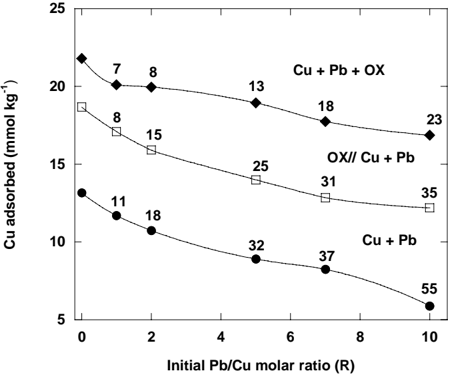
- In a goethite experiment at pH 5.0, increasing Pb/Cu ratio reduced Cu sorption by 11% at R = 1 and 55% at R = 10 without oxalic acid; with oxalic acid, Cu sorption increased by 34–43% in Cu+Pb+OX systems and 18–25% in OX//Cu+Pb systems.
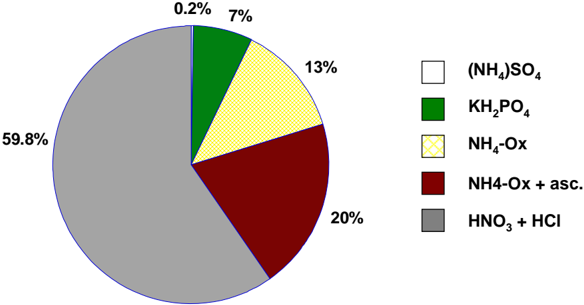
- For arsenic fractionation, the paper reports that in 20 Austrian soils (96–218 mg As kg⁻¹), 30% of As was in step 3 and 27% in step 4 of the Wenzel et al. extraction, while in one Italian polluted soil As was mostly in crystalline oxides (59.8%) and short-range Fe/Al oxides (20%).
## Methods
- Narrative review of published studies on soil metals/metalloids, emphasizing sorption/desorption, redox transformations, and chemical fractionation; no new primary dataset is presented as the paper’s own experiment.
- The paper synthesizes results from cited laboratory and field studies, including competitive sorption experiments on ferrihydrite and goethite, and sequential extraction schemes for Cu, Zn, Cd, and As.
- Main analysis is comparative and qualitative, using reported percentages, correlation coefficients, and extraction fractions from prior studies to illustrate how mobility and bioavailability vary across metals, ligands, and soil phases.
## Limitations
- The paper explicitly notes that “a systematic investigation” of competition among various anions on variable-charge minerals and soils is “rather limited.”
- It also states that information on desorption of trace elements in anionic forms from soil or soil components is “relatively little.”
- Evident from the text: this is a review, so its conclusions depend on heterogeneous studies with different soils, ligands, pH conditions, and extraction schemes, which limits direct comparability across examples.
Model-written summary. Check it against the paper before relying on it.
Integrity signals
Registry
Cites
Statistics
Figures
Verification
Claims the paper makes
4 Valid · 8 Not valid · 66 Not checked · 41 Own results and interpretations
Every source the paper cites for this claim was checked and supports it.
In the paper
“The As mobility, bioavailability, toxicity, and environmental fate are controlled by biogeochemical transformations that either form or destroy As-bearing carrier phases, or modify the redox state and chemical As speciation (see Figure 2 and Table 1 in Borch et al ., 2010).”
What the sources say
- Supportedcites Borch et al., 2010 matched to “Biogeochemical Redox Processes and their Impact on Contaminant Dynamics” (2010) source
The Impact on Trace Elements section (p. 3) states the claim almost verbatim and explicitly points to Figure 2 and Table 1. Figure 2 (p. 3) illustrates both changes to arsenic-bearing mineral phases and changes to arsenic redox state. (LLM, conf=0.95)
plainstates a cause- Asserted: passes — The authors put it forward as true.
- Checkable: passes — It can be checked against evidence.
- Load-bearing: passes — The paper’s conclusions depend on it.
- Based: passes — The paper gives a reason why it holds.
- Supported
Every source the paper cites for this claim was checked and supports it.
In the paper
“Direct reduction of Fe(III) by microorganisms can lead to As sequestration by sorption of As onto secondary Fe minerals (see Figure 2 in Borch et al ., 2010).”
What the sources say
- Supportedcites Borch et al., 2010 matched to “Biogeochemical Redox Processes and their Impact on Contaminant Dynamics” (2010) source
The Impact on Trace Elements section (p. 3) states the claim directly and points to Figure 2. The figure caption on the same page also describes secondary Fe mineral formation following microbial Fe(III) reduction, leading to arsenic sorption or coprecipitation. (LLM, conf=0.95)
plainstates a cause- Asserted: passes — The authors put it forward as true.
- Checkable: passes — It can be checked against evidence.
- Load-bearing: unclear — It is unclear whether the paper’s conclusions depend on it.
- Based: passes — The paper gives a reason why it holds.
- Supported
Every source the paper cites for this claim was checked and supports it.
In the paper
“The simultaneous presence of high dissolved As and Fe(II) concentrations in anoxic groundwater has led to the conclusion that reductive dissolution of As rich Fe(III) (hydr)oxides mobilizes geogenic As (see Figure 2 in Borch et al ., 2010).”
What the sources say
- Supportedcites Borch et al., 2010 matched to “Biogeochemical Redox Processes and their Impact on Contaminant Dynamics” (2010) source
The Impact on Trace Elements section (p. 3) states the claimed conclusion directly, linking high dissolved As and Fe(II) in anoxic groundwater to reductive dissolution of As-rich Fe(III) (hydr)oxides. Figure 2 on the same page also depicts reduction of As-loaded Fe(III) minerals releasing arsenic into solution. (LLM, conf=0.95)
hedgedstates a cause- Asserted: passes — The authors put it forward as true.
- Checkable: passes — It can be checked against evidence.
- Load-bearing: passes — The paper’s conclusions depend on it.
- Based: passes — The paper gives a reason why it holds.
- Supported
The sources with a verdict support this claim; the rest weren’t checked yet, have no full text we could read, or their verdicts aren’t rated yet.
In the paper
“The accumulation level of heavy metals differs between and within species (Huang and Cunningham, 1996; McGrath et al . 2002).”
What the sources say
- Supportedcites Huang and Cunningham, 1996 matched to “Lead phytoextraction: species variation in lead uptake and translocation” (1996) source
The Abstract states 'Our results demonstrated that plant species differ significantly in Pb uptake and translocation', and the Discussion ('Role of a synthetic chelate in Pb phytoextraction') opens 'Results from this research demonstrate that plant species vary significantly in Pb uptake and translocation (Figs 2-4; Table 1)', with dicots exceeding monocots in root Pb and corn exceeding dicots in shoot translocation — the between-species part of the claim. The within-species part is carried by Table 1 and the 'Phytoextraction of Pb from contaminated soil' section, where six Brassica juncea cultivars span shoot Pb from 347 down to 32 mg/kg and the text confirms 'shoot Pb concentrations in the three best Pb accumulating cultivars of Brassica juncea were significantly higher than those in the three least Pb accumulating cultivars'. Scope note: the paper's own measurements are for lead (and it frames them against the general monocot/dicot heavy-metal accumulator belief), which the citing sentence generalises to 'heavy metals'; the paired McGrath et al. 2002 citation covers the broader multi-metal case. (LLM, conf=0.82)
- Not checked — no full text of the sourcecites McGrath et al., 2002 matched to “Phytoremediation of metals, metalloids, and radionuclides” (2002) source
plainstates an association- Asserted: passes — The authors put it forward as true.
- Checkable: passes — It can be checked against evidence.
- Load-bearing: unclear — It is unclear whether the paper’s conclusions depend on it.
- Based: passes — The paper gives a reason why it holds.
- Supported
None of the sources cited for this claim have been checked yet.
In the paper
“Experiments with various synthetic Fe, Al and Mn oxides showed that the affinity of trace elements for Mn oxide was usually much greater than that for Fe or Al oxides.”
What the sources say
- Not matchedcites Kinniburg and Jackson, 1976
An author–year citation the paper’s reference list doesn’t settle. We don’t search these by name.
- Not checked — no full text of the sourcecites McBride, 1982 matched to “Cu2+-Adsorption Characteristics of Aluminum Hydroxide and Oxyhydroxides” (1982) source
- Not checked — no full text of the sourcecites Violante et al., 2003 matched to “Adsorption of Heavy Metals on Mixed Fe-Al Oxides in the Absence or Presence of Organic Ligands” (2003) source
plainstates an association- Asserted: passes — The authors put it forward as true.
- Checkable: passes — It can be checked against evidence.
- Load-bearing: unclear — It is unclear whether the paper’s conclusions depend on it.
- Based: passes — The paper gives a reason why it holds.
- Not matched
75 more claims
Create a free account to see all 119 claims and to verify the 5 references still open.
- Probably not a substantial claim. 22
- It may state two separate claims as one. 23
Citations
Cites
Environmental Chemistry of Soils
McBride, M. B. (1994) · Medical Entomology and Zoology · Cited by 5,997
(2003) · Elsevier eBooks · doi:10.1016/b978-0-12-656446-4.x5000-2 · Cited by 2,575
(2007) · Iron Oxides in the Laboratary · doi:10.1002/9783527613229.ch01 · Cited by 2,442
Roy, W. R. (1995) · Journal of Environmental Quality · doi:10.2134/jeq1995.00472425002400010029x · Cited by 2,431
Accumulators and excluders ‐strategies in the response of plants to heavy metals
Baker, A. J. M. (1981) · Journal of Plant Nutrition · doi:10.1080/01904168109362867 · Cited by 2,233 · cited 1×
“Baker (1981) suggested that plants could be classified into three categories: (1) excluders: those that grow in metal-contaminated soil and maintain shoot concentration at low level up to a critical soil value above which relatively unrestricted root-to-shoot transport result, (2) accumulators:…”
BackgroundThe surface chemistry of soils
Sposito, G. (1984) · Cited by 1,850
Biogeochemical Redox Processes and their Impact on Contaminant Dynamics
Borch, T., Kretzschmar, R., Kappler, A., Cappellen, P. V., Ginder-Vogel, M., Voegelin, A., & Campbell, K. (2010) · Environmental Science & Technology · doi:10.1021/es9026248 · Cited by 1,456 · cited 5×
“The As mobility, bioavailability, toxicity, and environmental fate are controlled by biogeochemical transformations that either form or destroy As-bearing carrier phases, or modify the redox state and chemical As speciation (see Figure 2 and Table 1 in Borch et al., 2010).”
BackgroundInfluentialArsenic fractionation in soils using an improved sequential extraction procedure
Wenzel, W. W., Kirchbaumer, N., Prohaska, T., Stingeder, G., Lombi, E., & Adriano, D. C. (2001) · Analytica Chimica Acta · doi:10.1016/s0003-2670(01)00924-2 · Cited by 1,408 · cited 3×
“Sequential extraction procedure for arsenic (Wenzel et al. 2001) with permission.”
MethodInfluentialArsenate and Chromate Retention Mechanisms on Goethite. 1. Surface Structure
Fendorf, S., Eick, M. J., Grossl, P., & Sparks, D. L. (1997) · Environmental Science & Technology · doi:10.1021/es950653t · Cited by 1,017 · cited 2×
“Particularly, arsenate may form different surface complexes on inorganic soil components: monodentate, bidentate-mononuclear and bidentatebinuclear complexes in different proportion depending on pH and surface coverage (Fendorf et al. 1997; O’Reilly et al. 2001).”
BackgroundChemical sequential extraction for metal partitioning in environmental solid samples.
Filgueiras, A. V., Lavilla, I., & Bendicho, C. (2002) · Journal of Environmental Monitoring · doi:10.1039/b207574c · Cited by 972 · cited 1×
“Sequential extraction schemes for metal partitioning in environmental solid samples have recently been summarized in a comprehensive review by Filgueiras et al. (2002) and in a JUPAC technical report by Hlavay et al. (2004).”
Background
Research works printed but not linked: 2
- Huang, P.M., Germida, J.J. 2002 . Chemical and biochemical processes in the rhizosphere: metal pollutants. In: P.M. Huang, J.-M. Bollag, N. Senesi (eds). Interactions Between Soil Particles and Microorganisms: Impact on the Terrestrial Ecosystem. John Wiley & Sons, New York, pp: 381-438
- Pigna, M., De Santis, R., Cozzolino, V., Violante, A. 2010 . Influence of organic and inorganic ligands on the adsorption of arsenate and arsenite onto ferrihydrite. Geoderma in Press.
Cited by
Items 301–400 of 951
Wei, X., Zhang, P., Zhan, Q., Li, H., Бочарникова, Е. А., & Matichenkov, V. V. (2020) · Environmental Science and Pollution Research · doi:10.1007/s11356-020-11053-y · Cited by 22
Influence of soil inorganic amendments on heavy metal accumulation by leafy vegetables
Golia, E. E., Chartodiplomenou, M.-A., Papadimou, S. G., Kantzou, O.-D., & Tsiropoulos, N. G. (2021) · Environmental Science and Pollution Research · doi:10.1007/s11356-021-17420-7 · Cited by 25
Metal Transport and Its Impact on Coastal Ecosystem
Tripathi, P. K., Singhal, A., & Jha, P. K. (2021) · Coastal research library · doi:10.1007/978-3-030-84255-0_10 · Cited by 36
Accumulation of heavy metals in rice and the microbial response in a contaminated paddy field
Li, C., Huang, H., Gu, X., et al. (2023) · Journal of Soils and Sediments · doi:10.1007/s11368-023-03643-3 · Cited by 21
“On the other hand, microbial activities could change the soil environment, such as causing a lower redox state in the soil and thus decreasing the mobility of heavy metals (Violante et al. 2010).”
Othmani, M. A., Souissi, F., Durães, N., et al. (2015) · Environmental Monitoring and Assessment · doi:10.1007/s10661-015-4734-9 · Cited by 21
“The chemical forms of heavy metals in soils directly influence their bioavailability and toxicity (Violante et al. 2010; Candeias et al. 2015).”
BackgroundGuédard, M. L., Faure, O., & Bessoule, J. (2011) · Environmental and Experimental Botany · doi:10.1016/j.envexpbot.2011.10.009 · Cited by 21
Kebonye, N. M., Eze, P. N., & Akinyemi, F. O. (2017) · Geoderma Regional · doi:10.1016/j.geodrs.2017.08.001 · Cited by 22
Case study on phytoremediation driven energy crop production using Sida hermaphrodita
Pogrzeba, M., Krzyżak, J., Rusinowski, S., Werle, S., Hebner, A., & Milandru, A. (2018) · International Journal of Phytoremediation · doi:10.1080/15226514.2017.1375897 · Cited by 23
Effects of light irradiation on the complexes of cadmium and humic acids: The role of thiol groups
Jia, Y., Zhao, T., Zhao, N., et al. (2019) · Chemosphere · doi:10.1016/j.chemosphere.2019.03.029 · Cited by 21
Ranđelović, D., Mutić, J. J., Marjanović, P., Đorđević, T., & Kašanin-Grubin, M. (2019) · Environmental Science and Pollution Research · doi:10.1007/s11356-019-07348-4 · Cited by 23
The Cadmium in Soil and Plants
Ullah, S., Javed, S., Akhtar, N., Shoukat, L., & Chatha, S. A. S. (2024) · Springer eBooks · doi:10.1007/978-3-031-47390-6_1 · Cited by 26
Chai, E. W., H’ng, P. S., Peng, S. H., Wan-Azha, W. M., Chin, K. L., Chow, M. J., & Wong, W. Z. (2013) · Environmental Technology · doi:10.1080/09593330.2013.795988 · Cited by 31
“[22] A proper pH level needs to be maintained during composting because pH affects the amount of nutrients available to the microorganisms, the solubility of heavy metals and the overall metabolic activity of the microorganisms.[23] All the organic materials were acidic except for EFB (pH 7.”
BackgroundMoteshareie, H., Hajikarimlou, M., Indrayanti, A. M., Burnside, D. J., Dias, A. P., Lettl, C., Ahmed, D., Omidi, K., Kazmirchuk, T. D. D., Puchacz, N., et al. (2018) · PLoS ONE · doi:10.1371/journal.pone.0198704 · Cited by 21
Chen, W., Xu, J., Wang, S., Chen, Z., & Dong, S. (2024) · Environmental Research · doi:10.1016/j.envres.2024.120375 · Cited by 22
Samal, S. K., Datta, S. P., Dwivedi, B. S., Meena, M. C., Nogiya, M., Choudhary, M., Golui, D., & Raza, M. B. (2023) · Environmental Science and Pollution Research · doi:10.1007/s11356-023-25806-y · Cited by 20
“The total concentration of metals in soil is a weak estimate of their toxicity, since a metal associated with different solid phases in the soil varies in their bioavailability to a great extent (Krishnamurti et al. 1995; Krishnamurti and Naidu 2002; Violante et al. 2010).”
BackgroundNam, N. N., Nguyen, N. T., Nguyen, P. T., Phan, Q. N., Le, T.-L., & Do, H. D. K. (2024) · Heliyon · doi:10.1016/j.heliyon.2024.e31503 · Cited by 38
“These types of reactions support controlling the bioavailability of both biotic and abiotic in soil [94].”
BackgroundPrediction of the distribution coefficients of metals in Amazonian soils
Braz, A. M. D. S., Fernandes, A. R., Ferreira, J. R., & Alleoni, L. R. F. (2013) · Ecotoxicology and Environmental Safety · doi:10.1016/j.ecoenv.2013.05.007 · Cited by 21
Influence of water management on the mobility and fate of copper in rice field soil
Xu, J., Qi, W., Yu, Y., Peng, S., & Yang, S. (2013) · Journal of Soils and Sediments · doi:10.1007/s11368-013-0716-0 · Cited by 21
Forján, R., Rodríguez-Vila, A., & Covelo, E. F. (2017) · Environmental Science and Pollution Research · doi:10.1007/s11356-017-0559-0 · Cited by 19
Appiah-Adjei, E. K., Baidu, E. E., Adjei, K. A., & Nkansah, M. A. (2019) · Environmental Earth Sciences · doi:10.1007/s12665-019-8069-7 · Cited by 22
Amoah-Antwi, C., Kwiatkowska-Malina, J., Szara, E., Thornton, S. F., Fenton, O. S., & Malina, G. (2020) · Water Air & Soil Pollution · doi:10.1007/s11270-020-04885-4 · Cited by 22
Donkor, K. O., Gottumukkala, L. D., Diedericks, D., & Görgens, J. F. (2021) · Journal of environmental chemical engineering · doi:10.1016/j.jece.2021.105471 · Cited by 23
Awoyemi, O. M., & Dzantor, E. K. (2017) · Ecotoxicology and Environmental Safety · doi:10.1016/j.ecoenv.2017.06.059 · Cited by 19
Tolerance strategies and factors that influence the cadmium uptake by cacao tree
Oliveira, B. R. M., de Almeida, A.-A. F., Santos, N. D. A., & Pirovani, C. P. (2021) · Scientia Horticulturae · doi:10.1016/j.scienta.2021.110733 · Cited by 22
Alsherif, E. A., Al-Shaikh, T. M., Almaghrabi, O. A., & AbdElgawad, H. (2021) · Antioxidants · doi:10.3390/antiox11010019 · Cited by 22
Lin, G., Wang, K., He, X., Yang, Z., & Wang, L. (2022) · Environmental Science and Pollution Research · doi:10.1007/s11356-022-19395-5 · Cited by 21
“Second, Fe and Mn oxide and hydroxide compounds with high affinity to heavy metals sequestrate them from soil/sediment and reduce their mobility in the environment (Gasparatos 2013; Hartley et al. 2004; Violante et al. 2010).”
BackgroundGyimah, E., Gyimah, G. N. W., Stemn, E., Ndur, S. A., Amankwaa, G., & Fosu, S. (2022) · Environmental Monitoring and Assessment · doi:10.1007/s10661-022-10429-6 · Cited by 20
“High soil pH (neutral to alkaline) lessens desorption of metals in soils, whereas low pH (acidic) enhances heavy metal mobility (Violante et al., 2010).”
BackgroundRemediation effect of compost on soluble mercury transfer in a crop of Phaseolus vulgaris
Restrepo–Sánchez, N., Acevedo, L., Murillo, B. E. H., & Peláez-Jaramillo, C. A. (2015) · Journal of Environmental Sciences · doi:10.1016/j.jes.2014.09.038 · Cited by 22
Mahlangeni, N. T., Moodley, R., & Jonnalagadda, S. B. (2016) · Environmental Monitoring and Assessment · doi:10.1007/s10661-015-5044-y · Cited by 19
Borah, P., Paul, A., Bora, P., Bhattacharyya, P., Karak, T., & Mitra, S. (2017) · International Journal of Environmental Science and Technology · doi:10.1007/s13762-017-1350-y · Cited by 18
“In most soils, Cu occurs as Cu(H2O)6 2? ions adsorbed on clay minerals or co-precipitated on organic soil components which may lead to the formation of organic–Cu complexes with fulvic acid (Violante et al. 2010).”
BackgroundNegative regulation of cadmium tolerance in Arabidopsis by MMDH2
Wu, X., Han, Y., Zhu, X., Shah, A., Wang, W., Sheng, Y., Fan, T., & Cao, S. (2019) · Plant Molecular Biology · doi:10.1007/s11103-019-00923-w · Cited by 20
Hasan, O., Miko, S., Ilijanić, N., et al. (2020) · Geochemical Transactions · doi:10.1186/s12932-019-0065-z · Cited by 19
Hansda, A., Kumar, V., & Anshumali (2016) · CATENA · doi:10.1016/j.catena.2016.12.003 · Cited by 20
He, F., Liu, F., Li, S., Mu, X., Han, Q., Song, L., & Huang, J. (2025) · Ecotoxicology and Environmental Safety · doi:10.1016/j.ecoenv.2025.118504 · Cited by 22
Abraham, J., Dowling, K., & Florentine, S. K. (2018) · Geoderma · doi:10.1016/j.geoderma.2018.06.010 · Cited by 19
Mailakeba, C. D., & Killur, R. R. B. (2021) · Environmental Technology & Innovation · doi:10.1016/j.eti.2021.101751 · Cited by 18
Nobaharan, K., Abtahi, A., Lajayer, B. A., & van Hullebusch, E. D. (2022) · Arabian Journal of Geosciences · doi:10.1007/s12517-022-09608-z · Cited by 22
Biodissolution of silica by rhizospheric silicate-solubilizing bacteria
Etesami, H., & Jeong, B. R. (2022) · Elsevier eBooks · doi:10.1016/b978-0-323-91225-9.00020-0 · Cited by 36
Aquaporin‐mediated transport: Insights into metalloid trafficking
Handa, N., Gupta, P. K., Khanna, K., Kohli, S. K., Bhardwaj, R., Alam, P., & Ahmad, P. (2022) · Physiologia Plantarum · doi:10.1111/ppl.13687 · Cited by 17
Yang, C.-H., Tan, S.-W., Cheng, C.-J., et al. (2022) · Aquatic Toxicology · doi:10.1016/j.aquatox.2022.106258 · Cited by 18
Inorganic versus organic fertilizers: How do they lead to methylmercury accumulation in rice grains
Sun, T., Xie, Q. L., Li, C., Huang, J., Yue, C., Zhao, X., & Wang, D. (2022) · Environmental Pollution · doi:10.1016/j.envpol.2022.120341 · Cited by 21
Pavlović, M., Rakić, T., Pаvlović, D., et al. (2017) · Archives of Biological Sciences · doi:10.2298/abs161202005p · Cited by 18
“important for each element, but all of them are strongly affected by soil pH, and biological processes [36].”
BackgroundGagnon, V., Rodrigue-Morin, M., Tardif, A., Beaudin, J., Greer, C. W., Shipley, B., Bellenger, J., & Roy, S. (2020) · Chemosphere · doi:10.1016/j.chemosphere.2020.126243 · Cited by 21
Soubra, G., Massoud, M. A., Alameddine, I., Al‐Hindi, M., & Sukhn, C. (2021) · Environmental Monitoring and Assessment · doi:10.1007/s10661-021-09640-8 · Cited by 21
“High pH values coupled with the presence of Mn and SO42− depress Cr adsorption to soil particles, thereby increasing the element’s mobility and its potential to leach into groundwater resources (Violante et al., 2010).”
BackgroundBioelectrochemical Systems for Heavy Metal Removal and Recovery
Modestra, J. A., Velvizhi, G., Krishna, K. V., Arunasri, K., Lens, P. N. L., Nancharaiah, Y. V., & Mohan, S. V. (2017) · Environmental chemistry for a sustainable world · doi:10.1007/978-3-319-58622-9_6 · Cited by 21
Soil microbial and Ni-agronomic responses to Alyssum murale interplanted with a legume
Saad, R., Kobaissi, A., Goux, X., Całusińska, M., Echevarria, G., Kidd, P., & Benizri, É. (2018) · Applied Soil Ecology · doi:10.1016/j.apsoil.2018.08.019 · Cited by 22
Zhang, Q., Wan, G., Zhou, C., Luo, J., Lin, J., & Zhao, X. (2020) · Journal of Soils and Sediments · doi:10.1007/s11368-020-02670-8 · Cited by 19
Effect of Heavy Metals on Activities of Soil Microorganism
Inobeme, A. (2021) · Microorganisms for sustainability · doi:10.1007/978-981-15-7459-7_6 · Cited by 28
Nathan, R. J., Jain, A. K., & Rosengren, R. J. (2022) · Environmental Technology Reviews · doi:10.1080/21622515.2022.2078232 · Cited by 19
Keita, D. S., & Patel, H. (2022) · Soil and Sediment Contamination An International Journal · doi:10.1080/15320383.2022.2096564 · Cited by 20
Root Exudation of Specialized Molecules for Plant-Environment Interaction
Rasmann, S., & Hiltpold, I. (2022) · CHIMIA International Journal for Chemistry · doi:10.2533/chimia.2022.922 · Cited by 18
Lashari, A. A., Kazi, T. G., Baig, J. A., Afridi, H. I., Lashari, A., & Kandhro, F. (2023) · Geoderma · doi:10.1016/j.geoderma.2023.116601 · Cited by 18
Interactions between Cd, Cu, Pb, and Zn and four different mine soils
Mouni, L., Belkhiri, L., Bouzaza, A., & Bollinger, J. (2017) · Arabian Journal of Geosciences · doi:10.1007/s12517-017-2864-9 · Cited by 17
“In general, batch experiments are used to obtain equilibrium adsorption isotherms in order to evaluate the solid sorption capacity for any given metal present in the aqueous phase (Evans 1989; Bradl 2004; Violante et al. 2010).”
MethodJarosz‐Krzemińska, E., Strzebońska, M., Kostka, A., et al. (2015) · Polish Journal of Environmental Studies · doi:10.15244/pjoes/33202 · Cited by 17
“[38] and Magdi Selim [39], mobilization of the sediment-bound metals to the water column under oxidizing conditions occurs mainly during floods and dredging activities.”
BackgroundMetal Release under Anaerobic Conditions of Urban Soils of Four European Cities
Ajmone-Marsan, F., Padoan, E., Madrid, F., Vrščaj, B., Biasioli, M., & Davidson, C. M. (2019) · Water Air & Soil Pollution · doi:10.1007/s11270-019-4101-5 · Cited by 21
Yasmeen, R., Muhammad, H. A., Bokhari, S. S., Rafi, U., Shakoor, A., & Qurashi, A. W. (2019) · Environmental Science and Pollution Research · doi:10.1007/s11356-019-04814-x · Cited by 17
Srithongkul, C., Wongsaipun, S., Krongchai, C., Santasup, C., & Kittiwachana, S. (2019) · CATENA · doi:10.1016/j.catena.2019.104084 · Cited by 19
Hung, W.-C., Rugh, M., Feraud, M., Avasarala, S., Kurylo, J., Gutierrez, M., Jimenez, K., Truong, N., Holden, P. A., Grant, S. B., et al. (2022) · Journal of Hazardous Materials · doi:10.1016/j.jhazmat.2021.127469 · Cited by 17
Sustainable soil remediation using nano-biochar for improved food safety and resource recovery
Raczkiewicz, M., Akachukwu, D., & Oleszczuk, P. (2025) · Journal of Hazardous Materials · doi:10.1016/j.jhazmat.2025.138537 · Cited by 20
Mansour, H., Saber, M., Awad, F., & Zaghloul, A. (2019) · Bioremediation Journal · doi:10.1080/10889868.2019.1670132 · Cited by 16
“They form organo-mineral compounds having varied sorption capabilities (Violante et al., 2010).”
BackgroundRamtahal, G., Umaharan, P., Davis, C., Roberts, C., Hanuman, A., & Ali, L. (2022) · Plant and Soil · doi:10.1007/s11104-022-05422-4 · Cited by 19
“2015, 2019); which in turn has been shown to be influenced by a number of soil physicochemical properties such as low soil pH, organic matter content and certain trace elements as well as an coarse soil texture (Adriano 2001; He et al. 2019; Shahid et al. 2016; Violante et al. 2010).”
BackgroundHongE, Y., Wan, Z., Kim, Y., & Yu, J. (2022) · The Science of The Total Environment · doi:10.1016/j.scitotenv.2022.158367 · Cited by 17
Vázquez‐Arias, A., Martín‐Peinado, F. J., & Parviainen, A. (2022) · Journal of Geochemical Exploration · doi:10.1016/j.gexplo.2022.107131 · Cited by 19
Wei, T., Gao, H., An, F., Ma, X., Li, H., & Guo, J. (2023) · Environmental Geochemistry and Health · doi:10.1007/s10653-023-01605-9 · Cited by 24
“…form of heavy metals in soil Upon entering the soil, heavy metals form various chemical fractions via diverse reactions, including dissolution, adsorption, complexation and precipitation, resulting in different environmental behaviors and biological toxicity (Violante et al., 2010).”
BackgroundHahn, J. U., Opp, C., Zitzer, N., et al. (2016) · Environmental Earth Sciences · doi:10.1007/s12665-016-5950-5 · Cited by 16
“The solid soil phase may act again as source of contamination, when heavy metals and metalloids are transferred to the dissolved phase and thus become available for organisms (Violante et al. 2010).”
BackgroundOrganic Soil Amendments in the Phytoremediation Process
Grobelak, A. (2016) · Springer eBooks · doi:10.1007/978-3-319-41811-7_2 · Cited by 27
“In the heavy metal binding process, both inorganic substances (sulfides, phosphates, hydroxides and oxides of noncrystalline iron and aluminum, and manganese) and organic substances (living microorganisms, organic and mineral remains of dead organic compounds) are involved [7].”
BackgroundKanda, A., Ncube, F., Hwende, T., & Makumbe, P. (2018) · Environmental Geochemistry and Health · doi:10.1007/s10653-018-0127-7 · Cited by 17
“Strong correlations between trace element concentrations and soil pH and OM may be related to the influence of these soil properties on the availability, mobility, thus toxicity of trace elements (Violante et al. 2010).”
BackgroundInfluentialRosa, M., Egido, J. A., & Márquez, M. C. (2019) · Applied Clay Science · doi:10.1016/j.clay.2019.105254 · Cited by 16
Efficient models for predicting durum wheat grain Cd conformity using soil variables and cultivars
Nguyen, C., Roucou, A., Grignon, G., Cornu, J., & Méléard, B. (2020) · Journal of Hazardous Materials · doi:10.1016/j.jhazmat.2020.123131 · Cited by 22
Szopka, K., Gruss, I., Gruszka, D., Karczewska, A., Gediga, K., Gałka, B., & Dradrach, A. (2021) · Forests · doi:10.3390/f12030355 · Cited by 17
dos Santos, M. J. V., Lessa, J. H. D. L., de Assis, M. B., Raymundo, J. F., Ribeiro, B. T., Guilherme, L. R. G., & Lopes, G. (2021) · Australian Journal of Agricultural Research · doi:10.1071/cp21059 · Cited by 16
“In fact, as previously explained, SeIV is usually strongly adsorbed in soils with high energy by inner-sphere complexes (Violante et al. 2010; Snyder and Um 2014; Söderlund et al. 2016; Araujo et al. 2018), which renders low Se availability in solution.”
BackgroundSoil gallium speciation and resulting gallium uptake by rice plants
Chen, K., Yang, P.-T., Chang, H., et al. (2021) · Journal of Hazardous Materials · doi:10.1016/j.jhazmat.2021.127582 · Cited by 16
Environmental risk of (heavy) metal release from urns into cemetery soils
Mordhorst, A., Zimmermann, I., Fleige, H., & Horn, R. (2022) · The Science of The Total Environment · doi:10.1016/j.scitotenv.2022.152952 · Cited by 19
Armiento, G., Nardi, E., Lucci, F., Cassan, M. D., Ventura, G. D., Santini, C., Petrini, E., & Cremisini, C. (2016) · RENDICONTI LINCEI · doi:10.1007/s12210-016-0566-y · Cited by 19
“…commonly used to establish whether a site is contaminated from a regulatory point of view, is not adequate to assess the actual environmental risk, that is, instead, related to the mobility and bioavailability of contaminants (Brümmer 1986; Kabata-Pendias 1993; Sherene 2010; Violante et al. 2010).”
BackgroundChirinos-Peinado, D. M., Castro-Bedriñana, J. I., García–Olarte, E., Ramos, R. Z. Q., & Gordillo-Espinal, S. (2021) · Translational Animal Science · doi:10.1093/tas/txab003 · Cited by 19
Metals in coastal seagrass habitats: A systematic quantitative literature review
Lee, H., Morrison, C., Doriean, N. J. C., Welsh, D. T., & Bennett, W. W. (2023) · Critical Reviews in Environmental Science and Technology · doi:10.1080/10643389.2022.2164154 · Cited by 16
“Hence, the determination of total metals only in seagrass tissue can limit assessment of the environmental risk as the data do not reflect the mobility, reactivity, or bioavailability of metals (Tack & Verloo, 1995; Violante et al., 2010).”
BackgroundGünal, E., Budak, M., Kılıç, M., Cemek, B., & Sırrı, M. (2023) · Environmental Monitoring and Assessment · doi:10.1007/s10661-022-10813-2 · Cited by 18
“Similar to our findings, Jung (2008) reported that sandy soils with low organic matter content have a low sorption capacity for heavy metals, while Violante et al. (2010) showed significant metal complexes in clayey soils especially at the surfaces of silicate clays and soil organic matter.”
ResultMcintyre, H., & Li, S. (2024) · Biomass · doi:10.3390/biomass4030045 · Cited by 22
Chen, S., Chen, S., Tao, Z., et al. (2024) · Environmental Pollution · doi:10.1016/j.envpol.2024.125542 · Cited by 15
Dong, Q., Tang, W., Wang, X., Liu, Y., Guo, Y. Y., Yin, Y., Cai, Y. Z., & Jiang, G. (2025) · Journal of Hazardous Materials · doi:10.1016/j.jhazmat.2025.137927 · Cited by 17
Różyło, K., Świeca, M., Gawlik‐Dziki, U., Stefaniuk, M., & Oleszczuk, P. (2017) · Agricultural and Food Science · doi:10.23986/afsci.59308 · Cited by 16
“The reasons for the changes in the yield structure can be sought not only in the properties of BC but also in the properties of macroand micronutrients, because complexation is an important mechanism controlling the mobility of cationic metals, whereas competition for available sites on soil minerals between metalloid…”
BackgroundControlling Factors and Prediction of Lead Uptake and Accumulation in Various Soil–Pepper Systems
Shi, J., Xu, Q. Q., Zhou, Z., Wu, X., Tong, J., Cai, Q., Wu, Q., & Shi, J. (2021) · Environmental Toxicology and Chemistry · doi:10.1002/etc.4997 · Cited by 14
“2010), and iron oxide was considered to be the most effective adsorbent for toxic elements among phyllosilicates (Violante et al. 2010).”
BackgroundEfficiency in heavy metal purge in crustaceans during the ecdysis
Ramos, R. J., Tadokoro, C. E., Gomes, L. C., et al. (2021) · Environment Development and Sustainability · doi:10.1007/s10668-021-01277-4 · Cited by 15
Guéablé, Y. K. D., Bezrhoud, Y., Moulay, H., Moughli, L., Hafidi, M., Gharous, M. E., & Mejahed, K. E. (2021) · Sustainability · doi:10.3390/su131910751 · Cited by 15
SOLUBLE METAL POOL AS AFFECTED BY SOIL ADDITION WITH ORGANIC INPUTS
Hernandez‐Soriano, M. C., Peña, A., & Mingorance, M. D. (2013) · Environmental Toxicology and Chemistry · doi:10.1002/etc.2159 · Cited by 17
“Among the different roles of organic matter in soil, metal complexation largely drives the reactivity, mobility, and bioavailability of trace elements [3,4].”
BackgroundAssessment of the bioavailability of cadmium in Jamaican soils
Spence, A., Hanson, R. E., Grant, C. N., Fung, L. A. H., & Rattray, R. (2014) · Environmental Monitoring and Assessment · doi:10.1007/s10661-014-3722-9 · Cited by 16
“Traditionally, this fraction is recovered and analyzed as two separate components: (i) water-soluble Cd and (ii) electrostatically bound Cd (Ma and Rao 1997; Violante et al. 2010).”
BackgroundInnovations in Utilization of Poor-Quality Water for Sustainable Agricultural Production
Yadav, R. K., & Dagar, J. C. (2016) · Springer eBooks · doi:10.1007/978-81-322-2770-0_11 · Cited by 23
Różyło, K., Świeca, M., Gawlik‐Dziki, U., Kwiecińska-Poppe, E., Andruszczak, S., & Kraska, P. (2017) · Agricultural and Food Science · doi:10.23986/afsci.63156 · Cited by 17
Metal (Loid)s in Farmland Soils and Strategies to Reduce Bioavailability
Fayiga, A., & Nwoke, O. C. (2017) · Open Journal of Environmental Biology · doi:10.17352/ojeb.000003 · Cited by 17
“Higher microbial activity may lead to lower metal mobility due to microbial reduction of metals to a lower redox state that is less mobile [96].”
BackgroundDinis, L., Bégin, C., Savard, M. M., et al. (2020) · The Science of The Total Environment · doi:10.1016/j.scitotenv.2020.141427 · Cited by 15
Kebonye, N. M., Eze, P. N., John, K., Agyeman, P. C., Němeček, K., & Borůvka, L. (2021) · Environmental Geochemistry and Health · doi:10.1007/s10653-021-00877-3 · Cited by 15
Cuba‐Díaz, M., Marín, C., Castel, K., Ángela Machuca, H., & Rivera, S. A. R. (2017) · Journal of soil science and plant nutrition · doi:10.4067/s0718-95162017005000031 · Cited by 15
“High contents of trace elements have been found in many soils, which may become toxic for plants and other components of terrestrial biota (Violante et al., 2010).”
BackgroundSingh, S. S., Singh, N. S., Lamare, E., et al. (2025) · Current Plant Biology · doi:10.1016/j.cpb.2025.100504 · Cited by 14
Корелятивна характеристика кадмію у ґрунтах степового Придніпров’я
Tsvetkova, N. M., & Hunko, S. (2015) · Biosystems Diversity · doi:10.15421/011527 · Cited by 14
“При цьому спостерігається комбіноване забруднення рослин, що складається з безпосереднього осідання аерозолів і пилу на поверхню листя та кореневого засвоєння важких металів, які накопичувались у ґрунтах протягом тривалого часу надходження забруднень з атмосфери (Karpachevskij, 1993; Violante et…”
Rosales-Huamaní, J. A., Breña-Ore, J. L., Sespedes-Varkarsel, S., de la Cuba, L. E. H., Centeno-Rojas, L., Otiniano-Zavala, A., Andrade-Choque, J., Valverde-Espinoza, S., & Castillo, J. L. (2020) · Agronomy · doi:10.3390/agronomy10101576 · Cited by 19
Mycoremediation of Soil Contaminated with Cadmium and Lead by Trichoderma sp.
Bandurska, K., Krupa, P., Berdowska, A., Jatulewicz, I., & Zawierucha, I. (2021) · Ecological Chemistry and Engineering S · doi:10.2478/eces-2021-0020 · Cited by 19
“Cadmium and lead were sel cted for experimental studies because, as shown in the literature, there is a lar ge difference in the mobility of these elements in plants and animal tissues [25, 26].”
BackgroundWekesa, C., Muoma, J. V. O., Reichelt, M., Asudi, G. O., Furch, A. C. U., & Oelmüller, R. (2022) · Cells · doi:10.3390/cells11050873 · Cited by 15
“Consequently, insoluble Al salts dissociate [13] in agricultural areas [14].”
BackgroundFerraz, A. H., Costa, L. P., Mirlean, N., Seus, E. R., & Adebayo, S. (2022) · Biological Trace Element Research · doi:10.1007/s12011-022-03192-9 · Cited by 15
“, microbial transformations involving reduction and oxidation) [9, 12, 13].”
BackgroundFortes, A. P. P., & Giudici, H. (2022) · Environmental Science and Pollution Research · doi:10.1007/s11356-022-21847-x · Cited by 19
“Additionally, several studies have determined that some HM such as Cd or As can be mobilized in the presence of chloride ions from deicing salts being more bioavailable species (Bäckström et al. 2004; Violante et al. 2010; Schuler and Relyea 2018).”
BackgroundCampillo-Cora, C., González-Feijóo, R., Arias‐Estévez, M., & Fernández‐Calviño, D. (2022) · Environmental Research · doi:10.1016/j.envres.2022.113920 · Cited by 16
Metadata
- Authors
- Violante, A., Cozzolino, V, Perelomov, L., Caporale, A. G., & Pigna, M.
- Affiliations
- University of Naples Federico II (IT)
- Corresponding author
- Violante, A
- Venue
- Journal of Soil Science and Plant Nutrition
- Published
- 2010-07
- Volume
- 10
- Issue
- 3
- ISSN
- 0718-9508 (ISSN-L)
- 0718-9516
- OpenAlex
- W1998582560
- Semantic Scholar
- cb8e101c122956fb00a221b2884004b417ea544f
- Cited by
- 957
- References
- 69
- Citations by year
- 2026: 75 · 2025: 70 · 2024: 74 · 2023: 68 · 2022: 94 · 2021: 99 · 2020: 82 · 2019: 77 · 2018: 61 · 2017: 66 · 2016: 60 · 2015: 41 · 2014: 35 · 2013: 33 · 2012: 19
- FWCI
- 17.27
- Type
- journal article
- Language
- en
- Open access
- hybrid
- doi.org
- Licence
- cc-by-nc
- Locations
- Journal of soil science and plant nutrition (publishedVersion, cc-by-nc)
- Americanae (AECID Library) (publishedVersion, other-oa)
- LA Referencia (Red Federada de Repositorios Institucionales de Publicaciones Científicas) (publishedVersion, other-oa)
- INFM-OAR (INFN Catania) (submittedVersion, other-oa)
- Topics
- Physical Sciences › Environmental Science › Pollution › Heavy metals in environment
- Life Sciences › Agricultural and Biological Sciences › Plant Science › Plant Micronutrient Interactions and Effects
- Physical Sciences › Environmental Science › Water Science and Technology › Environmental and Analytical Chemistry Studies
- Keywords
- heavy metals, metalloids, metal bioavailability, metal mobility, soil sorption, desorption, redox reactions, metal speciation, metal fractionation, humic and fulvic acids, root exudates, microbial metabolites, metal leaching, metal toxicity
About these checks
Registry, retraction, Cites and statistics results are computed, not judged, with one exception: a printed reference that no index lists is read once by a model before it counts as a citation error. Claims are extracted by a model and kept only when their quote appears verbatim in the text; each cited source is then checked, with a model’s help, for whether it says what the claim relies on. Those verdicts can be wrong — read the claim’s quote and the cited source before relying on one.
A language model drew the claims from the paper on 2026-10-10, under version 3 of the claim definition (model deepseek-v4.1-flash, prompt extract-v3).
A second model labelled each claim on 2026-10-10 (model jev-1.13-20260917, definition revision gold-guideline-v0.2).
Cited sources are checked with a language model’s help (gpt-6-sol and qwen3.8-omni-flash).
Statistics and arithmetic are recomputed, not judged.
Confidence bands are shown only for fields calibrated on our annotated test set. None is calibrated yet, so no band is shown.
What counts as a claim ›How we measure confidence ›How we check this ›
Are you an author, or do you see a problem with this page? Request a review
Data sources
Bibliographic data: Semantic Scholar, OpenAlex, Crossref.
Contains information from the Semantic Scholar Academic Graph Datasets, made available under the ODC Attribution License (ODC-BY 1.0).
Semantic Scholar’s data is described in: Kinney, R., et al. (2023). The Semantic Scholar Open Data Platform. arXiv:2301.10140.
